Home Sleep Apnea Test for Children: What Parents Need to Know About Pediatric Sleep Testing
Pediatric obstructive sleep apnea is common and is diagnosed differently than adult sleep apnea. This article explains why most home sleep apnea tests are not validated for children and why the American Academy of Sleep Medicine recommends in-lab polysomnography as the diagnostic gold standard. It reviews pediatric symptoms and lower apnea-hypopnea index thresholds, plus the risks of missed or delayed diagnosis. You will learn what an in-lab study measures, why home devices can underestimate severity, and when home testing might be considered in limited cases. It also outlines the step-by-step evaluation process, costs, and insurance considerations. Treatment options after diagnosis include adenotonsillectomy, CPAP or bilevel therapy, and medical or weight management approaches.
Struggling with sleep?
Find out if sleep apnea is the reason.
FDA-cleared. $149 flat. Physician-reviewed results in 48 hours.

Home Sleep Apnea Test for Children: What Parents Need to Know About Pediatric Sleep Testing
Home sleep apnea test children options are limited because most portable sleep monitors are not validated for pediatric use. The American Academy of Sleep Medicine recommends in-laboratory polysomnography as the gold standard for diagnosing obstructive sleep apnea in children. According to the American Academy of Sleep Medicine, pediatric obstructive sleep apnea affects an estimated 1 to 5 percent of children, with peak prevalence between ages 2 and 8. This article is for parents, caregivers, and healthcare providers seeking clarity on how sleep apnea testing works for children, why home sleep tests face significant limitations in pediatric settings, which portable devices show emerging promise, and what treatment pathways follow a diagnosis. Understanding the differences between adult and pediatric sleep testing helps families make informed decisions and avoid delays in care.
Quick Answer
Home sleep apnea tests are not currently recommended as the primary diagnostic tool for children with suspected obstructive sleep apnea. The American Academy of Sleep Medicine considers in-lab polysomnography the gold standard for pediatric sleep apnea diagnosis because children require monitoring of brain waves, sleep stages, and leg movements that most home devices cannot capture. Some newer portable devices are being studied in pediatric settings, but clinical guidelines have not changed. dumbo.health provides home sleep testing and CPAP therapy services for adults and can help families understand their options.
Key Takeaways
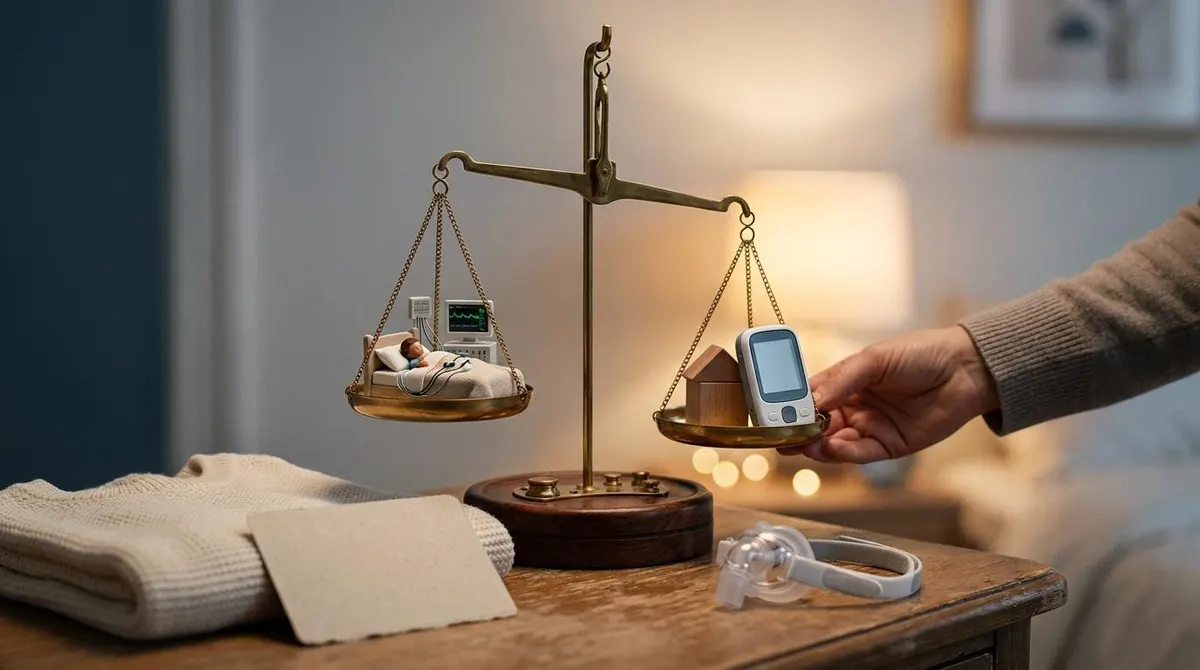
- In-lab polysomnography remains the gold standard for diagnosing obstructive sleep apnea in children, according to the American Academy of Sleep Medicine
- Most home sleep apnea test devices are validated only for adults and are not approved for pediatric use
- Pediatric OSA affects roughly 1 to 5 percent of children, with adenoid and tonsil enlargement as the most common cause
- Untreated sleep-disordered breathing in children can lead to behavioral problems, learning difficulties, and cardiovascular strain
- Adenotonsillectomy is the first-line treatment for most children with obstructive sleep apnea caused by enlarged tonsils and adenoids
- dumbo.health offers a $149 home sleep test for adults and monthly CPAP care plans starting at $59 per month with no insurance required
Why Pediatric Sleep Apnea Requires Different Testing Than Adults
Pediatric obstructive sleep apnea is a distinct clinical condition that behaves differently from adult sleep apnea and demands a different diagnostic approach. Children experience apneas at lower thresholds, and their symptoms often present as behavioral issues rather than the excessive daytime sleepiness seen in adults.
Obstructive sleep apnea in children is defined as repeated partial or complete upper airway obstruction during sleep that disrupts normal breathing and sleep patterns. Unlike adults, where obesity is the primary driver, pediatric OSA most often results from enlarged tonsils and adenoids that physically narrow the airway.
The National Heart, Lung, and Blood Institute notes that sleep-disordered breathing in children is associated with neurocognitive deficits, poor school performance, and cardiovascular changes including elevated heart rate and blood pressure. A child with an apnea-hypopnea index of just 1 event per hour may meet diagnostic criteria, compared to the threshold of 5 events per hour used for adults.
How Pediatric OSA Differs From Adult Sleep Apnea
Children with obstructive sleep apnea may not snore loudly every night. Instead, caregivers may notice mouth breathing, restless sleep, unusual sleeping positions such as hyperextending the neck, bedwetting, and daytime irritability. The airway anatomy in children changes rapidly with growth, meaning the clinical picture can shift within months.
The apnea-hypopnea index scoring for children uses different criteria. Pediatric sleep specialists classify mild pediatric OSA as an apnea-hypopnea index of 1 to 4.9, moderate as 5 to 9.9, and severe as 10 or above. These lower thresholds reflect the fact that even a small number of apneas can significantly impact a developing brain.
DID YOU KNOW: According to the American Academy of Sleep Medicine, children with untreated obstructive sleep apnea are more likely to be misdiagnosed with attention deficit hyperactivity disorder due to overlapping behavioral symptoms.
Sleep stages in children also differ from adults. Children spend proportionally more time in deep slow-wave sleep, and respiratory events during these stages can be missed by devices that do not monitor brain wave patterns. This is one reason why home sleep testing, which typically omits electroencephalography, falls short in pediatric populations.
KEY TAKEAWAY: Pediatric obstructive sleep apnea has lower diagnostic thresholds, different root causes, and distinct symptom patterns compared to adult sleep apnea, which is why it requires specialized testing approaches.
Understanding what makes pediatric sleep apnea unique helps explain why the diagnostic tools differ so significantly from those used for adults.
How Sleep Apnea Is Diagnosed in Children: The Gold Standard
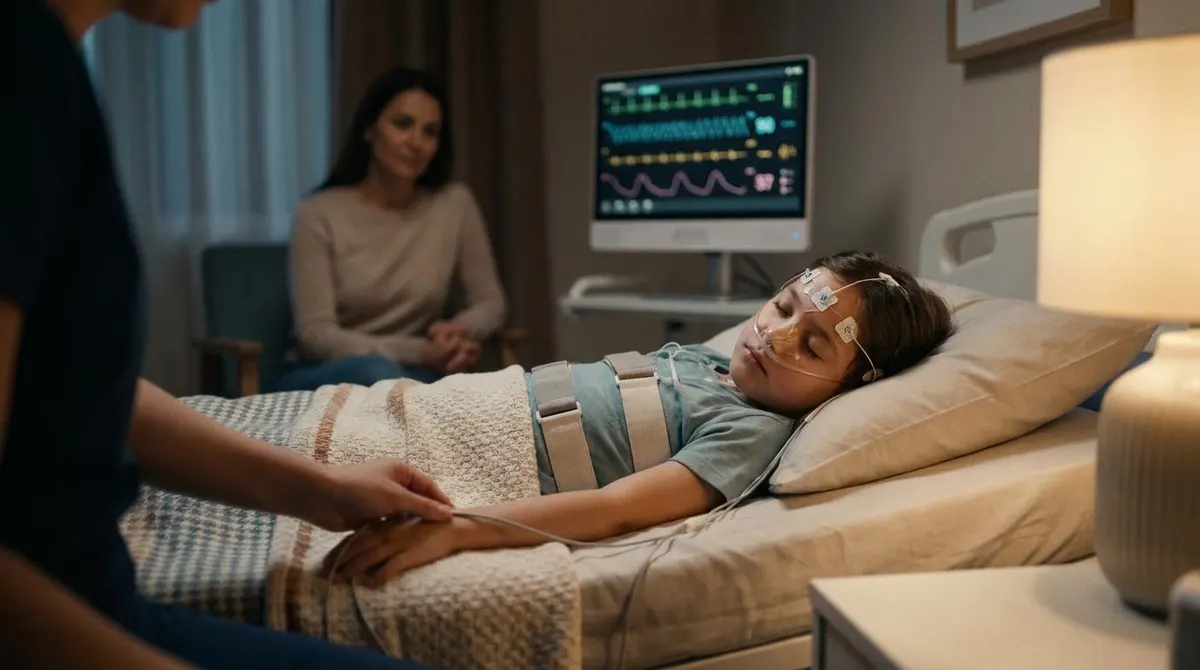
In-laboratory polysomnography is the gold standard for diagnosing sleep apnea in children. A full polysomnogram monitors brain waves, eye movements, muscle activity, heart rate, breathing effort, airflow, oxygen saturation, body position, leg movements, and snoring sounds simultaneously.
Polysomnography is a comprehensive overnight sleep study conducted in a sleep center or hospital sleep lab under the supervision of trained technologists. The study captures data from multiple sensors attached to the patient, creating detailed tracings that a physician trained in sleep medicine interprets.
What an In-Lab Sleep Study Measures
During an in-lab polysomnography, the child wears several sensors. An electroencephalography array records brain activity patterns and sleep stages. A nasal cannula with a nasal pressure transducer measures airflow, while a respiratory band around the chest and abdomen tracks breathing effort. An oximetry sensor on the finger or toe monitors SpO2 (oxygen saturation), and electrodes on the legs detect leg movements.
Additional channels measure heart rate changes through electrocardiography, body movements through accelerometry, and snoring sounds through a microphone. The result is a complete picture of the child's respiration, brain activity, and physiological responses throughout the night. A trained technologist monitors the tracings in real time and can intervene if sensor loss or signal artifact occurs.
This level of detail is critical for children because pediatric sleep specialists need to differentiate between obstructive sleep apnea, central sleep apnea, nocturnal hypoventilation, and other conditions like restless leg syndrome that can disrupt sleep. The respiratory disturbance index and obstructive apnea-hypopnea index calculated from polysomnograms guide treatment decisions directly.
Where Pediatric Sleep Studies Take Place
Pediatric polysomnography is typically performed at accredited sleep centers affiliated with children's hospitals. Facilities such as Yale New Haven Children's Hospital and Bridgeport Hospital operate dedicated pediatric sleep labs staffed by technologists experienced in working with children. Yale Medicine notes that their pediatric sleep program evaluates children from infancy through adolescence using age-appropriate protocols.
Most sleep labs allow a parent or caregiver to stay overnight in the room with the child. The testing environment is designed to be as comfortable as possible, though many children still find the experience unfamiliar. Lab studies typically require one full night, with results interpreted by a sleep medicine specialist within 1 to 2 weeks.
IMPORTANT: If your child has symptoms suggesting sleep-disordered breathing, a referral to a pediatric sleep specialist is the most reliable path to an accurate diagnosis and appropriate treatment plan.
KEY TAKEAWAY: In-laboratory polysomnography remains the only validated method for comprehensively diagnosing pediatric obstructive sleep apnea because it captures brain waves, sleep stages, and respiratory metrics that home devices cannot replicate.
While in-lab testing is the clinical standard, its limitations in terms of access and wait times have prompted research into portable alternatives.
Can Home Sleep Apnea Tests Be Used for Children?
Home sleep apnea tests are not currently recommended as a primary diagnostic tool for children by major sleep medicine organizations. The American Academy of Sleep Medicine clinical practice guidelines specify in-lab polysomnography as the standard for pediatric sleep apnea diagnosis.
A home sleep apnea test, also known as an HSAT, is a portable sleep monitoring device that typically records airflow, breathing effort, oxygen levels, and heart rate during one or more nights at home. HSATs are widely used for adult obstructive sleep apnea screening, but most devices have not been validated in pediatric populations.
Why Most Home Sleep Tests Are Not Validated for Children
The core limitation of home sleep testing for children is technical. Most Type 2 and 3 portable monitoring devices do not include electroencephalography, meaning they cannot measure brain waves or sleep stages. Without sleep staging data, the device cannot accurately calculate the apnea-hypopnea index because it cannot distinguish sleep time from wake time. In children, who may have fragmented sleep or prolonged periods of wakefulness during the test, this introduces significant error.
Type 3 devices, which are the most common HSATs used for adults, typically measure airflow via nasal cannula, respiratory effort via a belt or respiratory band, and blood oxygen levels via photoplethysmography. They do not record brain activity patterns, body position in most cases, or leg movements. This means conditions like central sleep apnea, restless leg syndrome, and nocturnal hypoventilation cannot be identified.
Children also present practical challenges for home testing. Younger children may remove sensors during sleep, leading to sensor loss and unreliable data. The sensitivity and specificity of most home devices drop in pediatric populations because the algorithms were trained on adult respiratory patterns. Signal artifact from body movements, which are more frequent in children, further reduces data quality.
Emerging Pediatric Home Sleep Testing Research
Despite current guidelines, several research groups are studying portable devices in pediatric settings. The WatchPAT device, manufactured by Itamar Medical, uses peripheral arterial tonometry and accelerometry to estimate respiratory events. The WatchPAT ONE, a disposable version, has been studied in some pediatric populations with mixed results. Some studies report acceptable sensitivity for moderate to severe pediatric OSA, but specificity remains a concern for milder cases.
The SleepImage System, which uses the SleepImage Ring to capture cardiopulmonary data through photoplethysmography, has also been explored in children. This device calculates a Sleep Clinical Score that correlates with traditional polysomnography metrics, though peer-reviewed validation in large pediatric cohorts is still limited.
Respiratory polygraphy using home RPs has been studied in some European pediatric sleep centers. Both in-hospital RPs and home-based respiratory polygraphy have shown moderate agreement with polysomnography for detecting moderate to severe obstructive sleep apnea in children. However, home RPs still miss central events and cannot assess sleep architecture.
TIP: If a home sleep test is being considered for your child, confirm with a pediatric sleep specialist that the device has been validated for the child's age group and that the results will be interpreted by a physician experienced in pediatric sleep medicine.
For adults seeking convenient, affordable sleep apnea testing, dumbo.health offers a home sleep test for $149 with no insurance required. While these devices are designed for adult patients, the platform can help adult family members who also suspect sleep-disordered breathing get tested quickly while the child undergoes appropriate pediatric evaluation.
KEY TAKEAWAY: Home sleep apnea tests are not validated as a primary pediatric diagnostic tool because they lack brain wave monitoring and use algorithms designed for adult respiratory patterns, though research into pediatric-specific portable devices is ongoing.
Knowing the technical limitations of home devices clarifies why certain children may still benefit from emerging approaches while others need in-lab evaluation.
Comparing Home Sleep Tests and In-Lab Polysomnography for Children
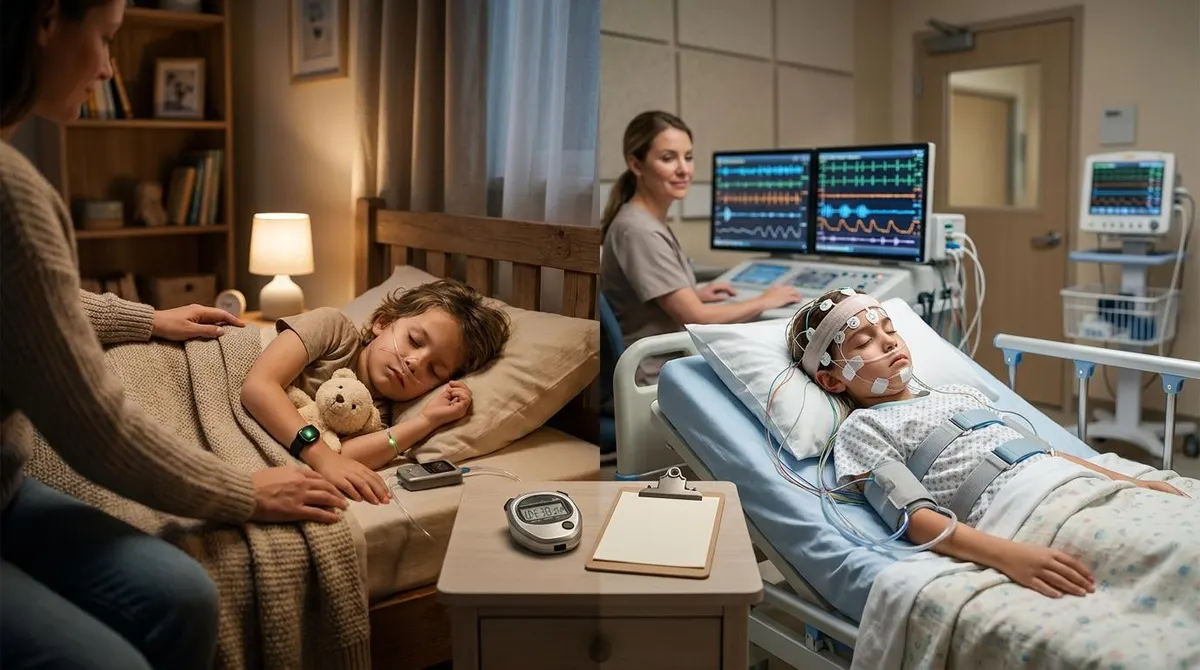
The choice between home sleep testing and in-lab polysomnography for a child depends on clinical context, device availability, and the suspected severity of sleep-disordered breathing. In nearly all pediatric cases, polysomnography provides superior diagnostic accuracy.
The following comparison highlights the key differences between these two testing approaches when applied to children.
Channels Monitored
- Home Sleep Apnea Test: Typically 4 to 7 channels including airflow, breathing effort, SpO2, and heart rate
- In-Lab Polysomnography: 16 or more channels including brain waves, eye movements, muscle activity, airflow, respiratory effort, oxygen saturation, heart rate, body position, leg movements, and snoring sounds
Sleep Stage Assessment
- Home Sleep Apnea Test: Not available on most devices; cannot differentiate sleep from wake
- In-Lab Polysomnography: Full sleep architecture analysis including REM and non-REM sleep stages
Diagnostic Accuracy for Pediatric OSA
- Home Sleep Apnea Test: Reduced sensitivity and specificity in children; higher false-negative rate for mild OSA
- In-Lab Polysomnography: Highest sensitivity and specificity; validated gold standard for all severity levels
Ability to Detect Central Sleep Apnea
- Home Sleep Apnea Test: Cannot reliably detect central events without respiratory effort differentiation
- In-Lab Polysomnography: Can distinguish obstructive from central apneas using chest and abdominal respiratory bands combined with airflow data
Supervision
- Home Sleep Apnea Test: Unsupervised; relies on caregiver to apply and maintain sensors
- In-Lab Polysomnography: Technologist-supervised throughout the night with real-time troubleshooting
Child Comfort and Cooperation
- Home Sleep Apnea Test: Familiar environment may reduce anxiety; risk of sensor displacement
- In-Lab Polysomnography: Unfamiliar environment may cause anxiety; technologist can reattach sensors
Cost
- Home Sleep Apnea Test: Lower direct cost, typically $150 to $500 for adult devices
- In-Lab Polysomnography: Higher cost, often $1,000 to $3,000 or more depending on facility and insurance
Wait Time
- Home Sleep Apnea Test: Typically available within days
- In-Lab Polysomnography: Wait times at pediatric sleep centers can range from weeks to several months
For most children, in-lab polysomnography is the recommended choice due to its superior accuracy and ability to assess the full range of pediatric sleep disorders. Home testing may play a supplementary role in specific clinical scenarios, such as when a child cannot access a sleep center in their area or when screening for severe OSA before surgery.
KEY TAKEAWAY: In-lab polysomnography captures far more diagnostic data than home sleep tests and is the validated standard for children, though access barriers like long wait times and higher cost drive interest in portable alternatives.
Understanding when home testing might play a role requires looking at specific clinical scenarios where it has been studied.
When Home Sleep Testing May Be Considered for a Child
home sleep testing may be considered for a child in narrow clinical circumstances where the pretest probability of moderate to severe obstructive sleep apnea is high and in-lab polysomnography is not accessible within a reasonable timeframe. This is not a routine recommendation.
Real-World Scenarios
Scenario 1: A 6-year-old with severe snoring, witnessed apneas, and adenoid hypertrophy lives in a rural area more than 3 hours from the nearest accredited pediatric sleep center. The wait time for an in-lab study is 4 months. The child's pediatrician and a consulting pediatric sleep specialist agree that a home respiratory polygraphy study could help determine whether to proceed with adenotonsillectomy before a formal lab study becomes available.
Scenario 2: A 10-year-old with obesity (BMI above the 95th percentile for age) presents with loud snoring, restless sleep, and declining school performance. The family's insurance requires a prior authorization for in-lab polysomnography, which has been delayed. The physician considers a validated home device as a screening step while the authorization is processed. If the home study shows an elevated respiratory disturbance index consistent with moderate to severe OSA, treatment planning can begin sooner.
Scenario 3: A 14-year-old with mild snoring and occasional mouth breathing refuses to sleep in a hospital setting. After discussion with the family, a pediatric sleep specialist orders a home sleep study using a device that has been studied in adolescents. The results show a low obstructive apnea-hypopnea index and no significant oxygen desaturation, suggesting the adolescent does not have clinically significant OSA. The physician documents the findings and schedules follow-up in 6 months.
In each of these scenarios, the decision to use a home device was made in consultation with a sleep medicine specialist and took into account the limitations of portable monitoring. A negative or inconclusive home test in a child with strong clinical suspicion should always be followed by in-lab polysomnography.
For adult members of the household who recognize their own snoring or breathing disruptions while monitoring a child's sleep, dumbo.health provides a streamlined path to testing. The dumbo.health at-home sleep test costs $149, ships directly, and requires no insurance or prior authorization. Adults often discover their own sleep-disordered breathing when they start paying attention to a child's symptoms.
KEY TAKEAWAY: Home sleep testing for children is not routine but may be appropriate in specific situations involving access barriers, high pretest probability, or adolescent refusal of in-lab studies, always guided by a pediatric sleep specialist.
Recognizing when home testing falls short leads naturally to a broader discussion of its limitations and risks in pediatric patients.
Limitations and Risks of Home Sleep Apnea Testing in Children
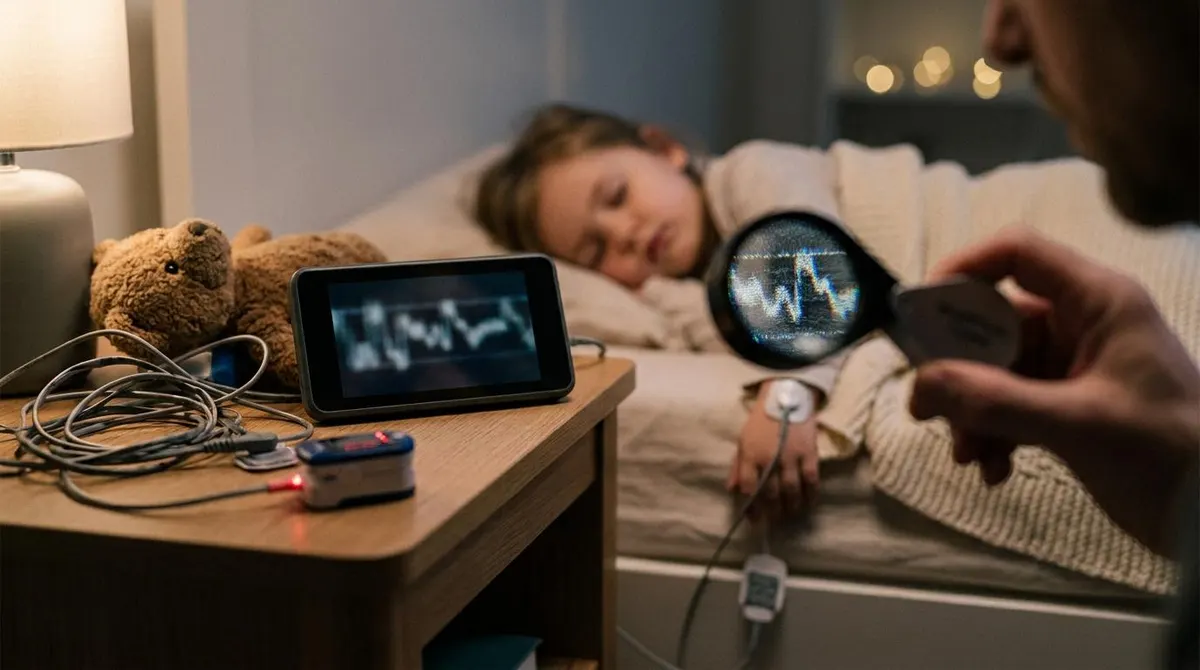
Home sleep apnea testing for children carries significant limitations that can lead to missed diagnoses, delayed treatment, and inappropriate reassurance. Understanding these risks helps parents and providers make safer decisions.
Limitation 1: Inability to Measure Brain Waves and Sleep Stages
Most home sleep apnea test devices do not include electroencephalography. Without recording brain waves, the device cannot determine whether the child is asleep or awake. This is a fundamental problem because the apnea-hypopnea index is calculated based on events per hour of sleep. If the device cannot identify total sleep time, it estimates it from recording time, which inflates the denominator and can underestimate severity. In children who have difficulty falling asleep or wake frequently, this error can be substantial.
Limitation 2: Sensor Displacement and Signal Loss
Children move more during sleep than adults. Sensors may be pulled off, shifted, or tangled. A nasal cannula measuring airflow can be dislodged, and a finger oximetry sensor may lose contact. When signal loss occurs in an unsupervised home environment, no technologist is available to reattach the sensor. The result may be insufficient artifact-free signal to generate a valid report. Some devices flag studies as technically inadequate when less than 4 hours of usable data are captured. Data transmission from the device to the interpreting provider also requires an internet connection with some newer platforms, and technical issues can further compromise data integrity.
Limitation 3: Cannot Detect Central Sleep Apnea or Nocturnal Hypoventilation
Home sleep tests are designed primarily to detect obstructive events. Children with neuromuscular disease, heart failure, or brainstem abnormalities may have central sleep apnea or nocturnal hypoventilation that requires monitoring of respiratory effort alongside airflow. Type 3 devices cannot reliably differentiate obstructive from central events, and they do not measure carbon dioxide levels. For children with neuromuscular disease, a negative home test could be dangerously misleading.
Limitation 4: Algorithms Not Calibrated for Pediatric Physiology
The automated scoring algorithms in most commercial home sleep devices were developed and validated using adult data. Children have different normal respiratory rates, different oxygen desaturation patterns, and different apnea definitions. The Oxygen Desaturation Index thresholds that flag concern in adults may not apply to children. This mismatch reduces both sensitivity and specificity, meaning the device may miss real events or flag normal pediatric breathing as abnormal.
What to Do When Home Testing Is Inadequate
When a home sleep test produces inconclusive results or when clinical suspicion remains high despite a negative home study, the next step is always in-lab polysomnography. No home test result should be used to definitively rule out pediatric OSA in a symptomatic child. The child's pediatrician or pediatric sleep specialist should guide the decision about whether to proceed directly to treatment, repeat testing, or escalate to a lab study.
KEY TAKEAWAY: Home sleep testing in children is limited by the absence of brain wave monitoring, high risk of sensor displacement, inability to detect central events, and use of adult-calibrated algorithms, all of which can produce inaccurate results in a pediatric setting.
With the technical limitations understood, parents benefit from knowing exactly what the full diagnostic process looks like from suspicion to testing.
Step-by-Step: How Pediatric Sleep Apnea Diagnosis Works
The path from recognizing symptoms to receiving a diagnosis follows a structured process involving clinical evaluation, referral, testing, and interpretation by qualified professionals.
The Pediatric Sleep Apnea Diagnostic Process
1. Recognize symptoms at home. Caregivers notice habitual snoring, mouth breathing, observed pauses in breathing during sleep, restless sleep, unusual sleep positions, bedwetting, or daytime behavioral changes such as hyperactivity, irritability, or difficulty concentrating.
2. Visit the child's primary care provider. The pediatrician or family physician performs a clinical evaluation, examines the child's tonsils and adenoids, assesses BMI, and takes a detailed sleep and medical history. The provider determines whether the symptoms suggest sleep-disordered breathing.
3. Get a referral to a pediatric sleep specialist. If the clinical evaluation raises concern, the provider refers the child to a physician specializing in pediatric sleep medicine. This specialist may work at a children's hospital, academic sleep center, or community sleep medicine practice with pediatric experience.
4. Schedule an in-lab polysomnography. The pediatric sleep specialist orders an overnight sleep study at an accredited sleep center. The family receives instructions about what to bring, how to prepare the child, and what to expect during the night. Wait times vary but can range from 2 weeks to several months depending on geographic location and facility capacity.
5. Complete the overnight sleep study. The child arrives at the sleep lab in the evening. A technologist attaches sensors to monitor brain waves, heart rate, airflow, oxygen saturation, breathing effort, body position, and leg movements. A parent or caregiver stays in the room overnight. The study typically runs from approximately 8 PM to 6 AM.
6. Receive the interpretation and diagnosis. A sleep medicine specialist reviews the polysomnograms and tracings, calculates the apnea-hypopnea index and other metrics, and provides a written report. The report includes a diagnosis and treatment recommendation. Results are typically available within 1 to 3 weeks.
7. Begin treatment based on severity and cause. Treatment may include adenotonsillectomy for children with enlarged tonsils and adenoids, CPAP or bilevel positive airway pressure for children who are not surgical candidates or who have residual OSA after surgery, or medical management with nasal steroids and other interventions for mild cases.
After completing these steps, the child enters a follow-up phase where the treatment response is monitored and adjustments are made as needed.
KEY TAKEAWAY: Pediatric sleep apnea diagnosis follows a structured pathway from symptom recognition through clinical evaluation, specialist referral, in-lab polysomnography, and physician interpretation before treatment begins.
Once a diagnosis is confirmed, understanding the available treatment options is the next critical step for families.
Treatment Options After a Pediatric Sleep Apnea Diagnosis
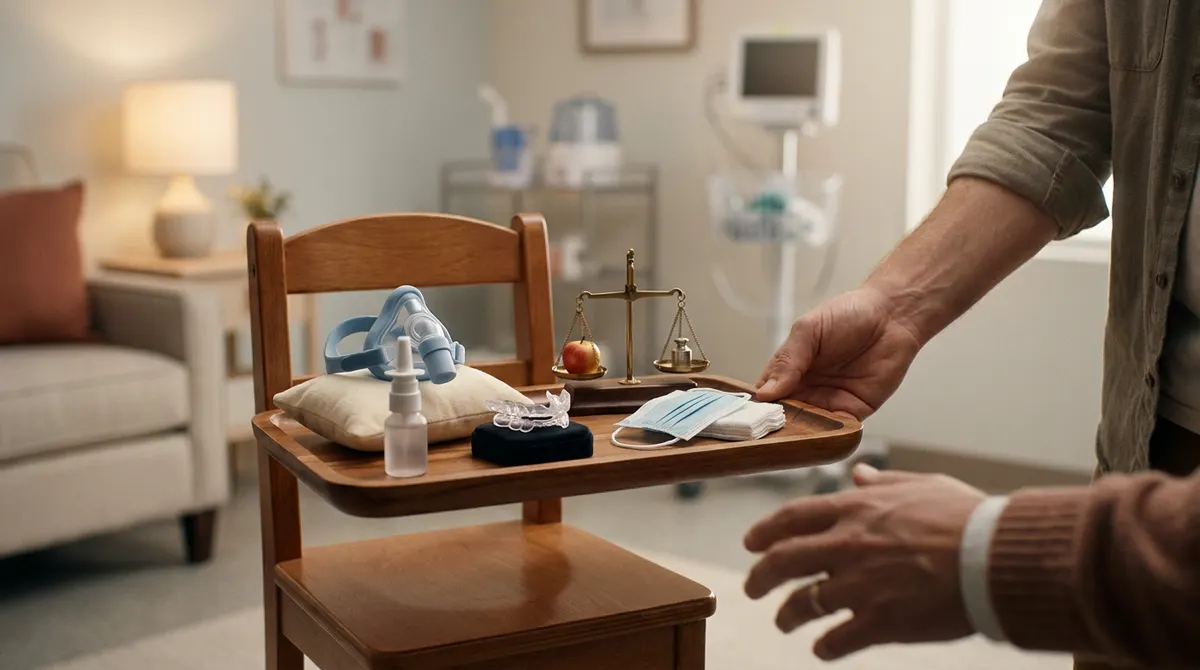
Adenotonsillectomy is the first-line treatment for most children diagnosed with obstructive sleep apnea caused by enlarged tonsils and adenoids. Treatment choice depends on the underlying cause, severity of the apnea-hypopnea index, and individual patient factors.
Adenotonsillectomy
Adenotonsillectomy is the surgical removal of the tonsils and adenoids. It resolves obstructive sleep apnea in approximately 70 to 80 percent of otherwise healthy children, according to research cited by the American Academy of Sleep Medicine. This procedure is considered Gold-standard therapy for pediatric OSA when adenotonsillar hypertrophy is the primary cause. A follow-up sleep study 6 to 8 weeks after surgery is often recommended to confirm resolution.
CPAP and Bilevel Positive Airway Pressure
Continuous positive airway pressure (CPAP) delivers a steady stream of air through a mask to keep the airway open during sleep. CPAP is used for children who are not surgical candidates, who have residual OSA after adenotonsillectomy, or whose OSA is caused by obesity or craniofacial abnormalities rather than enlarged tonsils.
Bilevel positive airway pressure provides two pressure levels, one for inhalation and one for exhalation, and may be preferred for children with neuromuscular disease or nocturnal hypoventilation. A CPAP prescription requires a confirmed diagnosis and is managed by the treating sleep medicine specialist.
For adults in the household who need CPAP therapy, dumbo.health offers CPAP treatment plans starting at $59 per month with no contracts and no insurance required. The Essentials plan includes CPAP equipment, physician interpretation, and standard follow-up care. The Premium plan at $89 per month adds a dedicated sleep coach and advanced adherence monitoring. While these plans are designed for adult patients, they illustrate how affordable and accessible CPAP management can be when barriers like insurance approvals are removed.
Medical Management
For mild pediatric OSA or as an adjunct to other treatments, physicians may prescribe nasal steroids such as fluticasone or leukotriene receptor antagonists such as montelukast. These medications reduce inflammation in the nasal passages and adenoid tissue, potentially improving airflow. Avoiding airway irritants such as secondhand smoke and allergens is also recommended.
Weight Management
For children whose obesity contributes to obstructive sleep apnea, structured weight management programs may reduce severity. Weight-loss surgery is considered in rare cases for adolescents with severe obesity-related OSA who have not responded to other interventions. The CDC provides guidance on healthy weight ranges for children by age and sex.
Oral Appliances and Other Interventions
Custom-fit mouthpiece devices (oral appliances) are sometimes used in older children and adolescents to reposition the jaw and improve airway patency. These are less commonly used in younger children due to ongoing dental and skeletal development. Some orthodontic approaches, including rapid maxillary expansion, have shown promise in specific pediatric populations. Dynamic Family Dentistry and similar practices may offer evaluation for dental approaches to sleep-disordered breathing.
KEY TAKEAWAY: Adenotonsillectomy resolves OSA in most children with enlarged tonsils and adenoids, while CPAP, medication, weight management, and oral appliances serve as alternatives or adjuncts depending on the cause and severity.
Choosing the right treatment requires understanding the full clinical picture, which starts with thorough preparation for the diagnostic evaluation.
Preparing Your Child for a Sleep Study: A Parent's Checklist
Proper preparation improves the quality of a pediatric sleep study and helps the child feel more comfortable during the overnight experience.
What to Do Before the Sleep Study
- Confirm the appointment date, arrival time, and location of the sleep center with the scheduling coordinator
- Ask the sleep center whether a parent or caregiver can stay overnight in the room
- Request a tour of the sleep lab before the study night if the facility offers one
- Maintain the child's normal sleep schedule for at least one week before the test
- Avoid caffeinated foods and drinks on the day of the study
- Bathe the child before arriving; avoid hair products, lotions, and oils that can interfere with sensor adhesion
- Bring the child's favorite pillow, blanket, stuffed animal, or comfort item
- Pack pajamas, a change of clothes for the morning, and any required medications
- Bring a book, tablet, or quiet activity for the time before lights out
- Inform the technologist about any allergies, skin sensitivities, or behavioral concerns
- Provide a complete list of current medications including nasal steroids, antihistamines, or any medication the child takes regularly
- Complete any intake forms or questionnaires provided by the sleep center in advance
Arriving prepared reduces stress for both the child and caregivers and helps ensure the study captures a full night of usable data.
KEY TAKEAWAY: Preparing your child with familiar comfort items, a consistent sleep schedule, and clean skin for sensor placement maximizes the chances of a successful overnight sleep study.
With the diagnostic and preparation details covered, it helps to address common misconceptions that can delay families from seeking evaluation.
Common Myths About Pediatric Sleep Apnea Testing Debunked
MYTH: Children do not get sleep apnea.
FACT: Pediatric obstructive sleep apnea affects an estimated 1 to 5 percent of children, according to the American Academy of Sleep Medicine. Sleep-disordered breathing is common in young children, particularly those with enlarged tonsils and adenoids. The condition can cause behavioral, cognitive, and cardiovascular consequences when left untreated.
MYTH: If a child snores, a home sleep test can confirm whether it is sleep apnea.
FACT: Most home sleep apnea test devices are validated only for adult patients. They lack electroencephalography to measure brain waves and sleep stages, which are essential for accurate pediatric diagnosis. A child who snores persistently should be evaluated by a healthcare professional who can determine whether in-lab polysomnography is needed.
MYTH: Sleep apnea in children always resolves on its own.
FACT: While some children with mild sleep-disordered breathing may improve as they grow, clinically significant obstructive sleep apnea typically requires intervention. The National Institutes of Health notes that untreated pediatric OSA is associated with neurocognitive deficits, poor growth, and cardiovascular strain. Waiting without evaluation can allow preventable harm.
MYTH: A child who does not seem tired during the day cannot have sleep apnea.
FACT: children with sleep apnea often do not present with classic daytime sleepiness. Instead, they may show hyperactivity, inattention, mood swings, or academic decline. Clinicians frequently observe that pediatric OSA symptoms mimic attention disorders, which is why a thorough sleep evaluation is important when behavioral concerns coincide with snoring or disrupted sleep.
MYTH: CPAP is not suitable for children.
FACT: Continuous positive airway pressure is used safely and effectively in children who have obstructive sleep apnea that persists after adenotonsillectomy or in those who are not surgical candidates. Pediatric CPAP masks are designed for smaller faces, and adherence monitoring helps the care team optimize therapy. According to the American Academy of Sleep Medicine, CPAP is a validated treatment for pediatric OSA when other interventions are insufficient.
KEY TAKEAWAY: Misconceptions about pediatric sleep apnea cause diagnostic delays; children do get OSA, home tests are not validated for them, and the condition does not reliably resolve without intervention.
Clearing up these myths reinforces why the right testing approach matters and why families should feel confident seeking evaluation without delay.
Understanding the Technology Behind Home Sleep Apnea Tests
Home sleep apnea test devices use a combination of sensors to measure physiological signals during sleep, but the scope of monitoring is significantly narrower than in-lab polysomnography. Understanding what these devices measure helps families appreciate both their value and their limitations.
A standard Type 3 home sleep device typically includes a nasal cannula or nasal pressure transducer to measure airflow, a respiratory band or belt to detect breathing effort, an oximetry sensor using photoplethysmography to track SpO2 and heart rate, and in some models, an accelerometry sensor to record body position and body movements. These devices do not record brain waves, sleep stages, or leg movements.
Key Devices Studied in Pediatric and Adult Populations
The WatchPAT, developed by Itamar Medical, takes a different approach. It measures peripheral arterial tone, oxygen saturation, heart rate, and body position from a wrist-worn device with a finger sensor. The WatchPAT ONE is a disposable version designed for single-night use. While studied in some adolescent populations, the device's pediatric validation remains limited, and its accuracy for mild pediatric OSA is not established.
The SleepImage System uses a finger-worn SleepImage Ring that captures cardiopulmonary coupling data through photoplethysmography. It generates a Sleep Clinical Score and estimates sleep quality metrics without direct brain wave monitoring. This device has been explored in pediatric research, but it is not yet endorsed as a standalone pediatric diagnostic tool by major sleep medicine organizations.
Respiratory polygraphy devices, sometimes called home RPs, are more commonly used in European clinical settings. These devices can record airflow via nasal flow signal, respiratory effort, oxygen levels, and sometimes heart rate and body position. Some studies have evaluated both in-hospital RPs and home-based respiratory polygraphy in children, finding reasonable agreement with polysomnography for moderate to severe cases but reduced accuracy for mild OSA.
Data transmission protocols vary between devices. Some require the user to return the device for manual data download, while others transmit data wirelessly via internet connection to the interpreting provider. Telemonitoring capabilities allow physicians to review studies remotely, but signal artifact, signal loss, and sensor loss remain more common in home settings without technologist oversight.
For adults seeking tested and proven home sleep testing, dumbo.health uses validated devices that measure airflow, breathing rate, oxygen levels, heart rate changes, and snoring sounds. The dumbo.health home sleep test costs $149, includes one night of testing, and does not require insurance, prior authorization, or a visit to a sleep lab. Results are interpreted by a physician and followed by personalized care recommendations.
KEY TAKEAWAY: Home sleep devices measure a limited set of physiological signals compared to in-lab polysomnography, and most commercially available units are validated for adults rather than children.
With the technology landscape clarified, families need to know what role providers play in interpreting and acting on test results.
Choosing the Right Provider for Pediatric Sleep Evaluation
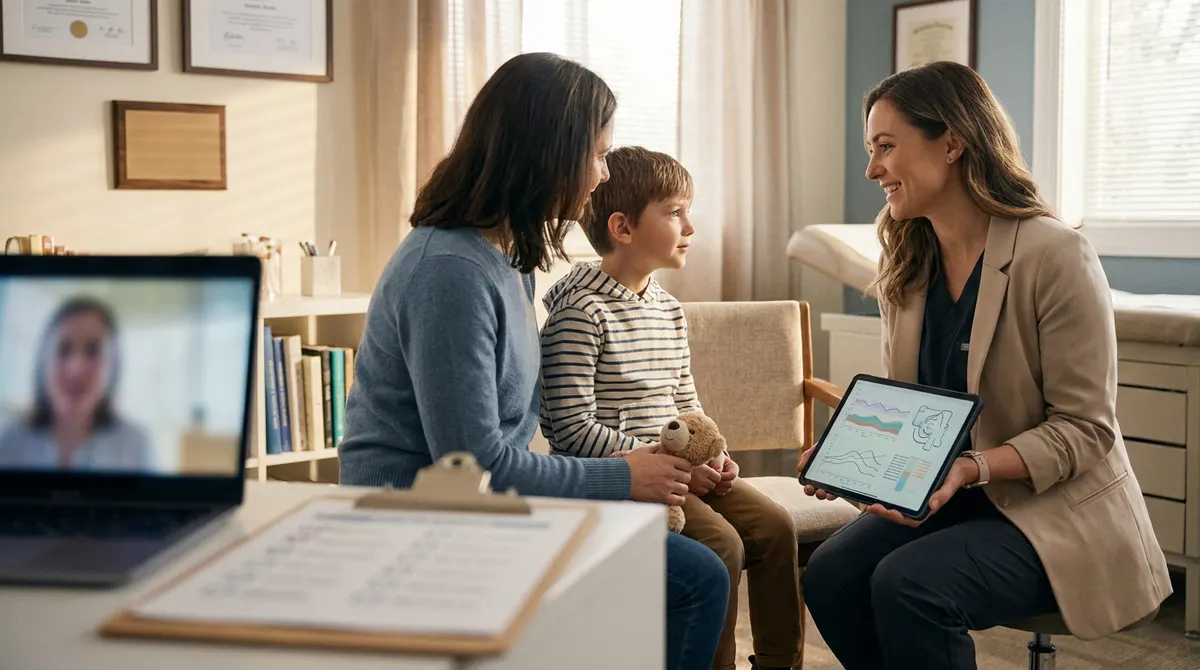
The accuracy of any sleep apnea diagnosis depends not just on the test but on who interprets the results and manages the care plan. Pediatric sleep evaluation requires a healthcare professional with specific training in children's sleep disorders.
A pediatric sleep specialist is a physician who has completed training in sleep medicine with a focus on or significant experience in pediatric populations. These specialists are typically affiliated with children's hospitals or academic medical centers. Yale Medicine, for example, operates a pediatric sleep program through Yale New Haven Children's Hospital and Bridgeport Hospital that evaluates children from infancy through adolescence.
What to Look for in a Provider
When seeking a provider for your child's sleep evaluation, confirm that the physician is board-certified in sleep medicine and has experience with pediatric patients. The American Academy of Sleep Medicine maintains a directory of accredited sleep centers, which can help families find a qualified sleep center in their area. Ask the following questions:
- Does the provider have experience interpreting pediatric polysomnograms?
- Is the sleep lab accredited by the American Academy of Sleep Medicine?
- Does the facility accommodate pediatric patients with parent overnight stays?
- What is the typical wait time for a pediatric sleep study?
- Will the results be reviewed by a sleep medicine specialist or a general provider?
Many families find that pediatric sleep specialists are not available close to them, particularly in rural areas. Telehealth consultations with pediatric sleep specialists have become more accessible and can provide initial evaluation, guidance on testing, and follow-up care remotely. Waco's Family Health Clinic and similar community practices may offer initial screening and referral pathways for families without direct access to a sleep center.
For adult household members who identify their own sleep apnea risk during this process, dumbo.health offers a complete sleep apnea care solutionthat includes testing, physician interpretation, CPAP equipment, and ongoing support. The platform eliminates common barriers like insurance requirements, prior authorizations, and long wait times. Adults can take a free sleep assessment to determine whether testing is appropriate.
KEY TAKEAWAY: Pediatric sleep apnea evaluation should be managed by a physician with pediatric sleep medicine experience at an accredited facility, and families should verify credentials, lab accreditation, and wait times before scheduling.
After covering provider selection, it is important to address the financial dimension of pediatric sleep testing.
Cost and Insurance Considerations for Pediatric Sleep Testing
In-lab pediatric polysomnography can cost between $1,000 and $3,000 or more depending on the facility, geographic location, and insurance coverage. Understanding the financial landscape helps families plan and avoid surprises.
Medicare does not typically apply to pediatric patients, but private insurance and Medicaid programs generally cover in-lab polysomnography when ordered by a physician with a documented clinical indication. However, prior authorization requirements can delay scheduling by weeks. Some insurers require step therapy, meaning a clinical evaluation or screening questionnaire must be completed before authorizing a sleep study.
For families without insurance or with high-deductible plans, the out-of-pocket cost of a pediatric sleep study at a hospital-based sleep lab can be significant. Some facilities offer self-pay rates or payment plans, so asking about pricing before scheduling is important. Community health programs and children's hospital financial assistance programs may also reduce costs for qualifying families.
Home sleep tests, when used for adults, are substantially less expensive. dumbo.health offers adult home sleep testing for $149 with no insurance required and no surprise bills. Monthly care plans covering physician interpretation, CPAP equipment, and follow-up start at $59 per month for the Essentials plan, $89 per month for the Premium plan with a dedicated sleep coach, and $129 per month for the Elite plan with concierge clinical support and direct physician messaging. All plans operate on a cancel-anytime basis with no contracts. While these services are designed for adult patients, they demonstrate how cash-pay models can make sleep apnea care accessible and transparent.
The cost conversation around pediatric sleep testing is evolving. As portable devices gain more pediatric validation, the economics of pediatric sleep apnea screening may shift. For now, in-lab polysomnography remains the standard, and insurance coverage for this test is widely available with proper documentation.
KEY TAKEAWAY: Pediatric in-lab polysomnography is typically covered by insurance but can be expensive out of pocket, and families should verify coverage, prior authorization requirements, and self-pay options before scheduling.
With the clinical, technical, and financial picture complete, a final review of the most important principles helps parents take confident next steps.
Conclusion
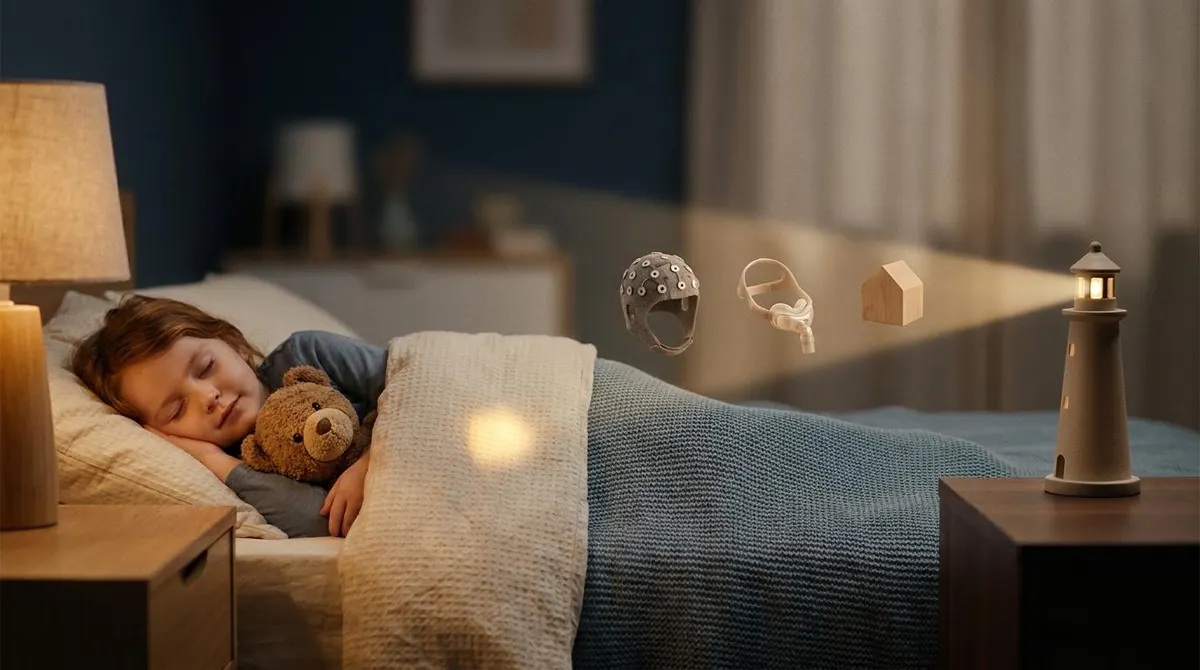
Pediatric sleep apnea is a serious condition that affects an estimated 1 to 5 percent of children and requires accurate diagnosis to guide effective treatment. Home sleep apnea tests, while valuable for adult screening, are not currently validated as a primary diagnostic tool for children. In-lab polysomnography remains the gold standard because it captures brain waves, sleep stages, respiratory events, and other critical data that portable devices cannot replicate. Parents who suspect their child has sleep-disordered breathing should seek evaluation from a pediatric sleep specialist and pursue in-lab testing when recommended. For adult family members who recognize their own symptoms during this process, dumbo.health offers a home sleep test for $149 with no insurance required, along with CPAP care plans starting at $59 per month that can be canceled anytime.
Frequently Asked Questions About Home Sleep Apnea Tests for Children
What is a home sleep apnea test for children?
A home sleep apnea test (HSAT) for children is a portable sleep monitoring device used outside of a clinical setting to evaluate signs of obstructive sleep apnea and sleep-disordered breathing. The child wears sensors overnight, typically including a nasal cannula, an oximetry sensor to measure blood oxygen levels, a respiratory band to track breathing effort, and sometimes a pulse oximeter or photoplethysmography device to monitor heart rate and oxygen saturation. The recorded data is then reviewed by a physician or sleep medicine specialist. Home sleep testing in children remains an evolving area, and clinical judgment is essential when interpreting results.
Should you test your child for sleep apnea at home or in a lab?
Whether a child should be tested at home or in a sleep lab depends on their age, symptoms, medical history, and the resources available in your area. In-lab polysomnography, also called a full overnight sleep study, remains the gold standard for diagnosing pediatric obstructive sleep apnea according to the American Academy of Sleep Medicine. It captures brain waves, breathing patterns, oxygen saturation, leg movements, and other signals that most home devices cannot fully replicate. At-home testing may be considered in certain clinical situations, particularly when access to a pediatric sleep lab is limited. A pediatric sleep specialist or healthcare professional can help determine which approach is appropriate for your child.
Are home sleep apnea tests safe and accurate for children?
Home sleep tests are generally considered safe for children in terms of wearability and device design, but their diagnostic accuracy in pediatric populations is less established than in adults. The American Academy of Sleep Medicine has not formally recommended home sleep apnea testing for routine use in children. A small number of devices have received FDA clearance for pediatric use, but clinical research supporting their accuracy across different age groups is still developing. The youngest children tend to produce the lowest quality home study recordings. A healthcare professional familiar with pediatric sleep medicine should review results and determine whether follow-up in-lab testing is needed.
What limitations do home sleep tests have when used in children?
Home sleep apnea tests have several limitations when used in children compared to adults. Most type 3 portable monitoring devices do not capture brain wave patterns or sleep stages, which means they cannot confirm true sleep time or detect central sleep apnea as reliably as in-lab polysomnography. Signal loss, sensor displacement during the night, and movement artifact can reduce data quality, particularly in younger or less cooperative children. Nocturnal hypoventilation, a concern in children with neuromuscular disease, is also difficult to assess without additional monitoring. If a home study produces inconclusive results, a physician may recommend an in-lab sleep study to ensure an accurate diagnosis.
What can a home sleep test measure in a child?
A home sleep test can typically measure oxygen saturation, blood oxygen levels, heart rate, airflow, breathing effort, and body position. Some devices also record snoring sounds, respiratory disturbance, and oxygen desaturation index. More advanced devices, such as those using photoplethysmography or the WatchPAT system from Itamar Medical, can estimate additional respiratory parameters. However, home devices generally cannot measure brain activity, sleep stages, or leg movements with the same reliability as in-lab polysomnography. The apnea-hypopnea index calculated from a home test reflects respiratory events during the recording period and may underestimate the true severity of obstructive sleep apnea in children because sleep time is not directly confirmed.
When should a child have an in-lab sleep study instead of a home test?
A child should be referred for in-lab polysomnography rather than a home sleep test in several situations. These include children under school age where home study quality tends to be poorest, children suspected of having central sleep apnea, children with neuromuscular disease or complex medical conditions, children where nocturnal hypoventilation is a concern, and cases where a home study has failed to produce a usable result. The American Academy of Sleep Medicine currently recommends in-lab polysomnography as the standard diagnostic approach for pediatric obstructive sleep apnea. A pediatric sleep specialist or physician can advise on the most appropriate testing option based on your child's individual clinical picture.
What are the signs that a child may need a sleep apnea test?
Common signs that a child may need evaluation for obstructive sleep apnea include loud or frequent snoring, pauses in breathing during sleep, restless sleep, mouth breathing at night, waking with a dry mouth, sore throat, or headache, and excessive daytime sleepiness. Difficulty paying attention, behavioural changes, and problems with learning can also be associated with sleep-disordered breathing in children, according to the American Academy of Sleep Medicine. Enlarged tonsils or adenoids are a known risk factor for pediatric obstructive sleep apnea. If you notice any of these signs, a healthcare professional can assess whether sleep testing is appropriate and which type of study is recommended.
What questions should parents ask a healthcare professional about pediatric sleep apnea testing?
Parents preparing for a discussion about pediatric sleep apnea testing may find it helpful to ask: What type of sleep test is most appropriate for my child? What will the test measure and how will results be interpreted? Is an in-lab sleep study necessary, or is home testing sufficient? What happens if the home test results are unclear or inconclusive? Are there underlying conditions such as enlarged tonsils or adenoids that should be assessed first? What treatment options are available if sleep apnea is confirmed? A healthcare professional can tailor their answers to your child's age, symptoms, and medical history and refer you to a pediatric sleep specialist if needed.
What happens if a child's home sleep test results are unclear or inconclusive?
If a child's home sleep test produces unclear or inconclusive results, the next step is typically a clinical review by a physician or pediatric sleep specialist. Inconclusive results can occur due to signal loss, poor sensor contact, movement artifact, or insufficient recording time. In these cases, the clinician may recommend repeating the home test or proceeding to in-lab polysomnography for a more complete assessment. As one pediatric sleep specialist has noted in the clinical literature, the central concern with home testing in children is knowing how many failed attempts are reasonable before escalating to a lab study and understanding what happens to those children if no clear result is obtained. Clinical judgment, not technology alone, guides that decision.
How do children and parents generally respond to home sleep testing?
Research and clinical observation suggest that family responses to home sleep testing vary. Some families appreciate the convenience of testing at home, as it avoids an overnight hospital stay and allows the child to sleep in a familiar environment. Others find that attaching sensors to a young child and maintaining them throughout the night is challenging, particularly with younger or more active children. Studies have shown that younger children tend to produce lower-quality home study recordings, partly because they are more likely to dislodge sensors during sleep. A healthcare professional can help prepare families for what to expect and advise on whether home testing is a practical option for a specific child.
How accurate are home sleep apnea tests compared to in-lab polysomnography?
Home sleep apnea tests are generally accurate for detecting moderate to severe obstructive sleep apnea in adults, but their diagnostic accuracy in children is less established. In adult populations, the American Academy of Sleep Medicine recognises home testing as a clinically appropriate tool under specific conditions. In children, accuracy can be affected by age, movement, sensor loss, and the absence of sleep stage data. Research has also identified proportional bias in some home sleep apnea testing data, meaning that the device may systematically over- or under-estimate apnea severity depending on how severe the condition actually is. A healthcare professional should interpret home test results alongside clinical history and other findings rather than relying on the numerical output alone.
Are there FDA-cleared home sleep apnea test devices for children?
A small number of home sleep apnea test devices have received FDA clearance for use in children, but the available options remain limited compared to adult-focused products. Devices such as the WatchPAT ONE from Itamar Medical and the SleepImage System have been studied or cleared for use in pediatric populations. However, the American Academy of Sleep Medicine has not formally endorsed any home sleep apnea test for routine use in children, and clinical evidence supporting the performance of these devices across different pediatric age groups continues to develop. A pediatric sleep specialist or sleep medicine physician can advise on which testing options, if any, are appropriate for a specific child.
Are there children for whom home sleep testing is not appropriate?
Yes, home sleep testing is not considered appropriate for all children. Children with complex medical conditions, including neuromuscular disease, cardiac conditions such as heart failure, or suspected central sleep apnea, are generally better assessed through in-lab polysomnography. Very young children are also less suitable for home testing because they tend to produce poorer quality recordings. Children who require monitoring of nocturnal hypoventilation or carbon dioxide levels typically need equipment that most home devices cannot provide. A healthcare professional or pediatric sleep specialist should screen each child individually to determine whether home testing is appropriate or whether in-lab evaluation is necessary.
What treatment options are available if a child is diagnosed with obstructive sleep apnea?
Treatment for pediatric obstructive sleep apnea depends on the cause and severity of the condition. Adenotonsillectomy, the surgical removal of enlarged adenoids and tonsils, is a common first-line treatment for many children with obstructive sleep apnea related to airway obstruction. Other options may include continuous positive airway pressure therapy, nasal steroids such as fluticasone, or medications such as montelukast, depending on the clinical picture. Oral appliances, weight management, and reducing exposure to airway irritants may also be considered in appropriate cases. A healthcare professional or pediatric sleep specialist will recommend a treatment plan based on your child's specific findings, age, and medical history.
What is the role of a pediatric sleep specialist in diagnosing sleep apnea in children?
A pediatric sleep specialist is a clinician with expertise in evaluating and treating sleep disorders in children. They can assess symptoms such as snoring, breathing pauses, and daytime behaviour changes, order appropriate diagnostic testing, and interpret results in the context of each child's clinical profile. Because home sleep apnea testing guidelines for children are still evolving and the stakes of a missed or incorrect diagnosis are significant, many cases benefit from specialist involvement. A general practitioner or paediatrician can begin the assessment and referral process, and a pediatric sleep specialist can guide testing decisions, interpret findings, and oversee treatment planning.
How should parents prepare their child for a home sleep test?
Parents can help improve the quality of a home sleep test recording by following device instructions carefully and helping their child become comfortable with the sensors before bedtime. Keeping the child's usual sleep routine, ensuring they are tired at their normal bedtime, and explaining the process in age-appropriate terms can all support cooperation. Sensors should be applied as directed, and parents should monitor that the child has not dislodged any sensors before falling asleep. Avoiding stimulants and maintaining a calm pre-sleep environment may also help. A healthcare professional or the team supporting the test can provide specific preparation guidance based on the device being used.
Why is early detection of sleep disorders in children important?
Early detection of sleep-disordered breathing in children matters because untreated obstructive sleep apnea can affect a child's development, behaviour, learning, and cardiovascular health. Research has associated pediatric obstructive sleep apnea with attention difficulties, poor academic performance, behavioural problems, and disrupted growth patterns. According to the American Academy of Sleep Medicine, children with untreated sleep apnea may experience prolonged periods of reduced oxygen saturation and fragmented sleep that impair daytime functioning. Identifying and treating the condition early, before these effects become entrenched, gives children the best chance of recovering normal sleep and reducing associated health risks. A healthcare professional can advise on appropriate screening and testing if symptoms are present.
How much does a sleep apnea test for a child typically cost?
The cost of a sleep apnea test for a child depends on whether testing is done in a sleep lab or at home and whether insurance coverage applies. In-lab polysomnography is generally more expensive than home sleep testing. Insurance coverage for pediatric sleep studies varies by plan, and prior authorizations are sometimes required. For families seeking a transparent, cash-pay option for at-home testing, dumbo.health offers a $149 one-time at-home sleep test with no insurance required and no surprise bills. It is important to note that home testing for children involves additional clinical considerations, and a healthcare professional should determine whether home testing is appropriate for your child before proceeding.
Does insurance cover sleep apnea testing for children?
Insurance coverage for pediatric sleep apnea testing depends on the specific plan, the type of test ordered, and whether the testing is considered medically necessary by the insurer. In-lab polysomnography is more commonly covered than home sleep testing for children, though prior authorization requirements and network restrictions can create barriers. Medicare coverage guidelines for home sleep apnea tests are primarily designed for adult populations. Families who face insurance barriers, limited local sleep lab access, or long referral wait times may wish to explore cash-pay testing options. A healthcare professional can advise on the most appropriate testing pathway, and families should verify coverage details directly with their insurance provider.
What is polysomnography and how does it differ from a home sleep test?
Polysomnography is a comprehensive overnight sleep study conducted in a sleep lab that records brain waves, eye movements, muscle activity, heart rate, breathing patterns, oxygen saturation, and leg movements simultaneously. It is considered the gold standard for diagnosing obstructive sleep apnea and other sleep disorders, particularly in children. A home sleep test uses a smaller set of sensors and records fewer signals, typically airflow, oxygen saturation, heart rate, and breathing effort, without capturing brain wave patterns or confirming sleep stages. Because polysomnography provides a more complete picture of sleep physiology, the American Academy of Sleep Medicine recommends it as the standard diagnostic tool for pediatric obstructive sleep apnea. You can learn more about home sleep apnea testing for children and how testing generally works in different clinical settings.
When might home sleep apnea testing be considered for a child?
Home sleep apnea testing may be considered for a child in resource-limited settings where access to a pediatric sleep lab is not available, when waiting times for in-lab studies are lengthy, or when a healthcare professional determines that the clinical situation and the child's age and medical profile make home testing a reasonable option. Some researchers and clinicians have noted that home testing may be appropriate for older children with uncomplicated presentations of obstructive sleep apnea where there is low suspicion of complex sleep disorders. However, the decision should always involve clinical judgment and oversight by a physician or pediatric sleep specialist. Home testing is not currently recommended as a universal replacement for in-lab polysomnography in children.
Where can families find pediatric sleep apnea testing and support?
Families looking for pediatric sleep apnea evaluation can start by speaking with their child's paediatrician or general practitioner, who can assess symptoms and refer to a pediatric sleep specialist or sleep centre if needed. Many children's hospitals and academic medical centres have dedicated pediatric sleep labs, such as Yale New Haven Children's Hospital. For families exploring home-based sleep testing options, it is important to confirm that the chosen approach is clinically appropriate for the child's age and health profile. A healthcare professional in your area can guide you toward the right testing pathway. If you have questions about at-home sleep testing options and transparent pricing, dumbo.health can support adults and older patients, though all pediatric testing decisions should involve a qualified healthcare professional.
What should parents do if they suspect their child has sleep apnea?
If you suspect your child has sleep apnea, the first step is to speak with your child's paediatrician or healthcare professional. Keep a brief record of your observations, including how often your child snores, whether you have noticed pauses in breathing, how your child sleeps, and any daytime symptoms such as difficulty paying attention or excessive tiredness. Your healthcare professional may ask about family history of obstructive sleep apnea, the size of your child's tonsils and adenoids, and any recent changes in behaviour or school performance. Based on this assessment, they can recommend appropriate testing and referral. If your child has severe breathing difficulties, gasping episodes, or other urgent symptoms, seek medical attention promptly.
Related Home Sleep Apnea Test Topics
- Home Sleep Apnea Test for Kids What Parents Need to Know About Pediatric Sleep Testing
- At-Home Sleep Apnea Test for Toddlers What Parents Need to Know About Pediatric Sleep Testing
- Kids at Home Sleep Apnea Test What Parents Need to Know About Pediatric Sleep Testing
- Home Sleep Apnea Test Ring How Ring-Based Sleep Testing Works for Sleep Apnea Detection
- What Is a Home Sleep Apnea Test How At-Home Sleep Testing Works, What It Measures, and Who Needs One
- At Home Sleep Apnea Test with Ring How Ring-Based Sleep Testing Works and Whether It Can Diagnose Sleep Apnea
- Sleep Apnea Test at Home The Complete Guide to Home Sleep Testing for Adults
- Can You Test for Sleep Apnea at Home A Complete Guide to Home Sleep Testing
- How Do You Get a Home Sleep Apnea Test The Complete Guide to At-Home Sleep Testing
- Sleep Study for Sleep Apnea What Happens, What It Measures, and What Your Results Mean
- Sleep Study for Sleep Apnea What the Test Measures, How It Works, and What Your Results Mean
- How to Get a Sleep Apnea Test at Home The Complete Guide to Home Sleep Testing
- Home Sleep Apnea Test FSA Eligible How to Use Your Flexible Spending Account for Sleep Testing
- How Is a Home Sleep Apnea Test Done A Complete Guide to At-Home Sleep Testing
- At-Home Sleep Apnea Test FSA How to Use Your Flexible Spending Account for Sleep Testing
- At Home Sleep Apnea Test HSA How to Use Your Health Savings Account for Sleep Testing
- How Does a Home Sleep Apnea Test Work A Complete Guide to At-Home Sleep Testing
- Pediatric Home Sleep Apnea Test A Complete Guide for Parents and Providers
- Home Sleep Test The Complete Guide to At-Home Sleep Apnea Testing
- Sleep Test at Home The Complete Guide to Home Sleep Apnea Testing
- CPT for Home Sleep Apnea Test Complete Coding and Billing Guide for Sleep Study Providers
- Sleep Apnea Testing at Home The Complete Guide to Home Sleep Tests, Devices, and Results
- Sleep Apnea Diagnosis at Home The Complete Guide to Home Sleep Testing
- Best Home Sleep Apnea Test A Clinical Guide to Choosing the Right At-Home Sleep Study
- At Home Sleep Study for Sleep Apnea The Complete Guide to Testing in Your Own Bed
- Sleep Study Test for Sleep Apnea The Complete Guide to Diagnosis, Testing Types, and Next Steps
- Disadvantages of Home Sleep Testing What Patients and Providers Need to Know
- Sleep Apnea Test The Complete Guide to Diagnosis, Home Testing, and What Your Results Mean
- Home Sleep Testing Companies A Complete Guide to At-Home Sleep Apnea Diagnosis
- Home Sleep Apnea Test ICD-10 Codes The Complete Coding and Diagnostic Guide for Sleep Apnea Testing
- Home Sleep Apnea Test The Complete Guide to At-Home Sleep Apnea Testing
- Sleep Test to CPAP How Sleep Apnea Testing Leads to Treatment
- What to Expect During a Sleep Study for Sleep Apnea
- What Happens After a Home Sleep Apnea Test Results, Diagnosis, and Next Steps
- Polysomnography at Home How Home Sleep Testing Compares to In-Lab Sleep Studies
- Home Sleep Testing The Complete Guide to Diagnosing Sleep Apnea From Your Own Bed
- Sleep Apnea Testing The Complete Guide to Diagnosis, Home Tests, and What Your Results Mean
- Home Sleep Apnea Testing The Complete Guide to Diagnosing Sleep Apnea at Home
- Does Medicare Cover a Home Sleep Apnea Test What Beneficiaries Need to Know
- Can Dentists Prescribe a Home Sleep Apnea Test What You Need to Know
- At-Home Sleep Apnea Test Covered by Medicaid What You Need to Know Before Getting Tested
- Home Sleep Apnea Test Medicaid Coverage What Patients Need to Know
- Can My Doctor Prescribe a Home Sleep Apnea Test What You Need to Know
- Sleep Apnea Sleep Study The Complete Guide to Testing, Diagnosis, and Treatment
- Can a Sleep Study Diagnose Sleep Apnea and Other Sleep Disorders
- Obstructive Sleep Apnea Sleep Study The Complete Guide to Diagnosis, Testing, and Treatment
- Sleep Test What It Measures, How It Works, and What Your Results Mean
- Home Sleep Test Cost What You Actually Pay With and Without Insurance
- Sleep Apnea Diagnosis How Sleep Apnea Is Detected, Tested, and Confirmed
- How to Get Tested for Sleep Apnea The Complete Guide to Diagnosis, Sleep Studies, and Treatment
- Sleep Apnea Testing Near Me How to Find the Right Test, Provider, and Path to Diagnosis
- Do I Need a Prescription for a Home Sleep Apnea Test Device
- Home Sleep Apnea Test CPT Code Complete Coding and Billing Guide for Sleep Studies
- Do You Need a Prescription for a Home Sleep Apnea Test
- At Home Sleep Apnea Test for VA Disability The Complete Guide for Veterans
- At-Home Sleep Apnea Test for VA The Complete Guide for Veterans
- What Does a Home Sleep Apnea Test Consist Of Sensors, Equipment, and What to Expect
- CPAP Test at Home The Complete Guide to Home Sleep Apnea Testing and Treatment
- Home Sleep Apnea Test Indications Who Qualifies and When At-Home Testing Is Clinically Appropriate
- Home Sleep Apnea Test Guidelines Clinical Standards, Eligibility, and What Every Patient Should Know
- Are Sleep Studies Covered by Insurance What You Actually Pay for Sleep Apnea Testing
- How Long Does a Home Sleep Apnea Test Take What to Expect Before, During, and After Testing
- Sleep Apnea Checker How to Screen for Sleep Apnea and What Your Results Mean
- How Does a Sleep Study Diagnose Sleep Apnea
- Can Sleep Apnea Be Diagnosed Without a Sleep Study
- Sleep Study Apnea Hypopnea Index What Your AHI Score Means and Why It Matters
- Home Sleep Apnea Test Cost What You Actually Pay With and Without Insurance
- At-Home Sleep Apnea Test The Complete Guide to Testing, Results, and Treatment
- Does Insurance Cover a Home Sleep Apnea Test What You Actually Pay
- What Is the Cost of a Sleep Apnea Test at Home
- Sleep Apnea Test at Home with Insurance What Your Plan Actually Covers and How to Get Tested
- Home Sleep Apnea Test FDA Approved What Devices Are Cleared and How They Work
- Sleep Apnea Test at Home DOT Approved Options for Commercial Drivers
- Sleep Apnea Test Near Me How to Find Local and At-Home Testing Options
- CPT Code for Home Sleep Apnea Test The Complete Coding and Billing Guide
- Does a Home Sleep Apnea Test Measure Apneas What the Device Actually Records
- Home Sleep Apnea Test Near Me How to Get Tested Without a Sleep Lab Visit
- Home Sleep Apnea Test Parameters What Every Measurement Means and Why It Matters
- Can a Home Sleep Apnea Test Be Wrong Accuracy, False Negatives, and What to Do Next
- Home Sleep Apnea Test Questionnaire Screening Tools, Risk Scores, and What Happens Next
- Home Sleep Apnea Test False Negative Why It Happens and What to Do Next
- FDA Approved Home Sleep Apnea Test What Devices Are Cleared, How They Work, and How to Get Tested
- At-Home Sleep Apnea Test DOT Approved The Complete Guide for Commercial Drivers
- How Much Does a Home Sleep Apnea Test Cost Complete Pricing Breakdown for Self-Pay and Insured Patients
- What Is the Best At-Home Sleep Apnea Test A Clinical Comparison of Devices, Accuracy, and Cost
- CPT Code for Home Sleep Apnea Test Complete Billing and Coding Guide
- Where Can I Get a Take-Home Sleep Study Kit
- Does Anyone Ever Pass a Sleep Apnea Test What Normal Results Actually Look Like
- Can I Get a CPAP Machine After a Home Sleep Apnea Test
- Top-Rated Home Sleep Apnea Test Kits Available in the US
- Where Can I Buy a Home Sleep Apnea Test Without a Prescription
- How Do Home Sleep Apnea Tests Compare to In-Lab Sleep Studies
- Which Companies Offer Home Sleep Apnea Testing Services with Fast Results
- Average Cost of a Home Sleep Apnea Test Kit Shipped in the US
- Cost of Sleep Apnea Testing What You Will Actually Pay
- Apnea Monitor The Complete Guide to Breathing Monitors for Sleep Apnea and Infant Care
- Are Home Sleep Apnea Tests Accurate What the Evidence Actually Shows
- Are Home Sleep Apnea Tests Reliable Clinical Evidence, Accuracy, and What the Data Actually Shows
- Home Sleep Apnea Test Contraindications When an HSAT Is Not the Right Choice
- HSAT The Complete Guide to Home Sleep Apnea Testing
AI summary
Pediatric obstructive sleep apnea (OSA) is repeated partial or complete upper-airway obstruction during sleep that disrupts breathing and sleep quality. In children, OSA is often linked to enlarged tonsils and adenoids and may present as behavioral or learning problems rather than daytime sleepiness. The American Academy of Sleep Medicine recommends in-laboratory polysomnography as the gold standard for diagnosing pediatric OSA because it records electroencephalography (sleep stages), airflow, respiratory effort, oxygen saturation (SpO2), heart rate, body position, leg movements, and snoring. Children also have lower diagnostic thresholds: an apnea-hypopnea index (AHI) of about 1 event/hour can be clinically significant. Home sleep apnea tests (HSATs) typically record limited channels and usually lack EEG, making sleep time estimation inaccurate and increasing false negatives, especially for mild OSA. Sensor loss, movement artifact, and adult-calibrated algorithms further reduce reliability. Home testing may be considered only in narrow scenarios (access barriers, high pretest probability, some adolescents) and negative or inconclusive HSAT results should be followed by in-lab testing. Treatments include adenotonsillectomy, CPAP or bilevel therapy, nasal steroids or montelukast for mild cases, weight management, and selected orthodontic or oral appliance options.

Nicolas Nemeth
Co-Founder
Nico is the co-founder of Dumbo Health, a digital sleep clinic that brings the entire obstructive sleep apnea journey home. Patients skip the sleep lab and the long wait to see a specialist. Dumbo Health ships an at home test, connects patients with licensed sleep clinicians by video, and delivers CPAP or a custom oral appliance with ongoing coaching and automatic resupply in one clear subscription.
Keep reading

VA At Home Sleep Apnea Test: The Complete Guide for Veterans

Home Sleep Apnea Test App: What Works, What Doesn't, and How to Get a Real Diagnosis


