Sleep Study Apnea Hypopnea Index: What Your AHI Score Means and Why It Matters
The Apnea-Hypopnea Index (AHI) is the main number from a sleep study used to diagnose and grade obstructive sleep apnea by counting breathing events per hour. This guide explains how apneas and hypopneas are defined and how AHI is calculated. It breaks down adult severity ranges: normal under 5, mild 5 to 15, moderate 15 to 30, and severe above 30. It also clarifies why AHI alone can miss risk, and how ODI, RDI, REI, arousals, and oxygen levels add context. You will learn how in-lab polysomnography compares with home sleep apnea tests, including when home testing may underestimate severity. The article reviews treatment pathways by severity, from lifestyle and positional therapy to oral appliances, CPAP, BiPAP, and surgery, plus practical prep and next steps after results.
Struggling with sleep?
Find out if sleep apnea is the reason.
FDA-cleared. $149 flat. Physician-reviewed results in 48 hours.

Sleep Study Apnea Hypopnea Index: What Your AHI Score Means and Why It Matters
The Apnea-Hypopnea Index (AHI) is the primary metric used in sleep studies to measure the severity of sleep apnea by counting the number of apneas and hypopneas per hour of sleep. According to the American Academy of Sleep Medicine, an AHI below 5 is considered normal, while an AHI above 30 indicates severe obstructive sleep apnea. This article is for anyone who has completed or is preparing for a sleep study, including commercial drivers, people with suspected sleep-disordered breathing, and clinicians interpreting results. You will learn exactly how the AHI score is calculated, what each severity level means for your health, how it compares to related indices like the Oxygen Desaturation Index, and what treatment options follow each diagnosis. Understanding your AHI score is the first step toward protecting both your sleep quality and long-term cardiovascular health.
Quick Answer
The Apnea-Hypopnea Index is a number from a sleep study that tells you how many times per hour your breathing partially or fully stops during sleep. An AHI under 5 is normal. An AHI of 5 to 15 indicates mild sleep apnea, 15 to 30 is moderate, and above 30 is severe. The score guides treatment decisions ranging from lifestyle changes to CPAP therapy. dumbo.health offers a $149 home sleep apnea test that provides a physician-reviewed AHI score without insurance or referrals.
Key Takeaways
- The Apnea-Hypopnea Index counts apneas (complete breathing pauses) and hypopneas (partial airflow reductions) per hour of sleep to classify sleep apnea severity.
- An AHI of 5 to 15 is mild, 15 to 30 is moderate, and above 30 is severe, according to the American Academy of Sleep Medicine.
- Sleep studies measure AHI alongside oxygen desaturation, heart rate, airflow, and sleep stages to build a complete picture of sleep-disordered breathing.
- CPAP therapy is the most common treatment for moderate to severe obstructive sleep apnea and can reduce AHI to below 5 in most patients.
- dumbo.health provides a home sleep test for $149 with no insurance required, plus CPAP therapy plans starting at $59 per month with physician oversight.
- An AHI score alone does not capture the full severity of sleep apnea because oxygen desaturation levels, arousal frequency, and symptom burden also influence treatment decisions.
What the Apnea-Hypopnea Index Measures in a Sleep Study
The Apnea-Hypopnea Index measures how frequently your breathing is disrupted during sleep, and that single number determines your sleep apnea diagnosis and treatment path.
An apnea is a complete cessation of airflow lasting at least 10 seconds. A hypopnea is a partial reduction in airflow, typically defined as a 30% or greater decrease in airflow for at least 10 seconds, accompanied by either a 3% or greater oxygen desaturation or an arousal from sleep. The AHI is calculated by dividing the total number of apneas and hypopneas by the total hours of sleep recorded during the study.
For example, if a sleep study records 180 respiratory events across 6 hours of sleep, the AHI score would be 30, placing that result in the severe category. The distinction between apneas and hypopneas matters clinically because some patients experience mostly obstructive apneas with complete airway collapse, while others have predominantly hypopneas with partial obstruction. Both disrupt sleep architecture and reduce blood oxygen levels, but the pattern can influence which treatment approach works best.
The National Heart, Lung, and Blood Institute notes that obstructive sleep apnea is the most common form of sleep-disordered breathing, affecting an estimated 25% of men and nearly 10% of women in middle age. The AHI score from a sleep study is the standard diagnostic tool used by sleep physicians worldwide to classify the condition and guide clinical practice.
DID YOU KNOW: The American Academy of Sleep Medicine updated its hypopnea scoring criteria to include events with a 3% oxygen desaturation or an arousal, which means the same patient can receive a different AHI depending on which scoring rule the sleep lab applies.
KEY TAKEAWAY: The AHI score counts all apneas and hypopneas per hour of sleep and serves as the primary diagnostic metric for determining whether sleep apnea is present and how severe it is.
Understanding what the AHI measures is essential before interpreting what each severity level means for your health and daily function.
AHI Score Ranges and What Each Severity Level Means
An AHI score directly classifies your sleep apnea into one of four severity categories, and each level carries different health risks and treatment implications.
Normal AHI: Below 5 Events Per Hour
An AHI below 5 events per hour is considered normal. Most adults experience occasional brief breathing pauses during sleep, especially during rapid eye movement sleep stages when muscle activity naturally decreases. An AHI in this range does not typically require treatment unless significant symptoms such as excessive daytime sleepiness or loud snoring are present.
Mild Sleep Apnea: AHI 5 to 15
An AHI of 5 to 15 indicates mild obstructive sleep apnea. At this level, breathing disruptions occur roughly once every 4 to 12 minutes during sleep. Many people with mild sleep apnea experience fragmented sleep, morning headaches, or daytime fatigue without realizing the cause. Treatment decisions at this stage often focus on lifestyle changes, positional therapy, or an oral appliance, though some patients benefit from CPAP therapy if symptoms significantly affect quality of life.
Moderate Sleep Apnea: AHI 15 to 30
An AHI between 15 and 30 represents moderate sleep apnea. Respiratory events at this frequency cause more pronounced oxygen desaturation and more frequent nighttime arousals. The Sleep Foundation explains that moderate sleep apnea is associated with increased cardiovascular risk, including elevated blood pressure and higher rates of atrial fibrillation. CPAP therapy or positive airway pressure therapy becomes the standard recommendation at this level.
Severe Sleep Apnea: AHI Above 30
An AHI above 30 is classified as severe sleep apnea. At this level, breathing stops or becomes dangerously shallow more than 30 times per hour, often causing blood oxygen levels to drop below 90% repeatedly throughout the night. Severe obstructive sleep apnea is linked to significantly elevated risks of cardiovascular disease, stroke, type 2 diabetes, and motor vehicle accidents. The CDC reports that drowsy driving contributes to an estimated 100,000 crashes annually in the United States, and untreated severe sleep apnea is a major contributor to excessive daytime sleepiness behind the wheel.
Continuous positive airway pressure therapy is the first-line treatment for severe sleep apnea. dumbo.health provides CPAP therapy with equipment and physician oversight starting at $59 per month on the Essentials plan, with no contracts and no insurance required.
KEY TAKEAWAY: AHI severity categories directly determine treatment urgency, with moderate and severe levels requiring positive airway pressure therapy to reduce cardiovascular and safety risks.
Beyond severity categories, the way your AHI is measured depends on the type of sleep study performed.
How Sleep Studies Measure Your AHI Score
Sleep studies record multiple physiological signals during sleep to calculate the AHI score, and the type of study determines which data channels are available for interpretation.
Polysomnography: The In-Lab Gold Standard
Polysomnography is a comprehensive overnight sleep study conducted in a sleep laboratory or sleep clinic. A polysomnogram records brain activity through electroencephalography for sleep staging, airflow through nasal and oral sensors, respiratory effort via chest and abdominal belts, oxygen saturation with a pulse oximeter, heart rate through electrocardiography, muscle activity through electromyography, and eye movement to identify rapid eye movement sleep stages. This data allows technicians and physicians to perform precise sleep/wake scoring, identify every apnea and hypopnea event, classify respiratory events as obstructive or central, and calculate a detailed AHI across each sleep stage and body position during sleep.
Polysomnography typically costs $1,000 to $3,000 or more, requires an overnight stay at a sleep center, and often involves a referral and insurance pre-authorization. For many patients, especially those with straightforward suspected obstructive sleep apnea, a home sleep test provides the necessary diagnostic information at a fraction of the cost and time.
Home Sleep Apnea Tests: Accessible and Effective
A home sleep apnea test is a portable diagnostic device that measures airflow, respiratory effort, oxygen saturation, and heart rate while you sleep in your own bed. Home sleep tests do not record brain activity or sleep stages, so they estimate total sleep time based on device recording time rather than confirmed sleep/wake scoring. This means a home sleep test may slightly underestimate the true AHI because the denominator includes time spent awake.
Despite this limitation, the American Academy of Sleep Medicine recognizes home sleep apnea tests as an appropriate diagnostic tool for adults with a high pretest probability of moderate to severe obstructive sleep apnea and no significant comorbidities such as central sleep apnea, obesity-hypoventilation syndrome, or chronic respiratory diseases.
dumbo.health offers a home sleep apnea test for $149 with no insurance, no referral, and no prior authorization required. The test device ships directly to your home, and results are reviewed by a physician who provides a detailed report including your AHI score.
Structured Comparison: Polysomnography vs. Home Sleep Apnea Test
Here is how the two main sleep study types compare for AHI measurement:
Setting
- Polysomnography: Sleep lab or sleep clinic, overnight supervised stay
- Home Sleep Apnea Test: Your own bed at home
Channels Recorded
- Polysomnography: Brain activity, airflow, effort, oxygen saturation, heart rate, muscle activity, eye movement, body position
- Home Sleep Apnea Test: Airflow, respiratory effort, oxygen saturation, heart rate
AHI Accuracy
- Polysomnography: Gold standard with confirmed sleep staging
- Home Sleep Apnea Test: May slightly underestimate AHI due to device recording time replacing true sleep time
Cost
- Polysomnography: Typically $1,000 to $3,000 or more
- Home Sleep Apnea Test: $149 through dumbo.health with no insurance required
Best For
- Polysomnography: Complex cases, suspected central sleep apnea, comorbid respiratory diseases, pediatric scoring criteria needs
- Home Sleep Apnea Test: Adults with suspected moderate to severe obstructive sleep apnea without significant comorbidities
For most adults being evaluated for obstructive sleep apnea, a home sleep apnea test provides a reliable AHI score at a lower cost and with greater convenience. Polysomnography remains necessary when more complex sleep disorders, central hypopnea patterns, or detailed sleep staging are clinically required.
IMPORTANT: A home sleep test that produces a normal result in a patient with strong clinical suspicion of sleep apnea should be followed up with in-lab polysomnography, as false negatives are more common with portable testing.
KEY TAKEAWAY: Polysomnography is the gold standard for AHI measurement, but home sleep apnea tests provide accurate, accessible results for most adults with suspected obstructive sleep apnea at a fraction of the cost.
Your AHI score is the headline number, but it does not tell the full story of your sleep health.
Beyond AHI: Other Metrics That Shape Your Sleep Apnea Diagnosis
The AHI score is the most widely used diagnostic metric, but oxygen desaturation patterns, arousal frequency, and respiratory event subtypes provide critical context that influences treatment decisions.
Oxygen Desaturation Index
The Oxygen Desaturation Index (ODI) counts the number of times per hour your blood oxygen saturation drops by 3% or more (some labs use a 4% threshold) from baseline. A high ODI indicates that respiratory events are causing significant oxygen desaturation, which correlates more directly with cardiovascular risk than the AHI alone. Two patients can share the same AHI score of 20, but if one has an ODI of 8 and the other has an ODI of 25, the clinical severity and urgency differ substantially. The patient with the higher ODI experiences more profound oxygen desaturation levels, placing greater strain on the heart and vascular system.
Respiratory Disturbance Index
The respiratory disturbance index (RDI) is broader than the AHI because it includes apneas, hypopneas, and respiratory effort-related arousals (RERAs). RERAs are breathing-related events that do not meet the full criteria for hypopneas but still cause arousal from sleep. A patient with an AHI of 4 (technically normal) but an RDI of 18 may still have clinically significant sleep-disordered breathing that warrants treatment. This distinction is one reason why sleep disorder heterogeneity makes single-metric diagnosis insufficient.
Respiratory Event Index
The Respiratory Event Index (REI) is used specifically with home sleep tests. Because home sleep tests do not record brain activity, they cannot identify RERAs or confirm sleep stages. The REI is calculated similarly to AHI but uses total recording time rather than total sleep time as the denominator. This can result in a slightly lower number than a true AHI from polysomnography.
Heart Rate and Cardiovascular Signals
Sleep studies also record heart rate patterns and, in research settings, heart rate variability (HRV features) and other cardiovascular signals. Repetitive apneas and hypopneas trigger surges in sympathetic nervous system activity, causing spikes in heart rate and blood pressure during sleep. Over time, these repeated cardiovascular stresses contribute to hypertension, arrhythmias, and cardiovascular disease. Research published through PubMed has shown that the combination of high AHI and high ODI carries a stronger predictive value for cardiovascular outcomes than either metric alone.
Clinicians frequently observe that patients focus exclusively on the AHI number and overlook the oxygen desaturation data. A complete sleep study interpretation requires reviewing the AHI alongside the ODI, the time spent below 90% oxygen saturation, arousal indices, and the distribution of respiratory events across sleep stages and body positions.
KEY TAKEAWAY: The AHI score is essential but incomplete on its own because the Oxygen Desaturation Index, respiratory disturbance index, and arousal patterns provide critical context that shapes treatment decisions and risk assessment.
With a complete picture of what your sleep study results mean, the next step is understanding how those numbers translate into specific treatment pathways.
Treatment Options Based on AHI Severity
Treatment for sleep apnea is directly guided by the AHI score, symptom burden, and associated health risks, with options ranging from behavioral changes to surgical intervention.
Lifestyle Changes and Positional Therapy
For mild sleep apnea with an AHI of 5 to 15, lifestyle changes are often the first recommendation. Weight management is one of the most effective interventions because obesity is the strongest modifiable risk factor for obstructive sleep apnea. Mayo Clinic notes that even a 10% reduction in body weight can meaningfully reduce AHI in overweight patients. Sleep position also matters. Obstructive apneas tend to be more frequent when sleeping on your back (supine position) because gravity causes the tongue and soft tissues to collapse more easily into the airway. Positional therapy, which involves devices or techniques that encourage side sleeping, can reduce the AHI in position-dependent sleep apnea by 50% or more. Sleep hygiene improvements, including maintaining consistent sleep schedules and avoiding alcohol before bed, also support better breathing during sleep.
Oral Appliances
An oral appliance is a custom-fitted dental device that holds the lower jaw slightly forward to keep the airway open during sleep. Oral appliances are recommended primarily for mild to moderate obstructive sleep apnea or for patients who cannot tolerate CPAP therapy. The American Academy of Sleep Medicine considers oral appliances an effective alternative to CPAP for patients with an AHI below 30 who prefer a non-machine option. Oral appliances do not work as effectively as CPAP for severe sleep apnea, and they require fitting by a dentist trained in dental sleep medicine.
CPAP Therapy
Continuous positive airway pressure therapy is the gold standard treatment for moderate to severe obstructive sleep apnea. A CPAP machine delivers a constant stream of pressurized air through a mask, keeping the airway open throughout the night and preventing apneas, hypopneas, and oxygen desaturation. When used consistently, CPAP therapy typically reduces the AHI to below 5, effectively normalizing breathing during sleep.
The challenge with CPAP therapy is adherence. Research indicates that approximately 30% to 50% of patients prescribed CPAP do not use it consistently, often due to mask discomfort, pressure intolerance, or difficulty adjusting. This is where dedicated support becomes critical. dumbo.health's Premium plan at $89 per month includes a dedicated sleep coach from a licensed care team, advanced adherence monitoring, and priority results turnaround to help patients stay on track with CPAP therapy. For patients who need even more hands-on support, the Elite plan at $129 per month adds concierge clinical support, direct physician messaging, and custom reporting.
BiPAP and Advanced PAP Therapy
BiPAP (bilevel positive airway pressure) delivers two different pressure levels: a higher pressure during inhalation and a lower pressure during exhalation. BiPAP is typically prescribed for patients who cannot tolerate the constant pressure of standard CPAP, those with very high pressure requirements, or patients with central hypopnea or obesity-hypoventilation syndrome. PAP therapy, whether CPAP or BiPAP, remains the cornerstone of treatment for most patients with moderate to severe sleep apnea.
Surgical Options
Surgery for obstructive sleep apnea targets the anatomical structures contributing to airway obstruction. Options include uvulopalatopharyngoplasty (removal of excess tissue in the throat), maxillomandibular advancement surgery (repositioning the jaw to enlarge the airway), nasal surgery to correct structural blockages, and adenotonsillectomy, which is the first-line treatment for obstructive sleep apnea in children and adolescents. Inspire therapy, a nerve stimulation device implanted surgically, stimulates the hypoglossal nerve to move the tongue forward during sleep, keeping the airway open. Surgery is generally considered when patients cannot tolerate or do not respond adequately to CPAP therapy or oral appliances.
Emerging Treatments
Tirzepatide (marketed as Zepbound for weight management) has shown promising results in clinical trials for reducing AHI in patients with obstructive sleep apnea and obesity. Early research suggests that significant weight loss through these medications can reduce AHI substantially, though long-term treatment outcomes are still being studied. NightLase, a laser-based treatment that tightens tissues in the airway, is another newer approach, though evidence supporting its effectiveness for clinically significant sleep apnea remains limited.
TIP: If your AHI is 15 or above, starting CPAP therapy promptly while also pursuing weight management and lifestyle changes gives you the best chance of reducing both your AHI and your cardiovascular risk.
KEY TAKEAWAY: CPAP therapy is the first-line treatment for moderate to severe sleep apnea, but the right treatment depends on your AHI severity, symptom burden, anatomy, and ability to adhere to therapy.
Knowing your treatment options is important, but understanding the practical steps to get tested and diagnosed removes the biggest barrier for most people.
How to Get Your AHI Score: A Step-by-Step Process
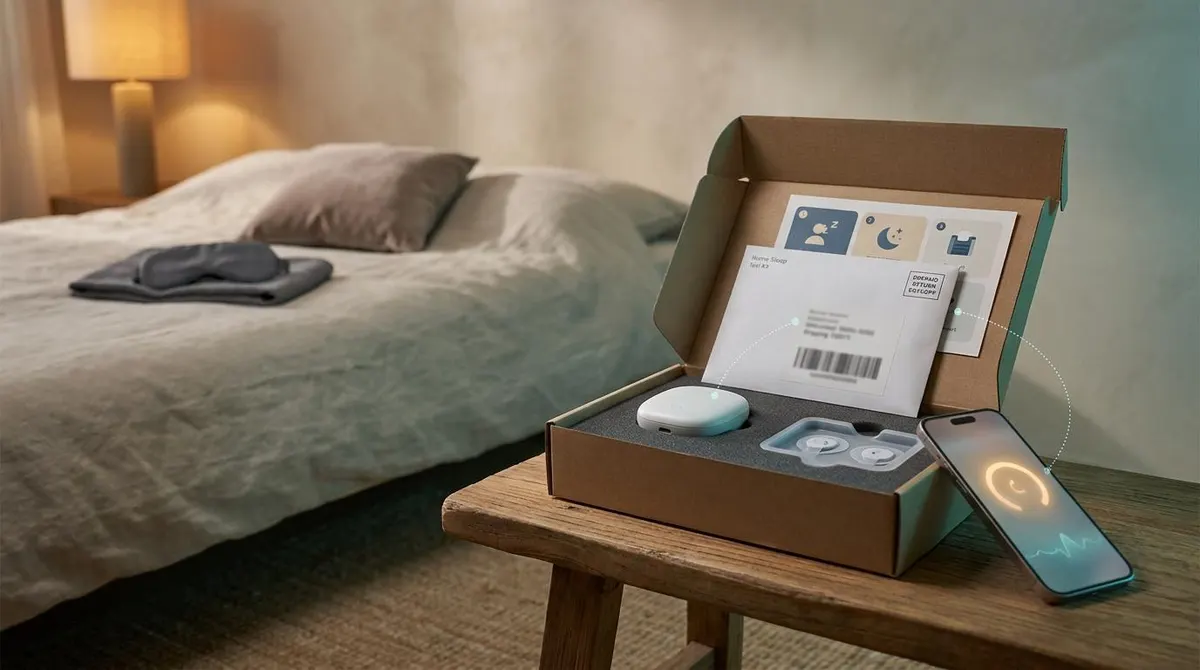
Getting tested for sleep apnea and receiving your AHI score is more accessible than most people expect, especially with home sleep tests available through providers near you.
Steps to Complete a Home Sleep Test Through dumbo.health
1. Take the free sleep assessment at dumbo.health to evaluate your symptoms and determine whether a home sleep test is appropriate for your situation.
2. Order your home sleep test for $149 through dumbo.health. No insurance, no referral, and no prior authorization are needed. The test device ships directly to your address.
3. Follow the included instructions to attach the sensor before bed. The device records airflow, respiratory effort, oxygen saturation, and heart rate while you sleep.
4. Sleep for one full night with the device. Most home sleep tests require a minimum of 4 hours of recording time for valid results.
5. Return the device using the prepaid shipping materials included in your kit.
6. A physician reviews your data and generates a detailed report that includes your AHI score (or REI from the home test), oxygen desaturation levels, and a severity classification.
7. If your results indicate sleep apnea, your dumbo.health care team discusses treatment options and can initiate CPAP therapy through one of the monthly plans starting at $59 per month.
After completing these steps, you will have a clear, physician-reviewed AHI score and a treatment path tailored to your severity level. The entire process, from ordering to receiving results, typically takes 1 to 2 weeks.
KEY TAKEAWAY: A home sleep test provides a reliable AHI score through a simple at-home process, and dumbo.health delivers testing, physician review, and treatment initiation without insurance or clinic visits.
Before testing, it helps to know what to prepare so you get the most accurate results possible.
Preparing for Your Sleep Study: A Checklist
Proper preparation ensures your sleep study captures an accurate picture of your breathing patterns and produces a reliable AHI score.
What to Do Before Your Sleep Study
- Avoid alcohol for at least 24 hours before the test, as alcohol relaxes airway muscles and can artificially worsen your AHI
- Avoid caffeine after noon on the day of the test to support your normal sleep cycle
- Do not take sleep medications unless your physician specifically instructs you to continue them
- Follow your normal bedtime routine so the study reflects a typical night of sleep
- Remove nail polish from at least one finger, as the pulse oximeter sensor needs direct skin contact to accurately measure oxygen saturation
- Shower before bed but avoid applying lotions, oils, or hair products near sensor placement areas
- Wear comfortable, loose-fitting sleepwear that allows the test device sensors to remain in contact with your body
- Charge your phone and set an alarm so you wake at your normal time with the device still attached
- Review the device instructions provided in your kit (or by your sleep clinic) at least one hour before bed
- Complete the free sleep assessment at dumbo.health before ordering if you are unsure whether a home sleep test is right for you
- If doing an in-lab polysomnography, bring your medical history, current medications list, and insurance information to the sleep center
Following this checklist helps minimize the chance of an incomplete or unreliable recording, which could result in the need for a repeat study.
KEY TAKEAWAY: Simple preparation steps like avoiding alcohol, removing nail polish, and following your normal routine improve the accuracy of your AHI score from any type of sleep study.
Even with good preparation, there are situations where a standard approach to AHI measurement has real limitations.
Limitations and Risks of Relying on the AHI Score Alone

The AHI is the most widely used metric in sleep medicine, but it has well-documented limitations that clinicians, researchers, and patients should understand.
Limitation 1: AHI Does Not Capture Event Severity
The AHI treats all apneas and hypopneas equally. A 10-second apnea with a 3% oxygen desaturation counts the same as a 45-second apnea with a drop to 70% oxygen saturation. Two patients with an identical AHI of 25 may have vastly different oxygen desaturation levels, arousal indices, and cardiovascular risk profiles. The mean time of apnea and the depth of desaturation are not reflected in the AHI number itself.
Limitation 2: Home Sleep Tests May Underestimate AHI
Because home sleep tests lack electroencephalography, they cannot confirm how much time you actually spent asleep versus awake. The Respiratory Event Index calculated from a home sleep test uses total device recording time as the denominator. If you spent 2 of 8 hours awake in bed, the REI will be lower than your true AHI. This is why the American Academy of Sleep Medicine recommends in-lab polysomnography as a follow-up when a home sleep test is negative but clinical suspicion remains high.
Limitation 3: AHI Varies Night to Night
Sleep apnea severity can fluctuate based on alcohol consumption, sleep position, sleep stage distribution, nasal congestion, body weight, and medication use. A single-night sleep study provides a snapshot, not a complete picture. Some patients test at an AHI of 14 one night and 22 another night. This night-to-night variability is one reason why some borderline results require clinical judgment beyond the raw number.
Limitation 4: Pediatric and Adolescent Scoring Differs
Pediatric scoring criteria for sleep apnea use different AHI thresholds. In children and adolescents, an AHI above 1 is considered abnormal, and an AHI above 5 is typically classified as moderate to severe. Adult AHI thresholds should never be applied to pediatric patients, as this would result in significant underdiagnosis.
Limitation 5: Sleep Disorder Heterogeneity
Obstructive sleep apnea exists on a spectrum. Some patients have position-dependent apneas that occur only when supine. Others have REM-predominant sleep apnea where events cluster almost exclusively during rapid eye movement sleep. Still others have a mixture of obstructive apneas, obstructive hypopneas, and central hypopneas. The AHI collapses all of this complexity into a single number. Clinicians who practice sleep medicine increasingly recognize that the apnea-hypopnea ratio, event duration, body position during sleep, and sleep stage context all matter for treatment decisions.
dumbo.health addresses some of these limitations through physician-reviewed reports on every test, which go beyond the raw AHI to include oxygen desaturation data, event distribution, and clinical recommendations. For patients on the Premium or Elite plans, a dedicated support team provides ongoing monitoring and interpretation as treatment progresses.
KEY TAKEAWAY: The AHI is an essential starting point but has real limitations. Oxygen desaturation severity, night-to-night variability, and event subtypes all influence true clinical severity and should inform treatment decisions alongside the AHI.
These limitations become clearer when you see how different AHI results play out in real patients' lives.
Real-World Scenarios: How AHI Scores Shape Treatment Paths
AHI scores carry different implications depending on the patient's occupation, health profile, and personal circumstances. The following scenarios illustrate how the same metric leads to different clinical pathways.
Scenario 1: A 48-Year-Old Long-Haul Truck Driver With an AHI of 22
A 48-year-old male owner-operator with a BMI of 34 reports loud snoring, witnessed apneas, and difficulty staying alert during long drives. His DOT medical examiner refers him for a sleep apnea test for CDL drivers. He orders a home sleep test through dumbo.health for $149 and receives an AHI of 22 with an ODI of 18 and oxygen desaturation levels dropping to 84% at the lowest point. His physician recommends CPAP therapy. He enrolls in the dumbo.health Essentials plan at $59 per month, receives his CPAP machine, and achieves an AHI below 5 within the first week of consistent use. His DOT medical examiner receives the updated compliance data, and his certification proceeds without delay.
Scenario 2: A 35-Year-Old Woman With an AHI of 8 and Persistent Fatigue
A 35-year-old woman with a BMI of 26 reports chronic fatigue, morning headaches, and unrefreshing sleep. Her home sleep test shows an AHI of 8, placing her in the mild category. However, her ODI is only 4, and her oxygen levels remain above 92% throughout the night. Her physician discusses the option of an oral appliance or positional therapy since her events are predominantly supine-related. She opts for positional therapy combined with weight management and sleep hygiene improvements. After three months, a repeat home sleep study shows her AHI has dropped to 3.
Scenario 3: A 62-Year-Old Man With Severe Sleep Apnea and Cardiovascular Comorbidities
A 62-year-old retired man with a history of atrial fibrillation, hypertension, and a BMI of 38 undergoes in-lab polysomnography. His AHI is 58, with an ODI of 52, and his blood oxygen levels drop below 80% multiple times during the night. His sleep study also reveals significant obstructive apneas averaging 25 seconds in duration, with pronounced heart rate fluctuations during each event. His sleep physician starts him on CPAP therapy immediately and also discusses weight management, including potential candidacy for tirzepatide based on recent research. He enrolls in dumbo.health's Elite plan at $129 per month for concierge clinical support and direct physician messaging, which allows his cardiologist and sleep physician to coordinate care through custom reporting. Within six weeks, his AHI on CPAP is below 5, and his blood pressure readings begin improving.
These scenarios demonstrate that the same AHI metric translates into different urgency levels, treatment choices, and monitoring needs depending on the individual's full clinical picture.
KEY TAKEAWAY: AHI scores guide treatment, but the right approach depends on the individual's oxygen desaturation severity, occupation, comorbidities, and treatment tolerance.
Misunderstandings about AHI and sleep apnea remain widespread, and clearing up common myths helps patients make better decisions.
Common Myths About the Apnea-Hypopnea Index and Sleep Apnea Debunked
MYTH: A normal AHI means you definitely do not have a sleep disorder.
FACT: An AHI below 5 rules out moderate to severe obstructive sleep apnea, but it does not exclude other sleep disorders. Upper airway resistance syndrome, periodic limb movements, and respiratory effort-related arousals can all cause significant sleep disruption and daytime symptoms without elevating the AHI above 5. The respiratory disturbance index, which includes RERAs, may be abnormal even when the AHI is normal.
MYTH: You need to go to a sleep lab to get an accurate AHI score.
FACT: Home sleep apnea tests provide clinically reliable AHI measurements for most adults with suspected obstructive sleep apnea. The American Academy of Sleep Medicine supports home sleep testing for patients with a high pretest probability of OSA. While polysomnography remains the gold standard, a home sleep apnea test through dumbo.health for $149 gives most patients the diagnostic information they need without the cost, wait time, or inconvenience of an overnight stay at a sleep center.
MYTH: If your AHI improves with treatment, you are cured and can stop therapy.
FACT: Obstructive sleep apnea is a chronic condition in most adults. CPAP therapy reduces the AHI to normal levels while in use, but the underlying airway anatomy and physiology that cause obstruction remain. Stopping CPAP therapy typically results in the AHI returning to pretreatment levels within one to two nights. Long-term treatment, whether through CPAP, an oral appliance, or surgery, is necessary to maintain the benefit. Research consistently shows that sustained CPAP adherence is associated with reduced cardiovascular risk, improved quality of life, and lower rates of mood disorders.
MYTH: Only overweight people get sleep apnea.
FACT: While obesity is the strongest risk factor for obstructive sleep apnea, the condition also occurs in people with normal body weight. Craniofacial anatomy, nasal obstruction, large tonsils, and genetic factors all contribute to airway collapsibility during sleep. The NIH reports that approximately 20% to 40% of adults diagnosed with obstructive sleep apnea are not obese. Screening based on BMI alone misses a significant portion of the sleep-disordered population.
MYTH: A high AHI always means you will feel sleepy during the day.
FACT: Some patients with an AHI above 30 report minimal daytime sleepiness, while others with an AHI of 10 experience debilitating fatigue. Symptom perception varies widely and does not reliably correlate with AHI severity. This is one reason clinicians evaluate the full clinical picture, including oxygen desaturation, arousal indices, sleep fragmentation, and patient-reported symptoms, rather than making treatment decisions based on the AHI number alone.
KEY TAKEAWAY: AHI is essential for diagnosis, but common misconceptions about what it does and does not tell you can lead to missed diagnoses, premature treatment stops, or unnecessary anxiety.
Clearing up these myths brings us back to the core question of what to do with your AHI results once you have them.
What to Do After You Receive Your AHI Score
Your AHI score is the starting point for action, not the endpoint. The next steps depend on your severity level, symptoms, and clinical context.
If your AHI is below 5, discuss persistent symptoms like snoring, fatigue, or morning headaches with your physician. A normal AHI on a home sleep test may warrant follow-up polysomnography if clinical suspicion for a sleep disorder remains.
If your AHI is 5 to 15, review lifestyle changes and positional therapy options with your provider. Consider an oral appliance if symptoms affect your quality of life. Many patients find that weight management, improved sleep hygiene, and consistent sleep position adjustments meaningfully reduce their mild AHI.
If your AHI is 15 or above, CPAP therapy is the standard recommendation. Starting treatment promptly reduces cardiovascular risk, improves daytime alertness, and, for commercial drivers, supports DOT medical certification. dumbo.health's sleep apnea care solutions offer a streamlined path from diagnosis to treatment, with plans that include physician oversight, CPAP equipment, and adherence support starting at $59 per month.
Regardless of your AHI level, share your sleep study results with all relevant healthcare providers. If you have a primary care physician, cardiologist, or DOT medical examiner, your AHI score and treatment status should be part of your medical history.
Many patients report that understanding their AHI score transforms their approach to sleep from passive acceptance of poor rest to active management of a treatable condition. In real-world use, people who engage with their results and follow through on treatment consistently report better sleep, more energy, and improved quality of life within weeks.
KEY TAKEAWAY: Once you have your AHI score, the most important step is acting on it by discussing results with your provider, starting appropriate treatment, and monitoring progress over time.
Conclusion
The Apnea-Hypopnea Index is the single most important number from any sleep study, but its value lies in what you do with it. Your AHI score classifies the severity of sleep apnea, guides treatment decisions, and serves as the benchmark for tracking whether therapy is working. Understanding how AHI is measured, what its limitations are, and which complementary metrics matter gives you the knowledge to advocate for the right care. If you suspect sleep apnea or have been told you snore heavily, taking the first step toward testing removes the uncertainty. dumbo.health makes that step straightforward with a $149 home sleep test and CPAP therapy plans starting at $59 per month with no insurance required and no contracts. Your AHI score is waiting. What matters is getting it and acting on it.
Frequently Asked Questions About Sleep Study Apnea Hypopnea Index
What is the apnea-hypopnea index (AHI)?
The apnea-hypopnea index, or AHI, is a numerical score used in sleep studies to measure the severity of sleep apnea. It counts the average number of breathing interruptions, including apneas (complete airflow stops) and hypopneas (partial airflow reductions), that occur per hour of sleep. According to the National Heart, Lung, and Blood Institute, sleep apnea is a serious sleep disorder in which breathing repeatedly stops and starts during sleep. The AHI score is the primary tool clinicians and sleep physicians use to classify whether sleep apnea is absent, mild, moderate, or severe.
How is the AHI calculated?
The AHI is calculated by dividing the total number of recorded apneas and hypopneas by the total hours of sleep recorded during a home sleep apnea test or in-lab polysomnography. For example, if a patient experiences 60 breathing events during 6 hours of recorded sleep, their AHI score is 10. Sensors measure airflow, oxygen saturation, respiratory effort, and heart rate to identify and count each qualifying event. The American Academy of Sleep Medicine sets the scoring criteria used to classify these respiratory events in clinical practice.
What is a normal AHI score?
A normal AHI score for adults is fewer than 5 breathing events per hour of sleep. Scores below this threshold are generally considered within the normal range and are not typically associated with a diagnosis of obstructive sleep apnea. However, a score below 5 does not automatically rule out all sleep-disordered breathing, particularly in patients who report persistent symptoms such as loud snoring, daytime sleepiness, or frequent nighttime arousals. A healthcare professional can help interpret results in the context of a full clinical picture, including medical history, oxygen desaturation levels, and sleep stages.
What AHI level indicates mild sleep apnea?
An AHI score between 5 and 14 breathing events per hour is classified as mild sleep apnea. At this level, a clinician may recommend lifestyle changes such as weight management, positional therapy, or improved sleep hygiene before considering CPAP therapy or other treatment options. Some patients with mild sleep apnea also experience significant daytime symptoms that may warrant earlier treatment. A sleep physician or certified medical examiner can help determine whether treatment is appropriate based on symptom severity, oxygen desaturation, and overall quality of life impact.
When does sleep apnea become moderate?
Sleep apnea is classified as moderate when the AHI falls between 15 and 29 breathing events per hour. At this severity level, the risk of cardiovascular disease, blood pressure problems, and mood disorders associated with untreated sleep-disordered breathing increases meaningfully. The American Academy of Sleep Medicine recommends that patients with moderate sleep apnea discuss treatment options with a clinician, which commonly include continuous positive airway pressure therapy, oral appliances, or other positive airway pressure therapies. Oxygen saturation levels and arousal indices from the sleep study are also considered when forming treatment decisions.
How high must an AHI be to indicate severe sleep apnea?
Severe sleep apnea is defined as an AHI of 30 or more breathing events per hour. At this level, obstructive apneas and hypopneas are occurring frequently throughout the night, often causing significant drops in blood oxygen levels and repeated nighttime arousals. According to the NHLBI, untreated severe sleep apnea is associated with serious health risks including cardiovascular disease, obesity-hypoventilation syndrome, and respiratory diseases. Patients with severe sleep apnea are typically advised to begin CPAP therapy or another form of positive airway pressure therapy promptly under clinician supervision.
Does AHI alone fully diagnose sleep apnea?
The AHI is the primary metric used to classify the severity of sleep apnea, but it does not capture every relevant aspect of the condition. Clinicians also consider oxygen desaturation levels, blood oxygen levels during sleep, the frequency and duration of respiratory events, sleep stages, arousal indices, and the patient's reported symptoms. A patient with a borderline AHI but severe daytime sleepiness or significant oxygen desaturation may still require treatment. The AHI score should always be interpreted alongside a complete clinical assessment by a qualified healthcare professional rather than in isolation.
What other metrics are used alongside AHI in sleep studies?
Several metrics supplement the AHI in sleep apnea evaluation. The Oxygen Desaturation Index, or ODI, measures how often blood oxygen levels drop below a defined threshold per hour of sleep. The Respiratory Disturbance Index, or RDI, includes respiratory effort-related arousals in addition to apneas and hypopneas, often producing a higher score than the AHI alone. Arousal indices, muscle activity data, heart rate variability, sleep staging, and body position during sleep are also reviewed in a full polysomnogram. Together, these measures give clinicians a more complete picture of sleep-disordered breathing severity.
What is the difference between AHI, RDI, and ODI?
The AHI counts apneas and hypopneas per hour of sleep. The RDI, or Respiratory Disturbance Index, also includes respiratory effort-related arousals, which are partial breathing disruptions that disturb sleep without meeting the full criteria for a hypopnea. As a result, the RDI is typically higher than the AHI for the same patient. The ODI, or Oxygen Desaturation Index, specifically tracks how often oxygen saturation drops by a set percentage, usually 3 or 4 percent, per hour. Each metric captures a different dimension of sleep-disordered breathing and may be used differently depending on the clinical context and scoring criteria applied.
Can I have sleep apnea with a normal AHI score?
Yes, it is possible to have significant sleep-related symptoms with a normal or low AHI. Upper Airway Resistance Syndrome, or UARS, is one example where patients experience repeated respiratory effort-related arousals that disrupt sleep quality without meeting the frequency threshold for a sleep apnea diagnosis. These patients may still report loud snoring, unrefreshing sleep, and daytime fatigue. Because the AHI may not fully capture all forms of sleep-disordered breathing, a healthcare professional should evaluate persistent symptoms even when initial AHI results appear within the normal range.
What are the limitations of the apnea-hypopnea index?
Research published in the journal Medical Journal of the Islamic Republic of Iran has questioned whether the AHI alone is a sufficient measure of obstructive sleep apnea severity, noting that it does not account for the duration of individual apneas, the degree of oxygen desaturation, or the impact on sleep architecture. Two patients with identical AHI scores can have very different oxygen desaturation levels, sleep stage disruption, and symptom burdens. Sleep disorder heterogeneity means that the AHI captures frequency of events but not their clinical consequences. Clinicians increasingly use AHI alongside ODI, RDI, arousal indices, and patient-reported outcomes to form a complete picture.
What does AHI measure in children and adolescents?
The AHI scoring criteria for children and adolescents differ from those used for adults. In pediatric scoring, an AHI of 1 or more events per hour may be considered abnormal, compared to the adult threshold of 5. Adenotonsillectomy is among the common treatment options reviewed for children with sleep apnea, alongside other interventions. The American Academy of Sleep Medicine provides specific pediatric scoring criteria for interpreting respiratory events in children. Parents who are concerned about snoring, breathing pauses during sleep, or daytime behaviour problems in a child should seek evaluation from a healthcare professional experienced in pediatric sleep medicine.
How does AHI influence CPAP pressure settings?
The severity of sleep apnea as reflected by the AHI score helps guide the initial setup of CPAP therapy, but it is not the only factor used to determine pressure settings. A sleep physician reviews the full polysomnogram, including the frequency and type of respiratory events, oxygen desaturation levels, and body position during sleep, to recommend appropriate positive airway pressure therapy settings. Many modern CPAP machines use auto-adjusting technology that continuously modifies delivered pressure based on real-time airflow and respiratory effort data. Ongoing CPAP therapy and adherence monitoring help clinicians confirm that therapy is effectively controlling respiratory events.
What is a good AHI score while using a CPAP machine?
During CPAP therapy, a residual AHI below 5 events per hour is generally considered a sign of well-controlled sleep apnea. For most adults, achieving this level on therapy is associated with meaningful improvement in daytime symptoms and a reduction in cardiovascular risk. However, individual clinical goals may vary based on symptom burden, oxygen desaturation levels, and overall health. A sleep physician should review CPAP data, including recorded AHI, mask leak, and device usage hours, to determine whether therapy is performing adequately. If residual AHI remains elevated despite treatment, adjustments to pressure settings or mask fit may be needed.
Can AHI scores change over time?
Yes, AHI scores can change over time. Weight changes, aging, hormonal shifts, changes in sleep position, alcohol consumption, and the use of sedating medications can all influence the frequency of apneas and hypopneas. Successful treatment with CPAP or other interventions typically reduces residual AHI significantly. Conversely, weight gain or the development of new health conditions may cause AHI to increase. Regular monitoring through follow-up sleep testing or CPAP data review helps track these changes. A healthcare professional can advise on when repeat testing may be appropriate based on symptom changes or treatment response.
How often should AHI be retested?
Repeat sleep apnea testing is typically recommended annually or whenever symptoms change significantly. Clinicians may also recommend earlier retesting after major weight changes, significant lifestyle modifications, a change in treatment approach, or the introduction of new medications that affect sleep or airway muscle activity. For commercial drivers, documentation of ongoing CPAP adherence and treatment effectiveness may be required by a certified medical examiner as part of DOT physical recertification. The home sleep apnea test for commercial drivers is one way drivers can access retesting with transparent pricing and without insurance barriers.
Is an AHI below 5 always the treatment goal?
For most adults using CPAP or other positive airway pressure therapy, achieving a residual AHI below 5 is considered the standard treatment goal and is associated with well-controlled sleep apnea. Some clinical protocols may set more precise targets depending on individual health risks. However, AHI alone does not reflect the full benefit of treatment. Improvements in daytime alertness, blood pressure, mood, and quality of life are also important indicators of treatment success. A sleep physician or care team should evaluate both AHI data and symptom outcomes to determine whether treatment goals are being met for an individual patient.
Why does AHI matter for sleep apnea diagnosis?
The AHI matters because it provides a standardised, objective measure of how often breathing is being disrupted during sleep, which helps clinicians determine whether sleep apnea is present and how severe it is. Without an AHI measurement from a sleep study, it is difficult to reliably distinguish between snoring, mild sleep-disordered breathing, and clinically significant obstructive sleep apnea. The AHI directly informs treatment decisions, including whether lifestyle changes, oral appliances, CPAP therapy, surgical interventions such as maxillomandibular advancement surgery, or inspire therapy may be appropriate. It also provides a measurable baseline for tracking treatment outcomes over time.
Is a sleep study the only way to get an AHI score?
A sleep study, either a full in-lab polysomnogram or a home sleep apnea test, is required to calculate an AHI score. Home sleep apnea tests use portable sensor-based devices that record airflow, oxygen saturation, respiratory effort, and heart rate overnight in the patient's own home. While home sleep tests do not capture all the variables recorded in a sleep laboratory, they are validated for the diagnosis of moderate to severe obstructive sleep apnea in appropriate patients. The American Academy of Sleep Medicine supports the use of home sleep testing as a clinically appropriate diagnostic pathway for many adults with suspected obstructive sleep apnea.
Does insurance coverage depend on AHI scores?
Most insurance providers require documentation of an AHI of 5 or greater to authorise coverage for sleep apnea treatment, including CPAP equipment and therapy. Some plans set a higher threshold, such as an AHI of 15 or greater, before authorising CPAP without additional qualifying criteria such as daytime symptoms or comorbid conditions. Coverage specifics vary by plan, and prior authorisation requirements can create delays in accessing care. For patients who prefer to avoid these barriers, dumbo.health offers transparent cash-pay sleep apnea testing and ongoing care with no insurance required, no prior authorizations, and no surprise bills. The home sleep test is available for $149 as a one-time cost.
How does sleep apnea testing at home compare to a sleep lab?
A home sleep apnea test, also called an HSAT, is a validated alternative to in-lab polysomnography for diagnosing obstructive sleep apnea in many adults. Home sleep tests record key respiratory signals including airflow, oxygen desaturation, respiratory effort, and sometimes heart rate and snoring, but they do not capture full sleep staging, rapid eye movement data, or muscle activity in the same detail as a full polysomnogram. In-lab sleep studies are typically recommended when central hypopnea, obesity-hypoventilation syndrome, complex sleep disorders, or comorbid respiratory diseases are suspected. A healthcare professional can advise whether a home sleep study is appropriate based on individual symptoms and medical history.
How can I find sleep apnea testing near me?
Sleep apnea testing is available through sleep labs, sleep clinics, sleep centers, and primary care referrals, as well as through at-home options that allow testing in your own environment. Many patients find that accessing a local sleep clinic involves wait times, prior authorizations, and insurance coordination. At-home sleep testing through services available in your area, including dumbo.health, offers a convenient alternative with transparent cash-pay pricing, physician interpretation, and results without the delays associated with traditional referral pathways. You can explore sleep apnea care solutions or take a free sleep assessment to decide whether at-home testing may be a practical next step.
What should I do if I think I have sleep apnea?
If you regularly snore, wake feeling unrefreshed, experience daytime sleepiness, or have been told you stop breathing during sleep, these symptoms may indicate sleep-disordered breathing and are worth discussing with a healthcare professional. A sleep study is needed to calculate an AHI score and confirm whether sleep apnea is present and at what level of severity. You should not start, stop, or adjust any treatment without clinician input. If you have severe symptoms, chest pain, difficulty breathing, or urgent health concerns, seek medical care promptly. For those ready to take a first step, the free dumbo.health sleep assessment can help clarify whether at-home sleep testing may be an appropriate option.
How does AHI affect DOT medical certification for commercial drivers?
Commercial drivers who undergo a DOT physical and are flagged for sleep apnea risk may be referred for sleep apnea evaluation. A certified medical examiner reviews AHI results, treatment adherence data, and overall health when making DOT medical certification decisions. Drivers who are diagnosed with moderate to severe obstructive sleep apnea are typically required to demonstrate effective CPAP therapy and adequate adherence before receiving or renewing their commercial driver's license medical certificate. dumbo.health can support commercial drivers with at-home sleep testing for CDL holders,physician interpretation, and adherence documentation, but it is the certified medical examiner who makes all final certification decisions. For broader context, the ultimate DOT physical guide for commercial drivers covers the full evaluation process.
Related Home Sleep Apnea Test Topics
- Sleep Study for Sleep Apnea What Happens, What It Measures, and What Your Results Mean
- Sleep Study for Sleep Apnea What the Test Measures, How It Works, and What Your Results Mean
- Sleep Test What It Measures, How It Works, and What Your Results Mean
- Sleep Apnea Test The Complete Guide to Diagnosis, Home Testing, and What Your Results Mean
- Sleep Apnea Testing The Complete Guide to Diagnosis, Home Tests, and What Your Results Mean
- Sleep Apnea Checker How to Screen for Sleep Apnea and What Your Results Mean
- Sleep Apnea Testing at Home The Complete Guide to Home Sleep Tests, Devices, and Results
- What Happens After a Home Sleep Apnea Test Results, Diagnosis, and Next Steps
- Can a Sleep Study Diagnose Sleep Apnea and Other Sleep Disorders
- At Home Sleep Apnea Test with Ring How Ring-Based Sleep Testing Works and Whether It Can Diagnose Sleep Apnea
- What Is a Home Sleep Apnea Test How At-Home Sleep Testing Works, What It Measures, and Who Needs One
- Sleep Apnea Sleep Study The Complete Guide to Testing, Diagnosis, and Treatment
- Obstructive Sleep Apnea Sleep Study The Complete Guide to Diagnosis, Testing, and Treatment
- At Home Sleep Study for Sleep Apnea The Complete Guide to Testing in Your Own Bed
- What to Expect During a Sleep Study for Sleep Apnea
- Sleep Study Test for Sleep Apnea The Complete Guide to Diagnosis, Testing Types, and Next Steps
- Home Sleep Apnea Test Ring How Ring-Based Sleep Testing Works for Sleep Apnea Detection
- CPT for Home Sleep Apnea Test Complete Coding and Billing Guide for Sleep Study Providers
- Sleep Apnea Diagnosis How Sleep Apnea Is Detected, Tested, and Confirmed
- Home Sleep Apnea Test Parameters What Every Measurement Means and Why It Matters
- Best Home Sleep Apnea Test A Clinical Guide to Choosing the Right At-Home Sleep Study
- How Does a Sleep Study Diagnose Sleep Apnea
- Can Sleep Apnea Be Diagnosed Without a Sleep Study
- CPAP Test What It Is, How It Works, and What Your Results Mean
- Home Sleep Apnea Test FSA Eligible How to Use Your Flexible Spending Account for Sleep Testing
- At-Home Sleep Apnea Test FSA How to Use Your Flexible Spending Account for Sleep Testing
- At Home Sleep Apnea Test HSA How to Use Your Health Savings Account for Sleep Testing
- Home Sleep Apnea Test for Children What Parents Need to Know About Pediatric Sleep Testing
- Home Sleep Apnea Test for Kids What Parents Need to Know About Pediatric Sleep Testing
- Kids at Home Sleep Apnea Test What Parents Need to Know About Pediatric Sleep Testing
- At-Home Sleep Apnea Test for Toddlers What Parents Need to Know About Pediatric Sleep Testing
- Home Sleep Testing The Complete Guide to Diagnosing Sleep Apnea From Your Own Bed
- How to Get Tested for Sleep Apnea The Complete Guide to Diagnosis, Sleep Studies, and Treatment
- Does Anyone Ever Pass a Sleep Apnea Test What Normal Results Actually Look Like
- Sleep Apnea Diagnosis at Home The Complete Guide to Home Sleep Testing
- How Do You Get a Home Sleep Apnea Test The Complete Guide to At-Home Sleep Testing
- At-Home Sleep Apnea Test The Complete Guide to Testing, Results, and Treatment
- Sleep Test to CPAP How Sleep Apnea Testing Leads to Treatment
- Home Sleep Test Cost What You Actually Pay With and Without Insurance
- How to Get a Sleep Apnea Test at Home The Complete Guide to Home Sleep Testing
- How Is a Home Sleep Apnea Test Done A Complete Guide to At-Home Sleep Testing
- Sleep Apnea Test at Home The Complete Guide to Home Sleep Testing for Adults
- How Does a Home Sleep Apnea Test Work A Complete Guide to At-Home Sleep Testing
- Home Sleep Test The Complete Guide to At-Home Sleep Apnea Testing
- Can You Test for Sleep Apnea at Home A Complete Guide to Home Sleep Testing
- Disadvantages of Home Sleep Testing What Patients and Providers Need to Know
- Sleep Apnea Testing Near Me How to Find the Right Test, Provider, and Path to Diagnosis
- Sleep Test at Home The Complete Guide to Home Sleep Apnea Testing
- Home Sleep Testing Companies A Complete Guide to At-Home Sleep Apnea Diagnosis
- Sleep Apnea Test at Home with Insurance What Your Plan Actually Covers and How to Get Tested
- Home Sleep Apnea Test ICD-10 Codes The Complete Coding and Diagnostic Guide for Sleep Apnea Testing
- What Does a Home Sleep Apnea Test Consist Of Sensors, Equipment, and What to Expect
- Home Sleep Apnea Test False Negative Why It Happens and What to Do Next
- Which Companies Offer Home Sleep Apnea Testing Services with Fast Results
- Where Can I Get a Take-Home Sleep Study Kit
- Polysomnography at Home How Home Sleep Testing Compares to In-Lab Sleep Studies
- Home Sleep Apnea Testing The Complete Guide to Diagnosing Sleep Apnea at Home
- Home Sleep Apnea Test Cost What You Actually Pay With and Without Insurance
- Home Sleep Apnea Test FDA Approved What Devices Are Cleared and How They Work
- FDA Approved Home Sleep Apnea Test What Devices Are Cleared, How They Work, and How to Get Tested
- Home Sleep Apnea Test CPT Code Complete Coding and Billing Guide for Sleep Studies
- Apnea Monitor The Complete Guide to Breathing Monitors for Sleep Apnea and Infant Care
- Are Home Sleep Apnea Tests Reliable Clinical Evidence, Accuracy, and What the Data Actually Shows
- Home Sleep Apnea Test Guidelines Clinical Standards, Eligibility, and What Every Patient Should Know
- Can a Home Sleep Apnea Test Be Wrong Accuracy, False Negatives, and What to Do Next
- Home Sleep Apnea Test Questionnaire Screening Tools, Risk Scores, and What Happens Next
- Home Sleep Apnea Test The Complete Guide to At-Home Sleep Apnea Testing
- Do At-Home Sleep Apnea Tests Work Clinical Accuracy, Limitations, and What the Evidence Shows
- Are Sleep Studies Covered by Insurance What You Actually Pay for Sleep Apnea Testing
- How Long Does a Home Sleep Apnea Test Take What to Expect Before, During, and After Testing
- What Is the Best At-Home Sleep Apnea Test A Clinical Comparison of Devices, Accuracy, and Cost
- Does Insurance Cover a Home Sleep Apnea Test What You Actually Pay
- Does Medicare Cover a Home Sleep Apnea Test What Beneficiaries Need to Know
- How Do Home Sleep Apnea Tests Compare to In-Lab Sleep Studies
- What Is the Cost of a Sleep Apnea Test at Home
- Can Dentists Prescribe a Home Sleep Apnea Test What You Need to Know
- At-Home Sleep Apnea Test Covered by Medicaid What You Need to Know Before Getting Tested
- Home Sleep Apnea Test Medicaid Coverage What Patients Need to Know
- Sleep Apnea Test Near Me How to Find Local and At-Home Testing Options
- Cost of Sleep Apnea Testing What You Will Actually Pay
- CPT Code for Home Sleep Apnea Test The Complete Coding and Billing Guide
- Home Sleep Apnea Test CPT Codes A Complete Guide to Billing, Coding, and Reimbursement
- CPT Code for Home Sleep Apnea Test Complete Billing and Coding Guide
- Can My Doctor Prescribe a Home Sleep Apnea Test What You Need to Know
- Are Home Sleep Apnea Tests Accurate What the Evidence Actually Shows
- Does a Home Sleep Apnea Test Measure Apneas What the Device Actually Records
- Pediatric Home Sleep Apnea Test A Complete Guide for Parents and Providers
- CPAP Test at Home The Complete Guide to Home Sleep Apnea Testing and Treatment
- Home Sleep Apnea Test Near Me How to Get Tested Without a Sleep Lab Visit
- Home Sleep Apnea Test Indications Who Qualifies and When At-Home Testing Is Clinically Appropriate
- How Much Does a Home Sleep Apnea Test Cost Complete Pricing Breakdown for Self-Pay and Insured Patients
- Can I Get a CPAP Machine After a Home Sleep Apnea Test
- Top-Rated Home Sleep Apnea Test Kits Available in the US
- Where Can I Buy a Home Sleep Apnea Test Without a Prescription
- Average Cost of a Home Sleep Apnea Test Kit Shipped in the US
- Do I Need a Prescription for a Home Sleep Apnea Test Device
- Sleep Apnea Test at Home DOT Approved Options for Commercial Drivers
- At-Home Sleep Apnea Test DOT Approved The Complete Guide for Commercial Drivers
- Do You Need a Prescription for a Home Sleep Apnea Test
- At Home Sleep Apnea Test for VA Disability The Complete Guide for Veterans
AI summary
The Apnea-Hypopnea Index (AHI) is the primary sleep study metric used to diagnose and grade obstructive sleep apnea by counting apneas and hypopneas per hour of sleep. An apnea is complete airflow cessation for at least 10 seconds. A hypopnea is a 30% or greater airflow reduction for at least 10 seconds with a 3% or greater oxygen desaturation or an arousal. Adult AHI categories are: normal under 5 events per hour, mild 5 to 15, moderate 15 to 30, and severe 30 or more (American Academy of Sleep Medicine). AHI is measured via in-lab polysomnography or a home sleep apnea test. Home tests use recording time rather than confirmed sleep time and may underestimate severity; negative results with high clinical suspicion may require polysomnography. Related metrics add context: Oxygen Desaturation Index (ODI), Respiratory Disturbance Index (RDI, includes RERAs), and Respiratory Event Index (REI, home testing). Treatment is guided by severity and symptoms: lifestyle and positional therapy and oral appliances for mild cases, and CPAP or other positive airway pressure therapy for moderate to severe cases, with BiPAP and surgical options for selected patients.

Nicolas Nemeth
Co-Founder
Nico is the co-founder of Dumbo Health, a digital sleep clinic that brings the entire obstructive sleep apnea journey home. Patients skip the sleep lab and the long wait to see a specialist. Dumbo Health ships an at home test, connects patients with licensed sleep clinicians by video, and delivers CPAP or a custom oral appliance with ongoing coaching and automatic resupply in one clear subscription.
Keep reading

VA At Home Sleep Apnea Test: The Complete Guide for Veterans

Home Sleep Apnea Test App: What Works, What Doesn't, and How to Get a Real Diagnosis


