Home Sleep Apnea Test Ring: How Ring-Based Sleep Testing Works for Sleep Apnea Detection
This article explains how finger-worn home sleep apnea test rings screen for obstructive sleep apnea using oxygen saturation, pulse rate, heart rate variability, breathing-related patterns, and movement. It breaks down the core technologies, including photoplethysmography, plethysmogram waveform analysis, and accelerometer-based actigraphy, plus how data is uploaded via Bluetooth for cloud reporting. It clarifies how apnea severity is assessed with the apnea-hypopnea index, including common clinical thresholds and related metrics like REI and oxygen desaturation. You will see how ring testing compares with WatchPAT-style home tests and in-lab polysomnography. The guide also covers FDA-cleared options such as SleepImage Ring and Belun Ring, and why consumer rings are not diagnostic. It reviews practical steps, common limitations, and what typically happens after a positive result, including CPAP and alternatives.
Struggling with sleep?
Find out if sleep apnea is the reason.
FDA-cleared. $149 flat. Physician-reviewed results in 48 hours.

Home Sleep Apnea Test Ring: How Ring-Based Sleep Testing Works for Sleep Apnea Detection
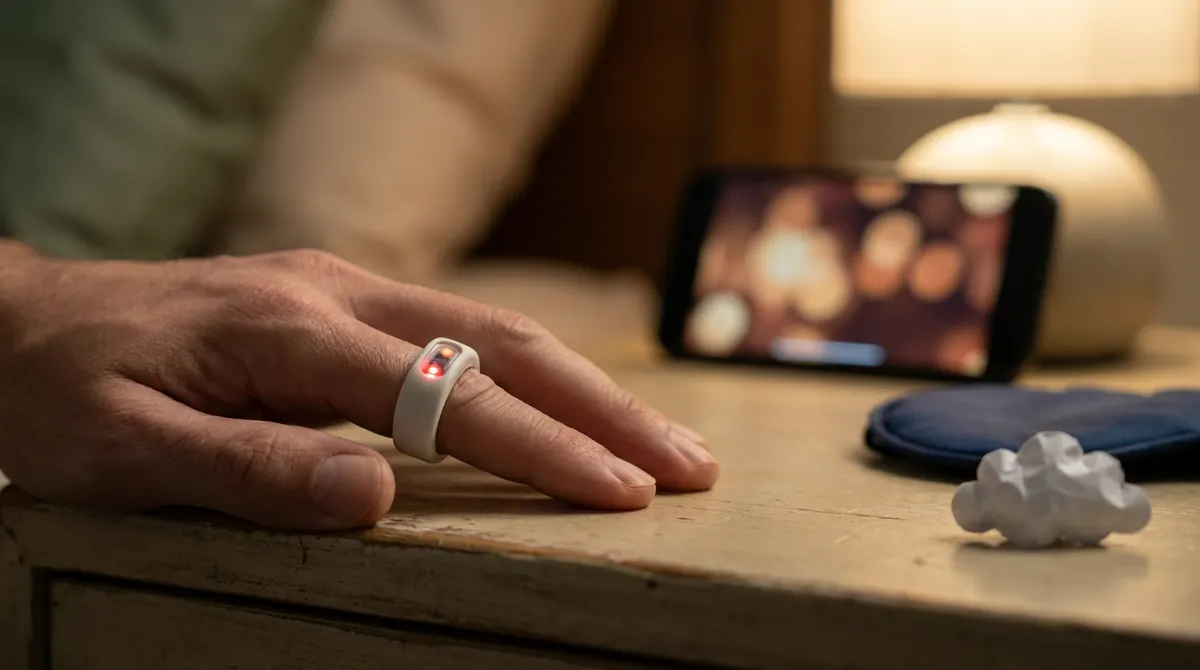
A home sleep apnea test ring is a wearable sensor worn on your finger during sleep that measures oxygen saturation, heart rate, and breathing patterns to screen for obstructive sleep apnea without requiring a visit to a sleep laboratory. According to the American Academy of Sleep Medicine, home sleep apnea testing is an accepted pathway for diagnosing obstructive sleep apnea in adults with a high pretest probability of moderate to severe disease. This article is for anyone considering a ring-based home sleep test, including commercial drivers facing DOT screening requirements, people experiencing chronic snoring or daytime exhaustion, and healthcare providers evaluating home sleep testing devices for their patients. You will learn how ring-style sensors collect clinical data, how they compare to traditional polysomnography and other home sleep testing formats, which FDA-cleared ring devices are available, what limitations exist, and how to move from test results to treatment. Understanding the differences between devices helps you choose the right test and avoid delays in care.
Quick Answer
A home sleep apnea test ring is a finger-worn medical sensor that records oxygen levels, pulse rate, heart rate variability, and movement overnight to detect obstructive sleep apnea. The device syncs data to a smartphone app or cloud-based application for physician review. Ring-based home sleep tests are smaller, more comfortable, and less intrusive than traditional setups with chest straps and nasal tubing. Results typically include an apnea-hypopnea index score used by a board-certified sleep doctor to confirm or rule out a sleep disorder diagnosis. dumbo.health offers a complete home sleep test for $149 with physician interpretation included in monthly care plans starting at $59 per month.
Key Takeaways
- A home sleep apnea test ring uses photoplethysmography and accelerometer signals to measure blood oxygen saturation, heart rate, respiration patterns, and body movement during sleep.
- The apnea-hypopnea index (AHI) is the primary metric used to diagnose obstructive sleep apnea severity, with an AHI of 5 or more events per hour generally considered abnormal according to the American Academy of Sleep Medicine.
- Ring-based home sleep tests are not suitable for diagnosing central sleep apnea, Cheyne-Stokes respiration, or complex sleep disorders that require full polysomnography with brain activity monitoring.
- The SleepImage Ring is an FDA-cleared Software as a Medical Device (SaMD) platform that provides clinical-grade sleep testing through a compact finger sensor and the SleepImage Mobile App.
- dumbo.health provides a home sleep test for $149 with no insurance required, plus ongoing CPAP therapy and physician oversight through plans starting at $59 per month with no contracts.
- Home sleep testing is accepted by the FMCSA pathway for commercial drivers who need sleep apnea screening as part of DOT medical certification.
What Is a Home Sleep Apnea Test Ring
A home sleep apnea test ring is a compact, FDA-cleared medical sensor that fits on your finger and records the physiological data needed to screen for obstructive sleep apnea while you sleep in your own bed. The ring replaces bulky equipment traditionally associated with home sleep testing, such as chest straps, nasal canula lines, and multiple wired sensors.
Home Sleep Apnea Test is a category of sleep study performed outside a sleep laboratory, designed to diagnose obstructive sleep apnea in adults who are at moderate to high risk. Ring-based devices represent the newest form factor in this category, prioritizing comfort and simplicity without sacrificing the clinical data a physician needs to make a diagnosis.
The core measurements captured by a home sleep apnea test ring include blood oxygen level through pulse oximetry, pulse rate and heart rate variability, respiratory effort derived from plethysmogram waveform analysis, and body movement through built-in accelerometer signals. These data points are transmitted via Bluetooth to a smartphone app or cloud-based application, where AI algorithms and neural networks process the raw signals into clinically meaningful sleep parameters.
DID YOU KNOW: According to the National Heart, Lung, and Blood Institute, obstructive sleep apnea affects an estimated 25 to 30 percent of men and 9 to 17 percent of women in the United States, yet the majority of cases remain undiagnosed.
The wire-free design of ring-based sensors addresses one of the most common reasons patients avoid sleep testing. Many patients report that the nasal tubing and chest straps used in older home sleep testing devices interfere with their ability to fall asleep normally, which can compromise data quality. A ring eliminates these barriers entirely.
KEY TAKEAWAY: A home sleep apnea test ring is a finger-worn medical device that captures oxygen saturation, heart rate, and breathing patterns overnight to screen for obstructive sleep apnea, offering a simpler alternative to multi-sensor home sleep testing setups.
Understanding what the ring measures is only half the picture. The next step is understanding the specific technology inside these devices and how it translates raw signals into a sleep apnea diagnosis.
How Ring-Based Sleep Sensors Work
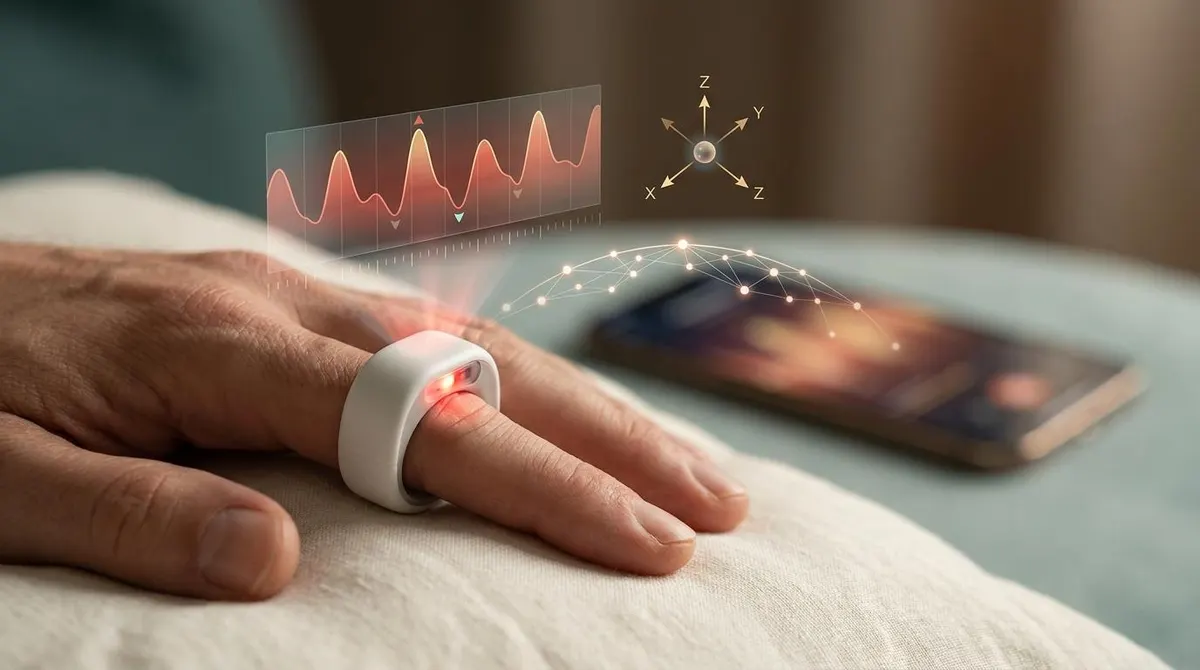
Ring-based sleep sensors use photoplethysmography (PPG), the same optical technology found in hospital pulse oximeter sensors, to measure blood oxygenation and pulse rate through the skin of your finger. The finger is one of the most reliable anatomical sites for PPG readings because of its dense capillary network and thin skin.
Photoplethysmography and Signal Processing
Photoplethysmography works by shining light (typically red and infrared) through the tissue of your finger and measuring how much light is absorbed by oxygenated versus deoxygenated hemoglobin. This produces a continuous plethysmogram waveform from which the sensor derives oxygen saturation, pulse rate, heart rate and rhythm data, and Breathing Rate Variability.
The raw plethysmogram signal contains far more information than a simple oxygen percentage. Advanced sleep testing rings apply AI algorithms and neural networks to extract respiratory event patterns from subtle variations in the waveform. When you experience an apnea or hypopnea event, your blood oxygen saturation drops, your heart rate shifts, and the waveform shape changes in predictable ways. The software identifies these combined patterns to calculate the apnea-hypopnea index (AHI), respiratory event index, and other sleep parameters that a physician uses to make a clinical determination.
Accelerometer and Movement Detection
In addition to PPG, ring-based devices contain a three-axis accelerometer that tracks movement and body position. Actigraphy data from the accelerometer helps distinguish sleep time from wake time and can identify periods of restlessness that correlate with respiratory disturbances. Total sleep time estimation is important because the AHI is calculated as the number of respiratory events per hour of sleep. Without accurate sleep time measurement, the AHI calculation can be skewed.
Data Transmission and Clinical Reporting
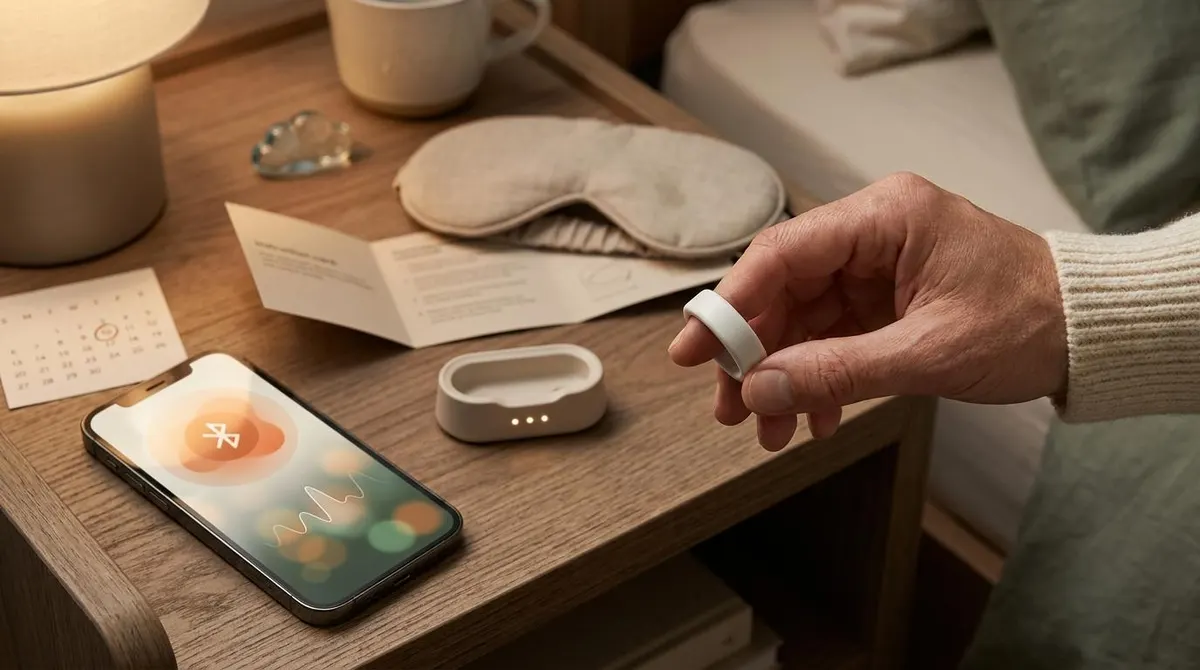
After the test night, data from the ring is transmitted via Bluetooth to the SleepImage Mobile App or a comparable smartphone app (available on both Apple and Android platforms). The app uploads the raw data to a cloud-based application where it is processed and formatted into a clinical report. This report is then made available through a Clinical Portal where a board-certified physician or sleep specialist reviews the findings and provides a diagnosis.
The SleepImage platform, for example, generates a Sleep Quality Index score alongside the standard AHI, providing both a clinical severity metric and a patient-friendly summary of overall sleep health. This dual-reporting approach helps patients understand their results while giving the provider the clinical detail needed for treatment decisions.
IMPORTANT: A home sleep apnea test ring is a diagnostic screening tool. The ring itself does not diagnose sleep apnea. A board-certified sleep doctor or physician must review the data and provide a formal diagnosis before treatment can begin.
KEY TAKEAWAY: Ring-based sensors use photoplethysmography and accelerometer signals to measure blood oxygen saturation, heart rate variability, respiratory patterns, and movement, then transmit data via Bluetooth to a smartphone app for cloud-based clinical analysis and physician review.
With the technology explained, the next question most people ask is which specific ring devices are available and how they differ.
FDA-Cleared Ring Devices for Home Sleep Testing
Not all sleep tracking rings are medical devices. Consumer smart rings that track general sleep quality are fundamentally different from FDA-cleared home sleep testing devices designed to diagnose obstructive sleep apnea. Understanding this distinction is critical before purchasing any ring for sleep apnea detection.
SleepImage Ring
The SleepImage Ring is an FDA-cleared, clinical-grade home sleep testing device classified as a Software as a Medical Device (SaMD). The SleepImage Ring device pairs with the SleepImage Mobile App and uses photoplethysmography to capture heart rate variability, blood oxygen saturation, respiration data, and actigraphy signals. The SleepImage platform processes this data through validated AI algorithms to generate a clinical sleep report that includes the apnea-hypopnea index, respiratory event index, total sleep time, sleep stages estimation, and the proprietary Sleep Quality Index.
SleepImage has gained traction among sleep centers, dental practices offering oral appliance therapy, and Remote Patient Monitoring programs. The Clinical Portal allows providers to manage patient results, assign Patient IDs, and track treatment outcomes over time. SleepImage has regulatory clearance in the United States and through Health Canada, with availability in provinces including Manitoba, Ontario, and Saskatchewan.
One of the advantages of the SleepImage system is support for multinight sleep studies. Because the ring is comfortable enough to wear across multiple nights, clinicians can gather data that better represents a patient's typical sleep patterns rather than relying on a single night that may not be representative.
Belun Ring Platform
The Belun Ring Platform (marketed as the Belun Ring) is another FDA-cleared ring-based device designed for home sleep apnea testing. The Belun Ring uses a similar PPG-based approach to measure blood oxygen level, pulse rate, and respiratory patterns. The platform integrates with a cloud-based application for data processing and clinical reporting. The Belun Ring has been used in clinical research and sleep medicine programs to validate ring-based testing against laboratory-based polysomnography.
Consumer Smart Rings vs. Clinical Devices
Popular consumer devices like the RingConn Gen 2 and Happy Ring track general sleep parameters including sleep stages, heart rate, and movement. However, these consumer smart rings are not FDA-cleared for diagnosing sleep apnea and do not generate clinical AHI scores that a physician can use for a formal diagnosis. While they may provide useful sleep health insights, they cannot replace an FDA-cleared home sleep apnea test for clinical purposes.
Comparing Ring-Based Home Sleep Test Devices
The differences between clinical and consumer ring devices matter when you need a diagnosis that leads to treatment or meets regulatory requirements such as DOT sleep apnea screening.
Regulatory Clearance
- SleepImage Ring: FDA-cleared (SaMD), Health Canada cleared
- Belun Ring: FDA-cleared
- RingConn Gen 2: Not FDA-cleared for sleep apnea diagnosis
- Happy Ring: Not FDA-cleared for sleep apnea diagnosis
Clinical AHI Reporting
- SleepImage Ring: Yes, generates validated AHI and respiratory event index
- Belun Ring: Yes, generates AHI for clinical review
- RingConn Gen 2: No clinical AHI score
- Happy Ring: No clinical AHI score
Physician Integration
- SleepImage Ring: Full Clinical Portal with provider access and Remote Patient Monitoring
- Belun Ring: Clinical reporting through cloud platform
- RingConn Gen 2: Consumer app only, no physician portal
- Happy Ring: Consumer app only, no physician portal
Recommended Use
- SleepImage Ring: Diagnosing obstructive sleep apnea under physician supervision
- Belun Ring: Clinical sleep apnea screening and research
- RingConn Gen 2: General sleep tracking and wellness monitoring
- Happy Ring: General sleep tracking and wellness monitoring
For anyone who needs a clinical diagnosis of obstructive sleep apnea, whether for treatment initiation or regulatory compliance, an FDA-cleared device like the SleepImage Ring or Belun Ring is required. Consumer rings provide valuable sleep health data but cannot substitute for a validated medical test.
KEY TAKEAWAY: Only FDA-cleared ring devices such as the SleepImage Ring and Belun Ring produce clinical-grade AHI data suitable for obstructive sleep apnea diagnosis; consumer smart rings like the RingConn Gen 2 and Happy Ring track general sleep quality but are not medical devices.
Knowing which devices are available leads to the next practical question: how does the actual testing process work from start to finish.
How to Complete a Home Sleep Apnea Test With a Ring Device
Completing a home sleep apnea test with a ring device is straightforward, but following the correct steps ensures your data is accurate and clinically usable. The entire process typically takes less than a week from ordering to receiving results.
Step-by-Step Process for Ring-Based Home Sleep Testing
1. Get a referral or order your test. Your physician, sleep specialist, or dental practice may order a home sleep test, or you can order one directly through a platform like dumbo.health. The dumbo.health home sleep test costs $149 with no insurance required and no prior authorization needed.
2. Receive the device and download the app. The ring device arrives by mail with instructions. Download the associated smartphone app (such as the SleepImage app) on your Apple or Android device and pair the ring via Bluetooth. Create your account and enter any required Patient ID information.
3. Wear the ring on your test night. Place the ring on the recommended finger (typically the index or middle finger of your non-dominant hand) before going to bed. Sleep in your normal environment and follow your usual bedtime routine. Avoid alcohol and sedatives that could alter your natural breathing patterns.
4. Confirm the recording in the morning. When you wake up, check the app to confirm that a full night of data was captured. Most devices require a minimum of four to six hours of recorded sleep time for a valid study.
5. Upload your data for physician review. The app automatically uploads your data to the cloud-based application. If you are using dumbo.health, your data goes directly to a board-certified physician for interpretation. Physician review and a clinical report are included in the Essentials Plan at $59 per month.
6. Receive your results and clinical report. Your report will include your AHI (Apnea-Hypopnea Index), oxygen desaturation data, heart rate variability metrics, total sleep time, and a summary of respiratory events. Turnaround time for results varies by provider, but dumbo.health Premium Plan members receive priority results turnaround.
7. Discuss results and begin treatment if indicated. If your AHI indicates obstructive sleep apnea, your provider will recommend a treatment pathway. Options may include CPAP therapy, oral appliance therapy, lifestyle changes, or a combination. dumbo.health care plans include CPAP therapy and equipment as part of the monthly subscription.
After completing these steps, you move from screening to a confirmed diagnosis and treatment plan. The entire process can be completed without visiting a sleep laboratory, without dealing with insurance prior authorizations, and without any surprise bills when using a cash-pay model.
TIP: If your first test night produces insufficient data due to poor sleep or device issues, most providers allow you to repeat the test. Ring devices are especially well-suited to retesting because they are comfortable and easy to use on consecutive nights.
KEY TAKEAWAY: The ring-based home sleep test process involves ordering the device, wearing it for one night, uploading data through a smartphone app, and receiving a physician-reviewed clinical report with your AHI and other sleep parameters, all without visiting a sleep lab.
Once you understand the testing process, the natural comparison is how ring-based testing stacks up against the other established methods for diagnosing sleep apnea.
Home Sleep Apnea Test Ring vs. Polysomnography vs. Traditional Home Sleep Tests
Ring-based home sleep testing sits within a spectrum of sleep study options that ranges from full in-lab polysomnography to various home sleep testing device formats. Each approach has strengths and trade-offs depending on the clinical scenario.
Polysomnography is the gold-standard diagnostic test for sleep disorders. Performed overnight in a sleep laboratory or accredited sleep center, polysomnography monitors brain activity via electroencephalography (EEG), eye movements, muscle tone, respiratory effort, airflow through nasal tubing, oxygen saturation, heart rate, and body position. According to the American Academy of Sleep Medicine, polysomnography can diagnose the full range of sleep disorders including obstructive sleep apnea, central sleep apnea, Cheyne-Stokes respiration, periodic limb movements, narcolepsy, and parasomnias.
Traditional home sleep tests, such as those using the WatchPAT device by Itamar Medical, typically measure peripheral arterial tone, oxygen saturation, heart rate, and body position using a wrist-worn device with a finger sensor and sometimes a chest sensor. These devices have strong clinical validation and are widely used across sleep centers, but they are bulkier than a simple ring.
Ring-based home sleep tests like the SleepImage Ring capture a subset of the data measured in polysomnography, focusing on PPG-derived metrics: oxygen saturation, pulse rate, heart rate variability, Breathing Rate Variability, and actigraphy. They do not measure brain activity, which means they cannot directly identify sleep stages with the same precision as EEG-based polysomnography.
Number of Channels Monitored
- Home Sleep Apnea Test Ring (SleepImage Ring): 3 to 4 channels (PPG, accelerometer, derived respiratory signals)
- Traditional Home Sleep Test (WatchPAT): 5 to 7 channels (peripheral arterial tone, oximetry, actigraphy, body position, chest motion)
- In-Lab Polysomnography: 12 or more channels (EEG, EMG, EOG, airflow, respiratory effort, oximetry, ECG, body position, leg movements)
Comfort and Disruption to Sleep
- Home Sleep Apnea Test Ring: Minimal disruption; single ring on one finger with no chest straps or nasal tubing
- Traditional Home Sleep Test: Moderate disruption; wrist device, finger probe, and sometimes chest or nasal sensors
- In-Lab Polysomnography: Highest disruption; full electrode setup, monitored overnight in a sleep laboratory
Cost Range
- Home Sleep Apnea Test Ring: $149 to $300 typical (dumbo.health offers testing at $149)
- Traditional Home Sleep Test: $200 to $600 depending on provider and insurance
- In-Lab Polysomnography: $1,000 to $3,000 or more; often requires insurance prior authorization
Conditions Diagnosed
- Home Sleep Apnea Test Ring: Obstructive sleep apnea (moderate to high pretest probability)
- Traditional Home Sleep Test: Obstructive sleep apnea
- In-Lab Polysomnography: Full range of sleep disorders including central sleep apnea, narcolepsy, parasomnias, periodic limb movements
Multinight Capability
- Home Sleep Apnea Test Ring: Excellent; comfortable enough for multinight sleep studies
- Traditional Home Sleep Test: Limited; most are single-night protocols
- In-Lab Polysomnography: Not practical for multiple nights due to cost and logistics
For most adults with a clinical suspicion of obstructive sleep apnea based on symptoms such as loud snoring, witnessed breathing pauses, and daytime exhaustion, a ring-based home sleep test provides sufficient data for diagnosis. Polysomnography remains necessary when the provider suspects central sleep apnea, complex sleep-disordered breathing, or another sleep disorder that requires brain activity monitoring.
KEY TAKEAWAY: Ring-based home sleep tests offer the greatest comfort and lowest cost but measure fewer channels than polysomnography; they are best suited for diagnosing obstructive sleep apnea in adults who are at moderate to high risk, while polysomnography remains necessary for complex or non-obstructive sleep disorders.
The comparison above highlights that ring testing works well for many patients but not all. The next section addresses the specific limitations and risks you should understand before choosing a ring-based test.
Limitations and Risks of Ring-Based Home Sleep Testing
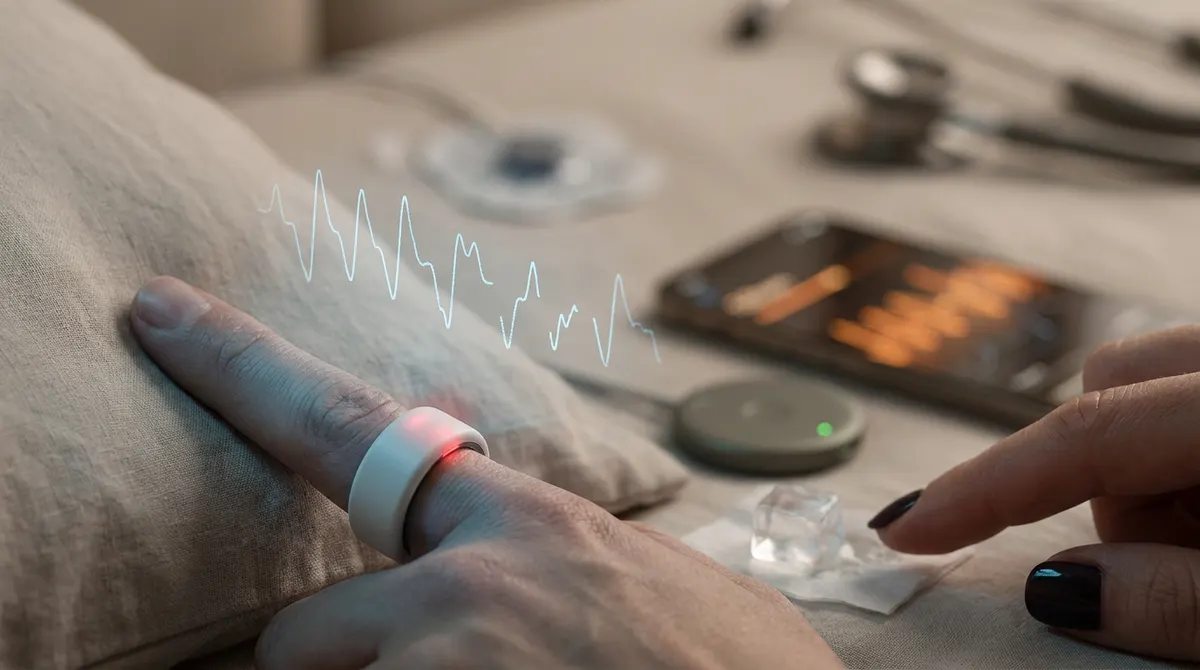
Ring-based home sleep testing cannot replace polysomnography in every clinical situation. Understanding these limitations protects you from misdiagnosis and ensures you receive the right test for your specific sleep disorder.
Clinical Limitations
The most significant limitation of any home sleep apnea test, including ring-based devices, is the inability to measure brain activity. Without EEG data, the device cannot directly distinguish sleep from quiet wakefulness. It estimates total sleep time using actigraphy and heart rate patterns, which introduces a margin of error. According to the American Academy of Sleep Medicine, home sleep testing is not recommended as a first-line test for patients suspected of having central sleep apnea, Cheyne-Stokes respiration, hypoventilation syndromes, or other non-respiratory sleep disorders.
Ring-based devices may also underestimate the severity of sleep apnea in patients with very mild disease. Because the AHI calculation depends on accurate sleep time estimation, and ring-derived sleep time estimates may overcount sleep time in patients who lie still while awake, the calculated AHI could be lower than the true value. This means some patients with mild obstructive sleep apnea may receive a falsely normal result.
Technical Limitations
Cold fingers, poor circulation, nail polish, and excessive hand movement can interfere with the PPG signal from a ring sensor. Patients with peripheral vascular disease, Raynaud's phenomenon, or significant peripheral neuropathy may not get reliable blood oxygen saturation readings from a finger-worn pulse oximeter sensor. In these cases, a sleep specialist may recommend an alternative home sleep testing device or in-lab polysomnography.
Battery life is another practical consideration. If the ring runs out of charge during the night, the recording will be incomplete and may need to be repeated. Most clinical-grade ring devices provide 8 to 12 hours of recording time per charge, but verifying battery level before the test night is essential.
Population Limitations
The American Academy of Sleep Medicine recommends against using home sleep testing as the sole diagnostic pathway for patients with significant comorbidities that may affect breathing during sleep, including severe congestive heart failure, chronic obstructive pulmonary disease, and neuromuscular disease. These patients require polysomnography with full respiratory and cardiac monitoring.
Pediatric patients are generally not candidates for ring-based home sleep tests. Most FDA-cleared ring devices are validated only for adults, and sleep apnea in children often has different underlying causes that require comprehensive evaluation in a pediatric sleep laboratory.
How dumbo.health Addresses These Limitations
dumbo.health mitigates several of these risks through physician oversight built into every care plan. When you complete a home sleep test through dumbo.health, a board-certified physician reviews your results and determines whether additional testing is needed. If your results are inconclusive or suggest a condition beyond what home testing can diagnose, the physician can recommend in-lab polysomnography or refer you to a sleep specialist in your area. This clinical safeguard prevents patients from relying solely on a screening device without professional interpretation.
KEY TAKEAWAY: Ring-based home sleep tests cannot diagnose central sleep apnea, complex sleep disorders, or conditions requiring brain activity monitoring, and they may produce unreliable readings in patients with poor peripheral circulation; physician oversight after testing is essential to catch these gaps.
These limitations are real but manageable. To see how ring-based testing works in practice, the next section walks through concrete scenarios involving different types of patients.
Who Benefits Most From a Home Sleep Apnea Test Ring
Ring-based home sleep testing is not a one-size-fits-all solution, but it is the right choice for several common patient profiles. The convenience of the wire-free design, the low cost, and the ability to test in your own sleep environment make ring-based testing especially valuable for people who might otherwise delay or avoid sleep testing entirely.
Real-World Scenarios
A 48-year-old long-haul truck driver with a BMI of 34, a neck circumference above 17 inches, and a history of loud snoring is flagged during a DOT physical for sleep apnea screening. His work schedule makes it nearly impossible to spend a night at a sleep laboratory. He orders a home sleep test through dumbo.health for $149, wears the ring during a rest stop overnight, and uploads his data through the SleepImage app. His AHI comes back at 22 events per hour, confirming moderate obstructive sleep apnea. He enrolls in the dumbo.health Essentials Plan at $59 per month to receive his CPAP prescription and equipment without needing to visit a sleep center or navigate insurance prior authorizations. His results are sent directly to his DOT medical examiner through the provider portal.
A 55-year-old office manager has been experiencing daytime exhaustion, frequent morning headaches, and her partner reports loud snoring patterns and occasional gasping during sleep. She has no insurance and is reluctant to spend $2,000 or more at a sleep laboratory for polysomnography. She completes the free sleep assessment on dumbo.health, orders the $149 home sleep test, and wears the ring for one night. Her results show an AHI of 11 events per hour with significant oxygen desaturations below 88 percent. Her physician recommends CPAP therapy. She selects the Premium Plan at $89 per month, which includes a dedicated sleep coach, CPAP equipment, and advanced adherence monitoring.
A dental practice specializing in oral appliance therapy for sleep apnea wants to offer in-office sleep apnea screening to patients who present with snoring, bruxism, or a Mallampati score of III or IV. The practice integrates the SleepImage Ring into its workflow, ordering home sleep tests through the SleepImage Clinical Portal. The practice assigns each patient a Patient ID, distributes the ring devices, and receives clinical reports directly through the portal. This model, used by practices like Bellwood Family Dental and others adopting dental sleep medicine, allows the dental practice to identify patients with undiagnosed obstructive sleep apnea and refer them for treatment or fit them with PAP-alternative dental appliances and custom-fit mouthpiece solutions where clinically appropriate.
Who Should Consider Ring-Based Home Sleep Testing
Ring-based testing is best suited for adults who meet the following profile:
- Symptoms consistent with obstructive sleep apnea (snoring, witnessed apneas, daytime exhaustion, high blood pressure)
- Moderate to high pretest probability based on clinical screening
- No suspected central sleep apnea, Cheyne-Stokes respiration, or complex sleep disorders
- Preference for testing at home rather than at a sleep laboratory
- Difficulty scheduling time at sleep centers due to work, travel, or location
- No severe peripheral vascular disease that would compromise finger PPG readings
- Adults aged 18 and older
Clinicians frequently observe that patients who use ring-based devices report higher satisfaction and better data quality compared to traditional home sleep testing setups with nasal tubing and chest straps. The comfort factor is not trivial. A test that produces unreliable data because the patient could not sleep normally defeats the purpose of testing.
KEY TAKEAWAY: Ring-based home sleep testing works best for adults with a moderate to high probability of obstructive sleep apnea who prefer to test at home, including commercial drivers needing DOT screening, uninsured patients seeking affordable testing, and dental practices integrating sleep apnea detection into clinical workflows.
After testing, the next critical step is understanding your results and what they mean for treatment.
Understanding Your Home Sleep Test Results
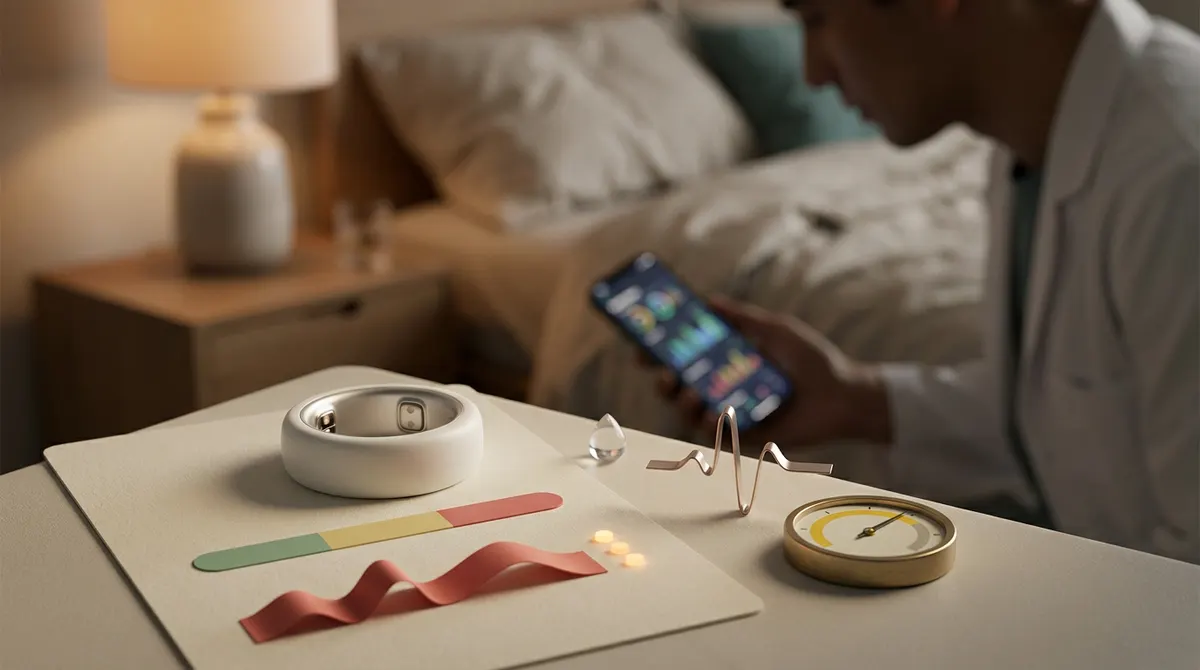
Your home sleep test report translates raw sensor data into clinical metrics that a physician uses to determine whether you have obstructive sleep apnea and, if so, how severe it is. The most important metric on your report is the apnea-hypopnea index.
The apnea-hypopnea index (AHI) is the number of apnea and hypopnea events per hour of sleep. An apnea is a complete cessation of airflow for at least 10 seconds. A hypopnea is a partial reduction in airflow (typically 30 percent or more) lasting at least 10 seconds and associated with an oxygen desaturation of 3 to 4 percent or an arousal. The American Academy of Sleep Medicine defines severity as follows:
- Normal: AHI below 5 events per hour
- Mild obstructive sleep apnea: AHI 5 to 14 events per hour
- Moderate obstructive sleep apnea: AHI 15 to 29 events per hour
- Severe obstructive sleep apnea: AHI 30 or more events per hour
Beyond the AHI, your report will typically include oxygen saturation data showing your baseline blood oxygen level and the lowest oxygen desaturation recorded during the night. Sustained desaturations below 88 percent are considered clinically significant and suggest more severe respiratory compromise. Heart rate variability data can reveal autonomic nervous system stress caused by repeated respiratory events. Some platforms like SleepImage also report a Sleep Quality Index that summarizes overall sleep health beyond just respiratory events.
The respiratory event index (REI) is sometimes used in place of AHI for home sleep tests. The REI divides the number of respiratory events by the total recording time rather than the estimated sleep time, which can produce a slightly different number than the AHI. Clinicians who review home sleep test data understand this distinction and account for it when making treatment recommendations.
IMPORTANT: An AHI below 5 on a home sleep test does not always mean you are free of sleep apnea. If your symptoms are strong but your home test is negative, your physician may recommend a full polysomnography to rule out false negatives or identify other sleep disorders.
KEY TAKEAWAY: The apnea-hypopnea index is the primary diagnostic metric from a home sleep test, with an AHI of 5 or more events per hour indicating obstructive sleep apnea; oxygen desaturation severity and heart rate variability data further guide treatment decisions.
With results in hand, the path forward depends on your diagnosis and the treatment options available to you.
Treatment Pathways After a Positive Home Sleep Test
If your home sleep test confirms obstructive sleep apnea, treatment should begin promptly. Untreated obstructive sleep apnea is associated with increased risk of hypertension, heart disease, diabetes, cardiovascular problems, and motor vehicle accidents. The National Highway Traffic Safety Administration estimates that drowsy driving causes thousands of crashes annually, making treatment especially urgent for commercial drivers.
CPAP Therapy
Continuous positive airway pressure (CPAP) remains the gold-standard therapy for moderate to severe obstructive sleep apnea. A CPAP device delivers a steady stream of pressurized air through a mask to keep your airway open during sleep. According to the American Academy of Sleep Medicine, consistent CPAP use for at least 4 hours per night reduces the AHI to normal levels in most patients, lowers blood pressure, and improves daytime alertness and sleep quality.
CPAP adherence is the biggest challenge. Medicare defines adherence as using the device for at least 4 hours per night on at least 70 percent of nights during a consecutive 30-day period. Many patients struggle to meet this threshold without support. dumbo.health addresses adherence through its Premium Plan ($89/month), which includes a dedicated sleep coach from a licensed care team and advanced adherence monitoring. The Elite Plan ($129/month) adds direct physician messaging and concierge clinical support for patients who need more intensive follow-up.
All dumbo.health care plans include the CPAP equipment itself. There are no contracts, no insurance requirements, and you can cancel anytime. This removes the financial unpredictability that causes many patients to delay or abandon CPAP therapy.
CPAP Alternatives
Not every patient tolerates CPAP. Alternatives include oral appliance therapy using a custom-fit mouthpiece fitted by a dentist trained in dental sleep medicine, positional therapy for patients whose apnea occurs primarily when sleeping on their back, and lifestyle changes including weight management. Emerging options include GLP-1 care (glucagon-like peptide-1 medications) that address obesity-related sleep apnea by reducing body weight. dumbo.health's sleep apnea care solutions can help you identify the right treatment pathway based on your AHI severity, symptoms, and preferences.
Checklist Before Starting CPAP Treatment
Before beginning CPAP therapy, confirm the following:
- You have a confirmed diagnosis of obstructive sleep apnea with an AHI of 5 or more from a physician-reviewed sleep study
- Your prescribing provider has determined the appropriate CPAP pressure setting
- You have selected a CPAP mask style (nasal, nasal pillow, or full-face) that fits comfortably
- You understand the adherence requirements (minimum 4 hours per night on at least 70 percent of nights)
- You have a plan for ongoing follow-up and equipment maintenance
- You have enrolled in a care plan that includes equipment and clinical support (dumbo.health plans start at $59/month)
- Your employer or DOT medical examiner has been notified of your diagnosis and treatment status if required for certification
- You have completed the free sleep assessment at dumbo.health to explore your care options
KEY TAKEAWAY: CPAP is the gold-standard treatment for moderate to severe obstructive sleep apnea, but consistent adherence requires ongoing support; dumbo.health care plans bundle CPAP equipment, physician oversight, and sleep coaching into a single monthly subscription starting at $59 per month.
Treatment effectiveness depends on selecting the right approach for your situation. To help you avoid common misconceptions that derail good decisions, the next section separates widespread myths from clinical facts.
Common Myths About Home Sleep Apnea Test Rings Debunked
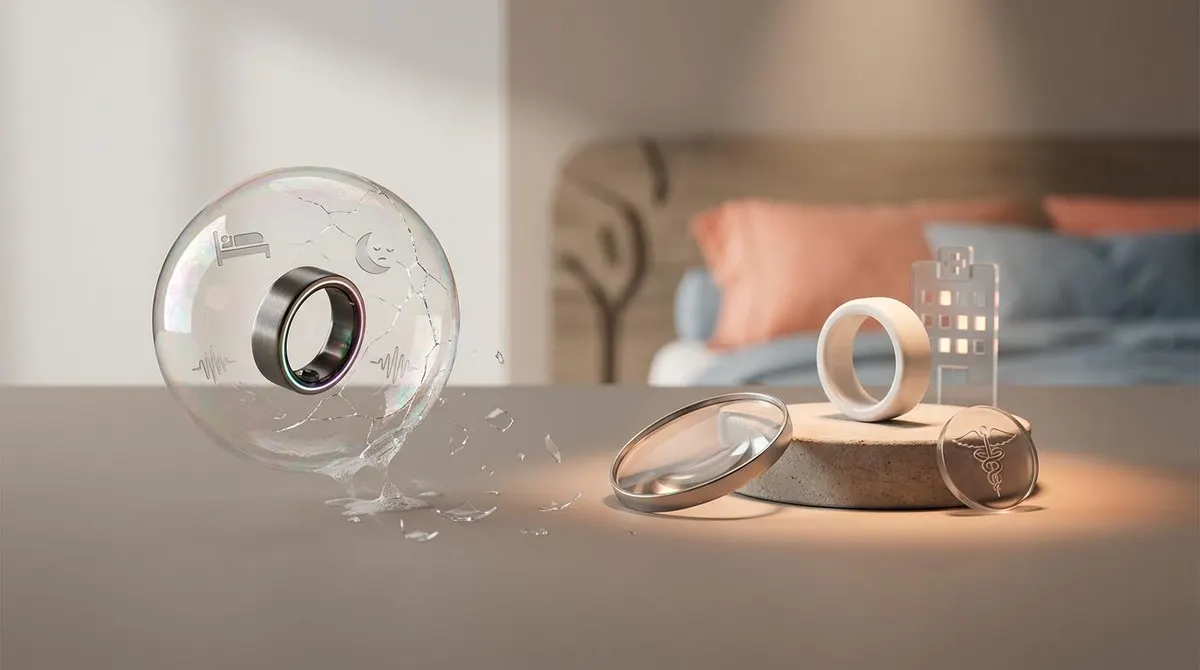
MYTH: A consumer sleep tracking ring like the RingConn Gen 2 or Happy Ring can diagnose sleep apnea.
FACT: Consumer smart rings track general sleep parameters such as sleep stages, heart rate, and movement, but they are not FDA-cleared for diagnosing obstructive sleep apnea. They do not generate a validated apnea-hypopnea index or clinical report. Only FDA-cleared devices such as the SleepImage Ring or Belun Ring produce data that a physician can use to make a sleep apnea diagnosis. Using a consumer ring to self-diagnose could delay proper treatment for a serious condition.
MYTH: Home sleep tests are less accurate than in-lab sleep studies, so they should not be trusted.
FACT: When used in the appropriate patient population (adults with moderate to high pretest probability of obstructive sleep apnea), home sleep tests have demonstrated strong agreement with polysomnography for AHI measurement. A study published in the Journal of Clinical Sleep Medicine found that home sleep apnea testing correctly identified moderate to severe obstructive sleep apnea in over 85 percent of cases when compared to concurrent polysomnography. The key is using the right test for the right patient. Home sleep tests are less accurate for mild disease and cannot detect central sleep apnea.
MYTH: You need insurance to get a home sleep apnea test.
FACT: Many patients pay out of pocket for home sleep testing, especially when insurance requires lengthy prior authorization processes or when the patient is uninsured. dumbo.health offers a complete home sleep test for $149 with no insurance required, no prior authorization, and no surprise bills. The cash-pay model removes one of the most common barriers to sleep apnea diagnosis.
MYTH: If you do not snore, you cannot have sleep apnea.
FACT: While snoring is one of the most common symptoms of obstructive sleep apnea, not all people with sleep apnea snore. The Sleep Foundation explains that some patients, particularly women and younger adults, present with atypical symptoms such as insomnia, morning headaches, mood disturbances, or daytime exhaustion without prominent snoring. A home sleep test measures objective respiratory events regardless of snoring presence.
MYTH: A single-night home sleep test is always enough to diagnose sleep apnea accurately.
FACT: Sleep varies from night to night. Alcohol consumption, sleep position, nasal congestion, and stress can all affect the severity of respiratory events on any given night. Ring-based devices are well-suited for multinight sleep studies precisely because they are comfortable enough to wear across consecutive nights. The American Academy of Sleep Medicine acknowledges that night-to-night variability exists, and some providers recommend two or more nights of testing for borderline results.
KEY TAKEAWAY: Consumer sleep rings cannot diagnose sleep apnea, home sleep tests are clinically valid for the right patients, insurance is not required for testing through cash-pay platforms like dumbo.health, snoring is not a prerequisite for sleep apnea, and multinight testing can improve diagnostic accuracy.
With myths cleared away, the final section brings together the key decisions and next steps.
Conclusion
A home sleep apnea test ring offers a comfortable, clinically valid, and affordable pathway to diagnosing obstructive sleep apnea without visiting a sleep laboratory. FDA-cleared devices like the SleepImage Ring use advanced photoplethysmography and AI algorithms to produce the same AHI data that physicians need to confirm a diagnosis and initiate treatment. Ring-based testing works best for adults at moderate to high risk of obstructive sleep apnea and pairs naturally with a care model that includes physician review, treatment, and ongoing support.
dumbo.health makes this entire pathway accessible with a $149 home sleep test, no insurance required, and monthly care plans starting at $59 per month that include physician interpretation, CPAP therapy, and equipment with no contracts and cancel-anytime flexibility. If you are experiencing snoring, daytime exhaustion, or have been flagged for sleep apnea screening, take the free sleep assessment to find out whether a home sleep test ring is the right next step for you.
Frequently Asked Questions About Home Sleep Apnea Test Ring
What is a home sleep apnea test ring?
A home sleep apnea test ring is a wearable medical device worn on the finger during sleep to collect physiological data used in diagnosing sleep-disordered breathing. It typically uses photoplethysmography, a light-based sensor technology, to measure metrics such as oxygen saturation, heart rate, pulse rate, and breathing patterns. The data collected overnight is then processed, often using AI algorithms or neural network analysis, and reviewed by a physician to generate a clinical report. Devices like the SleepImage Ring are classified as Software as a Medical Device and are designed to support, not replace, a full clinical evaluation.
What is the SleepImage Ring and how does it work?
The SleepImage Ring is an FDA-cleared home sleep apnea test device worn on the finger during sleep. It uses a pulse oximeter sensor to capture a continuous plethysmogram, which reflects changes in blood oxygenation, heart rate, heart rate variability, and respiration. This raw signal is transmitted via Bluetooth to a paired smartphone app and then uploaded to a cloud-based Clinical Portal, where advanced AI algorithms and neural network analysis process the data. A board-certified physician reviews the results to produce a clinical interpretation that supports sleep apnea diagnosis and care decisions.
Is the SleepImage Ring FDA-cleared?
Yes, the SleepImage Ring is FDA-cleared as a home sleep apnea testing device. It is also classified as a Software as a Medical Device, meaning the software that processes and interprets the physiological signals meets regulatory standards for medical use. Health Canada has also evaluated similar home sleep testing technologies. FDA clearance means the device has been reviewed for safety and effectiveness as a sleep testing tool, but it does not mean the device diagnoses sleep apnea on its own. A qualified physician must review and interpret the results before any clinical conclusions are made.
What is obstructive sleep apnea?
Obstructive sleep apnea is a common sleep disorder in which the upper airway repeatedly collapses or becomes blocked during sleep, causing breathing interruptions. According to the American Academy of Sleep Medicine, these interruptions reduce oxygen levels in the blood and fragment sleep, preventing the body from completing healthy sleep stages. The severity of obstructive sleep apnea is measured using the apnea-hypopnea index, which counts the number of breathing events per hour of sleep. Left untreated, obstructive sleep apnea is associated with increased risk of high blood pressure, heart disease, diabetes, and cardiovascular problems.
What are the symptoms of obstructive sleep apnea?
Common symptoms of obstructive sleep apnea include loud or frequent snoring, waking up feeling unrefreshed despite spending a full night in bed, excessive daytime exhaustion, morning headaches, difficulty concentrating, and observed pauses in breathing during sleep. Some people also experience elevated blood pressure, restless sleep, and mood changes. Because many of these symptoms overlap with other conditions, a proper sleep test is needed to confirm whether obstructive sleep apnea is present. If you regularly wake up feeling exhausted after a full night of sleep, speaking with a healthcare professional about sleep testing may be a reasonable next step. You can also take a free sleep assessment to help identify whether at-home testing may be appropriate for you.
What does a home sleep apnea test measure?
A home sleep apnea test measures physiological signals collected during sleep to help identify obstructive sleep apnea. Depending on the device, measurements may include blood oxygen saturation, pulse rate, heart rate and rhythm, heart rate variability, breathing rate variability, respiratory effort, and body movement through accelerometer signals. Devices such as the SleepImage Ring derive these metrics from a continuous plethysmogram captured by a pulse oximeter sensor. The processed data is used to calculate the apnea-hypopnea index and other sleep parameters, including total sleep time and sleep quality indicators. A physician reviews this information to determine whether obstructive sleep apnea is present and how severe it may be.
How accurate are home sleep apnea tests?
Home sleep apnea tests are considered clinically validated for diagnosing moderate to severe obstructive sleep apnea in adults who have a high probability of the condition. The American Academy of Sleep Medicine supports the use of home sleep apnea testing as an appropriate alternative to in-lab polysomnography for many patients. However, home sleep tests may underestimate sleep apnea severity because they measure breathing events relative to recording time rather than confirmed sleep time. They are also less suitable for patients who may have central sleep apnea, Cheyne-Stokes respiration, or complex sleep disorders that require full brain activity and respiratory effort monitoring available only through in-lab polysomnography.
How is a home sleep study different from an in-lab sleep study?
A home sleep apnea test allows patients to sleep in their own bed while a wearable device records physiological signals such as oxygen saturation, heart rate, respiration, and movement. An in-lab sleep study, or polysomnography, is conducted in a sleep laboratory with comprehensive monitoring that includes brain activity, eye movement, muscle tone, respiratory effort, and additional parameters. Polysomnography is considered the gold standard for diagnosing a full range of sleep disorders, while home sleep testing is validated specifically for obstructive sleep apnea in appropriate candidates. A sleep specialist or physician can help determine which type of testing is most appropriate based on your symptoms and medical history.
Who is a good candidate for a home sleep apnea test ring?
Adults who have symptoms consistent with obstructive sleep apnea, such as snoring, daytime exhaustion, or witnessed breathing pauses, and who do not have significant cardiovascular, neurological, or respiratory comorbidities are generally considered good candidates for a home sleep apnea test. Home sleep testing is typically not recommended for patients suspected of having central sleep apnea, Cheyne-Stokes respiration, or other complex sleep disorders, as these conditions require more comprehensive in-lab evaluation. A healthcare professional can assess your symptoms, medical history, and risk factors to determine whether a home sleep apnea test is appropriate for your situation.
How do you set up and use the SleepImage Ring?
Setting up the SleepImage Ring typically involves downloading the SleepImage Mobile App on a compatible Android or Apple smartphone, creating a patient account with a Patient ID, and pairing the ring with the app via Bluetooth. On the night of the test, the ring is worn on a finger as directed, and the app records the overnight physiological data. The data is then uploaded through the app to a cloud-based Clinical Portal, where it is processed using neural network algorithms and reviewed by a board-certified physician. The provider receives the interpreted results through the Clinical Portal. Following the device-specific instructions carefully is important for data quality.
What if I cannot sleep well during a home sleep study?
Difficulty sleeping during a home sleep study is a common concern, and it is sometimes called the first-night effect. Because home sleep testing takes place in your own bed rather than a sleep laboratory, many patients find it easier to sleep naturally compared to an in-lab study. If the recording captures insufficient sleep or produces a technically inadequate result, a repeat test night may be recommended. Some home sleep testing platforms, including devices like the SleepImage Ring, are designed to support multinight sleep studies, which can improve the reliability of the results. A physician or sleep specialist can advise on whether a repeat or extended study is needed.
How do you prepare for a home sleep apnea test?
Preparing for a home sleep apnea test involves following the instructions provided with your specific device. General recommendations include avoiding caffeine and alcohol on the test night, following your usual sleep schedule, charging the device or app fully before use, and setting up the device correctly before going to bed. You should sleep in a position typical for you rather than attempting to change your habits, as this produces the most representative data. Wearing the device as directed and ensuring Bluetooth connectivity between the ring and your smartphone is confirmed before sleeping can improve data capture quality. Your provider may give additional preparation instructions based on your situation.
Can a home sleep apnea test detect sleep disorders other than obstructive sleep apnea?
Home sleep apnea tests are designed and validated primarily to detect obstructive sleep apnea. They are not designed to diagnose the full range of sleep disorders. Conditions such as central sleep apnea, periodic limb movement disorder, narcolepsy, REM sleep behaviour disorder, and insomnia require in-lab polysomnography with comprehensive monitoring of brain activity, eye movements, and muscle tone. Some advanced home sleep testing devices can provide indicators of autonomic nervous system activity, sleep stages, and respiratory event patterns, but these should be reviewed by a qualified sleep specialist who can determine whether further in-lab evaluation is warranted.
Does a home sleep apnea test ring replace a CPAP titration study?
No, a home sleep apnea test ring does not replace a CPAP titration study. A home sleep apnea test is used to evaluate whether obstructive sleep apnea is present and how severe it may be. A CPAP titration study, which can be conducted in a sleep laboratory or sometimes through an auto-titrating CPAP device at home, is a separate process that determines the appropriate pressure settings for continuous positive airway pressure therapy. If a home sleep test indicates that CPAP therapy is appropriate, a clinician will guide the next steps, which may include a separate titration process. Treatment decisions should always be made with input from a qualified healthcare professional.
What is the apnea-hypopnea index and why does it matter?
The apnea-hypopnea index is the primary metric used to diagnose and classify the severity of obstructive sleep apnea. It measures the average number of breathing interruptions, including apneas and hypopneas, per hour of sleep or recording time. According to the American Academy of Sleep Medicine, an apnea-hypopnea index below five is generally considered normal in adults, five to fourteen indicates mild sleep apnea, fifteen to twenty-nine indicates moderate sleep apnea, and thirty or above indicates severe sleep apnea. The apnea-hypopnea index calculated from a home sleep apnea test is used by a physician to determine whether treatment such as CPAP therapy or an oral appliance may be appropriate.
How much does a home sleep apnea test cost?
The cost of a home sleep apnea test varies depending on whether it is covered by insurance or paid out of pocket. Many insurers require prior authorization, which can delay testing. For patients who prefer transparent pricing without insurance involvement, dumbo.health offers a home sleep test for $149 as a one-time, cash-pay purchase with no prior authorizations or surprise bills. This covers the at-home sleep test device and one night of testing. Ongoing care, including physician interpretation, CPAP therapy, equipment, and adherence follow-up, is available through monthly plans starting at $59 per month. You can explore at-home sleep testing options and plan your costs in advance.
Will insurance cover a home sleep apnea test?
Insurance coverage for home sleep apnea testing varies by plan, provider, and location. Many insurers cover home sleep apnea tests when ordered by a physician with documented medical necessity, but prior authorization is often required, and coverage denials can delay care. Patients without insurance, those with high deductibles, or those who prefer to avoid the insurance process may find cash-pay options more practical. dumbo.health offers home sleep testing at a transparent $149 cash-pay cost with no insurance required, no prior authorizations, and no surprise bills. A healthcare professional can help you assess whether your insurance plan covers home sleep testing before you decide which path to take.
How many times can I take an at-home sleep apnea test?
There is no fixed limit on how many times a patient can take an at-home sleep apnea test, though repeat testing is typically recommended when an initial test produces technically inadequate data or when a clinician wants to confirm results. Some home sleep testing devices, including those that support multinight sleep studies, are designed to capture data across several nights to improve diagnostic accuracy and account for night-to-night variability in breathing patterns. Whether repeat testing is appropriate in your situation should be discussed with a healthcare professional who can review your initial results and symptoms.
What is the difference between a home sleep apnea test ring and a pulse oximeter?
A pulse oximeter measures blood oxygen saturation and pulse rate at a single point in time or during a short monitoring period and is not designed as a standalone sleep apnea diagnostic tool. A home sleep apnea test ring, such as the SleepImage Ring, uses a pulse oximeter sensor as one component of a more comprehensive data collection system. In addition to oxygen saturation and pulse rate, a sleep apnea test ring captures continuous plethysmogram signals, heart rate variability, breathing rate variability, autonomic nervous system indicators, and movement data over an entire night. This richer dataset, processed through clinical AI algorithms and reviewed by a physician, is what allows the ring to support a sleep apnea diagnosis.
How does a home sleep apnea test support ongoing sleep apnea care?
A home sleep apnea test is the starting point for diagnosing obstructive sleep apnea, but ongoing care after diagnosis is equally important. Once a physician interprets the test results, treatment recommendations may include CPAP therapy, oral appliance therapy, or lifestyle changes. Ongoing care typically involves CPAP equipment, adherence monitoring to ensure the treatment is being used effectively, and follow-up with a sleep specialist or physician. dumbo.health supports this full care pathway, including physician interpretation, CPAP therapy and equipment, adherence monitoring, and provider reporting, through monthly plans starting at $59. Learn more about sleep apnea care solutions that support testing and long-term treatment.
What is CPAP therapy and do I need a prescription for it?
CPAP, or continuous positive airway pressure, is the most commonly prescribed treatment for obstructive sleep apnea. It works by delivering a continuous stream of pressurised air through a mask to keep the airway open during sleep. In most countries, including the United States, a CPAP machine is a prescription medical device, which means a physician must diagnose sleep apnea and prescribe CPAP before a patient can access the equipment. A home sleep apnea test that is interpreted by a board-certified physician can support this prescription process. dumbo.health monthly plans include CPAP therapy and equipment as part of ongoing sleep apnea care, with physician review included.
How are home sleep test results interpreted?
Home sleep test results are reviewed and interpreted by a board-certified physician or sleep specialist. The physician analyses the recorded data, which may include the apnea-hypopnea index, blood oxygen saturation levels, snoring patterns, pulse rate, heart rate variability, and total recording time, to determine whether obstructive sleep apnea is present and how severe it is. For devices like the SleepImage Ring, AI algorithms process the raw plethysmogram signal before physician review, which can improve the consistency and depth of analysis. The physician then produces a clinical report outlining the diagnosis and recommended next steps, which may include CPAP therapy, further in-lab testing, or other treatment options.
Is it allergies or sleep apnea causing my symptoms?
Allergies and obstructive sleep apnea can both cause nasal congestion, disrupted sleep, snoring, and daytime fatigue, which makes them easy to confuse. However, the underlying mechanisms are different. Allergies cause inflammation and nasal blockage that can worsen snoring and contribute to upper airway obstruction during sleep, but sleep apnea involves repeated, complete or partial collapses of the airway that reduce oxygen levels and fragment sleep in ways that allergies alone typically do not. A home sleep apnea test can help clarify whether obstructive sleep apnea is contributing to your symptoms. A healthcare professional can review your full symptom picture and medical history to determine whether allergy management, sleep testing, or both are appropriate for your situation.
What are the pros and cons of a home sleep apnea test?
The main advantages of a home sleep apnea test include convenience, lower cost compared to in-lab polysomnography, the ability to sleep in your own environment, and faster access to results in many cases. The limitations include the fact that home sleep testing does not measure brain activity, eye movements, or muscle tone, so it cannot diagnose the full range of sleep disorders. Home tests may also underestimate sleep apnea severity and can produce technically inadequate results if the device is not worn correctly. They are not appropriate for all patients, particularly those with suspected central sleep apnea or significant cardiovascular or neurological conditions. A clinician can help you weigh these factors based on your specific health profile.
Can commercial drivers use a home sleep apnea test ring for DOT sleep apnea evaluation?
Commercial drivers who are evaluated for sleep apnea as part of the DOT physical process may be referred for sleep testing by a certified medical examiner. A home sleep apnea test can be used as part of this evaluation for drivers who are considered appropriate candidates for home testing. The results must be interpreted by a qualified physician, and the clinical report may then be reviewed by a certified medical examiner as part of the DOT medical certification process. It is important to note that dumbo.health supports sleep apnea testing and care documentation for commercial drivers, but a certified medical examiner makes all DOT certification decisions. Learn more about home sleep testing for commercial drivers and how the process works.
How do I find home sleep apnea testing near me?
Home sleep apnea testing removes the need to travel to a sleep laboratory because the test is conducted in your own bed. This makes it accessible regardless of your location. Many telehealth sleep platforms and at-home sleep testing providers offer shipping directly to your home. If you are looking for physician-supported home sleep testing with transparent pricing in your area, dumbo.health provides at-home sleep tests with a cash-pay model that does not require insurance or prior authorization. Your referring provider or primary care physician can also connect you with sleep testing options available locally or through remote patient monitoring platforms. Get started with a sleep assessment to find out whether at-home testing is a suitable option for you.
What is remote patient monitoring in the context of sleep apnea care?
Remote patient monitoring in sleep apnea care refers to the use of connected devices and digital platforms to track a patient's sleep data, CPAP adherence, and clinical indicators from a distance. Home sleep apnea test rings that upload data to a cloud-based Clinical Portal allow physicians and care teams to review results without requiring an in-person visit. After diagnosis, CPAP adherence data can also be monitored remotely, allowing clinicians to identify whether therapy is being used consistently and effectively. This approach can improve access to ongoing sleep apnea care, particularly for patients in areas with limited access to sleep specialists or sleep centers. dumbo.health incorporates remote monitoring and adherence follow-up into its ongoing care plans.
Related Home Sleep Apnea Test Topics
- At Home Sleep Apnea Test with Ring How Ring-Based Sleep Testing Works and Whether It Can Diagnose Sleep Apnea
- What Is a Home Sleep Apnea Test How At-Home Sleep Testing Works, What It Measures, and Who Needs One
- How Do You Get a Home Sleep Apnea Test The Complete Guide to At-Home Sleep Testing
- How to Get a Sleep Apnea Test at Home The Complete Guide to Home Sleep Testing
- Home Sleep Apnea Test FSA Eligible How to Use Your Flexible Spending Account for Sleep Testing
- How Is a Home Sleep Apnea Test Done A Complete Guide to At-Home Sleep Testing
- At-Home Sleep Apnea Test FSA How to Use Your Flexible Spending Account for Sleep Testing
- At Home Sleep Apnea Test HSA How to Use Your Health Savings Account for Sleep Testing
- Sleep Apnea Test at Home The Complete Guide to Home Sleep Testing for Adults
- How Does a Home Sleep Apnea Test Work A Complete Guide to At-Home Sleep Testing
- Can You Test for Sleep Apnea at Home A Complete Guide to Home Sleep Testing
- Sleep Study for Sleep Apnea What the Test Measures, How It Works, and What Your Results Mean
- CPT for Home Sleep Apnea Test Complete Coding and Billing Guide for Sleep Study Providers
- Home Sleep Apnea Test for Children What Parents Need to Know About Pediatric Sleep Testing
- Home Sleep Apnea Test for Kids What Parents Need to Know About Pediatric Sleep Testing
- At-Home Sleep Apnea Test for Toddlers What Parents Need to Know About Pediatric Sleep Testing
- Home Sleep Test The Complete Guide to At-Home Sleep Apnea Testing
- Sleep Test at Home The Complete Guide to Home Sleep Apnea Testing
- Sleep Apnea Testing at Home The Complete Guide to Home Sleep Tests, Devices, and Results
- Sleep Apnea Diagnosis at Home The Complete Guide to Home Sleep Testing
- Best Home Sleep Apnea Test A Clinical Guide to Choosing the Right At-Home Sleep Study
- Sleep Test to CPAP How Sleep Apnea Testing Leads to Treatment
- At Home Sleep Study for Sleep Apnea The Complete Guide to Testing in Your Own Bed
- Sleep Study Test for Sleep Apnea The Complete Guide to Diagnosis, Testing Types, and Next Steps
- Polysomnography at Home How Home Sleep Testing Compares to In-Lab Sleep Studies
- Kids at Home Sleep Apnea Test What Parents Need to Know About Pediatric Sleep Testing
- Home Sleep Testing Companies A Complete Guide to At-Home Sleep Apnea Diagnosis
- Home Sleep Apnea Test ICD-10 Codes The Complete Coding and Diagnostic Guide for Sleep Apnea Testing
- Home Sleep Apnea Test The Complete Guide to At-Home Sleep Apnea Testing
- Sleep Apnea Diagnosis How Sleep Apnea Is Detected, Tested, and Confirmed
- Sleep Apnea Test The Complete Guide to Diagnosis, Home Testing, and What Your Results Mean
- Home Sleep Testing The Complete Guide to Diagnosing Sleep Apnea From Your Own Bed
- How to Get Tested for Sleep Apnea The Complete Guide to Diagnosis, Sleep Studies, and Treatment
- Sleep Apnea Testing Near Me How to Find the Right Test, Provider, and Path to Diagnosis
- Home Sleep Apnea Testing The Complete Guide to Diagnosing Sleep Apnea at Home
- How Does a Sleep Study Diagnose Sleep Apnea
- Sleep Study for Sleep Apnea What Happens, What It Measures, and What Your Results Mean
- Sleep Apnea Sleep Study The Complete Guide to Testing, Diagnosis, and Treatment
- Can a Sleep Study Diagnose Sleep Apnea and Other Sleep Disorders
- Obstructive Sleep Apnea Sleep Study The Complete Guide to Diagnosis, Testing, and Treatment
- What to Expect During a Sleep Study for Sleep Apnea
- What Happens After a Home Sleep Apnea Test Results, Diagnosis, and Next Steps
- Sleep Test What It Measures, How It Works, and What Your Results Mean
- Sleep Apnea Testing The Complete Guide to Diagnosis, Home Tests, and What Your Results Mean
- FDA Approved Home Sleep Apnea Test What Devices Are Cleared, How They Work, and How to Get Tested
- Sleep Apnea Test Near Me How to Find Local and At-Home Testing Options
- Home Sleep Apnea Test CPT Code Complete Coding and Billing Guide for Sleep Studies
- At Home Sleep Apnea Test for VA Disability The Complete Guide for Veterans
- At-Home Sleep Apnea Test for VA The Complete Guide for Veterans
- CPAP Test at Home The Complete Guide to Home Sleep Apnea Testing and Treatment
- Home Sleep Apnea Test Near Me How to Get Tested Without a Sleep Lab Visit
- Home Sleep Apnea Test Indications Who Qualifies and When At-Home Testing Is Clinically Appropriate
- How Long Does a Home Sleep Apnea Test Take What to Expect Before, During, and After Testing
- Sleep Apnea Checker How to Screen for Sleep Apnea and What Your Results Mean
- How Much Does a Home Sleep Apnea Test Cost Complete Pricing Breakdown for Self-Pay and Insured Patients
- Can Sleep Apnea Be Diagnosed Without a Sleep Study
- Home Sleep Test Cost What You Actually Pay With and Without Insurance
- Disadvantages of Home Sleep Testing What Patients and Providers Need to Know
- At-Home Sleep Apnea Test The Complete Guide to Testing, Results, and Treatment
- How Do Home Sleep Apnea Tests Compare to In-Lab Sleep Studies
- Do I Need a Prescription for a Home Sleep Apnea Test Device
- Home Sleep Apnea Test FDA Approved What Devices Are Cleared and How They Work
- Sleep Apnea Test at Home with Insurance What Your Plan Actually Covers and How to Get Tested
- Sleep Apnea Test at Home DOT Approved Options for Commercial Drivers
- At-Home Sleep Apnea Test DOT Approved The Complete Guide for Commercial Drivers
- CPT Code for Home Sleep Apnea Test The Complete Coding and Billing Guide
- CPT Code for Home Sleep Apnea Test Complete Billing and Coding Guide
- Do You Need a Prescription for a Home Sleep Apnea Test
- Pediatric Home Sleep Apnea Test A Complete Guide for Parents and Providers
- Are Sleep Studies Covered by Insurance What You Actually Pay for Sleep Apnea Testing
- Sleep Study Apnea Hypopnea Index What Your AHI Score Means and Why It Matters
- Where Can I Get a Take-Home Sleep Study Kit
- Home Sleep Apnea Test Cost What You Actually Pay With and Without Insurance
- Can I Get a CPAP Machine After a Home Sleep Apnea Test
- Top-Rated Home Sleep Apnea Test Kits Available in the US
- Does Insurance Cover a Home Sleep Apnea Test What You Actually Pay
- Where Can I Buy a Home Sleep Apnea Test Without a Prescription
- Does Medicare Cover a Home Sleep Apnea Test What Beneficiaries Need to Know
- Can Dentists Prescribe a Home Sleep Apnea Test What You Need to Know
- What Is the Cost of a Sleep Apnea Test at Home
- Which Companies Offer Home Sleep Apnea Testing Services with Fast Results
- Average Cost of a Home Sleep Apnea Test Kit Shipped in the US
- At-Home Sleep Apnea Test Covered by Medicaid What You Need to Know Before Getting Tested
- Home Sleep Apnea Test Medicaid Coverage What Patients Need to Know
- Home Sleep Apnea Test CPT Codes A Complete Guide to Billing, Coding, and Reimbursement
- Apnea Monitor The Complete Guide to Breathing Monitors for Sleep Apnea and Infant Care
- Can My Doctor Prescribe a Home Sleep Apnea Test What You Need to Know
- What Does a Home Sleep Apnea Test Consist Of Sensors, Equipment, and What to Expect
- Does a Home Sleep Apnea Test Measure Apneas What the Device Actually Records
- Home Sleep Apnea Test Contraindications When an HSAT Is Not the Right Choice
- Home Sleep Apnea Test Guidelines Clinical Standards, Eligibility, and What Every Patient Should Know
- HSAT The Complete Guide to Home Sleep Apnea Testing
- Home Sleep Apnea Test Parameters What Every Measurement Means and Why It Matters
- Can a Home Sleep Apnea Test Be Wrong Accuracy, False Negatives, and What to Do Next
- Home Sleep Apnea Test Questionnaire Screening Tools, Risk Scores, and What Happens Next
- Home Sleep Apnea Test False Negative Why It Happens and What to Do Next
- What Is the Best At-Home Sleep Apnea Test A Clinical Comparison of Devices, Accuracy, and Cost
- Best At Home Sleep Apnea Test A Clinical Comparison
- Does Anyone Ever Pass a Sleep Apnea Test What Normal Results Actually Look Like
- CPAP Test What It Is, How It Works, and What Your Results Mean
AI summary
A home sleep apnea test ring is a finger-worn, FDA-cleared home sleep testing device used to screen for obstructive sleep apnea in appropriate adults. It records physiologic signals overnight and uploads data to an app and cloud platform for clinical reporting and physician interpretation. Core concept: ring-based home sleep testing uses photoplethysmography (PPG) to generate a continuous plethysmogram waveform and derives oxygen saturation, pulse rate, heart rate variability, and breathing-related variability. A three-axis accelerometer provides actigraphy and body movement data to estimate sleep time. Key criteria and outputs: software algorithms analyze combined signal patterns to estimate respiratory events and calculate apnea-hypopnea index (AHI) or respiratory event index (REI). AHI thresholds commonly used are normal <5, mild 5–14, moderate 15–29, severe ≥30 events/hour. Constraints: ring tests do not measure EEG and are not suitable for central sleep apnea, Cheyne-Stokes respiration, or complex sleep disorders requiring polysomnography. Signal quality can be affected by cold fingers, poor circulation, nail polish, or movement. Entities and devices discussed include SleepImage Ring (SaMD, SleepImage Mobile App, Clinical Portal, Sleep Quality Index) and Belun Ring Platform. Consumer rings (RingConn Gen 2, Happy Ring) are not FDA-cleared for clinical AHI reporting.

Nicolas Nemeth
Co-Founder
Nico is the co-founder of Dumbo Health, a digital sleep clinic that brings the entire obstructive sleep apnea journey home. Patients skip the sleep lab and the long wait to see a specialist. Dumbo Health ships an at home test, connects patients with licensed sleep clinicians by video, and delivers CPAP or a custom oral appliance with ongoing coaching and automatic resupply in one clear subscription.
Keep reading

VA At Home Sleep Apnea Test: The Complete Guide for Veterans

Home Sleep Apnea Test App: What Works, What Doesn't, and How to Get a Real Diagnosis


