Sleep Study for Sleep Apnea: What the Test Measures, How It Works, and What Your Results Mean
A sleep study for suspected sleep apnea records breathing and oxygen patterns during sleep to confirm whether obstructive sleep apnea is present. This guide explains what in-lab polysomnography measures versus a home sleep apnea test, and how each option is used. It walks through the Apnea-Hypopnea Index and related metrics like oxygen saturation and respiratory effort to interpret severity. You will learn how to prepare for testing to avoid inaccurate results. The article outlines what happens after diagnosis, including CPAP, oral appliances, positional therapy, weight loss, and surgical options. It also covers cost differences, insurance and Medicare considerations, and when a home test is not appropriate.
Struggling with sleep?
Find out if sleep apnea is the reason.
FDA-cleared. $149 flat. Physician-reviewed results in 48 hours.

Sleep Study for Sleep Apnea: What the Test Measures, How It Works, and What Your Results Mean
A sleep study for sleep apnea is a diagnostic test that records your breathing, oxygen levels, heart rate, and brain activity while you sleep to determine whether you have obstructive sleep apnea or another sleep disorder. According to the American Academy of Sleep Medicine, roughly 30 million adults in the United States have obstructive sleep apnea, yet the majority remain undiagnosed. This article is for anyone experiencing symptoms such as chronic snoring, daytime sleepiness, or observed pauses in breathing and wondering whether a sleep study is the right next step. You will learn exactly what happens during both in-lab polysomnography and a home sleep apnea test, how to read your results, which treatments follow a diagnosis, and how to access affordable testing without insurance. By the end, you will know which type of sleep study fits your situation and how to move from testing to treatment with confidence.
Quick Answer
A sleep study for sleep apnea is a diagnostic test that measures breathing patterns, oxygen saturation, heart rate, and brain waves during sleep to detect apnea and hypopnea events. In-lab polysomnography is the gold-standard study conducted in a sleep lab facility, while a home sleep apnea test is a portable alternative that monitors airflow, respiratory effort, and oxygen levels from your own bed. Results are scored using the Apnea-Hypopnea Index, which determines whether sleep apnea is present and how severe it is. dumbo.health offers a home sleep test for $149 with physician interpretation included in monthly care plans.
Key Takeaways
- A sleep study records breathing, oxygen levels, heart rate, brain activity, and muscle movement to diagnose sleep apnea and other sleep disorders.
- In-lab polysomnography (Type I) monitors the most data points and can diagnose central sleep apnea, narcolepsy, and restless leg syndrome in addition to obstructive sleep apnea.
- A home sleep apnea test is a clinically validated alternative for adults with a moderate to high suspicion of obstructive sleep apnea, with accuracy rates above 90 percent for moderate to severe cases according to the American Academy of Sleep Medicine.
- The Apnea-Hypopnea Index is the primary metric used to score results, with 5 to 14 events per hour classified as mild, 15 to 29 as moderate, and 30 or more as severe.
- dumbo.health provides a home sleep test for $149 with no insurance required, and monthly care plans starting at $59 per month that include physician interpretation, CPAP therapy, and follow-up care.
- Untreated obstructive sleep apnea increases the risk of hypertension, heart disease, stroke, and motor vehicle accidents, making early testing critical.
What a Sleep Study Actually Measures
A sleep study measures how your body behaves during sleep by tracking multiple physiological signals simultaneously. These measurements reveal whether your airway becomes blocked, your oxygen drops, or your brain wakes you repeatedly throughout the night.
During an in-lab polysomnography, technicians attach sensors that record a wide range of sleep data. An Electroencephalogram tracks brain waves and brain activity to identify sleep stages and micro-arousals. An electrooculogram records eye movements. An electromyogram monitors muscle movement in the chin and legs. An electrocardiogram or EKG patches capture heart rate and rhythm. A pulse oximeter clipped to the finger measures oxygen saturation continuously. Respiratory belts around the chest and abdomen measure breathing effort, while a nasal sensor tracks airflow through sensor prongs placed near the nostrils.
A home sleep apnea test captures fewer channels but still records the data most critical for diagnosing obstructive sleep apnea. Devices such as the WatchPAT One by Itamar Medical use Peripheral Arterial Tonometry and photoplethysmography to measure oxygen levels, heart rate, respiratory effort, and sleep position from a wrist-worn sensor. Other devices like the NightOwl Home Sleep Test and SleepImage Ring use similar miniaturised sensor technology with Bluetooth connectivity to capture sleep metrics in your own bed.
The critical difference is scope. In-lab testing generates a complete picture of brain activity, respiration, muscle movement, and cardiac function. Home testing focuses specifically on breathing and oxygen patterns, which is sufficient for most adults suspected of having obstructive sleep apnea.
DID YOU KNOW: According to the National Heart, Lung, and Blood Institute, obstructive sleep apnea causes the airway to become partially or completely blocked repeatedly during sleep, sometimes hundreds of times per night.
KEY TAKEAWAY: A sleep study measures breathing, oxygen saturation, heart rate, brain waves, and muscle movement during sleep to detect apnea events and determine their severity.
Understanding what gets measured helps clarify why there are different types of sleep studies and which one may be appropriate for your situation.
Types of Sleep Studies: In-Lab Polysomnography vs Home Sleep Apnea Test
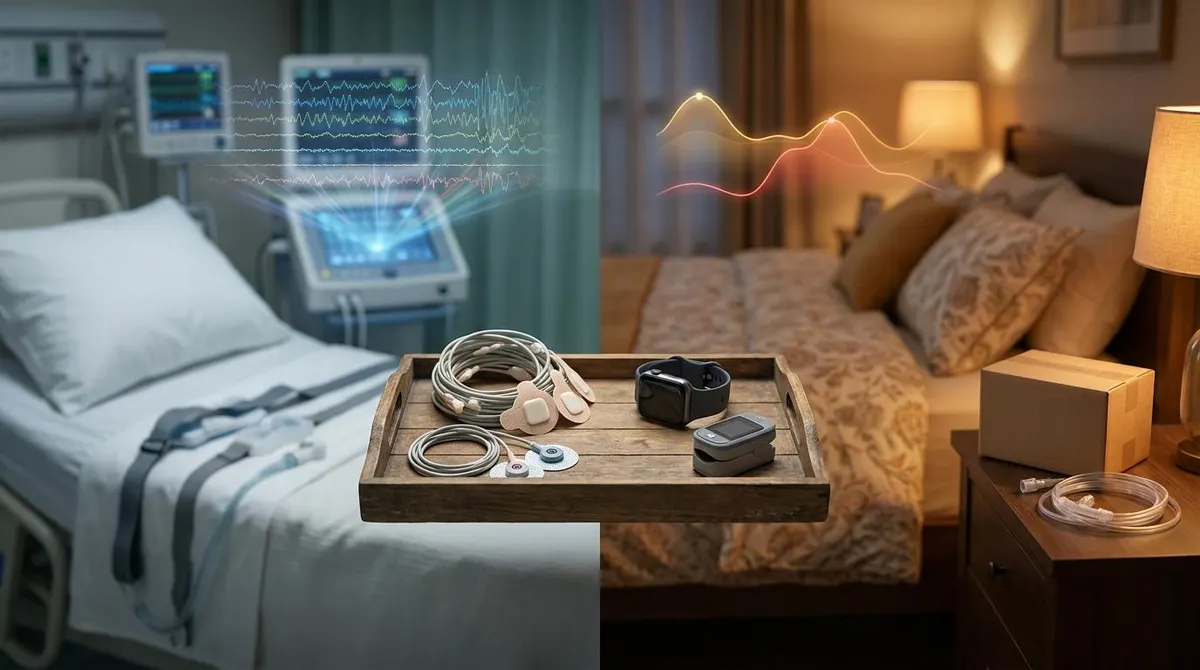
In-lab polysomnography is the gold-standard diagnostic test for sleep disorders, while a home sleep apnea test is a validated portable alternative designed specifically to detect obstructive sleep apnea. Choosing between them depends on your symptoms, medical history, and the complexity of the suspected sleep disorder.
In-Lab Polysomnography (Type I)
Polysomnography, often called a Type I sleep study, takes place overnight in a sleep lab facility. A sleep technician attaches multiple sensors to your scalp, face, chest, abdomen, and legs. These sensors record brain waves, eye movements, muscle movement, heart rate, respiration, oxygen saturation, snoring sounds, and body position.
The study runs for a full night of sleep, typically 6 to 8 hours. A technician monitors the data in real time from an adjacent room. If severe sleep apnea is detected in the first half of the night, the study may convert to a split-night study, where CPAP therapy is titrated during the second half.
Polysomnography can diagnose a wide range of sleep disorders beyond obstructive sleep apnea, including central sleep apnea, narcolepsy, restless leg syndrome, and other conditions involving abnormal brain activity or muscle movement during sleep.
Home Sleep Apnea Test
A home sleep apnea test, sometimes called home sleep apnea testing or a home sleep study, uses a portable device that you wear in your own bed. Most devices measure airflow, respiratory effort, oxygen saturation, heart rate, and body position. Some advanced devices such as the WatchPAT by Itamar Medical also use Peripheral Arterial Tonometry to detect breathing events through changes in arterial pressure at the wrist.
The American Academy of Sleep Medicineendorses home sleep apnea testing for adults who have a high pretest probability of moderate to severe obstructive sleep apnea and no significant comorbid sleep disorders. Studies published on PubMed report diagnostic accuracy above 90 percent for moderate to severe obstructive sleep apnea when home testing is used in appropriately selected patients.
dumbo.health offers an at-home sleep test for $149 with no insurance required and no prior authorizations. The device is shipped directly to your home, and results are reviewed by a physician as part of a monthly care plan.
Comparing In-Lab and Home Sleep Studies
Here is how these two approaches compare across the most decision-relevant factors.
Setting
- In-Lab Polysomnography: Sleep lab facility or hospital sleep center
- Home Sleep Apnea Test: Your own bed at home
Channels Monitored
- In-Lab Polysomnography: 12 or more, including brain waves, eye movements, muscle movement, heart rate, oxygen, airflow, and snoring
- Home Sleep Apnea Test: 4 to 7, typically airflow, respiratory effort, oxygen saturation, heart rate, and body position
Conditions Diagnosed
- In-Lab Polysomnography: Obstructive sleep apnea, central sleep apnea, narcolepsy, restless leg syndrome, and other sleep disorders
- Home Sleep Apnea Test: Obstructive sleep apnea only
Typical Cost Without Insurance
- In-Lab Polysomnography: $1,000 to $3,000 or more
- Home Sleep Apnea Test: $149 to $500 (dumbo.health offers testing for $149)
Turnaround for Results
- In-Lab Polysomnography: 1 to 3 weeks
- Home Sleep Apnea Test: Often within days (dumbo.health Premium Plan includes priority results turnaround)
Convenience
- In-Lab Polysomnography: Requires scheduling, travel, and sleeping in an unfamiliar facility
- Home Sleep Apnea Test: High convenience, no travel needed
For most adults with suspected obstructive sleep apnea who do not have complex sleep disorders, a home sleep apnea test provides sufficient diagnostic accuracy at a fraction of the cost. dumbo.health makes this option accessible with transparent pricing and physician-reviewed results.
KEY TAKEAWAY: In-lab polysomnography is the most comprehensive sleep study, but a home sleep apnea test is a clinically validated, more affordable alternative for diagnosing obstructive sleep apnea in appropriate candidates.
Knowing which test fits your situation is the first step, but preparing properly for either type of study is just as important for accurate results.
How to Prepare for a Sleep Study
Proper preparation improves data quality and helps ensure your sleep study produces accurate results. Most preparation steps apply to both in-lab polysomnography and home sleep apnea testing.
Your doctor or health care provider will give you specific instructions before your study. Following these guidelines closely prevents the need for repeat testing.
Pre-Study Checklist
- Avoid caffeine after noon on the day of your study, as it can delay sleep onset and alter sleep architecture.
- Avoid alcohol on the day of testing, because alcohol relaxes the throat muscles and can artificially worsen or mask apnea severity.
- Do not nap on the day of your study so you are tired enough to fall asleep during the test.
- Continue taking prescribed medication unless your physician specifically instructs you to stop.
- Wash your hair and skin without applying lotions, oils, or hair products, since these interfere with sensor adhesion.
- Bring comfortable sleepwear and any personal sleep items such as your own pillow if attending an in-lab study.
- Charge your home test device fully if the instructions require charging before use.
- Complete any pre-test questionnaires provided by your sleep medicine provider or by dumbo.health through the free sleep assessment.
- Note your current symptoms including snoring, witnessed breathing pauses, daytime sleepiness, and morning headaches.
- Inform your provider about any conditions such as restless leg syndrome, narcolepsy, or central sleep apnea symptoms that may require in-lab evaluation instead of home testing.
For home testing specifically, choose a night that represents your typical sleep pattern. Avoid testing on a night when you are significantly more sleep-deprived or stressed than usual, as this can alter your results.
IMPORTANT: If you use supplemental oxygen at night, let your provider know before scheduling a home sleep apnea test. Some home devices require calibration adjustments, and certain clinical situations may require in-lab polysomnography instead.
KEY TAKEAWAY: Avoiding caffeine, alcohol, and skin products on the day of your study, while following your provider's specific instructions, gives you the best chance of accurate results on the first attempt.
Once you complete your sleep study, understanding the results is the next critical step.
Understanding Your Sleep Study Results
Sleep study results tell you whether you have sleep apnea, what type it is, and how severe it is. Your physician interprets the sleep data and uses standardized scoring criteria to generate your report.
The Apnea-Hypopnea Index
The Apnea-Hypopnea Index is the primary measurement used to diagnose and classify sleep apnea severity. An apnea is a complete pause in breathing lasting at least 10 seconds. A hypopnea is a partial reduction in airflow of at least 30 percent for 10 seconds or more, accompanied by a drop in oxygen saturation or a brain arousal.
The Apnea-Hypopnea Index represents the average number of apnea and hypopnea events per hour of sleep. According to the American Academy of Sleep Medicine, severity is classified as follows:
- Normal: fewer than 5 events per hour
- Mild obstructive sleep apnea: 5 to 14 events per hour
- Moderate obstructive sleep apnea: 15 to 29 events per hour
- Severe obstructive sleep apnea: 30 or more events per hour
Other Key Metrics in Your Report
Beyond the Apnea-Hypopnea Index, your results will include additional sleep metrics that help your doctor understand the full clinical picture.
Oxygen saturation data shows your lowest oxygen level during the night and the percentage of time your oxygen dropped below 90 percent. According to the Mayo Clinic, healthy oxygen saturation during sleep should generally remain above 90 percent, though normal resting levels are typically 95 to 100 percent.
Heart rate data reveals whether your heart rate spikes or drops in response to breathing events. Repeated oxygen desaturations can trigger heart rate variability, which is one mechanism linking untreated sleep apnea to heart disease, atrial fibrillation, and hypertension.
In an in-lab polysomnography, the report also includes sleep staging data derived from brain wave analysis. This shows how much time you spent in light sleep, deep sleep, and REM sleep, plus how many times your brain aroused from sleep due to breathing events. Sleep fragmentation, even without full wakefulness, contributes to daytime sleepiness and impaired concentration.
Respiratory effort data captured by chest and abdomen belts helps differentiate obstructive sleep apnea from central sleep apnea. In obstructive events, the chest and abdomen continue to make breathing effort against a closed airway. In central events, the brain temporarily fails to signal the respiratory muscles, so no breathing effort occurs.
What Your Results Mean for Treatment
An Apnea-Hypopnea Index of 5 or higher combined with symptoms such as snoring, daytime sleepiness, or witnessed breathing pauses typically leads to a diagnosis of obstructive sleep apnea. Moderate to severe cases (15 or more events per hour) almost always warrant treatment. Mild cases may be treated based on symptom burden and cardiovascular risk factors.
At dumbo.health, physician interpretation of your results is included in all monthly care plans. The Essentials Plan at $59 per month covers physician review, a CPAP prescription if indicated, CPAP therapy and equipment, and standard follow-up care. The Premium Plan at $89 per month adds a dedicated sleep coach, advanced adherence monitoring, and priority results turnaround.
KEY TAKEAWAY: The Apnea-Hypopnea Index is the primary scoring metric for sleep apnea, with 5 or more events per hour indicating a diagnosis and 30 or more indicating severe disease.
Once you understand your results, the next question most patients ask is what treatment options are available.
Sleep Apnea Treatments After a Sleep Study
Continuous Positive Airway Pressure therapy is the gold-standard therapy for moderate to severe obstructive sleep apnea, but several other treatments exist depending on the severity, underlying causes, and patient preferences. Your treatment pathway is determined by your sleep study results in combination with your physician's clinical assessment.
CPAP Therapy
CPAP therapy delivers a continuous stream of pressurized air through a mask worn during sleep. The air pressure keeps the airway open, preventing the tissue in the throat from collapsing and blocking breathing. According to the National Heart, Lung, and Blood Institute, Continuous Positive Airway Pressure is the most effective nonsurgical treatment for obstructive sleep apnea when used consistently.
CPAP masks come in several styles, including nasal masks that cover the nose, nasal pillow masks with small cushions at the nostrils, and full-face masks that cover both the nose and mouth. The right mask depends on whether you breathe through your mouth, the severity of your apnea, and comfort preferences.
The American Academy of Sleep Medicine recommends using CPAP for at least 4 hours per night to achieve clinical benefit. Research published on PubMed shows that patients who use CPAP therapy consistently experience significant reductions in daytime sleepiness, blood pressure, and cardiovascular risk.
dumbo.health includes CPAP therapy and equipment in all monthly care plans. The Essentials Plan at $59 per month covers the CPAP device, masks, a CPAP prescription, and standard follow-up care. There are no contracts, and you can cancel anytime.
Oral Appliances
An oral appliance, also called a mandibular advancement device, is a custom-fit mouthpiece worn during sleep. It works by repositioning the lower jaw and tongue forward to prevent airway obstruction. Oral appliances are typically recommended for mild to moderate obstructive sleep apnea or for patients who cannot tolerate CPAP.
According to the American Academy of Sleep Medicine, oral appliances are effective for reducing the Apnea-Hypopnea Index in mild to moderate cases, though they are generally less effective than CPAP for severe disease. A custom-fit mouthpiece is fabricated by a dentist trained in dental sleep medicine.
Positional Therapy and Lifestyle Changes
For some patients, sleep apnea events occur predominantly when sleeping on the back. Positional therapy uses devices or techniques to keep you sleeping on your side. Weight loss is another important intervention, as obesity is one of the strongest risk factors for obstructive sleep apnea. The CDC notes that even a 10 percent reduction in body weight can meaningfully reduce apnea severity in overweight patients.
Some providers now incorporate GLP-1 care into sleep apnea management for patients where weight loss is a primary treatment goal.
Surgical Options
Surgery may be appropriate when a specific anatomical cause of obstruction is identified, such as enlarged tonsils, nasal polyps, a deviated septum, nasal obstruction, or excess tissue in the throat. Common procedures include uvulopalatopharyngoplasty, tonsillectomy, and maxillomandibular advancement.
Before recommending surgery, an Ear, Nose and Throat specialist or an Otolaryngology, Head and Neck Surgery physician may perform a fiberoptic nasolaryngoscopy to visualize the airway while you are awake. In some cases, Drug Induced Sleep Endoscopy is used, where the patient is sedated to simulate natural sleep while the physician examines the airway with a camera to identify the precise site of collapse.
Surgery is not a first-line treatment for most patients and is typically considered after CPAP or oral appliance therapy has been tried.
TIP: If you are unsure which treatment is right for you after receiving your results, dumbo.health's Premium Plan includes a dedicated sleep coach who can help you understand your options and stay on track with therapy.
KEY TAKEAWAY: CPAP therapy remains the gold-standard treatment for moderate to severe obstructive sleep apnea, while oral appliances, positional therapy, weight loss, and surgery serve as alternatives depending on severity and anatomical causes.
Treatment effectiveness depends partly on where and how you access care, which raises important questions about cost and insurance.
Cost of Sleep Studies: Insurance, Medicare, and Self-Pay Options
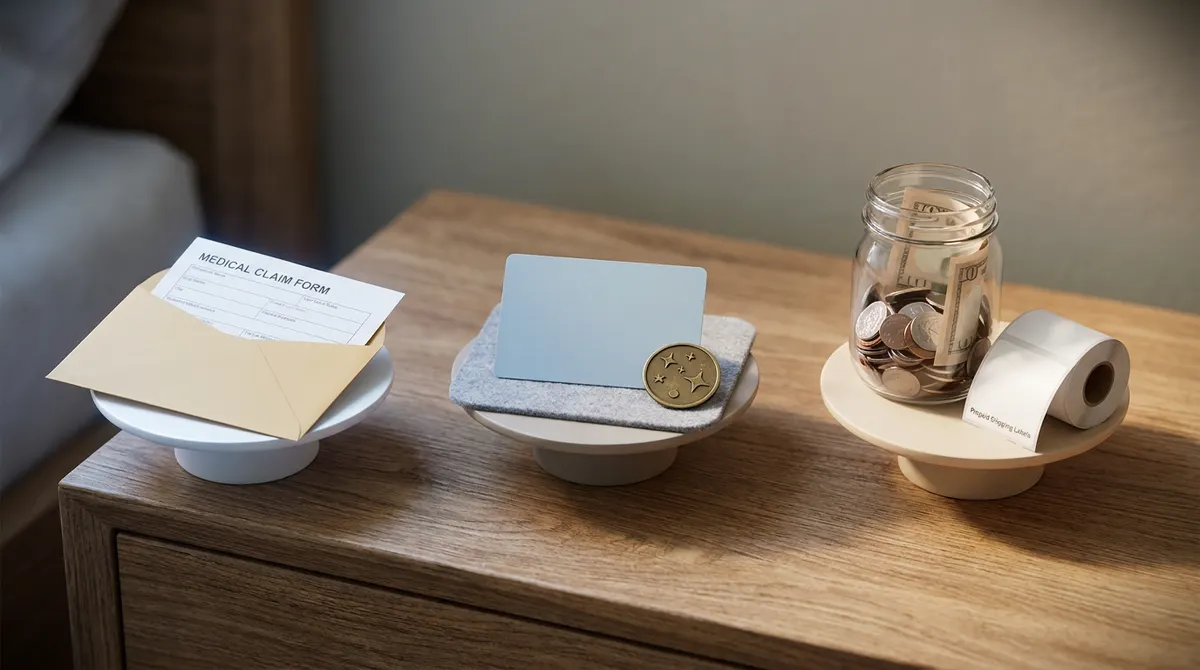
Sleep studies can be expensive, and cost is one of the biggest barriers that prevents people from getting tested. Understanding your payment options helps you make an informed decision without unnecessary delays.
In-Lab Polysomnography Costs
An in-lab polysomnography study typically costs between $1,000 and $3,000 without insurance. Costs vary depending on the facility, geographic location, and whether a split-night study with CPAP titration is required.
If you have medical insurance, most plans cover polysomnography when ordered by a physician with documented medical necessity. However, you may face a deductible, copay, or coinsurance that can still reach several hundred dollars. Prior authorization is frequently required, which can delay scheduling by weeks.
Medicare Part B covers sleep studies when they are deemed medically necessary and performed at a Medicare-approved facility. Under Medicare, you pay 20 percent of the Medicare-approved amount after meeting your annual deductible. Additional costs may apply if the provider does not accept assignment.
Home Sleep Apnea Test Costs
A home sleep apnea test is significantly less expensive than in-lab testing. Costs generally range from $149 to $500 depending on the provider and device used.
dumbo.health offers a home sleep test for $149 as a one-time payment. No insurance is required, no prior authorizations are needed, and there are no surprise bills. The test device is shipped to your home, and you complete one night of testing. Physician interpretation and ongoing care are covered under monthly plans starting at $59 per month.
For patients who are paying out of pocket, dumbo.health's cash-pay model eliminates the uncertainty of insurance billing. You know exactly what you are paying before you order, which is especially valuable for patients without medical insurance or those with high-deductible plans.
How to Step Through the dumbo.health Process
1. Complete the free sleep assessment on the dumbo.health website to determine if you are a candidate for home testing.
2. Order your home sleep test for $149, which is billed separately as a one-time cost.
3. Receive the FDA Approved, HIPAA Compliant test device at your home.
4. Wear the device during one night of sleep following the included instructions.
5. Return the device using the prepaid shipping label provided.
6. Choose a monthly care plan starting at $59 per month. Your plan covers physician interpretation of results, a CPAP prescription if indicated, CPAP therapy and equipment, and follow-up care.
7. Receive your results and treatment recommendations. Premium Plan members receive priority turnaround and access to a dedicated sleep coach.
After completing these steps, you move directly from diagnosis to treatment without the delays associated with insurance approvals, referral chains, or scheduling backlogs at sleep labs near you.
KEY TAKEAWAY: In-lab polysomnography can cost $1,000 to $3,000 without insurance, while dumbo.health offers a home sleep test for $149 with transparent cash-pay pricing and no prior authorizations.
Cost is one barrier to testing, but some patients face clinical situations where a home test may not be the right choice.
When a Home Sleep Test May Not Be the Right Choice
A home sleep apnea test is appropriate for many adults with suspected obstructive sleep apnea, but it is not suitable for every clinical situation. Understanding these limitations prevents misdiagnosis and ensures you receive the right level of evaluation.
Suspected Central Sleep Apnea
Home sleep apnea tests are not designed to diagnose central sleep apnea. Central sleep apnea occurs when the brain fails to send proper signals to the muscles that control breathing, rather than a physical obstruction of the airway. Diagnosing central sleep apnea requires monitoring brain waves, respiratory effort channels, and cardiac signals simultaneously, which is only possible with in-lab polysomnography. Patients with a history of heart failure, stroke, or opioid use are at higher risk for central sleep apnea and should discuss in-lab testing with their physician.
Complex or Multiple Sleep Disorders
If your doctor suspects narcolepsy, restless leg syndrome, periodic limb movement disorder, or another sleep disorder in addition to sleep apnea, a home test will not capture the necessary data. These conditions require Electroencephalogram monitoring, muscle movement tracking, and detailed sleep staging that only a Type I polysomnography study provides. In-lab sleep studies at a sleep lab facility with trained technicians remain the appropriate choice for complex diagnostic evaluations.
Severe Cardiopulmonary Disease
Patients with significant heart disease, severe lung disease, or conditions affecting oxygen levels at baseline may need the continuous medical oversight available during an in-lab study. A technician can intervene in real time if a dangerous clinical event occurs during the study night.
False Negative Risk
Home sleep tests can underestimate apnea severity in some cases. If the device is not worn correctly, if the patient has an atypical night of sleep, or if oxygen desaturation patterns are subtle, the study may produce a false negative result. The American Academy of Sleep Medicine recommends that a negative or inconclusive home sleep apnea test in a patient with high clinical suspicion should be followed by in-lab polysomnography rather than being considered definitive.
dumbo.health addresses this limitation through physician oversight included in every care plan. If your home test results are inconclusive or inconsistent with your symptoms, your physician can recommend additional evaluation. The telehealth model allows you to have a tele-health consultation or virtual appointment with your provider to discuss next steps without visiting a clinic.
IMPORTANT: A home sleep apnea test is a screening tool for obstructive sleep apnea. It does not replace comprehensive polysomnography when central sleep apnea, narcolepsy, or complex sleep disorders are suspected.
KEY TAKEAWAY: Home sleep tests are highly effective for diagnosing obstructive sleep apnea, but in-lab polysomnography remains necessary when central sleep apnea, narcolepsy, restless leg syndrome, or complex cardiopulmonary conditions are suspected.
Recognizing these clinical boundaries helps frame real-world decisions. The following examples illustrate how different people navigate the testing process.
Real-World Scenarios: Who Gets a Sleep Study and Why
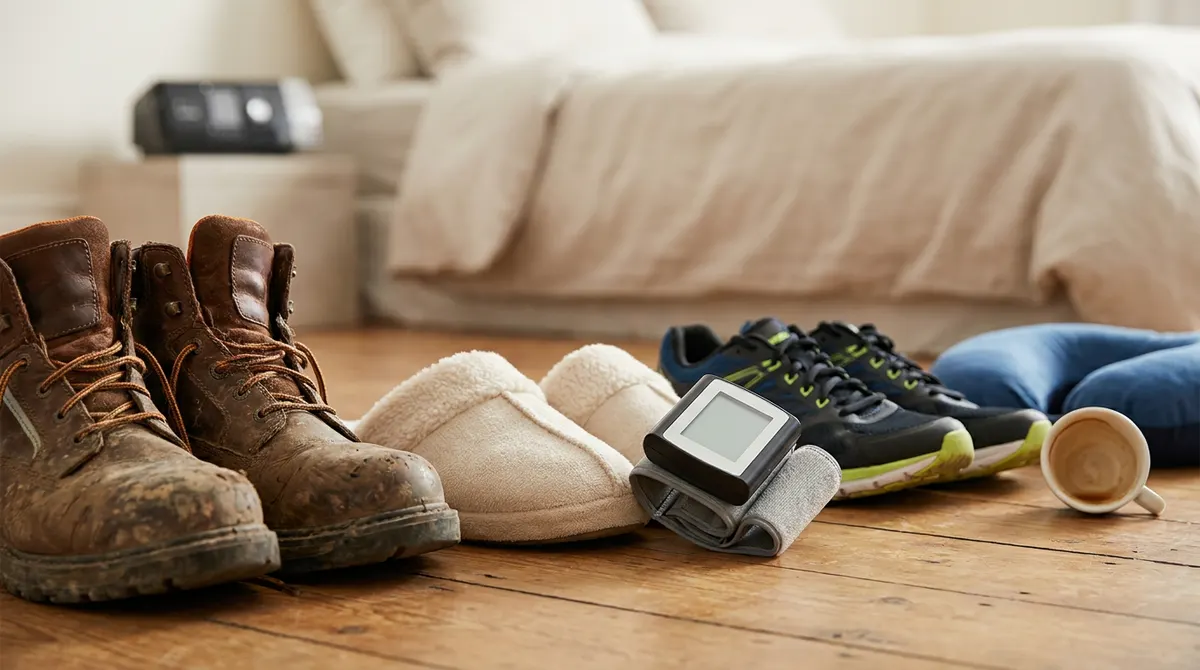
Sleep studies are not one-size-fits-all. Your clinical situation, symptoms, occupation, and health history all influence which test is appropriate and what happens after results come in. The following scenarios illustrate how the process works in practice.
Scenario 1: A 48-Year-Old Commercial Truck Driver Flagged During a DOT Physical
A 48-year-old male owner-operator with a BMI of 36 is flagged during his DOT physical for suspected obstructive sleep apnea. His provider notes a neck circumference above 17 inches, loud snoring reported by his partner, and self-reported daytime sleepiness. The examiner issues a conditional medical certificate and requires a sleep evaluation before full certification.
Rather than waiting weeks for an in-lab sleep study at a facility in his area, he orders a home sleep test through dumbo.health for $149. The device arrives within days. After one night of testing, his results show an Apnea-Hypopnea Index of 34, indicating severe obstructive sleep apnea. He enrolls in the dumbo.health Essentials Plan at $59 per month, receives a CPAP prescription, and starts Continuous Positive Airway Pressure therapy. His physician sends an updated report to his DOT examiner, allowing him to complete the certification process without losing weeks on the road.
Scenario 2: A 55-Year-Old Woman With Hypertension and Fatigue
A 55-year-old woman with a 5-year history of high blood pressure and persistent fatigue visits her primary care doctor. She does not consider herself a heavy snorer, but her blood pressure remains elevated despite taking medication. Her physician suspects obstructive sleep apnea may be contributing to her treatment-resistant hypertension.
She completes the free sleep assessment at dumbo.health and qualifies for a home sleep apnea test. Her results reveal an Apnea-Hypopnea Index of 18 with an oxygen saturation nadir of 83 percent. Her physician classifies this as moderate obstructive sleep apnea with clinically significant oxygen desaturation. She starts CPAP therapy through the dumbo.health Premium Plan at $89 per month, which includes a dedicated sleep coach to help with mask fitting and adherence. After three months of consistent CPAP use, her blood pressure readings improve enough for her doctor to reduce her medication dosage.
Scenario 3: A 32-Year-Old Male With Excessive Daytime Sleepiness and No Snoring
A 32-year-old male with a BMI of 24 reports extreme daytime sleepiness, difficulty concentrating at work, and episodes of sudden muscle weakness triggered by strong emotions. He does not snore, and his partner has never witnessed breathing pauses during sleep. His doctor suspects narcolepsy rather than obstructive sleep apnea.
Because narcolepsy requires monitoring of brain waves, sleep staging, and a Multiple Sleep Latency Test the following day, his physician orders an in-lab polysomnography rather than a home sleep test. The in-lab study at a sleep lab facility confirms abnormal REM sleep patterns and a low sleep latency score, supporting a narcolepsy diagnosis. His treatment involves medication rather than CPAP therapy. This scenario demonstrates why in-lab testing remains essential when sleep disorders other than obstructive sleep apnea are suspected.
KEY TAKEAWAY: The right type of sleep study depends on your specific symptoms, risk factors, and clinical suspicion, and choosing correctly on the first attempt avoids unnecessary delays and repeat testing.
These real-world examples highlight patterns, but persistent myths about sleep studies still prevent many people from getting tested.
Common Myths About Sleep Studies for Sleep Apnea Debunked
MYTH: You have to sleep in a hospital to get tested for sleep apnea.
FACT: A home sleep apnea test is a clinically validated alternative for diagnosing obstructive sleep apnea. The American Academy of Sleep Medicine supports home testing for adults with a moderate to high pretest probability of obstructive sleep apnea. Devices such as the WatchPAT One and other FDA Approved portable monitors can be used in your own bed with results comparable to in-lab testing for obstructive events. dumbo.health ships a home sleep test device directly to your door for $149.
MYTH: If your sleep study results are normal, you definitely do not have sleep apnea.
FACT: Home sleep tests can produce false negative results if the device was worn incorrectly, if the test night was atypical, or if the patient has positional apnea that did not occur that night. The American Academy of Sleep Medicine recommends in-lab polysomnography for any patient with a negative home test but persistent symptoms such as snoring, daytime sleepiness, or witnessed apneas. A single normal night does not rule out sleep apnea in every case.
MYTH: Sleep apnea only affects overweight, older men.
FACT: While obesity is a significant risk factor, sleep apnea occurs in women, younger adults, and people with normal body weight. Anatomical factors such as a narrow airway, large tonsils, a recessed jaw, or a large tongue can cause obstruction regardless of BMI. According to the Sleep Foundation, sleep apnea is underdiagnosed in women partly because their symptoms, such as fatigue, insomnia, and mood changes, differ from the classic presentation of loud snoring and witnessed apneas.
MYTH: CPAP is the only treatment for sleep apnea.
FACT: CPAP is the gold-standard therapy for moderate to severe obstructive sleep apnea, but alternatives exist. Oral appliances such as a mandibular advancement device can treat mild to moderate cases. Positional therapy, weight loss, and surgical interventions addressing nasal polyps, enlarged tonsils, or excess throat tissue are additional options. The right treatment depends on severity, anatomy, and patient tolerance. dumbo.health's sleep apnea solutions page outlines available care pathways.
MYTH: Sleep studies are too expensive without insurance.
FACT: In-lab polysomnography without insurance can cost $1,000 to $3,000, but home sleep testing has made diagnosis far more accessible. dumbo.health offers a home sleep test for $149 as a one-time, cash-pay cost with no insurance needed, no deductible, and no surprise bills. Monthly treatment plans start at $59 per month with no contracts.
KEY TAKEAWAY: Many common beliefs about sleep studies, including who needs them, where they are done, and what they cost, are outdated or incorrect, and these myths often delay diagnosis and treatment.
Clearing up these misconceptions prepares you to make a fully informed decision about testing.
What Happens After Your Sleep Study: The Path From Diagnosis to Treatment
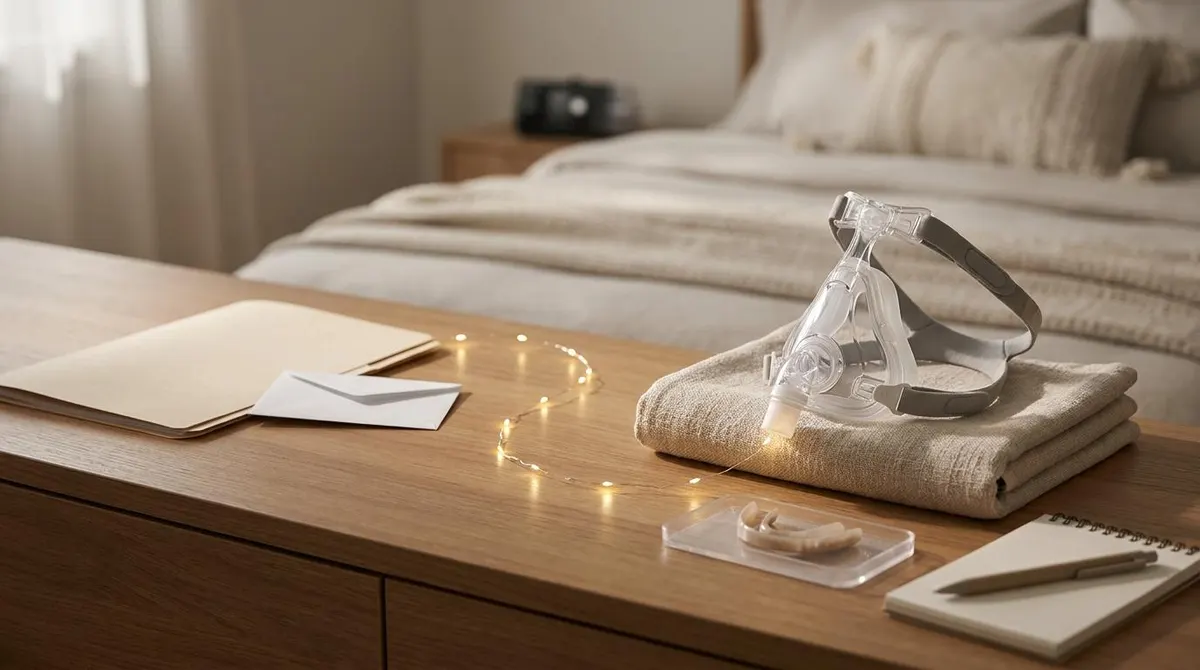
Receiving a diagnosis is not the end of the process. What happens after your sleep study determines whether your sleep apnea is effectively managed or remains a long-term health risk.
Once your sleep data is scored and your physician reviews the results, you receive a formal diagnosis based on your Apnea-Hypopnea Index, oxygen saturation data, and symptom profile. If obstructive sleep apnea is confirmed, your provider will discuss treatment options and may issue a CPAP prescription.
Starting CPAP therapy involves selecting the right mask type, setting the prescribed pressure, and building a consistent nightly routine. Many patients report that the first few weeks of CPAP use require adjustment. Common early challenges include mask discomfort, dry mouth, nasal congestion, and difficulty falling asleep with the device. Clinicians frequently observe that patients who receive active coaching during the first 30 days are significantly more likely to achieve long-term adherence.
Adherence monitoring tracks whether you are using your CPAP device for the recommended minimum of 4 hours per night on at least 70 percent of nights. This threshold is also the standard used by Medicare and many insurance carriers to determine ongoing coverage. For commercial drivers, FMCSA medical examiners may require documented CPAP compliance before issuing or renewing a medical certificate.
dumbo.health integrates diagnosis and treatment into a single streamlined pathway. After your home sleep test, your results are interpreted by a physician, and if CPAP therapy is indicated, your equipment is included in your monthly plan. The Premium Plan at $89 per month provides advanced adherence monitoring and a dedicated sleep coach who works with you during the critical early weeks of therapy. The Elite Plan at $129 per month adds concierge clinical support, direct physician messaging, and custom reporting for referring providers or employers.
Untreated obstructive sleep apnea has serious long-term consequences. According to the NIH,untreated sleep apnea is associated with an increased risk of hypertension, heart disease, heart attacks, strokes, insulin resistance, atrial fibrillation, and motor vehicle accidents. The National Highway Traffic Safety Administration (NHTSA estimates that drowsy driving contributes to thousands of crashes annually, making treatment especially important for commercial drivers and anyone who drives regularly.
KEY TAKEAWAY: Moving from diagnosis to consistent, monitored treatment is the most critical step after a sleep study, and active support during the first weeks of therapy significantly improves long-term success.
Conclusion
A sleep study for sleep apnea is the definitive step between suspecting a problem and getting effective treatment. Whether you undergo in-lab polysomnography or a home sleep apnea test, the goal is the same: measure your breathing, oxygen levels, and sleep patterns to determine if obstructive sleep apnea is disrupting your health. Understanding your Apnea-Hypopnea Index and what your results mean empowers you to choose the right treatment with your provider.
If you are ready to get tested without insurance delays or surprise bills, dumbo.health offers a home sleep test for $149 with monthly care plans starting at $59 per month. No contracts, no prior authorizations, and you can cancel anytime. Take the first step by completing the free sleep assessment at dumbo.health.
Frequently Asked Questions About Sleep Study for Sleep Apnea
What is a sleep study and why is it needed?
A sleep study is a medical test that monitors your body while you sleep to help identify sleep disorders such as obstructive sleep apnea, central sleep apnea, narcolepsy, and restless leg syndrome. During the study, sensors track breathing, oxygen saturation, heart rate, brain activity, and muscle movement. A sleep study is needed when symptoms such as loud snoring, gasping, daytime sleepiness, or observed breathing pauses suggest a sleep disorder may be present. A healthcare professional can help determine whether a sleep study is the appropriate next step based on your symptoms and medical history.
What is obstructive sleep apnea?
Obstructive sleep apnea is a condition in which the upper airway repeatedly collapses during sleep, causing brief breathing interruptions called apneas or partial reductions in airflow called hypopneas. These events lower oxygen saturation, disrupt sleep architecture, and may increase the risk of high blood pressure, heart disease, stroke, atrial fibrillation, and insulin resistance. According to the American Academy of Sleep Medicine, obstructive sleep apnea is one of the most common sleep disorders in adults. A sleep study measures the apnea-hypopnea index, which counts the number of breathing events per hour of sleep and is used to determine severity.
What are the symptoms of sleep apnea?
Common symptoms of sleep apnea include loud snoring, witnessed breathing pauses during sleep, gasping or choking at night, waking unrefreshed, excessive daytime sleepiness, difficulty concentrating, and morning headaches. Not everyone with sleep apnea snores, and many people are unaware they have the condition because symptoms occur during sleep. If you or a bed partner notice any of these signs regularly, speaking with a healthcare professional about sleep apnea testing is a reasonable step. A free sleep assessment can also help you evaluate whether symptoms warrant further evaluation.
What is measured during a sleep study and why?
A sleep study measures several physiological signals simultaneously to give a complete picture of what happens during sleep. These include brain waves via electroencephalogram to assess sleep stages, oxygen saturation via pulse oximeter, airflow through the nose and mouth, respiratory effort using chest and abdominal belts, heart rate via EKG patches, and leg muscle movement. In a home sleep apnea test, a more focused set of signals is recorded, typically including airflow, oxygen saturation, pulse rate, and respiratory effort. Each signal helps clinicians identify the type and severity of sleep-disordered breathing.
What kind of sensors are used during a sleep study?
During a full in-lab sleep study, or polysomnography, sensors include electrodes placed on the scalp to measure brain activity, EKG patches near the chest to monitor heart rate, a pulse oximeter on the finger to measure oxygen levels, sensor prongs or a small cannula near the nose to detect airflow, elastic belts around the chest and abdomen to measure breathing effort, and electrodes on the legs to detect muscle movement. Home sleep apnea tests use a smaller number of sensors and are designed to be applied by the patient. Devices such as the WatchPAT One use peripheral arterial tonometry and photoplethysmography to assess sleep-disordered breathing without the full electrode setup of a lab study.
What is the difference between a home sleep apnea test and an in-lab sleep study?
A home sleep apnea test, or HSAT, is a simplified version of a sleep study performed in your own bed using a portable monitoring device. It measures key signals such as oxygen saturation, airflow, respiratory effort, and pulse rate to calculate the apnea-hypopnea index. An in-lab sleep study, known as polysomnography or Type I testing, monitors a broader range of signals including brain waves, full heart rhythm, and limb movements, and is conducted by a technician in a sleep lab facility. The American Academy of Sleep Medicine supports home sleep apnea testing as an appropriate option for adults with a high pre-test probability of obstructive sleep apnea and no major comorbidities.
When is a home sleep apnea test appropriate?
A home sleep apnea test is generally appropriate for adults who have symptoms consistent with moderate to severe obstructive sleep apnea, such as snoring, witnessed apneas, and daytime sleepiness, and who do not have significant comorbidities such as severe heart disease, respiratory failure, neuromuscular conditions, or suspected central sleep apnea. A healthcare professional should evaluate your symptoms and medical history before recommending a home sleep test. Home sleep tests are not designed to diagnose narcolepsy, restless leg syndrome, or other sleep disorders that require full brain wave and limb movement recording. If your provider suspects a complex sleep disorder, a full in-lab study may be recommended instead.
How does a home sleep study diagnose obstructive sleep apnea?
A home sleep apnea test records breathing data overnight, typically including airflow, oxygen saturation, respiratory effort, and heart rate. A physician or sleep specialist then interprets the recorded data, calculates the apnea-hypopnea index, and prepares a clinical report. An apnea-hypopnea index of 5 to 14 events per hour typically indicates mild obstructive sleep apnea, 15 to 29 indicates moderate, and 30 or more indicates severe. The interpreting physician considers the full clinical picture alongside the sleep data before making a diagnosis. A diagnosis is not made by the device itself but by the reviewing clinician. Learn more about how home sleep apnea testing for commercial drivers works, which also applies to general patients.
How accurate are home sleep apnea tests?
Home sleep apnea tests are a validated and widely used method for diagnosing obstructive sleep apnea in appropriate patients. Because home tests record fewer channels than a full polysomnography, they may slightly underestimate the apnea-hypopnea index in some cases, since sleep time is estimated rather than directly measured from brain wave data. The Sleep Foundation notes that home sleep apnea tests are accurate enough for most adults with a high likelihood of obstructive sleep apnea. If a home sleep test result is negative or inconclusive but symptoms persist, a healthcare professional may recommend an in-lab sleep study to obtain a more complete assessment.
How does a home sleep apnea test work?
A home sleep apnea test involves using a portable monitoring device in your own home on the designated test night. Depending on the device, you may wear a small recorder on your wrist or chest, a finger sensor to measure oxygen saturation, a nasal cannula to detect airflow, and chest belts to measure respiratory effort. Some newer devices, such as the WatchPAT One and SleepImage Ring, use peripheral arterial tonometry or photoplethysmography on the finger to track sleep-disordered breathing. The device records data overnight and the results are transmitted or returned to a physician for interpretation. dumbo.health offers an at-home sleep test for $149 with transparent cash-pay pricing and physician interpretation included in the process.
How do I prepare for a home sleep study?
Preparing for a home sleep study involves a few practical steps. On the test day, avoid caffeine after midday, as caffeine found in coffee, tea, energy drinks, sodas, and chocolate can interfere with sleep quality and affect the results. Avoid alcohol on the night of the study, as alcohol suppresses normal breathing reflexes and may artificially alter the severity of recorded events. Follow your usual sleep schedule as closely as possible, and shower or wash your hair before applying sensors if instructed, since oil and product residue can affect sensor contact. Take your usual medications unless a clinician specifically instructs otherwise, and always confirm medication questions with your healthcare provider before the test night.
Should I drink alcohol before a sleep study?
Alcohol should be avoided on the night of a sleep study. Alcohol relaxes the muscles of the throat and airway, which can increase the frequency and severity of apnea events and alter how well you transition between sleep stages. Consuming alcohol before a sleep study may produce results that do not accurately reflect your typical sleep patterns, potentially leading to overestimation of apnea severity on that particular night. Your sleep study instructions will typically advise against alcohol on the test day. If you are unsure about any pre-test instructions, speak with your healthcare provider or the clinical team coordinating your test.
Does caffeine affect a sleep study?
Yes, caffeine can affect the results of a sleep study by making it harder to fall asleep and reducing total sleep time. Caffeine is found in coffee, tea, cola drinks, energy drinks, chocolate, and some medications. Most sleep study protocols recommend avoiding caffeine for at least six to eight hours before bedtime on the test night. For patients being evaluated for narcolepsy, the instructions may be even more specific, as a multiple sleep latency test performed the following day requires accurate measurement of how quickly you fall asleep. If you take a caffeine-containing medication for a medical reason, confirm whether to continue it with your healthcare provider before the test.
Should I take my usual medications on the night of a sleep study?
In most cases, patients are advised to continue their usual medications on the night of a sleep study unless instructed otherwise by their healthcare provider. Some medications such as sedatives, hypnotics, stimulants, and certain antidepressants can affect sleep architecture or breathing patterns and may need to be adjusted before testing. Your clinical team will typically review your medication list before the study. Always bring a complete list of all current medications, including over-the-counter drugs, supplements, and herbal products, when you attend a sleep study or complete your intake forms for a home sleep test.
Does sleep position matter during a sleep study?
Sleep position can affect the frequency and severity of obstructive sleep apnea events. Apnea events tend to be more frequent and severe when sleeping on the back because gravity can cause the tongue and soft tissue of the throat to fall backward and partially block the airway. Sleeping on the side often reduces the number of events. During a sleep study, clinicians typically record your body position throughout the night, allowing them to assess whether your apnea is positional in nature. You do not need to force yourself to sleep in a particular position. Sleep naturally and let the data reflect your typical patterns.
What happens if I cannot sleep well during a home sleep study?
Poor sleep during a home sleep study is common and does not automatically invalidate the test. Home sleep apnea test devices record breathing data rather than brain waves, so the algorithm estimates sleep time based on movement and breathing signals. If sleep quality is very poor or total recording time is too short, the results may be inconclusive. In that case, your healthcare provider may recommend repeating the test or completing an in-lab sleep study. Many patients sleep reasonably well with a home device since they are in their own bed. If the result is inconclusive on the first attempt, testing can often be repeated.
How many times can I take an at-home sleep apnea test?
There is no fixed limit on the number of times a patient can take an at-home sleep apnea test, though clinical protocols vary. If the first test is inconclusive due to poor sleep quality, equipment issues, or insufficient recording time, a repeat test is often appropriate. If the first test is negative but your symptoms remain, your healthcare provider may recommend a second test or escalate to an in-lab polysomnography for a more detailed evaluation. dumbo.health can support at-home sleep testing, and a physician will review the results to determine whether additional testing or a different evaluation pathway is appropriate for your situation.
What sleep disorders can a home sleep apnea test detect?
Home sleep apnea tests are designed specifically to detect obstructive sleep apnea and to estimate its severity using the apnea-hypopnea index. They are not designed to diagnose central sleep apnea, narcolepsy, restless leg syndrome, parasomnias, or other sleep disorders that require full brain wave recording, limb movement monitoring, and video surveillance available only in a sleep lab. Some advanced home devices can suggest patterns consistent with central sleep apnea, but a confirming in-lab study is usually required. If your clinician suspects a sleep disorder beyond obstructive sleep apnea, an in-lab polysomnography is typically the recommended approach.
What is a split-night sleep study?
A split-night sleep study is an in-lab study in which the first portion of the night is used to diagnose obstructive sleep apnea and the second portion is used to titrate continuous positive airway pressure therapy, all in one overnight session. This approach is used when significant apnea is detected early in the night and the treating team determines that enough data has been collected for a diagnosis. A split-night study avoids the need for a separate titration night and can expedite treatment. Whether a split-night study is appropriate depends on the severity of apnea detected and the clinical judgment of the supervising physician. Home sleep apnea tests do not involve a split-night protocol.
What is a multiple sleep latency test, and why might I need one for narcolepsy?
A multiple sleep latency test is an in-lab daytime test used to evaluate excessive daytime sleepiness and to help diagnose narcolepsy and other hypersomnias. It measures how quickly you fall asleep and whether you enter REM sleep during a series of scheduled nap opportunities. If you are being evaluated for narcolepsy, your clinical team will typically ask you to avoid medications that affect REM sleep for a specified period before the study, to follow a consistent sleep schedule in the days leading up to the test, and to avoid caffeine and alcohol. A home sleep apnea test cannot diagnose narcolepsy. An in-lab study followed by a multiple sleep latency test is the standard protocol.
How do I get tested for sleep apnea?
Getting tested for sleep apnea typically starts with speaking to a healthcare professional about your symptoms. Based on your symptom profile and medical history, your provider may refer you for a home sleep apnea test or an in-lab polysomnography. Some platforms, including dumbo.health, allow patients to take a sleep assessment and access at-home sleep testing directly with physician oversight. dumbo.health offers a $149 at-home sleep test with no insurance required, no prior authorizations, and transparent cash-pay pricing. Get started with a sleep assessment to find out whether at-home testing may be a reasonable first step for you.
Do I need a prescription or referral for a sleep apnea test?
In many cases, a physician order or referral is required before a home sleep apnea test can be interpreted and used to guide treatment. Some platforms integrate physician oversight into their testing workflow so that patients do not need a separate referral before ordering a device. At dumbo.health, physician interpretation is part of the process, which means the clinical pathway is built into the service rather than requiring the patient to arrange it separately. A healthcare professional should still review your symptoms and test results before any treatment is recommended. If you have complex medical conditions, your primary care provider or a sleep specialist should be involved in the decision.
Do I need a prescription for a CPAP machine?
Yes. In the United States, CPAP machines are classified as prescription medical devices by the Food and Drug Administration. A valid prescription from a licensed healthcare provider is required before a CPAP device can be dispensed. The prescription is typically issued following a confirmed diagnosis of obstructive sleep apnea based on a sleep study result interpreted by a physician. dumbo.health monthly plans include physician interpretation and CPAP therapy and equipment as part of the care pathway, so the prescription and device sourcing are handled within the same service. Learn more about how CPAP therapy works and what is included.
How is sleep apnea treated?
The most widely used and evidence-based treatment for obstructive sleep apnea is continuous positive airway pressure therapy, commonly known as CPAP. CPAP delivers a steady stream of pressurised air through a mask worn during sleep, keeping the airway open and preventing apnea events. Other treatment options include oral appliances such as mandibular advancement devices that reposition the jaw to open the airway, positional therapy, upper airway surgery, and in some cases weight loss. According to the Mayo Clinic, CPAP is considered the gold-standard therapy for moderate to severe obstructive sleep apnea. The appropriate treatment depends on severity, anatomy, patient preference, and clinician recommendation.
Will treating sleep apnea help?
Treating obstructive sleep apnea can improve a range of symptoms and health outcomes for many patients, though individual results vary. Many people report improved sleep quality, reduced daytime sleepiness, and better concentration with consistent CPAP use. Research published in sleep medicine literature suggests that effective treatment may help reduce blood pressure and lower cardiovascular risk over time, though outcomes depend on adherence, severity, and individual health factors. The NHS notes that effective treatment can significantly reduce the impact of obstructive sleep apnea on daily life. Treatment decisions should always be made with a qualified healthcare professional based on your diagnosis, severity, and overall health.
What is CPAP adherence and why does it matter?
CPAP adherence refers to how consistently and for how long a patient uses their CPAP device each night. Effective CPAP therapy generally requires using the device for at least four hours per night on most nights, though longer nightly use is associated with better outcomes. Poor adherence can limit the health benefits of treatment and, for commercial drivers, may affect their ability to meet DOT medical standards. Modern CPAP devices record usage data electronically, allowing clinicians to review adherence remotely. dumbo.health Premium and Elite plans include advanced adherence monitoring and dedicated sleep coach support to help patients stay on track with therapy.
How much does a sleep apnea test cost?
The cost of a sleep apnea test varies depending on whether you use insurance, a sleep lab, or a cash-pay at-home testing service. In-lab polysomnography at a sleep lab facility can cost several hundred to over a thousand dollars depending on location and insurance coverage. A home sleep apnea test is generally less expensive. dumbo.health offers a home sleep test for $149 as a one-time, transparent cash-pay purchase with no insurance required, no prior authorizations, and no surprise bills. Monthly care plans starting at $59 per month cover physician interpretation, CPAP equipment, and follow-up care separately from the test cost. View sleep apnea care solutions to compare plan options.
Will insurance cover a home sleep apnea test?
Insurance coverage for home sleep apnea tests varies by plan, provider, and whether specific pre-authorisation requirements are met. Medicare Part B, which is Medicare Medical Insurance, may cover home sleep apnea testing when ordered by a physician for a patient with symptoms of obstructive sleep apnea, subject to the Medicare-approved amount, deductible, and assignment rules. Private insurance coverage depends on the individual plan. dumbo.health operates as a cash-pay service and does not bill insurance, which means there are no prior authorisations, no coverage denials, and no surprise bills. Patients who prefer transparent pricing can access testing and ongoing care without relying on insurance approval.
What do home sleep tests measure?
Home sleep tests typically measure airflow through the nose and mouth, blood oxygen saturation, pulse rate, respiratory effort using chest and abdominal movement, and body position. Some devices also use peripheral arterial tonometry or photoplethysmography to estimate sleep stages and detect arousals. The data collected is used to calculate the apnea-hypopnea index, assess oxygen desaturation events, and evaluate overall breathing patterns during sleep. Home sleep tests do not measure brain waves, eye movements, or full limb muscle activity, which means they record less comprehensive sleep data than a full in-lab polysomnography. The interpreting physician uses all recorded signals to evaluate for obstructive sleep apnea.
What do sleep study results mean?
Sleep study results are summarised in a report that includes the apnea-hypopnea index, oxygen saturation levels, the lowest oxygen saturation recorded during the night, and notes on sleep stages where applicable. An apnea-hypopnea index below 5 in adults is generally considered within normal limits. An index of 5 to 14 indicates mild obstructive sleep apnea, 15 to 29 indicates moderate, and 30 or more indicates severe. The results also include information about the frequency of hypopneas, oxygen desaturation events, and positional patterns. A physician interprets the full report in the context of your symptoms and medical history to determine the appropriate course of action.
When will I receive the results of my sleep study?
The turnaround time for sleep study results depends on the type of study and the service used. In-lab polysomnography results are typically reviewed and reported within a few days to a week. Home sleep apnea test results are often available more quickly once the device data has been transmitted or returned for scoring and physician review. dumbo.health Premium plan includes priority results turnaround as part of its care package. For all sleep studies, results are delivered through a physician-interpreted report rather than raw data alone. A clinician should review the findings with you and explain what the results mean for your care.
How long does a sleep study take?
An in-lab sleep study typically takes one full night, with arrival in the early evening and discharge the following morning. Most sleep lab facilities ask patients to arrive one to two hours before their planned sleep time for sensor setup. Home sleep apnea tests are conducted over one or more nights in your own home, with the recording period matching your normal sleep window. For narcolepsy evaluation, a full overnight polysomnography is usually followed by a multiple sleep latency test the next day, making the evaluation span approximately 24 hours in total. Your clinical team will provide specific timing instructions based on the type of study ordered.
Does a sleep study hurt?
A sleep study is non-invasive and generally painless. Sensors are applied to the skin using adhesive or soft elastic, and no needles or injections are involved. Some patients find the sensation of wearing a nasal cannula or chest belts mildly uncomfortable, particularly when trying to fall asleep. The adhesive used to attach scalp electrodes during a full polysomnography can feel slightly sticky but does not cause pain. Most patients tolerate home sleep apnea tests well because they are in their own familiar sleep environment with a smaller number of sensors. If you have any concerns about sensor application, your clinical team can walk you through the process in advance.
Can I get up to use the bathroom during an in-lab sleep study?
Yes. Sleep lab facilities are designed to accommodate natural needs during the night. If you need to use the bathroom, you can alert the monitoring technician, who will temporarily disconnect the necessary sensors to allow you to move safely. Sensors are then reapplied when you return to bed. The brief interruption is noted in the study record but does not typically affect the validity of the results. For home sleep apnea tests, most devices can be paused or removed briefly and then reapplied, though specific instructions vary by device. Your home test kit will include guidance on handling any interruptions during the recording.
Does someone watch me during an in-lab sleep study?
During an in-lab sleep study, a trained sleep technician monitors your physiological signals from an adjacent room throughout the night. The technician watches the incoming data in real time and is available to assist if a sensor becomes dislodged, if you need to use the bathroom, or if any issue arises. In most sleep labs, video monitoring is also used as part of the standard recording setup. The monitoring is clinical in nature and follows standard privacy protocols. The technician does not typically enter the room unless needed. For home sleep apnea tests, there is no real-time monitoring. Your data is reviewed after the test night by a physician or sleep specialist.
What are the risks of a sleep study?
Sleep studies are low-risk medical tests. There are no needles, radiation, or significant physical interventions involved. Some patients experience mild skin irritation from electrode adhesive or sensor contact, which usually resolves quickly after the sensors are removed. The main practical challenge is sleeping in an unfamiliar environment or with sensors attached, which can make it harder to fall or stay asleep. A home sleep apnea test carries minimal physical risk and is conducted in your own home. The American Academy of Sleep Medicine considers home sleep apnea testing a safe and validated diagnostic option for appropriate patients.
What are the pros and cons of a home sleep study?
The main advantages of a home sleep study are convenience, lower cost, and the ability to sleep in your own familiar environment, which may produce more representative sleep data than a laboratory setting. Home testing is faster to access and requires no overnight travel or clinical admission. The main limitations are that home sleep tests record fewer data channels than full polysomnography, cannot diagnose complex sleep disorders such as narcolepsy or restless leg syndrome, and may produce inconclusive results in patients who sleep poorly or have significant comorbidities. A qualified healthcare professional should review both options and recommend the most appropriate test based on your individual symptom profile.
What other conditions can a sleep study help identify?
Beyond obstructive sleep apnea, a full in-lab polysomnography can help identify central sleep apnea, in which breathing pauses are caused by the brain rather than an airway obstruction, narcolepsy, restless leg syndrome, periodic limb movement disorder, and parasomnias such as sleepwalking or REM sleep behaviour disorder. Central sleep apnea may require a different treatment approach than obstructive sleep apnea and cannot be reliably diagnosed with a standard home sleep test alone. If your healthcare provider suspects a condition other than obstructive sleep apnea, they will typically recommend a full in-lab study with comprehensive monitoring rather than a home device.
How does sleep apnea affect commercial drivers and CDL certification?
Commercial drivers are subject to FMCSA medical fitness standards, and sleep apnea can be a disqualifying condition if it is untreated and causes excessive daytime sleepiness that affects safe driving. The FMCSA states that drivers must be physically qualified to operate a commercial motor vehicle safely, and a certified medical examiner may refer a driver for sleep apnea evaluation if risk factors such as obesity, hypertension, large neck circumference, or reported sleepiness are present. A certified medical examiner makes all DOT certification decisions based on the full clinical picture, including test results and documented treatment adherence. dumbo.health can support at-home sleep apnea testing and care documentation for commercial drivers, but does not guarantee DOT certification or medical clearance. Learn more about DOT sleep apnea testing at home for commercial drivers.
Why might a doctor recommend a sleep study?
A doctor may recommend a sleep study when a patient reports symptoms that suggest a sleep disorder, such as loud snoring, witnessed breathing pauses, waking repeatedly at night, unrefreshed sleep, or significant daytime sleepiness that affects daily functioning. A sleep study may also be recommended for patients with high blood pressure that is difficult to control, a history of atrial fibrillation, obesity, or a prior stroke, all of which are associated with a higher prevalence of obstructive sleep apnea. The Sleep Foundation explains that diagnosing and treating obstructive sleep apnea can be an important part of managing several cardiovascular and metabolic conditions. A healthcare professional determines whether and what type of sleep study is appropriate.
Should I see a sleep specialist?
Whether you need to see a sleep specialist depends on your symptoms, medical history, and the complexity of your case. For straightforward presentations of suspected obstructive sleep apnea, a primary care physician can often initiate evaluation and order a home sleep apnea test. More complex cases, such as suspected central sleep apnea, narcolepsy, treatment-resistant apnea, or patients with significant cardiovascular or neurological conditions, typically benefit from a referral to a physician with expertise in sleep medicine. If your home sleep test result is inconclusive or your symptoms do not improve with initial treatment, asking for a sleep specialist referral is a reasonable step to discuss with your healthcare provider.
Related Home Sleep Apnea Test Topics
- Sleep Study for Sleep Apnea What Happens, What It Measures, and What Your Results Mean
- Sleep Test What It Measures, How It Works, and What Your Results Mean
- Sleep Apnea Test The Complete Guide to Diagnosis, Home Testing, and What Your Results Mean
- Sleep Apnea Checker How to Screen for Sleep Apnea and What Your Results Mean
- Sleep Apnea Testing The Complete Guide to Diagnosis, Home Tests, and What Your Results Mean
- What Is a Home Sleep Apnea Test How At-Home Sleep Testing Works, What It Measures, and Who Needs One
- CPAP Test What It Is, How It Works, and What Your Results Mean
- At Home Sleep Apnea Test with Ring How Ring-Based Sleep Testing Works and Whether It Can Diagnose Sleep Apnea
- Home Sleep Apnea Test Ring How Ring-Based Sleep Testing Works for Sleep Apnea Detection
- Sleep Apnea Testing at Home The Complete Guide to Home Sleep Tests, Devices, and Results
- Sleep Study Apnea Hypopnea Index What Your AHI Score Means and Why It Matters
- What Happens After a Home Sleep Apnea Test Results, Diagnosis, and Next Steps
- Sleep Study Test for Sleep Apnea The Complete Guide to Diagnosis, Testing Types, and Next Steps
- CPT for Home Sleep Apnea Test Complete Coding and Billing Guide for Sleep Study Providers
- At Home Sleep Study for Sleep Apnea The Complete Guide to Testing in Your Own Bed
- Home Sleep Apnea Test FSA Eligible How to Use Your Flexible Spending Account for Sleep Testing
- At-Home Sleep Apnea Test FSA How to Use Your Flexible Spending Account for Sleep Testing
- At Home Sleep Apnea Test HSA How to Use Your Health Savings Account for Sleep Testing
- How to Get Tested for Sleep Apnea The Complete Guide to Diagnosis, Sleep Studies, and Treatment
- Best Home Sleep Apnea Test A Clinical Guide to Choosing the Right At-Home Sleep Study
- How Do You Get a Home Sleep Apnea Test The Complete Guide to At-Home Sleep Testing
- At-Home Sleep Apnea Test The Complete Guide to Testing, Results, and Treatment
- Sleep Apnea Sleep Study The Complete Guide to Testing, Diagnosis, and Treatment
- Can a Sleep Study Diagnose Sleep Apnea and Other Sleep Disorders
- Obstructive Sleep Apnea Sleep Study The Complete Guide to Diagnosis, Testing, and Treatment
- What to Expect During a Sleep Study for Sleep Apnea
- How to Get a Sleep Apnea Test at Home The Complete Guide to Home Sleep Testing
- Home Sleep Apnea Test for Children What Parents Need to Know About Pediatric Sleep Testing
- Sleep Apnea Test at Home The Complete Guide to Home Sleep Testing for Adults
- Home Sleep Apnea Test for Kids What Parents Need to Know About Pediatric Sleep Testing
- At-Home Sleep Apnea Test for Toddlers What Parents Need to Know About Pediatric Sleep Testing
- Sleep Apnea Diagnosis How Sleep Apnea Is Detected, Tested, and Confirmed
- Sleep Apnea Testing Near Me How to Find the Right Test, Provider, and Path to Diagnosis
- Home Sleep Apnea Test ICD-10 Codes The Complete Coding and Diagnostic Guide for Sleep Apnea Testing
- Does Anyone Ever Pass a Sleep Apnea Test What Normal Results Actually Look Like
- How Does a Sleep Study Diagnose Sleep Apnea
- Sleep Test to CPAP How Sleep Apnea Testing Leads to Treatment
- How Is a Home Sleep Apnea Test Done A Complete Guide to At-Home Sleep Testing
- How Does a Home Sleep Apnea Test Work A Complete Guide to At-Home Sleep Testing
- Kids at Home Sleep Apnea Test What Parents Need to Know About Pediatric Sleep Testing
- Home Sleep Test The Complete Guide to At-Home Sleep Apnea Testing
- Can You Test for Sleep Apnea at Home A Complete Guide to Home Sleep Testing
- Home Sleep Testing The Complete Guide to Diagnosing Sleep Apnea From Your Own Bed
- Sleep Test at Home The Complete Guide to Home Sleep Apnea Testing
- Sleep Apnea Test at Home with Insurance What Your Plan Actually Covers and How to Get Tested
- FDA Approved Home Sleep Apnea Test What Devices Are Cleared, How They Work, and How to Get Tested
- Sleep Apnea Diagnosis at Home The Complete Guide to Home Sleep Testing
- Can Sleep Apnea Be Diagnosed Without a Sleep Study
- Home Sleep Test Cost What You Actually Pay With and Without Insurance
- Home Sleep Apnea Test FDA Approved What Devices Are Cleared and How They Work
- Home Sleep Apnea Test CPT Code Complete Coding and Billing Guide for Sleep Studies
- CPT Code for Home Sleep Apnea Test The Complete Coding and Billing Guide
- Apnea Monitor The Complete Guide to Breathing Monitors for Sleep Apnea and Infant Care
- At Home Sleep Apnea Test for VA Disability The Complete Guide for Veterans
- At-Home Sleep Apnea Test for VA The Complete Guide for Veterans
- What Does a Home Sleep Apnea Test Consist Of Sensors, Equipment, and What to Expect
- Home Sleep Apnea Test The Complete Guide to At-Home Sleep Apnea Testing
- How Long Does a Home Sleep Apnea Test Take What to Expect Before, During, and After Testing
- How Much Does a Home Sleep Apnea Test Cost Complete Pricing Breakdown for Self-Pay and Insured Patients
- What Is the Best At-Home Sleep Apnea Test A Clinical Comparison of Devices, Accuracy, and Cost
- Which Companies Offer Home Sleep Apnea Testing Services with Fast Results
- Polysomnography at Home How Home Sleep Testing Compares to In-Lab Sleep Studies
- Disadvantages of Home Sleep Testing What Patients and Providers Need to Know
- Home Sleep Testing Companies A Complete Guide to At-Home Sleep Apnea Diagnosis
- Home Sleep Apnea Testing The Complete Guide to Diagnosing Sleep Apnea at Home
- Home Sleep Apnea Test Cost What You Actually Pay With and Without Insurance
- What Is the Cost of a Sleep Apnea Test at Home
- Sleep Apnea Test Near Me How to Find Local and At-Home Testing Options
- At-Home Sleep Apnea Test DOT Approved The Complete Guide for Commercial Drivers
- CPT Code for Home Sleep Apnea Test Complete Billing and Coding Guide
- Are Home Sleep Apnea Tests Reliable Clinical Evidence, Accuracy, and What the Data Actually Shows
- Does a Home Sleep Apnea Test Measure Apneas What the Device Actually Records
- Pediatric Home Sleep Apnea Test A Complete Guide for Parents and Providers
- CPAP Test at Home The Complete Guide to Home Sleep Apnea Testing and Treatment
- Home Sleep Apnea Test Near Me How to Get Tested Without a Sleep Lab Visit
- Home Sleep Apnea Test Guidelines Clinical Standards, Eligibility, and What Every Patient Should Know
- Home Sleep Apnea Test Parameters What Every Measurement Means and Why It Matters
- Can a Home Sleep Apnea Test Be Wrong Accuracy, False Negatives, and What to Do Next
- Home Sleep Apnea Test Questionnaire Screening Tools, Risk Scores, and What Happens Next
- Home Sleep Apnea Test False Negative Why It Happens and What to Do Next
- Do At-Home Sleep Apnea Tests Work Clinical Accuracy, Limitations, and What the Evidence Shows
- Are Sleep Studies Covered by Insurance What You Actually Pay for Sleep Apnea Testing
- Where Can I Get a Take-Home Sleep Study Kit
- Top-Rated Home Sleep Apnea Test Kits Available in the US
- Does Insurance Cover a Home Sleep Apnea Test What You Actually Pay
- Does Medicare Cover a Home Sleep Apnea Test What Beneficiaries Need to Know
- How Do Home Sleep Apnea Tests Compare to In-Lab Sleep Studies
- Can Dentists Prescribe a Home Sleep Apnea Test What You Need to Know
- Average Cost of a Home Sleep Apnea Test Kit Shipped in the US
- Do I Need a Prescription for a Home Sleep Apnea Test Device
- At-Home Sleep Apnea Test Covered by Medicaid What You Need to Know Before Getting Tested
- Home Sleep Apnea Test Medicaid Coverage What Patients Need to Know
- Sleep Apnea Test at Home DOT Approved Options for Commercial Drivers
- Home Sleep Apnea Test CPT Codes A Complete Guide to Billing, Coding, and Reimbursement
- Do You Need a Prescription for a Home Sleep Apnea Test
- Can My Doctor Prescribe a Home Sleep Apnea Test What You Need to Know
- Are Home Sleep Apnea Tests Accurate What the Evidence Actually Shows
- Home Sleep Apnea Test Contraindications When an HSAT Is Not the Right Choice
- Home Sleep Apnea Test Indications Who Qualifies and When At-Home Testing Is Clinically Appropriate
- Can I Get a CPAP Machine After a Home Sleep Apnea Test
AI summary
A sleep study for sleep apnea is a diagnostic test that records physiologic signals during sleep to detect apnea and hypopnea events and classify severity. In-lab polysomnography (Type I) measures many channels, including electroencephalogram brain waves, eye movements, chin and leg muscle activity (electromyogram), heart rhythm (EKG), airflow, respiratory effort belts, pulse oximetry, snoring, and body position. It can evaluate obstructive sleep apnea and other disorders such as central sleep apnea, narcolepsy, and restless leg syndrome, and may include a split-night CPAP titration. A home sleep apnea test (HSAT) records fewer channels focused on obstructive sleep apnea, typically airflow, respiratory effort, oxygen saturation, heart rate, and position. Devices mentioned include WatchPAT One (Itamar Medical), NightOwl, and SleepImage Ring. Results are scored using the Apnea-Hypopnea Index (AHI): 5–14 mild, 15–29 moderate, 30+ severe. Reports also include oxygen saturation nadir and time below 90%, and respiratory effort patterns used to distinguish obstructive versus central events. Home testing may be inappropriate with suspected central sleep apnea, complex sleep disorders, or severe cardiopulmonary disease, and negative HSAT with high suspicion should be followed by in-lab testing.

Nicolas Nemeth
Co-Founder
Nico is the co-founder of Dumbo Health, a digital sleep clinic that brings the entire obstructive sleep apnea journey home. Patients skip the sleep lab and the long wait to see a specialist. Dumbo Health ships an at home test, connects patients with licensed sleep clinicians by video, and delivers CPAP or a custom oral appliance with ongoing coaching and automatic resupply in one clear subscription.
Keep reading

VA At Home Sleep Apnea Test: The Complete Guide for Veterans

Home Sleep Apnea Test App: What Works, What Doesn't, and How to Get a Real Diagnosis


