Home Sleep Apnea Test Results Interpretation: What Your Numbers Actually Mean
This guide explains how to interpret a home sleep apnea test report using the metrics clinicians rely on. It focuses on the Apnea-Hypopnea Index (AHI) and the cutoffs for normal, mild, moderate, and severe obstructive sleep apnea. It also shows how oxygen saturation trends, the Oxygen Desaturation Index (ODI), and minimum SpO2 (nadir) change treatment urgency, including why repeated drops below 90 percent or readings below 88 percent matter. You will learn what heart rate patterns can indicate and how airflow and effort sensors help separate obstructive from central events. The article also covers HSAT limitations, when to consider in-lab polysomnography, and a step-by-step checklist for reviewing results before your physician visit.
Struggling with sleep?
Find out if sleep apnea is the reason.
FDA-cleared. $149 flat. Physician-reviewed results in 48 hours.

Home Sleep Apnea Test Results Interpretation: What Your Numbers Actually Mean
Home sleep apnea test results interpretation starts with understanding a single metric: your Apnea-Hypopnea Index, or AHI score. According to the American Academy of Sleep Medicine, the AHI measures how many times per hour your breathing partially or fully stops during sleep, and it is the primary number used to diagnose obstructive sleep apnea and determine its severity. This guide is written for anyone who has completed a home sleep test and needs to understand what the results mean, what each metric measures, and what happens next. You will learn how to read your AHI score, oxygen desaturation data, heart rate patterns, and airflow measurements. Whether your physician has already shared your sleep study report or you are still waiting for results, the sections ahead break down every number that matters.
Quick Answer
home sleep apnea test results interpretation centers on the Apnea-Hypopnea Index. An AHI below 5 is considered normal. An AHI of 5 to 15 indicates mild sleep apnea, 15 to 30 indicates moderate, and above 30 indicates severe obstructive sleep apnea. Your results also include oxygen saturation levels, the Oxygen Desaturation Index, heart rate data, and airflow patterns. A physician must review these numbers together to confirm a diagnosis and recommend treatment. dumbo.health provides physician-interpreted home sleep test results starting with a $149 at-home test and monthly care plans from $59.
Key Takeaways

- The Apnea-Hypopnea Index is the single most important number in your home sleep test results, with severity classified as mild (5 to 15), moderate (15 to 30), or severe (above 30 events per hour)
- Blood oxygen saturation that repeatedly drops below 90 percent during sleep signals clinically significant oxygen desaturation requiring treatment evaluation
- Home sleep apnea tests measure airflow, breathing effort, oxygen levels, and heart rate but do not record brain waves or sleep stages the way in-lab polysomnography does
- A physician must interpret your results in context because AHI alone does not capture the full clinical picture
- dumbo.health offers a home sleep test for $149 with physician interpretation and CPAP therapy plans starting at $59 per month with no insurance required
- Night-to-night variation can affect a single test result, which is why clinical correlation with symptoms matters
Understanding the Apnea-Hypopnea Index: The Core of Your Results
The Apnea-Hypopnea Index is the number that defines whether you have sleep apnea and how severe it is. Every home sleep study report places the AHI front and center because it directly shapes treatment decisions.
What AHI Measures
An apnea is a complete cessation of airflow lasting at least 10 seconds. A hypopnea is a partial reduction in airflow, typically 30 percent or more, accompanied by either a drop in blood oxygen saturation of at least 3 percent or an arousal from sleep. The AHI score combines the total number of apneas and hypopneas and divides that number by the total hours of recorded sleep.
For example, if your test records 120 combined apnea and hypopnea events across 6 hours of sleep, your AHI is 20, which falls in the moderate range.
AHI Severity Classification
The American Academy of Sleep Medicine defines severity using these thresholds:
- Normal: AHI below 5 events per hour
- Mild sleep apnea: AHI of 5 to 14.9 events per hour
- Moderate sleep apnea: AHI of 15 to 29.9 events per hour
- Severe sleep apnea: AHI of 30 or more events per hour
According to the National Heart, Lung, and Blood Institute, obstructive sleep apnea affects an estimated 25 to 30 percent of men and 9 to 17 percent of women in the United States, with many cases undiagnosed. Your AHI score determines whether your physician recommends CPAP therapy, an oral appliance, positional therapy, lifestyle changes, surgery, or a combination.
Why AHI Alone Is Not Enough
A common misconception is that the AHI tells the full story. It does not. Two patients can have the same AHI of 18 and experience vastly different health impacts. One may have brief, mild oxygen desaturation events clustered during rapid eye movement sleep. The other may have prolonged apneas with blood oxygen levels dropping below 80 percent. The clinical significance differs enormously, which is why a physician must interpret your results alongside your symptom history, blood pressure readings, and risk factors.
DID YOU KNOW: Research published through PubMed indicates that AHI severity measured during rapid eye movement sleep can be two to three times higher than during non-REM sleep, meaning a single-night home sleep test may underestimate or overestimate your average severity depending on how much REM sleep you achieved.
KEY TAKEAWAY: Your AHI score is the primary diagnostic metric in your home sleep test results, but it must be interpreted by a physician alongside oxygen data, symptoms, and medical history to guide accurate treatment decisions.
Understanding your AHI is the starting point, but your results contain several other critical measurements that shape the full diagnostic picture.
Oxygen Desaturation and Blood Oxygen Levels: What the Numbers Reveal
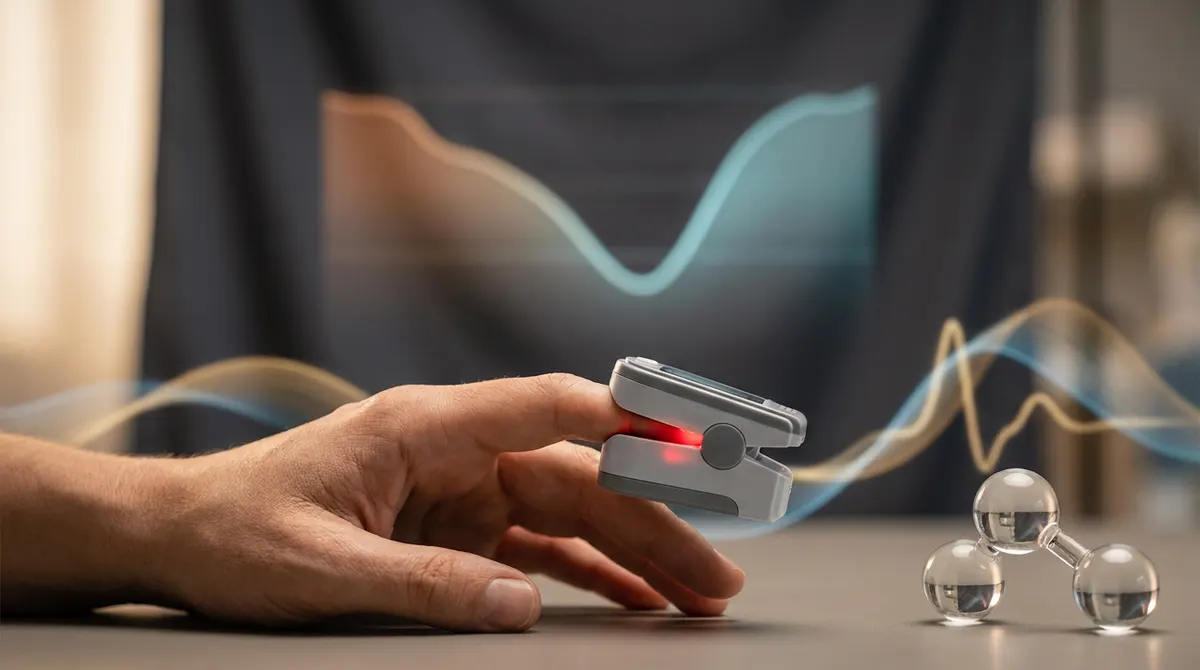
Oxygen desaturation data in your sleep study report shows how frequently and how deeply your blood oxygen levels drop during sleep, providing essential context that the AHI alone cannot capture.
Oxygen Saturation Baseline
Blood oxygen saturation, measured as SpO2, reflects the percentage of hemoglobin molecules carrying oxygen in your blood. According to the Mayo Clinic, normal oxygen saturation levels during wakefulness range from 95 to 100 percent. During sleep, mild dips are normal, but repeated or sustained drops below 90 percent are clinically significant and associated with increased cardiovascular risk.
Your home sleep test uses a pulse oximetry sensor, typically worn on your finger, to continuously track blood oxygen levels throughout the night. The resulting data produces two key metrics: your overall oxygen saturation pattern and your Oxygen Desaturation Index.
The Oxygen Desaturation Index Explained
The Oxygen Desaturation Index, or ODI, counts the number of times per hour your blood oxygen level drops by 3 percent or more (some labs use a 4 percent threshold) from baseline. A higher ODI correlates with more severe sleep disordered breathing and greater physiological stress on the heart and brain.
An ODI that closely matches your AHI suggests that most breathing events are causing meaningful oxygen drops. When the ODI is significantly lower than the AHI, it may indicate that many of your hypopneas are relatively mild. When the ODI exceeds the AHI, it can point to oxygen desaturation events occurring independent of scored apneas or hypopneas, which sometimes raises concern about conditions like COPD or obesity hypoventilation.
Minimum Oxygen Saturation: The Nadir
Your sleep study report typically includes your lowest recorded oxygen saturation, often called the nadir or minimum SpO2. Clinicians frequently observe that a nadir below 85 percent suggests more aggressive treatment may be warranted. According to the Sleep Foundation, prolonged periods with oxygen saturation below 88 percent during sleep are associated with increased risk of heart arrhythmias, pulmonary hypertension, and cognitive impairment.
IMPORTANT: If your results show oxygen saturation levels repeatedly falling below 88 percent, your physician may prioritize starting treatment immediately rather than recommending a wait-and-observe approach, regardless of your AHI classification.
KEY TAKEAWAY: Oxygen desaturation data, including the ODI and minimum SpO2 nadir, reveals the physiological impact of your breathing events and can influence treatment urgency even when your AHI falls in the mild-to-moderate range.
Beyond oxygen, your home sleep test also captures data about your heart rate patterns, which can reveal additional information about how your body responds to disordered breathing.
Heart Rate Patterns and What They Indicate
Heart rate data recorded during your home sleep test shows how your cardiovascular system responds to apneas and hypopneas, and abnormal patterns can signal increased risk for heart disease.
How Apneas Affect Heart Rate
When breathing stops during an apnea, your body triggers a cascade of physiological responses. Oxygen levels drop, carbon dioxide rises, and the sympathetic nervous system activates. This typically produces a characteristic pattern: heart rate slows during the apnea (bradycardia) and then spikes upon resumption of breathing (tachycardia). Repeated cycling between these states throughout the night places significant stress on the heart.
According to the CDC, obstructive sleep apnea is independently associated with hypertension, atrial fibrillation, heart failure, and stroke. Your sleep study report may show average heart rate, maximum heart rate, minimum heart rate, and heart rate variability patterns. A physician reviewing these numbers looks for signs of repetitive autonomic arousal that correlate with breathing events.
Blood Pressure Implications
While home sleep apnea tests do not directly measure blood pressure during sleep, the heart rate data provides indirect evidence of sympathetic nervous system activation. Research referenced by the NIH shows that patients with untreated moderate-to-severe obstructive sleep apnea are approximately two to three times more likely to develop resistant hypertension compared to those without sleep apnea. If your results show frequent heart rate surges alongside a high AHI and significant oxygen desaturation, your physician may recommend concurrent blood pressure monitoring alongside sleep apnea treatment.
KEY TAKEAWAY: Heart rate patterns in your home sleep test results reveal how your cardiovascular system responds to breathing disruptions, and frequent heart rate cycling correlates with increased long-term risk for hypertension, arrhythmia, and heart disease.
Your AHI, oxygen, and heart data form three pillars of your results, but understanding how the test captures airflow and breathing effort adds important nuance.
Airflow, Breathing Effort, and Sensor Data: How Your Test Captures Sleep Disordered Breathing
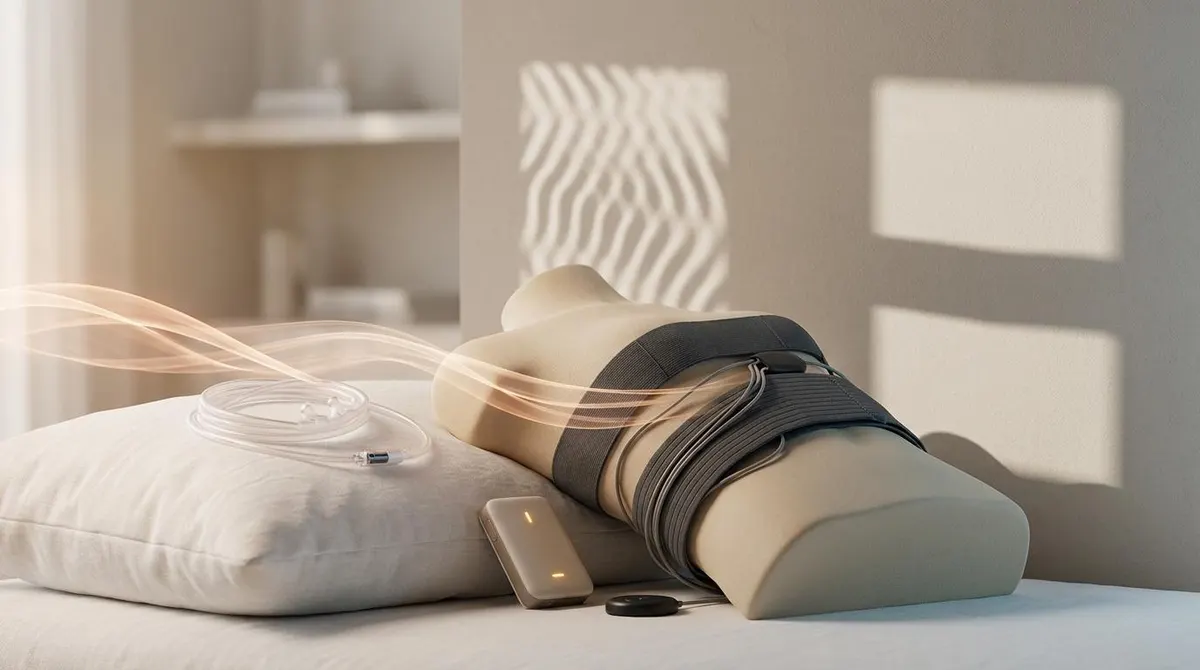
Home sleep apnea tests use multiple sensors to detect airflow reduction, breathing effort, and body position, and each data channel contributes to how your results are scored.
Sensors Used in a Home Sleep Test
A typical home sleep test device includes a nasal cannula or thermistor to measure airflow, a pulse oximetry sensor on the finger to track oxygen saturation and heart rate, a chest or abdominal belt to detect breathing effort, and in some models, a body position sensor. Some advanced devices also record snoring intensity and peripheral arterial tone.
The airflow sensor is the primary channel used to score apneas and hypopneas. When the sensor detects a complete absence of airflow for 10 seconds or more, it scores an apnea. When it detects a partial reduction of 30 percent or more lasting at least 10 seconds with an associated oxygen drop or arousal, it scores a hypopnea.
Distinguishing Obstructive from Central Events
The breathing effort data is what differentiates obstructive sleep apnea from central sleep apnea. During an obstructive apnea, the airway collapses or becomes blocked, but the respiratory muscles continue attempting to breathe. The effort belt detects this continued chest or abdominal movement. During a central apnea, the brain temporarily fails to send the signal to breathe, so both airflow and breathing effort cease simultaneously.
This distinction matters because treatment differs significantly. Obstructive sleep apnea typically responds to CPAP therapy or oral appliances, while central sleep apnea may require different forms of positive airway pressure therapy or investigation of underlying causes such as heart failure or opioid use. Complex sleep apnea, also called treatment-emergent CSA, occurs when central apneas appear after starting CPAP treatment for obstructive events, and it requires specialized management.
Home sleep apnea tests have a known limitation in detecting central apneas compared to in-lab polysomnography. Because most home devices do not record brain waves or full electroencephalography data, they cannot definitively distinguish central from obstructive events as precisely. If your physician suspects central sleep apnea, a Polysomnogram at a sleep laboratory may be recommended.
Body Position Data
Some home sleep test devices record whether you slept on your back, side, or stomach. This information is clinically relevant because obstructive sleep apnea is often worse in the supine (back-sleeping) position. The upper airways are more prone to collapse when gravity pulls the tongue and soft palate backward. If your results show a significantly higher AHI while supine compared to lateral positions, your physician may recommend positional therapy as part of your treatment plan.
TIP: If your home sleep test results show that most apneas and hypopneas occurred while sleeping on your back, ask your physician about positional therapy devices or techniques that may reduce your AHI without requiring CPAP as a first-line treatment.
KEY TAKEAWAY: Airflow, breathing effort, and position sensor data work together to classify your breathing events as obstructive or central and to identify whether positional factors are worsening your sleep apnea.
Now that you understand what each metric in your results measures, it helps to see how a home sleep test compares to the gold standard of in-lab testing.
Home Sleep Test vs. In-Lab Polysomnography: Understanding the Differences
Home sleep apnea tests are effective screening tools for obstructive sleep apnea, but they measure fewer parameters than in-lab polysomnography, and understanding these differences helps you interpret your results accurately.
What Home Tests Do Not Measure
A full in-lab Polysomnogram records brain waves using electroencephalography (EEG), which allows technicians to identify sleep stages including light sleep, deep sleep, and rapid eye movement sleep. It also tracks eye movements, muscle activity, leg movements, and precise sleep architecture, including sleep latency (how long it takes to fall asleep), sleep efficiency (percentage of time in bed actually spent sleeping), and time spent in each sleep stage.
Home sleep apnea tests do not record brain waves or sleep stages. This means your home sleep test cannot calculate true sleep efficiency or identify how much time you spent in each sleep cycle. Instead, home devices estimate total sleep time based on actigraphy or assume recording time equals sleep time, which can affect AHI accuracy.
Structured Comparison
Here is how the two testing approaches compare across key decision factors:
Setting
- Home Sleep Apnea Test: Your own bed at home
- Polysomnography: Sleep center or hospital sleep laboratory
Channels Recorded
- Home Sleep Apnea Test: Airflow, oxygen saturation, heart rate, breathing effort, sometimes body position
- Polysomnography: All of the above plus brain waves, eye movements, muscle activity, leg movements, sleep stages
AHI Accuracy
- Home Sleep Apnea Test: May underestimate AHI because total recording time is used instead of actual sleep time
- Polysomnography: Considered the gold standard with precise AHI calculated against confirmed sleep time
Detection of Central Sleep Apnea
- Home Sleep Apnea Test: Limited ability to distinguish central from obstructive events
- Polysomnography: Highly accurate for central apneas, complex sleep apnea, and treatment-emergent CSA
Cost
- Home Sleep Apnea Test: Typically $149 to $500 out of pocket; dumbo.health offers it for $149
- Polysomnography: Often $1,000 to $3,000 or more; requires insurance authorization in many cases
Convenience
- Home Sleep Apnea Test: High; no travel, no overnight clinic stay, sleep in your own environment
- polysomnography: Lower; requires an overnight visit to a sleep center with sensors applied by a technician
Recommended When
- home sleep apnea test: Strong clinical suspicion of moderate-to-severe obstructive sleep apnea in adults without significant comorbidities
- Polysomnography: Suspected central sleep apnea, complex sleep apnea, COPD overlap, or when home test results are inconclusive
For most adults with suspected obstructive sleep apnea, a home sleep test provides sufficient diagnostic information to initiate treatment. The American Academy of Sleep Medicine supports the use of home sleep apnea tests when administered and interpreted under physician oversight. dumbo.health's at-home sleep test for $149 includes a clinically validated device and physician interpretation through monthly care plans, making it accessible for patients who need testing without insurance barriers.
KEY TAKEAWAY: Home sleep tests are effective for diagnosing obstructive sleep apnea in most adults but do not measure brain waves or sleep stages, which means polysomnography remains necessary when central sleep apnea or complex conditions are suspected.
With a clear understanding of what your test measures and how it compares to lab studies, the next step is learning how to actually read a home sleep study report section by section.
How to Read Your Home Sleep Study Report: A Step-by-Step Process
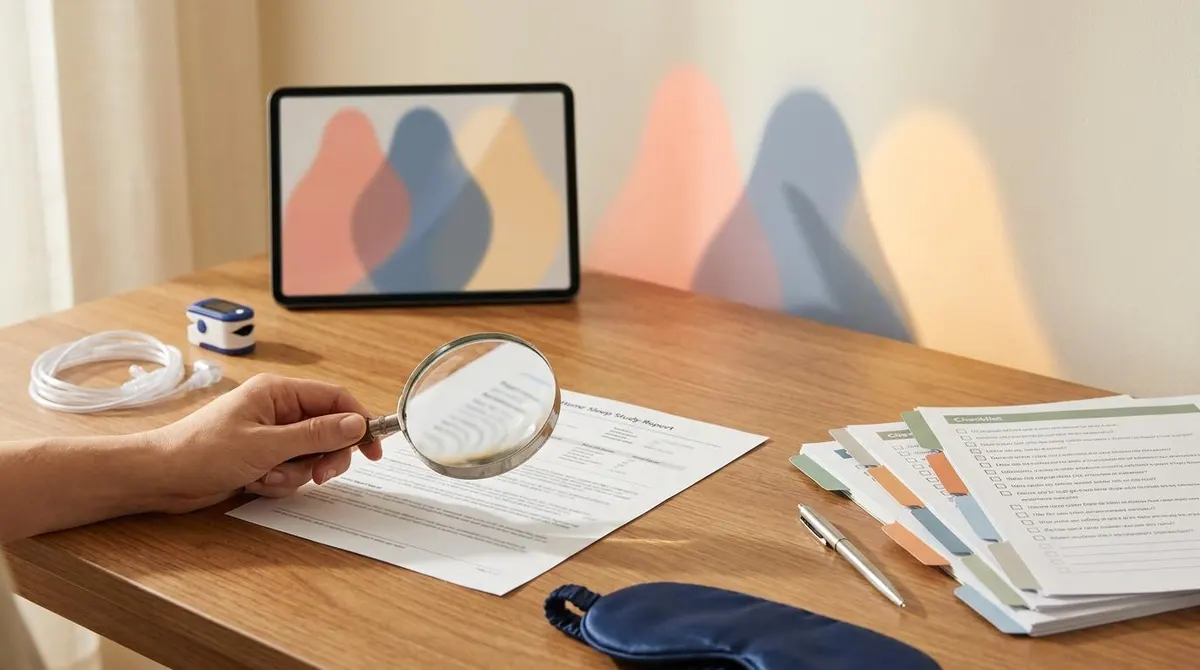
Reading your home sleep study report becomes straightforward when you know where to look and what each section means. Follow this process to review your results systematically before your physician consultation.
Steps to Review Your Sleep Study Report
1. Locate your AHI score first. This is typically on the first page or summary section of your report. Check whether it falls in the normal (below 5), mild (5 to 14.9), moderate (15 to 29.9), or severe (30 or above) range.
2. Review your Oxygen Desaturation Index. Find the ODI and compare it to your AHI. Note the minimum oxygen saturation recorded during the test. Flag any reading below 88 percent to discuss with your physician.
3. Check total recording time and estimated sleep time. Your report may list total time the device was recording versus estimated time you were actually asleep. A large difference can affect AHI accuracy.
4. Examine breathing event breakdown. Look for the separate counts of obstructive apneas, central apneas, mixed apneas, and hypopneas. A high proportion of central apneas warrants discussion with a sleep physician about potential central sleep apnea or complex sleep apnea.
5. Review heart rate summary. Note average, minimum, and maximum heart rate. Look for patterns of heart rate cycling that correlate with breathing events.
6. Check body position data if available. Determine whether your AHI was significantly higher in the supine position compared to lateral sleep positions.
7. Review the physician interpretation and diagnosis. This section contains the clinical conclusion, the formal diagnosis, and treatment recommendations. If you used dumbo.health, your physician interpretation is included in all monthly care plans starting at $59 per month, with results reviewed by a licensed sleep physician.
After completing these steps, you will have a clear understanding of your results and be prepared for an informed conversation with your physician about treatment options. If any section of your report is unclear, your care team can walk you through the findings.
KEY TAKEAWAY: Reading your sleep study report in a systematic order, starting with AHI, then oxygen data, breathing event types, heart rate, and the physician interpretation, ensures you understand every clinically relevant finding before discussing next steps.
Knowing how to read the report prepares you for the most important question: what treatment options correspond to your results.
Treatment Pathways Based on Your Results
Treatment for sleep apnea is guided by your AHI severity, oxygen desaturation data, symptoms, and individual risk factors, and the right approach ranges from lifestyle modifications to positive airway pressure therapy.
Mild Sleep Apnea (AHI 5 to 14.9)
Patients with mild obstructive sleep apnea may benefit from lifestyle changes as a first step. Weight loss, improved sleep hygiene, avoiding alcohol before bed, and positional therapy can reduce the AHI meaningfully in mild cases. According to the Sleep Foundation, losing 10 percent of body weight can reduce AHI by approximately 26 percent in overweight patients with obstructive sleep apnea.
Oral appliances, also called Mandibular Advancement Devices, are another option for mild-to-moderate obstructive sleep apnea. These custom-fitted devices hold the lower jaw slightly forward to prevent airway collapse during sleep. They are particularly effective for patients who snore heavily and have positional sleep apnea.
If symptoms are significant despite a mild AHI, CPAP therapy may still be recommended. Remember that AHI does not capture subjective burden. A patient with an AHI of 12 who experiences severe daytime sleepiness and morning headaches may benefit more from CPAP than a patient with an AHI of 12 who is asymptomatic.
Moderate Sleep Apnea (AHI 15 to 29.9)
Moderate obstructive sleep apnea typically warrants active treatment beyond lifestyle changes alone. CPAP therapy is the most common first-line treatment at this severity level. Continuous positive airway pressure works by delivering a steady stream of pressurized air through a mask, keeping the upper airways open throughout the night.
Many patients report that the first few weeks of CPAP therapy require an adjustment period, but adherence improves significantly with proper mask fitting, humidification, and ongoing support. dumbo.health's Premium Plan at $89 per month includes a dedicated sleep coach and advanced adherence monitoring to help patients through this transition, with no contracts and the ability to cancel anytime.
Oral appliances remain an alternative for patients who cannot tolerate CPAP, though they are generally less effective at moderate severity compared to positive airway pressure therapy.
Severe Sleep Apnea (AHI 30 or Above)
Severe obstructive sleep apnea almost always requires CPAP therapy or another form of positive airway pressure as the primary treatment. At this severity, the risk of cardiovascular complications, including hypertension, atrial fibrillation, heart failure, and stroke, is substantially elevated. The NIH notes that untreated severe sleep apnea is associated with a significantly increased risk of all-cause mortality.
For patients with severe sleep apnea who cannot tolerate CPAP machines or do not achieve adequate control, surgical options may be considered. These include uvulopalatopharyngoplasty (UPAP), maxillomandibular advancement, or hypoglossal nerve stimulation. Surgery is typically reserved for cases where conservative and positive airway pressure approaches have failed.
dumbo.health offers CPAP therapy through all care plans, with equipment, physician oversight, and follow-up included. The Essentials Plan starts at $59 per month, covering CPAP therapy, equipment, physician interpretation, and standard follow-up care with no insurance required.
Checklist: Before Starting Treatment
Use this checklist to confirm you are prepared before beginning any treatment pathway:
- Confirm your AHI score and severity classification with your physician
- Review your oxygen desaturation data and minimum SpO2 nadir
- Discuss whether your events are primarily obstructive, central, or mixed
- Ask about positional factors and whether sleep position contributed to your AHI
- Review any relevant comorbidities such as hypertension, heart disease, COPD, or asthma
- Discuss CPAP therapy, oral appliance options, and lifestyle changes with your physician
- If choosing CPAP, confirm mask type, pressure settings, and humidification preferences
- Ask about follow-up testing timelines and adherence monitoring
- Confirm your care plan and pricing; dumbo.health plans start at $59 per month with no contracts
- Complete the free sleep assessment at dumbo.health if you have not yet started the process
KEY TAKEAWAY: Treatment decisions depend on your AHI severity, oxygen desaturation patterns, symptoms, and comorbidities, with CPAP therapy as the first-line treatment for moderate-to-severe obstructive sleep apnea and lifestyle changes or oral appliances appropriate for milder cases.
Understanding treatment pathways is essential, but it is equally important to recognize situations where home sleep test results may not tell the complete story.
Limitations and Risks of Home Sleep Apnea Test Results
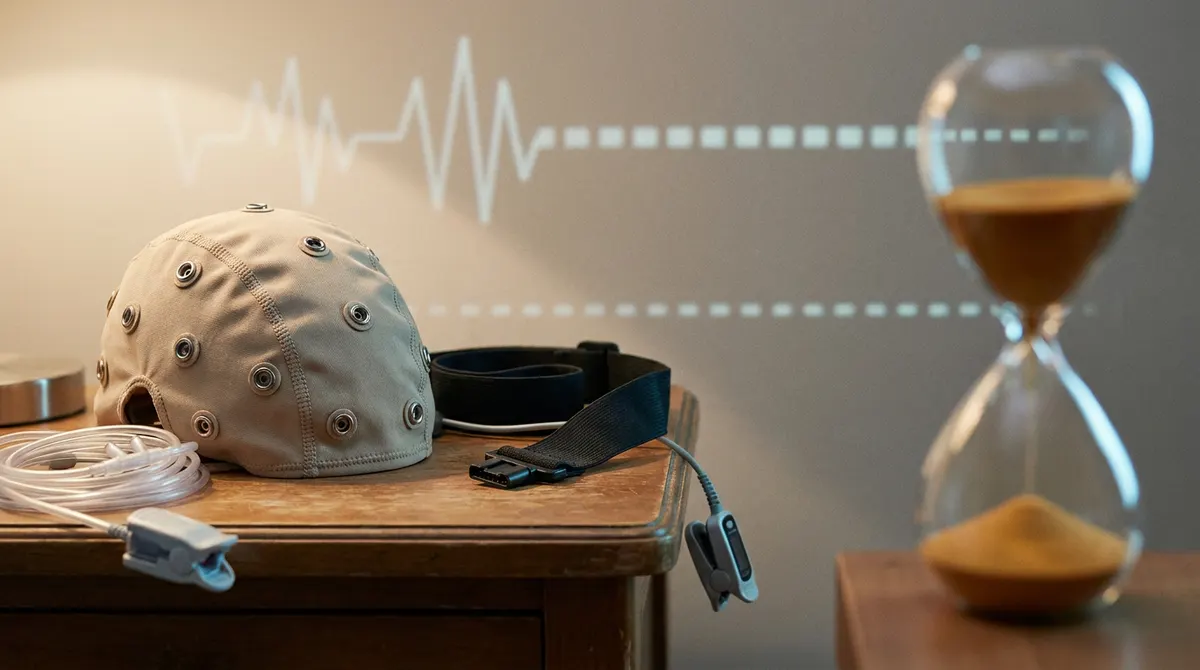
Home sleep apnea tests are clinically validated and widely used, but they have specific limitations that can affect the accuracy and completeness of your results.
Limitation 1: No Brain Wave Recording
Because home sleep tests do not include electroencephalography, they cannot measure sleep stages, sleep architecture, sleep latency, or sleep efficiency. This means your AHI may be calculated against total recording time rather than confirmed sleep time. If you spent significant time awake during the test, your true AHI per hour of actual sleep could be higher than reported. Clinicians frequently observe that this underestimation is more common in patients with insomnia or significant anxiety about testing.
Alternative: If your home test results seem inconsistent with your symptoms, your physician may recommend a full in-lab polysomnography to capture brain waves and precise sleep staging.
Limitation 2: Reduced Sensitivity for Central Sleep Apnea
Home sleep apnea tests are designed primarily to detect obstructive sleep apnea. Their ability to accurately identify and classify central apneas is limited. Central sleep apnea, which occurs when the brain temporarily stops sending breathing signals to the respiratory muscles, requires the precision of in-lab monitoring to diagnose reliably. If your physician suspects central sleep apnea based on your medical history, heart failure diagnosis, or opioid use, a home test alone may not be sufficient.
Alternative: A Polysomnogram at a sleep center provides the data needed to distinguish obstructive, central, and complex sleep apnea accurately.
Limitation 3: Night-to-Night Variation
Sleep apnea severity naturally fluctuates from night to night based on factors including alcohol consumption, sleep position, nasal congestion, medication use, and stress. A single-night home sleep test captures only one snapshot. Research shows night-to-night variation in AHI can be substantial, with some studies documenting AHI differences of 20 percent or more between consecutive nights in the same patient.
Alternative: If your results are borderline or do not match your symptoms, repeating the home sleep test or pursuing in-lab testing can provide a more representative picture. dumbo.health's testing process includes physician review that accounts for symptom correlation, helping identify cases where a single-night result may not be fully representative.
Limitation 4: Not Suitable for All Populations
The American Academy of Sleep Medicine recommends home sleep apnea tests for adults with a high pretest probability of moderate-to-severe obstructive sleep apnea and without significant comorbidities. Home tests are generally not recommended for adolescents, patients with suspected central sleep apnea, patients with severe cardiopulmonary disease (such as advanced COPD or heart failure), or patients with other coexisting sleep disorders.
Alternative: These populations should be evaluated with in-lab polysomnography at a sleep laboratory with technician oversight.
Limitation 5: User Error and Data Quality
The patient self-applies all sensors during a home sleep test, which introduces the possibility of sensor displacement, poor signal quality, or insufficient recording time. If the nasal cannula shifts during the night or the pulse oximetry sensor detaches, portions of the data may be unusable. Most home sleep test providers have quality checks in place to identify inadequate studies and request a retest when needed.
KEY TAKEAWAY: Home sleep tests have real limitations including the inability to measure sleep stages, reduced sensitivity for central apneas, night-to-night variation, population restrictions, and user error risk, but physician oversight and follow-up testing options mitigate most of these concerns effectively.
To make these clinical concepts more concrete, consider how real-world scenarios illustrate different result patterns and outcomes.
Real-World Scenarios: How Different Results Lead to Different Outcomes
Seeing how home sleep apnea test results play out for different people helps illustrate why individualized physician interpretation matters more than any single number.
Common Scenarios
Scenario 1: A 48-Year-Old Long-Haul Truck Driver with a BMI of 34
This CDL holder was referred for sleep apnea testing during a DOT physical. His home sleep test results show an AHI of 24, an ODI of 20, and a minimum oxygen saturation of 84 percent. He reports loud snoring, witnessed apneas from his partner, and excessive daytime sleepiness that affects his driving alertness.
His physician classifies this as moderate obstructive sleep apnea with clinically significant oxygen desaturation. The nadir of 84 percent is concerning and, combined with his BMI and cardiovascular risk profile, CPAP therapy is recommended as the first-line treatment. He enrolls in dumbo.health's Premium Plan at $89 per month, which includes CPAP equipment, a dedicated sleep coach, and advanced adherence monitoring, helping him meet FMCSA compliance requirements for his commercial driving certification.
Scenario 2: A 35-Year-Old Office Worker with Mild Snoring
This patient completed a home sleep test through dumbo.health after her primary care physician noted mild snoring and occasional morning headaches. Her results show an AHI of 7, an ODI of 4, a minimum oxygen saturation of 92 percent, and most events occurring in the supine position.
Her physician classifies this as mild obstructive sleep apnea with minimal oxygen desaturation. Because her oxygen levels remain well above 88 percent and her symptoms are relatively mild, her physician recommends positional therapy (avoiding back sleeping), sleep hygiene improvements, and weight management rather than CPAP. She schedules a follow-up assessment in six months to track whether lifestyle changes reduce her AHI.
Scenario 3: A 62-Year-Old Retiree with Heart Failure History
This patient has a history of congestive heart failure and was referred for sleep apnea testing by his cardiologist. His home sleep test results show an AHI of 19, but the breakdown reveals that 40 percent of scored events are central apneas rather than obstructive events. His ODI is 15, and his minimum oxygen saturation is 86 percent.
Because of the significant proportion of central apneas and his heart failure diagnosis, his sleep physician recommends an in-lab Polysomnogram to further evaluate for central sleep apnea or complex sleep apnea. The home test provided a useful initial screening, but the limitations of home testing for central events mean that a sleep laboratory study is needed for definitive diagnosis and to determine whether adaptive servo-ventilation or bilevel positive airway pressure therapy is more appropriate than standard CPAP.
Home sleep apnea test results interpretation requires clinical context. These three scenarios demonstrate that the same AHI range can lead to completely different treatment paths depending on oxygen data, event types, comorbidities, and symptom severity. A physician reviewing your full results, medical history, and symptoms is the only reliable way to determine the right next steps.
KEY TAKEAWAY: Real-world outcomes vary dramatically based on the combination of AHI, oxygen data, event type breakdown, comorbidities, and symptom burden, which is why physician interpretation is essential for every home sleep test result.
With a clear picture of how results translate to real decisions, it is worth addressing the most common misconceptions that can lead patients to misinterpret their own numbers.
Common Myths About Home Sleep Apnea Test Results Debunked
MYTH: A normal AHI means you do not have a sleep problem.
FACT: An AHI below 5 rules out significant sleep apnea, but it does not rule out other sleep disorders. Conditions such as upper airway resistance syndrome, periodic limb movement disorder, insomnia, or narcolepsy can cause significant sleep disruption and daytime sleepiness without elevating the AHI. The American Academy of Sleep Medicine recognizes that a normal home sleep test result in the presence of persistent symptoms warrants further evaluation, potentially including in-lab polysomnography.
MYTH: You can interpret your home sleep test results without a physician.
FACT: While understanding the basic metrics helps you prepare for a conversation with your doctor, accurate diagnosis requires clinical correlation. A physician evaluates your AHI alongside oxygen desaturation patterns, breathing event types, heart rate data, your symptom history, physical examination findings, and comorbidities. Self-interpretation based solely on AHI thresholds can lead to inappropriate conclusions, missed diagnoses, or unnecessary anxiety. All dumbo.health plans include physician interpretation of your results as a core component.
MYTH: If your AHI is only mild, you do not need treatment.
FACT: Mild sleep apnea with significant symptoms, such as excessive daytime sleepiness, cognitive impairment, or mood disturbances, may still benefit from treatment. According to research referenced by the NIH, even mild obstructive sleep apnea is associated with increased cardiovascular risk when accompanied by significant oxygen desaturation or sympathetic nervous system activation. Treatment decisions should be individualized, not based on AHI thresholds alone.
MYTH: Home sleep tests are unreliable and always need to be confirmed by an in-lab study.
FACT: The American Academy of Sleep Medicine supports the use of home sleep apnea tests for diagnosing obstructive sleep apnea in adults with a high pretest probability and without significant comorbidities. Multiple studies demonstrate that home sleep tests have a sensitivity of approximately 79 to 97 percent for detecting moderate-to-severe obstructive sleep apnea when compared to polysomnography. In-lab confirmation is recommended only when home results are inconclusive, when central sleep apnea is suspected, or when the clinical picture does not match the test findings.
MYTH: Your sleep apnea severity stays the same once diagnosed.
FACT: Sleep apnea severity can change over time based on weight changes, aging, medication changes, alcohol consumption, sleep position habits, and treatment adherence. Weight gain can worsen AHI, while weight loss can reduce it. CPAP therapy treats symptoms while in use but does not cure the underlying condition. Regular follow-up and retesting may be necessary, particularly after significant lifestyle or health changes. The Sleep Foundation recommends ongoing monitoring as part of comprehensive sleep apnea management.
KEY TAKEAWAY: Misunderstanding your home sleep test results can lead to missed diagnoses, delayed treatment, or unnecessary concern, so physician interpretation and awareness of common myths are critical for making informed decisions.
Dispelling these myths sets the stage for taking confident, well-informed action after receiving your results.
What to Do After You Receive Your Results
The period immediately after receiving your home sleep test results is when the most important treatment decisions are made, and taking structured action ensures nothing falls through the cracks.
Your Next Steps After Results
If your results show an AHI of 5 or above, your physician will discuss treatment options tailored to your severity, symptoms, and health profile. If your results are normal but symptoms persist, further evaluation is appropriate.
For patients using dumbo.health, physician interpretation is included in all monthly care plans. The Essentials Plan at $59 per month covers your physician interpretation and report, CPAP therapy with equipment, standard follow-up care, and updates sent to your referring provider. The Premium Plan at $89 per month adds a dedicated sleep coach, advanced adherence monitoring, and priority results turnaround. The Elite Plan at $129 per month includes concierge clinical support, direct physician messaging, and custom reporting.
All plans operate on a cash-pay basis with no insurance required, no prior authorizations, no surprise bills, and no contracts. You can cancel anytime.
If you have not yet been tested and are experiencing symptoms such as loud snoring, witnessed breathing pauses, excessive daytime sleepiness, or morning headaches, the free sleep assessment at dumbo.health can help determine whether a home sleep test is appropriate for you.
When to Seek a Second Opinion
Consider requesting a second opinion or additional testing if:
- Your results seem inconsistent with your symptom severity
- Your home test report shows a high proportion of central apneas
- You have significant comorbidities such as heart failure, COPD, or asthma that may complicate interpretation
- Your physician recommends a treatment approach you have questions about
- Your first test was affected by poor signal quality or insufficient recording time
A sleep physician, sometimes referred to as a sleep specialist or sleep doctor, provides the highest level of expertise in interpreting ambiguous or complex sleep study results. If there is no sleep center near you, telehealth consultations through services like dumbo.health make specialist access possible regardless of your location.
Christian Guilleminault, a pioneering sleep medicine researcher at Stanford, played a foundational role in establishing the diagnostic criteria and clinical practice guidelines that physicians use today to interpret sleep studies. Modern interpretation standards build on decades of research into sleep disordered breathing, sleep architecture, and the cardiovascular consequences of untreated sleep apnea. This depth of research is what makes physician interpretation indispensable rather than optional.
KEY TAKEAWAY: Taking structured action after receiving your results, including physician consultation, treatment initiation, and follow-up planning, maximizes the clinical value of your home sleep test and protects your long-term health.
Conclusion
Your home sleep apnea test results contain critical information about your breathing, oxygen levels, and cardiovascular health during sleep. The Apnea-Hypopnea Index, Oxygen Desaturation Index, heart rate patterns, and airflow data work together to paint a complete picture, but only when interpreted by a qualified physician alongside your symptoms and medical history. Understanding what each metric means empowers you to have an informed conversation with your care team and make confident treatment decisions. If you are ready to get tested or need physician interpretation of existing results, dumbo.health offers a home sleep test for $149and care plans starting at $59 per month with no insurance required and no contracts. Take the free sleep assessment to get started today.
Frequently Asked Questions About Home Sleep Apnea Test Results Interpretation
What is a home sleep apnea test?
A home sleep apnea test (HSAT) is a simplified sleep study you complete in your own home using a portable monitoring device. The device typically measures airflow, breathing effort, oxygen saturation, heart rate, and sometimes body position and snoring. Unlike an in-lab polysomnogram, an HSAT does not record brain waves or sleep stages. It is primarily used to detect obstructive sleep apnea in adults who have a moderate to high likelihood of the condition. A healthcare professional reviews the recorded data and generates a report interpreting your results.
How does a home sleep apnea test work?
You wear a small monitoring device during one night of sleep at home. Sensors attached to your finger, chest, and airway track breathing patterns, airflow interruptions, oxygen desaturation events, heart rate, and respiratory effort. The device records this data overnight, and you return or ship the device the following day. A sleep physician then interprets the raw data and produces a clinical report. The at-home sleep apnea test process through dumbo.health follows this same workflow, with physician interpretation included.
How many nights of testing does a home sleep apnea test include?
Most home sleep apnea tests cover a single night of recording. One night is generally sufficient for detecting moderate to severe obstructive sleep apnea in otherwise healthy adults. However, sleep apnea severity can vary from night to night, which is a known limitation of single-night testing. If your first result is borderline or does not match your symptoms, a healthcare professional may recommend a repeat test or an in-lab sleep study. The dumbo.health home sleep test covers one night of testing for a one-time cost of $149.
What is the Apnea-Hypopnea Index (AHI)?
The Apnea-Hypopnea Index, or AHI, is the primary metric used to measure sleep apnea severity. It represents the average number of apneas and hypopneas recorded per hour of sleep or recording time. An apnea is a complete pause in breathing lasting at least ten seconds. A hypopnea is a partial airflow reduction accompanied by a drop in blood oxygen levels or a brief arousal from sleep. The AHI is calculated by dividing the total number of these events by the total hours of sleep or monitoring time. The American Academy of Sleep Medicine uses AHI as a standard diagnostic measure for obstructive sleep apnea.
What do different AHI scores mean?
AHI scores are used to classify sleep apnea into severity categories. An AHI below 5 events per hour is generally considered normal in adults. An AHI of 5 to 14 events per hour indicates mild sleep apnea. An AHI of 15 to 29 events per hour indicates moderate sleep apnea. An AHI of 30 or more events per hour indicates severe sleep apnea. These thresholds are defined by the American Academy of Sleep Medicine and are widely used in clinical practice. Your physician will consider your AHI alongside your symptoms, oxygen desaturation patterns, and overall health when recommending treatment.
What are the limitations of AHI as a measure of sleep apnea severity?
AHI is a useful but imperfect measure. Research published in the Medical Journal of the Islamic Republic of Iran has questioned whether AHI alone fully captures obstructive sleep apnea severity, noting that it does not account for the duration of individual events, the depth of oxygen desaturation, or the impact of sleep position. Two patients with the same AHI score can have very different clinical profiles. For this reason, a qualified sleep physician considers multiple metrics together, including oxygen saturation trends, Respiratory Disturbance Index, sleep efficiency, and breathing effort, rather than relying on AHI alone when making treatment decisions.
What is the Respiratory Disturbance Index (RDI)?
The Respiratory Disturbance Index, or RDI, is a broader measure than AHI. In addition to counting apneas and hypopneas, the RDI includes respiratory effort-related arousals, which are brief disruptions caused by increased breathing effort that do not fully meet the criteria for a hypopnea. Because it captures more subtle breathing disturbances, the RDI is typically higher than the AHI for the same patient. Some home sleep tests and sleep study reports use RDI or the closely related Respiratory Event Index (REI) rather than AHI, depending on the scoring rules applied.
What is the Respiratory Event Index (REI)?
The Respiratory Event Index, or REI, is a metric used specifically in home sleep apnea testing. Because HSATs do not measure actual sleep time the way in-lab studies do, breathing events are divided by total recording time rather than confirmed sleep time. This is what distinguishes REI from AHI. REI tends to produce a slightly lower number than AHI would for the same events, since recording time is usually longer than actual sleep time. Your sleep report will specify which index was used so that your physician can interpret the results correctly.
What is oxygen desaturation, and why does it matter?
Oxygen desaturation refers to a drop in blood oxygen levels during sleep. When breathing is repeatedly interrupted by apneas or hypopneas, the body temporarily receives less oxygen. These drops are recorded by a pulse oximeter sensor worn on the finger during your home sleep test. A healthy blood oxygen level during sleep is generally above 90 percent. Frequent or prolonged desaturation events are associated with increased cardiovascular strain, daytime fatigue, and other health risks. The Oxygen Desaturation Index (ODI) measures how many times per hour blood oxygen drops by a defined threshold, typically 3 or 4 percent.
What is the Oxygen Desaturation Index (ODI)?
The Oxygen Desaturation Index, or ODI, counts the number of times per hour that blood oxygen levels drop by at least 3 or 4 percent from a baseline level during sleep. A high ODI suggests that breathing interruptions are causing repeated drops in blood oxygen, which is clinically significant even when AHI is borderline. Many sleep physicians review ODI alongside AHI because it provides independent evidence of how severely breathing disruptions are affecting oxygenation. A healthcare professional can explain what your specific ODI result means in the context of your full sleep report.
What does a home sleep study report include?
A home sleep study report typically includes your AHI or REI score, oxygen saturation data, ODI, heart rate trends, airflow measurements, breathing effort data, and sometimes positional data showing whether apnea events occurred more frequently in certain sleep positions. Some reports also include snoring frequency and duration. The report will summarise whether the findings suggest no sleep apnea, mild, moderate, or severe obstructive sleep apnea, and may include treatment recommendations. A physician interpretation is required to make the report clinically meaningful and to determine appropriate next steps.
What qualifies as a clinical diagnosis of sleep apnea?
According to the American Academy of Sleep Medicine, a clinical diagnosis of obstructive sleep apnea in adults typically requires an AHI or REI of 5 or more events per hour alongside relevant symptoms such as daytime sleepiness, snoring, or witnessed apneas, or an AHI of 15 or more events per hour regardless of symptoms. However, diagnosis is a clinical decision made by a qualified physician, not determined by a single number. A healthcare professional will consider your full results, medical history, risk factors, and symptoms before confirming a diagnosis. Home sleep tests support diagnosis but do not replace a physician's evaluation.
Can a home sleep test accurately diagnose sleep apnea?
Home sleep apnea tests are validated for diagnosing obstructive sleep apnea in adults with a moderate to high pre-test probability of the condition. The American Academy of Sleep Medicine recognises HSATs as an appropriate diagnostic tool in this context. However, HSATs have limitations. They do not measure brain waves, limb movements, or confirmed sleep stages, which means they may underestimate severity in some patients. They are generally not recommended for detecting central sleep apnea, complex sleep apnea, or sleep disorders other than obstructive sleep apnea. A physician can advise whether an HSAT is appropriate for your specific situation.
When is an in-lab sleep study recommended instead of a home sleep test?
An in-lab polysomnography study is typically recommended when a home sleep apnea test is inconclusive, when central sleep apnea or complex sleep apnea is suspected, or when other sleep disorders such as periodic limb movement disorder may also be present. In-lab studies are also preferred for patients with significant heart or lung conditions, such as COPD, heart failure, or severe asthma, where HSAT accuracy may be reduced. Patients with a home sleep test result that does not match their symptoms should discuss whether polysomnography is warranted with a qualified sleep physician.
What is the difference between obstructive sleep apnea and central sleep apnea?
Obstructive sleep apnea (OSA) occurs when the upper airway repeatedly collapses during sleep, blocking airflow despite continued breathing effort. It is the most common form of sleep apnea. Central sleep apnea (CSA) occurs when the brain temporarily fails to send the correct signals to the respiratory muscles, causing breathing to pause without any physical airway obstruction. Complex sleep apnea, also called treatment-emergent central sleep apnea, refers to central apneas that appear or persist after CPAP therapy is started. Home sleep tests are designed primarily to detect obstructive sleep apnea and may not reliably detect central or complex sleep apnea.
What symptoms might suggest I need a home sleep apnea test?
Common symptoms associated with obstructive sleep apnea include loud or frequent snoring, waking up gasping or choking, witnessed pauses in breathing during sleep, excessive daytime sleepiness despite adequate time in bed, morning headaches, dry mouth on waking, difficulty concentrating, and unrefreshing sleep. The NHLBI notes that sleep apnea is also associated with high blood pressure and cardiovascular risks. These symptoms alone do not confirm a diagnosis, but they are recognised reasons to discuss sleep apnea testing with a healthcare professional. You can take the free sleep assessment at dumbo.health to help determine whether testing may be appropriate for you.
How does sleep position affect home sleep apnea test results?
Sleep position significantly affects the frequency and severity of obstructive sleep apnea events. Apneas and hypopneas are typically more frequent and severe when sleeping on the back, a pattern known as positional sleep apnea. Some home sleep tests include a body position sensor that records whether events clustered in specific positions. If your results show positional sleep apnea, your physician may consider positional therapy, which involves strategies to encourage side sleeping, either alongside or instead of other treatments. Understanding sleep position data in your report can help guide more targeted treatment decisions.
How does sleep apnea affect heart rate and cardiovascular health?
Repeated apnea events cause brief arousals and drops in blood oxygen, which trigger the cardiovascular system to respond with temporary increases in heart rate and blood pressure. Over time, the NHLBI explains that untreated sleep apnea is associated with an increased risk of high blood pressure, irregular heart rhythms, and cardiovascular disease. Heart rate variability data recorded during a home sleep test can provide supporting evidence of how significantly sleep-disordered breathing is affecting the cardiovascular system overnight. Treatment decisions should be made in consultation with a healthcare professional.
What is sleep efficiency, and does it appear in home sleep test results?
Sleep efficiency is the percentage of time in bed that is actually spent asleep. A sleep efficiency of 85 percent or higher is generally considered normal. Sleep efficiency is routinely measured in in-lab polysomnography but is not always directly reported in home sleep apnea tests, since HSATs measure recording time rather than confirmed sleep. Poor sleep efficiency can contribute to daytime fatigue and may indicate sleep-disordered breathing, insomnia, or other sleep disruption. If sleep efficiency is a concern, a physician may consider a referral for a full in-lab study.
What is sleep architecture, and why does it matter for interpreting results?
Sleep architecture refers to the structure of sleep cycles across the night, including the proportion of time spent in light sleep, deep sleep, and rapid eye movement (REM) sleep. In-lab polysomnography records brain waves and can directly measure sleep stages. Home sleep apnea tests do not record brain waves and therefore cannot fully characterise sleep architecture. This is a key limitation of HSATs. Sleep apnea often causes disruptions to deep sleep and REM sleep, which affects how rested a person feels. If sleep architecture assessment is clinically important, a polysomnogram is required.
What is night-to-night variation, and how does it affect HSAT results?
Night-to-night variation refers to natural differences in sleep apnea severity from one night to the next. A single-night home sleep test captures only one snapshot of a person's typical sleep pattern. Factors such as alcohol consumption, sleep position, sleep deprivation, illness, and medications can all affect how many apnea events occur on a given night. This means a single test may slightly overestimate or underestimate a person's average severity. A physician will consider this when interpreting borderline or inconsistent results and may recommend repeat testing if the findings do not align with reported symptoms.
What happens after a home sleep apnea test is interpreted?
After a physician interprets your home sleep test results, the next step depends on the findings. If results suggest no sleep apnea, your physician may investigate other causes of your symptoms. If mild, moderate, or severe obstructive sleep apnea is identified, treatment options will be discussed. CPAP therapy is the most common first-line treatment for moderate to severe sleep apnea. For mild cases or patients who cannot tolerate CPAP, alternatives such as oral appliances, positional therapy, or lifestyle changes may be considered. Treatment decisions should always be made in consultation with a qualified healthcare professional. Explore ongoing sleep apnea care options at dumbo.health.
What is CPAP therapy, and how does it treat sleep apnea?
Continuous positive airway pressure (CPAP) therapy delivers a steady stream of pressurised air through a mask worn during sleep. This air pressure acts as a pneumatic splint, keeping the upper airway open and preventing the collapses that cause apneas and hypopneas. CPAP is widely recognised as the most effective treatment for moderate to severe obstructive sleep apnea. The American Academy of Sleep Medicine recommends CPAP as a first-line therapy. Most patients begin to notice improvements in daytime alertness and energy within the first few weeks of consistent use, though individual results vary. A healthcare professional should guide CPAP initiation and titration. Learn more about CPAP therapy and equipment through dumbo.health.
What is CPAP adherence, and why is it important?
CPAP adherence refers to how consistently and for how long a patient uses their CPAP machine each night. Most clinical guidelines and insurance standards consider adequate adherence to be CPAP use for at least four hours per night on at least 70 percent of nights over a 30-day period. Poor adherence reduces the clinical benefits of therapy and may affect eligibility for equipment resupply or ongoing coverage. Regular adherence monitoring helps physicians identify problems early, such as mask discomfort, pressure issues, or treatment-emergent central apneas, so adjustments can be made. Adherence follow-up is included in dumbo.health monthly care plans.
How much does a home sleep apnea test cost?
The cost of a home sleep apnea test varies depending on where it is obtained. Through insurance, out-of-pocket costs depend on your plan, deductible, and prior authorisation requirements. dumbo.health offers a home sleep test for a one-time cost of $149 with no insurance required, no prior authorizations, and no surprise bills. This includes the at-home sleep test device and one night of testing. Physician interpretation and ongoing care are available separately through monthly plans starting at $59 per month. For a full breakdown of at-home sleep testing and care options, visit dumbo.health.
Does a home sleep apnea test require insurance?
Insurance is not required to access a home sleep apnea test. Some patients use insurance to reduce out-of-pocket costs, but this often involves prior authorizations, referral requirements, and variable cost-sharing. Cash-pay testing is a straightforward alternative. dumbo.health is a cash-pay only platform. There are no insurance requirements, no prior authorizations, and no surprise bills. The home sleep test is $149 as a one-time cost, and monthly care plans begin at $59 per month. This pricing model is designed for patients who need predictable, transparent costs without insurance barriers.
Do commercial drivers need a sleep apnea test for their DOT physical?
There is no universal FMCSA regulation that requires all commercial drivers to undergo sleep apnea testing before obtaining or renewing a DOT medical certificate. However, the FMCSA states that a certified medical examiner may refer a driver for sleep apnea evaluation if risk factors such as obesity, a large neck circumference, uncontrolled high blood pressure, or reported excessive daytime sleepiness are present. The certified medical examiner makes all DOT certification decisions. dumbo.health can support at-home sleep apnea testing and care documentation for commercial drivers, but it does not guarantee DOT certification or medical clearance. Learn more in the complete guide for CDL drivers.
Can untreated sleep apnea disqualify a commercial driver?
Untreated obstructive sleep apnea can be grounds for a certified medical examiner to defer or decline to certify a commercial driver for a DOT medical certificate, particularly if the driver is considered too impaired by daytime sleepiness to safely operate a commercial motor vehicle. If a driver is diagnosed with sleep apnea and begins compliant CPAP therapy, a certified medical examiner may issue a medical certificate with a shorter validity period to allow for adherence monitoring. Each case is assessed individually by the examiner. dumbo.health can support testing and adherence documentation, but certification decisions rest solely with the certified medical examiner.
What is the difference between a home sleep test and a polysomnogram?
A polysomnogram (PSG) is a comprehensive in-lab sleep study that measures brain waves, eye movements, muscle activity, heart rate, airflow, breathing effort, blood oxygen levels, and limb movements simultaneously. It provides a detailed picture of sleep architecture and can detect a wide range of sleep disorders. A home sleep apnea test is a portable, simplified version that typically measures airflow, breathing effort, oxygen saturation, and heart rate, but does not measure brain activity or confirm sleep stages. PSG is considered the gold standard for sleep disorder diagnosis, while HSATs are a validated and more accessible option for diagnosing obstructive sleep apnea in appropriate adult patients.
How should I interpret my AHI score on a CPAP machine?
Modern CPAP machines record nightly usage data, including a residual AHI, which reflects how many apnea and hypopnea events occurred per hour while using the device. A residual AHI below 5 events per hour on CPAP is generally considered well-controlled. If your CPAP AHI remains elevated, this may indicate poor mask seal, an inadequate pressure setting, or the emergence of treatment-emergent central apneas. Your sleep physician or care team should review your CPAP data regularly to ensure therapy is effective. Ongoing adherence monitoring is part of the Premium and Elite plans available through dumbo.health.
Can lifestyle changes improve sleep apnea severity?
Lifestyle changes can reduce sleep apnea severity in some patients, though they are rarely sufficient as a standalone treatment for moderate to severe obstructive sleep apnea. Weight loss is one of the most studied interventions, as excess body weight, particularly around the neck and upper airway, contributes to airway collapse during sleep. Other beneficial changes may include avoiding alcohol before bed, sleeping on your side rather than your back, and maintaining consistent sleep hygiene. These changes may lower your AHI but should be pursued alongside, not instead of, clinically recommended treatments. A healthcare professional can advise whether lifestyle changes are appropriate for your situation.
When should I seek urgent medical attention related to sleep apnea symptoms?
If you experience severe nighttime breathing difficulties, chest pain, irregular heartbeat, a sudden worsening of breathlessness, or any symptoms that feel medically urgent, seek emergency medical care promptly. Sleep apnea symptoms such as snoring, fatigue, or morning headaches are generally not emergencies, but they do warrant evaluation by a healthcare professional, especially if symptoms are significant or worsening. If you are unsure whether your symptoms require urgent care, contact a doctor or call emergency services. A home sleep apnea test is a useful tool for non-urgent evaluation, but it is not a substitute for emergency medical assessment.
Related Home Sleep Apnea Test Topics
- Sleep Study for Sleep Apnea What Happens, What It Measures, and What Your Results Mean
- Sleep Study for Sleep Apnea What the Test Measures, How It Works, and What Your Results Mean
- Sleep Apnea Test The Complete Guide to Diagnosis, Home Testing, and What Your Results Mean
- Sleep Apnea Checker How to Screen for Sleep Apnea and What Your Results Mean
- Home Sleep Apnea Test Results What Your Report Means and What Happens Next
- Sleep Test What It Measures, How It Works, and What Your Results Mean
- Sleep Apnea Testing The Complete Guide to Diagnosis, Home Tests, and What Your Results Mean
- Sleep Apnea Testing at Home The Complete Guide to Home Sleep Tests, Devices, and Results
- Does Anyone Ever Pass a Sleep Apnea Test What Normal Results Actually Look Like
- CPAP Test What It Is, How It Works, and What Your Results Mean
- What Happens After a Home Sleep Apnea Test Results, Diagnosis, and Next Steps
- What Is a Home Sleep Apnea Test How At-Home Sleep Testing Works, What It Measures, and Who Needs One
- At-Home Sleep Apnea Test The Complete Guide to Testing, Results, and Treatment
- Sleep Apnea Test at Home with Insurance What Your Plan Actually Covers and How to Get Tested
- At Home Sleep Apnea Test with Ring How Ring-Based Sleep Testing Works and Whether It Can Diagnose Sleep Apnea
- Home Sleep Apnea Test Ring How Ring-Based Sleep Testing Works for Sleep Apnea Detection
- Home Sleep Apnea Test The Complete Guide to At-Home Sleep Apnea Testing
- Home Sleep Apnea Test Types A Clinical Guide to At-Home Sleep Testing Devices and What They Measure
- Overnight Home Sleep Apnea Test The Complete Guide to At-Home Sleep Apnea Testing
- Self Home Sleep Apnea Test The Complete Guide to Testing for Sleep Apnea at Home
- Home Sleep Apnea Test Finger Sensor How Finger-Based Devices Detect Sleep Apnea at Home
- Sleep Study Apnea Hypopnea Index What Your AHI Score Means and Why It Matters
- Which Companies Offer Home Sleep Apnea Testing Services with Fast Results
- Home Sleep Apnea Testing The Complete Guide to Diagnosing Sleep Apnea at Home
- Home Sleep Apnea Test Cost What You Actually Pay With and Without Insurance
- Best Home Sleep Apnea Test A Clinical Guide to Choosing the Right At-Home Sleep Study
- How Do You Get a Home Sleep Apnea Test The Complete Guide to At-Home Sleep Testing
- Does Insurance Cover a Home Sleep Apnea Test What You Actually Pay
- How to Get a Sleep Apnea Test at Home The Complete Guide to Home Sleep Testing
- Home Sleep Apnea Test FSA Eligible How to Use Your Flexible Spending Account for Sleep Testing
- How Is a Home Sleep Apnea Test Done A Complete Guide to At-Home Sleep Testing
- At-Home Sleep Apnea Test FSA How to Use Your Flexible Spending Account for Sleep Testing
- At Home Sleep Apnea Test HSA How to Use Your Health Savings Account for Sleep Testing
- Home Sleep Apnea Test ICD-10 Codes The Complete Coding and Diagnostic Guide for Sleep Apnea Testing
- Home Sleep Apnea Test for Children What Parents Need to Know About Pediatric Sleep Testing
- Sleep Apnea Test at Home The Complete Guide to Home Sleep Testing for Adults
- How Does a Home Sleep Apnea Test Work A Complete Guide to At-Home Sleep Testing
- Home Sleep Apnea Test for Kids What Parents Need to Know About Pediatric Sleep Testing
- What Does a Home Sleep Apnea Test Consist Of Sensors, Equipment, and What to Expect
- Kids at Home Sleep Apnea Test What Parents Need to Know About Pediatric Sleep Testing
- Does a Home Sleep Apnea Test Measure Apneas What the Device Actually Records
- At-Home Sleep Apnea Test for Toddlers What Parents Need to Know About Pediatric Sleep Testing
- Home Sleep Test The Complete Guide to At-Home Sleep Apnea Testing
- Can You Test for Sleep Apnea at Home A Complete Guide to Home Sleep Testing
- Sleep Test at Home The Complete Guide to Home Sleep Apnea Testing
- Home Sleep Apnea Test Negative What It Means, Why It Happens, and What to Do Next
- Level 2 Home Sleep Apnea Test The Complete Guide to At-Home Sleep Diagnostics
- Sleep Apnea Diagnosis at Home The Complete Guide to Home Sleep Testing
- At Home Sleep Study for Sleep Apnea The Complete Guide to Testing in Your Own Bed
- Does Medicare Cover a Home Sleep Apnea Test What Beneficiaries Need to Know
- Can Dentists Prescribe a Home Sleep Apnea Test What You Need to Know
- What Is the Cost of a Sleep Apnea Test at Home
- Home Sleep Apnea Test FDA Approved What Devices Are Cleared and How They Work
- Home Sleep Test Cost What You Actually Pay With and Without Insurance
- At-Home Sleep Apnea Test Covered by Medicaid What You Need to Know Before Getting Tested
- Home Sleep Apnea Test Medicaid Coverage What Patients Need to Know
- Home Sleep Apnea Test CPT Code Complete Coding and Billing Guide for Sleep Studies
- Can My Doctor Prescribe a Home Sleep Apnea Test What You Need to Know
- Are Home Sleep Apnea Tests Accurate What the Evidence Actually Shows
- Are Home Sleep Apnea Tests Reliable Clinical Evidence, Accuracy, and What the Data Actually Shows
- CPAP Test at Home The Complete Guide to Home Sleep Apnea Testing and Treatment
- Home Sleep Apnea Test Near Me How to Get Tested Without a Sleep Lab Visit
- Home Sleep Apnea Test Indications Who Qualifies and When At-Home Testing Is Clinically Appropriate
- Home Sleep Apnea Test Guidelines Clinical Standards, Eligibility, and What Every Patient Should Know
- Home Sleep Apnea Test Parameters What Every Measurement Means and Why It Matters
- Can a Home Sleep Apnea Test Be Wrong Accuracy, False Negatives, and What to Do Next
- Home Sleep Apnea Test Questionnaire Screening Tools, Risk Scores, and What Happens Next
- Home Sleep Testing The Complete Guide to Diagnosing Sleep Apnea From Your Own Bed
- Home Sleep Apnea Test False Negative Why It Happens and What to Do Next
- FDA Approved Home Sleep Apnea Test What Devices Are Cleared, How They Work, and How to Get Tested
- Are Sleep Studies Covered by Insurance What You Actually Pay for Sleep Apnea Testing
- How Long Does a Home Sleep Apnea Test Take What to Expect Before, During, and After Testing
- What Is the Best At-Home Sleep Apnea Test A Clinical Comparison of Devices, Accuracy, and Cost
- Home Sleep Testing Companies A Complete Guide to At-Home Sleep Apnea Diagnosis
- CPT for Home Sleep Apnea Test Complete Coding and Billing Guide for Sleep Study Providers
- At-Home Sleep Apnea Test False Positive Why It Happens and What to Do Next
- Level 3 Home Sleep Apnea Test What It Measures, How It Works, and Who Should Use One
- Home Sleep Apnea Test Type 3 What It Measures, How It Works, and Who It Is For
- Type 3 Home Sleep Apnea Test What It Measures, How It Works, and Who It Is For
- Unattended Home Sleep Apnea Test What It Measures, How It Works, and Who Qualifies
- Portable Home Sleep Apnea Test How It Works, What It Measures, and Who Needs One
- Disposable Home Sleep Apnea Test What It Is, How It Works, and Which Devices Lead the Market
- Home Sleep Apnea Test Strap What Each Belt and Sensor Does and How to Wear Them Correctly
- Can I Get a CPAP Machine After a Home Sleep Apnea Test
- Sleep Test to CPAP How Sleep Apnea Testing Leads to Treatment
- Can a Sleep Study Diagnose Sleep Apnea and Other Sleep Disorders
- What to Expect During a Sleep Study for Sleep Apnea
- Sleep Study Test for Sleep Apnea The Complete Guide to Diagnosis, Testing Types, and Next Steps
- Top-Rated Home Sleep Apnea Test Kits Available in the US
- Where Can I Buy a Home Sleep Apnea Test Without a Prescription
- How Do Home Sleep Apnea Tests Compare to In-Lab Sleep Studies
- Average Cost of a Home Sleep Apnea Test Kit Shipped in the US
- Do I Need a Prescription for a Home Sleep Apnea Test Device
- Polysomnography at Home How Home Sleep Testing Compares to In-Lab Sleep Studies
- Sleep Apnea Test at Home DOT Approved Options for Commercial Drivers
- Sleep Apnea Test Near Me How to Find Local and At-Home Testing Options
- Cost of Sleep Apnea Testing What You Will Actually Pay
- CPT Code for Home Sleep Apnea Test The Complete Coding and Billing Guide
- Do You Need a Prescription for a Home Sleep Apnea Test
- At Home Sleep Apnea Test for VA Disability The Complete Guide for Veterans
AI summary
Home sleep apnea test (HSAT) results interpretation is the process of understanding the clinical meaning of key report metrics used to diagnose obstructive sleep apnea. The primary metric is the Apnea-Hypopnea Index (AHI), which counts apneas and hypopneas per hour; severity is classified as normal (<5), mild (5–14.9), moderate (15–29.9), and severe (≥30). Oxygenation adds physiologic context: SpO2 patterns, the Oxygen Desaturation Index (ODI; desaturations per hour by 3% or 4%), and the minimum SpO2 nadir. Repeated SpO2 drops below 90% are clinically significant, and sustained or repeated values below 88% can increase treatment urgency. HSATs also record airflow, breathing effort, and often body position; effort signals help distinguish obstructive versus central apneas, but central sleep apnea detection is less precise than in-lab polysomnography with EEG sleep staging. Heart rate trends may show bradycardia-tachycardia cycling during events. Reports should be reviewed with a physician, especially when central events, comorbidities, poor signal quality, or symptom-test mismatch is present.

Nicolas Nemeth
Co-Founder
Nico is the co-founder of Dumbo Health, a digital sleep clinic that brings the entire obstructive sleep apnea journey home. Patients skip the sleep lab and the long wait to see a specialist. Dumbo Health ships an at home test, connects patients with licensed sleep clinicians by video, and delivers CPAP or a custom oral appliance with ongoing coaching and automatic resupply in one clear subscription.
Keep reading

VA At Home Sleep Apnea Test: The Complete Guide for Veterans

Home Sleep Apnea Test App: What Works, What Doesn't, and How to Get a Real Diagnosis


