At-Home Sleep Apnea Test False Positive: Why It Happens and What to Do Next
A false positive on a home sleep apnea test (HSAT) means the device flagged apnea events that may be artifacts rather than true obstructive sleep apnea. The article explains how HSATs calculate AHI or Respiratory Event Index without EEG-based sleep staging, which can distort results when you are awake in bed. It reviews common causes such as sensor displacement, mouth breathing with nasal congestion, alcohol or sedative medications, and automated algorithm errors. It outlines who is at higher risk for borderline results and when confirmatory polysomnography is appropriate. You will also learn a practical step-by-step approach to review the test night, request physician interpretation, and decide on repeat testing. The goal is to avoid unnecessary CPAP and reach an accurate diagnosis.
Struggling with sleep?
Find out if sleep apnea is the reason.
FDA-cleared. $149 flat. Physician-reviewed results in 48 hours.

At-Home Sleep Apnea Test False Positive: Why It Happens and What to Do Next
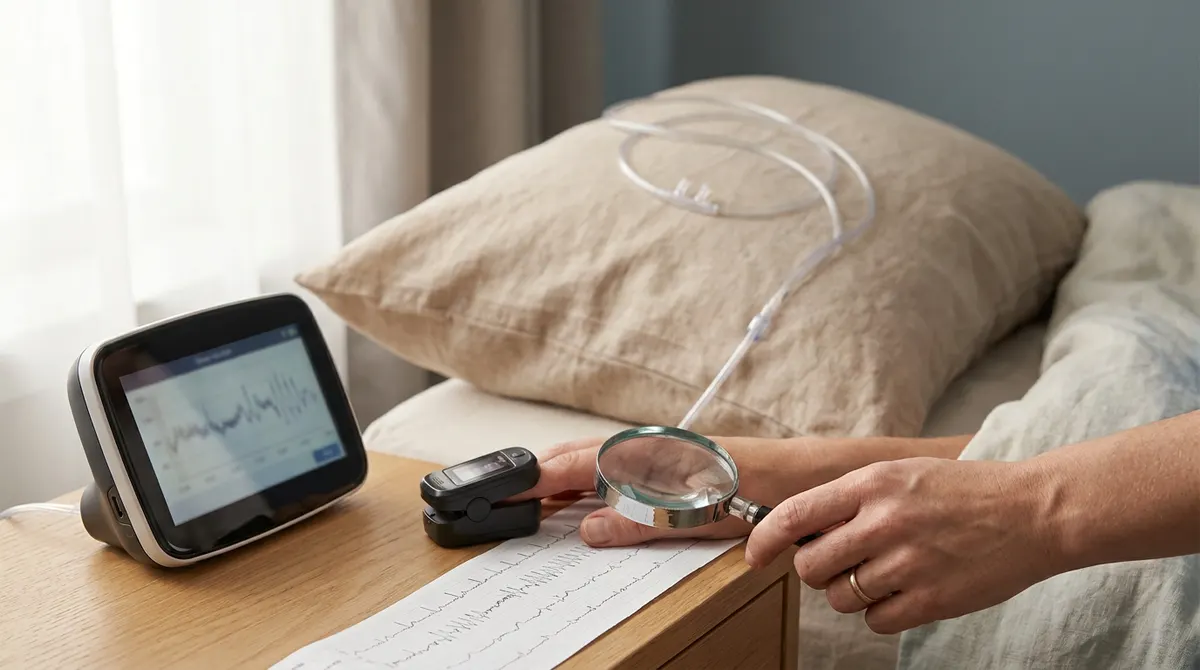
An at-home sleep apnea test false positive occurs when a home sleep test indicates sleep apnea is present, but the condition does not actually exist. According to the American Academy of Sleep Medicine, home sleep apnea tests are validated screening tools, but they are not immune to errors in data collection or interpretation. This article is for anyone who has received unexpected results from a home sleep test and needs to understand what may have gone wrong. You will learn why false positives happen, how sensor issues and temporary health conditions distort results, when a follow-up polysomnography is warranted, and how to distinguish a genuine diagnosis from a testing artifact. Understanding these factors can prevent unnecessary treatment and help you take the right next step.
Quick Answer
An at-home sleep apnea test false positive happens when the test flags apnea events that did not actually occur during sleep. Common causes include sensor displacement, nasal congestion, alcohol use before testing, and algorithm misinterpretation of normal breathing variations. False positives do not mean you have obstructive sleep apnea. A follow-up evaluation with a sleep medicine provider or an in-lab sleep study can confirm or rule out the diagnosis. dumbo.health offers a $149 home sleep test with physician interpretation to help ensure accurate results.
Key Takeaways
- A false positive on a home sleep apnea test means the test detected apnea events that may not reflect a true sleep condition.
- Sensor displacement, mouth breathing, nasal congestion, and alcohol consumption are among the most common causes of inaccurate results.
- Home sleep apnea tests do not measure brain waves or sleep architecture, which limits their ability to distinguish true apnea from artifacts.
- The American Academy of Sleep Medicine recommends confirmatory testing when clinical suspicion does not match home test results.
- dumbo.health provides home sleep testing for $149 with physician interpretation included in monthly plans starting at $59 per month.
- A false positive is not a diagnosis, and no patient should begin CPAP therapy based solely on a single questionable result.
What Is a False Positive on a Home Sleep Apnea Test
A false positive on a home sleep apnea test is a result that incorrectly suggests a patient has sleep-disordered breathing when the condition is not actually present. This distinction matters because a false positive can lead to unnecessary CPAP therapy, unneeded follow-up appointments, and significant patient anxiety.
How Home Sleep Tests Generate Results
A Home Sleep Apnea Test, commonly abbreviated as HSAT, uses portable monitors to record several physiological signals overnight. Most Type III portable monitors, including the Embletta Portable Diagnostic System and WatchPAT ONE, measure airflow through a nasal cannula, oxygen saturation via a pulse oximeter, breathing effort using belts or Respiratory Inductance Plethysmography, heart rate, and body position.
After the test night, software such as Somnologica processes the recorded data to calculate the apnea-hypopnea index or the Respiratory Event Index. The apnea-hypopnea index counts the number of apnea events and hypopneas per hour of estimated sleep. A result of 5 or more events per hour is generally considered abnormal, though clinical context matters.
The key limitation is that home sleep tests do not include electroencephalography, electrooculography, or electromyography. Without an electroencephalogram recording brain activity, the device cannot confirm when you are actually asleep. This means estimated sleep time may be inaccurate, which directly affects the apnea-hypopnea index calculation and can inflate it artificially.
Why False Positives Differ From Misdiagnosis
A false positive specifically means the test data suggests sleep apnea, but the breathing events it detected were artifacts or normal variations rather than true apneas or hypopneas. Misdiagnosis is broader and can include situations where a patient has a different sleep condition entirely, such as central sleep apnea rather than obstructive sleep apnea, or Insomnia being mistaken for sleep-disordered breathing.
DID YOU KNOW: According to a study published in the Journal of Clinical Sleep Medicine, home sleep apnea tests may overestimate severity in some patients because they use recording time rather than confirmed sleep time to calculate the Respiratory Event Index, which can inflate results when a patient spends extended time awake in bed.
KEY TAKEAWAY: A false positive means the test flagged apnea events that did not truly occur, and understanding this distinction prevents patients from starting unnecessary treatment.
Knowing why false positives happen requires understanding the specific factors that distort home sleep test data.
Common Causes of False Positives on Home Sleep Tests
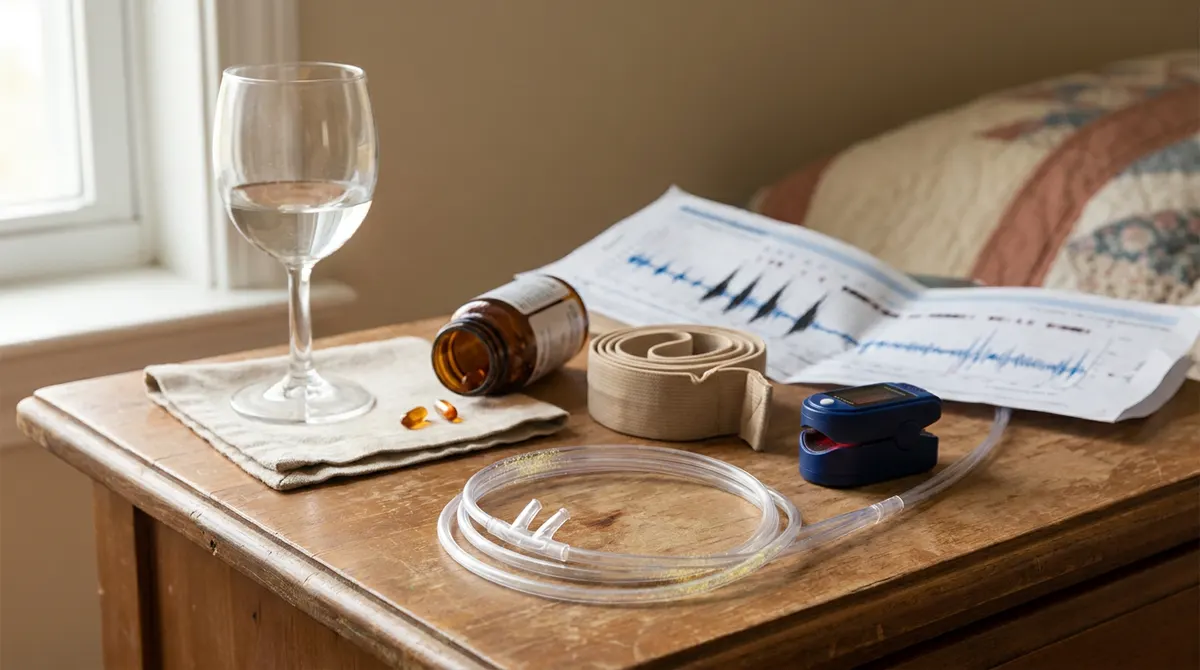
Sensor displacement and temporary physiological changes are the two most frequent causes of false positive results on home sleep apnea tests. Each cause introduces artifacts into the data that the scoring algorithm may interpret as genuine apnea events.
Sensor Displacement and Equipment Issues
Home sleep test equipment relies on correct sensor placement to capture accurate data. The nasal cannula must sit properly at the nostrils to detect airflow. If the cannula shifts during sleep, the device may record reduced or absent airflow, which the algorithm scores as apnoeas or hypopneas even though the patient was breathing normally.
Similarly, pulse oximeter sensors that slip off the finger can produce oxygen desaturation artifacts. The belts that measure breathing effort through inductive respiratory plethysmography must maintain consistent tension around the chest and abdomen. Loose belts can mimic the pattern of reduced respiratory effort, leading to scored events that never actually occurred.
The WatchPAT and WatchPAT ONE devices measure peripheral arterial tone rather than nasal pressure, which reduces some sensor displacement issues but introduces different artifact risks related to finger probe contact and hand position during sleep.
Nasal Congestion and Mouth Breathing
Nasal congestion from allergies, a cold, or turbinate hypertrophy can reduce airflow through the nose. Since most home sleep tests measure airflow primarily through a nasal cannula, mouth breathing during congestion creates a pattern that looks like obstructive events on the data recording. The airway is not actually collapsing. The sensor simply cannot detect oral airflow.
This is one of the most underappreciated causes of false positives. Clinicians frequently observe that patients tested during a period of nasal congestion produce elevated Respiratory Event Index scores that normalize when retested after the congestion resolves.
Alcohol and Medication Effects
Alcohol consumption before a sleep test relaxes the muscles of the airway, including the tongue and soft palate, which can cause temporary snoring and mild airway obstruction in people who do not have chronic obstructive sleep apnea. According to the Sleep Foundation, alcohol within a few hours of bedtime can increase the frequency of breathing disruptions during sleep.
Certain medications, particularly sedatives, muscle relaxants, and opioid-based pain medication, can suppress respiratory drive and produce central apnea patterns. These medication-induced events may appear on the test as genuine apnea events, but they resolve when the medication is discontinued.
Algorithm Interpretation Errors
Automated scoring algorithms analyze the data from portable monitors and flag events that meet predefined criteria for apnoeas and hypopneas. However, normal breathing variations such as sighs, position changes, or brief arousals can sometimes meet the algorithmic threshold for a scored event. Without a sleep specialist reviewing the raw data, these artifacts may not be caught.
This is why physician interpretation matters. At dumbo.health, every home sleep test result includes physician review as part of the monthly care plans, ensuring that automated scoring is verified by a clinician who can identify artifacts and false positives before a diagnosis is made.
IMPORTANT: Never begin CPAP therapy or other treatment based solely on an automated score from a home sleep test without physician interpretation of the raw data.
KEY TAKEAWAY: Sensor displacement, nasal congestion, alcohol, medication effects, and algorithm errors are the primary drivers of false positive results on home sleep apnea tests.
Understanding what home tests measure compared to in-lab studies helps clarify why false positives occur more often with portable monitors.
How Home Sleep Tests Compare to In-Lab Polysomnography
Home sleep tests are less comprehensive than in-lab polysomnography, and this difference in sensor coverage directly affects false positive and false negative rates. Understanding the tradeoffs helps patients and providers choose the right test for the clinical situation.
What Each Test Measures
In-lab polysomnography is the gold standard sleep study. It records brain waves through electroencephalography, eye movements through electrooculography, muscle activity through electromyography, heart rate, airflow, nasal pressure, oxygen saturation, respiratory effort, body position, and leg movements. A sleep technologist monitors the patient throughout the night in a sleep laboratory.
Home sleep apnea tests measure a subset of these signals. A typical HSAT records airflow via nasal cannula, oxygen levels via pulse oximeter, breathing effort via chest and abdominal belts, heart rate, and body position. Some newer devices like the WatchPAT ONE use peripheral arterial tone as a surrogate for traditional airflow measurement.
The critical gap is sleep staging. Because home sleep tests lack electroencephalography, they cannot confirm sleep stages, measure sleep architecture, or detect brain activity patterns associated with arousals. This means they cannot calculate a true apnea-hypopnea index based on confirmed sleep time. Instead, they calculate a Respiratory Event Index based on total recording time.
Structured Comparison: HSAT vs. Polysomnography
Here is how the two testing approaches compare across key decision factors.
Setting
- Home Sleep Apnea Test: Your own bed at home
- Polysomnography: Sleep clinic or sleep laboratory
Sensors Used
- Home Sleep Apnea Test: Nasal cannula, pulse oximeter, effort belts, heart rate monitor
- Polysomnography: All of the above plus electroencephalography, electrooculography, electromyography, leg movement sensors
Sleep Staging Capability
- Home Sleep Apnea Test: Not available
- Polysomnography: Full sleep architecture and brain wave recording
False Positive Risk
- Home Sleep Apnea Test: Higher due to sensor displacement and lack of sleep confirmation
- Polysomnography: Lower due to technologist monitoring and comprehensive data
Cost
- Home Sleep Apnea Test: Typically $149 to $500 out of pocket
- Polysomnography: Often $1,000 to $3,000 or more depending on location and insurance
Convenience
- Home Sleep Apnea Test: High, completed at home with no travel
- Polysomnography: Lower, requires overnight stay at a sleep center
Best For
- Home Sleep Apnea Test: Screening for moderate to severe obstructive sleep apnea in patients with high clinical suspicion
- Polysomnography: Complex cases, suspected central sleep apnea, or when HSAT results are inconclusive
For most patients with a high pretest probability of obstructive sleep apnea based on symptoms like loud snoring, witnessed apnea events, and daytime somnolence, a home sleep test is an appropriate first step. When results are ambiguous or do not match the clinical picture, follow-up polysomnography at a sleep lab near you provides the definitive answer.
dumbo.health offers a home sleep apnea test for $149 as the first screening step, with physician interpretation and care coordination included in monthly plans. If your results require further evaluation, the clinical team can guide you toward appropriate follow-up testing.
KEY TAKEAWAY: Home sleep tests are effective screening tools, but their lack of brain wave monitoring and sleep staging capability makes them more susceptible to false positives than in-lab polysomnography.
Knowing when a false positive is likely leads to the next question: what specific risk factors make someone more vulnerable to inaccurate results.
Risk Factors That Increase False Positive Likelihood
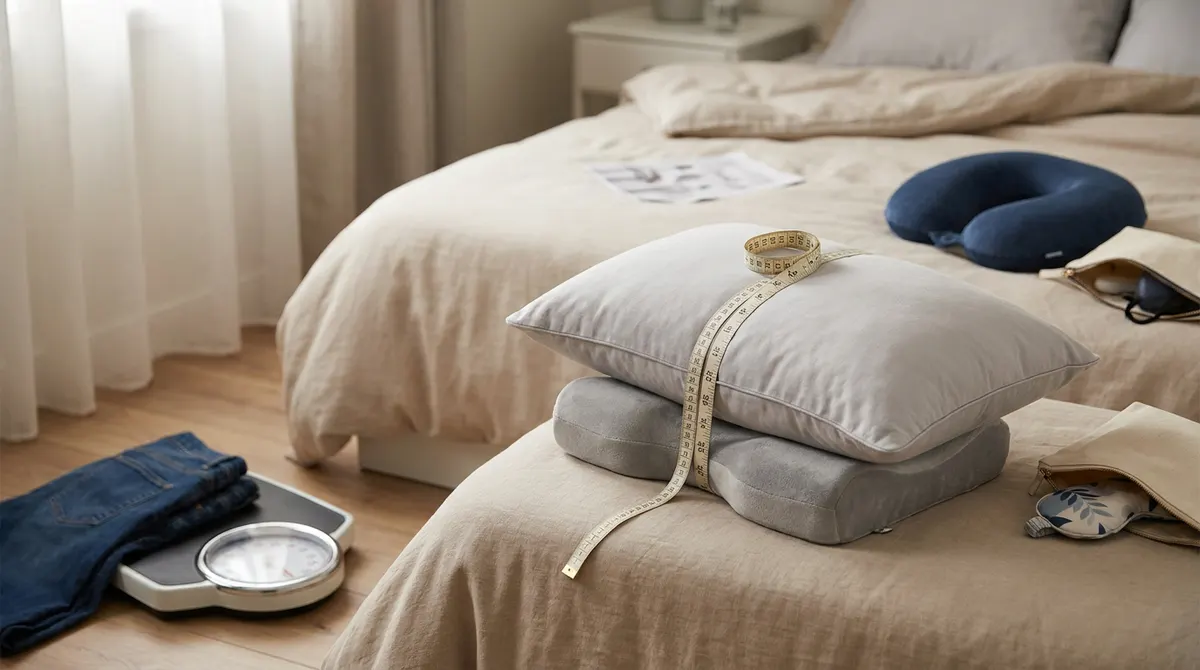
Certain patient characteristics and testing conditions raise the probability of a false positive result on a home sleep apnea test. Identifying these risk factors before testing can help providers and patients plan accordingly.
Body Mass Index and Neck Circumference
Patients with a Body Mass Index above 30 or a Neck Circumference greater than 17 inches in men and 16 inches in women are at higher risk for genuine obstructive sleep apnea. However, these same physical characteristics can also cause positional snoring and mild airway narrowing that produces borderline results on home testing. A patient with a high Body Mass Index who snores loudly but does not have true obstructive sleep apnea may still generate a Respiratory Event Index that crosses the diagnostic threshold.
The STOP-BANG questionnaire, which includes scoring criteria for snoring, tiredness, observed apnea, blood pressure, Body Mass Index, age, Neck Circumference, and gender, helps clinicians estimate pretest probability. A high STOP-BANG score combined with borderline HSAT results strengthens the case for confirmatory testing rather than immediate treatment.
Sleeping Position and First-Night Phenomenon
The first-night phenomenon refers to the well-documented observation that patients often sleep differently during a test night than during a typical night. Anxiety about the test, unfamiliar sensors, and awareness of being monitored can fragment sleep. While this phenomenon is more commonly discussed in the context of in-lab studies at sleep centers, it also affects home testing.
If a patient sleeps predominantly on their back during the test night but typically sleeps on their side, positional snoring and mild airway narrowing may produce apnea events that would not occur on a normal night. This positional bias can inflate the Respiratory Event Index and contribute to a false positive.
Coexisting Sleep Conditions
Patients with Insomnia, Narcolepsy, sleepwalking, or REM sleep behavior disorder may have fragmented sleep that complicates home test interpretation. Because HSATs cannot measure sleep architecture or identify sleep stages, periods of wakefulness during the recording are counted as recording time but scored as if the patient were asleep. This dilutes the denominator used to calculate the Respiratory Event Index but can also create artifacts during wake-to-sleep transitions.
TIP: If you have a known sleep condition beyond suspected sleep apnea, discuss this with your provider before ordering a home sleep test. A sleep specialist may recommend in-lab polysomnography instead to account for the additional complexity.
KEY TAKEAWAY: High Body Mass Index, large Neck Circumference, positional sleeping changes, first-night phenomenon, and coexisting sleep disorders all increase the chance of a false positive on a home sleep test.
Understanding false positive risk factors leads naturally to the question of what happens after you receive unexpected results.
What to Do If You Suspect a False Positive
The most important step after receiving a positive home sleep test result that does not match your symptoms is to consult with a sleep medicine provider rather than accepting or rejecting the result on your own. Clinical context determines the next step.
Step-by-Step Process for Evaluating Questionable Results
1. Review your test night. Think about whether you experienced nasal congestion, consumed alcohol, took any new medication, or slept in an unusual position. Note anything that was different from a typical night.
2. Check sensor placement. Consider whether the nasal cannula, pulse oximeter, or effort belts may have shifted during the night. If the device includes data quality indicators, review them.
3. Request physician interpretation. Ensure a sleep medicine physician, not just an automated algorithm, has reviewed the raw data from your test. dumbo.health includes physician interpretation in all care plans, starting with the Essentials Plan at $59 per month.
4. Discuss results with your provider. Share your symptom history, Epworth Sleepiness Scale score, and any factors that may have affected the test. Ask whether the data quality supports the reported Respiratory Event Index.
5. Consider repeat testing. If your provider agrees the result may be unreliable, a repeat home sleep test under better conditions is often the simplest next step. dumbo.health offers home sleep tests for $149 with no insurance required.
6. Pursue follow-up polysomnography if needed. When home test results remain inconclusive after repeat testing or when clinical suspicion is low despite positive results, an in-lab sleep study provides definitive confirmation.
After completing these steps, most patients either confirm a genuine diagnosis that warrants treatment or identify a testing artifact that explains the false positive result.
When to Seek a Second Opinion
If your home sleep test results show a borderline Respiratory Event Index of 5 to 15 events per hour and you have no classic symptoms such as loud snoring, witnessed apnea events, or excessive daytime somnolence, seeking evaluation from a board-certified sleep specialist is reasonable. The American Academy of Sleep Medicine recommends that home sleep test results be interpreted in the context of the patient's full clinical presentation.
Clinicians in your area who specialize in sleep medicine can provide the additional evaluation needed. If you do not have easy access to a sleep clinic near you, telehealth consultations with sleep physicians are increasingly available. dumbo.health's Premium Plan at $89 per month includes a dedicated sleep coach and priority results turnaround, which can help coordinate next steps when results are unclear.
KEY TAKEAWAY: Consult a sleep medicine provider before acting on any home sleep test result that does not align with your symptoms, and consider repeat testing or follow-up polysomnography when results are borderline.
While false positives receive significant attention, false negatives are equally important to understand.
False Negatives on Home Sleep Tests: The Other Side of the Coin
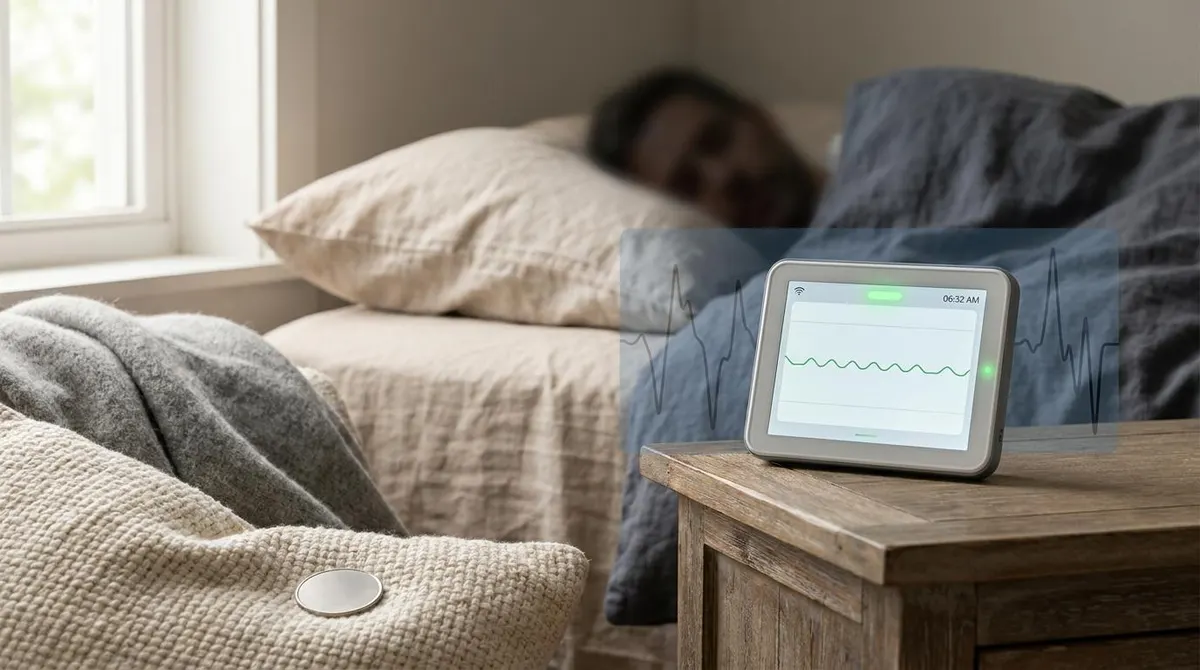
A False Negative Sleep Apnea Test result occurs when a home sleep test fails to detect obstructive sleep apnea that is actually present. False negatives can be more clinically dangerous than false positives because they may delay necessary treatment.
Why Home Tests Can Miss Sleep Apnea
The American College of Chest Physicians notes that home sleep apnea tests are most reliable for detecting moderate to severe obstructive sleep apnea. Mild cases with an apnea-hypopnea index between 5 and 15 events per hour are more likely to be missed. There are several reasons for this.
Because HSATs use total recording time rather than actual sleep time, the calculated Respiratory Event Index may be lower than the true apnea-hypopnea index. A patient who lies awake for two hours during a seven-hour recording will have their events spread across the full recording period, diluting the per-hour count. According to the AASM, this systematic underestimation is a known limitation of home testing.
Additionally, home sleep tests are not designed to detect central sleep apnea, which involves the brain failing to send proper signals to the breathing muscles. Patients with heart failure or other conditions associated with central sleep apnea require in-lab polysomnography for accurate diagnosis.
REM-related obstructive sleep apnea, where apnea events cluster primarily during REM sleep, can also be missed because home tests cannot identify sleep stages. If a patient has limited REM sleep during the test night, the device may not capture the period when apnea events are most frequent.
Balancing False Positives and False Negatives
Both false positives and false negatives carry consequences. A false positive leads to unnecessary treatment, potential CPAP therapy side effects, and financial costs. A false negative means a patient with genuine sleep apnea goes untreated, increasing their risk of cardiovascular complications, high blood pressure, cognitive function decline, and motor vehicle accidents. The National Highway Traffic Safety Administration (NHTSA) reports that drowsy driving causes thousands of crashes annually, and untreated sleep apnea is a significant contributor.
The clinical approach to managing this balance involves using home testing as a screening tool for patients with high pretest probability and reserving in-lab sleep studies for complex, borderline, or negative cases where clinical suspicion remains high.
IMPORTANT: A negative home sleep test result does not definitively rule out sleep apnea. If symptoms such as loud snoring, daytime somnolence, and morning headaches persist, follow up with a sleep specialist for further evaluation.
KEY TAKEAWAY: False negatives on home sleep tests occur because these devices cannot measure sleep stages and tend to underestimate severity in mild cases, making follow-up essential when symptoms persist despite a negative result.
Beyond understanding test accuracy, knowing what symptoms actually warrant testing helps put both false positives and false negatives in proper context.
Symptoms and Screening Tools That Guide Sleep Apnea Testing
The decision to test for sleep apnea should be guided by recognized symptoms and validated screening tools, not assumptions based on body type alone. Proper screening reduces the likelihood of both false positives and false negatives.
Classic Symptoms of Obstructive Sleep Apnea
Obstructive sleep apnea is a sleep condition characterized by repeated partial or complete collapse of the airway during sleep. The most recognized symptoms include loud snoring, witnessed breathing pauses during sleep, gasping or choking during sleep, excessive daytime somnolence, morning headaches, dry and sore throat upon waking, night sweats, and frequent nighttime urination.
According to the National Heart, Lung, and Blood Institute, approximately 25 million adults in the United States have obstructive sleep apnea, and many remain undiagnosed. Sleep disruption from untreated sleep apnea affects cognitive function, blood pressure regulation, cardiovascular health, and overall quality of life.
Physical characteristics that increase risk include a large tongue, enlarged tonsils, a narrow airway, high Body Mass Index, and large Neck Circumference. However, sleep apnea occurs across all body types, ages, and genders.
Validated Screening Questionnaires
Two widely used screening tools help clinicians determine whether a patient warrants sleep apnea testing.
The STOP-BANG questionnaire assigns one point each for snoring, tiredness, observed apnea, high blood pressure, Body Mass Index over 35, age over 50, Neck Circumference over 40 cm, and male gender. A score of 3 or higher indicates intermediate to high risk for obstructive sleep apnea.
The Epworth Sleepiness Scale asks patients to rate their likelihood of dozing in eight different situations. A total score above 10 suggests excessive daytime sleepiness that warrants further evaluation. Neither tool is diagnostic on its own. Both are used to guide the decision to order a sleep study.
Checklist: Before You Order a Home Sleep Test
Use this checklist to determine whether a home sleep test is appropriate for your situation.
- You have at least two classic symptoms of obstructive sleep apnea such as loud snoring, witnessed apnea events, or excessive daytime somnolence
- Your STOP-BANG score is 3 or higher, or your Epworth Sleepiness Scale score is above 10
- You do not have a known diagnosis of heart failure, central sleep apnea, or another complex sleep condition
- You have not consumed alcohol or taken sedative medication within 24 hours of your planned test night
- Your nasal passages are clear with no active congestion or significant turbinate hypertrophy
- You can follow written instructions for sensor placement, including attaching a nasal cannula, pulse oximeter, and effort belts
- You have discussed your symptoms and testing plan with a doctor or sleep medicine provider
- Complete the free sleep assessment at dumbo.health to determine whether home testing is right for you
Meeting most of these criteria increases the likelihood that your home sleep test will produce accurate, clinically meaningful results.
KEY TAKEAWAY: Using validated screening tools like the STOP-BANG questionnaire and Epworth Sleepiness Scale before ordering a home sleep test reduces the risk of false positives by ensuring testing is targeted at patients with genuine clinical suspicion for sleep apnea.
Once testing is complete and results are confirmed as accurate, the next decision involves choosing the right treatment pathway.
Treatment After a Confirmed Sleep Apnea Diagnosis
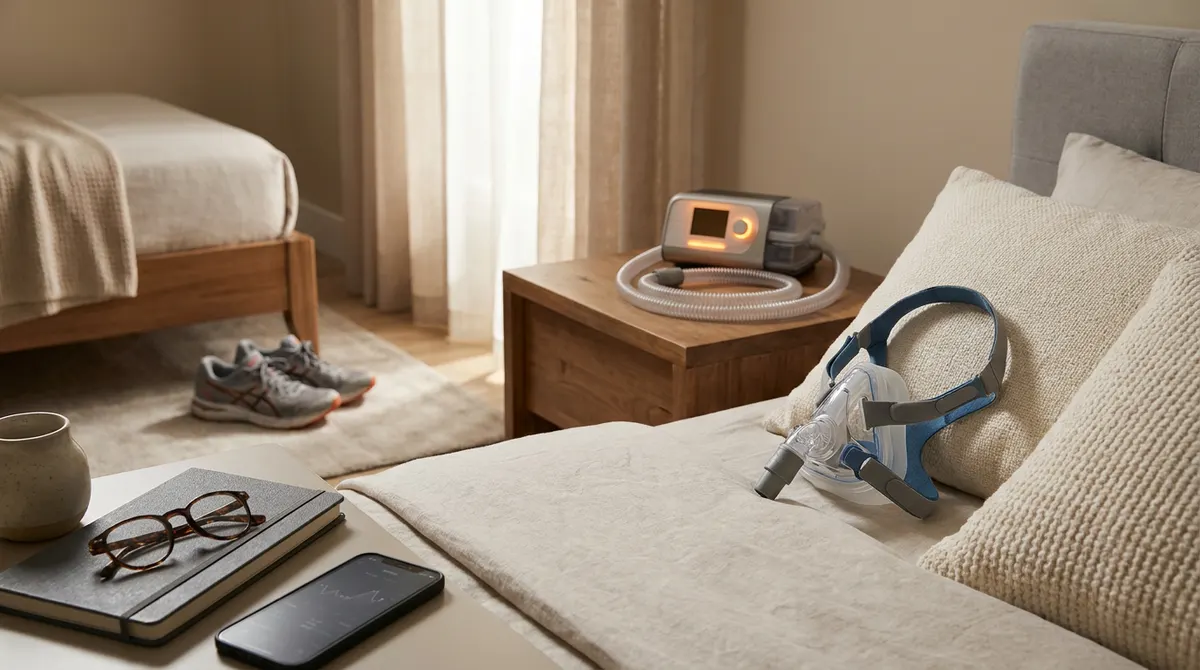
CPAP therapy remains the most effective treatment for moderate to severe obstructive sleep apnea, and starting treatment promptly after a confirmed diagnosis reduces cardiovascular risk and improves quality of life. However, treatment should only begin after results are confirmed as accurate and reviewed by a physician.
CPAP Therapy as First-Line Treatment
CPAP, which stands for continuous positive airway pressure, works by delivering a steady stream of pressurized air through a mask to keep the airway open during sleep. According to the American Academy of Sleep Medicine, CPAP is the recommended first-line treatment for adults with obstructive sleep apnea. Studies show that consistent CPAP use reduces daytime somnolence, improves cognitive function, lowers blood pressure, and decreases cardiovascular event risk.
Adherence is the primary challenge. The AASM defines adequate CPAP adherence as at least 4 hours of use per night on at least 70 percent of nights over a 30-day period. Many patients struggle to reach this threshold without ongoing support, which is why adherence monitoring and coaching improve outcomes.
dumbo.health's monthly care plans include CPAP therapy and equipment as part of all tiers. The Essentials Plan at $59 per month covers CPAP therapy, equipment, physician interpretation, and follow-up care. The Premium Plan at $89 per month adds a dedicated sleep coach and advanced adherence monitoring, which clinicians frequently observe makes a measurable difference in long-term compliance.
Alternative Treatments
Not every patient with sleep apnea uses CPAP. Oral appliances, which reposition the lower jaw to keep the airway open, are an option for mild to moderate cases or for patients who cannot tolerate CPAP. These devices are typically fitted by a dentist with training in sleep medicine.
Surgical options exist for specific anatomical causes. Uvulopalatopharyngoplasty removes excess tissue from the throat. Adenoidectomy and tonsillectomy address enlarged tonsils and adenoids. Hypoglossal nerve stimulation uses an implanted device to stimulate the nerve controlling the tongue to prevent airway obstruction. Drug-induced sleep endoscopy can help surgeons identify the exact location of airway collapse before selecting a surgical approach.
Lifestyle modifications also play a role. Weight loss in patients with elevated Body Mass Index can reduce the severity of obstructive sleep apnea. Positional therapy using a specialized pillow or device encourages side sleeping to reduce supine-related apnea events. Avoiding alcohol and sedating medication before bed helps prevent airway muscle relaxation.
TIP: If you have been diagnosed with sleep apnea and are unsure which treatment is right for you, start with a physician consultation. dumbo.health's Elite Plan at $129 per month includes direct physician messaging and concierge clinical support for patients who need personalized treatment guidance.
KEY TAKEAWAY: CPAP therapy is the gold standard treatment for confirmed obstructive sleep apnea, but treatment should never begin until results have been verified by a physician to ensure the diagnosis is not based on a false positive.
Beyond individual treatment decisions, understanding the broader landscape of testing accuracy helps set realistic expectations.
Limitations and Risks of Home Sleep Apnea Testing
Home sleep apnea tests are valuable screening tools, but they are not appropriate for every patient and every clinical scenario. Recognizing these limitations helps patients and providers make informed decisions.
When Home Testing May Not Be the Right Choice
Patients with suspected central sleep apnea should not rely on home testing. Central sleep apnea involves disrupted breathing signals from the brain rather than physical airway obstruction. Home sleep tests cannot differentiate central from obstructive events reliably. The Mayo Clinic notes that patients with heart failure, chronic opioid use, or neurological conditions are at higher risk for central sleep apnea and typically need in-lab polysomnography.
Patients with significant comorbid sleep disorders such as Narcolepsy, sleepwalking, or REM sleep behavior disorder require comprehensive sleep staging that only a lab sleep study can provide. The electroencephalography channels in a polysomnography record brain waves, which are essential for identifying these conditions. Home sleep tests have no capability to assess brain activity.
Pediatric patients, patients with severe pulmonary disease, and patients who are unable to apply sensors independently are also poor candidates for home testing. The AASM recommends attended polysomnography in a sleep laboratory for these populations.
Data Quality Risks
Even in appropriate candidates, data quality issues can render home sleep test results uninterpretable. Studies suggest that approximately 10 to 20 percent of home sleep tests may need to be repeated due to inadequate data quality, often caused by sensor failure or excessive signal artifact. Each repeat test adds time and cost to the diagnostic process.
Electronic Medical Records integration for home sleep tests varies by provider. Some patients find that their results are not automatically shared with their referring physician, requiring manual coordination. dumbo.health addresses this by including updates to referring providers as part of all monthly care plans, reducing the risk of results falling through administrative gaps.
Cost and Insurance Considerations
While home sleep tests are significantly less expensive than in-lab studies, insurance coverage varies. Some insurance company policies require prior authorization or specific documentation before covering a home sleep test. Medicare covers home sleep tests for beneficiaries who meet clinical criteria, but out-of-pocket costs can still apply depending on the plan.
Healthcare spending on sleep diagnostics has increased as awareness of sleep-disordered breathing grows. For patients paying out of pocket, dumbo.health's cash-pay model eliminates insurance hassles entirely. The $149 home sleep test requires no insurance, no prior authorization, and no surprise bills. Monthly care plans for ongoing treatment and monitoring start at $59 per month with no contracts and the ability to cancel anytime.
KEY TAKEAWAY: Home sleep apnea tests are not appropriate for central sleep apnea, complex sleep disorders, or pediatric patients, and data quality issues cause roughly 10 to 20 percent of tests to require repetition.
Real-world scenarios illustrate how false positives play out in practice and how patients navigate the diagnostic process.
Real-World Scenarios: How False Positives Affect Patients
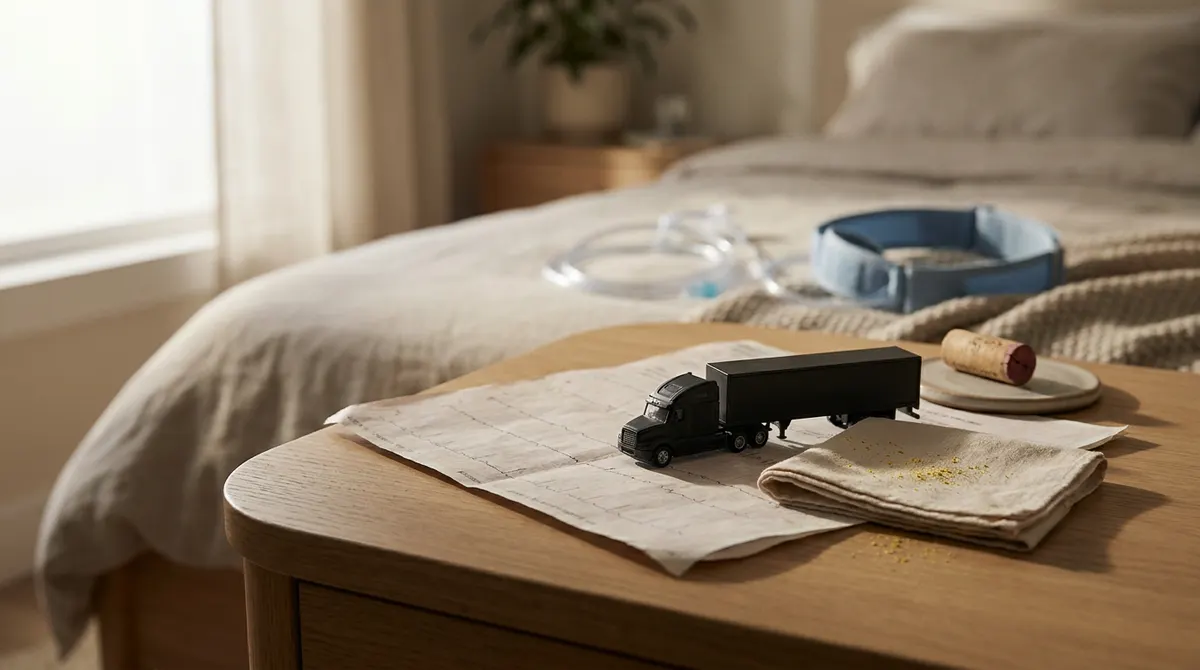
Concrete examples help illustrate the circumstances under which false positives occur and how patients and providers respond. These scenarios are realistic composites based on common clinical patterns.
Scenario 1: A 48-Year-Old Commercial Driver with Seasonal Allergies
A 48-year-old long-haul truck driver with a Body Mass Index of 32 and a Neck Circumference of 17.5 inches is referred for sleep apnea testing during a DOT physical. His physician orders a home sleep test based on his Body Mass Index and self-reported snoring. He completes the test during spring allergy season while experiencing moderate nasal congestion.
His Respiratory Event Index comes back at 11 events per hour, suggesting mild sleep apnea. However, review of the raw data reveals that most scored events correlate with periods of reduced nasal airflow consistent with congestion rather than true airway collapse. His physician recommends treating the allergies and repeating the test in two weeks. The second test produces a Respiratory Event Index of 3 events per hour, which is within the normal range. The initial result was a false positive driven by nasal congestion.
For drivers in this situation, dumbo.health's at-home sleep test at $149 allows for repeat testing without the cost burden of a second in-lab study.
Scenario 2: A 55-Year-Old Office Worker Who Drank Wine Before Testing
A 55-year-old woman with no significant daytime somnolence takes a home sleep test after her partner reports occasional snoring. She consumed two glasses of wine approximately three hours before going to bed on the test night. Her Respiratory Event Index is 8 events per hour, suggesting mild sleep apnea.
Her sleep medicine provider notes that her Epworth Sleepiness Scale score is only 4, well below the threshold for excessive daytime sleepiness. Combined with the alcohol consumption on the test night, the provider suspects the result does not reflect her typical sleep. A repeat test without alcohol produces a Respiratory Event Index of 2 events per hour. The initial result was a false positive caused by alcohol-induced muscle relaxation in the airway.
Scenario 3: A 62-Year-Old Man with Genuine Moderate Sleep Apnea
A 62-year-old retired engineer with a Body Mass Index of 34, loud snoring, and excessive daytime somnolence completes a home sleep test. His Respiratory Event Index is 22 events per hour, indicating moderate obstructive sleep apnea. His physician reviews the raw data and confirms the finding. The Snore Index is elevated, oxygen desaturations correlate with scored respiratory events, and the data quality is high.
This is not a false positive. It is a genuine diagnosis confirmed by clinical symptoms, validated screening scores, and high-quality test data. The patient begins CPAP therapy through dumbo.health's Premium Plan at $89 per month, which includes a dedicated sleep coach, CPAP equipment, and advanced adherence monitoring. After three months, his daytime somnolence resolves, his blood pressure improves, and his adherence consistently exceeds 6 hours per night.
KEY TAKEAWAY: False positives typically involve borderline results with identifiable confounding factors, while genuine diagnoses show consistent high-severity findings supported by clinical symptoms and clean data.
Several persistent myths about home sleep testing contribute to confusion about false positives and test accuracy.
Common Myths About Home Sleep Apnea Test False Positives Debunked
MYTH: If a home sleep test says you have sleep apnea, the diagnosis is final.
FACT: A home sleep apnea test is a screening tool, not a definitive diagnostic instrument. The AASM recommends that results be interpreted by a physician in the context of the patient's symptoms, medical history, and risk factors. A positive result may warrant confirmatory testing, especially when the Respiratory Event Index is borderline or when known confounding factors were present during the test night.
MYTH: Home sleep tests are just as accurate as in-lab sleep studies.
FACT: Home sleep tests have different strengths and limitations compared to polysomnography. According to the Sleep Foundation, HSATs are effective for confirming moderate to severe obstructive sleep apnea in patients with high clinical suspicion, but they lack the ability to measure sleep architecture, brain waves, or sleep stages. This means they are more susceptible to both false positives and false negatives than in-lab studies, particularly for mild cases.
MYTH: A false positive means the home sleep test equipment is broken.
FACT: Most false positives are not caused by defective equipment. They result from factors such as sensor displacement during sleep, nasal congestion affecting airflow readings, alcohol or medication use altering breathing patterns, or the scoring algorithm interpreting normal breathing variations as apnea events. The equipment itself may be functioning correctly while external factors distort the data it collects.
MYTH: You should ignore a positive home sleep test result if you feel fine during the day.
FACT: While daytime somnolence is a hallmark symptom of obstructive sleep apnea, many patients with confirmed sleep apnea report minimal daytime sleepiness. The absence of obvious symptoms does not automatically make a positive result a false positive. According to the CDC, sleep apnea can silently increase cardiovascular risk, elevate blood pressure, and impair cognitive function even when the patient does not feel notably tired. Always discuss results with a physician rather than self-interpreting.
MYTH: You need to go to an expensive sleep center to get accurate testing.
FACT: For most adults with high clinical suspicion for obstructive sleep apnea, a properly conducted home sleep test provides clinically useful results at a fraction of the cost of an in-lab study. dumbo.health offers a home sleep test for $149 with physician interpretation included in care plans, making accurate screening accessible without the expense and inconvenience of an overnight sleep laboratory visit.
KEY TAKEAWAY: Understanding common myths about home sleep test accuracy helps patients evaluate their results critically and make informed decisions about follow-up testing and treatment.
Conclusion
A false positive on an at-home sleep apnea test is concerning but manageable when you understand what causes inaccurate results and what steps to take next. Sensor displacement, nasal congestion, alcohol use, and scoring algorithm limitations are the most frequent contributors to results that do not match clinical reality. The key is never to begin or refuse treatment based on a single test result without physician review. Confirmatory testing, clinical context, and validated screening tools all play a role in reaching an accurate diagnosis. If you are ready to take the first step toward accurate sleep apnea testing, dumbo.health offers a $149 home sleep test with no insurance required, no contracts, and physician interpretation included in monthly plans starting at $59 per month.
Frequently Asked Questions About At-Home Sleep Apnea Test False Positives
What is an at-home sleep apnea test?
An at-home sleep apnea test, also called a home sleep apnea test or HSAT, is a simplified diagnostic device used to evaluate whether a person has obstructive sleep apnea. Unlike an in-lab sleep study, an HSAT is worn overnight at home and measures key signals such as airflow, oxygen saturation, respiratory effort, and heart rate. The American Academy of Sleep Medicine recognises HSATs as a validated option for evaluating suspected moderate-to-severe obstructive sleep apnea in adults without major complicating conditions. A qualified physician reviews and interprets the results.
How does an at-home sleep study work?
An at-home sleep study involves wearing a portable monitor overnight while you sleep in your own bed. Depending on the device, the monitor may include a nasal cannula to measure airflow, a pulse oximeter to track blood oxygen saturation, and respiratory belts or sensors to record breathing effort. Some devices, such as the WatchPAT ONE, use peripheral arterial tone and additional sensors. After the test night, the recorded data is analysed and interpreted by a sleep physician, who calculates metrics such as the apnea-hypopnea index and respiratory event index to assess sleep-disordered breathing.
What does a home sleep test measure?
A home sleep test primarily measures airflow, blood oxygen levels, respiratory effort, and heart rate. Most Type III portable monitors capture nasal pressure via a nasal cannula, oxygen saturation via a pulse oximeter, and breathing effort via respiratory inductance plethysmography or similar sensors. Some devices also record snoring and body position. What an HSAT does not typically measure includes sleep architecture, brain waves via electroencephalography, eye movements via electrooculography, or muscle activity via electromyography. These additional signals are only captured during a full in-lab polysomnography.
Can an at-home sleep apnea test produce a false positive result?
Yes, an at-home sleep apnea test can produce a false positive result in some cases. Because home sleep tests measure respiratory events without directly recording sleep time, the apnea-hypopnea index may be calculated against estimated total recording time rather than confirmed sleep time. This can artificially inflate AHI values, making a result appear more severe than it actually is. Movement artefacts, poor sensor placement, mouth breathing around a nasal cannula, or equipment issues can also generate readings that resemble apnea events when none occurred. A physician should review borderline or unexpected results carefully.
Can an at-home sleep apnea test produce a false negative result?
Yes, a false negative sleep apnea test result is also possible with home testing. Because HSATs do not capture sleep staging or brain wave activity, they cannot confirm how much actual sleep occurred during the recording period. If a person with sleep apnea slept poorly or had frequent arousals, the device may record fewer apnea events than would appear during a full night of consolidated sleep. The Sleep Foundation notes that home tests may underestimate sleep apnea severity in some patients, which is one reason a sleep medicine provider may recommend follow-up polysomnography when clinical suspicion remains high despite a negative result.
What are the main limitations of an at-home sleep apnea test?
Home sleep apnea tests have several important limitations. They do not capture sleep architecture, brain activity, sleep stages, or eye movements, which means they cannot diagnose conditions such as insomnia, narcolepsy, REM sleep behavior disorder, or sleepwalking. Because total sleep time is not directly measured, AHI calculations may be imprecise. HSATs are also less reliable for patients with heart failure, suspected central sleep apnea, or other complex medical conditions. Sensor displacement during the night, mouth breathing, or movement can affect signal quality. The American Academy of Sleep Medicine recommends in-lab polysomnography when an HSAT result is inconclusive or when clinical suspicion remains despite a negative home result.
Are at-home sleep apnea tests accurate?
At-home sleep apnea tests are considered clinically accurate for evaluating moderate-to-severe obstructive sleep apnea in otherwise healthy adults when used as directed. The American Academy of Sleep Medicine supports their use in appropriate patients. However, accuracy depends on the device type, sensor placement, the patient's anatomy, and whether the recording night was representative. HSATs tend to be more reliable when sleep apnea probability is high based on symptoms, body mass index, neck circumference, and clinical screening tools such as the STOP-BANG questionnaire or Epworth Sleepiness Scale. A physician interpretation is essential for accurate diagnosis. You can learn more about home sleep apnea test accuracy and how dumbo.health supports the process.
What can cause a misdiagnosis of sleep apnea?
Several factors can contribute to a misdiagnosis of sleep apnea in either direction. A false positive can result from mouth breathing interfering with nasal cannula airflow readings, sensor displacement creating artefact signals, elevated AHI due to recording time overestimation, or positional breathing patterns captured on a non-representative night. A false negative can occur if the patient slept poorly, changed position frequently, or had fewer apnea events on that particular night. Anatomical factors such as tonsils, tongue position, turbinate hypertrophy, or nasal obstruction can also influence results. A clinician should correlate test results with symptoms, physical examination findings, and clinical history before confirming a diagnosis.
When should a home sleep test result be followed up with an in-lab sleep study?
An in-lab sleep study, also called polysomnography, should be considered when a home sleep apnea test result is negative but clinical suspicion for sleep apnea remains high, when the HSAT result is inconclusive or technically inadequate, or when symptoms such as severe daytime somnolence, night sweats, cognitive function changes, or loud snoring persist despite a negative home result. Patients with complex conditions including heart failure, suspected central sleep apnea, or significant comorbidities are generally better evaluated with full polysomnography from the outset. The American Academy of Sleep Medicine provides clinical guidance on when follow-up polysomnography is warranted.
What sleep disorders can a home sleep test detect and what can it miss?
A home sleep apnea test is designed specifically to detect obstructive sleep apnea and sleep-disordered breathing. It can identify patterns consistent with apneas, hypopneas, oxygen desaturation, and respiratory effort reduction. However, it cannot reliably detect or diagnose insomnia, narcolepsy, sleepwalking, REM sleep behavior disorder, or periodic limb movement disorder, because those conditions require sleep staging, electroencephalography, or electromyography data that HSATs do not capture. If a sleep medicine provider suspects a condition beyond obstructive sleep apnea, they may recommend an in-lab study that records a full range of physiological signals.
Why might someone have a normal home sleep test result but still be diagnosed with sleep apnea in a lab?
It is possible to have a near-normal or negative HSAT result and still receive a sleep apnea diagnosis following a full in-lab polysomnography. This happens for several reasons. The home test night may not have been representative of a typical sleep pattern. Sleep apnea can be positional, meaning it worsens in certain sleep positions that may not have occurred during home testing. REM sleep, when obstructive events are often most severe, may have been minimal or absent during home recording. Additionally, because HSATs estimate total sleep time rather than measuring it directly, milder cases can fall below the diagnostic threshold even when true sleep apnea is present. This is sometimes described informally as a false negative sleep apnea test result.
How does the apnea-hypopnea index relate to home sleep test accuracy?
The apnea-hypopnea index, or AHI, represents the average number of apneas and hypopneas per hour of sleep. In an in-lab study, AHI is calculated based on confirmed sleep time measured by electroencephalography. In a home sleep test, most devices calculate the respiratory event index based on total recording time rather than confirmed sleep time. Because total recording time typically exceeds actual sleep time, REI values from HSATs can underestimate or overestimate true AHI depending on the individual. This distinction is clinically important when interpreting borderline results. A physician familiar with home testing methodology can contextualise the difference and guide next steps. For context on how the apnea-hypopnea index is used in diagnosis, the Sleep Foundation provides accessible explanations.
Who should not rely on a home sleep test alone?
Home sleep apnea testing may not be appropriate as the sole diagnostic tool for patients with heart failure, moderate-to-severe chronic obstructive pulmonary disease, neuromuscular disease, suspected central sleep apnea, complex sleep disorders, or significant comorbidities that affect breathing or oxygen saturation at baseline. Patients with very low pre-test probability of obstructive sleep apnea, or those whose primary complaints point toward insomnia, narcolepsy, or parasomnia rather than sleep-disordered breathing, are also better evaluated in a sleep lab. A healthcare professional can help determine whether a home sleep test or an in-lab polysomnography is the more appropriate starting point.
What are the benefits of an at-home sleep apnea test?
The main benefits of an at-home sleep apnea test include convenience, comfort, lower cost, and accessibility. Sleeping in your own bed reduces the first-night phenomenon, a well-recognised issue where sleeping in an unfamiliar sleep laboratory environment can alter normal sleep patterns and produce less representative results. HSATs eliminate the need for an overnight clinic visit, reduce wait times, and are significantly less expensive than full polysomnography. For patients with a clear clinical picture of obstructive sleep apnea and no major comorbidities, an HSAT can provide sufficient diagnostic information to begin treatment planning. At-home sleep testing at dumbo.health is available for $149 with transparent cash-pay pricing and no insurance required.
How much does an at-home sleep study cost?
The cost of an at-home sleep study varies depending on the provider and whether insurance is used. With insurance, home sleep tests may be covered, but prior authorizations, copays, and deductibles can add complexity and unexpected costs. Without insurance, cash-pay prices vary widely. dumbo.health offers a home sleep apnea test for $149 as a one-time cost, with transparent pricing and no surprise bills. This covers the at-home sleep test device and one night of testing. Ongoing care including physician interpretation, CPAP therapy, equipment, and adherence follow-up is available through separate monthly plans starting at $59 per month with no contracts and the option to cancel anytime.
Does insurance cover an at-home sleep study?
Home sleep apnea tests are covered by many insurance plans, including Medicare, when a physician orders the test and documentation supports medical necessity. However, coverage depends on your specific plan, prior authorization requirements, and whether you use an in-network provider. Some patients experience claim denials, delays, or unexpected out-of-pocket costs. If you prefer to avoid insurance complexity, cash-pay options are available. dumbo.health offers at-home sleep testing at a flat $149 with no prior authorizations and no surprise bills, making costs predictable regardless of insurance status.
How many times can I take an at-home sleep apnea test?
There is no strict universal limit on how many times a home sleep apnea test can be taken, but clinical guidelines generally recommend repeating the test if the first night produces technically inadequate or uninterpretable results. Some patients may be advised to complete a second night of home testing before a final physician interpretation is made. If home testing repeatedly produces inconclusive results or does not align with clinical symptoms, a sleep medicine provider may recommend a full in-lab polysomnography instead. The decision to repeat or escalate testing should always be guided by a clinician who can assess the full clinical picture.
What symptoms suggest I might have sleep apnea worth evaluating?
Common symptoms that may indicate obstructive sleep apnea include loud snoring, observed pauses in breathing during sleep, waking with a dry or sore throat, morning headaches, daytime somnolence, difficulty concentrating, night sweats, and unrefreshing sleep. Structural risk factors such as a high body mass index, large neck circumference, or anatomical features affecting the upper airway can also increase likelihood. Blood pressure changes are also associated with untreated sleep apnea. According to the American Academy of Sleep Medicine, untreated obstructive sleep apnea is associated with increased cardiovascular risk. If you recognise these symptoms, a healthcare professional can help determine whether a sleep apnea evaluation is appropriate.
What happens if my sleep apnea treatment is not working?
If CPAP therapy or another treatment for sleep apnea is not producing the expected improvement in symptoms, a review with your sleep medicine provider is important. Poor outcomes can result from an incorrect diagnosis, inadequate CPAP pressure settings, mask fit problems, poor CPAP adherence, nasal obstruction, or an underlying condition that was not captured by initial testing. Alternative treatments for obstructive sleep apnea include oral appliances, positional therapy, weight management, and surgical options such as uvulopalatopharyngoplasty, hypoglossal nerve stimulation, adenoidectomy, or tonsillectomy depending on the underlying anatomy and condition severity. Treatment should always be reviewed and adjusted by a qualified clinician. Explore CPAP therapy and ongoing care options at dumbo.health.
How often should sleep apnea be re-evaluated?
Sleep apnea severity can change over time, particularly with significant weight changes, cardiovascular events, medication changes, or new symptoms. Most sleep medicine providers recommend periodic re-evaluation, especially if symptoms return or worsen despite treatment. CPAP adherence data can provide ongoing insight into whether therapy is controlling events effectively. If a patient's clinical picture changes significantly, a repeat home sleep test or in-lab study may be appropriate. A healthcare professional familiar with your history can advise on the appropriate re-evaluation schedule for your situation. Regular follow-up also helps identify whether changes in blood oxygen saturation, breathing effort, or apnea events warrant treatment adjustment.
How do commercial drivers and CDL holders fit into home sleep apnea testing?
Commercial drivers face specific considerations around sleep apnea testing because untreated obstructive sleep apnea can affect driving safety and DOT medical certification. The FMCSA does not have a single mandatory sleep apnea regulation, but certified medical examiners can require sleep apnea evaluation based on symptoms, body mass index, neck circumference, blood pressure, and clinical judgment during a DOT physical. A home sleep apnea test can be a practical first step for drivers who need evaluation without extensive delays. dumbo.health supports at-home sleep apnea testing and ongoing care documentation for commercial drivers, though a certified medical examiner makes all DOT certification decisions. Learn more in the CDL driver sleep apnea testing guide.
Can a DOT-related sleep apnea test produce inaccurate results?
Yes, the same accuracy limitations that apply to all home sleep apnea tests apply in a DOT-related context. A false positive could lead to unnecessary treatment, while a false negative could miss a genuine safety risk. Because DOT medical examiners rely on clinical judgment alongside test results, a borderline or inconclusive HSAT should be followed up appropriately. A certified medical examiner may request repeat testing, an in-lab study, or additional clinical evaluation before making a certification decision. dumbo.health can support testing and documentation workflows, but it does not guarantee DOT certification or medical clearance. For broader context on the DOT physical process, see the DOT physical guide for commercial drivers.
How can I start the process of getting an at-home sleep apnea test?
The first step is typically completing a sleep assessment to determine whether home sleep apnea testing is appropriate for your situation. A healthcare professional or sleep medicine provider can review your symptoms, risk factors, and clinical history before recommending an HSAT. dumbo.health offers a free sleep assessment as an entry point, followed by a $149 at-home sleep test with transparent cash-pay pricing. If results indicate obstructive sleep apnea, monthly care plans covering physician interpretation, CPAP therapy, equipment, and adherence follow-up are available from $59 per month with no contracts. Start with a free sleep assessment to see whether at-home testing may be a useful next step.
What is the difference between a home sleep apnea test and a full in-lab sleep study?
A home sleep apnea test is a simplified portable monitor that records airflow, oxygen saturation, respiratory effort, and heart rate during a single night at home. It is primarily designed to detect obstructive sleep apnea. A full in-lab sleep study, or polysomnography, is conducted in a sleep laboratory and records a broader range of signals including brain wave activity via electroencephalography, eye movements via electrooculography, muscle activity via electromyography, as well as all the respiratory signals captured by home testing. Polysomnography can identify sleep stages, confirm total sleep time, and detect a wider range of sleep disorders. The right choice depends on clinical presentation, symptom complexity, and the judgment of a sleep medicine provider.
Related Home Sleep Apnea Test Topics
- Home Sleep Apnea Test False Negative Why It Happens and What to Do Next
- Can a Home Sleep Apnea Test Be Wrong Accuracy, False Negatives, and What to Do Next
- What Is a Home Sleep Apnea Test How At-Home Sleep Testing Works, What It Measures, and Who Needs One
- What Is the Best At-Home Sleep Apnea Test A Clinical Comparison of Devices, Accuracy, and Cost
- Sleep Study for Sleep Apnea What Happens, What It Measures, and What Your Results Mean
- What Happens After a Home Sleep Apnea Test Results, Diagnosis, and Next Steps
- At Home Sleep Apnea Test with Ring How Ring-Based Sleep Testing Works and Whether It Can Diagnose Sleep Apnea
- Home Sleep Apnea Test Questionnaire Screening Tools, Risk Scores, and What Happens Next
- Are Home Sleep Apnea Tests Reliable Clinical Evidence, Accuracy, and What the Data Actually Shows
- Do At-Home Sleep Apnea Tests Work Clinical Accuracy, Limitations, and What the Evidence Shows
- Sleep Study for Sleep Apnea What the Test Measures, How It Works, and What Your Results Mean
- Home Sleep Apnea Test Ring How Ring-Based Sleep Testing Works for Sleep Apnea Detection
- Home Sleep Apnea Test ICD-10 Codes The Complete Coding and Diagnostic Guide for Sleep Apnea Testing
- What Does a Home Sleep Apnea Test Consist Of Sensors, Equipment, and What to Expect
- Home Sleep Apnea Test Parameters What Every Measurement Means and Why It Matters
- Home Sleep Apnea Test The Complete Guide to At-Home Sleep Apnea Testing
- Are Home Sleep Apnea Tests Accurate What the Evidence Actually Shows
- Sleep Apnea Testing at Home The Complete Guide to Home Sleep Tests, Devices, and Results
- Home Sleep Apnea Testing The Complete Guide to Diagnosing Sleep Apnea at Home
- Home Sleep Apnea Test Cost What You Actually Pay With and Without Insurance
- Best Home Sleep Apnea Test A Clinical Guide to Choosing the Right At-Home Sleep Study
- How Do You Get a Home Sleep Apnea Test The Complete Guide to At-Home Sleep Testing
- Sleep Study Test for Sleep Apnea The Complete Guide to Diagnosis, Testing Types, and Next Steps
- Sleep Apnea Test at Home with Insurance What Your Plan Actually Covers and How to Get Tested
- Home Sleep Apnea Test FDA Approved What Devices Are Cleared and How They Work
- How to Get a Sleep Apnea Test at Home The Complete Guide to Home Sleep Testing
- How Is a Home Sleep Apnea Test Done A Complete Guide to At-Home Sleep Testing
- Home Sleep Apnea Test CPT Code Complete Coding and Billing Guide for Sleep Studies
- Home Sleep Apnea Test for Children What Parents Need to Know About Pediatric Sleep Testing
- Sleep Apnea Test at Home The Complete Guide to Home Sleep Testing for Adults
- How Does a Home Sleep Apnea Test Work A Complete Guide to At-Home Sleep Testing
- Home Sleep Apnea Test for Kids What Parents Need to Know About Pediatric Sleep Testing
- Kids at Home Sleep Apnea Test What Parents Need to Know About Pediatric Sleep Testing
- CPAP Test at Home The Complete Guide to Home Sleep Apnea Testing and Treatment
- At-Home Sleep Apnea Test for Toddlers What Parents Need to Know About Pediatric Sleep Testing
- Home Sleep Test The Complete Guide to At-Home Sleep Apnea Testing
- Can You Test for Sleep Apnea at Home A Complete Guide to Home Sleep Testing
- Home Sleep Apnea Test Indications Who Qualifies and When At-Home Testing Is Clinically Appropriate
- Home Sleep Apnea Test Guidelines Clinical Standards, Eligibility, and What Every Patient Should Know
- Sleep Apnea Test The Complete Guide to Diagnosis, Home Testing, and What Your Results Mean
- FDA Approved Home Sleep Apnea Test What Devices Are Cleared, How They Work, and How to Get Tested
- How Long Does a Home Sleep Apnea Test Take What to Expect Before, During, and After Testing
- Sleep Apnea Checker How to Screen for Sleep Apnea and What Your Results Mean
- Sleep Test at Home The Complete Guide to Home Sleep Apnea Testing
- CPT for Home Sleep Apnea Test Complete Coding and Billing Guide for Sleep Study Providers
- Sleep Apnea Diagnosis at Home The Complete Guide to Home Sleep Testing
- At-Home Sleep Apnea Test The Complete Guide to Testing, Results, and Treatment
- Can a Sleep Study Diagnose Sleep Apnea and Other Sleep Disorders
- Sleep Study Apnea Hypopnea Index What Your AHI Score Means and Why It Matters
- Does Insurance Cover a Home Sleep Apnea Test What You Actually Pay
- Does Medicare Cover a Home Sleep Apnea Test What Beneficiaries Need to Know
- Can Dentists Prescribe a Home Sleep Apnea Test What You Need to Know
- What Is the Cost of a Sleep Apnea Test at Home
- Sleep Test What It Measures, How It Works, and What Your Results Mean
- Home Sleep Test Cost What You Actually Pay With and Without Insurance
- At-Home Sleep Apnea Test Covered by Medicaid What You Need to Know Before Getting Tested
- Home Sleep Apnea Test Medicaid Coverage What Patients Need to Know
- Home Sleep Apnea Test FSA Eligible How to Use Your Flexible Spending Account for Sleep Testing
- At-Home Sleep Apnea Test FSA How to Use Your Flexible Spending Account for Sleep Testing
- Sleep Apnea Test Near Me How to Find Local and At-Home Testing Options
- At Home Sleep Apnea Test HSA How to Use Your Health Savings Account for Sleep Testing
- CPT Code for Home Sleep Apnea Test The Complete Coding and Billing Guide
- Can My Doctor Prescribe a Home Sleep Apnea Test What You Need to Know
- Does a Home Sleep Apnea Test Measure Apneas What the Device Actually Records
- Pediatric Home Sleep Apnea Test A Complete Guide for Parents and Providers
- Home Sleep Apnea Test Near Me How to Get Tested Without a Sleep Lab Visit
- Sleep Apnea Diagnosis How Sleep Apnea Is Detected, Tested, and Confirmed
- Sleep Apnea Testing The Complete Guide to Diagnosis, Home Tests, and What Your Results Mean
- Home Sleep Apnea Test CPT Codes A Complete Guide to Billing, Coding, and Reimbursement
- How Much Does a Home Sleep Apnea Test Cost Complete Pricing Breakdown for Self-Pay and Insured Patients
- CPT Code for Home Sleep Apnea Test Complete Billing and Coding Guide
- Home Sleep Testing Companies A Complete Guide to At-Home Sleep Apnea Diagnosis
- How Accurate Are At-Home Sleep Studies
- Does Anyone Ever Pass a Sleep Apnea Test What Normal Results Actually Look Like
- Can I Get a CPAP Machine After a Home Sleep Apnea Test
- CPAP Test What It Is, How It Works, and What Your Results Mean
- Sleep Apnea Sleep Study The Complete Guide to Testing, Diagnosis, and Treatment
- Sleep Test to CPAP How Sleep Apnea Testing Leads to Treatment
- Obstructive Sleep Apnea Sleep Study The Complete Guide to Diagnosis, Testing, and Treatment
- At Home Sleep Study for Sleep Apnea The Complete Guide to Testing in Your Own Bed
- What to Expect During a Sleep Study for Sleep Apnea
- Top-Rated Home Sleep Apnea Test Kits Available in the US
- Where Can I Buy a Home Sleep Apnea Test Without a Prescription
- How Do Home Sleep Apnea Tests Compare to In-Lab Sleep Studies
- Average Cost of a Home Sleep Apnea Test Kit Shipped in the US
- Do I Need a Prescription for a Home Sleep Apnea Test Device
- Polysomnography at Home How Home Sleep Testing Compares to In-Lab Sleep Studies
- Sleep Apnea Test at Home DOT Approved Options for Commercial Drivers
- Apnea Monitor The Complete Guide to Breathing Monitors for Sleep Apnea and Infant Care
- Do You Need a Prescription for a Home Sleep Apnea Test
- At Home Sleep Apnea Test for VA Disability The Complete Guide for Veterans
- At-Home Sleep Apnea Test for VA The Complete Guide for Veterans
- Home Sleep Apnea Test Contraindications When an HSAT Is Not the Right Choice
- Disadvantages of Home Sleep Testing What Patients and Providers Need to Know
- Home Sleep Testing The Complete Guide to Diagnosing Sleep Apnea From Your Own Bed
- How to Get Tested for Sleep Apnea The Complete Guide to Diagnosis, Sleep Studies, and Treatment
- Sleep Apnea Testing Near Me How to Find the Right Test, Provider, and Path to Diagnosis
- Are Sleep Studies Covered by Insurance What You Actually Pay for Sleep Apnea Testing
- At-Home Sleep Apnea Test DOT Approved The Complete Guide for Commercial Drivers
- Best At Home Sleep Apnea Test A Clinical Comparison
AI summary
A false positive home sleep apnea test result occurs when a home sleep apnea test (HSAT) reports sleep-disordered breathing even though obstructive sleep apnea is not truly present. HSATs commonly use Type III portable monitors (eg, Embletta Portable Diagnostic System, WatchPAT ONE) that record airflow, oxygen saturation, respiratory effort, heart rate, and body position, but they do not measure EEG sleep staging. Key mechanisms: - Respiratory Event Index (REI) is often calculated from total recording time rather than confirmed sleep time, which can inflate severity when time awake is misclassified. - Artifacts can be scored as apneas or hypopneas. Common causes: - Sensor displacement (nasal cannula, pulse oximeter, effort belts) and data-quality failures. - Nasal congestion, mouth breathing, turbinate hypertrophy, allergies or colds. - Alcohol near bedtime; sedatives, muscle relaxants, opioids causing altered breathing patterns. - Automated algorithm misinterpretation of normal variations (sighs, arousals, position changes). Recommended next steps include physician review of raw data, correlating results with symptoms and screening tools (STOP-BANG, Epworth Sleepiness Scale), repeating HSAT under better conditions, and using in-lab polysomnography for borderline or discordant findings.

Nicolas Nemeth
Co-Founder
Nico is the co-founder of Dumbo Health, a digital sleep clinic that brings the entire obstructive sleep apnea journey home. Patients skip the sleep lab and the long wait to see a specialist. Dumbo Health ships an at home test, connects patients with licensed sleep clinicians by video, and delivers CPAP or a custom oral appliance with ongoing coaching and automatic resupply in one clear subscription.
Users Questions
Questions other readers asked our AI assistant about this article. Upvote the ones you find most helpful.
What is the Epworth Sleepiness Scale, and how is it used in sleep apnea evaluation?
The Epworth Sleepiness Scale is a screening questionnaire used to measure daytime sleepiness. It asks how likely you are to doze off in eight common situations, with each item scored from 0 to 3. A higher total score suggests greater daytime sleepiness and may support further evaluation for sleep disorders such as obstructive sleep apnea. It is not diagnostic by itself, but it helps clinicians decide whether a sleep study or additional assessment is appropriate.
How common are false positives on home sleep apnea tests, and what causes them?
An exact false positive rate for home sleep apnea tests is not always specified, but false positives can occur because HSATs are screening tools and are less comprehensive than in-lab polysomnography. A false positive means the test suggests sleep apnea is present when the breathing events may actually be artifacts or temporary changes rather than true obstructive sleep apnea. Common causes include sensor displacement, poor nasal cannula or pulse oximeter signal, nasal congestion, mouth breathing, alcohol use before testing, sedating medications, and automated scoring errors that misinterpret normal breathing variations. Borderline or unexpected positive results should be reviewed by a sleep medicine provider, and repeat testing or in-lab polysomnography may be recommended before starting CPAP therapy.
How can nasal congestion or mouth breathing affect a home sleep apnea test?
Nasal congestion and mouth breathing can make a home sleep apnea test look abnormal even when the airway is not truly collapsing. Most home tests measure airflow through a nasal cannula. If the nose is blocked from allergies, a cold, or other congestion, a person may breathe through the mouth instead. Because the device may not capture oral airflow well, it can record reduced nasal airflow and misclassify it as obstructive events. This may inflate the Respiratory Event Index and create a possible false positive. If you were congested or mouth breathing on the test night, tell your healthcare provider, because repeating the test after congestion improves may produce a more accurate result.
Keep reading

VA At Home Sleep Apnea Test: The Complete Guide for Veterans

Home Sleep Apnea Test App: What Works, What Doesn't, and How to Get a Real Diagnosis


