



Home Sleep Apnea Test in Jacksonville, Florida: The Complete Guide to At-Home Diagnosis
A home sleep apnea test in Jacksonville, Florida is a portable diagnostic tool that measures your breathing patterns, oxygen saturation, and airflow overnight while you sleep in your own bed. According to the American Academy of Sleep Medicine, home sleep apnea testing is a validated method for diagnosing obstructive sleep apnea in adults with a moderate to high pretest probability. This guide is for Jacksonville residents, commercial drivers, and anyone in Northeast Florida experiencing symptoms like loud snoring, daytime fatigue, or gasping for air during sleep. You will learn how home sleep testing works, what it costs, how it compares to in-lab polysomnography, and which treatment options follow a positive diagnosis. Understanding your testing options could be the first step toward better sleep and long-term health.
Quick Answer
A home sleep apnea test in Jacksonville, Florida is a portable device you wear overnight at home to detect obstructive sleep apnea. The test measures airflow, respiratory effort, oxygen saturation, and heart rate while you sleep. Most results are reviewed by a sleep physician within days. dumbo.health offers a home sleep test for $149 with no insurance required, shipping directly to Jacksonville residents.
Key Takeaways
- A home sleep apnea test is an FDA-cleared diagnostic tool specifically designed to detect obstructive sleep apnea in adults
- Jacksonville residents can order an at-home sleep test shipped to their door without visiting a sleep lab or clinic
- Home sleep tests measure airflow, oxygen levels, respiratory effort, and heart rate using portable sensors
- dumbo.health provides a home sleep test for $149, one-time cost, with no insurance or prior authorization required
- A board-certified sleep physician reviews the sleep data and provides a diagnostic report, typically within days
- If diagnosed, CPAP therapy or alternative treatments can begin immediately through telehealth-based care plans
What Is a Home Sleep Apnea Test and How Does It Work
A home sleep apnea test is a portable diagnostic device that records your breathing and oxygen levels while you sleep at home. Unlike an in-lab polysomnography, a home sleep test focuses specifically on detecting obstructive sleep apnea by tracking a targeted set of measurements.
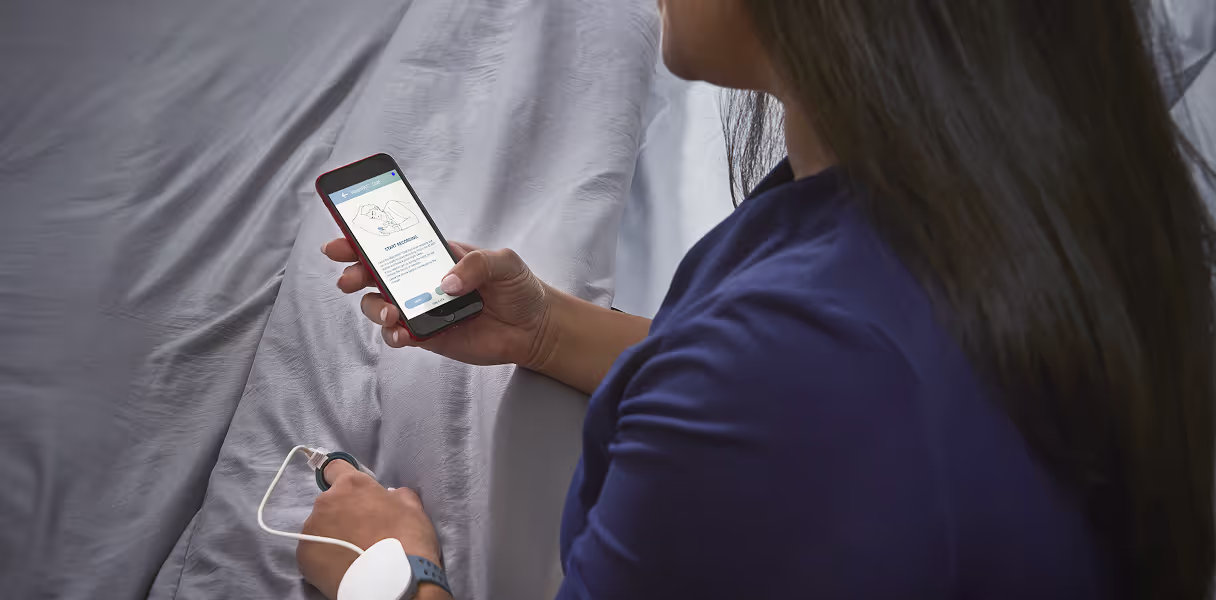
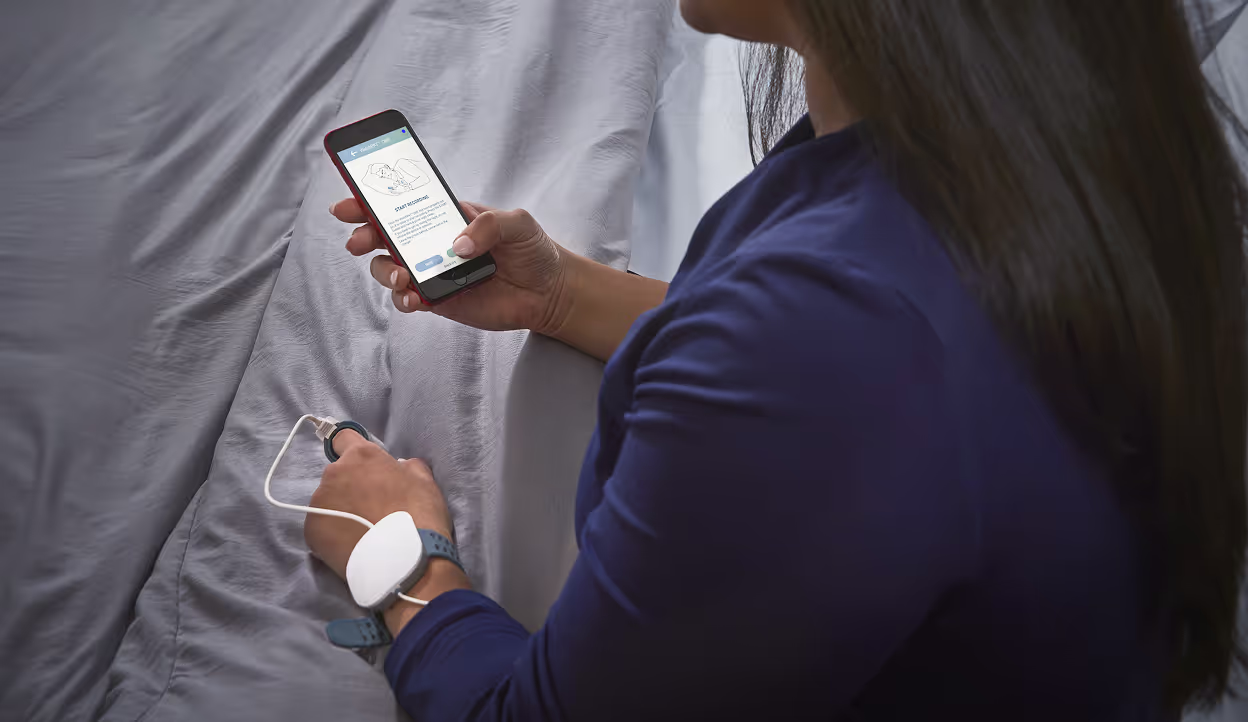
The device typically uses a nasal pressure sensor or cannula to measure airflow, an effort belt to track respiratory effort, and a pulse oximetry sensor to monitor oxygen saturation and heart rate. Some newer models like the NightOwl Home Sleep Test use photoplethysmography, which captures data from a small fingertip sensor without the need for multiple wires or belts.
Home sleep tests are classified by the American Academy of Sleep Medicine as Type 3 or Type 4 portable monitoring devices. A Type 3 home sleep study records at least four channels of data, including airflow, respiratory effort, oxygen saturation, and heart rate. A Type 4 home sleep study typically records one or two channels, usually oxygen saturation alone. Most FDA-cleared home sleep test devices used for clinical diagnosis fall into the Type 3 category, which provides greater diagnostic accuracy.
After the test night, the sleep data is uploaded and reviewed by a sleep physician who generates a diagnostic report. This report includes your Apnea-Hypopnea Index (AHI), which measures the number of breathing interruptions per hour of sleep. An AHI of 5 to 14 indicates mild sleep apnea, 15 to 29 indicates moderate, and 30 or above indicates severe obstructive sleep apnea.
DID YOU KNOW: According to the American Academy of Sleep Medicine, home sleep apnea testing has a diagnostic accuracy of approximately 85 to 90 percent for moderate to severe obstructive sleep apnea when compared to in-lab polysomnography.
KEY TAKEAWAY: A home sleep apnea test is an FDA-cleared portable device that measures airflow, respiratory effort, oxygen saturation, and heart rate to diagnose obstructive sleep apnea without requiring an overnight stay in a sleep lab.
Understanding how the test works is important, but knowing whether you are a good candidate matters just as much.
Who Should Get a Home Sleep Apnea Test in Jacksonville
Adults who experience symptoms of obstructive sleep apnea are the primary candidates for home sleep testing. Common symptoms include chronic loud snoring, witnessed episodes of gasping for air during sleep, excessive daytime sleepiness, morning headaches, and difficulty concentrating.
The American Academy of Sleep Medicine recommends home sleep apnea testing for adults who have a high pretest probability of moderate to severe obstructive sleep apnea and no significant comorbid conditions. This means home testing works best when a sleep physician or referring provider suspects sleep apnea based on your symptoms, sleep history, and risk factors.
Common Scenarios for Jacksonville Residents
A 48-year-old commercial truck driver in Jacksonville whose DOT examiner flagged a BMI above 35 and reported habitual snoring. The driver needs a sleep apnea diagnosis to maintain CDL certification. Rather than scheduling a sleep lab appointment weeks out, the driver orders a home sleep test through dumbo.health for $149 and completes the test the same week.
A 55-year-old Fleming Island resident whose spouse has noticed loud snoring and breathing pauses at night. The patient experiences daytime fatigue and has a family history of heart disease. A home sleep test allows this patient to get screened without waiting for an opening at a Jacksonville Sleep Center or local sleep clinic.
A 34-year-old remote worker living near Jacksonville Beach who has struggled with insomnia and disrupted sleeping patterns. While home sleep testing is primarily designed for obstructive sleep apnea, the test results can help rule out apnea as a contributing factor and guide the patient toward the right sleep disorder evaluation, whether that involves cognitive behavior therapy for insomnia or further testing.
Risk Factors That Warrant Testing
You should consider a home sleep apnea test if you have one or more of these risk factors:
- BMI of 30 or above
- Neck circumference greater than 17 inches for men or 16 inches for women
- Age 40 or older
- Male sex, though women are also at risk, particularly after menopause
- Family history of sleep apnea
- Chronic nasal congestion or anatomical airway narrowing
- History of high blood pressure, type 2 diabetes, or atrial fibrillation
- Frequent episodes of snoring, choking, or gasping for air during sleep
According to the National Heart, Lung, and Blood Institute, obstructive sleep apnea affects an estimated 25 to 30 percent of men and 9 to 17 percent of women in the United States, with many cases remaining undiagnosed.
KEY TAKEAWAY: Home sleep apnea testing is appropriate for Jacksonville adults with symptoms like loud snoring, gasping during sleep, or excessive daytime sleepiness, especially those with known risk factors like elevated BMI or a family history of sleep apnea.
Knowing your candidacy is the first step. Next, understanding how to actually complete the test at home will help you get accurate results.
How to Complete a Home Sleep Apnea Test Step by Step
Completing a home sleep test is straightforward when you follow the correct steps. The process from ordering to receiving results typically takes less than two weeks.
Step-by-Step Process for At-Home Sleep Testing
1. Complete the free sleep assessment at dumbo.health to determine whether a home sleep test is appropriate for your symptoms and sleep history.
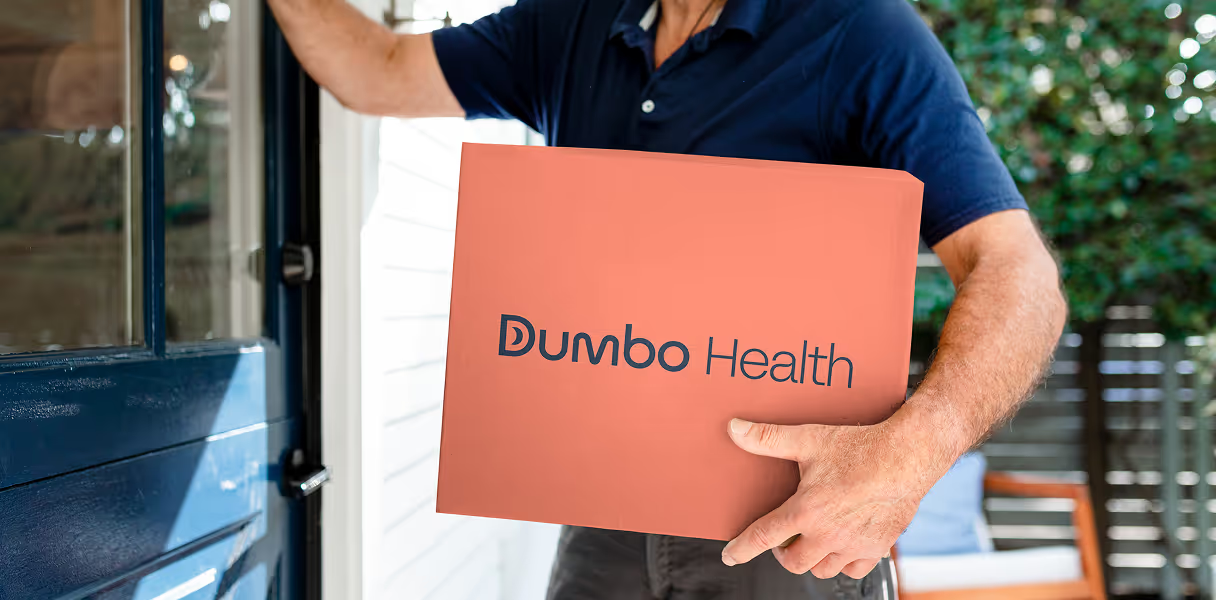
2. Order your home sleep test device for $149 through dumbo.health. The test ships directly to your Jacksonville address with detailed instructions and a return label included.
3. On the test night, attach the sensors as directed. This usually involves placing a cannula under your nose, securing an effort belt around your chest, and clipping a pulse oximetry sensor to your finger.
4. Go to sleep in your own bed at your normal time. The device records sleep data automatically throughout the night.
5. In the morning, remove the sensors and package the device using the included return label. Drop it off at a shipping location near you.
6. A board-certified sleep physician reviews your sleep data and generates a diagnostic report, including your AHI score and oxygen desaturation patterns.
7. Receive your results and schedule a follow-up through telehealth or virtual appointments to discuss your diagnosis and treatment options.
After completing these steps, most patients receive a diagnostic report within days. If obstructive sleep apnea is confirmed, treatment can begin immediately through a care plan that includes CPAP therapy, equipment, and ongoing physician oversight.
Checklist: What to Do Before Your Test Night
- Confirm your device arrived with all components, including the nasal pressure sensor, effort belt, and oximetry sensor
- Read the detailed instructions included in the test kit
- Avoid alcohol for at least 4 hours before going to bed
- Avoid caffeine after 2 PM on the test day
- Remove nail polish from the finger where the oxygen sensor will be placed
- Sleep alone if possible to avoid disruptions during recording
- Charge your phone in case you need to reference instructional videos
- Set a reminder to return the device promptly using the return label provided
- Complete the free sleep assessment at dumbo.health if you have not done so already
TIP: Sleep on your back for at least part of the night if you can, since obstructive sleep apnea symptoms are often most pronounced in the supine position, which can help the test capture the most clinically relevant data.
KEY TAKEAWAY: The home sleep test process involves ordering the device, wearing the sensors for one night, returning the kit, and receiving a physician-reviewed diagnostic report, all without visiting a sleep lab or scheduling an in-person appointment.
With the testing process covered, you should also understand how this approach compares to a traditional in-lab sleep study.
Home Sleep Test vs In-Lab Polysomnography: How They Compare
A home sleep apnea test and an in-lab polysomnography both diagnose sleep apnea, but they differ significantly in cost, convenience, and the range of conditions they can detect. Choosing between them depends on your symptoms, risk profile, and what your physician recommends.
Polysomnography is a comprehensive overnight sleep study conducted in a sleep lab or hospital. It records brain activity (EEG), eye movements, muscle tone, heart rate, airflow, respiratory effort, oxygen saturation, and leg movements. Because of this broad data capture, polysomnography can diagnose a wider range of sleep disorders, including narcolepsy, Restless Leg Syndrome, Periodic Limb Movement Disorder, Parasomnia, Sleep Walking, Night Terrors, Circadian rhythm disorders, and R.E.M. Disorders. It is considered the gold standard for sleep disorder diagnosis.
A home sleep apnea test, by contrast, focuses specifically on obstructive sleep apnea. It records fewer channels but captures the data most critical for an apnea diagnosis: airflow, respiratory effort, oxygen saturation, and heart rate. Its diagnostic accuracy for moderate to severe obstructive sleep apnea is well established.
Setting
- Home Sleep Apnea Test: Your own bed at home in Jacksonville
- Polysomnography: Sleep lab or hospital, such as a Jacksonville Sleep Center or Ascension St. Vincent's Sleep Disorders Centers
Cost
- Home Sleep Apnea Test: Typically $149 to $500 out of pocket; dumbo.health offers testing for $149
- Polysomnography: Often $1,000 to $3,000 or more, depending on insurance coverage and facility
Convenience
- Home Sleep Apnea Test: High; no travel, no overnight clinic stay, no appointment scheduling at a sleep lab
- Polysomnography: Lower; requires an overnight stay at a facility with a Registered Polysomnographic Technologist monitoring the study
Sensors Used
- Home Sleep Apnea Test: Nasal pressure sensor or cannula, effort belt, pulse oximetry sensor
- Polysomnography: Full EEG leads, EOG sensors, EMG electrodes, ECG, airflow sensors, effort belts, pulse oximetry, and leg movement sensors
Conditions Diagnosed
- Home Sleep Apnea Test: Obstructive sleep apnea
- Polysomnography: Obstructive sleep apnea, central sleep apnea, narcolepsy, Restless Leg Syndrome, Periodic Limb Movement Disorder, Parasomnia, R.E.M. sleep behavior disorders, and other complex sleep disorders
Turnaround Time
- Home Sleep Apnea Test: Results typically within 3 to 7 business days
- Polysomnography: Results may take 1 to 3 weeks depending on the sleep lab
Who It Is Best For
- Home Sleep Apnea Test: Adults with high suspicion of moderate to severe obstructive sleep apnea and no major comorbidities
- Polysomnography: Patients with suspected complex sleep disorders, central sleep apnea, or when a home test produces inconclusive results
For most Jacksonville adults whose primary concern is obstructive sleep apnea, a home sleep test is the faster, more affordable, and equally accurate starting point. If your home test results are inconclusive or your physician suspects a condition beyond apnea, a full polysomnogram at a sleep lab may be recommended as a follow-up.
Home sleep apnea testing through dumbo.health costs $149 with no insurance needed and no appointment required. This makes it the most accessible entry point for Jacksonville residents who want answers without the cost and scheduling delays of an in-lab polysomnography.
KEY TAKEAWAY: Home sleep testing is a clinically validated, lower-cost alternative to polysomnography for diagnosing obstructive sleep apnea, while in-lab studies remain necessary for complex or multi-condition sleep disorder evaluations.
Understanding the comparison helps you make the right choice, but knowing what happens after a diagnosis is equally important.
What Happens After a Sleep Apnea Diagnosis
CPAP therapy is the most common and effective treatment for obstructive sleep apnea following a positive home sleep test diagnosis. According to the American Academy of Sleep Medicine, continuous positive airway pressure (CPAP) is the first-line treatment for moderate to severe obstructive sleep apnea.
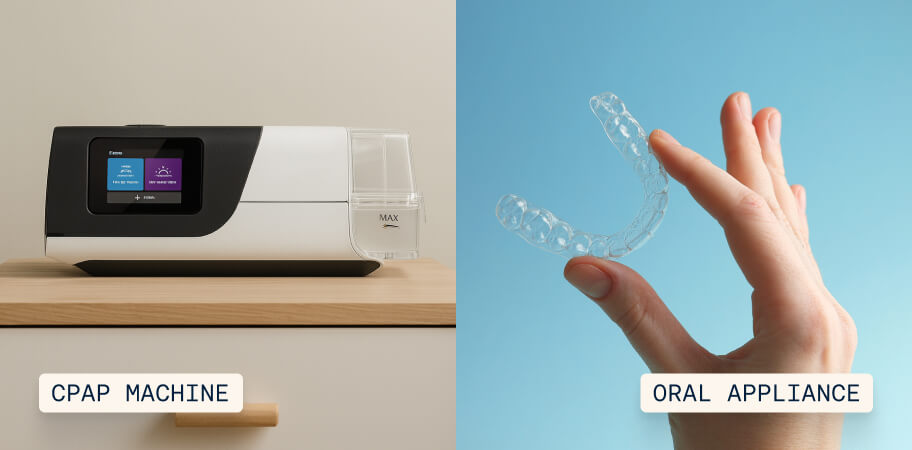
A CPAP machine delivers a steady stream of pressurized air through a mask, keeping the airway open during sleep and preventing the breathing interruptions that define obstructive sleep apnea. Most patients notice improvements in snoring, daytime sleepiness, and overall sleep quality within the first few weeks of consistent use.
CPAP Therapy and Equipment
CPAP therapy includes a CPAP machine, CPAP masks (available in nasal, nasal pillow, and full-face styles), tubing, and filters. Choosing the right mask type is critical for comfort and adherence. Clinicians frequently observe that poor mask fit is one of the top reasons patients discontinue therapy early.
dumbo.health includes CPAP therapy and equipment in all monthly care plans starting at $59 per month. This covers the CPAP machine, mask, supplies, physician oversight, and ongoing follow-up. There are no contracts, and you can cancel anytime.
Alternative Treatments
Not every patient tolerates CPAP. Alternative treatment options for obstructive sleep apnea include:
- Oral Appliances: A Custom oral appliance or mandibular advancement device repositions the jaw to keep the airway open. These devices are typically prescribed through Dental Sleep Medicine providers and work best for mild to moderate cases.
- Oral Device options like the Bongo RX starter kit, iNAP, and exciteOSA offer different approaches ranging from expiratory positive airway pressure to negative pressure therapy and neuromuscular stimulation.
- BiPAP or Bi-level positive airway pressure provides variable pressure levels for patients who need higher pressure support or who have difficulty exhaling against continuous pressure.
- INSPIRE therapy is a surgically implanted device that stimulates the hypoglossal nerve to keep the airway open during sleep. It is typically reserved for patients who cannot tolerate CPAP and meet specific clinical criteria.
- Adapt Servo Ventilation Titrations are used for complex or central sleep apnea cases where standard CPAP is insufficient.
Lifestyle modifications also play a role. Weight loss, positional therapy, avoiding alcohol before bed, and regular exercise programs can reduce apnea severity. Cognitive behavior therapy may help patients who also experience insomnia alongside their sleep apnea.
IMPORTANT: Treatment for obstructive sleep apnea should always be guided by a sleep physician. Self-treating without a diagnosis or physician oversight can delay effective care and mask underlying conditions.
dumbo.health Treatment Plans for Jacksonville Patients
After receiving a diagnosis, Jacksonville residents can begin treatment through dumbo.health's sleep apnea care solutions without navigating insurance approvals or waiting for equipment. The Essentials Plan at $59 per month covers CPAP therapy, equipment, physician interpretation, and follow-up care. The Premium Plan at $89 per month adds a dedicated sleep coach and advanced adherence monitoring. The Elite Plan at $129 per month includes concierge clinical support, direct physician messaging, and custom reporting.
All plans require no contracts and can be cancelled anytime. The home sleep test is billed separately as a one-time $149 cost before the test night.
KEY TAKEAWAY: CPAP therapy is the standard treatment for moderate to severe obstructive sleep apnea, with alternatives like oral appliances and INSPIRE therapy available for patients who cannot tolerate CPAP; dumbo.health covers treatment and equipment starting at $59 per month with no contracts.
Knowing the treatment path matters, but so does understanding when a home sleep test may not be the right fit.
When a Home Sleep Apnea Test May Not Be the Right Choice
A home sleep apnea test is not appropriate for every patient or every suspected sleep disorder. Recognizing these limitations helps you avoid inconclusive results and ensures you get the right diagnostic pathway from the start.
Limitations of Home Sleep Testing
Home sleep tests are designed specifically for obstructive sleep apnea. They do not reliably detect other sleep disorders such as narcolepsy, Restless Leg Syndrome, Periodic Limb Movement Disorder, Parasomnia, Sleep Walking, Night Terrors, Circadian rhythm disorders, or R.E.M. sleep behavior disorders. If your physician suspects one of these conditions based on your sleep history, an in-lab polysomnogram with a Registered Polysomnographic Technologist is the appropriate diagnostic tool.
Patients with significant cardiopulmonary disease, chronic opioid use, or suspected central sleep apnea may also need in-lab testing rather than a portable home device. Central sleep apnea involves a different mechanism than obstructive apnea, and home sleep tests lack the EEG and advanced monitoring channels needed to differentiate between the two.
Home sleep tests can also produce false-negative results. According to the American Academy of Sleep Medicine, a negative home sleep test does not definitively rule out obstructive sleep apnea. If symptoms persist despite a negative result, a follow-up in-lab polysomnography is recommended.
Diagnostic accuracy can be affected by improper sensor placement. If the nasal pressure sensor shifts during sleep or the effort belt loosens, the recorded data may be incomplete. Following the detailed instructions included with your test kit is essential for accurate results.
Finally, home sleep tests typically measure total recording time rather than actual sleep time, since they do not include EEG channels. This can underestimate the AHI in patients who have long awake periods during the recording.
When to Choose In-Lab Testing Instead
- Your physician suspects a sleep disorder other than obstructive sleep apnea
- You have significant heart failure, COPD, or neuromuscular disease
- You use chronic opioid medications
- A previous home sleep test produced inconclusive or negative results despite persistent symptoms
- You need Multiple Sleep Latency Testing or Maintenance of Wakefulness Testing, which require in-lab facilities
dumbo.health helps mitigate some of these limitations by including physician review of all test results. If your home sleep test through dumbo.health is inconclusive, the reviewing physician can recommend next steps, including referral for in-lab polysomnography or additional evaluation through telehealth consultations.
KEY TAKEAWAY: Home sleep apnea tests have clear limitations, including an inability to diagnose non-apnea sleep disorders and the potential for false-negative results, making physician oversight and follow-up critical for accurate diagnosis.
Understanding these boundaries ensures you choose the right test. Cost is another major factor that drives testing decisions in Jacksonville.
How Much Does a Home Sleep Test Cost in Jacksonville
A home sleep apnea test in Jacksonville typically costs between $149 and $500 when paid out of pocket, depending on the provider and the type of device used. In-lab polysomnography at a Jacksonville sleep clinic or hospital, by comparison, often ranges from $1,000 to over $3,000 before insurance adjustments.
Many Jacksonville residents face a confusing landscape when trying to schedule sleep apnea testing. Insurance requirements, prior authorizations, copays, and out-of-network restrictions can add weeks of delay before testing even begins. For patients without insurance or those who prefer transparent pricing, cash-pay options eliminate these barriers entirely.
dumbo.health offers a home sleep test for $149 as a one-time cost, billed separately before the test night. No insurance is required, no prior authorizations are needed, and there are no surprise bills. The test ships to your Jacksonville address with detailed instructions and a return label included. This pricing model lets patients plan around a known cost rather than waiting for insurance approval or receiving unexpected charges after the fact.
Ongoing Treatment Costs After Diagnosis
If your test confirms obstructive sleep apnea, ongoing care and CPAP treatment through dumbo.health are covered by monthly plans:
- Essentials Plan at $59 per month includes CPAP therapy, equipment, physician interpretation, standard follow-up care, and updates to your referring provider
- Premium Plan at $89 per month adds a dedicated sleep coach, advanced adherence monitoring, and priority results turnaround
- Elite Plan at $129 per month adds concierge clinical support, direct physician messaging, and custom reporting
All plans operate with no contracts and can be cancelled anytime. At roughly $2 to $4 per day depending on the plan, these costs are often comparable to or less than insurance copays for CPAP equipment and sleep specialist visits in your area.
DID YOU KNOW: According to the American Sleep Apnea Association, an estimated 80 percent of moderate to severe obstructive sleep apnea cases in the United States remain undiagnosed, with cost and access barriers cited as primary contributing factors.
KEY TAKEAWAY: Home sleep testing through dumbo.health costs $149 with no insurance, no prior authorization, and no surprise bills, making it one of the most affordable and transparent options for Jacksonville residents seeking a sleep apnea diagnosis.
Beyond cost, Jacksonville offers several pathways for testing and treatment depending on your preferences and clinical needs.
Sleep Apnea Testing and Treatment Options in Jacksonville, Florida
Jacksonville, Florida has multiple options for sleep apnea testing and treatment, ranging from in-lab facilities to telehealth-based programs. Understanding what is available helps you find a provider near you that matches your schedule, budget, and clinical situation.
In-Lab Sleep Centers and Clinics
Jacksonville is home to several sleep labs and clinics that provide in-lab polysomnography and related diagnostic services. Facilities such as Ascension St. Vincent's Sleep Disorders Centers and various Florida Centers of Sleep Medicine locations offer full polysomnograms conducted by board-certified sleep specialists and Registered Polysomnographic Technologists. These centers handle complex cases requiring Multiple Sleep Latency Testing, Maintenance of Wakefulness Testing, or Obstructive Sleep Apnea Studies with full EEG monitoring.
In-lab testing is typically recommended when a physician suspects conditions beyond obstructive sleep apnea, such as narcolepsy, central sleep apnea, or Parasomnia. Jacksonville Beach, Fleming Island, and surrounding areas in Northeast Florida also have access to regional sleep clinics.
Telehealth and Virtual Care Options
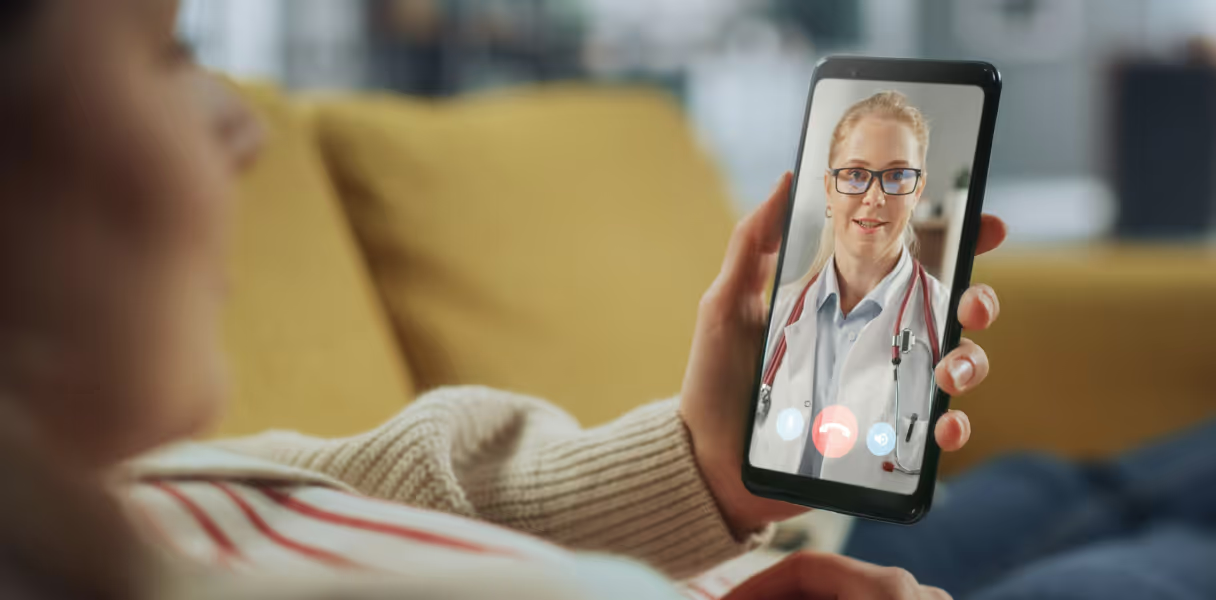
Telehealth has expanded access to sleep apnea diagnosis and treatment significantly in recent years. Virtual appointments through platforms like dumbo.health allow Jacksonville patients to consult with sleep physicians, receive home sleep test results, and begin treatment without in-person visits.
dumbo.health provides a complete sleep apnea care pathwaythat begins with a home sleep test and extends through diagnosis, CPAP therapy, adherence monitoring, and ongoing physician oversight. Everything is handled through telehealth, including consultations via video platforms. This model eliminates the need to wait weeks for an appointment at a local sleep clinic and removes the insurance complexity that often delays care.
Finding the Right Fit
For straightforward obstructive sleep apnea evaluation, a home sleep test combined with telehealth follow-up is the fastest and most cost-effective route for most Jacksonville adults. For patients with complex symptoms, multiple suspected sleep disorders, or inconclusive home test results, an in-lab evaluation at a local sleep center provides the comprehensive data needed for a complete diagnosis.
Regardless of the path you choose, the goal is the same: accurate diagnosis and effective treatment. The most important step is starting the process rather than delaying due to cost concerns, scheduling difficulties, or uncertainty about which option to pursue.
KEY TAKEAWAY: Jacksonville residents have access to both in-lab sleep centers and telehealth-based home testing programs; for most adults suspected of having obstructive sleep apnea, a home test with virtual follow-up is the fastest and most affordable entry point.
Beyond choosing a testing method, understanding the full spectrum of sleep disorders helps put your results in context.
Sleep Disorders Beyond Obstructive Sleep Apnea
Obstructive sleep apnea is the most common sleep disorder diagnosed through home testing, but it is not the only condition that disrupts sleep quality and daytime function. Recognizing other sleep disorders helps you understand when additional evaluation may be needed.
Insomnia is the most prevalent sleep disorder overall, characterized by difficulty falling asleep, staying asleep, or waking too early. According to the CDC, approximately one-third of U.S. adults report not getting enough sleep on a regular basis, and chronic insomnia affects an estimated 10 to 15 percent of the adult population. Treatment approaches for insomnia include cognitive behavior therapy for insomnia (CBT-I), which the American Academy of Sleep Medicine recommends as the first-line treatment before sleep medications.
Narcolepsy is a neurological disorder that causes excessive daytime sleepiness and sudden sleep attacks. Diagnosis requires in-lab testing, specifically Multiple Sleep Latency Testing, which cannot be performed at home.
Restless Leg Syndrome causes uncomfortable sensations in the legs and an irresistible urge to move them, particularly at night. Periodic Limb Movement Disorder involves involuntary leg movements during sleep. Both conditions are diagnosed through polysomnography with leg movement sensors.
Parasomnia is a category of sleep disorders that includes Sleep Walking, Night Terrors, and R.E.M. sleep behavior disorders. R.E.M. Disorders Studies require full polysomnography to capture brain activity patterns during specific sleep stages.
Circadian rhythm disorders involve disruptions to your body's internal clock, affecting when you naturally fall asleep and wake up. These disorders are common in shift workers and people who travel across time zones frequently.
While home sleep testing does not diagnose these conditions, a negative or inconclusive home sleep apnea test combined with persistent symptoms may prompt your physician to order additional in-lab studies to evaluate for these disorders.
KEY TAKEAWAY: Obstructive sleep apnea is just one of many sleep disorders that can impair health and daily function; conditions like insomnia, narcolepsy, Restless Leg Syndrome, and Parasomnia require different diagnostic approaches and should be evaluated if apnea testing is negative but symptoms persist.
Understanding the broader landscape of sleep disorders brings important context. Equally important is separating fact from fiction about sleep apnea testing and treatment.
Common Myths About Home Sleep Apnea Tests Debunked
MYTH: Home sleep tests are not accurate enough to diagnose sleep apnea.
FACT: According to the American Academy of Sleep Medicine, Type 3 home sleep apnea tests have a diagnostic accuracy of approximately 85 to 90 percent for moderate to severe obstructive sleep apnea. They are a validated, FDA-cleared diagnostic tool used by board-certified sleep specialists across the United States. While they do not replace polysomnography for all sleep disorders, they are clinically appropriate for the majority of adults suspected of having obstructive sleep apnea.
MYTH: You need insurance to get a home sleep apnea test.
FACT: Insurance is not required for home sleep testing. Cash-pay options are widely available. dumbo.health offers a home sleep test for $149 with no insurance required, no prior authorizations, and no surprise bills. This makes testing accessible to Jacksonville residents who are uninsured, underinsured, or who simply prefer transparent pricing.
MYTH: If you snore, you definitely have sleep apnea.
FACT: Snoring is a common symptom of obstructive sleep apnea, but not everyone who snores has the condition. According to the Sleep Foundation, roughly 40 percent of adult men and 24 percent of adult women are habitual snorers, while obstructive sleep apnea affects a smaller subset. Snoring without breathing interruptions, oxygen desaturation, or daytime symptoms may not indicate apnea. A home sleep test provides objective data to determine whether your snoring is associated with actual apnea events.
MYTH: You have to sleep in a lab to get a reliable sleep study.
FACT: In-lab polysomnography provides the most comprehensive sleep data, but it is not necessary for most obstructive sleep apnea evaluations. Many patients actually sleep better at home, which can lead to more representative sleep data. The convenience of home testing also means fewer scheduling delays and lower costs, making it a practical first-line option for providers in your area.
MYTH: CPAP is the only treatment for sleep apnea.
FACT: CPAP is the most widely recommended treatment for moderate to severe obstructive sleep apnea, but alternatives exist. Oral appliances, positional therapy, weight management, BiPAP devices, and surgical options like INSPIRE therapy are all recognized treatments depending on severity, anatomy, and patient tolerance. The right treatment depends on your diagnosis, and a sleep physician can guide that decision.
KEY TAKEAWAY: Home sleep apnea tests are FDA-cleared, clinically accurate, and do not require insurance; common misconceptions about accuracy, insurance requirements, and treatment options should not prevent you from getting tested.
With myths cleared up, here is what to take away from everything covered in this guide.
Conclusion
A home sleep apnea test gives Jacksonville, Florida residents a fast, affordable, and clinically validated way to find out whether obstructive sleep apnea is behind symptoms like chronic snoring, daytime fatigue, or gasping for air during sleep. Testing at home removes the barriers of scheduling delays, high facility costs, and insurance complications that keep many people from getting diagnosed.
dumbo.health makes the entire process straightforward. Order a home sleep test for $149with no insurance required, complete the test in your own bed, and receive a physician-reviewed diagnostic report within days. If treatment is needed, CPAP therapy and ongoing care start at $59 per month with no contracts and the option to cancel anytime. The first step is taking the free sleep assessment to see if home testing is right for you.
Frequently Asked Questions About Home Sleep Apnea Testing in Jacksonville, Florida
What is a home sleep apnea test?
A home sleep apnea test (HSAT) is a portable diagnostic tool used to evaluate whether a person has obstructive sleep apnea while sleeping in their own bed. The device typically records key measurements such as oxygen saturation, heart rate, airflow through a nasal pressure sensor or cannula, and respiratory effort using an effort belt. A sleep physician then reviews the recorded sleep data and produces a diagnostic report. Home sleep testing is a widely accepted alternative to an in-lab polysomnography study for many patients with a high likelihood of obstructive sleep apnea.
Who should consider home sleep apnea testing?
Home sleep apnea testing is generally appropriate for adults who have symptoms of obstructive sleep apnea, such as loud snoring, gasping for air during sleep, excessive daytime sleepiness, or frequent waking. A healthcare professional can help determine whether at-home testing is suitable for your situation. Home sleep testing is typically less appropriate for people with complex sleep disorders such as narcolepsy, Periodic Limb Movement Disorder, Parasomnia, or Restless Leg Syndrome, where an in-lab polysomnogram may be required. A clinician should review your sleep history and symptoms before you choose a testing pathway.
How does home sleep testing work?
Home sleep testing works by shipping a small FDA-cleared sensor device to your home. On the night of your test, you wear the device according to the detailed instructions provided. The device records your breathing patterns, oxygen saturation levels using pulse oximetry and photoplethysmography, heart rate, airflow, and respiratory effort throughout the night. After your test night, you return the device using the prepaid return label. A sleep physician then reviews your sleep data and produces a diagnostic report with findings and, where indicated, treatment options. dumbo.health's at-home sleep test follows this same workflow, with transparent cash-pay pricing.
How fast can I get a home sleep test delivered in Jacksonville, Florida?
Delivery speed depends on the provider and shipping method chosen. Many home sleep testing services, including dumbo.health, offer same-day shipping for orders placed before 2:00 PM EST, which means Jacksonville, Florida residents may receive their device the following day depending on carrier schedules. Jacksonville's location in Northeast Florida means it is typically well-served by standard courier networks. Once you receive the device, complete one night of testing and return it using the included return label. A healthcare professional should review results before any treatment decision is made.
Is a home sleep apnea test as accurate as an in-lab sleep study?
A home sleep apnea test is an accurate and clinically accepted diagnostic tool for moderate to severe obstructive sleep apnea in adults without significant comorbidities. According to the American Academy of Sleep Medicine, HSATs can produce reliable diagnostic results for appropriate patients. However, home sleep tests typically record fewer data channels than a full in-lab polysomnogram and do not measure brain wave activity, leg movements, or sleep staging directly. This means a Type 3 or Type 4 home sleep study may underestimate the apnea-hypopnea index in some cases. An in-lab polysomnography study may be recommended if initial results are inconclusive or if a more complex sleep disorder is suspected.
What does the $149 home sleep test from dumbo.health include?
The dumbo.health home sleep apnea test is a one-time $149 cost that includes the at-home sleep test device and one night of testing. This fee is separate from any monthly care plan. It covers delivery of the FDA-cleared testing device and return shipping. Physician interpretation, a diagnostic report, CPAP therapy, equipment, and ongoing care are available through dumbo.health monthly plans, which start at $59 per month. There are no contracts and no insurance requirements. No prior authorizations are needed.
What measurements does a home sleep test record?
A home sleep test typically records oxygen saturation using pulse oximetry, heart rate, airflow using a nasal pressure sensor or cannula, respiratory effort via an effort belt, and body position. Some advanced devices also use photoplethysmography to capture additional physiological signals. This data allows a sleep physician to calculate your apnea-hypopnea index and identify patterns consistent with obstructive sleep apnea. The specific measurements recorded can vary depending on whether the device is classified as a Type 2, Type 3, or Type 4 home sleep study. A Registered Polysomnographic Technologist or board-certified sleep specialist typically supports the review process.
Who reviews my home sleep test results?
Your home sleep test results are reviewed by a qualified sleep physician or board-certified sleep specialist. The physician analyzes your recorded sleep data, calculates diagnostic metrics such as the apnea-hypopnea index, and produces a diagnostic report outlining findings and potential treatment options. Some services use telehealth platforms so that virtual appointments with sleep physicians or nurse practitioners can take place remotely. With dumbo.health, physician interpretation and a report are included in monthly care plans, and the Premium and Elite plans offer priority results turnaround. A certified clinician always makes the diagnosis, not the device or testing platform.
Can I use home sleep test results to get a CPAP prescription?
Yes, a home sleep apnea test can be used as the basis for a CPAP prescription when a sleep physician reviews the results and determines that CPAP therapy is clinically appropriate. The physician's diagnostic report documents the findings that support treatment recommendations. A prescription is typically required to obtain a CPAP machine and equipment. dumbo.health monthly plans include physician interpretation and CPAP therapy and equipment, supporting a direct pathway from testing to treatment. If you are already a CPAP user and need a new prescription, a repeat home sleep test and physician review may help confirm your ongoing treatment needs. A clinician should guide all treatment decisions.
What is obstructive sleep apnea?
Obstructive sleep apnea (OSA) is a sleep disorder in which the upper airway repeatedly collapses or becomes blocked during sleep, causing breathing interruptions called apneas or partial reductions in airflow called hypopneas. These events reduce oxygen saturation and fragment sleep, often without the person being aware. According to the National Heart, Lung, and Blood Institute, obstructive sleep apnea is one of the most common sleep disorders and is associated with increased risk of cardiovascular problems, high blood pressure, and daytime impairment. Common symptoms include loud snoring, gasping for air during sleep, and excessive daytime sleepiness. A sleep physician can confirm a diagnosis through home sleep apnea testing or polysomnography.
What causes snoring, and when does it indicate sleep apnea?
Snoring occurs when airflow through the nose or mouth is partially obstructed during sleep, causing the soft tissues of the upper airway to vibrate. Occasional snoring is common and may not indicate a sleep disorder. However, loud or persistent snoring, especially when accompanied by gasping for air, observed pauses in breathing, or excessive daytime sleepiness, can be a warning sign of obstructive sleep apnea. According to the Sleep Foundation, snoring is one of the most recognisable symptoms of OSA. A home sleep apnea test can help determine whether snoring is associated with significant breathing disruptions during sleep.
What is the difference between a home sleep test and a polysomnography study?
A polysomnography study is a comprehensive in-lab sleep test conducted at a sleep clinic or sleep lab. It records brain wave activity, eye movement, muscle tone, oxygen saturation, heart rate, airflow, and leg movements simultaneously, allowing for full sleep staging and the evaluation of complex sleep disorders. A home sleep apnea test records a narrower set of signals focused on breathing, oxygen saturation, and heart rate, making it suitable for evaluating obstructive sleep apnea in otherwise healthy adults. In-lab polysomnography may be recommended when a home sleep test is inconclusive, when complex conditions such as narcolepsy, Parasomnia, or Periodic Limb Movement Disorder are suspected, or when split-night CPAP titration studies are needed.
What types of home sleep study devices are available?
Home sleep study devices are classified into several types based on the number of channels they record. A Type 2 home sleep study records full polysomnography signals in an ambulatory setting. A Type 3 home sleep study records at least four channels including airflow, respiratory effort, oxygen saturation, and heart rate, and is the most commonly used device for diagnosing obstructive sleep apnea at home. A Type 4 home sleep study records fewer channels, such as oximetry alone, and has more limited diagnostic accuracy. Some contactless home sleep study kits and advanced devices such as the NightOwl Home Sleep Test offer additional testing capabilities using photoplethysmography and other sensors.
Can I get ongoing CPAP support after my home sleep test in Florida?
Yes. After a home sleep apnea test confirms obstructive sleep apnea and a physician prescribes CPAP therapy, ongoing support includes CPAP equipment, mask fitting guidance, and adherence monitoring. dumbo.health monthly plans cover physician interpretation, CPAP therapy and equipment, and standard or advanced adherence follow-up depending on your plan. The Premium plan includes a dedicated sleep coach from a licensed care team and advanced adherence monitoring. The Elite plan adds concierge clinical support and direct physician messaging. All plans are available with no insurance required, no prior authorization, and no long-term contracts. You can explore sleep apnea care solutions to compare what each plan includes.
What if I am already a CPAP user and need a new prescription?
If you are already using CPAP therapy and need a new prescription, for example to update your equipment or switch devices, a repeat home sleep apnea test and physician review may be appropriate. A sleep physician can review your current sleep data and treatment history to determine whether a new prescription is clinically supported. dumbo.health can support this process through its physician interpretation and diagnostic report workflow. A clinician should always review your CPAP adherence data and symptoms before any prescription change. If you have concerns about your current treatment, speaking with your care team before making changes is strongly recommended.
What other sleep disorders can affect sleep quality beyond obstructive sleep apnea?
Several sleep disorders can disrupt sleep quality and may require different diagnostic and treatment approaches. These include insomnia, narcolepsy, Restless Leg Syndrome, Periodic Limb Movement Disorder, Parasomnias such as sleep walking and night terrors, Circadian rhythm disorders, and R.E.M. Disorders. Conditions such as narcolepsy may require Multiple Sleep Latency Testing or Maintenance of Wakefulness Testing, which are performed in a sleep lab rather than at home. A home sleep apnea test is designed specifically to evaluate obstructive sleep apnea and is not intended to diagnose these other conditions. A board-certified sleep specialist can help determine which diagnostic pathway is appropriate for your symptoms.
Does dumbo.health require insurance for home sleep testing in Florida?
No. dumbo.health is a cash-pay sleep apnea testing and care service. It does not require health insurance, prior authorizations, or referrals. The home sleep apnea test is $149 as a one-time cost, and monthly care plans start at $59 per month. This transparent pricing model is designed for patients who want clear, predictable costs without insurance barriers or surprise bills. Florida residents in Jacksonville and across the state can get started with a free sleep assessment to see whether at-home testing may be appropriate for their situation.
When should I seek care from a sleep specialist rather than using a home sleep test?
A sleep specialist evaluation is recommended when symptoms are complex, when a home sleep test returns inconclusive results, or when a condition other than obstructive sleep apnea is suspected. Conditions such as narcolepsy, severe Periodic Limb Movement Disorder, complex Parasomnia, or Circadian rhythm disorders typically require in-lab testing and specialist input. If you have significant cardiovascular disease, severe obesity, or complex breathing problems, a physician may recommend a full polysomnography study rather than a home sleep test. If you experience chest pain, severe shortness of breath, or urgent health concerns, seek medical care promptly rather than beginning with home testing.
What treatment options are available for obstructive sleep apnea?
CPAP therapy is the most widely recommended treatment for moderate to severe obstructive sleep apnea. According to the American Academy of Sleep Medicine, CPAP therapy reduces apnea events, improves oxygen saturation during sleep, and may support daytime alertness and overall health. Other treatment options may include BiPAP or Bi-level therapy, oral appliances or custom oral devices, Adapt Servo Ventilation for certain breathing pattern disorders, surgical options such as INSPIRE therapy for eligible patients, and cognitive behaviour therapy for insomnia where relevant. A sleep physician determines which treatment is appropriate based on your diagnostic report, sleep history, symptoms, and treatment goals. No treatment guarantees specific clinical outcomes.
How do telehealth or virtual appointments work for sleep apnea care in Jacksonville, Florida?
Telehealth sleep apnea care allows patients to consult with sleep physicians, nurse practitioners, or other clinicians remotely using video platforms such as Zoom or FaceTime. Virtual appointments can support initial symptom review, discussion of home sleep test results, prescription issuance, and CPAP adherence follow-up. This model makes specialist access more convenient for Jacksonville, Florida residents who may not have a sleep clinic nearby or who prefer to manage care from home. dumbo.health supports this telehealth-compatible care model through its physician interpretation, sleep coaching, and direct physician messaging services, depending on the plan selected. A clinician always reviews results and guides treatment decisions.
How do I find home sleep apnea testing or sleep care support near me in Jacksonville, Florida?
Jacksonville, Florida residents can access home sleep apnea testing without visiting a sleep clinic in person. dumbo.health ships its at-home sleep test directly to Jacksonville-area addresses, with same-day shipping available for orders placed before 2:00 PM EST. The device is returned after one night of testing using the included return label. Physician review, diagnostic reporting, and ongoing CPAP care are all available remotely. For patients who need in-person sleep lab evaluation or access to specialists in the Jacksonville area, including Jacksonville Beach and surrounding communities such as Fleming Island, a referral from your primary care physician to a local sleep clinic or sleep specialist may be appropriate. Learn more about at-home sleep testing as an option near you.