




Home Sleep Apnea Test in Miami Beach, Florida: The Complete Guide to At-Home Sleep Testing
A home sleep apnea test in Miami Beach, Florida is a portable diagnostic study that measures your breathing, oxygen levels, and airflow while you sleep in your own bed. According to the American Academy of Sleep Medicine, home sleep testing is an accepted method for diagnosing obstructive sleep apnea in adults with a high pretest probability. This guide is for Miami Beach residents, South Florida workers, and anyone in the surrounding areas of Miami and Kendall who suspects they may have sleep apnea but wants to avoid overnight visits to a sleep lab. You will learn how at-home sleep testing works, what the device measures, how results are interpreted, how costs compare to in-lab polysomnography, and what treatment options follow a positive diagnosis. Understanding the full testing pathway can help you take action faster and protect both your health and your sleep.
Quick Answer
A home sleep apnea test in Miami Beach, Florida lets you complete a diagnostic sleep study from your own bed using a portable, FDA-cleared device that tracks airflow, oxygen saturation, respiratory effort, and heart rate overnight. Results are reviewed by a board-certified sleep medicine physician who determines whether you have obstructive sleep apnea and what treatment is appropriate. Most patients receive results within days rather than weeks. dumbo.health offers a home sleep test for $149 with no insurance required, making testing accessible for Miami Beach residents.
Key Takeaways
- A home sleep apnea test is a clinically validated method for diagnosing obstructive sleep apnea in adults, endorsed by the American Academy of Sleep Medicine.
- The portable device records airflow, oxygen levels, heart rate, and respiratory effort during a single night of sleep at home.
- Home sleep testing typically costs between $149 and $500 out of pocket, compared to $1,000 or more for in-lab polysomnography.
- dumbo.health provides a home sleep test for $149 with physician interpretation available through monthly plans starting at $59 per month.
- Not all sleep disorders can be diagnosed at home; conditions like narcolepsy, parasomnias, and central sleep apnea usually require in-lab polysomnography.
- Miami Beach residents can complete the entire process from ordering to diagnosis without visiting a sleep center or sleep lab in person.
What Is a Home Sleep Apnea Test?
A home sleep apnea test is a portable diagnostic study you complete in your own bed to determine whether you have obstructive sleep apnea. Unlike a full in-lab polysomnography, a home sleep test focuses specifically on breathing-related measurements during sleep.
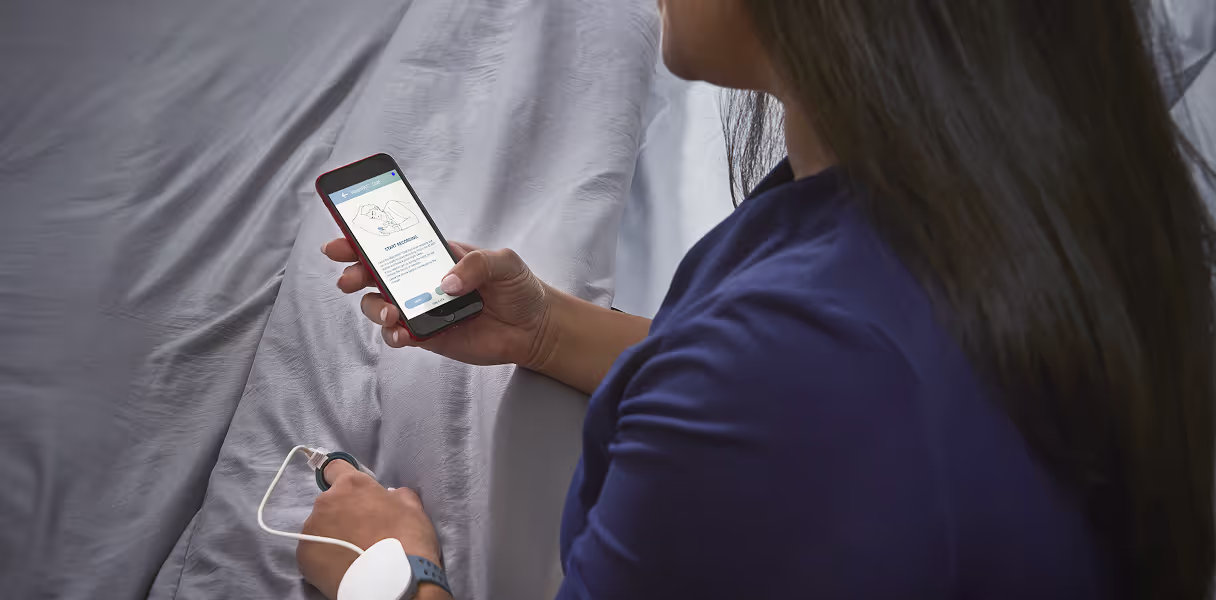
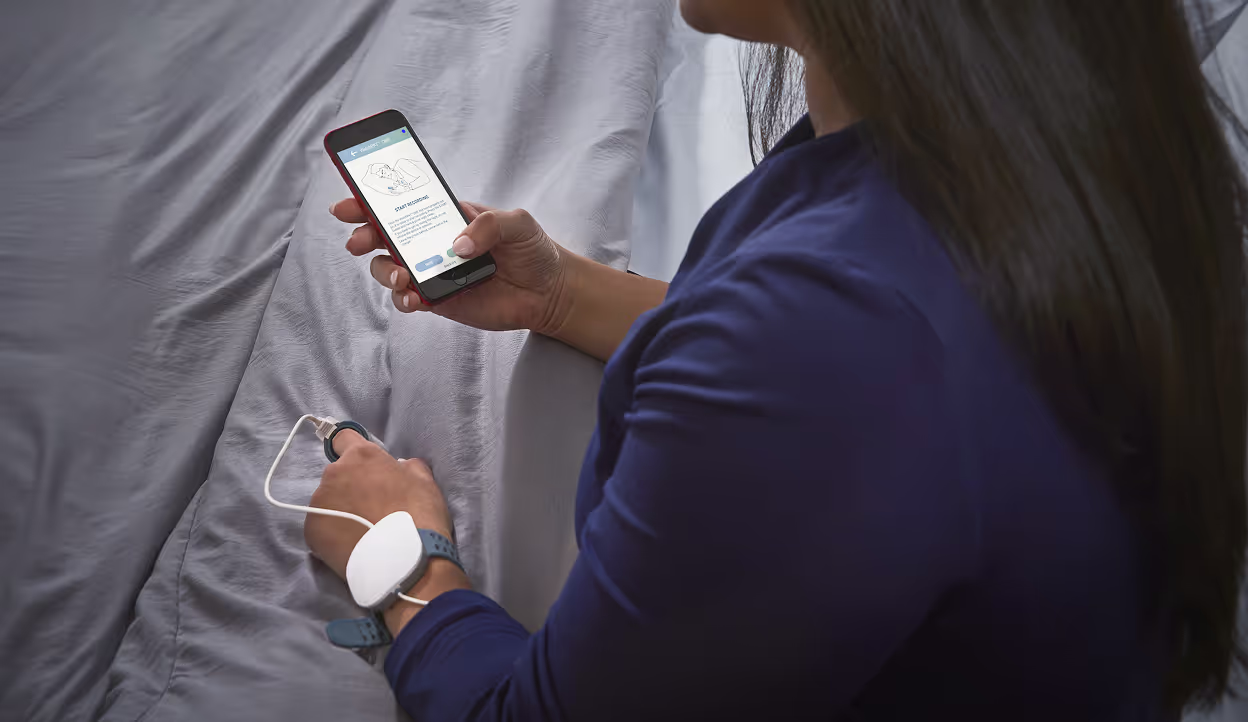
The test uses a small, FDA-cleared device equipped with sensors that monitor several key biometric signals while you sleep. These signals include nasal and oral airflow, blood oxygen saturation measured through photoplethysmography, respiratory effort detected by chest and abdominal bands or sensors, and heart rate. Some devices, such as the NightOwl Home Sleep Test, use a compact finger sensor to capture sleep data without the need for multiple attachments.
A home sleep apnea test does not measure brain waves, muscle tone, or eye movements. Those measurements require electrodes placed on the scalp and face, which is why in-lab polysomnography remains the standard for diagnosing sleep disorders beyond obstructive sleep apnea, including insomnia, narcolepsy, and parasomnias.
The American Academy of Sleep Medicine recognizes home sleep testing as an appropriate diagnostic pathway for patients with a moderate to high probability of obstructive sleep apnea and no significant comorbid sleep disorders or medical conditions that would require supervised monitoring.
DID YOU KNOW: According to the National Heart, Lung, and Blood Institute, obstructive sleep apnea affects an estimated 25 to 30 percent of men and 9 to 17 percent of women in the United States, yet a large percentage remain undiagnosed.
KEY TAKEAWAY: A home sleep apnea test is a focused, portable sleep study that measures breathing patterns, oxygen levels, and heart rate to diagnose obstructive sleep apnea without requiring an overnight stay in a sleep center.
Understanding what the test measures helps clarify whether home testing or in-lab polysomnography is the right fit for your situation.
How a Home Sleep Apnea Test Works
A home sleep apnea test works by recording your breathing and oxygen data while you sleep, then transmitting that data for physician review and diagnosis. The process is straightforward and requires no visit to a sleep lab or sleep center.
What the Device Measures
The portable sleep device captures several biometric data points during a single night of testing:
- Airflow through the nose and mouth, detected by a nasal cannula or airflow sensor
- Blood oxygen saturation, measured continuously by a finger sensor using photoplethysmography
- Respiratory effort, tracked by a chest sensor or belt that records the rise and fall of your chest
- Heart rate and heart rhythm, monitored through the finger sensor
These measurements allow a physician to calculate the Apnea-Hypopnea Index, which is the number of times per hour that breathing partially or completely stops during sleep. The Apnea-Hypopnea Index is the primary metric used to diagnose obstructive sleep apnea and determine its severity.
According to the American Academy of Sleep Medicine, an Apnea-Hypopnea Index of 5 or more events per hour, combined with symptoms such as excessive daytime sleepiness or loud snoring, is considered diagnostic for obstructive sleep apnea. An Apnea-Hypopnea Index of 5 to 14 indicates mild sleep apnea, 15 to 29 indicates moderate sleep apnea, and 30 or above indicates severe sleep apnea.
How to Complete a Home Sleep Test: Step-by-Step
1. Order your home sleep test through a provider such as dumbo.health for $149 with no insurance required and no prior authorization needed.
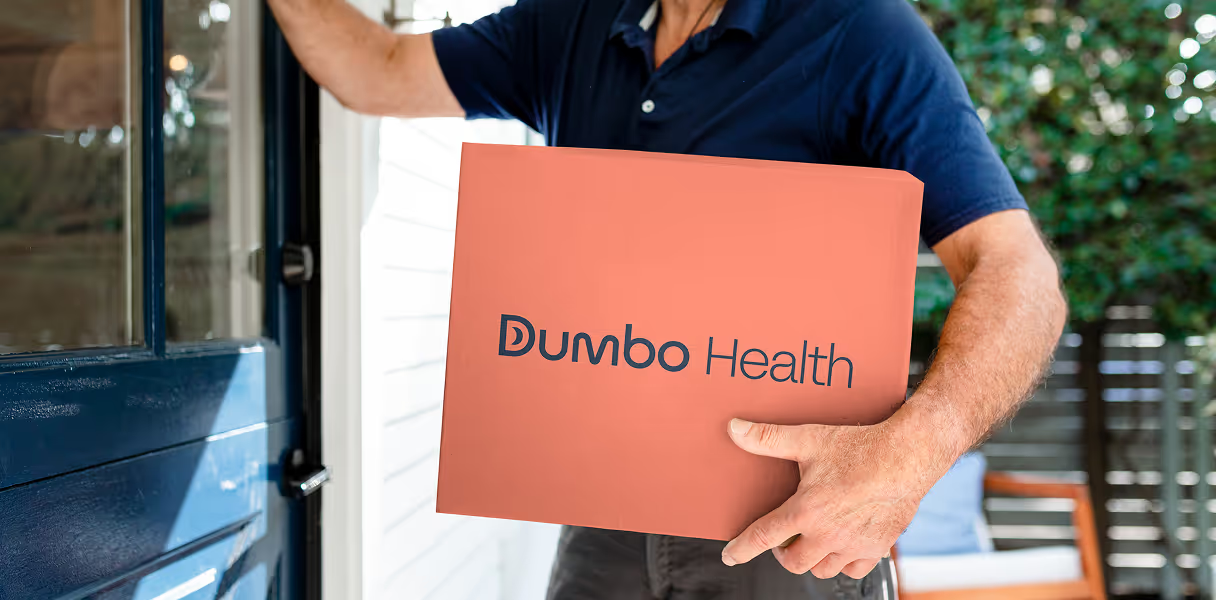
2. Receive the portable sleep device at your home in Miami Beach or anywhere in Florida, with clear instructions for setup.
3. Attach the sensors before bed according to the instructions, which typically involves placing a nasal cannula, a finger sensor, and a chest strap.
4. Sleep in your own bed for one full night while the device records your airflow, oxygen levels, respiratory effort, and heart rate.
5. Remove the sensors in the morning and return or upload the sleep data as directed.
6. A board-certified sleep medicine physician reviews your sleep data and generates a diagnostic report.
7. Receive your results, typically within a few days, along with treatment recommendations if obstructive sleep apnea is confirmed.
After completing these steps, you will have a clinical diagnosis and a clear next step for treatment if needed. dumbo.health's Essentials Plan at $59 per month covers physician interpretation, CPAP therapy, and equipment with no contracts.
KEY TAKEAWAY: A home sleep apnea test records airflow, oxygen saturation, respiratory effort, and heart rate during one night of sleep, and the resulting data is used to calculate the Apnea-Hypopnea Index for diagnosis.
Knowing how the test works raises the next practical question: who qualifies for home sleep testing and who needs in-lab evaluation instead.
Who Should Get a Home Sleep Apnea Test in Miami Beach
Home sleep testing is appropriate for adults who have a moderate to high likelihood of obstructive sleep apnea based on their symptoms and risk factors. It is not suitable for every type of sleep disorder.
You may be a strong candidate for a home sleep apnea test if you experience several of the following:
- Loud, persistent snoring reported by a bed partner
- Observed pauses in breathing during sleep
- Waking up gasping or choking
- Excessive daytime sleepiness despite adequate sleep hours
- Morning headaches
- Difficulty concentrating during the day
- A body mass index of 30 or higher
- A neck circumference greater than 17 inches for men or 16 inches for women
- A history of hypertension or diabetes
The Sleep Foundation notes that people with these symptoms and risk factors have a high pretest probability of obstructive sleep apnea, making home sleep testing a clinically appropriate first step.
Common Scenarios
A 48-year-old Miami Beach resident who snores loudly every night, has a BMI of 33, and wakes up tired despite sleeping 7 to 8 hours is a strong candidate for a home sleep apnea test. This patient profile fits the typical presentation of undiagnosed obstructive sleep apnea. Rather than scheduling an appointment at a sleep center, waiting weeks for availability, and spending a night in a sleep lab, this patient could order a home sleep test through dumbo.health, complete the study in one night, and receive physician-reviewed results within days.
A 35-year-old woman living near Kendall who has been told she stops breathing in her sleep but does not have health insurance faces a different barrier. She may assume sleep apnea testing requires insurance coverage or a referral from a specialist. In reality, dumbo.health offers cash-pay home sleep testing for $149 with no insurance, no referral, and no prior authorization required.
A 60-year-old retiree in Miami who has both hypertension and Type 2 diabetes should discuss sleep apnea screening with a physician, since both conditions are strongly associated with obstructive sleep apnea. According to the CDC, people with Type 2 diabetes are significantly more likely to have obstructive sleep apnea than the general population.
IMPORTANT: If you have symptoms of central sleep apnea, complex sleep apnea syndrome, narcolepsy, parasomnias, or other non-respiratory sleep disorders, an in-lab polysomnography with full electrodes and video monitoring is recommended instead of a home sleep test.
KEY TAKEAWAY: Home sleep apnea testing is best suited for adults with snoring, witnessed apneas, daytime sleepiness, and risk factors like high BMI, hypertension, or diabetes, who have a high probability of obstructive sleep apnea.
Understanding who qualifies leads to the practical question of how home testing compares to the traditional in-lab alternative.
Home Sleep Test vs. In-Lab Polysomnography
The key difference between a home sleep test and in-lab polysomnography is the scope of data collected and the setting where testing takes place. Both are valid diagnostic tools, but they serve different patient profiles.
In-lab polysomnography is conducted overnight in a sleep center or sleep lab, where sleep technologists attach electrodes to monitor brain waves, brain wave activity, muscle tone, eye movements, heart rhythm, respiratory functions, airflow, and oxygen saturation. Video records of sleep patterns are also captured. This comprehensive sleep study can diagnose a wide range of sleep disorders, including obstructive sleep apnea, central sleep apnea, narcolepsy, insomnia, and parasomnias.
A home sleep test, by contrast, focuses on the respiratory and cardiovascular channels needed to diagnose obstructive sleep apnea. It does not measure brain waves, which means it cannot determine sleep stages or identify certain neurological sleep disorders.
Here is how the two options compare across the most decision-relevant factors:
Setting
- Home Sleep Apnea Test: Your own bed at home in Miami Beach or anywhere in Florida
- In-Lab Polysomnography: A sleep lab, sleep center, or hospital sleep study room
Cost
- Home Sleep Apnea Test: Typically $149 to $500 out of pocket (dumbo.health offers testing at $149)
- In-Lab Polysomnography: Often $1,000 to $3,000 or more, depending on facility and insurance
Channels Monitored
- Home Sleep Apnea Test: Airflow, oxygen saturation, respiratory effort, heart rate
- In-Lab Polysomnography: All of the above plus brain waves, muscle tone, eye movements, video, and sleep staging
Convenience
- Home Sleep Apnea Test: High, completed in one night with no travel or overnight facility stay
- In-Lab Polysomnography: Lower, requires scheduling, travel to a sleep lab, and an overnight stay
Turnaround for Results
- Home Sleep Apnea Test: Typically days, with dumbo.health's Premium Plan offering priority results turnaround
- In-Lab Polysomnography: Often 1 to 3 weeks depending on facility scheduling and physician review
Best For
- Home Sleep Apnea Test: Adults with high probability of obstructive sleep apnea and no suspected comorbid sleep disorders
- In-Lab Polysomnography: Patients with suspected central sleep apnea, narcolepsy, parasomnias, or complex sleep apnea syndrome
For most adults in Miami Beach who present with classic obstructive sleep apnea symptoms such as loud snoring, witnessed apneas, and daytime sleepiness, a home sleep test is the faster, more affordable, and more convenient option. If the home sleep test results are inconclusive or suggest a condition beyond obstructive sleep apnea, a physician may recommend follow-up with in-lab polysomnography at a sleep center near you.
KEY TAKEAWAY: Home sleep testing is faster, cheaper, and more convenient for diagnosing obstructive sleep apnea, while in-lab polysomnography remains necessary for complex or non-respiratory sleep disorders.
With the testing comparison clear, the next step is understanding what happens after your test results come back.
Understanding Your Home Sleep Test Results
Your home sleep test results center on the Apnea-Hypopnea Index, which tells your physician how many times per hour your breathing was partially or fully interrupted during sleep. This single number drives the diagnosis and treatment plan.
What the Apnea-Hypopnea Index Means
The Apnea-Hypopnea Index measures the average number of apnea events (complete airflow cessation for at least 10 seconds) and hypopnea events (partial airflow reduction with an associated oxygen desaturation) per hour of recorded sleep.
- Normal: fewer than 5 events per hour
- Mild obstructive sleep apnea: 5 to 14 events per hour
- Moderate obstructive sleep apnea: 15 to 29 events per hour
- Severe obstructive sleep apnea: 30 or more events per hour
The American Academy of Sleep Medicine defines these thresholds and uses them as the clinical standard for diagnosing obstructive sleep apnea severity.
Beyond the Apnea-Hypopnea Index, your physician also reviews oxygen saturation data. Repeated drops in blood oxygen levels during sleep, known as oxygen desaturations, indicate how significantly your breathing interruptions affect your body. Sustained or deep oxygen desaturations are associated with greater cardiovascular risk, according to the National Heart, Lung, and Blood Institute.
What Happens After You Receive Results
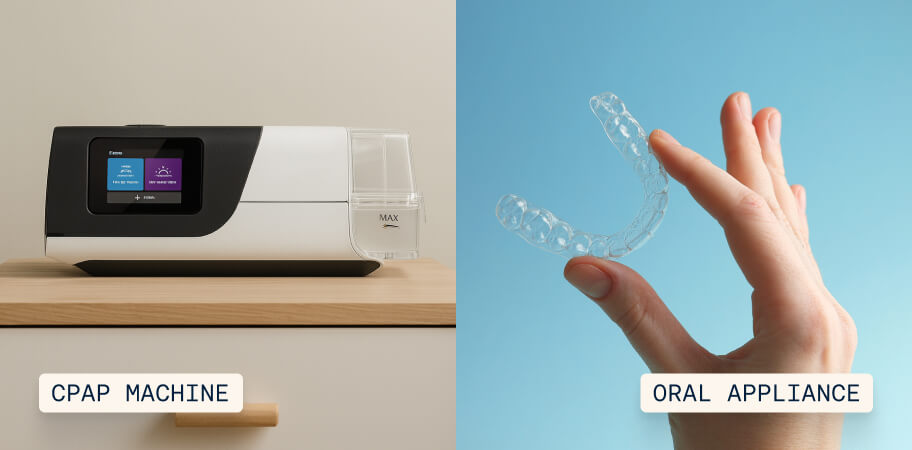
If your sleep test results confirm obstructive sleep apnea, your physician will develop a treatment plan based on the severity of your Apnea-Hypopnea Index and your overall health profile. Treatment options range from CPAP therapy to oral appliances to surgical interventions, depending on the clinical picture.
Through dumbo.health, patients who receive a positive diagnosis can move directly into treatment. The dumbo.health CPAP program includes CPAP equipment and therapy as part of the monthly care plans, with the Essentials Plan at $59 per month covering physician interpretation, CPAP therapy, and standard follow-up care. The Premium Plan at $89 per month adds a dedicated sleep coach and advanced adherence monitoring, which clinicians frequently observe as a factor that improves long-term CPAP compliance.
If your test results are normal but you still experience significant sleep problems such as insomnia, restless sleep, or excessive daytime sleepiness, your physician may recommend further evaluation, including in-lab polysomnography to assess for other sleep disorders.
KEY TAKEAWAY: The Apnea-Hypopnea Index from your home sleep test results determines your diagnosis and directly shapes the treatment plan your physician recommends.
A positive diagnosis raises the question of what treatment options are available and how to start therapy without delays.
Treatment Options After a Sleep Apnea Diagnosis
CPAP therapy is the most widely recommended treatment for moderate to severe obstructive sleep apnea. It works by delivering continuous positive airway pressure through a mask to keep the airway open during sleep.
CPAP Therapy
Continuous positive airway pressure is the first-line treatment for obstructive sleep apnea, according to the American Academy of Sleep Medicine. A CPAP machine delivers a steady stream of pressurized air through a mask, preventing the soft tissue in the upper airway from collapsing during sleep. This eliminates apnea events, stabilizes oxygen saturation, and restores restful sleep.
Many patients report significant improvement in daytime alertness, mood, and cognitive function within the first few weeks of consistent CPAP use. The Mayo Clinic notes that CPAP therapy can also reduce the cardiovascular complications associated with untreated sleep apnea, including hypertension, heart rhythm disturbances, and stroke risk.
CPAP adherence is a well-documented challenge. Research published on PubMed indicates that approximately 30 to 50 percent of patients prescribed CPAP do not use it consistently after the first year. This is why adherence monitoring and coaching are clinically important. dumbo.health's Premium Plan at $89 per month includes a dedicated sleep coach and advanced adherence monitoring to help patients maintain consistent CPAP use and improve treatment outcomes.
Oral Appliances
For patients with mild to moderate obstructive sleep apnea who cannot tolerate CPAP, an oral appliance is a common alternative. These custom-fitted dental devices work by repositioning the lower jaw and tongue to maintain an open airway during sleep. A sleep specialist or dentist trained in sleep medicine typically fits and adjusts oral appliances.
Surgical Options
Surgery is generally reserved for patients who do not respond to CPAP or oral appliance therapy. Surgical treatment options for obstructive sleep apnea include:
- Uvulopalatopharyngoplasty, which removes excess soft tissue from the back of the throat to widen the airway
- Upper airway stimulation, which involves implanting a device that stimulates the nerve controlling tongue movement to keep the airway open during sleep
- Rhinologic surgery to correct nasal passage obstruction that contributes to airflow restriction
- Myofunctional therapy, which uses targeted exercises to strengthen the muscles of the tongue, soft palate, and throat
The choice of treatment depends on the severity of the diagnosis, the patient's anatomy, and their ability to tolerate CPAP or other therapies. Board-certified sleep medicine physicians evaluate these factors before making treatment recommendations.
Lifestyle and Sleep Environment Modifications
Regardless of the primary treatment method, sleep medicine specialists commonly recommend lifestyle modifications as part of the overall treatment plan:
- Maintaining a healthy weight, since excess body weight is the strongest modifiable risk factor for obstructive sleep apnea
- Sleeping on your side rather than your back, which can reduce airway collapse
- Avoiding alcohol and sedatives before bed, which relax the muscles of the airway
- Following consistent sleep hygiene tips such as maintaining a regular sleep schedule, keeping the sleep environment cool and dark, and limiting screen exposure before bed
TIP: If you have been diagnosed with obstructive sleep apnea and want to start CPAP therapy without navigating insurance approvals, dumbo.health's sleep apnea care solutions provide a direct path from diagnosis to treatment with no contracts and no surprise bills.
KEY TAKEAWAY: CPAP therapy is the standard first-line treatment for obstructive sleep apnea, but oral appliances, surgery, and lifestyle changes are viable options depending on severity and patient tolerance.
With treatment options understood, the next concern many patients have is cost and whether insurance is needed.
Cost of Home Sleep Apnea Testing in Miami Beach
A home sleep apnea test in the Miami Beach area typically costs between $149 and $500 when paid out of pocket. This is significantly less than in-lab polysomnography, which can cost $1,000 to $3,000 or more depending on the facility.
Why Many Patients Choose Cash Pay
Health insurance can cover sleep apnea testing, but the process often involves barriers that delay diagnosis. Patients frequently report that insurance requires prior authorization, a referral from a primary care physician, and sometimes a waiting period before approval. For patients without health insurance, the cost of in-lab testing at a sleep center in Miami or Miami Beach can be prohibitive.
Cash-pay home sleep testing eliminates these barriers. dumbo.health provides a home sleep test for $149, billed as a one-time cost before the test night. No insurance is required, no prior authorization is needed, and there are no surprise bills. This transparent pricing model allows patients to plan around the cost and move forward with testing on their own schedule.
Ongoing Treatment Costs
The cost of testing is only the first step. Ongoing treatment, particularly CPAP therapy, involves additional costs for equipment, physician follow-up, and adherence support. At traditional sleep centers and through insurance, CPAP equipment rental and physician visits can add up quickly.
dumbo.health's monthly care plans are designed to bundle these costs into a predictable monthly payment:
- Essentials Plan at $59 per month covers physician interpretation and report, CPAP therapy and equipment, standard follow-up care, and updates sent to the referring provider
- Premium Plan at $89 per month adds a dedicated sleep coach, advanced adherence monitoring, and priority results turnaround
- Elite Plan at $129 per month adds concierge clinical support, direct physician messaging, and custom reporting
All plans operate with no contracts and allow patients to cancel anytime. The home sleep test at $149 is billed separately and is not included in the monthly plans.
Checklist: What to Verify Before Ordering a Home Sleep Test
- Confirm you have symptoms consistent with obstructive sleep apnea (snoring, witnessed apneas, daytime sleepiness)
- Check whether your suspected sleep problem is respiratory in nature (home tests do not diagnose narcolepsy, insomnia, or parasomnias)
- Verify you are an adult (home sleep tests are validated for adults, not children)
- Determine whether you prefer cash pay or want to check insurance coverage and authorization requirements
- Review the testing provider's credentials and confirm a board-certified sleep medicine physician will interpret results
- Confirm the device is FDA-cleared
- Order your home sleep test through dumbo.health for $149 with no insurance, no referral, and no prior authorization
KEY TAKEAWAY: Home sleep testing costs a fraction of in-lab polysomnography, and cash-pay options like dumbo.health's $149 test eliminate the insurance delays that often prevent patients from getting diagnosed.
Lower costs and faster access still raise the question of whether home testing has limitations that patients should understand before deciding.
Limitations and Risks of Home Sleep Apnea Testing
Home sleep testing is not the right choice for every patient or every suspected sleep disorder. Understanding these limitations helps you and your physician make the best testing decision.
When Home Sleep Testing May Not Be Appropriate
Home sleep apnea testing is validated for diagnosing obstructive sleep apnea in adults with a high pretest probability. It has important limitations in several situations:
1. Suspected central sleep apnea or complex sleep apnea syndrome. These conditions involve breathing interruptions caused by the brain's failure to signal the respiratory muscles, not by physical airway obstruction. A home sleep test cannot distinguish central from obstructive events because it does not monitor brain wave activity. The American Academy of Sleep Medicine recommends in-lab polysomnography with full electrodes for patients with suspected central sleep apnea.
2. Comorbid sleep disorders such as narcolepsy, parasomnias, or severe insomnia. These conditions require measurement of brain waves, muscle tone, and sleep staging, which only in-lab polysomnography provides. A home sleep device does not record these signals.
3. Significant cardiopulmonary disease, neuromuscular conditions, or chronic opioid use. Patients with these conditions may have breathing patterns during sleep that are more complex than what a portable device can accurately characterize. In these cases, supervised monitoring by sleep technologists in a sleep lab is clinically preferred.
4. Inconclusive or negative results despite strong symptoms. A home sleep test can underestimate the severity of obstructive sleep apnea because it estimates total sleep time rather than measuring it directly. If a patient sleeps poorly during the test night, the Apnea-Hypopnea Index may appear artificially low. Clinicians frequently observe this scenario and may recommend a follow-up in-lab polysomnography or a repeat home study.
5. Pediatric patients. Home sleep testing is not validated for children. Pediatric sleep apnea evaluation requires in-lab polysomnography.
Data Accuracy Considerations
Home sleep devices do not track brain waves, which means they cannot determine when you are actually asleep versus awake. The Apnea-Hypopnea Index calculated from a home test divides respiratory events by total recording time, not total sleep time. This can result in an underestimate of true apnea severity in patients who spend significant time awake during the recording period.
Despite this limitation, the American Academy of Sleep Medicine considers home sleep testing diagnostically acceptable for obstructive sleep apnea when used in the appropriate patient population. dumbo.health addresses this limitation by ensuring all home sleep test results are reviewed by a board-certified sleep medicine physician who can identify inconclusive studies and recommend additional evaluation when needed.
KEY TAKEAWAY: Home sleep testing cannot diagnose all sleep disorders, may underestimate apnea severity in some cases, and is not appropriate for patients with suspected central sleep apnea, narcolepsy, parasomnias, or complex medical conditions.
Recognizing the boundaries of home testing helps separate common myths from clinical facts about sleep apnea diagnosis.
Common Myths About Home Sleep Apnea Testing Debunked
MYTH: Home sleep tests are not accurate enough to diagnose sleep apnea.
FACT: The American Academy of Sleep Medicine endorses home sleep apnea testing as a validated diagnostic method for obstructive sleep apnea in appropriate adult patients. While home tests measure fewer channels than in-lab polysomnography, they reliably detect airflow disruption, oxygen desaturation, and respiratory effort. Studies indexed on PubMed consistently show strong agreement between home sleep test results and in-lab findings for obstructive sleep apnea diagnosis.
MYTH: You need a doctor's referral and insurance approval before you can get a home sleep test.
FACT: Cash-pay home sleep testing requires no referral, no prior authorization, and no insurance. dumbo.health provides home sleep testing for $149 that patients in Miami Beach and across Florida can order directly. While insurance can cover sleep testing, the referral and authorization process often adds weeks of delay.
MYTH: Only a sleep study done in a sleep lab gives reliable results.
FACT: In-lab polysomnography provides more comprehensive data, including brain wave activity, muscle tone, and video records. However, for the specific purpose of diagnosing obstructive sleep apnea, a home sleep test provides the respiratory and cardiovascular data needed for accurate diagnosis. The National Heart, Lung, and Blood Institute recognizes home sleep testing as a valid diagnostic tool when obstructive sleep apnea is the primary suspected condition.
MYTH: If you snore, you definitely have sleep apnea.
FACT: Snoring is a common symptom of obstructive sleep apnea, but not everyone who snores has sleep apnea. According to the Sleep Foundation, approximately 40 percent of adult men and 24 percent of adult women are habitual snorers, while a smaller percentage have diagnosable obstructive sleep apnea. A sleep test is the only way to confirm whether snoring is accompanied by measurable breathing interruptions and oxygen desaturations.
MYTH: Sleep apnea only affects overweight men.
FACT: While obesity and male sex are risk factors, obstructive sleep apnea occurs across all body types, ages, and genders. Post-menopausal women, people with certain craniofacial structures, and individuals with a family history of sleep apnea are also at elevated risk. The CDC emphasizes that sleep apnea is underdiagnosed in women partly because symptoms can present differently, including insomnia and mood disturbances rather than the classic loud snoring and witnessed apneas.
KEY TAKEAWAY: Home sleep apnea testing is clinically validated, does not require insurance or a referral when using cash-pay options, and sleep apnea itself affects a broader population than many people assume.
Separating myth from fact puts you in a better position to evaluate providers and choose a testing pathway in your area.
How to Choose a Home Sleep Test Provider in Miami Beach
The best home sleep test provider in your area combines transparent pricing, physician-led interpretation, and a clear pathway from diagnosis to treatment. Not all providers offer the same level of clinical oversight or follow-through.
What to Look For in a Provider
When evaluating home sleep testing services near you in Miami Beach, Miami, or South Florida, consider these factors:
- Board-certified sleep medicine physicians reviewing results, not automated algorithms alone
- Use of FDA-cleared sleep testing devices
- Transparent pricing with no hidden fees
- A clear treatment pathway if obstructive sleep apnea is confirmed
- Adherence to HIPAA regulations for protecting your sleep data and personal health information
- Availability of telehealth appointments for follow-up consultations and treatment adjustments
- No requirement for insurance, referrals, or prior authorization if you prefer cash pay
Local and Telehealth Options
Miami Beach and the broader Miami area have several sleep medicine providers, including sleep center facilities, sleep labs, and sleep disorder centers. Traditional options include sleep centers associated with hospital systems and independent sleep clinics that offer both in-lab polysomnography and home sleep testing. Some local providers in areas like Kendall and across Miami-Dade County offer walk-in or scheduled sleep study appointments.
However, telehealth-based home sleep testing has become a practical alternative for patients who want to avoid in-person visits, reduce wait times, and manage costs. dumbo.health operates entirely through a cash-pay, telehealth-enabled model. Patients in Florida can order a home sleep test, receive the device at home, complete the test, and get physician-reviewed results without setting foot in a sleep lab or clinic.
This model is particularly relevant for patients who live in areas where sleep specialists are difficult to schedule with, or for those who prefer the convenience of completing the diagnostic process remotely. All clinical oversight is provided by board-certified physicians, and CPAP therapy can begin immediately after diagnosis through dumbo.health's monthly care plans.
For patients who want to find out whether they are at risk before committing to a test, dumbo.health offers a free sleep assessment that can help determine whether a home sleep test is the appropriate next step.
KEY TAKEAWAY: Choose a provider that offers FDA-cleared devices, board-certified physician review, transparent pricing, and a direct path from testing to treatment to avoid delays in your care.
With testing and provider selection addressed, it is worth examining the broader health consequences of leaving sleep apnea untreated.
Health Risks of Untreated Sleep Apnea
Untreated obstructive sleep apnea increases the risk of serious cardiovascular, metabolic, and neurological complications. The longer the condition goes undiagnosed and untreated, the greater the cumulative health impact.
Obstructive sleep apnea causes repeated drops in blood oxygen levels throughout the night. Each apnea event triggers a stress response in the nervous system, raising blood pressure and heart rate. Over months and years, this pattern contributes to chronic hypertension, heart rhythm disturbances, and increased risk of stroke. According to the National Heart, Lung, and Blood Institute, untreated sleep apnea is independently associated with a higher risk of cardiovascular complications, including heart failure and coronary artery disease.
The metabolic effects are equally significant. Sleep apnea disrupts glucose metabolism and insulin sensitivity, which the CDC notes contributes to the development and worsening of Type 2 diabetes. Patients who already have diabetes and untreated sleep apnea often find blood sugar management more difficult.
Untreated sleep apnea also affects brain function. Chronic sleep fragmentation impairs memory, concentration, reaction time, and decision-making. People who undergo effective CPAP treatment often report noticeable improvement in cognitive function within the first weeks of therapy.
Daytime sleepiness from untreated sleep apnea is a documented safety risk. The National Highway Traffic Safety Administration has identified drowsy driving as a contributing factor in thousands of motor vehicle crashes annually. For commercial drivers in Florida, untreated sleep apnea can affect both safety and CDL certification eligibility.
Obstructive sleep apnea is a treatable condition with a well-established care pathway. Early testing, whether at home or in a sleep lab, allows patients to begin treatment before cardiovascular, metabolic, and cognitive consequences accumulate.
DID YOU KNOW: According to the American Academy of Sleep Medicine, moderate to severe obstructive sleep apnea that goes untreated is associated with a two to three times higher risk of developing hypertension compared to people without sleep apnea.
KEY TAKEAWAY: Untreated obstructive sleep apnea contributes to hypertension, diabetes, cardiovascular disease, impaired brain function, and increased accident risk, making early diagnosis and treatment essential.
Understanding these health stakes reinforces why accessible, affordable testing matters for people living in Miami Beach and across Florida.
Sleep Apnea Testing for Commercial Drivers in Florida
Commercial drivers in Florida who hold a CDL face specific screening and testing requirements for obstructive sleep apnea under FMCSA guidelines. A home sleep apnea test can fulfill the diagnostic step in many cases.
The FMCSA does not mandate universal sleep apnea testing for all commercial drivers, but medical examiners conducting DOT physicals are trained to identify risk factors that warrant a sleep apnea evaluation. Drivers with a BMI of 35 or higher, a neck circumference above 17 inches, or symptoms such as loud snoring and witnessed apneas are frequently referred for sleep apnea testing.
A home sleep test through dumbo.health at $149 is an efficient option for CDL drivers needing sleep apnea testing. Drivers can complete the test at home, receive physician-reviewed results, and move into CPAP treatment if needed, all without multiple office visits or scheduling delays that take them off the road longer than necessary.
If a commercial driver is diagnosed with obstructive sleep apnea and starts CPAP therapy, the FMCSA typically requires documentation of CPAP adherence, usually defined as 4 or more hours of use per night on at least 70 percent of nights. dumbo.health's Premium Plan includes advanced adherence monitoring and reporting that can be sent directly to the referring provider or medical examiner.
KEY TAKEAWAY: Commercial drivers in Florida who are flagged for sleep apnea during a DOT physical can use a home sleep test for fast, affordable diagnosis and move into monitored CPAP therapy through a program like dumbo.health.
Whether you are a commercial driver or a Miami Beach resident concerned about your sleep, taking action starts with a single step.
Conclusion
A home sleep apnea test offers Miami Beach residents and Florida patients a clinically validated, affordable path to diagnosing obstructive sleep apnea without overnight sleep lab visits or complex insurance processes. Testing at home takes one night. Results are reviewed by a board-certified sleep medicine physician. Treatment can begin immediately after diagnosis.
If you suspect sleep apnea is affecting your sleep quality, daytime energy, or long-term health, the most practical next step is getting tested. dumbo.health provides a home sleep test for $149 with no insurance required, no referral needed, and no contracts on treatment plans. Monthly care plans starting at $59 per month include physician interpretation, CPAP therapy, and equipment, giving you a clear, affordable treatment pathway from your first night of testing to ongoing care.
Frequently Asked Questions About Home Sleep Apnea Test in Miami Beach, Florida
What is a home sleep apnea test?
A home sleep apnea test (HSAT) is a simplified, portable sleep test that you complete in your own bedroom rather than a sleep lab. The device records key measurements such as airflow, oxygen saturation, respiratory effort, and heart rate across one night of sleep. A board-certified sleep medicine physician then reviews the data to determine whether obstructive sleep apnea is present and how severe it may be. According to the American Academy of Sleep Medicine, HSATs are a clinically validated option for adults with a high likelihood of moderate to severe obstructive sleep apnea.
What is obstructive sleep apnea?
Obstructive sleep apnea (OSA) is a common sleep disorder in which the soft tissue in your throat, including the tongue and soft palate, repeatedly relaxes during sleep, partially or fully blocking the upper airway. These breathing interruptions reduce oxygen saturation, fragment sleep, and can contribute to cardiovascular complications, hypertension, daytime sleepiness, and impaired brain function if left untreated. The Mayo Clinic explains that OSA is one of the most common forms of sleep-disordered breathing and is diagnosed using the apnea-hypopnea index, which measures the frequency of breathing pauses per hour of sleep.
What measurements does the home sleep test record?
A home sleep apnea test typically records airflow, respiratory effort, oxygen saturation, pulse rate, and body position during sleep. Some devices also use photoplethysmography to measure blood oxygen levels and detect breathing irregularities. These biometric signals allow a physician to calculate the apnea-hypopnea index and identify patterns consistent with obstructive sleep apnea or related respiratory conditions. While HSATs do not record brain waves, muscle tone, or full polysomnographic data, they provide enough information to diagnose sleep apnea in most adult patients with typical risk factors.
Who should take a home sleep apnea test?
A home sleep apnea test is generally appropriate for adults who experience symptoms such as loud snoring, pauses in breathing during sleep reported by a partner, waking up feeling exhausted after a full night of sleep, morning headaches, difficulty staying awake while driving, or frequently falling asleep unintentionally during the day. A healthcare professional can help determine whether home sleep testing is appropriate based on your symptoms, risk factors, and medical history. People with complex sleep disorders, suspected central sleep apnea, or significant cardiac or respiratory conditions may require in-lab polysomnography instead. If you are unsure whether you qualify, take the free sleep assessment to help identify next steps.
What are the common symptoms that suggest I may need sleep apnea testing?
Common symptoms that may suggest an underlying sleep disorder include loud or frequent snoring, pauses in breathing during sleep, waking frequently throughout the night, difficulty falling or staying asleep, waking up with a headache or dry mouth, excessive daytime sleepiness, difficulty staying awake while driving, and falling asleep unintentionally while watching television or talking. Restless legs or uncomfortable leg sensations during sleep may suggest a separate but related sleep disorder. If several of these symptoms apply to you, speaking with a healthcare professional or pursuing a sleep evaluation is a reasonable next step.
What is the difference between a home sleep test and an in-lab polysomnography?
A home sleep apnea test (HSAT) is a portable device used in your own bedroom and measures airflow, oxygen saturation, respiratory effort, and heart rate. An in-lab polysomnography (PSG) is conducted in a sleep lab under the supervision of sleep technologists and records a broader range of signals including brain wave activity, eye movement, muscle tone, heart rhythm, and oxygen levels simultaneously. Polysomnography can diagnose a wider range of sleep disorders including narcolepsy, parasomnias, and complex sleep apnea syndrome. The American Academy of Sleep Medicine recommends in-lab testing when home sleep test results are inconclusive or when a complex sleep disorder is suspected.
Is a home sleep test as accurate as an in-lab sleep study?
For diagnosing obstructive sleep apnea in adults with typical symptoms, home sleep apnea tests are considered clinically accurate and are supported by the American Academy of Sleep Medicine as a valid diagnostic option. However, HSATs have limitations. Because they do not measure brain waves or full sleep staging, they may underestimate the apnea-hypopnea index in some patients. They are less suitable for diagnosing central sleep apnea, complex sleep apnea syndrome, narcolepsy, parasomnias, or insomnia. A qualified sleep physician will interpret your results and determine whether further in-lab evaluation is needed based on your clinical picture.
Why choose a home sleep apnea test over an in-lab clinic study?
Home sleep testing is often preferred because it is more convenient, less disruptive, and significantly more affordable than an overnight clinic visit. Many patients find it easier to sleep naturally in their own bed rather than in a sleep lab surrounded by electrodes, intercom systems, and technicians. Home sleep tests can often be ordered, completed, and reviewed within a few days. For patients in Miami Beach, Florida, an at-home option eliminates the need to find and travel to a sleep center, schedule an appointment weeks in advance, or navigate insurance prior authorization. Clinician review and a written report are still part of the process, maintaining clinical validity.
How fast can I get a home sleep test in Miami Beach, Florida?
Patients in Miami Beach, Florida can receive a home sleep test device quickly when ordered through an online platform with same-day shipping. dumbo.health offers an at-home sleep test for $149 with orders placed before 2pm EST eligible for same-day shipping to Miami Beach and surrounding Florida areas. The device arrives at your home, you complete one night of testing, and then return the device for physician review. This process is significantly faster than scheduling a traditional sleep lab appointment, which may involve weeks of waiting.
What does the $149 home sleep test from dumbo.health include?
The $149 home sleep apnea test from dumbo.health includes the at-home sleep test device, one test night, and physician interpretation of your results. This is a one-time cost billed separately from any monthly care plans. It covers the physical testing equipment and the clinical review needed to produce a diagnostic report. If ongoing care such as CPAP therapy, equipment, adherence monitoring, or provider reporting is needed, that is covered under separate monthly plans starting at $59 per month. No insurance is required, and there are no prior authorizations or surprise bills.
Who reviews my home sleep test results?
Your home sleep test data is reviewed by a board-certified sleep medicine physician. The physician interprets the recorded measurements including the apnea-hypopnea index, oxygen saturation patterns, airflow data, and respiratory effort to determine whether obstructive sleep apnea is present and its severity. This physician review is an essential part of the diagnostic process and differentiates a clinically valid HSAT from a consumer-grade sleep monitor. dumbo.health includes physician interpretation and a written report as part of the testing and care process.
Can I use home sleep test results for a CPAP prescription?
Yes, in most cases. When a board-certified physician reviews your home sleep test results and documents a diagnosis of obstructive sleep apnea, that report can support a CPAP prescription. CPAP therapy requires a physician diagnosis and prescription to be clinically appropriate and, where applicable, to qualify for equipment coverage. If your results confirm sleep apnea, dumbo.health monthly plans include CPAP therapy and equipment, physician support, and adherence follow-up, starting at $59 per month with no contracts and no insurance required.
Do I need a doctor's referral or script to get a home sleep test?
In many cases, you do not need a referral from your primary care physician to initiate a home sleep apnea test. Platforms like dumbo.health allow patients to start with a free sleep assessment and proceed directly to at-home testing without a prior physician referral or insurance authorization. A physician still reviews and interprets your sleep test results as part of the process, ensuring clinical validity. However, the entry point is simplified compared to the traditional route of obtaining a GP referral, waiting for an appointment, and navigating insurance approval before testing begins.
What is the next step after my home sleep test results come back?
After a physician reviews your home sleep test results, the next steps depend on the findings. If obstructive sleep apnea is confirmed, your care team will typically discuss treatment options including CPAP therapy, which is the most commonly recommended first-line treatment. If results are inconclusive or a more complex sleep disorder is suspected, the physician may recommend in-lab polysomnography. If sleep apnea is ruled out, other causes of your symptoms will need investigation. dumbo.health can support this transition through ongoing sleep apnea care solutions including CPAP equipment, adherence monitoring, and physician follow-up.
What is the treatment for sleep apnea?
The most common and evidence-based treatment for obstructive sleep apnea is continuous positive airway pressure (CPAP) therapy. A CPAP machine delivers a continuous stream of pressurised air through a mask, keeping the airway open during sleep and preventing breathing interruptions. Other treatment options include oral appliance therapy, positional therapy, myofunctional therapy, rhinologic or nasal passage surgery, and in some cases upper airway stimulation devices. For eligible patients, uvulopalatopharyngoplasty may be considered. The appropriate treatment depends on the severity of sleep apnea and individual clinical factors. A healthcare professional should guide treatment planning based on your test results and medical history.
What happens if sleep apnea is left untreated?
Untreated sleep apnea is associated with a range of serious health risks. According to the NIH, untreated obstructive sleep apnea can contribute to high blood pressure, cardiovascular complications, type 2 diabetes, stroke, excessive daytime sleepiness, cognitive impairment, and reduced quality of life. For commercial drivers, untreated sleep apnea also poses a significant road safety risk. Repeated drops in oxygen saturation during sleep place strain on the heart and nervous system over time. If you have symptoms of sleep apnea, speaking with a healthcare professional and pursuing a formal evaluation is an important step toward protecting your long-term health.
What is the apnea-hypopnea index and why does it matter?
The apnea-hypopnea index (AHI) is the primary metric used to diagnose and grade the severity of sleep apnea. It measures the average number of apneas and hypopneas, meaning complete and partial breathing pauses, per hour of sleep. An AHI of fewer than 5 events per hour is generally considered normal in adults. An AHI between 5 and 14 indicates mild sleep apnea, 15 to 29 indicates moderate sleep apnea, and 30 or above indicates severe sleep apnea. The physician who interprets your home sleep test results will calculate your AHI and use it alongside other clinical factors to guide diagnosis and treatment recommendations.
What conditions can a sleep study diagnose?
Sleep studies can diagnose a range of sleep disorders. Polysomnography conducted in a sleep lab can detect obstructive sleep apnea, central sleep apnea, complex sleep apnea syndrome, narcolepsy, restless legs syndrome, parasomnias, insomnia-related disorders, and certain sleep-related movement disorders. Home sleep apnea tests are specifically designed to evaluate obstructive sleep apnea and related breathing abnormalities during sleep. They are not intended to diagnose insomnia, narcolepsy, parasomnias, or other non-respiratory sleep disorders. A board-certified sleep medicine physician will determine which type of testing is appropriate for your specific symptoms and clinical history.
What causes snoring and when is it a concern?
Snoring occurs when airflow through the upper airway is partially obstructed during sleep, causing the soft tissue in the throat, including the tongue, soft palate, and uvula, to vibrate. Occasional snoring is common and often harmless. However, loud or frequent snoring, particularly when accompanied by pauses in breathing, gasping, or excessive daytime sleepiness, can be a sign of obstructive sleep apnea. According to the Sleep Foundation, habitual snoring is one of the most consistent indicators of sleep-disordered breathing. If you or a partner have noticed loud snoring with breathing pauses, a sleep apnea evaluation is a reasonable next step.
Is there a cure for snoring or sleep apnea?
There is no universal cure for obstructive sleep apnea or chronic snoring, but both are highly treatable conditions. CPAP therapy is the most effective treatment for moderate to severe obstructive sleep apnea and eliminates snoring for most patients who use it consistently. Oral appliances, positional therapy, weight management, myofunctional therapy, and surgical options such as rhinologic surgery or upper airway stimulation may also reduce or resolve symptoms in appropriate patients. Treatment effectiveness depends on the underlying cause, severity, and individual factors. A board-certified sleep medicine physician can help identify the most suitable treatment approach based on your evaluation and test results.
How do I prepare for a home sleep apnea test?
Preparing for a home sleep apnea test is straightforward. On the night of testing, follow your normal sleep routine as closely as possible. Avoid alcohol and sedatives before bed, as these can affect breathing patterns and alter results. Do not take long naps during the day before testing. Attach the sensors as instructed by the device guide, ensuring the airflow sensor, oxygen saturation probe, and respiratory effort sensors are correctly positioned. Sleep in your usual position and environment. Most devices are designed to be simple to set up without clinical supervision, and detailed instructions are provided with the testing kit.
Does insurance cover home sleep apnea testing?
Insurance coverage for home sleep apnea testing varies by plan, provider, and state. Some health insurance plans cover HSATs with a physician referral and prior authorisation, while others require in-lab polysomnography or apply significant cost-sharing through copayments, coinsurance, or deductibles. For patients who want to avoid the complexity of insurance claims, prior authorisations, and unexpected bills, dumbo.health offers a $149 cash-pay home sleep apnea test with no insurance required and transparent pricing. FSA and HSA cards may be eligible for sleep testing expenses, but you should confirm this with your benefits administrator.
Can I get a home sleep test without insurance?
Yes. You do not need health insurance to access a home sleep apnea test. dumbo.health operates on a cash-pay model with no insurance required, no prior authorisations, and no surprise billing. The home sleep test costs $149 as a one-time fee. Ongoing care plans including physician interpretation, CPAP therapy, equipment, and adherence monitoring start at $59 per month with no long-term contracts. This makes sleep apnea testing and ongoing care accessible to patients who are uninsured, underinsured, or who prefer to manage healthcare costs with transparent out-of-pocket pricing.
I am already a CPAP user. Can I get a new prescription or updated equipment through dumbo.health?
Yes. If you are already using CPAP therapy and need updated documentation, a new prescription, or replacement equipment, dumbo.health can support this through its monthly care plans. A physician can review your current situation and provide updated clinical documentation as appropriate. CPAP equipment and ongoing adherence monitoring are included in dumbo.health plans, which start at $59 per month with no contracts. Explore CPAP therapy and equipment options to find the plan that fits your needs.
How does CPAP therapy work for sleep apnea?
Continuous positive airway pressure (CPAP) therapy works by delivering a steady flow of pressurised air through a mask worn during sleep. This air pressure acts as a pneumatic splint, keeping the upper airway open and preventing the soft tissue collapse that causes obstructive sleep apnea. CPAP eliminates breathing pauses, stabilises oxygen saturation, and allows uninterrupted sleep architecture to return. Most patients report reduced daytime sleepiness, improved concentration, and better overall health when using CPAP consistently. Effective CPAP use typically requires an appropriate pressure setting prescribed by a physician based on diagnostic test results and ongoing adherence monitoring.
Why does CPAP adherence monitoring matter?
CPAP adherence monitoring tracks how consistently and effectively a patient uses their CPAP device. Most CPAP machines record nightly usage data including hours of use, mask leak rates, residual apnea events, and pressure performance. This data allows a sleep physician or care team to identify whether therapy is working, adjust settings if needed, and document treatment effectiveness. For commercial drivers, adherence data may be required by a certified medical examiner to maintain DOT medical certification. dumbo.health Premium and Elite monthly plans include advanced adherence monitoring and dedicated sleep coach support to help patients stay on track with therapy.
How does sleep apnea affect commercial drivers and CDL holders?
Untreated obstructive sleep apnea significantly impairs alertness, reaction time, and decision-making, all of which are critical to safe commercial driving. The FMCSA recognises sleep apnea as a condition that can affect a driver's ability to safely operate a commercial motor vehicle. Commercial drivers, including CDL holders, may be referred for sleep apnea evaluation during a DOT physical if a certified medical examiner identifies risk factors such as a high body mass index, large neck circumference, reported snoring, or excessive daytime sleepiness. Diagnosis and documented CPAP treatment with adequate adherence may be required to maintain or renew a DOT medical certificate. Learn more in the complete guide for CDL drivers.
Can I complete a DOT sleep apnea test at home?
A home sleep apnea test can be used to evaluate sleep apnea in commercial drivers, but whether a home test is accepted for DOT certification purposes depends on the certified medical examiner reviewing your case. Some medical examiners will accept an HSAT result and physician report for DOT purposes, while others may require an in-lab polysomnography. dumbo.health can support sleep apnea testing and documentation for commercial drivers, but the certified medical examiner, not dumbo.health, makes all DOT certification decisions. For detailed guidance, review the DOT sleep apnea home test resource before scheduling your evaluation.
How do I find a home sleep apnea test near me in Miami Beach, Florida?
Patients in Miami Beach and the surrounding South Florida area can access home sleep apnea testing without visiting a local sleep center or clinic. An at-home sleep test can be ordered online and shipped directly to your home. dumbo.health offers same-day shipping to Miami Beach, Florida for orders placed before 2pm EST, with transparent cash-pay pricing and no insurance required. If you prefer to find local in-clinic sleep disorder centers or sleep laboratories in Miami, the area includes several established facilities, and your primary care physician can provide a referral. However, for most adults with typical sleep apnea symptoms, a home sleep test is a convenient and clinically valid starting point.
Is my personal health information protected when using an online sleep testing service?
Reputable online sleep testing platforms are required to protect patient information in compliance with HIPAA regulations. HIPAA, the Health Insurance Portability and Accountability Act, sets federal standards for protecting sensitive patient health data. When selecting a home sleep apnea testing service, confirm that the provider follows HIPAA-compliant data handling practices for all health records, sleep test results, physician communications, and billing information. dumbo.health handles patient data in accordance with applicable privacy standards. If you have specific questions about data protection policies, contact the care team directly before submitting personal health information.
Can I consult with a sleep clinician via telehealth in Florida?
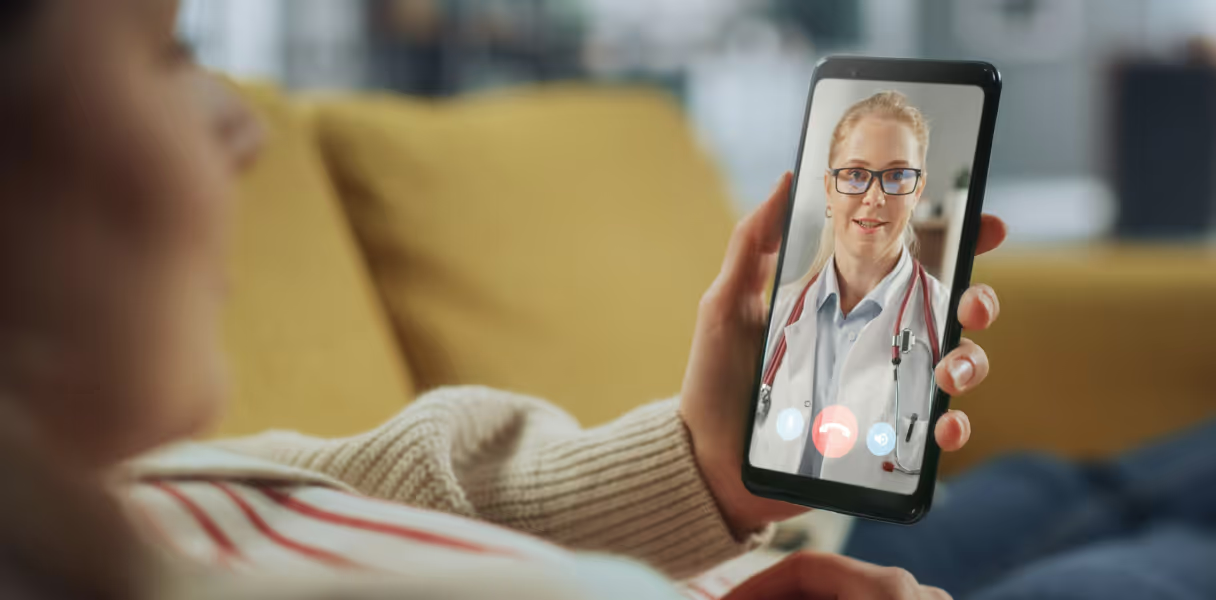
Yes. Telehealth appointments for sleep medicine are available in Florida and offer a convenient way to discuss symptoms, review sleep test results, and receive treatment recommendations without an in-person clinic visit. Many sleep medicine physicians and care platforms now conduct initial consultations, results reviews, and follow-up appointments via video or phone. dumbo.health supports physician interpretation and care coordination as part of its monthly plans, including remote provider reporting and, in Elite plan, direct physician messaging. If you have complex symptoms or require in-person evaluation, a referral to a local sleep specialist or sleep disorder center in the Miami area may be appropriate.
When should I seek urgent medical care rather than starting with a home sleep test?
A home sleep test is appropriate for evaluating suspected obstructive sleep apnea in stable adults. However, you should seek prompt medical care rather than beginning with a home test if you experience chest pain, severe shortness of breath, difficulty breathing at rest, irregular heartbeat, or any symptoms suggesting a cardiovascular or neurological emergency. If your symptoms are severe, rapidly worsening, or involve conditions beyond sleep-disordered breathing, contact a healthcare professional or emergency services without delay. A home sleep apnea test is a diagnostic tool for non-urgent evaluation, not a substitute for emergency care or comprehensive medical assessment.