





Home Sleep Apnea Test in Town 'n' Country, Florida: The Local Guide to At-Home Diagnosis and Treatment
A home sleep apnea test in Town 'n' Country, Florida gives residents a clinical-grade way to screen for obstructive sleep apnea without spending a night in a sleep lab. According to the American Academy of Sleep Medicine, home sleep testing accurately identifies moderate to severe obstructive sleep apnea in most adults when properly administered. This guide is for Town 'n' Country residents, nearby Tampa area drivers, and anyone in the region experiencing symptoms such as loud snoring, daytime fatigue, or witnessed breathing pauses during sleep. You will learn how home sleep testing works, what devices measure, how results are interpreted, what treatment options follow a positive diagnosis, and how to compare at-home testing with in-lab polysomnography. Whether you need testing for a DOT physical or general health concerns, the information ahead will help you make a confident decision.
Quick Answer
A home sleep apnea test in Town 'n' Country, Florida is a portable diagnostic study you complete in your own bed. The device records airflow, blood oxygen saturation, heart rate, and respiratory effort overnight. A board-certified sleep medicine physician reviews the data to determine whether you have obstructive sleep apnea and how severe it is. Most adults with suspected sleep apnea qualify for home testing instead of an in-lab sleep study. dumbo.health offers a home sleep test for $149 with no insurance required, shipped directly to Town 'n' Country residents.
Key Takeaways
- Home sleep apnea tests measure airflow, oxygen levels, heart rate, and breathing effort during one night of sleep at home
- The Apnea-Hypopnea Index is the primary metric used for sleep apnea diagnosis, with 5 or more events per hour indicating at least mild obstructive sleep apnea
- Home sleep testing is recommended by the American Academy of Sleep Medicine for adults with a high pretest probability of moderate to severe obstructive sleep apnea
- In-lab polysomnography remains necessary for diagnosing central sleep apnea, narcolepsy, parasomnias, and other complex sleep disorders
- dumbo.health provides a home sleep test for $149 with physician interpretation starting at $59 per month, with no insurance or prior authorization needed
- Town 'n' Country residents can complete the entire process from test to CPAP therapy without visiting a sleep center in person
How a Home Sleep Apnea Test Works
A home sleep apnea test records specific breathing and physiological signals while you sleep in your own bed. The portable monitoring device uses FDA-cleared sensors to capture clinical-quality data that a sleep specialist interprets the next day.
Unlike a full in-lab polysomnography study, which measures brain waves, eye movements, and muscle activity across dozens of channels, a home sleep test focuses on the respiratory signals most relevant to obstructive sleep apnea. This targeted approach is why the American Academy of Sleep Medicine endorses home sleep testing as a valid diagnostic pathway for uncomplicated cases.
What the Device Measures
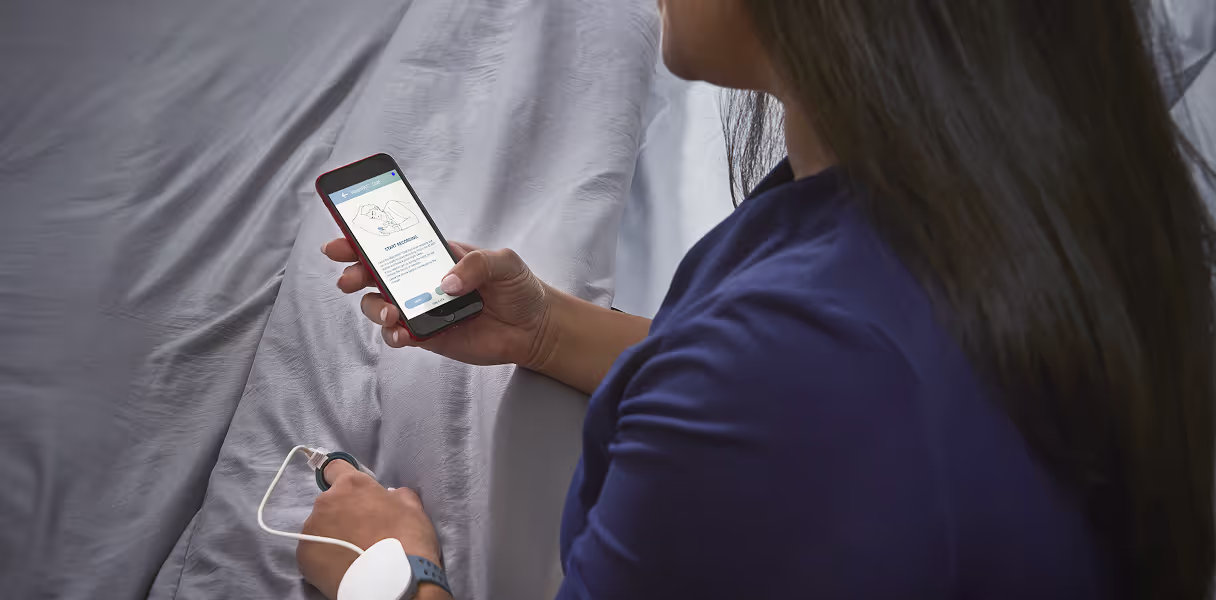
The home sleep testing device typically includes three to four sensor types that work together during the night:
- A nasal pressure sensor or nasal cannula tracks airflow through the nose and mouth, detecting apneas (complete airflow cessation) and hypopneas (partial airflow reduction)
- A pulse oximetry sensor, usually worn on the fingertip, measures oxygen saturation and heart rate continuously
- An effort belt worn around the chest or abdomen records respiratory effort, showing whether breathing muscles are working even when airflow stops
- Some devices include an accelerometer or position sensor that tracks body position and snoring intensity
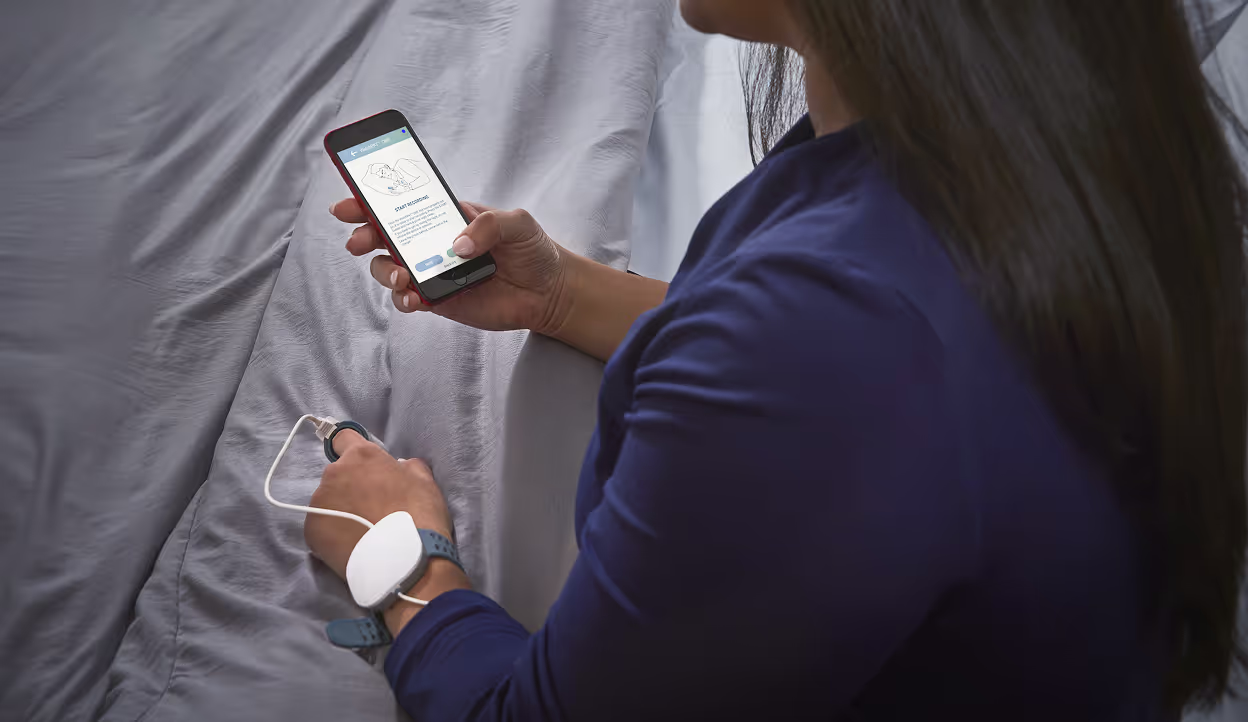
These sensors connect to a small recording unit roughly the size of a smartphone. The device stores data throughout the night, and no technician supervision is required. Most units have enough battery life for at least one full night of recording.
How the Test Night Works
You apply the sensors before bed following simple instructions. The device begins recording automatically. In the morning, you remove the sensors and return the device. A board-certified sleep medicine physician then reviews the raw data and generates a diagnostic report, typically within a few business days.
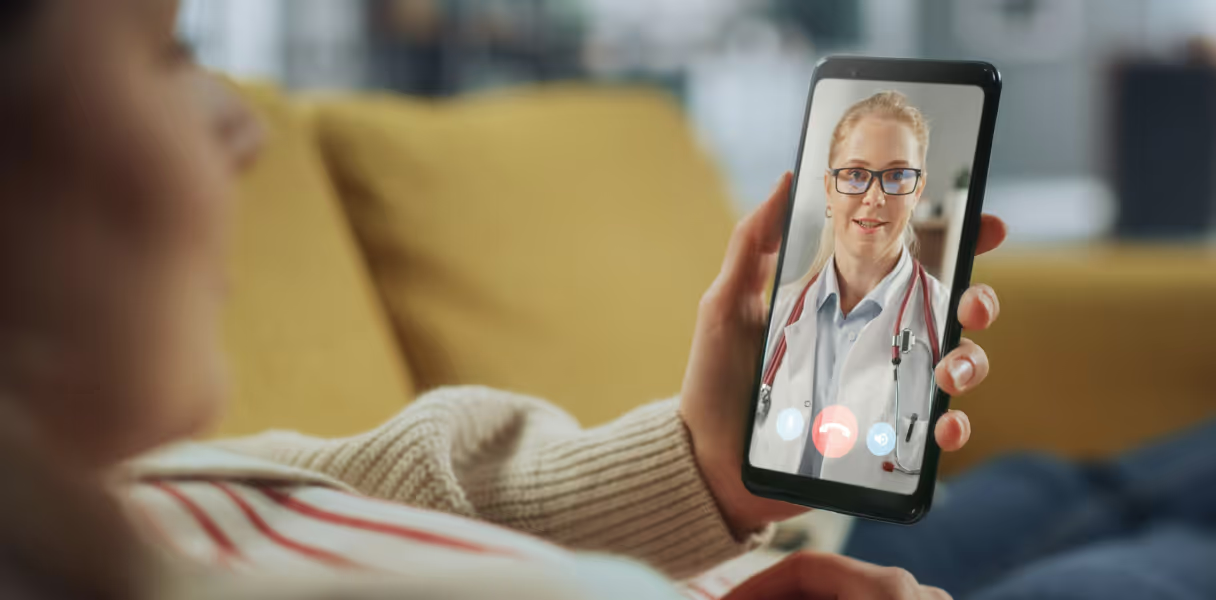
dumbo.health ships the sleep testing machine directly to your home in Town 'n' Country, and the data is reviewed by a physician remotely. This eliminates the need to visit a sleep center or schedule an in-person appointment for the initial evaluation.
DID YOU KNOW: According to the Sleep Foundation, approximately 80 percent of moderate to severe obstructive sleep apnea cases in adults remain undiagnosed, making accessible home testing critical for closing the diagnosis gap.
KEY TAKEAWAY: A home sleep apnea test captures airflow, oxygen saturation, heart rate, and respiratory effort using FDA-cleared sensors, providing enough data for a board-certified sleep medicine physician to diagnose obstructive sleep apnea without an overnight sleep lab visit.
Understanding what the device measures is important, but knowing whether you actually qualify for home testing matters just as much.
Who Qualifies for Home Sleep Testing in Town 'n' Country
Adults with a high clinical suspicion of obstructive sleep apnea and no significant comorbid sleep disorders are the primary candidates for home sleep testing. The American Academy of Sleep Medicine clinical guidelines specify that home sleep apnea tests are appropriate when a sleep specialist or primary care physician determines the patient likely has moderate to severe obstructive sleep apnea.
Ideal Candidates
You are likely a strong candidate for a home sleep test if you:
- Experience loud, chronic snoring reported by a bed partner or household member
- Have witnessed breathing pauses or gasping episodes during sleep
- Feel excessive daytime sleepiness despite adequate sleep duration
- Have a body mass index of 30 or higher, which the NIH identifies as a significant risk factor for obstructive sleep apnea
- Are being screened for sleep apnea as part of a DOT physical or commercial driving evaluation
- Do not have a known diagnosis of heart failure, severe COPD, or neuromuscular disease that could complicate respiratory patterns
Who Should Use an In-Lab Sleep Study Instead
Home sleep testing is not designed to diagnose every sleep disorder. In-lab polysomnography remains the standard for evaluating:
- Central sleep apnea, where the brain temporarily fails to signal breathing muscles
- Narcolepsy, which requires an MSLT (Multiple Sleep Latency Test) following overnight polysomnography
- Parasomnias such as sleepwalking or REM sleep behavior disorder
- Restless legs syndrome or periodic limb movement disorder when the primary concern is leg movements rather than breathing
- Insomnia with suspected coexisting sleep-disordered breathing
- Patients under 18 years of age
Town 'n' Country residents who need in-lab polysomnography can access facilities such as Tampa Bay Sleep Center, USF Sleep Center, or AdventHealth North Pinellas, which offer overnight Polysomnograms supervised by a Registered Polysomnographic Technologist. However, for the majority of adults with symptoms pointing toward obstructive sleep apnea, a home sleep test provides an accurate and more convenient starting point.
KEY TAKEAWAY: Most adults in Town 'n' Country with suspected obstructive sleep apnea qualify for a home sleep test, but central sleep apnea, narcolepsy, and complex sleep disorders still require in-lab polysomnography for proper diagnosis.
Once you know whether home testing is right for you, the next step is understanding exactly how to prepare and complete the process.
Step-by-Step Process for Completing a Home Sleep Test
Getting tested for sleep apnea at home follows a straightforward sequence. The entire process, from ordering to receiving results, typically takes less than two weeks.
How to Complete Your Home Sleep Test
1. Start with a clinical screening by completing the free sleep assessment at dumbo.health or consulting your primary care physician about your symptoms, including snoring, daytime fatigue, and witnessed apneas.
2. Order your home sleep test through dumbo.health for $149. The FDA-cleared portable monitoring device ships directly to your address in Town 'n' Country, Florida, with no insurance paperwork or prior authorization required.
3. Review the included instructions carefully on the day the device arrives. Familiarize yourself with the nasal pressure sensor, pulse oximetry finger clip, and effort belt before bedtime.
4. Apply the sensors and activate the device before going to sleep. Sleep in your normal bed, in your normal position. The device records automatically throughout the night.
5. Remove the sensors in the morning and ship the device back using the prepaid return packaging included in the kit.
6. A board-certified sleep medicine physician reviews the raw data and generates your diagnostic report, including your Apnea-Hypopnea Index score and oxygen desaturation patterns.
7. Receive your sleep test results and a recommended treatment plan. dumbo.health provides physician interpretation and follow-up care starting at $59 per month through the Essentials Plan.
After completing these steps, you will have a clear diagnosis and an actionable treatment plan, all without visiting a sleep lab or scheduling an in-person appointment near you.
KEY TAKEAWAY: The home sleep test process from order to results takes less than two weeks and requires no in-person appointments, insurance, or prior authorization when completed through dumbo.health.
With results in hand, the next question most patients ask is what the numbers actually mean.
Understanding Your Sleep Test Results
The Apnea-Hypopnea Index is the single most important number in your sleep test results. This metric counts the average number of apneas and hypopneas per hour of recorded sleep, and it determines both the presence and severity of obstructive sleep apnea.
AHI Severity Scale
According to the American Academy of Sleep Medicine, the AHI categories are:
- Normal: fewer than 5 events per hour
- Mild obstructive sleep apnea: 5 to 14 events per hour
- Moderate obstructive sleep apnea: 15 to 29 events per hour
- Severe obstructive sleep apnea: 30 or more events per hour
Beyond the AHI, your physician also reviews oxygen saturation data from the pulse oximetry sensor. The National Heart, Lung, and Blood Institute notes that repeated drops in oxygen levels during sleep are associated with increased cardiovascular risk, making the oxygen desaturation index a clinically meaningful secondary measure.
What Happens After You Get Results
Your board-certified sleep medicine physician uses the AHI, oxygen saturation patterns, heart rate variability, and respiratory effort data to build a treatment plan tailored to your severity level and health profile. For most patients with moderate to severe obstructive sleep apnea, CPAP therapy is the first-line recommendation.
dumbo.health delivers your results along with a clear treatment recommendation. If CPAP therapy is indicated, you can start CPAP treatment through dumbo.health without needing a separate consultation or referral. The Essentials Plan at $59 per month includes CPAP equipment, physician oversight, and standard follow-up care.
Many patients report feeling uncertain about what their numbers mean. The AHI is straightforward: higher numbers indicate more frequent breathing interruptions and typically correlate with greater symptom burden, including more pronounced daytime sleepiness, morning headaches, and difficulty concentrating.
KEY TAKEAWAY: The Apnea-Hypopnea Index is the primary diagnostic metric for sleep apnea severity, with 5 or more events per hour confirming at least mild obstructive sleep apnea, and higher scores guiding more aggressive treatment recommendations.
Knowing your AHI is the starting point, but choosing the right treatment approach requires understanding all available options.
Treatment Options After a Sleep Apnea Diagnosis
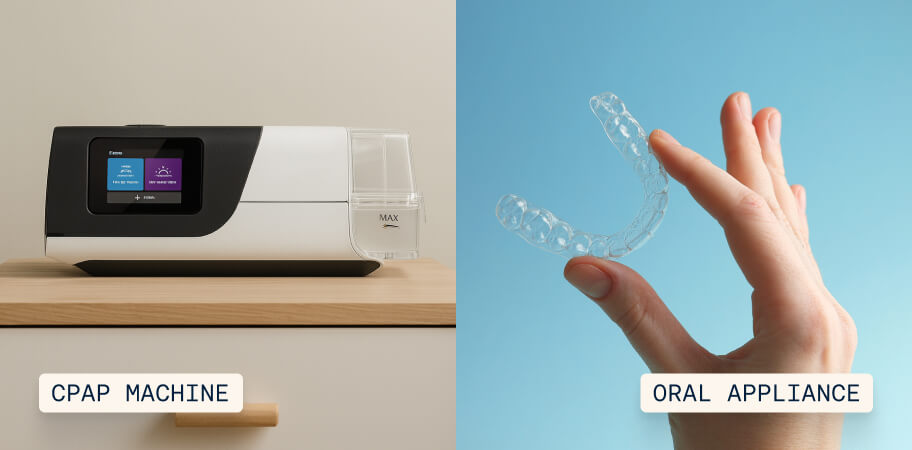
CPAP therapy is the most effective and most widely prescribed treatment for moderate to severe obstructive sleep apnea. A CPAP machine delivers continuous positive airway pressure through a mask worn during sleep, keeping the airway open and preventing the breathing pauses that define the condition.
CPAP Therapy
Continuous positive airway pressure therapy works by maintaining a steady stream of pressurized air that splints the upper airway open throughout the night. According to the NIH, CPAP reduces the AHI to near-normal levels in most patients and improves daytime sleepiness, cognitive function, and cardiovascular outcomes when used consistently.
The benchmark for effective CPAP use is at least 4 hours per night on at least 70 percent of nights, according to Medicare and most insurance compliance standards. Many patients exceed this threshold once they find a comfortable mask fit and pressure setting.
dumbo.health includes CPAP equipment in all monthly care plans. The Essentials Plan at $59 per month covers the CPAP machine, physician interpretation, and standard follow-up. The Premium Plan at $89 per month adds a dedicated sleep coach and advanced adherence monitoring, which clinicians frequently observe helps patients reach consistent nightly use faster.
Oral Appliance Therapy
An oral device, also called a mandibular advancement device, is a custom-fitted dental appliance that repositions the lower jaw forward during sleep. This opens the airway mechanically without pressurized air. Oral appliance therapy is most effective for mild to moderate obstructive sleep apnea and for patients who cannot tolerate CPAP.
A dentist with training in dental sleep medicine typically fits and adjusts the oral appliance. All Smiles Sleep Solutions and similar providers in the Tampa area offer oral device fittings for patients who prefer this route. The American Academy of Sleep Medicine recommends oral appliance therapy as a first-line alternative to CPAP for mild obstructive sleep apnea.
Surgical and Other Treatment Options
Surgical sleep disorder treatments are generally reserved for patients with anatomical abnormalities contributing to airway obstruction, such as enlarged tonsils, a deviated septum, or excess soft palate tissue. Surgery is not considered a first-line treatment for most adults with obstructive sleep apnea.
Other treatment approaches include positional therapy for patients whose apnea occurs primarily when sleeping on their back, and weight management programs for patients whose BMI significantly contributes to airway collapse. The CDC reports that losing 10 percent of body weight can meaningfully reduce AHI in overweight patients with obstructive sleep apnea.
Treatment Comparison
Here is how the primary treatment options compare for obstructive sleep apnea:
Effectiveness for Moderate to Severe OSA
- CPAP therapy: Highly effective, reduces AHI to near-normal in most patients
- Oral appliance therapy: Moderate effectiveness, best suited for mild to moderate cases
- Surgery: Variable, depends on anatomical cause and procedure type
Cost
- CPAP therapy: dumbo.health plans start at $59 per month with equipment included
- Oral appliance therapy: Typically $1,500 to $3,000 for custom fitting, often partially covered by dental insurance or medical insurance
- Surgery: Often $5,000 or more, insurance coverage varies
Convenience
- CPAP therapy: Used nightly at home, portable for travel
- Oral appliance therapy: Small, silent, no power required
- Surgery: One-time procedure, recovery period of days to weeks
Who It Is Best For
- CPAP therapy: Moderate to severe obstructive sleep apnea, DOT compliance, patients who want proven results
- Oral appliance therapy: Mild to moderate OSA, CPAP-intolerant patients, patients who prefer no machine
- Surgery: Patients with clear anatomical obstruction who do not respond to CPAP or oral devices
For most patients diagnosed through a home sleep test, CPAP therapy combined with physician follow-up provides the most reliable path to restful sleep and long-term health improvement.
KEY TAKEAWAY: CPAP therapy remains the gold-standard treatment for moderate to severe obstructive sleep apnea, with oral appliance therapy serving as an effective alternative for milder cases or CPAP-intolerant patients.
Treatment effectiveness depends on consistent use and follow-up, which brings up an important question about the care pathway itself.
Home Sleep Test vs. In-Lab Polysomnography
A home sleep test and in-lab polysomnography both diagnose obstructive sleep apnea, but they differ significantly in scope, cost, convenience, and clinical application. Choosing the right one depends on your symptoms, suspected conditions, and personal circumstances.
What Each Test Measures
In-lab polysomnography is the most comprehensive sleep study available. A polysomnographic technologist attaches electrodes and sensors that monitor brain waves (EEG), eye movements (EOG), muscle activity (EMG), heart rhythm (ECG), airflow, respiratory effort, oxygen saturation, and leg movements. This level of detail is necessary for diagnosing narcolepsy, parasomnias, restless legs syndrome, and central sleep apnea.
A home sleep apnea test measures a focused set of respiratory channels: airflow through a nasal pressure sensor, oxygen saturation via pulse oximetry, heart rate, and respiratory effort through an effort belt. Some devices also capture body position and snoring intensity. This is sufficient for confirming or ruling out obstructive sleep apnea in uncomplicated cases.
Comparison of Testing Approaches
Setting
- Home sleep apnea test: Your own bed in Town 'n' Country or anywhere in Florida
- In-lab polysomnography: Sleep center or hospital sleep lab such as Tampa Bay Sleep Center, USF Sleep Center, or Mease Countryside Sleep Disorders Center
Number of Channels Monitored
- Home sleep apnea test: 4 to 7 channels focused on respiratory function
- In-lab polysomnography: 12 or more channels including brain activity and muscle tone
Cost Without Insurance
- Home sleep apnea test: Typically $149 to $500, dumbo.health offers the test for $149
- In-lab polysomnography: Often $1,000 to $3,000 or more
Turnaround for Results
- Home sleep apnea test: Usually 3 to 7 business days
- In-lab polysomnography: 1 to 3 weeks depending on the sleep center and physician schedule
Accuracy for Obstructive Sleep Apnea
- Home sleep apnea test: High sensitivity and specificity for moderate to severe OSA according to the American Academy of Sleep Medicine
- In-lab polysomnography: Gold standard, highest accuracy across all sleep disorder categories
Convenience
- Home sleep apnea test: No travel, no overnight facility stay, no appointment scheduling conflicts
- In-lab polysomnography: Requires an overnight stay, scheduling may involve weeks of waiting
Conditions It Can Diagnose
- Home sleep apnea test: Obstructive sleep apnea
- In-lab polysomnography: Obstructive sleep apnea, central sleep apnea, narcolepsy, parasomnias, restless legs syndrome, periodic limb movement disorder, insomnia evaluation
For Town 'n' Country residents whose primary concern is obstructive sleep apnea, a home sleep test provides an accurate, affordable, and convenient diagnostic pathway. Patients with complex sleep problems or symptoms pointing toward non-respiratory sleep disorders should discuss in-lab polysomnography with a sleep specialist in your area.
KEY TAKEAWAY: Home sleep testing accurately diagnoses obstructive sleep apnea at a fraction of the cost and inconvenience of in-lab polysomnography, but in-lab studies remain necessary for diagnosing central sleep apnea, narcolepsy, and other complex sleep disorders.
Knowing which test fits your situation is essential, but understanding the limitations of home testing ensures you make a fully informed decision.
Limitations and Risks of Home Sleep Apnea Testing
Home sleep apnea testing is highly effective for its intended purpose, but it is not appropriate for every patient or every sleep problem. Acknowledging these limitations helps you and your physician choose the right diagnostic path.
Specific Limitations
Home sleep tests cannot diagnose central sleep apnea. Central sleep apnea involves the brain failing to send proper signals to breathing muscles, and detecting this pattern requires the EEG and advanced respiratory monitoring available only through in-lab polysomnography. If your physician suspects central sleep apnea based on your medical history, a home test will not provide the needed information.
The test may underestimate severity in some patients. Because most home devices measure recording time rather than actual sleep time, the AHI can appear lower than it truly is if you spend significant time awake during the test night. In-lab polysomnography uses EEG to determine precisely when you are asleep, producing a more exact AHI calculation.
Sensor displacement during the night can compromise data quality. If the nasal pressure sensor shifts, the effort belt loosens, or the pulse oximetry clip detaches while you sleep, the recording may be incomplete. In a sleep lab, a Registered Polysomnographic Technologist monitors sensors in real time and can reattach them immediately. At home, you rely on proper initial placement and secure fit throughout the night.
Home sleep testing does not evaluate for narcolepsy, parasomnias, or restless legs syndrome. These conditions require EEG monitoring, EMG recording, and in some cases a daytime MSLT that can only be performed in a supervised sleep lab setting.
False negatives are possible. A small percentage of patients with obstructive sleep apnea may receive a normal result from a home test, particularly those with mild disease or positional sleep apnea. The American Academy of Sleep Medicine recommends that patients with a high clinical suspicion and a negative home test proceed to in-lab polysomnography for confirmation.
How dumbo.health Addresses These Limitations
dumbo.health mitigates several of these risks through its care model. Every home sleep test result is reviewed by a board-certified sleep medicine physician who evaluates data quality and can recommend a repeat test or an in-lab study if the recording is inconclusive. The Premium Plan at $89 per month includes a dedicated sleep coach who helps patients with proper sensor placement and provides guidance to maximize data quality.
If a home test suggests a need for further evaluation, the dumbo.health physician can coordinate referrals to sleep centers near you in the Tampa area, including Tampa Bay Sleep Center or AdventHealth North Pinellas, for comprehensive in-lab polysomnography.
IMPORTANT: A negative home sleep test does not always rule out obstructive sleep apnea. If symptoms persist after a normal home test result, follow up with a sleep specialist for further evaluation, which may include in-lab polysomnography.
KEY TAKEAWAY: Home sleep testing cannot diagnose central sleep apnea, narcolepsy, or parasomnias, and may underestimate severity in some cases, making physician oversight and willingness to pursue in-lab testing essential for accurate diagnosis.
Understanding these limitations in the abstract is helpful, but seeing how they play out in practice makes the decision more concrete.
Real-World Scenarios for Town 'n' Country Residents
How home sleep apnea testing fits into a patient's life depends on individual circumstances. These scenarios reflect common situations clinicians encounter among adults in the Town 'n' Country and greater Tampa, Florida area.
Common Scenarios
A 48-year-old Town 'n' Country resident works rotating shifts at a logistics company near Tampa. His wife has noticed increasingly loud snoring and occasional gasping episodes over the past year. His primary care physician screens him using a sleep apnea questionnaire and recommends testing. Rather than waiting three weeks for an available night at a local sleep center, he orders a home sleep test through dumbo.health for $149. The device arrives in days, he completes the test on a night off, and his results show moderate obstructive sleep apnea with an AHI of 22 events per hour. He begins CPAP therapy through the dumbo.health Essentials Plan at $59 per month, receiving his CPAP machine and physician-supervised care without needing medical insurance or a referral.
A 55-year-old owner-operator based in Town 'n' Country holds a CDL and needs a DOT physical renewal. The examining physician notes a BMI of 38 and a neck circumference above 17 inches, both significant risk factors for obstructive sleep apnea according to FMCSA screening guidance. The driver is referred for a sleep apnea evaluation. Instead of scheduling a consultation with a sleep specialist, waiting for an in-lab study appointment, and then waiting again for results, he completes his entire evaluation through dumbo.health. His home sleep test reveals severe obstructive sleep apnea with an AHI of 41. He starts CPAP therapy on the Premium Plan at $89 per month, which includes advanced adherence monitoring and reporting that his DOT examiner can use to verify treatment compliance for medical certification.
A 37-year-old Town 'n' Country mother has struggled with daytime fatigue, poor concentration, and morning headaches for over two years. She attributed her symptoms to parenting stress, but her primary care doctor suggests a sleep study to investigate possible sleep apnea. She does not have health insurance and is concerned about the cost of an in-lab study, which local sleep centers quote at over $1,500 without coverage. She discovers dumbo.health and orders a home sleep test for $149, with no insurance or prior authorization required. Her results show mild obstructive sleep apnea with an AHI of 9. Her dumbo.health physician discusses treatment options, and she begins oral appliance therapy through a local dentist trained in dental sleep medicine, with follow-up monitoring managed through her dumbo.health care plan.
These scenarios illustrate how home sleep testing removes common barriers to sleep apnea diagnosis: cost, scheduling delays, insurance requirements, and the inconvenience of overnight sleep lab visits. People who undergo this exam often find that the simplicity of the at-home process is what finally motivated them to get tested.
KEY TAKEAWAY: Home sleep testing fits seamlessly into the lives of shift workers, commercial drivers, uninsured patients, and busy professionals in Town 'n' Country by eliminating the scheduling, cost, and access barriers associated with traditional sleep lab testing.
With the practical reality of testing clear, it is worth addressing the misinformation that still prevents many people from getting screened.
Common Myths About Sleep Apnea Testing Debunked
MYTH: Home sleep tests are not accurate enough for a real diagnosis.
FACT: The American Academy of Sleep Medicine endorses home sleep apnea testing for diagnosing obstructive sleep apnea in adults with a high pretest probability of moderate to severe disease. Studies published in peer-reviewed journals and indexed on PubMed consistently show that FDA-cleared portable monitoring devices produce reliable AHI measurements that correlate well with in-lab polysomnography results. Home testing is not a screening tool or a wellness gadget. It is a clinical diagnostic test interpreted by a board-certified sleep medicine physician.
MYTH: Only overweight people get sleep apnea.
FACT: While a BMI of 30 or above is a significant risk factor, the National Heart, Lung, and Blood Institute notes that obstructive sleep apnea occurs in people of all body types. Anatomical features such as a narrow airway, large tonsils, or a recessed jaw contribute to airway collapse regardless of weight. Approximately 20 to 40 percent of people diagnosed with obstructive sleep apnea are not obese, according to estimates referenced by the Sleep Foundation.
MYTH: You need insurance to get a sleep apnea test.
FACT: Home sleep testing does not require medical insurance, prior authorization, or a referral in many direct-to-patient models. dumbo.health provides a home sleep test for $149 on a cash-pay basis with no insurance needed. Monthly treatment plans start at $59 per month with no contracts and no surprise bills. This model eliminates the insurance delays and denials that prevent many patients from getting tested.
MYTH: Snoring always means sleep apnea.
FACT: Snoring is common and can occur without any apnea events. According to the American Academy of Sleep Medicine, primary snoring, meaning snoring without associated apneas, hypopneas, or oxygen desaturation, does not meet the diagnostic criteria for obstructive sleep apnea. However, loud habitual snoring combined with witnessed apneas, gasping, and daytime sleepiness significantly increases the probability of an underlying sleep apnea diagnosis and warrants testing.
MYTH: CPAP therapy is unbearable and most people quit.
FACT: CPAP adherence has improved substantially with modern equipment. Newer CPAP machines feature quieter motors, auto-adjusting pressure algorithms, heated humidifiers, and a wider range of mask styles. The American Academy of Sleep Medicine reports that structured follow-up programs, including coaching and adherence monitoring, significantly improve long-term CPAP use. dumbo.health's Premium Plan includes a dedicated sleep coach and advanced adherence monitoring specifically designed to help patients stay on therapy.
KEY TAKEAWAY: Misinformation about accuracy, eligibility, insurance requirements, and CPAP tolerability prevents many people from pursuing sleep apnea testing, but the clinical evidence strongly supports home testing and modern CPAP therapy as accessible, effective solutions.
Separating fact from fiction clears the path for understanding the full scope of sleep disorders and how they connect to your overall health.
Sleep Disorders Beyond Obstructive Sleep Apnea
Obstructive sleep apnea is the most common sleep-disordered breathing condition, but it is one of several sleep disorders that affect residents of Town 'n' Country and the broader Tampa, Florida area. Understanding related conditions helps you recognize when a home sleep test is the right tool and when a more comprehensive evaluation is needed.
Central Sleep Apnea
Central sleep apnea occurs when the brain intermittently fails to send proper signals to the muscles that control breathing. Unlike obstructive sleep apnea, where the airway physically collapses, central sleep apnea involves no respiratory effort during apnea events. The NIH reports that central sleep apnea is more common in patients with heart failure, stroke history, or certain neurological conditions. Diagnosing central sleep apnea requires in-lab polysomnography because home sleep tests cannot distinguish between obstructive and central events without EEG data.
Insomnia
Insomnia is characterized by difficulty falling asleep, staying asleep, or waking too early despite adequate opportunity for sleep. The CDC estimates that approximately one-third of American adults report not getting enough sleep on a regular basis. Insomnia can coexist with obstructive sleep apnea, creating a condition called comorbid insomnia and sleep apnea. When both are present, treating the apnea alone may not fully resolve sleep issues, and a combined treatment approach is often necessary.
Narcolepsy and Other Conditions
Narcolepsy, parasomnias, and restless legs syndrome each require specific diagnostic procedures. An MSLT following overnight polysomnography is the standard for narcolepsy diagnosis. Restless Leg Syndrome is diagnosed primarily through clinical history and symptom evaluation. These conditions fall outside the scope of home sleep testing but are evaluated at sleep centers such as The Sleep Medicine Institute, Sleep Clinic of America, and Sweet Dreams Tampa in the Tampa Bay area.
If you are experiencing sleep problems that go beyond snoring and daytime tiredness, such as acting out dreams, irresistible daytime sleep attacks, or uncomfortable leg sensations at rest, discuss these symptoms with a sleep specialist or your primary care physician. A home sleep test remains the most efficient first step when obstructive sleep apnea is the primary concern.
KEY TAKEAWAY: Obstructive sleep apnea is the most common sleep disorder diagnosed through home testing, but central sleep apnea, narcolepsy, insomnia, and parasomnias require in-lab evaluation and specialized diagnostic procedures.
Recognizing the full landscape of sleep disorders helps frame home testing within the broader diagnostic toolkit available to patients.
What to Prepare Before Your Home Sleep Test
Proper preparation ensures your home sleep test captures high-quality data on the first attempt. Following a simple checklist reduces the chance of needing a repeat study.
Pre-Test Checklist
- Confirm your symptoms warrant testing by completing the free sleep assessment at dumbo.health or discussing your snoring, daytime fatigue, and breathing pauses with a physician
- Avoid alcohol for at least 24 hours before the test night, as alcohol relaxes airway muscles and can artificially worsen apnea events, skewing your baseline AHI
- Avoid caffeine after noon on the day of the test to support your ability to fall asleep at a normal time
- Avoid napping on the test day so you are appropriately tired at bedtime
- Shower before bed and ensure skin at sensor sites (finger, nose, chest) is clean and dry for optimal sensor contact
- Read the device instructions thoroughly before the test night, not at bedtime when you are tired
- Charge or check the battery status of the sleep testing machine if the device requires it
- Set the device and sensors on your nightstand so everything is within reach when you are ready to apply them
- Plan to sleep in your normal sleeping position and environment, as this produces results most representative of your typical sleep patterns
- Keep your phone nearby in case you need to reference dumbo.health's setup instructions or contact the care team with a question
- Remove nail polish from the finger where the pulse oximetry sensor will be placed, as polish can interfere with oxygen saturation readings
Completing this checklist maximizes the likelihood of getting accurate, usable data from a single test night. In real-world use, patients who follow preparation guidelines have significantly fewer incomplete recordings.
KEY TAKEAWAY: Simple preparation steps such as avoiding alcohol, cleaning sensor sites, and reading instructions before bedtime help ensure your home sleep test produces accurate, physician-ready data on the first attempt.
With preparation covered, understanding the cost structure and how to access testing without insurance is the final practical consideration.
Cost of Home Sleep Apnea Testing in Town 'n' Country
A home sleep apnea test typically costs between $149 and $500 when paid out of pocket, depending on the provider and what is included. In-lab polysomnography without insurance can cost $1,000 to $3,000 or more at sleep centers in the Tampa Bay area. The cost difference makes home testing the more accessible option for uninsured patients, self-pay patients, and anyone looking to avoid the complexity of insurance pre-authorizations.
What Insurance Typically Covers
Medical insurance often covers sleep testing when ordered by a physician, but coverage varies by plan. Many insurance plans require prior authorization, which can delay testing by weeks. Some plans restrict which sleep centers or testing providers you can use, limiting your options. Patients on high-deductible health plans may find that the out-of-pocket cost through insurance is similar to or higher than the cash-pay price through a direct-to-patient provider.
Dental insurance may cover a portion of oral appliance therapy if an oral device is recommended after diagnosis, but dental insurance rarely covers diagnostic sleep testing itself.
The Cash-Pay Advantage
dumbo.health uses a transparent cash-pay model with no insurance required, no prior authorizations, and no surprise bills. The cost structure is straightforward:
The home sleep test costs $149 as a one-time payment, covering the FDA-cleared device and one night of testing. This is purchased before the test night and is billed separately from ongoing care plans.
Monthly care plans cover everything after the test, including physician interpretation of results, treatment, equipment, and follow-up:
The Essentials Plan costs $59 per month (approximately $2 per day) and includes physician interpretation and report, CPAP therapy with equipment, standard follow-up care, and updates sent to a referring provider. There are no contracts, and you can cancel anytime.
The Premium Plan costs $89 per month (approximately $3 per day) and includes everything in the Essentials Plan plus a dedicated sleep coach from a licensed care team, advanced adherence monitoring, and priority results turnaround. This is the most popular plan.
The Elite Plan costs $129 per month (approximately $4 per day) and includes everything in the Premium Plan plus concierge clinical support with priority care team access, direct physician messaging, and custom reporting for practices.
For patients in Town 'n' Country and across Florida, this model removes the financial uncertainty that often delays or prevents sleep apnea diagnosis and treatment. No contracts across all plans means you stay because the care works, not because you are locked in.
KEY TAKEAWAY: Home sleep testing through dumbo.health costs $149 with no insurance, no prior authorization, and no surprise bills, while monthly care plans starting at $59 include CPAP equipment, physician oversight, and follow-up.
Understanding costs and access options brings the full picture into focus for making a confident decision about your sleep health.
Sleep Apnea Testing Resources Near Town 'n' Country, Florida
Town 'n' Country is located in Hillsborough County, west of downtown Tampa, with convenient access to multiple sleep medicine resources across the Tampa Bay area. While home sleep testing eliminates the need to visit most of these facilities, knowing your local options provides a complete view of available care.
Local and regional sleep centers include Tampa Bay Sleep Center, USF Sleep Center, AdventHealth North Pinellas, The Sleep Medicine Institute, Mease Countryside Sleep Disorders Center, Sleep Clinic of America, and Sweet Dreams Tampa. These facilities offer in-lab polysomnography, split sleep study options, and in-clinic testing supervised by board-certified sleep medicine physicians and polysomnographic technologists.
For oral appliance therapy, All Smiles Sleep Solutions and other dental practices in the Tampa, Clearwater, Safety Harbor, and Tarpon Springs areas offer custom oral device fittings for patients diagnosed with mild to moderate obstructive sleep apnea.
Board-certified sleep specialists in the area, including providers such as Lara Wittine and physicians affiliated with local sleep centers, provide consultations for complex cases requiring in-lab evaluation or specialized treatment approaches for conditions beyond obstructive sleep apnea.
All sleep medicine providers and facilities in Florida are required to comply with HIPAA regulations to protect patient health information. Whether you complete a home sleep test through dumbo.health or visit a local sleep center for in-lab polysomnography, your medical data is handled according to federal privacy standards.
For most Town 'n' Country residents with suspected obstructive sleep apnea, the most efficient path to diagnosis and treatment is a home sleep test through a direct-to-patient provider like dumbo.health, followed by physician-guided treatment. In-lab facilities remain available for patients who need comprehensive evaluation for complex sleep disorders.
KEY TAKEAWAY: Town 'n' Country residents have access to multiple sleep centers, sleep specialists, and dental sleep medicine providers in the Tampa Bay area, but home sleep testing through dumbo.health offers the fastest and most affordable path for obstructive sleep apnea diagnosis.
With local resources mapped out, here is a summary of everything covered and your clearest next step.
Conclusion
Home sleep apnea testing gives Town 'n' Country, Florida residents a fast, accurate, and affordable way to find out whether obstructive sleep apnea is behind their snoring, fatigue, or breathing disruptions during sleep. The evidence supports home testing as a clinically valid diagnostic tool for uncomplicated obstructive sleep apnea, and modern CPAP therapy provides effective treatment when guided by a board-certified sleep medicine physician. dumbo.health removes the most common barriers to getting tested by offering a home sleep test for $149 with no insurance required, followed by treatment plans starting at $59 per month with no contracts and no surprise bills. If you are ready to take the first step, start your free sleep assessment and get answers without leaving home.
Frequently Asked Questions About Home Sleep Apnea Test in Town 'n' Country, Florida
What is a home sleep apnea test?
A home sleep apnea test (HSAT) is a portable diagnostic tool used to evaluate whether a person has obstructive sleep apnea while sleeping in their own home. The device typically records measurements such as oxygen saturation, airflow, respiratory effort, heart rate, and breathing patterns throughout the night. A board-certified sleep medicine physician then reviews the recorded data and produces a clinical report. The American Academy of Sleep Medicine recognises home sleep testing as a clinically appropriate option for evaluating suspected obstructive sleep apnea in many adults.
How fast can I get a home sleep test in the Tampa, Florida area?
Shipping times vary by provider. dumbo.health offers same-day shipping on orders placed before 2pm EST, which means patients in the Tampa Bay area, including Town 'n' Country, can often receive their at-home sleep test device within one to two business days. Once you receive the device, testing happens the same night you choose. There are no clinic appointments, waiting rooms, or scheduling delays. This makes at-home testing a practical option for patients across the Tampa, Clearwater, Safety Harbor, and Tarpon Springs areas who want results without unnecessary delays.
Is a home sleep test as accurate as an in-lab sleep study?
A home sleep apnea test is considered a reliable diagnostic tool for suspected obstructive sleep apnea in adults without significant comorbidities, according to the American Academy of Sleep Medicine. However, it does not measure brain waves or full body movement the way polysomnography does in a sleep lab. In-lab polysomnography remains the clinical standard for diagnosing conditions such as narcolepsy, parasomnias, restless legs syndrome, central sleep apnea, and complex or ambiguous cases. A healthcare professional can help determine whether a home sleep test or an in-lab study is the more appropriate evaluation for your specific situation.
What does the $149 home sleep test include?
The dumbo.health home sleep test is a one-time $149 purchase that includes the at-home sleep test device and one night of testing. This cost is separate from any monthly care plans. The device is shipped to your home, used for one night of recording, and returned. Physician interpretation, a clinical report, CPAP therapy, equipment, and ongoing care are available through monthly plans starting at $59 per month. There are no insurance requirements, no prior authorizations, and no surprise bills. You can review full details on the home sleep test page.
What measurements does a home sleep test record?
A standard home sleep apnea test typically records oxygen saturation using pulse oximetry, airflow using a nasal pressure sensor, respiratory effort using an effort belt, and heart rate. Some devices also capture snoring intensity and body position. These measurements allow a physician to calculate the Apnea-Hypopnea Index (AHI), which reflects the frequency of apnea and hypopnea events per hour of sleep. The AHI is used to determine whether obstructive sleep apnea is absent, mild, moderate, or severe. Home sleep tests do not record brain waves, eye movements, or detailed limb activity the way a full polysomnogram does.
Who reviews my home sleep test results?
Your home sleep test data is reviewed by a board-certified sleep medicine physician who interprets the recorded measurements and produces a clinical report. At dumbo.health, physician interpretation is included in monthly care plans. The reviewing physician evaluates your oxygen levels, AHI, airflow data, and respiratory effort to assess whether obstructive sleep apnea is present and at what severity. Results are not self-interpreted by patients. A qualified clinician must review the data before any diagnosis or treatment recommendation can be made. dumbo.health can also send updates and reports to your referring provider as part of ongoing sleep apnea care solutions.
Can I use home sleep test results for a CPAP prescription?
Yes, in many cases. If a board-certified physician reviews your home sleep test results and determines that obstructive sleep apnea is present, that clinical report can support a CPAP prescription. A physician must make this determination based on the test data before CPAP therapy is prescribed. dumbo.health monthly plans include physician interpretation, and CPAP therapy and equipment are available as part of ongoing care. A healthcare professional will confirm whether the test results support a CPAP recommendation based on your individual clinical picture. Learn more about CPAP therapy and equipment available through dumbo.health.
What symptoms suggest I might need a home sleep apnea test?
Common symptoms that may indicate obstructive sleep apnea include loud snoring, waking up frequently during the night, observed pauses in breathing during sleep, waking up with a headache or dry mouth, difficulty staying awake while driving, and feeling exhausted despite sleeping for seven or eight hours. Difficulty staying awake during routine activities such as watching television or having a conversation may also be a warning sign. According to the Sleep Foundation, daytime sleepiness is one of the most frequently reported indicators of untreated sleep apnea. If you recognise these symptoms, a healthcare professional can help determine whether a sleep evaluation is appropriate.
What happens during a home sleep test?
On the night of your test, you apply the portable monitoring device yourself using the instructions provided. The device typically includes a nasal pressure sensor, an effort belt around your chest or abdomen, and a fingertip pulse oximeter to measure oxygen saturation. You sleep as normally as possible while the device records airflow, breathing effort, heart rate, and oxygen levels throughout the night. You return the device after testing. A board-certified sleep medicine physician then reviews the recorded data and prepares your results report. The process requires no clinic visit and no overnight stay at a sleep center. You can start the process with a free sleep assessment.
What are the benefits of home sleep testing compared to an in-lab study?
Home sleep testing allows patients to be evaluated for obstructive sleep apnea in the comfort of their own bed, which can produce more natural sleep patterns than a clinical environment. It eliminates the need to spend a night in a sleep lab, avoids the scheduling delays common with in-lab studies, and is typically available at a lower cost. For patients without insurance or with limited access to a sleep center, home testing offers a practical pathway to diagnosis. The trade-off is that home devices capture fewer data channels than full polysomnography, making them less suitable for suspected narcolepsy, parasomnias, restless legs syndrome, or complex sleep disorder presentations.
What sleep disorders can a home sleep test diagnose?
A home sleep test is designed to evaluate suspected obstructive sleep apnea. It can assess the Apnea-Hypopnea Index, oxygen saturation levels, airflow, and respiratory effort, which are the core measurements used to diagnose obstructive sleep apnea. It is not designed to diagnose insomnia, narcolepsy, parasomnias, restless legs syndrome, central sleep apnea, or other complex sleep disorders. These conditions typically require an in-lab polysomnogram, a Multiple Sleep Latency Test (MSLT), or other specialised evaluation. A sleep medicine physician or sleep specialist can help determine which type of testing is appropriate for your reported sleep issues.
When is an in-lab sleep study needed instead of a home test?
An in-lab sleep study, also called polysomnography, is recommended when a home sleep test is not appropriate for a patient's clinical situation. According to the American Academy of Sleep Medicine, in-lab testing is typically indicated for suspected narcolepsy, parasomnias, central sleep apnea, significant cardiovascular or pulmonary conditions, or cases where a home test result is negative but symptoms persist. In-lab polysomnography records brain waves, eye movements, muscle activity, heart rate, airflow, and oxygen saturation in a supervised clinical environment. A split sleep study, which combines diagnostic recording and CPAP titration in a single night, may also be conducted in a sleep lab setting.
What is the Apnea-Hypopnea Index and why does it matter?
The Apnea-Hypopnea Index (AHI) is the measurement used to classify sleep apnea severity. It reflects the average number of apnea events, complete breathing pauses, and hypopnea events, partial reductions in airflow, per hour of sleep. According to the National Heart, Lung, and Blood Institute, an AHI below 5 is generally considered normal in adults, while an AHI of 5 to 14 suggests mild sleep apnea, 15 to 29 indicates moderate sleep apnea, and 30 or above reflects severe sleep apnea. The AHI is calculated from the airflow and respiratory data captured during a home sleep test or polysomnogram.
What happens after my home sleep test results are ready?
Once your home sleep test data has been reviewed by a board-certified physician, you will receive a clinical report outlining your AHI, oxygen saturation findings, and any relevant observations. If obstructive sleep apnea is identified, the physician may recommend a treatment plan that could include CPAP therapy, an oral appliance, or further evaluation. dumbo.health monthly plans include physician interpretation and can support CPAP therapy, equipment provision, adherence monitoring, and follow-up care. Your results can also be forwarded to your referring provider or primary care physician as part of coordinated care. A healthcare professional should guide any treatment decisions based on your specific results.
Does a home sleep apnea test require a doctor's referral or prescription?
Requirements vary by provider and state. Some home sleep test providers require a physician referral or prescription before a device is issued, while others offer a clinical intake process that includes physician oversight from the start. dumbo.health includes physician review as part of the care pathway, so you do not need to arrange a separate referral before beginning the process. Starting with the free sleep assessment allows a clinician-supported review of your symptoms and history before testing proceeds. A healthcare professional should always be involved in reviewing results and recommending any treatment based on your test findings.
How much does a home sleep apnea test cost in Florida?
At dumbo.health, the home sleep test is $149 as a one-time purchase, separate from any monthly care plan. This includes the device and one test night. Ongoing care, including physician interpretation, a clinical report, CPAP therapy, and equipment, is available through monthly plans starting at $59 per month. dumbo.health is a cash-pay platform with no insurance requirements, no prior authorizations, and no surprise bills. For patients in Town 'n' Country and the broader Tampa Bay area who want transparent pricing, this provides a predictable alternative to navigating insurance processes or coordinating with a sleep center. Compare sleep apnea care options to find the right plan.
Do I need health insurance to get a home sleep test in Florida?
No. dumbo.health does not require health insurance to access a home sleep test or ongoing sleep apnea care. The platform operates on a transparent cash-pay model, which means you pay a clearly stated price with no prior authorizations and no insurance coordination required. This makes it a practical option for patients who are uninsured, underinsured, or who prefer not to involve insurance in their sleep apnea evaluation and treatment. The home sleep test is $149 as a one-time purchase, and monthly care plans start at $59. Private insurance can cover sleep testing through other providers, but coverage, copays, and deductibles vary widely.
What CPAP therapy options are available after diagnosis?
If obstructive sleep apnea is confirmed through your home sleep test results, CPAP therapy is the most widely recommended first-line treatment. Continuous positive airway pressure (CPAP) works by delivering a steady stream of pressurised air through a mask to keep the airway open during sleep, preventing breathing interruptions. dumbo.health monthly plans include CPAP therapy and equipment as part of ongoing care. Oral appliance therapy is an alternative treatment option that may be appropriate for some patients with mild to moderate obstructive sleep apnea. Treatment decisions should always be guided by a qualified healthcare professional based on your individual test results and clinical history.
What is CPAP adherence and why does it matter?
CPAP adherence refers to how consistently and correctly a patient uses their CPAP machine each night. The FMCSA and clinical guidelines generally consider consistent nightly use important for treatment effectiveness. Poor adherence reduces the therapeutic benefit of CPAP and can leave sleep apnea symptoms unmanaged. Adherence data is often tracked by the CPAP device and reviewed by a care team during follow-up appointments. dumbo.health Premium and Elite plans include advanced adherence monitoring and dedicated support to help patients maintain consistent CPAP use. A healthcare professional or sleep coach can help troubleshoot comfort issues, mask fit, or pressure settings that may be affecting adherence.
Can commercial drivers or CDL holders use a home sleep test for DOT compliance purposes?
Commercial drivers who are referred for sleep apnea evaluation may be able to use an at-home sleep test as part of their assessment pathway, depending on their certified medical examiner's requirements. A home sleep test can identify obstructive sleep apnea and generate a clinical report that may support the documentation process. However, a certified medical examiner makes all DOT certification decisions, and dumbo.health does not guarantee medical clearance or DOT certification. Commercial drivers in the Tampa Bay area seeking sleep apnea evaluation can learn more about the process in the home sleep apnea test guide for commercial drivers.
What is the difference between a home sleep test and polysomnography?
A home sleep test is a portable monitoring tool that records core measurements including airflow, oxygen saturation, respiratory effort, and heart rate during sleep at home. Polysomnography is a comprehensive in-lab sleep study that records a much broader range of data, including brain waves via electroencephalogram (EEG), eye movements, muscle activity, and full cardiorespiratory monitoring in a supervised clinical environment. Polysomnography is the gold standard for diagnosing complex or ambiguous sleep disorders but requires an overnight clinic stay. Home sleep testing is appropriate for evaluating suspected obstructive sleep apnea in otherwise healthy adults and offers a more accessible, lower-cost alternative for this specific indication.
Is my personal health information protected when using a home sleep test service?
Reputable home sleep test providers are required to comply with HIPAA regulations, which govern the privacy and security of individually identifiable health information in the United States. This means your test data, physician report, and personal health records should be stored and transmitted securely. Before using any home sleep testing service, patients should confirm the provider's data privacy practices and HIPAA compliance. dumbo.health operates within applicable healthcare privacy frameworks. If you have specific questions about how your data is handled, reviewing the provider's privacy policy or contacting their care team directly is recommended.
How do I get started with a home sleep apnea test in Town 'n' Country, Florida?
Getting started is straightforward. You can take the free sleep assessment at dumbo.health to review your symptoms and determine whether at-home sleep testing may be appropriate for your situation. If testing is suitable, you order the $149 home sleep test device, which is shipped to your home with same-day shipping available on orders placed before 2pm EST. You complete one night of testing at home, return the device, and a board-certified physician reviews your results. Monthly care plans are available from $59 per month for ongoing physician support, CPAP therapy, equipment, and follow-up. There are no contracts, no insurance requirements, and no surprise bills. Start your sleep assessment to take the first step.