





Home Sleep Apnea Test in Pembroke Pines, Florida: The Complete Guide to At-Home Sleep Testing
A home sleep apnea test in Pembroke Pines, Florida gives you a clinically validated way to screen for obstructive sleep apnea from your own bed, without an overnight stay at a sleep center. According to the American Academy of Sleep Medicine, home sleep testing is an accepted diagnostic pathway for adults with a moderate to high likelihood of obstructive sleep apnea. This guide is for Pembroke Pines residents, South Florida commuters, commercial drivers, and anyone experiencing symptoms like loud snoring, daytime fatigue, or observed breathing pauses during sleep. You will learn how home sleep testing devices work, how results compare to in-lab polysomnography, what treatment options follow a diagnosis, and how to access affordable testing without insurance. By the end, you will know exactly how to move from symptoms to diagnosis to treatment in the fewest steps possible.
Quick Answer
A home sleep apnea test in Pembroke Pines, Florida is a portable diagnostic device you wear for one night at home. It records airflow, oxygen saturation, heart rate, and respiratory effort to detect obstructive sleep apnea. Results are reviewed by a physician who determines your Apnea-Hypopnea Index and recommends a treatment plan. Most patients receive results within days. dumbo.health offers a home sleep test for $149 with no insurance required, shipped directly to Pembroke Pines addresses.
Key Takeaways
- A home sleep apnea test measures airflow, oxygen levels, heart rate, and breathing effort during one night of sleep to screen for obstructive sleep apnea.
- The Apnea-Hypopnea Index score from a home sleep test determines whether you have mild, moderate, or severe sleep apnea and guides your treatment plan.
- Home sleep testing is recommended for adults with a high pretest probability of moderate to severe obstructive sleep apnea but is not appropriate for diagnosing central sleep apnea, narcolepsy, insomnia, or parasomnias.
- Pembroke Pines residents can access home sleep testing without visiting a sleep lab, sleep center, or hospital by using a shipped device from a telehealth provider.
- dumbo.health provides a home sleep test for $149 with physician interpretation and CPAP therapy plans starting at $59 per month with no contracts.
- In-lab polysomnography remains the gold standard for complex cases, but home sleep testing has a concordance rate above 85 percent for obstructive sleep apnea detection according to peer-reviewed studies.
What Is a Home Sleep Apnea Test and How Does It Work
A home sleep apnea test is a portable diagnostic device that records your breathing patterns, oxygen saturation, pulse rate, and airflow while you sleep in your own bed. Unlike a full polysomnography study conducted in a sleep lab, a home sleep test focuses specifically on respiratory parameters to detect obstructive sleep apnea.
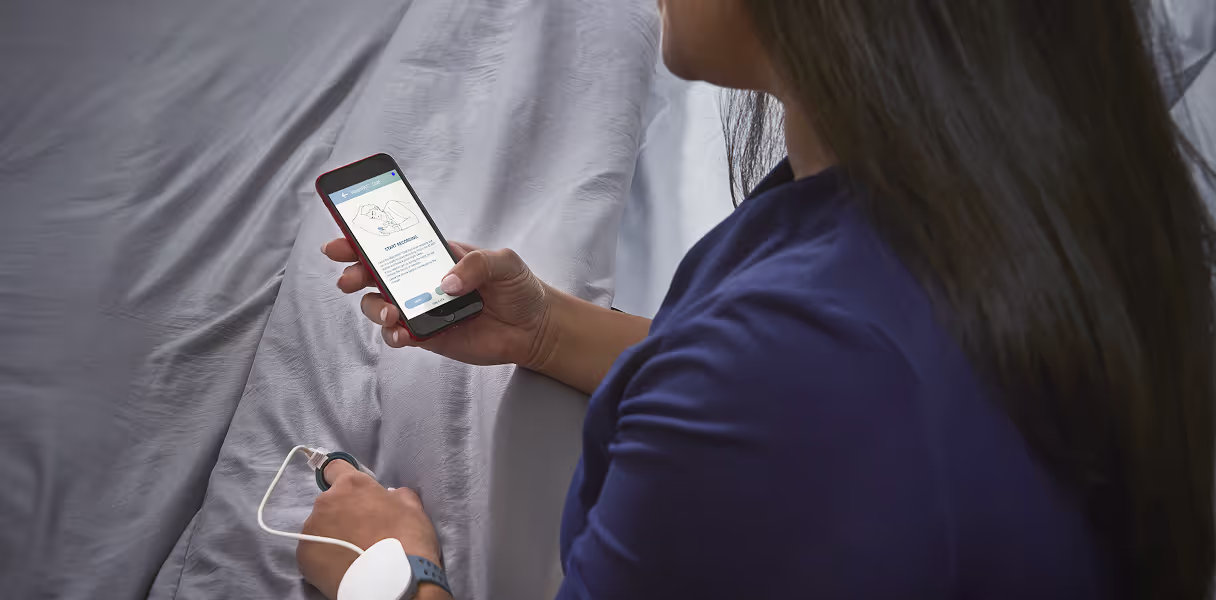
The device typically includes a nasal pressure sensor that measures airflow through your nasal passage, a pulse oximetry sensor that tracks oxygen levels and heart rate, and an effort belt that detects respiratory effort across your chest or abdomen. Some newer devices, like the NightOwl Home Sleep Test, use photoplethysmography and peripheral arterial tonometry through a small sensor attached with biocompatible adhesive tape, eliminating the need for multiple wires.
During testing, the device collects sleep data throughout the night. This data includes respiratory functions such as airflow reduction (hypopneas) and complete airway collapse (apneas), along with oxygen desaturation events and changes in pulse rate. A physician then reviews the raw sleep data and calculates your Apnea-Hypopnea Index, which is the number of apnea and hypopnea events per hour of recorded time.
The Sleep Foundation explains that an AHI of 5 to 14 indicates mild sleep apnea, 15 to 29 indicates moderate sleep apnea, and 30 or above indicates severe obstructive sleep apnea. This score is the foundation of your diagnosis and treatment plan.
Home sleep testing is FDA-cleared for adult patients with a suspected diagnosis of obstructive sleep apnea. It is not designed to evaluate brain waves, sleep cycle staging, or leg movements, which means it cannot diagnose narcolepsy, insomnia, parasomnias, or complex sleep apnea syndrome.
KEY TAKEAWAY: A home sleep apnea test records airflow, oxygen saturation, heart rate, and respiratory effort during one night to calculate your Apnea-Hypopnea Index and determine whether you have obstructive sleep apnea.
Understanding how the device works matters, but knowing who should actually use one is equally important for getting accurate results.
Who Should Get a Home Sleep Apnea Test in Pembroke Pines
Adults in Pembroke Pines, Florida who have symptoms of obstructive sleep apnea and no significant comorbid sleep disorders are the best candidates for home sleep testing. The American Academy of Sleep Medicine recommends home sleep apnea testing for patients with a high pretest probability of moderate to severe obstructive sleep apnea.
Symptoms That Indicate You May Need Testing
Symptoms that suggest obstructive sleep apnea include loud, chronic snoring, witnessed breathing pauses during sleep, gasping or choking at night, excessive daytime fatigue despite adequate rest, morning headaches, difficulty concentrating, and irritability. According to the National Heart, Lung, and Blood Institute, obstructive sleep apnea affects an estimated 25 percent of men and nearly 10 percent of women, though many cases remain undiagnosed.
If your bed partner has noticed pauses in your breathing, or if you wake frequently during the night feeling short of breath, these are strong clinical indicators. High blood pressure that does not respond well to medication can also signal underlying sleep apnea, as the CDC notes that untreated sleep apnea is associated with increased cardiovascular risk including heart disease and stroke.
Risk Factors Common in the Pembroke Pines Population
Several risk factors make sleep apnea testing particularly relevant for residents in your area. A body mass index above 30 significantly increases the likelihood of airway collapse during sleep. Age over 40, a neck circumference above 17 inches for men or 16 inches for women, and a family history of sleep apnea all elevate risk. Smoking contributes to upper airway inflammation and soft tissue swelling in the nasal passage, further narrowing the airway.
Pembroke Pines has a diverse population with varying access to healthcare. Many residents work long hours, commute across Broward County, or hold commercial driving positions that make scheduling an overnight appointment at a sleep center inconvenient. A home sleep test removes the scheduling barrier entirely.
Common Scenarios
A 48-year-old office manager living near Taft St who snores loudly every night and wakes up exhausted despite sleeping 7 to 8 hours is a strong candidate for a home sleep apnea test. Rather than waiting weeks for an appointment at a local sleep center, she can order a home sleep testing kit, complete the test in one night, and receive a physician-reviewed diagnosis.
A 55-year-old commercial truck driver based near Palm Ave who was flagged during a DOT physical for a BMI above 35 and reported daytime fatigue needs sleep apnea testing to maintain certification. dumbo.health ships a home sleep test directly to his Pembroke Pines address for $149, with no insurance paperwork and no prior authorization.
A 38-year-old nurse practitioner working night shifts at Memorial Hospital Pembroke who suspects her own sleep quality has deteriorated can use a home sleep test on a night off. Because the test adapts to her schedule rather than requiring a fixed appointment, she gets screened without disrupting her work rotation.
KEY TAKEAWAY: Pembroke Pines residents with loud snoring, witnessed breathing pauses, excessive daytime fatigue, or elevated BMI are strong candidates for a home sleep apnea test, especially when scheduling an in-lab study is impractical.
Once you know whether you are a good candidate, the next step is understanding exactly how to complete the test from start to finish.
How to Complete a Home Sleep Apnea Test in Pembroke Pines
Completing a home sleep apnea test in Pembroke Pines takes one night and requires no visit to a sleep lab, sleep center, or hospital. The entire process from ordering to receiving results typically takes less than two weeks.
Step-by-Step Process for At-Home Sleep Testing
1. Complete a brief online sleep assessment to determine whether you are a candidate for home sleep testing. dumbo.health offers a free sleep assessment that takes approximately 5 minutes.
2. Order your home sleep test device. Through dumbo.health, the test costs $149 with no insurance required and no prior authorization. The device ships directly to your Pembroke Pines address.
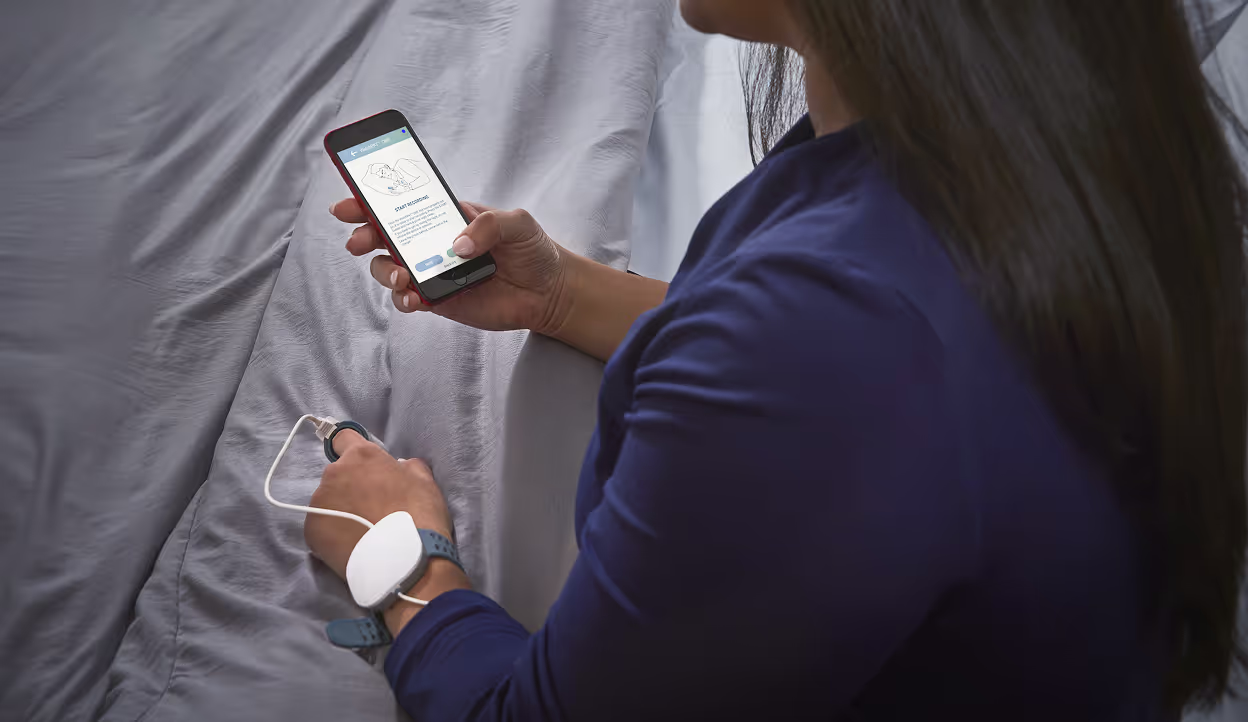
3. On the night of your test, follow the included instructions to attach the sensor. Most devices involve placing a nasal pressure sensor near your nostrils, clipping a pulse oximetry sensor to your finger, and securing an effort belt around your chest. Some devices use a single fingertip sensor with biocompatible adhesive tape.
4. Go to sleep as you normally would in your own bed. The device records airflow, oxygen saturation, heart rate, and respiratory effort automatically throughout the night.
5. In the morning, remove the device and ship it back using the prepaid return packaging, or upload your sleep data digitally depending on the device model.
6. A board-certified physician reviews your sleep data, calculates your Apnea-Hypopnea Index, and prepares a diagnostic report.
7. Receive your results and schedule a telehealth consultation to discuss your diagnosis and treatment options. dumbo.health provides physician interpretation as part of its monthly care plans starting at $59 per month.
After completing these steps, you will have a clear AHI score, a formal diagnosis if sleep apnea is confirmed, and a recommended treatment plan. The entire process happens without an overnight stay at a facility, without taking time off work, and without navigating insurance approvals.
Checklist: Preparing for Your Home Sleep Test Night
- Avoid caffeine and alcohol for at least 4 hours before your test night, as both can alter sleep data.
- Do not take sleep aids unless prescribed by your physician, since sedatives can suppress respiratory events and skew results.
- Sleep in your usual position and environment to get the most accurate representation of your typical breathing patterns.
- Charge the device fully before use if required by your specific model.
- Trim or clean fingernails to ensure the pulse oximetry sensor gets a clear reading.
- Remove nail polish or artificial nails from the finger where the sensor will be placed.
- Keep the instruction guide nearby in case you need to reattach a sensor during the night.
- Set your phone alarm to remind you to return or upload the device the following day.
- Complete the free sleep assessment at dumbo.health before ordering to confirm you are a good candidate.
DID YOU KNOW: According to a study published on PubMed, home sleep apnea tests have a diagnostic sensitivity of approximately 87 percent for moderate to severe obstructive sleep apnea when compared against in-lab polysomnography.
KEY TAKEAWAY: Completing a home sleep apnea test in Pembroke Pines involves ordering a device, wearing it for one night in your own bed, and having a physician review your sleep data to calculate your Apnea-Hypopnea Index and determine your diagnosis.
Knowing how to complete the test is essential, but understanding what your results mean is what drives your next clinical decision.
Understanding Your Home Sleep Test Results and Diagnosis
Your home sleep test results center on one primary metric: the Apnea-Hypopnea Index, which measures how many times per hour your breathing partially or completely stops during sleep. This number determines whether you have sleep apnea and how severe it is.
What the Apnea-Hypopnea Index Means
The Apnea-Hypopnea Index is the clinical standard for grading obstructive sleep apnea severity. An AHI below 5 is considered normal. An AHI between 5 and 14 indicates mild obstructive sleep apnea. An AHI between 15 and 29 indicates moderate obstructive sleep apnea. An AHI of 30 or higher indicates severe obstructive sleep apnea. The American Academy of Sleep Medicine uses these thresholds to guide treatment recommendations.
Beyond AHI, your physician also reviews oxygen desaturation data. If your oxygen saturation drops below 90 percent repeatedly during the night, this indicates clinically significant hypoxemia that strengthens the case for treatment even at lower AHI values. Heart rate variability patterns in your sleep data can also signal autonomic stress caused by repeated airway collapse events.
What Happens After Diagnosis
If your results confirm obstructive sleep apnea, your physician creates a treatment plan based on your AHI score, oxygen levels, symptoms, and overall health profile. For moderate to severe cases, CPAP therapy is the first-line treatment recommended by the American Academy of Sleep Medicine.
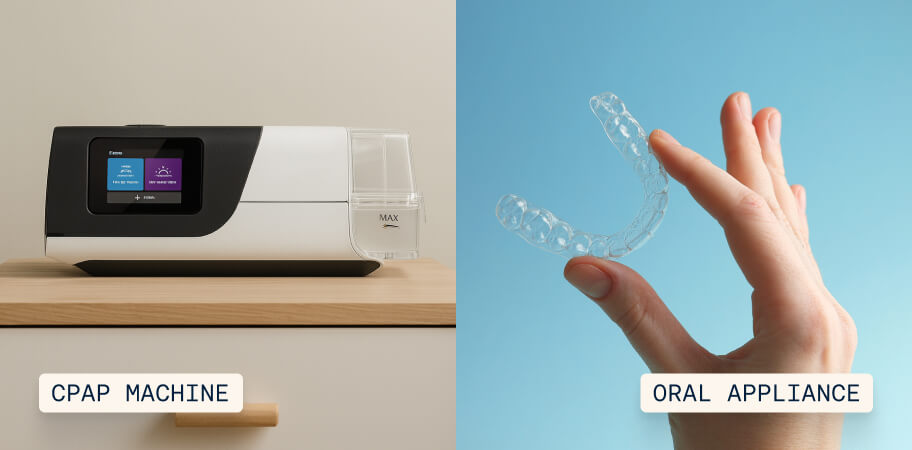
A CPAP machine delivers continuous positive airway pressure through a mask to keep your airway open during sleep. This prevents the repeated airway collapse that causes apnea events, restores normal oxygen saturation, and significantly reduces daytime fatigue and cardiovascular risk.
dumbo.health provides CPAP therapy as part of its monthly care plans. The Essentials Plan at $59 per month includes physician interpretation, CPAP equipment, and standard follow-up care. The Premium Plan at $89 per month adds a dedicated sleep coach, advanced adherence monitoring, and priority results turnaround. All plans operate on a cancel-anytime basis with no contracts.
If your AHI is below 5 and no significant oxygen desaturation is found, your physician may recommend lifestyle modifications, positional therapy, or further evaluation if symptoms persist. In cases where home sleep test results are inconclusive or borderline, a referral for in-lab polysomnography may be appropriate to capture more detailed sleep data including brain waves, sleep cycle staging, and leg movements.
IMPORTANT: A home sleep test can underestimate AHI in some patients because it measures recording time rather than actual sleep time. If you suspect you have sleep apnea but your home test result is normal, discuss the possibility of an in-lab study with your physician.
KEY TAKEAWAY: Your Apnea-Hypopnea Index score from a home sleep test determines whether you have mild, moderate, or severe obstructive sleep apnea and directly guides your treatment plan, with CPAP therapy as the standard first-line treatment for moderate to severe cases.
Understanding your diagnosis leads naturally to comparing the two main testing options available to Pembroke Pines residents.
Home Sleep Test vs In-Lab Polysomnography: Which Is Right for You
A home sleep apnea test is the right choice for most adults in Pembroke Pines with suspected obstructive sleep apnea, while in-lab polysomnography is necessary for complex or multi-disorder evaluations. Choosing between them depends on your symptoms, risk factors, and clinical needs.
In-lab polysomnography, also called a polysomnogram, is the gold standard sleep study. It takes place overnight in a sleep lab or sleep center and uses sensors to monitor brain waves, eye movements, muscle activity, heart rate, respiratory effort, airflow, oxygen saturation, and leg movements. A registered polysomnographic technologist supervises the study in real time. This level of detail makes polysomnography essential for diagnosing central sleep apnea, narcolepsy, parasomnias, and complex sleep apnea syndrome.
A home sleep test, by comparison, focuses on respiratory channels only. It records airflow through a nasal pressure sensor, oxygen saturation through pulse oximetry, heart rate, and respiratory effort through an effort belt or equivalent sensor. It does not monitor brain waves or sleep cycle architecture, which means it cannot distinguish between sleep and wake periods with the same precision.
Structured Comparison: Home Sleep Test vs In-Lab Sleep Study
Setting
- Home Sleep Test: Your own bed in Pembroke Pines
- In-Lab Polysomnography: Sleep center, sleep lab, or hospital such as Baptist Sleep Center or Memorial Hospital Pembroke
Cost Without Insurance
- Home Sleep Test: Typically $149 to $500; dumbo.health offers testing for $149
- In-Lab Polysomnography: Often $1,000 to $3,000 or more depending on the facility
Convenience
- Home Sleep Test: High; no travel, no overnight facility stay, no appointment scheduling conflicts
- In-Lab Polysomnography: Lower; requires an overnight stay, advance scheduling, and travel to the facility
Channels Monitored
- Home Sleep Test: Airflow, oxygen saturation, heart rate, respiratory effort
- In-Lab Polysomnography: Brain waves, eye movements, muscle activity, heart rate, airflow, oxygen saturation, respiratory effort, leg movements
Accuracy for Obstructive Sleep Apnea
- Home Sleep Test: High; sensitivity above 85 percent for moderate to severe OSA according to published studies
- In-Lab Polysomnography: Highest; gold standard with full sleep staging
Turnaround Time
- Home Sleep Test: Typically 3 to 7 days for physician-reviewed results
- In-Lab Polysomnography: Varies; often 1 to 3 weeks depending on the sleep center
Best For
- Home Sleep Test: Adults with high suspicion of obstructive sleep apnea, no significant comorbid sleep disorders, and a preference for convenience
- In-Lab Polysomnography: Patients with suspected central sleep apnea, narcolepsy, parasomnias, or inconclusive home test results
For most Pembroke Pines residents with straightforward symptoms of obstructive sleep apnea such as snoring, witnessed apneas, and daytime fatigue, a home sleep test provides a clinically valid and far more convenient path to diagnosis. dumbo.health delivers the home sleep apnea test directly to your door for $149 with no insurance requirement, making it the most accessible option in your area.
If your physician suspects a more complex sleep disorder, or if your home sleep test results are normal despite persistent symptoms, an in-lab study at a facility like Baptist Sleep Center or a sleep lab near you is the appropriate next step.
KEY TAKEAWAY: A home sleep test is clinically appropriate and more convenient for most adults with suspected obstructive sleep apnea, while in-lab polysomnography is reserved for complex cases involving central sleep apnea, narcolepsy, parasomnias, or inconclusive home test results.
With the right test selected, understanding the full range of treatment options after diagnosis helps you take action quickly.
Treatment Options After a Sleep Apnea Diagnosis in Pembroke Pines
CPAP therapy is the first-line treatment for moderate to severe obstructive sleep apnea, and most patients in Pembroke Pines can begin treatment within days of receiving their diagnosis. Treatment options range from continuous positive airway pressure devices to surgical interventions depending on severity and anatomy.
CPAP Therapy
A CPAP machine delivers a steady stream of pressurized air through a mask worn during sleep. This air pressure acts as a pneumatic splint that holds the airway open and prevents the soft tissue collapse responsible for apnea events. According to the American Academy of Sleep Medicine, CPAP therapy reduces AHI to below 5 in the majority of patients when used consistently.
CPAP masks come in several styles including nasal masks, nasal pillow masks, and full-face masks. The right mask depends on your breathing habits, facial anatomy, and comfort preferences. Many patients report that finding the right mask fit is the most important factor in long-term CPAP adherence.
dumbo.health includes CPAP equipment and masks as part of its monthly sleep apnea care plans. The Essentials Plan at $59 per month covers CPAP therapy, equipment, and physician follow-up. The Premium Plan at $89 per month adds a dedicated sleep coach who helps with mask fitting, pressure adjustments, and adherence monitoring. Resupply and maintenance of CPAP supplies are included, removing the need to track replacement schedules on your own.
Alternative and Adjunct Treatments
For patients with mild obstructive sleep apnea or those who cannot tolerate CPAP, alternative treatment options exist. Oral appliances custom-fitted by a dental specialist can reposition the lower jaw to keep the airway open. Positional therapy devices encourage side sleeping to reduce airway obstruction.
Lifestyle modifications play a supporting role across all severity levels. Weight loss reduces soft tissue volume around the airway and can significantly lower AHI in overweight patients. Smoking cessation reduces inflammation in the nasal passage and upper airway. Avoiding alcohol before bed prevents additional muscle relaxation that worsens airway collapse.
Surgical Options
Surgical treatment options are typically considered when CPAP therapy and other conservative measures are not effective or tolerated. Rhinologic surgery addresses structural nasal passage obstruction. Uvulopalatopharyngoplasty removes excess soft tissue from the throat to widen the airway.
Inspire Therapy is a newer surgical option that involves an implanted device which stimulates the hypoglossal nerve to keep the airway open during sleep. Airlift is a minimally invasive procedure that repositions the hyoid bone to stabilize the airway. These surgical approaches require evaluation by a sleep medicine specialist or ENT provider and are not first-line treatments for most patients.
TIP: If you have been diagnosed with moderate to severe obstructive sleep apnea, starting CPAP therapy promptly is the single most impactful step you can take. Every night of untreated sleep apnea carries cardiovascular risk and reduces your sleep quality and daytime function.
KEY TAKEAWAY: CPAP therapy is the standard first-line treatment for moderate to severe obstructive sleep apnea, with alternative options including oral appliances, positional therapy, lifestyle changes, and surgical interventions for patients who cannot tolerate or do not respond to CPAP.
Treatment works best when barriers to access are removed, which brings up the critical question of cost and how to access testing in Pembroke Pines without unnecessary obstacles.
Cost of a Home Sleep Apnea Test in Pembroke Pines and How to Access Testing Without Insurance
A home sleep apnea test in Pembroke Pines costs between $149 and $500 depending on the provider, with most patients paying less when using a cash-pay telehealth service than when going through a traditional sleep center. Insurance is not required to get tested.
Why Many Patients Pay Out of Pocket
Traditional sleep apnea testing through a sleep center or hospital often involves insurance pre-authorization, referral requirements from a primary care physician, and facility fees that can push the total cost above $1,000 for in-lab polysomnography. Even when insurance covers the test, copays, deductibles, and surprise bills add unpredictable costs. According to the National Heart, Lung, and Blood Institute, cost and access barriers contribute to the significant underdiagnosis of obstructive sleep apnea across the United States.
Cash-pay home sleep testing eliminates these barriers. There is no insurance paperwork, no prior authorization, and no surprise billing. The price is transparent and paid upfront before the test night.
dumbo.health offers a home sleep apnea test for $149 as a one-time cost. This includes the at-home sleep test device and one night of testing. The device ships directly to your Pembroke Pines address. No insurance is required, and no referral is needed.
Ongoing Care Costs After Diagnosis
If your test confirms obstructive sleep apnea and you need CPAP therapy, ongoing care costs vary widely depending on the provider. A CPAP machine purchased outright can cost $500 to $3,000. Insurance coverage for CPAP often requires adherence documentation within the first 90 days, and non-compliance can result in the insurance company reclaiming the equipment.
dumbo.health structures ongoing care differently. Monthly plans cover physician review, CPAP equipment, treatment, and adherence follow-up with no contracts and the ability to cancel anytime.
The Essentials Plan costs $59 per month, approximately $2 per day, and includes physician interpretation, CPAP therapy with equipment, standard follow-up care, and updates sent to your referring provider. The Premium Plan costs $89 per month and adds a dedicated sleep coach from a licensed care team, advanced adherence monitoring, and priority results turnaround. The Elite Plan at $129 per month includes concierge clinical support, direct physician messaging, and custom reporting for practices that refer patients.
How Pembroke Pines Residents Access Testing
Pembroke Pines residents have several pathways to access sleep apnea testing. Local options include sleep centers and facilities such as Florida Lung and Sleep Apnea Center, South Florida Snoring and Sleep Center, and Baptist Sleep Center. These providers offer both in-lab polysomnography and home sleep testing, though scheduling an appointment, completing insurance verification, and waiting for results can add weeks to the process.
A faster alternative is ordering directly through a telehealth provider like dumbo.health. The process starts with a free online sleep assessment, followed by device shipment and physician-reviewed results. Telehealth services and virtual visits remove the need for in-person appointments entirely, which is particularly valuable for patients with demanding work schedules or limited transportation.
KEY TAKEAWAY: A home sleep apnea test in Pembroke Pines costs $149 through dumbo.health with no insurance, no referral, and no surprise bills, while in-lab testing at a local sleep center can cost $1,000 or more and involves longer wait times and insurance complexity.
Affordable access is a critical factor, but it is equally important to understand when home sleep testing may not be the right choice.
Limitations and Risks of Home Sleep Apnea Testing
Home sleep apnea testing is not appropriate for every patient, and understanding its limitations helps you avoid misdiagnosis and ensures you receive the right level of care. The American Academy of Sleep Medicine identifies several clinical situations where a home sleep test may not provide sufficient diagnostic information.
When a Home Sleep Test May Not Be Accurate
A home sleep test does not monitor brain waves, which means it cannot distinguish between wakefulness and sleep. If you have significant insomnia or spend a large portion of the night awake, the device records total time in bed rather than actual sleep time. This can dilute the Apnea-Hypopnea Index and underestimate the true severity of your sleep apnea.
Patients with suspected central sleep apnea require in-lab polysomnography because a home test cannot reliably detect central apnea events. Central sleep apnea involves a failure of the brain's respiratory drive rather than a physical airway collapse, and distinguishing it from obstructive sleep apnea has direct treatment implications. Complex sleep apnea syndrome, where both obstructive and central events coexist, also requires full polysomnographic evaluation.
Conditions That Require In-Lab Testing
If your healthcare practitioner suspects narcolepsy, parasomnias such as sleepwalking or REM behavior disorder, or periodic limb movement disorder, a home sleep test will not capture the necessary data. These conditions require monitoring of brain waves, eye movements, and muscle activity that only polysomnography provides. Board-certified sleep physicians typically refer patients with these suspected conditions directly to a sleep lab.
Patients with significant cardiopulmonary disease, including congestive heart failure or chronic obstructive pulmonary disease, may also need in-lab monitoring to safely evaluate respiratory functions during sleep. Oxygen desaturation in these patients can be caused by factors beyond obstructive sleep apnea, and a supervised sleep study allows technicians to intervene if oxygen levels drop dangerously low.
Device-Related Limitations
Home sleep testing kits occasionally produce incomplete data if a sensor becomes displaced during the night. The nasal pressure sensor can shift, the pulse oximetry probe can lose contact, and the effort belt can loosen. When data loss exceeds a certain threshold, the test night may need to be repeated.
dumbo.health helps mitigate this risk by providing clear setup instructions, device support, and the option to consult with a care team if issues arise during the test night. The Premium and Elite plans include priority support that allows patients to address device questions before or during testing.
The Risk of a False Negative
A false negative occurs when a home sleep test indicates no sleep apnea despite the patient actually having the condition. This can happen due to positional differences on the test night, an unusually good night of sleep, or data loss from sensor displacement. If your symptoms strongly suggest sleep apnea but your home test result is normal, clinicians frequently recommend either repeating the home test or proceeding to in-lab polysomnography for confirmation.
IMPORTANT: A normal home sleep test result does not definitively rule out sleep apnea if you have persistent symptoms. Discuss your results with a physician to determine whether further evaluation is warranted.
KEY TAKEAWAY: Home sleep testing is not designed for diagnosing central sleep apnea, narcolepsy, parasomnias, or complex sleep apnea syndrome, and it can underestimate AHI in patients with significant insomnia or sensor displacement, making physician review of borderline results essential.
Knowing the limitations of home testing puts you in a better position to evaluate the local providers and services available in Pembroke Pines.
Sleep Apnea Testing Providers and Resources in Pembroke Pines, Florida
Pembroke Pines has several local providers that offer sleep apnea evaluations, in-lab sleep studies, and related specialty care. Knowing your options helps you choose the right path based on your clinical needs, schedule, and budget.
Local Sleep Centers and Specialists
Florida Lung and Sleep Apnea Center provides consultations, in-lab sleep studies, and sleep apnea treatment. The practice is staffed by board-certified physicians with advanced training in pulmonary disease and sleep medicine. Patients can schedule appointments for both diagnostic evaluations and ongoing treatment management.
South Florida Snoring and Sleep Center focuses on snoring and sleep disorder evaluations, offering both home sleep testing and in-lab polysomnography. Board-certified sleep physicians at this facility conduct comprehensive assessments of airflow, oxygen levels, and respiratory effort.
Baptist Sleep Center, affiliated with Memorial Hospital Pembroke, operates an accredited sleep lab with registered polysomnographic technologists who supervise overnight studies. This facility is appropriate for patients who require full polysomnography including brain wave monitoring, or who have been referred by their physician for evaluation of complex sleep disorders.
South Florida ENT Associates and Southeastern Ear, Nose, Throat, and Sinus Center provide evaluations for structural causes of sleep apnea such as nasal passage obstruction, soft tissue enlargement, and airway narrowing. Florida Sinus and Snoring Specialists offer rhinologic surgery and other interventions for patients whose sleep apnea has an anatomical component.
Dr. Vikas Jain is a sleep medicine specialist who practices in the Pembroke Pines area and provides sleep apnea consultations, in-lab studies, and treatment recommendations.
Telehealth and At-Home Alternatives
For patients who prefer to avoid scheduling appointments, traveling to a facility, or navigating insurance authorization, telehealth-based home sleep testing offers a direct alternative. dumbo.health ships an FDA-cleared home sleep test device to your Pembroke Pines address for $149. A board-certified physician interprets your results, and if treatment is needed, CPAP therapy plans start at $59 per month with no contracts.
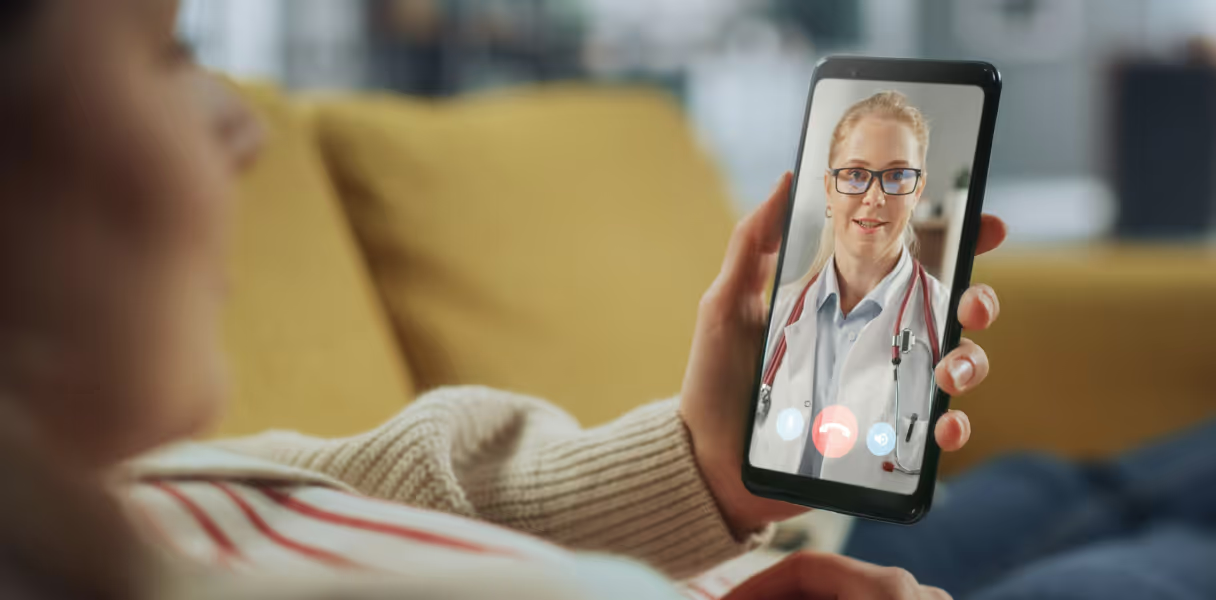
Telehealth services allow you to complete consultations, receive results, and manage ongoing treatment through virtual visits without leaving home. This model is especially useful for shift workers, commercial drivers, parents with limited scheduling flexibility, and anyone who values convenience and transparent payment.
KEY TAKEAWAY: Pembroke Pines residents can choose between local sleep centers like Florida Lung and Sleep Apnea Center, Baptist Sleep Center, and South Florida Snoring and Sleep Center for in-lab studies, or access home sleep testing directly through telehealth providers like dumbo.health for faster, more affordable results.
With a clear picture of local resources, it helps to see how the testing and treatment process plays out for real people in situations similar to yours.
Real-World Scenarios: Home Sleep Testing in Pembroke Pines
Seeing how home sleep testing works in practice helps clarify who benefits most and what the process looks like from start to finish.
Scenario 1: A 52-Year-Old Owner-Operator Flagged During a DOT Physical
A 52-year-old commercial truck driver living near Palm Ave in Pembroke Pines was flagged during his DOT physical because of a BMI of 37, a neck circumference above 17 inches, and self-reported daytime fatigue. His examiner recommended a sleep apnea evaluation before issuing a full 24-month medical certification.
Rather than scheduling an in-person appointment at a local sleep center and waiting two to three weeks for availability, he ordered a home sleep test through dumbo.health for $149. The device arrived in three days. He completed the test on a night between hauls, shipped the device back, and received his results within a week. His AHI came back at 22, indicating moderate obstructive sleep apnea. He enrolled in the dumbo.health Premium Plan at $89 per month, received his CPAP machine, and worked with a dedicated sleep coach to achieve consistent adherence. His certified medical examiner received the treatment documentation directly, and his DOT certification was renewed.
Scenario 2: A 44-Year-Old Nurse with Chronic Fatigue
A 44-year-old nurse practitioner working rotating shifts at Memorial Hospital Pembroke had been experiencing worsening fatigue, difficulty concentrating during 12-hour shifts, and morning headaches. Her blood pressure had also increased over the past year despite medication adjustments. Her physician suggested a sleep study, but scheduling an overnight stay at a sleep lab conflicted with her shift schedule for the next month.
She completed the free sleep assessment on the dumbo.health website, ordered the home sleep apnea test, and completed testing on her next night off. Her results showed an AHI of 18, confirming moderate obstructive sleep apnea with notable oxygen desaturation events. She started CPAP therapy through the Essentials Plan at $59 per month. Within six weeks, she reported significantly reduced fatigue, improved concentration, and more stable blood pressure readings at her follow-up.
Scenario 3: A 61-Year-Old Retiree with Loud Snoring and a Concerned Spouse
A 61-year-old retired teacher in Pembroke Pines had been told by his wife for years that his snoring was getting worse and that she occasionally noticed him stop breathing for several seconds. He had no regular physician and did not want to navigate the insurance system to find a sleep specialist in his area.
He ordered the home sleep test through dumbo.health without needing a referral or insurance. His AHI was 34, indicating severe obstructive sleep apnea. He enrolled in the Premium Plan, received his CPAP machine and mask, and was paired with a sleep coach who helped him adjust to nightly CPAP use. After two months of consistent treatment, his wife confirmed that the snoring had stopped and the breathing pauses were no longer occurring.
Home sleep apnea testing through dumbo.health provides Pembroke Pines residents with a straightforward path from symptoms to diagnosis to treatment. The home sleep test costs $149, requires no insurance, and ships directly to any Pembroke Pines address. CPAP therapy plans include equipment, physician oversight, and ongoing support starting at $59 per month.
KEY TAKEAWAY: Real-world scenarios in Pembroke Pines demonstrate that home sleep testing is practical for commercial drivers needing DOT compliance, shift workers with scheduling barriers, and retirees who want to avoid navigating the traditional healthcare system.
These examples reflect common paths to diagnosis, but persistent myths about sleep apnea still prevent many people from getting tested.
Common Myths About Sleep Apnea and Home Sleep Testing Debunked
MYTH: Only overweight people get sleep apnea.
FACT: While obesity is a significant risk factor, the American Academy of Sleep Medicine notes that obstructive sleep apnea occurs across all body types. Factors such as jaw structure, airway anatomy, nasal passage obstruction, neck circumference, and family history all contribute to risk. Approximately 20 to 30 percent of sleep apnea patients have a BMI within the normal range. Anyone with symptoms of snoring, witnessed apneas, or excessive daytime fatigue should consider testing regardless of weight.
MYTH: A home sleep test is not as accurate as a sleep lab study.
FACT: For detecting moderate to severe obstructive sleep apnea in appropriate candidates, home sleep testing has a concordance rate above 85 percent with in-lab polysomnography according to published research on PubMed. The American Academy of Sleep Medicine supports home sleep testing as a valid diagnostic tool for adults with a high pretest probability of obstructive sleep apnea. Home tests are less comprehensive for complex sleep disorders, but for the condition they are designed to detect, their accuracy is clinically validated.
MYTH: You need a doctor's referral and insurance to get a home sleep test.
FACT: Cash-pay home sleep testing is available without a referral, without insurance, and without prior authorization. dumbo.health offers an FDA-cleared home sleep apnea test for $149 shipped directly to your home. No physician referral is required to order the test, and a board-certified physician reviews the results as part of the care plan. This model removes the most common access barriers that delay diagnosis.
MYTH: CPAP therapy is uncomfortable and most people cannot tolerate it.
FACT: Modern CPAP machines are significantly quieter and lighter than earlier models. Mask technology has advanced to include nasal pillow masks, slim nasal masks, and full-face masks that accommodate different breathing patterns and facial structures. The Sleep Foundation reports that CPAP adherence improves substantially when patients receive proper mask fitting, pressure titration, and ongoing support. dumbo.health's Premium Plan includes a dedicated sleep coach specifically to address comfort, fit, and adherence challenges.
MYTH: Snoring is annoying but harmless.
FACT: Chronic loud snoring is the most common symptom of obstructive sleep apnea. According to the CDC, untreated sleep apnea increases the risk of high blood pressure, heart disease, stroke, type 2 diabetes, and motor vehicle accidents caused by daytime drowsiness. The National Highway Traffic Safety Administration estimates that drowsy driving causes thousands of crashes annually. Snoring accompanied by witnessed breathing pauses, gasping, or daytime fatigue warrants a sleep apnea evaluation, not dismissal.
KEY TAKEAWAY: Myths about weight requirements, test accuracy, insurance necessity, CPAP discomfort, and the harmlessness of snoring prevent many people from getting tested and treated for a condition that carries serious cardiovascular and safety risks.
Clearing up these misconceptions brings the full picture into focus and sets the stage for taking action.
Conclusion
Getting a home sleep apnea test in Pembroke Pines, Florida does not require a referral, an overnight stay at a sleep center, or insurance authorization. If you snore loudly, feel exhausted despite a full night of rest, or have been told you stop breathing during sleep, a one-night home test can provide the answers you need. Obstructive sleep apnea is a treatable condition, and the path from symptoms to diagnosis to treatment is shorter than most people expect. dumbo.health offers a home sleep apnea test for $149 with no insurance required, physician-reviewed results, and CPAP therapy plans starting at $59 per month with no contracts and the ability to cancel anytime. Take the first step with a free sleep assessment today.
Frequently Asked Questions About Home Sleep Apnea Testing in Pembroke Pines, Florida
What is a home sleep apnea test?
A home sleep apnea test (HSAT) is a simplified sleep study you complete in your own bed rather than an overnight clinic stay. The device records key measurements such as oxygen saturation, airflow, pulse rate, and respiratory effort while you sleep. A board-certified physician then reviews the recorded sleep data to calculate your Apnea-Hypopnea Index (AHI), which helps determine whether obstructive sleep apnea is present. Home sleep testing is widely accepted by the American Academy of Sleep Medicine as a practical first-line evaluation for adults with a moderate to high likelihood of obstructive sleep apnea.
What is obstructive sleep apnea, and what causes it?
Obstructive sleep apnea (OSA) is a sleep disorder in which the upper airway repeatedly collapses or becomes blocked during sleep, causing breathing interruptions. The airway obstruction is caused by the soft tissue in the throat, including the tongue, soft palate, and surrounding muscles. When these muscles relax during sleep, the tissue expands and narrows or closes the airway. According to the National Heart, Lung, and Blood Institute (NHLBI), OSA is one of the most common sleep disorders and is associated with increased risk of high blood pressure, heart disease, and daytime fatigue if left untreated.
What are the signs and symptoms of sleep apnea?
Common signs of sleep apnea include loud snoring, waking up frequently during the night, gasping or choking during sleep, morning headaches, persistent fatigue despite sleeping for several hours, and difficulty staying awake while driving or during routine activities. Other symptoms include waking up unrefreshed, trouble concentrating, and being told by a partner that you pause or stop breathing during sleep. If you recognise several of these symptoms, a healthcare professional can help determine whether a home sleep test or further sleep medicine evaluation is appropriate.
How do I know if I need a sleep study?
You may benefit from a sleep evaluation if you snore regularly, wake frequently during the night, feel exhausted after a full night of sleep, experience restless legs before or during sleep, or find yourself falling asleep unintentionally while watching television or having a conversation. Difficulty staying awake while driving is a particularly important warning sign. A healthcare practitioner can review your symptoms, risk factors such as body mass index and blood pressure, and medical history to decide whether home sleep testing or an in-lab sleep study is the appropriate next step. You can also take a free sleep assessment to help decide whether testing may be right for you.
How fast can I get a home sleep test in Pembroke Pines, Florida?
Home sleep testing through an at-home service can be very fast. Orders placed before 2pm EST typically ship the same day to Pembroke Pines, Florida, meaning you could receive your device within one to two business days and complete your test the following night. This is considerably faster than scheduling an in-lab sleep study, which often involves waiting weeks for an appointment at a sleep center. For residents of Pembroke Pines and the broader South Florida area, an at-home sleep apnea test removes the need to travel to a facility, take time off work, or wait for an opening.
What does the $149 home sleep test include?
The $149 home sleep test from dumbo.health is a one-time cash-pay purchase that includes the at-home sleep test device and one night of testing. It does not require insurance, prior authorisation, or a referral. This is a separate cost from the monthly care plans, which cover physician interpretation, the written report, CPAP therapy, equipment, and ongoing follow-up. There are no surprise bills. The $149 covers the device and the test night itself, giving patients in Pembroke Pines a clear, predictable entry point into sleep apnea evaluation.
What measurements does a home sleep test record?
A home sleep apnea test typically records oxygen saturation, pulse rate, airflow through the nose, respiratory effort, and body position. Some devices also capture heart rate through photoplethysmography or peripheral arterial tonometry. The combination of airflow data and oxygen saturation readings allows the reviewing physician to calculate the Apnea-Hypopnea Index (AHI), which reflects the average number of breathing interruptions per hour of sleep. Unlike a full polysomnogram conducted in a sleep lab, a home sleep test does not record brain waves, muscle activity, or detailed sleep cycle staging.
Is a home sleep test as accurate as an in-lab sleep study?
A home sleep apnea test is well-validated for diagnosing obstructive sleep apnea in adults with a moderate to high clinical likelihood of the condition. The American Academy of Sleep Medicine supports its use as a first-line diagnostic tool for uncomplicated OSA. However, a home sleep test does not record brain waves, leg movements, or full sleep staging, which means it may underestimate sleep apnea severity in some cases. An in-lab polysomnogram conducted by a registered polysomnographic technologist remains the preferred option when central sleep apnea, complex sleep apnea syndrome, narcolepsy, parasomnias, or other complex sleep disorders are suspected.
What conditions can a sleep study diagnose?
A comprehensive sleep center can diagnose a range of sleep disorders, including obstructive sleep apnea, central sleep apnea, complex sleep apnea syndrome, insomnia, restless legs syndrome, narcolepsy, circadian rhythm disorders, and parasomnias. A home sleep apnea test is specifically designed to evaluate for obstructive sleep apnea and is not intended to diagnose the full range of sleep disorders. If your symptoms suggest a condition other than OSA, or if your home sleep test result is inconclusive, a board-certified sleep physician may recommend a full in-lab polysomnogram for a more detailed evaluation.
Who reviews my home sleep test results?
Your home sleep test results are reviewed by a board-certified physician with training in sleep medicine. The physician analyses the recorded sleep data, calculates the Apnea-Hypopnea Index, and prepares a written interpretation and report. With dumbo.health, physician interpretation and a written report are included in the monthly care plan, which starts at $59 per month after the initial $149 test. The Premium plan at $89 per month adds a dedicated sleep coach and priority results turnaround for patients who want faster review and more personalised support.
Can I use home sleep test results to get a CPAP prescription?
Yes. If the physician interpretation of your home sleep test confirms a diagnosis of obstructive sleep apnea, the results and physician report can support a CPAP prescription. A valid physician prescription is required in the United States to obtain a CPAP machine. If you are an existing CPAP user who needs a new prescription to continue therapy or purchase new equipment, a physician review of your sleep data can support that process as well. A healthcare professional will determine whether the results meet the clinical threshold for CPAP therapy. Learn about CPAP treatment options through dumbo.health.
What is CPAP therapy, and how does it treat sleep apnea?
CPAP, or continuous positive airway pressure, is the most widely used treatment for obstructive sleep apnea. A CPAP machine delivers a continuous stream of pressurised air through a mask worn over the nose or mouth during sleep. This steady airflow keeps the airway open, preventing the collapse of soft tissue that causes apnea events. According to the Mayo Clinic, consistent CPAP use can reduce daytime sleepiness, lower blood pressure, and improve overall health outcomes in people with obstructive sleep apnea. The correct mask, pressure setting, and follow-up support improve long-term treatment adherence.
What ongoing care is available after a sleep apnea diagnosis?
After a confirmed sleep apnea diagnosis, ongoing care typically includes CPAP therapy initiation, equipment provision, adherence monitoring, and regular follow-up with a sleep physician. dumbo.health monthly plans cover physician interpretation, CPAP therapy and equipment, and standard follow-up care from $59 per month. The Premium plan at $89 per month includes a dedicated sleep coach from a licensed care team and advanced adherence monitoring. The Elite plan at $129 per month adds concierge clinical support, direct physician messaging, and custom reporting. All plans are month-to-month with no contracts. Explore sleep apnea care solutions to compare what is included.
Does sleep apnea affect overall health beyond sleep quality?
Yes. Untreated obstructive sleep apnea is associated with a range of serious health consequences beyond disrupted sleep. The CDC notes that sleep disorders, including sleep apnea, are linked to increased risk of high blood pressure, heart disease, stroke, type 2 diabetes, and mental health conditions. Repeated breathing interruptions during sleep cause drops in oxygen saturation and repeated arousals, placing stress on the cardiovascular system over time. Persistent fatigue from poor sleep quality can also impair concentration, reduce work performance, and increase the risk of accidents, particularly for people who drive for extended periods.
Can sleep disorders affect driving safety?
Yes. Excessive daytime sleepiness caused by untreated sleep apnea significantly increases the risk of drowsy driving and motor vehicle accidents. This is a recognised safety concern for all drivers and a particular regulatory concern for commercial drivers. The FMCSArequires commercial drivers to meet medical fitness standards, and untreated sleep apnea can affect a driver's ability to maintain DOT medical certification. Commercial drivers in Florida who need sleep apnea evaluation and documentation support can find information about home sleep testing for commercial drivers through dumbo.health.
Do I need insurance to get a home sleep apnea test in Pembroke Pines?
No. dumbo.health operates on a transparent cash-pay model with no insurance required, no prior authorisations, and no surprise bills. The home sleep test costs $149 as a one-time purchase, and monthly care plans start at $59 per month. This makes sleep apnea testing and ongoing care accessible to patients in Pembroke Pines and across Florida who are uninsured, underinsured, or who prefer to avoid insurance paperwork and unpredictable billing. Cash-pay pricing also allows patients to plan their care costs in advance without waiting for insurance approvals.
Are telehealth or virtual visit options available for sleep apnea care?
Yes. Telehealth and virtual visit services are available for sleep apnea care and are a practical option for patients who prefer not to travel to a physical sleep center. At-home sleep testing paired with remote physician interpretation means the entire diagnostic process can happen without a clinic visit. dumbo.health supports this fully remote workflow, from the sleep assessment and device delivery through to physician review, report generation, and CPAP management. This is particularly convenient for Pembroke Pines residents who work irregular hours or whose schedules make in-person appointments difficult.
Where can I find sleep apnea testing providers near me in Pembroke Pines, Florida?
Patients in Pembroke Pines, Florida have several options for sleep apnea testing, including local sleep centers, ENT specialists, pulmonologists, and at-home testing services. Local providers and sleep centers in the South Florida area offer in-person evaluations and in-lab polysomnography for cases requiring full diagnostic testing. For patients who prefer convenience and transparent pricing, at-home sleep apnea testing through dumbo.health ships directly to your address in Pembroke Pines, eliminating the need to locate providers in your area or schedule multiple clinic visits. A healthcare professional can advise on which testing pathway is most appropriate for your symptoms.
Is a home sleep study uncomfortable or difficult to complete?
Most people find a home sleep apnea test straightforward and minimally disruptive. The device is worn during your normal sleep at home rather than in an unfamiliar clinical environment. A typical setup involves attaching a small sensor to your finger for pulse oximetry, placing a nasal pressure sensor near your nostrils to measure airflow, and wearing an effort belt around the chest or abdomen to record respiratory effort. Some devices use biocompatible adhesive tape to secure sensors. There are no electrodes measuring brain waves as in a full polysomnogram, making the setup simpler and more comfortable for most patients.
What is the difference between a home sleep test and a polysomnogram?
A home sleep test (HSAT) is a portable, simplified study conducted in your own bed that measures airflow, oxygen saturation, respiratory effort, and pulse rate. It is designed primarily to detect obstructive sleep apnea. A polysomnogram (PSG) is a comprehensive in-lab sleep study that records brain waves, eye movements, muscle activity, heart rate, oxygen levels, and respiratory function simultaneously, supervised by a registered polysomnographic technologist. A PSG provides more detailed sleep staging and is the preferred diagnostic method when central sleep apnea, narcolepsy, parasomnias, complex sleep apnea syndrome, or other complex disorders are suspected. A physician can recommend the appropriate test based on your symptoms and clinical history.
What is the Apnea-Hypopnea Index, and why does it matter?
The Apnea-Hypopnea Index (AHI) is the primary metric used to measure the severity of sleep apnea. It reflects the average number of apnea events (complete breathing pauses) and hypopnea events (partial airway reductions) per hour of sleep. An AHI below 5 is generally considered normal in adults, while an AHI of 5 to 14 suggests mild sleep apnea, 15 to 29 moderate sleep apnea, and 30 or above severe sleep apnea. The AHI is calculated from the sleep data recorded during your home sleep test and is a key factor in determining whether CPAP therapy or another treatment approach is appropriate. A physician interprets the AHI alongside your symptoms and overall clinical picture.
How should I decide between a home sleep test and visiting a sleep center in Pembroke Pines?
For most adults with symptoms that strongly suggest obstructive sleep apnea, including snoring, frequent nighttime wakings, and daytime fatigue, a home sleep test is a practical and clinically accepted starting point. It is faster, more affordable, and more convenient than an in-lab study. A sleep center visit or full polysomnogram is more appropriate when symptoms suggest a complex or less common sleep disorder, when a home sleep test produces inconclusive results, or when a sleep physician determines that more detailed monitoring is clinically necessary. A healthcare professional can help you decide which pathway fits your symptoms and health history.