






Home Sleep Apnea Test in Miramar, Florida: The Complete Guide to At-Home Sleep Testing in Broward County
Home sleep apnea test services in Miramar, Florida give Broward County residents a way to screen for obstructive sleep apnea from their own bedroom using an FDA-cleared portable device. According to the American Academy of Sleep Medicine, home sleep apnea testing is a validated method for diagnosing obstructive sleep apnea in adults with a moderate to high pretest probability. This guide is written for Miramar residents, Broward County families, and anyone in South Florida who suspects sleep apnea but wants a convenient, affordable testing path without a hospital stay. You will learn how home sleep testing works, what the devices measure, how results lead to a treatment plan, when an in-lab study is the better choice, and how to access testing near you at a price you can plan around. The cost and access details covered below may change your assumptions about sleep apnea testing entirely.
Quick Answer
A home sleep apnea test in Miramar, Florida uses an FDA-cleared portable device worn for one night to measure airflow, oxygen saturation, respiratory effort, and pulse rate while you sleep. Results produce an AHI score that a board-certified sleep medicine physician reviews to confirm or rule out obstructive sleep apnea. Most adults with suspected sleep apnea qualify for home testing, and results are typically available within days. dumbo.health offers a home sleep test for $149 with no insurance required and physician-reviewed results through monthly care plans starting at $59 per month.
Key Takeaways
- Home sleep apnea testing is a clinically validated alternative to in-lab polysomnography for diagnosing obstructive sleep apnea in adults, according to the American Academy of Sleep Medicine.
- An FDA-cleared home sleep test device measures nasal airflow, oxygen saturation, respiratory effort, and pulse rate during one night of sleep.
- The AHI score produced by home sleep testing determines the severity of obstructive sleep apnea and guides the treatment plan.
- dumbo.health provides a home sleep test for $149 with no insurance, no prior authorization, and no surprise bills, with CPAP therapy plans starting at $59 per month.
- Home sleep tests do not diagnose central sleep apnea, complex sleep apnea syndrome, or other sleep disorders such as insomnia or circadian rhythm disorders.
- Miramar residents can complete the entire testing and treatment process without visiting a sleep center, using telehealth appointments and mail-delivered equipment.
What a Home Sleep Apnea Test Measures and How It Works
A home sleep apnea test records the key respiratory functions that reveal whether your airway collapses repeatedly during sleep. The device captures data on four primary channels: nasal airflow, blood oxygen saturation through pulse oximetry, chest and abdominal respiratory effort, and pulse rate. These measurements allow a physician to calculate your Apnea-Hypopnea Index, known as an AHI score, which counts the number of breathing interruptions per hour of sleep.
The AHI score is the single most important diagnostic number in sleep apnea testing. According to the American Academy of Sleep Medicine, an AHI of 5 to 14 indicates mild obstructive sleep apnea, 15 to 29 indicates moderate, and 30 or higher indicates severe. The score directly determines whether treatment is recommended and what type of treatment plan fits best.
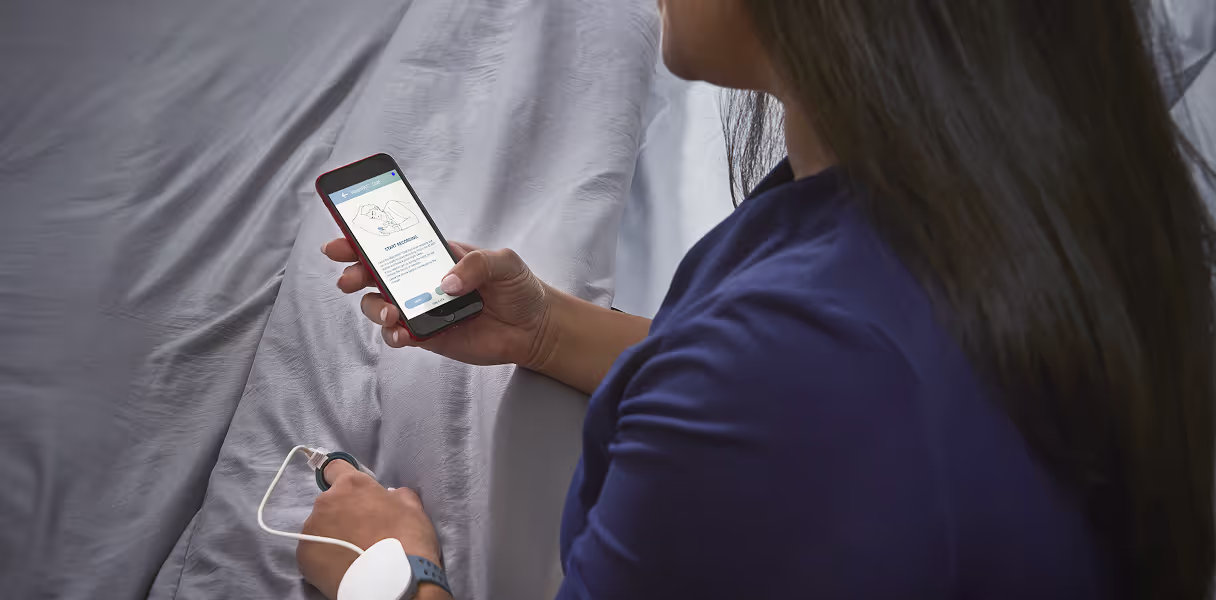
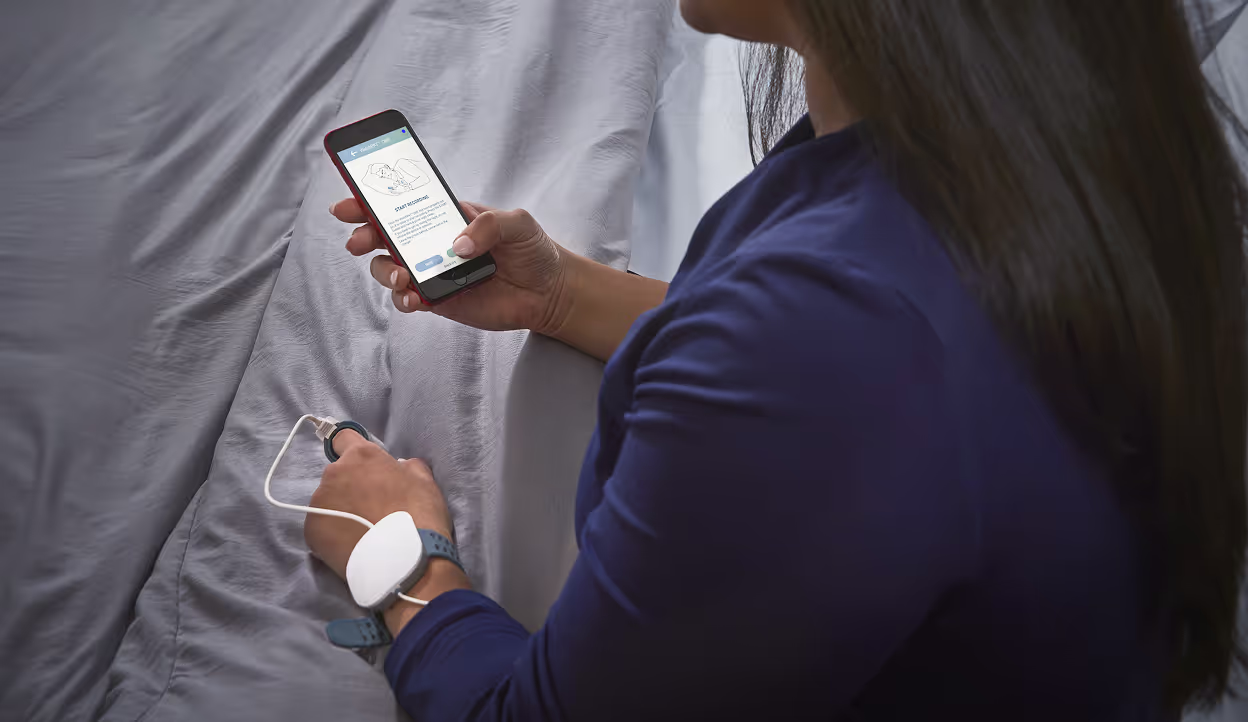
Home sleep testing devices approved by the FDA are designed for single-night use in your own bed. Most devices use a nasal pressure sensor to track airflow, an effort belt around the chest or abdomen to measure respiratory effort, and a finger-mounted pulse oximetry sensor to monitor oxygen saturation and pulse rate. Some newer devices, like the NightOwl Home Sleep Test, use photoplethysmography and peripheral arterial tonometry from a small fingertip sensor to collect sleep data without chest belts or nasal cannulas.
Unlike in-lab polysomnography, which monitors brain waves, eye movement, and leg activity in a hospital or sleep center, home sleep testing focuses specifically on the respiratory events that define obstructive sleep apnea. This targeted approach makes home testing simpler, more comfortable, and significantly less expensive while still producing clinically actionable results.
DID YOU KNOW: According to the Sleep Foundation, an estimated 80 percent of moderate to severe obstructive sleep apnea cases in the United States remain undiagnosed, often because patients delay testing due to cost, inconvenience, or uncertainty about the process.
KEY TAKEAWAY: A home sleep apnea test measures nasal airflow, oxygen saturation, respiratory effort, and pulse rate to produce an AHI score that determines whether obstructive sleep apnea is present and how severe it is.
Understanding what the test measures is the first step, but knowing whether you qualify for home testing matters just as much.
Who Qualifies for Home Sleep Testing in Miramar
Adults with a moderate to high clinical suspicion of obstructive sleep apnea are the best candidates for home sleep testing. Board-certified sleep medicine physicians typically recommend home testing when a patient reports chronic snoring, witnessed breathing pauses during sleep, excessive daytime sleepiness, or a combination of risk factors such as a BMI above 30, a neck circumference above 17 inches in men or 16 inches in women, or a family history of sleep apnea.
The American Academy of Sleep Medicine guidelines specify that home sleep apnea testing is appropriate for uncomplicated adult patients without significant comorbidities such as moderate to severe pulmonary diseases, congestive heart failure, or neuromuscular conditions. If you have symptoms that suggest central sleep apnea, complex sleep apnea syndrome, insomnia, or circadian rhythm disorders, an in-lab polysomnography study is generally the recommended first step.
Patients in Miramar and across Broward County who do not have insurance or prefer to avoid insurance delays can access home sleep testing through self-pay options. dumbo.health offers a home sleep test for $149 with no insurance required, no prior authorization, and no surprise bills. This removes one of the most common barriers to diagnosis for people who suspect they have sleep apnea but have been putting off testing.
Eligibility Checklist for Home Sleep Apnea Testing
- You are 18 years of age or older
- You have at least two symptoms of obstructive sleep apnea, such as loud snoring, gasping during sleep, or excessive daytime fatigue
- You do not have a known diagnosis of central sleep apnea or complex sleep apnea syndrome
- You do not have severe pulmonary diseases, congestive heart failure, or neuromuscular disease that requires monitored sleep testing
- You are able to follow instructions for applying the home sleep test device independently or with household help
- You have a stable sleeping environment where you can sleep for at least 4 hours on the test night
- You have completed a sleep disorder assessment or health assessment indicating a moderate to high risk of sleep apnea
- You can start the process by completing the free sleep assessment at dumbo.health
IMPORTANT: Home sleep testing is specifically designed to detect obstructive sleep apnea. If your healthcare practitioner suspects a different sleep disorder, an in-lab study with a registered polysomnographic technologist is the appropriate diagnostic path.
KEY TAKEAWAY: Most adults with symptoms of snoring, witnessed apneas, or daytime sleepiness qualify for home sleep testing, but patients with suspected central sleep apnea, complex sleep apnea syndrome, or significant cardiopulmonary disease need in-lab polysomnography.
Knowing you qualify leads to the next question: how do you actually complete the test from your home in Miramar?
How to Complete a Home Sleep Apnea Test in Miramar, Florida
Completing a home sleep test in Miramar follows a straightforward process that requires no visit to a hospital, sleep center, or testing center. The entire pathway from ordering to results can be managed through telehealth appointments, mail delivery, and physician review.
Step-by-Step Process for Home Sleep Testing
1. Complete a health assessment or free sleep disorder assessment online. dumbo.health offers a quick sleep assessment that takes a few minutes and helps determine whether home testing is appropriate for your symptoms.
2. Order your home sleep test device. Through dumbo.health, the FDA-cleared home sleep test costs $149 as a one-time payment. The device ships directly to your Miramar address with clear instructions.
3. Prepare for the test night by avoiding alcohol and sedatives, sleeping in your usual bed, and setting aside at least 5 to 6 hours for sleep. Remove nail polish from the finger you will use for the pulse oximetry sensor.
4. Apply the device before bed following the included instructions. Depending on the device model, this typically involves placing a nasal pressure sensor under your nose, wrapping an effort belt around your chest, and clipping a pulse oximetry sensor to your fingertip.
5. Sleep as normally as possible. The device records nasal airflow, oxygen saturation, respiratory effort, and pulse rate automatically throughout the night.
6. Return or deactivate the device the next morning following the return instructions. Some home sleep testing kits use disposable sensors that do not require return shipping.
7. A board-certified sleep medicine physician reviews your sleep data and produces a diagnostic report that includes your AHI score, oxygen desaturation index, and a summary of respiratory events. With dumbo.health, physician interpretation is included in the Essentials plan at $59 per month.
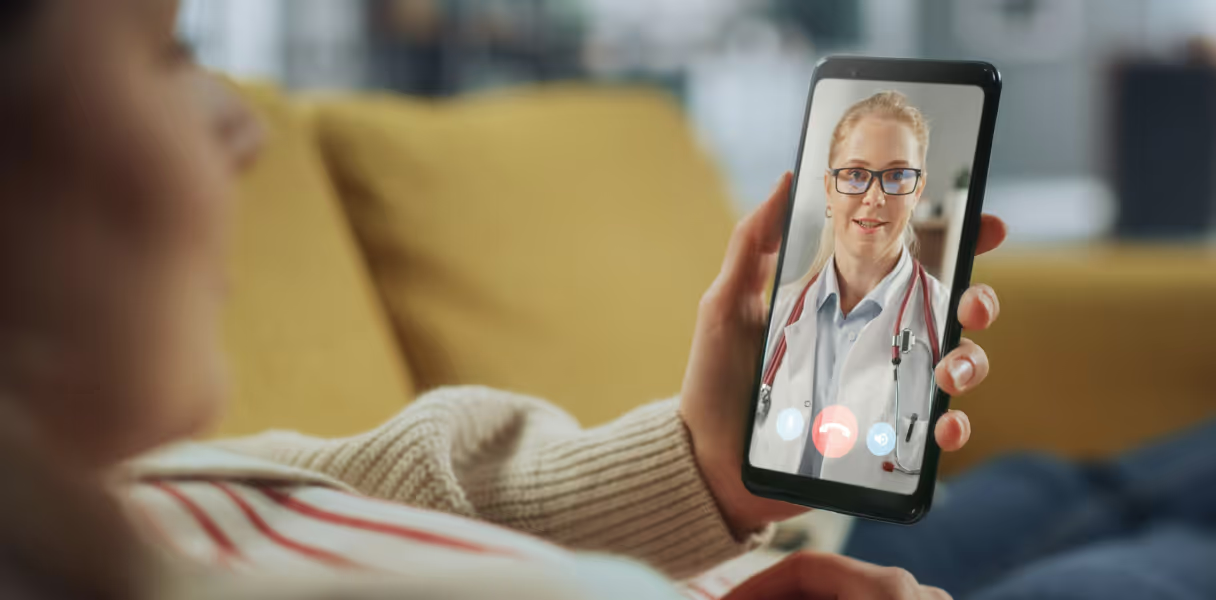
8. Receive your results through a telehealth appointment or secure portal. Your physician explains the findings, recommends treatment options if obstructive sleep apnea is confirmed, and discusses next steps for your treatment plan.
After completing these steps, most patients receive their results within days. If the test confirms obstructive sleep apnea, you can begin CPAP therapy or explore other treatment options without scheduling additional in-person visits.
KEY TAKEAWAY: The home sleep test process in Miramar requires no hospital visit, and the complete pathway from assessment to results can be managed remotely through telehealth services and mail-delivered equipment.
Once you understand the process, comparing home testing to in-lab options helps you make the right choice for your situation.
Home Sleep Test vs. In-Lab Polysomnography: Which Is Right for You
Home sleep testing and in-lab polysomnography both diagnose obstructive sleep apnea, but they differ in scope, cost, convenience, and clinical application. Choosing the right test depends on your symptoms, medical history, and what your physician suspects.
Polysomnography is a comprehensive overnight sleep study conducted in a hospital or sleep center under the supervision of a registered polysomnographic technologist. It measures brain activity through EEG, eye movements, muscle tone, heart rhythm, respiratory effort, nasal airflow, oxygen saturation, and leg movements. This makes polysomnography the gold standard for diagnosing all types of sleep disorders, including central sleep apnea, complex sleep apnea syndrome, insomnia, circadian rhythm disorders, and bruxism.
A home sleep apnea test focuses exclusively on the respiratory channels needed to diagnose obstructive sleep apnea. It does not measure brain waves, which means it cannot determine sleep stages or detect non-respiratory sleep disorders.
Setting
- Home Sleep Apnea Test: Your own bed in Miramar or anywhere in Broward County
- In-Lab Polysomnography: A sleep center, hospital such as Memorial Hospital Pembroke, or dedicated testing facility
Cost
- Home Sleep Apnea Test: Typically $149 to $500 depending on the provider. dumbo.health offers the test for $149 with no insurance required.
- In-Lab Polysomnography: Often $1,000 to $3,000 or more, depending on the facility, insurance coverage, and geographic location
Convenience
- Home Sleep Apnea Test: High. No travel, no overnight facility stay, no scheduling around sleep center availability or business hours
- In-Lab Polysomnography: Lower. Requires an overnight stay, advance scheduling, and travel to a facility
What It Diagnoses
- Home Sleep Apnea Test: Obstructive sleep apnea only
- In-Lab Polysomnography: All sleep disorders including central sleep apnea, complex sleep apnea syndrome, insomnia, circadian rhythm disorders, bruxism, and other conditions
Turnaround Time for Results
- Home Sleep Apnea Test: Typically days. dumbo.health Premium plan members receive priority results turnaround.
- In-Lab Polysomnography: Varies, often 1 to 3 weeks depending on the facility
Who It Is Best For
- Home Sleep Apnea Test: Adults with a moderate to high suspicion of obstructive sleep apnea, no significant comorbidities, and a preference for convenience or self-pay pricing
- In-Lab Polysomnography: Patients with suspected central sleep apnea, complex sleep apnea syndrome, other sleep disorders, or significant cardiopulmonary conditions
For the majority of Miramar residents who suspect obstructive sleep apnea based on symptoms like chronic snoring, daytime fatigue, or observed breathing pauses, a home sleep test provides accurate, clinically validated results at a fraction of the cost and inconvenience of an in-lab study. If your physician identifies risk factors that suggest a more complex sleep disorder, in-lab polysomnography remains the recommended path.
KEY TAKEAWAY: Home sleep testing is the preferred first-line diagnostic tool for uncomplicated obstructive sleep apnea, while in-lab polysomnography is necessary when central sleep apnea, complex sleep apnea syndrome, or other sleep disorders are suspected.
After testing, understanding your results and what they mean for treatment is the critical next step.
Understanding Your Sleep Test Results and AHI Score
Your AHI score is the primary number that determines whether you have obstructive sleep apnea and how severe it is. AHI stands for Apnea-Hypopnea Index and measures the average number of times per hour that your airway becomes partially or completely blocked during sleep.
According to the American Academy of Sleep Medicine, AHI scores are classified as follows:
- AHI below 5: Normal, no significant obstructive sleep apnea
- AHI 5 to 14: Mild obstructive sleep apnea
- AHI 15 to 29: Moderate obstructive sleep apnea
- AHI 30 or higher: Severe obstructive sleep apnea
Beyond the AHI score, your results typically include an oxygen desaturation index, which measures how many times per hour your blood oxygen saturation drops by 3 percent or more. This metric adds clinical context because repeated oxygen drops are associated with cardiovascular risk, according to the National Heart, Lung, and Blood Institute.
Your sleep data report also summarizes total recording time, the percentage of time spent with oxygen saturation below 90 percent, average and minimum oxygen levels, and the distribution of apneas versus hypopneas. A board-certified sleep medicine physician interprets this data in the context of your symptoms and medical history to recommend a treatment plan.
Many patients report feeling uncertain about what their numbers mean. This is where physician review becomes essential. A raw AHI score without clinical interpretation can lead to misunderstanding. For example, a patient with an AHI of 12 and significant daytime sleepiness may benefit from treatment, while a patient with an AHI of 8 and no symptoms may require monitoring rather than immediate intervention.
Through dumbo.health, physician interpretation and a personalized report are included in every monthly care plan. The Essentials plan at $59 per month covers physician review, while the Premium plan at $89 per month adds a dedicated sleep coach and advanced adherence monitoring to help patients understand not just their diagnosis but their path forward.
TIP: Ask your physician to explain both your AHI score and your oxygen desaturation index. Together, these two numbers give the clearest picture of how obstructive sleep apnea is affecting your sleep and overall health.
KEY TAKEAWAY: The AHI score is the central diagnostic metric in sleep apnea testing, and physician interpretation of the full sleep data report is necessary to create an accurate, personalized treatment plan.
Once you understand your results, choosing the right treatment approach becomes the next decision.
Treatment Options After a Home Sleep Apnea Test Diagnosis
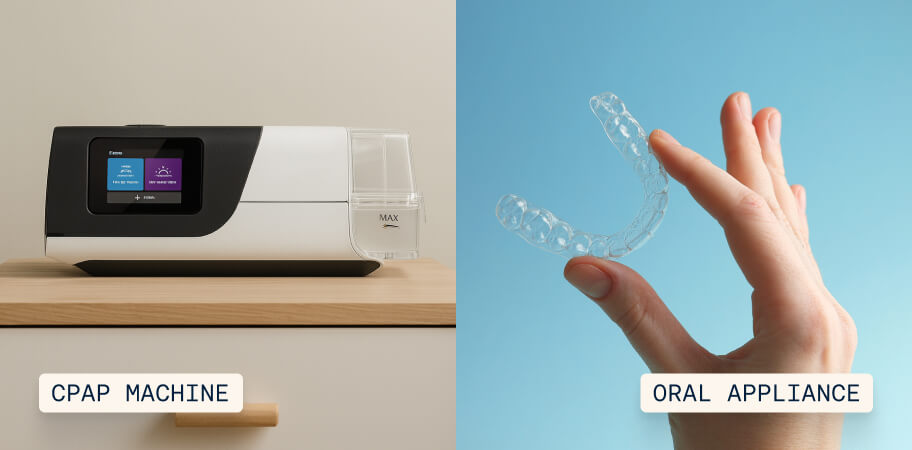
CPAP therapy is the most widely recommended treatment for moderate to severe obstructive sleep apnea. CPAP stands for Continuous Positive Airway Pressure, and it works by delivering a steady stream of pressurized air through a mask to keep the airway open during sleep. According to the National Heart, Lung, and Blood Institute, CPAP therapy reduces apnea events, improves oxygen saturation, and lowers the risk of cardiovascular complications associated with untreated sleep apnea.
A CPAP machine consists of a small bedside unit that generates airflow, a hose, and a mask that fits over the nose, mouth, or both. Most modern CPAP machines are quiet, portable, and equipped with data tracking that records nightly usage, leak rates, and residual AHI. This sleep data allows physicians to monitor treatment effectiveness remotely, which is especially valuable for patients using telehealth services.
CPAP Therapy Through dumbo.health
dumbo.health provides CPAP therapy as part of its monthly care plans. The Essentials plan at $59 per month includes the CPAP machine, equipment, physician interpretation, standard follow-up care, and updates sent to your referring provider. There are no contracts and you can cancel anytime. This self-pay model eliminates the insurance delays, prior authorizations, and surprise bills that many patients in Miramar and across Broward County experience when obtaining CPAP equipment through traditional channels.
The Premium plan at $89 per month adds a dedicated sleep coach from a licensed care team, advanced adherence monitoring, and priority results turnaround. Clinicians frequently observe that patients who receive coaching and adherence support during the first 90 days of CPAP use are significantly more likely to maintain consistent therapy long-term.
Alternative Treatment Options
Not every patient with obstructive sleep apnea uses CPAP. Oral appliances, which are custom-fitted dental devices that reposition the lower jaw to keep the airway open, are an alternative for patients with mild to moderate obstructive sleep apnea who cannot tolerate CPAP. These devices are typically fitted by a dentist with sleep medicine training.
Positional therapy is appropriate for patients whose apnea events occur primarily when sleeping on their back. Weight management is a long-term strategy recommended by Mayo Clinic for patients whose obstructive sleep apnea is related to excess body weight, as even a 10 percent reduction in body weight can improve AHI scores.
Surgical options such as rhinologic surgery to address nasal passage obstruction or procedures to reduce soft tissue in the airway are considered when conservative treatments fail. These options are less common and typically discussed with a sleep specialist or otolaryngologist.
KEY TAKEAWAY: CPAP therapy is the first-line treatment for moderate to severe obstructive sleep apnea, and dumbo.health provides CPAP equipment and physician-led care plans starting at $59 per month with no insurance, no contracts, and no surprise bills.
Treatment effectiveness depends on consistent use, so understanding what can go wrong with testing and treatment helps you plan for success.
Limitations and Risks of Home Sleep Apnea Testing
Home sleep testing is a highly effective diagnostic tool for obstructive sleep apnea, but it has specific limitations that every patient should understand before testing. Recognizing these limitations helps you avoid misdiagnosis and ensures you receive the most appropriate care.
The first limitation is that home sleep tests cannot diagnose central sleep apnea or complex sleep apnea syndrome. Central sleep apnea occurs when the brain fails to send proper signals to the muscles that control breathing, and it requires EEG monitoring available only through in-lab polysomnography. If your physician suspects central sleep apnea based on your symptoms or medical history, home testing is not appropriate.
The second limitation is that home sleep tests do not measure sleep stages. Because the devices do not record brain wave activity, they cannot determine how much time you spent in REM sleep, deep sleep, or light sleep. This means the AHI score from a home test may slightly underestimate apnea severity, since the device uses total recording time rather than confirmed sleep time as the denominator. The American Academy of Sleep Medicine acknowledges this difference and considers it acceptable for diagnosing obstructive sleep apnea in appropriate candidates.
The third limitation involves user error. If the nasal pressure sensor shifts during the night, if the effort belt loosens, or if the pulse oximetry sensor detaches from the finger, the test may produce incomplete or unreliable sleep data. Many patients report anxiety about applying the device correctly, though most FDA-cleared home sleep testing kits include clear illustrated instructions that minimize this risk. In real-world use, the data failure rate for properly applied home devices is relatively low.
The fourth limitation is that home testing does not detect other sleep disorders that may coexist with or mimic obstructive sleep apnea. Conditions such as insomnia, circadian rhythm disorders, bruxism, and restless leg syndrome require separate evaluation. If your symptoms persist after treatment for obstructive sleep apnea, your physician may recommend a comprehensive in-lab study.
Finally, home testing requires a minimum recording duration of at least 4 hours of usable data. If a patient sleeps poorly on the test night or removes the device early, the test may need to be repeated. dumbo.health addresses this by including physician oversight in every care plan. If a test produces insufficient data, your care team works with you to schedule a retest or recommend an alternative pathway.
IMPORTANT: A negative home sleep test does not always rule out sleep apnea entirely. If symptoms persist despite a normal result, discuss follow-up testing with a board-certified sleep medicine physician.
KEY TAKEAWAY: Home sleep testing is validated for obstructive sleep apnea but cannot diagnose central sleep apnea, complex sleep apnea syndrome, or non-respiratory sleep disorders, and test results may be affected by user error or insufficient recording time.
Knowing the limitations helps you weigh home testing against other options, and real-world examples make the decision even clearer.
Real-World Scenarios: How Miramar Residents Use Home Sleep Testing
Understanding how home sleep testing works in practice helps illustrate who benefits most and how the process unfolds in everyday life. The following scenarios reflect common situations among Miramar and Broward County residents.
Scenario 1: A 48-Year-Old Uninsured Warehouse Worker
A 48-year-old warehouse worker in Miramar has noticed worsening daytime fatigue over the past year. His partner reports loud snoring and occasional choking sounds during the night. He has a BMI of 33 and a neck circumference of 18 inches. He does not have insurance and has been avoiding testing because he assumed a sleep study would cost over $1,000.
After learning that dumbo.health offers a home sleep test for $149 with no insurance required, he completes the online sleep assessment and orders the test. The device arrives at his Miramar home within days. His one-night test produces an AHI score of 24, indicating moderate obstructive sleep apnea. A board-certified sleep medicine physician reviews his results through a telehealth appointment and recommends CPAP therapy. He enrolls in the Essentials plan at $59 per month, which includes the CPAP machine, equipment, and physician follow-up, with no contracts and no surprise bills.
Scenario 2: A 55-Year-Old Retired Nurse With Multiple Health Concerns
A 55-year-old retired nurse living near Pine Hills in Miramar has a history of hypertension and type 2 diabetes. Her primary care physician suspects sleep apnea after she reports waking up with morning headaches and excessive daytime sleepiness despite sleeping 7 to 8 hours per night. She also describes symptoms of insomnia, including difficulty staying asleep.
Because her physician suspects both obstructive sleep apnea and possible insomnia, the initial recommendation is an in-lab polysomnography at a facility such as Memorial Hospital Pembroke. The in-lab study confirms moderate obstructive sleep apnea with an AHI of 19 and identifies fragmented sleep architecture consistent with comorbid insomnia. Her treatment plan includes CPAP therapy and a referral for cognitive behavioral therapy for insomnia. This scenario illustrates why patients with multiple suspected sleep disorders benefit from the broader diagnostic scope of in-lab testing.
Scenario 3: A 38-Year-Old Remote Worker With Mild Symptoms
A 38-year-old remote worker in Broward County has mild snoring and occasional morning dry mouth but no significant daytime sleepiness. His partner mentions that his snoring has increased since he gained 15 pounds over the past two years. He completes the free sleep assessment at dumbo.health and orders a home sleep test. His results show an AHI of 7, indicating mild obstructive sleep apnea. His physician recommends positional therapy and weight management as first-line treatment, with follow-up testing in 6 to 12 months to reassess. CPAP therapy is not initiated at this stage but remains an option if his AHI increases.
These scenarios show how the same testing pathway produces different outcomes depending on the patient's symptoms, risk factors, and medical history. Home sleep testing serves as the right starting point for the majority of patients with suspected uncomplicated obstructive sleep apnea, while more complex cases benefit from the additional channels measured during in-lab polysomnography.
KEY TAKEAWAY: Home sleep testing fits most patients with straightforward obstructive sleep apnea symptoms, while patients with multiple suspected sleep disorders or significant comorbidities may need in-lab polysomnography for a complete diagnosis.
Real-world scenarios reveal how home testing works in practice, but separating fact from common misconceptions is equally important.
Common Myths About Home Sleep Apnea Testing Debunked
MYTH: Home sleep tests are not accurate enough to diagnose sleep apnea.
FACT: The American Academy of Sleep Medicine recognizes FDA-cleared home sleep apnea tests as a validated diagnostic method for obstructive sleep apnea in appropriate adult candidates. Studies published in peer-reviewed journals and indexed on PubMed demonstrate that home sleep testing devices produce AHI scores that correlate well with in-lab polysomnography results for uncomplicated obstructive sleep apnea. Accuracy depends on proper device application and patient selection, not on the testing location.
MYTH: You need insurance to get a sleep apnea test.
FACT: Insurance is not required for home sleep apnea testing. Self-pay options exist across Miramar and Broward County, and dumbo.health offers a home sleep test for $149 with no insurance, no prior authorization, and no surprise bills. Monthly CPAP therapy plans start at $59 per month, also without insurance. The cash-pay model allows patients to access testing and treatment without waiting for insurance approval or dealing with coverage denials.
MYTH: If you snore, you definitely have sleep apnea.
FACT: Snoring is one of the most common symptoms of obstructive sleep apnea, but not everyone who snores has sleep apnea. According to the Sleep Foundation, roughly 40 percent of adult men and 24 percent of adult women are habitual snorers, while the prevalence of obstructive sleep apnea is lower. Snoring can result from nasal passage congestion, soft tissue relaxation, alcohol use, or sleeping position without meeting the diagnostic threshold for sleep apnea. A home sleep test or in-lab study is the only way to confirm or rule out the diagnosis.
MYTH: You have to spend a night in a hospital to get tested for sleep apnea.
FACT: In-lab polysomnography at a hospital or sleep center is one option, but home sleep apnea testing eliminates the need for an overnight facility stay for most patients with suspected obstructive sleep apnea. You can complete the test in your own bed in Miramar using a small, portable device that records the same respiratory data a physician needs to calculate your AHI score.
MYTH: CPAP therapy is the only treatment for sleep apnea.
FACT: CPAP therapy is the most effective and widely recommended treatment for moderate to severe obstructive sleep apnea, but alternatives exist. Oral appliances, positional therapy, weight management, and in some cases surgical interventions such as rhinologic surgery are appropriate for certain patients. The best treatment plan depends on the severity of your AHI score, your symptoms, and your ability to tolerate specific therapies. A board-certified sleep medicine physician can guide you through treatment options during a telehealth appointment or virtual visit.
KEY TAKEAWAY: Home sleep testing is clinically validated, does not require insurance, and does not require a hospital stay, and CPAP is the most effective but not the only treatment option for obstructive sleep apnea.
With myths cleared up, understanding the full cost picture helps Miramar residents plan for testing and treatment without surprises.
Cost of Home Sleep Apnea Testing and Treatment in Miramar
The total cost of diagnosing and treating sleep apnea depends on whether you use insurance, self-pay, or a combination, and the differences can be substantial. Many Miramar residents find that self-pay pricing is more predictable and often lower than the out-of-pocket costs associated with insurance-based care after deductibles, copays, and prior authorization requirements.
In-lab polysomnography at a sleep center or hospital in Broward County typically costs between $1,000 and $3,000 without insurance. Even with insurance, patients may face significant out-of-pocket expenses depending on their deductible and plan type. CPAP equipment purchased through traditional durable medical equipment suppliers with insurance often involves prior authorization delays, and some insurance plans require rental arrangements that stretch costs over months.
dumbo.health uses a transparent cash-pay pricing model that eliminates these variables entirely. There are no insurance requirements, no prior authorizations, and no surprise bills.
dumbo.health Pricing Breakdown
The home sleep test is a one-time cost of $149, purchased before the test night and billed separately from ongoing care. The test includes the at-home sleep test device and one night of testing.
Monthly care plans cover physician review, CPAP equipment, treatment, and adherence follow-up:
The Essentials plan costs $59 per month, which works out to approximately $2 per day. It includes physician interpretation and report, CPAP therapy and equipment, standard follow-up care, and updates sent to your referring provider. There are no contracts and you can cancel anytime.
The Premium plan costs $89 per month, approximately $3 per day. It includes everything in the Essentials plan plus a dedicated sleep coach from a licensed care team, advanced adherence monitoring, and priority results turnaround. No contracts. Cancel anytime.
The Elite plan costs $129 per month, approximately $4 per day. It includes everything in the Premium plan plus concierge clinical support with priority care team access, direct physician messaging, and custom reporting for your practice. No contracts. Cancel anytime.
This pricing structure means a Miramar resident can complete home sleep testing and begin CPAP therapy for a total first-month cost of $208 on the Essentials plan, with ongoing treatment costing less than a daily coffee. For patients without insurance or those whose insurance plans create barriers to timely care, this model provides financial clarity from day one.
DID YOU KNOW: According to a Good Faith Estimate requirement under federal law, healthcare providers must give uninsured or self-pay patients an estimate of expected charges before services are provided. dumbo.health publishes all pricing upfront, so patients never need to request a separate estimate.
KEY TAKEAWAY: dumbo.health offers a home sleep test for $149 and monthly CPAP therapy plans starting at $59 per month with no insurance, no contracts, and no surprise bills, making sleep apnea care financially predictable for Miramar residents.
Cost clarity removes one major barrier, but finding the right provider near you in Miramar and Broward County is the final piece.
Finding Sleep Apnea Testing and Treatment Providers in Miramar
Miramar residents have access to multiple pathways for sleep apnea testing, ranging from local sleep centers and hospital-based programs to telehealth-first providers that deliver testing equipment directly to your home. The right choice depends on your clinical needs, schedule, budget, and preference for in-person versus remote care.
Local options in Broward County include hospital-based sleep labs such as Memorial Hospital Pembroke, specialty practices like Florida Sinus and Snoring Specialists, and diagnostic networks that coordinate referrals. Some practices in the area offer weekend appointments and extended business hours to accommodate working patients. Testing centers and providers near you may also be located through referral platforms.
For patients who prefer a fully remote experience or who need a self-pay option without insurance complications, dumbo.health provides an end-to-end telehealth pathway. The process begins with a free online sleep assessment, followed by a home sleep test device shipped to your address in Miramar or anywhere in Florida. Results are reviewed by board-certified physicians through telehealth appointments, and CPAP therapy is initiated and monitored through monthly care plans. This model serves patients in Miramar, Pine Hills, and across Broward County equally, since geography does not limit access to telehealth services.
Telehealth is especially valuable for Miramar residents who work irregular shifts, have limited transportation, or live in areas where sleep specialists are not immediately available close to you. Virtual visits eliminate the need to take time off work or travel to a hospital for follow-up appointments.
When choosing a provider in your area, consider these factors:
- Whether the provider uses FDA-cleared home sleep testing devices
- Whether results are reviewed by a board-certified sleep medicine physician
- Whether the provider offers CPAP therapy and ongoing adherence support
- Whether pricing is transparent and published upfront
- Whether telehealth services are available for follow-up care
- Whether the provider supports self-pay patients without insurance
IMPORTANT: Under HIPAA regulations, all providers handling your sleep data and health information must maintain strict privacy and security protections. Verify that any telehealth platform you use complies with HIPAA requirements.
KEY TAKEAWAY: Miramar residents can access sleep apnea testing through local sleep centers, hospitals, or telehealth-first providers like dumbo.health, which delivers FDA-cleared home testing and physician-led CPAP therapy to patients across Florida without requiring in-person visits.
Finding the right provider is the action step, but first, review the most common misconceptions that may still be influencing your decision.
Why Undiagnosed Sleep Apnea Is a Serious Health Risk
Untreated obstructive sleep apnea significantly increases the risk of cardiovascular disease, stroke, type 2 diabetes, and motor vehicle accidents. According to the National Heart, Lung, and Blood Institute, obstructive sleep apnea causes repeated drops in blood oxygen saturation during sleep, which triggers stress responses that raise blood pressure and strain the cardiovascular system over time.
The CDC reports that adults need at least 7 hours of sleep per night for optimal health, but sleep apnea disrupts sleep quality even when a person spends adequate time in bed. Patients with undiagnosed moderate to severe sleep apnea may experience hundreds of brief awakenings per night without being aware of them, leading to chronic sleep deprivation that affects cognitive function, mood, and workplace safety.
Miramar has a diverse population that includes Caribbean communities and other groups with varying levels of awareness about sleep apnea screening. Cultural factors, language barriers, and limited access to sleep specialists can contribute to delayed diagnosis. Telehealth services and self-pay testing options help bridge these gaps by making screening accessible regardless of insurance status or proximity to a sleep center.
The economic cost of undiagnosed sleep apnea extends beyond healthcare. The National Highway Traffic Safety Administration links drowsy driving to an estimated 100,000 crashes annually in the United States. For commercial drivers and anyone whose job involves operating vehicles or heavy machinery, untreated sleep apnea creates both personal and public safety risks.
Early testing and treatment through home sleep apnea testing can interrupt this cycle. A $149 home sleep test through dumbo.health followed by a CPAP therapy plan is a fraction of the cost of a single emergency room visit for a cardiovascular event or motor vehicle accident related to untreated sleep apnea.
Home sleep apnea testing is a clinically validated approach to identifying obstructive sleep apnea before it leads to serious, preventable health consequences. For Miramar residents with risk factors or symptoms, testing is the single most important first step toward restful sleep and long-term health.
KEY TAKEAWAY: Undiagnosed obstructive sleep apnea increases the risk of cardiovascular disease, stroke, diabetes, and drowsy driving accidents, and early home testing is a low-cost, accessible way to identify the condition before complications develop.
Understanding the health stakes reinforces why acting on symptoms matters, which leads to the broader picture of how sleep apnea connects to other health concerns.
How Sleep Apnea Connects to Other Health Conditions
Obstructive sleep apnea rarely exists in isolation. It frequently coexists with or worsens other medical conditions, which means diagnosis and treatment affect more than just sleep quality. Clinicians frequently observe that treating sleep apnea produces measurable improvements in blood pressure control, blood sugar regulation, and mental health symptoms.
According to Mayo Clinic, untreated obstructive sleep apnea is independently associated with resistant hypertension, meaning high blood pressure that does not respond well to standard medication. CPAP therapy has been shown to reduce blood pressure in many patients with concurrent sleep apnea and hypertension, making sleep testing a relevant consideration for anyone with difficult-to-control blood pressure.
Type 2 diabetes and obstructive sleep apnea share overlapping risk factors, including obesity and metabolic dysfunction. The NIH notes that intermittent hypoxia caused by repeated airway collapse during sleep can impair insulin sensitivity, creating a bidirectional relationship where each condition worsens the other. Treating sleep apnea with CPAP therapy may improve glycemic control in some patients.
Mental health conditions including depression and anxiety are more prevalent among people with untreated sleep apnea. The chronic sleep fragmentation and oxygen deprivation associated with obstructive sleep apnea can mimic or exacerbate psychiatric symptoms, which is why some patients undergo psychiatric evaluations before the underlying sleep disorder is identified. Screening for sleep apnea should be considered for any patient with treatment-resistant depression or unexplained fatigue.
For patients managing multiple health conditions, dumbo.health's sleep apnea care solutions provide coordinated treatment that includes physician oversight, adherence monitoring, and communication with referring providers. The Elite plan at $129 per month includes direct physician messaging and custom reporting, which supports healthcare practitioners who are managing patients with complex medical profiles.
KEY TAKEAWAY: Obstructive sleep apnea frequently coexists with hypertension, type 2 diabetes, and mental health conditions, and treating sleep apnea can improve outcomes across these related conditions.
The connections between sleep apnea and overall health highlight why timely testing and consistent treatment matter so much.
Conclusion
Home sleep apnea testing gives Miramar residents a clinically validated, affordable, and convenient way to diagnose obstructive sleep apnea without leaving home. The process is simple: complete an assessment, receive an FDA-cleared device, sleep one night, and get physician-reviewed results that guide a personalized treatment plan. For patients concerned about cost, insurance barriers, or finding providers in your area, dumbo.health provides a complete self-pay pathway starting with a $149 home sleep testand monthly CPAP therapy plans from $59 per month with no contracts, no insurance required, and no surprise bills. Restful sleep is not a luxury. It is a health priority that starts with testing. Take the free sleep assessment today and find out if home testing is right for you.
Frequently Asked Questions About Home Sleep Apnea Test in Miramar, Florida
What is a home sleep apnea test?
A home sleep apnea test (HSAT) is a portable diagnostic tool that monitors breathing patterns, oxygen saturation, airflow, and respiratory effort while you sleep in your own bed. The device typically uses sensors including a nasal pressure sensor, effort belt, and pulse oximetry to collect sleep data overnight. A board-certified sleep medicine physician then interprets the results and calculates your apnea-hypopnea index (AHI) score. An HSAT is designed primarily to detect obstructive sleep apnea in adults who are likely candidates based on symptoms and risk factors.
What is obstructive sleep apnea?
Obstructive sleep apnea (OSA) is a common sleep disorder in which the airway becomes partially or fully blocked during sleep. The soft tissue in the throat, including the tongue and soft palate, relaxes as you sleep. The muscles that support this tissue lose tension, causing the tissue to expand and constrict the airway, which leads to repeated breathing interruptions throughout the night. According to the American Academy of Sleep Medicine, OSA is one of the most prevalent sleep disorders and is associated with serious health risks when left undiagnosed and untreated.
What are the symptoms of sleep apnea?
Common symptoms of sleep apnea include loud snoring, waking up gasping or choking, observed pauses in breathing during sleep, excessive daytime sleepiness, morning headaches, difficulty concentrating, and unrefreshing sleep. Not everyone with sleep apnea snores loudly, and some people have no awareness of nighttime symptoms at all. If you doze off during conversations, feel tired despite a full night of sleep, or a bed partner has noticed you stopping breathing, these are warning signs worth discussing with a healthcare professional. A sleep assessment can help you decide whether testing is an appropriate next step.
Is snoring always a sign of sleep apnea?
Snoring is not always a sign of sleep apnea, but it is one of the most common symptoms. Snoring occurs when airflow through the nasal passage and throat causes soft tissue to vibrate. Loud snoring, especially snoring loud enough to be heard through closed doors, combined with daytime sleepiness or observed breathing pauses, increases the likelihood that obstructive sleep apnea may be present. A home sleep apnea test can help evaluate whether snoring is linked to significant breathing interruptions during sleep. A healthcare professional can help determine whether testing is appropriate based on your symptoms and risk factors.
How common is sleep apnea?
Sleep apnea is more common than many people realise. The American Academy of Sleep Medicine estimates that obstructive sleep apnea affects a substantial portion of the adult population, with many cases remaining undiagnosed. Undiagnosed sleep apnea is a significant public health concern because it is associated with cardiovascular disease, high blood pressure, metabolic conditions, and impaired daytime functioning. People with higher body mass index, larger neck circumference, or anatomical factors that narrow the airway are at elevated risk. Anyone with consistent symptoms should speak with a healthcare professional about evaluation options.
Are there risks associated with untreated sleep apnea?
Yes, untreated sleep apnea carries meaningful health risks. The NIH notes that untreated obstructive sleep apnea is associated with increased risk of high blood pressure, heart disease, stroke, type 2 diabetes, and excessive daytime sleepiness that can impair driving and daily function. Repeated drops in oxygen saturation during sleep place ongoing strain on the cardiovascular system. For commercial drivers and others in safety-sensitive roles, untreated sleep apnea also creates significant safety risks. A healthcare professional can help you understand your personal risk and whether testing and treatment are appropriate.
Is a home sleep apnea test as accurate as an in-lab sleep study?
A home sleep apnea test is a reliable and clinically validated tool for diagnosing moderate to severe obstructive sleep apnea in adults without significant complicating conditions. In-lab polysomnography, which is conducted by a registered polysomnographic technologist in a sleep center, measures a broader range of sleep variables including brain activity, leg movements, and detailed respiratory functions. Home sleep testing may underestimate the severity of sleep apnea in some cases because it cannot account for time spent awake during the recording. For patients with suspected complex sleep apnea syndrome, central sleep apnea, pulmonary diseases, or other complicating factors, a sleep physician may recommend an in-lab study instead.
When might an in-lab sleep study be necessary instead of a home sleep test?
An in-lab sleep study, or polysomnography, is typically recommended when a patient has suspected central sleep apnea, complex sleep apnea syndrome, significant cardiovascular or pulmonary disease, circadian rhythm disorders, or when a home sleep test has produced inconclusive results. Polysomnography captures a wider range of physiological data under direct supervision of a polysomnographic technologist, which can be important for complex cases. A board-certified sleep medicine physician can evaluate your symptoms, medical history, and risk factors to determine which type of sleep study is most appropriate for your situation.
What does the $149 home sleep test include?
The dumbo.health home sleep test is $149 as a one-time purchase and includes the at-home sleep test device and one night of testing. The device measures key variables including oxygen saturation, airflow, respiratory effort, and pulse rate during the test night. Physician interpretation and your results report are covered through a separate monthly care plan rather than the one-time test fee. At-home sleep testing with dumbo.health uses transparent cash-pay pricing with no insurance required, no prior authorizations, and no surprise bills.
What measurements does a home sleep apnea test record?
A home sleep apnea test device typically records oxygen saturation using pulse oximetry, nasal airflow via a nasal pressure sensor, respiratory effort using an effort belt around the chest and abdomen, pulse rate, and in some devices photoplethysmography or peripheral arterial tonometry data. These measurements allow a sleep physician to calculate the apnea-hypopnea index (AHI) score, which reflects how many breathing interruptions occur per hour of sleep. The AHI score is a central factor in diagnosing the presence and severity of obstructive sleep apnea.
Who reviews the results of a home sleep apnea test?
A board-certified sleep medicine physician reviews and interprets the sleep data recorded during your home sleep apnea test. The physician analyses the AHI score along with oxygen saturation trends, airflow patterns, and respiratory effort data to determine whether obstructive sleep apnea is present and, if so, how severe it is. At dumbo.health, physician interpretation and a written report are included in monthly care plans following the one-time sleep test purchase. Explore sleep apnea care solutions to see how physician review, CPAP therapy, and adherence follow-up are structured.
Can home sleep test results be used for a CPAP prescription?
Yes, results from a clinically interpreted home sleep apnea test can be used to support a CPAP prescription when a physician determines that CPAP therapy is appropriate based on your diagnosis. The physician interpretation report generated from your test data provides the clinical basis for treatment decisions. If you are already a CPAP user and need a new prescription to support equipment resupply or maintenance, a home sleep test with physician review may support that process. A healthcare professional should review your results and determine whether CPAP therapy is the right treatment option for your specific situation.
What are the available treatment options for sleep apnea?
Treatment options for sleep apnea depend on the type and severity of the condition and should be determined by a qualified healthcare professional. Common approaches include CPAP therapy, in which a CPAP machine delivers continuous pressurised airflow to keep the airway open during sleep, oral appliances that reposition the jaw and tongue to reduce airway obstruction, positional therapy, weight management, and in some cases surgical intervention. For most patients with moderate to severe obstructive sleep apnea, CPAP therapy is the most widely supported first-line treatment. The Mayo Clinic notes that CPAP is the most effective nonsurgical treatment for obstructive sleep apnea.
What does CPAP therapy involve?
CPAP therapy involves wearing a mask connected to a CPAP machine while sleeping. The machine delivers a steady, pressurised stream of air that keeps the upper airway open and prevents the breathing interruptions caused by obstructive sleep apnea. CPAP therapy requires an appropriate pressure setting determined by a sleep physician, a properly fitting mask, and consistent nightly use to be effective. Adherence monitoring, which tracks how consistently and effectively the device is being used, is an important part of ongoing CPAP care. Learn about CPAP treatment and how dumbo.health supports equipment, adherence follow-up, and ongoing care.
What monthly plans does dumbo.health offer for ongoing sleep apnea care?
dumbo.health offers three monthly plans for ongoing sleep apnea care after the one-time $149 home sleep test. The Essentials Plan is $59 per month and includes physician interpretation and report, CPAP therapy and equipment, standard follow-up care, and provider updates. The Premium Plan is $89 per month and adds a dedicated sleep coach from a licensed care team, advanced adherence monitoring, and priority results turnaround. The Elite Plan is $129 per month and adds concierge clinical support, direct physician messaging, and custom reporting. All plans are cash-pay with no contracts and can be cancelled at any time.
Does dumbo.health accept insurance?
dumbo.health operates on a transparent cash-pay model only. No insurance is required, and there are no prior authorizations or surprise bills. This approach is designed to give patients and commercial drivers clear, predictable costs without the delays, denials, or administrative barriers that can accompany insurance-based care. The home sleep test is $149 as a one-time purchase, and ongoing care is available through monthly plans starting at $59 per month. If you have questions about how cash-pay pricing compares to what you might pay out of pocket through insurance, a transparent comparison is often worth reviewing before deciding on a care pathway.
How do I get started with a home sleep apnea test in Miramar, Florida?
Getting started with a home sleep apnea test if you live in Miramar, Florida, or elsewhere in the state, begins with a brief sleep assessment to determine whether home sleep testing is likely appropriate for your situation. If you qualify, the home sleep test device is shipped to your address and used for one night of testing at home. Results are then reviewed by a board-certified sleep physician. Start with a free sleep assessment through dumbo.health to take the first step toward understanding your sleep health without needing a clinic visit, insurance approval, or prior authorization.
How quickly can I receive a home sleep test if I live in Florida?
Home sleep test devices ordered before 2pm EST are typically eligible for same-day shipping. Florida residents, including those in Miramar and surrounding areas of Broward County, can generally expect fast delivery and quick access to testing without the wait times associated with scheduling a clinic-based sleep study. Once your test night is complete and the device is returned, physician interpretation and results are processed through your chosen monthly care plan. At-home sleep testing through dumbo.health is designed to remove the common barriers that delay diagnosis and treatment.
Can sleep apnea be cured?
Sleep apnea cannot always be fully cured, but it can often be effectively managed with the right treatment plan. For some patients, significant weight loss, positional changes, or treatment of contributing anatomical factors can reduce or resolve symptoms. For most people with obstructive sleep apnea, ongoing management with CPAP therapy or other interventions is necessary to consistently control breathing interruptions during sleep. A healthcare professional can help you understand what treatment and management options are most appropriate based on your AHI score, symptoms, and overall health. Treatment decisions should always be guided by a qualified clinician.
Can sleep apnea affect my overall health if left untreated?
Yes, untreated sleep apnea can have serious consequences for overall health. Repeated breathing interruptions during sleep cause drops in oxygen saturation and disrupt the normal sleep cycle, placing ongoing stress on the heart and vascular system. The CDC notes that sleep disorders, including sleep apnea, are associated with increased risk of high blood pressure, heart disease, stroke, obesity, and diabetes. Excessive daytime sleepiness caused by untreated sleep apnea also increases accident risk, particularly for drivers. Seeking evaluation and appropriate treatment is an important step in protecting long-term health.
Do I need to see a doctor before taking a home sleep apnea test?
In many cases, a self-directed home sleep apnea test pathway allows patients to begin the process without a traditional doctor referral, though physician oversight remains a critical part of the process. A board-certified sleep medicine physician must interpret the test results to provide a valid clinical diagnosis. dumbo.health includes physician interpretation as part of its care plans, meaning clinical oversight is built into the process. A healthcare professional should still be involved in reviewing your results and determining the appropriate treatment plan based on your diagnosis and overall health profile.
How do I know if I am at risk of having a sleep condition?
Several factors can suggest elevated risk for a sleep condition such as obstructive sleep apnea. Common risk indicators include loud snoring, observed pauses in breathing during sleep, waking up feeling unrefreshing despite adequate sleep time, feeling tired or sleepy during the day, dozing off during quiet activities or conversations, high blood pressure, elevated body mass index, or a larger neck circumference. If you answer yes to several of these questions, a healthcare professional or sleep assessment can help you determine whether formal sleep testing is an appropriate next step. You can take a free sleep assessment to begin evaluating your risk.
Is a home sleep apnea test appropriate for commercial drivers in Florida?
Home sleep apnea testing can be a practical option for commercial drivers in Florida who need sleep apnea evaluation as part of their DOT physical process. A certified medical examiner may consider sleep apnea symptoms, risk factors, test results, and CPAP treatment adherence when making DOT medical certificate decisions. dumbo.health can support testing and care documentation for commercial drivers, but it does not guarantee DOT certification or medical clearance. For more detail on how sleep apnea testing fits into the broader DOT physical process, the DOT sleep apnea test at home guide provides practical information for commercial drivers.
What telehealth options are available for sleep apnea care in Florida?
Telehealth and virtual care have made it easier for Florida residents to access sleep apnea diagnosis and treatment without travelling to a sleep center. Through telehealth appointments, patients can discuss symptoms, review test results with a physician, and receive treatment guidance remotely. dumbo.health supports a fully at-home pathway that includes device shipping, physician interpretation, and ongoing care management through its monthly plans. This approach removes the need for in-person visits in most cases, making sleep apnea care more accessible for patients across Florida, including those in Miramar, Broward County, and surrounding areas.
What is the difference between home sleep testing and polysomnography?
Home sleep testing (HSAT) and polysomnography (PSG) are both used to diagnose sleep disorders, but they differ significantly in scope and setting. A home sleep test is conducted in the patient's own bed using a portable device that records breathing, oxygen saturation, airflow, and respiratory effort. Polysomnography is conducted in a sleep center or hospital-based sleep lab under the supervision of a registered polysomnographic technologist and records a much broader range of data, including brain activity, eye movements, muscle activity, and detailed respiratory functions. Home sleep testing is appropriate for most adults with suspected obstructive sleep apnea, while polysomnography is preferred for complex or ambiguous cases.
Is my personal health information protected when using at-home sleep testing services?
Patient health information in the United States is protected under HIPAA, the Health Insurance Portability and Accountability Act, which sets federal standards for how healthcare providers and related entities must handle protected health information. Any legitimate at-home sleep testing service that involves physician interpretation and electronic health data should comply with HIPAA requirements. Patients should review the privacy policies and data handling practices of any sleep testing provider before sharing personal health information. If you have specific questions about how your data is handled, contacting the service provider directly is the appropriate step.
What should I do if I have severe symptoms or urgent health concerns related to sleep apnea?
If you experience severe daytime sleepiness that affects your ability to drive safely, chest pain, shortness of breath, or other urgent symptoms, seek medical care promptly rather than waiting for a scheduled sleep test. Home sleep apnea testing is appropriate for evaluating sleep-related breathing concerns in a non-urgent setting, but it is not a substitute for emergency care. A healthcare professional can assess whether your symptoms require immediate evaluation or whether an at-home sleep test is a reasonable first step. If symptoms are urgent, contact your physician or seek care at an appropriate medical facility.