




Home Sleep Apnea Test in Brandon, Florida: The Complete Guide to At-Home Sleep Testing
Home sleep apnea test services in Brandon, Florida give you a clinically validated way to screen for obstructive sleep apnea from your own bed. According to the American Academy of Sleep Medicine, home sleep apnea testing accurately identifies moderate to severe obstructive sleep apnea in most adults, making it a practical alternative to overnight sleep lab studies. This guide is for Brandon-area residents, commercial drivers in the Tampa Bay region, and anyone in Florida exploring convenient, affordable sleep apnea testing options. You will learn how home sleep tests work, what sensors they use, how results lead to a diagnosis and treatment plan, and how the process compares to in-lab polysomnography. You will also find out which sleep disorders home testing cannot detect, and how to get started without insurance hassles.
Quick Answer
A home sleep apnea test is a portable sleep test you complete in your own bed using a small FDA-cleared device that records airflow, oxygen saturation (SpO2), pulse rate, and breathing effort overnight. In Brandon, Florida, you can access home sleep testing without visiting a sleep lab or needing insurance approval. Results are reviewed by a board-certified sleep physician who determines whether you have obstructive sleep apnea and recommends a treatment plan. dumbo.health offers a complete home sleep test for $149 with no insurance required and physician-reviewed results.
Key Takeaways
- A home sleep apnea test uses portable sensors to measure airflow, blood oxygen levels, pulse rate, and respiratory effort during one night of sleep at home.
- Home sleep testing accurately detects moderate to severe obstructive sleep apnea in adults, according to the American Academy of Sleep Medicine.
- Brandon, Florida residents can complete a home sleep test without visiting a sleep lab, with no insurance or prior authorization needed.
- dumbo.health provides a home sleep test for $149 (one-time cost) with physician interpretation available through monthly care plans starting at $59 per month.
- Home sleep tests do not diagnose narcolepsy, restless leg syndrome, REM behavior disorder, or central sleep apnea, which require in-lab polysomnography.
- CPAP therapy, the most common treatment for obstructive sleep apnea, can begin shortly after a positive home sleep test diagnosis.
What Is a Home Sleep Apnea Test and How Does It Work
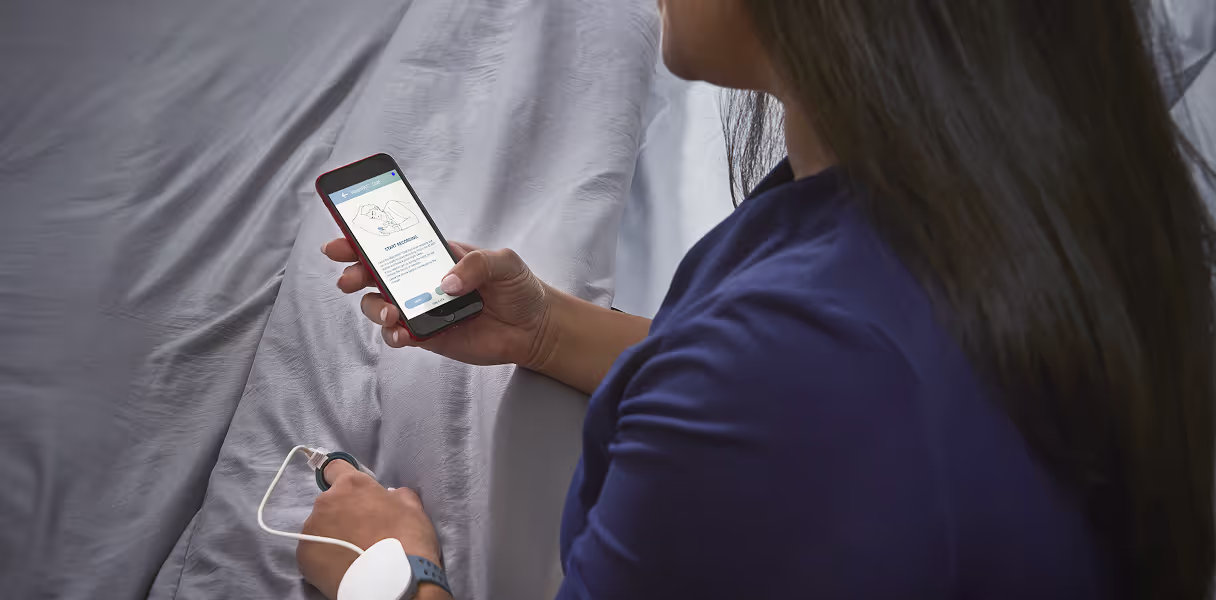
A home sleep apnea test is a portable diagnostic tool that records your breathing patterns, oxygen levels, and respiratory effort while you sleep in your own bed. Unlike polysomnography performed in a sleep lab, home sleep testing uses a compact, FDA-cleared device you wear for one night.
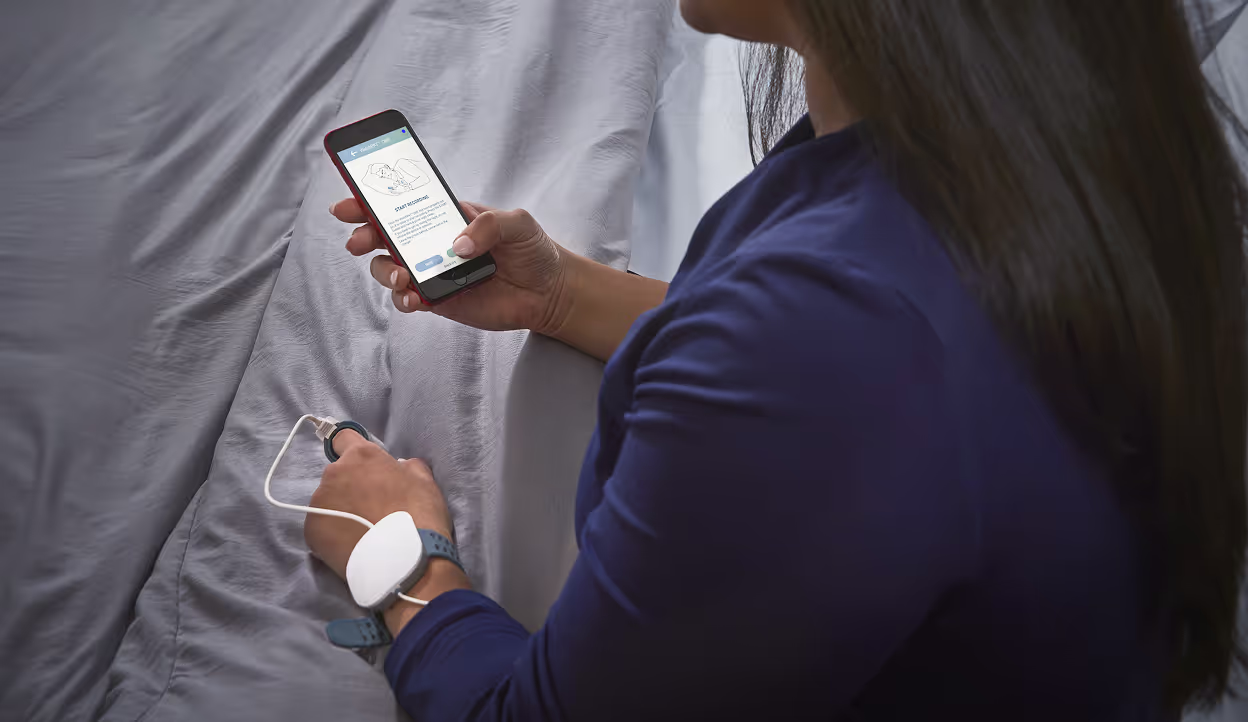
Home sleep apnea testing measures several key data channels. A nasal pressure sensor or cannula tracks airflow through your nasal passages. Pulse oximetry monitors oxygen saturation (SpO2) and pulse rate through a finger sensor. An effort belt worn around the chest or abdomen detects breathing effort and chest movement. Some devices also use photoplethysmography or peripheral arterial tonometry to gather additional sleep data.
The device is small enough to fit in one hand. You attach the sensors before bed, press a button to start recording, and remove the device when you wake up. The sleep data is then uploaded and reviewed by a board-certified sleep physician who interprets the results and determines whether you meet the diagnostic criteria for obstructive sleep apnea.
Home sleep testing works best for adults with a high pretest probability of moderate to severe obstructive sleep apnea. The American Academy of Sleep Medicine recommends home sleep apnea testing for patients without significant comorbidities such as congestive heart failure, chronic obstructive pulmonary disease, or central sleep apnea.
DID YOU KNOW: According to the National Heart, Lung, and Blood Institute, obstructive sleep apnea affects an estimated 25 to 30 percent of adult men and 9 to 17 percent of adult women in the United States, though many remain undiagnosed.
KEY TAKEAWAY: A home sleep apnea test uses portable sensors to measure airflow, oxygen levels, and breathing effort overnight, providing enough data for a board-certified sleep physician to diagnose obstructive sleep apnea without requiring a visit to a sleep lab.
Understanding what a home sleep test measures naturally raises the question of who benefits most from this approach, especially for people living in the Brandon, Florida area.
Why Brandon, Florida Residents Choose Home Sleep Testing
Brandon residents choose home sleep testing because it removes the most common barriers to getting a sleep apnea diagnosis: long wait times for sleep lab appointments, high out-of-pocket costs, and the inconvenience of sleeping in an unfamiliar clinical setting.
Convenience and Access in the Tampa Bay Area
Brandon sits just east of Tampa, Florida, in a metropolitan area with limited sleep lab availability relative to the population. Scheduling a polysomnogram at a sleep center in Tampa, Florida or nearby Riverview, Valrico, or Zephyrhills can involve weeks of waiting. A home sleep test eliminates that delay entirely. You receive the device, complete the test on your own schedule, and return it for analysis.
Many patients report sleeping more naturally at home than in a sleep lab, which can improve the accuracy of the test by capturing your actual sleeping patterns rather than a disrupted night in an unfamiliar environment.
Cost and Insurance Considerations
In-lab polysomnography can cost $1,000 or more, and health insurance coverage varies widely. Prior authorizations, copays, and deductibles create uncertainty about total cost. Home sleep testing is significantly less expensive. dumbo.health offers a home sleep test for $149 as a one-time, cash-pay cost with no insurance required and no surprise bills. This transparent pricing makes it accessible for anyone in the Brandon area, including uninsured patients and self-pay commercial drivers.
Telehealth Sleep Practice Integration
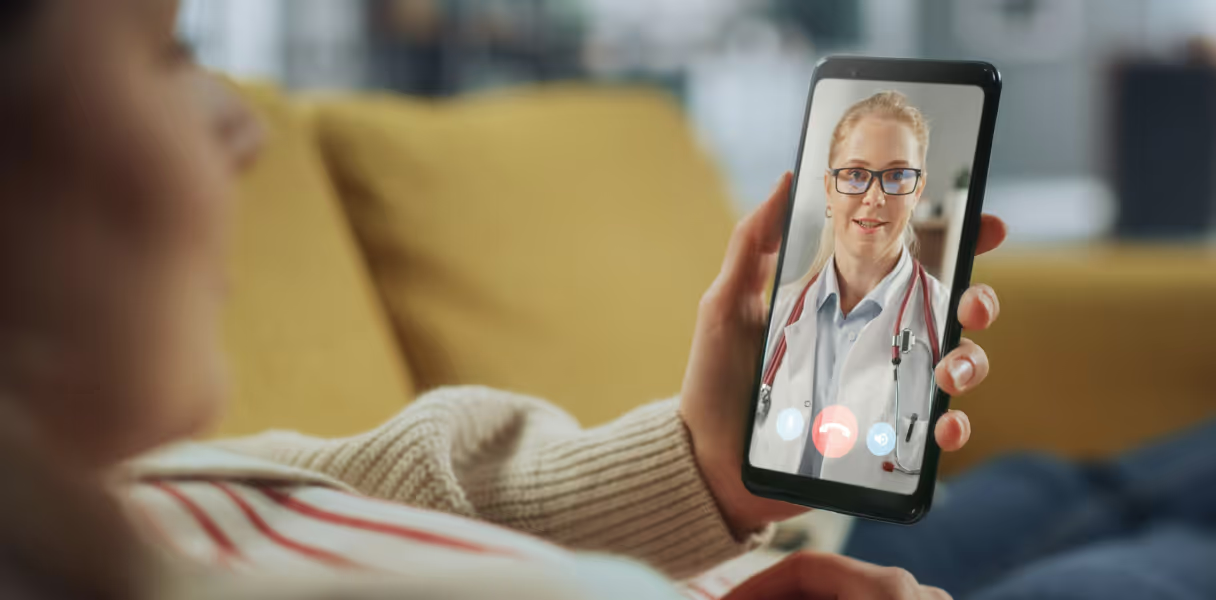
A telehealth sleep practice model lets Brandon residents complete the entire process remotely. From initial assessment to physician interpretation to CPAP therapy management, every step can happen through telehealth appointments without driving to a clinic. dumbo.health operates as a telehealth sleep practice that ships the home sleep test device directly to your door, reviews results remotely through board-certified physicians, and manages ongoing treatment through monthly care plans.
KEY TAKEAWAY: Brandon, Florida residents benefit from home sleep testing because it eliminates long sleep lab wait times, reduces cost compared to in-lab polysomnography, and integrates with telehealth appointments for a fully remote care pathway.
Knowing why home testing fits the Brandon market leads to the practical question of how to actually complete the test step by step.
How to Complete a Home Sleep Apnea Test in Brandon, Florida
Completing a home sleep apnea test takes one night and requires no medical training. The process from ordering to receiving results typically takes less than two weeks.
Step-by-Step Process for Home Sleep Testing
1. Complete a free sleep assessment at dumbo.health to determine whether a home sleep test is appropriate based on your symptoms and sleep history.
2. Order your home sleep test for $149 through dumbo.health. The FDA-cleared device ships directly to your Brandon, Florida address with no insurance or prior authorization needed.
3. Review the included instructions for attaching the nasal cannula, finger pulse oximetry sensor, and effort belt before your test night.
4. Attach all sensors before bed, press the start button on the device, and sleep in your normal bed following your usual sleeping patterns.
5. Remove the device in the morning and ship it back using the prepaid return packaging provided.
6. A board-certified sleep physician reviews your sleep data, including airflow, oxygen saturation (SpO2), pulse rate, and breathing effort recordings.
7. Receive your sleep test results and diagnosis through a secure telehealth platform, along with a recommended treatment plan if obstructive sleep apnea is confirmed.
After completing these steps, patients diagnosed with sleep apnea can begin CPAP therapy or explore other treatment options immediately. dumbo.health care plans start at $59 per month and include CPAP equipment, physician oversight, and follow-up care with no contracts.
KEY TAKEAWAY: The home sleep testing process involves ordering a device, wearing it for one night, returning it, and receiving a physician-reviewed diagnosis, all without visiting a sleep lab or clinic in person.
Once you understand the testing process, it helps to know exactly what the device measures and what each sensor does.
What a Home Sleep Test Device Measures: Sensors and Sleep Data Explained
A home sleep test device captures four to five core data channels that a sleep physician uses to diagnose or rule out obstructive sleep apnea. Each sensor targets a specific physiological signal related to sleep-disordered breathing.
Airflow Measurement
A nasal pressure sensor or nasal cannula detects the flow of air through your nasal passages during sleep. This sensor identifies apneas (complete airflow cessation for 10 seconds or more) and hypopneas (partial airflow reduction). Airflow data is the primary metric used to calculate the apnea-hypopnea index (AHI), which is the standard measure for diagnosing obstructive sleep apnea severity.
Oxygen Saturation and Pulse Rate
A finger-mounted pulse oximetry sensor measures oxygen saturation (SpO2) and pulse rate continuously through the night. Oxygen levels that repeatedly drop below 90 percent during sleep episodes suggest clinically significant sleep-disordered breathing. Pulse rate changes also correlate with respiratory arousals.
Respiratory Effort
An effort belt worn around the chest or abdomen measures the physical effort of breathing. This sensor distinguishes between obstructive events (where effort continues but the airway is blocked) and central events (where the brain temporarily stops sending breathing signals). This distinction matters because obstructive sleep apnea and central sleep apnea require different treatment approaches.
Additional Sensor Technologies
Some home sleep testing devices, including the NightOwl Home Sleep Test, use photoplethysmography and peripheral arterial tonometry. These methods derive sleep staging and respiratory event data from a small sensor attached to the finger using biocompatible adhesive tape, eliminating the need for a separate effort belt or cannula in some configurations.
The sleep data from all sensors is compiled into a report that a board-certified sleep physician interprets. This sleep monitor data provides enough clinical detail to confirm or rule out obstructive sleep apnea in most adult patients.
KEY TAKEAWAY: Home sleep test devices measure airflow, oxygen saturation, pulse rate, and breathing effort using portable sensors, giving sleep physicians the data needed to diagnose obstructive sleep apnea accurately.
Understanding what the device measures prepares you to interpret what the results actually mean and how a diagnosis is reached.
Understanding Your Home Sleep Test Results and Diagnosis
Sleep test results center on the apnea-hypopnea index (AHI), a number that tells you how many times per hour your breathing was disrupted during sleep. A board-certified sleep physician reviews the full sleep data to assign a diagnosis.
How the AHI Score Determines Diagnosis
The AHI is calculated by dividing the total number of apneas and hypopneas by the total hours of recorded sleep. The American Academy of Sleep Medicine classifies obstructive sleep apnea severity using these thresholds:
- AHI of 5 to 14: mild obstructive sleep apnea
- AHI of 15 to 29: moderate obstructive sleep apnea
- AHI of 30 or higher: severe obstructive sleep apnea
An AHI below 5 is generally considered normal. However, a sleep physician also considers oxygen desaturation patterns, pulse rate variability, and your reported symptoms during the sleep history review before reaching a final diagnosis.
What Happens After a Positive Diagnosis
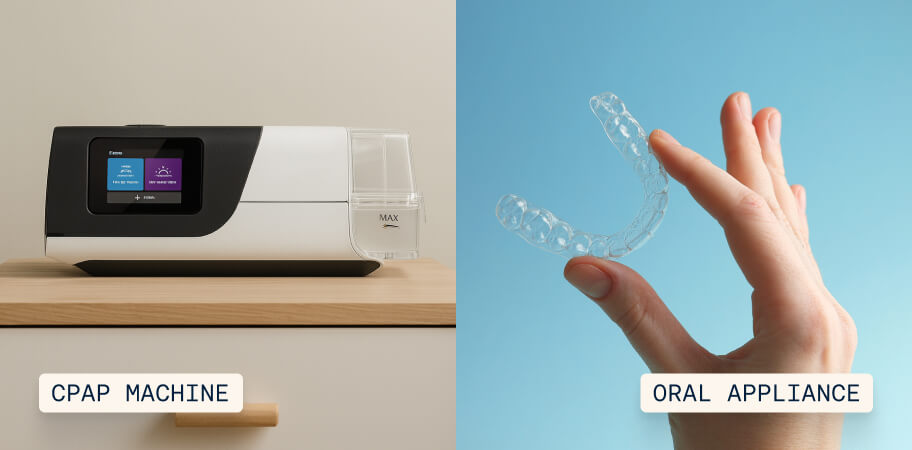
If your home sleep test confirms obstructive sleep apnea, your sleep physician develops a treatment plan. The most common first-line treatment is CPAP therapy, which uses a CPAP machine to deliver continuous positive airway pressure through a mask, keeping the airway open during sleep.
Through dumbo.health, patients who receive a positive diagnosis can transition directly into a care plan that includes CPAP equipment, physician follow-up, and adherence monitoring. The Essentials Plan at $59 per month covers CPAP therapy, equipment, physician interpretation and report, standard follow-up care, and updates to your referring provider. The Premium Plan at $89 per month adds a dedicated sleep coach, advanced adherence monitoring, and priority results turnaround.
What Happens If Results Are Inconclusive
In some cases, the home sleep test may produce inconclusive or technically inadequate data. Common causes include sensor displacement during sleep, insufficient recording time, or very mild sleep-disordered breathing that falls near diagnostic thresholds. When this happens, a physician may recommend repeating the home sleep test or proceeding to an in-lab polysomnogram for a more detailed baseline sleep study.
IMPORTANT: A home sleep test can underestimate the AHI because it estimates total sleep time rather than measuring it with brain wave monitoring. If you have strong symptoms but a borderline result, your physician may recommend in-lab polysomnography for confirmation.
KEY TAKEAWAY: Home sleep test results are based primarily on the AHI score, with obstructive sleep apnea diagnosed at an AHI of 5 or higher, and a board-certified sleep physician reviews the full data set before recommending a treatment plan.
With a diagnosis in hand, the next decision is choosing the right treatment pathway based on the severity and type of sleep apnea identified.
Treatment Options After a Home Sleep Apnea Test Diagnosis
CPAP therapy is the first-line treatment for moderate to severe obstructive sleep apnea. Other treatment options exist depending on severity, anatomy, and patient preference.
CPAP Therapy
A CPAP machine delivers continuous positive airway pressure through a mask worn during sleep. This pressurized airflow keeps the upper airway open, preventing the apneas and hypopneas that define obstructive sleep apnea. According to the Mayo Clinic, CPAP therapy reduces daytime sleepiness, lowers blood pressure, and decreases the risk of cardiovascular events in patients with moderate to severe obstructive sleep apnea.
CPAP adherence is critical. Medicare and most guidelines define adequate adherence as using the device for at least 4 hours per night on at least 70 percent of nights. Many patients struggle with adherence during the first few weeks. dumbo.health addresses this directly. The Premium Plan at $89 per month includes a dedicated sleep coach from a licensed care team and advanced adherence monitoring to help patients adjust to therapy and maintain consistent use. The Elite Plan at $129 per month adds concierge clinical support, direct physician messaging, and custom reporting for referring practices.
Oral Appliance Therapy
For patients with mild to moderate obstructive sleep apnea who cannot tolerate CPAP therapy, an oral appliance offers an alternative. A dental sleep appliance such as the TAP 3 or DreamTAP is a custom-fit device that repositions the lower jaw forward to maintain airway patency during sleep. Oral sleep appliances require digital impressions and fitting by a dentist trained in dental sleep medicine. These devices work best for patients with specific jaw and soft palate anatomy.
Surgical Interventions
Surgery is typically reserved for patients who do not respond to CPAP therapy or oral appliance therapy, or who have identifiable anatomical obstructions. Common procedures include:
- Uvulopalatopharyngoplasty (UPAP): removes or repositions soft tissue including the uvula, soft palate, and surrounding tissue to widen the airway
- Septoplasty: corrects a deviated septum that restricts airflow through the nasal passage
- Turbinate reduction: reduces enlarged turbinates in the nasal passages to improve nasal airflow
- Inspire Upper Airway Stimulation: an implantable device that stimulates the hypoglossal nerve to keep the airway open during sleep
Rhinologic surgery addressing sinusitis, nasal septum deviation, or nasal passage obstruction may also be recommended when nasal obstruction contributes to sleep-disordered breathing.
Lifestyle and Positional Therapy
Weight loss, positional therapy (avoiding sleeping on your back), and reducing alcohol consumption can improve mild obstructive sleep apnea symptoms. These approaches are rarely sufficient as standalone treatments for moderate to severe cases.
KEY TAKEAWAY: CPAP therapy remains the standard treatment for moderate to severe obstructive sleep apnea, with oral appliances and surgical interventions available as alternatives, and dumbo.health care plans provide CPAP equipment, physician oversight, and adherence support starting at $59 per month.
Choosing the right treatment depends partly on whether a home sleep test was the right diagnostic tool for your situation, so understanding the limitations of home testing is equally important.
Limitations and Risks of Home Sleep Apnea Testing
Home sleep testing is not appropriate for every patient or every suspected sleep disorder. Understanding these limitations helps you make the right testing decision and avoid delayed or missed diagnoses.
Sleep Disorders That Home Tests Cannot Detect
A home sleep test only screens for obstructive sleep apnea. It does not detect narcolepsy, restless leg syndrome, REM behavior disorder, circadian rhythm disorders, or central sleep apnea. These conditions require in-lab polysomnography or a multiple sleep latency test (MSLT), which measures how quickly you fall asleep during the day across multiple nap opportunities.
Central sleep apnea involves the brain failing to send proper breathing signals during sleep. While some home devices record respiratory effort that may hint at central events, a definitive central sleep apnea or complex sleep apnea syndrome diagnosis requires the full electroencephalography, electromyography, and electrooculography monitoring available only in a sleep lab with a registered polysomnographic technologist.
Potential for Underestimation of Severity
Home sleep tests estimate total sleep time based on the recording period rather than measuring actual sleep using brain wave activity. If you lie awake for a significant portion of the night, the device still counts that time as potential sleep. This can dilute the AHI, making moderate sleep apnea appear mild or causing a false-negative result. The American Academy of Sleep Medicine acknowledges this limitation and recommends in-lab polysomnography when clinical suspicion is high but home test results are borderline or negative.
Technical Failures and Data Quality
Sensors can become dislodged during sleep, especially the nasal cannula or finger pulse oximetry probe. If sensor data is lost for a large portion of the night, the recording may be insufficient for diagnosis. In these cases, the test must be repeated. Proper sensor attachment following device instructions significantly reduces this risk.
When In-Lab Testing Is Required
Certain patient populations should bypass home sleep testing entirely and proceed to in-lab polysomnography:
- Patients with suspected central sleep apnea or complex sleep apnea syndrome
- Patients with significant cardiopulmonary disease
- Patients being evaluated for narcolepsy or other hypersomnolence disorders requiring MSLT
- Patients who need a titration study to determine optimal CPAP pressure settings
- Patients whose home sleep test was inconclusive or technically inadequate
dumbo.health helps mitigate several of these limitations by having every test reviewed by a board-certified sleep physician who can identify cases needing further evaluation and recommend an appropriate next step, including referral for in-lab polysomnography when clinically necessary.
KEY TAKEAWAY: Home sleep tests effectively screen for obstructive sleep apnea but cannot diagnose narcolepsy, central sleep apnea, or other complex sleep disorders, and borderline results may require follow-up with in-lab polysomnography.
These clinical limitations become clearer when you see how different real-world scenarios play out for patients considering home sleep testing.
Real-World Scenarios: Who Benefits Most from Home Sleep Testing in Brandon
Home sleep apnea testing serves a wide range of patients, but the value it delivers varies based on individual circumstances. These scenarios illustrate how different people in the Brandon, Florida area use home testing to get answers.
Scenario 1: A 48-Year-Old Commercial Driver Needing DOT Clearance
A 48-year-old owner-operator based in Riverview with a BMI of 36 is flagged for sleep apnea screening during a DOT physical. The DOT examiner requires a sleep apnea evaluation before issuing a medical certificate. Waiting weeks for a sleep lab appointment in Tampa, Florida would mean lost income. The driver orders a home sleep test through dumbo.health for $149, completes the test at home in one night, and receives physician-reviewed results within days. An AHI of 22 confirms moderate obstructive sleep apnea. The driver starts CPAP therapy through the dumbo.health Essentials Plan at $59 per month, obtains a compliance report, and returns to the DOT examiner with documentation for certification.
Scenario 2: A 55-Year-Old Brandon Resident with Chronic Snoring and Daytime Fatigue
A 55-year-old woman in Brandon reports loud snoring, gasping for air during sleep, and persistent daytime fatigue. Her primary care physician suspects obstructive sleep apnea but notes that the nearest sleep center with availability is several weeks out. Rather than wait, the physician recommends a home sleep test. The patient completes the at-home sleep test through dumbo.health and receives a diagnosis of severe obstructive sleep apnea with an AHI of 41. She enrolls in the Premium Plan at $89 per month, which includes a dedicated sleep coach to help her adapt to CPAP therapy during the first critical weeks.
Scenario 3: A 33-Year-Old with Mild Symptoms and an Unclear Sleep Problem
A 33-year-old man in Valrico reports restless sleep, occasional snoring, and difficulty concentrating during the day. His BMI is 24. A home sleep test returns an AHI of 3, which is below the diagnostic threshold for obstructive sleep apnea. His reviewing physician notes that his symptoms may point to another sleeping disorder such as restless leg syndrome or a circadian rhythm disorder and recommends an in-lab polysomnogram for further evaluation. This scenario demonstrates the appropriate boundary of home sleep testing: it effectively ruled out obstructive sleep apnea and triggered the correct next step.
KEY TAKEAWAY: Home sleep testing delivers the most value for patients with a moderate to high likelihood of obstructive sleep apnea, including commercial drivers needing rapid DOT compliance, while patients with atypical symptoms may still need in-lab evaluation.
Seeing how the process works in practice often brings up questions about how home testing stacks up against the traditional sleep lab experience.
Home Sleep Test vs. In-Lab Polysomnography: How They Compare
A home sleep test and in-lab polysomnography both diagnose obstructive sleep apnea, but they differ significantly in cost, convenience, data depth, and clinical scope.
Setting
- Home Sleep Apnea Test: your own bed in Brandon, Florida or anywhere you sleep
- In-Lab Polysomnography: a sleep lab or sleep center, often in Tampa, Florida or surrounding areas
Cost
- Home Sleep Apnea Test: typically $149 to $500 without insurance; dumbo.health offers the test for $149 with no insurance required
- In-Lab Polysomnography: often $1,000 to $3,000 or more depending on facility and insurance coverage
Data Channels Recorded
- Home Sleep Apnea Test: airflow, oxygen saturation (SpO2), pulse rate, respiratory effort (4 to 7 channels)
- In-Lab Polysomnography: all of the above plus brain wave activity (EEG), eye movement (EOG), muscle activity (EMG), leg movements, body position, and video monitoring (12 or more channels)
Sleep Disorders Detected
- Home Sleep Apnea Test: obstructive sleep apnea
- In-Lab Polysomnography: obstructive sleep apnea, central sleep apnea, complex sleep apnea syndrome, narcolepsy, REM behavior disorder, restless leg syndrome, circadian rhythm disorders, and other sleep disorders
Convenience
- Home Sleep Apnea Test: high; no travel, no overnight stay, test on your own schedule
- In-Lab Polysomnography: lower; requires scheduling, travel to a sleep center, and sleeping overnight in an unfamiliar environment with a polysomnographic technologist monitoring
Turnaround Time for Results
- Home Sleep Apnea Test: typically days to one week for physician-reviewed results
- In-Lab Polysomnography: often one to three weeks depending on the sleep center
Who It Is Best For
- Home Sleep Apnea Test: adults with suspected moderate to severe obstructive sleep apnea, no significant comorbidities, and a preference for convenience and lower cost
- In-Lab Polysomnography: patients with suspected central sleep apnea, complex sleep disorders, cardiopulmonary disease, or inconclusive home test results
For most adults in the Brandon area who suspect they have obstructive sleep apnea based on symptoms like snoring, gasping for air, and daytime sleepiness, a home sleep test provides a clinically appropriate and far more convenient starting point. In-lab polysomnography remains necessary for patients requiring a more comprehensive evaluation.
KEY TAKEAWAY: Home sleep testing is clinically appropriate and more affordable for diagnosing obstructive sleep apnea, while in-lab polysomnography is necessary for complex sleep disorders, central sleep apnea, and cases requiring CPAP titration.
This comparison helps clarify when each test type is appropriate, but it is also worth addressing the myths that often prevent people from getting tested at all.
Common Myths About Home Sleep Apnea Testing Debunked
MYTH: Home sleep tests are not accurate enough to diagnose sleep apnea.
FACT: The American Academy of Sleep Medicine recognizes home sleep apnea testing as a valid diagnostic method for obstructive sleep apnea in adults with a moderate to high pretest probability. Studies published in peer-reviewed journals and indexed on PubMed show that home sleep testing has high sensitivity and specificity for detecting moderate to severe obstructive sleep apnea when used in appropriate patient populations. Clinical accuracy depends on correct sensor placement and physician interpretation, both of which are standard in quality programs like dumbo.health.
MYTH: You need insurance to get a home sleep apnea test in Florida.
FACT: Health insurance is not required for home sleep testing. Cash-pay options make testing accessible regardless of insurance status. dumbo.health offers a home sleep test for $149 with no insurance, no prior authorization, and no surprise bills. This is particularly relevant for self-pay patients, owner-operators, and commercial drivers in the Brandon and Tampa, Florida area who may not carry traditional health insurance.
MYTH: A home sleep test can diagnose any sleep disorder.
FACT: Home sleep tests are designed specifically to detect obstructive sleep apnea. They do not diagnose narcolepsy, restless leg syndrome, central sleep apnea, REM behavior disorder, or circadian rhythm disorders. These conditions require in-lab polysomnography, MSLT, or other specialized testing. If your sleep problem involves symptoms beyond snoring and breathing pauses, a sleep specialist may recommend a more comprehensive evaluation.
MYTH: CPAP therapy is the only treatment option after a sleep apnea diagnosis.
FACT: While CPAP therapy is the most widely recommended treatment for moderate to severe obstructive sleep apnea, alternatives exist. Oral appliance therapy using custom-fit devices like the TAP 3 or DreamTAP can treat mild to moderate cases. Surgical options including septoplasty, turbinate reduction, and Inspire Upper Airway Stimulation are available for patients who do not respond to other treatments. Your treatment plan should be individualized based on your AHI, anatomy, and preferences.
MYTH: You have to visit a sleep clinic near you to start treatment after a home test.
FACT: Telehealth sleep practices allow you to complete the entire pathway from testing to diagnosis to treatment without visiting a physical sleep clinic. dumbo.health manages the full process remotely, including shipping the test device, providing physician-reviewed results, prescribing and delivering CPAP equipment, and monitoring adherence through telehealth appointments.
KEY TAKEAWAY: Most barriers to home sleep testing are based on outdated assumptions. Home testing is clinically validated, available without insurance, and can connect directly to a complete telehealth treatment pathway.
Clearing up these misconceptions makes it easier to take the first step toward testing. The next section covers exactly what to prepare before your test night.
How to Prepare for Your Home Sleep Apnea Test
Proper preparation maximizes the quality of your sleep data and reduces the chance of needing a retest. Follow this checklist before your test night.
Pre-Test Preparation Checklist
- Confirm your home sleep test device has arrived and all components are included (nasal cannula, pulse oximetry sensor, effort belt or adhesive sensor, device unit, return packaging)
- Read the full instruction guide that comes with the device before your test night
- Avoid alcohol for at least 24 hours before the test, as alcohol can alter your natural sleeping patterns and breathing
- Avoid caffeine after noon on the day of the test to help you fall asleep at your normal time
- Avoid napping during the day of the test so you are tired enough to sleep a full night
- Remove nail polish from the finger where the pulse oximetry sensor will be attached, as polish can interfere with oxygen saturation readings
- Sleep in your own bed following your usual routine to capture your typical sleeping patterns
- Charge the device if required (some devices come pre-charged; check your instructions)
- Set a reminder to start the device recording before turning off the light
- Keep the prepaid return packaging in a visible location so you can ship the device back promptly the next morning
- If you use a CPAP machine from a previous prescription, follow your physician's guidance on whether to use it during the test
- Complete the free sleep assessment at dumbo.health before testing if you have not already done so
TIP: The most common reason for a failed home sleep test is sensor displacement during the night. Secure all attachments firmly but comfortably before falling asleep, and avoid sleeping in positions that press directly on the finger sensor.
KEY TAKEAWAY: Proper preparation, including avoiding alcohol and caffeine, securing all sensors correctly, and following your normal sleep routine, significantly increases the chance of obtaining usable diagnostic data on the first test night.
With preparation covered, it is worth exploring the broader landscape of sleep medicine resources available to Brandon residents beyond home testing alone.
Sleep Medicine Resources Available Near Brandon, Florida
Brandon residents have access to multiple sleep medicine providers and pathways, ranging from local sleep clinics to fully remote telehealth options.
Local Sleep Clinics and Specialists
The greater Tampa Bay area, including Brandon, Riverview, Valrico, and Zephyrhills, has several sleep medicine practices. Florida Sleep Solutions, Florida Sinus and Snoring Specialists, South Florida Snoring and Sleep Center, and Sleep Clinic of America are among the providers that offer sleep evaluations and in-lab polysomnography in the region. Some practices employ board-certified sleep physicians, registered polysomnographic technologists, and nurse practitioners with pulmonology experience.
Providers in the area, including specialists like Dr. Jeffrey Stuckert and groups like Pulmonary Associates, may offer both in-lab and home sleep testing options. However, in-lab availability, scheduling lead times, and insurance requirements vary significantly between providers.
Telehealth Sleep Medicine
A growing number of patients in Florida prefer a telehealth sleep practice model that eliminates travel and scheduling friction. dumbo.health operates entirely through telehealth, providing sleep apnea care solutions that include home sleep testing, physician-reviewed diagnosis, CPAP therapy, equipment delivery, adherence monitoring, and ongoing follow-up, all managed remotely through a secure platform that meets HIPAA regulations.
This model is especially useful for patients in areas with limited local sleep specialist availability, and for commercial drivers based in Brandon, Jacksonville, or other parts of Florida who are frequently on the road and unable to attend in-person appointments.
Finding the Right Fit
When choosing between a local sleep center and a telehealth provider, consider these factors:
- Whether you need evaluation for complex sleep disorders (which may require in-lab testing with a polysomnographic technologist)
- Whether you prefer in-person consultations with sleep physicians or the flexibility of telehealth appointments
- Whether your priority is speed and affordability or comprehensive multi-night evaluation
- Whether you need ongoing sleep care management including CPAP adherence tracking and follow-up
For straightforward obstructive sleep apnea screening and treatment, a telehealth model like dumbo.health offers speed, affordability, and continuity of care. For complex cases involving narcolepsy, central sleep apnea, or surgical consultations, a local sleep medicine practice may be the appropriate starting point.
KEY TAKEAWAY: Brandon residents can choose between local sleep clinics with in-lab testing and telehealth providers like dumbo.health that deliver complete home testing and treatment remotely, and the best choice depends on the complexity of the suspected sleep disorder and personal preferences for care delivery.
With all the diagnostic and treatment information covered, here is a summary of the costs involved so you can plan your path to quality sleep.
How Much Does a Home Sleep Apnea Test Cost in Brandon, Florida
A home sleep apnea test in Brandon, Florida typically costs between $149 and $500 when paid out of pocket. In-lab polysomnography costs significantly more, often exceeding $1,000 even with insurance.
dumbo.health provides a home sleep test for a flat $149, billed as a one-time cost before the test night. This price includes the FDA-cleared device and one night of testing. No insurance is required, no prior authorizations are needed, and there are no surprise bills.
After testing, ongoing sleep care and CPAP treatment are covered through monthly plans:
Essentials Plan
- $59 per month (approximately $2 per day)
- Includes physician interpretation and report, CPAP therapy and equipment, standard follow-up care, and updates to your referring provider
- No contracts, cancel anytime
Premium Plan (Most Popular)
- $89 per month (approximately $3 per day)
- Everything in Essentials plus a dedicated sleep coach from a licensed care team, advanced adherence monitoring, and priority results turnaround
- No contracts, cancel anytime
Elite Plan
- $129 per month (approximately $4 per day)
- Everything in Premium plus concierge clinical support with priority care team access, direct physician messaging, and custom reporting for your practice
- No contracts, cancel anytime
For patients comparing costs across providers in your area, dumbo.health offers the most transparent pricing structure: one flat price for the test and clear monthly rates for ongoing care with no contracts and no insurance complexity.
KEY TAKEAWAY: A home sleep apnea test through dumbo.health costs $149 with no insurance required, and monthly treatment plans starting at $59 per month include CPAP therapy, equipment, and physician follow-up with no contracts.
Understanding the full cost picture brings everything together, from testing to treatment, so you can move forward with confidence.
Conclusion
A home sleep apnea test gives Brandon, Florida residents a fast, affordable, and clinically validated path to diagnosing obstructive sleep apnea without the delays and high costs of traditional sleep lab testing. Whether you are a commercial driver needing rapid DOT compliance, a long-time snorer finally ready to address daytime fatigue, or a patient looking for quality sleep care that fits your schedule and budget, home sleep testing can be the first step toward better health.
dumbo.health makes the process simple: a $149 home sleep testwith no insurance required, physician-reviewed results, and CPAP therapy plans starting at $59 per month with no contracts. If you suspect you have sleep apnea, take the free sleep assessment today and find out whether a home sleep test is right for you.
Frequently Asked Questions About Home Sleep Apnea Test in Brandon, Florida
What is a home sleep apnea test?
A home sleep apnea test (HSAT) is a simplified, portable diagnostic tool used to detect obstructive sleep apnea in the comfort of your own home. Unlike an in-lab sleep study, an HSAT uses a compact device worn during sleep to measure key signals including airflow, oxygen saturation, breathing effort, and pulse rate. The collected sleep data is then reviewed by a qualified sleep physician who interprets the results and produces a clinical report. According to the American Academy of Sleep Medicine, home sleep testing is an appropriate first-line diagnostic option for adults with a high likelihood of moderate to severe obstructive sleep apnea.
What is obstructive sleep apnea?
Obstructive sleep apnea (OSA) is a sleep disorder in which the upper airway repeatedly becomes blocked during sleep, causing breathing to pause or become severely reduced. The obstruction is typically caused by the soft tissue in the throat, including the tongue and soft palate, relaxing during sleep. When the muscles supporting this tissue lose their tone, the tissue expands inward and narrows or collapses the airway. These pauses in breathing, known as apneas, reduce oxygen levels in the blood and disrupt normal sleeping patterns. The National Heart, Lung, and Blood Institute identifies OSA as one of the most common forms of sleep-disordered breathing.
What is the difference between obstructive, central, and complex sleep apnea?
Obstructive sleep apnea occurs when the airway is physically blocked by relaxed soft tissue. Central sleep apnea occurs when the brain fails to send proper signals to the breathing muscles, meaning no physical obstruction is present. Complex sleep apnea syndrome, sometimes called treatment-emergent central sleep apnea, involves features of both types and is typically identified during CPAP therapy or a titration study. Home sleep testing is primarily designed to detect obstructive sleep apnea. If central or complex sleep apnea is suspected, a healthcare professional may recommend a more comprehensive in-lab polysomnogram for accurate diagnosis.
What symptoms suggest I might need a home sleep apnea test?
Common symptoms that may indicate obstructive sleep apnea include loud snoring, gasping for air during sleep, waking with a dry mouth or headache, excessive daytime sleepiness, difficulty concentrating, and observed breathing pauses reported by a partner. Not everyone with sleep apnea snores, and not everyone who snores has sleep apnea. If you experience any of these sleep issues regularly, speaking with a healthcare professional is a reasonable first step. A free sleep assessment at dumbo.health can help you decide whether at-home sleep apnea testing may be appropriate for your situation.
How does home sleep testing work?
A home sleep test device is worn during a single night of sleep at home. Depending on the device, sensors may include a nasal pressure sensor or cannula to measure airflow, an effort belt placed around the chest or abdomen to detect breathing effort, a pulse oximetry sensor to measure oxygen saturation (SpO2), and in some devices, photoplethysmography or peripheral arterial tonometry technology. The device records sleep data overnight. The recorded information is then uploaded and reviewed by a board-certified sleep physician, who interprets the results to determine whether obstructive sleep apnea is present and how severe it may be. Learn more about the at-home sleep testing process.
Who should consider home sleep testing?
Home sleep testing is generally appropriate for adults who have symptoms consistent with moderate to severe obstructive sleep apnea, such as snoring, daytime sleepiness, and gasping for air during sleep. It may also be a suitable option for patients who cannot easily access a sleep center, prefer the convenience of sleeping in their own bed, or require testing without insurance. Home sleep testing may not be appropriate for patients with suspected central sleep apnea, complex sleep apnea syndrome, significant cardiopulmonary conditions, or other sleep disorders such as Restless Leg Syndrome, Narcolepsy, Circadian Rhythm Disorders, or REM Behavior Disorder. A healthcare professional can help determine whether a home sleep study or a full in-lab polysomnogram is more appropriate for your clinical situation.
What are the benefits of home sleep testing compared to a sleep lab?
Home sleep testing offers several practical advantages over an in-lab sleep study. Patients sleep in their own bed rather than a clinical environment, which can produce more representative results for many people. Testing is typically more affordable, faster to access, and does not require an overnight stay at a sleep center. There are no scheduled appointments to keep at a specific facility, and results are still interpreted by a qualified physician. The main limitation is that home sleep tests collect fewer data channels than a full polysomnography performed by a registered polysomnographic technologist in a monitored sleep lab. For patients with uncomplicated suspected OSA, home sleep testing is widely accepted as a clinically valid diagnostic option.
What happens during an in-lab sleep study?
An in-lab sleep study, or polysomnogram, is a comprehensive overnight test conducted at a sleep center or sleep lab. A registered polysomnographic technologist attaches sensors to monitor brain activity, eye movement, muscle activity, airflow, breathing effort, oxygen levels, and heart rate throughout the night. A full polysomnography captures significantly more sleep data than a home sleep test and can identify a wider range of sleep disorders including Narcolepsy, REM Behavior Disorder, Restless Leg Syndrome, and complex sleep apnea syndrome. In-lab testing may also include a Multiple Sleep Latency Test (MSLT) or a Titration study to calibrate CPAP pressure. An in-lab study is typically recommended when home testing results are inconclusive or when a more complex sleeping disorder is suspected.
What is the difference between a home sleep test and a polysomnogram?
A home sleep test is a portable, limited-channel sleep monitoring tool designed primarily to detect obstructive sleep apnea. It typically measures airflow, breathing effort, oxygen saturation, and pulse rate. A polysomnogram is a full in-lab sleep study that records a broader range of physiological signals including brain waves, eye movement, and muscle activity, and is performed in a monitored sleep lab by a trained polysomnographic technologist. Polysomnography can diagnose a wider range of sleep disorders and is considered the gold standard for sleep diagnosis. Home sleep testing is appropriate for many adults with suspected OSA, while polysomnography is typically used for more complex cases or when home test results are unclear.
Is home sleep testing accurate?
Home sleep testing is a clinically validated diagnostic tool for obstructive sleep apnea when used in appropriate patients. The American Academy of Sleep Medicine recognises HSAT as an acceptable alternative to in-lab polysomnography for adults with a high pre-test probability of moderate to severe OSA. However, home sleep tests have limitations. They may underestimate the severity of sleep apnea because they measure time wearing the device rather than actual sleep time. They also do not capture the full range of sleep data collected during a polysomnogram. If a home sleep study returns a negative result but symptoms remain, a healthcare professional may recommend in-lab testing to confirm the outcome.
What can I expect after a home sleep study?
After completing a home sleep study, the recorded sleep data is sent to a physician for interpretation. A board-certified sleep physician reviews the results, including the apnea-hypopnea index, oxygen saturation levels, and breathing patterns, and produces a diagnostic report. If obstructive sleep apnea is confirmed, the physician will discuss treatment options with you, which may include CPAP therapy, an oral sleep appliance, or other interventions depending on severity. If results are inconclusive or symptoms point to a more complex sleep disorder, an in-lab sleep study may be recommended. A follow-up appointment is an important part of the process to ensure test results are properly reviewed and a treatment plan is established.
What is CPAP therapy and how does it treat sleep apnea?
Continuous Positive Airway Pressure (CPAP) therapy is the most widely recommended treatment for obstructive sleep apnea. A CPAP machine delivers a continuous stream of pressurised air through a mask worn over the nose or mouth during sleep, keeping the airway open and preventing the breathing interruptions that characterise OSA. According to the Mayo Clinic, CPAP therapy can significantly reduce daytime sleepiness, lower blood pressure, and improve quality sleep in patients with obstructive sleep apnea. CPAP adherence, which means consistent nightly use, is important for achieving the best outcomes. Ongoing follow-up with a care team helps patients troubleshoot equipment, adjust settings, and maintain effective treatment.
What happens if sleep apnea is left untreated?
Untreated obstructive sleep apnea is associated with an increased risk of serious health conditions including high blood pressure, heart disease, stroke, type 2 diabetes, and excessive daytime sleepiness that can impair driving and daily functioning. Repeated drops in oxygen saturation during sleep place strain on the cardiovascular system over time. The CDC recognises sleep disorders as a public health concern linked to significant health and safety consequences. For commercial drivers, untreated sleep apnea also poses road safety risks and may affect fitness-for-duty status. If you have symptoms of sleep apnea, a healthcare professional can help determine whether testing and treatment are appropriate.
What is an oral sleep appliance and who is it suitable for?
An oral sleep appliance, also called a dental sleep appliance or mandibular advancement device, is a custom-fit device worn in the mouth during sleep that repositions the lower jaw and tongue to keep the airway open. Common appliances include devices such as the TAP 3 and DreamTAP. Oral appliances are typically considered for patients with mild to moderate obstructive sleep apnea or for those who cannot tolerate CPAP therapy. They are fitted by a trained dental sleep practitioner following an oral examination and precise digital impressions. A qualified healthcare professional can assess whether an oral appliance is a suitable treatment option based on your diagnosis, dental health, and sleep history review.
How long does it take to get a custom oral sleep appliance fitted?
The process of receiving a custom oral appliance typically involves an initial consultation, a sleep history review, an oral examination, and digital impressions of the teeth and jaw. The appliance is then fabricated based on those impressions and fitted at a follow-up appointment, with further adjustments made to optimise comfort and effectiveness. The total time from consultation to final fitting varies depending on the provider and laboratory, but the process commonly takes several weeks. Ongoing follow-up appointments are important to ensure the appliance remains comfortable, effective, and properly calibrated for your sleeping patterns.
Are there surgical treatment options for sleep apnea?
Surgical options for obstructive sleep apnea are typically considered when CPAP therapy and oral appliances have not been effective or are not tolerated. Surgical procedures may include Uvulopalatopharyngoplasty (UPPP), which removes or repositions soft tissue at the back of the throat including the uvula and soft palate. Nasal surgeries such as Septoplasty to correct a deviated nasal septum, turbinate reduction to reduce enlarged turbinates, and procedures to improve nasal passages may also be performed to reduce airway obstruction. Inspire Upper Airway Stimulation is an FDA-approved implantable device that stimulates the airway muscles during sleep. Rhinologic surgery and related procedures are typically performed by ear, nose, and throat or Pulmonology specialists. Surgical suitability depends on individual anatomy, severity of OSA, and clinical assessment.
Do I need a doctor's referral to get a home sleep apnea test?
Requirements vary depending on the testing provider. Some home sleep testing services require a physician referral or prescription, while others operate through a telehealth consultation model where a physician reviews your sleep history and symptoms before ordering the test directly. In Florida, patients can access telehealth-based sleep apnea testing through platforms that connect patients with sleep physicians remotely, removing the need for an in-person GP visit before testing. A healthcare professional is still involved in reviewing results and establishing a treatment plan. For details on how the home sleep testing process works at dumbo.health, the website outlines what is included at each stage.
How much does a home sleep apnea test cost in Brandon, Florida?
The cost of a home sleep apnea test varies by provider. At dumbo.health, the at-home sleep test is priced at $149 as a one-time, cash-pay purchase. There is no insurance required, no prior authorisation, and no surprise bills. This covers the home sleep test device and one night of testing. Physician interpretation and a formal report, along with ongoing care such as CPAP therapy, equipment, and adherence follow-up, are available through monthly plans starting at $59 per month. Testing and care pricing is transparent and available upfront, so patients in Brandon and across Florida can plan around actual costs without uncertainty.
Does home sleep apnea testing accept insurance?
Some home sleep testing providers accept health insurance, but insurance coverage for sleep testing varies significantly by plan, deductible, and prior authorisation requirements. dumbo.health operates as a cash-pay platform only, meaning it does not process insurance claims. This model removes prior authorisations, insurance delays, and unexpected billing from the process. For patients in Brandon, Florida who prefer a straightforward, known cost, the cash-pay model offers a predictable alternative. If insurance reimbursement is important to you, it is worth contacting your insurance provider directly to understand your out-of-pocket costs through an in-network provider before deciding.
Is my health information protected during a home sleep study?
Any reputable home sleep testing provider operating in the United States is required to comply with HIPAA regulations governing the privacy and security of patient health information. This includes how sleep data, test results, sleep history, and personal details are stored, transmitted, and shared. When choosing a home sleep testing provider, it is reasonable to confirm that the service operates in compliance with HIPAA and that your data is handled securely. Patients should review the provider's privacy policy and ask about data sharing practices, particularly if they are commercial drivers whose results may be shared with a referring provider or medical examiner.
Can I get a home sleep apnea test if I already use CPAP?
If you are already using CPAP therapy and need a new prescription, a physician review of your current sleep status may be required rather than a full diagnostic test. Some patients need updated documentation for CPAP equipment purchases, insurance replacement requirements, or changes in treatment. A telehealth sleep physician can often review your sleep history, prior test results, and current CPAP adherence data to determine whether a new study is required or whether a prescription update can be supported through clinical review alone. A healthcare professional should be involved in any changes to your CPAP prescription or therapy plan.
What ongoing care is available after a home sleep apnea test?
After completing a home sleep test and receiving a diagnosis, ongoing care typically involves beginning an appropriate treatment, monitoring adherence, and scheduling follow-up appointments to review progress. dumbo.health monthly plans are designed to support this process. The Essentials plan at $59 per month includes physician interpretation, a formal report, CPAP therapy and equipment, standard follow-up care, and updates sent to your referring provider. The Premium plan at $89 per month adds a dedicated sleep coach from a licensed care team, advanced adherence monitoring, and priority results turnaround. The Elite plan at $129 per month includes concierge clinical support, direct physician messaging, and custom reporting. All plans are contract-free and can be cancelled at any time. Explore the full range of sleep apnea care solutions to find the right fit.
Are home sleep tests available for commercial drivers in Florida?
Yes. Commercial drivers in Florida who need sleep apnea evaluation can access home sleep testing as part of their DOT health assessment process. A certified medical examiner may refer a driver for sleep apnea testing if risk factors are identified during a DOT physical, such as high body mass index, reported snoring, excessive daytime sleepiness, or high blood pressure. Home sleep testing is an accepted diagnostic pathway in many clinical protocols, though the certified medical examiner ultimately decides how testing results affect DOT certification. dumbo.health supports commercial drivers across Florida with at-home sleep apnea testing and ongoing CPAP adherence documentation. Learn more about home sleep testing for CDL drivers.
Where can I find home sleep apnea testing near me in Brandon, Florida?
Patients in Brandon, Florida can access home sleep apnea testing through telehealth-based services that ship the testing device directly to your home, meaning you do not need to travel to a sleep center or clinic in your area. dumbo.health serves patients across Florida, including Brandon, and offers a $149 at-home sleep test with physician interpretation available through monthly care plans. If an in-lab study is needed for a more complex sleep disorder, local sleep centers and pulmonology practices in the Tampa and Brandon areas may offer that option. A healthcare professional can help determine which type of testing is most appropriate based on your symptoms and sleep history.
What other sleep disorders can affect patients beyond sleep apnea?
While obstructive sleep apnea is among the most common sleep disorders, several other conditions can significantly affect sleep quality and health. These include Restless Leg Syndrome, which causes uncomfortable sensations in the legs that disrupt sleep; Narcolepsy, which involves sudden and uncontrollable episodes of daytime sleep; Circadian Rhythm Disorders, which involve misalignment between the body's internal clock and the external sleep-wake cycle; and REM Behavior Disorder, which causes people to physically act out dreams during sleep. Home sleep testing is designed primarily to detect obstructive sleep apnea. For other sleeping disorders, a comprehensive in-lab sleep study with a registered polysomnographic technologist or a Multiple Sleep Latency Test (MSLT) may be required for accurate diagnosis. A sleep medicine specialist can guide the appropriate diagnostic pathway.
What is telehealth sleep care and how does it work in Florida?
Telehealth sleep care connects patients with board-certified sleep physicians through secure online appointments, removing the need for in-person visits for many stages of the care process. In Florida, telehealth sleep practices allow patients to complete a sleep history review, receive a home sleep test order, and discuss results and treatment options without attending a physical clinic. According to MedlinePlus, telehealth services have expanded access to specialist care for patients in areas where in-person appointments may be limited. Telehealth appointments can also support ongoing CPAP adherence monitoring and follow-up care. Patients should confirm that any telehealth sleep provider they use operates in compliance with Florida state regulations and HIPAA requirements.