






Home Sleep Apnea Test in Riverview, Florida: The Complete Guide to Testing, Treatment, and Getting Your Results Fast
A home sleep apnea test in Riverview, Florida lets you screen for obstructive sleep apnea from your own bed using a portable monitoring device that tracks breathing, oxygen levels, and heart rate overnight. According to the American Academy of Sleep Medicine, home sleep testing is an accepted diagnostic method for adults with a moderate to high probability of obstructive sleep apnea. This guide is for Riverview residents, commercial drivers, and anyone in the greater Tampa, Florida area who suspects they may have sleep apnea and wants a straightforward path to answers. You will learn how home sleep testing works, what it measures, how it compares to in-lab polysomnography, what treatment options follow a positive result, and how to access affordable testing without insurance hurdles. Whether you have been referred by a physician or are exploring options on your own, this page covers every step from screening to treatment.
Quick Answer
A home sleep apnea test in Riverview, Florida is an overnight screening that uses a portable device with sensors to measure airflow, blood oxygen levels, respiratory effort, and heart rate while you sleep at home. Results are reviewed by a board-certified sleep medicine physician who determines whether you have obstructive sleep apnea and what treatment is recommended. Most adults with suspected sleep apnea can complete the test in one night without visiting a sleep lab. dumbo.health offers a home sleep test for $149 with no insurance required and physician-reviewed results.
Key Takeaways
- Home sleep apnea testing is a clinically validated method for diagnosing obstructive sleep apnea in adults with symptoms such as snoring, gasps, or daytime fatigue.
- A home sleep test uses sensors to track oxygen saturation, airflow, respiratory effort, and heart rate during one night of sleep.
- The Apnea-Hypopnea Index, or AHI, is the primary metric used to determine sleep apnea severity, with an AHI of 5 or more events per hour indicating the condition.
- In-lab polysomnography remains necessary for diagnosing certain sleep disorders such as narcolepsy, parasomnias, and restless legs syndrome, but is not required for most obstructive sleep apnea evaluations.
- dumbo.health provides a home sleep test for $149 as a one-time cost, with monthly care plans starting at $59 per month for CPAP therapy, physician review, and follow-up.
- Riverview residents do not need to travel to a sleep lab or sleep center for initial obstructive sleep apnea screening when a home test is clinically appropriate.
What Is a Home Sleep Apnea Test and How Does It Work
A home sleep apnea test is a portable diagnostic tool that records key physiological signals while you sleep in your own bed. The test is designed to detect obstructive sleep apnea, the most common type of sleep-disordered breathing.
What the Device Measures
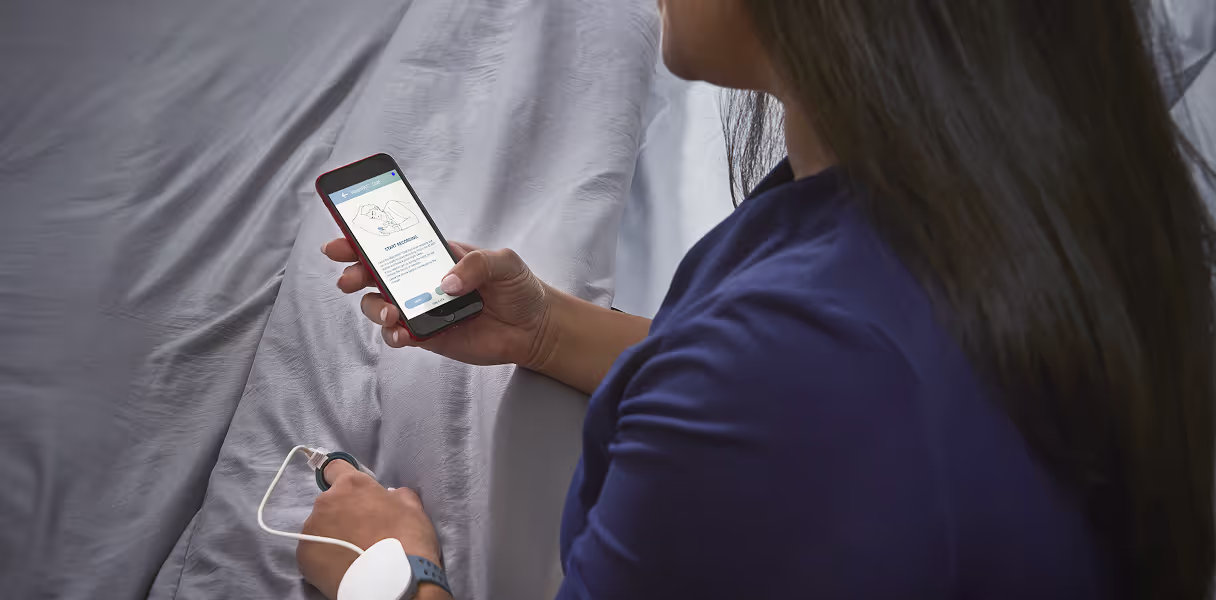
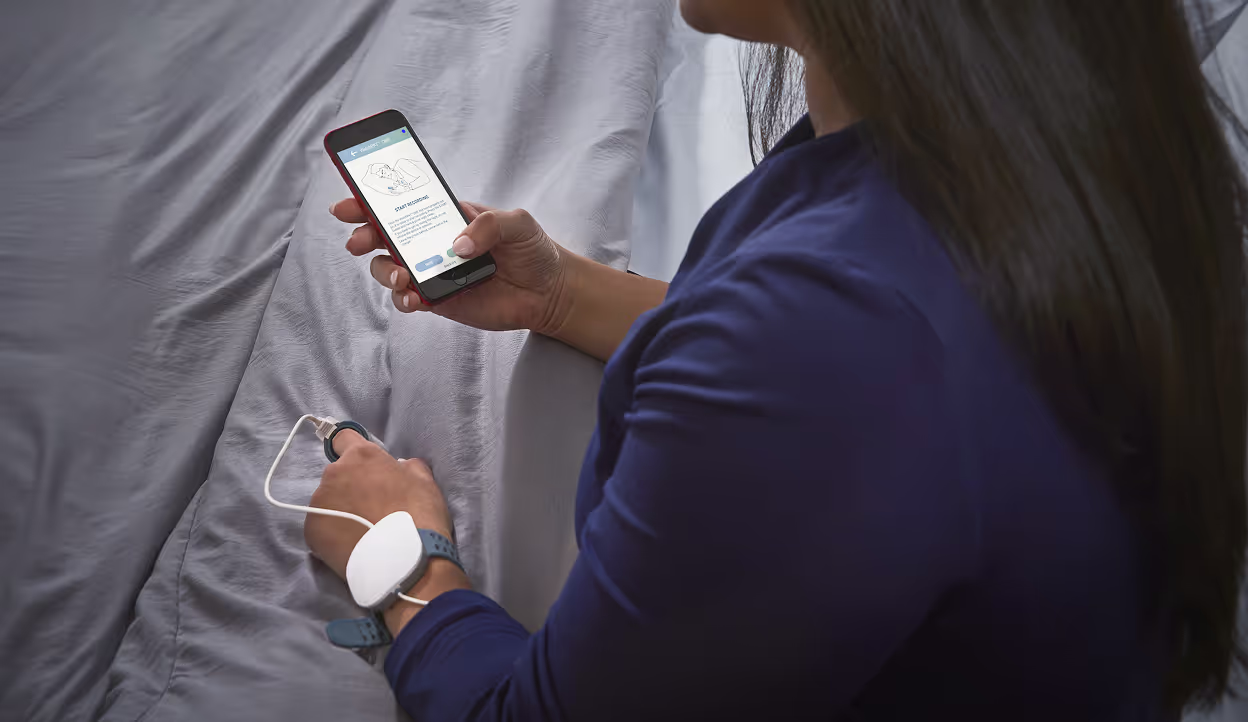
The portable monitoring device uses several sensors placed on your body before you go to sleep. These sensors collect data on four primary signals:
- Airflow through the nose and mouth, typically measured with a nasal cannula
- Blood oxygen levels, tracked by a finger sensor using pulse oximetry or photoplethysmography
- Respiratory effort, detected by chest and abdominal belts that measure movement during breathing
- Heart rate, recorded continuously throughout the night
Some newer devices, such as the NightOwl Home Sleep Test, use peripheral arterial tonometry or photoplethysmography with fewer sensors, making the setup simpler while still capturing clinically relevant sleep data.
How the Test Produces Results
After one night of testing, the device stores the recorded data. A board-certified sleep medicine physician reviews the data and calculates the Apnea-Hypopnea Index. The AHI measures how many times per hour your breathing partially or completely stops during sleep. According to the American Academy of Sleep Medicine, an AHI of 5 to 14 indicates mild sleep apnea, 15 to 29 indicates moderate, and 30 or above indicates severe obstructive sleep apnea.
The physician interpretation transforms raw sensor data into a clinical report that determines whether treatment is needed and what type of treatment plan is most appropriate. This is not something the device alone can do. Physician review is what separates a screening tool from a diagnostic evaluation.
DID YOU KNOW: According to the American Academy of Sleep Medicine, an estimated 80 percent of moderate to severe obstructive sleep apnea cases remain undiagnosed in the general population.
KEY TAKEAWAY: A home sleep apnea test records airflow, oxygen levels, respiratory effort, and heart rate during one night of sleep, and a physician uses the resulting Apnea-Hypopnea Index to determine whether obstructive sleep apnea is present and how severe it is.
Understanding what the test measures helps clarify who should consider home testing versus an in-lab study.
Who Should Get a Home Sleep Test in Riverview, Florida
Adults who have symptoms of obstructive sleep apnea and a moderate to high clinical suspicion of the condition are the best candidates for home sleep testing. This includes people who snore loudly, experience choking or gasps during sleep, wake with headaches, or feel excessively tired during the day despite adequate time in bed.
Common Symptoms That Indicate Testing
Obstructive sleep apnea symptoms often overlap with general poor sleep habits, which is why many people go years without a diagnosis. Symptoms that point specifically toward sleep apnea include:
- Loud, persistent snoring reported by a bed partner
- Witnessed pauses in breathing or gasps during the night
- Waking up with a dry mouth or morning headaches
- Excessive daytime sleepiness that interferes with work or driving
- Difficulty concentrating or mood changes linked to poor sleep
- Frequent nighttime urination
The Sleep Foundation notes that risk factors for obstructive sleep apnea include a BMI over 30, a neck circumference greater than 17 inches in men or 16 inches in women, age over 40, and a family history of the condition.
Who May Not Be a Good Candidate
Home sleep testing is designed primarily for obstructive sleep apnea. Patients with suspected central sleep apnea, narcolepsy, restless legs syndrome, parasomnias, or other complex sleep-wake disorders typically need an in-lab polysomnography study. A physician referral helps determine which path is clinically appropriate.
People with significant cardiopulmonary disease, neuromuscular conditions, or a history of stroke may also require in-lab monitoring because their breathing patterns can be more complex than what a portable device captures reliably.
Real-World Scenarios
A 48-year-old Riverview resident and long-haul truck driver with a BMI of 34 has been told by his wife that he stops breathing at night. His physician suspects obstructive sleep apnea. A home sleep test is clinically appropriate for this patient because the pretest probability is high, and the primary concern is obstructive sleep apnea rather than a more complex sleep disorder.
A 35-year-old woman with insomnia, frequent leg movements during sleep, and occasional sleepwalking episodes reports poor sleep quality. Her physician suspects restless legs syndrome or a parasomnia. Home sleep testing would not be the right first step. An in-lab polysomnogram that records brain waves, eye movements, and muscle activity would provide the diagnostic detail needed.
A 62-year-old retired school bus driver in the greater Tampa, Florida area has high blood pressure, type 2 diabetes, and reports daytime fatigue. His primary care doctor recommends screening for sleep apnea. A home sleep apnea test is a practical starting point because his risk profile strongly suggests obstructive sleep apnea, and he can complete the test without scheduling a night at a sleep lab.
KEY TAKEAWAY: Home sleep testing is clinically appropriate for adults with symptoms and risk factors consistent with obstructive sleep apnea, but patients with suspected narcolepsy, parasomnias, restless legs syndrome, or complex cardiopulmonary conditions typically require in-lab polysomnography.
Knowing whether you are a good candidate leads to the next question: how do you actually complete the test at home?
How to Complete a Home Sleep Test Step by Step
Completing a home sleep apnea test involves a short series of straightforward steps that most people finish in one night. No sleep technologist is present, so the device is designed for self-application.
Step-by-Step Process
1. Start with a screening assessment. Complete the free sleep assessment at dumbo.health to determine whether a home sleep test is appropriate based on your symptoms and sleep history.
2. Order your home sleep test kit. Through dumbo.health, the at-home sleep test costs $149 as a one-time purchase with no insurance required and no prior authorization needed.
3. Receive the testing equipment. The sleep test kit arrives with sensors, a portable monitoring device, and clear instructions. Most kits include a nasal cannula, a finger oximeter, and a chest or abdominal effort belt.
4. Apply the sensors before bed. Follow the included instructions to place each sensor correctly. This typically takes 5 to 10 minutes. Make sure connections are secure before turning the device on.
5. Sleep in your normal bed. Go to sleep at your usual time. The device records data automatically throughout the night. You do not need to stay in one position or change your normal sleep habits.
6. Remove the sensors in the morning. When you wake up, turn off the device, remove the sensors, and return the equipment according to the instructions provided.
7. A physician reviews your results. A board-certified sleep medicine physician interprets the recorded sleep data and generates a clinical report that includes your Apnea-Hypopnea Index and a recommendation for next steps.
After the physician completes the review, you receive your results along with a treatment plan if sleep apnea is confirmed. With dumbo.health, physician interpretation is included in the monthly care plans, starting at $59 per month for the Essentials Plan.
IMPORTANT: Make sure you wear the sensors for at least 4 continuous hours of recorded sleep. Fewer than 4 hours of usable data may require a repeat night of testing.
KEY TAKEAWAY: A home sleep test takes one night to complete, requires no travel to a sleep lab, and involves applying a few sensors before bed, sleeping normally, and having a physician review the data to determine whether sleep apnea is present.
Once you understand the testing process, it helps to see how home testing compares to the traditional in-lab alternative.
Home Sleep Test vs. In-Lab Polysomnography: Which Is Right for You
A home sleep apnea test and an in-lab polysomnography study both evaluate breathing during sleep, but they differ significantly in what they measure, where they take place, and what they cost. For most adults with suspected obstructive sleep apnea, a home test provides sufficient diagnostic information without the inconvenience or expense of an overnight stay at a sleep clinic or sleep center.
Setting
- Home Sleep Apnea Test: Your own bed at home in Riverview, Florida or anywhere you sleep
- Polysomnography: A sleep lab, sleep center, or hospital such as BayCare Sleep Centers or a Sleep Disorders Center near you
Channels Recorded
- Home Sleep Apnea Test: Typically 4 to 7 channels including airflow, oxygen saturation, respiratory effort, and heart rate
- Polysomnography: 12 or more channels including brain waves (EEG), eye movements (EOG), muscle activity (EMG), airflow, oxygen saturation, heart rate, respiratory effort, and leg movements
Cost
- Home Sleep Apnea Test: Typically $149 to $500 depending on provider. dumbo.health charges $149 with no insurance required.
- Polysomnography: Often $1,000 to $3,000 or more, depending on the facility and insurance coverage. Insurance Plans may cover part of the cost but often require prior authorization and referrals.
Convenience
- Home Sleep Apnea Test: High. No travel required, no overnight stay at a facility, no sleep technicians monitoring you.
- Polysomnography: Lower. Requires scheduling, traveling to the sleep lab, and sleeping in an unfamiliar environment with technicians present.
Turnaround Time
- Home Sleep Apnea Test: Results typically available within a few business days after the test night
- Polysomnography: Results may take 1 to 3 weeks depending on the facility and physician availability
Diagnoses Covered
- Home Sleep Apnea Test: Obstructive sleep apnea
- Polysomnography: Obstructive sleep apnea, central sleep apnea, narcolepsy, restless legs syndrome, parasomnias, and other sleep-wake disorders
For most Riverview residents with straightforward symptoms of obstructive sleep apnea, a home sleep test is the recommended starting point. The American Academy of Sleep Medicine supports home sleep testing as a valid diagnostic pathway for adults with an elevated pretest probability of moderate to severe obstructive sleep apnea and no significant comorbidities that require full polysomnography.
If home testing results are inconclusive or if a physician suspects a condition other than obstructive sleep apnea, an in-lab polysomnogram is the next step. Some patients may need both tests. The home test screens for the most common diagnosis first, and the in-lab study follows only when necessary.
KEY TAKEAWAY: Home sleep testing is less expensive, more convenient, and clinically sufficient for diagnosing obstructive sleep apnea in most adults, while in-lab polysomnography is reserved for complex cases or when sleep disorders beyond obstructive sleep apnea are suspected.
After testing, the next decision involves understanding what treatment options are available if you receive a positive diagnosis.
Treatment Options After a Positive Sleep Apnea Diagnosis
CPAP therapy is the first-line treatment for obstructive sleep apnea, recommended by the American Academy of Sleep Medicine for moderate to severe cases. Treatment begins after a physician reviews your home sleep test results and confirms the diagnosis based on your Apnea-Hypopnea Index.
CPAP Therapy
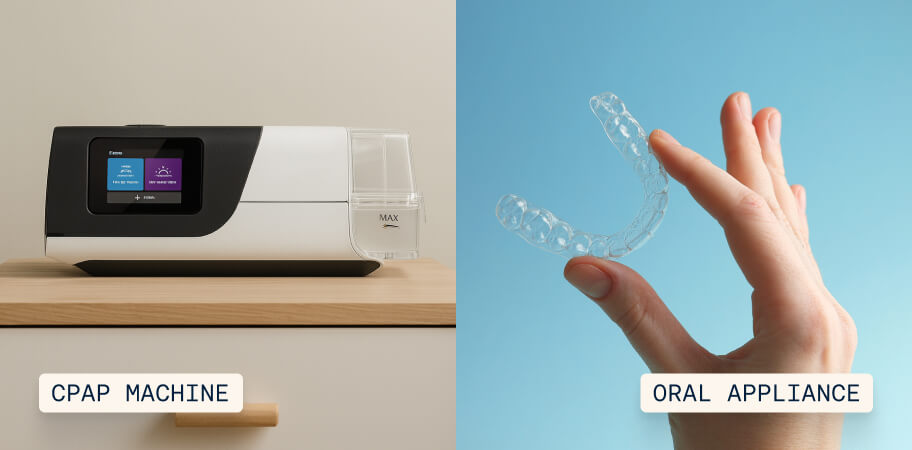
CPAP stands for continuous positive airway pressure. A CPAP machine delivers a steady stream of pressurized air through a nasal mask or full-face mask, keeping the airway open during sleep. This prevents the repeated breathing pauses that define obstructive sleep apnea.
According to the National Heart, Lung, and Blood Institute, CPAP therapy reduces daytime sleepiness, lowers blood pressure, and decreases the risk of cardiovascular complications when used consistently. Most sleep medicine physicians recommend using the CPAP machine for a minimum of 4 hours per night on at least 70 percent of nights. This is the adherence standard used by the FMCSA for commercial drivers and by Medicare for continued equipment coverage.
dumbo.health includes CPAP therapy and equipment in all monthly care plans. The Essentials Plan at $59 per month covers CPAP therapy, equipment, physician interpretation, and standard follow-up care with no contracts and the option to cancel anytime. The Premium Plan at $89 per month adds a dedicated sleep coach, advanced adherence monitoring, and priority results turnaround.
BIPAP Therapy
BIPAP, or bilevel positive airway pressure, uses two pressure settings: a higher pressure during inhalation and a lower pressure during exhalation. BIPAP is typically prescribed for patients who cannot tolerate standard CPAP or who have both obstructive and central sleep apnea components. A sleep physician determines whether BIPAP is appropriate based on the test data and the patient response to initial CPAP therapy.
Oral Appliance Therapy
An oral device, also called a mandibular advancement device, repositions the lower jaw forward during sleep to keep the airway open. Oral appliance therapy is generally recommended for mild to moderate obstructive sleep apnea or for patients who cannot tolerate CPAP. A dentist trained in sleep medicine or an otolaryngology specialist typically fits the device. Some patients use a combination of an oral device and positional therapy.
Inspire Therapy
Inspire therapy is an FDA-approved implant that stimulates the hypoglossal nerve to keep the airway open during sleep. It is designed for patients with moderate to severe obstructive sleep apnea who have not responded to CPAP therapy. Inspire therapy requires a surgical procedure and ongoing management by a sleep specialist. This option is typically considered only after other treatment options have been tried.
Lifestyle and Positional Interventions
Weight loss, positional therapy (avoiding sleeping on the back), and reducing alcohol consumption can reduce the severity of obstructive sleep apnea in some patients. The NIH notes that a 10 percent reduction in body weight can lead to a significant decrease in AHI for overweight patients. These interventions are usually recommended alongside CPAP or oral appliance therapy rather than as standalone treatments.
TIP: If you are newly diagnosed with sleep apnea, starting CPAP therapy early can improve sleep quality, reduce morning headaches, and lower long-term cardiovascular risk. dumbo.health care plans include equipment, physician oversight, and ongoing adherence support starting at $59 per month.
KEY TAKEAWAY: CPAP therapy is the standard first-line treatment for obstructive sleep apnea, with oral appliances, BIPAP, Inspire therapy, and lifestyle changes available as alternatives or complementary approaches depending on severity and patient tolerance.
Understanding treatment options leads to a practical question many Riverview residents face: what does all of this cost, and what are the most affordable ways to get tested and treated?
Cost of Sleep Apnea Testing and Treatment in Riverview, Florida
The cost of a home sleep apnea test in Riverview, Florida varies depending on whether you go through insurance, a local sleep clinic, or a direct-pay provider. Insurance Plans often cover home sleep testing but may require referrals, prior authorization, and copays that add time and unpredictability to the process.
Typical Cost Ranges
At a local sleep clinic or sleep center in the Tampa, Florida area, a home sleep test may cost between $200 and $600 when paid through insurance after copays and deductibles. Without insurance, prices at brick-and-mortar facilities can range from $300 to $800 depending on the provider.
In-lab polysomnography is significantly more expensive. According to the American Academy of Sleep Medicine, polysomnography typically costs between $1,000 and $3,000 or more at a sleep lab, and insurance may not cover the full amount. Some patients receive a Good Faith Estimate before the study, but surprise bills remain a concern when primary insurance does not cover the expected portion.
dumbo.health eliminates these cost uncertainties. The home sleep test costs $149 as a one-time payment. No insurance is required. No prior authorization is needed. No surprise bills follow. This flat-rate approach lets you plan around a known cost rather than navigating unpredictable insurance coverage.
Monthly Treatment Costs
After diagnosis, ongoing CPAP treatment at a traditional sleep medicine practice can cost $100 to $300 per month or more when factoring in equipment rental, mask replacements, resupply and maintenance fees, and follow-up appointments. Insurance may cover some of these costs, but coverage gaps are common, especially for self-pay patients.
dumbo.health monthly plans bundle everything into one transparent price:
- Essentials Plan: $59 per month for physician interpretation, CPAP therapy, equipment, standard follow-up, and updates to your referring provider
- Premium Plan: $89 per month for everything in Essentials plus a dedicated sleep coach, advanced adherence monitoring, and priority results turnaround
- Elite Plan: $129 per month for everything in Premium plus concierge clinical support, direct physician messaging, and custom reporting
All plans are contract-free with the option to cancel anytime.
DID YOU KNOW: According to a report from the American Academy of Sleep Medicine, untreated obstructive sleep apnea costs the U.S. healthcare system an estimated $150 billion per year in associated health consequences, lost productivity, and accidents.
KEY TAKEAWAY: Home sleep apnea testing through dumbo.health costs $149 with no insurance required and no surprise bills, while traditional sleep lab testing and insurance-based pathways often involve higher costs, prior authorizations, and unpredictable out-of-pocket expenses.
Cost clarity is one barrier removed, but access and convenience are equally important for patients weighing their options.
Accessing Sleep Apnea Care in Riverview, Florida Without Insurance Hassles
Self-pay patients in Riverview, Florida can access home sleep testing and CPAP therapy without navigating insurance authorization delays. The traditional pathway through a sleep clinic or Sleep Disorders Center typically requires a physician referral, insurance approval, scheduling at a testing center, and waiting for results. This process can take weeks or months.
The Self-Pay Advantage
Cash-pay sleep apnea testing removes the most common barriers that delay diagnosis and treatment. With dumbo.health, the process works like this:
- No insurance required at any step
- No prior authorizations needed
- No referrals required to order a test
- No surprise bills after the test or during treatment
- Transparent pricing: $149 for the test and $59 to $129 per month for ongoing care
For Riverview residents who are uninsured, underinsured, or simply want to avoid insurance delays, this model provides a faster path from symptoms to answers to treatment.
Telehealth and Remote Access
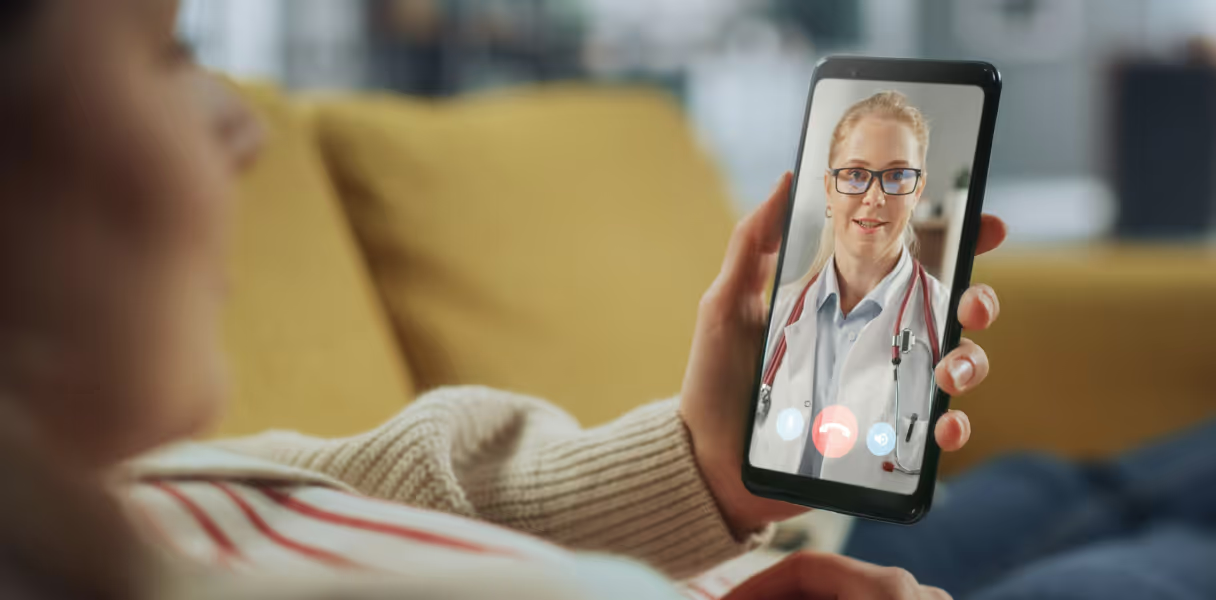
dumbo.health uses a telehealth model that allows patients in Riverview and across Florida to access sleep medicine services without traveling to an office. Physician consultations, result reviews, and treatment adjustments happen remotely through telemedicine. This means you do not need to schedule in-person appointments at a sleep clinic or drive to Tampa, Florida or Tallahassee FL for specialized care.
Remote care also benefits patients in rural parts of Florida where sleep specialists are less accessible. The American Academy of Sleep Medicine has documented a nationwide shortage of board-certified sleep medicine physicians, making telehealth an important tool for expanding access to diagnostic and treatment services.
Checklist: What You Need to Get Started
- Confirm you have symptoms consistent with obstructive sleep apnea (snoring, gasps, daytime sleepiness, morning headaches)
- Review your sleep history and note how many hours you sleep per night
- Check whether you have risk factors such as a BMI over 30, high blood pressure, diabetes, or a family history of sleep apnea
- Complete the free sleep assessment at dumbo.health
- Order the at-home sleep test for $149
- Choose a night when you can sleep at least 4 continuous hours with the device on
- Have a mailing address ready to receive the sleep test kit
KEY TAKEAWAY: Riverview residents can access home sleep testing and CPAP therapy through dumbo.health without insurance, referrals, or prior authorizations, using a telehealth model that eliminates the delays and cost uncertainties of traditional sleep clinic pathways.
With access and cost covered, it is important to understand the limitations of home testing and when it may not be the right choice.
Limitations and Risks of Home Sleep Apnea Testing
Home sleep testing is effective for diagnosing obstructive sleep apnea in most adults, but it has specific limitations that every patient should understand before choosing this pathway. Acknowledging these limitations leads to better outcomes because patients and physicians can select the right test for the right clinical situation.
Limitation 1: Cannot Diagnose All Sleep Disorders
A home sleep apnea test measures airflow, oxygen levels, respiratory effort, and heart rate. It does not record brain waves, eye movements, or muscle activity. This means it cannot diagnose narcolepsy, insomnia disorder, restless legs syndrome, parasomnias, or other sleep-wake disorders that require a full polysomnogram with EEG monitoring. If your physician suspects a condition beyond obstructive sleep apnea, an in-lab study is necessary.
Limitation 2: May Underestimate Severity
Home sleep tests calculate AHI based on total recording time rather than actual sleep time. Because the device cannot distinguish between periods of wakefulness and sleep (it does not record brain waves), it may produce a lower AHI than an in-lab polysomnography study would. The American Academy of Sleep Medicine acknowledges this limitation and recommends physician oversight when interpreting borderline results. In some cases, a physician may recommend a follow-up in-lab study if the home test result does not match the clinical picture.
Limitation 3: User Error Can Affect Data Quality
Because no sleep technologist is present during a home sleep test, sensor placement depends entirely on the patient. A sensor that shifts during the night, a nasal cannula that becomes dislodged, or insufficient recording time can produce incomplete data. Most home sleep test kits include detailed instructions, and devices are designed for ease of use, but user error remains a risk factor. If a test night produces fewer than 4 hours of usable data, a repeat night may be needed.
Limitation 4: Not Suitable for Certain Medical Conditions
Patients with significant heart disease, chronic obstructive pulmonary disease, neuromuscular disorders, or a history of stroke may produce complex respiratory patterns that a portable monitoring device cannot fully characterize. These patients benefit from the continuous supervision and multi-channel recording of an in-lab polysomnography study where a sleep technologist monitors the data in real time.
How dumbo.health Addresses These Limitations
Every home sleep test through dumbo.health is reviewed by a board-certified sleep medicine physician, not just processed by an algorithm. If results are borderline or inconclusive, the physician can recommend a repeat test or an in-lab polysomnography referral. The Premium and Elite plans include advanced adherence monitoring and direct physician messaging, which provide ongoing clinical oversight that helps catch issues early. This physician-led model reduces the risk of misdiagnosis from home testing data alone.
KEY TAKEAWAY: Home sleep testing is not appropriate for all sleep disorders or all patients. It cannot diagnose narcolepsy, parasomnias, or restless legs syndrome, may underestimate AHI in some cases, and depends on correct sensor placement by the patient. Physician review of results is essential to compensate for these limitations.
Understanding limitations provides a complete picture, which helps separate real concerns from common misconceptions about home sleep testing.
Common Myths About Home Sleep Apnea Testing Debunked
MYTH: Home sleep tests are not accurate enough to diagnose sleep apnea.
FACT: The American Academy of Sleep Medicine recognizes home sleep apnea testing as a valid diagnostic method for obstructive sleep apnea in adults with a moderate to high pretest probability. Studies published in peer-reviewed journals and referenced by the AASM show that home sleep tests have a sensitivity of approximately 79 to 97 percent for detecting moderate to severe obstructive sleep apnea when compared to in-lab polysomnography. Physician review of the data further improves diagnostic accuracy.
MYTH: You need a doctor's referral to get a home sleep test.
FACT: While some insurance-based pathways require a referral from a primary care physician or sleep specialist, self-pay options such as dumbo.health do not require referrals or prior authorizations. You can order a home sleep test directly for $149 and have the results reviewed by a board-certified sleep medicine physician without going through an insurance approval process.
MYTH: Home sleep tests are uncomfortable and difficult to set up.
FACT: Modern home sleep test kits use lightweight sensors, typically a nasal cannula, a finger oximeter, and one or two chest belts. Most patients report that setup takes 5 to 10 minutes. Clinicians frequently observe that patients sleep more naturally at home than they do in a sleep lab surrounded by unfamiliar equipment and technicians. In real-world use, the majority of patients complete the test successfully on the first night.
MYTH: If you snore, you definitely have sleep apnea.
FACT: Snoring is a common symptom of obstructive sleep apnea, but not everyone who snores has the condition. According to the Sleep Foundation, roughly 40 percent of adult men and 24 percent of adult women are habitual snorers, while the prevalence of obstructive sleep apnea is significantly lower. A home sleep test measures whether snoring is accompanied by breathing pauses, drops in oxygen levels, and other indicators that distinguish obstructive sleep apnea from simple snoring.
MYTH: Sleep apnea only affects overweight older men.
FACT: While obesity and male sex are risk factors, obstructive sleep apnea affects people of all ages, body types, and genders. The NIH notes that airway structure, jaw anatomy, and genetic factors contribute to sleep apnea risk independent of body weight. Women, younger adults, and people with a normal BMI can all have clinically significant obstructive sleep apnea. Testing should be based on symptoms, not assumptions about who looks like a typical patient.
KEY TAKEAWAY: Home sleep tests are clinically validated, straightforward to use, and do not require a referral when using self-pay providers like dumbo.health. Common myths about accuracy, difficulty, and who gets sleep apnea often delay diagnosis unnecessarily.
With myths addressed, a broader look at how sleep apnea connects to overall health reinforces why testing matters.
How Untreated Sleep Apnea Affects Long-Term Health
Untreated obstructive sleep apnea increases the risk of several serious health conditions, making early testing and treatment a medical priority rather than a lifestyle convenience. The repeated oxygen drops and sleep fragmentation caused by untreated sleep apnea place chronic stress on the cardiovascular and metabolic systems.
Cardiovascular and Metabolic Risks
The National Heart, Lung, and Blood Institute states that untreated obstructive sleep apnea is associated with high blood pressure, heart disease, stroke, and irregular heart rhythms. The relationship between sleep apnea and hypertension is particularly well documented. Repeated drops in blood oxygen levels during apnea events trigger sympathetic nervous system activation, which raises blood pressure both during sleep and throughout the day.
Obstructive sleep apnea is also linked to insulin resistance and type 2 diabetes. According to the NIH, the intermittent hypoxia caused by sleep apnea disrupts glucose metabolism, and treating sleep apnea with CPAP therapy can improve glycemic control in some patients.
Daytime Function and Safety
Untreated sleep apnea reduces sleep quality, leading to excessive daytime sleepiness that impairs concentration, reaction time, and decision-making. The National Highway Traffic Safety Administration reports that drowsy driving causes thousands of crashes annually in the United States. For commercial drivers in Riverview and across Florida, untreated sleep apnea is both a personal health risk and a workplace safety concern. The FMCSA requires that commercial drivers with certain risk factors undergo sleep apnea testing to maintain their medical certification.
Mental Health and Quality of Life
Chronic sleep disruption from untreated sleep apnea contributes to mood changes, irritability, and depressive symptoms. Many patients report that their sleep problem affects relationships, work performance, and overall quality of life. Clinicians frequently observe that successful CPAP treatment improves not just physical health markers but also self-reported energy, mood, and restful sleep quality.
Obstructive sleep apnea affects more than breathing during sleep. Untreated obstructive sleep apnea is associated with increased cardiovascular risk, metabolic dysfunction, impaired daytime function, and reduced quality of life. Early diagnosis through home sleep testing and prompt initiation of treatment reduces these risks and helps patients return to healthier sleep patterns.
KEY TAKEAWAY: Untreated obstructive sleep apnea raises the risk of high blood pressure, heart disease, stroke, diabetes, and impaired daytime function, making early testing and treatment essential for long-term health.
Understanding the health stakes clarifies why choosing the right care pathway matters for Riverview patients ready to take action.
Finding Sleep Apnea Care Providers in Your Area
Riverview, Florida residents have several options for sleep apnea testing and treatment, ranging from local sleep centers to remote telehealth-based services. The right provider depends on your clinical needs, budget, and preference for convenience.
Local Options
The Tampa, Florida area has several established sleep medicine practices and testing centers. BayCare Sleep Centers operate multiple locations in the region and offer both in-lab polysomnography and home sleep testing. The Sleep Medicine Institute and various Sleep Disorders Center locations provide comprehensive sleep evaluations with board-certified sleep medicine physicians on staff. LabFinder can help you locate sleep testing facilities close to you.
Local sleep clinics typically accept Insurance Plans but may require referrals from a primary care physician. Wait times for appointments can range from 2 to 6 weeks depending on provider availability, and scheduling an in-lab study may add additional weeks. For patients who need answers quickly or prefer not to deal with insurance processes, these timelines can be a barrier.
Telehealth-Based Care Through dumbo.health
dumbo.health offers a fully remote sleep apnea care model available to patients throughout Florida, including Riverview. The service covers home sleep testing, physician review, CPAP therapy, equipment, and ongoing follow-up through monthly plans. Because the model is built on telehealth and self-pay, there are no referral requirements, no insurance paperwork, and no waiting weeks for an appointment.
For Riverview residents who want the fastest path from screening to diagnosis to treatment, dumbo.health's approach eliminates most of the administrative barriers that slow down traditional care pathways.
Specialists and Disciplines Involved
Sleep apnea care may involve several types of specialists depending on the complexity of the case:
- A sleep physician or board-certified sleep medicine physician interprets test results and manages treatment plans
- Pulmonology specialists focus on respiratory conditions that may overlap with sleep apnea
- Otolaryngology (ENT) specialists evaluate airway structure and may recommend surgical interventions
- Neurology specialists are involved when narcolepsy, restless legs syndrome, or other neurological sleep disorders are suspected
Not every patient needs to see multiple specialists. Most people with straightforward obstructive sleep apnea are managed by a sleep physician who handles testing, diagnosis, and CPAP therapy. dumbo.health provides this level of care through its telehealth platform, including physician interpretation, equipment, and adherence monitoring in every plan.
KEY TAKEAWAY: Riverview residents can choose between local sleep centers, specialty practices, and telehealth providers like dumbo.health for sleep apnea testing and treatment. Telehealth-based self-pay services remove the referral, insurance, and scheduling barriers that often delay care at traditional facilities.
With a clear view of available care options, it is worth examining the specific technology inside home sleep test devices.
Understanding the Technology Behind Home Sleep Test Devices
Home sleep apnea test devices use FDA-cleared sensors and portable monitoring technology to collect clinical-grade data in an unattended setting. The technology has advanced significantly in the past decade, making home testing more reliable and easier to use than earlier portable devices.
Sensor Types and What They Measure
Most home sleep test kits include the following testing equipment:
- Nasal cannula or thermistor: measures airflow through the nose and mouth to detect apneas (complete breathing stops) and hypopneas (partial reductions in airflow)
- Pulse oximeter (finger sensor): uses photoplethysmography to measure oxygen saturation and heart rate continuously throughout the night
- Chest and abdominal belts: detect respiratory effort by measuring chest wall and abdominal movement during breathing
- Body position sensor: some devices include an accelerometer that records sleep position, which can be relevant because obstructive sleep apnea is often worse when sleeping on the back
Advanced and Simplified Devices
Some newer home testing devices take a minimalist approach. The NightOwl Home Sleep Test, for example, uses a single fingertip sensor based on peripheral arterial tonometry and photoplethysmography to estimate respiratory events, oxygen desaturation, and sleep-wake patterns without chest belts or a nasal cannula. These simplified devices trade some data granularity for significantly easier setup.
Traditional multi-sensor devices remain the standard recommended by the American Academy of Sleep Medicine for Type III home sleep testing. These devices record at least 4 channels of data and provide the most reliable basis for calculating the Apnea-Hypopnea Index.
Data Interpretation Is Not Automated
The diagnostic testing equipment records raw data. A board-certified sleep medicine physician interprets that data, identifies artifacts or signal quality issues, calculates the AHI, and determines the clinical significance of the findings. This physician review step is what makes the difference between a consumer sleep monitor and a diagnostic home sleep study. Consumer-grade wearables and sleep monitors from fitness brands track general sleep patterns but are not validated for diagnosing sleep apnea and should not be used as substitutes for FDA-cleared home sleep testing devices.
KEY TAKEAWAY: Home sleep test devices use FDA-cleared sensors including pulse oximetry, nasal airflow measurement, and respiratory effort belts to collect diagnostic data, and a physician interprets this data to produce a clinical result that consumer sleep monitors cannot replicate.
Technology is only useful if it leads to meaningful follow-up, which is why understanding what happens after your test is equally important.
What Happens After Your Home Sleep Test Results
After a board-certified sleep medicine physician reviews your home sleep test data, you receive a clinical report that includes your Apnea-Hypopnea Index, oxygen desaturation data, and a diagnosis or recommendation for further evaluation.
If Your AHI Indicates Sleep Apnea
An AHI of 5 or more events per hour combined with symptoms such as snoring, daytime sleepiness, or witnessed breathing pauses during sleep typically results in a diagnosis of obstructive sleep apnea. The severity classification guides the treatment plan:
- Mild (AHI 5 to 14): Treatment may include CPAP therapy, an oral device, positional therapy, or lifestyle modifications depending on symptom severity
- Moderate (AHI 15 to 29): CPAP therapy is generally recommended as the primary treatment
- Severe (AHI 30 or above): CPAP therapy is strongly recommended, and additional monitoring may be needed
With dumbo.health, patients who test positive for obstructive sleep apnea can begin CPAP therapy immediately through a monthly care plan. The Essentials Plan at $59 per month includes CPAP therapy, equipment, physician interpretation, and standard follow-up. The Premium Plan at $89 per month adds a dedicated sleep coach and advanced adherence monitoring. The Elite Plan at $129 per month includes concierge clinical support and direct physician messaging.
If Your Results Are Normal or Inconclusive
A normal result (AHI below 5) means the test did not detect obstructive sleep apnea. However, if symptoms persist, a physician may recommend repeating the home test or proceeding to an in-lab polysomnography study to evaluate for other sleep disorders such as insomnia, restless legs syndrome, or parasomnias.
An inconclusive result can occur when there are fewer than 4 hours of usable recording time, significant sensor displacement during the night, or borderline AHI values that do not clearly indicate or rule out sleep apnea. In these cases, a repeat test night or an in-lab study provides clarification.
Reporting to Your Primary Care Provider
Results from a home sleep test can be shared with your referring physician or primary care doctor. dumbo.health care plans include updates sent to your referring provider so that your sleep apnea diagnosis and treatment plan are integrated into your overall health assessment. This is particularly important for patients with comorbid conditions such as high blood pressure, diabetes, or heart disease where sleep apnea management affects overall treatment.
KEY TAKEAWAY: After a home sleep test, a physician-reviewed report determines whether obstructive sleep apnea is present and guides the treatment plan, with options ranging from CPAP therapy to further in-lab evaluation if results are inconclusive.
With the clinical pathway clear, the conclusion brings together the key decisions Riverview residents face when considering home sleep apnea testing.
Conclusion
A home sleep apnea test in Riverview, Florida provides a practical, clinically validated path to diagnosing obstructive sleep apnea without the expense, inconvenience, or delays of traditional in-lab testing. For adults with symptoms such as snoring, choking, morning headaches, or excessive daytime sleepiness, testing at home is the fastest way to get answers and start treatment.
dumbo.health makes the process straightforward with a $149 home sleep test, no insurance required, no referrals, and no surprise bills. Monthly care plans starting at $59 per month include CPAP therapy, equipment, physician oversight, and adherence support with no contracts. Take the free sleep assessment to find out whether home sleep testing is right for you.
Frequently Asked Questions About Home Sleep Apnea Testing in Riverview, Florida
What is a home sleep apnea test?
A home sleep apnea test (HSAT) is a simplified diagnostic tool that allows you to test for sleep apnea in your own bed rather than spending a night in a clinical sleep lab. The device records key physiological data while you sleep, including oxygen saturation, breathing effort, airflow, and heart rate. A board-certified sleep physician then reviews the collected sleep data and generates a report. According to the American Academy of Sleep Medicine, home sleep testing is an appropriate diagnostic pathway for adults with a high likelihood of obstructive sleep apnea.
What is obstructive sleep apnea?
Obstructive sleep apnea (OSA) is a common sleep disorder in which the airway repeatedly becomes blocked during sleep. The soft tissue in the throat, including the tongue and soft palate, relaxes and expands, partially or fully obstructing the upper airway. This causes breathing to pause repeatedly throughout the night, often triggering gasps, snoring, or brief awakenings. The Mayo Clinic explains that OSA can lead to fragmented sleep, reduced oxygen levels, and increased risk of high blood pressure, heart disease, stroke, and diabetes. A qualified healthcare professional can help determine whether testing is appropriate for your situation.
What are the symptoms of sleep apnea?
Common symptoms of sleep apnea include loud snoring, gasping or choking during sleep, waking with headaches, excessive daytime sleepiness, difficulty concentrating, and restless nights. A bed partner may notice repeated pauses in your breathing. Not everyone with sleep apnea snores, and some people with significant OSA have few noticeable symptoms during waking hours. If you regularly experience disrupted sleep, morning headaches, or unexplained fatigue, speaking with a healthcare professional about sleep apnea testing is a reasonable next step. You can also take a free sleep assessment to help clarify whether testing may be appropriate.
Is sleep apnea dangerous?
Yes, untreated sleep apnea carries meaningful health risks. The NHLBI states that untreated obstructive sleep apnea is associated with increased risk of high blood pressure, heart disease, stroke, type 2 diabetes, and motor vehicle accidents caused by daytime drowsiness. Repeated drops in oxygen saturation during sleep place ongoing stress on the cardiovascular system. For commercial drivers and others in safety-sensitive roles, untreated sleepiness related to sleep apnea poses serious occupational risks. Evaluation and appropriate treatment, guided by a qualified clinician, can reduce these risks over time.
How is sleep apnea diagnosed?
Sleep apnea is diagnosed through sleep testing evaluated by a qualified physician. Testing options include an in-lab polysomnogram, which records brain waves, oxygen levels, heart rate, breathing effort, and limb movements in a clinical setting, or a home sleep apnea test, which captures a focused set of respiratory and oxygen measurements overnight. A board-certified sleep medicine physician reviews the recorded sleep data and calculates the apnea-hypopnea index (AHI), which reflects the average number of breathing interruptions per hour. The AHI, combined with symptoms and clinical context, guides diagnosis and treatment planning.
How fast can I get a home sleep test in Riverview, Florida?
Delivery timelines for at-home sleep test kits to Riverview, Florida vary by provider, but same-day shipping is available through some services for orders placed before a daily cutoff. Once the kit arrives, you complete testing at home on your chosen night and return the device for physician review. dumbo.health offers a $149 home sleep apnea test with transparent cash-pay pricing and no insurance required. This straightforward pathway means many patients in the Riverview and greater Tampa, Florida area can access testing quickly without referrals, prior authorizations, or sleep clinic wait times.
What does the $149 home sleep test include?
The dumbo.health $149 home sleep test includes the at-home sleep test device and one night of testing. The device is shipped to you, you wear it during sleep, and the recorded data is returned for physician review. The $149 cost is a one-time charge billed separately from any ongoing care plans. It does not include physician interpretation, which is covered under dumbo.health monthly plans. There are no contracts and no hidden fees. This transparent pricing is designed so patients in Riverview and across Florida can plan their care costs clearly from the start.
What measurements does a home sleep apnea test record?
A home sleep apnea test typically records oxygen saturation (blood oxygen levels), respiratory effort, airflow, heart rate, and body position throughout the night. Some devices use photoplethysmography or peripheral arterial tonometry to capture these signals. The recorded data allows a reviewing physician to calculate the apnea-hypopnea index and assess the frequency and severity of breathing interruptions. Home sleep tests do not record brain waves or the full range of signals captured during in-lab polysomnography, which is an important limitation to understand when interpreting results.
Is a home sleep test as accurate as an in-lab sleep study?
A home sleep apnea test is an effective and clinically validated tool for detecting obstructive sleep apnea in adults who are likely candidates, but it captures less data than a full in-lab polysomnogram. In-lab polysomnography records brain waves, limb movements, and a broader set of physiological signals that can identify conditions beyond OSA, such as narcolepsy, restless legs syndrome, and parasomnias. The American Academy of Sleep Medicine supports home sleep testing as a diagnostic option for uncomplicated suspected OSA. A healthcare professional can advise whether a home sleep test is suitable or whether a full sleep study at a sleep lab or sleep center is needed.
Who reviews my home sleep test results?
A board-certified sleep medicine physician reviews the sleep data collected during your home sleep apnea test and generates a written interpretation report. This physician evaluates the apnea-hypopnea index, oxygen saturation patterns, respiratory effort recordings, and other available data to assess whether obstructive sleep apnea is present and, if so, its severity. At dumbo.health, physician interpretation and a detailed report are included in the monthly care plans that follow the initial $149 home sleep test. A certified medical examiner or referring provider may also receive a copy of the report when clinically appropriate.
Can I use home sleep test results for a CPAP prescription?
Yes, in many cases a home sleep test result reviewed and interpreted by a qualified physician can support a CPAP prescription when obstructive sleep apnea is confirmed. The reviewing physician uses the sleep data, including the apnea-hypopnea index and oxygen saturation findings, to determine appropriate treatment. If CPAP therapy is recommended, dumbo.health monthly plans cover CPAP therapy and equipment as part of ongoing care. The specifics of your treatment plan, including the appropriate CPAP pressure settings and equipment type, should be determined by your physician based on your individual results.
What happens after I complete a home sleep study?
After you return the home sleep test device, your recorded sleep data is reviewed by a board-certified sleep physician who generates an interpretation report. If obstructive sleep apnea is confirmed, your physician will discuss treatment options, which may include CPAP therapy, oral appliance therapy such as a mandibular advancement device, or other interventions depending on your clinical situation. dumbo.health sleep apnea care solutions include physician review, CPAP therapy and equipment, adherence follow-up, and provider reporting, giving patients a structured care pathway after their initial test results are delivered.
What are the benefits of home sleep testing compared to an in-lab study?
Home sleep testing offers several practical advantages over an in-lab polysomnogram. Testing takes place in your own bed, which many patients find more comfortable and representative of their normal sleep environment. There are no overnight clinical stays and no sleep technologists present during the night. Home sleep tests are generally significantly less expensive than laboratory studies and are accessible without a referral through cash-pay providers. For patients with a high clinical suspicion of obstructive sleep apnea who do not have complicating conditions such as suspected narcolepsy or central sleep apnea, home sleep testing is widely recognised as an appropriate and efficient diagnostic pathway.
What symptoms suggest I might need home sleep testing?
You may benefit from home sleep testing if you regularly experience loud snoring, gasping or choking during the night, restless sleep, waking with headaches, unexplained daytime sleepiness, or difficulty staying focused during the day. Other risk factors that often prompt a clinician to recommend sleep apnea testing include high blood pressure, obesity, a large neck circumference, and a family history of sleep apnea. A healthcare professional can help determine whether testing is appropriate for your specific symptoms and risk profile. Taking a free sleep assessment is a low-barrier first step if you are unsure.
How common is sleep apnea?
Sleep apnea is more common than many people realise. The Sleep Foundation estimates that obstructive sleep apnea affects approximately 26 percent of adults between the ages of 30 and 70 in the United States, with a significant proportion remaining undiagnosed. Risk factors include male sex, older age, obesity, a narrow airway structure, and lifestyle factors such as alcohol use. Because many people with OSA are unaware they have the condition, widespread underdiagnosis is a recognised public health concern. In Florida and across the country, accessible home sleep testing is helping more patients identify and address untreated sleep disorders.
Do I need insurance to get a home sleep apnea test in Riverview, Florida?
No. dumbo.health is a cash-pay service that does not require insurance, prior authorizations, or referrals. The at-home sleep test is $149 as a one-time purchase, and monthly care plans start at $59 per month with no contracts and no surprise bills. This transparent pricing model is designed to make sleep apnea testing and care accessible to patients in Riverview, Tampa, and across Florida regardless of their insurance status. Patients who prefer to use insurance should check directly with their plan, as coverage for home sleep testing varies by insurer and plan type.
What ongoing care options are available after a home sleep test?
After completing a home sleep apnea test, ongoing care may include physician interpretation, CPAP therapy, equipment, adherence monitoring, and follow-up support. dumbo.health offers three monthly care plans with no contracts. The Essentials plan is $59 per month and includes physician interpretation and report, CPAP therapy and equipment, standard follow-up, and provider updates. The Premium plan is $89 per month and adds a dedicated sleep coach, advanced adherence monitoring, and priority results turnaround. The Elite plan is $129 per month and adds concierge clinical support, direct physician messaging, and custom reporting. All plans can be cancelled at any time.
What is CPAP therapy and how does it treat sleep apnea?
CPAP, or continuous positive airway pressure, is the most widely used treatment for moderate to severe obstructive sleep apnea. A CPAP machine delivers a steady stream of pressurised air through a nasal mask or full-face mask to keep the upper airway open during sleep, preventing the tissue collapse that causes breathing interruptions. The Mayo Clinic describes CPAP as the gold-standard treatment for OSA, reducing AHI, improving oxygen saturation, and alleviating symptoms such as daytime sleepiness and snoring. CPAP adherence, meaning consistent nightly use, is essential for treatment effectiveness and is tracked through most modern CPAP machines.
What is CPAP adherence and why does it matter?
CPAP adherence refers to how consistently and for how long a patient uses their CPAP machine each night. Most clinical guidelines recommend at least four hours of use per night on at least 70 percent of nights as a minimum threshold, though greater use is generally associated with better outcomes. Poor adherence reduces the therapeutic benefit of CPAP and leaves sleep apnea symptoms, cardiovascular risks, and daytime impairment poorly controlled. For commercial drivers, CPAP adherence data may also be reviewed as part of DOT medical certification requirements. dumbo.health Premium and Elite plans include advanced adherence monitoring to help patients and their care teams stay on track.
Are there treatment options for sleep apnea beyond CPAP?
Yes, several treatment options exist for sleep apnea beyond CPAP, depending on the severity of the condition and the patient's clinical circumstances. Oral appliance therapy, including mandibular advancement devices, repositions the jaw to reduce airway obstruction and is often used for mild to moderate OSA or for patients who cannot tolerate CPAP. Surgical options include procedures that address airway structure. Inspire therapy is an implanted hypoglossal nerve stimulation device that is FDA-approved for certain patients with moderate to severe OSA who cannot use CPAP. Lifestyle changes such as weight loss, positional therapy, and reduced alcohol use may also help. A sleep physician can advise on the most appropriate treatment plan for your individual results.
Can sleep apnea be cured?
Sleep apnea cannot always be permanently cured, but it can be effectively managed. For some patients, weight loss or structural airway changes through surgery may reduce or resolve OSA. For most adults, ongoing management through CPAP therapy, oral appliance therapy, or other evidence-based interventions is the standard approach. Effective treatment can substantially reduce symptoms, improve sleep quality, and lower associated health risks including high blood pressure and heart disease. A healthcare professional should guide all treatment decisions based on your specific test results, medical history, and treatment response.
How long does sleep apnea treatment take?
Sleep apnea treatment is typically ongoing rather than a fixed-duration course. CPAP therapy, for example, is used nightly on a long-term basis to keep the airway open during sleep. Some patients notice symptomatic improvement, such as reduced daytime sleepiness and fewer morning headaches, within the first few weeks of consistent CPAP use. The timeline for measurable improvements in blood pressure, cardiovascular risk, and cognitive function varies and depends on adherence, severity, and individual factors. A board-certified sleep medicine physician can help you understand what to expect from your specific treatment plan and monitor your progress over time.
Do commercial drivers in Riverview need a sleep apnea test for their DOT physical?
Commercial drivers are not automatically required to complete a sleep apnea test as a uniform federal standard, but certified medical examiners may refer drivers for sleep apnea evaluation when clinical risk factors are present. The FMCSA states that a CMV driver must be medically qualified to operate safely, and untreated sleep apnea that causes excessive daytime sleepiness may disqualify a driver. A certified medical examiner reviews symptoms, risk factors, and available test results to make DOT medical certification decisions. For commercial drivers in Riverview and the broader Tampa, Florida area who need a convenient evaluation pathway, the home sleep test for CDL drivers resource provides helpful context.
How does sleep apnea testing relate to DOT medical certification for truck drivers?
A certified medical examiner assesses a commercial driver's fitness for duty during a DOT physical, which may include considering sleep apnea risk factors such as obesity, neck circumference, hypertension, and reported symptoms. If a driver is referred for sleep apnea testing and found to have untreated OSA, the medical examiner may require documentation of effective treatment and adequate CPAP adherence before issuing or renewing a medical certificate. dumbo.health can support testing and care documentation workflows for commercial drivers, but it does not guarantee DOT certification or medical clearance. A certified medical examiner makes all DOT certification decisions. For a broader overview, see the ultimate DOT physical guide for commercial drivers.
Can I get a home sleep apnea test without a referral in Florida?
Yes. In Florida, patients can access home sleep apnea testing through cash-pay services without a physician referral. dumbo.health provides an accessible $149 at-home sleep test that does not require insurance or a prior referral. Physician interpretation is included in the monthly care plans that follow the initial test. This means patients in Riverview, Tampa, and across Florida can begin the diagnostic process directly, without waiting for a specialist appointment or managing insurance authorizations. A healthcare professional should still review your results and guide any treatment decisions based on your individual sleep data.
What is the apnea-hypopnea index and what do the numbers mean?
The apnea-hypopnea index (AHI) is the standard measure used to assess the severity of sleep apnea. It reflects the average number of breathing interruptions, including complete pauses (apneas) and partial reductions in airflow (hypopneas), per hour of sleep. The American Academy of Sleep Medicine classifies AHI results as follows: fewer than 5 events per hour is considered normal in adults, 5 to 14 is mild OSA, 15 to 29 is moderate OSA, and 30 or more is severe OSA. A reviewing physician uses the AHI alongside oxygen saturation data and clinical symptoms to guide diagnosis and treatment planning.
What is the difference between a home sleep test and polysomnography?
A home sleep apnea test is a portable monitoring device that records a focused set of respiratory signals, typically including oxygen saturation, airflow, respiratory effort, and heart rate, during a night of sleep at home. Polysomnography is a comprehensive in-lab sleep study that additionally records brain wave activity (EEG), eye movements, muscle activity, and a broader range of physiological signals. Polysomnography is required to diagnose conditions such as narcolepsy, restless legs syndrome, and many parasomnias, as well as central sleep apnea. For adults with straightforward suspected obstructive sleep apnea, home sleep testing is a validated and widely accepted diagnostic option.
When might I need an in-lab sleep study instead of a home test?
A full in-lab polysomnogram may be recommended over a home sleep test in several situations. These include suspected central sleep apnea, significant heart or lung conditions, neuromuscular disorders, suspected narcolepsy or other sleep-wake disorders, prior inconclusive home testing, or when a healthcare professional identifies clinical complexity that requires a more comprehensive data set. A sleep physician can evaluate your symptoms, medical history, and risk factors to determine which type of sleep study is most appropriate for your situation. Home sleep testing is generally suitable for adults with a high clinical suspicion of uncomplicated obstructive sleep apnea.
How do I find a home sleep apnea test provider near me in Riverview, Florida?
Patients in Riverview, Florida looking for sleep apnea testing near them have several options, including local sleep clinics, sleep centers affiliated with hospital systems in the Tampa area, and telehealth-enabled cash-pay services. dumbo.health offers at-home sleep apnea testing with same-day shipping to Riverview and surrounding areas, transparent cash-pay pricing at $149 per test, and no insurance or referral required. For patients who prefer local in-person providers, a primary care physician or sleep specialist can provide referrals to accredited sleep centers in the Tampa and Riverview area. A healthcare professional can help determine the most appropriate testing pathway based on your symptoms and medical history.
Is insomnia the same as sleep apnea?
No. Insomnia and sleep apnea are distinct sleep disorders, though they can occur together and share some overlapping symptoms such as disrupted sleep and daytime fatigue. Insomnia is characterised by difficulty falling asleep, staying asleep, or waking too early, and is primarily a disorder of sleep initiation or maintenance. Sleep apnea is a breathing disorder in which the airway repeatedly becomes obstructed or collapses during sleep, causing oxygen levels to drop and sleep to fragment. Correctly identifying which condition is present, or whether both are contributing, requires appropriate diagnostic evaluation. A sleep specialist can help differentiate between these and other sleep disorders based on your sleep history and test results.
What should I do if I have severe symptoms or urgent health concerns?
If you are experiencing severe symptoms such as chest pain, difficulty breathing, a sudden inability to stay awake while driving, or other urgent health concerns, seek medical care promptly. Home sleep testing is not a tool for emergency evaluation. A home sleep apnea test is appropriate for patients who suspect they have sleep apnea based on common symptoms and want a convenient, non-urgent diagnostic pathway. For any symptoms that may indicate a cardiac, respiratory, or neurological emergency, contact your healthcare provider or go to an emergency department without delay.