

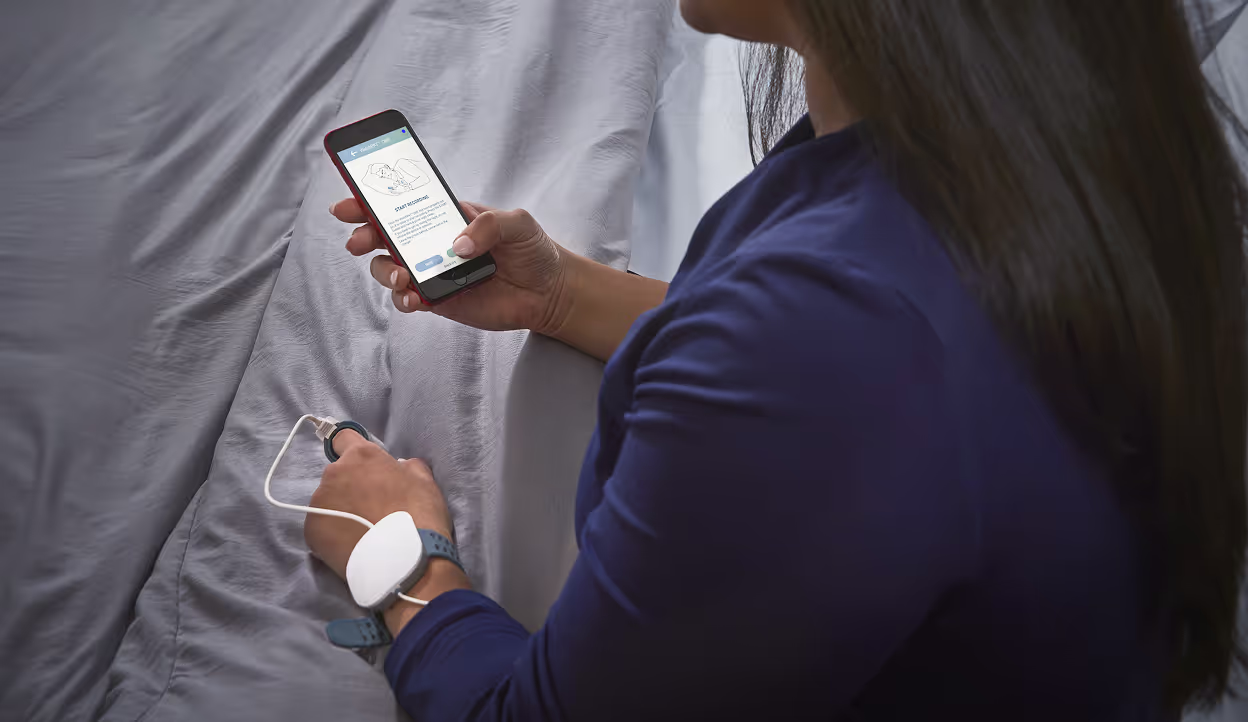



Home Sleep Apnea Test in Sanford, Florida: The Complete Guide to At-Home Sleep Testing
A home sleep apnea test in Sanford, Florida gives you a clinical-grade sleep apnea diagnosis from your own bed, without spending a night in a sleep center. According to the American Academy of Sleep Medicine, home sleep testing is a validated diagnostic method for obstructive sleep apnea in adults with a high pretest probability. This guide is for Sanford-area residents, Central Florida commercial drivers, and anyone experiencing symptoms like snoring, gasping for air, or excessive daytime sleepiness. You will learn how home sleep testing works, what devices measure, how results compare to in-clinic studies, what treatment options follow a diagnosis, and how to access affordable testing without insurance delays. Whether your physician referred you or you suspect a sleep problem on your own, this page covers every step from screening to treatment.
Quick Answer
A home sleep apnea test in Sanford, Florida is a portable diagnostic device you wear for one night at home to measure airflow, oxygen saturation, pulse rate, and breathing effort. The test detects obstructive sleep apnea without requiring an overnight stay at a sleep center. Results are reviewed by a physician who determines your diagnosis and treatment plan. Most adults with suspected sleep apnea qualify for home testing. dumbo.health offers a home sleep test for $149 with no insurance required and physician-reviewed results through affordable monthly care plans.
Key Takeaways
- Home sleep apnea testing is a clinically validated alternative to in-lab polysomnography for diagnosing obstructive sleep apnea in adults
- The test measures airflow, oxygen levels, respiratory effort, and pulse rate during one night of sleep
- Sanford, Florida residents can access home sleep testing without visiting a sleep center or requiring a referral from a sleep specialist in many cases
- Untreated obstructive sleep apnea affects an estimated 30 million Americans, with roughly 80% of moderate to severe cases going undiagnosed according to the American Academy of Sleep Medicine
- dumbo.health provides a home sleep test for $149 with no insurance, no prior authorization, and no surprise bills
- Monthly treatment plans through dumbo.health start at $59 per month and include CPAP therapy, physician review, and follow-up care
What Is a Home Sleep Apnea Test?
A home sleep apnea test is a portable diagnostic device that records breathing patterns, oxygen saturation, airflow, and respiratory effort while you sleep in your own bed. The test identifies whether you have obstructive sleep apnea, the most common form of sleep-disordered breathing.
How Home Sleep Testing Differs from a Sleep Study
A traditional sleep study, called polysomnography, requires an overnight stay at a sleep center where a Registered Polysomnographic Technologist monitors you with dozens of sensors. Home sleep testing uses a smaller, portable sleep machine with fewer sensors focused specifically on detecting sleep apnea.
The American Academy of Sleep Medicine recognizes home sleep testing as an appropriate diagnostic tool for adults with a moderate to high likelihood of obstructive sleep apnea and no significant comorbid sleep disorders such as central sleep apnea, narcolepsy, or Periodic limb movement disorder.
Home sleep testing does not diagnose every sleep disorder. Conditions like Restless Leg Syndrome, Night Terrors, Sleep Walking, or Insomnia require different evaluation methods, often including an in-lab study with full polysomnography.
What the Device Measures
A home sleep test device typically includes a nasal pressure sensor to track airflow, a pulse oximetry sensor to monitor oxygen levels and pulse rate, and an effort belt to detect chest and abdominal breathing effort. Some newer devices use photoplethysmography or peripheral arterial tonometry to collect sleep data with even fewer attachments.
The device records this data throughout the night and stores it for physician review. Some systems transmit sleep data directly via cell phone connection, while others require the patient to return the device for data download.
DID YOU KNOW: According to the National Heart, Lung, and Blood Institute, obstructive sleep apnea causes repeated partial or complete airway collapse during sleep, which can happen 5 to over 100 times per hour in severe cases.
KEY TAKEAWAY: A home sleep apnea test is a portable, FDA-cleared diagnostic tool that measures breathing, oxygen saturation, and airflow to detect obstructive sleep apnea without requiring an overnight visit to a sleep center.
Understanding what the test measures helps clarify who qualifies for home testing and who may need an in-clinic evaluation instead.
Who Qualifies for a Home Sleep Test in Sanford, Florida
Most adults in the Sanford, Florida area who show symptoms of obstructive sleep apnea qualify for home sleep testing. The primary qualification is a clinical suspicion of moderate to severe obstructive sleep apnea based on symptoms and sleep history.
Symptoms That Indicate You May Need Testing
Common symptoms that prompt sleep apnea testing include loud, chronic snoring, witnessed episodes of gasping for air during sleep, excessive daytime sleepiness, morning headaches, difficulty concentrating, and waking frequently at night. A healthcare practitioner evaluates your sleep history, symptom severity, and risk factors such as body mass index, neck circumference, and age to determine whether testing is appropriate.
According to the Sleep Foundation, snoring alone does not confirm sleep apnea, but snoring combined with daytime sleepiness and observed breathing pauses during sleep strongly suggests the need for diagnostic testing.
Who May Not Qualify for Home Testing
Home sleep testing is not appropriate for every patient. People with suspected central sleep apnea, narcolepsy, significant cardiopulmonary disease, or other complex breathing disorders typically need in-clinic polysomnography. Patients with suspected Restless Legs Syndrome, Periodic limb movement disorder, or parasomnias like Night Terrors and Sleep Walking also require in-lab evaluation because a home sleep test device does not monitor brain wave activity or limb movements.
If a home sleep test produces inconclusive results, your physician may recommend a follow-up in-lab study at a facility like HCA Florida Lake Monroe Hospital or Oviedo Medical Center for a comprehensive evaluation.
IMPORTANT: A home sleep test is designed to detect obstructive sleep apnea specifically. It does not screen for narcolepsy, Insomnia, central sleep apnea, or other sleep disorders that require polysomnography, Multiple Sleep Latency Testing, or Maintenance of Wakefulness Testing.
KEY TAKEAWAY: Most adults in Sanford, Florida with symptoms like snoring, gasping for air, and daytime sleepiness qualify for a home sleep apnea test, but patients with complex or multiple sleep disorders typically need an in-clinic sleep study.
Knowing whether you qualify is the first step. The next question most people ask is what happens during the actual test.
How a Home Sleep Apnea Test Works: Step by Step
A home sleep apnea test follows a straightforward process from order to results. The entire experience typically takes less than a week from start to finish.
Step-by-Step Process for Completing a Home Sleep Test
1. Start by completing a sleep assessment. You can take a free sleep assessment through dumbo.health to determine whether home testing is right for you based on your symptoms and sleep history.
2. Order your home sleep test. Through dumbo.health, a home sleep test costs $149 as a one-time payment with no insurance required and no prior authorization needed.
3. Receive and set up the device. The portable sleep machine arrives with clear instructions. You attach the nasal pressure sensor, pulse oximetry finger clip, and effort belt before going to sleep.
4. Sleep one night with the device. Wear the monitoring device for a full night of sleep in your own bed. The sensors collect data on airflow, oxygen saturation, pulse rate, and respiratory effort throughout the night.
5. Return or transmit the sleep data. Depending on the device, data is either transmitted automatically via cell phone connection or the device is returned for data download.
6. Physician reviews your results. A board certified sleep specialist or qualified physician interprets your sleep data and generates a diagnostic report. Through dumbo.health, physician interpretation is included in monthly care plans starting at $59 per month.
7. Receive your diagnosis and treatment plan. Your physician reviews the test results with you and recommends treatment options based on the severity of your sleep apnea.
After completing these steps, most patients have a clear diagnosis and a defined treatment plan within days. This speed is one of the main advantages over waiting weeks for an in-lab sleep center appointment.
TIP: Sleep in your normal position and follow your usual bedtime routine during the test night. Avoid alcohol and sedatives, which can affect your airway and alter test results.
KEY TAKEAWAY: A home sleep apnea test involves ordering a portable device, sleeping one night with sensors attached, and receiving physician-reviewed results and a treatment plan, all without visiting a sleep center.
Once you understand the process, comparing the home test to an in-clinic study helps you make an informed decision about which approach fits your situation.
Home Sleep Test vs. In-Lab Polysomnography: Which Is Right for You
The key difference between a home sleep test and in-lab polysomnography is scope. A home test focuses on detecting obstructive sleep apnea, while polysomnography provides a comprehensive evaluation of all sleep disorders including central sleep apnea, narcolepsy, Restless Legs Syndrome, and parasomnias.
Both tests are valid diagnostic tools, but they serve different clinical purposes. Here is how they compare across the most decision-relevant factors.
Setting
- Home Sleep Apnea Test: Your own bed at home in Sanford, Florida or anywhere you sleep
- Polysomnography: A sleep center or hospital such as HCA Florida Lake Monroe Hospital or Oviedo Medical Center
Cost
- Home Sleep Apnea Test: Typically $149 to $500; dumbo.health offers testing at $149 with no insurance required
- Polysomnography: Often $1,000 to $3,000 or more depending on facility and insurance coverage
Sensors and Data Collected
- Home Sleep Apnea Test: Nasal pressure sensor, pulse oximetry, effort belt; measures airflow, oxygen levels, pulse rate, and breathing effort
- Polysomnography: Full EEG, EMG, EOG, ECG plus respiratory sensors; measures brain waves, muscle activity, eye movement, heart rhythm, airflow, oxygen saturation, and limb movements
Convenience
- Home Sleep Apnea Test: High; no travel, no overnight facility stay, no clinical staff required during the test
- Polysomnography: Lower; requires scheduling an appointment, traveling to a sleep center, and spending one or two nights away from home
Conditions Detected
- Home Sleep Apnea Test: Obstructive sleep apnea
- Polysomnography: Obstructive sleep apnea, central sleep apnea, narcolepsy, Periodic limb movement disorder, Restless Legs Syndrome, Night Terrors, Sleep Walking, Insomnia patterns, and other sleep disorders
Turnaround Time for Results
- Home Sleep Apnea Test: Often within days; dumbo.health Premium Plan includes priority results turnaround
- Polysomnography: Often 1 to 3 weeks depending on the sleep center and sleep specialist availability
For most adults in the Sanford area with a primary suspicion of obstructive sleep apnea, a home sleep test is the faster, more affordable, and more convenient starting point. If results are inconclusive or a complex sleep disorder is suspected, your physician may then recommend in-lab polysomnography for further evaluation.
KEY TAKEAWAY: A home sleep apnea test is the most practical first step for diagnosing obstructive sleep apnea, while in-lab polysomnography is reserved for complex cases, inconclusive home test results, or suspected disorders beyond sleep apnea.
After understanding testing options, cost is typically the next concern for patients considering sleep apnea testing in Sanford, Florida.
Cost of a Home Sleep Apnea Test in Sanford, Florida
The cost of a home sleep apnea test in Sanford, Florida ranges from $149 to over $500 depending on the provider, and additional fees for physician interpretation can increase the total significantly.
What Affects the Price
Several factors influence what you pay. Health insurance may cover part or all of the cost if you meet specific criteria, but prior authorizations, copays, deductibles, and network restrictions often delay testing by weeks. Self-pay patients avoid these delays but need to compare prices carefully. Some sleep centers in the Sanford and Lake Mary area bundle the test with an initial consultation and follow up consultation, which increases the total cost.
dumbo.health eliminates the complexity of insurance billing entirely. The at-home sleep test costs $149 as a one-time payment. There is no insurance required, no prior authorization, and no surprise bills. Physician interpretation and ongoing treatment are covered under monthly plans that start at $59 per month.
Cost Comparison: Insurance vs. Self-Pay vs. dumbo.health
Test Cost
- Insurance-Based Testing: Varies; $0 to $500+ after deductible, copay, and authorization
- Local Sleep Center Self-Pay: $200 to $500+ depending on facility
- dumbo.health: $149 one-time, no insurance needed
Physician Interpretation
- Insurance-Based Testing: May be covered or billed separately; often unclear until after the test
- Local Sleep Center Self-Pay: Typically $100 to $300 additional
- dumbo.health: Included in monthly plans starting at $59 per month
Wait Time
- Insurance-Based Testing: Days to weeks for authorization; additional wait for appointment scheduling
- Local Sleep Center Self-Pay: Varies by provider availability in your area
- dumbo.health: No authorization wait; order and receive the test directly
Follow-Up and Treatment
- Insurance-Based Testing: Covered variably; requires in-network providers and ongoing authorizations for CPAP equipment
- Local Sleep Center Self-Pay: Billed separately per visit and per equipment order
- dumbo.health: CPAP therapy, equipment, and follow-up care included in monthly plans with no contracts and cancel anytime
For Sanford residents who want transparent pricing without insurance delays, dumbo.health provides the most predictable cost structure. The $149 test plus a monthly plan starting at $59 per month covers testing, diagnosis, CPAP therapy, and ongoing physician oversight.
DID YOU KNOW: According to the American Sleep Apnea Association, cost and insurance complexity are among the most commonly cited barriers preventing people from getting tested for sleep apnea, even when symptoms are present.
KEY TAKEAWAY: A home sleep apnea test in Sanford, Florida costs $149 through dumbo.health with no insurance, no authorization delays, and no hidden fees, making it the most straightforward option for self-pay patients.
With cost clarified, the next step is understanding what your test results actually mean and what happens after you receive a diagnosis.
Understanding Your Home Sleep Test Results
Home sleep test results reveal whether you have obstructive sleep apnea and how severe it is. The primary metric your physician evaluates is the Apnea-Hypopnea Index, or AHI.
What the AHI Score Means
The AHI measures how many times per hour your breathing partially or completely stops during sleep. According to the American Academy of Sleep Medicine, AHI scores are classified as follows:
- Normal: fewer than 5 events per hour
- Mild obstructive sleep apnea: 5 to 14 events per hour
- Moderate obstructive sleep apnea: 15 to 29 events per hour
- Severe obstructive sleep apnea: 30 or more events per hour
Your physician also reviews oxygen saturation data to determine how low your blood oxygen drops during apnea events. Sustained oxygen desaturation below 90% during sleep is considered clinically significant and may influence treatment urgency.
How Results Inform Your Treatment Plan
The severity of your diagnosis shapes your treatment options. Mild cases may respond to positional therapy, weight management, or an Oral Device. Moderate to severe obstructive sleep apnea typically requires positive airway pressure therapy, most commonly a CPAP machine. In select cases, surgical options like Inspire Upper Airway Stimulation Therapy or Transoral Robotic Surgery may be considered.
Through dumbo.health, physician interpretation of your test results is included in all monthly plans. The Essentials Plan at $59 per month covers physician review, CPAP therapy, equipment, and standard follow-up care. Updates are sent directly to your referring provider so your healthcare practitioner stays informed.
What Happens If Results Are Inconclusive
Roughly 10% to 15% of home sleep tests may produce inconclusive results due to sensor displacement, insufficient recording time, or complex sleep patterns that the portable device cannot fully capture. If your results are inconclusive, your physician may recommend repeating the home test or proceeding to in-lab polysomnography.
Home sleep tests may underestimate AHI in some patients because the device estimates total sleep time rather than measuring it directly through brain wave monitoring. This is one reason why physician oversight of results is critical rather than relying on raw data alone.
KEY TAKEAWAY: Your AHI score from a home sleep test determines the severity of obstructive sleep apnea and directly guides whether you need CPAP therapy, an Oral Device, or further in-lab evaluation.
Understanding your results leads directly to the most important next step: choosing the right treatment approach for your diagnosis.
Treatment Options After a Sleep Apnea Diagnosis
CPAP therapy is the most effective and widely recommended treatment for moderate to severe obstructive sleep apnea. However, several treatment options exist, and the right choice depends on your diagnosis severity, anatomy, and personal preferences.
CPAP and Positive Airway Pressure Therapy
A CPAP machine delivers continuous positive airway pressure through a mask worn during sleep, keeping your airway open and preventing the breathing interruptions that define obstructive sleep apnea. According to the National Heart, Lung, and Blood Institute, CPAP therapy reduces AHI to near-normal levels in most patients and improves oxygen saturation, sleep quality, and daytime alertness.
dumbo.health includes CPAP therapy and equipment in all monthly care plans. The Essentials Plan at $59 per month covers the CPAP machine, standard follow-up care, and physician oversight. The Premium Plan at $89 per month adds a dedicated sleep coach, advanced adherence monitoring, and priority results turnaround.
Bi-level positive airway pressure devices and Adapt Servo Ventilation Titrations are alternatives for patients who cannot tolerate standard CPAP or who have central sleep apnea or complex sleep-disordered breathing.
Oral Devices
Oral devices, also called mandibular advancement devices, reposition the lower jaw forward during sleep to maintain airway openness. The American Academy of Sleep Medicine recommends oral devices as a first-line alternative for mild to moderate obstructive sleep apnea or for patients who cannot tolerate CPAP therapy.
Surgical Options
Surgical treatment options are typically considered when CPAP and oral devices have not succeeded. Inspire Upper Airway Stimulation Therapy is an FDA-approved implantable device that stimulates the hypoglossal nerve to keep the airway open during sleep. Transoral Robotic Surgery addresses structural airway obstruction in select patients. These medical treatment procedures require evaluation by a sleep specialist or surgeon and are not first-line treatments for most patients.
Lifestyle Modifications
Weight loss, positional therapy, avoiding alcohol before bed, and treating nasal congestion can reduce sleep apnea severity. These modifications are most effective for mild cases and are often recommended alongside CPAP therapy or oral devices rather than as standalone treatments.
IMPORTANT: CPAP adherence is critical for treatment success. The Centers for Medicare and Medicaid Services defines adequate CPAP adherence as using the device at least 4 hours per night for 70% of nights over a 30-day period. dumbo.health's Premium and Elite Plans include adherence monitoring to help patients meet these thresholds.
KEY TAKEAWAY: CPAP therapy remains the gold standard for moderate to severe obstructive sleep apnea, and dumbo.health makes it accessible through monthly plans starting at $59 per month that include the machine, physician review, and follow-up care.
Treatment is only effective if you can access it reliably. The next section covers the specific barriers Sanford, Florida residents face and how to overcome them.
Barriers to Sleep Apnea Testing and Treatment in Sanford, Florida
Cost, insurance complexity, and limited sleep center availability are the three most common barriers preventing Sanford-area residents from getting diagnosed and treated for sleep apnea.
Insurance Delays and Authorization Requirements
Many health insurance plans require prior authorization before covering a home sleep test or CPAP equipment. This process can take days to weeks and may result in denial, especially if the insurer requires documentation of a failed alternative treatment or an initial consultation with a sleep specialist before approving testing.
For self-pay patients or those with high-deductible health plans, out-of-pocket costs at local sleep centers can be difficult to predict. Facility fees, professional interpretation fees, and equipment fees are often billed separately, creating surprise bills.
Limited Sleep Center Capacity
Sleep Centers in the Sanford and Lake Mary area, including facilities associated with Florida Centers of Sleep Medicine, Pulmonary Practice Associates, and the Advanced Sleep Disorder Center, serve a large patient population across Seminole County. Wait times for an in-lab sleep study appointment can extend several weeks, particularly for facilities on Red Bug Lake Road and Stirling Center Place that serve patients from Sanford, Lake Mary, and surrounding communities.
How dumbo.health Addresses These Barriers
dumbo.health was built to remove the friction between suspecting sleep apnea and receiving treatment. The sleep apnea care solutions available through dumbo.health provide:
- Cash-pay only with no insurance required and no prior authorizations
- A home sleep test for $149, purchased before the test night
- Physician interpretation included in monthly plans, not billed separately
- CPAP therapy and equipment included in all plans
- Telehealth support so you do not need to travel to a testing location or sleep center
- No contracts across all plans with the ability to cancel anytime
For Sanford residents who have been putting off testing because of cost uncertainty or scheduling difficulty, dumbo.health provides a direct path from symptoms to treatment without the barriers that stop most people.
KEY TAKEAWAY: Insurance delays, surprise billing, and limited sleep center availability in Sanford, Florida prevent many people from getting tested, but dumbo.health eliminates these barriers with transparent $149 testing and monthly treatment plans starting at $59.
Removing barriers to testing is essential, but knowing exactly what to prepare before your test night ensures accurate results.
How to Prepare for Your Home Sleep Apnea Test
Proper preparation before your home sleep apnea test ensures the device records accurate, usable sleep data on the first attempt.
Pre-Test Checklist for Accurate Results
- Confirm you have the home sleep test device and all components including the nasal pressure sensor, pulse oximetry finger clip, and effort belt
- Read the device instructions completely before your test night
- Avoid alcohol for at least 24 hours before the test, as it relaxes the airway and can alter results
- Avoid caffeine after noon on the day of your test
- Avoid sleeping pills or sedatives unless prescribed by your physician
- Remove nail polish from the finger you will use for the pulse oximetry sensor, as polish can interfere with oxygen saturation readings
- Sleep in your normal bed and follow your usual bedtime routine
- Charge the device if applicable, or verify battery levels before attaching sensors
- Set a quiet environment and minimize disruptions during the test night
- Keep your cell phone nearby if the device transmits data wirelessly
- Complete the free sleep assessment at dumbo.health before ordering your test to confirm you are a good candidate for home testing
What to Do the Morning After
After your test night, remove all sensors and follow the return or data submission instructions for your specific device. Most modern home sleep test devices store data automatically. Some devices transmit results in real time. If your device requires return shipping, send it back promptly so your physician can review the results without delay.
Through dumbo.health's Premium Plan at $89 per month, results receive priority turnaround so you get your diagnosis and treatment plan faster.
KEY TAKEAWAY: Following the preparation checklist carefully on your test night prevents data loss and ensures your physician receives accurate sleep data for a reliable diagnosis.
With preparation covered, the next section looks at real-world scenarios showing how different types of patients in Sanford use home sleep testing.
Real-World Scenarios: How Sanford Residents Use Home Sleep Testing
Home sleep apnea testing serves a wide range of patients in the Sanford, Florida area. These examples illustrate how different situations lead to testing and treatment.
Common Scenarios
A 48-year-old Sanford resident with a BMI of 33 has been snoring loudly for years. His partner reports witnessing episodes of gasping for air during the night. He falls asleep at his desk most afternoons. His primary care physician suspects obstructive sleep apnea but the closest sleep center with an available appointment is six weeks out. He orders a home sleep test through dumbo.health for $149, completes the test that week, and receives a diagnosis of moderate obstructive sleep apnea with an AHI of 22. He starts CPAP therapy through the Essentials Plan at $59 per month, which includes his CPAP machine, physician review, and follow-up care.
A 55-year-old commercial truck driver living near Lake Mary needs sleep apnea testing as part of her DOT physical clearance. Her examining physician flagged her BMI and neck circumference as risk factors. She needs results quickly to maintain her CDL certification. Rather than waiting for an in-lab sleep study appointment, she completes a home sleep test through dumbo.health and receives her results within days. Her physician uses the results for her DOT medical exam documentation.
A 62-year-old retiree in Sanford has a history of high blood pressure and Type 2 diabetes. Her cardiologist suspects that undiagnosed obstructive sleep apnea may be contributing to her cardiovascular risk. She has Medicare but faces a complicated prior authorization process for an in-lab study. She chooses to self-pay through dumbo.health to avoid the delay. Her home sleep test reveals severe obstructive sleep apnea with an AHI of 41 and oxygen desaturation events dropping below 85%. She enrolls in the Premium Plan at $89 per month for dedicated sleep coach support and advanced adherence monitoring as she adjusts to CPAP therapy.
Each of these patients accessed testing and treatment faster and at a lower total cost than the traditional insurance-based pathway would have allowed.
KEY TAKEAWAY: Home sleep testing through dumbo.health gives Sanford residents of all ages and health backgrounds a faster, more affordable path from symptoms to diagnosis and treatment than waiting for a sleep center appointment or navigating insurance authorization.
These scenarios reflect common experiences, but some misconceptions still prevent people from pursuing testing. The next section addresses the most widespread myths.
Common Myths About Home Sleep Apnea Tests Debunked
MYTH: Home sleep tests are not as accurate as in-lab sleep studies.
FACT: The American Academy of Sleep Medicine endorses home sleep testing as a valid diagnostic method for obstructive sleep apnea in adults with a moderate to high pretest probability. While home tests measure fewer parameters than full polysomnography, their accuracy for detecting obstructive sleep apnea is well established. The test may slightly underestimate AHI because it estimates rather than directly measures total sleep time, but clinical outcomes for patients diagnosed through home testing are comparable to those diagnosed in-lab.
MYTH: You need a sleep specialist referral to get a home sleep test.
FACT: Many home sleep testing pathways, including dumbo.health, do not require a referral from a sleep specialist. A primary care physician or healthcare practitioner can initiate the process. dumbo.health's online platform allows patients to begin with a free sleep assessment and access testing directly for $149 without needing a prior specialist appointment.
MYTH: If you snore, you definitely have sleep apnea.
FACT: Snoring is one of the most common symptoms of obstructive sleep apnea, but snoring alone does not confirm the condition. According to the Sleep Foundation, many people snore without having sleep apnea. Diagnostic testing is needed to distinguish primary snoring from obstructive sleep apnea by measuring airflow, breathing effort, and oxygen levels during sleep.
MYTH: CPAP machines are loud, uncomfortable, and impossible to sleep with.
FACT: Modern CPAP machines are significantly quieter and more comfortable than older models. According to the American Academy of Sleep Medicine, most patients adapt to CPAP therapy within a few weeks with proper mask fitting and gradual acclimatization. dumbo.health's Premium Plan includes a dedicated sleep coach who helps patients troubleshoot comfort issues and improve adherence during the adjustment period.
MYTH: Only older, overweight men get sleep apnea.
FACT: While age, male sex, and higher BMI are risk factors, obstructive sleep apnea affects women, younger adults, and people of normal weight as well. The NIH reports that sleep apnea prevalence is increasing across all demographics and that the condition remains significantly undiagnosed among women and younger populations. Anyone with symptoms like chronic snoring, daytime sleepiness, or witnessed breathing pauses during sleep should consider testing regardless of age, sex, or body type.
KEY TAKEAWAY: Misconceptions about accuracy, referral requirements, and who gets sleep apnea prevent many people from pursuing testing, but clinical evidence consistently supports home sleep testing as a valid, accessible diagnostic tool.
With myths addressed, the final consideration is understanding when home testing may not be the right fit.
Limitations and Risks of Home Sleep Apnea Testing
Home sleep testing is highly effective for diagnosing obstructive sleep apnea, but it has specific limitations that every patient should understand before choosing this method.
When Home Testing May Not Be the Right Choice
First, home sleep tests do not detect sleep disorders beyond obstructive sleep apnea. If your physician suspects central sleep apnea, narcolepsy, Periodic limb movement disorder, Restless Legs Syndrome, or parasomnias like Night Terrors or Sleep Walking, you need in-lab polysomnography that includes brain wave monitoring, limb movement sensors, and clinical staff observation. A home sleep test device does not include EEG or EMG sensors and cannot evaluate these conditions.
Second, patients with significant cardiopulmonary disease, chronic obstructive pulmonary disease, or congestive heart failure may produce unreliable home test results because their oxygen desaturation patterns overlap with non-apnea-related breathing disorders. These patients typically need in-lab evaluation under clinical supervision.
Third, technical issues can compromise home test data. If the nasal pressure sensor shifts during sleep, the effort belt loosens, or the pulse oximetry sensor detaches, the recording may be incomplete. Approximately 10% to 15% of home sleep tests require a repeat study due to data quality issues. Following the preparation checklist carefully minimizes this risk.
Fourth, home sleep tests estimate total sleep time rather than measuring it directly. This means the AHI calculation may underestimate the true number of breathing events per hour of actual sleep, particularly in patients who spend significant time awake during the test night.
How dumbo.health Mitigates These Limitations
dumbo.health provides physician oversight of every test result, which means your data is reviewed by a qualified physician who can identify inconclusive results and recommend next steps, including referral for in-lab testing if needed. The Elite Plan at $129 per month includes direct physician messaging and concierge clinical support, giving patients with complex medical histories immediate access to expert guidance.
If your home sleep test results suggest a need for further evaluation, your dumbo.health physician can coordinate with sleep centers in your area, including facilities in Sanford, Lake Mary, and the broader Central Florida region, to arrange follow-up testing.
IMPORTANT: A home sleep test is not appropriate for diagnosing all sleep disorders. If you have symptoms of narcolepsy, Restless Legs Syndrome, central sleep apnea, or other complex conditions, consult your healthcare practitioner about whether in-lab polysomnography, Multiple Sleep Latency Testing, or Maintenance of Wakefulness Testing is more appropriate for your situation.
KEY TAKEAWAY: Home sleep testing is a powerful tool for obstructive sleep apnea diagnosis but does not replace in-lab polysomnography for complex sleep disorders, significant cardiopulmonary conditions, or inconclusive portable test results.
Understanding these limitations ensures you make an informed decision. The final section brings everything together and outlines your next step.
Sleep Medicine and Sleep Disorder Care in the Sanford Area
Sanford, Florida is served by several Sleep Medicine practices and Sleep Centers that offer evaluation for a range of sleep disorders. Understanding the local care landscape helps you navigate your options.
Local Sleep Medicine Resources
The Sanford and Seminole County area includes providers affiliated with Florida Centers of Sleep Medicine, Pulmonary Practice Associates, the Advanced Sleep Disorder Center, and Sleep Clinic of America. Board certified sleep specialists in the area, including physicians like Dr. Karuna Ahuja, Dr. Jairo Torres, Dr. Tabarak Qureshi, Dr. Radhika Verma, Dr. Maximo Lama, and Dr. Kurt Bowman, provide in-person evaluation, in-lab polysomnography, and treatment management for conditions including obstructive sleep apnea, Insomnia, narcolepsy, and other sleep disorders.
Facilities like HCA Florida Lake Monroe Hospital and Oviedo Medical Center provide in-lab sleep study capabilities and have clinical staff including Registered Polysomnographic Technologists who monitor patients during overnight studies. Additional testing locations are available along Red Bug Lake Road and Stirling Center Place for patients in the Lake Mary corridor.
Beyond Seminole County, patients can access Sleep Medicine providers in Tampa, Florida, Jacksonville, and Fleming Island for specialized services like Obstructive Sleep Apnea Studies, Pulmonary Function Testing, Bronchoscopy, Thoracentesis, and Endobronchial Ultrasound when respiratory or Pulmonary Disease concerns accompany a sleep disorder diagnosis. Some facilities also offer related services in Critical Care Medicine and Bariatric Medicine for patients whose weight management intersects with sleep apnea treatment.
Where dumbo.health Fits In
dumbo.health is not a replacement for local Sleep Medicine practices that handle complex diagnostic workups involving hypocretin tests, blood tests, or in-lab Obstructive Sleep Apnea Studies. Instead, dumbo.health serves as a direct, affordable entry point for patients who need sleep apnea testing and CPAP treatment without insurance barriers. Your dumbo.health physician can send results and updates to your local referring provider, ensuring continuity of care.
For patients who prefer telehealth access, dumbo.health provides a remote care pathway that eliminates the need for multiple in-person visits. This is particularly valuable for patients in Sanford who may face wait times at local sleep centers or who work schedules that make daytime appointments difficult.
A home sleep apnea test through dumbo.health costs $149 as a one-time purchase. Ongoing care, including physician interpretation, CPAP therapy, equipment, and follow-up, starts at $59 per month with no contracts. The care pathway is designed to work alongside your existing healthcare relationships, not replace them.
KEY TAKEAWAY: Sanford, Florida has established Sleep Medicine resources for complex sleep disorder care, while dumbo.health provides an affordable, fast, and barrier-free entry point specifically for obstructive sleep apnea testing and CPAP treatment.
With a full understanding of local resources and remote options, the next section addresses the most persistent myths that still keep people from getting tested.
Conclusion
A home sleep apnea test in Sanford, Florida gives you a clear path from symptoms to diagnosis to treatment without the delays, cost surprises, and scheduling challenges of traditional sleep center evaluation. Obstructive sleep apnea is a serious condition that affects breathing, sleep quality, cardiovascular health, and daily function, and the evidence is clear that earlier testing leads to earlier treatment and better outcomes.
If you are experiencing chronic snoring, daytime sleepiness, or witnessed breathing pauses during sleep, you do not need to wait weeks for a sleep center appointment or navigate insurance authorization. dumbo.health offers a home sleep test for $149with no insurance required and monthly treatment plans starting at $59 per month that include CPAP therapy, physician review, and ongoing care with no contracts and the ability to cancel anytime. Start with the free sleep assessment to find out whether home testing is right for you.
Frequently Asked Questions About Home Sleep Apnea Test in Sanford, Florida
What is a home sleep apnea test?
A home sleep apnea test (HSAT) is a diagnostic tool that allows you to test for obstructive sleep apnea in your own home rather than spending a night in a clinical sleep lab. The device typically measures airflow, breathing effort, oxygen saturation, and pulse rate while you sleep. A physician reviews the collected sleep data and produces an interpretation report. Home sleep testing is widely used as a first-line diagnostic approach for suspected obstructive sleep apnea in adults. The American Academy of Sleep Medicine supports HSAT use for patients with a high likelihood of moderate to severe obstructive sleep apnea.
What happens during a home sleep study?
During a home sleep study, you wear a small portable sleep monitor overnight at home. Depending on the device, sensors may include a nasal pressure sensor to measure airflow, an effort belt to track breathing movement, and a pulse oximetry sensor to monitor oxygen saturation and pulse rate. Some newer home sleep test devices use photoplethysmography or peripheral arterial tonometry to gather sleep data. You follow setup instructions, sleep as normally as possible, and return or upload the device the next day. A physician or board-certified sleep specialist then reviews the sleep data to interpret your results.
What can I expect after a home sleep study?
After your home sleep study, the recorded sleep data is reviewed by a physician who produces a diagnostic report. If your results indicate obstructive sleep apnea, your healthcare practitioner will typically discuss a treatment plan, which may include CPAP therapy or other treatment options. If results are inconclusive or suggest a more complex sleep disorder, an in-lab sleep study such as polysomnography may be recommended. A qualified healthcare professional should always review your test results and guide next steps. You should not adjust or start any treatment without clinician input.
What are the common symptoms of sleep apnea?
Common symptoms of sleep apnea include loud snoring, gasping for air during sleep, waking frequently during the night, and excessive daytime sleepiness. Other reported symptoms include morning headaches, difficulty concentrating, and waking feeling unrefreshed despite a full night of sleep. According to the Mayo Clinic, obstructive sleep apnea occurs when throat muscles relax and the soft tissue, including the tongue and soft palate, expands and blocks the airway. If you experience these symptoms regularly, a healthcare professional can help determine whether home sleep apnea testing is an appropriate next step.
What is obstructive sleep apnea and what causes it?
Obstructive sleep apnea (OSA) is the most common form of sleep apnea. It occurs when the muscles supporting the soft tissue in your throat, including your tongue and soft palate, relax during sleep. This causes the tissue to expand and partially or fully obstruct the airway, reducing or stopping airflow. The brain detects the drop in oxygen saturation and briefly wakes the body to reopen the airway, often without the person fully waking or remembering the episode. These breathing interruptions can happen dozens or even hundreds of times per night, disrupting sleep patterns and affecting overall health.
What is the difference between obstructive sleep apnea and central sleep apnea?
Obstructive sleep apnea is caused by a physical blockage of the airway when throat muscles and soft tissue collapse during sleep. Central sleep apnea is a neurological condition in which the brain fails to send the correct signals to the breathing muscles, so breathing stops briefly without an airway obstruction. Central sleep apnea is less common and is not always detectable through a standard home sleep test. If central sleep apnea or a complex sleep disorder is suspected, a physician may recommend a full in-lab polysomnography study rather than a portable home sleep test. A healthcare professional can help determine the appropriate diagnostic approach.
How accurate is a home sleep test compared to an in-lab sleep study?
Home sleep apnea tests are considered clinically validated for diagnosing moderate to severe obstructive sleep apnea in adults without significant comorbidities. The American Academy of Sleep Medicine supports their use for this purpose. However, home sleep tests measure fewer physiological signals than a full polysomnography study. They cannot diagnose conditions such as narcolepsy, periodic limb movement disorder, restless legs syndrome, night terrors, sleep walking, or complex central sleep apnea. If your home sleep study results are inconclusive, or if a sleep specialist suspects another sleep disorder, an in-lab study is typically the recommended next step.
When might I need an in-lab sleep study instead of a home sleep test?
An in-lab polysomnography study may be recommended if your home sleep test results are inconclusive, if you have complex breathing disorders, significant cardiovascular or pulmonary disease, or if a sleep specialist suspects conditions beyond obstructive sleep apnea. In-lab studies can monitor a wider range of signals including brain wave activity, eye movements, detailed oxygen levels, and limb movements, which allows clinicians to diagnose conditions such as narcolepsy, restless leg syndrome, periodic limb movement disorder, night terrors, and sleep walking. A board-certified sleep specialist or sleep physician should determine whether a home test or in-lab study is appropriate based on your symptoms and sleep history.
Are you having trouble sleeping? What signs should prompt a sleep apnea evaluation?
You should consider speaking with a healthcare professional about sleep apnea testing if you regularly experience loud snoring, gasping for air during sleep, waking frequently, morning headaches, or excessive daytime sleepiness that affects your daily life. Other indicators include being told you stop breathing during sleep, having uncontrolled high blood pressure, or having a body mass index associated with higher sleep apnea risk. A simple sleep assessment can help identify whether further evaluation may be useful. You can take a free sleep assessment at dumbo.health to help decide whether at-home sleep apnea testing may be a reasonable next step.
How much does a home sleep apnea test cost in Sanford, Florida?
The cost of a home sleep apnea test in Sanford, Florida varies depending on the provider and whether you use insurance. For patients who prefer transparent cash-pay pricing, dumbo.health offers a home sleep test for a one-time fee of $149, which includes the at-home sleep test device and one night of testing. This is billed separately from any ongoing care plan. There are no prior authorizations, no insurance requirements, and no surprise bills. For patients comparing self-pay options, this pricing can make planning straightforward. Learn more about at-home sleep testing and what is included.
Do I need health insurance to get a home sleep apnea test?
No, health insurance is not required to get a home sleep apnea test. Many patients choose to pay out of pocket, especially when insurance coverage involves prior authorizations, high deductibles, or delays. dumbo.health offers cash-pay home sleep testing for $149 one-time with no insurance required and no prior authorization. This makes it accessible for self-pay patients, uninsured patients, or anyone who simply prefers transparent pricing. A healthcare professional should still review your test results and guide any treatment decisions, but the testing process itself can be completed without insurance involvement.
What treatment options are available after a sleep apnea diagnosis?
The most commonly prescribed treatment for obstructive sleep apnea is CPAP therapy, which uses a CPAP machine to deliver continuous positive airway pressure through a mask, keeping the airway open during sleep. Other treatment options include bi-level positive airway pressure, Adapt Servo Ventilation for complex sleep apnea, oral devices, and in some cases surgical options such as Inspire Upper Airway Stimulation Therapy or Transoral Robotic Surgery. Insomnia medications may be part of a broader treatment plan when insomnia coexists with sleep apnea. A sleep physician or board-certified sleep specialist should determine the appropriate treatment plan based on your diagnosis and individual health history.
What is CPAP therapy and how does it help with sleep apnea?
CPAP therapy involves wearing a mask connected to a CPAP machine that delivers a steady stream of pressurised air while you sleep. This airflow acts as a pneumatic splint, keeping the airway open and preventing the breathing interruptions caused by obstructive sleep apnea. CPAP is considered the most effective non-surgical treatment for moderate to severe obstructive sleep apnea. Consistent use, known as CPAP adherence, is important for achieving the full benefits of therapy. dumbo.health monthly plans include CPAP therapy and equipment, physician interpretation, and adherence follow-up, starting from $59 per month with no contracts.
I already use CPAP. Can I get a new prescription or updated equipment?
Yes. If you are already a CPAP user and need a new prescription to purchase replacement or updated CPAP equipment, a physician review of your current sleep data or a new home sleep study can support this. dumbo.health monthly plans include physician interpretation and can support prescription updates for ongoing CPAP users. This can be helpful if your current prescription is outdated, if your symptoms have changed, or if you are purchasing new CPAP equipment. A healthcare professional should review your sleep history and current adherence data before updating a prescription or changing your treatment plan.
What does a monthly sleep apnea care plan include?
Monthly sleep apnea care plans can cover physician interpretation and reporting, CPAP therapy and equipment, adherence monitoring, and follow-up care. dumbo.health offers three monthly plans starting at $59 per month for the Essentials plan, which includes physician interpretation, CPAP equipment, standard follow-up, and provider updates. The Premium plan at $89 per month adds a dedicated sleep coach from a licensed care team and advanced adherence monitoring. The Elite plan at $129 per month adds concierge clinical support, direct physician messaging, and custom reporting. All plans are month-to-month with no contracts and can be cancelled anytime. Explore sleep apnea care solutions to compare plans.
Why does CPAP adherence matter and how is it monitored?
CPAP adherence refers to how consistently and for how long a patient uses their CPAP therapy each night. Adequate adherence is clinically important because the benefits of CPAP, including improved oxygen saturation, reduced daytime sleepiness, and better cardiovascular health, depend on regular use. For commercial drivers, CPAP adherence data is often reviewed by a certified medical examiner as part of DOT medical certification follow-up. Adherence is typically monitored through data recorded by the CPAP device itself, which can be reviewed by clinical staff or a sleep specialist. Advanced adherence monitoring is included in dumbo.health Premium and Elite plans.
Can I get a home sleep apnea test without visiting a doctor's office?
Yes. Home sleep apnea testing is specifically designed to reduce or eliminate the need for in-office visits. Many patients prefer telemedicine solutions that allow them to complete the sleep study process from home, whether they have health insurance or not. dumbo.health supports this model, offering an at-home sleep test that can be ordered without an in-office appointment, combined with physician interpretation of your results. If you prefer to avoid the doctor's office, prefer telemedicine, want fast results, or want transparent pricing from home, at-home sleep testing may be a convenient option.
What sleep disorders can a home sleep test detect?
A home sleep test is primarily designed to diagnose obstructive sleep apnea. It is not designed to diagnose the full range of sleep disorders. Conditions such as narcolepsy, central sleep apnea, restless legs syndrome, periodic limb movement disorder, night terrors, sleep walking, or insomnia require a more comprehensive evaluation. Narcolepsy, for example, may require specialised testing such as Multiple Sleep Latency Testing, Maintenance of Wakefulness Testing, or a hypocretin test. If a sleep specialist suspects any condition beyond obstructive sleep apnea based on your symptoms and sleep history, an in-lab polysomnography study or additional blood tests may be recommended.
Do commercial drivers in Florida need a sleep apnea test for their DOT physical?
Not all commercial drivers are automatically required to complete a sleep apnea test as part of their DOT physical. However, the FMCSAallows certified medical examiners to evaluate drivers for sleep apnea risk based on symptoms, body mass index, neck circumference, blood pressure, and other clinical factors. If a medical examiner identifies risk factors, they may require a sleep apnea evaluation before issuing or renewing a medical certificate. A certified medical examiner makes the final determination, not a testing provider. For commercial drivers who need at-home sleep apnea testing and documentation support, learn more about home sleep apnea testing for CDL drivers.
What happens if sleep apnea is left untreated?
According to the NIH, untreated obstructive sleep apnea is associated with increased risk of high blood pressure, heart disease, stroke, type 2 diabetes, and excessive daytime sleepiness that can impair driving safety and daily functioning. For commercial drivers, untreated sleep apnea presents significant road safety risks and can affect DOT medical certification. Beyond cardiovascular effects, untreated sleep apnea can worsen oxygen levels during sleep, disrupt sleep patterns, reduce cognitive function, and lower quality of life. If you suspect you have sleep apnea, a healthcare professional can help determine whether testing is appropriate and what treatment options may be suitable for your situation.
How do I find a sleep apnea testing provider near me in Sanford, Florida?
If you are looking for home sleep apnea testing near Sanford or the broader Central Florida area, options include local sleep centers, hospital-based sleep medicine programs, and at-home testing services that serve Florida patients. For patients who prefer a convenient, cash-pay option without visiting a clinic, dumbo.health serves patients across Florida with at-home sleep testing for $149 one-time, including physician interpretation through a connected monthly care plan. This can be a practical alternative if you want to avoid a lengthy wait for an initial consultation or prefer testing from home. A healthcare professional should review your results and guide any treatment decisions.
Is my personal and health information protected when using an at-home sleep testing service?
Reputable at-home sleep testing providers and telehealth sleep services are required to handle your health information in compliance with applicable healthcare privacy regulations. When evaluating any sleep testing service, you should confirm that the provider handles your sleep data, physician reports, and personal information securely and in accordance with relevant privacy standards. dumbo.health is a cash-pay platform designed to support transparent sleep apnea testing and care. If you have specific questions about how your information is managed when using any sleep testing service, contact that provider directly before submitting personal or health data.
What is the next step after completing a home sleep test?
After completing your home sleep test, the sleep data collected by the device is reviewed and interpreted by a physician or board-certified sleep specialist, who produces a diagnostic report. If the results indicate obstructive sleep apnea, your clinician will typically discuss a treatment plan. This may include starting CPAP therapy, being fitted with CPAP equipment, and scheduling follow-up care to monitor adherence and treatment response. If your results are inconclusive or suggest a more complex sleep disorder, an in-lab study may be recommended. At dumbo.health, monthly plans cover physician interpretation, CPAP therapy and equipment, and ongoing adherence follow-up after your initial home sleep test.