





Home Sleep Apnea Test in Fort Lauderdale, Florida: The Complete Guide for Patients
A home sleep apnea test in Fort Lauderdale, Florida allows you to complete a diagnostic sleep study from your own bed, without visiting a sleep center or spending a night in a lab. According to the American Academy of Sleep Medicine, home sleep testing is a validated diagnostic method for obstructive sleep apnea in adults with a moderate to high pretest probability. This guide is for Fort Lauderdale residents, Broward County patients, and anyone in Florida exploring convenient, affordable sleep apnea testing options. You will learn how home sleep testing works, what it measures, how it compares to in-lab polysomnography, where to access testing near you, and what to expect from diagnosis through treatment. Whether your physician referred you or you suspect sleep apnea based on symptoms like chronic snoring or daytime fatigue, the information ahead will help you take the right next step.
Quick Answer
A home sleep apnea test in Fort Lauderdale, Florida is a portable diagnostic device you wear for one night at home to measure breathing patterns, oxygen levels, heart rate, and airflow while you sleep. Results are reviewed by a board-certified sleep medicine physician who provides a diagnostic report, typically within days. Fort Lauderdale residents can order a home sleep test through dumbo.health for $149 with no insurance required.
Key Takeaways
- A home sleep apnea test records oxygen saturation, airflow, respiratory effort, and heart rate during one night of sleep at home.
- The AASM recognizes home sleep apnea testing as a validated method for diagnosing obstructive sleep apnea in appropriate candidates.
- Fort Lauderdale patients can access home sleep testing without visiting a sleep center, avoiding traffic and scheduling delays common across Broward County.
- dumbo.health offers a home sleep test for $149 as a one-time cost, with no insurance paperwork, no hidden fees, and physician interpretation included in monthly care plans starting at $59 per month.
- In-lab polysomnography typically costs $1,000 or more and requires an overnight visit, while home sleep testing provides comparable diagnostic accuracy for most obstructive sleep apnea candidates.
- Untreated sleep apnea affects an estimated 30 million Americans, according to the American Academy of Sleep Medicine, and early testing reduces the risk of serious cardiovascular and metabolic complications.
What Is a Home Sleep Apnea Test and How Does It Work
A home sleep apnea test is a portable diagnostic device that measures key respiratory functions while you sleep in your own bed. Home sleep testing, also known as HSAT (Home Sleep Apnea Test), eliminates the need to visit a sleep center or hospital lab for diagnosis.
The device records several metrics during your night of sleep. These measurements include oxygen saturation, airflow through the nasal passage, respiratory effort across the chest and abdomen, and heart rate. Some home sleep testing kits also include a sleep monitor that tracks body position and snoring intensity.
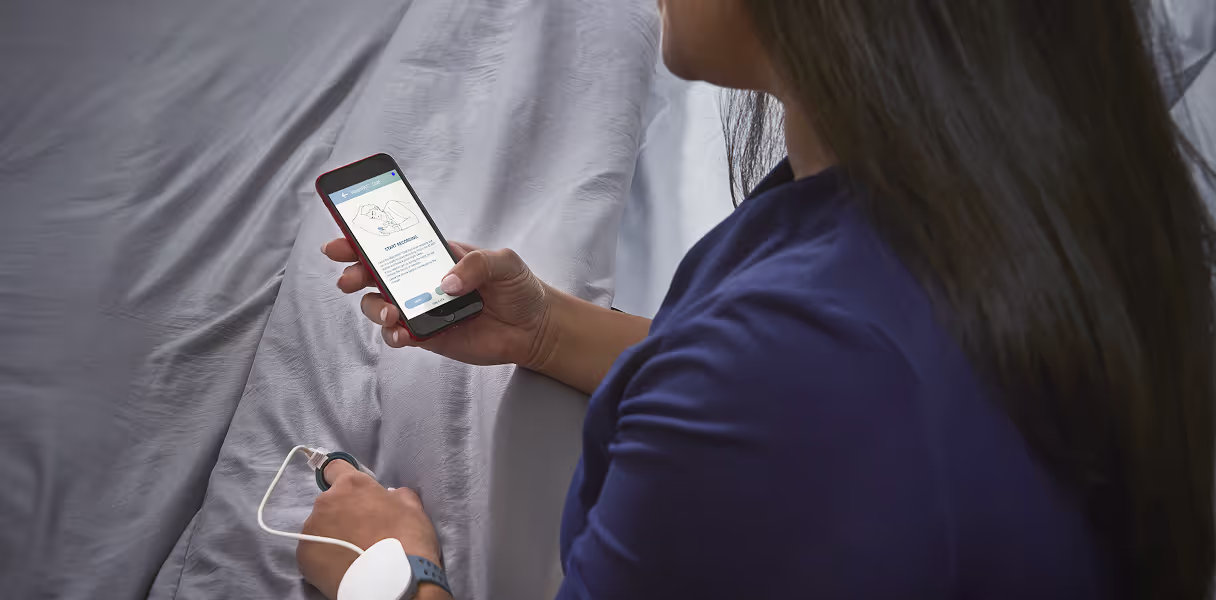
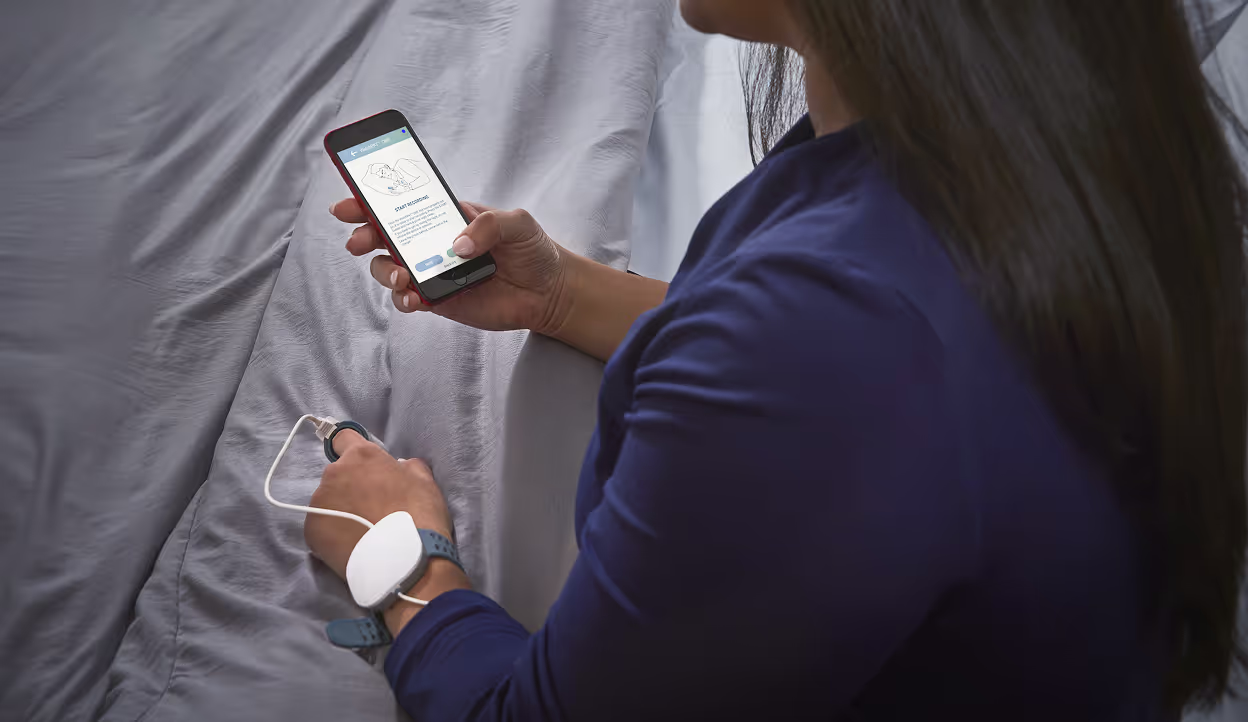
A home sleep apnea test works by using sensors attached to your finger, chest, and nose. You wear the device for a single night. The device captures data using a built-in algorithm that identifies breathing disruptions, pauses in airflow, and drops in oxygen levels. After the test night, the recorded data is uploaded and sent for interpretation by a physician.
What a Home Sleep Test Measures
- Oxygen saturation: tracks how much oxygen your blood carries during sleep
- Airflow: detects reductions or pauses in breathing through the nasal passage
- Respiratory effort: measures chest and abdominal movement to identify breathing effort
- Heart rate: monitors cardiac rhythm changes associated with apnea events
- Snoring: some devices record snoring intensity as an additional metric
DID YOU KNOW: According to the National Heart, Lung, and Blood Institute, obstructive sleep apnea causes repeated partial or complete blockage of the upper airway during sleep, which is exactly what a home sleep test is designed to detect.
Home sleep apnea testing provides a diagnostic report based on these measurements. The report includes an apnea-hypopnea index (AHI), which quantifies the number of breathing disruptions per hour of sleep. A board-certified sleep medicine physician reviews the data, interprets the results, and determines whether you meet the diagnostic criteria for obstructive sleep apnea.
KEY TAKEAWAY: A home sleep apnea test measures oxygen levels, airflow, respiratory effort, heart rate, and snoring during one night at home, providing the data a physician needs to diagnose obstructive sleep apnea.
Understanding what the test measures is important, but knowing who qualifies for home sleep testing matters just as much.
Who Is a Good Candidate for Home Sleep Testing in Fort Lauderdale
Adults with a moderate to high clinical suspicion of obstructive sleep apnea are the strongest candidates for home sleep testing. The AASM recommends HSAT for patients who show classic symptoms and have no significant comorbidities that would require in-lab monitoring.
Good candidates typically present with at least two of the following: loud habitual snoring, witnessed breathing pauses during sleep, excessive daytime sleepiness, a BMI of 30 or above, or a neck circumference greater than 17 inches in men or 16 inches in women. Fort Lauderdale residents who experience these symptoms and want a convenient diagnostic path can complete testing at home without visiting a sleep center.
Checklist: Are You a Candidate for a Home Sleep Test
- You are 18 years of age or older
- You snore loudly on most nights
- A bed partner or family member has observed you stop breathing during sleep
- You experience excessive daytime sleepiness or fatigue despite adequate sleep hours
- Your BMI is 30 or higher
- You do not have a diagnosis of central sleep apnea, complex sleep apnea syndrome, or significant cardiopulmonary disease
- You do not require supplemental oxygen at night
- You are not currently being evaluated for another sleep disorder such as narcolepsy or periodic limb movement disorder
- You have not been previously diagnosed with a neuromuscular condition affecting breathing
- You are willing to follow device instructions for one full night of testing
- You have access to a mailing address where a home sleep testing kit can be shipped (dumbo.health ships directly to Fort Lauderdale addresses)
Patients with suspected central sleep apnea, complex sleep apnea syndrome, or coexisting conditions like chronic heart failure or severe COPD are typically better served by in-lab polysomnography, where technicians can monitor additional parameters in real time.
IMPORTANT: The AASM and CMS guidelines specify that home sleep apnea testing is indicated for the diagnosis of obstructive sleep apnea in uncomplicated adult patients. If your physician suspects a sleep disorder other than OSA, an in-lab study may be required.
KEY TAKEAWAY: Fort Lauderdale patients with classic obstructive sleep apnea symptoms and no complex comorbidities are strong candidates for home sleep testing, which avoids the scheduling and travel demands of an in-lab sleep study.
Once you confirm you are a candidate, the next step is understanding how to get tested from your Fort Lauderdale home.
How to Get a Home Sleep Apnea Test in Fort Lauderdale, Florida
Getting a home sleep apnea test in Fort Lauderdale does not require visiting a sleep center, sitting in traffic, or navigating insurance paperwork. Multiple pathways exist, but the simplest route is ordering directly through a telehealth provider that ships the device to your door.
Step-by-Step Process: How to Complete a Home Sleep Test Through Dumbo Health
1. Visit the dumbo.health website and complete the free sleep assessment to determine whether you are a candidate for home sleep testing.
2. Order your home sleep test for $149. The device ships directly to your Fort Lauderdale address with no insurance required and no prior authorization needed.
3. When your home sleep testing kit arrives, follow the included instructions to attach the sensors before bed. The device measures oxygen levels, airflow, heart rate, and respiratory effort while you sleep.
4. Wear the device for one full night of sleep. The test records data automatically with no need for a technician.
5. Return the device using the prepaid shipping label included in the kit. The recorded data is uploaded for analysis.
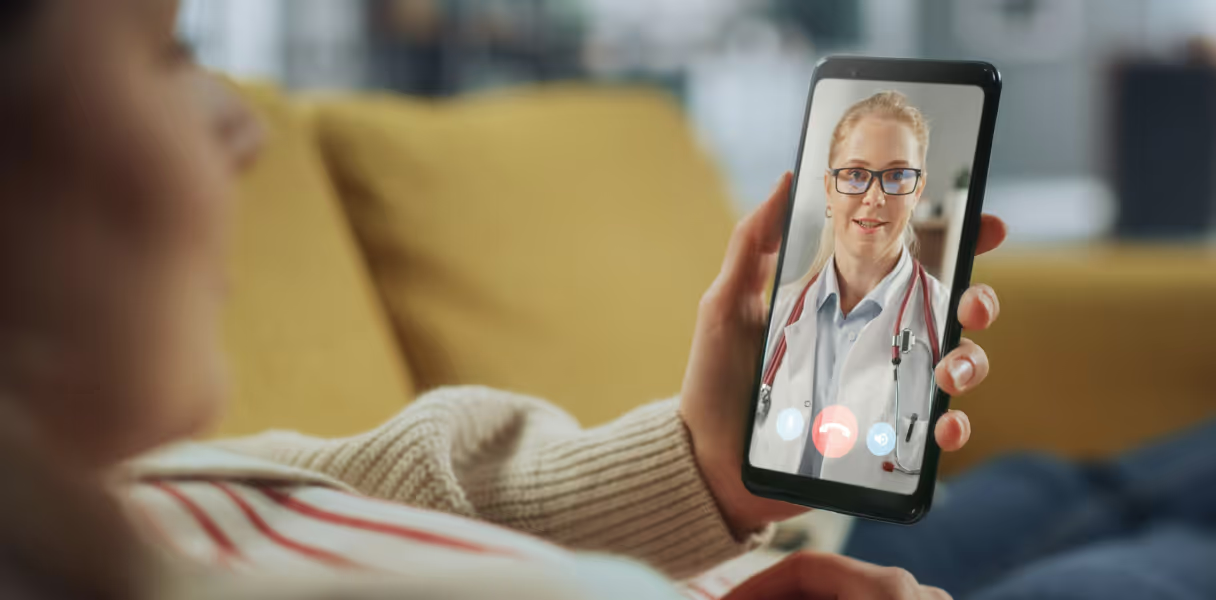
6. A board-certified sleep medicine physician reviews your data, generates a diagnostic report, and provides interpretation of your results.
7. If diagnosed with obstructive sleep apnea, you can enroll in a dumbo.health monthly care plan starting at $59 per month, which includes CPAP therapy, equipment, and follow-up care with no contracts.
After completing these steps, most patients receive their diagnostic report within days, not weeks. The entire process from ordering to diagnosis can take less than two weeks for Fort Lauderdale residents.
Other Testing Options in Fort Lauderdale and Broward County
Fort Lauderdale has several sleep centers and specialists that offer both in-lab polysomnography and home sleep testing. Some of the facilities Broward County residents may encounter include:
- Holy Cross Health Comprehensive Sleep Disorder Center at Holy Cross Hospital
- Broward Pulmonary and Sleep Specialists
- Pulmonary and Sleep Consultants
- South Florida Snoring and Sleep Center
- Broward Health Medical Center and Broward Health Imperial Point sleep labs
- Cleveland Clinic Hospital in Weston (serving broader Broward County)
- Florida Sinus and Snoring Specialists (focused on ENT and airway-related snoring evaluation)
These facilities often require referrals, insurance verification, and in-person visits. Wait times for in-lab polysomnography at Broward County sleep centers can stretch several weeks, particularly during peak scheduling periods.
By contrast, dumbo.health eliminates those barriers. The home sleep test ships directly to residents in Fort Lauderdale neighborhoods including Lauderdale Manors, South Middle River, Coral Ridge, and surrounding areas. There are no office visits, no insurance paperwork, and no hidden fees.
KEY TAKEAWAY: Fort Lauderdale residents can complete a home sleep apnea test without visiting a local sleep center by ordering through dumbo.health, which ships the device directly, provides physician interpretation, and removes insurance and scheduling barriers.
With the testing process covered, the next question most patients ask is how home testing compares to spending a night in a sleep lab.
Home Sleep Test vs In-Lab Polysomnography: Which Is Right for You
A home sleep test provides sufficient diagnostic accuracy for most obstructive sleep apnea cases, while in-lab polysomnography offers a broader range of measurements for complex sleep disorders. Choosing between the two depends on your symptoms, medical history, and the type of sleep disorder your physician suspects.
Polysomnography, often abbreviated as PSG, is a comprehensive overnight sleep study performed in a hospital or sleep center lab. Technicians attach electrodes to the scalp, face, chest, and legs to monitor brain waves, eye movements, muscle activity, oxygen saturation, airflow, and respiratory effort. PSG remains the gold standard for diagnosing central sleep apnea, complex sleep apnea syndrome, narcolepsy, and other sleep disorders beyond OSA.
A home sleep apnea test, by comparison, focuses on the respiratory functions most relevant to obstructive sleep apnea. The device tracks oxygen levels, airflow, heart rate, respiratory effort, and in some cases body position and snoring. HSAT does not monitor brain activity, which means it cannot determine sleep stages or calculate total sleep time with the same precision as PSG.
Structured Comparison: Home Sleep Test vs Polysomnography
Setting
- Home Sleep Test: Your own bed at home in Fort Lauderdale
- Polysomnography: Sleep center or hospital lab (such as Holy Cross Hospital or Broward Health Medical Center)
Cost
- Home Sleep Test: Typically $149 to $500 depending on provider; dumbo.health charges $149
- Polysomnography: Often $1,000 to $3,000 or more out of pocket
Convenience
- Home Sleep Test: High; no travel, no overnight facility stay, no traffic across Fort Lauderdale
- Polysomnography: Lower; requires scheduling, travel, and sleeping in an unfamiliar environment
What It Measures
- Home Sleep Test: Oxygen saturation, airflow, respiratory effort, heart rate, snoring
- Polysomnography: All of the above plus brain waves, eye movements, leg movements, sleep stages
Turnaround Time for Results
- Home Sleep Test: Typically days; dumbo.health provides physician interpretation within the care plan
- Polysomnography: Often 1 to 3 weeks depending on the sleep center schedule and physician review queue
Best For
- Home Sleep Test: Adults with moderate to high suspicion of obstructive sleep apnea and no complex comorbidities
- Polysomnography: Patients with suspected central sleep apnea, complex sleep apnea syndrome, narcolepsy, or other non-respiratory sleep disorders
Insurance Requirement
- Home Sleep Test: Not required through dumbo.health; some providers may require insurance or referrals
- Polysomnography: Typically requires insurance authorization, referrals, and prior approval
For most Fort Lauderdale residents whose primary concern is obstructive sleep apnea, a home sleep test provides the diagnostic data a sleep specialist needs at a fraction of the cost and time. If your physician suspects a condition beyond OSA, in-lab polysomnography is the appropriate next step.
According to a study published in the Journal of Clinical Sleep Medicine, home sleep apnea testing demonstrates comparable diagnostic accuracy to polysomnography for moderate to severe obstructive sleep apnea when used in appropriate patient populations.
KEY TAKEAWAY: A home sleep test is the right choice for most Fort Lauderdale patients with suspected obstructive sleep apnea, offering comparable accuracy to polysomnography at significantly lower cost and greater convenience. In-lab testing is reserved for complex or multi-disorder cases.
Knowing which test fits your situation leads naturally to understanding what your results mean and what happens after diagnosis.
Understanding Your Home Sleep Test Results and Diagnosis
Your home sleep test results are summarized in a diagnostic report that quantifies how many times your breathing was disrupted during the night. The most important metric in the report is the apnea-hypopnea index, or AHI.
The AHI measures the average number of apnea events (complete breathing pauses) and hypopnea events (partial breathing reductions) per hour of recorded sleep. A board-certified sleep medicine physician reviews the full dataset, including oxygen saturation trends, heart rate variability, airflow patterns, and respiratory effort, before issuing a diagnosis.
AHI Severity Classification
The AASM defines obstructive sleep apnea severity based on AHI values:
- Normal: fewer than 5 events per hour
- Mild OSA: 5 to 14 events per hour
- Moderate OSA: 15 to 29 events per hour
- Severe OSA: 30 or more events per hour
Oxygen desaturation is another critical measurement. If your oxygen levels drop below 90 percent repeatedly during the night, that pattern supports a diagnosis of clinically significant sleep apnea and may influence treatment urgency.
What Happens After Diagnosis
Once a physician confirms your diagnosis, the next step is creating a treatment plan. For most patients with moderate to severe obstructive sleep apnea, CPAP therapy is the first-line treatment recommended by the AASM and supported by extensive clinical evidence.
Through dumbo.health, the transition from diagnosis to treatment is seamless. After your diagnostic report is completed, you can enroll in a monthly care plan that includes CPAP therapy and equipment. The Essentials Plan at $59 per month covers physician interpretation, CPAP supplies, standard follow-up care, and updates sent to your referring provider. There are no contracts and you can cancel anytime.
For patients who want more personalized support, the Premium Plan at $89 per month adds a dedicated sleep coach, advanced adherence monitoring, and priority results turnaround. The Elite Plan at $129 per month includes concierge clinical support, direct physician messaging, and custom reporting.
TIP: If your home sleep test results indicate an AHI below 5 but you still experience symptoms like chronic snoring, excessive daytime sleepiness, or frequent awakenings, discuss these findings with your physician. A follow-up in-lab polysomnography study may be recommended to evaluate for other sleep disorders.
KEY TAKEAWAY: Your home sleep test diagnostic report provides an AHI score that classifies sleep apnea severity, and a board-certified sleep medicine physician uses the full dataset to determine whether CPAP therapy or further evaluation is needed.
A diagnosis is only valuable if it leads to effective treatment, so understanding what CPAP therapy involves and how to access it in Fort Lauderdale is the logical next step.
CPAP Treatment After a Home Sleep Test: What Fort Lauderdale Patients Need to Know
CPAP therapy is the most widely recommended treatment for obstructive sleep apnea and works by delivering a continuous stream of air through a mask to keep the upper airway open during sleep. For Fort Lauderdale patients diagnosed through a home sleep test, starting CPAP therapy does not require additional office visits or lab nights.
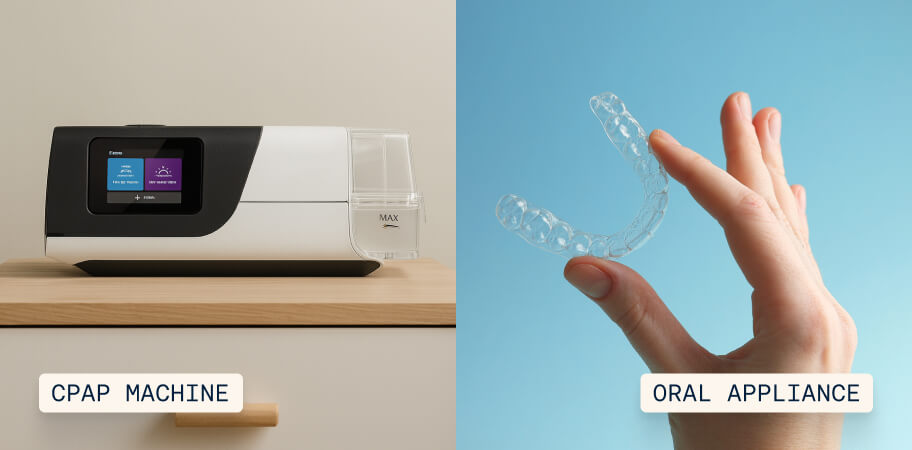
CPAP stands for Continuous Positive Airway Pressure. The device generates pressurized air that flows through a hose and mask worn over the nose, mouth, or both. This constant airflow prevents the soft tissue in the airway from collapsing, which is the primary mechanism behind obstructive sleep apnea events.
How CPAP Addresses the Root Problem
During obstructive sleep apnea episodes, the muscles supporting the soft tissue at the back of the throat relax during sleep. This relaxation causes the airway to narrow or close completely, reducing airflow and causing drops in oxygen saturation. The brain detects the oxygen drop and briefly rouses you from sleep to reopen the airway. These micro-awakenings can happen 30 or more times per hour in severe cases, fragmenting sleep architecture and preventing restorative rest.
CPAP therapy eliminates this cycle by maintaining positive pressure in the airway throughout the night. According to the NIH, consistent CPAP use reduces daytime sleepiness, lowers blood pressure, and decreases the risk of cardiovascular events in patients with moderate to severe OSA.
CPAP Masks, Supplies, and Equipment
CPAP systems include three core components: the machine, the hose, and the mask. Masks come in several styles, including nasal masks, nasal pillow masks, and full-face masks. The right mask depends on your breathing pattern, facial anatomy, and personal comfort.
Ongoing CPAP supplies include replacement filters, mask cushions, headgear, and hoses. Most manufacturers recommend replacing filters every 2 to 4 weeks and mask components every 1 to 3 months to maintain hygiene and device performance.
Through dumbo.health, CPAP equipment and supplies are included in all monthly care plans. The Essentials Plan at $59 per month covers CPAP therapy, equipment, and standard follow-up. There are no separate charges for masks, filters, or accessories, and no insurance authorization is needed.
CPAP Adherence and Why It Matters
CPAP therapy only works when used consistently. CMS and most clinical guidelines define adequate CPAP adherence as using the device for at least 4 hours per night on at least 70 percent of nights over a 30-day period. Many patients report that the first few weeks of CPAP use involve an adjustment period as they adapt to wearing a mask during sleep.
Clinicians frequently observe that patients who receive structured follow-up and adherence coaching achieve higher usage rates and better long-term outcomes. The dumbo.health Premium Plan includes advanced adherence monitoring and a dedicated sleep coach who provides ongoing support during the adjustment period.
KEY TAKEAWAY: CPAP therapy prevents airway collapse during sleep and is the first-line treatment for obstructive sleep apnea. dumbo.health includes CPAP equipment, supplies, and follow-up care in monthly plans starting at $59 per month with no contracts.
CPAP is highly effective for most patients, but not every person or situation is suited to home testing or standard CPAP treatment. Understanding limitations helps set accurate expectations.
Limitations and Risks of Home Sleep Apnea Testing
Home sleep testing is not appropriate for every patient and has diagnostic limitations that both patients and referring physicians should understand. Recognizing these limitations leads to better outcomes and prevents misdiagnosis.
When a Home Sleep Test May Not Be the Right Choice
Home sleep apnea testing is designed specifically for diagnosing obstructive sleep apnea in adults without significant comorbidities. The following situations may require in-lab polysomnography instead:
Suspected central sleep apnea or complex sleep apnea syndrome. HSAT does not monitor brain activity and cannot distinguish between obstructive events and central apnea events, where the brain fails to send proper signals to the breathing muscles. Patients with congestive heart failure, opioid use, or neurological conditions are more likely to have central or mixed apnea patterns that require PSG.
Coexisting sleep disorders. If a physician suspects narcolepsy, periodic limb movement disorder, REM sleep behavior disorder, or parasomnias in addition to sleep apnea, a home test will not capture the EEG, EMG, and EOG data needed for those diagnoses.
False negative results. Because HSAT estimates total sleep time rather than measuring it directly through brain wave monitoring, the AHI can be underestimated if the patient sleeps poorly during the test night. A patient who spends significant time awake during the recording period may receive a lower AHI than their true severity warrants. If clinical suspicion remains high despite a negative or mild HSAT result, the AASM recommends follow-up with in-lab polysomnography.
Pediatric patients. Home sleep testing is validated for adults. Children suspected of having sleep apnea should be evaluated through in-lab polysomnography where pediatric-specific monitoring protocols can be applied.
Severe cardiopulmonary disease. Patients with severe COPD, neuromuscular disease, or unstable cardiac conditions require the continuous technician monitoring available only in a sleep lab setting.
Device-Related Limitations
Home sleep testing kits rely on the patient to correctly attach sensors before bed. Sensor displacement during the night, such as a finger probe slipping off, can result in incomplete data. Most modern devices include data quality indicators, and if a night of testing produces insufficient data, the test may need to be repeated.
dumbo.health addresses this by providing clear instructions with every home sleep testing kit and including physician review of data quality in the diagnostic process. If a test night produces unusable data, the care team works with the patient to arrange a repeat study.
IMPORTANT: A negative home sleep test result does not definitively rule out sleep apnea. If symptoms persist after a negative HSAT, consult your physician about whether in-lab polysomnography is warranted.
KEY TAKEAWAY: Home sleep testing has specific limitations, including the inability to diagnose central sleep apnea, detect coexisting sleep disorders, or measure brain activity, and patients with complex medical histories should discuss in-lab polysomnography with their physician.
These limitations are clinical realities, but many common concerns about home sleep testing are based on myths rather than evidence. Separating fact from fiction helps patients make informed decisions.
Common Myths About Home Sleep Apnea Testing Debunked
MYTH: A home sleep test is not as accurate as an in-lab sleep study.
FACT: For diagnosing obstructive sleep apnea in appropriate candidates, home sleep apnea testing demonstrates comparable diagnostic accuracy to polysomnography. A systematic review published in the Journal of Clinical Sleep Medicine found that HSAT has high sensitivity and specificity for moderate to severe OSA. The AASM endorses HSAT as a valid diagnostic tool when clinical criteria are met. The key distinction is that HSAT measures fewer parameters than PSG, which limits its utility for non-OSA sleep disorders rather than reducing its accuracy for obstructive apnea.
MYTH: You need insurance to get a home sleep apnea test in Fort Lauderdale.
FACT: Insurance is not required for home sleep testing. dumbo.health offers a home sleep test for $149 with no insurance paperwork, no prior authorizations, and no hidden fees. Many Fort Lauderdale patients prefer this cash-pay model because it eliminates the referrals, waiting periods, and surprise bills that often accompany insurance-based testing. CMS does accept HSAT results for CPAP coverage determinations, but the test itself can be obtained without insurance involvement.
MYTH: Only a sleep specialist can order a home sleep test.
FACT: While sleep specialists such as board-certified sleep medicine physicians are trained to interpret sleep study data, the ordering of a home sleep test can be facilitated through multiple pathways. Through dumbo.health, the free sleep assessment helps determine candidacy, and physician oversight is built into every care plan. Primary care physicians can also initiate referrals for home sleep testing. You do not need a pre-existing relationship with a sleep specialist to get tested.
MYTH: CPAP is the only treatment option after being diagnosed with sleep apnea.
FACT: CPAP is the first-line treatment for moderate to severe obstructive sleep apnea and has the strongest evidence base, but it is not the only option. Oral appliance therapy, positional therapy, weight management, and in some cases rhinologic surgery or upper airway surgery may be appropriate depending on the patient's anatomy, severity, and response to initial treatment. However, CPAP remains the most widely recommended and studied intervention. The AASM recommends CPAP as the standard initial therapy for adults with OSA.
MYTH: If you snore, you definitely have sleep apnea.
FACT: Snoring is a common symptom of obstructive sleep apnea, but not everyone who snores has sleep apnea. According to the Sleep Foundation, up to 44 percent of men and 28 percent of women between the ages of 30 and 60 snore habitually, while an estimated 80 percent of moderate to severe OSA cases remain undiagnosed. Snoring can also result from nasal passage congestion, soft tissue anatomy, alcohol use, or sleeping position without meeting the diagnostic threshold for apnea. A home sleep test provides the objective measurements needed to distinguish simple snoring from clinically significant sleep apnea.
KEY TAKEAWAY: Many barriers to getting tested for sleep apnea stem from myths rather than clinical reality. Home sleep testing is accurate, accessible without insurance, and does not require a pre-existing specialist relationship.
With common misconceptions addressed, seeing how the testing and treatment process works for real Fort Lauderdale patients makes the path forward more tangible.
Real-World Scenarios: How Fort Lauderdale Patients Use Home Sleep Testing
Seeing how different types of patients navigate home sleep testing and treatment helps illustrate the practical reality of the process. The following scenarios represent common profiles among Fort Lauderdale and Broward County residents.
Scenario 1: A 48-Year-Old Office Worker in Coral Ridge
A 48-year-old woman living in the Coral Ridge neighborhood of Fort Lauderdale has experienced worsening daytime fatigue over the past year. Her partner reports loud snoring most nights and has noticed occasional pauses in her breathing. Her BMI is 32. She mentioned these symptoms to her primary care physician, who suggested a sleep study.
Rather than scheduling an in-lab polysomnography at a Broward County sleep center, which had a 4-week wait for her preferred night, she ordered a home sleep test through dumbo.health for $149. The device arrived at her Coral Ridge address within days. She wore the device for one night, returned it using the prepaid shipping label, and received her diagnostic report showing an AHI of 22, consistent with moderate obstructive sleep apnea.
She enrolled in the dumbo.health Essentials Plan at $59 per month, which included CPAP therapy, equipment, and follow-up care. Her physician received the diagnostic report directly from the dumbo.health care team.
Scenario 2: A 55-Year-Old Long-Haul Truck Driver in Lauderdale Manors
A 55-year-old commercial driver living in the Lauderdale Manors area of Fort Lauderdale was flagged during a DOT physical for a neck circumference above 17 inches and a BMI of 38. His examiner recommended sleep apnea testing before issuing a full 24-month medical certificate.
Scheduling an in-lab sleep study would have meant losing a night of work and navigating traffic across Fort Lauderdale to reach a sleep center. Instead, he completed a home sleep apnea test that shipped to his home. His results showed severe OSA with an AHI of 41. He started CPAP therapy through dumbo.health's Premium Plan at $89 per month, which included a dedicated sleep coach who helped him through the first weeks of mask adjustment and adherence monitoring. His DOT examiner received documentation of his diagnosis and treatment compliance.
Scenario 3: A 38-Year-Old Remote Worker in South Middle River
A 38-year-old man in the South Middle River area of Fort Lauderdale had been experiencing chronic morning headaches and difficulty concentrating during work hours. He did not have a regular physician and did not carry health insurance. He had read about obstructive sleep apnea symptoms and wondered whether his snoring and restless sleep could be related.
He completed the free sleep assessment at dumbo.health, which indicated he was a candidate for home sleep testing. He ordered the test for $149 with no insurance required. His diagnostic report revealed mild OSA with an AHI of 8. His dumbo.health physician reviewed the results and discussed treatment options, including positional therapy and a trial of CPAP at a lower pressure setting. He enrolled in the Essentials Plan to access CPAP equipment and physician follow-up.
These scenarios illustrate the range of patients in Fort Lauderdale who benefit from home sleep testing. Whether the barrier is scheduling, insurance, cost, or simply not knowing where to start, the home testing pathway removes friction from every step.
Now that you have seen how the process works in practice, understanding the full cost picture ensures there are no surprises along the way.
How Much Does a Home Sleep Apnea Test Cost in Fort Lauderdale
A home sleep apnea test through dumbo.health costs $149 as a one-time payment with no insurance required. This pricing is consistent regardless of whether you live in Fort Lauderdale, elsewhere in Broward County, or anywhere in Florida.
Cost Breakdown: Testing and Treatment Through Dumbo Health
The $149 home sleep test covers the device rental, one night of testing, shipping to your Fort Lauderdale address, and return shipping. The test fee is billed separately from ongoing care plans.
Monthly care plans cover everything after testing, including physician interpretation of your diagnostic report, CPAP therapy, equipment, supplies, and clinical follow-up.
Monthly Plan Pricing
Essentials Plan
- $59 per month (approximately $2 per day)
- Physician interpretation and diagnostic report
- CPAP therapy and equipment
- Standard follow-up care
- Updates sent to referring provider
- No contracts, cancel anytime
Premium Plan (Most Popular)
- $89 per month (approximately $3 per day)
- Everything in the Essentials Plan
- Dedicated sleep coach from a licensed care team
- Advanced adherence monitoring
- Priority results turnaround
- No contracts, cancel anytime
Elite Plan
- $129 per month (approximately $4 per day)
- Everything in the Premium Plan
- Concierge clinical support with priority care team access
- Direct physician messaging
- Custom reporting for your practice
- No contracts, cancel anytime
How This Compares to Traditional Sleep Testing Costs in Fort Lauderdale
In-lab polysomnography at a Fort Lauderdale sleep center or Broward County hospital can cost $1,000 to $3,000 or more out of pocket, depending on the facility and whether insurance covers the study. Even with insurance, copays, deductibles, and prior authorization requirements can add unexpected costs and delays.
Many patients also face hidden fees for physician interpretation, follow-up visits, and CPAP equipment that are billed separately from the sleep study itself. Through dumbo.health, pricing is transparent. There are no surprise bills, no insurance paperwork, and no hidden fees. The test costs $149, and monthly plans start at $59 per month with no contracts.
DID YOU KNOW: According to a Kaiser Family Foundation analysis, the average annual deductible for employer-sponsored health plans exceeded $1,700 in recent years. For patients with high-deductible plans, a $149 cash-pay home sleep test can be significantly less expensive than meeting the deductible for an in-lab study.
KEY TAKEAWAY: A home sleep apnea test through dumbo.health costs $149 with no insurance, no hidden fees, and no surprise bills, while in-lab testing in Fort Lauderdale can cost $1,000 or more depending on the facility and insurance coverage.
With the financial picture clear, recognizing the symptoms that should prompt you to get tested is the final piece before taking action.
Symptoms That Should Prompt Sleep Apnea Testing for Fort Lauderdale Residents
Loud, persistent snoring combined with daytime sleepiness is the most common symptom pattern that leads to a sleep apnea diagnosis. Fort Lauderdale residents who recognize these symptoms in themselves or a bed partner should consider testing rather than attributing them to lifestyle factors alone.
Obstructive sleep apnea symptoms develop gradually and are often normalized over time. Many patients report living with symptoms for years before seeking evaluation. The Sleep Foundation estimates that approximately 80 percent of moderate to severe OSA cases in the United States remain undiagnosed.
Common Symptoms of Obstructive Sleep Apnea
- Loud, habitual snoring that disrupts a bed partner's sleep
- Witnessed breathing pauses during sleep (reported by a partner or family member)
- Gasping, choking, or snorting during sleep
- Excessive daytime sleepiness despite what feels like a full night of sleep
- Morning headaches that resolve within a few hours of waking
- Difficulty concentrating or memory problems
- Irritability or mood changes
- Dry mouth or sore throat upon waking
- Frequent nighttime urination
- Restless or fragmented sleep with frequent awakenings
When Symptoms Overlap with Other Conditions
Some obstructive sleep apnea symptoms overlap with other sleep disorders, including central sleep apnea, insomnia, restless legs syndrome, and narcolepsy. Daytime sleepiness alone does not confirm sleep apnea, but when combined with snoring, observed apneas, and risk factors like elevated BMI or large neck circumference, the clinical picture strongly suggests OSA.
According to the Mayo Clinic, untreated obstructive sleep apnea increases the risk of high blood pressure, type 2 diabetes, heart failure, atrial fibrillation, and stroke. These cardiovascular and metabolic risks make early diagnosis and treatment important for long-term health outcomes.
Fort Lauderdale residents who experience any combination of these symptoms should not wait for symptoms to worsen before getting tested. A home sleep test provides objective measurements that either confirm or rule out obstructive sleep apnea, giving you and your physician the data needed to make informed treatment decisions.
TIP: If you are unsure whether your symptoms warrant testing, the free sleep assessment at dumbo.health can help you determine whether you are a candidate for a home sleep test in less than five minutes.
KEY TAKEAWAY: Persistent snoring, witnessed breathing pauses, and excessive daytime sleepiness are the hallmark symptoms of obstructive sleep apnea, and Fort Lauderdale residents with these symptoms should pursue objective testing rather than assuming the symptoms are benign.
Recognizing symptoms is the starting point, and the Fort Lauderdale sleep apnea landscape includes regulatory standards and physician qualifications that ensure the testing process meets clinical benchmarks.
Regulatory Standards and Physician Qualifications for Sleep Apnea Testing
Home sleep apnea tests used in the United States must be cleared by the FDA as medical devices, and results must be interpreted by a qualified physician to produce a valid diagnosis. These standards protect patients and ensure diagnostic reliability.
The FDA regulates home sleep testing devices under its medical device classification system. Devices used for home sleep apnea testing must meet FDA requirements for safety and effectiveness before they can be marketed and used clinically. The device included in the dumbo.health home sleep test kit meets FDA clearance standards.
Physician Qualifications
A board-certified sleep medicine physician holds certification through the ABSM (American Board of Sleep Medicine) or through the ABIM Sleep Medicine subspecialty. These physicians complete fellowship training in sleep medicine and demonstrate competency in interpreting sleep study data, diagnosing sleep disorders, and managing treatment plans.
Through dumbo.health, all diagnostic reports are reviewed and interpreted by board-certified physicians. This physician oversight ensures that your results meet the same clinical standards as a report generated by a sleep center or hospital lab.
The AASM publishes clinical practice guidelines and accreditation standards for sleep testing. While AASM accreditation applies primarily to sleep center facilities, the diagnostic criteria and interpretation standards defined by the AASM apply equally to home sleep test results.
CMS (Centers for Medicare and Medicaid Services) recognizes HSAT results for coverage determinations related to CPAP therapy. CMS requires that the test be ordered by the treating physician and interpreted by a board-certified sleep medicine physician or a physician with training and experience in sleep medicine.
KEY TAKEAWAY: Home sleep apnea tests must use FDA-cleared devices and results must be interpreted by a board-certified sleep medicine physician to produce a clinically valid diagnosis, and dumbo.health meets both standards.
Understanding the regulatory foundation behind home sleep testing reinforces the credibility of the diagnostic process. With all the information you need to make a decision, the path forward comes down to taking the first step.
Conclusion
A home sleep apnea test gives Fort Lauderdale residents a fast, accurate, and affordable path to diagnosing obstructive sleep apnea without the scheduling delays, traffic, and insurance paperwork associated with in-lab sleep studies. Whether you live in Coral Ridge, South Middle River, Lauderdale Manors, or anywhere in Broward County, you can complete testing from your own bed and receive a physician-reviewed diagnostic report within days.
dumbo.health makes the entire sleep apnea journey straightforward. The home sleep testcosts $149 with no insurance required, and monthly care plans starting at $59 per month include CPAP therapy, equipment, physician follow-up, and no contracts. If you are experiencing snoring, daytime fatigue, or witnessed breathing pauses during sleep, take the free sleep assessment to find out whether home sleep testing is right for you.
Frequently Asked Questions About Home Sleep Apnea Testing in Fort Lauderdale, Florida
What is obstructive sleep apnea?
Obstructive sleep apnea (OSA) is a common sleep disorder in which the upper airway repeatedly collapses during sleep, causing breathing to pause temporarily. These pauses, called apneas, reduce oxygen levels in the blood and fragment sleep quality throughout the night. According to the American Academy of Sleep Medicine, OSA is the most prevalent form of sleep apnea and is associated with increased risk of high blood pressure, heart disease, and daytime impairment. A healthcare professional can help determine whether testing is appropriate based on your symptoms and risk factors.
What causes the airway to become blocked during sleep?
The airway becomes blocked when the soft tissue in the throat, including the tongue, soft palate, and surrounding structures, relaxes during sleep. As these muscles lose tone, the tissue expands inward and narrows or fully obstructs the airway. This is why obstructive sleep apnea is more common in people with a larger neck circumference, excess body weight, or anatomical differences in the nasal passage or throat. The result is reduced or interrupted airflow, which can cause oxygen saturation to drop and trigger brief awakenings throughout the night.
What are the symptoms of sleep apnea?
Common symptoms of sleep apnea include loud or frequent snoring, witnessed pauses in breathing during sleep, waking with a dry mouth or headache, difficulty staying asleep, and excessive daytime sleepiness. Some people also experience difficulty concentrating, irritability, or waking up feeling unrefreshed despite sleeping for eight hours or more. Not everyone with sleep apnea snores noticeably, and some people are unaware of their symptoms because they occur during sleep. If you regularly experience these signs, a healthcare professional can help determine whether a sleep study is appropriate. You can also take a free sleep assessment to help evaluate your risk.
What is a home sleep apnea test?
A home sleep apnea test (HSAT) is a simplified diagnostic tool used to evaluate obstructive sleep apnea in the comfort of your own home. The device typically records airflow, oxygen saturation, heart rate, respiratory effort, and breathing patterns during a single night of sleep. Results are reviewed by a board-certified sleep medicine physician who produces a diagnostic report. The American Academy of Sleep Medicine recognises HSATs as a clinically appropriate option for evaluating suspected moderate to severe obstructive sleep apnea in adults without significant complicating conditions.
How does a home sleep test work?
You receive a small wearable sleep monitoring device, apply it before bed following simple instructions, and sleep as normally as possible for one night. The device records respiratory functions including airflow, oxygen levels, and heart rate throughout the night. You return or ship the device the following day, and a physician reviews the recorded data to produce a diagnostic report. The process is designed to be straightforward and does not require visiting a sleep center or lab. Learn more about the at-home sleep testing process at dumbo.health.
How fast can I get a home sleep test in Fort Lauderdale, Florida?
Fort Lauderdale residents can receive a home sleep test quickly through mail-order testing services. dumbo.health ships home sleep test kits with same-day shipping on orders placed before 2pm EST, meaning your device can arrive within one to two business days depending on your location in the Fort Lauderdale area, including neighbourhoods such as Lauderdale Manors, South Middle River, and Coral Ridge. This removes the need to wait weeks for a sleep center appointment or navigate insurance paperwork before getting started.
What does the $149 home sleep test include?
The dumbo.health home sleep test is priced at $149 as a one-time cost and includes the at-home sleep test device and one night of testing. This fee covers the physical device shipped to your home. Physician interpretation, a diagnostic report, and ongoing care such as CPAP therapy and adherence follow-up are covered separately through monthly care plans starting at $59 per month. There are no hidden fees, and no insurance is required. The home sleep test cost is separate from monthly plan pricing.
What measurements does a home sleep test record?
A home sleep test device typically records airflow through the nasal passage, blood oxygen saturation, heart rate, respiratory effort, and body position or movement during the night. These metrics allow a reviewing physician to calculate the apnea-hypopnea index (AHI), which reflects the frequency of breathing disruptions per hour of sleep. Some devices also capture additional respiratory functions depending on the technology used. These measurements give clinicians the data needed to assess whether obstructive sleep apnea is present and how severe it may be.
Who reviews my home sleep test results?
Your home sleep test data is reviewed by a board-certified sleep medicine physician who produces a written diagnostic report based on the recorded measurements. At dumbo.health, physician interpretation is included in monthly care plans, with the Premium plan offering priority results turnaround. The reviewing physician uses the recorded data, including the apnea-hypopnea index and oxygen saturation patterns, to assess the likelihood and severity of obstructive sleep apnea. Results and recommendations are communicated to you, and updates can be sent to your referring provider if applicable.
Is a home sleep test as accurate as an in-lab sleep study?
A home sleep apnea test is considered clinically reliable for diagnosing moderate to severe obstructive sleep apnea in adults who are otherwise healthy and do not have significant complicating conditions. The American Academy of Sleep Medicine supports the use of HSATs for this purpose. However, a home sleep test records fewer channels of data than in-lab polysomnography (PSG) and may underestimate sleep apnea severity in some cases because it cannot directly measure total sleep time. If a home sleep test result is negative but symptoms persist, a healthcare professional may recommend an in-lab sleep study for further evaluation.
When is an in-lab sleep study recommended instead of a home test?
An in-lab polysomnography study may be recommended when a patient has complex medical conditions such as central sleep apnea, complex sleep apnea syndrome, significant heart or lung disease, neuromuscular disorders, or when a home sleep test result does not clearly explain the patient's symptoms. Children are also typically evaluated in a sleep lab rather than at home. A sleep specialist or physician will determine the appropriate testing format based on clinical history, symptoms, and risk factors. A home sleep test is generally suitable for otherwise healthy adults with suspected obstructive sleep apnea.
Can I use home sleep test results for a CPAP prescription?
Yes. If a physician reviewing your home sleep test results determines that you have obstructive sleep apnea, they can use those findings to support a CPAP prescription as part of a treatment plan. dumbo.health monthly plans include physician interpretation and CPAP therapy and equipment as part of ongoing sleep apnea care. If you are already a CPAP user and need an updated prescription, a new home sleep test and physician review can support that process. A healthcare professional makes the final determination about whether CPAP therapy is appropriate for your situation.
What is involved in CPAP therapy for sleep apnea?
Continuous positive airway pressure (CPAP) therapy delivers a steady stream of air through a mask worn during sleep, keeping the airway open and preventing the tissue collapse that causes obstructive sleep apnea. CPAP is the most commonly recommended treatment for OSA, according to MedlinePlus.Treatment involves a CPAP machine, tubing, and a fitted mask. Many patients require time to adjust to the mask and pressure settings. Ongoing adherence monitoring and follow-up support are important for long-term success. dumbo.health plans include CPAP therapy and equipment as part of ongoing care.
What is CPAP adherence and why does it matter?
CPAP adherence refers to how consistently and correctly a patient uses their CPAP device each night. Insurance providers and healthcare programmes, including some DOT medical programmes, often require evidence of consistent CPAP use to confirm that treatment is working. Poor adherence reduces the effectiveness of therapy and can leave sleep apnea symptoms unresolved. dumbo.health Premium and Elite plans include advanced adherence monitoring as part of ongoing care, helping patients and their care teams track progress and address barriers to consistent use.
How is sleep apnea diagnosed?
Sleep apnea is diagnosed through a sleep study, which may be conducted at home using an HSAT device or in a clinical setting using polysomnography. The study records breathing patterns, oxygen saturation, heart rate, and other metrics during sleep. A board-certified sleep medicine physician reviews the data and calculates the apnea-hypopnea index to determine the presence and severity of OSA. Diagnosis requires clinical review and cannot be made by a device alone. A healthcare professional interprets the full clinical picture alongside test results before recommending a treatment plan.
How is sleep apnea treated?
Sleep apnea treatment depends on the type and severity of the condition and is determined by a healthcare professional. For most adults with obstructive sleep apnea, CPAP therapy is the primary recommended treatment. Other options may include oral appliances, positional therapy, lifestyle changes such as weight management, or in some cases surgical intervention to address anatomical factors in the nasal passage or throat. Mild cases may be managed with positional or lifestyle approaches. A sleep physician will recommend an appropriate treatment plan based on your diagnostic results, symptoms, and overall health. Explore sleep apnea care solutions that include physician review and ongoing support.
What happens if sleep apnea is left untreated?
Untreated obstructive sleep apnea is associated with increased risk of high blood pressure, cardiovascular disease, type 2 diabetes, stroke, and impaired cognitive function, according to the National Heart, Lung, and Blood Institute. Fragmented sleep and repeated drops in oxygen saturation place ongoing physiological stress on the body. Daytime sleepiness caused by untreated sleep apnea also increases the risk of motor vehicle accidents and workplace errors. If you experience symptoms that suggest sleep apnea, a healthcare professional can help determine whether testing is appropriate before the condition progresses.
What are the different types of sleep apnea?
There are three primary types of sleep apnea. Obstructive sleep apnea (OSA) is the most common and occurs when throat muscles and soft tissue relax and block the airway. Central sleep apnea occurs when the brain fails to send proper signals to the muscles that control breathing, rather than from a physical obstruction. Complex sleep apnea syndrome, also called treatment-emergent central sleep apnea, involves elements of both types and may appear during CPAP therapy. Home sleep tests are generally designed to evaluate obstructive sleep apnea. Central or complex sleep apnea typically requires in-lab evaluation.
What are common sleep disorders beyond sleep apnea?
Common sleep disorders include insomnia, which involves difficulty falling or staying asleep; restless legs syndrome, characterised by uncomfortable sensations and an urge to move the legs before or during sleep; narcolepsy, which causes sudden uncontrollable sleepiness; circadian rhythm disorders, which affect the timing of the sleep-wake cycle; and parasomnias, which include disruptive sleep behaviours such as sleepwalking. Snoring alone does not confirm a sleep disorder but can be a symptom of obstructive sleep apnea. A sleep specialist can evaluate symptoms and recommend appropriate testing when a sleep disorder is suspected.
Can sleep disorders affect overall health?
Yes. Untreated sleep disorders can have significant effects on physical and mental health. Poor or disrupted sleep is linked to impaired immune function, elevated cardiovascular risk, mood disorders, reduced cognitive performance, and increased accident risk. The CDC recognises insufficient sleep as a public health concern. Obstructive sleep apnea specifically is associated with high blood pressure, heart disease, and metabolic conditions. Addressing sleep disorders through appropriate diagnosis and treatment can support better long-term health outcomes. A healthcare professional can help identify whether a sleep disorder is contributing to your symptoms.
Is a home sleep test uncomfortable?
Most adults find home sleep tests manageable and only mildly intrusive. The device is lightweight and wearable, and instructions are designed for self-application without the help of lab technicians. Unlike in-lab polysomnography, a home sleep test does not involve sleeping in an unfamiliar clinical environment with multiple sensors attached by staff. Most people are able to sleep reasonably normally while wearing the device. Some discomfort from the nasal or finger sensors is occasionally reported, but it is generally mild. The goal is to capture one representative night of sleep data.
How do I know if I need a sleep study?
You may benefit from a sleep evaluation if you regularly snore, have been told you stop breathing during sleep, wake feeling unrefreshed after a full night of sleep, experience excessive daytime sleepiness, have difficulty concentrating, wake frequently during the night, or have legs that feel restless or uncomfortable before sleep. High blood pressure, obesity, and a larger neck circumference are also established risk factors for obstructive sleep apnea. A healthcare professional can assess whether a sleep study is appropriate based on your symptoms, medical history, and risk profile. You can start with a free sleep assessment to help guide your next step.
Is snoring always a sign of sleep apnea?
Snoring does not always indicate sleep apnea, but it is one of the most common reported symptoms of obstructive sleep apnea. Other conditions that cause snoring include nasal congestion, allergies, anatomical variations in the nasal passage, alcohol use, sleep position, and other upper airway factors. However, loud or frequent snoring combined with witnessed breathing pauses, gasping during sleep, or daytime exhaustion significantly increases the likelihood of OSA. A healthcare professional can help determine whether your snoring warrants further investigation through a sleep study.
Where can Fort Lauderdale residents access sleep apnea testing?
Fort Lauderdale residents can access sleep apnea testing through local sleep centers, hospital-based programmes, or at-home testing options. Local in-person resources in the area include the Holy Cross Health Comprehensive Sleep Disorder Center, Broward Health Medical Center, Broward Health Imperial Point, and Cleveland Clinic Hospital, as well as specialist practices such as Broward Pulmonary and Sleep Specialists and Pulmonary and Sleep Consultants. For residents who prefer to avoid lab visits, traffic, and long scheduling timelines, at-home sleep testing through a service like dumbo.health can be a convenient alternative with same-day shipping available for orders placed before 2pm EST. A healthcare professional or sleep specialist near you can help determine which testing format is most appropriate.
Does a home sleep test require insurance?
No. A home sleep test through dumbo.health does not require insurance, prior authorizations, or a referral. The test is priced at $149 as a transparent, one-time cash-pay cost with no hidden fees. Monthly care plans for ongoing physician review, CPAP therapy, equipment, and adherence support are also available on a cash-pay basis with no contracts and the option to cancel at any time. This makes at-home sleep apnea testing and care accessible to Floridians who are uninsured, underinsured, or who prefer to avoid insurance-related delays and paperwork.
What ongoing care options are available after a home sleep test?
After completing a home sleep test and receiving a physician interpretation, ongoing care may include CPAP therapy, equipment, mask fitting, adherence monitoring, and follow-up with a sleep medicine physician. dumbo.health offers monthly plans that cover these services. The Essentials plan starts at $59 per month and includes physician interpretation, CPAP therapy and equipment, standard follow-up, and provider updates. The Premium plan at $89 per month adds a dedicated sleep coach, advanced adherence monitoring, and priority results turnaround. The Elite plan at $129 per month includes concierge clinical support, direct physician messaging, and custom reporting. No contracts are required across all plans.
Do commercial drivers in Florida need sleep apnea testing for their DOT physical?
Commercial drivers are not automatically required to complete a sleep apnea test to pass a DOT physical, but a certified medical examiner may refer a driver for sleep apnea evaluation if symptoms, risk factors, or clinical findings raise concern during the examination. According to the FMCSA,medical examiners are responsible for assessing driver fitness, and untreated sleep apnea can be a disqualifying condition. dumbo.health can support sleep apnea testing and care documentation for commercial drivers, but DOT certification decisions are made by a certified medical examiner, not by dumbo.health. Learn more about home sleep testing for CDL drivers.
Can a home sleep test support DOT sleep apnea documentation for truck drivers?
A home sleep apnea test can provide diagnostic data that a physician uses to produce a report, which may then be used as part of a commercial driver's sleep apnea documentation for DOT-related purposes. dumbo.health supports testing and care workflows for truck drivers and can provide physician-reviewed reports and adherence documentation. However, a certified medical examiner reviews all documentation and makes the final decision regarding DOT medical certification. dumbo.health does not guarantee DOT clearance or CDL certification. For more detail, see the at-home sleep test guide for truck drivers.
What is the apnea-hypopnea index and why does it matter?
The apnea-hypopnea index (AHI) is the primary metric used to measure the severity of obstructive sleep apnea. It represents the average number of apneas and hypopneas per hour of sleep recorded during a sleep study. An AHI of fewer than 5 events per hour is generally considered normal in adults. Mild OSA is typically classified as 5 to 14 events per hour, moderate as 15 to 29, and severe as 30 or more. The AHI score, along with oxygen saturation data and clinical symptoms, informs the physician's diagnosis and treatment recommendations.
How should I prepare for a home sleep apnea test?
Prepare for a home sleep test by following the setup instructions included with the device carefully. Avoid alcohol, sedatives, and caffeine close to bedtime on test night, as these can influence sleep patterns and respiratory function. Sleep in your usual position and environment to capture representative data. Avoid napping excessively during the day before the test. If you take medications that affect breathing or sleep, speak with a healthcare professional before your test night to discuss whether any adjustments are appropriate. Most people are able to complete a home sleep test successfully without special preparation beyond following the device instructions.