



Home Sleep Apnea Test in Apopka, Florida: The Complete Guide to At-Home Diagnosis
A home sleep apnea test in Apopka, Florida gives you a clinically validated way to screen for obstructive sleep apnea from your own bed, without traveling to a sleep lab. According to the American Academy of Sleep Medicine, home sleep apnea testing is an accepted diagnostic tool for adults with a moderate to high pretest probability of obstructive sleep apnea. This guide is for Apopka residents, Central Florida commercial drivers, and anyone in the area experiencing symptoms like loud snoring, gasping for air during sleep, or excessive sleepiness during the day. You will learn how at-home sleep testing works, what equipment is involved, how results are interpreted, how costs compare to in-lab studies, and what treatment options follow a positive diagnosis. Whether you have insurance or prefer a self-pay route, everything you need to make a confident decision is covered below.
Quick Answer
A home sleep apnea test in Apopka, Florida is a portable diagnostic tool you wear overnight in your own bed. It records airflow, oxygen saturation, heart rate, and respiratory effort to detect obstructive sleep apnea. Most adults with suspected sleep-disordered breathing qualify for home sleep testing rather than an in-lab polysomnography. Results are reviewed by a board certified sleep specialist who provides a diagnosis and treatment plan. dumbo.health offers a home sleep test for $149 with no insurance required, shipped directly to patients in Apopka and across Florida.
Key Takeaways
- A home sleep apnea test uses sensors including a nasal pressure sensor, pulse oximetry, and an effort belt to measure breathing patterns overnight.
- Home sleep testing is appropriate for adults with symptoms of moderate to severe obstructive sleep apnea but is not recommended for central sleep apnea or complex sleep apnea syndrome.
- In-lab polysomnography remains the gold standard when more detailed data on brain waves, muscle activity, and sleeping patterns is needed.
- dumbo.health provides a home sleep test for $149 as a one-time cost, with monthly care plans starting at $59 per month for physician interpretation, CPAP therapy, and follow-up.
- The FMCSA may require commercial drivers in Apopka and across Florida to undergo sleep apnea screening to maintain CDL certification.
- Untreated obstructive sleep apnea affects an estimated 30 million adults in the United States, according to the American Academy of Sleep Medicine, and many remain undiagnosed.
What Is a Home Sleep Apnea Test and How Does It Work
A home sleep apnea test is a portable diagnostic device that records your respiratory functions while you sleep in your own bed. Unlike a full polysomnography conducted in a sleep lab, home sleep testing focuses on the key measurements needed to identify obstructive sleep apnea without requiring an overnight stay at a sleep center.
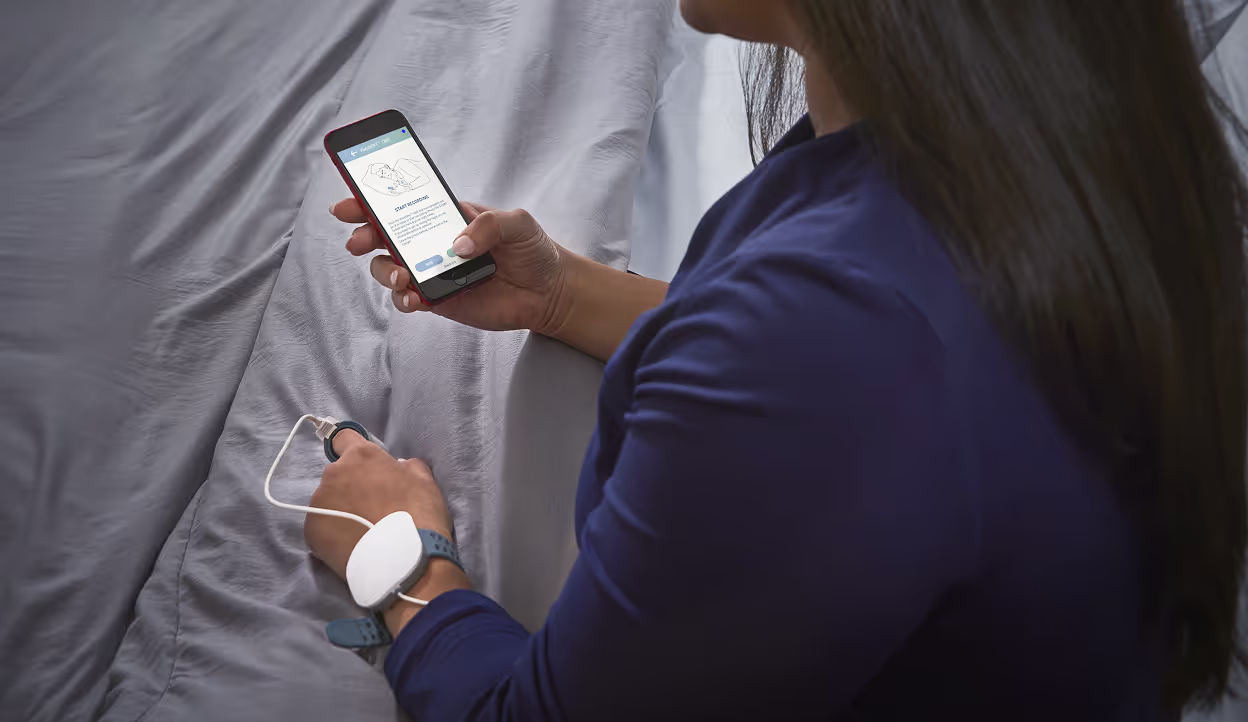
The device typically includes a nasal pressure sensor to detect airflow through the nasal passage, a pulse oximetry sensor placed on your finger to monitor oxygen saturation and heart rate, and an effort belt worn around your chest or abdomen to track respiratory effort. Some home sleep testing kits also include a cannula positioned near the nose to measure airflow more precisely.
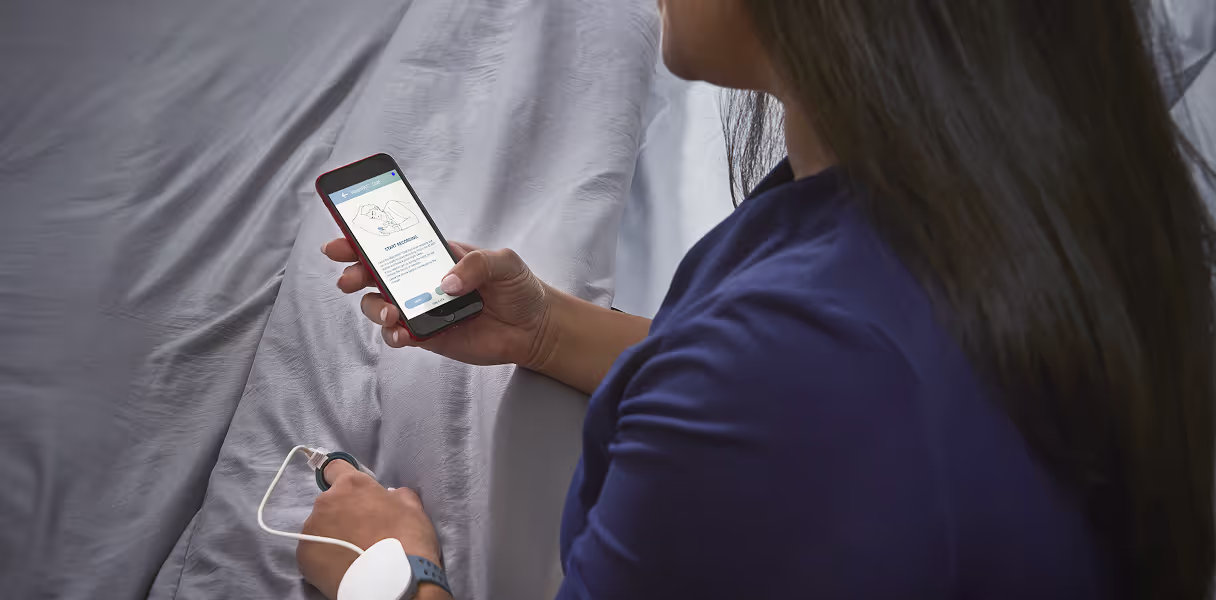
Once you attach the sensors before bed, the portable sleep machine records data throughout the night. In the morning, you remove the device and return it or transmit the respiratory data for analysis. A board certified sleep specialist or sleep medicine physician reviews your test results and determines whether you meet the diagnostic criteria for obstructive sleep apnea.
Home sleep apnea testing works by calculating an apnea-hypopnea index, which measures the number of times per hour your airway partially or fully collapses during sleep. An AHI of 5 or more events per hour, combined with symptoms, generally indicates obstructive sleep apnea. The American Academy of Sleep Medicine recognizes home sleep testing as an effective diagnostic tool for patients with a high pretest probability of moderate to severe obstructive sleep apnea.
DID YOU KNOW: According to the National Heart, Lung, and Blood Institute, obstructive sleep apnea occurs when the soft tissue in the back of the throat relaxes during sleep, causing repeated airway blockages that reduce oxygen levels and fragment sleep.
KEY TAKEAWAY: A home sleep apnea test uses portable sensors to measure airflow, oxygen saturation, heart rate, and respiratory effort overnight, providing enough data for a sleep specialist to diagnose obstructive sleep apnea.
Understanding how these devices work sets the stage for knowing who actually qualifies for at-home testing in Apopka and who may need a different approach.
Who Qualifies for Home Sleep Testing in Apopka, Florida
Most adults in Apopka who show symptoms of obstructive sleep apnea qualify for a home sleep test. The primary eligibility requirement is a moderate to high clinical suspicion of obstructive sleep apnea based on symptoms, sleep history, and risk factors.
Common Symptoms That Point Toward Testing
Symptoms that typically prompt a sleep specialist to recommend home sleep testing include loud, chronic snoring, witnessed episodes of gasping for air or choking during sleep, excessive sleepiness during the day despite adequate time in bed, morning headaches, difficulty concentrating, and irritability. If a bed partner reports pauses in your breathing while you sleep, this is one of the strongest indicators.
Risk factors that increase the likelihood of obstructive sleep apnea include a body mass index of 30 or higher, a neck circumference greater than 17 inches in men or 16 inches in women, age over 40, male sex, and a family history of sleep-disordered breathing. According to the Sleep Foundation, people with a combination of these risk factors and symptoms have a high pretest probability, making them strong candidates for home sleep testing.
Who Should Not Use a Home Sleep Test
Home sleep testing is not appropriate for every patient. Individuals suspected of having central sleep apnea, complex sleep apnea syndrome, or other sleep disorders such as narcolepsy, periodic limb movement disorder, or parasomnias need a full in-lab polysomnography. A polysomnogram monitors brain waves, muscle activity, eye movements, and other parameters that a home sleep device does not capture.
Patients with significant cardiopulmonary disease, neuromuscular conditions, or chronic opioid use may also require in-lab monitoring because these conditions can complicate sleep-disordered breathing in ways a portable device cannot fully detect. The American Academy of Sleep Medicine recommends that a sleep specialist evaluate each patient individually to determine whether home sleep testing or polysomnography is the better diagnostic path.
KEY TAKEAWAY: Adults in Apopka with symptoms like snoring, gasping for air, and excessive sleepiness are strong candidates for home sleep testing, but patients with suspected central sleep apnea or complex medical conditions should pursue in-lab polysomnography instead.
Once you know you qualify, the next step is understanding exactly how to complete the test from start to finish.
How to Complete a Home Sleep Apnea Test: Step by Step
Completing a home sleep apnea test is straightforward, and most patients in Apopka can finish the entire process within a few days from order to results.
Step-by-Step Process
1. Start with a clinical assessment. Speak with your primary care physician or complete a free online sleep assessment through dumbo.health's sleep quiz to determine if you are a candidate for home sleep testing.
2. Order your home sleep test. If home testing is appropriate, order a device. dumbo.health ships an FDA-cleared home sleep test directly to your address in Apopka for $149, with no insurance or prior authorization needed.
3. Receive the device and review the instructions. The home sleep testing kit arrives with clear setup guidance. Typical equipment includes a nasal pressure sensor, pulse oximetry finger clip, effort belt, and a small portable recording unit.
4. Apply the sensors before bed. Attach the cannula near your nose, clip the pulse oximetry sensor to your finger, and position the effort belt around your chest. The device activates automatically or with a single button press.
5. Sleep as you normally would. The portable sleep machine records airflow, oxygen levels, heart rate, and respiratory effort throughout the night. Most devices require a minimum of four hours of recorded data to produce a usable study.
6. Remove the device in the morning. Detach all sensors when you wake up. Follow the return or data upload instructions provided with the kit.
7. Physician review and diagnosis. A board certified sleep specialist interprets your respiratory data and generates a report. With dumbo.health's Essentials Plan at $59 per month, physician interpretation, a treatment plan, and CPAP therapy are all included.
After completing these steps, you typically receive your sleep test results within a few business days. Your physician will explain the findings and recommend next steps, which may include CPAP therapy, an oral appliance, or further evaluation.
KEY TAKEAWAY: The home sleep testing process involves ordering a device, wearing portable sensors overnight, and having a sleep specialist review your data, with most patients completing the process in under a week.
With the process clear, comparing home testing to the in-lab alternative helps you understand why one may be a better fit for your situation.
Home Sleep Test vs. In-Lab Polysomnography: How to Choose
A home sleep test and an in-lab polysomnography both diagnose sleep apnea, but they differ in scope, cost, convenience, and the type of data they collect. Understanding these differences helps you and your sleep specialist select the right study.
Setting
- Home Sleep Apnea Test: Your own bed at home in Apopka
- In-Lab Polysomnography: A sleep center, sleep lab, or hospital sleep clinic
Data Collected
- Home Sleep Apnea Test: Airflow, oxygen saturation, heart rate, respiratory effort
- In-Lab Polysomnography: All of the above plus brain waves, muscle activity, eye movements, body position, leg movements, and sleep staging
Number of Sensors
- Home Sleep Apnea Test: 3 to 5 sensors (nasal pressure sensor, pulse oximetry, effort belt, cannula)
- In-Lab Polysomnography: 15 to 25 sensors including EEG leads, EMG leads, and video monitoring
Cost
- Home Sleep Apnea Test: Lower, typically $149 to $500 out of pocket. dumbo.health charges $149 for self-pay patients.
- In-Lab Polysomnography: Higher, often $1,000 to $3,000 or more depending on the facility and insurance coverage
Convenience
- Home Sleep Apnea Test: High, no travel required, sleep in familiar surroundings
- In-Lab Polysomnography: Lower, requires scheduling an overnight visit to a sleep lab, often with a wait time of several weeks
Best For
- Home Sleep Apnea Test: Adults with moderate to high suspicion of obstructive sleep apnea and no significant comorbidities
- In-Lab Polysomnography: Patients with suspected central sleep apnea, complex sleep apnea syndrome, other sleep disorders, or significant cardiac or pulmonary conditions
Turnaround Time
- Home Sleep Apnea Test: Results typically available within days
- In-Lab Polysomnography: Results may take one to several weeks depending on the sleep center
For most adults in Apopka and the surrounding Central Florida area who primarily need to confirm or rule out obstructive sleep apnea, a home sleep test provides sufficient diagnostic data at a fraction of the cost and inconvenience. In-lab polysomnography is the better choice when the clinical picture is more complex or when an initial home study produces inconclusive results.
IMPORTANT: A negative or inconclusive home sleep test does not rule out sleep apnea entirely. The American Academy of Sleep Medicine recommends that patients with persistent symptoms and a negative home study undergo an in-lab polysomnography for definitive diagnosis.
KEY TAKEAWAY: Home sleep testing is more affordable, more convenient, and diagnostically sufficient for most obstructive sleep apnea cases, while in-lab polysomnography remains necessary for complex or atypical sleep disorders.
Cost is one of the biggest factors driving testing decisions, so knowing what you will actually pay in Apopka deserves a closer look.
How Much Does a Home Sleep Apnea Test Cost in Apopka, Florida
The cost of a home sleep apnea test in the Apopka area varies depending on the provider, whether you use health insurance, and whether the facility charges additional fees for physician interpretation or follow-up. For self-pay patients, total out-of-pocket costs typically range from $149 to $500 for the test alone.
In-lab polysomnography at a sleep center near you in Central Florida often costs $1,000 to $3,000 before insurance adjustments. Even with insurance, copays and deductibles can push the patient's share to several hundred dollars. Many patients also face delays from prior authorization requirements.
dumbo.health eliminates these barriers by offering a home sleep test for $149 as a one-time, cash-pay cost with no insurance required, no prior authorizations, and no surprise bills. The test device ships directly to your home in Apopka. After testing, monthly care plans cover physician interpretation, CPAP therapy, equipment, and follow-up. The Essentials Plan costs $59 per month, the Premium Plan costs $89 per month and includes a dedicated sleep coach, and the Elite Plan costs $129 per month with concierge clinical support and direct physician messaging. All plans operate with no contracts and the ability to cancel anytime.
For Apopka residents comparing providers in your area, the total cost of diagnosis plus treatment through dumbo.health starts at $208 for the first month (the $149 test plus $59 for the Essentials Plan), which is significantly less than what many local sleep clinics charge for the diagnostic test alone.
TIP: If you are a commercial driver in the Apopka area who needs sleep apnea testing for DOT compliance, self-pay through dumbo.health lets you skip insurance delays and get tested on your timeline. Learn more about at-home sleep testing for CDL holders.
KEY TAKEAWAY: A home sleep apnea test in Apopka typically costs $149 to $500 out of pocket, and dumbo.health offers the test at $149 with transparent pricing and no insurance hassles.
Understanding cost is important, but knowing what the test results actually mean is what drives the next clinical decision.
Understanding Your Home Sleep Test Results
Home sleep test results center on the apnea-hypopnea index, which quantifies the severity of your sleep-disordered breathing. A sleep medicine physician reviews the full respiratory data from your study and assigns a severity classification.
The AHI measures how many apnea events (complete airway blockage) and hypopnea events (partial airway obstruction) occur per hour of recorded sleep. According to the American Academy of Sleep Medicine, the severity ranges are as follows. An AHI of 5 to 14 indicates mild obstructive sleep apnea. An AHI of 15 to 29 indicates moderate obstructive sleep apnea. An AHI of 30 or higher indicates severe obstructive sleep apnea.
Your sleep test results also include oxygen saturation data. Oxygen desaturation index measures how often your oxygen levels drop by 3 percent or more per hour. Repeated drops in oxygen during sleep are associated with cardiovascular strain and daytime symptoms. The National Heart, Lung, and Blood Institute notes that chronic intermittent hypoxia from untreated sleep apnea may contribute to high blood pressure, heart disease, and stroke risk.
Heart rate data from the pulse oximetry sensor can reveal patterns associated with apnea events, such as heart rate variability or bradycardia-tachycardia cycles during respiratory events. The effort belt data shows whether your chest and abdomen continued to make breathing efforts during events, which helps differentiate obstructive sleep apnea from central sleep apnea.
A board certified sleep specialist combines all of these measurements to generate a comprehensive diagnosis. With dumbo.health care plans, physician interpretation and a detailed report are included starting with the Essentials Plan at $59 per month. Your results and treatment recommendations can also be sent directly to your referring provider.
Home sleep apnea testing records respiratory data that allows a sleep medicine physician to calculate AHI, oxygen desaturation index, and respiratory effort patterns. These three metrics form the basis for diagnosing obstructive sleep apnea and determining the appropriate treatment plan. The diagnosis drives all subsequent clinical decisions about therapy selection, equipment settings, and follow-up frequency.
KEY TAKEAWAY: Your AHI score determines the severity of obstructive sleep apnea, and a board certified sleep specialist uses AHI, oxygen desaturation data, and respiratory effort patterns to create a personalized treatment plan.
Once you have a diagnosis, the treatment conversation begins immediately.
Treatment Options After a Sleep Apnea Diagnosis
CPAP therapy is the first-line treatment for moderate to severe obstructive sleep apnea, but several other options exist depending on your AHI, anatomy, symptoms, and preferences.
CPAP Therapy
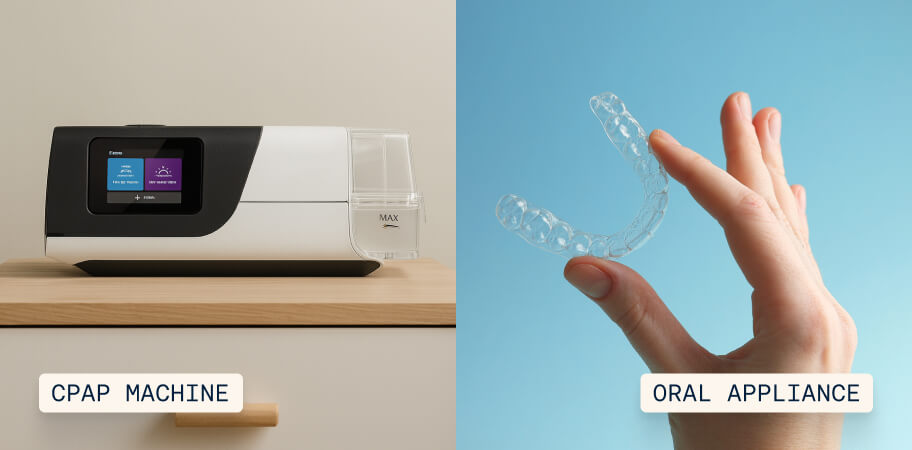
CPAP stands for continuous positive airway pressure. A CPAP machine delivers a steady stream of pressurized air through a mask worn during sleep, keeping the airway open and preventing the soft tissue collapses that cause apnea events. According to the Mayo Clinic, CPAP is the most common and reliable treatment for obstructive sleep apnea.
Adherence is critical. The Centers for Medicare and Medicaid Services defines adequate CPAP compliance as using the device for at least 4 hours per night on at least 70 percent of nights during a consecutive 30-day period. Many patients struggle with adherence initially, which is why ongoing support matters. dumbo.health's Premium Plan at $89 per month includes a dedicated sleep coach and advanced adherence monitoring to help patients in Apopka and across Florida stay on track with CPAP treatment.
Oral Appliance Therapy
An oral appliance, also called an oral device or mandibular advancement device, repositions the lower jaw slightly forward during sleep to prevent airway collapse. Oral appliances are typically recommended for patients with mild to moderate obstructive sleep apnea or for those who cannot tolerate CPAP therapy. A dentist trained in sleep medicine custom-fits the device.
Positional Therapy
Some patients experience apnea events primarily when sleeping on their back. Positional therapy involves using devices or techniques to encourage side sleeping. This approach may be sufficient for mild cases or used alongside CPAP or an oral appliance.
Surgical Options
Surgical treatment options include uvulopalatopharyngoplasty, which removes excess soft tissue from the throat, maxillomandibular advancement, and in some cases rhinologic surgery to address nasal passage obstruction that contributes to sleep-disordered breathing. Surgery is generally reserved for patients who do not respond to CPAP or oral appliance therapy. Florida Sinus and Snoring Specialists and similar practices in Central Florida offer surgical evaluation for appropriate candidates.
Weight Management
The Sleep Foundation notes that weight loss of 10 percent or more can significantly reduce AHI in overweight patients with obstructive sleep apnea. While weight management alone may not resolve moderate to severe cases, it is an important complementary strategy.
KEY TAKEAWAY: CPAP therapy is the gold standard treatment for moderate to severe obstructive sleep apnea, with oral appliances, positional therapy, surgery, and weight management serving as alternatives or supplements depending on severity and patient tolerance.
Knowing the full treatment landscape is useful, but understanding the real barriers and limitations of home sleep testing keeps expectations realistic.
Limitations and Risks of Home Sleep Apnea Testing
Home sleep testing is a powerful diagnostic tool, but it has specific limitations that every patient in Apopka should understand before choosing this route over an in-lab study.
It Does Not Detect All Sleep Disorders
A home sleep apnea test measures airflow, oxygen saturation, heart rate, and respiratory effort. It does not record brain waves, muscle activity, or eye movements. This means conditions like narcolepsy, periodic limb movement disorder, REM sleep behavior disorder, and parasomnias cannot be detected with a home device. If your sleep problem involves more than breathing disruption, you need a full polysomnography at a sleep lab.
False Negatives Are Possible
Home sleep tests can underestimate AHI because they calculate the index based on total recording time rather than actual sleep time. If you lie awake for a portion of the night, the device still counts those hours in the denominator, which can dilute the AHI. The American Academy of Sleep Medicine acknowledges that a negative home sleep test does not definitively rule out obstructive sleep apnea. Patients with ongoing symptoms despite a negative result should proceed to an in-lab polysomnogram.
Central Sleep Apnea Cannot Be Reliably Diagnosed
Central sleep apnea involves a failure of the brain's respiratory control signals rather than a physical airway obstruction. Because home devices lack EEG monitoring and rely on respiratory effort data to differentiate obstructive from central events, central sleep apnea and complex sleep apnea syndrome require in-lab testing for accurate diagnosis.
User Error Can Affect Data Quality
Home sleep testing relies on the patient to correctly apply the nasal pressure sensor, pulse oximetry clip, effort belt, and cannula. If a sensor shifts or detaches during the night, the quality of the respiratory data may be compromised, potentially requiring a repeat study. Clear instructions and responsive support reduce this risk. dumbo.health's care plans include clinical support to guide patients through setup and troubleshoot any issues.
Single-Night Snapshot
A home sleep test captures data from one night. Sleep apnea severity can vary from night to night based on sleep position, alcohol consumption, medication use, and other factors. One night of testing may not reflect your typical sleeping patterns. Clinicians generally accept a single-night study for diagnostic purposes, but some patients may need a repeat study if results are borderline.
KEY TAKEAWAY: Home sleep testing has meaningful limitations including its inability to detect non-respiratory sleep disorders, the possibility of false negatives, and the risk of user error, all of which may require follow-up with an in-lab polysomnography.
Real-world scenarios help illustrate when home testing works well and when other paths make more sense.
Real-World Scenarios: Home Sleep Testing for Apopka Residents
Seeing how home sleep testing plays out in specific situations clarifies when the test is the right choice and how different patients navigate the process.
Scenario 1: A 48-Year-Old Apopka Resident With Loud Snoring and Daytime Fatigue
A 48-year-old man living in Apopka reports loud snoring that his wife has tolerated for years but has worsened over the past two years. He frequently wakes feeling unrefreshed and struggles with excessive sleepiness during afternoon meetings. His BMI is 33, and his neck circumference is 18 inches. His primary care physician suspects obstructive sleep apnea.
Rather than waiting several weeks for an opening at a local sleep center, he orders a home sleep test through dumbo.health's at-home sleep test for $149. The device arrives within days. His home sleep study reveals an AHI of 22, indicating moderate obstructive sleep apnea. He enrolls in the Premium Plan at $89 per month for CPAP therapy, a dedicated sleep coach, and advanced adherence monitoring. Within three weeks of consistent CPAP use, his daytime sleepiness improves significantly.
Scenario 2: A 55-Year-Old Commercial Driver Needing DOT Compliance
A 55-year-old CDL holder based near Apopka is flagged during a DOT physical for a BMI above 35 and a neck circumference above 17 inches. The medical examiner recommends a sleep apnea evaluation before issuing a full medical certificate. The driver has no health insurance and is paying out of pocket as a self-pay patient.
He completes the free sleep assessment at dumbo.healthand orders a home sleep test for $149. His test results show an AHI of 31, consistent with severe obstructive sleep apnea. He begins CPAP therapy through the Essentials Plan at $59 per month. dumbo.health sends his sleep test results and CPAP adherence data directly to his DOT medical examiner, helping him maintain his CDL certification. For more on DOT physical requirements and sleep testing, the dumbo.health blog covers the full process.
Scenario 3: A 38-Year-Old Woman With Persistent Insomnia and Gasping Episodes
A 38-year-old woman in the Apopka area reports difficulty staying asleep and occasional episodes of gasping for air at night. She also describes vivid dreams, restless legs, and significant anxiety about sleep. Her BMI is 24. Her physician is uncertain whether her sleep problem is isolated obstructive sleep apnea or involves additional sleep disorders.
Given the mixed symptom profile, her sleep specialist recommends an in-lab polysomnography rather than a home sleep test. The polysomnogram reveals mild obstructive sleep apnea with an AHI of 8 and concurrent periodic limb movement disorder. Her treatment plan includes an oral appliance for the mild apnea and medication management for the limb movements. A home sleep test would not have captured the limb movement data needed for this diagnosis.
KEY TAKEAWAY: Home sleep testing works well for patients with a high probability of obstructive sleep apnea, including self-pay patients and commercial drivers, but patients with complex or mixed symptoms may need a full in-lab polysomnography.
With these practical examples in mind, clearing up common myths about sleep apnea testing helps prevent costly misunderstandings.
Common Myths About Home Sleep Apnea Testing Debunked
MYTH: A home sleep test is not as accurate as an in-lab sleep study.
FACT: For diagnosing obstructive sleep apnea in adults with moderate to high pretest probability, home sleep testing provides clinically comparable results. The American Academy of Sleep Medicine endorses home sleep apnea testing as an appropriate diagnostic tool for this population. Accuracy decreases primarily when the test is used for populations it was not designed for, such as patients with suspected central sleep apnea or multiple overlapping sleep disorders.
MYTH: You need insurance to get a home sleep test in Florida.
FACT: Insurance is not required. Self-pay patients in Apopka and across Florida can order a home sleep test directly. dumbo.health offers the test for $149 with no insurance, no prior authorization, and no surprise bills. Many patients find the self-pay route faster and more straightforward than navigating insurance approvals.
MYTH: If the home sleep test comes back normal, you definitely do not have sleep apnea.
FACT: A negative home sleep test does not completely rule out obstructive sleep apnea. Because the device measures total recording time rather than actual sleep time, AHI scores can be underestimated. The American Academy of Sleep Medicine recommends that patients with persistent symptoms and a negative home study proceed to an in-lab polysomnography. A single normal result should be considered in the context of your full sleep history and symptoms.
MYTH: CPAP is the only treatment for sleep apnea.
FACT: CPAP is the first-line treatment for moderate to severe obstructive sleep apnea, but alternatives exist. Oral appliances work well for mild to moderate cases. Positional therapy, weight management, and surgical options like uvulopalatopharyngoplasty or rhinologic surgery may also be appropriate depending on the underlying cause. A board certified sleep specialist develops a treatment plan tailored to your diagnosis.
MYTH: Home sleep tests are complicated to set up and use.
FACT: Modern home sleep testing kits, including FDA-cleared devices like the ResMed ApneaLink Air, are designed for patient self-application. Most devices use three to five sensors with simple instructions. A nasal pressure sensor, pulse oximetry clip, and effort belt are typically all that is required. dumbo.health care plans include clinical support to walk you through setup if needed.
KEY TAKEAWAY: Most fears about home sleep testing stem from misunderstandings about its intended use, and for the population it is designed to screen, home testing is a clinically endorsed, affordable, and convenient diagnostic tool.
Before you start the testing process, a quick preparation checklist keeps everything on track.
How to Prepare for Your Home Sleep Test in Apopka
Proper preparation improves the quality of your home sleep study and reduces the chance of needing a repeat test.
Pre-Test Checklist
- Confirm your eligibility for home sleep testing by completing an initial consultation with your physician or the free sleep assessment at dumbo.health.
- Avoid alcohol for at least 24 hours before your test night, as alcohol can alter your sleeping patterns and affect respiratory data accuracy.
- Avoid caffeine after noon on your test day to help you fall asleep at your normal time.
- Skip naps on the day of the test so you are sufficiently tired at bedtime.
- Remove nail polish from the finger where the pulse oximetry sensor will be placed, as polish can interfere with oxygen saturation readings.
- Follow your normal sleep habits, including your usual bedtime routine, sleep position, and sleep environment.
- Review the device instructions before bedtime so you are comfortable with sensor placement for the nasal pressure sensor, effort belt, and cannula.
- Charge your cell phone and keep it nearby in case you need to contact clinical support during setup.
- Set the device on your nightstand before bed and confirm the recording indicator light activates.
- Plan for at least 6 hours in bed to ensure a minimum of 4 hours of usable recording data.
Following this checklist gives your sleep specialist the clearest possible data for an accurate diagnosis.
KEY TAKEAWAY: Avoiding alcohol and caffeine, removing nail polish from your sensor finger, and planning for at least 6 hours in bed are the most important preparation steps for a reliable home sleep study.
With preparation handled, understanding the broader landscape of sleep apnea care in the Apopka area gives you the full picture of your options.
Sleep Apnea Testing and Care Resources in the Apopka Area
Apopka residents have several pathways to sleep apnea diagnosis and treatment, including local sleep clinics, telehealth-based services, and regional specialists across Central Florida.
Local sleep centers and sleep clinics in the greater Orlando and Central Florida area, including facilities such as Sleep Clinic of America and various hospital-affiliated sleep labs, offer both in-lab polysomnography and home sleep testing. Some of these centers require an initial consultation and referral from a primary care physician before scheduling a study. Wait times for in-lab studies at a sleep center near you can range from two to six weeks depending on demand.
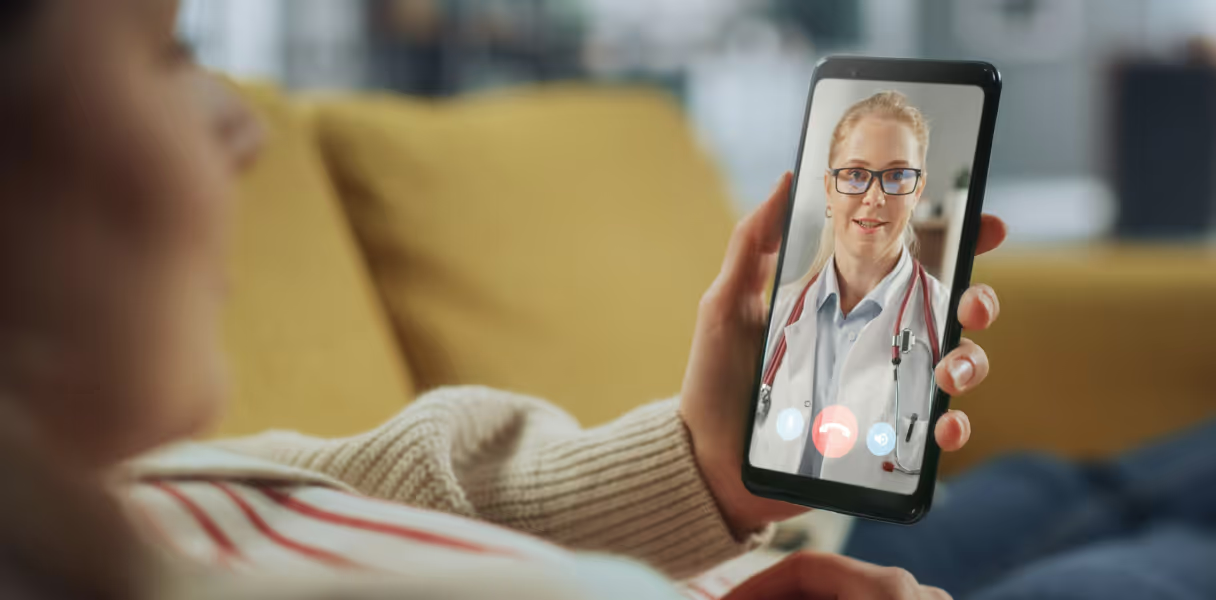
For patients who prefer a faster, more flexible path, telehealth-based home sleep testing through providers like dumbo.health eliminates geographic barriers entirely. The device ships to your home in Apopka, and physician review happens remotely through board-certified sleep medicine professionals. This model is especially valuable for self-pay patients who want to avoid insurance delays and for commercial drivers who need rapid testing for DOT compliance.
Florida-based practices like Florida Sinus and Snoring Specialists offer specialized surgical and rhinologic evaluation for patients whose airway anatomy contributes to their sleep-disordered breathing. South Florida Snoring and Sleep Center and Somnus Sleep Center are additional facilities that serve patients across the state for both diagnostic testing and ongoing sleep medicine care.
When evaluating providers in your area, confirm that the practice uses FDA-cleared diagnostic equipment, that results are interpreted by a board certified sleep specialist, and that the facility follows HIPAA regulations for patient data protection. These factors apply whether you choose a local sleep clinic or a telehealth-based sleep apnea care solution.
KEY TAKEAWAY: Apopka residents can access sleep apnea testing through local sleep centers, regional specialists, or telehealth-based providers like dumbo.health, and choosing the right option depends on insurance status, urgency, and clinical needs.
With the full care landscape mapped, understanding why acting on symptoms matters brings the clinical picture into focus.
Why Untreated Sleep Apnea Is a Serious Health Risk
Untreated obstructive sleep apnea is associated with a significantly increased risk of cardiovascular disease, metabolic disorders, and impaired daily function. Delaying testing and treatment has real consequences.
According to the CDC, adults generally need at least 7 hours of sleep per night for optimal health, and sleep apnea fragments sleep architecture in ways that prevent restorative rest even when total time in bed seems adequate. The National Heart, Lung, and Blood Institute links untreated obstructive sleep apnea to elevated risk of high blood pressure, coronary artery disease, heart failure, stroke, type 2 diabetes, and atrial fibrillation.
Excessive sleepiness from untreated sleep apnea is a major safety concern. The National Highway Traffic Safety Administration estimates that drowsy driving causes thousands of crashes each year in the United States. For commercial drivers in the Apopka area and across Florida, untreated sleep apnea is both a personal health risk and a regulatory issue. The FMCSA requires that CDL holders be medically fit to drive, and uncontrolled sleep apnea may result in shortened certification periods or disqualification until treatment adherence is documented.
Cognitive effects of chronic sleep fragmentation include impaired memory, reduced concentration, slower reaction times, and increased risk of workplace accidents. Clinicians frequently observe that patients who begin CPAP therapy and achieve consistent adherence report improvements in alertness, mood, and overall quality of life within the first few weeks of treatment.
Obstructive sleep apnea affects an estimated 30 million adults in the United States according to the American Academy of Sleep Medicine, yet the majority remain undiagnosed. The gap between prevalence and diagnosis means that many people in Apopka and across Florida are living with preventable health consequences simply because they have not been tested.
KEY TAKEAWAY: Untreated obstructive sleep apnea raises the risk of cardiovascular disease, metabolic conditions, and dangerous daytime sleepiness, making timely diagnosis and treatment essential for long-term health and safety.
All of this evidence reinforces why choosing the right testing path, and acting on results promptly, matters so much.
Conclusion
A home sleep apnea test gives Apopka residents a convenient, clinically validated way to screen for obstructive sleep apnea without the cost, wait time, or inconvenience of an overnight sleep lab visit. For the majority of adults with symptoms like snoring, gasping for air, and excessive sleepiness, home testing provides the diagnostic data a board certified sleep specialist needs to build an effective treatment plan. Acting on symptoms early protects your cardiovascular health, your daily performance, and, for commercial drivers, your career.
dumbo.health makes the process simple for self-pay patients and anyone who wants transparent pricing. Order an at-home sleep test for $149 with no insurance required, and access ongoing CPAP care starting at $59 per month with no contracts and the ability to cancel anytime.
Frequently Asked Questions About Home Sleep Apnea Testing in Apopka, Florida
What is a home sleep apnea test?
A home sleep apnea test (HSAT) is a portable, FDA-cleared diagnostic tool used to evaluate whether a person has obstructive sleep apnea while sleeping in their own home. The device typically measures airflow, oxygen saturation, breathing effort, nasal pressure, and heart rate using sensors such as a nasal cannula, effort belt, and pulse oximetry probe. A qualified sleep physician then interprets the recorded respiratory data to assess for sleep-disordered breathing. A home sleep test is generally recommended for adults with a moderate to high likelihood of obstructive sleep apnea. A healthcare professional can help determine whether home testing is appropriate for your situation.
What is obstructive sleep apnea?
Obstructive sleep apnea (OSA) is a common sleep disorder in which the upper airway repeatedly collapses or narrows during sleep, causing breathing interruptions. According to the American Academy of Sleep Medicine, OSA occurs when the soft tissue in the throat, including the tongue and soft palate, relaxes and obstructs the airway. These interruptions reduce oxygen levels in the blood and fragment sleep, often without the person being aware. OSA is associated with daytime sleepiness, loud snoring, gasping for air during sleep, morning headaches, and increased risk of cardiovascular conditions. A sleep test is needed to confirm a diagnosis.
What symptoms suggest I might need a home sleep apnea test?
Common symptoms that may suggest obstructive sleep apnea include loud snoring, gasping for air during sleep, waking unrefreshed, persistent morning headaches, excessive daytime sleepiness, and difficulty concentrating. These symptoms do not confirm a diagnosis on their own, but they are frequently reported by people later found to have sleep-disordered breathing. If you experience several of these symptoms regularly, a healthcare professional can help assess whether a home sleep test is a reasonable next step. You can also take a free sleep assessment to help identify whether at-home testing may be appropriate for you.
What is the difference between a home sleep study and an in-lab sleep study?
A home sleep study uses a portable sleep testing device to measure respiratory functions during sleep at home, while an in-lab sleep study, also called polysomnography, is conducted in a sleep lab and measures a broader range of data including brain waves, muscle activity, eye movements, and full respiratory data monitored by a registered polysomnographic technologist. Home sleep testing is generally suitable for adults with a high likelihood of obstructive sleep apnea and no significant comorbidities. In-lab polysomnography may be recommended when complex sleep apnea syndrome, central sleep apnea, or other sleep disorders are suspected. A sleep specialist can advise on which test is appropriate.
Is a home sleep test accurate enough to diagnose sleep apnea?
Home sleep apnea tests are FDA-cleared diagnostic tools and are widely used by board-certified sleep specialists to diagnose obstructive sleep apnea. They reliably measure key indicators including airflow, oxygen saturation, nasal pressure, and respiratory effort. However, home sleep tests measure fewer data channels than a full in-lab polysomnogram. They can underestimate sleep apnea severity in some cases because the device records time worn rather than confirmed sleep time. The American Academy of Sleep Medicine supports the use of HSATs for adults with a high pretest probability of moderate to severe OSA. A physician interprets all results before a diagnosis is made.
How does home sleep apnea testing work?
Home sleep testing typically involves wearing a small portable sleep machine overnight at home. Common devices such as the ResMed ApneaLink Air use sensors including a nasal pressure sensor, an effort belt placed around the chest, and a pulse oximetry probe on the finger to measure airflow, oxygen levels, breathing effort, and heart rate. The device records respiratory data throughout the night. After the test, the device is returned or data is uploaded digitally, and a board-certified sleep physician reviews the results. The apnea-hypopnea index, oxygen saturation levels, and sleeping patterns are assessed to determine whether obstructive sleep apnea is present.
Who should consider home sleep testing?
Home sleep testing is generally appropriate for adults who have symptoms consistent with moderate to severe obstructive sleep apnea and who do not have significant complicating health conditions such as moderate to severe heart or lung disease, suspected central sleep apnea, or complex sleep apnea syndrome. People experiencing loud snoring, gasping for air during sleep, or excessive sleepiness during the day are commonly evaluated using a home sleep test. It is not suitable for all patients, and a sleep specialist or physician should review your sleep history, symptoms, and health background to confirm whether a home study is the right diagnostic tool for you.
What is included in a typical home sleep test kit?
A typical home sleep apnea testing kit includes the portable sleep testing device, a nasal cannula or nasal pressure sensor to measure airflow, a chest effort belt to detect respiratory effort, a pulse oximetry sensor to monitor oxygen saturation and heart rate, and printed or digital instructions for correct device setup. Some home sleep testing kits include a carrying case and pre-paid return packaging. Once testing is complete, recorded respiratory data is either uploaded digitally or returned for physician review. Devices vary by provider, but FDA-cleared equipment is standard in established home sleep testing programs.
What happens after my home sleep test results are ready?
After a physician interprets your home sleep test results, you will typically receive a written report that includes your apnea-hypopnea index, oxygen saturation data, and a clinical summary. If obstructive sleep apnea is confirmed, the next step is usually discussing treatment options with a sleep specialist. CPAP therapy is the most common first-line treatment for OSA. Other options may include an oral appliance or further evaluation depending on severity. If your test was inconclusive or a more complex sleep disorder is suspected, an in-lab study may be recommended. A clinician will guide you through the appropriate treatment plan based on your results.
What treatment options are available for sleep apnea?
The most widely recommended treatment for obstructive sleep apnea is CPAP therapy, which uses a CPAP machine to deliver continuous air pressure that keeps the airway open during sleep. Other treatment options may include an oral appliance, which is a custom-fitted sleep device that repositions the jaw to prevent airway collapse, positional therapy, weight management, or in some cases rhinologic surgery to address structural issues in the nasal passage. Treatment selection depends on OSA severity, patient preference, and other health factors. A sleep specialist or board-certified physician reviews test results and recommends an appropriate treatment plan. A healthcare professional should guide all treatment decisions.
Can I get CPAP therapy as part of ongoing sleep apnea care?
Yes. Following a confirmed sleep apnea diagnosis, CPAP therapy and equipment can be arranged as part of ongoing sleep apnea care. Consistent CPAP use is important because adherence affects treatment outcomes and, for commercial drivers, may be relevant to DOT medical certification requirements. Explore CPAP therapy and equipment through dumbo.health, which offers monthly plans that include CPAP equipment, physician interpretation and reporting, and adherence follow-up. Plans start at $59 per month with no contracts and no insurance required. A sleep physician reviews all results before treatment begins.
What can happen if sleep apnea is left untreated?
Untreated obstructive sleep apnea is associated with a range of serious health risks. According to the National Heart, Lung, and Blood Institute (NHLBI), untreated OSA increases the risk of high blood pressure, heart disease, stroke, type 2 diabetes, and motor vehicle accidents related to daytime sleepiness. Ongoing oxygen desaturation during sleep places sustained stress on the cardiovascular system. People with untreated OSA often experience fragmented sleep, reduced cognitive function, and worsening daytime fatigue. If you have symptoms consistent with sleep apnea, speaking with a healthcare professional about testing and treatment is strongly advisable. Delaying evaluation can allow risks to accumulate over time.
Is a home sleep apnea test available in Florida without a doctor's referral?
In many cases, a physician order or script is required before a home sleep test can be administered and interpreted, as a qualified physician must review the results for a clinical diagnosis to be made. Some care platforms facilitate this process by connecting patients with physicians who can review their sleep history and order the appropriate test. For Florida residents, at-home sleep apnea testing can be a convenient and accessible path to evaluation. The at-home sleep test process through dumbo.health includes physician review as part of the workflow, and no insurance is required.
How much does a home sleep apnea test cost in Florida?
The cost of a home sleep apnea test varies depending on the provider and whether insurance is used. At dumbo.health, an at-home sleep apnea test is priced at $149 as a one-time cash-pay purchase. This covers the testing device and one night of testing. Physician interpretation and ongoing sleep apnea care are covered separately through monthly plans starting at $59 per month. There are no insurance requirements, no prior authorizations, and no surprise bills. For Florida patients who want transparent pricing without insurance barriers, this provides a predictable path from testing to treatment. The $149 test cost is billed separately from any monthly plan.
Does health insurance cover home sleep testing in Florida?
Health insurance may cover home sleep apnea testing when ordered by a physician and deemed medically necessary, but coverage varies significantly by plan, insurer, and whether pre-authorization requirements are met. Co-pays, deductibles, and denied claims can result in unexpected costs even with insurance. For patients who prefer predictable pricing, cash-pay options for home sleep testing are available in Florida. dumbo.health offers a $149 home sleep test with no insurance required, no prior authorization, and transparent pricing. Self-pay patients know the cost upfront, making it easier to plan. A healthcare professional can advise on whether insurance coverage or a self-pay route makes more sense for your situation.
Is my personal health information protected when using an at-home sleep testing service?
Reputable at-home sleep testing providers are required to comply with HIPAA regulations, which set standards for the protection of personal health information in the United States. This includes secure handling of your sleep history, test results, and any health data collected during the testing process. When evaluating any sleep testing provider, it is reasonable to confirm that they follow HIPAA-compliant data handling practices. dumbo.health operates within established health privacy standards as part of its care workflow. If you have specific concerns about data security or how your health information is used, contact the provider directly before submitting personal health data.
What is the apnea-hypopnea index and what does it mean for my results?
The apnea-hypopnea index (AHI) is the primary metric used to measure the severity of sleep apnea. It represents the average number of apnea events, which are full breathing stops, and hypopnea events, which are partial airflow reductions, per hour of sleep or recording time. According to the American Academy of Sleep Medicine, an AHI of fewer than 5 events per hour is generally considered normal in adults, 5 to 14 is mild OSA, 15 to 29 is moderate OSA, and 30 or more is severe OSA. A board-certified sleep physician interprets the AHI in the context of oxygen saturation data, breathing patterns, and clinical history to form a diagnosis and recommend a treatment plan.
Do commercial drivers in Florida need a separate sleep apnea test for their DOT physical?
Commercial drivers who are flagged for sleep apnea risk during a DOT physical may be required to complete a sleep apnea evaluation before receiving a medical certificate. The FMCSA does not currently mandate universal sleep apnea testing for all commercial drivers, but certified medical examiners may refer drivers for testing based on symptoms, body mass index, neck circumference, and other risk factors. An at-home sleep test can be a convenient and cost-effective option for CDL drivers who need evaluation. Learn more about DOT sleep apnea testing at home and how it fits into the medical certification process for commercial drivers.
Can a home sleep test be used for a DOT medical certification referral?
A home sleep apnea test can be used as part of a sleep apnea evaluation for commercial drivers, but the certified medical examiner who conducts the DOT physical makes all decisions regarding medical certification. dumbo.health can support testing and care documentation for commercial drivers, but it does not guarantee DOT certification or medical clearance. Drivers who are referred for sleep apnea evaluation should confirm with their certified medical examiner what testing format, reporting requirements, and treatment documentation are acceptable for their specific certification process. A complete guide for CDL drivers and home sleep apnea testing is available at dumbo.health.
What ongoing care is available after a sleep apnea diagnosis in Florida?
After receiving a sleep apnea diagnosis, ongoing care typically includes starting CPAP therapy, monitoring adherence, and attending follow-up consultations with a sleep physician or sleep specialist. Ongoing care is important because consistent CPAP use and regular follow-up affect long-term health outcomes and, for commercial drivers, may be required to maintain DOT medical certification. dumbo.health offers sleep apnea care solutions through monthly plans that include physician reporting, CPAP therapy and equipment, adherence monitoring, and optional sleep coaching. Plans start at $59 per month with no contracts and no insurance required. Florida residents can access these services without insurance barriers or prior authorization requirements.
Where can I find home sleep apnea testing near me in the Apopka, Florida area?
Florida residents in the Apopka area have access to both local sleep centers and at-home sleep apnea testing options that eliminate the need to travel to a clinic. At-home testing allows you to complete your sleep study in your own home using a portable sleep testing device, with results reviewed remotely by a board-certified physician. For patients in Apopka and surrounding Central Florida communities who want transparent pricing without insurance requirements, providers in your area or remote care platforms offer accessible alternatives. dumbo.health provides a $149 at-home sleep test and ongoing care plans that are available to Florida residents regardless of insurance status. Get started with a sleep assessment to explore your options.