



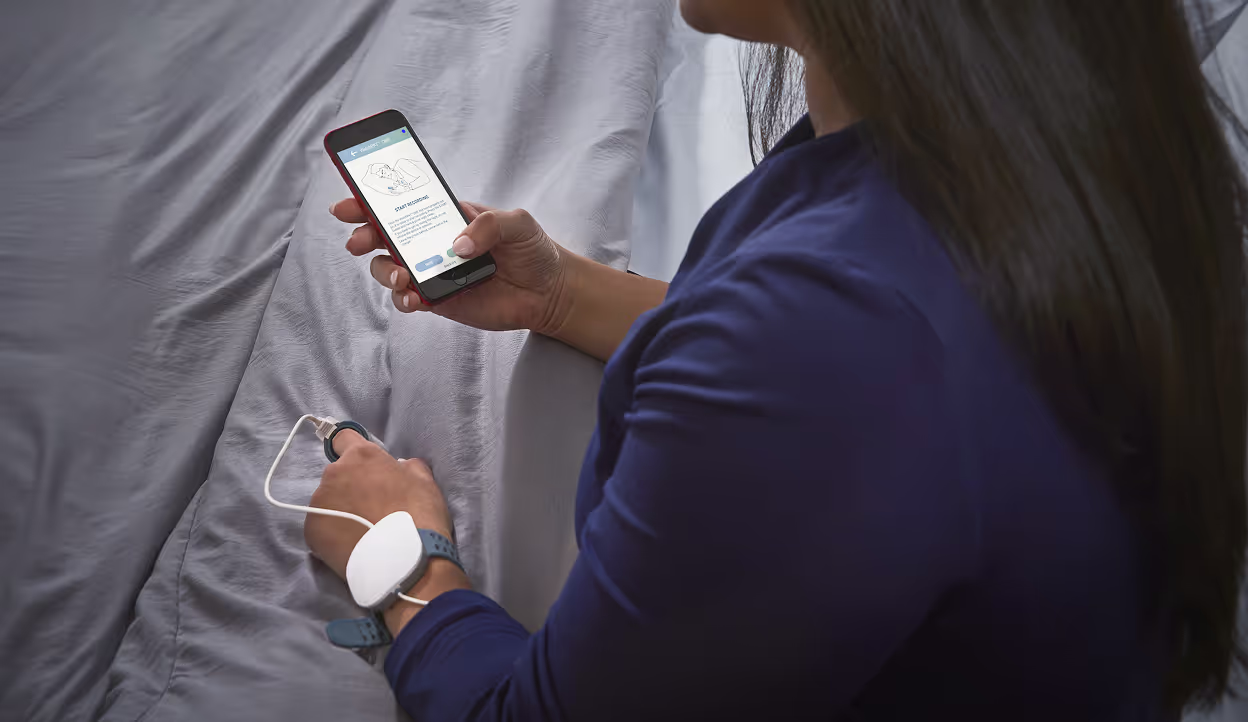



Home Sleep Apnea Test in St. Petersburg, Florida: The Complete Guide to At-Home Diagnosis
A home sleep apnea test in St. Petersburg, Florida provides a clinically validated way to diagnose obstructive sleep apnea from your own bed, without spending a night in a sleep lab. According to the American Academy of Sleep Medicine, home sleep testing accurately identifies moderate to severe obstructive sleep apnea in most adults, making it the preferred first-line diagnostic tool for uncomplicated cases. This guide is written for St. Petersburg residents, commercial drivers in the Tampa Bay area, and anyone in surrounding Florida communities who suspects they may have a sleep disorder. It covers how home sleep testing works, what devices measure, how results are interpreted, what treatment looks like after diagnosis, and where dumbo.health fits into the process. By the end, you will know exactly how to get tested, what to expect, and how to move forward with confidence.
Quick Answer
A home sleep apnea test in St. Petersburg, Florida lets you screen for obstructive sleep apnea overnight using a portable monitoring device worn at home. The device records airflow, oxygen saturation, respiratory effort, and heart rate while you sleep. Results are reviewed by a physician who determines your AHI score and recommends a treatment plan. dumbo.health offers a home sleep test for $149 with no insurance required, plus physician-reviewed results and CPAP therapy plans starting at $59 per month.
Key Takeaways
- Home sleep apnea tests are FDA-cleared diagnostic tools that measure airflow, oxygen levels, heart rate, and respiratory effort during a single night of sleep.
- The American Academy of Sleep Medicine recommends home sleep testing as the standard diagnostic pathway for adults with a high pretest probability of moderate to severe obstructive sleep apnea.
- St. Petersburg residents can complete a home sleep test without visiting a sleep lab, sleep center, or hospital.
- dumbo.health provides a home sleep test for $149 (one-time, no insurance required) with physician interpretation and CPAP therapy plans starting at $59 per month.
- An AHI score of 5 or higher indicates the presence of sleep apnea, while scores above 30 indicate severe obstructive sleep apnea.
- Untreated sleep apnea increases the risk of hypertension, stroke, heart disease, and motor vehicle accidents, according to the National Heart, Lung, and Blood Institute.
What Is a Home Sleep Apnea Test and How Does It Work
A home sleep apnea test is a portable diagnostic tool that records breathing patterns, oxygen saturation, airflow, and heart rate while you sleep in your own bed. Unlike an in-lab polysomnography study, a home sleep test does not require an overnight stay in a sleep center or the supervision of sleep technologists.
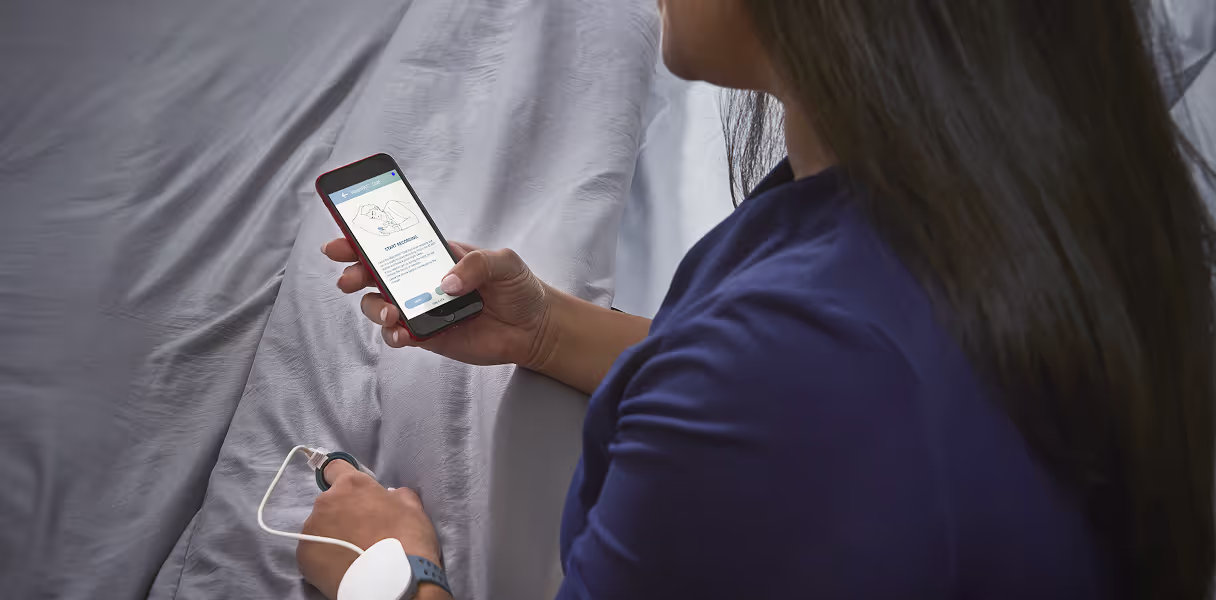
The device typically includes a nasal pressure sensor to measure airflow, a pulse oximetry sensor clipped to your finger to track oxygen levels, and an effort belt placed around your chest or abdomen to monitor respiratory effort. Some devices, such as the ResMed ApneaLink Air, also record snoring intensity. These sensors work together to capture the data a board-certified sleep medicine physician needs to calculate your Apnea-Hypopnea Index, known as the AHI score.
Home sleep apnea tests are FDA-cleared and widely used across Florida, including in St. Petersburg, Clearwater, Largo, Tampa, and surrounding communities. The test captures one night of sleep data, which is then uploaded and interpreted by a physician.
Home sleep testing is a screening and diagnostic method for obstructive sleep apnea specifically. It does not diagnose central sleep apnea, narcolepsy, parasomnias, restless legs syndrome, circadian rhythm disorders, or other complex sleep disorders. Those conditions require a full in-lab polysomnography study that measures brain waves, muscle activity, and additional physiological data.
DID YOU KNOW: According to the American Sleep Apnea Association, an estimated 80 percent of moderate and severe obstructive sleep apnea cases remain undiagnosed in the United States.
KEY TAKEAWAY: A home sleep apnea test uses portable sensors to measure airflow, oxygen saturation, respiratory effort, and heart rate during one night of sleep, providing the data a physician needs to diagnose obstructive sleep apnea.
Understanding how a home sleep test works is the first step, but knowing whether your symptoms point toward sleep apnea determines whether testing is the right next move.
Recognizing Sleep Apnea Symptoms That Warrant Testing
Loud, persistent snoring combined with daytime sleepiness is the most common symptom pattern that leads a physician to recommend sleep apnea testing. However, many people in St. Petersburg and across Florida live with symptoms for years without connecting them to a sleep disorder.
Common Symptoms of Obstructive Sleep Apnea
Obstructive sleep apnea occurs when the airway collapses or becomes blocked during sleep, causing repeated pauses in breathing. The National Heart, Lung, and Blood Institute lists these as the primary symptoms:
- Loud snoring, often reported by a bed partner
- Gasping for air or choking sensations during sleep
- Excessive sleepiness during the day despite a full night in bed
- Morning headaches that resolve within a few hours
- Difficulty concentrating or memory problems
- Irritability or mood changes
- Waking up with a dry mouth or sore throat
- Restless sleep or frequent awakenings
Not everyone who snores has sleep apnea, and not everyone with sleep apnea snores loudly. Some patients experience only excessive sleepiness or unexplained fatigue as their primary symptom.
Who Is at Higher Risk
Certain factors increase the likelihood of obstructive sleep apnea. According to the Mayo Clinic, risk factors include a BMI above 30, a neck circumference greater than 17 inches in men or 16 inches in women, age over 40, male sex, family history of sleep apnea, nasal congestion, and use of alcohol or sedatives before bed.
Commercial drivers in the Tampa Bay area face particular scrutiny because the FMCSA requires medical examiners to evaluate for sleep-disordered breathing during DOT physicals. A driver with a BMI of 35 or higher may be referred for sleep apnea testing before receiving medical certification.
If you recognize several of these symptoms or risk factors, a home sleep apnea test is a straightforward way to get answers without waiting weeks for a sleep lab appointment near you.
KEY TAKEAWAY: Loud snoring, gasping for air during sleep, and excessive daytime sleepiness are the hallmark symptoms of obstructive sleep apnea and strong indicators that home sleep testing is appropriate.
Once you recognize the symptoms, the next decision is choosing between testing at home and testing in a sleep lab.
Home Sleep Test vs. In-Lab Polysomnography: Which Is Right for You
A home sleep test is the right choice for most adults suspected of having uncomplicated obstructive sleep apnea, while an in-lab polysomnography study is required when other sleep disorders need to be evaluated or when a home test produces inconclusive results.
Understanding the differences between these two diagnostic tests helps you make an informed decision and avoid unnecessary costs.
What Each Test Measures
- Home Sleep Apnea Test: Airflow, oxygen saturation, heart rate, respiratory effort, and snoring intensity
- Polysomnography: All of the above plus brain waves, muscle activity, eye movements, body position, and leg movements
Setting
- Home Sleep Apnea Test: Your own bed at home in St. Petersburg or anywhere in Florida
- Polysomnography: A sleep lab or sleep center, typically requiring an overnight stay
Cost
- Home Sleep Apnea Test: Typically $149 to $500 out of pocket, with dumbo.health offering it for $149
- Polysomnography: Often $1,000 to $3,000 or more, depending on insurance coverage and the facility
Turnaround Time for Results
- Home Sleep Apnea Test: Results typically available within days when reviewed through services like dumbo.health
- Polysomnography: Results may take 1 to 3 weeks depending on the sleep center
Best For
- Home Sleep Apnea Test: Adults with a high suspicion of moderate to severe obstructive sleep apnea and no other suspected sleep disorders
- Polysomnography: Patients suspected of central sleep apnea, narcolepsy, parasomnias, restless legs syndrome, sleep-related hypermotor epilepsy, or complex sleep apnea
The American Academy of Sleep Medicine guidelines state that home sleep testing is appropriate when there is a high pretest probability of obstructive sleep apnea and the patient does not have significant cardiopulmonary disease, suspected central sleep apnea, or other comorbid sleep disorders.
For most St. Petersburg residents who suspect sleep apnea based on snoring, gasping, and daytime sleepiness, a home sleep test provides accurate, physician-reviewed results at a fraction of the cost of an in-lab study. dumbo.health delivers the home sleep test directly to your door for $149 with no insurance required and no prior authorizations.
KEY TAKEAWAY: Home sleep testing is the recommended first-line diagnostic approach for uncomplicated obstructive sleep apnea, while in-lab polysomnography is reserved for complex cases involving multiple suspected sleep disorders.
Knowing which test fits your situation is important, but understanding the testing process itself removes the uncertainty many patients feel.
How to Complete a Home Sleep Apnea Test: Step-by-Step
Completing a home sleep apnea test involves a simple process you can finish in a single night. The steps below walk you through the entire experience from ordering to receiving results.
Step-by-Step Process
1. Complete the free sleep assessment at dumbo.health to determine whether a home sleep test is appropriate for your symptoms and risk factors.
2. Order your home sleep test through dumbo.health for $149. The FDA-cleared portable monitoring device ships directly to your home in St. Petersburg or anywhere in Florida.
3. On the night of your test, attach the sensors according to the instructions included with the device. This typically involves placing the nasal pressure sensor under your nose, clipping the pulse oximetry sensor to your finger, and securing the effort belt around your chest.
4. Go to sleep in your own bed at your normal time. The device records airflow, oxygen saturation, heart rate, and respiratory effort automatically throughout the night.
5. In the morning, remove the sensors and package the device for return shipping using the prepaid label included.
6. A board-certified sleep medicine physician reviews your sleep data, calculates your AHI score, and prepares a diagnostic report.
7. Receive your results, including your diagnosis and recommended treatment plan. With dumbo.health, results are reviewed and returned promptly, and your report can be sent to your referring provider.
After completing these steps, you will know whether you have obstructive sleep apnea and what severity level your AHI score indicates. If treatment is needed, dumbo.health offers CPAP therapy plans starting at $59 per month with no contracts and the ability to cancel anytime.
IMPORTANT: Follow the device instructions carefully. Loose sensors or a test night with fewer than 4 hours of recorded sleep may produce inconclusive results that require a repeat test.
KEY TAKEAWAY: A home sleep apnea test requires one night of wearing a portable device with sensors that measure airflow, oxygen levels, heart rate, and breathing effort, with physician-reviewed results available within days.
Once you have your results, the next question is what the numbers actually mean.
Understanding Your Home Sleep Test Results
Your AHI score is the single most important number from a home sleep apnea test. The Apnea-Hypopnea Index measures how many times per hour your breathing stops (apnea) or becomes significantly reduced (hypopnea) during sleep.
AHI Score Categories
The American Academy of Sleep Medicine classifies sleep apnea severity based on the AHI:
- Normal: AHI below 5 events per hour
- Mild obstructive sleep apnea: AHI of 5 to 14 events per hour
- Moderate obstructive sleep apnea: AHI of 15 to 29 events per hour
- Severe obstructive sleep apnea: AHI of 30 or more events per hour
A patient with an AHI of 25 experiences roughly 25 breathing disruptions every hour of sleep. Over an 8-hour night, that totals 200 interruptions to normal breathing patterns, each of which can cause oxygen levels to drop and trigger a micro-arousal that fragments sleep quality.
Your results also include oxygen saturation data. Oxygen desaturation below 90 percent during sleep events is clinically significant and helps the reviewing physician understand how severely your sleep apnea affects your body. Heart rate variability data provides additional context about cardiovascular stress during sleep.
When your home sleep test is processed through dumbo.health, a physician interprets all recorded respiratory data and prepares a report that includes your AHI score, oxygen saturation trends, and a recommended treatment plan. If you are on the Premium plan at $89 per month, a dedicated sleep coach from the licensed care team walks you through your results and helps you understand what they mean for your sleep health.
KEY TAKEAWAY: The AHI score is the primary diagnostic metric from a home sleep test, with scores of 5 or higher confirming sleep apnea and scores above 30 indicating severe obstructive sleep apnea.
Knowing your AHI score is only useful if it leads to the right treatment, so the next step is understanding your options.
Treatment Options After a Sleep Apnea Diagnosis
CPAP therapy is the most effective and widely recommended treatment for moderate to severe obstructive sleep apnea. However, treatment is not one-size-fits-all, and your physician may recommend different approaches based on your AHI score, symptom severity, and individual health profile.
CPAP Therapy
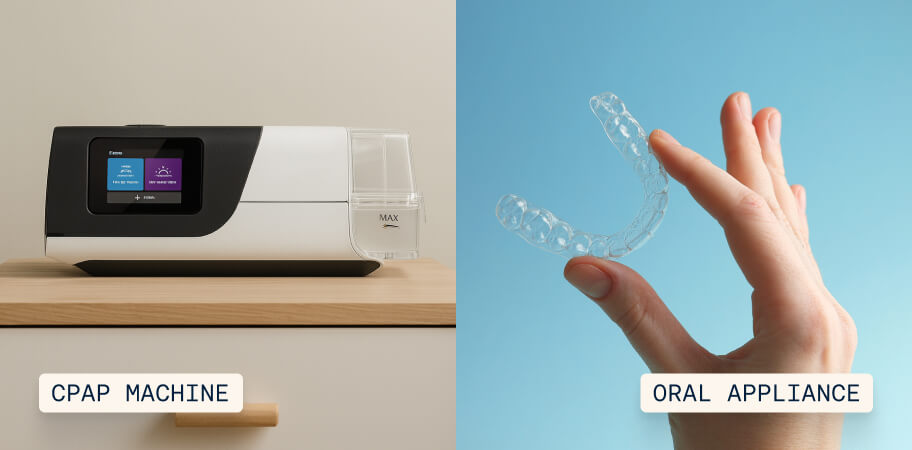
CPAP stands for continuous positive airway pressure. A CPAP machine delivers a steady stream of pressurized air through a mask worn during sleep, keeping the airway open and preventing the breathing interruptions that define sleep apnea. According to the National Heart, Lung, and Blood Institute, CPAP therapy reduces the AHI to below 5 events per hour in most patients when used consistently.
Effective CPAP therapy requires using the machine for a minimum of 4 hours per night on at least 70 percent of nights over a 30-day period. This standard, established by Medicare and followed by most insurers and the FMCSA, defines compliance for both clinical and regulatory purposes.
dumbo.health offers CPAP therapy as part of all monthly care plans. The Essentials plan at $59 per month includes the CPAP machine and equipment, physician oversight, and standard follow-up care. The Premium plan at $89 per month adds a dedicated sleep coach and advanced adherence monitoring, which clinicians frequently observe makes a measurable difference in long-term compliance rates.
Oral Appliance Therapy
An oral appliance, also called a mandibular advancement device, is a custom-fitted mouthpiece that repositions the lower jaw forward during sleep to keep the airway open. The American Academy of Sleep Medicine recommends oral appliance therapy for patients with mild to moderate obstructive sleep apnea who cannot tolerate CPAP or prefer an alternative.
Oral appliances are typically fitted by a dentist trained in sleep medicine. They work best for patients with an AHI between 5 and 30 and are less effective than CPAP for severe cases.
Lifestyle Changes
Lifestyle modifications can reduce sleep apnea severity but rarely eliminate it entirely in moderate to severe cases. Evidence-based lifestyle changes include:
- Losing weight if your BMI is above 25, since even a 10 percent reduction in body weight can reduce AHI by 20 to 30 percent according to research cited by the Sleep Foundation
- Sleeping on your side rather than your back to reduce airway collapse
- Avoiding alcohol and sedatives within 3 to 4 hours of bedtime
- Maintaining consistent sleep habits with a regular sleep schedule
- Improving overall sleep hygiene by keeping your bedroom dark, quiet, and cool
Surgical Options
Surgery is generally reserved for patients who do not respond to CPAP therapy or oral appliances. Procedures may address specific anatomical causes of airway obstruction, such as enlarged tonsils or a deviated septum. Surgical options fall under the specialties of pulmonology and otolaryngology and require referral to a specialist.
TIP: Start with the least invasive treatment that matches your severity level. For most patients with moderate to severe obstructive sleep apnea, CPAP therapy is the fastest path to restful sleep and measurable health improvement.
KEY TAKEAWAY: CPAP therapy is the gold standard treatment for moderate to severe obstructive sleep apnea, with oral appliances recommended for mild to moderate cases and lifestyle changes serving as complementary measures.
Treatment effectiveness depends on follow-through, so understanding what compliance looks like and how care plans support it matters.
Why Ongoing Sleep Apnea Care Matters More Than the Diagnosis Alone
Diagnosing sleep apnea is only the starting point. Long-term treatment success depends on consistent use of therapy, regular follow-up, and adjustments to your treatment plan over time. Many patients report that the initial weeks of CPAP therapy require guidance and encouragement to achieve adherence targets.
According to a widely cited estimate from the American Academy of Sleep Medicine, CPAP adherence rates range from 40 to 60 percent across the general population. The most common reasons patients stop using CPAP include mask discomfort, air leaks, nasal congestion, and a lack of follow-up support.
This is where structured care plans create a meaningful difference. dumbo.health addresses each of these barriers through its monthly sleep apnea care plans. The Essentials plan at $59 per month includes CPAP equipment, physician interpretation, and standard follow-up. The Premium plan at $89 per month adds a dedicated sleep coach and advanced adherence monitoring. The Elite plan at $129 per month provides concierge clinical support, direct physician messaging, and custom reporting.
All plans operate on a cash-pay model with no contracts, no insurance required, no prior authorizations, and no surprise bills. This removes several of the financial and administrative barriers that delay or prevent treatment for many patients.
Clinicians frequently observe that patients who receive structured adherence support during the first 90 days of CPAP therapy are significantly more likely to continue using treatment long-term. A sleep coach can troubleshoot mask fit issues, adjust pressure settings through the care team, and provide practical guidance tailored to your sleep patterns and habits.
KEY TAKEAWAY: Long-term CPAP adherence depends on structured follow-up, troubleshooting support, and consistent physician oversight, not just on receiving the initial diagnosis.
Not every patient or situation is suited for home sleep testing, and understanding those limitations is essential before ordering a test.
Limitations and Risks of Home Sleep Apnea Testing
Home sleep testing is not appropriate for every patient or every suspected sleep disorder. Recognizing when a home test may not work ensures you pursue the right diagnostic pathway from the start.
Conditions That Require In-Lab Polysomnography
A home sleep apnea test measures airflow, oxygen saturation, heart rate, and respiratory effort. It does not measure brain waves, eye movements, or muscle activity. This means it cannot diagnose:
- Central sleep apnea, where the brain fails to send proper signals to the breathing muscles
- Narcolepsy, which requires a Multiple Sleep Latency Test (MSLT) conducted in a sleep lab
- Parasomnias such as sleepwalking or night terrors
- Restless legs syndrome or periodic limb movement disorder
- Circadian rhythm disorders
- Sleep-related hypermotor epilepsy
- Complex sleep apnea, which involves both obstructive and central components
If your physician suspects any of these conditions, a full in-lab polysomnography study with a polysomnographic technologist is required.
False Negatives
Home sleep tests can produce false-negative results, meaning the test may not detect sleep apnea even when it is present. This can happen when:
- The device was not worn correctly, or sensors shifted during the night
- The patient slept fewer than 4 hours with the device on
- Mild sleep apnea is present but the AHI falls below the detection threshold of the portable device
- The patient has a sleep disorder other than obstructive sleep apnea that the home test is not designed to detect
The American Academy of Sleep Medicine recommends that a negative or inconclusive home sleep test in a patient with high clinical suspicion should be followed by an in-lab polysomnography study to confirm or rule out the diagnosis.
Not a Replacement for Physician Evaluation
A home sleep test is a diagnostic tool, not a complete medical evaluation. It must be interpreted by a physician, ideally a board-certified sleep medicine physician, who considers the test results alongside your medical history, symptoms, and physical examination findings. dumbo.health ensures that every home sleep test result is reviewed by a physician, with treatment recommendations based on the full clinical picture.
Insurance and Cost Considerations
Some patients assume that insurance must cover a home sleep test, but coverage varies widely. Prior authorizations can delay testing by weeks, and some plans require a prior in-office consultation before approving a home test. dumbo.health eliminates these barriers entirely with a $149 cash-pay home sleep test that requires no insurance, no prior authorization, and no surprise bills.
KEY TAKEAWAY: Home sleep testing is highly effective for diagnosing obstructive sleep apnea but cannot detect central sleep apnea, narcolepsy, parasomnias, or other complex sleep disorders that require in-lab polysomnography.
Knowing the limitations helps you set realistic expectations, and real-world examples show how the testing process plays out for different types of patients.
Real-World Scenarios: How St. Petersburg Residents Use Home Sleep Testing
Home sleep apnea testing serves a wide range of patients in St. Petersburg and throughout Florida communities. These scenarios illustrate how different individuals benefit from at-home testing.
Scenario 1: A 48-Year-Old Office Worker With Chronic Fatigue
A 48-year-old woman living in St. Petersburg reports persistent daytime sleepiness, difficulty concentrating at work, and headaches that resolve by mid-morning. Her partner mentions loud snoring and occasional gasping for air during the night. Her BMI is 32, and her primary care physician suspects obstructive sleep apnea.
Rather than waiting 3 to 6 weeks for an overnight sleep study at a local sleep center, she orders a home sleep test through dumbo.health for $149. The device arrives within days. After one night of testing, her results show an AHI of 22, indicating moderate obstructive sleep apnea. She enrolls in the Premium plan at $89 per month and begins CPAP therapy with a dedicated sleep coach. Within two weeks, she reports noticeably better sleep quality and reduced daytime sleepiness.
Scenario 2: A 55-Year-Old Long-Haul Truck Driver Flagged During a DOT Physical
A 55-year-old commercial driver based near Clearwater is flagged during his DOT physical for a BMI of 38 and a neck circumference of 18.5 inches. His medical examiner issues a conditional certification and requires a sleep apnea test before his next exam.
He needs results quickly to keep his CDL active and cannot afford to miss days of work sitting in a sleep lab. He uses dumbo.health to complete a home sleep test, receives physician-reviewed results within days, and starts CPAP therapy. His adherence data from the care plan is shared with his referring provider, satisfying the FMCSA requirements for continued medical certification.
Scenario 3: A 63-Year-Old Retiree in Largo With Undiagnosed Sleep Issues
A 63-year-old man in Largo has dealt with poor sleep, restless nights, and excessive sleepiness for over a decade. He assumed it was a normal part of aging. After reading about sleep apnea symptoms, he takes the free sleep assessment on dumbo.health. The assessment suggests he is at high risk for obstructive sleep apnea.
He orders a home sleep test for $149, completes it in one night, and receives a diagnosis of severe obstructive sleep apnea with an AHI of 42. He begins CPAP therapy on the Essentials plan at $59 per month. After three months of consistent use, he reports the most restful sleep he has experienced in years.
These scenarios reflect what many patients in St. Petersburg, Clearwater, Largo, Tarpon Springs, Safety Harbor, New Port Richey, and surrounding Tampa Bay areas experience. In each case, a home sleep test provided the diagnosis that years of undiagnosed symptoms never did.
KEY TAKEAWAY: Home sleep testing provides fast, accurate results for a wide range of patients, from working professionals and commercial drivers to retirees, often uncovering obstructive sleep apnea that has gone undiagnosed for years.
Real-world use cases make the process tangible, but persistent myths about sleep apnea testing still prevent some people from getting tested.
Common Myths About Home Sleep Apnea Testing Debunked
MYTH: You need to go to a sleep lab to get an accurate sleep apnea diagnosis.
FACT: The American Academy of Sleep Medicine recognizes home sleep testing as a valid diagnostic method for uncomplicated obstructive sleep apnea in adults with a high pretest probability. Studies published in the Journal of Clinical Sleep Medicine show that home sleep tests have sensitivity rates above 85 percent for moderate to severe obstructive sleep apnea. An in-lab polysomnography study is only necessary when central sleep apnea, narcolepsy, or other complex sleep disorders are suspected.
MYTH: Home sleep tests are not as reliable as in-lab studies.
FACT: Home sleep tests measure the core data points needed to diagnose obstructive sleep apnea, including airflow, oxygen saturation, heart rate, and respiratory effort. While they do not record brain waves or muscle activity, these measurements are not required to diagnose obstructive sleep apnea. The FDA approval of portable monitoring devices like the ResMed ApneaLink Air confirms their clinical reliability for their intended purpose.
MYTH: Sleep apnea only affects overweight, older men.
FACT: According to the National Heart, Lung, and Blood Institute, sleep apnea affects people of all ages, genders, and body types. While obesity and male sex are risk factors, women, younger adults, and people with a normal BMI can develop obstructive sleep apnea. Anatomical factors such as a narrow airway, enlarged tonsils, or a recessed chin contribute to airway obstruction regardless of weight. Approximately 26 percent of adults between 30 and 70 have some degree of sleep-disordered breathing.
MYTH: You need a doctor's referral and insurance approval before getting tested.
FACT: While some sleep centers and insurance-based testing pathways require referrals and prior authorizations, cash-pay options allow you to get tested without either. dumbo.health provides a home sleep test for $149 with no referral needed, no insurance required, and no prior authorization. Results are reviewed by a physician and a treatment plan is provided based on your diagnosis.
MYTH: If you do not snore, you do not have sleep apnea.
FACT: Snoring is the most commonly reported symptom of obstructive sleep apnea, but it is not universal. Some patients present primarily with excessive sleepiness, morning headaches, insomnia symptoms, or gasping for air during sleep. The CDC notes that many people with sleep apnea are undiagnosed because they do not fit the stereotypical snoring profile. A home sleep test measures objective respiratory data that detects apnea events regardless of whether snoring is present.
KEY TAKEAWAY: Home sleep tests are clinically validated, FDA-cleared tools for diagnosing obstructive sleep apnea, and common myths about who can use them or how reliable they are should not prevent anyone from getting tested.
Clearing up these myths removes the last barriers, so the final step is knowing where to get tested and what to expect from a provider in your area.
What to Look for in a Home Sleep Testing Provider Near St. Petersburg
Choosing the right provider for your home sleep apnea test affects the accuracy of your results, the speed of your diagnosis, and the quality of your ongoing care. Not all providers in your area deliver the same level of support.
Checklist: What to Verify Before Choosing a Provider
- The provider uses FDA-cleared portable monitoring devices for home sleep testing
- A board-certified sleep medicine physician reviews and interprets all test results
- The provider clearly states pricing upfront with no hidden fees or surprise bills
- Results include a full diagnostic report with your AHI score, oxygen saturation data, and treatment recommendations
- The provider offers a clear treatment pathway, including CPAP therapy and follow-up care
- Updates and reports can be sent directly to your referring physician or DOT medical examiner
- The provider operates without requiring insurance, prior authorizations, or long wait times
- There is access to ongoing care, adherence monitoring, and clinical support after diagnosis
St. Petersburg has several sleep medicine facilities, including BayCare Sleep Centers, AdventHealth North Pinellas, Somnus Sleep Center, and The Sleep Medicine Institute. Providers like Dr. Erasmo Passaro and specialists such as Lara Wittine at the Florida Center for Neurology also offer sleep evaluations in the area. However, many of these facilities require insurance verification, in-office consultations, and scheduling that can delay testing by weeks.
dumbo.health offers a streamlined alternative for patients who want fast, affordable home sleep testing without the traditional barriers. The $149 home sleep test ships directly to your home, and all three monthly care plans include physician review, CPAP equipment, and follow-up support. There are no contracts, and you can cancel anytime.
Whether you live in St. Petersburg, Clearwater, Largo, Tarpon Springs, Safety Harbor, or New Port Richey, dumbo.health serves patients across Florida without requiring a local office visit.
KEY TAKEAWAY: The best home sleep testing provider uses FDA-cleared devices, provides board-certified physician review, offers transparent pricing, and includes a clear path to treatment after diagnosis.
Selecting the right provider sets the foundation, but understanding how sleep apnea connects to broader health risks reinforces why testing should not be delayed.
The Health Consequences of Untreated Sleep Apnea
Untreated obstructive sleep apnea raises the risk of serious cardiovascular, metabolic, and neurological conditions. The health consequences extend far beyond poor sleep quality and daytime fatigue.
According to the National Heart, Lung, and Blood Institute, untreated sleep apnea is associated with:
- Hypertension, with up to 50 percent of patients with obstructive sleep apnea also having high blood pressure
- Heart disease, including a 2 to 3 times higher risk of atrial fibrillation
- Stroke
- Type 2 diabetes and insulin resistance
- Depression and anxiety
- Cognitive decline and memory impairment
The National Highway Traffic Safety Administration estimates that drowsy driving causes approximately 100,000 police-reported crashes per year in the United States. Sleep apnea is one of the leading medical causes of excessive daytime sleepiness behind the wheel, which is why the FMCSA requires evaluation for sleep-disordered breathing in commercial drivers.
Sleep deprivation caused by untreated sleep apnea fragments the restorative stages of sleep, preventing the body from completing critical repair and recovery processes. Over months and years, this chronic sleep deprivation compounds, affecting immune function, hormonal balance, weight management, and mental health.
For patients in St. Petersburg and across Tampa, Florida, getting tested at home removes the most common barriers to diagnosis. Many patients report that they had no idea how significantly sleep apnea was affecting their daily function until they began treatment and experienced restful sleep for the first time in years.
IMPORTANT: If you experience excessive sleepiness while driving, gasping for air during sleep, or have been told you stop breathing during the night, testing should not be delayed. Untreated severe sleep apnea with an AHI above 30 carries the highest risk of cardiovascular events.
KEY TAKEAWAY: Untreated obstructive sleep apnea increases the risk of hypertension, heart disease, stroke, type 2 diabetes, and motor vehicle accidents, making timely diagnosis and treatment a medical priority.
The health risks are clear, but many patients still wonder about the cost side of testing and treatment.
Cost of Home Sleep Apnea Testing and CPAP Treatment in St. Petersburg
A home sleep apnea test through dumbo.health costs $149 as a one-time payment, with no insurance required and no hidden fees. This is significantly less than in-lab polysomnography, which can cost $1,000 to $3,000 or more depending on the facility and insurance coverage.
Breaking Down the Costs
The home sleep test fee covers the FDA-cleared portable monitoring device and one night of testing. It is purchased before the test night and billed separately from any ongoing care plan.
After diagnosis, treatment costs depend on the care plan you choose:
Essentials Plan: $59 per month (approximately $2 per day). Includes physician interpretation and report, CPAP therapy and equipment, standard follow-up care, and updates sent to your referring provider. No contracts. Cancel anytime.
Premium Plan: $89 per month (approximately $3 per day). Includes everything in Essentials plus a dedicated sleep coach from the licensed care team, advanced adherence monitoring, and priority results turnaround.
Elite Plan: $129 per month (approximately $4 per day). Includes everything in Premium plus concierge clinical support with priority care team access, direct physician messaging, and custom reporting for your practice.
Insurance vs. Cash Pay
Many patients assume insurance will cover their sleep study and CPAP equipment. In practice, insurance coverage for sleep testing often involves prior authorizations, referrals, deductibles, and copays that can add up to hundreds of dollars out of pocket and delay testing by weeks. Some plans deny coverage for home sleep tests entirely, requiring the more expensive in-lab polysomnography route.
dumbo.health operates on a cash-pay model specifically designed to eliminate these friction points. There are no prior authorizations, no insurance claims to file, no surprise bills, and no waiting for approval. Patients know exactly what they will pay before they begin.
For patients in St. Petersburg, Clearwater, Largo, and surrounding Florida communities, this transparent pricing model makes testing and treatment accessible regardless of insurance status.
KEY TAKEAWAY: A home sleep test through dumbo.health costs $149 with no insurance required, and CPAP therapy plans start at $59 per month with no contracts, making sleep apnea diagnosis and treatment financially accessible.
With costs clearly outlined, the final consideration is pulling everything together to take action.
Conclusion
A home sleep apnea test gives St. Petersburg residents a fast, accurate, and affordable path to diagnosing obstructive sleep apnea without visiting a sleep lab or navigating insurance delays. The test takes one night, uses FDA-cleared sensors, and produces physician-reviewed results that lead directly to a treatment plan.
If you recognize symptoms like snoring, gasping for air during sleep, or excessive daytime sleepiness, getting tested is the single most important step you can take for your sleep health. dumbo.health offers a home sleep apnea testfor $149 with no insurance required, plus CPAP therapy and care plans starting at $59 per month with no contracts and the ability to cancel anytime. Start with the free sleep assessment to find out whether testing is right for you.
Frequently Asked Questions About Home Sleep Apnea Testing in St. Petersburg, Florida
What is a home sleep apnea test?
A home sleep apnea test (HSAT) is a portable diagnostic tool used to detect signs of obstructive sleep apnea while you sleep in your own bed. The device typically records measurements such as oxygen saturation, airflow, respiratory effort, and heart rate throughout the night. A physician then reviews the data to generate an apnea-hypopnea index (AHI) score, which reflects how many breathing interruptions occurred per hour of sleep. According to the American Academy of Sleep Medicine, home sleep apnea tests are a clinically validated option for adults with a high likelihood of moderate-to-severe obstructive sleep apnea.
What are the symptoms that might mean I need a home sleep apnea test?
Common symptoms that may indicate obstructive sleep apnea include loud snoring, gasping for air during sleep, waking with morning headaches, persistent daytime fatigue, and difficulty concentrating. Excessive daytime sleepiness is one of the most frequently reported warning signs. If you regularly wake feeling unrefreshed after what should have been a full night of rest, or if a bed partner notices you stopping breathing during sleep, a healthcare professional can help determine whether home sleep apnea testing is an appropriate next step. Symptoms alone cannot confirm a diagnosis, so clinical evaluation and testing are recommended.
What does a home sleep test actually measure?
A home sleep apnea test typically uses sensors to measure airflow through the nose, respiratory effort using a chest belt, oxygen saturation via pulse oximetry, and heart rate. Some devices also record snoring intensity and body position. The data collected allows a reviewing physician to calculate your AHI score and assess patterns of sleep-disordered breathing. Home sleep tests do not record brain waves or muscle activity, which means they differ from a full in-lab polysomnogram. If your results are inconclusive or if a more complex sleep disorder is suspected, a sleep physician may recommend further evaluation.
What happens during a home sleep apnea test?
On your test night, you wear the portable monitoring device at home while you sleep in your own bed. You attach the sensors yourself following simple instructions provided with the device. The equipment records respiratory data, oxygen levels, airflow, and heart rate throughout the night. Most people find the setup straightforward and report that it does not significantly disrupt their sleep. After the test, you return or ship back the device, and a physician reviews the recorded data. Results are typically delivered through a formal physician interpretation and report. You can learn more about the at-home sleep testing process at dumbo.health.
Is a home sleep test as accurate as an in-lab sleep study?
A home sleep apnea test is a validated and widely used diagnostic tool for obstructive sleep apnea, but it has limitations compared to a full in-lab polysomnogram. An in-lab study records additional data including brain waves, eye movements, and muscle activity using a polysomnograph, which allows sleep technologists to identify a broader range of sleep disorders including narcolepsy, restless legs syndrome, parasomnias, and complex sleep apnea. The American Academy of Sleep Medicine supports home sleep testing as appropriate for adults with a high clinical suspicion of moderate-to-severe obstructive sleep apnea, but recommends in-lab evaluation when results are inconclusive or when other sleep disorders are suspected.
When is an in-lab sleep study recommended instead of a home test?
An in-lab sleep study, also called polysomnography, is typically recommended when a home sleep apnea test produces inconclusive results, when central sleep apnea or complex sleep apnea is suspected, or when other sleep disorders such as narcolepsy, restless leg syndrome, circadian rhythm disorders, parasomnias, or sleep-related hypermotor epilepsy may be contributing to symptoms. A board-certified sleep medicine physician or specialist in pulmonary and sleep medicine, neurology, or otolaryngology can advise whether a home test is sufficient or whether a full overnight sleep study at a sleep center or sleep lab is more appropriate for your clinical picture.
What is the difference between obstructive sleep apnea and central sleep apnea?
Obstructive sleep apnea (OSA) occurs when the upper airway repeatedly collapses during sleep, causing breathing interruptions. It is the most common form of sleep apnea and is the condition that home sleep apnea tests are primarily designed to detect. Central sleep apnea occurs when the brain fails to send proper signals to the breathing muscles, meaning the airway is not physically blocked but breathing still pauses. Complex sleep apnea involves features of both. Home sleep apnea tests are generally validated for obstructive sleep apnea. If central or complex sleep apnea is suspected, a physician may recommend an in-lab study for a more complete evaluation.
What is included in the $149 home sleep test from dumbo.health?
The dumbo.health home sleep apnea test costs $149 as a one-time purchase and includes the at-home sleep test device and one night of testing. This fee is separate from any monthly care plan. After the test, physician interpretation and a formal results report are covered under the dumbo.health monthly plans, which start at $59 per month. The home sleep test is a cash-pay purchase with no insurance required, no prior authorization, and no surprise bills. Pricing is transparent so patients can plan ahead without uncertainty. You can review the full details on the home sleep test page.
Do I need insurance to get a home sleep apnea test?
No. dumbo.health operates on a cash-pay model, meaning you do not need insurance, a prior authorization, or a referral to order a home sleep apnea test. The test is $149 as a one-time cost, and monthly care plans start at $59 per month for ongoing physician review, CPAP therapy, equipment, and follow-up care. This model is particularly useful for patients in the St. Petersburg, Florida area who are uninsured, underinsured, or who prefer transparent pricing over insurance billing complexity. Patients with insurance may still choose cash-pay care for convenience and cost predictability.
Who reviews my home sleep test results?
At dumbo.health, your home sleep test results are reviewed by a physician who generates a formal interpretation and report. This physician review is included in the monthly care plans and covers analysis of your recorded respiratory data including AHI score, oxygen saturation levels, airflow patterns, and respiratory effort. A board-certified sleep medicine physician provides the clinical interpretation. This report can form the basis for a treatment plan, a CPAP prescription, or documentation sent to your referring provider. You can explore the ongoing care and treatment options available after your test.
Can I use my home sleep test results for a CPAP prescription?
Yes, in many cases. When a physician reviews your home sleep apnea test and identifies obstructive sleep apnea, the results and interpretation can support a CPAP prescription as part of a treatment plan. dumbo.health monthly plans include physician interpretation, CPAP therapy, and equipment, so the pathway from testing to treatment is managed within the same care platform. If you are already a CPAP user and need a new prescription or updated equipment, dumbo.health can also support that process. A healthcare professional reviews your results and determines whether CPAP therapy is clinically appropriate for your situation. Learn more about CPAP therapy and equipment.
How is sleep apnea treated?
The most common and evidence-based treatment for obstructive sleep apnea is CPAP therapy, which uses a CPAP machine to deliver continuous positive airway pressure through a mask during sleep, keeping the airway open throughout the night. According to the NHS, CPAP is the most effective treatment for most people with obstructive sleep apnea. Other treatment options may include oral appliances, positional therapy, lifestyle changes, weight management, and in some cases surgical intervention. The most appropriate treatment plan depends on the severity of your sleep apnea, your symptoms, and your overall health. A physician reviews your AHI score and clinical profile to recommend the right approach.
What happens if sleep apnea is left untreated?
Untreated obstructive sleep apnea is associated with increased risk of high blood pressure, cardiovascular disease, type 2 diabetes, stroke, and excessive daytime sleepiness that can impair driving and daily functioning. The CDC and NHLBI recognise untreated sleep-disordered breathing as a significant public health concern. For commercial drivers, untreated sleep apnea may also affect road safety and DOT medical certification. Addressing sleep apnea through testing, diagnosis, and an appropriate treatment plan can support better sleep quality and long-term health outcomes. If you have concerning symptoms, a healthcare professional can help you determine whether sleep apnea testing is appropriate.
What is the AHI score and what does it mean?
The apnea-hypopnea index (AHI) is the key measurement used to assess sleep apnea severity. It reflects the average number of apnea and hypopnea events per hour of sleep recorded during your test. An AHI of fewer than 5 events per hour is generally considered within normal range. Mild sleep apnea is typically defined as 5 to 14 events per hour, moderate as 15 to 29, and severe as 30 or more. The reviewing physician uses your AHI score alongside other recorded data such as oxygen saturation levels and respiratory effort to determine whether obstructive sleep apnea is present and what level of care may be appropriate.
How fast can I get a home sleep test in the St. Petersburg and Largo, Florida area?
dumbo.health offers same-day shipping for orders placed before 2pm EST to Largo, Florida, which serves patients across the broader St. Petersburg area and nearby communities including Clearwater, Safety Harbor, Tarpon Springs, and New Port Richey. After testing, your device is returned and your results are reviewed by a physician. The streamlined at-home process means you can begin your sleep apnea evaluation without waiting for a clinic appointment or navigating insurance approvals. Patients in the Tampa Bay area can access transparent cash-pay sleep apnea testing with no prior authorisation required. Start your sleep assessment to take the first step.
How fast can I get a home sleep test in Clearwater, Florida?
dumbo.health offers same-day shipping for orders placed before 2pm EST to Clearwater, Florida. Clearwater residents can access the $149 at-home sleep apnea test without needing an insurance referral or clinic appointment. The test device is shipped directly to your address, you complete one night of testing at home, and your results are reviewed by a physician through your chosen care plan. This makes convenient sleep apnea testing accessible for patients across Clearwater and surrounding Pinellas County communities. No prior authorisation, no contracts, and transparent pricing from the start.
Do I need a doctor's referral to order a home sleep apnea test?
You do not need a referral to begin the process with dumbo.health. The platform is designed to remove common barriers such as prior authorisations, insurance requirements, and clinic waitlists. You can start with a free sleep assessment to help determine whether at-home sleep apnea testing is a reasonable next step for your symptoms. A physician is involved in reviewing your test results and guiding your treatment plan, but you do not need an external referral to access testing. If you have complex medical history or acute symptoms, it is always appropriate to speak with your own healthcare professional before starting any new diagnostic or treatment process.
What should I do if I already use CPAP and need a new prescription?
If you are an existing CPAP user and need a new prescription, updated equipment, or ongoing adherence support, dumbo.health can help. A home sleep apnea test can be used to reassess your current sleep apnea status, and physician review of results can support an updated prescription and equipment selection. dumbo.health monthly plans include CPAP therapy and equipment, advanced adherence monitoring on the Premium plan, and concierge clinical support on the Elite plan. This means existing CPAP users can access ongoing care with transparent pricing without returning to an insurance-dependent clinic workflow. Review the CPAP care and equipment options available through dumbo.health.
What is CPAP adherence and why does it matter?
CPAP adherence refers to how consistently and effectively a patient uses their CPAP machine as prescribed. Adherence is typically measured by data downloaded from the CPAP device, including hours of nightly use, mask leak rates, and residual AHI during therapy. Insurers and clinicians often use adherence data to assess whether CPAP therapy is working and to adjust pressure settings or equipment. For commercial drivers, adherence documentation may also be relevant to DOT medical certification. Poor CPAP adherence is associated with continued symptoms and reduced health benefits. dumbo.health Premium and Elite plans include advanced adherence monitoring and dedicated clinical support to help patients stay on track with treatment.
Can commercial drivers in the St. Petersburg area use dumbo.health for DOT sleep apnea testing?
Yes. Commercial drivers in St. Petersburg, Clearwater, Tampa, Tarpon Springs, and surrounding Florida communities can use dumbo.health to access at-home sleep apnea testing and ongoing care documentation. Sleep apnea is a significant concern for CDL holders because untreated obstructive sleep apnea can affect alertness and road safety. A certified medical examiner evaluates sleep apnea risk as part of the DOT physical and makes DOT certification decisions independently. dumbo.health can support the testing, physician interpretation, and adherence documentation that drivers may need to present to their medical examiner, but it does not guarantee DOT certification or medical clearance. Learn more about the DOT sleep apnea test at home.
What are the available monthly care plans after my home sleep test?
dumbo.health offers three monthly plans for ongoing sleep apnea care, all with no contracts and the option to cancel at any time. The Essentials plan is $59 per month and includes physician interpretation and report, CPAP therapy and equipment, standard follow-up care, and updates sent to your referring provider. The Premium plan is $89 per month and adds a dedicated sleep coach from a licensed care team, advanced adherence monitoring, and priority results turnaround. The Elite plan is $129 per month and adds concierge clinical support with priority care team access, direct physician messaging, and custom reporting. The $149 home sleep test is a separate one-time cost purchased before your test night. Explore the full sleep apnea care solutions at dumbo.health.
Is sleep apnea testing available without visiting a sleep lab in Florida?
Yes. Home sleep apnea testing allows Florida residents in St. Petersburg, Clearwater, Largo, Tampa, Safety Harbor, Tarpon Springs, New Port Richey, and across the state to complete their sleep apnea evaluation at home without visiting a sleep lab or sleep center. The portable monitoring device records the same key respiratory measurements used for obstructive sleep apnea diagnosis, including oxygen saturation, airflow, and respiratory effort. A physician reviews the data remotely and provides a formal interpretation. This approach is recognised by the American Academy of Sleep Medicine as clinically appropriate for adults with a high likelihood of obstructive sleep apnea. In-lab polysomnography remains available for more complex sleep disorder evaluations.
How do I get started with a home sleep apnea test in St. Petersburg, Florida?
Getting started is straightforward. You can take the free dumbo.health sleep assessment to review your symptoms and determine whether at-home sleep apnea testing is a reasonable next step. If testing is appropriate, you order the $149 home sleep test, which is shipped directly to your address with same-day shipping available for orders placed before 2pm EST to the Largo and Clearwater areas. You complete one test night at home, return the device, and your results are reviewed by a physician. Ongoing care, CPAP therapy, and adherence follow-up are then available through a monthly plan. Start your sleep apnea care with a free sleep assessment today.