




Home Sleep Apnea Test in Palm Beach Gardens, Florida: The Complete Guide to At-Home Diagnosis and Treatment
A home sleep apnea test in Palm Beach Gardens, Florida lets you complete a medically validated sleep study from your own bed, eliminating the need for an overnight stay at a sleep lab. According to the American Academy of Sleep Medicine, home sleep testing is an accepted method for diagnosing obstructive sleep apnea in adults with a moderate to high pretest probability. This guide is for Palm Beach Gardens residents, nearby communities including Jupiter and West Palm Beach, and anyone in the Treasure Coast area who suspects a sleep disorder. You will learn how home sleep testing works, what the device measures, how results lead to a diagnosis and treatment plan, what CPAP and alternative treatment options look like, and how to access affordable testing without insurance. Every section includes specific cost, process, and clinical details so you can make an informed decision about your sleep health.
Quick Answer
A home sleep apnea test in Palm Beach Gardens, Florida is an FDA-cleared diagnostic device you wear for one night at home. It records airflow, oxygen saturation, respiratory effort, and heart rate while you sleep. A board-certified sleep medicine physician reviews your results and provides a diagnostic report, typically within days. Home sleep testing is a validated alternative to in-lab polysomnography for diagnosing obstructive sleep apnea. dumbo.health offers a complete home sleep test for $149 with no insurance required, shipped directly to Palm Beach Gardens residents.
Key Takeaways
- A home sleep apnea test is an FDA-cleared device that measures breathing, oxygen levels, airflow, and heart rate during one night of sleep at home.
- Home sleep testing is clinically validated for diagnosing obstructive sleep apnea in adults and is recommended by the American Academy of Sleep Medicine when pretest probability is moderate to high.
- In-lab polysomnography remains necessary for diagnosing central sleep apnea, parasomnias, narcolepsy, and other complex sleep disorders.
- dumbo.health provides a home sleep test for $149 as a one-time cost, with no insurance, no prior authorization, and no surprise bills.
- CPAP therapy through dumbo.health starts at $59 per month, covering physician interpretation, CPAP equipment, and follow-up care with no contracts.
- An estimated 80 percent of Americans with moderate to severe obstructive sleep apnea remain undiagnosed, according to the American Academy of Sleep Medicine.
What a Home Sleep Apnea Test Measures and How It Works
A home sleep apnea test records the physiological signals that indicate whether your airway is partially or fully blocked during sleep. The device is smaller and simpler than in-lab polysomnography equipment, but it captures the core data a physician needs to diagnose obstructive sleep apnea.
Signals Recorded by the Device
Home sleep testing devices are FDA-cleared and typically measure four to seven channels of data. The primary signals include:
- Airflow through a nasal cannula sensor that detects breathing pauses and reductions
- Oxygen saturation via a finger pulse oximeter that tracks blood oxygen levels throughout the night
- Respiratory effort using chest or abdominal belts that sense the rise and fall of your chest
- Heart rate captured through the same pulse oximeter
Some devices also record body position and snoring intensity. These signals together allow a physician to calculate your Apnea-Hypopnea Index, which is the number of breathing interruptions per hour of sleep. The AHI is the primary metric used in diagnosing obstructive sleep apnea severity.
An AHI of 5 to 14 events per hour indicates mild obstructive sleep apnea. An AHI of 15 to 29 indicates moderate severity. An AHI of 30 or more indicates severe obstructive sleep apnea. The American Academy of Sleep Medicine uses these thresholds as the standard classification system.
How the Device Differs from In-Lab Polysomnography
Polysomnography, conducted in a sleep lab or sleep center, records a broader range of data including brain wave activity, muscle movement, eye movement, and detailed sleep cycle staging. This makes polysomnography the gold standard for diagnosing complex sleep disorders such as central sleep apnea, parasomnias, narcolepsy, and treatment-emergent central sleep apnea.
A home sleep test does not record brain wave activity, which means it cannot stage sleep or detect certain neurological sleep disorders. However, for the specific purpose of diagnosing obstructive sleep apnea in adults who present with classic symptoms such as loud snoring, witnessed breathing pauses, and excessive daytime sleepiness, home sleep testing has strong diagnostic accuracy. A study published through the National Institutes of Health found that home sleep apnea testing has a sensitivity above 85 percent for moderate to severe obstructive sleep apnea when compared to in-lab polysomnography.
KEY TAKEAWAY: A home sleep apnea test records airflow, oxygen saturation, respiratory effort, and heart rate to calculate your AHI, which determines whether you have obstructive sleep apnea and how severe it is.
Understanding what the test measures helps clarify who qualifies for home testing versus who needs an in-lab study.
Who Should Get a Home Sleep Apnea Test in Palm Beach Gardens
Adults with symptoms of obstructive sleep apnea who do not have significant comorbidities or suspected complex sleep disorders are strong candidates for home sleep testing. A physician or sleep specialist typically makes this determination based on your sleep history and clinical presentation.
Common Symptoms That Indicate Testing Is Needed
You should consider a home sleep apnea test if you experience several of the following symptoms:
- Loud, chronic snoring reported by a bed partner
- Gasping or choking during sleep
- Excessive daytime sleepiness despite adequate time in bed
- Morning headaches that resolve within a few hours
- Difficulty concentrating or brain fog during the day
- Waking up with a dry mouth or sore throat
- Observed breathing pauses during sleep
- Restless sleep or frequent nighttime awakenings
- Irritability or mood changes linked to poor sleep quality
According to the National Heart, Lung, and Blood Institute, obstructive sleep apnea affects more than 25 million adults in the United States. Many of these cases remain undiagnosed because symptoms develop gradually and patients attribute them to stress, aging, or insomnia.
Risk Factors Common in Palm Beach Gardens and South Florida
Certain factors increase your likelihood of having obstructive sleep apnea. A BMI of 30 or higher is one of the strongest predictors. Age over 50, male sex, and a neck circumference greater than 17 inches in men or 16 inches in women also raise risk significantly. Nasal congestion, allergies, and sinus problems, which are common in Florida due to year-round pollen and humidity, can worsen airway obstruction during sleep.
Hypertension is another key indicator. The CDC notes that obstructive sleep apnea is found in approximately 30 to 40 percent of adults with hypertension. If you have high blood pressure that responds poorly to medication, undiagnosed sleep apnea may be a contributing factor.
Residents of Palm Beach Gardens, Jupiter, West Palm Beach, and surrounding communities in the Treasure Coast area can access home sleep testing without needing a referral to a local sleep center or sleep lab. dumbo.health ships the at-home sleep test directly to your address for $149, with physician review and a diagnostic report included in the monthly care plan.
Real-World Examples
A 48-year-old project manager in Palm Beach Gardens notices her husband has started sleeping in another room because of her loud snoring. She wakes up tired despite sleeping eight hours and has been told by her doctor that her blood pressure is borderline high. Her physician suspects obstructive sleep apnea and recommends a home sleep test rather than an in-lab sleep study because her symptoms and risk profile are consistent with uncomplicated obstructive sleep apnea.
A 55-year-old owner-operator based near Jupiter drives long routes through Florida and has been fighting daytime sleepiness for over a year. His BMI is 34 and his neck circumference is 18 inches. He orders a home sleep test through dumbo.health because he cannot afford to spend a night away from his route schedule at a sleep lab. His test results show an AHI of 22, indicating moderate obstructive sleep apnea, and he starts CPAP therapy within the week.
A 62-year-old retired teacher in West Palm Beach has a history of insomnia and occasional restless leg syndrome. Her sleep specialist recommends in-lab polysomnography instead of a home sleep test because her symptoms suggest a more complex sleep problem that requires brain wave activity monitoring and detailed sleep cycle staging.
KEY TAKEAWAY: Home sleep testing is appropriate for adults with symptoms and risk factors consistent with obstructive sleep apnea, while complex cases involving central sleep apnea, parasomnias, or narcolepsy require in-lab polysomnography.
Knowing whether you qualify for a home test sets the stage for understanding exactly how to complete one.
How to Complete a Home Sleep Apnea Test Through dumbo.health
Getting tested at home requires no prior authorization, no insurance, and no visit to a sleep lab or sleep clinic. The process takes less than a week from order to results for most patients.
Step-by-Step Process for At-Home Sleep Testing
1. Visit dumbo.health and complete the free sleep assessment to determine whether home sleep testing is appropriate for your symptoms and sleep history.
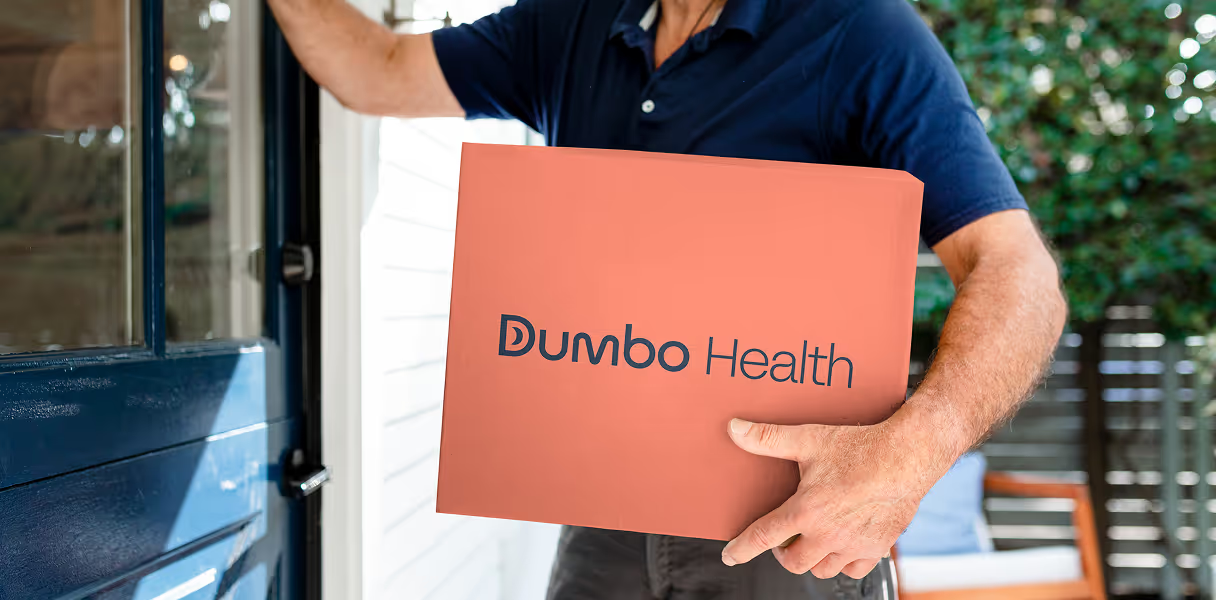
2. Order your home sleep test for $149. The FDA-cleared device ships directly to your address in Palm Beach Gardens or anywhere in Florida.
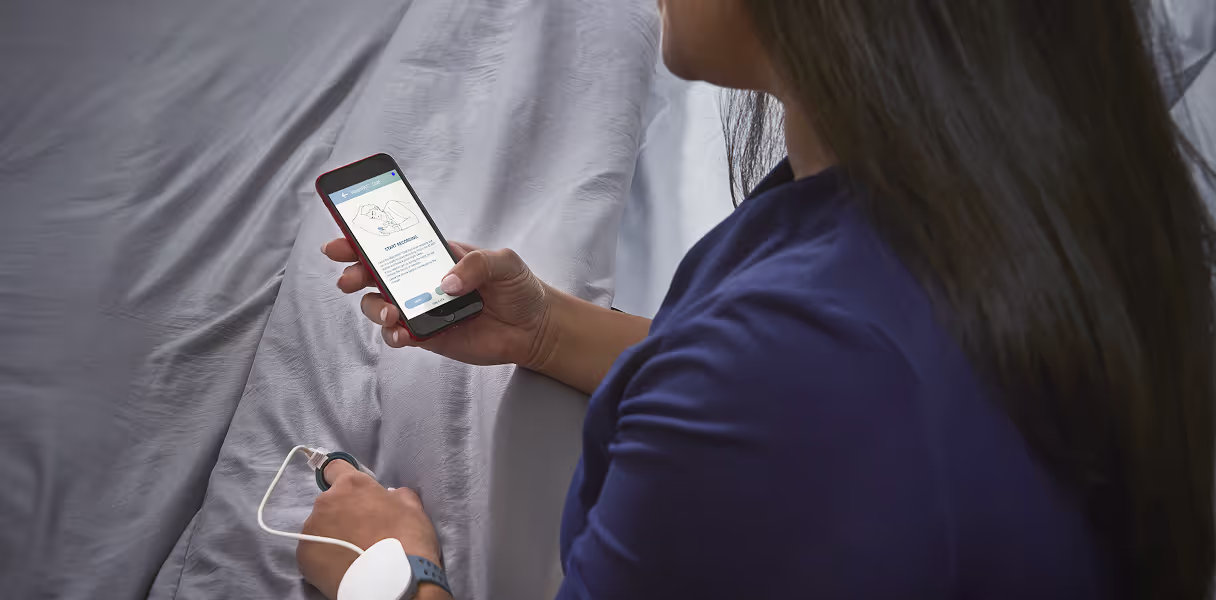
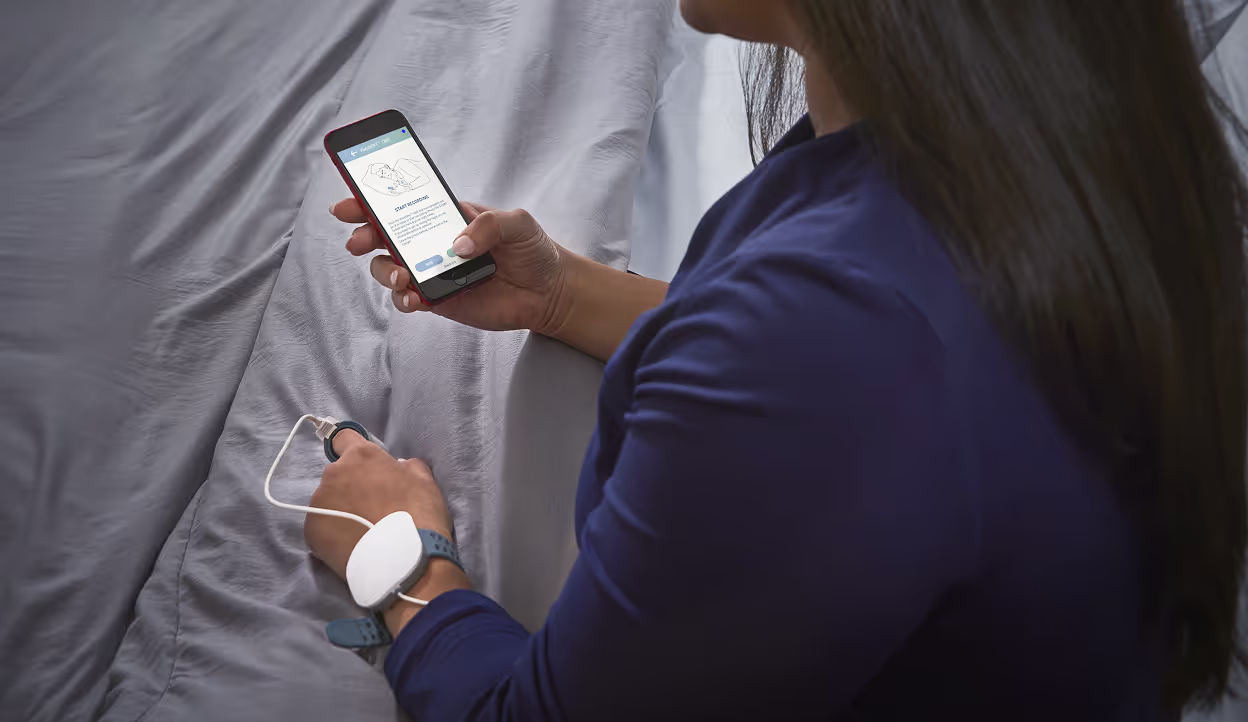
3. Receive the device and review the included instructions. The setup typically takes under 10 minutes and involves attaching a nasal cannula, finger oximeter, and chest sensor.
4. Wear the device for one full night of sleep in your own bed. Sleep as you normally would to capture an accurate representation of your breathing patterns.
5. Return the device using the prepaid shipping label included in the kit.
6. A board-certified sleep medicine physician reviews your recorded data and generates a diagnostic report with your AHI score and clinical interpretation.
7. Receive your results and discuss next steps. If your results indicate obstructive sleep apnea, your physician will recommend a treatment plan, which may include CPAP therapy or other treatment options.
Most patients receive their results within a few business days after the device is returned. The diagnostic report includes your AHI, oxygen desaturation index, average and minimum oxygen saturation levels, heart rate data, and a summary of respiratory events.
DID YOU KNOW: According to the American Academy of Sleep Medicine, home sleep apnea testing can reduce the time from initial evaluation to diagnosis by several weeks compared to waiting for an in-lab polysomnography appointment.
KEY TAKEAWAY: The home sleep testing process through dumbo.health involves seven straightforward steps, from completing a free assessment to receiving a physician-reviewed diagnostic report, all without insurance or a visit to a sleep center.
Once you have your results, the next decision involves understanding what those results mean and which treatment path fits your diagnosis.
Understanding Your Home Sleep Test Results
Your test results determine whether you have obstructive sleep apnea and, if so, how severe it is. The diagnostic report from a board-certified sleep medicine physician translates raw device data into a clinical diagnosis.
What the Diagnostic Report Includes
The report contains several key metrics:
- Apnea-Hypopnea Index, which counts the average number of complete breathing pauses (apneas) and partial airway blockages (hypopneas) per hour of recorded sleep
- Oxygen Desaturation Index, which measures how often your blood oxygen levels drop by 3 percent or more per hour
- Minimum and average oxygen saturation throughout the night
- Heart rate trends during sleep
- Total recording time and estimated sleep time
- A clinical summary with the interpreting physician's diagnosis and recommendations
An AHI below 5 is considered within normal range. An AHI of 5 to 14 is mild obstructive sleep apnea. An AHI of 15 to 29 is moderate. An AHI of 30 or above is severe. These thresholds come from the American Academy of Sleep Medicine and are used universally across sleep medicine.
Oxygen saturation data adds important context. If your oxygen levels repeatedly drop below 88 percent during sleep, this indicates significant desaturation events that increase risk for cardiovascular complications including heart disease, stroke, and hypertension. The National Heart, Lung, and Blood Institute links chronic intermittent hypoxia from untreated sleep apnea to long-term damage affecting the heart, brain, and metabolic function.
What Happens After a Positive Diagnosis
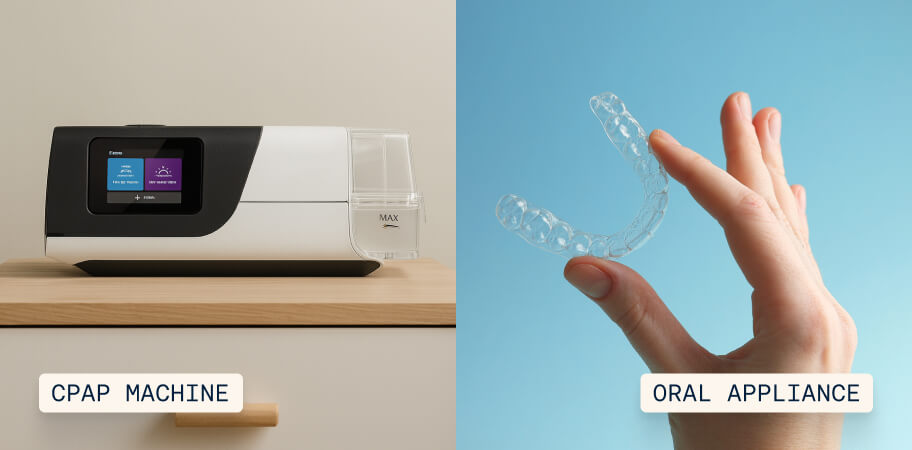
If your results confirm obstructive sleep apnea, treatment typically begins with positive airway pressure therapy. CPAP, or Continuous Positive Airway Pressure, is the first-line treatment recommended by the American Academy of Sleep Medicine for moderate to severe obstructive sleep apnea. A CPAP machine delivers a steady stream of air through a mask to keep your airway open during sleep.
Through dumbo.health, patients diagnosed with obstructive sleep apnea can start CPAP therapy on the Essentials Plan at $59 per month, which includes physician interpretation, CPAP equipment, and standard follow-up care. The Premium Plan at $89 per month adds a dedicated sleep coach and advanced adherence monitoring. All plans are month-to-month with no contracts.
What Happens If Results Are Inconclusive
In some cases, a home sleep test may produce inconclusive results. This can happen if the device was not worn correctly, if recording time was too short, or if the patient has a sleep pattern that does not produce clear data. When results are inconclusive, the physician may recommend repeating the home sleep test or proceeding to an in-lab polysomnography for a more comprehensive evaluation.
Home sleep testing may also underestimate severity in certain patients. Because the device cannot stage sleep, the AHI calculation uses total recording time rather than actual sleep time. If you spent significant time awake during the test, your true AHI may be higher than reported.
KEY TAKEAWAY: Your diagnostic report includes your AHI score, oxygen saturation data, and a physician's clinical interpretation, and an AHI of 5 or higher confirms an obstructive sleep apnea diagnosis that guides your treatment plan.
With a confirmed diagnosis, the next step is exploring which treatment option best matches your severity level and lifestyle.
Treatment Options After a Sleep Apnea Diagnosis
CPAP therapy is the most effective and widely recommended treatment for moderate to severe obstructive sleep apnea, but it is not the only option. Your treatment plan depends on your AHI, symptom severity, anatomy, and personal preferences.
CPAP and BiPAP Therapy
A CPAP machine delivers continuous positive airway pressure through a mask worn during sleep. This pressurized air acts as a pneumatic splint, preventing the airway muscles from collapsing and blocking airflow. CPAP is effective in reducing AHI to below 5 events per hour in most patients when used consistently.
BiPAP, or Bilevel Positive Airway Pressure, provides two different pressure levels: a higher pressure during inhalation and a lower pressure during exhalation. BiPAP is typically prescribed when patients cannot tolerate standard CPAP pressure or when central sleep apnea or treatment-emergent central sleep apnea is present. Adaptive servo ventilation is another advanced positive airway pressure mode used primarily for central sleep apnea and complex sleep-disordered breathing.
CPAP discomfort is one of the most commonly cited barriers to treatment adherence. According to the Sleep Foundation, approximately 50 percent of CPAP users discontinue therapy within the first year. Common complaints include mask discomfort, dry mouth, nasal congestion, and difficulty adjusting to sleeping with pressurized air. Heated humidifiers, different mask styles, and pressure ramp features can reduce these issues.
dumbo.health addresses CPAP adherence directly through its Premium Plan at $89 per month, which includes a dedicated sleep coach from a licensed care team and advanced adherence monitoring. The sleep coach helps patients troubleshoot comfort issues, adjust mask fit, and build consistent habits. This level of support is uncommon at most sleep centers near you and can make the difference between successful long-term therapy and abandonment.
Oral Appliance Therapy
Oral Appliance Therapy uses a custom-fitted mouthguard, also called an oral device or sleep apnea mouthpiece, to reposition the lower jaw forward during sleep. This opens the airway and reduces obstruction. The American Academy of Sleep Medicine recommends oral appliance therapy for patients with mild to moderate obstructive sleep apnea who prefer an alternative to CPAP or who cannot tolerate positive airway pressure.
A dental sleep medicine provider custom-fits the oral device. Patients should look for a provider in their area who has specific training in dental sleep medicine, as a poorly fitted appliance can cause dental problems, jaw pain, or bite changes over time.
Surgical and Implantable Options
Surgical sleep disorder treatments are considered when CPAP and oral devices are not effective or tolerable. The Inspire implant is an FDA-approved device surgically placed under the skin that stimulates the hypoglossal nerve to keep the airway open during sleep. The Inspire implant is typically recommended for patients with moderate to severe obstructive sleep apnea who have failed CPAP therapy and meet specific anatomical criteria.
Other surgical approaches include uvulopalatopharyngoplasty, maxillomandibular advancement, and nasal surgery to correct structural obstruction. These are performed by Ear, Nose, and Throat specialists or oral surgeons, and outcomes vary depending on the anatomy of the airway and the severity of obstruction.
The remede System is an implantable device specifically designed for central sleep apnea. It monitors breathing patterns and delivers diaphragmatic stimulation when it detects a pause in respiratory effort.
Lifestyle and Adjunctive Approaches
Weight loss is one of the most effective adjunctive treatments for obstructive sleep apnea. A 10 percent reduction in body weight can reduce AHI by approximately 26 percent, according to research published through the NIH. Positional therapy, which involves sleeping on your side rather than your back, can also reduce airway collapse in patients with position-dependent obstructive sleep apnea.
Nasal sprays, decongestants, and sinus relief devices may help patients whose airway obstruction is worsened by nasal congestion or allergies. These approaches do not treat sleep apnea on their own but can improve CPAP tolerance and overall airflow during sleep.
Newer devices such as the SONU Band and headband-style positional therapy tools and emerging approaches like Acoustic Resonance Therapy are being studied, but the American Academy of Sleep Medicine has not yet issued guideline-level recommendations for these technologies.
KEY TAKEAWAY: CPAP is the first-line treatment for moderate to severe obstructive sleep apnea, while oral appliance therapy, surgical options including the Inspire implant, and lifestyle changes serve as alternatives or complements depending on severity and patient tolerance.
Choosing the right treatment is one decision; understanding what it costs without insurance is another factor that affects access for many patients in Palm Beach Gardens and across Florida.
Cost of Sleep Apnea Testing and Treatment in Palm Beach Gardens
Out-of-pocket costs for sleep apnea testing and treatment vary significantly depending on where you go and whether you have insurance. Many patients in Palm Beach Gardens face high deductibles, prior authorization delays, or limited in-network sleep specialists.
What Testing Typically Costs
In-lab polysomnography at a sleep center or hospital in the Palm Beach Gardens area can cost between $1,000 and $3,000 or more for a single night, depending on the facility. Facilities such as HCA Florida JFK North Hospital, the Sleep Apnea Wellness Center, and various Sleep Disorders Centers in the region bill at institutional rates that often surprise patients, especially those with high-deductible health plans.
A home sleep test through a local provider typically costs $300 to $600 when billed through insurance, and the patient's share depends entirely on their plan structure. Prior authorizations can delay testing by weeks.
dumbo.health eliminates these barriers. The home sleep test costs $149 as a one-time payment. There is no insurance requirement, no prior authorization, and no surprise bills. The test ships directly to your home in Palm Beach Gardens, Jupiter, West Palm Beach, Port St. Lucie, Coral Springs, or anywhere in Florida.
What Ongoing Treatment Costs
CPAP equipment purchased outright can range from $500 to $3,000 depending on the machine, mask, and accessories. Replacement supplies such as masks, filters, and tubing add ongoing costs. Insurance coverage for CPAP often requires documented adherence data and periodic reauthorization.
Comparing Cost Options for Palm Beach Gardens Residents
Here is how the major cost options compare for sleep apnea testing and treatment in the Palm Beach Gardens area:
Testing Cost
- In-lab polysomnography: $1,000 to $3,000 or more
- Home sleep test through local provider: $300 to $600 before insurance
- dumbo.health home sleep test: $149 one-time, no insurance needed
Insurance Required
- In-lab polysomnography: Yes, typically requires prior authorization
- Home sleep test through local provider: Usually yes
- dumbo.health home sleep test: No
CPAP Equipment Access
- Insurance-based path: Subject to copays, deductibles, and adherence documentation
- dumbo.health Essentials Plan: $59 per month includes CPAP equipment, physician review, and follow-up care
Time to Start Treatment
- Insurance-based path: Weeks to months depending on approvals
- dumbo.health: Days from diagnosis to CPAP delivery
Ongoing Support
- Insurance-based path: Varies by provider and plan
- dumbo.health Premium Plan: $89 per month includes dedicated sleep coach and advanced adherence monitoring
For patients who want the highest level of support, the dumbo.health Elite Plan at $129 per month adds concierge clinical support, direct physician messaging, and custom reporting. All plans are month-to-month with no contracts and can be cancelled anytime.
IMPORTANT: If you have been delaying testing because of cost or insurance complications, cash-pay options like dumbo.health remove the financial uncertainty and let you start the diagnostic process immediately.
KEY TAKEAWAY: A home sleep test through dumbo.health costs $149 with no insurance required, and ongoing CPAP treatment starts at $59 per month, making sleep apnea care accessible for Palm Beach Gardens residents who want transparent pricing without authorization delays.
Beyond cost, some patients are unsure whether home testing has limitations that might affect the accuracy of their diagnosis.
Limitations and Risks of Home Sleep Apnea Testing
Home sleep testing is clinically validated for obstructive sleep apnea, but it is not appropriate for every patient or every type of sleep disorder. Understanding these limitations helps you and your physician choose the right diagnostic path.
When Home Sleep Testing May Not Be the Right Choice
Home sleep testing cannot diagnose central sleep apnea. Central sleep apnea occurs when the brain fails to send proper signals to the muscles that control breathing, rather than a physical airway blockage. Diagnosing central sleep apnea requires polysomnography with full brain wave activity monitoring, which only an in-lab sleep study can provide.
Patients with significant cardiac conditions, neuromuscular disease, or suspected overlap between multiple sleep disorders, such as narcolepsy combined with sleep apnea, also need in-lab polysomnography. A home sleep test does not monitor brain wave activity, muscle movement, or eye movement, so it cannot detect sleep stages, parasomnias, restless leg syndrome, or narcolepsy.
If you have chronic insomnia that coexists with suspected sleep apnea, a split sleep study in a sleep lab may be more appropriate. A split sleep study combines diagnostic monitoring in the first half of the night with CPAP titration in the second half, allowing simultaneous diagnosis and initial treatment calibration.
Risk of Underestimating Severity
Because home sleep testing devices calculate AHI based on total recording time rather than actual sleep time, a patient who lies awake for two hours during the test may receive a lower AHI than their true severity. This means mild cases could be missed or moderate cases could appear mild.
The American Academy of Sleep Medicine addresses this by recommending that clinicians consider the clinical context alongside test results. If symptoms are strongly suggestive of obstructive sleep apnea but the home test AHI is low, a follow-up in-lab polysomnography is appropriate.
Device-Related Limitations
A small percentage of home sleep tests fail due to sensor displacement during the night. If the nasal cannula shifts or the finger oximeter falls off, the recorded data may be incomplete. Most providers, including dumbo.health, offer guidance on proper placement and will repeat the test if data quality is insufficient.
dumbo.health mitigates these limitations through physician oversight at every step. If your home sleep test results are inconclusive or suggest a condition beyond obstructive sleep apnea, your dumbo.health physician can recommend in-lab polysomnography or refer you to a sleep specialist in your area for further evaluation.
KEY TAKEAWAY: Home sleep testing is highly effective for diagnosing obstructive sleep apnea but cannot detect central sleep apnea, parasomnias, narcolepsy, or other complex sleep disorders that require in-lab polysomnography with brain wave monitoring.
Knowing the boundaries of home testing is important, but so is separating fact from common misconceptions that prevent people from getting tested.
Common Myths About Home Sleep Apnea Testing Debunked
MYTH: Home sleep tests are not as accurate as in-lab sleep studies.
FACT: For diagnosing obstructive sleep apnea in adults with moderate to high pretest probability, home sleep testing has demonstrated sensitivity above 85 percent when compared to polysomnography, according to research indexed through the National Institutes of Health. The American Academy of Sleep Medicine endorses home sleep testing as a validated diagnostic method for this population. Accuracy concerns apply mainly to patients with complex or comorbid sleep disorders, not to straightforward obstructive sleep apnea cases.
MYTH: You need a doctor's referral and insurance approval before you can take a home sleep test.
FACT: While traditional pathways through sleep centers and hospitals typically require a referral and prior authorization, cash-pay services like dumbo.health allow you to order a home sleep test for $149 without a referral, without insurance, and without prior authorization. A board-certified sleep medicine physician still reviews and interprets every test.
MYTH: Only overweight people get sleep apnea.
FACT: While a BMI of 30 or higher is a significant risk factor, the American Academy of Sleep Medicine notes that obstructive sleep apnea occurs across all body types. Anatomical factors such as a narrow airway, enlarged tonsils, a recessed jaw, or a large neck circumference can cause airway obstruction regardless of weight. Approximately 20 to 30 percent of obstructive sleep apnea patients are not obese.
MYTH: Snoring always means you have sleep apnea.
FACT: Snoring is a common symptom of obstructive sleep apnea, but not all people who snore have sleep apnea. The Sleep Foundation explains that primary snoring without associated breathing pauses, oxygen desaturation, or excessive daytime sleepiness is a separate condition. A home sleep test can distinguish between primary snoring and obstructive sleep apnea by measuring airflow interruptions and oxygen levels.
MYTH: CPAP is the only treatment for sleep apnea.
FACT: CPAP is the most widely recommended treatment for moderate to severe obstructive sleep apnea, but oral appliance therapy, the Inspire implant, surgical sleep disorder treatments, positional therapy, and weight loss are all recognized treatment options depending on severity and patient tolerance. The treatment plan should be individualized based on your diagnostic report and clinical consultation.
KEY TAKEAWAY: Home sleep testing is a validated, accurate diagnostic tool for obstructive sleep apnea, and barriers such as insurance requirements, weight assumptions, and treatment fears should not prevent you from getting tested.
With myths cleared up, here is a practical checklist to make sure you are fully prepared before your test night.
Preparing for Your Home Sleep Apnea Test
Proper preparation ensures your home sleep test captures accurate data and produces reliable results. Most preparation steps are simple, but skipping them can affect data quality.
Pre-Test Checklist
- Confirm your test device has been fully charged or has fresh batteries as indicated in the instructions
- Avoid caffeine after noon on the day of your test
- Avoid alcohol on the day of your test, as it can alter breathing patterns and skew results
- Do not take sedatives or sleep medications unless prescribed and discussed with your physician
- Remove nail polish or acrylic nails from the finger where the oximeter will be placed, as these can interfere with oxygen saturation readings
- Shower before applying sensors to ensure clean, dry skin for proper adhesion
- Set up your sleeping area with enough space to sleep comfortably without dislodging sensors
- Review the sensor placement guide included with your test kit
- Keep your phone nearby in case you need to contact support during setup
- Complete the free sleep assessment at dumbo.health before your test night to ensure all clinical information is on file
- Plan to sleep for at least six hours to ensure sufficient recording time for accurate analysis
Following these steps reduces the chance of a failed recording and increases the likelihood that your physician receives high-quality data for an accurate diagnosis.
TIP: If you normally sleep with a fan, air purifier, or white noise machine, continue using them. The goal is to replicate your typical sleep environment as closely as possible.
KEY TAKEAWAY: Avoiding caffeine, alcohol, and nail polish on your oximeter finger, and sleeping for at least six hours with properly placed sensors, gives your home sleep test the best chance of producing accurate, usable results.
Preparation is straightforward, but understanding how sleep apnea connects to broader health risks reinforces why getting tested matters.
Health Risks of Untreated Sleep Apnea
Untreated obstructive sleep apnea increases the risk of serious cardiovascular, metabolic, and neurological complications. The health consequences extend far beyond poor sleep quality.
Cardiovascular and Metabolic Impact
The National Heart, Lung, and Blood Institute identifies untreated obstructive sleep apnea as an independent risk factor for hypertension, heart disease, stroke, and atrial fibrillation. Repeated drops in oxygen levels during sleep trigger sympathetic nervous system activation, which raises blood pressure and places chronic stress on the cardiovascular system.
According to the CDC, adults with untreated sleep apnea are approximately two to three times more likely to have a stroke compared to those without sleep apnea. The risk of heart disease is similarly elevated, particularly in patients with severe obstructive sleep apnea where oxygen saturation repeatedly drops below 85 percent.
Type 2 diabetes is also linked to untreated sleep apnea. The NIH reports that intermittent hypoxia and sleep fragmentation impair insulin sensitivity and glucose metabolism, creating a bidirectional relationship where sleep apnea worsens diabetes control and diabetes increases sleep apnea severity.
Effects on the Brain and Daily Function
Chronic sleep fragmentation from untreated sleep apnea impairs cognitive function, memory consolidation, and emotional regulation. The brain requires uninterrupted sleep cycles to complete restorative processes. When apnea events interrupt these cycles dozens of times per hour, the result is excessive daytime sleepiness, impaired concentration, and increased accident risk.
The National Highway Traffic Safety Administration estimates that drowsy driving contributes to approximately 100,000 crashes per year in the United States. Untreated sleep apnea is a significant contributor to drowsy driving risk, particularly for commercial drivers and anyone with long commutes in the Palm Beach Gardens and South Florida region.
Mood disorders including depression and anxiety are more prevalent among patients with untreated sleep apnea. The Sleep Foundation notes that treating obstructive sleep apnea with CPAP therapy has been shown to improve mood symptoms in many patients, even those who were previously unresponsive to antidepressant medication.
Obstructive sleep apnea is a chronic condition where repeated collapse of the airway muscles during sleep causes breathing interruptions, oxygen desaturation, and sleep fragmentation. Obstructive sleep apnea affects an estimated 25 to 30 million adults in the United States, with the majority remaining undiagnosed. Early diagnosis through home sleep testing and timely initiation of treatment can reduce cardiovascular risk, improve daytime function, and protect long-term brain health.
KEY TAKEAWAY: Untreated obstructive sleep apnea significantly increases the risk of stroke, heart disease, hypertension, type 2 diabetes, cognitive decline, and motor vehicle accidents, making timely diagnosis and treatment a medical priority.
These risks underscore why accessible, affordable testing matters, especially for patients who have been putting off evaluation.
Sleep Apnea Testing and Care Resources Near Palm Beach Gardens
Palm Beach Gardens residents have several options for sleep apnea diagnosis and treatment, ranging from hospital-based sleep labs to specialized clinics and telehealth services.
Local Sleep Centers and Hospitals
Facilities in the area include HCA Florida JFK North Hospital, which has a sleep disorders center offering in-lab polysomnography, and the Sleep Apnea Wellness Center serving the broader Palm Beach Gardens and Jupiter communities. Sleep specialists, including board-certified sleep medicine physicians, pulmonologists, and Ear, Nose, and Throat doctors, practice across West Palm Beach, Coral Springs, and the Treasure Coast region including Port St. Lucie.
Some patients in the area may be referred to providers such as Dr. Quimby or Dr. Horan, who practice in sleep medicine and related specialties across South Florida. HCA Florida St. Lucie Hospital also provides sleep disorder program services for patients in the northern Treasure Coast.
The Mease Countryside Sleep Disorders Center, while located outside the immediate Palm Beach Gardens area, near Safety Harbor, is another facility some Florida patients are referred to for complex cases requiring specialized sleep testing such as a Multiple Sleep Latency Test for narcolepsy evaluation.
Ratings for local sleep centers vary, and appointment wait times can range from a few days to several weeks depending on the facility and the type of study required. Many patients find that in-lab testing involves scheduling challenges, particularly when a split sleep study or follow-up polysomnogram is needed.
How dumbo.health Fits Into the Local Care Landscape
dumbo.health serves as a complement to local sleep medicine resources. For patients who need straightforward obstructive sleep apnea testing, dumbo.health provides a faster, more affordable path that does not require navigating insurance, waiting for an appointment at a sleep lab, or traveling to a medical arts building across town.
For patients who need in-lab polysomnography for complex conditions, local sleep centers remain the appropriate choice. dumbo.health can still serve these patients after diagnosis by providing sleep apnea care solutions including CPAP therapy and ongoing adherence support through its monthly plans.
The combination of local clinical resources and dumbo.health's telehealth-supported testing and treatment model gives Palm Beach Gardens residents flexible options for every stage of the sleep apnea care pathway.
KEY TAKEAWAY: Palm Beach Gardens residents can access in-lab sleep testing at local hospitals and sleep centers for complex cases, while dumbo.health offers a faster, $149 home sleep test with no insurance required for straightforward obstructive sleep apnea evaluation.
With both local and remote options available, the final step is deciding which path is right for your situation.
Choosing Between Home Sleep Testing and In-Lab Polysomnography
The right test depends on your symptoms, medical history, and what your physician suspects. Both options are clinically valid, but they serve different diagnostic purposes.
Home sleep testing is the appropriate first step when a patient has a high pretest probability of obstructive sleep apnea based on symptoms such as snoring, witnessed apneas, and excessive daytime sleepiness, without significant comorbidities or signs of other sleep disorders. The American Academy of Sleep Medicine supports this approach in its clinical guidelines.
In-lab polysomnography is necessary when central sleep apnea, parasomnias, narcolepsy, or other complex sleep-related disorders are suspected. It is also recommended after an inconclusive home sleep test or when the clinical picture does not match home test results.
Key Differences at a Glance
Setting
- Home sleep apnea test: Your own bed at home in Palm Beach Gardens or anywhere in Florida
- Polysomnography: A sleep lab or sleep center such as HCA Florida JFK North Hospital
Channels Recorded
- Home sleep apnea test: 4 to 7 channels including airflow, oxygen, respiratory effort, and heart rate
- Polysomnography: 16 or more channels including brain wave activity, muscle movement, eye movement, and sleep staging
Cost Without Insurance
- Home sleep apnea test: $149 through dumbo.health
- Polysomnography: $1,000 to $3,000 or more depending on the facility
Best For
- Home sleep apnea test: Adults with suspected uncomplicated obstructive sleep apnea
- Polysomnography: Patients with suspected central sleep apnea, narcolepsy, parasomnias, or failed home testing
Turnaround Time
- Home sleep apnea test: Results typically within days
- Polysomnography: Results may take one to two weeks depending on the facility
Convenience
- Home sleep apnea test: No travel, no overnight facility stay, no scheduling delays
- Polysomnography: Requires overnight stay, scheduling in advance, and travel to a sleep lab
For most adults with suspected obstructive sleep apnea in Palm Beach Gardens and surrounding areas, a home sleep test is the faster, more affordable, and more convenient starting point. If results indicate the need for further evaluation, your physician can refer you to an in-lab facility close to you.
KEY TAKEAWAY: Choose a home sleep test for straightforward obstructive sleep apnea evaluation and in-lab polysomnography when complex sleep disorders, central sleep apnea, or inconclusive home test results require more comprehensive monitoring.
With a clear understanding of your options, the conclusion brings together the key points to help you take the next step.
Conclusion
A home sleep apnea test is the most accessible and cost-effective starting point for diagnosing obstructive sleep apnea in Palm Beach Gardens, Florida. Whether you have been dealing with chronic snoring, excessive daytime sleepiness, or a physician's recommendation to get tested, home sleep testing removes the barriers of cost, insurance, and scheduling that delay diagnosis for millions of Americans.
dumbo.health provides a complete at-home sleep test for $149 with no insurance required, no prior authorization, and no surprise bills. CPAP therapy and ongoing care start at $59 per month with no contracts and the ability to cancel anytime. If you are ready to find out whether sleep apnea is affecting your health and daily function, completing the free assessment at dumbo.health is the fastest way to start.
Frequently Asked Questions About Home Sleep Apnea Testing in Palm Beach Gardens, Florida
What is a home sleep apnea test?
A home sleep apnea test (HSAT) is a simplified, FDA-cleared diagnostic device you use in your own bed to screen for obstructive sleep apnea. The device typically records oxygen saturation, airflow, breathing effort, heart rate, and respiratory patterns overnight. A board-certified sleep medicine physician then reviews the data and produces a diagnostic report. Home sleep testing is widely used as a first-line tool for diagnosing moderate to severe obstructive sleep apnea in adults without significant complicating conditions. A healthcare professional can help determine whether an at-home sleep test or an in-lab sleep study is more appropriate for your specific situation.
What is obstructive sleep apnea?
Obstructive sleep apnea (OSA) is a sleep disorder in which the airway muscles repeatedly relax and collapse during sleep, causing breathing interruptions that reduce oxygen levels and disrupt the sleep cycle. According to the American Academy of Sleep Medicine, OSA is one of the most common and underdiagnosed sleep-related disorders. Each breathing pause, called an apnea or hypopnea, can briefly lower blood oxygen saturation and cause the brain to partially wake you to restore airflow. These disruptions can happen dozens of times per hour without the person being aware, leading to fragmented, unrestorative sleep.
What is central sleep apnea, and how is it different from obstructive sleep apnea?
Central sleep apnea occurs when the brain fails to send the correct signals to the muscles that control breathing during sleep, rather than a physical airway obstruction. Obstructive sleep apnea, by contrast, involves repeated physical collapse of the airway despite continued breathing effort. Central sleep apnea is less common and may require different treatment approaches, such as adaptive servo ventilation or other positive airway pressure therapies. A home sleep test can identify patterns consistent with OSA, but in-lab polysomnography is generally recommended when central sleep apnea or treatment-emergent central sleep apnea is suspected. A sleep medicine physician can review your results and guide next steps.
What are the symptoms of sleep apnea?
Common symptoms of sleep apnea include loud or disruptive snoring, waking up gasping or choking, frequent nighttime awakenings, waking with headaches, and feeling exhausted even after a full night of sleep. Daytime symptoms often include difficulty concentrating, excessive daytime sleepiness, falling asleep unintentionally while watching television or as a passenger, and regularly needing naps. Some people also experience irritability, difficulty staying asleep, and dry mouth on waking. Not everyone with sleep apnea snores, and not all snoring indicates sleep apnea. If you recognise several of these symptoms, a healthcare professional can help determine whether sleep apnea testing is appropriate. You can also take a free sleep assessment to understand your next steps.
Can sleep apnea be dangerous if left undiagnosed or untreated?
Yes, untreated sleep apnea can carry serious health risks. According to the National Heart, Lung, and Blood Institute, undiagnosed obstructive sleep apnea is associated with increased risk of high blood pressure, heart disease, stroke, and impaired metabolic function including effects on liver function. Repeated overnight drops in oxygen saturation place ongoing stress on the cardiovascular system. Excessive daytime sleepiness linked to undiagnosed sleep apnea also raises the risk of accidents while driving. Treatment does not guarantee prevention of these conditions, but identifying and addressing sleep apnea through appropriate testing and clinician-guided care is an important step toward better health.
Is a home sleep test as accurate as an in-lab sleep study?
A home sleep apnea test is a reliable screening tool for obstructive sleep apnea in adults who are likely candidates based on symptoms and risk factors. However, it records fewer data channels than a full in-lab polysomnography. A polysomnogram conducted in a sleep lab measures brain wave activity, muscle movement, eye movement, respiratory effort, oxygen saturation, airflow, and heart rate simultaneously. Home sleep tests typically focus on breathing, airflow, oxygen saturation, and heart rate. The American Academy of Sleep Medicine supports home sleep testing as an appropriate diagnostic pathway for uncomplicated suspected OSA. Your physician can advise whether an in-lab study is more appropriate for your situation.
What does the $149 home sleep test from dumbo.health include?
The at-home sleep test from dumbo.health is priced at $149 as a one-time purchase, billed separately from any monthly care plan. It includes the FDA-cleared home sleep test device, one night of testing in your own home, and physician interpretation with a diagnostic report. There are no insurance requirements, no prior authorizations, and no surprise bills. The $149 test is the starting point for understanding whether obstructive sleep apnea may be present. Ongoing care, including CPAP therapy, equipment, adherence monitoring, and physician follow-up, is available separately through dumbo.health monthly plans.
What measurements does a home sleep test record?
A home sleep apnea test device typically records oxygen saturation, airflow, respiratory effort, breathing patterns, and heart rate during sleep. Some devices also capture body position and movement. These measurements allow a physician to calculate the apnea-hypopnea index (AHI), which indicates how many breathing interruptions occur per hour of sleep. The AHI is a key metric used to classify sleep apnea severity as mild, moderate, or severe. While the device does not record brain wave activity or muscle movement as a full polysomnogram does, it collects the respiratory data most relevant to diagnosing obstructive sleep apnea in appropriate patients.
How fast can I get a home sleep test shipped to Palm Beach Gardens, Florida?
Home sleep test devices can typically be shipped to Palm Beach Gardens, Florida with fast turnaround. Orders placed before 2pm EST are eligible for same-day shipping. Once you receive the device, you complete the test in your own home on one night, return the device or upload the data as instructed, and your results are reviewed by a physician. The process is designed to minimise delays so you can understand your sleep health and begin care without waiting weeks for a clinic appointment. For questions about delivery timelines or the testing process, visit dumbo.health or contact the care team directly.
Who reviews my home sleep test results?
Your home sleep test data is reviewed by a board-certified sleep medicine physician who produces a diagnostic report based on the overnight recording. The physician evaluates your apnea-hypopnea index, oxygen saturation levels, breathing patterns, and other recorded metrics to determine whether obstructive sleep apnea is present and, if so, how severe it is. dumbo.health connects patients with physician interpretation as part of the testing and care workflow. A diagnostic report can also be sent to a referring provider or used to support ongoing CPAP therapy decisions. Your physician or clinician remains responsible for your personalised treatment plan.
Can I use my home sleep test results to get a CPAP prescription?
In many cases, yes. If your home sleep test results indicate obstructive sleep apnea of sufficient severity, a reviewing physician may issue a CPAP prescription based on those results. A prescription is required to obtain a CPAP machine. dumbo.health monthly plans include physician interpretation, CPAP therapy, and equipment, making the process straightforward if your results support treatment. However, the treating physician makes the clinical decision about whether CPAP is appropriate based on your test results, symptoms, and health history. No platform can guarantee a CPAP prescription in advance. Learn more about CPAP therapy and equipment through dumbo.health.
What are the benefits of home sleep testing compared to a sleep lab study?
Home sleep testing allows you to be evaluated for obstructive sleep apnea in the comfort of your own bed, without spending a night in a sleep clinic. This can produce more representative results for some patients because sleep patterns are less likely to be disrupted by an unfamiliar environment. Home sleep tests are also faster to access, less expensive, and easier to fit around work schedules, which is especially relevant for commercial drivers and patients with demanding routines. The trade-off is that home sleep tests capture fewer physiological signals than a full in-lab polysomnogram. A clinician can advise whether home testing is the right starting point for your needs.
What is the difference between a home sleep test and a polysomnogram?
A home sleep apnea test (HSAT) and a polysomnogram (PSG) are both tools used to evaluate sleep disorders, but they differ significantly in scope. A polysomnogram is conducted overnight in a sleep lab and measures brain wave activity, eye movements, muscle movement, respiratory effort, oxygen saturation, airflow, and heart rate simultaneously using multiple sensors. A home sleep test focuses primarily on breathing, airflow, oxygen saturation, and heart rate, without capturing brain activity or muscle signals. Polysomnography is the more comprehensive diagnostic tool and is often recommended when a home sleep test result is inconclusive, when non-OSA sleep disorders are suspected, or when complex medical history is present.
What sleep disorders other than sleep apnea might need evaluation?
Sleep apnea is one of several sleep-related disorders that may interfere with sleep quality and daytime function. Other conditions include insomnia, narcolepsy, restless leg syndrome, parasomnias such as sleepwalking or night terrors, and circadian rhythm disorders. Symptoms such as difficulty falling asleep, frequent nighttime awakenings, leg discomfort before or during sleep, unintended daytime sleep episodes, and persistent fatigue despite adequate sleep time can all point toward a sleep problem that warrants professional evaluation. A sleep medicine specialist can review your sleep history and symptoms to determine whether additional testing, such as a multiple sleep latency test, is needed alongside or instead of a home sleep apnea test.
What happens during a sleep study if conducted in a sleep lab?
During an in-lab sleep study or polysomnogram, you arrive at a sleep center in the evening and sleep in a private room while sensors monitor your brain wave activity, eye movements, muscle activity, breathing, oxygen levels, and heart rate throughout the night. Polysomnographic technologists monitor the data in an adjacent room. The process is non-invasive and painless, though some patients find the sensor setup unfamiliar. Results are reviewed by a sleep medicine physician who produces a diagnostic report. In-lab studies can also be structured as split sleep studies, where the first half of the night is used for diagnosis and the second half for CPAP titration if sleep apnea is confirmed.
What are the treatment options for obstructive sleep apnea?
The most widely used treatment for obstructive sleep apnea is continuous positive airway pressure (CPAP) therapy, which delivers a steady stream of air pressure through a mask to keep the airway open during sleep. Other positive airway pressure options include BiPAP, which provides two pressure levels, and adaptive servo ventilation for certain complex cases. Oral appliance therapy, which uses a mouthguard or oral device to reposition the jaw, is an alternative for some patients with mild to moderate OSA. Surgical treatment options also exist for appropriate candidates. Lifestyle changes such as weight management and positional therapy may support treatment. A healthcare professional should guide your treatment plan based on your diagnosis and overall health.
I find CPAP uncomfortable. What can I do?
CPAP discomfort is a common concern, and many people find that initial discomfort improves with adjustments over time. Common solutions include trying a different mask style or size, using heated humidification to reduce dryness, adjusting pressure settings with clinician guidance, or addressing nasal congestion that makes mask breathing harder. Nasal sprays or decongestants may help with nasal congestion. Some patients explore oral appliance therapy as an alternative if CPAP is poorly tolerated and their sleep apnea severity is appropriate for that option. Changing treatment without clinician input is not recommended, as untreated sleep apnea carries health risks. dumbo.health monthly plans include a dedicated sleep coach and advanced adherence support to help patients manage ongoing CPAP challenges. Explore sleep apnea care solutions to understand what ongoing support looks like.
Will I need to use CPAP for the rest of my life?
For most people with obstructive sleep apnea, CPAP therapy is an ongoing treatment rather than a time-limited one, because it manages the condition by maintaining airway patency during sleep rather than permanently correcting the underlying anatomy. However, some patients experience significant improvement in sleep apnea severity following substantial weight loss, airway surgery, or other interventions, which may change their CPAP requirements. Treatment decisions, including whether to continue, modify, or discontinue CPAP, should always be reviewed by a qualified healthcare professional based on updated testing and clinical evaluation. Regular adherence monitoring and follow-up care help ensure your treatment remains appropriate over time.
What surgical options are available for sleep apnea?
Several surgical treatment options exist for obstructive sleep apnea when CPAP or oral appliances are not effective or not tolerated. Options may include uvulopalatopharyngoplasty (UPPP), which removes tissue from the back of the throat, jaw advancement surgery, nasal surgery to address nasal congestion or structural obstruction, and hypoglossal nerve stimulation implants such as the Inspire implant or the remedē System for certain patients. The right surgical option depends on the location and cause of the airway obstruction, the severity of sleep apnea, BMI, and overall health. Surgical options should be discussed with a qualified ear, nose, and throat specialist or sleep medicine surgeon. Not all patients are candidates, and outcomes vary individually.
Can sleep apnea surgery be performed if I have a high BMI?
High body mass index (BMI) can affect surgical risk and may influence whether certain sleep apnea surgical procedures are appropriate for a given patient. Some surgical options carry higher complication risks in patients with elevated BMI, and surgeons may require weight management steps before proceeding. This is an individual clinical decision made by the treating surgeon in consultation with the patient. A sleep medicine physician can advise whether surgery, CPAP therapy, oral appliance therapy, or a combination approach is most appropriate based on your diagnosis, BMI, and health history. No platform or service can determine surgical eligibility on your behalf.
Can sleep apnea cause snoring, and does all snoring indicate sleep apnea?
Snoring is one of the most common symptoms of obstructive sleep apnea, caused by partial airway obstruction that creates vibration of the soft tissues at the back of the throat. However, not all snoring indicates sleep apnea. Snoring without significant breathing interruptions or oxygen desaturation may be primary snoring, which while disruptive to bed partners is less medically concerning. The presence of pauses in breathing, gasping, choking sounds, and daytime sleepiness alongside snoring raises the suspicion for sleep apnea and warrants testing. A home sleep apnea test can help distinguish between primary snoring and OSA by measuring airflow, respiratory effort, and oxygen saturation overnight.
Do I need a doctor's referral to get a home sleep apnea test?
In many cases, you do not need a prior referral to access a home sleep apnea test. Platforms such as dumbo.health allow patients to order a home sleep test directly with cash-pay pricing, no insurance required, and no prior authorization. A board-certified sleep medicine physician reviews your test and produces a diagnostic report as part of the process. However, if you have complex medical conditions, significant cardiovascular disease, or other complicating factors, speaking with your own physician before testing is advisable. A healthcare professional can help determine whether home sleep testing or an in-lab study is more appropriate for your specific situation.
How does sleep apnea affect heart health and blood pressure?
Repeated overnight oxygen desaturation from untreated sleep apnea places significant stress on the cardiovascular system. According to the National Heart, Lung, and Blood Institute, obstructive sleep apnea is associated with hypertension, heart disease, and increased stroke risk. Each apnea event triggers a stress response that temporarily raises heart rate and blood pressure. Over time, these repeated episodes can contribute to sustained hypertension and other cardiovascular complications. Managing sleep apnea through appropriate treatment may support better cardiovascular outcomes, though results vary and treatment does not guarantee specific health improvements. A healthcare professional should guide your treatment plan if cardiovascular concerns are present.
Are sleep apnea tests available for children?
Sleep apnea and other sleep disorders can affect children as well as adults. Childhood obstructive sleep apnea often presents differently from adult OSA and may involve symptoms such as mouth breathing, restless sleep, bedwetting, behavioural changes, and difficulty concentrating at school. In-lab polysomnography conducted at a sleep center with paediatric capability is generally preferred for diagnosing sleep disorders in children, as home sleep tests are designed and validated primarily for adults. If you are concerned about a child's sleep health, a paediatric sleep medicine specialist or the child's primary care physician can advise on appropriate evaluation. Home sleep testing for adults in the Palm Beach Gardens area is available through dumbo.health.
What does a sleep apnea diagnostic report include?
A sleep apnea diagnostic report produced by a reviewing sleep medicine physician typically includes your apnea-hypopnea index (AHI), oxygen desaturation index, minimum and average oxygen saturation levels, total recording time, and an interpretation of the findings. The report classifies sleep apnea severity as none, mild, moderate, or severe based on established clinical thresholds. It may also include a treatment recommendation, such as CPAP therapy, and can be sent to a referring provider or used to support CPAP prescription and insurance documentation where applicable. dumbo.health monthly plans include physician interpretation, a diagnostic report, and optional updates sent to your referring provider.
Does dumbo.health send results to my referring provider or primary care physician?
Yes. dumbo.health monthly plans include updates sent to your referring provider as part of standard care. The Essentials plan includes provider updates, and higher-tier plans offer more advanced reporting and custom reporting options for practices. This means your primary care physician or any clinician who referred you can receive relevant documentation about your sleep apnea evaluation and ongoing treatment. Clear provider communication supports coordinated care and ensures your broader healthcare team is informed. If provider reporting is a priority for you, explore the sleep apnea care solutions available through dumbo.health to understand what each plan includes.
How much does ongoing sleep apnea care cost through dumbo.health?
dumbo.health offers transparent, cash-pay monthly plans with no contracts and no surprise bills. The Essentials plan is $59 per month and includes physician interpretation, a diagnostic report, CPAP therapy and equipment, standard follow-up care, and provider updates. The Premium plan is $89 per month and adds a dedicated sleep coach from a licensed care team, advanced adherence monitoring, and priority results turnaround. The Elite plan is $129 per month and includes everything in Premium plus concierge clinical support, direct physician messaging, and custom reporting for practices. The $149 home sleep test is a separate one-time cost purchased before testing. No insurance is required for any plan.
Do I need insurance to get a home sleep apnea test or ongoing care through dumbo.health?
No. dumbo.health is a cash-pay only platform, which means no insurance is required, no prior authorizations are needed, and there are no surprise bills. The home sleep test is $149 as a one-time purchase, and monthly care plans start at $59 per month. This transparent pricing model makes sleep apnea testing and ongoing care accessible to patients who are uninsured, underinsured, or who prefer to pay directly without navigating insurance processes. For patients in Palm Beach Gardens and across Florida who want straightforward access to testing and treatment, dumbo.health offers a practical alternative to traditional clinic-based pathways.
What is CPAP adherence, and why does it matter?
CPAP adherence refers to how consistently and effectively a patient uses their CPAP machine as prescribed. Adherence is typically measured by the machine itself, which records nightly usage hours, mask leak rates, and residual breathing events. Good adherence is generally defined as using CPAP for at least four hours per night on at least seventy percent of nights, which is a threshold commonly used in clinical practice and insurance documentation. Consistent use is important because CPAP only treats sleep apnea while it is being worn. Poor adherence is associated with persistent symptoms, continued cardiovascular risk, and, for commercial drivers, potential compliance concerns. dumbo.health Premium and Elite plans include advanced adherence monitoring to support ongoing therapy success.
How does sleep apnea affect commercial drivers in Florida and CDL holders?
Commercial drivers with untreated obstructive sleep apnea face significant safety risks because excessive daytime sleepiness impairs driving performance. The FMCSA has issued guidance recognising that sleep apnea is a disqualifying medical condition if it is likely to cause sudden incapacitation or significantly impair safe driving. A certified medical examiner conducting a DOT physical may refer a driver for sleep apnea testing based on risk factors such as BMI, neck circumference, witnessed apneas, or reported symptoms. Drivers who are diagnosed and demonstrate effective treatment through CPAP adherence may be able to maintain their commercial driving certification. A certified medical examiner makes DOT certification decisions, not dumbo.health. Learn more about DOT sleep apnea testing at home for CDL drivers.
What should I do if I have severe symptoms, chest pain, or trouble breathing at night?
If you experience severe symptoms such as chest pain, significant difficulty breathing, extreme breathlessness on waking, or any other urgent health concern, seek medical care promptly. A home sleep test is appropriate for screening and diagnosing suspected obstructive sleep apnea in stable patients, but it is not a substitute for urgent clinical evaluation. If your symptoms suggest a serious cardiovascular or respiratory event, contact emergency services or visit an emergency department immediately. Sleep apnea care through platforms such as dumbo.health is designed for patients who are stable and seeking testing and ongoing management, not for acute or emergency medical situations. Always discuss concerning symptoms with a qualified healthcare professional.
How do I get started with a home sleep apnea test in Palm Beach Gardens, Florida?
Getting started is straightforward. You can begin with a free sleep assessment at dumbo.health to understand whether at-home sleep testing may be a reasonable next step based on your symptoms and risk factors. If testing is appropriate, the $149 home sleep test can be ordered online and shipped to your address in Palm Beach Gardens with same-day shipping available for orders placed before 2pm EST. After your test night, a board-certified sleep medicine physician reviews your results and produces a diagnostic report. If ongoing care is needed, monthly plans starting at $59 per month cover CPAP therapy, equipment, follow-up, and provider reporting. Start your sleep assessment today to take the first step.