



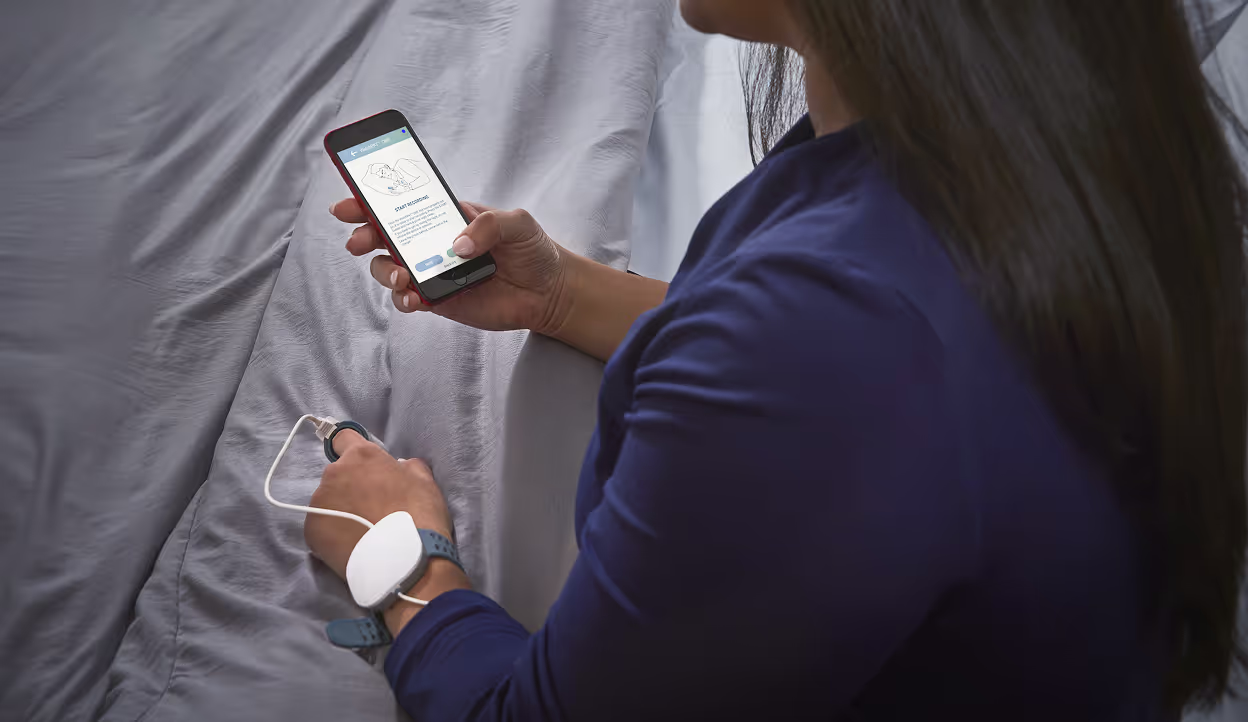



Home Sleep Apnea Test in Pompano Beach, Florida: The Complete Local Guide
A home sleep apnea test in Pompano Beach, Florida is a portable diagnostic study that measures your breathing patterns, oxygen saturation, and airflow while you sleep in your own bed. According to the American Academy of Sleep Medicine, home sleep apnea testing (HSAT) is a validated method for diagnosing obstructive sleep apnea in adults with a moderate to high pretest probability. This guide is for Pompano Beach residents, commercial drivers in Broward County, and anyone in South Florida experiencing symptoms like chronic snoring or daytime fatigue. It covers how home sleep testing works, what results mean, how it compares to in-clinic polysomnography, local facility options, and how to access affordable testing through services like dumbo.health. If you suspect a sleep problem is affecting your health or livelihood, this resource walks you through every step.
Quick Answer
A home sleep apnea test in Pompano Beach, Florida lets you complete a sleep study from your own bedroom using an FDA-cleared portable device that tracks airflow, respiratory effort, oxygen levels, and heart rate overnight. Results are reviewed by a board-certified sleep medicine physician who provides a diagnostic report, typically within days. Most adults with suspected obstructive sleep apnea qualify for home testing rather than an overnight lab stay. dumbo.health offers a home sleep test for $149 with no insurance required, shipping directly to addresses in Pompano Beach and throughout Florida.
Key Takeaways
- Home sleep apnea testing is an FDA-cleared diagnostic method that measures airflow, oxygen saturation, heart rate, and respiratory effort during one night of sleep at home.
- Obstructive sleep apnea affects an estimated 30 million adults in the United States, and up to 80 percent of moderate to severe cases remain undiagnosed, according to the American Academy of Sleep Medicine.
- Pompano Beach residents can access home sleep testing without visiting a sleep center or dealing with insurance paperwork through cash-pay services.
- dumbo.health ships an at-home sleep test device for $149 with no insurance required, and monthly care plans start at $59 per month with no contracts.
- A board-certified physician interprets all test results and provides a diagnostic report with treatment recommendations.
- Home sleep tests are not appropriate for every patient, particularly those with suspected central sleep apnea, complex sleep apnea syndrome, or certain other sleep disorders.
What Is a Home Sleep Apnea Test and How Does It Work
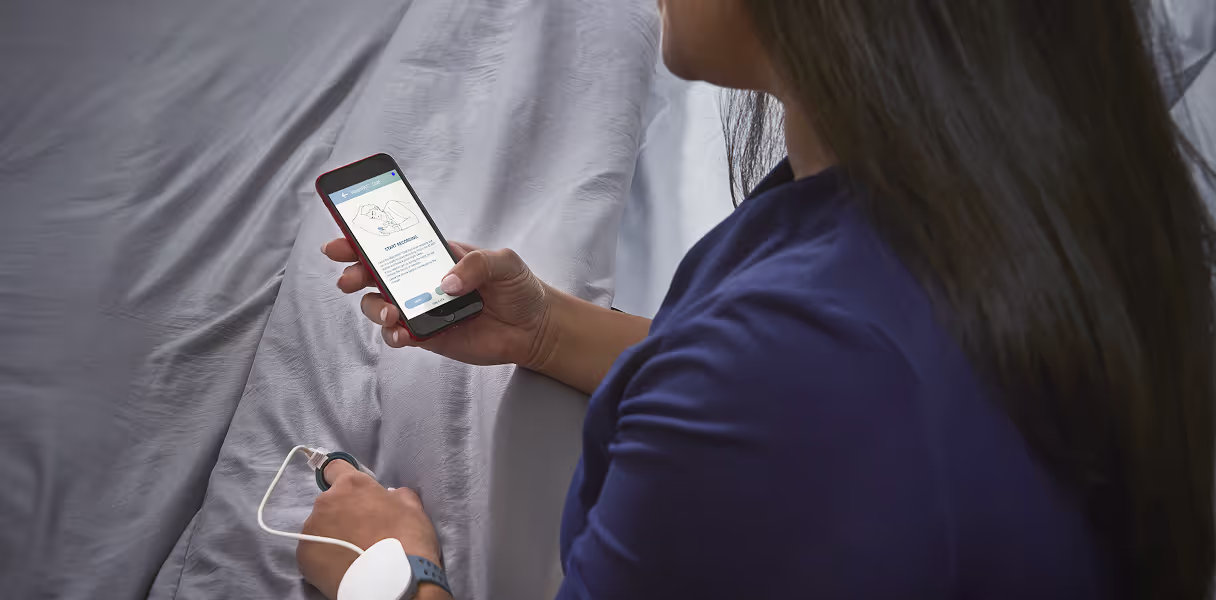
A home sleep apnea test is a portable sleep study you complete in your own bed using a small FDA-cleared device. The device records key measurements overnight, and a physician reviews the data to determine whether you have obstructive sleep apnea.
What the Device Measures
The home sleep testing device tracks several physiological signals while you sleep. These measurements form the basis of your diagnostic report.
- Airflow through your nasal passage, detected by a sensor positioned near your nose and mouth
- Oxygen saturation levels in your blood, measured by a fingertip pulse oximeter
- Heart rate throughout the night
- Respiratory effort, which tracks the rise and fall of your chest to detect breathing interruptions
- Body position, which helps the physician understand whether apnea events occur more frequently in certain sleep positions
Unlike in-clinic polysomnography, a home sleep test does not measure brain waves, leg movements, or detailed sleep staging. This is one reason HSAT is designed specifically for diagnosing obstructive sleep apnea rather than other sleep disorders.
How the Algorithm Interprets Your Data
After you complete the test, the device data is processed using a validated algorithm that identifies apnea and hypopnea events. An apnea event occurs when airflow stops for at least 10 seconds. A hypopnea event occurs when airflow is partially reduced, typically by 30 percent or more, accompanied by a drop in oxygen saturation of at least 3 to 4 percent. The total number of these events per hour of recording time produces the apnea-hypopnea index (AHI), which is the primary metric used to diagnose and classify the severity of obstructive sleep apnea.
A home sleep apnea test records airflow, oxygen saturation, heart rate, and respiratory effort during sleep. A board-certified sleep medicine physician uses the apnea-hypopnea index derived from these measurements to determine whether obstructive sleep apnea is present and how severe it is. This diagnostic process does not require an overnight stay at a sleep center.
DID YOU KNOW: The National Heart, Lung, and Blood Institute estimates that sleep apnea affects more than 1 in 4 adults between the ages of 30 and 70, making it one of the most common yet underdiagnosed conditions in the United States.
KEY TAKEAWAY: A home sleep apnea test uses a portable, FDA-cleared device to measure airflow, oxygen levels, heart rate, and respiratory effort overnight, providing enough data for a physician to diagnose obstructive sleep apnea without a lab visit.
Understanding what the device measures helps clarify who is a good candidate for home testing and who may need a different approach.
Who Should Get a Home Sleep Test in Pompano Beach
Adults who experience chronic snoring, witnessed breathing pauses during sleep, excessive daytime sleepiness, or morning headaches are strong candidates for a home sleep apnea test. Pompano Beach residents with risk factors such as elevated BMI, neck circumference greater than 17 inches in men or 16 inches in women, or a family history of sleep apnea should consider testing.
Common Symptoms That Warrant Testing
The following symptoms frequently prompt a sleep apnea evaluation. If you recognize three or more of these, testing is a reasonable next step.
- Loud, persistent snoring reported by a bed partner
- Choking or gasping during sleep
- Waking up with a dry mouth or sore throat
- Morning headaches that resolve within a few hours
- Difficulty concentrating or memory problems during the day
- Excessive daytime sleepiness despite spending adequate hours in bed
- Irritability or mood changes without an obvious cause
The Sleep Foundation notes that many people with obstructive sleep apnea do not realize their sleep is being disrupted because the brief awakenings that follow each breathing pause rarely reach full consciousness.
Who Is Not a Good Candidate
Home sleep testing is not appropriate for every patient. If your physician suspects central sleep apnea, complex sleep apnea syndrome, or another sleep disorder such as narcolepsy or periodic limb movement disorder, an in-clinic polysomnography study at a sleep center is the recommended diagnostic pathway. Patients with significant cardiovascular disease, chronic lung disease, or neuromuscular conditions may also require the additional monitoring that only a PSG provides.
IMPORTANT: A home sleep apnea test is designed to detect obstructive sleep apnea. If your symptoms or medical history suggest a different type of sleep disorder, your physician may recommend polysomnography at a facility such as Holy Cross Health Comprehensive Sleep Disorder Center or Broward Health Medical Center.
KEY TAKEAWAY: Pompano Beach residents with symptoms like chronic snoring, witnessed apneas, and daytime fatigue are strong candidates for home sleep testing, while those with suspected central sleep apnea or complex medical conditions may need an in-clinic sleep study.
Knowing whether you qualify for home testing leads to the next practical question: how do you actually get started in Pompano Beach.
How to Get a Home Sleep Apnea Test in Pompano Beach, Florida
Getting a home sleep test in Pompano Beach involves a straightforward process that can often begin the same day you decide to pursue testing. You do not need to sit in traffic on Federal Highway or take time off work to visit a sleep center.
Step-by-Step Process for Home Sleep Testing
1. Complete an initial screening. Take a free sleep assessment online or consult with your primary care physician to determine whether home sleep testing is appropriate for your symptoms and sleep history.
2. Order your home sleep test. Through dumbo.health, you can order a portable sleep test device for $149 with no insurance required and no prior authorization needed. The device ships directly to your Pompano Beach address.
3. Receive and unpack the device. The FDA-cleared sleep testing machine arrives with clear instructions. Most devices include a nasal airflow sensor, a finger pulse oximeter, and a chest belt to measure respiratory effort.
4. Wear the device for one night of sleep. Attach the sensors as directed, go to sleep at your normal time, and let the device record your measurements overnight. No technicians are present, and you sleep in your own bed.
5. Return the device. After your test night, ship the device back using the prepaid label included in your kit.
6. Receive your diagnostic report. A board-certified sleep medicine physician reviews your data, interprets the results using validated criteria, and produces a diagnostic report with a treatment plan if obstructive sleep apnea is confirmed.
After completing these steps, most patients receive their sleep test results within days. If your results indicate sleep apnea, you can begin treatment immediately through a care plan that includes CPAP therapy and physician oversight.
What to Bring or Prepare: Pre-Test Checklist
Before your test night, make sure you have the following in order.
- Confirm your device has arrived and all components are included (nasal sensor, oximeter clip, chest strap, recording unit)
- Read the full instruction sheet or watch the setup video provided
- Avoid alcohol for at least 4 hours before the test, as it can affect respiratory functions
- Avoid caffeine after noon on your test day
- Take your regular medications unless your physician advises otherwise
- Sleep in your usual bed at your normal bedtime
- Charge or verify the battery level on the device if applicable
- Keep a notepad by your bed to record the time you turned lights off and any disruptions during the night
- Complete the sleep history questionnaire if one was provided with your kit
TIP: Set a phone reminder for 30 minutes before your usual bedtime so you have time to attach the sensors without rushing.
KEY TAKEAWAY: The home sleep testing process in Pompano Beach involves ordering a device, wearing it for one night, and receiving a physician-interpreted diagnostic report, all without visiting a sleep lab or dealing with insurance paperwork.
With the process clear, the next consideration is what your results actually mean and how they guide treatment decisions.
Understanding Your Home Sleep Test Results
Your home sleep test results are summarized in a diagnostic report that quantifies the severity of any sleep-disordered breathing detected during your test night. The most important number in your results is the apnea-hypopnea index.
What the AHI Score Means
The AHI represents the average number of apnea and hypopnea events you experience per hour of recorded time. The American Academy of Sleep Medicine classifies OSA severity based on the AHI score.
- Normal: fewer than 5 events per hour
- Mild obstructive sleep apnea: 5 to 14 events per hour
- Moderate obstructive sleep apnea: 15 to 29 events per hour
- Severe obstructive sleep apnea: 30 or more events per hour
A patient with an AHI of 22, for example, experiences an average of 22 breathing disruptions every hour of sleep. Each event can reduce oxygen levels and fragment sleep architecture, even if the patient does not fully wake up.
Other Metrics in Your Report
Beyond the AHI, your diagnostic report typically includes oxygen desaturation index (ODI), which tracks how many times per hour your oxygen saturation drops by 3 percent or more. It also includes your lowest recorded oxygen saturation, average heart rate, and total recording time. These measurements help the reviewing physician understand the physiological impact of your sleep apnea and shape treatment recommendations.
What Happens After Diagnosis
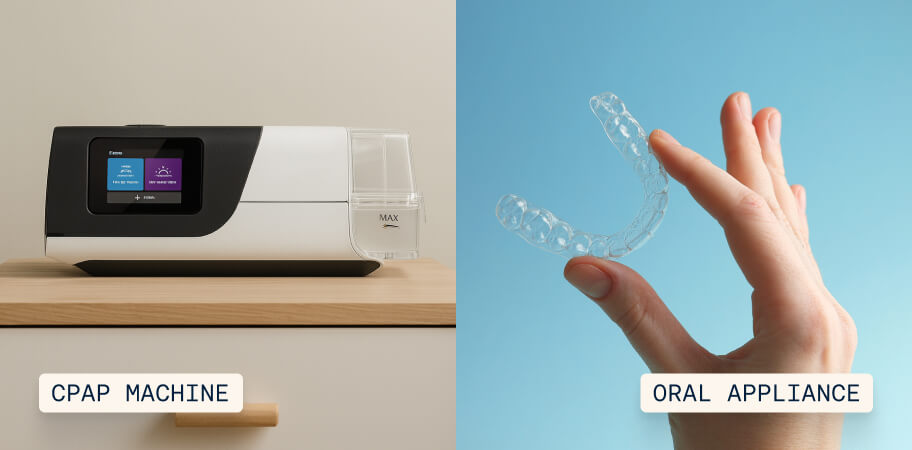
If your results confirm obstructive sleep apnea, your physician will outline a treatment plan. For most patients with moderate to severe OSA, continuous positive airway pressure (CPAP) therapy is the first-line treatment. CPAP delivers steady airflow through a mask to keep your airway open during sleep, preventing the soft tissue in your throat from collapsing.
dumbo.health provides a complete care pathway after diagnosis. The CPAP therapy program includes the CPAP machine, masks, filters, and accessories starting at $59 per month with the Essentials Plan. The Premium Plan at $89 per month adds a dedicated sleep coach and advanced adherence monitoring, which research shows significantly improves long-term treatment success. According to a study published on PubMed, CPAP adherence rates improve substantially when patients receive structured follow-up and coaching support.
KEY TAKEAWAY: Your AHI score is the primary metric in your diagnostic report, and scores of 5 or higher indicate some degree of obstructive sleep apnea, with higher scores pointing to more severe disease that typically requires CPAP therapy.
Understanding your results naturally raises the question of how home testing compares to the traditional in-clinic alternative.
Home Sleep Test vs. In-Clinic Polysomnography: Which Is Right for You
A home sleep apnea test is more convenient and less expensive than in-clinic polysomnography, but it measures fewer parameters. The right choice depends on your symptoms, medical history, and what your physician suspects.
Polysomnography (PSG) is an overnight sleep study conducted in a sleep lab or sleep center, where technicians monitor you while you sleep. It records everything a home test records plus brain waves, eye movements, leg movements, and detailed sleep staging. PSG is considered the gold standard for diagnosing the full range of sleep disorders.
A home sleep apnea test (HSAT) is a focused study designed specifically to confirm or rule out obstructive sleep apnea. It is the preferred option for most adults without complex medical histories who have a moderate to high probability of OSA.
Setting
- Home Sleep Apnea Test: Your own bed at home in Pompano Beach
- Polysomnography: A sleep center or hospital lab, such as Holy Cross Hospital, Broward Health Imperial Point, or Cleveland Clinic Hospital in the broader South Florida area
Cost
- Home Sleep Apnea Test: Typically $149 to $500 out of pocket. dumbo.health charges $149 with no hidden fees.
- Polysomnography: Often $1,000 to $3,000 or more, depending on the facility and insurance coverage
Convenience
- Home Sleep Apnea Test: High. No travel, no overnight stay at a facility, no time away from family or work
- Polysomnography: Lower. Requires scheduling an appointment, driving to a sleep center, and spending a full night in a monitored room
What It Measures
- Home Sleep Apnea Test: Airflow, oxygen saturation, heart rate, respiratory effort, body position
- Polysomnography: All of the above plus brain waves, eye movements, leg movements, detailed sleep architecture
Turnaround Time for Results
- Home Sleep Apnea Test: Typically within days. dumbo.health Premium Plan offers priority results turnaround.
- Polysomnography: Often 1 to 3 weeks depending on the sleep center's review schedule
Best For
- Home Sleep Apnea Test: Adults with suspected obstructive sleep apnea and no significant comorbidities
- Polysomnography: Patients with suspected central sleep apnea, complex sleep apnea syndrome, narcolepsy, parasomnia, or significant cardiac or pulmonary conditions
For most Pompano Beach residents whose primary concern is obstructive sleep apnea, a home sleep test provides accurate, physician-reviewed results at a fraction of the cost and inconvenience of a lab study. If your home test results are inconclusive or if your physician suspects a condition beyond OSA, polysomnography remains the appropriate next step.
KEY TAKEAWAY: Home sleep apnea testing is the preferred option for most adults with suspected OSA due to lower cost, greater convenience, and comparable diagnostic accuracy for obstructive sleep apnea, while polysomnography is reserved for complex or unclear cases.
Knowing the right test type for your situation helps you evaluate the testing options available close to you in the Pompano Beach area.
Sleep Apnea Testing Options Near Pompano Beach
Pompano Beach residents have several pathways to sleep apnea testing, ranging from local sleep centers and hospital-based labs to direct-to-patient home testing services that ship a device to your door.
Local Sleep Centers and Hospital Facilities
Broward County offers multiple clinical options for in-person sleep studies. Facilities near Pompano Beach include:
- Holy Cross Health Comprehensive Sleep Disorder Center, which provides full polysomnography studies with board-certified physicians and trained technicians
- Broward Health Medical Center and Broward Health Imperial Point, which offer sleep lab services as part of their broader hospital network
- Florida Sinus and Snoring Specialists, which focuses on snoring and airway-related conditions, sometimes including sleep apnea evaluation
- Broward Pulmonary and Sleep Specialists and Pulmonary and Sleep Consultants, which offer specialist-level evaluation and may refer patients for either home testing or in-lab PSG
- South Florida Snoring and Sleep Center, which addresses both diagnostic testing and treatment
- Sleep Clinic of America, which provides sleep study services in the broader Florida region
These facilities typically accept health insurance, but scheduling can take weeks, and patients may need a referral from a primary care physician plus prior authorization from their insurance company.
Direct-to-Patient Home Testing
For Pompano Beach residents who want to avoid the scheduling delays, insurance paperwork, and traffic involved in visiting a sleep center, home sleep apnea testing through dumbo.health provides a streamlined alternative. The device ships directly to your address in Pompano Beach, Lauderdale Manors, South Middle River, Coral Ridge, or anywhere in Florida. There is no need to visit an office, sit in a waiting room, or coordinate with insurance.
dumbo.health operates as a cash-pay service with transparent pricing. The home sleep test costs $149 as a one-time purchase. No insurance is required, no prior authorizations, and no surprise bills. Results are interpreted by a board-certified sleep medicine physician, and the diagnostic report includes treatment recommendations.
Choosing Between Local and Remote Options
If you prefer face-to-face interaction with a sleep specialist or if your physician has already determined you need polysomnography, a local sleep center is the appropriate choice. If your primary concern is obstructive sleep apnea and you value convenience, transparent cost, and fast results, a home sleep test through a service like dumbo.health is the more practical path for most patients.
KEY TAKEAWAY: Pompano Beach residents can choose between hospital-based sleep labs like Holy Cross Hospital or Broward Health for complex cases and direct-to-patient home sleep testing through dumbo.health for convenient, affordable OSA screening.
With testing options clear, the next concern for many patients is cost, especially for those paying out of pocket or dealing with insurance complexity.
Cost of Sleep Apnea Testing and Treatment in Pompano Beach
The total cost of sleep apnea testing and treatment varies significantly depending on whether you go through a sleep center, use insurance, or choose a cash-pay pathway. Understanding these costs upfront helps you plan and avoid surprise bills.
In-Clinic Polysomnography Costs
An overnight polysomnography study at a hospital or sleep center near Pompano Beach typically costs between $1,000 and $3,000 before insurance. If your health insurance covers the study, your out-of-pocket cost depends on your deductible, copay, and whether the facility is in-network. Many patients discover that even with insurance, the out-of-pocket cost for a sleep study plus follow-up visits and CPAP equipment can add up to several hundred dollars or more.
Insurance often requires prior authorization, which can add weeks to the process. Some patients report having claims denied after the study, leaving them responsible for the full cost.
Home Sleep Testing Costs
A home sleep apnea test through dumbo.health costs $149 as a one-time payment. This price covers the FDA-cleared device and one night of testing. There are no hidden fees, no insurance paperwork, and no subscriptions attached to the test itself.
Ongoing Treatment Costs
CPAP therapy is the most common treatment for obstructive sleep apnea. Purchasing a CPAP machine, mask, and supplies outright can cost $500 to $2,000 or more depending on the machine and supplier. Replacement masks, filters, and accessories add ongoing expense.
dumbo.health offers monthly care plans that bundle CPAP therapy, equipment, physician oversight, and follow-up into a predictable monthly cost with no contracts.
dumbo.health Pricing Breakdown
Essentials Plan
- $59 per month
- Physician interpretation and diagnostic report
- CPAP therapy and equipment including machine, masks, filters, and accessories
- Standard follow-up care
- Updates sent to referring provider
- Cancel anytime
Premium Plan
- $89 per month
- Everything in Essentials
- Dedicated sleep coach from a licensed care team
- Advanced adherence monitoring
- Priority results turnaround
- Cancel anytime
Elite Plan
- $129 per month
- Everything in Premium
- Concierge clinical support with priority care team access
- Direct physician messaging
- Custom reporting for your practice
- Cancel anytime
All plans are cash-pay only. No insurance is required. No prior authorizations. No surprise bills. The home sleep test is $149 as a separate one-time charge, billed before the test night.
For Pompano Beach residents who want to start sleep apnea care without navigating insurance complexity, dumbo.health provides a complete pathway from testing to treatment at prices you can plan around.
DID YOU KNOW: According to the American Sleep Apnea Association, the cost of untreated sleep apnea to the U.S. healthcare system is estimated at billions of dollars annually due to associated conditions like hypertension, heart disease, and motor vehicle accidents.
KEY TAKEAWAY: A home sleep apnea test through dumbo.health costs $149 with no insurance needed, and ongoing CPAP treatment plans start at $59 per month, making the total cost significantly lower and more predictable than the traditional sleep center pathway.
Affordable testing and treatment matter most when you understand what happens if sleep apnea goes untreated.
Why Sleep Apnea Testing Matters for Pompano Beach Residents
Untreated obstructive sleep apnea increases the risk of serious health problems including hypertension, heart disease, stroke, type 2 diabetes, and motor vehicle accidents caused by daytime sleepiness. Testing is the first step toward preventing these outcomes.
Health Risks of Untreated OSA
The National Heart, Lung, and Blood Institute identifies obstructive sleep apnea as a significant risk factor for cardiovascular disease. Each time your airway collapses during sleep, your body experiences a brief oxygen deprivation that triggers a stress response, raising blood pressure and heart rate. Over months and years, this repeated cycle damages the cardiovascular system.
According to the CDC, drowsy driving causes thousands of crashes annually in the United States. Adults with untreated sleep apnea are 2 to 3 times more likely to be involved in motor vehicle accidents, a risk that is especially relevant for Floridians who spend significant time behind the wheel.
Impact on CDL Holders and Commercial Drivers
For commercial drivers in the Pompano Beach and Fort Lauderdale area, untreated sleep apnea is not just a health risk. It can affect your ability to maintain your CDL medical certification. The FMCSA requires commercial drivers to meet specific health standards, and sleep apnea is a condition that DOT medical examiners screen for during the physical exam.
Drivers who are diagnosed with sleep apnea and demonstrate treatment adherence with CPAP therapy can typically maintain their certification. dumbo.health offers care plans that include adherence monitoring and reporting that can be shared with your DOT examiner or referring provider. If you need a DOT physical as well, you can explore the DOT physical guide for commercial drivers for a complete overview.
Quality of Life Improvements
Many patients report significant improvements in energy, mood, concentration, and overall quality of life within weeks of starting CPAP therapy. Partners often notice the difference immediately, as loud snoring typically resolves once the airway is kept open during sleep.
KEY TAKEAWAY: Untreated sleep apnea raises the risk of heart disease, stroke, and accidents, making early testing essential for Pompano Beach residents who want to protect their health, safety, and, for commercial drivers, their livelihood.
Understanding the stakes reinforces why choosing the right testing method matters, but it also helps to see how real people navigate this process.
Real-World Scenarios: How Pompano Beach Residents Use Home Sleep Testing
Seeing how home sleep testing fits into different lives helps illustrate when it is the right choice and how the process works in practice.
Scenario 1: A 48-Year-Old Office Worker in Coral Ridge
A 48-year-old woman living in Coral Ridge has been waking up with headaches and feeling exhausted despite sleeping 8 hours. Her partner reports loud snoring and occasional pauses in her breathing. She does not want to spend a sleepless night in a sleep lab and does not have time to take a day off work for a specialist visit. She orders a home sleep test through dumbo.health for $149, receives the device at her address within days, and completes the test on a normal weeknight. Her results show an AHI of 18, indicating moderate obstructive sleep apnea. She enrolls in the Premium Plan at $89 per month, receives a CPAP machine and dedicated sleep coach, and reports feeling noticeably better within three weeks.
Scenario 2: A 55-Year-Old Long-Haul Truck Driver Near Fort Lauderdale
A 55-year-old male truck driver based near Fort Lauderdale has a BMI of 36 and was flagged during a DOT physical for possible sleep apnea. His DOT examiner requires a sleep study before issuing a full 24-month medical certificate. He cannot afford to spend multiple weeks waiting for a sleep center appointment and does not want to navigate insurance paperwork. He uses dumbo.health to complete an at-home sleep test and receives his diagnostic report showing severe OSA with an AHI of 42. He starts CPAP therapy through the Essentials Plan at $59 per month. His adherence data is tracked and sent to his referring provider, supporting his recertification.
Scenario 3: A 38-Year-Old Shift Worker in South Middle River
A 38-year-old nurse working night shifts in South Middle River has been experiencing excessive daytime sleepiness, difficulty concentrating, and mood changes. Her physician suspects a sleep problem but is uncertain whether it is obstructive sleep apnea or another disorder. She completes a home sleep test, which shows a normal AHI of 3. Her physician uses this result to rule out OSA and refers her for further evaluation, ultimately identifying shift work sleep disorder as the cause. The home test saved her from an expensive and unnecessary overnight lab stay.
These scenarios illustrate the versatility of home sleep apnea testing for different types of patients in the Pompano Beach area. Whether you are confirming a suspected diagnosis, meeting a regulatory requirement, or ruling out sleep apnea as a cause of your symptoms, the process is efficient and accessible.
KEY TAKEAWAY: Home sleep testing serves a wide range of Pompano Beach residents, from office workers seeking convenience to CDL holders needing fast results for DOT compliance.
Real-world examples make the process tangible, but it is equally important to understand the limitations of home sleep testing before making a decision.
Limitations and Risks of Home Sleep Apnea Testing
A home sleep apnea test is accurate and convenient for most adults with suspected OSA, but it has limitations that every patient should understand before choosing this option.
When Home Testing May Not Be the Right Choice
1. Suspected central sleep apnea or complex sleep apnea syndrome. Home sleep tests detect obstructive events based on airflow and respiratory effort. They do not measure brain waves, which are necessary to identify central apneas where the brain fails to send proper signals to the breathing muscles. Patients with heart failure, opioid use, or neurological conditions are more likely to have central or complex sleep apnea and should undergo polysomnography.
2. Presence of other suspected sleep disorders. Conditions such as narcolepsy, REM sleep behavior disorder, and periodic limb movement disorder require the detailed sleep architecture data that only a full PSG provides. A home test cannot diagnose these conditions.
3. Significant comorbidities. Patients with chronic obstructive pulmonary disease, congestive heart failure, or neuromuscular diseases may have respiratory patterns that make home test interpretation less reliable. In these cases, an in-clinic study with continuous technician monitoring at a facility like Broward Health Medical Center provides safer and more accurate results.
4. False negatives. Because a home sleep test does not use EEG to confirm whether you are actually asleep during the recording period, the AHI may be underestimated. If you sleep poorly on the test night or if the sensors become displaced, the results may not reflect your true severity. The American Academy of Sleep Medicine recommends that a negative or inconclusive home test in a patient with high clinical suspicion should be followed by in-lab polysomnography.
5. Single-night snapshot. A home sleep test captures one night of data. If that night is not representative of your typical sleep (due to stress, alcohol, unusual schedule, or other factors), results may not accurately reflect your condition.
How dumbo.health Addresses These Limitations
Every home sleep test through dumbo.health is reviewed by a board-certified sleep medicine physician who evaluates the data quality and clinical context. If results are inconclusive or suggest a condition that requires further evaluation, the physician's interpretation and recommendations will guide you toward the appropriate next step, which may include referral for in-clinic polysomnography.
IMPORTANT: A home sleep test is a screening and diagnostic tool for obstructive sleep apnea. It is not a substitute for comprehensive sleep evaluation when complex sleep disorders or significant medical comorbidities are present.
KEY TAKEAWAY: Home sleep testing has clear limitations for patients with suspected central sleep apnea, complex medical histories, or other sleep disorders, and a negative result in a symptomatic patient should prompt further evaluation with polysomnography.
Knowing the limitations helps you make an informed decision, but many patients also carry misconceptions that can delay testing or treatment unnecessarily.
Common Myths About Sleep Apnea and Home Testing Debunked
MYTH: Home sleep tests are not as accurate as lab sleep studies for diagnosing sleep apnea.
FACT: For obstructive sleep apnea, home sleep apnea tests show strong diagnostic agreement with in-lab polysomnography. A systematic review published through the Cochrane Library found that home sleep testing performs well as a diagnostic tool for moderate to severe OSA. The key difference is that PSG measures additional parameters like brain waves and leg movements, making it necessary for other sleep disorders but not required to diagnose straightforward OSA.
MYTH: You need insurance to get a sleep apnea test in Florida.
FACT: Insurance is not required for home sleep testing. Cash-pay services like dumbo.health provide the entire testing and treatment pathway without insurance involvement. The home sleep test costs $149, and care plans start at $59 per month. No prior authorizations, no claim denials, and no surprise bills.
MYTH: Sleep apnea only affects older, overweight men.
FACT: While obesity and male sex are risk factors, obstructive sleep apnea occurs across all ages, genders, and body types. The Sleep Foundation reports that sleep apnea can affect women (especially after menopause), younger adults, and people with normal BMI who have structural features like a narrow airway, enlarged tonsils, or recessed jaw. Anyone with persistent snoring and daytime sleepiness should consider testing regardless of age or weight.
MYTH: If you snore, you definitely have sleep apnea.
FACT: Snoring is one of the most common symptoms of obstructive sleep apnea, but not everyone who snores has the condition. Snoring can result from nasal congestion, alcohol use, sleep position, or soft tissue vibration without significant airway obstruction. The only way to confirm whether snoring is associated with apnea events is through a sleep test that measures airflow and oxygen levels.
MYTH: CPAP therapy is uncomfortable and impossible to tolerate.
FACT: Modern CPAP machines are quieter, smaller, and more comfortable than older models. The American Academy of Sleep Medicine notes that CPAP adherence improves significantly with proper mask fitting, humidification settings, and ongoing clinical support. dumbo.health's Premium Plan includes a dedicated sleep coach who helps patients optimize comfort and build consistent CPAP use habits, which directly addresses the most common reasons people abandon treatment.
KEY TAKEAWAY: Most fears about home sleep testing accuracy, cost barriers, and CPAP discomfort are based on outdated information, and understanding the facts can prevent unnecessary delays in diagnosis and treatment.
Clearing up myths brings the focus back to taking action and starting the testing process.
Your Sleep Apnea Journey: From Suspicion to Treatment in Pompano Beach
The complete sleep apnea journey from first suspicion to active treatment can be completed in as little as two weeks when using a streamlined home testing service. Understanding the full timeline helps you plan and set realistic expectations.
Timeline for the Full Process
- Day 1: Complete the initial screening. You can take the free sleep assessment through dumbo.health or discuss symptoms with your physician.
- Days 2 to 5: Receive your home sleep test device. dumbo.health ships to addresses throughout Pompano Beach and Florida. The device typically arrives within a few business days.
- Test night: Wear the device for one night. Most patients find the sensors minimally intrusive.
- Days following test night: Return the device using the included shipping label.
- Within 1 to 2 weeks of the test: Receive your diagnostic report and physician interpretation. Premium Plan members receive priority results turnaround.
- Treatment start: If diagnosed with OSA, CPAP equipment is included in your monthly plan. Many patients begin CPAP therapy within days of receiving their diagnosis.
What Progress Looks Like
Clinicians frequently observe that patients who commit to CPAP therapy experience measurable improvements in oxygen saturation during sleep within the first few nights. Over weeks and months, improvements in daytime alertness, blood pressure, mood stability, and cognitive function typically follow.
dumbo.health tracks your treatment progress through adherence monitoring. The Premium and Elite plans provide advanced monitoring and coaching to help you stay consistent. According to the American Academy of Sleep Medicine, using CPAP for at least 4 hours per night on at least 70 percent of nights is the minimum threshold associated with clinical benefit, and many patients use their devices for significantly longer.
KEY TAKEAWAY: The entire path from screening to active CPAP treatment can take as little as two weeks through a home testing service, giving Pompano Beach residents a fast, convenient alternative to the weeks or months that traditional sleep center referrals can require.
With the timeline clear, the final step is deciding to take action.
Conclusion
Sleep apnea testing does not need to be expensive, complicated, or inconvenient for Pompano Beach residents. A home sleep apnea test provides an accurate, physician-reviewed diagnosis for obstructive sleep apnea without the cost and hassle of an in-clinic sleep study. Whether you are dealing with chronic snoring, daytime fatigue, or a DOT compliance requirement, the path from suspicion to treatment can start today.
dumbo.health offers a complete sleep apnea care solution with a $149 home sleep test, no insurance required, and monthly treatment plans starting at $59 per month that you can cancel anytime. Every test is interpreted by a board-certified physician, and every care plan includes CPAP equipment, follow-up, and the support you need to sleep better and protect your health.
Frequently Asked Questions About Home Sleep Apnea Testing in Pompano Beach, Florida
What is a home sleep apnea test?
A home sleep apnea test (HSAT) is a simplified, portable sleep testing device used to screen for obstructive sleep apnea in the comfort of your own home. Instead of spending a night in a sleep center, you wear a compact sleep monitor that records key respiratory functions including airflow, oxygen saturation, heart rate, and respiratory effort while you sleep. A board-certified physician then reviews the recorded data and generates a diagnostic report. According to the American Academy of Sleep Medicine, HSATs are an appropriate and clinically validated option for diagnosing moderate to severe obstructive sleep apnea in adults without significant comorbidities.
What causes sleep apnea?
Sleep apnea occurs when the airway becomes partially or fully blocked during sleep, causing repeated interruptions in breathing. In obstructive sleep apnea (OSA), the most common form, the soft tissue in the throat including the tongue and soft palate relaxes during sleep. The muscles supporting this tissue lose tone, causing the tissue to expand and partially or fully constrict the airway. This creates the characteristic snoring, choking, or gasping sounds associated with OSA. Risk factors include excess body weight, large neck circumference, nasal passage obstruction, and sleeping on your back. A healthcare professional can help determine whether your symptoms suggest obstructive sleep apnea or another sleep disorder.
What symptoms may indicate sleep apnea?
Common symptoms that may indicate sleep apnea include loud or frequent snoring, waking up with a headache, waking frequently during the night, choking or gasping during sleep, and waking up feeling exhausted despite sleeping for eight hours or more. Daytime symptoms can include difficulty staying awake while driving, finding yourself falling asleep unintentionally while watching television or talking on the phone, and persistent daytime fatigue. If you or someone close to you has noticed pauses in your breathing during sleep, this is particularly significant. These symptoms do not confirm a diagnosis, and a physician review of sleep test results is needed to identify a sleep disorder accurately.
What is obstructive sleep apnea?
Obstructive sleep apnea (OSA) is a sleep disorder in which the upper airway repeatedly collapses during sleep, causing breathing interruptions that can last from a few seconds to over a minute. Each interruption is called an apnea, and partial blockages that reduce airflow are called hypopneas. The apnea-hypopnea index (AHI), derived from a sleep study or home sleep apnea test, measures how many of these events occur per hour of sleep. OSA is the most common form of sleep apnea and differs from central sleep apnea, which involves a signalling problem from the brain rather than a physical airway obstruction. The NHLBI describes OSA as a significant and underdiagnosed condition.
What other conditions can cause snoring?
Snoring can result from several conditions beyond obstructive sleep apnea. Common causes include nasal passage congestion or obstruction, allergies, a deviated septum, enlarged tonsils or adenoids, rhinologic conditions, alcohol consumption before sleep, or sleeping position. Not everyone who snores has sleep apnea, but persistent loud snoring combined with daytime fatigue, gasping during sleep, or morning headaches warrants further evaluation. A home sleep apnea test can help distinguish between primary snoring and clinically significant sleep-disordered breathing. A healthcare professional can advise on whether testing is appropriate based on your symptoms and risk factors.
How is sleep apnea diagnosed?
Sleep apnea is diagnosed through a sleep study, either a home sleep apnea test (HSAT) or a full in-lab polysomnography (PSG). A home sleep test records airflow, oxygen saturation, heart rate, and respiratory effort during a single night of sleep. The recorded data is then analysed, often using an algorithm alongside board-certified physician interpretation, to calculate the apnea-hypopnea index and generate a diagnostic report. In-lab polysomnography additionally records brain waves and is typically used when complex sleep apnea syndrome is suspected or when an HSAT result is inconclusive. A physician makes the formal diagnosis based on the diagnostic report and your clinical history.
How is sleep apnea treated?
The most widely used treatment for obstructive sleep apnea is continuous positive airway pressure (CPAP) therapy. A CPAP machine delivers a gentle, steady stream of pressurised air through a mask, keeping the airway open during sleep. Other treatment options may include oral appliances that reposition the jaw to maintain airway patency, positional therapy, weight management, or in some cases surgical intervention such as rhinologic surgery. The appropriate treatment plan depends on the severity of OSA, the patient's anatomy, and other health factors. A physician reviews sleep test results and recommends a treatment approach. Ongoing adherence monitoring is an important part of ensuring CPAP therapy remains effective over time. Explore CPAP therapy and equipment available through dumbo.health.
What can happen if sleep apnea is left untreated?
Untreated sleep apnea is associated with a range of serious health risks. Repeated oxygen desaturation during the night places strain on the cardiovascular system and is linked to elevated blood pressure, increased risk of heart disease, stroke, and metabolic conditions including type 2 diabetes. Daytime sleepiness caused by poor-quality sleep can impair concentration, reaction time, and judgment, which is particularly concerning for people who drive commercially or operate heavy equipment. The CDC has highlighted drowsy driving as a significant road safety risk. If you have symptoms of sleep apnea, speaking with a healthcare professional about evaluation is an important step.
Is a home sleep apnea test as accurate as an in-lab sleep study?
A home sleep apnea test is clinically validated for diagnosing moderate to severe obstructive sleep apnea in otherwise healthy adults. It records the key respiratory measurements needed to calculate the apnea-hypopnea index, including airflow, oxygen saturation, and respiratory effort. However, an in-lab polysomnography records additional data including brain waves, limb movements, and other physiological signals, making it more comprehensive. In-lab testing may be preferred when complex sleep apnea syndrome, central sleep apnea, restless legs syndrome, parasomnias, or other sleep disorders are suspected. A home sleep test is an appropriate first-line diagnostic tool for the majority of adults presenting with typical OSA symptoms, and a physician can advise on which test is most suitable for your situation.
What measurements does a home sleep test record?
A home sleep test device typically records airflow, oxygen saturation levels, heart rate, respiratory effort, and body position throughout the night. Some portable sleep testing devices also capture snoring intensity and pulse rate. These measurements allow a physician to calculate the apnea-hypopnea index and assess the severity of sleep-disordered breathing. The data is used to generate a diagnostic report. Unlike a full in-lab polysomnography, a standard home sleep apnea test does not record brain wave activity. If results suggest a need for more detailed evaluation, a physician may recommend an in-lab study.
Who reviews my home sleep test results?
Your home sleep test data is reviewed and interpreted by a board-certified physician with expertise in sleep medicine. The physician analyses the recorded respiratory data, applies clinical judgment, and produces a diagnostic report. At dumbo.health, physician interpretation is included as part of the at-home sleep testing process, and results are delivered with a formal report. If you have a referring provider, a copy of the results can be sent to your physician or specialist. Physician interpretation is essential for ensuring the results are accurate, clinically meaningful, and can support further treatment decisions.
What does the $149 home sleep test include?
The dumbo.health home sleep test is a one-time $149 purchase that includes the at-home sleep test device and one night of testing. The device is shipped directly to your home, and physician interpretation and your diagnostic report are covered under a dumbo.health monthly plan. The home sleep test is priced separately from ongoing care plans. There are no hidden fees, no insurance paperwork, and no prior authorizations required. Once you receive your results, you can discuss treatment options with your care team. See the at-home sleep test page for full details on what is included.
Do I need insurance to get a home sleep apnea test in Pompano Beach or Fort Lauderdale?
No. Insurance is not required to access a home sleep apnea test through dumbo.health. The service operates on a transparent cash-pay model with no prior authorizations, no insurance paperwork, and no surprise bills. This makes it a practical option for patients in Pompano Beach, Fort Lauderdale, Lauderdale Manors, South Middle River, Coral Ridge, and surrounding South Florida communities who want straightforward access to sleep apnea testing without insurance barriers. Health insurance may cover sleep testing through other providers in the area, but coverage, costs, and prior authorization requirements vary. A cash-pay option can make pricing easier to plan around.
How fast can I get a home sleep test in Pompano Beach or Fort Lauderdale?
Orders placed before 2pm EST are eligible for same-day shipping to Fort Lauderdale and the broader Pompano Beach, Florida area. Once the device arrives at your home, you can complete your sleep test that night. Results are typically available within a few business days of returning or syncing the device. This timeline is significantly faster than scheduling an in-clinic sleep study, which can involve weeks of waiting for appointments and results at many South Florida sleep centers. For patients who want to start their sleep apnea journey without delays, at-home testing is a practical and time-efficient option.
Can I use home sleep test results to get a CPAP prescription?
Yes, in most cases. If your home sleep test results confirm obstructive sleep apnea, a board-certified physician can issue a CPAP prescription based on those results. CPAP therapy requires a prescription from a licensed physician, and the diagnostic report generated from a valid home sleep apnea test typically supports that process. If you are already a CPAP user and need a new prescription, a repeat home sleep test and physician review may also support that. A healthcare professional determines whether your test results and clinical picture support a CPAP prescription. dumbo.health monthly plans include physician interpretation, CPAP therapy, and equipment to support the full treatment pathway.
What ongoing care is available after a home sleep apnea test?
After completing a home sleep test and receiving your diagnostic report, ongoing care may include CPAP therapy, equipment supply including masks, filters, and accessories, adherence monitoring, and follow-up physician review. dumbo.health offers monthly plans designed to cover this full care pathway. The Essentials plan at $59 per month includes physician interpretation, CPAP therapy and equipment, standard follow-up care, and updates sent to your referring provider. The Premium plan at $89 per month adds a dedicated sleep coach, advanced adherence monitoring, and priority results turnaround. The Elite plan at $129 per month includes concierge clinical support, direct physician messaging, and custom reporting. All plans have no contracts and can be cancelled at any time. Compare sleep apnea care options at dumbo.health.
Why choose at-home sleep testing over a clinic-based sleep study?
An at-home sleep test offers several practical advantages over an in-clinic sleep study for most adults with suspected obstructive sleep apnea. Testing at home means sleeping in your own bed rather than a hospital or sleep center environment, which many patients find more comfortable and representative of their normal sleep patterns. Home sleep testing typically costs less, requires no overnight clinic stay, and avoids the scheduling delays that can stretch to several weeks at many sleep facilities including busy South Florida sleep centers. The American Academy of Sleep Medicine supports home sleep apnea testing as a clinically appropriate diagnostic option for uncomplicated OSA. An in-lab study remains the preferred option when complex or additional sleep disorders are suspected.
Is a doctor's referral or prescription required to take a home sleep apnea test?
In many cases, a doctor's referral is not required to order a home sleep apnea test directly. dumbo.health does not require a prior prescription to start the testing process. However, physician interpretation of your results is a required step for diagnosis and treatment, and this is included in the dumbo.health care pathway. If you have a referring provider, your results can be forwarded to their office. A certified medical examiner or treating physician will ultimately make clinical decisions about your diagnosis and treatment plan based on your results and full health history.
Is my personal health information protected when using an at-home sleep test service?
Yes. Reputable at-home sleep testing providers are required to comply with HIPAA regulations, which govern the privacy and security of personal health information in the United States. Your sleep test data, diagnostic report, and health history should be handled in accordance with applicable federal privacy standards. If you have specific questions about how your data is stored, shared, or used, you should review the privacy policy of the testing provider before proceeding. dumbo.health operates within standard healthcare privacy frameworks. If you have concerns about data protection, you can reach the care team directly through the dumbo.health website.
What is the difference between obstructive sleep apnea and central sleep apnea?
Obstructive sleep apnea (OSA) occurs when the soft tissue in the airway physically collapses during sleep, blocking airflow despite continued breathing effort. Central sleep apnea occurs when the brain temporarily fails to send the correct signals to the muscles that control breathing, resulting in breathing pauses without airway obstruction. Complex sleep apnea syndrome, also called treatment-emergent central sleep apnea, involves features of both types and may emerge after starting CPAP therapy for OSA. A standard home sleep apnea test is designed to screen for obstructive sleep apnea. If central or complex sleep apnea is suspected, a physician may recommend a more comprehensive in-lab polysomnography. Diagnosis and treatment decisions should always be guided by a qualified healthcare professional.
When should I speak with a healthcare professional urgently about sleep symptoms?
You should seek prompt medical attention if you experience severe shortness of breath during sleep, chest pain, an irregular heartbeat, or if you stop breathing for extended periods as observed by another person. These symptoms may indicate a serious cardiovascular or respiratory problem requiring immediate evaluation. If you frequently find it difficult to stay awake while driving, operating machinery, or performing safety-sensitive tasks, you should speak with a healthcare professional before your next shift. A home sleep apnea test is a screening and diagnostic tool and is not a substitute for emergency care. If you have urgent symptoms, contact your physician or seek emergency medical assistance promptly.
How do I get started with a home sleep apnea test in Pompano Beach, Florida?
The first step is to take a free sleep assessment to help identify whether at-home sleep testing may be appropriate for your symptoms. Once you decide to proceed, the $149 home sleep test device is ordered and shipped directly to your address in Pompano Beach or the surrounding Fort Lauderdale area. You complete the test at home overnight and return or sync the device. A board-certified physician reviews your results and generates a diagnostic report. If treatment is recommended, you can enrol in a monthly care plan that covers CPAP therapy, equipment, adherence monitoring, and ongoing physician support. Start with a free sleep assessment to take the first step.