



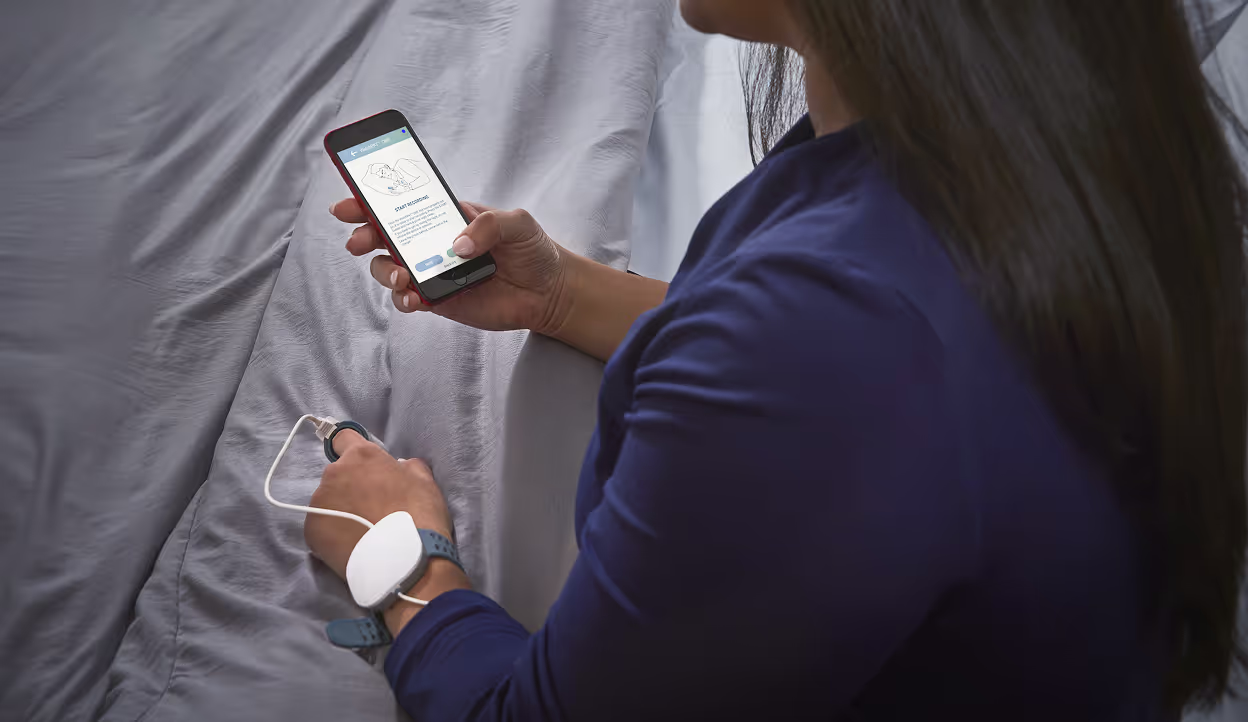



Home Sleep Apnea Test in North Port, Florida: The Complete Guide to At-Home Diagnosis and Treatment
A home sleep apnea test in North Port, Florida gives you a clinically validated way to screen for obstructive sleep apnea from your own bed, without visiting a sleep laboratory or scheduling an overnight stay at a facility like HCA Florida Fawcett Hospital. According to the American Academy of Sleep Medicine, home sleep testing accurately identifies obstructive sleep apnea in most adults when ordered by a qualified physician. This guide is for North Port residents, commercial drivers, and anyone in the surrounding Florida communities experiencing symptoms such as loud snoring, daytime fatigue, or witnessed breathing pauses during sleep. You will learn how home sleep testing works, what devices measure, how results lead to a diagnosis and treatment plan, what local and telehealth options cost, and when an in-lab study may be the better choice. Every section is designed to help you make a confident, informed decision about your next step.
Quick Answer
A home sleep apnea test in North Port, Florida is a portable diagnostic study you complete in your own bed using a small device that records airflow, oxygen saturation, and breathing effort overnight. Results are reviewed by a board-certified sleep physician who determines whether you have obstructive sleep apnea and what severity level applies. Most adults with moderate to high pre-test probability of sleep apnea qualify for home testing rather than an in-lab polysomnography. dumbo.health offers a home sleep test for $149 with no insurance required, shipped directly to patients in North Port and across Florida.
Key Takeaways
- A home sleep apnea test uses sensors to measure nasal airflow, blood oxygen levels, respiratory effort, and body position during one night of sleep at home.
- The American Academy of Sleep Medicine recognizes home sleep testing as appropriate for adults with a moderate to high likelihood of obstructive sleep apnea and no significant comorbidities such as heart failure or central sleep apnea.
- North Port residents can access home sleep testing through local sleep centers, telehealth providers, or direct-to-patient services without needing a referral in many cases.
- dumbo.health ships an FDA-cleared home sleep test device for $149 with physician interpretation starting at $59 per month on the Essentials Plan, with no insurance or prior authorization required.
- An apnea-hypopnea index of 5 or more events per hour, combined with symptoms, typically confirms an obstructive sleep apnea diagnosis.
- If home testing is inconclusive, a physician may recommend an in-lab polysomnography for a more detailed evaluation.
What Is a Home Sleep Apnea Test and How Does It Work
A home sleep apnea test is a portable diagnostic study that records your breathing patterns, oxygen levels, and respiratory effort while you sleep in your own bed. Unlike a full in-lab polysomnography conducted in a sleep laboratory, a home test focuses specifically on the respiratory signals most relevant to diagnosing obstructive sleep apnea.
What the Device Measures
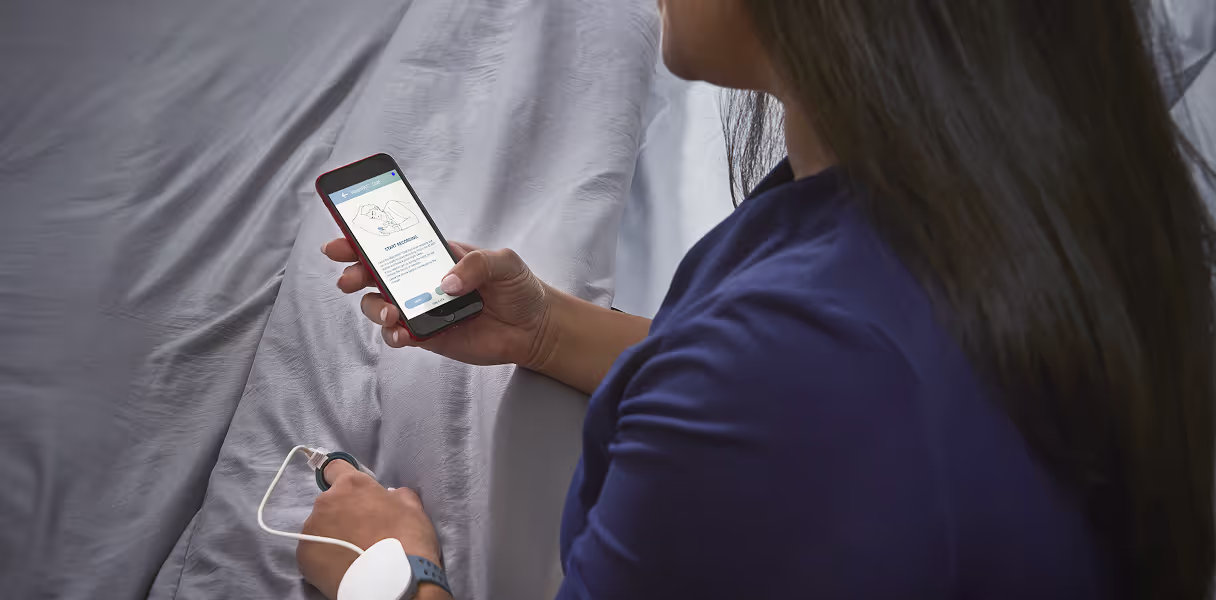
Home sleep testing kits typically include three to four sensors that collect data overnight. A nasal pressure sensor, sometimes called a nasal cannula, detects airflow through your nasal passage and mouth. A pulse oximetry sensor, usually placed on your fingertip, tracks oxygen saturation and heart rate continuously. An effort belt worn around the chest or abdomen records respiratory effort, measuring how hard your muscles work to move air through your airway. Some devices also include an accelerometer that logs body position and movement.
These sensors work together to identify apneas, which are complete pauses in airflow lasting 10 seconds or more, and hypopneas, which are partial reductions in airflow accompanied by a drop in oxygen levels. The data generates an apnea-hypopnea index, or AHI, which represents the average number of breathing disruptions per hour of recorded time.
How Results Are Interpreted
A board-certified sleep physician reviews the raw data from the device and calculates the AHI. According to the American Academy of Sleep Medicine, an AHI of 5 to 14 indicates mild obstructive sleep apnea, 15 to 29 indicates moderate, and 30 or above indicates severe. The physician also evaluates oxygen desaturation patterns, the lowest oxygen level reached during sleep, and the overall quality of the recording.
Home sleep apnea testing does not measure brain activity, so it cannot determine sleep stages or identify sleep disorders like insomnia, Restless Leg Syndrome, or Parasomnia. The test is designed specifically to confirm or rule out obstructive sleep apnea in patients whose symptoms and clinical history suggest a moderate to high probability of the condition.
DID YOU KNOW: According to the National Heart, Lung, and Blood Institute, obstructive sleep apnea affects an estimated 25 to 30 percent of men and 9 to 17 percent of women in the United States, though many cases remain undiagnosed.
KEY TAKEAWAY: A home sleep apnea test measures airflow, oxygen saturation, and respiratory effort using portable sensors, and results are interpreted by a physician who calculates your AHI to determine whether obstructive sleep apnea is present and how severe it is.
Understanding what the test measures helps you know what to expect before you order one, and the next section covers who qualifies for home testing in North Port.
Who Qualifies for a Home Sleep Apnea Test in North Port
Most adults in North Port, Florida who show signs of obstructive sleep apnea are candidates for a home sleep test, but not every patient qualifies. The decision depends on symptom profile, medical history, and the likelihood that obstructive sleep apnea is the primary sleep problem.
Ideal Candidates
You are generally a good candidate for home sleep testing if you experience two or more of the following symptoms: loud habitual snoring, witnessed apneas or choking during sleep, excessive daytime sleepiness, and morning headaches. A physician or sleep specialist evaluates these symptoms alongside risk factors such as a BMI over 30, a neck circumference over 17 inches for men or 16 inches for women, and age over 40.
The American Academy of Sleep Medicine recommends home sleep testing for adults with a high pre-test probability of moderate to severe obstructive sleep apnea and no significant cardiopulmonary disease. This means you do not have conditions such as heart failure, chronic obstructive pulmonary disease, or neuromuscular disease that could complicate the results.
Who Should Consider an In-Lab Study Instead
Certain patients need the more comprehensive data that only a full polysomnography provides. If your physician suspects central sleep apnea, complex sleep apnea syndrome, or mixed sleep apnea, a home test cannot reliably detect these conditions because it does not monitor brain wave activity. Patients with significant comorbidities, children, or individuals whose home sleep test produces inconclusive results should be evaluated in a sleep laboratory.
North Port residents who need an in-lab study can access sleep centers in the broader Sarasota County area, including facilities affiliated with HCA Florida Fawcett Hospital. However, many patients find that starting with a home test is the most practical and cost-effective first step, especially when using a self-pay service that eliminates the need for insurance approval.
IMPORTANT: A home sleep apnea test is not appropriate for diagnosing sleep disorders other than obstructive sleep apnea. If your physician suspects insomnia, Parasomnia, Restless Leg Syndrome, or a neurological sleep related disorder, an in-lab polysomnography with full electroencephalography is the correct diagnostic pathway.
KEY TAKEAWAY: Adults with a high likelihood of obstructive sleep apnea and no major cardiopulmonary conditions are ideal candidates for a home sleep test, while patients with suspected central sleep apnea, children, or complex cases should pursue in-lab polysomnography.
Knowing whether you qualify is the first step, and the next section walks you through exactly how to complete the test at home.
How to Complete a Home Sleep Apnea Test: Step by Step
Completing a home sleep apnea test is straightforward when you follow the correct sequence. The entire process, from ordering to receiving results, typically takes less than two weeks.
Step-by-Step Process for Home Sleep Testing
1. Start with a screening assessment. Complete a brief health assessment that evaluates your symptoms, medical history, and risk factors. dumbo.health offers a free sleep assessment that takes about five minutes and helps determine whether a home sleep test is appropriate for you.
2. Order your home sleep test device. If you qualify, order an FDA-cleared home sleep testing kit. Through dumbo.health, the test costs $149 and ships directly to your address in North Port or anywhere in Florida with no insurance or prior authorization required.
3. Receive the device and review the instructions. When the kit arrives, read the included guide carefully before your test night. The device typically includes a nasal pressure sensor, a pulse oximetry finger clip, and an effort belt. Some kits use a single compact device that combines multiple sensors.
4. Apply the sensors before bed. On your test night, attach the sensors according to the instructions. Place the nasal cannula in your nostrils, clip the oximeter to your finger, and position the effort belt around your chest. Turn the device on and go to sleep as you normally would.
5. Sleep for at least four hours. The device needs a minimum of four hours of recorded data to produce a reliable reading. Avoid alcohol and sedatives on the test night, as these substances can affect your airway muscles and alter your breathing patterns.
6. Remove the sensors in the morning and return the device. When you wake up, turn off the device and remove all sensors. Follow the return instructions included with the kit. Some providers use prepaid shipping labels for easy return.
7. A board-certified sleep physician reviews your data. The physician analyzes airflow, oxygen saturation, respiratory effort, and body position data. With dumbo.health, patients on the Essentials Plan at $59 per month receive physician interpretation and a detailed report.
After the physician completes the review, you receive a clear diagnosis indicating whether obstructive sleep apnea is present and what severity level applies. If treatment is recommended, your care team helps you start a treatment plan that same week in most cases.
KEY TAKEAWAY: A home sleep apnea test involves ordering a portable device, wearing three to four sensors overnight, sleeping for at least four hours, returning the device, and receiving a physician-interpreted diagnosis, all without visiting a sleep laboratory.
Now that you know the process, the next section compares your testing options in North Port so you can choose the best fit.
Sleep Apnea Testing Options in North Port, Florida
North Port residents have several pathways to get tested for obstructive sleep apnea, ranging from local sleep centers to telehealth-based home testing services. Each option differs in cost, convenience, and turnaround time.
Local Sleep Centers and In-Lab Testing
North Port sits within Sarasota County, where several sleep centers offer in-lab polysomnography. HCA Florida Fawcett Hospital in nearby Port Charlotte provides sleep studies through its affiliated departments. Patients can also find sleep centers in Sarasota and Bradenton that accept appointments from North Port residents.
In-lab testing requires an overnight stay at a sleep laboratory, where a Registered Polysomnographic Technologist monitors brain activity, heart rate, respiratory functions, leg movements, and oxygen levels using a full sensor array. A split sleep study may be performed in some cases, where the first half of the night confirms the diagnosis and the second half calibrates CPAP pressure.
Telehealth and At-Home Testing
Telehealth-based home sleep testing has become the fastest-growing pathway for adults in Florida who want to avoid the scheduling delays and higher costs of in-lab studies. Providers like dumbo.health offer an at-home sleep test that ships an FDA-cleared device directly to your door, with results interpreted by a board-certified sleep physician remotely. This approach is particularly useful for patients in North Port who may not live close to a dedicated sleep center or who prefer self-pay simplicity over navigating insurance plans.
Comparing Home Sleep Testing vs. In-Lab Polysomnography
Here is how the two primary testing approaches compare across key decision factors:
Setting
- Home Sleep Apnea Test: Your own bed at home in North Port
- In-Lab Polysomnography: Overnight stay at a sleep laboratory or hospital
Cost Without Insurance
- Home Sleep Apnea Test: $149 to $500 depending on provider
- In-Lab Polysomnography: $1,000 to $3,000 or more
Sensors Used
- Home Sleep Apnea Test: Nasal pressure sensor, pulse oximetry, effort belt, and sometimes body position sensor
- In-Lab Polysomnography: Full EEG, EOG, EMG, ECG, airflow sensors, pulse oximetry, effort belts, and leg movement sensors
Conditions Detected
- Home Sleep Apnea Test: Obstructive sleep apnea
- In-Lab Polysomnography: Obstructive sleep apnea, central sleep apnea, complex sleep apnea syndrome, Parasomnia, Restless Leg Syndrome, insomnia patterns, and other sleep related disorders
Turnaround Time for Results
- Home Sleep Apnea Test: Typically 3 to 7 business days
- In-Lab Polysomnography: 1 to 3 weeks depending on the sleep center
Convenience
- Home Sleep Apnea Test: High, no travel or overnight facility stay required
- In-Lab Polysomnography: Lower, requires scheduling, travel, and sleeping in an unfamiliar environment
For most adults in North Port with suspected obstructive sleep apnea and no complex comorbidities, a home sleep test offers the fastest, most affordable, and most convenient diagnostic pathway. dumbo.health provides the test for $149, the lowest tier in the market, with no insurance plans or prior authorizations needed.
KEY TAKEAWAY: North Port residents can choose between local in-lab polysomnography and telehealth-based home sleep testing, with home testing offering lower cost, faster results, and greater convenience for patients with a high probability of obstructive sleep apnea.
Understanding the cost picture in more detail helps you plan your budget, which is what the next section covers.
What Does a Home Sleep Apnea Test Cost in North Port, Florida
A home sleep apnea test in North Port costs between $149 and $500 when paid out of pocket, depending on the provider and what is included. In-lab polysomnography typically costs $1,000 to $3,000 or more without insurance, making home testing the more affordable option for most patients.
Cost Breakdown for Self-Pay Patients
Many patients in Florida choose self-pay testing because it eliminates the delays associated with insurance pre-authorization, referral requirements, and claim denials. Under the No Surprises Act, healthcare providers are required to provide a Good Faith Estimate of expected charges for uninsured or self-pay patients, which gives you cost clarity before committing.
dumbo.health structures pricing around transparency. The home sleep test costs $149 as a one-time purchase. This covers the FDA-cleared device and one night of testing. Physician interpretation, CPAP therapy, and ongoing care are covered separately through monthly plans:
- Essentials Plan at $59 per month includes physician interpretation and report, CPAP therapy and equipment, standard follow-up care, and updates sent to your referring provider
- Premium Plan at $89 per month adds a dedicated sleep coach from a licensed care team, advanced adherence monitoring, and priority results turnaround
- Elite Plan at $129 per month adds concierge clinical support, direct physician messaging, and custom reporting
All plans operate on a no-contract, cancel-anytime basis. There are no surprise bills, no insurance requirements, and no prior authorizations.
Insurance vs. Self-Pay Considerations
If you have insurance, coverage for home sleep testing varies widely. Some insurance plans require a referral from a Family Physician or sleep specialist, prior authorization, and documentation of specific symptoms. Even with coverage, copays, deductibles, and out-of-network charges can push your final cost close to what a self-pay test costs outright.
For patients who want to avoid insurance complexity entirely, a self-pay approach through a provider like dumbo.health offers a predictable total cost. Many North Port residents and commercial drivers in Florida find this route faster and simpler, especially when appointment availability at local sleep centers is limited.
TIP: Before scheduling any sleep test, ask the provider for a written cost estimate that includes the test, interpretation, and any follow-up fees. This prevents unexpected charges after your results come back.
KEY TAKEAWAY: A home sleep apnea test in North Port costs $149 through dumbo.health with no insurance required, while in-lab studies typically cost $1,000 or more, making home testing the most budget-friendly diagnostic option for self-pay patients.
Cost is one part of the decision, but understanding what happens after a positive diagnosis is equally important.
What Happens After Your Home Sleep Test Results
A positive home sleep apnea test result leads to a structured treatment plan based on your AHI score and symptom severity. Your physician uses the data to recommend the most appropriate therapy, which may include CPAP, an oral device, lifestyle changes, or a combination.
Understanding Your AHI Score
The apnea-hypopnea index is the primary metric used to classify sleep apnea severity. According to the American Academy of Sleep Medicine, an AHI of 5 to 14 events per hour indicates mild obstructive sleep apnea, 15 to 29 indicates moderate, and 30 or higher indicates severe. Your physician also considers the oxygen desaturation index, which measures how often your oxygen saturation drops by 3 percent or more per hour.
Patients with moderate to severe obstructive sleep apnea, defined as an AHI of 15 or above, are typically started on CPAP therapy as the first-line treatment. The National Heart, Lung, and Blood Institute identifies CPAP as the most effective non-surgical treatment for obstructive sleep apnea because it keeps the airway open by delivering continuous positive air pressure through a mask.
CPAP Therapy and Equipment
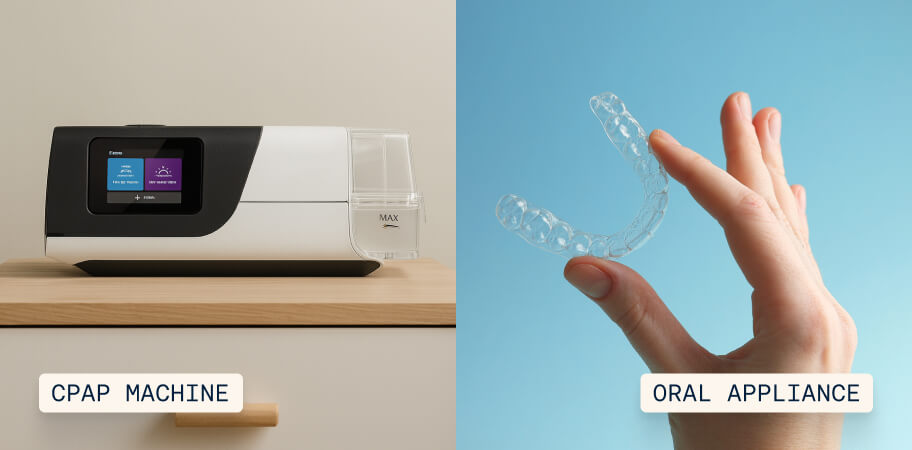
CPAP therapy involves wearing a mask connected to a small machine that delivers pressurized air through your airway while you sleep. The air pressure prevents the soft tissue in the back of your throat from collapsing, which is the mechanical cause of obstructive apneas. Most modern CPAP devices are compact, quiet, and equipped with humidifiers to improve comfort.
dumbo.health includes CPAP therapy and equipment in all monthly care plans. The Essentials Plan at $59 per month covers the device, mask, and standard follow-up care. The Premium Plan at $89 per month adds a dedicated sleep coach and advanced adherence monitoring, which research from the Sleep Foundation suggests can significantly improve long-term compliance. According to published data, approximately 50 percent of CPAP users stop using their device within the first year, often due to discomfort or lack of support. Active coaching and monitoring help address these barriers early.
Alternative Treatment Options
Not every patient requires CPAP. Your treatment plan may include one or more of the following depending on severity, anatomy, and preference:
- Oral appliance therapy uses a custom-fitted oral device to reposition the lower jaw and tongue forward, keeping the airway open. The American Academy of Sleep Medicine recommends oral appliance treatment as an alternative for patients with mild to moderate obstructive sleep apnea who cannot tolerate CPAP.
- Positional therapy addresses patients whose apnea occurs primarily when sleeping on their back.
- Weight management can reduce AHI in patients where excess body weight contributes to airway narrowing.
- Surgical sleep disorder treatments, including rhinologic surgery to address nasal passage obstruction and soft tissue procedures to reduce airway collapse, are considered when other treatments are ineffective or when anatomical factors are the primary cause.
- Cognitive Behavioral Therapy for Insomnia, known as CBT-I, may be added to the treatment plan when obstructive sleep apnea coexists with chronic insomnia.
Your physician and care team work together to build a treatment plan that fits your condition, lifestyle, and goals. dumbo.health's sleep apnea care solutions include physician oversight, equipment, and ongoing follow-up as part of every plan.
KEY TAKEAWAY: After a positive home sleep test, your physician uses your AHI score and oxygen data to recommend a treatment plan, with CPAP therapy being the most common first-line option for moderate to severe obstructive sleep apnea, and alternatives like oral appliance therapy available for milder cases.
Knowing the treatment landscape is critical, but it is equally important to understand when a home sleep test might not be the right choice.
Limitations and Risks of Home Sleep Apnea Testing
Home sleep apnea testing is highly effective for diagnosing obstructive sleep apnea in the right patient population, but it has clear limitations that every patient should understand before testing.
When Home Testing May Not Work
A home sleep test can produce a false negative result, meaning it shows no apnea when apnea is actually present. This happens because the device records breathing time rather than actual sleep time. If you spend significant time awake during the test, the AHI calculation may underestimate the true severity of your condition. The American Academy of Sleep Medicine recommends that patients with a negative home test but persistent symptoms should be referred for an in-lab polysomnography.
Home testing also cannot detect central sleep apnea or complex sleep apnea syndrome because it does not measure brain wave activity. Central sleep apnea involves a failure of the brain to signal the respiratory muscles to breathe, which requires electroencephalography to identify. If your physician suspects a non-obstructive form of sleep apnea, a home test is not the appropriate diagnostic tool.
Specific Limitations to Consider
- Data quality depends on sensor placement. If the nasal pressure sensor shifts during sleep or the pulse oximetry clip falls off, the recording may be incomplete. Most devices require a minimum of four hours of usable data.
- Patients with severe insomnia may not achieve enough sleep time to generate a reliable study. If total recording time is too short, the test may need to be repeated.
- Home sleep testing does not diagnose Parasomnia, Restless Leg Syndrome, or other sleep related disorders. These conditions require the broader sensor array used in polysomnography.
- The test records one night of data. Night-to-night variability in sleep position, alcohol use, or medication can affect results. One night may not represent your typical breathing pattern.
- Children are generally not candidates for home sleep testing. Pediatric sleep apnea requires different diagnostic criteria and is best evaluated in a sleep laboratory under the supervision of a pediatric sleep specialist.
How dumbo.health Addresses These Limitations
When a home sleep test through dumbo.health produces inconclusive results, the reviewing physician can recommend next steps, including a repeat test or a referral for in-lab polysomnography. Premium and Elite plan members receive direct access to physician messaging and a licensed care team who can help navigate the next diagnostic step without delay. This physician oversight layer ensures that no patient is left without a clear path forward after an inconclusive result.
IMPORTANT: A negative home sleep test does not always mean you are free of sleep apnea. If you continue to experience symptoms like loud snoring, gasping during sleep, or excessive daytime sleepiness, follow up with your physician for further evaluation.
KEY TAKEAWAY: Home sleep testing has limitations including the inability to detect central sleep apnea, potential for false negatives, single-night variability, and unsuitability for children, but physician oversight and follow-up pathways help ensure accurate diagnosis even when initial results are inconclusive.
Understanding limitations gives you realistic expectations, and the next section shows how real people in different situations use home sleep testing.
Real-World Scenarios: How North Port Residents Use Home Sleep Testing
Seeing how other patients approach testing can help you decide whether a home sleep apnea test fits your situation. These scenarios reflect common profiles among patients in North Port and across Florida.
Common Scenarios
Scenario 1: A 48-Year-Old Office Worker With Chronic Snoring
Maria lives in North Port and has snored loudly for years. Her partner reports that she sometimes stops breathing during sleep. She feels tired during the day despite sleeping seven to eight hours. Her BMI is 32, and her Family Physician suspects obstructive sleep apnea but her local sleep center has a six-week wait for an in-lab study.
Maria orders a home sleep test through dumbo.health for $149. The device arrives in three days. She completes the test on a Tuesday night, returns the device on Wednesday, and receives her results the following week. Her AHI is 22, indicating moderate obstructive sleep apnea. She enrolls in the Premium Plan at $89 per month, receives a CPAP device, and begins working with a dedicated sleep coach to optimize her mask fit and build nightly adherence.
Scenario 2: A 55-Year-Old Commercial Truck Driver Facing a DOT Physical
James is a long-haul truck driver based near North Port who needs to renew his DOT medical certification. During his previous physical, the examiner flagged his BMI of 38 and neck circumference of 18 inches as risk factors for obstructive sleep apnea. The examiner issued a conditional certification and required a sleep study before full clearance.
James does not have health insurance and cannot afford a $2,000 in-lab study. He finds dumbo.health's at-home sleep test at $149 with no insurance required. His results show an AHI of 34, indicating severe obstructive sleep apnea. He starts CPAP therapy through the Essentials Plan at $59 per month. After 30 days of documented adherence, his sleep physician provides the compliance report he needs for his DOT physical renewal.
Scenario 3: A 62-Year-Old Retiree With Daytime Fatigue and High Blood Pressure
Robert moved to North Port after retiring. He has been experiencing worsening daytime fatigue, difficulty concentrating, and headaches most mornings. His physician notes his history of hypertension and suspects untreated sleep apnea may be contributing. Robert prefers to avoid the hassle of overnight hospital visits.
He completes a home sleep test and receives an AHI of 11, indicating mild obstructive sleep apnea. His physician recommends oral appliance therapy rather than CPAP, given the mild severity. Robert also begins positional therapy and a weight management plan. His care team monitors his progress through quarterly check-ins.
These scenarios illustrate three distinct profiles, but the common thread is that home sleep testing provided a faster, more accessible diagnostic pathway than waiting for an in-lab appointment at a local facility.
KEY TAKEAWAY: Home sleep apnea testing serves a wide range of patients in North Port, from working professionals and commercial drivers to retirees, by providing a fast, affordable, and clinically valid diagnostic pathway without the delays of in-lab scheduling.
Real examples make the process tangible, and the next section clears up common misconceptions that often prevent people from getting tested.
Common Myths About Home Sleep Apnea Tests Debunked
Misconceptions about home sleep testing prevent many patients from pursuing a diagnosis. These are the most common myths encountered among patients in North Port and across Florida.
MYTH: Home sleep tests are not accurate enough to diagnose sleep apnea.
FACT: The American Academy of Sleep Medicine endorses home sleep apnea testing as a valid diagnostic tool for obstructive sleep apnea in adults with a moderate to high pre-test probability. Studies published in peer-reviewed journals indexed on PubMed demonstrate that home sleep tests have a sensitivity of 79 to 97 percent for detecting moderate to severe obstructive sleep apnea when compared with in-lab polysomnography. The key is selecting the right patient population for home testing.
MYTH: You need a doctor's referral and insurance approval before you can get a home sleep test.
FACT: Self-pay home sleep testing does not require a referral or insurance pre-authorization. dumbo.health allows patients in North Port and throughout Florida to order an FDA-cleared home sleep test for $149 without involving their insurance company. A board-certified sleep physician reviews the data and provides a clinical interpretation regardless of insurance status.
MYTH: If your home sleep test is negative, you definitely do not have sleep apnea.
FACT: A negative result on a home sleep test means the device did not detect enough apnea events to meet the diagnostic threshold during that recording. However, false negatives can occur due to sensor displacement, insufficient sleep time, or night-to-night variability. The American Academy of Sleep Medicine recommends that patients with a negative home test but ongoing symptoms like loud snoring and excessive daytime sleepiness should undergo in-lab polysomnography for a definitive evaluation.
MYTH: CPAP is the only treatment for sleep apnea.
FACT: CPAP is the most widely prescribed first-line treatment for moderate to severe obstructive sleep apnea, but it is not the only option. Oral appliance therapy, positional therapy, weight management, and surgical interventions such as rhinologic surgery or soft tissue procedures are all recognized treatment options depending on severity and patient anatomy. The American Academy of Sleep Medicine publishes clinical practice guidelines outlining when each treatment is appropriate.
MYTH: Home sleep tests are uncomfortable and impossible to sleep with.
FACT: Modern home sleep testing devices are significantly smaller and less intrusive than in-lab sensor arrays. Most patients report that after the first 15 to 20 minutes, they adjust to the nasal cannula and finger clip. In-lab polysomnography, by contrast, involves 20 or more sensors attached to the scalp, face, chest, and legs, which many patients find more disruptive to natural sleep.
KEY TAKEAWAY: Home sleep apnea tests are clinically validated, widely endorsed by sleep medicine organizations, and do not require insurance approval, but patients with negative results and persistent symptoms should pursue further evaluation with an in-lab study.
With myths cleared up, the next section provides a practical checklist to help you prepare for your test night.
How to Prepare for Your Home Sleep Test Night
Proper preparation improves the quality of your home sleep test recording and reduces the chance of needing a repeat study. Following a short checklist ensures your test night goes smoothly.
Home Sleep Test Preparation Checklist
- Confirm your test night at least 24 hours in advance and set a reminder.
- Avoid alcohol for at least 24 hours before the test, as alcohol relaxes airway muscles and can alter breathing patterns.
- Avoid sedatives, tranquilizers, and sleep medications on the test night unless your physician specifically instructs you to take them.
- Do not consume caffeine after noon on the day of the test.
- Shower before applying sensors, as clean, dry skin helps the adhesive sensors and pulse oximetry clip stay in place.
- Trim or file your fingernails if needed to ensure the pulse oximetry sensor fits snugly.
- Remove nail polish from the finger where the oximeter will be placed, as dark polish can interfere with the oxygen saturation reading.
- Read all device instructions before your test night rather than the night of testing.
- Charge the device if required, or confirm it has sufficient battery for a full night of recording.
- Set your sleep environment to match your normal routine, including your usual pillow, bedding, and room temperature.
- Sleep for at least four consecutive hours with the device on to ensure enough data for a valid study.
- Complete the free sleep assessment at dumbo.health before ordering your test to confirm you are an appropriate candidate.
Following this checklist helps ensure your recording captures a representative night of sleep. If you have questions about any step, the dumbo.health care team is available for guidance before your test night.
KEY TAKEAWAY: Preparing for your home sleep test means avoiding alcohol and sedatives, ensuring sensor surfaces are clean, reading instructions in advance, and sleeping at least four hours with the device on to produce a reliable recording.
Preparation matters, and the next section addresses how to find the right provider in your area for testing and ongoing care.
Finding the Right Sleep Apnea Testing Provider in North Port
Choosing the right provider for your home sleep apnea test affects the quality of your diagnosis, the speed of your results, and the continuity of your care. North Port residents have both local and telehealth-based options.
What to Look for in a Provider
Board-certified physicians should interpret your results. Look for a provider whose clinical team includes board-certified sleep doctors with credentials in sleep medicine or Pulmonology. Accreditation through organizations like ACHC adds an additional quality signal. Ask whether the provider uses FDA-cleared devices and whether a physician, not an automated algorithm alone, reviews your data.
Turnaround time matters. Some local sleep centers in the North Port area have wait times of four to eight weeks for initial appointments. Telehealth providers often offer faster access because the device ships directly to your home without an in-person visit requirement. dumbo.health typically delivers the test device within days of ordering, with physician-interpreted results returned within one week of receiving the completed recording.
Local vs. Telehealth Options
Patients who prefer face-to-face interaction can seek a sleep specialist or Pulmonologist in the Sarasota County area. Providers near North Port include practices in Port Charlotte, Sarasota, and Venice. Appointment availability varies seasonally, and patients in smaller communities like North Port may find limited local specialists.
Telehealth and direct-to-patient providers like dumbo.health serve patients across Florida, including North Port, without geographic restrictions. The entire process, from ordering the test to receiving CPAP equipment and ongoing care, is managed remotely with physician oversight. This model works well for patients who want to avoid travel, scheduling delays, or the complexity of insurance plans.
For patients who start with a home test and later need an in-lab study, your sleep physician can refer you to a nearby sleep laboratory. This two-step approach, starting with the more accessible home test and escalating only when necessary, is the pathway most consistent with current clinical guidelines.
KEY TAKEAWAY: North Port residents should choose a sleep apnea testing provider based on board certification, FDA-cleared devices, physician interpretation, turnaround time, and whether the provider supports a complete care pathway from diagnosis through treatment.
With provider selection covered, the following section looks at the broader connection between untreated sleep apnea and long-term health.
Why Untreated Sleep Apnea Is a Serious Health Risk
Untreated obstructive sleep apnea increases the risk of cardiovascular disease, metabolic dysfunction, cognitive impairment, and motor vehicle accidents. The health consequences extend well beyond poor sleep quality.
Cardiovascular and Metabolic Risks
According to the National Heart, Lung, and Blood Institute, untreated obstructive sleep apnea is associated with hypertension, coronary artery disease, heart failure, atrial fibrillation, and stroke. The repeated drops in oxygen levels during sleep trigger surges in sympathetic nervous system activity, which raises blood pressure and stresses the cardiovascular system over time. Mayo Clinic notes that people with moderate to severe obstructive sleep apnea are significantly more likely to develop resistant hypertension that does not respond well to standard medication.
The metabolic effects are equally important. The CDC identifies untreated sleep apnea as a risk factor for type 2 diabetes, noting that the condition disrupts glucose metabolism and insulin sensitivity. Weight gain and sleep apnea often reinforce each other in a cycle where poor sleep increases appetite and reduces energy expenditure, making weight management harder.
Cognitive and Safety Consequences
Fragmented sleep caused by obstructive sleep apnea impairs concentration, memory, and reaction time. The National Highway Traffic Safety Administration estimates that drowsy driving causes thousands of crashes each year, and untreated sleep apnea is a known contributor to driver fatigue. For commercial drivers in North Port and across Florida, this risk has direct career implications, as the FMCSA requires medical certification that accounts for sleep apnea risk.
Sleep apnea also affects brain health over the long term. Research referenced by the NIH indicates that chronic intermittent hypoxia, the repeated oxygen drops caused by apneas, may accelerate cognitive decline and increase the risk of neurodegenerative conditions.
A home sleep apnea test is the first step toward breaking this cycle. Early diagnosis and treatment with CPAP therapy or an appropriate alternative can reduce cardiovascular risk, improve cognitive function, and restore daytime alertness. Patients who begin treatment through a structured care pathway like dumbo.health's monthly plans receive ongoing monitoring that helps ensure sustained adherence and long-term benefit.
KEY TAKEAWAY: Untreated obstructive sleep apnea significantly increases the risk of heart disease, stroke, diabetes, cognitive decline, and motor vehicle accidents, making early diagnosis through home sleep testing a critical step in protecting long-term health.
Understanding the stakes of untreated sleep apnea reinforces why getting tested matters, and the conclusion below summarizes your best next steps.
Conclusion
A home sleep apnea test gives North Port, Florida residents a fast, affordable, and clinically valid way to find out whether obstructive sleep apnea is affecting their health and daily life. The test is simple to complete at home, results are interpreted by a board-certified sleep physician, and a diagnosis opens the door to treatment that can lower cardiovascular risk, improve daytime energy, and protect long-term brain health. If you experience symptoms like loud snoring, breathing pauses during sleep, or chronic fatigue, testing is the clearest path to answers. dumbo.health offers a home sleep test for $149 with physician-reviewed results and CPAP therapy starting at $59 per month on the Essentials Plan, with no insurance required and no contracts. Take the first step today.
Frequently Asked Questions About Home Sleep Apnea Test in North Port, Florida
What is a home sleep apnea test and how does it work?
A home sleep apnea test (HSAT) is a simplified sleep study you complete in your own bedroom instead of a clinical sleep laboratory. The test typically uses a small monitoring device with sensors that measure airflow, oxygen saturation, breathing effort, and nasal pressure while you sleep. A physician then interprets the recorded data to assess whether obstructive sleep apnea or another sleep-related breathing disorder may be present. Home sleep testing is widely used as a first-line diagnostic tool for adults with a moderate to high likelihood of obstructive sleep apnea, according to the American Academy of Sleep Medicine.
What is obstructive sleep apnea?
Obstructive sleep apnea (OSA) is a sleep disorder in which the soft tissue in the throat, including the tongue and soft palate, repeatedly relaxes and collapses during sleep, partially or fully blocking the airway. This causes breathing to pause or become shallow, which can reduce oxygen levels and fragment sleep. The brain registers the drop in oxygen and briefly rouses the body to reopen the airway, often dozens of times per night without the person being aware. OSA is one of the most common undiagnosed conditions in primary care and is associated with serious health risks when left untreated.
What are the signs and symptoms of sleep apnea?
Common signs of sleep apnea include loud snoring, waking up gasping for air or choking, morning headaches, excessive daytime sleepiness, difficulty concentrating, waking with a racing heart, irritability, and feeling exhausted regardless of how many hours you sleep. Not everyone with sleep apnea snores, and many people are unaware their breathing is interrupted during the night. If you recognise several of these symptoms, a healthcare professional can help determine whether sleep apnea testing is appropriate. You can also take a free sleep assessment to help identify whether at-home testing may be a reasonable next step.
Are there different types of sleep apnea?
Yes. The three main types are obstructive sleep apnea, central sleep apnea, and complex sleep apnea syndrome. Obstructive sleep apnea is the most common and occurs when the muscles and soft tissue in the throat relax and block the airway. Central sleep apnea is less common and involves the brain failing to send proper signals to the breathing muscles. Complex sleep apnea syndrome, sometimes called mixed sleep apnea, is a combination of both obstructive and central patterns. Home sleep apnea tests are primarily designed to detect obstructive sleep apnea. Central or complex presentations may require further evaluation with an in-lab polysomnography study.
Why do I wake up gasping for air?
Waking up gasping for air or choking is one of the most recognised warning signs of obstructive sleep apnea. It typically happens when a full or partial airway blockage causes oxygen levels to drop low enough that the brain triggers a brief arousal to restore normal breathing. This can happen many times per night and is often more noticed by a bed partner than by the person experiencing it. Waking up gasping should not be ignored. A healthcare professional can help determine whether a home sleep apnea test or further evaluation is appropriate.
Why am I exhausted no matter how much I sleep?
Feeling exhausted despite spending adequate time in bed is a common symptom of undiagnosed sleep apnea or other sleep disorders. When sleep apnea causes repeated breathing interruptions throughout the night, the body is prevented from reaching or sustaining the deep, restorative stages of sleep. The result is fragmented, poor-quality sleep regardless of total sleep duration. Chronic fatigue can also be associated with insomnia, restless leg syndrome, or other sleep-related disorders. If excessive tiredness persists, speaking with a sleep physician or taking a home sleep apnea test can help identify an underlying cause.
Why do I wake up with headaches in the morning?
Morning headaches are a recognised symptom of obstructive sleep apnea. When breathing is repeatedly interrupted during sleep, oxygen saturation can drop, and carbon dioxide can accumulate in the blood. This may cause the blood vessels in the brain to dilate, contributing to a dull, pressure-like headache that is typically present upon waking and improves within a few hours of getting up. According to the Mayo Clinic, morning headaches combined with snoring, gasping, or daytime fatigue are worth discussing with a healthcare professional, as they can indicate an underlying sleep-related breathing disorder.
Why do I wake up at 2am every night?
Waking repeatedly in the middle of the night can result from several causes, including obstructive sleep apnea, insomnia, anxiety, or other sleep-related disorders. In sleep apnea, the brain repeatedly rouses the body to restore breathing, which can cause frequent awakenings throughout the night, often without a clear memory of why you woke. Insomnia, by contrast, typically involves difficulty falling back asleep due to racing thoughts or hyperarousal. If you regularly wake in the middle of the night and feel unrefreshed in the morning, a healthcare professional can help identify whether a sleep disorder may be involved.
Why do I wake up with my heart racing?
Waking with a racing heart is a symptom that can be associated with obstructive sleep apnea. When the airway becomes blocked and oxygen levels drop, the body triggers a stress response that activates the sympathetic nervous system, temporarily raising heart rate and blood pressure to help reopen the airway. Over time, repeated episodes of this kind of physiological stress have been linked to an increased risk of cardiovascular complications. If you frequently wake with a racing heart alongside other sleep symptoms, this should be discussed with a healthcare professional. Sleep apnea testing and a cardiac review may both be appropriate.
Is it normal to snore this much?
Frequent, loud snoring is not simply a harmless nuisance. While occasional snoring is common, habitual loud snoring is one of the primary warning signs of obstructive sleep apnea, particularly when accompanied by witnessed breathing pauses, gasping, or daytime fatigue. The Sleep Foundation explains that snoring occurs when airflow causes the soft tissues of the throat to vibrate, and when the airway becomes significantly narrowed or blocked, sleep apnea can result. If snoring is disrupting your sleep or that of a bed partner, a home sleep apnea test can help determine whether further evaluation or treatment is needed.
Can lack of sleep or poor sleep cause depression and low mood?
Yes. Sleep and mood are closely connected. Chronic sleep deprivation and undiagnosed sleep disorders such as obstructive sleep apnea can contribute to depressive symptoms, low motivation, sadness, and emotional dysregulation. The NIH notes that the relationship between sleep and mood is bidirectional, meaning poor sleep can worsen depression, and depression can worsen sleep quality. Many people who feel persistently sad, flat, or unmotivated may benefit from a sleep evaluation before assuming the cause is purely psychological. If you are experiencing significant depression, please speak with a qualified healthcare professional, as sleep testing alone does not replace mental health care.
Why do I feel foggy, irritable, and disconnected?
Cognitive fog, poor concentration, irritability, and a sense of disconnection are common consequences of fragmented or non-restorative sleep. Obstructive sleep apnea is a frequent but often unrecognised cause because repeated micro-arousals prevent the brain from completing normal sleep cycles. The result is cumulative sleep debt and reduced oxygen delivery to the brain during the night. These symptoms are also associated with insomnia, restless leg syndrome, and other sleep-related disorders. Persistent cognitive or mood symptoms alongside other sleep complaints warrant evaluation by a healthcare professional, and a home sleep apnea test may be a useful starting point.
Why can't I fall asleep even when I'm tired?
Difficulty falling asleep despite feeling tired is a hallmark symptom of insomnia, though it can also be associated with anxiety, circadian rhythm disruption, or underlying sleep-related disorders. This pattern is sometimes described as hyperarousal, where the nervous system remains in an activated state that prevents the brain from transitioning into sleep. Cognitive Behavioral Therapy for Insomnia (CBT-I) is the evidence-based first-line treatment for chronic insomnia, according to the American Academy of Sleep Medicine. If you also experience snoring, gasping, or unrefreshing sleep, a home sleep apnea test may help rule out an underlying breathing disorder that is contributing to sleeplessness.
Do I have sleep apnea or insomnia?
Sleep apnea and insomnia are distinct conditions but can occur together. Sleep apnea involves physical airway obstruction that repeatedly interrupts breathing during sleep, while insomnia involves difficulty initiating or maintaining sleep typically driven by psychological or behavioural factors. Key differences include that sleep apnea is more often associated with snoring, gasping, morning headaches, and daytime fatigue, whereas insomnia often involves difficulty falling asleep, early waking, and an inability to switch off at night. A healthcare professional can help distinguish between the two, and a home sleep apnea test can help determine whether obstructive sleep apnea is contributing to your symptoms.
What are the risk factors for sleep apnea?
Risk factors for obstructive sleep apnea include excess body weight, a large neck circumference, being male, being over 40, having a recessed jaw or enlarged tonsils, a family history of sleep apnea, nasal congestion, and the use of sedatives, tranquilizers, or alcohol close to bedtime. High blood pressure and heart failure are also associated with increased sleep apnea risk. However, sleep apnea can affect people of any age, sex, or body type. The CDC notes that sleep apnea is significantly underdiagnosed, meaning many people with recognised risk factors have not yet been tested.
Is sleep apnea dangerous if left untreated?
Yes. Untreated obstructive sleep apnea is associated with a range of serious health risks. These include an increased likelihood of high blood pressure, cardiovascular disease, heart failure, stroke, type 2 diabetes, and metabolic dysfunction. The repeated drops in oxygen saturation that occur during apnea episodes place chronic stress on the cardiovascular system. Untreated sleep apnea also increases the risk of drowsy driving and workplace accidents, which is a particular concern for commercial drivers. Early diagnosis and treatment are important. A healthcare professional can assess whether testing and a treatment plan are appropriate for your situation.
How is sleep apnea treated?
The most widely used treatment for obstructive sleep apnea is continuous positive airway pressure (CPAP) therapy, which delivers a steady stream of pressurised air through a mask to keep the airway open during sleep. Other treatment options may include oral appliance therapy, positional therapy, weight management, surgical sleep disorder treatments such as rhinologic surgery, or upper airway procedures. The right treatment depends on the severity of the condition and individual patient factors. A sleep physician will review test results and discuss appropriate treatment options. For those seeking ongoing CPAP care, CPAP therapy and equipment is available through dumbo.health with transparent cash-pay pricing.
What is the difference between a home sleep test and an in-lab sleep study?
A home sleep apnea test uses a portable monitoring device to record key breathing and oxygen data while you sleep in your own bed. It typically measures airflow, oxygen saturation, nasal pressure, and breathing effort. An in-lab sleep study, also called polysomnography, is conducted in a sleep laboratory by a registered polysomnographic technologist and records a broader range of data including brain activity, eye movements, muscle tone, heart rhythm, and leg movements. Home sleep tests are effective for diagnosing moderate to severe obstructive sleep apnea in adults with a high pre-test likelihood, but an in-lab study may be recommended when central sleep apnea, complex sleep apnea syndrome, parasomnias, or other neurological sleep concerns are suspected.
Is at-home sleep apnea testing accurate and effective?
Home sleep apnea tests are considered clinically effective for diagnosing obstructive sleep apnea in appropriate candidates. The American Academy of Sleep Medicine supports the use of home sleep testing as a valid diagnostic pathway for adults with a high likelihood of moderate to severe OSA and no significant comorbidities. The devices used typically measure airflow, oxygen saturation via pulse oximetry, nasal pressure, and respiratory effort using sensors and an effort belt. Because home tests record fewer channels than a full in-lab polysomnography study, they may underestimate the apnea-hypopnea index in some cases. A physician interpretation of the results is essential for accurate diagnosis and treatment planning.
Do I need a referral or doctor's script to get a home sleep apnea test?
Requirements vary depending on the provider and state. Some at-home sleep testing services require a physician order before the test can be processed, while others include physician oversight as part of the service. dumbo.health includes physician interpretation and reporting as part of its care plans, streamlining access for patients who want a clear pathway from testing to treatment without navigating multiple referrals. If you have an existing healthcare provider, it is worth involving them in the process. A healthcare professional can help confirm whether home sleep testing is the appropriate first step for your specific symptoms and health history.
How much does an at-home sleep apnea test cost in North Port, Florida?
The cost of an at-home sleep apnea test depends on the provider and whether insurance is involved. For patients seeking transparent, cash-pay sleep apnea testing in North Port, Florida, dumbo.health offers a home sleep test for $149 as a one-time purchase. This covers the at-home test device and one night of testing. Ongoing sleep apnea care, including physician interpretation, CPAP therapy, equipment, and adherence follow-up, is available through monthly plans starting at $59 per month with no contracts and no surprise bills. No insurance is required, and there are no prior authorizations. Explore sleep apnea care solutions to compare plan options.
Do I need insurance to get a home sleep apnea test?
No. Insurance is not required to access at-home sleep apnea testing through dumbo.health. Many patients find that insurance requirements, prior authorizations, and out-of-pocket costs after reimbursement make traditional pathways slow and unpredictable. dumbo.health operates on a transparent cash-pay model with no insurance required, no prior authorizations, and no surprise bills. The home sleep test is $149 as a one-time cost, and monthly care plans begin at $59 per month. This makes it easier for patients in North Port and across Florida to access sleep apnea testing and ongoing treatment with clear, upfront pricing they can plan around.
How does the at-home sleep test process work?
The process typically begins with a short sleep assessment to confirm whether home sleep testing is appropriate. Once confirmed, a home sleep test device is sent to you or made available for collection. You wear the device on a designated test night, and it records key data including airflow, oxygen saturation, and breathing effort using sensors. The device is then returned or synced, and the recorded data is reviewed and interpreted by a board-certified sleep physician. You receive a report with results and, if sleep apnea is confirmed, a recommended treatment plan. The process is designed to be straightforward and does not require an overnight stay in a sleep laboratory.
What happens after my home sleep test?
After your home sleep test, a physician reviews the recorded data and produces an interpretation and report. If obstructive sleep apnea is diagnosed, the physician will recommend a treatment plan, which typically includes CPAP therapy. If the results are inconclusive or suggest a more complex condition such as central sleep apnea, a referral for an in-lab polysomnography study may be recommended. dumbo.health monthly plans include physician interpretation, CPAP therapy and equipment, adherence follow-up, and provider reporting. Results and updates can also be sent to a referring provider or family physician to support continuity of care. Learn more about home sleep testing and next steps.
What is CPAP therapy and how does it help with sleep apnea?
CPAP, or continuous positive airway pressure, is the most commonly prescribed treatment for obstructive sleep apnea. A CPAP machine delivers a continuous stream of pressurised air through a mask worn during sleep, which keeps the airway open and prevents the soft tissue collapse that causes breathing interruptions. When used consistently, CPAP therapy can reduce or eliminate apnea events, improve oxygen saturation, reduce snoring, and help restore more restorative sleep. According to MedlinePlus, CPAP is considered the most effective non-surgical treatment for obstructive sleep apnea. Treatment success depends heavily on consistent nightly use, which is why ongoing adherence monitoring is an important part of care.
Why does CPAP adherence matter and what support is available?
CPAP adherence refers to how consistently and correctly a patient uses their CPAP device each night. Adherence matters because even a clinically appropriate CPAP prescription provides limited benefit if the device is not used regularly. Poor adherence is common in the first weeks of therapy and is one of the leading reasons treatment fails to resolve sleep apnea symptoms. Physicians and insurers often require adherence data as part of ongoing care. dumbo.health Premium and Elite plans include advanced adherence monitoring and dedicated sleep coaching from a licensed care team to help patients build consistent CPAP habits and troubleshoot early difficulties.
Can children get sleep apnea?
Yes. Sleep apnea can affect children, though the causes and presentation often differ from adults. In children, enlarged tonsils or adenoids are a common cause of upper airway obstruction during sleep. Symptoms in children may include snoring, restless sleep, bedwetting, mouth breathing, behavioural problems, and difficulty concentrating at school. A healthcare professional who specialises in paediatric sleep or ear, nose, and throat conditions should evaluate children suspected of having sleep apnea. Home sleep apnea testing as described for adults is generally not the standard diagnostic pathway for paediatric patients, and an in-lab sleep study is more commonly recommended for children.
Is sleep apnea testing available for commercial drivers in North Port, Florida?
Yes. Commercial drivers in North Port and across Florida can access at-home sleep apnea testing as part of DOT compliance support. Sleep apnea is a common concern in DOT physical evaluations, and certified medical examiners may refer drivers for sleep apnea testing when risk factors such as obesity, large neck circumference, high blood pressure, or daytime sleepiness are present. dumbo.health supports at-home sleep apnea testing and care documentation for commercial drivers, including physician interpretation and adherence reporting. However, dumbo.health does not make DOT certification decisions, which remain the responsibility of a certified medical examiner. Learn more about at-home sleep testing for truck drivers.
How do I find sleep apnea testing near me in North Port, Florida?
Residents of North Port, Florida can access at-home sleep apnea testing without visiting a sleep laboratory in person. Providers in your area include local sleep centres, hospital-affiliated programmes such as those connected to HCA Florida Fawcett Hospital, and telehealth-enabled services that ship test devices directly to your home. dumbo.health offers cash-pay at-home sleep apnea testing available to patients across Florida, including North Port, with no insurance required and no prior authorizations needed. The $149 home sleep test includes the device, one night of testing, and physician interpretation as part of an ongoing care plan. Get started with a sleep assessment to see if home testing is right for you.
How do I schedule an appointment for a home sleep apnea test?
Scheduling depends on the provider. Many at-home sleep testing services, including telehealth-based options, allow you to start online without a traditional in-person appointment. The process typically begins with a sleep symptom assessment or online consultation, followed by confirmation of eligibility for home testing, device dispatch, and physician review of results. dumbo.health allows patients to begin with a free sleep assessment online, which helps determine whether a home sleep apnea test is appropriate. There are no waiting lists for in-lab appointments, no referral delays, and no insurance forms to complete. This makes the process faster and more accessible for patients in North Port and across Florida.
Can I use telemedicine for sleep apnea care in Florida?
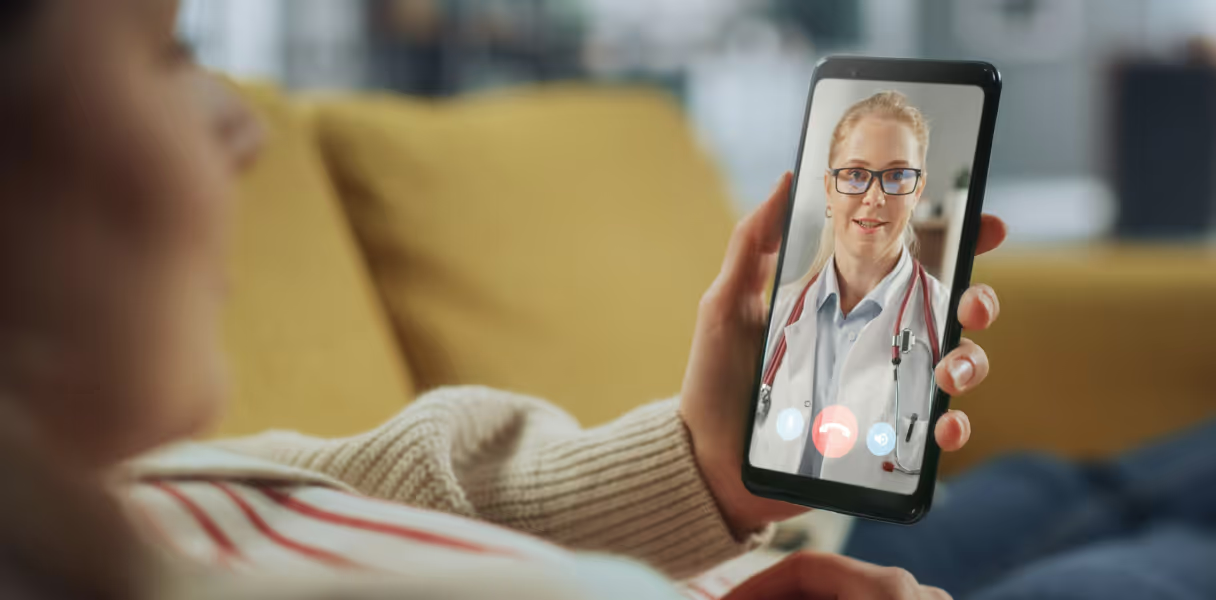
Yes. Telemedicine is an established and effective pathway for sleep apnea evaluation, home test oversight, results review, and ongoing CPAP management in Florida. An online consultation with a sleep physician allows patients to discuss symptoms, review test results, and receive a treatment plan without travelling to a clinic. This is particularly useful for patients in areas where specialist appointment availability is limited, or for those who prefer the convenience of remote care. Physician oversight is a required part of any legitimate home sleep testing and treatment pathway. dumbo.health provides physician interpretation, reporting, and ongoing clinical support through its monthly care plans for patients across Florida.
What other sleep disorders can affect sleep quality?
Sleep apnea is one of several sleep-related disorders that can disrupt sleep quality and overall health. Other common conditions include insomnia, restless leg syndrome, parasomnias such as sleepwalking or night terrors, circadian rhythm disorders, and narcolepsy. Some conditions, such as restless leg syndrome or periodic limb movement disorder, may require in-lab polysomnography or specialised evaluation rather than a standard home sleep apnea test. Cognitive Behavioral Therapy for Insomnia (CBT-I) is the recommended first-line treatment for chronic insomnia. If you are uncertain which sleep disorder may be affecting you, a sleep physician or board-certified sleep specialist can conduct a thorough assessment to guide the appropriate diagnostic pathway.
When should I seek urgent medical care for sleep symptoms?
If you experience sudden difficulty breathing, chest pain, severe shortness of breath, irregular heartbeat, or any other urgent symptoms, seek emergency medical care promptly. These may indicate a serious cardiovascular or respiratory condition that requires immediate attention. Sleep apnea symptoms such as snoring, fatigue, and morning headaches are typically not emergencies, but they do warrant timely evaluation by a healthcare professional. Do not delay seeking care if your symptoms are severe, worsening, or accompanied by signs of a medical emergency. Home sleep apnea testing is appropriate for stable adults seeking evaluation of suspected obstructive sleep apnea, not for acute or emergency presentations.