




Home Sleep Apnea Test in Wellington, Florida: The Complete Guide to At-Home Diagnosis and Treatment
A home sleep apnea test in Wellington, Florida provides a clinically validated way to diagnose obstructive sleep apnea from your own bed, without spending a night in a sleep lab. According to the American Academy of Sleep Medicine, home sleep testing accurately identifies moderate to severe obstructive sleep apnea in most adults, making it the preferred first-line diagnostic tool for uncomplicated cases. This guide is written for Wellington-area residents, commercial drivers, and anyone in South Florida experiencing symptoms like chronic snoring, daytime fatigue, or witnessed breathing pauses during sleep. You will learn exactly how home sleep apnea testing works, what devices measure, how results are scored, what treatment options follow a positive diagnosis, and where self-pay and telehealth pathways fit into the process. Understanding every step helps you move from suspicion to diagnosis to treatment with confidence.
Quick Answer
A home sleep apnea test in Wellington, Florida is a portable, FDA-cleared diagnostic device you wear for one night in your own bed. It records airflow, oxygen saturation, heart rate, and respiratory effort to determine whether you have obstructive sleep apnea. Results are scored using the Apnea-Hypopnea Index and interpreted by a board-certified physician. Most adults with suspected sleep apnea qualify for home testing rather than an in-lab sleep study. dumbo.health offers a home sleep test for $149 with no insurance required, shipped directly to patients in Florida.
Key Takeaways
- A home sleep apnea test uses sensors to measure airflow, oxygen levels, heart rate, and respiratory effort while you sleep at home.
- The Apnea-Hypopnea Index score from your test results determines whether you have mild, moderate, or severe obstructive sleep apnea.
- Home sleep testing is clinically appropriate for most adults with suspected obstructive sleep apnea, though in-lab polysomnography may be needed for complex sleep disorders.
- Wellington, Florida residents can access home sleep apnea testing through local sleep clinics, telehealth providers, or self-pay services without insurance authorization.
- dumbo.health provides a $149 home sleep test with physician interpretation and CPAP therapy plans starting at $59 per month with no contracts.
- An estimated 80 percent of Americans with obstructive sleep apnea remain undiagnosed, according to the American Academy of Sleep Medicine, making accessible testing critical.
What Is a Home Sleep Apnea Test and How Does It Work
A home sleep apnea test is a portable diagnostic device that records your breathing patterns, blood oxygen levels, and other physiological data while you sleep in your own bed. Unlike in-lab polysomnography, home sleep testing does not require a sleep center visit, a polysomnographic technologist, or overnight monitoring.
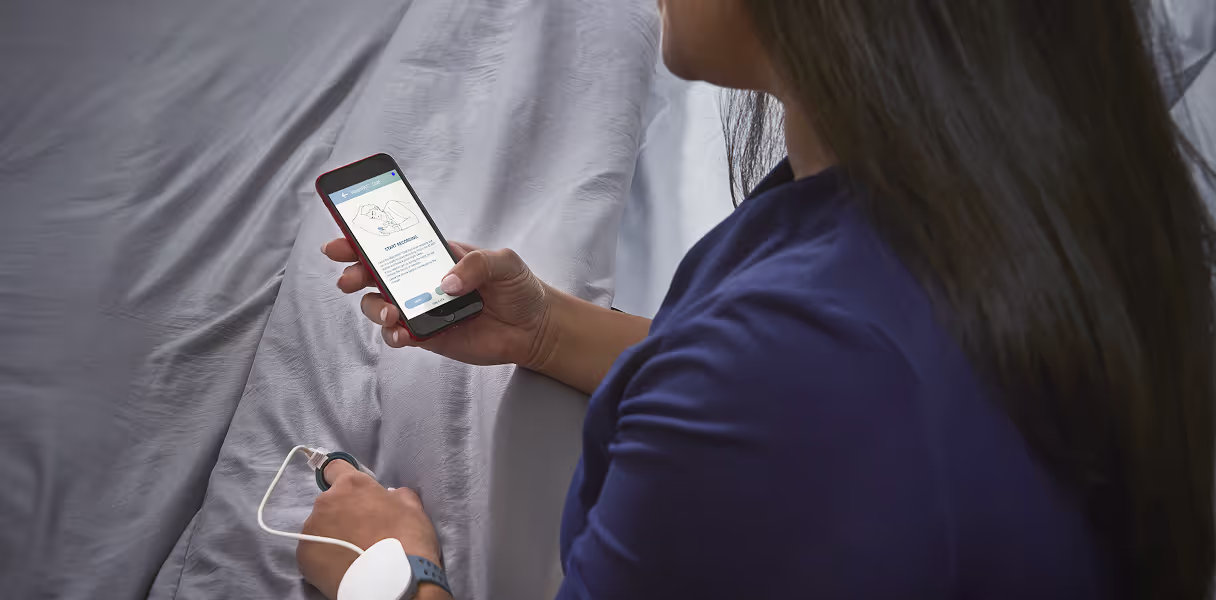
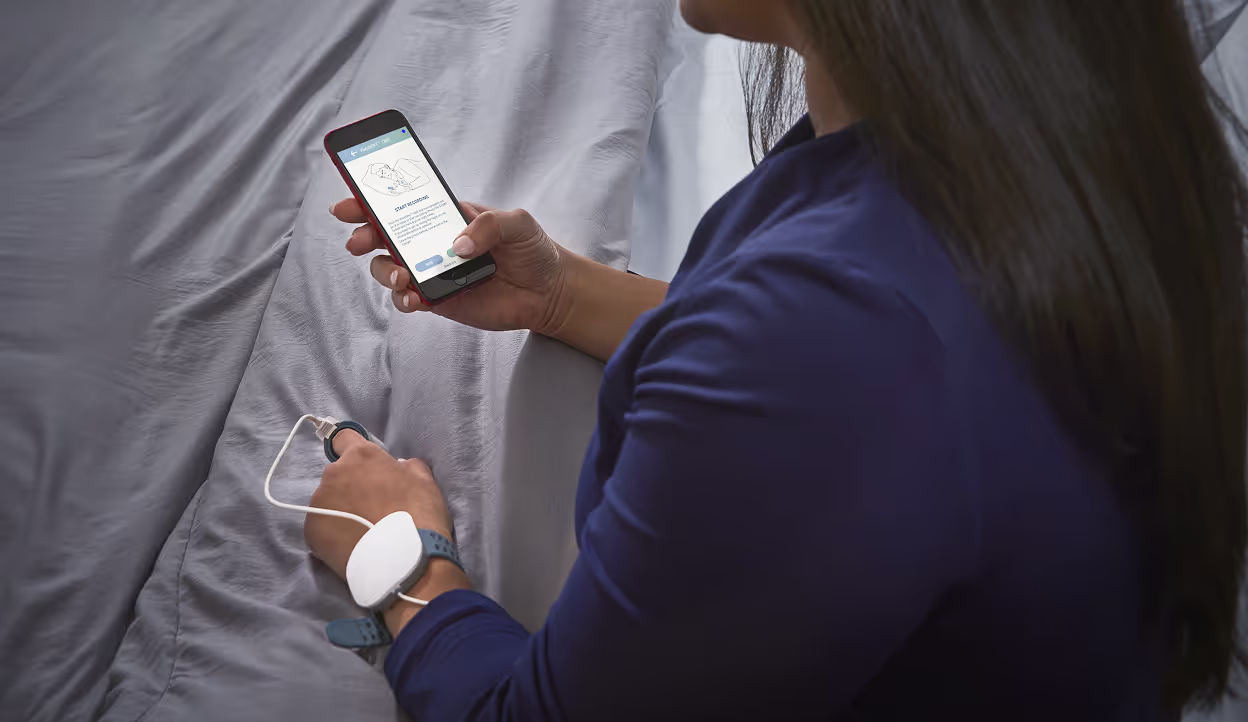
The device typically includes three to four sensors. A nasal pressure sensor or nasal cannula measures airflow through your nasal passages. A pulse oximetry sensor, usually worn on your finger, tracks oxygen saturation and pulse rate using photoplethysmography. An effort belt around your chest or abdomen records respiratory effort, detecting how hard your muscles work to move air. Some devices also record body position and snoring intensity.
You wear the device for a single night of sleep. The sensors collect sleep data continuously, recording every breathing pause, partial airway obstruction, and drop in oxygen levels. After testing, the data is uploaded and analyzed by a board-certified physician who generates a diagnostic report.
Home sleep apnea testing is designed specifically to detect obstructive sleep apnea, the most common sleep disorder affecting an estimated 30 million Americans according to the American Sleep Apnea Association. Obstructive sleep apnea occurs when the muscles in the back of the throat, including the soft palate and tissues around the tonsils, relax during sleep and partially or fully block the airway. This leads to repeated breathing interruptions, drops in oxygen levels, fragmented sleep, and symptoms like chronic snoring, morning headaches, and excessive daytime sleepiness.
The test results are expressed as an Apnea-Hypopnea Index score. The AHI score counts the average number of apneas (complete breathing pauses) and hypopneas (partial airway obstructions) per hour of recorded sleep. An AHI score below 5 is considered normal. An AHI of 5 to 14 indicates mild sleep apnea. An AHI of 15 to 29 indicates moderate sleep apnea. An AHI of 30 or higher indicates severe obstructive sleep apnea.
DID YOU KNOW: The American Academy of Sleep Medicine estimates that approximately 80 percent of moderate to severe obstructive sleep apnea cases in the United States remain undiagnosed, partly because traditional in-lab sleep studies create barriers related to cost, scheduling, and convenience.
KEY TAKEAWAY: A home sleep apnea test uses portable sensors to measure airflow, oxygen saturation, heart rate, and respiratory effort during one night of sleep, producing an AHI score that determines whether obstructive sleep apnea is present and how severe it is.
Understanding how results are scored leads directly to the question of who qualifies for home testing versus an in-lab study.
Who Qualifies for Home Sleep Testing in Wellington, Florida
Most adults with symptoms of obstructive sleep apnea qualify for a home sleep apnea test rather than an in-lab sleep study. The American Academy of Sleep Medicine recommends home sleep testing as the first-line diagnostic approach for adults with a high pretest probability of moderate to severe obstructive sleep apnea and no significant comorbid conditions.
Eligibility Criteria for Home Sleep Testing
You are typically a good candidate for home sleep apnea testing if you meet most of the following criteria:
- You are 18 years of age or older
- You have symptoms consistent with obstructive sleep apnea, such as chronic snoring, witnessed breathing pauses, gasping during sleep, or excessive daytime sleepiness
- You have risk factors for sleep apnea, including a BMI of 30 or higher, a neck circumference greater than 17 inches for men or 16 inches for women, or a family history of sleep apnea
- You do not have significant cardiopulmonary disease such as chronic heart failure or severe pulmonary disease
- You do not have a suspected central sleep apnea component
- You do not have another suspected sleep disorder such as narcolepsy, parasomnias, or periodic limb movement disorder
When In-Lab Polysomnography Is Needed Instead
Certain patients require a full in-lab polysomnography at a sleep center rather than home sleep testing. This includes patients with suspected central sleep apnea, significant cardiovascular and pulmonary diseases, neuromuscular disorders, or coexisting sleep disorders that home devices cannot measure. Polysomnography records additional data channels including brain wave activity (EEG), eye movement, and leg movement, which home sleep devices do not capture.
If your home sleep apnea test results are negative but your symptoms persist, a physician may recommend follow-up in-lab polysomnography. A negative home sleep test does not definitively rule out sleep apnea because home devices can underestimate severity if sensor attachment is imperfect or total sleep time is miscalculated.
Wellington, Florida residents can access home sleep testing through several pathways. Local options include sleep clinics near you, referrals from a primary care physician or neurology specialist, or direct-to-patient telehealth services. dumbo.health ships FDA-cleared home sleep test devices directly to patients in Wellington and throughout Florida, allowing you to complete testing without an in-person appointment, insurance authorization, or prior referral.
IMPORTANT: If you have been diagnosed with or are being evaluated for central sleep apnea, chronic heart failure, or a complex sleep disorder, home sleep testing alone may not provide a complete diagnosis. Discuss the appropriate testing pathway with a healthcare practitioner before ordering.
KEY TAKEAWAY: Most adults with suspected obstructive sleep apnea and no complex comorbidities qualify for home sleep testing, but patients with central sleep apnea, significant cardiopulmonary disease, or coexisting sleep disorders may need in-lab polysomnography for accurate diagnosis.
Knowing whether you qualify is the first step, but understanding the practical process of completing a test at home matters just as much.
How to Complete a Home Sleep Apnea Test: Step by Step
Completing a home sleep apnea test is straightforward when you follow the correct preparation and setup process. Most patients finish the entire process in under a week from ordering to receiving results.
Step-by-Step Process for Home Sleep Testing
1. Order your home sleep test through a provider. dumbo.health offers a home sleep test for $149 with no insurance required, no prior authorization, and direct shipping to your home in Wellington, Florida.
2. Receive the FDA-cleared sleep testing device and review the included instructions. The package typically contains a nasal pressure sensor, a pulse oximetry finger clip, an effort belt, and a recording unit.
3. Prepare for your test night by avoiding alcohol and sedatives for at least 24 hours before testing. Follow your normal bedtime routine. Do not nap excessively during the day.
4. Attach the sensors before going to bed. Place the nasal cannula or nasal pressure sensor under your nose, clip the pulse oximetry sensor on your finger, and secure the effort belt around your chest. Turn on the recording device.
5. Sleep in your normal position for at least 6 hours. The device records airflow, oxygen saturation, heart rate, respiratory effort, and snoring intensity throughout the night.
6. Remove all sensors in the morning and follow the return or data upload instructions. Some devices transmit data automatically. Others require you to ship the device back in a prepaid mailer.
7. A board-certified physician reviews your sleep data and generates a diagnostic report with your AHI score, oxygen desaturation index, and clinical interpretation within days of data receipt. dumbo.health Premium Plan members receive priority results turnaround.
After completing these steps, your physician will discuss your results and recommend a treatment plan if your AHI score indicates obstructive sleep apnea. Most patients move from testing to treatment initiation within one to two weeks when using a streamlined service.
KEY TAKEAWAY: Completing a home sleep apnea test involves ordering a device, wearing three to four sensors for one night of sleep, and returning the device for physician-reviewed results, with most patients receiving a diagnosis within days of testing.
Once your test is complete, understanding what your results actually mean is the next critical step.
Understanding Your Home Sleep Test Results and AHI Score
Your home sleep test results are primarily defined by the Apnea-Hypopnea Index, which quantifies the severity of obstructive sleep apnea based on how many breathing disruptions occur per hour of recorded sleep. The AHI score is the single most important number in your diagnostic report.
How the AHI Score Is Calculated
The AHI score is calculated by dividing the total number of apneas and hypopneas by the total hours of recorded sleep. An apnea is a complete pause in airflow lasting at least 10 seconds. A hypopnea is a partial reduction in airflow (typically 30 percent or more) lasting at least 10 seconds and accompanied by either a drop in oxygen saturation of 3 percent or more or a cortical arousal.
AHI Score Severity Classifications
- AHI below 5: Normal, no clinically significant sleep apnea
- AHI 5 to 14: Mild obstructive sleep apnea
- AHI 15 to 29: Moderate obstructive sleep apnea
- AHI 30 or above: Severe obstructive sleep apnea
Your diagnostic report also includes oxygen desaturation data, showing how low your oxygen saturation dropped during sleep events and how long oxygen levels remained below 90 percent. According to the National Heart, Lung, and Blood Institute, repeated oxygen desaturation during sleep increases the risk of cardiovascular complications, hypertension, and stroke over time.
Additional metrics in a comprehensive sleep test report may include minimum oxygen saturation, average oxygen saturation, time spent below 88 percent saturation, total recording time, estimated sleep time, snoring duration, and body position data.
A board-certified sleep specialist or physician trained in ABIM Sleep Medicine interprets these numbers in the context of your symptoms, medical history, and risk factors. The same AHI score can have different clinical implications depending on how symptomatic you are and whether oxygen desaturation is severe.
dumbo.health includes physician interpretation of your sleep data in all monthly care plans. The Essentials Plan at $59 per month covers physician review, a diagnostic report, and treatment recommendations. Updates are also sent to your referring provider when applicable.
TIP: Request a copy of your full diagnostic report, not just the AHI number. Understanding your oxygen desaturation patterns and total sleep time helps you and your physician make more informed treatment decisions.
KEY TAKEAWAY: The AHI score from your home sleep test classifies obstructive sleep apnea as mild (5 to 14), moderate (15 to 29), or severe (30 plus), and the diagnostic report also includes oxygen saturation data that affects your treatment plan and long-term health risk profile.
With a clear diagnosis in hand, choosing the right treatment approach is the logical next step.
Treatment Options After a Sleep Apnea Diagnosis
CPAP therapy is the most effective and widely recommended treatment for moderate to severe obstructive sleep apnea. However, treatment options extend beyond CPAP and should be matched to the severity of your diagnosis, your anatomy, and your ability to adhere to therapy long term.
CPAP Therapy
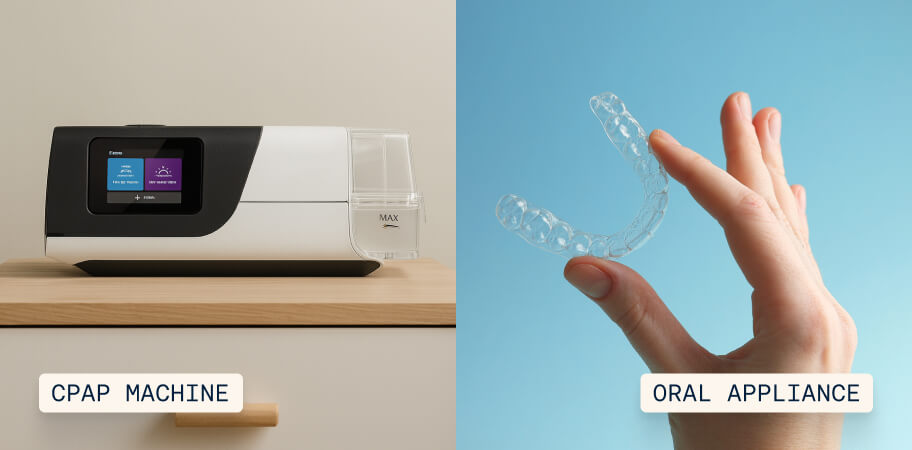
CPAP (continuous positive airway pressure) therapy delivers a steady stream of pressurized air through a mask you wear during sleep. The air pressure keeps your airway open, preventing the soft palate, tonsils, and surrounding oral tissues from collapsing and blocking airflow. According to the Mayo Clinic, CPAP therapy reduces apnea events, improves oxygen saturation throughout the night, decreases daytime sleepiness, and lowers cardiovascular risk over time.
CPAP therapy requires a CPAP machine, a fitted mask, tubing, and regular equipment maintenance. Clinicians frequently observe that the biggest challenge with CPAP is adherence. The Sleep Foundation reports that approximately 50 percent of patients prescribed CPAP stop using it consistently within one year, often due to mask discomfort, pressure intolerance, or lack of follow-up support.
dumbo.health addresses CPAP adherence directly through its care plans. The Essentials Plan at $59 per month includes CPAP therapy, equipment, and standard follow-up care. The Premium Plan at $89 per month adds a dedicated sleep coach, advanced adherence monitoring, and priority results turnaround. For patients who benefit from closer clinical oversight, the Elite Plan at $129 per month provides concierge clinical support and direct physician messaging.
Oral Appliance Therapy
An oral appliance is a custom-fitted device worn in the mouth during sleep that repositions the lower jaw forward, helping to keep the airway open. Oral appliances are a non-invasive therapy option recommended primarily for mild to moderate obstructive sleep apnea or for patients who cannot tolerate CPAP.
Custom-fitted oral devices are designed by a dentist with training in dental sleep medicine. The appliance works by advancing the mandible and preventing the tongue and surrounding muscles from collapsing into the airway. Some Wellington-area dental practices, including those specializing in dental sleep medicine, fabricate these devices.
Oral appliances are generally less effective than CPAP for severe sleep apnea. They may also cause jaw discomfort, bite changes, or temporomandibular joint issues with long-term use.
Positional Therapy and Lifestyle Modifications
For patients with positional sleep apnea, where breathing events occur primarily when sleeping on the back, positional therapy devices can reduce AHI by encouraging side sleeping. Lifestyle modifications such as weight loss, smoking cessation (cigarette smoking increases upper airway inflammation), alcohol avoidance before bed, and regular exercise also contribute to symptom reduction. These approaches are rarely sufficient as standalone treatments for moderate to severe sleep apnea.
Surgical and Anatomical Interventions
Some patients with anatomical contributors to airway obstruction, such as enlarged tonsils, a deviated septum, or jaw misalignment, may benefit from surgical intervention. Options range from uvulopalatopharyngoplasty (removal of excess soft palate tissue) to maxillomandibular advancement surgery (skeletal realignment of the upper and lower jaw to enlarge the airway). These are typically reserved for patients who fail CPAP and oral appliance therapy.
The Vivos System is an FDA-cleared oral device protocol that aims to promote natural airway remodeling through gradual expansion of the upper jaw and dental arches, addressing airway development issues related to head and neck anatomy. It is a longer-term, multidisciplinary approach that differs from standard oral appliance therapy.
Choosing the Right Treatment Plan
The right treatment plan depends on your AHI score, oxygen desaturation severity, symptom burden, anatomy, and personal preferences. A board-certified physician should guide this decision. Many patients report that having structured follow-up care and adherence support makes the difference between starting therapy and actually continuing it long enough to see results.
KEY TAKEAWAY: CPAP therapy remains the gold standard for moderate to severe obstructive sleep apnea, but oral appliances, positional therapy, lifestyle changes, and surgical options may be appropriate depending on severity, anatomy, and patient tolerance.
Choosing a treatment is one decision, but understanding the costs and access pathways in Wellington, Florida helps you actually move forward.
Cost of Home Sleep Testing and Sleep Apnea Treatment in Wellington, Florida
The cost of a home sleep apnea test in Wellington, Florida varies significantly depending on whether you go through insurance, a sleep center, or a self-pay service. Understanding the full cost picture, from testing through ongoing treatment, prevents financial surprises and helps you plan.
Typical Cost Ranges for Sleep Apnea Testing
Home Sleep Apnea Test
- Insurance-based: $150 to $500 after copay and deductible, depending on your plan
- Sleep clinic or sleep center: $200 to $600 out of pocket for self-pay patients
- dumbo.health: $149 (one-time, self-pay, no insurance required)
In-Lab Polysomnography
- Insurance-based: $500 to $3,000+ depending on facility and plan
- Self-pay at a sleep lab: $1,000 to $3,500 in South Florida
CPAP Equipment
- CPAP machine purchase: $500 to $3,000+ depending on model and features
- Monthly rental through insurance: varies based on plan; often requires prior authorization and compliance verification
- dumbo.health CPAP therapy: included in monthly plans starting at $59 per month
Why Self-Pay Makes Sense for Many Patients
Insurance-based sleep apnea testing and treatment often involves prior authorizations, referral requirements, limited provider networks, surprise bills, and months of waiting. Many patients in Wellington and surrounding areas like Royal Palm Beach and Boynton Beach find that the out-of-pocket cost of a self-pay home sleep test is comparable to or less than their insurance copay, especially when factoring in the deductible.
dumbo.health operates as a cash-pay service with transparent pricing. There are no prior authorizations, no surprise bills, and no contracts. Patients purchase the home sleep test for $149 and then choose a monthly treatment plan if diagnosed. All plans are cancel anytime.
Under the No Surprises Act, healthcare providers must offer a Good Faith Estimate of expected charges for self-pay patients. dumbo.health publishes its pricing upfront, so there is nothing to estimate.
Structured Cost Comparison: dumbo.health vs. Traditional Pathways
Home Sleep Test Cost
- dumbo.health: $149 (one-time, includes device and one night of testing)
- Traditional sleep clinic: $200 to $600 self-pay
- Insurance pathway: $150 to $500 after copay/deductible, plus authorization delays
Monthly Treatment Cost
- dumbo.health Essentials: $59/month (CPAP therapy, equipment, physician review, follow-up)
- dumbo.health Premium: $89/month (adds sleep coach, advanced monitoring, priority results)
- dumbo.health Elite: $129/month (adds concierge support, direct physician messaging)
- Insurance CPAP rental: varies; compliance requirements, potential gaps in coverage
Contracts
- dumbo.health: No contracts, cancel anytime
- Insurance plans: Often require compliance verification for continued coverage
Prior Authorization Required
- dumbo.health: No
- Insurance pathway: Typically yes
For most patients seeking straightforward testing and treatment for obstructive sleep apnea, dumbo.health provides the most predictable and affordable pathway.
DID YOU KNOW: A 2020 analysis published in the Journal of Clinical Sleep Medicine found that home sleep apnea testing followed by auto-titrating CPAP was non-inferior to in-lab polysomnography followed by in-lab CPAP titration for clinical outcomes, while costing significantly less.
KEY TAKEAWAY: A home sleep apnea test through dumbo.health costs $149 with no insurance required, and ongoing CPAP therapy starts at $59 per month, making self-pay testing and treatment more affordable and predictable than most insurance-based pathways for Wellington, Florida residents.
Beyond cost, residents also want to know what local resources and providers are available in the Wellington area.
Sleep Apnea Testing and Treatment Resources Near Wellington, Florida
Wellington, Florida is located in western Palm Beach County with convenient access to multiple healthcare facilities, sleep clinics, and specialists. Understanding the local landscape helps you compare options and choose the right testing pathway for your situation.
Local Sleep Centers and Facilities
Several sleep centers and hospitals in the Wellington area offer in-lab polysomnography and sleep disorder evaluations. Wellington Regional Medical Center provides inpatient and outpatient services, including referrals for sleep studies. Joe DiMaggio Children's Hospital, located in Hollywood, Florida, offers pediatric sleep evaluations for children with suspected pediatric otolaryngology-related breathing issues.
Sleep Clinic of America operates in South Florida and offers both in-lab and home sleep testing. Patients in nearby Royal Palm Beach and Boynton Beach may also find testing centers and sleep labs within a short drive.
Specialists Available in the Area
Board-certified physicians in pulmonary disease, critical care medicine, and neurology frequently evaluate patients with sleep disorders. A board certified sleep specialist holds certification through ABIM Sleep Medicine and has completed fellowship training specifically in sleep disorders. A registered polysomnographic technologist (RPSGT) conducts and scores in-lab sleep studies under physician supervision.
Dental providers such as those at Kaufman Dental Associates and Dental Center of Wellington may offer oral appliance therapy for patients diagnosed with mild to moderate obstructive sleep apnea who prefer a non-CPAP option.
Telehealth and At-Home Options
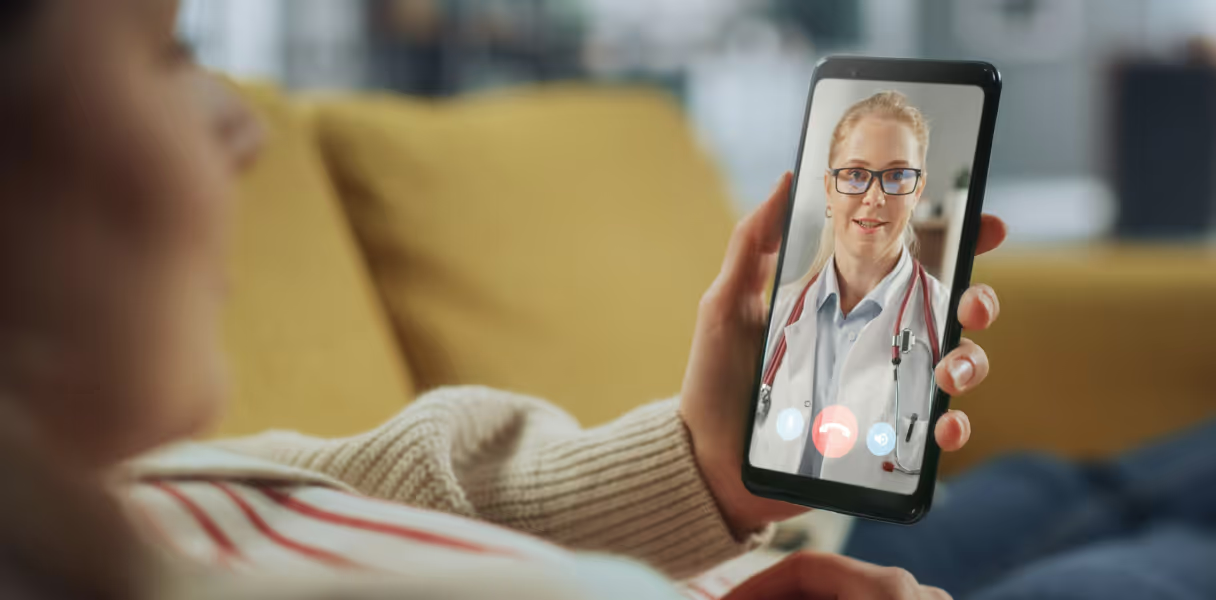
For patients who prefer not to visit a sleep center in person or who face scheduling challenges, telehealth-based sleep apnea testing provides a fully remote alternative. dumbo.health ships FDA-cleared home sleep test devices directly to patients in Wellington, Florida and across the state. The entire process, from ordering the test to receiving your diagnostic report and starting treatment, can be completed without an in-person appointment. This approach is especially practical for patients with limited appointment availability or those who prefer self-pay over navigating health insurance requirements.
Real-World Scenarios
Scenario 1: A 48-Year-Old Wellington Resident With Chronic Snoring
A 48-year-old woman in Wellington has been told by her partner that she snores loudly every night. She wakes up with headaches and feels exhausted by midafternoon. Her primary care doctor suspects obstructive sleep apnea but the nearest sleep center has a 6-week wait for an in-lab study. She orders a home sleep test through dumbo.health for $149, completes the test in her own bed, and receives her results showing moderate sleep apnea (AHI of 22) within a few days. She starts CPAP therapy through the Premium Plan at $89 per month, which includes a dedicated sleep coach to help her adjust to the mask.
Scenario 2: A 55-Year-Old Owner-Operator Based in Royal Palm Beach
A 55-year-old commercial truck driver with a BMI of 37 was flagged for sleep apnea risk during a DOT physical. He needs testing completed quickly to maintain his CDL certification. He has no health insurance. He orders a home sleep test through dumbo.health, tests on a night when he is home in Royal Palm Beach, and receives a diagnostic report confirming severe obstructive sleep apnea (AHI of 41). He enrolls in the Essentials Plan at $59 per month for CPAP therapy and equipment, with updates sent to his DOT examiner.
Scenario 3: A 34-Year-Old With Mild Symptoms and a Family History
A 34-year-old man in Boynton Beach has a family history of sleep apnea. He does not snore loudly but notices he wakes up multiple times at night and feels unrested. His home sleep test shows an AHI of 8 (mild sleep apnea). His physician recommends positional therapy, weight management, and a follow-up retest in 6 months rather than immediate CPAP.
KEY TAKEAWAY: Wellington, Florida residents have access to local sleep centers, board-certified specialists, dental sleep providers, and telehealth-based home sleep testing services like dumbo.health, giving them multiple pathways to diagnosis and treatment based on their needs, preferences, and budget.
Local resources are helpful, but many people delay testing because of myths and misconceptions about sleep apnea and home sleep tests.
Common Myths About Home Sleep Apnea Tests Debunked
MYTH: Home sleep tests are not accurate enough to diagnose sleep apnea.
FACT: The American Academy of Sleep Medicine endorses home sleep apnea testing as a clinically appropriate diagnostic tool for adults with a high pretest probability of obstructive sleep apnea. Studies published in the Journal of Clinical Sleep Medicine have shown that home sleep testing has high sensitivity for detecting moderate to severe obstructive sleep apnea. While home tests may underestimate AHI slightly compared to in-lab polysomnography (because they estimate total sleep time rather than measuring it directly with EEG), this does not prevent accurate clinical diagnosis in the majority of cases.
MYTH: You need a doctor's referral and insurance approval to get a home sleep test.
FACT: Many home sleep apnea testing services, including dumbo.health, operate on a self-pay basis and do not require a physician referral, insurance authorization, or prior approval. You can order a test directly and have results interpreted by a board-certified physician. Insurance may cover home sleep testing if you prefer that route, but it is not a requirement.
MYTH: If your home sleep test is negative, you definitely do not have sleep apnea.
FACT: A negative home sleep test result does not completely rule out obstructive sleep apnea. Factors such as a poor night of sleep, improper sensor placement, or insufficient recording time can produce a false negative. If symptoms persist after a negative home test, a follow-up in-lab polysomnography is recommended. The National Heart, Lung, and Blood Institute notes that clinical evaluation should always consider the full picture of symptoms and risk factors alongside test results.
MYTH: CPAP is the only treatment for sleep apnea.
FACT: While CPAP therapy is the gold standard for moderate to severe obstructive sleep apnea, treatment options also include oral appliances, positional therapy, weight management, and surgical interventions. The right treatment depends on your AHI score, symptom severity, anatomy, and personal preference. A comprehensive treatment plan often combines multiple approaches.
MYTH: Sleep apnea only affects older, overweight men.
FACT: According to the Sleep Foundation, sleep apnea affects people of all ages, genders, and body types. Risk factors include obesity, age, male sex, neck circumference, nasal passage anatomy, and family history, but women, younger adults, and people with a normal BMI can also develop obstructive sleep apnea. Hormonal changes during menopause increase risk for women.
KEY TAKEAWAY: Home sleep apnea tests are clinically validated, do not require insurance or a referral, and are appropriate for most adults with suspected obstructive sleep apnea, but a negative result with persistent symptoms warrants follow-up testing.
Separating fact from fiction is important, but equally valuable is understanding when home sleep testing has genuine limitations.
Limitations of Home Sleep Apnea Testing and When It May Not Work
Home sleep apnea testing is effective for most adults with suspected obstructive sleep apnea, but it has specific limitations that every patient should understand before choosing this pathway.
Limitation 1: Cannot Diagnose Central Sleep Apnea or Complex Sleep Disorders
Home sleep devices do not measure brain wave activity (EEG), which means they cannot differentiate between obstructive and central sleep apnea. Central sleep apnea involves the brain failing to send proper signals to the muscles that control breathing, rather than a physical airway obstruction. If your physician suspects central sleep apnea, neuromuscular disease, or coexisting sleep disorders such as narcolepsy or periodic limb movement disorder, in-lab polysomnography at a sleep center is required.
Limitation 2: AHI May Be Underestimated
Home sleep tests calculate AHI using estimated sleep time rather than EEG-confirmed sleep time. If you spend a significant portion of the recording period awake (lying in bed but not sleeping), the denominator increases and the AHI score may appear lower than it actually is. This can result in mild or borderline sleep apnea being missed. The American Academy of Sleep Medicine recommends that if home test results are negative but clinical suspicion remains high, the patient should undergo in-lab polysomnography.
Limitation 3: Sensor Displacement During Sleep
The accuracy of a home sleep test depends on proper sensor attachment throughout the night. If the nasal pressure sensor shifts, the pulse oximetry finger clip falls off, or the effort belt loosens during sleep, data quality can be compromised. Most modern FDA-cleared home sleep devices include signal quality indicators, but user error remains a factor. Patients who move frequently during sleep or who have physical limitations that make sensor attachment difficult may experience data loss.
Limitation 4: Not Suitable for Pediatric Patients
Home sleep apnea testing is validated for adult patients. Children with suspected sleep-disordered breathing should be evaluated through in-lab polysomnography conducted by a registered polysomnographic technologist. Pediatric sleep apnea involves different diagnostic criteria and may require evaluation by a pediatric otolaryngology specialist.
Limitation 5: Does Not Measure Sleep Architecture
Home sleep tests do not record EEG, electromyography, or electrooculography. This means they provide no data on sleep stages, sleep architecture, arousal frequency, or REM-related breathing events. For patients whose sleep problem involves more than obstructive apnea, such as insomnia, parasomnias, or REM behavior disorder, home testing is insufficient.
How dumbo.health Mitigates These Limitations
dumbo.health provides physician-reviewed interpretation of every home sleep test result. If your test data is inconclusive or suggests a more complex sleep disorder, the reviewing physician can recommend follow-up in-lab testing or a telehealth consultation to discuss next steps. The Premium and Elite plans include clinical team access that helps patients navigate ambiguous results and determine whether additional testing is needed.
IMPORTANT: A home sleep apnea test is a screening and diagnostic tool for obstructive sleep apnea. It is not a substitute for comprehensive evaluation of complex sleep disorders, and a negative result in the presence of persistent symptoms should always be followed up with a healthcare practitioner.
KEY TAKEAWAY: Home sleep testing has genuine limitations including inability to diagnose central sleep apnea, potential AHI underestimation, sensor displacement risk, unsuitability for children, and lack of sleep architecture data, but physician oversight and clinical follow-up pathways help address these gaps.
Being aware of limitations prepares you to use home testing wisely, and having a preparation checklist ensures you get the most accurate results possible.
How to Prepare for Your Home Sleep Apnea Test
Proper preparation significantly improves the accuracy of your home sleep test results. Many patients who receive inconclusive results could have avoided that outcome with better preparation the night before testing.
Home Sleep Test Preparation Checklist
- Avoid alcohol for at least 24 hours before your test night, as alcohol relaxes the airway muscles and can artificially worsen or alter breathing patterns
- Avoid sedative medications unless specifically prescribed and discussed with your physician
- Do not consume caffeine after 2 PM on the day of your test
- Avoid napping for more than 20 minutes during the day so you are tired enough to sleep through the night
- Wash and dry your hands and face before attaching sensors to ensure good skin contact for pulse oximetry and sensor adhesion
- Read all device instructions completely before your test night so you are not troubleshooting at bedtime
- Charge the sleep testing device if required (most devices have battery indicators)
- Trim or file fingernails if excessively long, as this can interfere with the pulse oximetry finger clip
- Remove nail polish or acrylic nails from the testing finger, as these can interfere with accurate oxygen saturation readings
- Set your sleep environment to a comfortable temperature and minimize interruptions
- Plan for at least 6 hours of recording time, which typically means being in bed for at least 7 hours
- Complete your free sleep assessment at dumbo.health before testing to provide relevant sleep history and symptom details to your reviewing physician
Following this checklist maximizes data quality and reduces the chance of needing a repeat test.
KEY TAKEAWAY: Proper preparation, including avoiding alcohol, ensuring good sensor contact, and planning for at least 6 hours of sleep, directly affects the accuracy and reliability of your home sleep apnea test results.
Preparation covers the practical side, but understanding the FDA standards behind the devices used adds an important layer of confidence.
FDA-Cleared Home Sleep Testing Devices: What You Need to Know
Home sleep apnea test devices must be cleared or approved by the U.S. Food and Drug Administration before they can be used for clinical diagnosis. FDA clearance confirms that the device meets established safety and performance standards for measuring airflow, oxygen saturation, and respiratory effort during sleep.
What FDA-Cleared Means for Sleep Testing Devices
An FDA-cleared or FDA-cleared home sleep device has undergone review demonstrating that it is substantially equivalent to an existing legally marketed device (510(k) pathway) or has met more rigorous premarket approval standards. This ensures the sensors accurately record the physiological data needed to calculate an AHI score and support a clinical diagnosis of obstructive sleep apnea.
Common sensor technologies in FDA-cleared home sleep devices include nasal pressure transducers for airflow measurement, pulse oximetry for oxygen saturation and pulse rate, accelerometers for body position and movement, effort belts using piezoelectric or respiratory inductance plethysmography for respiratory effort, and acoustic sensors for snoring detection. Some advanced devices like the NightOwl Home Sleep Test use peripheral arterial tonometry and photoplethysmography in a compact sensor format.
Why Device Clearance Matters
Using a non-FDA-cleared device for sleep apnea diagnosis introduces risk. Data accuracy may be unreliable, which could lead to a missed diagnosis (undiagnosed obstructive sleep apnea continuing to cause harm) or an incorrect severity classification that affects treatment decisions. Insurance providers and regulatory bodies such as the FMCSA for commercial driver medical certification typically require testing performed with FDA-cleared equipment.
dumbo.health uses FDA-cleared home sleep test devices in all testing kits. This ensures that the sleep data collected meets the clinical standards required for physician interpretation and treatment initiation.
Home sleep apnea testing devices are classified as medical devices by the FDA and must comply with HIPAA regulations for data handling and patient privacy. When you complete a test through dumbo.health, your sleep data and diagnostic report are handled in compliance with federal privacy requirements.
KEY TAKEAWAY: FDA-cleared home sleep testing devices have been validated for accuracy in measuring airflow, oxygen saturation, and respiratory effort, and using a cleared device ensures your results meet the clinical standards needed for diagnosis and treatment decisions.
With device standards covered, the next important question is what happens to your sleep data and how it flows from recording to clinical action.
From Sleep Data to Diagnosis: How Your Results Reach a Physician
Sleep data collected during your home sleep test follows a structured pathway from raw recording to clinical diagnosis. Understanding this process helps you trust the results and know what to expect after your test night.
After you complete your night of testing, the device stores raw sleep data including airflow patterns, oxygen saturation levels, heart rate, respiratory effort, body position, and snoring intensity. This data is either uploaded automatically via a wireless connection or transferred when the device is returned to the testing provider.
A trained sleep technician or automated scoring algorithm performs an initial pass on the data, identifying apneas, hypopneas, oxygen desaturations, and artifact segments. The scored data is then reviewed and interpreted by a board-certified physician with training in sleep medicine.
The physician generates a diagnostic report that includes your AHI score, oxygen desaturation index, minimum and average oxygen saturation, total recording time, estimated sleep time, body position analysis, and a clinical interpretation. This report forms the basis for any treatment recommendation.
dumbo.health provides physician interpretation as part of every care plan. Essentials Plan members at $59 per month receive a full physician-reviewed diagnostic report and treatment recommendations. Premium Plan members at $89 per month receive priority results turnaround, meaning your diagnostic report is completed faster. All plans include updates sent to your referring provider or DOT examiner when applicable.
Home sleep test results through dumbo.health are typically available within days of data receipt, compared to weeks of waiting that patients sometimes experience through traditional sleep center pathways with insurance-based scheduling.
Sleep data collected by home sleep devices is protected under HIPAA regulations. Your diagnostic report, sleep history, and health assessment information are stored and transmitted in compliance with federal privacy standards.
KEY TAKEAWAY: Your home sleep test data follows a structured pathway from raw recording to physician-reviewed diagnostic report, with dumbo.health providing board-certified interpretation, clinical recommendations, and provider communication as part of every care plan.
Understanding the data pathway clarifies the clinical rigor behind home testing, and the final step is knowing exactly how to take action.
Taking Action: Getting Started With Home Sleep Apnea Testing in Wellington, Florida
The most important step in addressing a potential sleep problem is moving from suspicion to testing. Every night of undiagnosed obstructive sleep apnea exposes your body to repeated oxygen drops, fragmented sleep, and elevated cardiovascular risk. According to the NIH, untreated obstructive sleep apnea is associated with increased risk of hypertension, heart disease, stroke, type 2 diabetes, and motor vehicle accidents due to excessive daytime sleepiness.
If you experience chronic snoring, witnessed breathing pauses, gasping awake at night, morning headaches, dry mouth upon waking, or persistent daytime fatigue, a home sleep apnea test is the most practical first step toward a diagnosis. You do not need to wait for a referral, navigate insurance plans, or schedule at a sleep lab with a weeks-long wait.
For Wellington, Florida residents and anyone in the surrounding areas of Royal Palm Beach, Boynton Beach, or elsewhere in South Florida, dumbo.health provides a direct path from symptoms to diagnosis to treatment. The home sleep test costs $149, ships to your door, and requires one night of testing. If diagnosed with obstructive sleep apnea, you can begin CPAP therapy through monthly plans starting at $59 per month with no contracts and no insurance required.
Taking a free sleep assessment at dumbo.health is the fastest way to determine whether home sleep testing is right for you.
KEY TAKEAWAY: If you have symptoms of sleep apnea, ordering a home sleep test is the most direct and accessible step you can take, and Wellington, Florida residents can access FDA-cleared testing through dumbo.health for $149 with results reviewed by a board-certified physician.
Acting sooner on testing means sooner access to treatment and, more importantly, to restful sleep.
Conclusion
A home sleep apnea test gives Wellington, Florida residents a clinically validated, convenient, and affordable way to find out whether obstructive sleep apnea is behind their symptoms. The test measures the same core data that drives a diagnosis: airflow, oxygen saturation, heart rate, and respiratory effort. With proper preparation and physician-reviewed results, home testing provides the foundation for a treatment plan that can meaningfully improve your sleep, your health, and your daily energy.
dumbo.health makes the entire process straightforward. The at-home sleep test costs $149 with no insurance required. Monthly CPAP therapy plans start at $59 per month, include equipment and physician oversight, and carry no contracts. If you are in Wellington or anywhere in Florida and suspect sleep apnea is affecting your life, taking the first step toward testing is the single most productive thing you can do for your sleep and your long-term health.
Frequently Asked Questions About Home Sleep Apnea Testing in Wellington, Florida
What is a home sleep apnea test?
A home sleep apnea test (HSAT) is a simplified, portable sleep study you complete in your own bed rather than in a clinic or sleep lab. The device typically records key measurements such as airflow, oxygen saturation, pulse rate, respiratory effort, and snoring. A board-certified physician then reviews the recorded sleep data and generates a diagnostic report. Home sleep testing is commonly used to detect obstructive sleep apnea and is a widely accepted alternative to in-lab polysomnography for many adults with symptoms. A healthcare professional can help determine whether an at-home test is appropriate for your situation.
What is obstructive sleep apnea?
Obstructive sleep apnea (OSA) is a sleep disorder in which the airway becomes partially or fully blocked during sleep, causing repeated breathing interruptions. The obstruction typically occurs when the soft tissue in the throat, including the tongue and soft palate, relaxes and expands, narrowing or closing the airway. These interruptions lower oxygen levels, disrupt sleep quality, and force the body to rouse briefly to restore breathing. According to the American Academy of Sleep Medicine, OSA is one of the most common sleep disorders in adults and is associated with serious health risks if left undiagnosed and untreated.
What are the symptoms of sleep apnea?
Common symptoms of sleep apnea include loud snoring, gasping or choking during sleep, witnessed breathing pauses reported by a sleeping partner, morning headaches, excessive daytime sleepiness, difficulty concentrating, and waking unrefreshed. Not everyone with sleep apnea snores, and many people are unaware of their symptoms because they occur during sleep. Risk factors include high body mass index, large neck circumference, nasal passage narrowing, jaw anatomy, soft palate or tonsil size, alcohol use, and cigarette smoking. If you or a bed partner notice any of these signs, a healthcare professional can advise whether sleep apnea testing is a reasonable next step.
Can sleep apnea be dangerous if left untreated?
Yes. Untreated obstructive sleep apnea is associated with a range of serious health consequences. The CDC and NHLBI link untreated OSA to increased risk of high blood pressure, heart disease, stroke, type 2 diabetes, and impaired cognitive function. Repeated drops in oxygen saturation during sleep place ongoing stress on the cardiovascular and pulmonary systems. Daytime sleepiness caused by poor sleep quality also increases the risk of motor vehicle accidents and workplace errors. A healthcare professional can review your symptoms and help determine whether testing and treatment are appropriate for your circumstances.
Is a home sleep apnea test as accurate as an in-lab sleep study?
A home sleep apnea test is clinically validated for diagnosing moderate to severe obstructive sleep apnea in adults without significant complicating conditions. The American Academy of Sleep Medicine recognises HSATs as an appropriate diagnostic tool for uncomplicated OSA in many patients. However, home sleep tests record fewer data channels than full in-lab polysomnography and may underestimate apnea severity in some cases. Patients with complex sleep disorders, suspected central sleep apnea, significant cardiovascular or pulmonary disease, or inconclusive home test results may be referred for an in-lab sleep study. A physician reviews your results and advises on next steps. You can learn more about the at-home sleep test process at dumbo.health.
What measurements does a home sleep test record?
A home sleep apnea test typically records airflow through a nasal pressure sensor, respiratory effort through an effort belt, oxygen saturation through pulse oximetry, heart rate and pulse rate, and snoring. Some devices also use photoplethysmography or peripheral arterial tonometry to assess cardiovascular and breathing patterns. These measurements are used to calculate the apnea-hypopnea index (AHI), which reflects the average number of breathing interruptions per hour of sleep. The AHI score is central to diagnosing OSA and determining its severity. The specific sensors and recording method vary by device.
What is the apnea-hypopnea index and why does it matter?
The apnea-hypopnea index (AHI) is the primary metric used to assess sleep apnea severity. It measures the average number of apneas (complete breathing pauses) and hypopneas (partial breathing reductions) per hour of sleep. An AHI of fewer than 5 events per hour is generally considered normal in adults. Mild OSA is typically defined as 5 to 14 events per hour, moderate as 15 to 29, and severe as 30 or more. A physician uses the AHI score alongside other sleep data and clinical context to make a diagnosis and recommend a treatment plan. AHI thresholds alone do not determine treatment; clinical judgement is always involved.
What does the $149 home sleep test from dumbo.health include?
The $149 home sleep test from dumbo.health is a one-time, cash-pay purchase that includes the at-home sleep test device and one night of testing. The test is ordered separately from any ongoing monthly care plan. After the test night, sleep data is submitted for physician interpretation. Results, reporting, and ongoing care such as CPAP therapy and adherence follow-up are covered through separate monthly plans. dumbo.health does not require insurance, prior authorisation, or a referral to get started. There are no surprise bills and no long-term contracts.
What ongoing care plans does dumbo.health offer after a sleep test?
dumbo.health offers three monthly plans for ongoing sleep apnea care after testing. The Essentials plan is $59 per month and includes physician interpretation and report, CPAP therapy and equipment, standard follow-up care, and provider updates. The Premium plan is $89 per month and adds a dedicated sleep coach from a licensed care team, advanced adherence monitoring, and priority results turnaround. The Elite plan is $129 per month and adds concierge clinical support, direct physician messaging, and custom reporting. All plans are month-to-month with no contracts and can be cancelled anytime. You can explore sleep apnea care solutions to compare what each plan includes.
Who reviews my home sleep test results?
Physician interpretation is a core part of the home sleep apnea testing process. At dumbo.health, board-certified physicians review the recorded sleep data, generate a diagnostic report, and interpret your AHI score and oxygen saturation findings. The physician review is included in the monthly care plans. A healthcare professional determines the diagnosis and recommends a treatment plan based on the full clinical picture, not just a single number from the device. If a more complex evaluation is needed, the reviewing physician may recommend additional assessment or referral.
Can I use home sleep test results for a CPAP prescription?
In many cases, yes. A physician-interpreted home sleep apnea test that confirms obstructive sleep apnea can support a CPAP prescription. The diagnostic report generated from the test provides the clinical basis for prescribing CPAP therapy. dumbo.health monthly plans include physician interpretation and CPAP equipment as part of the ongoing care pathway. If you already use CPAP and need an updated prescription, a physician review of your current sleep data and treatment history may support that process. A healthcare professional makes the prescribing decision based on your test results and clinical assessment.
What is CPAP therapy and how does it treat sleep apnea?
CPAP stands for continuous positive airway pressure. A CPAP machine delivers a steady stream of pressurised air through a mask worn during sleep, which keeps the airway open and prevents the breathing interruptions caused by obstructive sleep apnea. CPAP therapy is the most widely used and clinically supported treatment for moderate to severe OSA. Mayo Clinic explains that consistent CPAP use can reduce daytime sleepiness, lower blood pressure, and improve overall sleep quality. Treatment effectiveness depends on consistent nightly use and proper mask fit. A healthcare professional can advise on pressure settings, mask selection, and follow-up care. Learn more about CPAP therapy and equipment available through dumbo.health.
What other treatment options exist for sleep apnea besides CPAP?
CPAP therapy is the first-line treatment for moderate to severe OSA, but other options may be considered depending on severity and individual circumstances. Oral appliances, sometimes called mandibular advancement devices or custom-fitted oral devices, reposition the lower jaw to keep the airway open during sleep and are often used for mild to moderate OSA. Positional therapy, weight management, and avoidance of alcohol and sedatives may reduce OSA severity in some patients. Surgical options such as uvulopalatopharyngoplasty target excess tissue in the airway. Some patients with specific anatomical factors may also be evaluated for skeletal realignment or airway development approaches. A healthcare professional can advise on the most appropriate treatment plan based on your diagnosis, AHI score, anatomy, and health history.
What are the risks of leaving snoring or sleep apnea untreated?
Snoring that accompanies obstructive sleep apnea is more than a nuisance. Repeated airway obstruction causes drops in oxygen saturation and triggers the body's stress response throughout the night. The NHLBI links untreated OSA to elevated risk of high blood pressure, coronary artery disease, heart failure, stroke, and metabolic disorders. Chronic sleep deprivation from untreated OSA also affects memory, mood, and concentration. Daytime sleepiness is associated with increased accident risk, which is a particular concern for commercial drivers. If snoring is accompanied by witnessed breathing pauses, gasping, or daytime fatigue, a healthcare professional should assess whether sleep apnea testing is warranted.
Do I need a doctor's referral or prescription to order a home sleep test?
In many cases, you do not need a referral to access a home sleep apnea test. dumbo.health operates as a cash-pay platform and does not require insurance authorisation or a referral from a primary care physician to get started. The free sleep assessment at dumbo.health can help you determine whether at-home testing is a reasonable option based on your symptoms and risk factors. A physician reviews the test results and provides a diagnostic report, which may then be used to support treatment decisions. A healthcare professional remains central to diagnosis and treatment, even in a cash-pay model.
Does insurance cover home sleep apnea testing in Wellington, Florida?
Coverage for home sleep apnea testing varies by insurance plan, insurer, and clinical indication. Many insurance plans cover HSAT when ordered by a physician with documented symptoms and risk factors, but prior authorisation requirements, deductibles, and out-of-pocket costs can make the process unpredictable. dumbo.health is a cash-pay platform that operates outside the insurance system entirely, with no prior authorisations, no surprise bills, and transparent pricing. The home sleep test is $149 as a one-time cost, and monthly care plans begin at $59 per month. This predictable pricing may be useful for patients in Wellington and the broader Palm Beach County area who prefer to plan around a known cost.
How fast can I receive a home sleep test if I live near Wellington or Boynton Beach, Florida?
Shipping speed depends on when you place your order and your delivery address. dumbo.health offers same-day shipping for orders placed before 2:00 PM EST to addresses in areas such as Boynton Beach, Florida, which serves communities across Palm Beach County including Wellington and Royal Palm Beach. Once the device arrives, you complete the test at home on your own schedule, return the device, and await your physician-reviewed diagnostic report. This process is significantly faster than navigating a sleep clinic referral, prior authorisation, and lab appointment scheduling in many cases.
How does a home sleep apnea test compare to a clinic-based sleep study?
An in-lab sleep study, or polysomnography, is conducted in a sleep center or hospital setting and records a broader range of physiological signals than a home sleep test, including brain wave activity (EEG), eye movements, leg movements, and detailed cardiac monitoring. A registered polysomnographic technologist supervises the study in real time. In-lab studies are generally recommended for complex cases, suspected central sleep apnea, or when home test results are inconclusive. Home sleep tests record airflow, respiratory effort, oxygen saturation, heart rate, and snoring, and are appropriate for many adults with a straightforward clinical picture. A physician can advise which type of study is appropriate for your specific situation.
What happens after my home sleep test results are ready?
After the test night, sleep data is submitted for physician interpretation. The reviewing physician analyses the AHI score, oxygen saturation data, and other recorded measurements to generate a diagnostic report. If obstructive sleep apnea is confirmed, the physician may recommend a treatment plan, which can include CPAP therapy, an oral appliance, lifestyle modifications, or referral for further evaluation. At dumbo.health, ongoing care including CPAP equipment, adherence monitoring, and follow-up support is available through monthly plans. If you have urgent symptoms such as severe daytime sleepiness affecting driving safety or chest pain during sleep, seek medical care promptly rather than waiting for a routine result.
Is my personal health information protected when using at-home sleep testing services?
Reputable at-home sleep testing providers are required to handle patient health information in compliance with HIPAA regulations, which govern the privacy and security of protected health information in the United States. When evaluating any sleep testing service, confirm that it uses HIPAA-compliant data handling, secure data transmission, and a clear privacy policy. dumbo.health operates within standard healthcare data protection requirements. If you have specific concerns about how your sleep data, diagnostic report, or personal information is stored or shared, review the provider's privacy policy or contact their support team directly before ordering.
How many hours of sleep do adults typically need?
Most adults need between seven and nine hours of sleep per night to support physical health, cognitive function, and emotional wellbeing, according to the Sleep Foundation. Consistently sleeping fewer than seven hours is associated with increased risk of obesity, cardiovascular disease, impaired immune function, and mood disorders. However, sleep apnea can severely disrupt sleep quality even when a person spends eight or more hours in bed, leaving them unrefreshed in the morning. If you regularly feel tired despite adequate time in bed, snore, or notice other symptoms of disrupted sleep, a healthcare professional can help determine whether a sleep disorder such as OSA may be contributing.
Can snoring alone indicate sleep apnea?
Snoring is one of the most common symptoms of obstructive sleep apnea, but not everyone who snores has OSA, and not everyone with OSA snores loudly. Snoring is caused by airflow vibrating the soft tissues of the throat, including the soft palate, tonsils, and oral tissues, as the airway narrows during sleep. Snoring that is accompanied by gasping, choking, witnessed breathing pauses, or significant daytime sleepiness is more likely to indicate sleep apnea and warrants clinical evaluation. A healthcare professional can assess your symptoms and risk factors, and a home sleep apnea test may help clarify whether sleep-disordered breathing is present. You can take the free sleep assessment at dumbo.health as a starting point.
Are home sleep apnea tests FDA-cleared?
Many home sleep testing devices used by clinical providers are cleared by the FDA as medical devices appropriate for diagnosing sleep-disordered breathing. FDA clearance means the device has been evaluated for safety and effectiveness for its intended use. The specific regulatory status varies by device model. Reputable sleep testing providers use FDA-cleared devices and ensure that results are interpreted by qualified physicians rather than generated solely by an algorithm. When choosing a home sleep test, confirm that the device is FDA-cleared and that physician interpretation is included in the process.
How does sleep apnea affect commercial drivers and CDL holders?
Commercial drivers with undiagnosed or untreated obstructive sleep apnea face meaningful safety and regulatory risks. Severe daytime sleepiness caused by OSA increases crash risk, which the FMCSA recognises as a serious concern for commercial vehicle operators. While FMCSA does not mandate universal sleep apnea screening, certified medical examiners performing DOT physicals may refer drivers for sleep apnea evaluation based on symptoms, body mass index, neck circumference, and other risk factors. Drivers who are referred for evaluation may need to demonstrate diagnosis and, if applicable, treatment adherence before a medical examiner can issue a medical certificate. dumbo.health can support sleep apnea testing and ongoing care documentation for commercial drivers, but a certified medical examiner makes all DOT certification decisions. Learn more about DOT sleep apnea testing at home for commercial drivers.
What is the difference between a home sleep test and a home sleep study?
The terms home sleep test (HST), home sleep apnea test (HSAT), and home sleep study are generally used interchangeably to describe the same type of portable, at-home diagnostic evaluation for sleep-disordered breathing. All three refer to a process in which a portable device records physiological data during sleep at home, which is then reviewed by a physician to assess for conditions such as obstructive sleep apnea. In contrast, a full in-lab sleep study or polysomnography is conducted in a clinical sleep center under direct supervision. If you see these terms used by different providers, confirm what measurements the device records and whether physician interpretation is included.
How do I get started with a home sleep apnea test through dumbo.health?
Getting started is straightforward. You can take the free sleep assessment at dumbo.health to determine whether at-home sleep testing may be appropriate based on your symptoms and health history. If testing is appropriate, you can order the $149 home sleep test, which includes the device and one night of testing. After completing the test, you submit the sleep data and a physician reviews it to produce a diagnostic report. Ongoing care including CPAP therapy, equipment, adherence monitoring, and provider reporting is available through monthly plans starting at $59 per month. No insurance, referral, or prior authorisation is required. Get started with a sleep assessment today.