



Home Sleep Apnea Test in Boynton Beach, Florida: The Complete Guide to At-Home Diagnosis
A home sleep apnea test in Boynton Beach, Florida allows you to screen for obstructive sleep apnea from your own bed using a portable device that tracks breathing patterns, oxygen saturation, and heart rate overnight. The American Academy of Sleep Medicine estimates that roughly 80% of moderate to severe obstructive sleep apnea cases remain undiagnosed in the United States. This guide is written for Boynton Beach residents, South Florida workers, commercial drivers, and anyone who suspects a sleep disorder but wants a convenient, affordable path to diagnosis. You will learn how home sleep testing works, what the results mean, how it compares to an in-lab polysomnography, and which treatment options follow a positive diagnosis. If you have been putting off sleep apnea testing because of cost, scheduling, or insurance barriers, the information ahead will change how you think about getting tested.
Quick Answer
A home sleep apnea test in Boynton Beach, Florida is a portable diagnostic screening you complete in your own bed. The device uses sensors to measure airflow, respiratory effort, oxygen levels, and pulse rate while you sleep. Results are reviewed by a board-certified sleep physician who generates an Apnea-Hypopnea Index score to confirm or rule out obstructive sleep apnea. Most patients receive their diagnostic report within days. dumbo.health offers a home sleep test for $149 with no insurance required, plus physician-reviewed results and treatment plans starting at $59 per month.
Key Takeaways
- A home sleep apnea test records oxygen saturation, airflow, respiratory effort, and heart rate during one night of sleep at home.
- The Apnea-Hypopnea Index score from the test determines whether you have mild, moderate, or severe obstructive sleep apnea.
- Home sleep testing is significantly more affordable than in-lab polysomnography, which can cost $1,000 or more without insurance.
- dumbo.health provides a home sleep test for $149 with no insurance needed, no prior authorization, and no surprise bills.
- Obstructive sleep apnea affects an estimated 30 million adults in the United States, and the majority remain undiagnosed according to the American Academy of Sleep Medicine.
- Home sleep tests are not designed to diagnose central sleep apnea, narcolepsy, parasomnias, or other complex sleep disorders.
What Is a Home Sleep Apnea Test and How Does It Work
A home sleep apnea test is a portable diagnostic device you wear for one night to detect signs of obstructive sleep apnea while sleeping in your own bed. Unlike an in-lab polysomnography conducted at a sleep lab or sleep center, a home sleep test focuses on respiratory channels rather than full neurological monitoring.
What the Device Measures
The sensors on a home sleep apnea test typically record four to six data channels. These include nasal airflow using a cannula or thermistor, respiratory effort measured by chest or abdominal belts, oxygen saturation tracked through a finger pulse oximeter, and pulse rate. Some advanced devices such as the NightOwl Home Sleep Test use photoplethysmography and peripheral arterial tonometry to capture data from a single fingertip sensor, while devices like the Zmachine Synergy use FDA-cleared EEG-based algorithms to track sleep stages and brain activity through an electroencephalogram signal.
Regardless of the specific device, the core purpose remains the same: measuring how many times per hour your breathing partially or fully stops during sleep. That measurement produces an Apnea-Hypopnea Index score. An AHI score below 5 is considered normal. An AHI of 5 to 14 indicates mild obstructive sleep apnea. An AHI of 15 to 29 indicates moderate obstructive sleep apnea. An AHI of 30 or above indicates severe obstructive sleep apnea, according to the American Academy of Sleep Medicine.
Why It Matters for Boynton Beach Residents
Boynton Beach and the broader Palm Beach County area have a significant population of adults over 40, a demographic group where obstructive sleep apnea prevalence rises sharply. Access to sleep centers in your area can involve wait times of several weeks for an in-lab appointment, while a home sleep test can be completed within days of ordering. For patients who work non-traditional hours, who drive commercially along Florida corridors, or who simply prefer the comfort of testing at home, a home sleep apnea test removes the most common barriers to diagnosis.
dumbo.health ships an at-home sleep test directly to patients in Boynton Beach, Florida for $149 with no insurance required and no prior authorization needed. The entire process is managed through telehealth, making it accessible even for out-of-state patients or those without a sleep physician close to them.
KEY TAKEAWAY: A home sleep apnea test measures airflow, oxygen saturation, respiratory effort, and heart rate overnight to produce an AHI score that determines the presence and severity of obstructive sleep apnea.
Understanding what a home sleep test measures sets the stage for recognizing who actually needs one.
Who Should Get a Home Sleep Test in Boynton Beach
Adults with symptoms of obstructive sleep apnea who do not have significant comorbid sleep disorders are the primary candidates for home sleep testing. The test is best suited for patients with a moderate to high pre-test probability of obstructive sleep apnea.
Symptoms That Indicate Testing
The most common symptoms that lead a healthcare practitioner to recommend sleep apnea testing include loud, chronic snoring, witnessed pauses in breathing during sleep, excessive daytime sleepiness, morning headaches, waking with a dry mouth, and difficulty concentrating. The Sleep Foundation reports that snoring affects approximately 57% of adult men and 40% of adult women, though not all snoring indicates sleep apnea. The distinction matters because sleep apnea involves measurable drops in oxygen levels and disrupted sleep patterns that snoring alone does not produce.
If you experience three or more of these symptoms regularly, testing is clinically appropriate. Clinicians frequently observe that patients who have lived with symptoms for years often normalize them, attributing daytime fatigue to stress or aging rather than a treatable airway obstruction.
Risk Factors Common in South Florida
Certain risk factors increase the likelihood of obstructive sleep apnea. A body mass index above 30, a neck circumference greater than 17 inches in men or 16 inches in women, age over 40, male sex, and a family history of sleep apnea all elevate risk. The CDC notes that obesity is one of the strongest predictors of obstructive sleep apnea, and Florida's adult obesity rate has been trending upward, making screening more relevant for Boynton Beach residents year after year.
Commercial drivers, first responders, and shift workers in the Boynton Beach area face additional risk because irregular sleep patterns and chronic sleep deprivation can worsen underlying sleep-disordered breathing. Anyone preparing for a DOT physical who has a BMI above 35 may be referred for mandatory sleep apnea testing, a scenario covered in detail in DOT sleep apnea testing at home.
DID YOU KNOW: The National Heart, Lung, and Blood Institute estimates that more than 50% of people with obstructive sleep apnea are either overweight or obese, making BMI one of the most reliable screening indicators.
Real-World Scenarios
A 48-year-old office manager living near Boynton Beach Blvd notices her husband has started sleeping in another room because of her loud snoring. She wakes most mornings with a headache and feels exhausted by 2 PM despite sleeping seven hours. Her primary care doctor suspects obstructive sleep apnea but the nearest sleep lab has a six-week wait for an overnight polysomnography appointment. She orders a home sleep test through dumbo.health, completes it that weekend, and receives her diagnostic report showing an AHI score of 22, confirming moderate obstructive sleep apnea within five days.
A 55-year-old long-haul truck driver based in Palm Beach County needs clearance for his DOT medical certificate. His examiner flags a BMI of 38 and neck circumference of 18 inches and requires a sleep apnea evaluation before issuing certification. Rather than losing days of income waiting for a sleep center appointment, he completes a home sleep test at home and starts CPAP therapy through dumbo.health's Essentials Plan at $59 per month while keeping his commercial driving career on track.
A 34-year-old fitness trainer in Boynton Beach has a normal BMI but reports waking up gasping multiple times per week. Her dentist noticed signs of teeth grinding and a narrow airway during a routine exam. Despite not fitting the typical profile, her home sleep test reveals mild obstructive sleep apnea with an AHI of 9, leading her to explore oral appliance therapy as a treatment option.
KEY TAKEAWAY: Home sleep testing is appropriate for adults with symptoms such as snoring, witnessed breathing pauses, and daytime sleepiness, particularly when risk factors like elevated BMI, age over 40, or a physically demanding job are present.
Once you know whether testing is right for you, the next step is understanding exactly how the process works from start to finish.
How to Complete a Home Sleep Apnea Test: Step by Step
Completing a home sleep apnea test involves a straightforward process that most patients finish within one week from order to results. No appointment at a sleep lab or sleep center is required.
Step-by-Step Process
1. Complete a free sleep assessment online at dumbo.health to evaluate your symptoms, sleep history, and risk factors. This health assessment takes approximately five minutes.
2. A board-certified sleep physician reviews your assessment and determines whether a home sleep test is clinically appropriate for your situation. If another type of evaluation is needed, the physician will advise you before any charge.
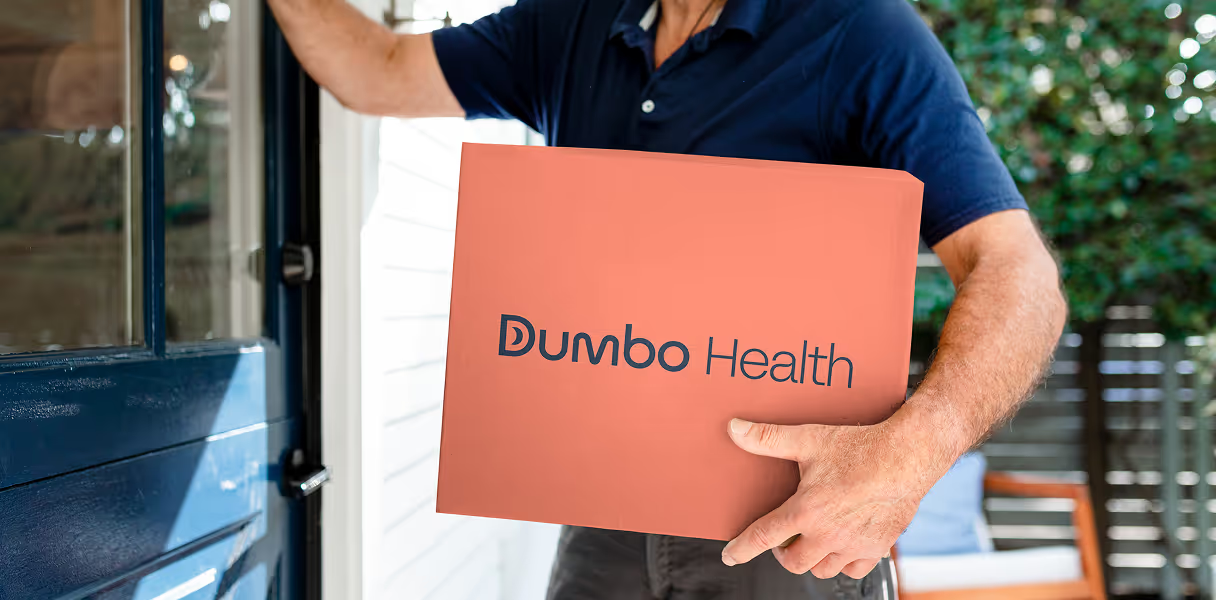
3. Order your home sleep test through dumbo.health for $149. The device ships directly to your address in Boynton Beach or anywhere in Florida. No insurance, no prior authorization, and no referral are needed.
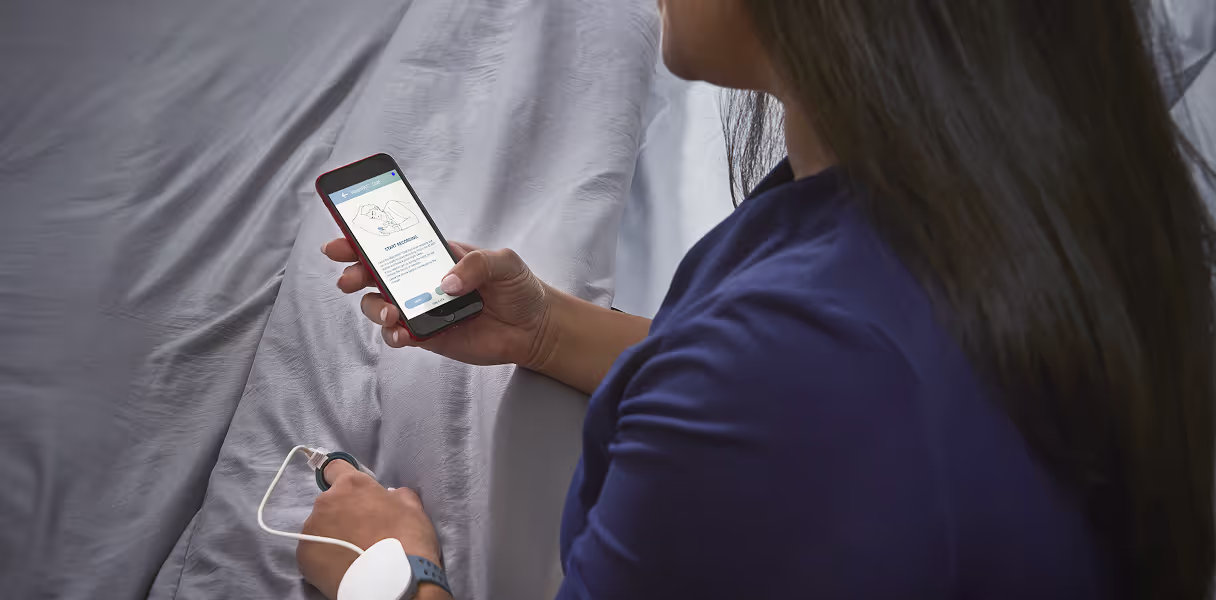
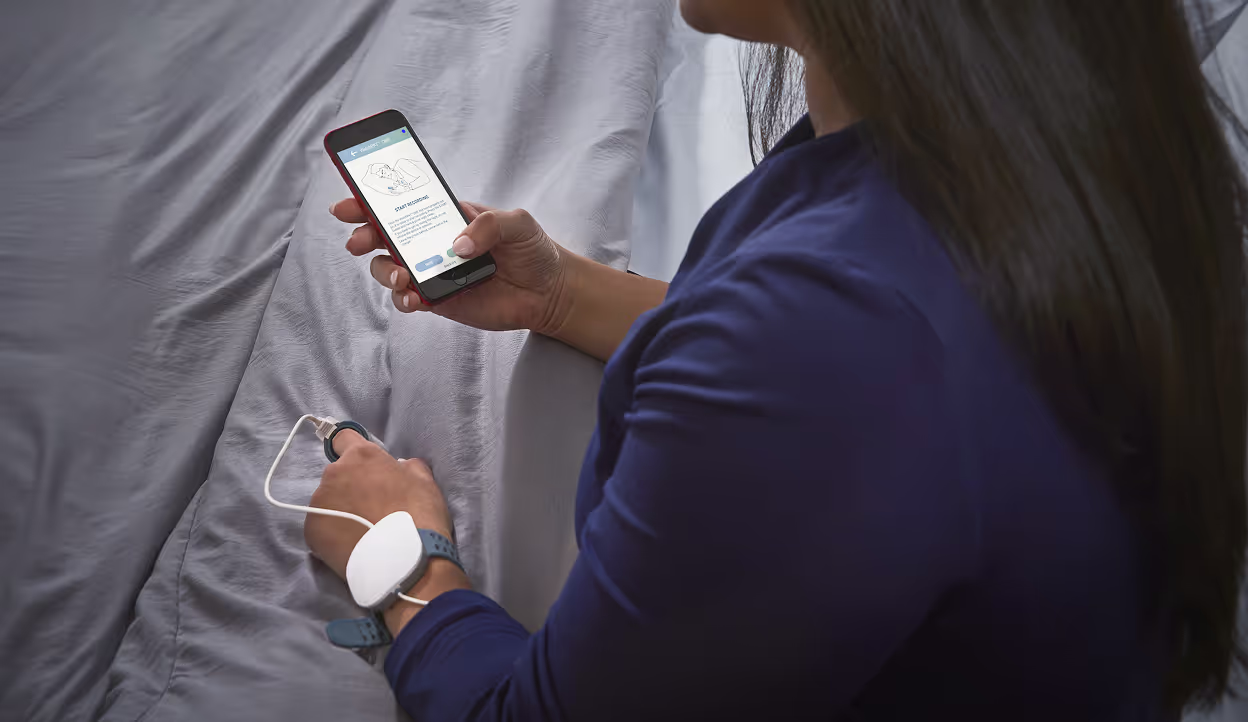
4. On your test night, attach the sensors according to the included instructions. Most devices require a nasal cannula, a finger pulse oximeter, and a chest sensor. The setup takes approximately 10 minutes.
5. Sleep in your own bed as you normally would. The device records airflow, oxygen saturation, respiratory effort, heart rate, and in some cases sleep stages throughout the night.
6. Return the device using the prepaid shipping label provided or follow the specific return instructions included with your device model.
7. A sleep physician interprets your sleep data and generates a diagnostic report that includes your Apnea-Hypopnea Index score, oxygen desaturation data, and a clinical assessment of whether obstructive sleep apnea is present and at what severity.
8. Receive your results through a secure telehealth consultation or digital portal. If your AHI score confirms obstructive sleep apnea, your physician discusses treatment options including CPAP therapy, oral appliance therapy, or referral for further evaluation.
After completing these steps, most patients have a clear diagnosis and a treatment plan within one week. dumbo.health's Premium Plan at $89 per month includes priority results turnaround and a dedicated sleep coach to guide you through every step after diagnosis.
KEY TAKEAWAY: The entire home sleep test process, from assessment to diagnosis, can be completed in under one week without visiting a sleep lab, making it the fastest path to an obstructive sleep apnea diagnosis for most Boynton Beach patients.
With the process covered, the next critical question is what your results actually mean and what happens after the test.
Understanding Your Home Sleep Test Results
Your diagnostic report translates a night of sensor data into a clinical picture of your breathing during sleep. The most important number on that report is your Apnea-Hypopnea Index score.
What the AHI Score Means
The Apnea-Hypopnea Index measures the average number of apneas (complete breathing stops) and hypopneas (partial breathing reductions) per hour of recorded sleep. The American Academy of Sleep Medicine classifies severity as follows:
- Normal: AHI below 5 events per hour
- Mild obstructive sleep apnea: AHI of 5 to 14 events per hour
- Moderate obstructive sleep apnea: AHI of 15 to 29 events per hour
- Severe obstructive sleep apnea: AHI of 30 or more events per hour
A patient with an AHI of 25 experiences roughly 25 partial or complete breathing interruptions every hour throughout the night. Over eight hours, that translates to approximately 200 disruptions, each one pulling the body out of restorative sleep stages and triggering drops in oxygen saturation.
Oxygen Desaturation and Other Metrics
Beyond the AHI score, your diagnostic report includes oxygen desaturation data showing how low your blood oxygen levels drop during apnea events. A normal resting oxygen saturation is typically between 95% and 100%. Repeated drops below 90% during sleep are clinically significant and associated with increased cardiovascular risk, according to the National Heart, Lung, and Blood Institute.
Your report may also include average and minimum heart rate readings, time spent in different oxygen saturation ranges, total recording time, and the percentage of the night spent in supine (back-sleeping) versus lateral positions. Clinicians frequently observe that some patients experience apnea events primarily while sleeping on their back, a pattern known as positional obstructive sleep apnea.
What Happens After a Positive Diagnosis
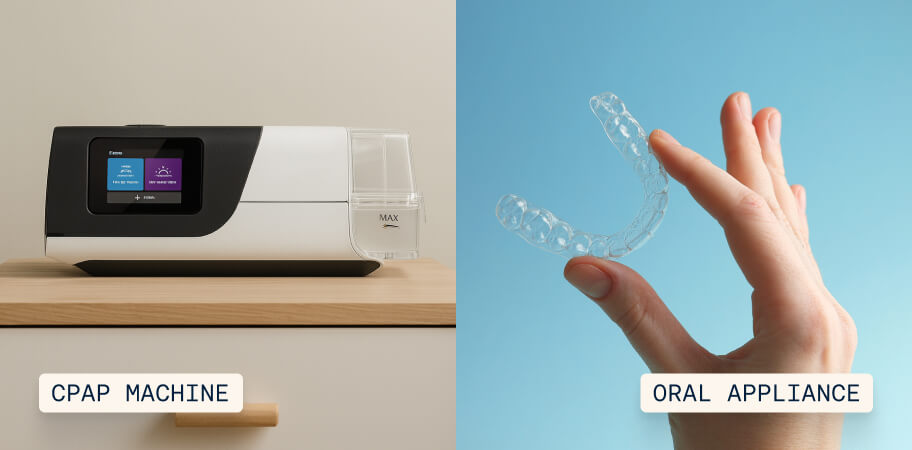
If your results confirm obstructive sleep apnea, your sleep physician will recommend a treatment plan tailored to the severity of your condition. For moderate to severe cases, CPAP therapy is the first-line treatment recommended by the American Academy of Sleep Medicine. CPAP stands for continuous positive airway pressure, and the machine delivers a steady stream of air through a mask to keep the airway open during sleep.
dumbo.health's care plans include CPAP therapy and equipment as part of the monthly subscription. The Essentials Plan at $59 per month covers a CPAP machine, physician interpretation, and standard follow-up care with no contracts and the ability to cancel anytime. For patients who want more hands-on support, the Premium Plan at $89 per month adds a dedicated sleep coach, advanced adherence monitoring, and priority results turnaround.
IMPORTANT: An AHI score in the normal range does not always rule out a sleep disorder. If symptoms persist despite a negative home sleep test, your physician may recommend an in-lab polysomnography to evaluate for conditions that a home test cannot detect, such as central sleep apnea, narcolepsy, or parasomnias.
KEY TAKEAWAY: The AHI score is the primary metric from a home sleep test, and a score of 5 or above with symptoms warrants a treatment conversation with a board-certified sleep physician.
Knowing how to interpret results naturally leads to the question of how home testing compares to the traditional alternative.
Home Sleep Test vs. In-Lab Polysomnography: Which Is Right for You
A home sleep apnea test and an in-lab polysomnography both detect obstructive sleep apnea, but they differ significantly in cost, convenience, scope, and clinical application. Choosing the right test depends on your symptoms, risk factors, and what your healthcare practitioner suspects.
What Polysomnography Measures That Home Tests Do Not
An in-lab polysomnography is the gold standard for comprehensive sleep evaluation. Conducted at a sleep lab or sleep disorders center, a polysomnogram tracks brain wave activity through an electroencephalogram, eye movements, muscle movement, respiratory effort, airflow, oxygen saturation, heart rate, and leg movements. This full picture allows sleep specialists to diagnose not only obstructive sleep apnea but also central sleep apnea, narcolepsy, restless legs syndrome, parasomnias, circadian rhythm disorders, hypersomnia, and other complex sleep disorders.
A home sleep test focuses primarily on respiratory channels. It does not monitor brain activity or sleep stages unless equipped with specialized sensors like the Zmachine Synergy. This means a home test cannot confirm how much time you spend in each sleep stage, cannot diagnose narcolepsy (which requires a multiple sleep latency test), and cannot reliably detect central sleep apnea where the brain fails to send proper breathing signals.
Structured Comparison
Here is how the two testing options compare across decision-relevant factors.
Setting
- Home Sleep Apnea Test: Your own bed at home in Boynton Beach or anywhere in Florida
- In-Lab Polysomnography: Sleep lab, hospital, or sleep disorders center near you
Cost Without Insurance
- Home Sleep Apnea Test: Typically $149 to $500 (dumbo.health offers it for $149)
- In-Lab Polysomnography: Often $1,000 to $3,000 or more
Channels Monitored
- Home Sleep Apnea Test: 4 to 6 channels (airflow, oxygen, effort, heart rate)
- In-Lab Polysomnography: 12 or more channels including EEG, EMG, and EOG
Convenience
- Home Sleep Apnea Test: High, no travel, no overnight facility stay
- In-Lab Polysomnography: Low, requires overnight stay at a sleep center
Turnaround for Results
- Home Sleep Apnea Test: Typically 3 to 7 days
- In-Lab Polysomnography: Often 1 to 3 weeks
Conditions Diagnosed
- Home Sleep Apnea Test: Obstructive sleep apnea primarily
- In-Lab Polysomnography: Full range of sleep disorders including central sleep apnea, narcolepsy, parasomnias, restless legs syndrome, and circadian rhythm disorders
Best For
- Home Sleep Apnea Test: Patients with moderate to high suspicion of obstructive sleep apnea and no suspected comorbid sleep disorders
- In-Lab Polysomnography: Patients with suspected central sleep apnea, narcolepsy, complex medical histories, or inconclusive home test results
For the majority of adults in Boynton Beach who present with snoring, witnessed apneas, and daytime sleepiness without other complex neurological symptoms, a home sleep apnea test is clinically appropriate and far more accessible. The American Academy of Sleep Medicine supports the use of home sleep testing for uncomplicated obstructive sleep apnea diagnosis in adult patients.
KEY TAKEAWAY: A home sleep test is the right first step for most adults suspected of having obstructive sleep apnea, while polysomnography is reserved for complex cases involving multiple potential sleep disorders.
Accessibility and cost are often the deciding factors, which brings us to what Boynton Beach patients actually pay for testing and treatment.
Cost of Sleep Apnea Testing and Treatment in Boynton Beach
The cost of sleep apnea diagnosis and treatment varies widely depending on whether you use insurance, pay out of pocket, visit a sleep center, or use a telehealth-based service. For many Boynton Beach residents, the lack of transparent pricing has been a major barrier to getting tested.
What Sleep Centers Typically Charge
An in-lab polysomnography at a sleep disorders center in the Boynton Beach area or greater Palm Beach County typically costs between $1,500 and $3,000 for patients paying out of pocket. Even with medical insurance, copays and deductibles can make the total cost unpredictable. Patients often report receiving surprise bills weeks after their appointment. When prior authorization is required by insurance plans, delays of two to four weeks are common before the test can even be scheduled.
CPAP machines purchased through traditional medical equipment suppliers typically cost $500 to $1,500 for the device alone, not including masks, tubing, filters, or ongoing physician follow-up. Many patients also face the challenge of navigating insurance requirements for prior authorizations and compliance tracking to keep their CPAP coverage.
How dumbo.health Simplifies Pricing
dumbo.health operates on a self-pay, cash-pay model designed to eliminate every financial barrier that delays diagnosis. The home sleep test costs $149 as a one-time purchase. No insurance is required. No prior authorization. No surprise bills. No Good Faith Estimate guesswork.
After diagnosis, treatment through dumbo.health follows a transparent monthly plan structure:
Essentials Plan
- $59 per month (approximately $2 per day)
- Includes physician interpretation, CPAP therapy and equipment, standard follow-up care, and updates to your referring provider
- No contracts, cancel anytime
Premium Plan (Most Popular)
- $89 per month (approximately $3 per day)
- Everything in Essentials plus a dedicated sleep coach, advanced adherence monitoring, and priority results turnaround
- No contracts, cancel anytime
Elite Plan
- $129 per month (approximately $4 per day)
- Everything in Premium plus concierge clinical support, direct physician messaging, and custom reporting for your practice
- No contracts, cancel anytime
For a Boynton Beach patient who suspects sleep apnea but does not have insurance or faces high deductibles, the total first-month cost through dumbo.health is $149 for the test plus $59 for the Essentials Plan, totaling $208 for diagnosis, physician review, and CPAP therapy. Compare that to the $2,000 to $4,000 a patient might spend on an in-lab study plus equipment through traditional channels.
TIP: If you are a self-pay patient or an out-of-state patient visiting South Florida, dumbo.health's telehealth model means you do not need to find a sleep center near you or schedule an in-person appointment in Boynton Beach to get diagnosed and treated.
KEY TAKEAWAY: dumbo.health's transparent cash-pay pricing of $149 for a home sleep test and $59 per month for CPAP therapy eliminates the cost uncertainty and insurance delays that prevent many Boynton Beach patients from getting diagnosed.
Cost is one barrier. Understanding what treatment actually looks like is the next.
Treatment Options After a Sleep Apnea Diagnosis
CPAP therapy is the first-line treatment for moderate to severe obstructive sleep apnea, but it is not the only option. The right treatment plan depends on your AHI score, the severity of your airway obstruction, your anatomy, and your personal preferences.
CPAP and BiPAP Therapy
Continuous positive airway pressure therapy works by delivering pressurized air through a mask worn during sleep, keeping the airway open and preventing apnea events. According to the American Academy of Sleep Medicine, CPAP therapy reduces the AHI to below 5 in the majority of patients when used consistently. The standard recommendation is to use CPAP for a minimum of four hours per night on at least 70% of nights, though greater usage correlates with better outcomes.
BiPAP (bilevel positive airway pressure) operates similarly but delivers two different pressure levels, one for inhalation and a lower one for exhalation. BiPAP is typically prescribed for patients who cannot tolerate standard CPAP or who have more complex breathing patterns. Adaptive servo ventilation is another advanced option reserved primarily for certain forms of central sleep apnea or complex sleep-disordered breathing.
dumbo.health includes CPAP therapy and equipment in all monthly plans, starting with the Essentials Plan at $59 per month. This eliminates the upfront cost of purchasing a CPAP machine separately, which can run $500 to $1,500 at traditional suppliers.
Oral Appliance Therapy
For patients with mild to moderate obstructive sleep apnea who cannot tolerate CPAP, an oral device (also called an oral appliance) offers an alternative. These custom-fitted dental devices work by repositioning the lower jaw forward to open the airway during sleep. Oral appliance therapy is most effective when the airway obstruction is related to tongue position or jaw anatomy rather than severe soft tissue collapse.
Surgical and Advanced Options
When CPAP and oral devices are not effective or tolerated, surgical treatment options may be considered. These include tonsillectomy for enlarged tonsils contributing to airway obstruction, correction of a deviated septum, turbinate reduction for nasal obstruction, removal of nasal polyps, Inspire Upper Airway Stimulation Therapy (a surgically implanted device that stimulates the hypoglossal nerve to keep the airway open), and transoral robotic surgery for targeted tissue removal. MARPE expansion (miniscrew-assisted rapid palatal expansion) addresses narrow palatal arches that contribute to airway restriction. Myofunctional therapy and tongue tie release target the orofacial muscles and lingual frenulum to improve airway function through exercises and soft tissue management.
These procedures are typically recommended by an ear, nose, and throat specialist or ENT practice after less invasive treatments have been attempted. A tracheotomy, which creates a direct opening in the airway, is reserved for the most severe and treatment-resistant cases.
Lifestyle Modifications
Weight loss, positional therapy (avoiding sleeping on the back), reducing alcohol consumption before bed, and treating nasal congestion can improve mild obstructive sleep apnea and enhance the effectiveness of CPAP or oral device therapy. The NIH emphasizes that even a 10% reduction in body weight can significantly reduce AHI in overweight patients.
IMPORTANT: Treatment selection should always be guided by a board-certified sleep physician who has reviewed your diagnostic report and sleep history. Self-treating sleep apnea or discontinuing CPAP without medical guidance can allow symptoms and health risks to return.
KEY TAKEAWAY: CPAP therapy remains the most effective treatment for moderate to severe obstructive sleep apnea, and dumbo.health includes CPAP equipment and physician oversight in plans starting at $59 per month with no contracts.
Treatment is only effective if it is followed through. Here is what to check before you start.
Preparing for Your Home Sleep Test: What to Know and Bring
Proper preparation ensures your home sleep test produces accurate, usable data on the first attempt. Many patients report that the test is simpler than they expected, but a few preparation steps make the difference between a clean study and one that needs to be repeated.
Pre-Test Checklist
- Confirm your test night is a typical sleep night, not a night after unusual exertion or travel
- Avoid alcohol for at least 24 hours before the test, as it alters breathing patterns and can skew results
- Avoid caffeine after noon on the day of the test
- Remove nail polish or artificial nails from the finger where the pulse oximeter sensor will be placed
- Shower before attaching sensors, as oils and lotions on the skin can interfere with adhesive sensors and signal quality
- Charge the device if it requires charging (follow the instructions included with your specific model)
- Review the sensor attachment instructions or watch any provided tutorial video before bedtime
- Complete your free sleep assessment and share your sleep history with your physician before the test night
- Set up your sleeping area as you normally would, including your usual pillow and bedding
- Keep the device instruction card on your nightstand in case you need to reference it during setup
- Turn off or silence your phone to minimize disruptions during the recording period
What to Expect During the Night
Most patients fall asleep within 15 to 30 minutes of attaching the sensors. The device records silently throughout the night. If a sensor comes loose, many devices will alert you with a gentle vibration or light indicator. In real-world use, people who undergo this test often find that sleeping at home produces more natural, representative sleep data compared to trying to sleep in an unfamiliar sleep lab environment with technicians monitoring them.
The minimum recommended recording time for a valid home sleep study is typically six hours. If the device records fewer than four hours of usable sleep data, the test may need to be repeated.
KEY TAKEAWAY: Removing nail polish, avoiding alcohol, and following the device instructions carefully are the most important steps to ensure a successful home sleep test on the first attempt.
Preparation handled, it is time to understand where a home sleep test has limitations and when it may not be the right choice.
Limitations and Risks of Home Sleep Apnea Testing
A home sleep apnea test is a highly effective screening tool for obstructive sleep apnea, but it is not the right diagnostic method for every patient or every sleep disorder. Acknowledging these limitations ensures you pursue the correct evaluation the first time.
When a Home Sleep Test May Not Work
Home sleep testing has specific clinical boundaries that patients and referring providers should understand before ordering.
First, home sleep tests cannot reliably diagnose central sleep apnea. Central sleep apnea occurs when the brain fails to send proper signals to the muscles that control breathing, rather than a physical airway obstruction. Detecting central sleep apnea requires monitoring brain wave activity through an electroencephalogram, which most home devices do not include. Patients with conditions such as heart failure, opioid use, or a history of stroke are at higher risk for central sleep apnea and typically require an in-lab polysomnography.
Second, home sleep tests do not diagnose narcolepsy, restless legs syndrome, parasomnias, circadian rhythm disorders, or hypersomnia. These conditions require specialized testing such as a multiple sleep latency test, blood tests including hypocretin testing for narcolepsy, or full polysomnography with video monitoring. If your primary symptoms involve sudden episodes of falling asleep during the day, acting out dreams, or involuntary limb movements, a home sleep test is not sufficient.
Third, data quality depends on correct sensor placement. Unlike a sleep lab where a trained technician attaches and monitors all sensors, a home test relies on the patient to self-apply the device. If sensors are improperly placed, come loose during the night, or if the patient sleeps fewer than four hours, the resulting sleep data may be insufficient for diagnosis. In those cases, the test must be repeated.
Fourth, home sleep tests may underestimate AHI severity compared to polysomnography. Because home tests measure total recording time rather than actual sleep time (they cannot always distinguish sleep from wakefulness without EEG), the AHI score can appear lower than it would in a lab setting. The American Academy of Sleep Medicine acknowledges this limitation and recommends that clinicians interpret home sleep test results in the context of clinical symptoms.
How dumbo.health Addresses These Limitations
dumbo.health mitigates several of these limitations through its clinical model. Every home sleep test result is reviewed by a board-certified sleep physician who evaluates the diagnostic report alongside your symptoms and sleep history. If the results are inconclusive, suggest central sleep apnea, or indicate the need for further evaluation, the physician will recommend an in-lab polysomnography or additional workup rather than proceeding with inappropriate treatment.
The telehealth consultation built into dumbo.health's sleep apnea care solutions means you have physician access to discuss whether your symptoms warrant a different type of testing, even if you started with a home test. Virtual consultations eliminate the need to schedule a separate in-person appointment in Boynton Beach to get expert guidance on next steps.
DID YOU KNOW: According to a study referenced by the American Academy of Sleep Medicine, home sleep apnea tests demonstrate sensitivity above 85% for moderate to severe obstructive sleep apnea when used in appropriate patient populations, though sensitivity is lower for mild cases.
KEY TAKEAWAY: Home sleep tests are highly effective for obstructive sleep apnea but cannot diagnose central sleep apnea, narcolepsy, or parasomnias, and results should always be interpreted by a board-certified sleep physician who can recommend further testing if needed.
These clinical boundaries are important, but so is separating widespread myths from medical reality.
Common Myths About Home Sleep Apnea Tests Debunked
MYTH: Home sleep tests are not accurate enough to diagnose sleep apnea.
FACT: Home sleep apnea tests have been validated by the American Academy of Sleep Medicine for diagnosing obstructive sleep apnea in appropriate adult populations. Research published through the AASM demonstrates that home sleep testing has high diagnostic agreement with in-lab polysomnography for moderate to severe obstructive sleep apnea. The key is using an FDA-cleared device and having results interpreted by a qualified sleep physician.
MYTH: You need to visit a sleep center in Boynton Beach to get a proper sleep apnea diagnosis.
FACT: An in-lab polysomnography at a sleep center is one diagnostic pathway, but it is not the only valid method. For patients whose primary concern is obstructive sleep apnea without suspected comorbid conditions like narcolepsy or central sleep apnea, a home sleep test is clinically appropriate. The American Academy of Sleep Medicine supports home sleep testing as a diagnostic alternative for uncomplicated cases, and many patients report that sleeping at home produces more natural results than sleeping in an unfamiliar lab.
MYTH: CPAP is the only treatment for sleep apnea, so there is no point in getting tested if you do not want to use one.
FACT: While CPAP therapy is the gold standard for moderate to severe obstructive sleep apnea, multiple treatment options exist. Oral appliance therapy, surgical interventions, positional therapy, weight management, and newer technologies like Inspire Upper Airway Stimulation Therapy all have evidence supporting their use in specific patient populations. Getting tested is the first step to understanding your options, and a board-certified sleep physician will recommend the treatment plan best suited to your AHI score, anatomy, and lifestyle.
MYTH: Only overweight, older men get sleep apnea.
FACT: While obesity, male sex, and advancing age are significant risk factors, obstructive sleep apnea occurs across all body types, ages, and genders. The Sleep Foundation notes that sleep apnea prevalence in women increases significantly after menopause, and anatomical factors such as a narrow airway, large tonsils, or a recessed jaw can cause obstructive sleep apnea regardless of weight. The 34-year-old fitness trainer scenario described earlier in this article illustrates this reality.
MYTH: If you snore, you definitely have sleep apnea.
FACT: Snoring and obstructive sleep apnea overlap frequently, but snoring alone does not confirm sleep apnea. Many people snore without experiencing measurable apnea or hypopnea events. The only way to confirm or rule out obstructive sleep apnea is through a diagnostic sleep study, either at home or in a lab, that measures breathing interruptions and oxygen desaturation objectively.
KEY TAKEAWAY: Home sleep tests are clinically validated, CPAP is not the only treatment, and sleep apnea affects a broader population than most people assume. Getting tested with accurate information is better than avoiding diagnosis based on myths.
With myths cleared up, Boynton Beach patients benefit from understanding the broader landscape of sleep medicine resources available locally and remotely.
Sleep Apnea Care in Boynton Beach: Local and Telehealth Options
Boynton Beach residents have access to both traditional sleep medicine facilities and modern telehealth platforms for sleep apnea diagnosis and treatment. The right choice depends on your clinical needs, schedule, and budget.
Local Sleep Medicine Resources
The Boynton Beach area and surrounding Palm Beach County communities are home to several sleep medicine providers. The Pulmonology and Sleep Center and similar facilities offer in-lab polysomnography and follow-up care for complex sleep disorders. The Center for Sinus, Allergy, and Sleep Wellness, an ENT practice in the area, provides evaluations using state-of-the-art ENT equipment and may offer in-office consultations for snoring treatments, deviated septum evaluation, and airway assessment. Providers such as Dr. David Brodner, board-certified in sleep medicine through ABIM Sleep Medicine credentials, represent the type of sleep specialist available in the region.
Local sleep centers typically operate during standard working hours and may require referrals, insurance verification, and prior authorization before scheduling an in-lab sleep study. Wait times for an appointment at popular sleep disorders centers in your area can range from two to six weeks.
Why Telehealth Changes the Equation
Telehealth-based sleep apnea care eliminates the constraints of geography, working hours, and insurance bureaucracy. Through a platform like dumbo.health, a Boynton Beach patient can complete a health assessment, order a home sleep test, receive physician-interpreted results, start CPAP therapy, and access ongoing adherence monitoring without a single in-person visit.
This model is particularly valuable for patients who work irregular schedules, commercial drivers who are frequently on the road across Florida from Boynton Beach to Tallahassee, FL, and individuals in areas where sleep specialists are limited. Out-of-state patients who spend winters in South Florida or who travel through the region can also access the same care through dumbo.health's virtual care solutions.
Home sleep testing through a telehealth model also aligns with evidence-based medicine principles. The testing device is FDA-cleared, the interpreting physicians are board-certified, and the treatment pathways follow American Academy of Sleep Medicine guidelines. The delivery method is different, but the clinical standard is the same.
KEY TAKEAWAY: Boynton Beach patients can choose between local sleep centers for complex cases and telehealth platforms like dumbo.health for convenient, affordable obstructive sleep apnea diagnosis and CPAP therapy without scheduling delays.
Understanding all available options leads to one final piece: knowing when to act and what comes next.
Conclusion
A home sleep apnea test in Boynton Beach, Florida is the most accessible, affordable, and clinically validated first step for adults who suspect obstructive sleep apnea. Testing at home eliminates the wait times, insurance delays, and high costs associated with traditional sleep centers while delivering physician-reviewed results that guide real treatment decisions. Whether your symptoms include chronic snoring, daytime exhaustion, or breathing pauses during sleep, delaying diagnosis allows a treatable condition to quietly affect your cardiovascular health, cognitive function, and quality of life. dumbo.health offers a home sleep test for $149 with no insurance required, no contracts, and CPAP therapy plans starting at $59 per month. Take the first step by completing the free sleep assessment today.
Frequently Asked Questions About Home Sleep Apnea Test in Boynton Beach, Florida
What is a home sleep apnea test?
A home sleep apnea test (HSAT) is a simplified sleep study you complete in your own bedroom rather than a clinical sleep lab. The device records key data such as oxygen saturation, breathing patterns, pulse rate, and respiratory effort while you sleep. A sleep physician then reviews the recorded data and produces a diagnostic report. Home sleep testing is commonly used to evaluate obstructive sleep apnea in adults with moderate to high clinical suspicion of the condition. A healthcare professional can help determine whether a home sleep test is appropriate for your situation.
What does a home sleep test measure?
A home sleep test typically records oxygen saturation, pulse rate, airway effort, breathing interruptions, and body position during sleep. Some devices also measure peripheral arterial tonometry or use photoplethysmography to track blood oxygen changes associated with apnea and hypopnea events. The collected sleep data is used to calculate an Apnea-Hypopnea Index (AHI) score, which helps a sleep physician assess the presence and severity of obstructive sleep apnea. The specific sensors included vary by device, so ask your testing provider what measurements their device captures.
Is a home sleep test as accurate as an in-lab polysomnography study?
A home sleep test is accurate for diagnosing moderate to severe obstructive sleep apnea in otherwise healthy adults, but it has limitations compared to full in-lab polysomnography. An in-lab sleep study records additional data including brain wave activity, muscle movement, sleep stages, and full electroencephalogram readings, which home devices do not capture. The American Academy of Sleep Medicine notes that home sleep testing may underestimate sleep apnea severity and is not appropriate for all patients, particularly those with suspected central sleep apnea, complex sleep disorders, or significant cardiorespiratory conditions. A sleep physician can advise whether home testing is suitable or whether an in-lab study is needed.
What are the symptoms of sleep apnea?
Common symptoms of obstructive sleep apnea include loud snoring, repeated pauses in breathing during sleep, waking with a headache or dry mouth, excessive daytime sleepiness, difficulty concentrating, and feeling unrefreshed after a full night of sleep. A bed partner may notice breathing pauses or choking sounds. Not everyone with sleep apnea snores, and some people have no obvious symptoms. If you regularly feel exhausted despite sleeping for seven or eight hours, or if you find it difficult to stay awake while driving, a healthcare professional can help assess whether sleep apnea testing is a reasonable next step.
What are the risk factors for obstructive sleep apnea?
Obstructive sleep apnea is more common in people with excess body weight, a large neck circumference, or airway anatomy such as enlarged tonsils, nasal polyps, a deviated septum, or enlarged turbinates. Other risk factors include male sex, older age, family history, high blood pressure, and smoking. According to the American Academy of Sleep Medicine, obstructive sleep apnea is estimated to affect a significant proportion of the adult population, with many cases remaining undiagnosed. Having one or more risk factors does not confirm a diagnosis, but it does suggest that speaking with a healthcare professional about evaluation may be worthwhile.
What happens if sleep apnea is left untreated?
Untreated sleep apnea can contribute to serious health consequences over time. Repeated breathing interruptions during sleep cause drops in oxygen levels and repeated arousals that stress the cardiovascular system. The NHS and NHLBI both note that untreated obstructive sleep apnea is associated with increased risk of high blood pressure, heart disease, type 2 diabetes, stroke, and depression. Excessive daytime sleepiness linked to untreated sleep apnea also raises the risk of motor vehicle and workplace accidents. If you suspect you have sleep apnea, speaking with a healthcare professional about evaluation and treatment is an important step.
How is sleep apnea diagnosed?
Sleep apnea is diagnosed through a sleep study, which may be completed at home using a home sleep apnea test device or in a clinical setting using full polysomnography. Both approaches generate data that a sleep physician reviews to calculate an Apnea-Hypopnea Index score and produce a diagnostic report. A score is interpreted in the context of your symptoms, sleep history, and overall health. Diagnosis is made by a qualified healthcare professional and should not be based on symptoms alone. If you are in Boynton Beach or elsewhere in Florida, you can explore the home sleep apnea test process through dumbo.health to understand what at-home testing involves.
What is the Apnea-Hypopnea Index and what does my AHI score mean?
The Apnea-Hypopnea Index, or AHI, is the number of apnea and hypopnea events per hour of sleep recorded during a sleep study. An apnea is a complete pause in breathing; a hypopnea is a significant reduction in airflow. An AHI of fewer than five events per hour is generally considered normal in adults. Five to fourteen events per hour indicates mild sleep apnea, fifteen to twenty-nine indicates moderate sleep apnea, and thirty or more events per hour indicates severe sleep apnea. A sleep physician interprets your AHI score alongside your oxygen saturation levels, symptoms, and medical history to recommend appropriate treatment.
What does snoring have to do with sleep apnea?
Snoring is caused by vibration of soft tissue in the airway as air passes through a narrowed or partially obstructed upper airway during sleep. Not all snoring indicates sleep apnea, but loud, habitual snoring is one of the most common symptoms associated with obstructive sleep apnea. When airway obstruction becomes complete or near-complete, a breathing pause or apnea event occurs, which is what distinguishes sleep apnea from simple snoring. If snoring is accompanied by witnessed breathing pauses, gasping, excessive daytime sleepiness, or morning headaches, a healthcare professional may recommend a formal sleep evaluation.
How fast can I get a home sleep test in Boynton Beach, Florida?
Turnaround time depends on the provider you choose. dumbo.health offers a $149 home sleep test with transparent cash-pay pricing and ships the testing device directly to patients in Florida, including Boynton Beach. When you order before the daily shipping cutoff, same-day dispatch is available for qualifying orders. After your test night, you return the device and a sleep physician reviews your sleep data to produce a diagnostic report. Monthly care plans that include physician interpretation, CPAP therapy, equipment, and adherence follow-up start at $59 per month with no contracts and no surprise bills. You can get started with a sleep assessment to find out whether at-home testing is appropriate for you.
What does the $149 home sleep test from dumbo.health include?
The $149 home sleep test from dumbo.health is a one-time fee that covers the at-home sleep test device and one night of testing. It is purchased separately from and before any monthly care plan. The device records the sleep data needed to evaluate for obstructive sleep apnea. Physician interpretation of your results and any ongoing care, including CPAP therapy and equipment, are covered under separate monthly plans starting at $59 per month. There are no contracts and no insurance requirements. Full pricing details are available on the dumbo.health solutions page.
Who reviews my home sleep test results?
Your home sleep test data is reviewed by a licensed sleep physician who produces a diagnostic report including your AHI score, oxygen saturation readings, and relevant clinical findings. At dumbo.health, physician interpretation is included in monthly care plans. The Premium plan adds a dedicated sleep coach from a licensed care team, advanced adherence monitoring, and priority results turnaround, while the Elite plan includes concierge clinical support, direct physician messaging, and custom reporting. A healthcare professional makes all diagnostic and treatment decisions based on your sleep data, symptoms, and medical history.
Can I use home sleep test results to get a CPAP prescription?
Yes. When a sleep physician reviews your home sleep test results and determines that CPAP therapy is clinically appropriate, they can provide a CPAP prescription based on your diagnostic report. dumbo.health monthly plans include physician interpretation, and the resulting report can support CPAP equipment access. If you are already a CPAP user and need an updated prescription to support a new device purchase, a current sleep study and physician review can help provide the necessary documentation. A healthcare professional makes all prescribing decisions. You can learn about CPAP therapy and equipment options available through dumbo.health.
What is obstructive sleep apnea and how is it different from central sleep apnea?
Obstructive sleep apnea occurs when the muscles in the throat relax during sleep, allowing soft tissue to block or partially block the upper airway and cause repeated breathing interruptions. It is the most common form of sleep apnea. Central sleep apnea is a different condition in which the brain does not send the correct signals to the muscles that control breathing, so breathing pauses occur without any physical airway blockage. Home sleep testing is generally appropriate for evaluating obstructive sleep apnea in healthy adults. Central sleep apnea typically requires a more comprehensive in-lab evaluation. A sleep physician can advise which type of study is appropriate based on your symptoms and medical history.
What are other sleep disorders besides sleep apnea?
Sleep disorders beyond obstructive sleep apnea include insomnia, restless legs syndrome, narcolepsy, hypersomnia, parasomnias such as sleepwalking, and circadian rhythm disorders. Insomnia involves difficulty falling or staying asleep. Restless legs syndrome causes uncomfortable sensations in the legs before or during sleep that are relieved by movement. Narcolepsy involves sudden episodes of daytime sleepiness and muscle weakness. Circadian rhythm disorders affect the timing of sleep relative to the external day-night cycle. Each condition requires different evaluation approaches, which may include sleep history review, multiple sleep latency testing, blood tests, or polysomnography, depending on the suspected diagnosis.
What are the treatment options for obstructive sleep apnea?
The most widely used and evidence-supported treatment for obstructive sleep apnea is continuous positive airway pressure, or CPAP therapy, which delivers gentle air pressure through a mask to keep the airway open during sleep. Other treatment options include BiPAP, adaptive servo ventilation, oral appliance therapy, myofunctional therapy targeting the orofacial muscles, weight loss, surgical procedures such as tonsillectomy or correction of a deviated septum, Inspire Upper Airway Stimulation therapy, and transoral robotic surgery for selected patients. The appropriate treatment plan depends on the type and severity of sleep apnea, airway anatomy, and individual patient factors. A qualified healthcare professional reviews all options with each patient.
How well does CPAP therapy work for sleep apnea?
CPAP therapy is highly effective at reducing apnea and hypopnea events, improving overnight oxygen saturation, and reducing symptoms such as daytime sleepiness and morning headaches in patients who use it consistently. Consistent nightly use is essential for benefit. Sleep Foundation explains that many patients who adhere to CPAP therapy report meaningful improvements in sleep quality and daytime functioning. However, outcomes vary by individual, and CPAP does not work equally for every patient or every severity of sleep apnea. A sleep physician reviews your adherence data and adjusts your treatment plan as needed. dumbo.health monthly plans include adherence follow-up to support ongoing CPAP use.
Is surgery an effective treatment for sleep apnea?
Surgery can be an effective treatment option for selected patients with obstructive sleep apnea, particularly when there is an identifiable structural contributor such as enlarged tonsils, nasal polyps, a significantly deviated septum, or enlarged turbinates. Surgical procedures may include tonsillectomy, correction of nasal obstruction, palatal procedures, or advanced options such as Inspire Upper Airway Stimulation therapy and transoral robotic surgery. Success rates vary depending on the patient's anatomy, severity of sleep apnea, and the specific procedure performed. Surgery is typically considered after evaluation of non-surgical options. A sleep physician or ear, nose, and throat specialist can advise whether surgical evaluation is appropriate.
What is myofunctional therapy and how does it relate to sleep apnea?
Myofunctional therapy involves targeted exercises for the muscles of the tongue, lips, jaw, and throat, collectively called the orofacial muscles, with the aim of improving muscle tone and function in the upper airway. Research suggests that myofunctional therapy may reduce the severity of obstructive sleep apnea in some patients, particularly those with mild to moderate disease or conditions such as tongue tie that affect airway muscle function. It is often used alongside other treatments rather than as a standalone therapy. A qualified speech-language pathologist or certified myofunctional therapist provides this treatment. A healthcare professional can advise whether myofunctional therapy is an appropriate addition to your sleep apnea care plan.
Does sleep apnea affect your heart and blood pressure?
Yes. Repeated breathing interruptions during sleep cause drops in blood oxygen levels and repeated stress responses that raise heart rate and blood pressure. Over time, this pattern is associated with an increased risk of high blood pressure, irregular heart rhythms, heart disease, and stroke. The NHLBI notes that treating sleep apnea may help reduce cardiovascular risk in patients with significant disease, though outcomes vary and treatment does not guarantee a specific result. If you have high blood pressure that is difficult to control or any cardiovascular symptoms, a healthcare professional should be involved in evaluating whether sleep apnea may be a contributing factor.
Can children have sleep apnea?
Yes. Children can develop obstructive sleep apnea, and it presents differently from adult sleep apnea. Common signs in children include snoring, mouth breathing, restless sleep, bedwetting, and behavioral or attention difficulties. Enlarged tonsils and adenoids are a frequent contributor to pediatric sleep apnea. Diagnosis in children typically requires an in-lab polysomnography study rather than a home sleep test, as home testing guidelines are primarily developed for adult populations. A pediatric sleep specialist or ENT physician should evaluate children with suspected sleep apnea. Home sleep apnea testing through providers such as dumbo.health is designed for adult patients.
Can I get a home sleep apnea test without insurance in Boynton Beach?
Yes. Home sleep testing does not require health insurance. dumbo.health operates as a cash-pay platform with transparent pricing, no prior authorizations, and no surprise bills. The at-home sleep test is $149 as a one-time purchase, and monthly care plans for ongoing treatment, physician review, CPAP equipment, and adherence support start at $59 per month with no contracts. This makes it a practical option for patients in Boynton Beach, Florida and across the state who need sleep apnea evaluation without navigating insurance barriers. You can explore sleep apnea care options to compare what each plan includes.
Is the home sleep test device difficult to use?
Most home sleep test devices are designed to be straightforward, with simple sensor placement and clear instructions. Typical setup involves attaching a small sensor to your finger, wrist, or chest before bed and wearing it throughout the night. The device records your sleep data automatically and you return it after your test night. Some patients find sleeping with sensors slightly unfamiliar at first, but most adjust within a short time. Detailed setup instructions are provided with the device. If you have questions during setup, the support team at dumbo.health can assist.
What happens after my home sleep test results come back?
After your sleep data is reviewed by a sleep physician and a diagnostic report is produced, the next step depends on your results and symptoms. If obstructive sleep apnea is confirmed, your physician will discuss treatment options, which may include CPAP therapy, oral appliance therapy, or further evaluation. At dumbo.health, ongoing care plans include CPAP therapy and equipment, adherence follow-up, and provider updates so your referring provider stays informed. If your results suggest a more complex sleep disorder or require in-lab testing, the physician will advise on the appropriate next steps. A healthcare professional guides all post-test decisions.
Do commercial drivers in Florida need a sleep apnea test for their DOT medical certificate?
Commercial drivers subject to FMCSA regulations are required to meet medical fitness standards to hold a valid CDL and commercial driver's license. A certified medical examiner may refer a driver for sleep apnea evaluation if they show risk factors or symptoms such as obesity, excessive daytime sleepiness, or a history of witnessed apnea events. The FMCSA does not currently mandate universal sleep apnea testing for all commercial drivers, but individual medical examiners have discretion to require evaluation. A certified medical examiner makes all DOT certification decisions. dumbo.health can support at-home sleep apnea testing and care documentation for commercial drivers. See the at-home sleep test for truck drivers guide for more detail.
Is my personal and medical information protected when using a telehealth or at-home sleep testing service?
Reputable at-home sleep testing and telehealth providers are required to handle patient health information in compliance with HIPAA regulations, which govern how personal and medical data is collected, stored, and shared. When choosing a provider, confirm that they operate under a compliant data protection framework and provide a Good Faith Estimate for services where required. dumbo.health operates as a transparent cash-pay platform and does not share your information without your consent. If you have specific data privacy questions, contact the provider directly before beginning testing.
When should I see a doctor in person rather than using a home sleep test?
A home sleep apnea test is appropriate for many adults with suspected obstructive sleep apnea, but some situations require in-person clinical evaluation. You should seek prompt medical attention if you experience chest pain, shortness of breath, severe breathlessness during sleep, or any urgent cardiovascular or respiratory symptoms. In-lab polysomnography is generally recommended for patients with suspected central sleep apnea, significant heart or lung disease, neuromuscular conditions, or when a home test result is inconclusive. A healthcare professional can determine the most appropriate evaluation pathway based on your full medical history, symptoms, and risk factors.