




Home Sleep Apnea Test in Palm Bay, Florida: Your Complete Guide to At-Home Diagnosis and Treatment
A home sleep apnea test in Palm Bay, Florida allows you to screen for obstructive sleep apnea from your own bed using a portable device that records airflow, oxygen saturation, and respiratory effort overnight. According to the American Academy of Sleep Medicine, home sleep apnea testing is a validated diagnostic method for adults with a moderate to high suspicion of obstructive sleep apnea. This guide is written for Palm Bay residents, commercial drivers, and anyone in Brevard County experiencing symptoms like chronic snoring, daytime fatigue, or witnessed breathing pauses during sleep. You will learn how home sleep testing works, what devices measure, how results are interpreted, which treatment options follow a positive diagnosis, and how to access affordable testing without insurance delays. Whether you are exploring testing for the first time or comparing local sleep centers with at-home alternatives, this page covers every step from screening to treatment.
Quick Answer
A home sleep apnea test in Palm Bay, Florida is a portable diagnostic study you complete in your own bed to detect obstructive sleep apnea. The device measures nasal airflow, blood oxygen saturation, respiratory effort, and snoring intensity during one night of sleep. Results are reviewed by a physician who assigns an AHI score to determine severity. dumbo.health offers a home sleep test for $149 with no insurance required, shipped directly to Palm Bay residents.
Key Takeaways
- A home sleep apnea test records airflow, oxygen saturation (SpO2), respiratory effort, and snoring intensity while you sleep at home.
- The Apnea-Hypopnea Index (AHI score) measures severity: 5 to 14 is mild, 15 to 29 is moderate, and 30 or higher is severe obstructive sleep apnea.
- Home sleep testing is validated by the American Academy of Sleep Medicine for adults with moderate to high clinical suspicion of obstructive sleep apnea.
- dumbo.health provides a home sleep test for $149 as a one-time cost with no insurance, referrals, or prior authorizations needed.
- CPAP therapy remains the first-line treatment for moderate to severe sleep apnea, and dumbo.health offers ongoing CPAP care starting at $59 per month.
- Home sleep tests do not reliably detect central sleep apnea, narcolepsy, restless legs syndrome, or other complex sleep disorders that require in-lab polysomnography.
What Is a Home Sleep Apnea Test and How Does It Work
A home sleep apnea test is a portable diagnostic study that measures breathing patterns and oxygen levels during sleep to identify obstructive sleep apnea. Unlike an in-lab sleep study, it requires no overnight visit to a sleep center or hospital.
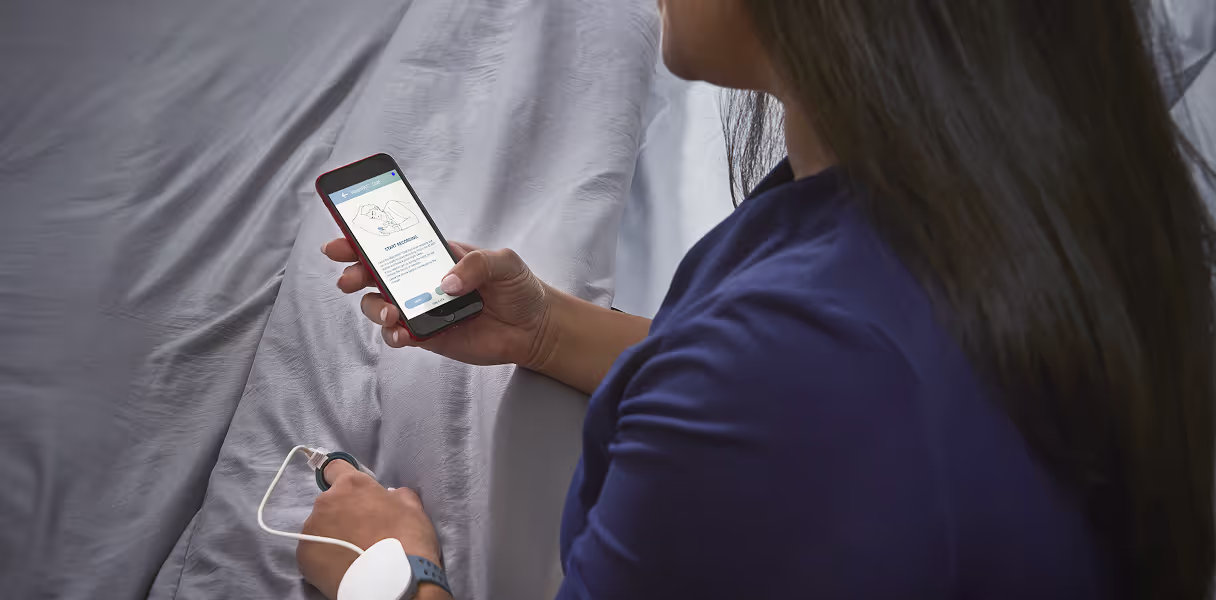
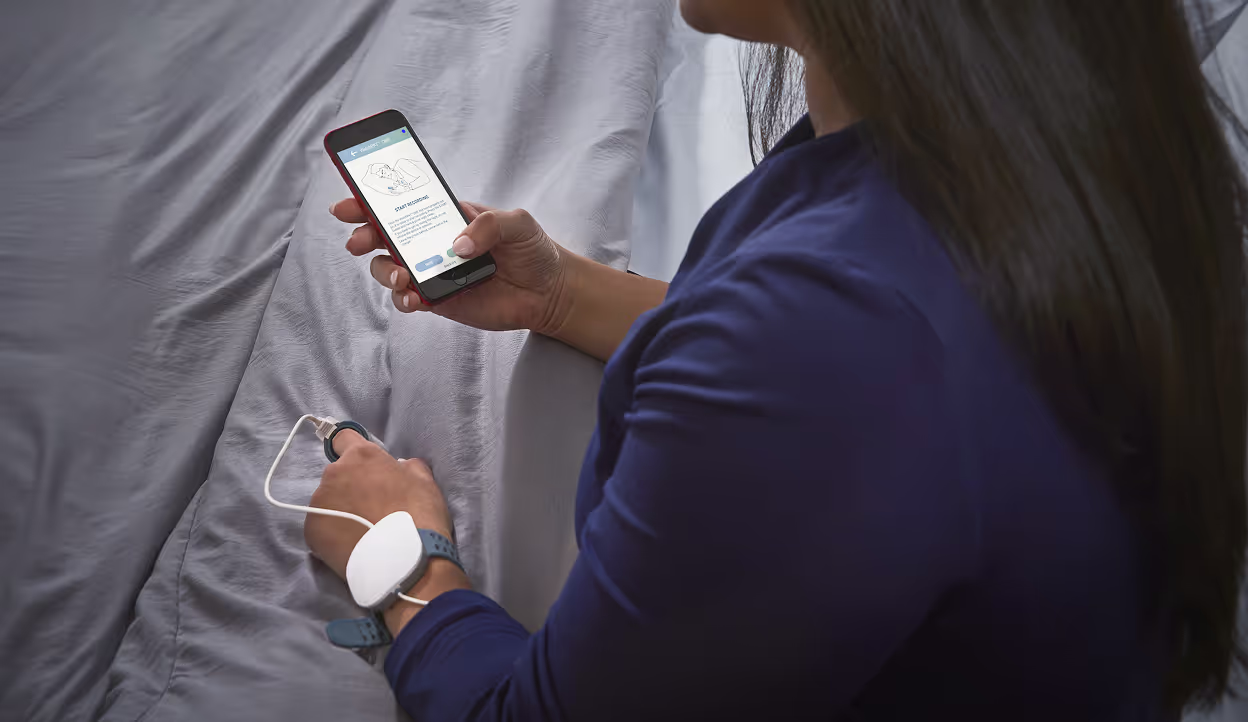
Home sleep apnea testing, sometimes called an HSAT (Home Sleep Apnea Test), uses a small FDA-cleared device that you wear while sleeping in your own bed. The device typically includes a nasal pressure sensor to track nasal airflow, a pulse oximetry sensor to measure oxygen saturation (SpO2), an effort belt to detect respiratory effort across your chest or abdomen, and a microphone or vibration sensor to record snoring intensity.
During the test night, the device continuously collects sleep data. You apply the sensors before bed following simple instructions, sleep as normally as possible, and return or ship the device after your test night. A board-certified sleep medicine physician then reviews the recorded data, calculates your AHI score, and provides a diagnosis.
The AHI score counts the number of apneas (complete breathing stops) and hypopneas (partial breathing reductions) per hour of sleep. According to the American Academy of Sleep Medicine, an AHI of 5 or higher with accompanying symptoms indicates obstructive sleep apnea. An AHI of 5 to 14 is classified as mild, 15 to 29 as moderate, and 30 or above as severe.
Home sleep testing is specifically designed to detect obstructive sleep apnea in adults. It does not monitor brainwave activity, leg movements, or sleep stages the way a full polysomnogram does in a sleep lab setting.
DID YOU KNOW: According to the National Heart, Lung, and Blood Institute, an estimated 25 million adults in the United States have obstructive sleep apnea, and many remain undiagnosed because they have not been tested.
KEY TAKEAWAY: A home sleep apnea test uses portable sensors to measure airflow, oxygen levels, respiratory effort, and snoring during one night of sleep, producing an AHI score that a physician uses to diagnose obstructive sleep apnea.
Understanding how the test works is important, but recognizing whether you actually need one starts with knowing the symptoms.
Symptoms That Indicate You May Need Sleep Apnea Testing
Persistent snoring combined with daytime fatigue or witnessed breathing pauses during sleep are the most common indicators that sleep apnea testing is appropriate. These symptoms often go unnoticed or are dismissed for years before a patient seeks evaluation.
Nighttime Symptoms
Sleep apnea disrupts breathing repeatedly throughout the night. Common nighttime symptoms include:
- Loud, chronic snoring that others in the household notice
- Gasping, choking, or snorting during sleep
- Restless sleep or frequent waking
- Dry mouth or sore throat upon waking
- Nocturia (waking multiple times to urinate)
Daytime Symptoms
Because sleep apnea fragments sleep quality, daytime effects are often the first signs a patient recognizes:
- Excessive daytime sleepiness despite spending enough hours in bed
- Morning headaches
- Difficulty concentrating or memory problems
- Irritability or mood changes
- Falling asleep during routine activities like driving or watching television
The Epworth Sleepiness Scale is a validated screening tool used by physicians to quantify daytime sleepiness. A score of 10 or above on the Epworth Sleepiness Scale suggests excessive sleepiness that warrants further evaluation. Many sleep specialists use this questionnaire alongside a patient's sleep history to determine whether a home sleep test or in-lab study is the right next step.
Risk Factors That Increase Clinical Suspicion
Certain physical and demographic factors raise the likelihood of obstructive sleep apnea. These include a body mass index (BMI) of 30 or higher, a neck circumference greater than 17 inches in men or 16 inches in women, age over 40, male sex, a family history of sleep apnea, nasal obstruction, or a naturally narrow airway.
According to the Sleep Foundation, people with untreated obstructive sleep apnea face increased risks of high blood pressure, heart disease, stroke, type 2 diabetes, and motor vehicle accidents. Recognizing symptoms early and completing testing can directly reduce these risks.
If you experience several of these symptoms or risk factors, you can take a free sleep assessment through dumbo.health to help determine whether home sleep testing is appropriate for your situation.
KEY TAKEAWAY: Chronic snoring, witnessed breathing pauses, excessive daytime sleepiness, and a BMI over 30 are strong indicators that a home sleep apnea test should be considered.
Once you recognize these symptoms, the next step is understanding where and how to get tested in the Palm Bay area.
Sleep Apnea Testing Options in Palm Bay, Florida
Palm Bay residents have two primary pathways for sleep apnea testing: in-lab polysomnography at a local sleep center or a home sleep test completed in their own bed. Each approach has distinct advantages depending on the suspected condition and clinical circumstances.
In-Lab Sleep Studies in Palm Bay
An in-lab sleep study, also called a polysomnogram, is the most comprehensive form of sleep testing. It takes place overnight at a sleep lab or sleep center, where a polysomnographic technologist attaches multiple sensors to monitor brainwave activity, eye movements, muscle tone, heart rhythm, airflow, respiratory effort, oxygen saturation, and leg movements.
Sleep centers near Palm Bay include facilities such as RISE Sleep Clinic and BayCare Sleep Centers in the broader Brevard County and Central Florida region. These labs employ registered polysomnographic technologists and sleep technicians trained to conduct full-night studies.
An in-lab study is typically required when a physician suspects central sleep apnea, complex sleep apnea syndrome, narcolepsy, restless legs syndrome, or circadian rhythm disorders. Polysomnography captures a wider range of sleep data than home devices, including sleep architecture and arousal patterns.
Home Sleep Apnea Tests in Palm Bay
For adults with a moderate to high clinical suspicion of obstructive sleep apnea and no significant comorbidities requiring lab-level monitoring, a home sleep test is a validated and more convenient alternative. HSAT devices are shipped directly to your home or picked up from a provider's office, eliminating the need for an overnight appointment at a sleep lab.
dumbo.health ships home sleep test devices directly to Palm Bay, Florida for $149 with no insurance required. There are no referrals, no prior authorizations, and no surprise bills. The device arrives ready to use, and results are reviewed by a physician after the test night.
Comparing In-Lab and Home Sleep Testing
Here is how the two approaches compare across key decision factors:
Setting
- Home Sleep Apnea Test: Your own bed at home in Palm Bay
- Polysomnography: Sleep lab or sleep center, typically requiring travel
Cost Without Insurance
- Home Sleep Apnea Test: Typically $149 to $500
- Polysomnography: Often $1,000 to $3,000 or more
Sensors Monitored
- Home Sleep Apnea Test: Nasal airflow, oxygen saturation, respiratory effort, snoring intensity
- Polysomnography: All of the above plus brainwaves, eye movements, muscle tone, heart rhythm, leg movements
Convenience
- Home Sleep Apnea Test: High, no travel or overnight facility stay
- Polysomnography: Lower, requires scheduling and sleeping in a clinical environment
Best For
- Home Sleep Apnea Test: Adults with suspected obstructive sleep apnea
- Polysomnography: Patients with suspected central sleep apnea, narcolepsy, restless legs syndrome, or complex sleep disorders
Turnaround Time
- Home Sleep Apnea Test: Typically days, dumbo.health Premium plan offers priority results
- Polysomnography: Often 1 to 3 weeks depending on the sleep center
For most Palm Bay residents with symptoms consistent with obstructive sleep apnea, a home sleep test provides a faster, more affordable, and clinically valid diagnostic pathway. An in-lab study remains the right choice when a physician suspects a condition that home testing cannot detect.
KEY TAKEAWAY: Palm Bay residents can choose between in-lab polysomnography at a local sleep center for complex sleep disorders or a convenient home sleep test shipped directly to their door for suspected obstructive sleep apnea.
With testing options clear, the next step is understanding exactly what the home sleep test device measures and how data is captured.
What a Home Sleep Test Device Measures and How Data Is Captured
Home sleep test devices measure four primary physiological signals during sleep: nasal airflow, blood oxygen saturation, respiratory effort, and snoring intensity. These measurements provide the data a physician needs to calculate the AHI score and determine whether obstructive sleep apnea is present.
Nasal Airflow
A nasal pressure sensor, typically a small cannula placed near the nostrils, detects the flow of air during breathing. This sensor identifies apneas (complete cessation of airflow for 10 seconds or longer) and hypopneas (partial reductions in airflow lasting 10 seconds or longer). Nasal airflow measurement is the single most critical data channel for diagnosing obstructive sleep apnea.
Oxygen Saturation (SpO2)
A pulse oximetry sensor, usually a finger clip, measures blood oxygen saturation continuously throughout the night. In obstructive sleep apnea, oxygen levels drop each time the airway collapses and airflow stops. The frequency and depth of oxygen desaturations correlate directly with apnea severity. Normal resting oxygen saturation is typically 95% to 100%, and repeated drops below 90% during sleep are clinically significant.
Respiratory Effort
An effort belt worn around the chest or abdomen detects the physical effort of trying to breathe. In obstructive sleep apnea, the airway is physically blocked, but the chest and abdomen continue to make breathing effort. This signal distinguishes obstructive events (effort present, airflow absent) from central events (effort absent, airflow absent), though home devices are not designed to reliably diagnose central sleep apnea.
Snoring Intensity
A built-in microphone or vibration sensor records snoring patterns and volume. Snoring intensity data helps the reviewing physician understand airway turbulence and correlate snoring episodes with apnea or hypopnea events. Not all snoring indicates sleep apnea, but heavy, irregular snoring that coincides with oxygen drops and airflow reductions strengthens the clinical picture.
Types of HSAT Devices
Several FDA-cleared HSAT devices are used for home sleep testing. Some devices, like the NightOwl Home Sleep Test, use photoplethysmography and peripheral arterial tonometry with a small sensor attached using biocompatible adhesive tape rather than traditional cannulas and belts. Other devices use the traditional multi-sensor configuration with a nasal cannula, finger oximeter, and chest effort belt.
Regardless of the specific device, the core diagnostic testing equipment captures the same essential data channels. The physician reviewing the results applies the same scoring criteria established by the American Academy of Sleep Medicine.
IMPORTANT: Home sleep test devices do not measure brainwave activity or sleep stages. If the device records poor data quality or the clinical picture remains unclear after testing, a physician may recommend a follow-up in-lab polysomnogram.
KEY TAKEAWAY: Home sleep test devices capture nasal airflow, oxygen saturation, respiratory effort, and snoring intensity to produce the data a physician uses to diagnose obstructive sleep apnea via the AHI score.
Knowing what the device measures is useful, but understanding exactly how to complete the test from start to finish is what most patients in Palm Bay want to know next.
How to Complete a Home Sleep Apnea Test in Palm Bay: Step by Step
Completing a home sleep apnea test involves ordering the device, performing one night of recorded sleep, and returning the device for physician review. The entire process from order to results typically takes less than two weeks.
Step-by-Step Process
1. Start with a screening assessment. Take the free sleep assessment at dumbo.health or discuss your symptoms and sleep history with a physician who can determine whether home sleep testing is appropriate for you.
2. Order your home sleep test. Purchase the test through dumbo.health for $149. The device ships directly to your home in Palm Bay, Florida. No insurance, referrals, or prior authorizations are needed.
3. Receive the device and review instructions. The package includes the testing device, all necessary sensors, and clear step-by-step instructions for applying the equipment before bed.
4. Apply the sensors before your test night. Attach the nasal pressure sensor, pulse oximetry finger clip, and effort belt (if included) according to the instructions. This typically takes 5 to 10 minutes.
5. Sleep in your own bed as normally as possible. The device records data automatically throughout the night. There is no need to press buttons or monitor the device. Try to sleep for at least 6 hours for optimal data quality.
6. Remove the sensors in the morning and prepare the device for return. Follow the return shipping instructions included in the package.
7. A board-certified sleep medicine physician reviews your sleep data, scores the study, and generates a diagnostic report including your AHI score, oxygen desaturation index, and clinical interpretation.
After physician review, you receive your results and, if obstructive sleep apnea is diagnosed, a treatment plan. dumbo.health's Essentials plan at $59 per month includes physician interpretation, CPAP therapy, and equipment with no contracts and the ability to cancel anytime.
Pre-Test Night Checklist
Before your test night, confirm the following to ensure accurate results:
- Charge the device fully or verify battery level per the instructions
- Review the sensor placement guide included with the device
- Avoid alcohol and sedatives on the test night, as they alter natural breathing patterns
- Avoid caffeine after noon on the test day
- Sleep in your usual bed in your usual position
- Allow at least 6 hours of recording time
- Keep nails trimmed for accurate pulse oximetry readings from the finger sensor
- Confirm you have completed the free sleep assessment at dumbo.health if ordering through their platform
- Set a reminder to remove the device and prepare it for return shipping the next morning
Following this process and checklist ensures the device captures high-quality sleep data, which directly affects the accuracy of your diagnosis.
KEY TAKEAWAY: Completing a home sleep test in Palm Bay takes seven straightforward steps from initial screening to physician-reviewed results, and the entire process is designed to happen from home with no clinic visits required.
After you receive your results, the next question is what those results actually mean and what happens next.
Understanding Your Home Sleep Test Results and AHI Score
Your AHI score is the primary metric a physician uses to determine whether you have obstructive sleep apnea and how severe it is. Understanding this number helps you make informed decisions about treatment.
The Apnea-Hypopnea Index (AHI score) represents the average number of apnea and hypopnea events per hour of recorded sleep. An apnea event is a complete airway blockage lasting at least 10 seconds. A hypopnea event is a partial airway reduction that causes a measurable drop in oxygen saturation or an arousal from sleep.
According to the American Academy of Sleep Medicine, AHI severity is classified as follows:
- Normal: fewer than 5 events per hour
- Mild obstructive sleep apnea: 5 to 14 events per hour
- Moderate obstructive sleep apnea: 15 to 29 events per hour
- Severe obstructive sleep apnea: 30 or more events per hour
Your results also include additional data points such as the oxygen desaturation index (ODI), which measures how many times per hour your blood oxygen saturation drops by 3% or more, the lowest oxygen saturation recorded during the night, and total recording time.
A board-certified sleep medicine physician interprets all of these data points together, not just the AHI in isolation. For example, a patient with an AHI of 12 but oxygen saturations frequently dropping below 85% may require more urgent treatment than the AHI alone suggests.
Clinicians frequently observe that patients with moderate to severe AHI scores report the most dramatic improvement in daytime alertness and energy once they begin treatment. Many patients with mild sleep apnea also benefit from treatment, particularly if they have significant daytime symptoms or are in safety-sensitive occupations such as commercial driving.
If your home sleep test results indicate obstructive sleep apnea, your physician will recommend a treatment plan. If results are inconclusive or suggest a condition other than obstructive sleep apnea, a follow-up in-lab polysomnography may be recommended for more comprehensive evaluation.
KEY TAKEAWAY: The AHI score measures apnea and hypopnea events per hour, with 5 to 14 classified as mild, 15 to 29 as moderate, and 30 or above as severe, and your physician interprets this alongside oxygen data to guide treatment.
With a diagnosis in hand, the most common next question is what treatment options are available and how to start.
Treatment Options After a Sleep Apnea Diagnosis
CPAP therapy is the first-line treatment for moderate to severe obstructive sleep apnea, recommended by sleep medicine guidelines worldwide. Treatment choice depends on severity, anatomy, patient preference, and adherence factors.
CPAP Therapy
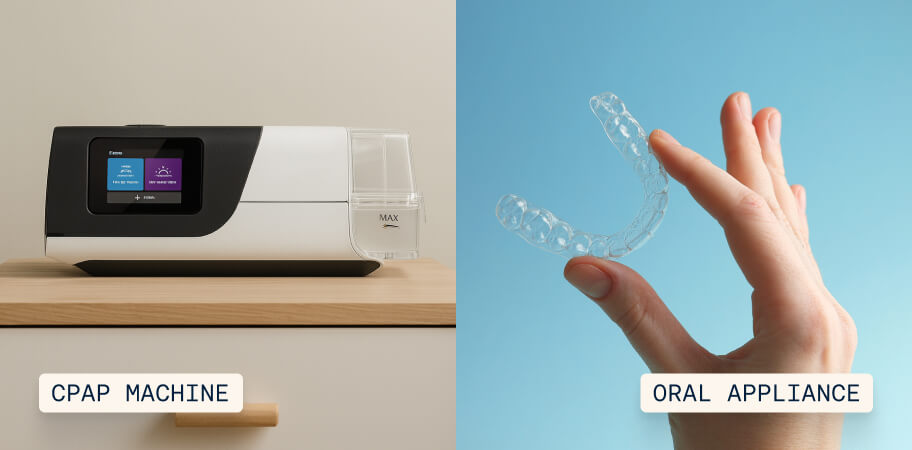
A CPAP machine delivers continuous positive airway pressure through a mask worn during sleep. The pressurized air keeps the airway open, preventing apnea and hypopnea events. According to the Mayo Clinic, CPAP therapy is the most effective non-surgical treatment for obstructive sleep apnea when used consistently.
Medicare and most insurers define adequate CPAP adherence as using the device for at least 4 hours per night on at least 70% of nights over a 30-day period. Meeting this threshold is particularly important for commercial drivers who must demonstrate treatment compliance to maintain CDL certification.
dumbo.health offers CPAP therapy and equipment starting at $59 per month on the Essentials plan, which includes the CPAP machine, physician oversight, and standard follow-up care with no contracts required. For patients who want more structured support, the Premium plan at $89 per month adds a dedicated sleep coach, advanced adherence monitoring, and priority results turnaround.
Many patients report that the first two weeks of CPAP use require adjustment, but that consistent use over 30 to 60 days leads to noticeably improved sleep quality, reduced daytime sleepiness, and fewer morning headaches.
Oral Appliance Therapy
An oral device, also called a mandibular advancement device, repositions the lower jaw and tongue forward during sleep to keep the airway open. Oral appliance therapy is typically recommended for mild to moderate obstructive sleep apnea or for patients who cannot tolerate CPAP.
A bite assessment by a dentist trained in sleep medicine is usually required to fit the device properly. Oral appliance therapy is less effective than CPAP for severe obstructive sleep apnea but offers a viable alternative for patients who need a non-machine option.
Surgical and Advanced Options
For patients who do not respond to CPAP or oral appliance therapy, surgical treatment options exist:
- Inspire Upper Airway Stimulation Therapy uses hypoglossal nerve stimulation to activate the tongue muscle and open the airway during sleep. This FDA-approved implantable device is designed for patients with moderate to severe obstructive sleep apnea who cannot use CPAP.
- Transoral Robotic Surgery (TORS) addresses anatomical airway obstructions in the throat, particularly at the base of the tongue. This procedure is typically performed by an otolaryngology specialist.
- Other surgical approaches include uvulopalatopharyngoplasty (UPPP), maxillomandibular advancement, and nasal surgery to improve airflow.
Lifestyle and Behavioral Interventions
Weight loss, positional therapy (avoiding sleeping on the back), and avoiding alcohol before bed can reduce apnea severity. These interventions may complement primary treatment but are rarely sufficient as standalone therapy for moderate to severe obstructive sleep apnea.
For patients who also have insomnia alongside sleep apnea, Cognitive Behavioral Therapy for Insomnia (CBT-I) is a structured program that addresses the behavioral and cognitive factors that perpetuate insomnia. It can be used alongside CPAP therapy to improve overall sleep quality.
TIP: If you have been diagnosed with obstructive sleep apnea and want to start treatment quickly, dumbo.health's sleep apnea care solutions provide a streamlined pathway from diagnosis to CPAP therapy with physician oversight, all managed remotely.
KEY TAKEAWAY: CPAP therapy is the gold-standard treatment for moderate to severe obstructive sleep apnea, and dumbo.health provides CPAP equipment and ongoing physician-supervised care starting at $59 per month with no contracts.
Treatment is only effective when it fits your life, which is why understanding the costs and logistics matters just as much as the clinical options.
Cost of Sleep Apnea Testing and Treatment in Palm Bay, Florida
A home sleep apnea test in Palm Bay typically costs between $149 and $500 out of pocket, while in-lab polysomnography can range from $1,000 to $3,000 or more without insurance. Cost is one of the most common barriers that delays testing and treatment for sleep apnea.
Insurance vs. Cash Pay
Many Palm Bay residents have insurance through providers such as Blue Cross Blue Shield, Aetna, UnitedHealthcare, or Medicare. Insurance can cover sleep apnea testing and CPAP equipment, but the process often involves referrals, prior authorizations, copays, and potential claim denials that delay care by weeks or months.
Cash-pay testing eliminates these barriers entirely. With dumbo.health, the home sleep test costs $149 as a one-time payment. No insurance is required, no prior authorization is needed, and there are no surprise bills. This flat-rate approach allows patients to plan their costs upfront.
Ongoing Treatment Costs
After diagnosis, CPAP therapy involves equipment costs and ongoing clinical oversight. Traditional insurance-based pathways often require equipment rental periods, compliance documentation, and periodic reauthorizations. Out-of-pocket CPAP machine costs without insurance typically range from $500 to $2,000 depending on the device.
dumbo.health's monthly care plans bundle physician oversight, CPAP equipment, and follow-up into a single predictable cost:
- Essentials Plan: $59 per month (approximately $2 per day). Includes physician interpretation, CPAP therapy and equipment, standard follow-up care, and updates to your referring provider.
- Premium Plan: $89 per month (approximately $3 per day). Adds a dedicated sleep coach, advanced adherence monitoring, and priority results turnaround.
- Elite Plan: $129 per month (approximately $4 per day). Adds concierge clinical support, direct physician messaging, and custom reporting.
All plans operate with no contracts and cancel-anytime flexibility.
Cost Comparison: Traditional Pathway vs. dumbo.health
Insurance Required
- Traditional In-Lab Pathway: Yes, plus referrals and prior authorization
- dumbo.health: No insurance required
Test Cost
- Traditional In-Lab Pathway: $1,000 to $3,000 (before insurance adjustments)
- dumbo.health: $149 one-time
Wait Time to Test
- Traditional In-Lab Pathway: Often 2 to 6 weeks for scheduling
- dumbo.health: Device ships directly, test on your schedule
CPAP Monthly Cost
- Traditional In-Lab Pathway: Variable, often involves rental and reauthorization
- dumbo.health: $59 to $129 per month, all-inclusive
Contracts
- Traditional In-Lab Pathway: Equipment rental agreements may apply
- dumbo.health: No contracts, cancel anytime
For Palm Bay residents who want to avoid insurance complexity and get tested quickly, dumbo.health provides a transparent, affordable pathway from testing to treatment.
KEY TAKEAWAY: A home sleep test through dumbo.health costs $149 with no insurance, referrals, or hidden fees, and CPAP treatment plans start at $59 per month, making sleep apnea care accessible and financially predictable for Palm Bay residents.
Affordable access matters, but not every patient is a candidate for home testing. Understanding the limitations ensures you choose the right path.
Limitations and Risks: When a Home Sleep Test May Not Be the Right Choice
A home sleep apnea test is a validated diagnostic tool for obstructive sleep apnea, but it is not appropriate for every patient or every suspected sleep disorder. Recognizing these limitations protects patients from incomplete diagnosis and ensures the right testing pathway is chosen.
Conditions Home Testing Cannot Detect
Home sleep test devices do not measure brainwave activity, sleep stages, or limb movements. This means they cannot reliably diagnose:
- Central sleep apnea, where the brain fails to send proper signals to the breathing muscles. Central sleep apnea requires polysomnography to differentiate from obstructive events because respiratory effort is absent during central apneas, and this distinction requires the additional monitoring available in a sleep lab.
- Complex sleep apnea syndrome (treatment-emergent central sleep apnea), a condition where central apneas appear or persist after obstructive events are resolved with CPAP therapy.
- Narcolepsy, which requires a multiple sleep latency test (MSLT) conducted in a sleep lab to measure how quickly a patient enters REM sleep during daytime nap opportunities. A hypocretin test (measuring cerebrospinal fluid levels) may also be used.
- Restless legs syndrome, which involves involuntary leg movements during sleep that require electromyography (EMG) monitoring only available during in-lab polysomnography.
- Circadian rhythm disorders, which require extended sleep pattern monitoring and actigraphy, not a single-night HSAT.
Situations Where Home Testing May Produce Unreliable Results
Certain patient populations may have higher rates of inconclusive or inaccurate home sleep test results:
- Patients with significant cardiopulmonary disease, chronic lung conditions, or neuromuscular disorders may have oxygen desaturation patterns that confound the interpretation of home sleep data.
- Patients who sleep very little on the test night (fewer than 4 hours of recorded data) may produce insufficient data for an accurate AHI calculation.
- Patients who remove sensors unconsciously during sleep can generate incomplete recordings.
In these situations, a physician may recommend an in-lab polysomnogram as the initial test or as a follow-up if the home test results are inconclusive. According to the American Academy of Sleep Medicine, home sleep testing is not recommended as a screening tool for asymptomatic individuals or for patients with suspected non-obstructive sleep disorders.
How dumbo.health Addresses These Limitations
dumbo.health includes physician review of every home sleep test result. If a study is inconclusive or suggests a condition that home testing cannot evaluate, the reviewing physician will recommend next steps, which may include referral for in-lab polysomnography with a sleep specialist in your area. The Premium and Elite plans offer faster physician communication and dedicated clinical support for patients with complex situations.
IMPORTANT: If your physician suspects central sleep apnea, narcolepsy, or another complex sleep disorder, an in-lab polysomnogram at a local sleep center is the appropriate first step. Home sleep testing is specifically designed for obstructive sleep apnea screening.
KEY TAKEAWAY: Home sleep tests are effective for diagnosing obstructive sleep apnea but cannot detect central sleep apnea, narcolepsy, restless legs syndrome, or circadian rhythm disorders, and inconclusive results may require follow-up in-lab polysomnography.
Knowing the limitations is essential for making the right choice, but seeing how real people in Palm Bay navigate this process makes the decision more concrete.
Real-World Scenarios: Who Benefits from Home Sleep Testing in Palm Bay
Home sleep apnea testing serves a wide range of patients in Palm Bay, from commercial drivers facing certification deadlines to retirees managing chronic health conditions. The following scenarios illustrate how different individuals use home testing to get diagnosed and treated.
Scenario 1: A 48-Year-Old Commercial Truck Driver
A 48-year-old CDL holder based in Palm Bay has a BMI of 36 and a neck circumference of 18 inches. During a DOT physical, the examining physician notes his risk factors and refers him for sleep apnea testing. His primary insurance requires a specialist referral and prior authorization, which would take 3 to 4 weeks.
Instead, he orders a home sleep test through dumbo.health for $149 with no insurance required. The device arrives within days, and he completes the test in his own bed. His AHI score comes back at 22, indicating moderate obstructive sleep apnea. He enrolls in the dumbo.health Premium plan at $89 per month, which includes CPAP equipment, a dedicated sleep coach to help with mask fitting and adherence, and priority communication with the physician. He begins CPAP therapy within a week and can provide compliance documentation to his DOT examiner.
Scenario 2: A 62-Year-Old Retired Teacher With Chronic Fatigue
A 62-year-old woman in Palm Bay has been experiencing morning headaches, difficulty concentrating, and persistent daytime fatigue for over a year. Her primary care doctor mentions the possibility of a sleep problem, but the nearest sleep lab appointment is 5 weeks out. She does not want to spend a night in a clinical setting.
She completes the free sleep assessment at dumbo.health and orders an at-home sleep test. Her results reveal an AHI of 9, indicating mild obstructive sleep apnea with oxygen saturations dropping below 88% during several episodes. Her reviewing physician recommends a trial of CPAP therapy on the Essentials plan at $59 per month. After 30 days of consistent use, she reports significantly fewer headaches and better daytime energy.
Scenario 3: A 34-Year-Old Shift Worker With Loud Snoring
A 34-year-old warehouse manager in Palm Bay works rotating shifts and has been told by his partner that his snoring has become louder over the past two years. He has no insurance and assumed sleep testing would be too expensive.
He finds that dumbo.health offers a home sleep test for $149, orders the device, and completes the test after a day shift when he can sleep for a full night. His AHI score comes back at 3, which is below the diagnostic threshold for obstructive sleep apnea. His physician advises positional therapy, weight management, and a follow-up assessment in 6 to 12 months if symptoms worsen. The negative result gives him peace of mind and a clear path forward without the cost of an in-lab study.
These scenarios reflect the most common situations clinicians encounter in Palm Bay and throughout Florida. In each case, home sleep testing provided a faster, more accessible diagnostic pathway than traditional in-lab options.
KEY TAKEAWAY: Home sleep testing serves commercial drivers needing fast DOT-compliant diagnosis, older adults avoiding sleep lab inconvenience, and uninsured patients who need affordable testing, all with physician-reviewed results and clear next steps.
With these real-world examples in mind, it helps to address the most common misconceptions that prevent people from getting tested.
Common Myths About Home Sleep Apnea Tests Debunked
MYTH: Home sleep tests are not as accurate as in-lab sleep studies for diagnosing sleep apnea.
FACT: For obstructive sleep apnea, home sleep tests have been validated as a clinically acceptable diagnostic tool by the American Academy of Sleep Medicine. Studies published in peer-reviewed journals show that HSAT devices have strong sensitivity and specificity for detecting moderate to severe obstructive sleep apnea in appropriate patient populations. Home tests may underestimate AHI slightly because they use total recording time rather than total sleep time, but this is accounted for in physician interpretation.
MYTH: You need a doctor's referral and insurance approval before you can take a home sleep test.
FACT: While many traditional pathways require referrals and prior authorizations, cash-pay services like dumbo.health allow you to order a home sleep test for $149 with no insurance, no referral, and no prior authorization required. A physician still reviews and interprets every study.
MYTH: If you snore, you definitely have sleep apnea.
FACT: Snoring is common and does not automatically mean you have obstructive sleep apnea. According to the Sleep Foundation, nearly half of all adults snore occasionally, but only a fraction have sleep apnea. Testing is the only way to confirm the diagnosis. Snoring combined with daytime sleepiness, witnessed apneas, or a high BMI increases the likelihood, but a home sleep test is needed to measure actual apnea and hypopnea events.
MYTH: CPAP therapy is uncomfortable and impossible to get used to.
FACT: While initial adjustment to CPAP can take 1 to 2 weeks, many patients report significant improvement in sleep quality and daytime functioning within the first month of consistent use. Modern CPAP machines are quieter and lighter than older models. Working with a dedicated sleep coach, available through dumbo.health's Premium plan, helps patients troubleshoot mask fit, pressure settings, and comfort issues early, improving long-term adherence.
MYTH: Sleep apnea only affects older, overweight men.
FACT: While obesity and male sex are risk factors, obstructive sleep apnea affects women, younger adults, and people with a normal BMI. According to the National Heart, Lung, and Blood Institute, sleep apnea can occur at any age and may be related to anatomical factors like a narrow airway, enlarged tonsils, or jaw structure. Postmenopausal women have sleep apnea rates approaching those of men the same age.
KEY TAKEAWAY: Home sleep tests are validated for obstructive sleep apnea diagnosis, no referral or insurance is required for cash-pay testing, and CPAP therapy is well-tolerated by most patients who receive proper support during the adjustment period.
With myths cleared away, the final consideration is choosing a provider and care pathway that fits your specific needs.
Choosing a Sleep Apnea Care Provider in Palm Bay
The right provider for sleep apnea testing and treatment in Palm Bay depends on your clinical situation, budget, insurance status, and how much support you want throughout the process. Board-certified sleep medicine physicians, sleep specialists, and telehealth-based platforms each offer different levels of care.
Local Sleep Specialists and Sleep Centers
Palm Bay and the surrounding Brevard County area have sleep medicine practices and sleep centers staffed by board-certified sleep medicine physicians and sleep specialists. These providers can offer both in-lab polysomnography and, in some cases, home sleep testing. Specialties involved in sleep medicine include pulmonology, neurology, otolaryngology (ear, nose, and throat), and internal medicine.
When choosing a local sleep specialist, consider provider attributes such as board certification in sleep medicine, experience with your specific type of sleep disorder, ratings and patient reviews, accepted insurance plans, and appointment availability. Some local providers may accept Medicare, Aetna, Blue Cross Blue Shield, or UnitedHealthcare as primary insurance.
Telehealth Sleep Apnea Care
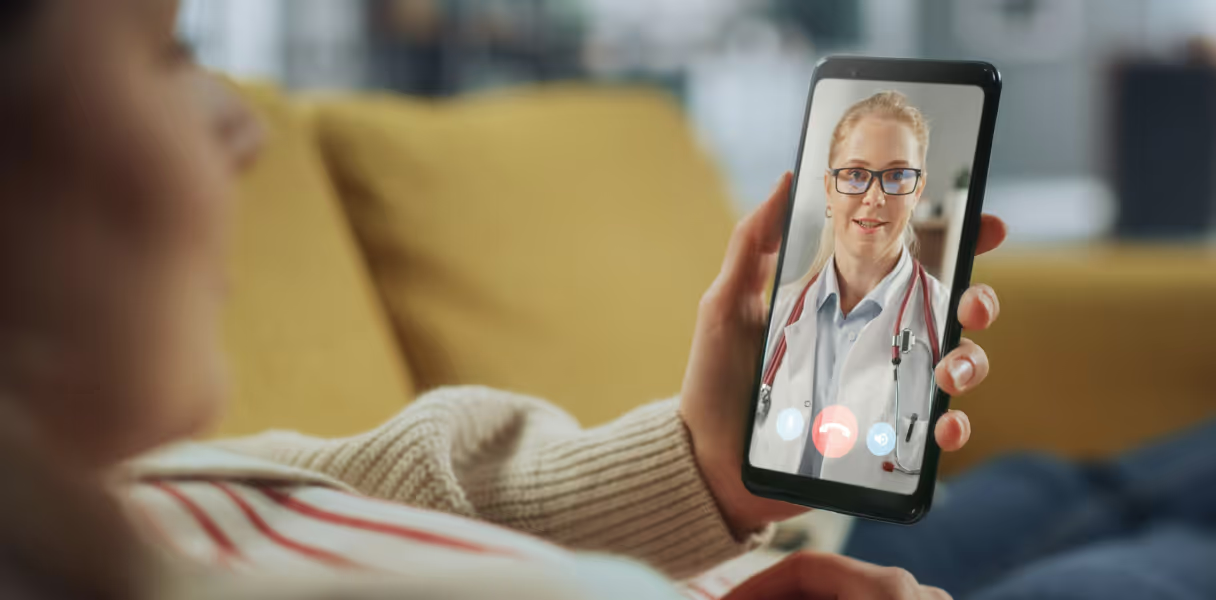
Telehealth platforms have expanded access to sleep apnea testing and treatment for patients who cannot easily visit a local office or who prefer remote care. A telehealth appointment with a sleep medicine provider allows you to discuss symptoms, review sleep history, and receive orders for testing or treatment without leaving home.
dumbo.health operates as a comprehensive sleep apnea care platform that combines home sleep testing, physician review, CPAP therapy, and ongoing monitoring through a single, cash-pay model. There is no need to coordinate between separate testing facilities, equipment suppliers, and physician offices. For Palm Bay residents, this means access to board-certified physician oversight without geographic limitations.
What to Look for in a Provider
When evaluating sleep apnea care options in your area, prioritize:
- Board certification in sleep medicine or a relevant specialty
- Transparent pricing with no hidden fees
- Clear communication about what testing and treatment include
- Access to follow-up care and adherence support
- Flexibility to cancel or change plans without penalties
DID YOU KNOW: The American Academy of Sleep Medicine accredits sleep centers that meet specific standards for staffing, equipment, and care quality. Checking accreditation status is one way to verify a local sleep center's credentials.
KEY TAKEAWAY: Palm Bay residents should evaluate local sleep specialists, sleep centers, and telehealth platforms based on board certification, pricing transparency, insurance compatibility, and access to ongoing treatment support when choosing a sleep apnea care provider.
The right provider can make the difference between a diagnosis that sits on paper and a treatment plan that actually improves your sleep.
Sleep Apnea and Commercial Drivers in Palm Bay, Florida
Commercial drivers with CDL certification face specific requirements related to sleep apnea screening, testing, and treatment compliance under FMCSA guidelines. Home sleep testing provides a practical pathway for drivers in Palm Bay to meet these requirements efficiently.
The FMCSA does not mandate universal sleep apnea screening for all commercial drivers, but DOT-certified medical examiners can require testing when a driver presents with risk factors such as a BMI over 35, a neck circumference over 17 inches, or reported symptoms of excessive daytime sleepiness. If sleep apnea is diagnosed, the driver must demonstrate treatment compliance to maintain medical certification.
For CDL holders, CPAP adherence documentation is critical. Examiners typically review CPAP usage data to confirm the driver meets the minimum adherence threshold of 4 hours per night on at least 70% of nights. dumbo.health's Premium and Elite plans include advanced adherence monitoring, which generates the compliance data that DOT examiners require.
Many Palm Bay-area truck drivers and owner-operators use dumbo.health because it eliminates the delays of insurance-based testing. A DOT sleep apnea test at home through dumbo.health costs $149, results are reviewed by a physician, and CPAP therapy can begin within days of diagnosis, minimizing time off the road.
In real-world use, drivers report that the combination of fast testing, clear results, and integrated CPAP care through a single platform reduces the stress and uncertainty that often accompanies the DOT medical examination process.
KEY TAKEAWAY: Commercial drivers in Palm Bay can use a home sleep apnea test to meet FMCSA-related screening requirements quickly, and dumbo.health provides integrated testing, treatment, and adherence documentation through a single cash-pay platform.
Whether you are a commercial driver or a Palm Bay resident concerned about sleep quality, the path from symptoms to treatment starts with a single step.
Conclusion
A home sleep apnea test is one of the most accessible and clinically effective ways for Palm Bay, Florida residents to find out whether obstructive sleep apnea is behind their snoring, fatigue, or disrupted sleep. The test captures the data a physician needs to make a diagnosis, and treatment can begin within days rather than weeks.
If you recognize the symptoms described in this guide, or if a physician has recommended sleep apnea testing, taking the first step does not require insurance approval, a specialist referral, or a night in a sleep lab. dumbo.health offers a home sleep test for $149with no insurance required and CPAP treatment plans starting at $59 per month with no contracts. Take the free sleep assessment to find out whether home testing is right for you.
Frequently Asked Questions About Home Sleep Apnea Test in Palm Bay, Florida
What is a home sleep apnea test?
A home sleep apnea test (HSAT) is a simplified diagnostic tool that allows you to test for obstructive sleep apnea in the comfort of your own home rather than spending a night in a sleep lab. The device typically measures airflow, oxygen saturation (SpO2), respiratory effort, snoring intensity, and nasal pressure while you sleep. A board-certified physician then reviews the recorded sleep data and generates a report with your apnea-hypopnea index (AHI) score. The American Academy of Sleep Medicine recognizes home sleep testing as an appropriate diagnostic option for adults with a high likelihood of moderate to severe obstructive sleep apnea.
How fast can I get a home sleep test in Palm Bay, Florida?
Shipping speed depends on the provider you choose. dumbo.health offers same-day shipping on orders placed before 2pm EST, which means Palm Bay residents can receive their home sleep test device quickly without waiting for a clinic appointment. Once you receive the device, you complete one night of testing at home, return it, and a physician reviews your results. This process is significantly faster than waiting for an in-lab sleep study, which often involves weeks of scheduling lead time.
What does the $149 home sleep test include?
The dumbo.health home sleep apnea test is priced at $149 as a one-time, cash-pay purchase. It includes the at-home sleep test device and one night of testing. Physician interpretation, your results report, CPAP therapy, equipment, and ongoing care are covered separately through monthly plans starting at $59 per month. There are no insurance requirements, no prior authorizations, and no surprise bills. The $149 test cost is billed once before your test night and is not bundled into the monthly plan pricing.
What measurements does a home sleep test record?
A home sleep test typically records nasal airflow using a nasal pressure sensor, oxygen saturation (SpO2) using pulse oximetry, respiratory effort using an effort belt, snoring intensity, and heart rate. Some newer HSAT devices also use photoplethysmography or peripheral arterial tonometry to detect breathing disruptions. These measurements allow a physician to calculate your apnea-hypopnea index (AHI) score, which reflects the number of apnea and hypopnea events per hour of sleep. According to the American Academy of Sleep Medicine, an AHI of five or more events per hour may indicate sleep apnea, with severity graded as mild, moderate, or severe.
Is a home sleep test as accurate as an in-lab sleep study?
A home sleep test is accurate and clinically appropriate for diagnosing obstructive sleep apnea in adults who are likely to have moderate to severe symptoms. However, it does record fewer data channels than a full polysomnogram conducted in a sleep lab. Polysomnography measures brain activity, eye movements, leg movements, and detailed cardiac data that HSAT devices do not capture. A home sleep test may not be suitable for patients with suspected central sleep apnea, complex sleep apnea syndrome, restless legs syndrome, narcolepsy, or other sleep disorders beyond obstructive sleep apnea. A healthcare professional can help determine whether at-home or in-lab testing is appropriate for your specific situation.
Who reviews my home sleep test results?
Your home sleep test results are reviewed by a board-certified physician with expertise in sleep medicine. The physician analyzes the recorded sleep data, calculates your AHI score, and prepares a clinical interpretation report. At dumbo.health, physician review and your results report are included in the monthly care plans that follow your $149 test. Depending on the plan you choose, results turnaround can be standard or prioritized. A qualified sleep physician, not the testing platform, makes the clinical determination about your diagnosis and treatment recommendations.
Can I use my home sleep test results for a CPAP prescription?
Yes, physician-interpreted home sleep test results can support a CPAP prescription when obstructive sleep apnea is confirmed. A board-certified physician reviews your sleep data, determines your diagnosis, and can generate the clinical documentation needed for CPAP therapy. At dumbo.health, CPAP therapy and equipment are included in monthly care plans alongside physician interpretation, making it straightforward to move from testing to treatment without switching providers. If you are already a CPAP user and need a new prescription, a physician review of a new sleep test can help support that process as well.
What is obstructive sleep apnea and how is it different from other sleep disorders?
Obstructive sleep apnea (OSA) is the most common form of sleep apnea. It occurs when the muscles in the throat relax during sleep, causing the airway to collapse or become blocked, which interrupts breathing repeatedly throughout the night. Central sleep apnea, by contrast, occurs when the brain fails to send proper signals to the muscles that control breathing. Complex sleep apnea syndrome involves features of both. Other sleep disorders such as insomnia, restless legs syndrome, and narcolepsy are distinct conditions with different causes and treatment approaches. The NHLBI explains that untreated obstructive sleep apnea is associated with high blood pressure, cardiovascular disease, and daytime impairment.
What are the symptoms of sleep apnea I should look for?
Common symptoms of obstructive sleep apnea include loud or frequent snoring, witnessed pauses in breathing during sleep, waking with a dry mouth or headache, difficulty staying asleep, excessive daytime sleepiness, poor concentration, and irritability. Not everyone with sleep apnea snores, and many people are unaware of nighttime breathing interruptions. The Epworth Sleepiness Scale is a widely used self-assessment tool that measures daytime sleepiness and can help indicate whether further evaluation for a sleep disorder may be appropriate. If you are experiencing these symptoms, a healthcare professional can help determine whether a home sleep test or other diagnostic approach is right for you.
What are the benefits of home sleep testing compared to a sleep lab?
Home sleep testing offers several practical advantages over in-lab polysomnography. You sleep in your own bed, which typically produces more natural sleep patterns than an unfamiliar sleep lab environment. Testing is available without a long wait for an appointment, and results are often returned more quickly. Home sleep testing also tends to cost significantly less than a full in-lab study. The Sleep Foundation notes that HSATs are a clinically validated and convenient option for diagnosing obstructive sleep apnea in appropriate candidates. For Palm Bay residents without easy access to a local sleep lab, at-home testing can be a practical alternative.
What makes Palm Bay, Florida a challenging environment for sleep?
Palm Bay's climate, with its year-round humidity and warm temperatures, can contribute to sleep disruption and worsen upper airway irritation for people with untreated sleep apnea. High humidity can affect nasal congestion and airway resistance, which are already concerns for people with obstructive sleep apnea. Seasonal allergens common in Central Florida can further irritate nasal passages and make nighttime breathing more difficult. In addition, circadian rhythm disruptions from shift work, which is common in Palm Bay's industrial and logistics sectors, can compound existing sleep problems. These environmental and occupational factors make sleep apnea screening and proper sleep health evaluation particularly relevant for Palm Bay residents.
What sleep apnea treatment options are available?
The most common and well-supported treatment for obstructive sleep apnea is continuous positive airway pressure (CPAP) therapy. A CPAP machine delivers a steady stream of pressurized air through a mask to keep the airway open during sleep. Other treatment options include oral appliance therapy, which uses a custom-fitted device to reposition the jaw and tongue, and for some patients, surgical approaches such as Inspire Upper Airway Stimulation therapy or hypoglossal nerve stimulation. Cognitive Behavioral Therapy for Insomnia (CBT-I) may be recommended when insomnia co-exists with sleep apnea. A board-certified sleep medicine physician can help determine the most appropriate treatment plan based on your AHI score, symptoms, anatomy, and sleep history.
What types of specialists treat sleep apnea in Palm Bay, Florida?
Sleep apnea is evaluated and treated by several types of healthcare professionals depending on the clinical picture. Sleep medicine physicians with board certification are the primary specialists, but relevant expertise also comes from pulmonologists, neurologists, otolaryngologists (ear, nose, and throat specialists), and in some cases internal medicine physicians with sleep training. Dentists with sleep medicine training may provide oral appliance therapy. For patients who are struggling to find a local sleep specialist in Palm Bay or nearby areas, telehealth-based sleep care can connect you with board-certified physicians remotely, with at-home testing eliminating the need for an in-person sleep lab visit.
Does insurance cover a home sleep test in Palm Bay, Florida?
Insurance coverage for home sleep testing varies by plan. Major insurers such as Medicare, Aetna, Blue Cross Blue Shield, and UnitedHealthcare may cover HSAT under certain criteria, but prior authorization requirements and coverage gaps are common. dumbo.health operates as a cash-pay platform with no insurance required, no prior authorizations, and no surprise bills. The at-home sleep test is available for $149 as a transparent one-time cost, and monthly care plans start at $59 per month. If you have insurance and prefer to use it, contact your insurer directly to ask about HSAT coverage and referral requirements before scheduling.
Can I get a home sleep test without insurance?
Yes. A home sleep apnea test is available without insurance through cash-pay providers. dumbo.health offers at-home sleep testing at a flat $149 one-time cost with no insurance required, no referral needed, and no prior authorization paperwork. This makes testing accessible for Palm Bay residents who are uninsured, underinsured, or who prefer to avoid insurance complexity. Ongoing care including physician interpretation, CPAP equipment, and adherence follow-up is available through monthly plans with transparent pricing and no long-term contracts. You can start with a free sleep assessment to help determine whether at-home testing may be appropriate for you.
What is the Epworth Sleepiness Scale and why does it matter?
The Epworth Sleepiness Scale is a validated self-assessment questionnaire used to measure a person's level of daytime sleepiness. You rate your likelihood of dozing off in eight everyday situations, such as sitting quietly after lunch or watching television. A total score of ten or higher may indicate excessive daytime sleepiness, which is a common symptom of untreated obstructive sleep apnea. Clinicians frequently use the Epworth Sleepiness Scale alongside a sleep history and physical assessment when evaluating patients for sleep apnea. The scale does not diagnose sleep apnea on its own, but it provides useful context for deciding whether further diagnostic testing is warranted.
What happens during a home sleep study?
During a home sleep study, you attach a small HSAT device before going to bed following the instructions provided with your kit. The device records physiological data throughout the night, typically including nasal airflow via a nasal pressure sensor, oxygen saturation via a fingertip pulse oximeter, respiratory effort via a chest or abdominal effort belt, and snoring intensity. You sleep normally and return the device the next day. A board-certified physician or registered polysomnographic technologist then analyzes the recorded sleep data to calculate your AHI score and prepare a clinical interpretation. The full process from receiving the device to getting results is typically completed within a few days.
What is CPAP therapy and how does it treat sleep apnea?
CPAP, which stands for continuous positive airway pressure, is the most widely prescribed treatment for obstructive sleep apnea. A CPAP machine delivers a continuous stream of air through a mask worn over the nose or mouth during sleep, which keeps the airway open and prevents the breathing interruptions characteristic of sleep apnea. The Mayo Clinic explains that consistent CPAP use can reduce daytime sleepiness, lower blood pressure, and decrease the cardiovascular risks associated with untreated sleep apnea. CPAP adherence, meaning consistent nightly use, is essential to achieving these benefits. dumbo.health monthly plans include CPAP therapy and equipment alongside physician interpretation and adherence follow-up.
Why does CPAP adherence matter and how is it tracked?
CPAP adherence refers to consistent and correct use of your CPAP machine each night. Most modern CPAP machines store usage data including hours of use per night, mask leak levels, residual AHI, and pressure data, which can be reviewed remotely by a sleep physician or care team. Poor adherence reduces the clinical benefits of CPAP therapy and, for commercial drivers, can affect documentation requirements related to DOT sleep apnea management. dumbo.health Premium and Elite plans include advanced adherence monitoring and dedicated sleep coaching from a licensed care team, which can help patients stay on track and address mask fit, pressure tolerance, or comfort issues before they lead to dropout.
What is oral appliance therapy and when is it used for sleep apnea?
Oral appliance therapy involves wearing a custom-fitted dental device during sleep that repositions the lower jaw and tongue forward, helping to keep the airway open. It is typically recommended for patients with mild to moderate obstructive sleep apnea who cannot tolerate CPAP, or as an alternative when CPAP is not preferred. Oral appliances are fitted and monitored by dentists trained in dental sleep medicine, who conduct a bite assessment and adjust the device over time to optimize effectiveness and comfort. The lifespan of an oral appliance varies but typically ranges from three to five years with proper care. A sleep medicine physician can help determine whether oral appliance therapy is appropriate based on your AHI score, jaw anatomy, and sleep history.
What is Inspire Upper Airway Stimulation therapy?
Inspire Upper Airway Stimulation therapy is an implantable device that treats obstructive sleep apnea by delivering mild electrical stimulation to the hypoglossal nerve, which controls tongue movement. When activated, the stimulation moves the tongue slightly forward to keep the airway open during sleep. Inspire therapy is typically considered for patients with moderate to severe obstructive sleep apnea who have not responded adequately to CPAP therapy and who meet specific anatomical and clinical criteria. It is not a first-line treatment and requires surgical implantation. A board-certified sleep medicine physician or otolaryngologist can assess whether a patient is a candidate for hypoglossal nerve stimulation therapy.
What is the AHI score and what does it mean?
The apnea-hypopnea index (AHI) is the primary metric used to diagnose and grade obstructive sleep apnea. It measures the average number of apnea and hypopnea events per hour of sleep recorded during a sleep study or home sleep test. An AHI of fewer than five events per hour is generally considered normal in adults. An AHI between five and fourteen is classified as mild sleep apnea, fifteen to twenty-nine as moderate, and thirty or more as severe. The AHI score guides treatment decisions, including whether CPAP therapy is indicated and at what pressure setting. A board-certified physician interprets your AHI in the context of your full sleep data, symptoms, and medical history.
Can insomnia and sleep apnea occur together?
Yes, insomnia and obstructive sleep apnea can and frequently do co-occur, a condition sometimes referred to as comorbid insomnia and sleep apnea (COMISA). Sleep apnea can fragment sleep and cause difficulty staying asleep, which overlaps with insomnia symptoms. Conversely, insomnia can make it harder to fall asleep while wearing a CPAP mask, reducing adherence. When both conditions are present, treatment typically needs to address both, which may include CPAP therapy alongside Cognitive Behavioral Therapy for Insomnia (CBT-I). A healthcare professional should evaluate the full picture before recommending a treatment plan for patients experiencing both insomnia and suspected sleep apnea.
Do I need a referral to get a home sleep apnea test in Palm Bay, Florida?
Many cash-pay home sleep testing providers, including dumbo.health, do not require a physician referral to order a home sleep test. You can complete a free sleep assessment to help determine whether at-home testing may be appropriate and proceed directly with ordering if eligible. If you prefer to involve your primary care physician or a sleep specialist in the process, your test results and physician interpretation report can be shared with your referring provider. If you are looking for sleep apnea testing options near you in Palm Bay, exploring at-home sleep apnea testing can help you understand the process before booking.
When should I see a doctor instead of using a home sleep test?
A home sleep test is appropriate for many adults with symptoms consistent with obstructive sleep apnea, but it is not suitable for everyone. You should speak with a healthcare professional rather than proceeding directly with a home sleep test if you have severe daytime sleepiness that poses a safety risk, suspected central sleep apnea or complex sleep apnea syndrome, significant heart or lung disease, suspected narcolepsy, restless legs syndrome, or if a previous home sleep test was inconclusive. If you experience chest pain, severe shortness of breath, or any urgent health concern, seek medical care promptly. A physician can determine whether a full in-lab polysomnogram is more appropriate for your clinical situation.