






Home Sleep Apnea Test in Fort Worth, Texas: The Complete Guide to At-Home Diagnosis
A home sleep apnea test in Fort Worth, Texas allows you to complete a medically validated sleep study from your own bed, measuring breathing patterns, oxygen levels, and heart rate overnight to diagnose obstructive sleep apnea. According to the American Academy of Sleep Medicine, home sleep apnea testing is an accepted diagnostic method for adults with a moderate to high probability of obstructive sleep apnea. This guide is for Fort Worth residents, commercial drivers in the Dallas-Fort Worth Metroplex, and anyone in North Texas experiencing symptoms such as loud snoring, daytime fatigue, or disrupted breathing during sleep. You will learn how at-home sleep testing works, what devices are used, how results are interpreted, what treatment options follow a positive diagnosis, and how to access affordable testing without insurance. Understanding your options could be the difference between years of untreated symptoms and a clear path to better sleep quality.
Quick Answer
A home sleep apnea test in Fort Worth, Texas is a portable diagnostic study you complete at home using an FDA-cleared device that records breathing, oxygen saturation, and airflow overnight. Results are reviewed by a physician to determine whether obstructive sleep apnea is present and how severe it is. Most patients receive results within days, not weeks. dumbo.health offers a home sleep test for $149 with no insurance required, shipped directly to patients in Fort Worth and across Texas.
Key Takeaways
- A home sleep apnea test measures breathing disruptions, oxygen desaturation, and heart rate during one night of sleep at home
- Fort Worth residents can access at-home sleep testing without visiting a sleep clinic or scheduling an overnight polysomnography appointment
- The Apnea-Hypopnea Index is the primary metric used to diagnose and classify sleep apnea severity from home sleep test results
- dumbo.health offers a home sleep test for $149 with physician interpretation and CPAP therapy plans starting at $59 per month
- Untreated obstructive sleep apnea increases the risk of stroke, high blood pressure, and heart disease according to the National Heart, Lung, and Blood Institute
- Home sleep tests are most accurate for diagnosing obstructive sleep apnea in adults but may not detect central sleep apnea, narcolepsy, or parasomnias
What Is a Home Sleep Apnea Test and How Does It Work
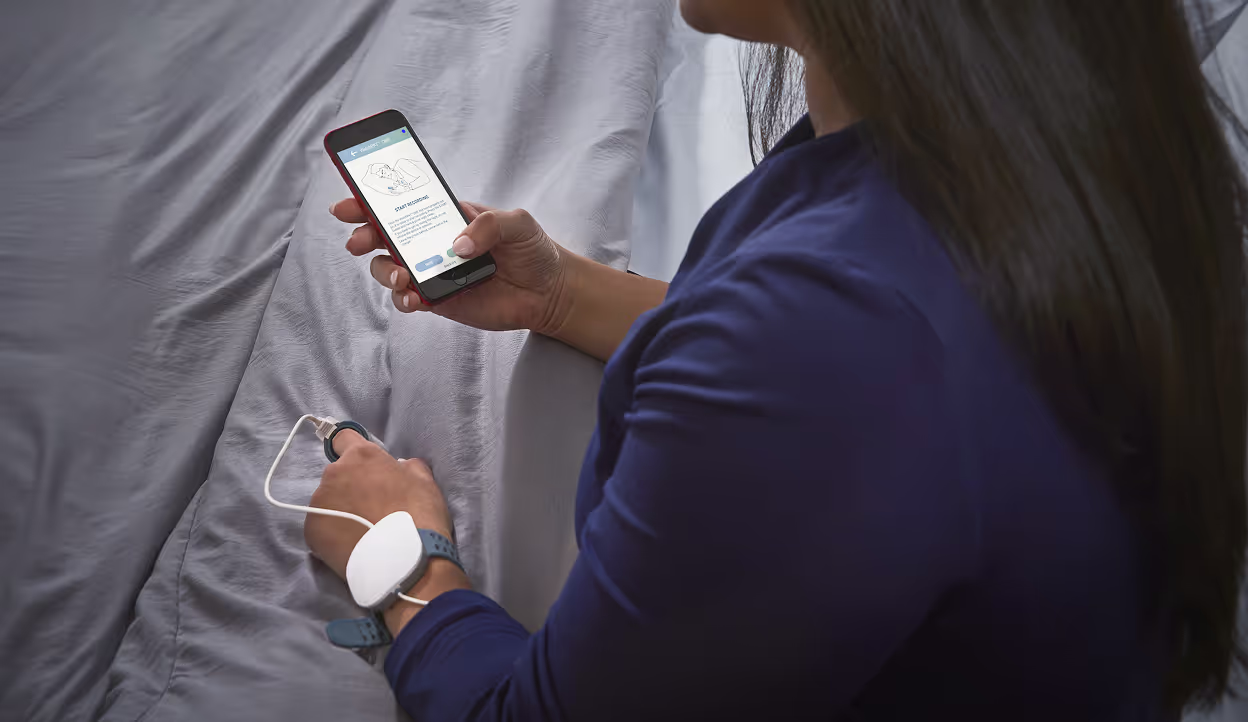
A home sleep apnea test is a portable diagnostic study that records your breathing, oxygen levels, airflow, and heart rate while you sleep in your own bed. Unlike an in-lab polysomnography conducted at a sleep center, a home sleep test uses a compact device you wear for one night.
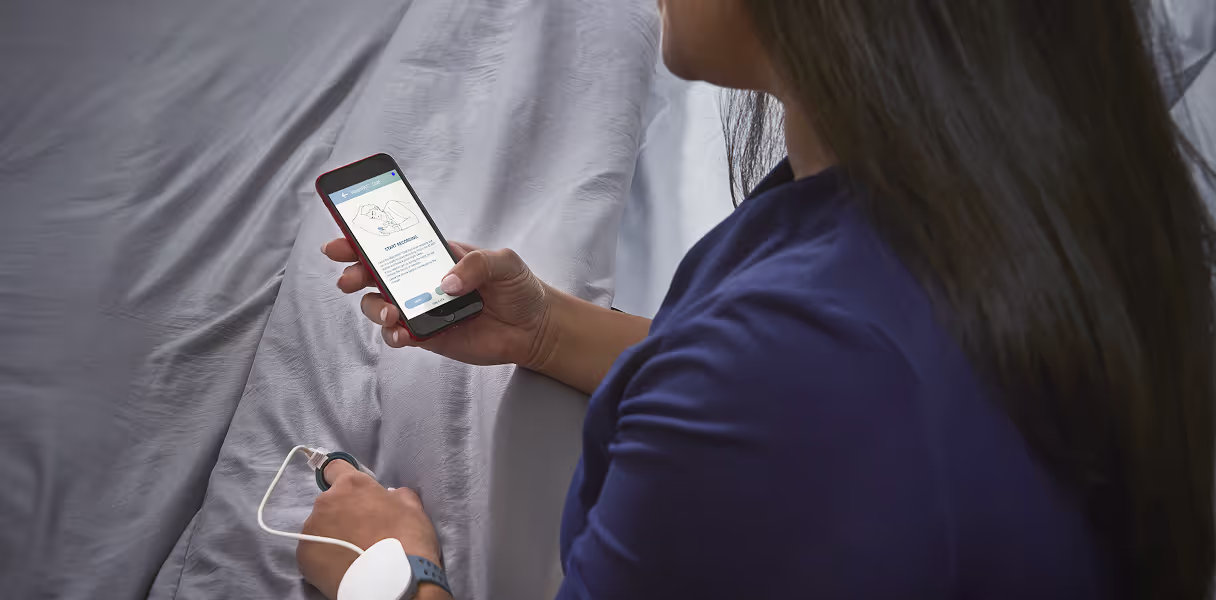
The device typically includes a fingertip sensor that tracks oxygen saturation and pulse rate, a nasal airflow sensor, and a chest sensor or belt that monitors respiratory effort. Some devices, such as the WatchPAT, measure Peripheral Arterial Tone and arterial blood flow signals from the fingertip to detect breathing disruptions. The NightOwl is another FDA-cleared device that uses a small sensor to record biometrics including oxygen desaturation index and sleep patterns.
During the recording time, the device collects data on every breathing pause, oxygen drop, and change in heart rate. This data is uploaded to the cloud or transferred to a physician for interpretation. The physician uses the data to calculate the Apnea-Hypopnea Index, which counts the number of apnea and hypopnea events per hour of sleep.
An AHI of 5 to 14 indicates mild sleep apnea. An AHI of 15 to 29 indicates moderate sleep apnea. An AHI of 30 or higher indicates severe sleep apnea. These thresholds, established by the American Academy of Sleep Medicine, determine the clinical profile and guide treatment decisions.
Home sleep apnea testing is classified as Out of Center testing by the AASM. It is designed for adults who have a high pretest probability of obstructive sleep apnea and do not have significant comorbid illnesses such as severe pulmonary conditions, central sleep apnea, or other complex sleeping disorders that require the full monitoring of in-lab polysomnography.
KEY TAKEAWAY: A home sleep apnea test records breathing, oxygen levels, and heart rate overnight using a portable FDA-cleared device, and a physician interprets the results using the Apnea-Hypopnea Index to diagnose obstructive sleep apnea.
Understanding how the test works is important, but knowing whether your symptoms warrant testing matters just as much.
Symptoms That Signal You May Need Sleep Apnea Testing in Fort Worth
Loud, chronic snoring combined with observed breathing pauses during sleep is the most recognizable symptom of obstructive sleep apnea. However, many people in Fort Worth and across Texas live with symptoms they do not connect to a sleep disorder.
The most common symptoms include loud snoring that disrupts a bed partner, gasping or choking during sleep, waking with a dry mouth or sore throat, morning headaches, excessive daytime fatigue, difficulty concentrating, and irritability. According to the National Heart, Lung, and Blood Institute, obstructive sleep apnea affects breathing repeatedly during sleep, and many patients remain undiagnosed for years.
Sleep fragmentation caused by repeated breathing disruptions prevents you from reaching deep, restorative sleep stages. This explains why people with untreated sleep apnea often report feeling exhausted despite spending adequate time in bed. The resulting daytime fatigue increases the risk of motor vehicle accidents, a concern the National Highway Traffic Safety Administration has linked to drowsy driving.
DID YOU KNOW: The American Sleep Apnea Association estimates that approximately 80 percent of moderate to severe obstructive sleep apnea cases remain undiagnosed in the United States.
Beyond fatigue, untreated sleep apnea is associated with elevated blood pressure, increased risk of heart disease, stroke, and strokes. The CDC identifies obstructive sleep apnea as a contributing factor to several chronic conditions, making early diagnosis through a sleep test a meaningful step toward protecting long-term health.
Some patients also experience sleep anxiety, restless legs, or insomnia symptoms that overlap with sleep apnea. Restless legs syndrome and periodic limb movements can fragment sleep further, and these conditions sometimes coexist with obstructive sleep apnea. A physical exam and comprehensive sleep testing help a physician distinguish between these sleep disorders and avoid misdiagnosis.
If you experience two or more of these symptoms consistently, a home sleep apnea test can provide clarity without requiring an overnight stay at a sleep clinic.
KEY TAKEAWAY: Snoring, daytime fatigue, morning headaches, and observed breathing pauses are the primary symptoms that indicate the need for sleep apnea testing, and early diagnosis reduces the risk of serious health complications.
Recognizing symptoms is the first step, but understanding how to actually complete a home sleep test in Fort Worth makes the process less intimidating.
How to Get a Home Sleep Apnea Test in Fort Worth, Texas
Getting a home sleep apnea test in Fort Worth starts with either a physician referral or a direct-to-patient testing service. Both pathways lead to the same diagnostic outcome, but the speed, cost, and convenience differ significantly.
Step-by-Step Process for Home Sleep Apnea Testing
1. Complete a sleep assessment to evaluate your symptoms and risk factors. You can do this through your primary care provider, a sleep medicine physician, or by completing the free sleep assessment at dumbo.health.
2. Receive or order a home sleep test device. If using dumbo.health, the FDA-cleared and clinically validated device is shipped directly to your address in Fort Worth, TX for $149 with no insurance required.
3. Follow the device instructions to attach the fingertip sensor, nasal airflow sensor, and any chest tape or belt before going to bed at your normal time.
4. Sleep for at least one full night with the device. Most devices require a minimum recording time of 4 to 6 hours to generate reliable data.
5. Return the device or upload the data according to the provider instructions. Cloud-based devices transmit data automatically.
6. A board-certified sleep medicine physician reviews the data and generates a clinical report including your Apnea-Hypopnea Index and oxygen desaturation index.
7. Review your results with the interpreting physician. dumbo.health provides physician interpretation as part of its monthly care plans starting at $59 per month.
After completing these steps, you will have a definitive answer about whether obstructive sleep apnea is present and what severity level applies to your case.
Traditional Pathway Through a Fort Worth Sleep Center
Many patients in Fort Worth access sleep apnea testing through established healthcare systems. Baylor Scott and White Health operates sleep medicine programs in the Dallas-Fort Worth Metroplex. Local sleep clinics and pulmonary critical care practices staffed by board-certified professionals, including pulmonologists and Internists, offer both in-lab polysomnography and home sleep studies.
Scheduling an appointment at a sleep center in Fort Worth typically requires a referral from your primary care provider. Wait times can range from two to six weeks depending on the provider and insurance authorization requirements. Insurance carriers such as Aetna and UnitedHealthcare often require prior authorization before covering a sleep study, which adds administrative steps and delays.
Direct-to-Patient Pathway Through dumbo.health
dumbo.health removes the common barriers of insurance hassle, long wait times, and prior authorization requirements. You can order a home sleep test directly for $149 as a one-time cost. No insurance is needed, there are no surprise bills, and the device arrives at your home in Fort Worth without requiring a clinic visit. This cash-pay model means you can begin testing within days rather than weeks.
KEY TAKEAWAY: Fort Worth residents can access a home sleep apnea test through a traditional sleep center with a physician referral or directly through dumbo.health for $149 with no insurance, no prior authorization, and no clinic visit required.
Once you understand the testing pathways available, comparing home sleep tests to in-lab studies helps you choose the right option.
Home Sleep Test vs. In-Lab Polysomnography: Which Is Right for You
A home sleep test is best suited for diagnosing obstructive sleep apnea in adults without complex medical conditions, while in-lab nocturnal polysomnography provides more comprehensive monitoring for patients with suspected central sleep apnea, narcolepsy, parasomnias, sleepwalking, or other complex sleep disorders.
Both tests serve different clinical purposes. Choosing the right study depends on your symptoms, medical history, and what your physician suspects.
Setting
- Home Sleep Apnea Test: Your own bed at home in Fort Worth or anywhere in Texas
- In-Lab Polysomnography: A sleep center or hospital sleep lab with a technologist monitoring overnight
Channels Measured
- Home Sleep Apnea Test: Typically 4 to 7 channels including airflow, oxygen saturation, pulse rate, and respiratory effort
- In-Lab Polysomnography: 12 or more channels including brain waves, eye movements, muscle activity, airflow, oxygen, heart rate, and leg movements
Best For
- Home Sleep Apnea Test: Adults with moderate to high suspicion of obstructive sleep apnea and no major comorbid illnesses
- In-Lab Polysomnography: Patients with suspected central sleep apnea, narcolepsy, restless legs syndrome, periodic limb movements, parasomnias, or complex medical histories
Cost
- Home Sleep Apnea Test: Typically $149 to $500 depending on the provider. dumbo.health charges $149 with no insurance required
- In-Lab Polysomnography: Often $1,000 to $3,000 or more depending on facility and insurance coverage
Convenience
- Home Sleep Apnea Test: High. No travel, no overnight clinic stay, no technologist present
- In-Lab Polysomnography: Lower. Requires scheduling, travel to a sleep center, and sleeping in an unfamiliar environment
Turnaround Time for Results
- Home Sleep Apnea Test: Typically 3 to 7 business days for physician interpretation
- In-Lab Polysomnography: Results may take 1 to 3 weeks depending on the sleep center and physician schedule
For most adults in Fort Worth who suspect obstructive sleep apnea based on symptoms like snoring, breathing pauses, and daytime fatigue, a home sleep test provides accurate diagnostic data at a fraction of the cost and time. In-lab polysomnography remains the standard for complex cases where the physician needs to evaluate brain activity, leg movements, or other signals beyond respiratory events.
IMPORTANT: If your physician suspects central sleep apnea, narcolepsy, or parasomnias, a home sleep test may not provide sufficient data. In-lab polysomnography is the recommended diagnostic study for these conditions.
KEY TAKEAWAY: A home sleep apnea test is the most practical and cost-effective choice for most adults with suspected obstructive sleep apnea, while in-lab polysomnography is reserved for complex sleep disorders that require comprehensive physiological monitoring.
Knowing which test fits your situation is one decision, but understanding your results is what drives the next steps in your care.
Understanding Your Home Sleep Test Results
Your home sleep test results are summarized in a clinical report that a sleep medicine physician interprets based on measurable physiological data, not subjective symptoms alone. The most important metric in that report is the Apnea-Hypopnea Index.
What the Apnea-Hypopnea Index Tells You
The Apnea-Hypopnea Index counts the average number of apnea events (complete breathing cessation) and hypopnea events (partial airflow reduction with oxygen desaturation) per hour of recording time. The American Academy of Sleep Medicine defines the severity thresholds as follows:
- Normal: AHI below 5 events per hour
- Mild obstructive sleep apnea: AHI of 5 to 14 events per hour
- Moderate obstructive sleep apnea: AHI of 15 to 29 events per hour
- Severe obstructive sleep apnea: AHI of 30 or more events per hour
Other Key Metrics in Your Report
Beyond the AHI, your results will include the oxygen desaturation index, which measures how many times per hour your blood oxygen levels drop by 3 percent or more. Consistently low oxygen levels during sleep contribute to cardiovascular strain and are associated with elevated blood pressure, heart disease, and stroke risk.
Your report may also include average and minimum oxygen saturation readings, pulse rate data, total recording time, and sleep position data depending on the device used. Devices that measure Peripheral Arterial Tone, such as the WatchPAT, provide additional signals related to arterial blood flow and sympathetic nervous system activation that enhance diagnostic accuracy.
A home sleep apnea test completed through dumbo.health includes physician interpretation as part of the Essentials, Premium, or Elite care plans. The interpreting physician reviews your complete clinical profile and provides a detailed report that can be shared with your referring provider or used to initiate treatment.
Understanding these numbers empowers you to have informed conversations with your healthcare team about what treatment approach fits your diagnosis and lifestyle.
KEY TAKEAWAY: The Apnea-Hypopnea Index is the primary measure used to diagnose and classify sleep apnea severity, and your results report also includes oxygen desaturation data and other physiological metrics that guide treatment decisions.
With results in hand, the next question most patients ask is what happens after a positive diagnosis.
Treatment Options After a Positive Sleep Apnea Diagnosis
CPAP therapy is the first-line treatment for moderate to severe obstructive sleep apnea, and it remains the most effective method for keeping the airway open during sleep. The Mayo Clinic describes continuous positive airway pressure as a treatment that uses mild air pressure delivered through a mask to prevent airway collapse.
CPAP Therapy
CPAP therapy requires a prescription from a physician following a confirmed diagnosis. The device delivers a continuous stream of pressurized air through a mask worn during sleep. Consistent use reduces the AHI, improves oxygen levels, decreases daytime fatigue, and lowers cardiovascular risk.
Many patients report improved sleep quality, fewer morning headaches, and better concentration within the first weeks of consistent CPAP use. Clinicians frequently observe that adherence is the primary challenge with CPAP therapy. The Sleep Foundation notes that adherence rates vary, with some studies reporting that around 50 percent of patients discontinue or underuse CPAP within the first year.
dumbo.health addresses the adherence challenge directly. The Essentials Plan at $59 per month includes CPAP therapy and equipment, physician oversight, and standard follow-up care. The Premium Plan at $89 per month adds a dedicated sleep coach from a licensed care team and advanced adherence monitoring to keep patients on track. No contracts are required, and patients can cancel anytime.
Oral Appliance Therapy
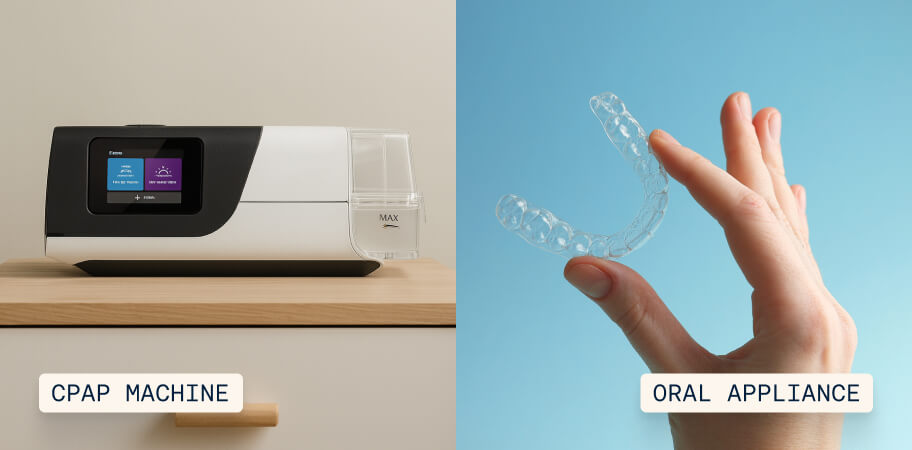
For patients with mild to moderate obstructive sleep apnea who cannot tolerate CPAP, oral appliance therapy is an alternative. A custom-fitted oral device, prescribed through a dental office or sleep medicine practice, repositions the lower jaw to keep the airway open during sleep. Oral appliances are less effective than CPAP for severe sleep apnea but offer a comfortable alternative for selected patients.
INSPIRE Sleep Apnea Implant
The INSPIRE sleep apnea implant is an FDA-approved device surgically implanted under the skin that stimulates the hypoglossal nerve to keep the airway open during sleep. This option is typically reserved for patients with moderate to severe obstructive sleep apnea who have not responded to CPAP therapy. Candidacy requires a specific clinical evaluation and is not a first-line treatment.
Lifestyle Modifications
Weight loss, positional therapy (avoiding sleeping on the back), reducing alcohol consumption, and treating nasal congestion can reduce sleep apnea severity for some patients. These modifications work best as complementary strategies alongside CPAP therapy or oral appliances, not as standalone treatments for moderate to severe cases.
TIP: If you have been diagnosed with sleep apnea and need to start CPAP therapy without the hassle of insurance preauthorization, dumbo.health care plans include CPAP equipment, physician oversight, and ongoing support with no contracts required.
KEY TAKEAWAY: CPAP therapy is the gold standard treatment for obstructive sleep apnea, and adherence support through programs like those offered by dumbo.health significantly improves long-term treatment outcomes.
Treatment is only effective if it is sustained, and understanding the barriers to care in Fort Worth helps you navigate the system more effectively.
Cost, Insurance, and Access Barriers for Sleep Apnea Testing in Fort Worth
The average cost of a home sleep apnea test without insurance in the Fort Worth area ranges from $200 to $500 at most sleep clinics and healthcare facilities. In-lab polysomnography costs significantly more, often exceeding $1,000 even with insurance coverage.
Insurance Challenges
Insurance coverage for sleep testing varies widely. Carriers such as Aetna and UnitedHealthcare typically require a physician referral, prior authorization, and documentation of symptoms before approving a home sleep study. The authorization process can take one to three weeks, delaying diagnosis for patients who are already experiencing significant symptoms. Denied claims and unexpected copays create additional frustration and cost uncertainty.
For patients who need CPAP equipment after diagnosis, insurance approval processes for DME (durable medical equipment) add another layer of delay. Some carriers require a compliance check after 90 days before continuing to cover equipment costs.
Access Barriers in Fort Worth
Fort Worth has several sleep medicine practices and sleep centers, but appointment availability does not always match patient demand. Wait times for an initial sleep medicine appointment can range from two to six weeks. Patients living in surrounding areas of the Dallas-Fort Worth Metroplex, including Arlington and Johnson County, may face even longer wait times or need to travel for specialty care.
How dumbo.health Removes These Barriers
dumbo.health operates on a cash-pay model designed to eliminate the most common barriers to sleep apnea care. The at-home sleep test costs $149 as a one-time payment. No insurance is required, no prior authorization is needed, and there are no surprise bills. The test device is shipped directly to the patient, whether they live in Fort Worth, Dallas, Arlington, or anywhere else in Texas.
After testing, patients who need treatment can choose from three monthly care plans. The Essentials Plan costs $59 per month and includes physician interpretation, CPAP therapy with equipment, and standard follow-up care. The Premium Plan at $89 per month adds a dedicated sleep coach and advanced adherence monitoring. The Elite Plan at $129 per month includes concierge clinical support, direct physician messaging, and custom reporting. All plans operate with no contracts and the ability to cancel anytime.
This transparent pricing model means patients can plan their care costs with certainty, a significant advantage over the unpredictable expenses of insurance-based care pathways.
Checklist: What to Verify Before Ordering a Home Sleep Test
- Confirm your primary symptoms (snoring, breathing pauses, daytime fatigue, morning headaches)
- Check whether your physician suspects obstructive sleep apnea specifically
- Verify that you do not have symptoms of central sleep apnea, narcolepsy, or parasomnias that require in-lab testing
- Determine whether your insurance requires prior authorization and whether you prefer to avoid that process
- Review your budget and compare clinic-based testing costs with direct-to-patient options
- Consider whether you have a comfortable sleeping environment at home for one night of testing
- Decide on a testing provider. Complete the free sleep assessment at dumbo.health to determine eligibility
- Set aside one night when you can sleep for at least 6 hours without significant disruptions
KEY TAKEAWAY: Insurance requirements, prior authorizations, and clinic wait times are the primary barriers to sleep apnea diagnosis in Fort Worth, and cash-pay options like dumbo.health provide a faster, more predictable alternative at $149 for a home sleep test.
Understanding cost and access is practical knowledge, but seeing how real patients navigate the process provides clarity that generalizations cannot.
Real-World Scenarios: How Fort Worth Residents Use Home Sleep Testing
Home sleep apnea testing serves a wide range of patients in the Fort Worth area. These scenarios illustrate how different people benefit from at-home diagnosis.
Common Scenarios
A 48-year-old office manager in Fort Worth has been told by her partner that she snores loudly and occasionally stops breathing during sleep. She experiences morning headaches and daytime fatigue that she has attributed to stress. Her primary care physician recommends a sleep study but the nearest available appointment at a local sleep center is five weeks out. She orders a home sleep test through dumbo.health for $149, completes the test the following week, and receives her results showing moderate obstructive sleep apnea with an AHI of 22. She enrolls in the Premium Plan at $89 per month and begins CPAP therapy with a dedicated sleep coach within two weeks of ordering her test.
A 55-year-old commercial truck driver based in Arlington holds a CDL and needs to maintain DOT medical certification. During a routine DOT physical, the examining physician flags his BMI of 37 and history of snoring as risk factors for sleep apnea. Rather than navigating insurance authorization through UnitedHealthcare, he opts for a home sleep apnea test through dumbo.health to get results quickly and avoid delays to his certification timeline. His AHI result of 18 confirms moderate obstructive sleep apnea. He starts CPAP therapy through the Essentials Plan at $59 per month and provides documentation to his DOT examiner.
A 34-year-old software developer in the Dallas-Fort Worth Metroplex has a family history of heart disease. He does not snore loudly but wakes frequently during the night and struggles with concentration and irritability during the day. His physician orders a home sleep test to rule out obstructive sleep apnea. The test reveals mild sleep apnea with an AHI of 8 and borderline oxygen desaturation. His physician discusses lifestyle modifications and positional therapy as initial strategies, with CPAP as an option if symptoms worsen.
These scenarios reflect the experience of real patient profiles across the Fort Worth area. The goal of home sleep testing is not just diagnosis but connecting patients to the right care pathway as quickly as possible.
KEY TAKEAWAY: Home sleep apnea testing serves a wide range of patients, from commercial drivers needing fast results for DOT certification to office workers dealing with undiagnosed fatigue, and each scenario benefits from removing barriers to timely diagnosis.
Practical examples clarify the process, but persistent myths about sleep apnea testing still prevent many people from taking action.
Common Myths About Sleep Apnea Testing Debunked
MYTH: Only overweight people get sleep apnea.
FACT: While a higher BMI is a significant risk factor, obstructive sleep apnea occurs across all body types. According to the NIH, anatomical features of the airway, age, and family history all contribute to sleep apnea risk independently of weight. Normal-weight individuals can and do receive sleep apnea diagnoses.
MYTH: A home sleep test is not as accurate as an in-lab sleep study.
FACT: For diagnosing obstructive sleep apnea in adults with a moderate to high pretest probability, home sleep testing demonstrates strong diagnostic accuracy. The American Academy of Sleep Medicine endorses Out of Center testing using FDA-cleared devices for this population. Home tests may underestimate AHI slightly because they measure recording time rather than actual sleep time, but they remain clinically reliable for obstructive sleep apnea diagnosis.
MYTH: You need a prescription to get a home sleep apnea test.
FACT: A physician order is required for the clinical interpretation of a home sleep study. However, services like dumbo.health integrate the physician review into the care plan, meaning you do not need a separate prescription or referral before ordering the test. The physician evaluation is built into the process.
MYTH: Snoring always means you have sleep apnea.
FACT: Snoring is one of the most common symptoms of obstructive sleep apnea, but not all snoring indicates sleep apnea. Primary snoring without associated oxygen desaturation or breathing pauses does not meet the diagnostic criteria for sleep apnea. A home sleep test provides objective data that distinguishes between simple snoring and clinically significant apnea.
MYTH: CPAP therapy is the only treatment for sleep apnea.
FACT: CPAP is the most effective and widely recommended treatment for moderate to severe obstructive sleep apnea, but alternatives exist. Oral appliance therapy, the INSPIRE sleep apnea implant, positional therapy, and lifestyle modifications are all validated options depending on the severity of the diagnosis and individual patient factors. Your physician will recommend the most appropriate therapy based on your results and clinical profile.
KEY TAKEAWAY: Myths about eligibility, accuracy, and treatment options prevent many people from pursuing sleep apnea testing, but the clinical evidence supports home sleep testing as an accurate, accessible diagnostic tool for obstructive sleep apnea.
Clearing up misconceptions is helpful, but it is equally important to understand when a home sleep test may not be the right choice.
When a Home Sleep Apnea Test May Not Be the Right Choice
A home sleep apnea test is not appropriate for every patient or every suspected sleep disorder. Acknowledging these limitations ensures you pursue the right diagnostic pathway.
The first limitation is that home sleep tests are designed to detect obstructive sleep apnea specifically. If your physician suspects central sleep apnea, a condition where the brain intermittently fails to send proper breathing signals, a home test may miss this entirely. Central sleep apnea requires the EEG and comprehensive monitoring available only through in-lab nocturnal polysomnography.
The second limitation involves patients with significant comorbid illnesses. Individuals with severe pulmonary conditions, congestive heart failure, neuromuscular disease, or chronic opioid use have complex breathing patterns that home devices may not capture accurately. In-lab polysomnography with a sleep technologist provides real-time monitoring that is essential for these clinical profiles.
Third, home sleep tests do not diagnose narcolepsy, parasomnias, sleepwalking, restless legs syndrome, periodic limb movements, or other non-respiratory sleep disorders. These conditions require specific testing protocols such as a Multiple Sleep Latency Test or actigraph monitoring that fall outside the scope of a standard home sleep apnea device.
Fourth, children and adolescents are generally not candidates for home sleep testing. The American Academy of Sleep Medicine recommends in-lab polysomnography as the standard for pediatric sleep apnea evaluation.
Fifth, if a home sleep test returns a negative or inconclusive result but the patient continues to experience significant symptoms such as severe daytime fatigue, insomnia, or sleep fragmentation, in-lab polysomnography should be pursued. A negative home test does not definitively rule out sleep apnea in all cases because the single-night study may not capture the full range of a patient's sleep patterns.
dumbo.health addresses this limitation by including physician oversight in all care plans. If your home test results are inconclusive or suggest a more complex sleep disorder, the reviewing physician can recommend the appropriate next step, whether that is a repeat study, a referral for in-lab polysomnography, or an evaluation for a different sleep disorder.
IMPORTANT: A home sleep test is a powerful diagnostic tool for obstructive sleep apnea, but it does not replace the comprehensive evaluation of in-lab polysomnography for complex cases. Always discuss your full symptom profile with a physician before deciding on a testing pathway.
KEY TAKEAWAY: Home sleep apnea tests are not suitable for diagnosing central sleep apnea, narcolepsy, parasomnias, or sleep disorders in patients with complex medical conditions, and inconclusive results should always prompt further evaluation.
Understanding these boundaries brings us to the broader picture of sleep health and what proactive testing means for long-term outcomes.
Why Early Sleep Apnea Diagnosis Matters for Long-Term Health
Untreated obstructive sleep apnea increases the risk of hypertension, heart disease, stroke, type 2 diabetes, and cognitive decline. The National Heart, Lung, and Blood Institute identifies obstructive sleep apnea as an independent risk factor for cardiovascular disease.
Repeated oxygen drops during sleep trigger spikes in the sympathetic nervous system, raising blood pressure and placing chronic strain on the heart. Over time, this contributes to structural changes in the heart and blood vessels. According to the CDC, adults generally need at least 7 hours of sleep per night, and the sleep fragmentation caused by apnea events prevents the restorative sleep needed to maintain healthy cardiovascular function.
Beyond cardiovascular risk, untreated sleep apnea impairs cognitive performance, increases the likelihood of workplace accidents, and diminishes overall sleep quality. People who undergo treatment, particularly consistent CPAP therapy, often experience measurable improvements in blood pressure, daytime alertness, mood, and cognitive function within weeks.
For commercial drivers in the Fort Worth area and across Texas, untreated sleep apnea carries additional professional consequences. The FMCSArequires commercial drivers to maintain medical fitness, and a sleep apnea diagnosis that is not properly managed can affect DOT medical certification. Early testing and treatment protect both health and livelihood. dumbo.health offers sleep apnea care solutions designed to help drivers and all patients move from diagnosis to treatment quickly.
A home sleep apnea test completed today can change the trajectory of a chronic condition that worsens progressively without intervention. The longer sleep apnea goes undiagnosed, the greater the cumulative effect on the cardiovascular system, metabolic health, and daily functioning.
KEY TAKEAWAY: Early diagnosis and treatment of obstructive sleep apnea reduces the risk of stroke, heart disease, and cognitive decline, making proactive testing one of the most impactful health decisions a person with symptoms can make.
Timely action starts with understanding all the resources available to you in Fort Worth and beyond.
Finding Sleep Apnea Care Providers Near You in Fort Worth
Fort Worth and the surrounding Dallas-Fort Worth Metroplex offer multiple pathways to sleep apnea diagnosis and treatment, from established healthcare systems to direct-to-patient services.
Local sleep medicine practices in Fort Worth include board-certified physicians specializing in sleep medicine and pulmonary critical care. Baylor Scott and White Health operates sleep programs in the region, and independent sleep clinics staffed by professionals such as pulmonologists and sleep medicine specialists offer in-lab and home-based testing options.
When choosing a provider in your area, consider the following factors: board certification in sleep medicine, availability of both home sleep studies and in-lab polysomnography, turnaround time for results, whether prior authorization is required, and the total out-of-pocket cost for testing and treatment.
For patients who want to bypass the traditional referral process and start testing immediately, dumbo.health provides nationwide access to home sleep apnea testing with transparent pricing. The $149 home sleep test includes the device, one night of testing, and the option to enroll in a care plan that covers physician interpretation, CPAP equipment, and ongoing follow-up. Whether you are in Fort Worth, Dallas, Arlington, Johnson County, or elsewhere in Texas, the device ships directly to your address.
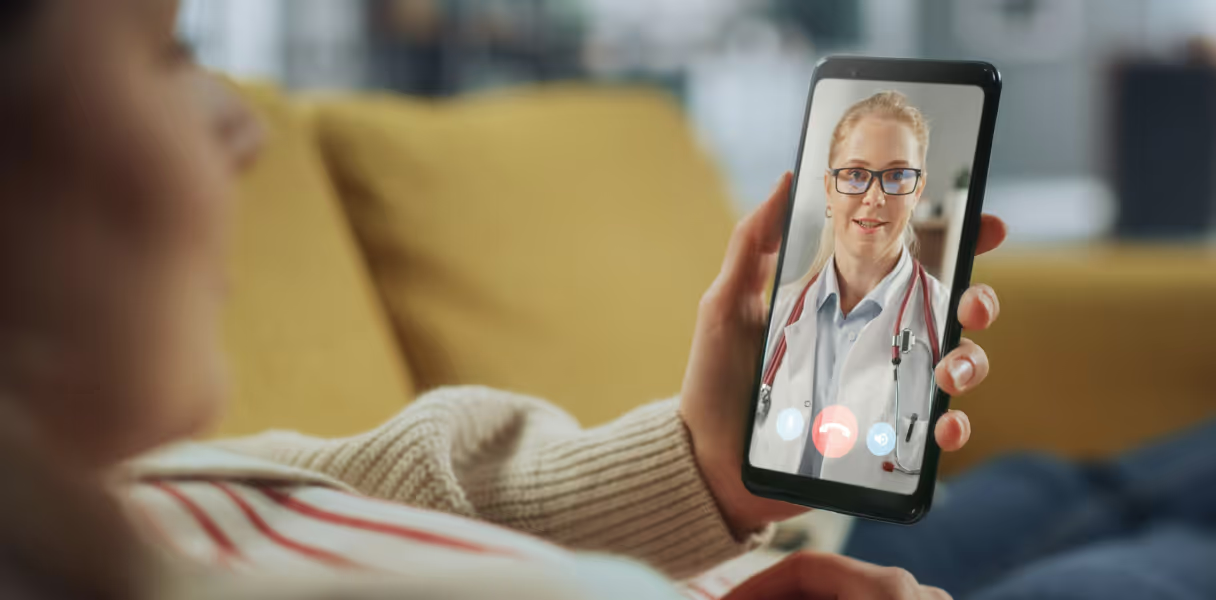
Telehealth appointments are also available through dumbo.health, allowing patients to schedule telehealth appointments with sleep medicine professionals without leaving home. This is particularly valuable for patients in areas where local sleep clinic availability is limited or wait times are long.
KEY TAKEAWAY: Fort Worth residents can access sleep apnea testing and treatment through local sleep centers, healthcare systems like Baylor Scott and White Health, or directly through dumbo.health, which offers transparent pricing and telehealth support without geographic limitations.
With all the information about testing, diagnosis, treatment, and access in hand, the final step is taking action.
Conclusion
A home sleep apnea test in Fort Worth, Texas gives you a clear, affordable path from symptoms to diagnosis without the delays of insurance authorization or clinic wait times. Obstructive sleep apnea is a treatable condition, and the sooner you get tested, the sooner you can start protecting your cardiovascular health, improving your sleep quality, and eliminating the daytime fatigue that affects your daily life. dumbo.health makes the entire process straightforward with a $149 at-home sleep test,physician-reviewed results, and CPAP care plans starting at $59 per month with no contracts and no insurance required. If you are ready to find out whether sleep apnea is behind your symptoms, take the free sleep assessment and start your care journey today.
Frequently Asked Questions About Home Sleep Apnea Testing in Fort Worth, Texas
What is obstructive sleep apnea?
Obstructive sleep apnea (OSA) is a sleep disorder in which the upper airway repeatedly collapses or becomes blocked during sleep, causing breathing to pause or become shallow. These interruptions reduce oxygen levels in the blood and fragment sleep, often without the person being aware. According to the American Academy of Sleep Medicine, OSA is one of the most common sleep disorders worldwide. Symptoms often include loud snoring, gasping during sleep, morning headaches, and persistent daytime fatigue. A qualified healthcare professional can evaluate your symptoms and determine whether sleep apnea testing is appropriate.
Are there different types of sleep apnea?
Yes, there are three main types of sleep apnea. Obstructive sleep apnea is the most common and occurs when throat muscles relax and block the airway. Central sleep apnea occurs when the brain fails to send proper signals to the muscles that control breathing. Complex sleep apnea syndrome, sometimes called treatment-emergent central sleep apnea, is a combination of both types. Each type has different causes and may require different treatment approaches. A physician with experience in sleep medicine can help determine which type may be affecting you based on test results and your clinical profile.
What are the signs and symptoms of sleep apnea?
Common signs of sleep apnea include loud snoring, waking up gasping or choking, witnessed pauses in breathing during sleep, frequent nighttime awakenings, morning headaches, a dry or sore throat on waking, difficulty concentrating, irritability, and persistent daytime fatigue or sleepiness even after what feels like a full night of sleep. Not everyone who has sleep apnea snores, and some people have no obvious nighttime symptoms at all. If you regularly feel exhausted despite sleeping, or if a bed partner has noticed unusual breathing patterns, speaking with a healthcare professional about sleep apnea testing is a reasonable next step. You can also take a free sleep assessment to help identify whether testing may be appropriate.
Is feeling tired all day a sign of sleep apnea?
Persistent daytime fatigue or excessive daytime sleepiness, even after a seemingly full night of sleep, is one of the most common symptoms associated with sleep apnea. When breathing is repeatedly interrupted during the night, the body is repeatedly pulled out of deep, restorative sleep, even if the person does not fully wake up. This chronic sleep fragmentation prevents the body and brain from reaching the stages of sleep needed for physical and cognitive recovery. Daytime fatigue with no clear explanation is considered a clinical red flag for sleep apnea and warrants evaluation by a healthcare professional.
Can waking up with a headache be related to sleep apnea?
Morning headaches can be associated with sleep apnea. When breathing pauses occur during sleep, oxygen levels in the blood can drop and carbon dioxide can accumulate, which may contribute to headaches on waking. These headaches typically occur in the forehead and tend to resolve within a few hours after getting up. While morning headaches have multiple possible causes, they are recognised as a potential symptom of obstructive sleep apnea. A physician can help determine whether sleep apnea or another underlying condition may be responsible.
What causes sleep apnea?
Obstructive sleep apnea occurs when the muscles supporting the soft tissues of the throat, including the soft palate, uvula, tonsils, and tongue, relax excessively during sleep and narrow or block the airway. Risk factors include excess body weight, a large neck circumference, nasal congestion, a naturally narrow airway, alcohol use, sedative medications, smoking, sleeping on your back, family history, and age. Central sleep apnea has different causes, often related to how the brain communicates with the respiratory system. The Mayo Clinic explains that OSA can affect people of any age or body size, although certain risk factors increase likelihood significantly.
What are the risk factors for sleep apnea?
Risk factors for obstructive sleep apnea include excess body weight or obesity, a large neck circumference, being male, being over the age of 40, postmenopausal status in women, anatomical features such as a narrow throat or enlarged tonsils, a family history of sleep apnea, nasal congestion, alcohol use, smoking, and the use of sedative medications. Having high blood pressure, type 2 diabetes, or a history of stroke also increases risk. The presence of multiple risk factors does not confirm a diagnosis, but a healthcare professional can assess whether a home sleep apnea test or further evaluation is appropriate.
Is sleep apnea dangerous if left untreated?
Yes, untreated sleep apnea is associated with serious health risks. According to the National Heart, Lung, and Blood Institute (NHLBI), untreated obstructive sleep apnea is linked to an increased risk of high blood pressure, heart disease, irregular heart rhythms, stroke, type 2 diabetes, and motor vehicle accidents caused by excessive daytime sleepiness. Repeated drops in blood oxygen and the physiological stress of frequent nighttime arousals place sustained strain on the cardiovascular system over time. Getting evaluated and, where appropriate, treated is important for long-term health. If you have severe symptoms, chest pain, or sudden breathing difficulties, seek prompt medical care.
What potential health risks are associated with untreated sleep apnea?
Untreated sleep apnea can contribute to a range of serious health complications beyond daytime fatigue. These include poorly controlled high blood pressure, an increased risk of atrial fibrillation and other heart arrhythmias, coronary artery disease, heart failure, stroke, metabolic dysfunction, and impaired cognitive performance. Sleep fragmentation caused by repeated breathing interruptions also affects mood, memory, and concentration. In occupational settings, excessive daytime sleepiness from untreated sleep apnea increases the risk of drowsy driving and workplace accidents. A healthcare professional can explain what these risks mean in the context of your individual health history.
If I snore, does that mean I have sleep apnea?
Not everyone who snores has sleep apnea, but snoring is one of the most common symptoms of obstructive sleep apnea. Snoring occurs when airflow causes the tissues of the relaxed throat to vibrate. When the airway becomes more significantly obstructed, breathing pauses can occur, which is characteristic of sleep apnea. Snoring without apnea events is sometimes called primary or simple snoring and carries fewer health risks. However, because snoring alone cannot reliably distinguish between simple snoring and OSA, a sleep apnea test is the appropriate way to determine whether a clinically significant problem is present.
How is sleep apnea diagnosed?
Sleep apnea is diagnosed using a sleep study, which measures breathing patterns, oxygen levels, heart rate, and other signals during sleep. Diagnosis can be made using either a home sleep apnea test (HSAT) or an in-laboratory polysomnography (nocturnal polysomnography). A key metric is the apnea-hypopnea index (AHI), which measures the average number of breathing interruptions per hour of sleep. A physician trained in sleep medicine interprets the test results alongside the patient's clinical profile and symptoms to make a diagnosis. A healthcare professional determines whether a home test or in-lab study is the most appropriate starting point for each individual. Learn more about the at-home sleep testing process.
What is a home sleep apnea test and how does it work?
A home sleep apnea test (HSAT) is an FDA-cleared diagnostic tool that allows patients to test for sleep apnea in their own home rather than in a clinical setting. The device typically records breathing effort, airflow, oxygen saturation, heart rate, and body position during sleep using sensors worn at the wrist, fingertip, or chest. The recorded data is then reviewed and interpreted by a qualified physician who produces a diagnostic report. Home sleep tests are a clinically validated option for diagnosing moderate to severe obstructive sleep apnea in adults without major comorbid sleep disorders. The American Academy of Sleep Medicine supports home sleep testing as an appropriate pathway for many patients.
What is WatchPAT and how effective is it for diagnosing sleep apnea?
WatchPAT is an FDA-cleared and clinically validated home sleep apnea testing device that uses peripheral arterial tone (PAT) technology to detect sleep apnea. By measuring changes in arterial blood flow at the fingertip, along with oxygen saturation, pulse rate, body position, and actigraphy signals, WatchPAT captures data related to sympathetic nervous system responses that occur during apnea and hypopnea events. Studies have demonstrated that WatchPAT shows strong agreement with in-laboratory polysomnography for diagnosing obstructive sleep apnea. It is a convenient, validated option for at-home sleep apnea testing in appropriate patients, with results interpreted by a qualified physician.
What is the NightOwl home sleep apnea sensor?
NightOwl is a small, fingertip-worn FDA-cleared home sleep apnea testing device that uses peripheral arterial tone and photoplethysmography to record biometrics including oxygen saturation, pulse rate, and arterial blood flow signals during sleep. Its compact size makes it comfortable to wear and easy to use at home without complex setup. NightOwl uploads sleep data to the cloud for physician review and interpretation. As with all home sleep apnea tests, a physician must interpret the recorded signals and produce a diagnostic report. NightOwl is considered a practical option for patients who find traditional multi-sensor devices uncomfortable.
How long does a home sleep apnea test take?
A home sleep apnea test is typically completed in a single night. The recording time is usually one full night of sleep in your own home. The device records physiological signals while you sleep and the data is returned for physician analysis after the test night. Getting the device set up and ready before bed takes only a few minutes. Most patients find the process straightforward. Results are typically available within a few days of returning the device, depending on the service provider. dumbo.health offers a $149 one-time at-home sleep test with physician interpretation included.
What happens after I complete a home sleep apnea test?
After your home sleep apnea test is complete, the recorded data is reviewed and interpreted by a qualified physician. The physician produces a diagnostic report that includes your apnea-hypopnea index (AHI), oxygen desaturation index, and other relevant findings. If sleep apnea is confirmed, the report forms the basis for treatment recommendations, which may include CPAP therapy or another appropriate intervention. Results and reports can also be sent to your referring provider or healthcare team. A healthcare professional will guide you through what your results mean and what treatment, if any, is appropriate for your situation.
How is sleep apnea treated?
The most commonly recommended and clinically supported treatment for moderate to severe obstructive sleep apnea is continuous positive airway pressure (CPAP) therapy. CPAP delivers a steady stream of pressurised air through a mask worn during sleep, keeping the airway open and preventing breathing interruptions. Other treatment options include oral appliance therapy, positional therapy, weight management, and in some cases surgical intervention. Central sleep apnea may require different treatment approaches. Treatment selection depends on the type and severity of sleep apnea, comorbid conditions, and patient preference. A physician with expertise in sleep medicine should guide treatment decisions based on your diagnostic results and clinical profile.
What is CPAP therapy and what does it involve?
CPAP, which stands for continuous positive airway pressure, is the most widely prescribed treatment for obstructive sleep apnea. A CPAP machine delivers a constant flow of air through a tube connected to a mask worn over the nose or nose and mouth during sleep. The pressurised air acts as a pneumatic splint that keeps the upper airway open, preventing the collapses that cause apnea events. CPAP equipment includes the machine, mask, tubing, and optional comfort features such as heated humidification. Proper fitting and adjustment are important for comfort and effective use. Ongoing adherence monitoring helps confirm that therapy is working as intended. Learn about CPAP therapy options and how ongoing care can be structured.
What is CPAP adherence and why does it matter?
CPAP adherence refers to how consistently and for how long a patient uses their CPAP device each night. Most clinical guidelines and payers define adequate adherence as using CPAP for at least four hours per night on at least 70 percent of nights, though longer nightly use is generally associated with better outcomes. Poor adherence reduces the effectiveness of treatment and can leave symptoms and health risks unaddressed. Adherence data is recorded by modern CPAP devices and can be reviewed by a physician or sleep care team. Regular monitoring and follow-up can help identify and address barriers to consistent use such as mask fit issues, pressure discomfort, or dryness.
Will I need an in-lab sleep study or can I use a home sleep test?
Many adults with suspected obstructive sleep apnea are appropriate candidates for a home sleep apnea test (HSAT). However, in-laboratory polysomnography may be recommended when a home test is not sufficient to make a diagnosis, when complex or multiple sleep disorders are suspected, when results from a home test are inconclusive, or when the patient has significant comorbid conditions such as severe cardiovascular disease, respiratory insufficiency, or suspected central sleep apnea. A healthcare professional can assess your symptoms and clinical history to determine which testing pathway is most appropriate for your situation.
Does a home sleep apnea test detect all sleep disorders?
No. A home sleep apnea test is designed primarily to screen for and diagnose obstructive sleep apnea in adults who are clinically appropriate for out-of-center testing. It does not provide the comprehensive assessment of an in-laboratory polysomnography. Home sleep tests typically do not evaluate for conditions such as narcolepsy, restless legs syndrome, periodic limb movements, parasomnias including sleepwalking, sleep anxiety, or insomnia with complex presentations. If a home test result is inconclusive, or if the patient has symptoms suggesting a broader sleep disorder, an in-lab study or further clinical evaluation may be recommended.
What are the symptoms of sleep apnea in women?
Sleep apnea in women may present differently than in men, which can contribute to underdiagnosis. While loud snoring and witnessed apnea events are commonly associated with sleep apnea, women are more likely to report subtler symptoms such as persistent fatigue, insomnia, morning headaches, mood disturbances, anxiety, and difficulty concentrating. The Sleep Foundation explains that hormonal changes related to menopause significantly increase the risk of sleep apnea in women. Because these symptoms overlap with other conditions, sleep apnea in women is sometimes attributed to depression, thyroid disorders, or general fatigue before the underlying sleep disorder is identified. A sleep apnea test can help clarify the diagnosis.
Will losing weight resolve sleep apnea?
Weight loss can reduce the severity of obstructive sleep apnea in some people, but it does not reliably cure it for everyone. Excess weight, particularly around the neck and upper airway, is a significant risk factor for OSA, and weight reduction may lower the apnea-hypopnea index in some patients. However, sleep apnea can persist even after substantial weight loss, and anatomical factors unrelated to weight can contribute to the condition. Losing weight should not be used as a substitute for diagnosis and treatment. Any decisions about lifestyle changes in the context of sleep apnea should be made with guidance from a qualified healthcare professional.
Are there at-home remedies for sleep apnea?
Lifestyle changes such as weight loss, sleeping on your side instead of your back, reducing alcohol intake, avoiding sedative medications, and treating nasal congestion may reduce the severity of obstructive sleep apnea in some individuals. However, these adjustments are generally not considered standalone treatments for clinically significant sleep apnea and should not replace formal diagnosis and physician-guided therapy. Attempting to manage sleep apnea without a proper diagnosis or medical supervision carries risks, particularly given the cardiovascular and safety implications of untreated OSA. A healthcare professional can evaluate whether lifestyle modifications alone are appropriate or whether CPAP or another treatment is needed.
What is the difference between CPAP and an oral appliance for sleep apnea?
CPAP therapy and oral appliance therapy are both accepted treatments for obstructive sleep apnea, but they work differently and are suited to different patients. CPAP keeps the airway open by delivering continuous pressurised air through a mask. Oral appliances, also called mandibular advancement devices, are custom-fitted devices made by a dentist trained in dental sleep medicine that reposition the lower jaw and tongue to reduce airway obstruction during sleep. CPAP is generally considered the most effective treatment for moderate to severe OSA. Oral appliances may be appropriate for patients with mild to moderate OSA, those who cannot tolerate CPAP, or as a secondary option. A physician should guide treatment selection based on diagnostic results.
When should I speak with my doctor about sleep apnea?
You should speak with a healthcare professional about sleep apnea if you regularly experience loud snoring, witnessed pauses in breathing, gasping or choking during sleep, persistent morning headaches, or excessive daytime sleepiness that affects your daily functioning, concentration, or driving safety. You should also seek evaluation if a bed partner has expressed concern about your nighttime breathing. If you have cardiovascular conditions, high blood pressure, type 2 diabetes, or other conditions associated with sleep apnea, discussing sleep screening with your doctor is also prudent. If you experience chest pain, severe breathlessness, or other urgent symptoms, seek medical care promptly.
Does health insurance cover the cost of a home sleep apnea test?
Coverage for home sleep apnea testing varies depending on your insurance plan, deductible, and whether you have met prior authorisation requirements. Many insurance plans cover HSAT when ordered by a physician and when specific clinical criteria are met, but out-of-pocket costs including deductibles and coinsurance can make the actual price unpredictable. For patients who prefer transparent pricing without prior authorisation delays or surprise bills, dumbo.health offers a $149 at-home sleep test on a cash-pay basis. Monthly care plans starting at $59 per month cover physician interpretation, CPAP therapy and equipment, and follow-up care, with no contracts and no insurance required. Explore sleep apnea care solutions to compare what each plan includes.
How much does a home sleep apnea test cost?
The cost of a home sleep apnea test varies depending on the provider, whether insurance is used, and what is included in the price. With insurance, costs can vary significantly based on your deductible and plan requirements. For patients paying out of pocket, dumbo.health offers a $149 one-time at-home sleep test that includes the test device and one night of testing. This is billed separately from monthly care plans. Ongoing care plans start at $59 per month for physician interpretation, CPAP therapy and equipment, and follow-up care. All plans are cash-pay with no contracts and no surprise bills.
What is included in a monthly sleep apnea care plan?
dumbo.health monthly plans are designed to support ongoing sleep apnea care after testing. The Essentials plan at $59 per month includes physician interpretation and report, CPAP therapy and equipment, standard follow-up care, and provider updates. The Premium plan at $89 per month adds a dedicated sleep coach from a licensed care team, advanced adherence monitoring, and priority results turnaround. The Elite plan at $129 per month includes concierge clinical support, direct physician messaging, and custom reporting for your practice. All plans are cash-pay, require no insurance, have no contracts, and can be cancelled at any time. Compare sleep apnea care options to find the right fit.
Do I need insurance to get a home sleep apnea test?
No. dumbo.health offers at-home sleep apnea testing and ongoing care on a cash-pay basis with no insurance required. There are no prior authorisations, no referral requirements, and no surprise bills. The home sleep test is $149 as a one-time purchase, and monthly care plans are available from $59 per month. This model is designed for patients who want transparent pricing and straightforward access to testing and treatment without navigating insurance approval processes. If you do have insurance and want to use it, speaking with your insurer about home sleep apnea test coverage before booking can help you understand your out-of-pocket costs.
What should I bring to a sleep apnea consultation?
For a first sleep apnea consultation, it is helpful to bring a list of your current medications and dosages, a summary of your sleep symptoms including when they started and how they affect daily functioning, any previous sleep study results if applicable, information about relevant medical conditions such as high blood pressure, diabetes, heart disease, or obesity, and notes from a bed partner about witnessed breathing patterns during sleep. Some clinicians also ask about your sleep schedule, shift work patterns, and alcohol or sedative use. Bringing several years of relevant medical history is generally appropriate, though your provider will advise on how far back is clinically useful.
How long does a first sleep apnea consultation typically last?
A first sleep apnea consultation typically lasts between 30 and 60 minutes, though the length can vary depending on the complexity of your symptoms and medical history. During the consultation, a healthcare professional will review your symptoms, medical background, and risk factors, and may conduct or order a physical examination. They will discuss testing options and, if appropriate, recommend a home sleep apnea test or in-laboratory study. More complex cases involving multiple sleep disorders or significant comorbid conditions may require a longer appointment. Some sleep medicine providers also offer telehealth appointments, which can be convenient for an initial consultation.
How soon can I get fitted for an oral appliance after a sleep apnea consultation?
The timeline for oral appliance fitting depends on your diagnostic results and the treatment pathway recommended by your healthcare provider. If oral appliance therapy is recommended following sleep apnea diagnosis, a dentist with training in dental sleep medicine typically takes impressions of your teeth and fabricates a custom device over a period of one to three weeks. Some practices offer accelerated timelines depending on their laboratory partnerships. Before fitting, your dentist will assess the health of your teeth, gums, and jaw to confirm you are a suitable candidate. A healthcare professional or dental sleep medicine practitioner can provide a more specific timeline based on your individual situation.
Do I need to see a dentist for sleep apnea treatment?
Dentists with specialised training in dental sleep medicine play a role in sleep apnea treatment when oral appliance therapy is recommended. A dentist can fabricate a custom mandibular advancement device, assess jaw and dental health, and monitor for side effects such as changes in bite or temporomandibular joint discomfort over time. However, diagnosis of sleep apnea and the recommendation for oral appliance therapy come from a qualified physician or sleep medicine specialist. CPAP therapy, the most widely prescribed treatment for moderate to severe OSA, does not require dental involvement. Your sleep medicine physician can advise on the most appropriate treatment path for your specific results and health profile.
Does everyone who snores have sleep apnea?
No. Snoring is common and does not automatically indicate sleep apnea. Primary snoring, also called simple snoring, can occur due to nasal congestion, alcohol use, body position, or anatomical features such as a long soft palate, without any clinically significant breathing interruptions. However, snoring is a very common feature of obstructive sleep apnea, and the two often occur together. The only reliable way to determine whether snoring is accompanied by apnea events and oxygen desaturation is through a sleep test interpreted by a qualified physician. If your snoring is loud, disruptive, or accompanied by other symptoms, a sleep apnea evaluation is worth discussing with your healthcare provider.
Do children get sleep apnea?
Yes, children can develop obstructive sleep apnea, and it is more common than many parents realise. In children, warning signs may include loud snoring, laboured breathing during sleep, witnessed pauses in breathing, restless sleep, bedwetting, difficulty waking in the morning, hyperactivity or behavioural problems during the day, and poor school performance. Unlike adults, children with sleep apnea may not show obvious daytime sleepiness but may instead appear hyperactive. Common causes in children include enlarged tonsils and adenoids. If your child displays these signs, speaking with a paediatrician or specialist in paediatric sleep medicine is an appropriate first step. A healthcare professional can assess whether evaluation is needed.
What is the apnea-hypopnea index?
The apnea-hypopnea index (AHI) is the primary metric used to diagnose and grade the severity of sleep apnea. It measures the average number of apnea events, which are complete breathing pauses, and hypopnea events, which are partial breathing reductions, per hour of recorded sleep. An AHI of fewer than five events per hour is generally considered normal in adults. An AHI of 5 to 14 is classified as mild sleep apnea, 15 to 29 as moderate, and 30 or above as severe. The AHI is one of the key outputs of both home sleep apnea tests and in-laboratory sleep studies, and it informs treatment recommendations made by your physician.
What is the oxygen desaturation index?
The oxygen desaturation index (ODI) measures how many times per hour a person's blood oxygen saturation level drops by a defined percentage, typically three or four percent, during sleep. It is a secondary metric commonly reported alongside the apnea-hypopnea index in sleep study results. Repeated drops in blood oxygen, known as oxygen desaturations, are associated with the cardiovascular and metabolic consequences of untreated sleep apnea. A physician interprets the ODI in the context of the full sleep study recording, clinical history, and other physiological signals to form a complete diagnostic picture.
Can I use telehealth for sleep apnea care?
Yes, telehealth has become an established pathway for many aspects of sleep apnea care, including initial consultations, review of home sleep test results, CPAP prescription and adjustment, and ongoing adherence follow-up. Telehealth appointments allow patients to connect with sleep medicine physicians and care teams without travelling to a clinic, which is particularly convenient for follow-up visits and routine check-ins. Some aspects of care, such as an initial physical examination, may still require an in-person visit depending on your clinical situation and provider preference. A healthcare professional can advise on whether your care needs can be managed through telehealth or whether in-person assessment is warranted.
Where can I get a home sleep apnea test in Fort Worth, Texas?
Residents of Fort Worth, Texas and the broader Dallas-Fort Worth Metroplex can access home sleep apnea testing through sleep clinics, sleep centres, and telehealth platforms that serve the area. For those who prefer transparent cash-pay pricing without insurance requirements, dumbo.health offers an at-home sleep test for $149, available to patients regardless of their location, including Fort Worth and surrounding communities such as Arlington and the Johnson County area. The test is completed at home using an FDA-cleared device, with physician interpretation and a diagnostic report included. Get started with a home sleep apnea test and access care from providers in your area or through a connected care team.
What should I do if I think a family member has sleep apnea?
If you suspect a family member has sleep apnea, the most helpful step is to encourage them to speak with a healthcare professional about their symptoms. You can support this process by noting observations such as loud snoring, witnessed pauses in breathing, frequent night waking, or unusual restlessness during sleep, and sharing these with their doctor. Many people are unaware of their own sleep apnea because the most significant events happen while they are asleep. If the family member is reluctant to seek care, sharing information about the health risks of untreated sleep apnea, including cardiovascular consequences and safety concerns, may help them take the issue seriously. A home sleep test can be a low-barrier starting point.
Is restless legs syndrome related to sleep apnea?
Restless legs syndrome (RLS) is a separate sleep disorder from sleep apnea, though the two can coexist. Restless legs syndrome is a neurological condition characterised by uncomfortable sensations in the legs, typically worse at rest and in the evening, that create an urge to move. It can cause significant difficulty falling asleep and maintaining sleep, contributing to poor sleep quality and daytime fatigue. Periodic limb movements in sleep (PLMS) are a related condition that can occur alongside RLS. While a home sleep apnea test focuses on breathing-related events, an in-laboratory sleep study can evaluate for periodic limb movements and other sleep disorders. A physician can assess whether multiple conditions may be contributing to your symptoms.