





Home Sleep Apnea Test in Sugar Land, Texas: The Complete Guide to At-Home Diagnosis
A home sleep apnea test in Sugar Land, Texas gives you a clinically validated way to screen for obstructive sleep apnea from your own bed, without visiting a sleep clinic or hospital overnight. According to the American Academy of Sleep Medicine, home sleep tests accurately detect moderate to severe obstructive sleep apnea in most adults when properly administered. This guide is written for Sugar Land and Greater Houston residents experiencing symptoms like chronic snoring, breathing pauses during sleep, or excessive daytime fatigue. You will learn how home sleep testing works, what it measures, how it compares to in-lab studies, what results mean for treatment, and where to access affordable testing with or without insurance. Whether you need testing for a DOT physical or suspect a sleep disorder is affecting your health, the sections ahead cover every step of the process.
Quick Answer
A home sleep apnea test in Sugar Land, Texas is a portable diagnostic device you wear for one night in your own bed to detect obstructive sleep apnea. The test records breathing patterns, blood oxygen levels, airflow, and respiratory effort. Most adults with suspected moderate to severe sleep apnea qualify for home testing instead of an overnight sleep clinic visit. Results are reviewed by a physician who determines diagnosis and treatment. dumbo.health offers a home sleep test for $149 with no insurance required and ships directly to your door.
Key Takeaways
- Home sleep apnea tests are clinically validated to detect obstructive sleep apnea in adults and can be completed in one night at home in Sugar Land or anywhere in Texas.
- The test measures blood oxygen levels, airflow, respiratory effort, and heart rate, providing enough data for a physician to diagnose most cases of obstructive sleep apnea.
- In-lab polysomnography uses more sensors, including electrodes for brain and muscle activity, but is not required for straightforward obstructive sleep apnea diagnosis in most patients.
- dumbo.health provides a home sleep test for $149 with no insurance, no prior authorization, and no surprise bills, plus monthly care plans starting at $59 per month for ongoing CPAP treatment.
- The American Academy of Sleep Medicine recommends home sleep testing for adults with a high pretest probability of moderate to severe obstructive sleep apnea and no significant comorbid sleep disorders.
- Untreated sleep apnea increases risk for high blood pressure, heart disease, stroke, and motor vehicle accidents, making timely diagnosis a priority for long-term health.
What Is a Home Sleep Apnea Test and How Does It Work
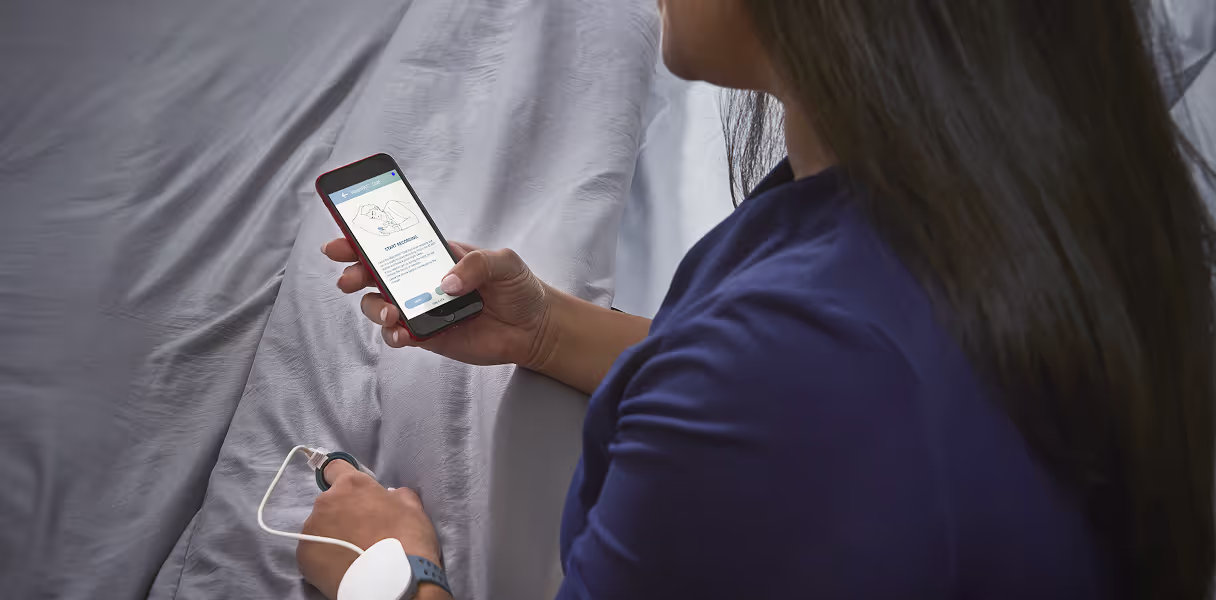
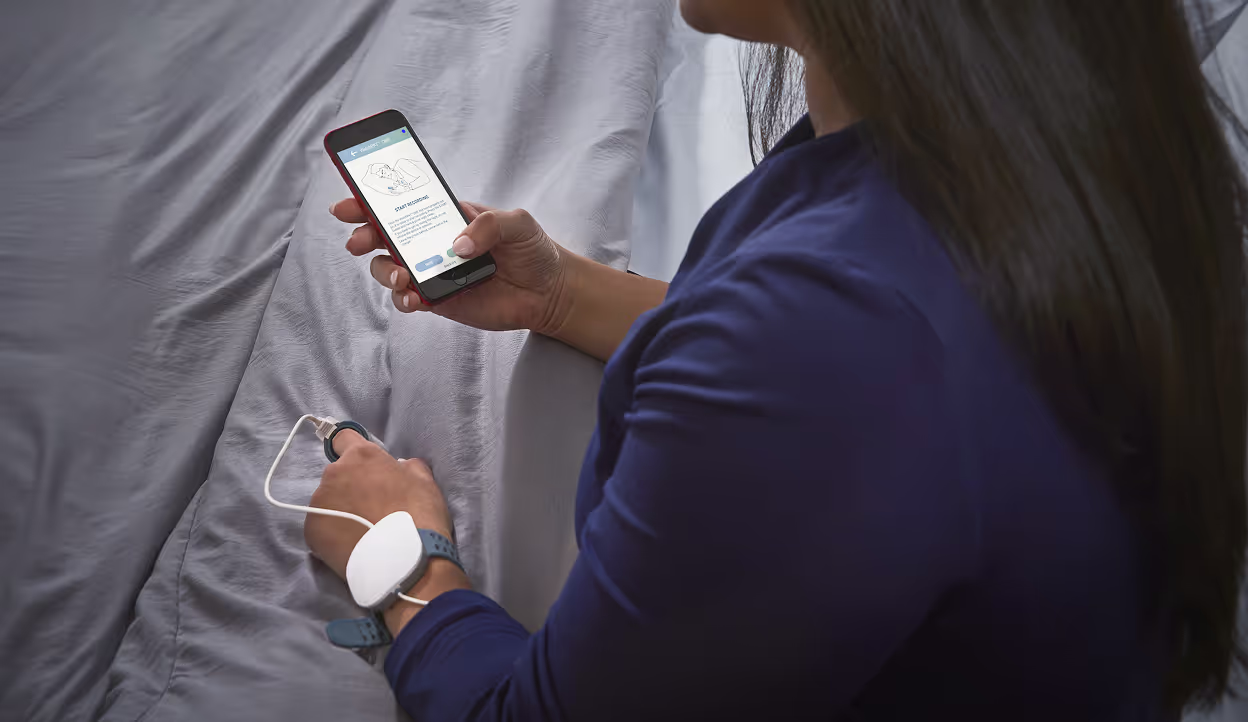
A home sleep apnea test is a portable diagnostic device that records your breathing patterns, oxygen levels, and respiratory effort during one night of sleep. Unlike an in-lab sleep study, you wear the device in your own bed with no technicians present.
What the Test Measures
Home sleep test devices use a small number of sensors to capture the data a physician needs for an obstructive sleep apnea diagnosis. The typical setup includes a nasal airflow sensor, a pulse oximeter on your finger to measure oxygen levels, a chest belt to track respiratory activity, and sometimes a body position sensor. These four to five channels provide enough clinical information to calculate your Apnea-Hypopnea Index, which is the number of breathing pauses or reductions per hour of recorded time.
According to the National Heart, Lung, and Blood Institute, obstructive sleep apnea occurs when the upper airway repeatedly collapses during sleep, causing breathing pauses that reduce blood oxygen and fragment sleep. A home sleep test captures these events without the complexity of full polysomnography.
Home sleep apnea testing records airflow through the nose, blood oxygen saturation via a finger sensor, chest and abdominal respiratory effort through an elastic belt, and heart rate. These measurements allow a physician to calculate the Apnea-Hypopnea Index and determine the severity of obstructive sleep apnea.
How It Differs from an In-Lab Sleep Study
An in-lab polysomnography uses electrodes attached to your scalp to measure brain activity, muscle activity, and eye movement, along with cardiac activity monitoring through EKG leads. This provides a complete picture of sleep architecture, including sleep stages and arousals. A home sleep test does not measure brain waves, which means it cannot score sleep stages or detect conditions like sleepwalking, circadian rhythm sleep disorders, or other neurological sleep disorders.
The tradeoff is convenience. Home testing eliminates the need to spend a night in a sleep center, reduces cost, and produces results that are sufficient for diagnosing straightforward obstructive sleep apnea in the majority of adult patients.
DID YOU KNOW: The American Academy of Sleep Medicine estimates that approximately 80 percent of moderate to severe obstructive sleep apnea cases in the United States remain undiagnosed, partly because many patients avoid in-lab testing due to cost and inconvenience.
KEY TAKEAWAY: A home sleep apnea test captures airflow, oxygen levels, respiratory effort, and heart rate to diagnose obstructive sleep apnea without requiring an overnight visit to a sleep clinic.
Understanding what the test measures helps clarify who qualifies for home testing and who may need an in-lab study instead.
Who Should Get a Home Sleep Apnea Test in Sugar Land
Adults who have symptoms of obstructive sleep apnea and no complex coexisting sleep disorders are the strongest candidates for home sleep testing. This includes most people in the Sugar Land and Houston area who experience chronic snoring, witnessed breathing pauses, or excessive daytime sleepiness.
Symptoms That Indicate Testing Is Needed
The most common symptoms that warrant sleep apnea testing include loud habitual snoring, choking or gasping during sleep, unrefreshing sleep despite adequate hours in bed, morning headaches, and difficulty concentrating during the day. According to the Sleep Foundation, snoring alone does not confirm sleep apnea, but snoring combined with daytime fatigue or observed breathing pauses raises the pretest probability significantly.
Sleep deprivation from untreated obstructive sleep apnea also contributes to behavioral issues, cognitive issues, and mood disturbances. The CDC reports that adults generally need at least 7 hours of sleep per night, and repeated oxygen desaturations from sleep-disordered breathing reduce the restorative quality of whatever sleep a person gets.
Common Referral Scenarios in Sugar Land
Many patients in Sugar Land receive referrals for sleep testing from their primary care physician, a pulmonary and sleep medicine specialist, or a dentist who notices airway-related findings during an intraoral exam. CDL holders in the Greater Houston area are frequently screened during DOT physicals when their BMI, neck circumference, or symptom profile suggests obstructive sleep apnea risk.
Patients near Bellaire Blvd, Katy, and surrounding Houston area communities can access home sleep testing without traveling to a dedicated sleep center. dumbo.health ships a home sleep test device directly to your address in Sugar Land, eliminating the need for an office visit just to pick up equipment.
Real-World Examples
A 48-year-old logistics manager in Sugar Land reports loud snoring and wakes with headaches three to four mornings per week. His wife has observed breathing pauses lasting several seconds. His primary care doctor recommends a home sleep test rather than an in-lab study because his symptoms strongly suggest uncomplicated obstructive sleep apnea with no history of nightmares, sleepwalking, or other sleep-related behavior disorders.
A 55-year-old owner-operator based near Katy needs sleep apnea testing after her DOT physical. She has a BMI of 34 and a neck circumference above 16 inches. Rather than waiting weeks for a sleep clinic appointment in Houston, she orders a home sleep test through dumbo.health for $149, completes the test the same week, and receives results reviewed by a physician.
A 37-year-old IT professional in Sugar Land experiences chronic fatigue and difficulty concentrating but does not snore. His doctor considers other potential causes, including circadian rhythm sleep disorders and sleep deprivation from shift work. Because the clinical picture is not straightforward, his physician recommends an in-lab polysomnography rather than a home test.
KEY TAKEAWAY: Home sleep testing is appropriate for adults in Sugar Land with classic obstructive sleep apnea symptoms such as snoring, witnessed breathing pauses, and daytime sleepiness, but patients with complex or atypical symptoms may need an in-lab study.
Knowing who qualifies for home testing leads naturally to understanding how the testing process works from start to finish.
How to Complete a Home Sleep Apnea Test in Sugar Land
Completing a home sleep apnea test involves a straightforward sequence from ordering the device to receiving your physician-reviewed results. Most patients finish the entire process within one to two weeks.
Step-by-Step Process for Home Sleep Testing
1. Complete a sleep questionnaire or free sleep assessment to determine whether you are a candidate for home testing. You can do this through dumbo.health by visiting the free sleep assessment.
2. Order your home sleep test device. Through dumbo.health, the test costs $149 with no insurance required and no prior authorization needed. The device ships directly to your home in Sugar Land.
3. Review the included instructions on the evening of your test. Attach the nasal airflow sensor, place the pulse oximeter on your finger, and secure the chest belt around your torso. Most devices take less than 10 minutes to set up.
4. Go to sleep as you normally would. The device records your airflow, oxygen levels, respiratory effort, and heart rate throughout the night.
5. Remove the device in the morning and return it using the prepaid shipping label included in the kit.
6. A board-certified physician reviews your recorded data and generates a clinical report with your Apnea-Hypopnea Index and diagnosis.
7. Receive your results and discuss next steps. With dumbo.health, results are returned within days, and if you are diagnosed with obstructive sleep apnea, you can begin a treatment plan immediately.
After completing these steps, you have a physician-reviewed diagnosis that guides your treatment path. If CPAP therapy is recommended, dumbo.health care plans start at $59 per month and include equipment, physician oversight, and follow-up.
What to Do the Night Before Your Test
Avoid alcohol and sedating medications on the night of your test unless your doctor advises otherwise. Alcohol relaxes the upper airway muscles and can artificially worsen apnea events, potentially skewing results. Sleep in your usual position and environment for the most accurate data.
TIP: Charge the device fully and do a test fit of all sensors before getting into bed. This avoids loose connections that could result in incomplete data and the need to repeat the test.
KEY TAKEAWAY: The home sleep test process takes less than two weeks from ordering the device to receiving physician-reviewed results, and setup on test night typically takes under 10 minutes.
Once you understand the testing process, the next important question is what your results actually mean.
Understanding Your Home Sleep Test Results
Your home sleep test results center on the Apnea-Hypopnea Index, which quantifies how many times per hour your breathing was partially or fully obstructed during the recorded sleep period.
How the Apnea-Hypopnea Index Works
The Apnea-Hypopnea Index counts two types of events. An apnea is a complete pause in airflow lasting at least 10 seconds. A hypopnea is a partial reduction in airflow accompanied by a drop in oxygen saturation, typically 3 to 4 percent or more. The total number of these events divided by the hours of recorded time produces the index score.
According to the American Academy of Sleep Medicine, obstructive sleep apnea severity is classified as follows. An index of 5 to 14 events per hour indicates mild obstructive sleep apnea. An index of 15 to 29 indicates moderate. An index of 30 or above indicates severe. An index below 5 is generally considered normal.
What Your Oxygen Levels Reveal
Beyond the Apnea-Hypopnea Index, your results include oxygen saturation data. The physician reviewing your study looks at your baseline oxygen level, the lowest oxygen level recorded during the night, and the percentage of time your oxygen dropped below 90 percent. Repeated desaturations below 88 percent signal significant respiratory compromise and often correlate with cardiovascular risk.
The National Heart, Lung, and Blood Institute notes that chronic intermittent hypoxia from untreated sleep apnea is associated with increased risk for hypertension, atrial fibrillation, and stroke. Your oxygen data helps your physician determine the urgency of treatment and the appropriate pressure settings if CPAP is prescribed.
What Happens After Diagnosis
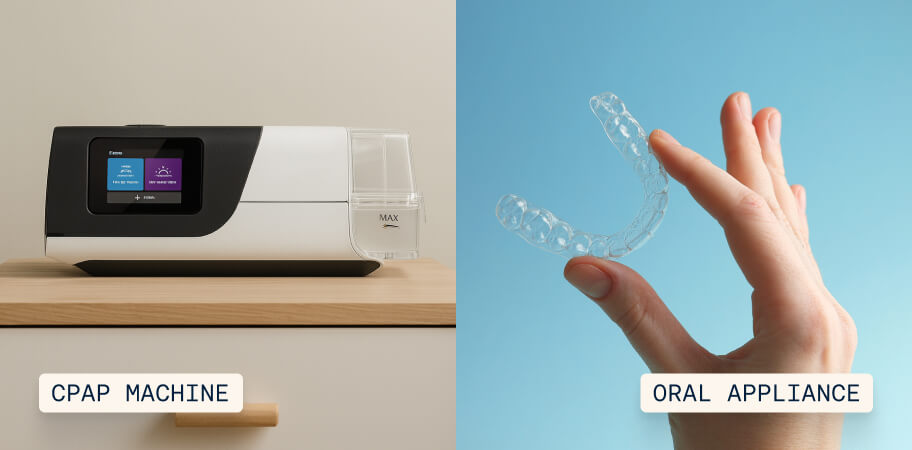
If your results confirm obstructive sleep apnea, your physician will recommend a treatment plan. For most patients with moderate to severe disease, CPAP therapy is the first-line treatment. CPAP stands for continuous positive airway pressure and works by delivering a steady stream of air through a mask to keep your airway open during sleep.
dumbo.health makes the transition from diagnosis to treatment seamless. After your home sleep test results confirm a diagnosis, you can enroll in a monthly care plan that includes CPAP equipment, physician interpretation, and ongoing follow-up. The Essentials Plan starts at $59 per month with no contracts and the ability to cancel anytime.
KEY TAKEAWAY: Your Apnea-Hypopnea Index and oxygen saturation data together determine the severity of your obstructive sleep apnea and guide treatment decisions, with an index of 15 or higher typically warranting CPAP therapy.
Knowing what results mean brings up the practical question of how much testing costs and what you can expect to pay in the Sugar Land area.
Home Sleep Apnea Test Costs in Sugar Land, Texas
The cost of a home sleep apnea test in the Sugar Land and Houston area varies widely depending on whether you use insurance, pay out of pocket, or go through a direct-to-patient provider like dumbo.health.
Typical Cost Range
In-lab polysomnography at a sleep center near Sugar Land typically costs between $1,000 and $3,000 before insurance adjustments. Home sleep tests through local clinics generally range from $200 to $600 when billed through insurance providers, though out-of-pocket costs depend on your deductible, copay, and plan structure.
dumbo.health offers a home sleep test for $149 as a one-time payment with no insurance required, no prior authorizations, and no surprise bills. This price includes the test device and one night of recording. Physician interpretation and ongoing care are covered under separate monthly plans.
Insurance vs. Cash Pay Comparison
Insurance plans often cover home sleep testing, but the process typically requires a prior authorization, a referral from a physician, and coordination with approved durable medical equipment suppliers. Wait times for authorization can add one to three weeks before you receive your device. Some patients in the Sugar Land area report that their insurance covers the test but applies it to a high deductible, meaning they pay the full amount out of pocket anyway.
Cash-pay testing through dumbo.health removes these barriers entirely. There is no need to verify coverage with insurance providers, no forms to submit, and no waiting for approvals.
Cost
- Insurance-based home sleep test: $200 to $600 after insurance, varies by plan and deductible
- dumbo.health home sleep test: $149 flat, no insurance needed
Prior Authorization Required
- Insurance-based home sleep test: Yes, typically required
- dumbo.health home sleep test: No
Wait Time to Receive Device
- Insurance-based home sleep test: 1 to 3 weeks after approval
- dumbo.health home sleep test: Ships directly to your Sugar Land address
Ongoing Treatment Cost
- Insurance-based CPAP treatment: Varies widely based on plan, copays, and rental terms
- dumbo.health treatment plans: $59 to $129 per month, no contracts
For most patients in Sugar Land looking for transparent pricing without insurance hassles, dumbo.health provides the most straightforward path from testing to treatment.
KEY TAKEAWAY: A home sleep apnea test through dumbo.health costs $149 with no insurance required, compared to $200 to $600 or more through traditional insurance-based pathways that often involve delays and prior authorizations.
Cost clarity naturally raises the question of what treatment looks like once you have a confirmed diagnosis.
CPAP Therapy and Treatment Options After Diagnosis
CPAP therapy is the most effective and widely recommended treatment for moderate to severe obstructive sleep apnea. It works by delivering continuous pressurized air through a mask worn during sleep, preventing the upper airway from collapsing.
How CPAP Keeps Your Airway Open
During obstructive sleep apnea, the muscles and soft tissues in the upper airway relax excessively during sleep, causing the airway to narrow or close. Each closure triggers a breathing pause that reduces blood oxygen and forces the brain to briefly wake you to restore airflow. CPAP eliminates these events by maintaining positive pressure in the airway throughout the night.
According to Mayo Clinic, CPAP therapy reduces daytime sleepiness, lowers blood pressure in patients with hypertension, and decreases the risk of cardiovascular events when used consistently. The American Academy of Sleep Medicine recommends a minimum of 4 hours of CPAP use per night for at least 70 percent of nights over a 30-day period to meet adherence standards.
Treatment Plans Through dumbo.health
After your home sleep test confirms obstructive sleep apnea, dumbo.health CPAP care provides everything you need for ongoing treatment under physician supervision. All plans are cash-pay with no contracts and the ability to cancel anytime.
The Essentials Plan at $59 per month includes physician interpretation and report, CPAP therapy and equipment, standard follow-up care, and updates sent to your referring provider. The Premium Plan at $89 per month adds a dedicated sleep coach from a licensed care team, advanced adherence monitoring, and priority results turnaround. The Elite Plan at $129 per month includes concierge clinical support, direct physician messaging, and custom reporting.
Many patients report that having a dedicated sleep coach through the Premium Plan significantly improves their CPAP adherence during the first 90 days of therapy, which is the period where most people either adopt or abandon treatment.
Alternative Treatments
Not every patient tolerates CPAP. Oral appliance therapy uses a custom-fitted device similar to a mouth guard that repositions the lower jaw to keep the airway open. The American Academy of Sleep Medicine recommends oral appliances for patients with mild to moderate obstructive sleep apnea or for those who cannot tolerate CPAP.
Other approaches include positional therapy for patients whose apnea occurs primarily when sleeping on their back, weight management programs that reduce airway crowding by decreasing fat deposits around the neck, and in select cases, surgical interventions. Non-surgical treatments remain the first-line approach for most patients.
Some dental practices in Sugar Land and the Houston area offer mandibular advancement devices and airway expansion treatments. These options are best discussed with a sleep medicine specialist or a dentist trained in sleep-disordered breathing.
IMPORTANT: Treatment decisions should always be made in consultation with a physician who has reviewed your complete sleep study results and medical history.
KEY TAKEAWAY: CPAP therapy is the gold-standard treatment for moderate to severe obstructive sleep apnea, and dumbo.health provides a complete care pathway from diagnosis through ongoing treatment starting at $59 per month.
Understanding treatment options leads to an equally important topic: recognizing when a home sleep test may not be the right diagnostic tool.
Limitations and Risks of Home Sleep Apnea Testing
Home sleep tests are not appropriate for every patient, and understanding their limitations helps you avoid an incomplete or inaccurate diagnosis.
When a Home Test May Not Be Enough
Home sleep apnea tests are designed specifically for obstructive sleep apnea in adults. They do not detect central sleep apnea, which involves the brain failing to send proper signals to the respiratory system rather than a physical airway obstruction. Patients with congestive heart failure, chronic opioid use, or suspected central sleep apnea should undergo in-lab polysomnography.
The American Academy of Sleep Medicine advises against home testing for patients with significant cardiopulmonary disease, suspected coexisting sleep disorders such as narcolepsy or circadian rhythm sleep disorders, or neuromuscular disease affecting respiration. Pediatric sleep studies also require in-lab monitoring because children have different normative values and more complex diagnostic criteria.
Risk of False Negatives
Because home sleep tests do not measure brain activity through electrodes, they cannot distinguish between time spent awake and time spent asleep. If you have a poor night of sleep during the test, your Apnea-Hypopnea Index may appear lower than it actually is. The total recording time is used as the denominator instead of actual sleep time, which can dilute the index.
This means some patients with mild obstructive sleep apnea may receive a normal result on a home test when polysomnography would detect the condition. If your home test is negative but your symptoms persist, a follow-up in-lab sleep study is typically recommended.
Specific Limitations
- Home tests cannot diagnose sleepwalking, nightmares, sleep-related behavior disorders, or neurological conditions affecting sleep.
- Sensor displacement during the night can result in incomplete data, requiring a repeat test.
- Patients with primarily central or mixed apnea patterns may receive misleading results from a home test device.
dumbo.health addresses the data quality limitation by including clear setup instructions and physician review that flags incomplete recordings. If your data is insufficient, the clinical team will recommend next steps, which may include retesting or referral for in-lab polysomnography.
KEY TAKEAWAY: Home sleep tests are highly effective for diagnosing obstructive sleep apnea in adults but cannot detect central sleep apnea, neurological sleep disorders, or conditions requiring full polysomnography with electrodes and brain wave monitoring.
These limitations highlight why physician oversight matters throughout the testing and diagnosis process.
The Role of the Physician in Home Sleep Testing
A physician must order, interpret, and act on home sleep test results for the diagnosis to be clinically valid. The device collects data, but a qualified doctor determines what that data means.
Who Reviews Your Results
Home sleep test results should be interpreted by a physician with training in sleep medicine. Board-certified sleep medicine specialists and pulmonary and sleep medicine physicians are the most qualified to review your Apnea-Hypopnea Index, oxygen data, and respiratory event patterns.
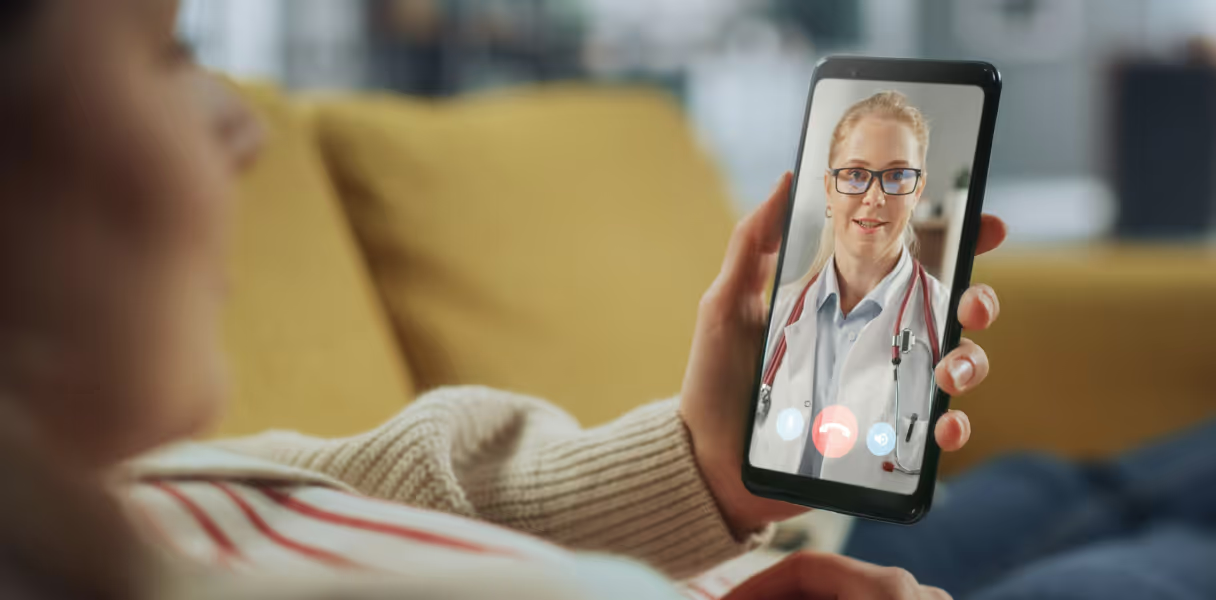
At dumbo.health, every home sleep test result is reviewed by a physician who provides a clinical report with a diagnosis, severity classification, and treatment recommendations. This physician review is included in the monthly care plans, starting with the Essentials Plan at $59 per month.
Why Physician Interpretation Matters
Raw data from a home sleep device can be misleading without clinical context. A physician considers your medical history, symptom severity, medication use, and body habitus when interpreting your Apnea-Hypopnea Index. Two patients with the same index number may receive different treatment recommendations based on their overall health profile.
The American Academy of Sleep Medicine requires that a physician who is trained in sleep medicine interpret all portable monitoring studies. Self-interpretation or reliance on automated device scores without physician review does not constitute a valid diagnosis.
Clinicians frequently observe that patients assume a borderline Apnea-Hypopnea Index of 4 or 5 means they do not have sleep apnea, when in reality, the home test may have underestimated severity due to recording time versus actual sleep time. A physician catches these nuances.
KEY TAKEAWAY: Physician interpretation of home sleep test data is medically required, clinically essential, and included in every dumbo.health care plan to ensure accurate diagnosis and appropriate treatment.
With physician oversight in place, it helps to understand how the Sugar Land area fits into the broader landscape of sleep disorder diagnosis and care.
Sleep Apnea Diagnosis and Care in the Sugar Land and Houston Area
Sugar Land residents have multiple options for sleep disorder diagnosis, including hospital-based sleep centers, private sleep clinics, and direct-to-patient services like dumbo.health that eliminate geographic barriers entirely.
Local Sleep Centers and Hospital Systems
The Houston area is home to several established sleep disorder testing facilities. Memorial Hermann Sleep Disorders Centers and Houston Methodist both offer in-lab polysomnography and some home sleep testing programs. These facilities employ sleep medicine specialists, technicians, and respiratory therapists who manage complex cases.
However, in-lab studies at major hospital systems in the Houston area often involve waitlists of two to six weeks, higher costs, and insurance coordination that adds friction to the process. Patients near Sugar Land, Katy, and other suburban communities may face additional travel time to reach a sleep center located on Fannin St. or Frostwood Drive in central Houston.
The Direct-to-Patient Alternative
dumbo.health removes the geographic and logistical barriers that slow diagnosis for Sugar Land residents. Instead of scheduling an office visit, waiting for a prior authorization, and then waiting again for a sleep clinic appointment, you can order a home sleep test that ships directly to your address.
This approach is particularly valuable for patients who work long hours, have transportation limitations, or simply prefer the convenience of completing a diagnostic test in their own bed. You do not need to find a provider near you or schedule time away from work for an overnight stay at a facility.
Checklist: What You Need Before Ordering a Home Sleep Test
- Identify your primary symptoms such as snoring, breathing pauses, or daytime fatigue
- Note any diagnosed conditions including high blood pressure, diabetes, or heart disease
- Record your current medications, especially sedatives or opioids
- Measure your neck circumference if possible, as a circumference above 17 inches in men or 16 inches in women increases risk
- Confirm you do not have suspected central sleep apnea, narcolepsy, or neuromuscular disease
- Decide whether to pursue insurance-based testing or cash-pay testing
- Complete the free sleep assessment at dumbo.health to determine your candidacy
- Have a shipping address ready for device delivery
This checklist covers the essentials to confirm before you order a home sleep apnea test and ensures you are an appropriate candidate for home-based diagnosis.
KEY TAKEAWAY: Sugar Land residents can access home sleep apnea testing through local sleep centers or through dumbo.health, which ships a test device directly to your door for $149 with no office visit required.
Local options for testing raise the question of how home sleep tests compare directly to in-lab polysomnography across key decision factors.
Home Sleep Test vs. In-Lab Polysomnography: Which Is Right for You
The choice between a home sleep test and in-lab polysomnography depends on your symptom profile, suspected diagnosis, and personal priorities around cost, convenience, and clinical detail.
Setting
- Home Sleep Apnea Test: Your own bed at home in Sugar Land or anywhere you sleep
- In-Lab Polysomnography: A sleep center or hospital, often in central Houston
Data Channels Recorded
- Home Sleep Apnea Test: 4 to 7 channels including airflow, oxygen, respiratory effort, and heart rate
- In-Lab Polysomnography: 16 or more channels including brain wave electrodes, eye movement, muscle activity, cardiac activity, and respiratory sensors
Cost Without Insurance
- Home Sleep Apnea Test: $149 through dumbo.health, $200 to $600 through local clinics
- In-Lab Polysomnography: $1,000 to $3,000 or more
Conditions Detected
- Home Sleep Apnea Test: Obstructive sleep apnea
- In-Lab Polysomnography: Obstructive sleep apnea, central sleep apnea, narcolepsy, circadian rhythm sleep disorders, sleepwalking, parasomnias
Convenience
- Home Sleep Apnea Test: High, no travel or overnight stay required
- In-Lab Polysomnography: Lower, requires scheduling and an overnight visit
Best For
- Home Sleep Apnea Test: Adults with high suspicion of uncomplicated obstructive sleep apnea
- In-Lab Polysomnography: Patients with complex symptoms, comorbidities, or suspected non-obstructive sleep disorders
For the majority of adults in Sugar Land who present with classic obstructive sleep apnea symptoms, a home sleep test provides accurate and sufficient diagnostic data at a fraction of the cost and inconvenience of in-lab testing.
KEY TAKEAWAY: Home sleep tests are best for adults with straightforward obstructive sleep apnea risk, while in-lab polysomnography is necessary for patients with complex or atypical sleep disorders.
With a clear picture of testing options, it helps to address the most persistent myths that prevent people from getting tested.
Common Myths About Home Sleep Apnea Testing Debunked
MYTH: Home sleep tests are not accurate enough to diagnose sleep apnea.
FACT: The American Academy of Sleep Medicine endorses home sleep apnea testing as a valid diagnostic method for uncomplicated obstructive sleep apnea in adults. Studies published in peer-reviewed journals and referenced by the National Heart, Lung, and Blood Institute confirm that home devices accurately detect moderate to severe obstructive sleep apnea with sensitivity rates comparable to in-lab studies when used in appropriate patient populations. The key is proper patient selection and physician interpretation.
MYTH: You need insurance to get a home sleep test.
FACT: Insurance is one pathway, but it is not required. dumbo.health offers a home sleep test for $149 with no insurance, no prior authorization, and no referral needed. Many patients in Sugar Land and the Houston area find that cash-pay testing is faster and less expensive than going through their insurance plan, especially when high deductibles apply.
MYTH: If you do not snore, you cannot have sleep apnea.
FACT: While snoring is the most recognized symptom of obstructive sleep apnea, the Sleep Foundation notes that some patients experience silent apneas where the airway closes completely without producing audible vibration. Symptoms like excessive daytime sleepiness, morning headaches, and difficulty concentrating can indicate sleep-disordered breathing even without loud snoring. Approximately 20 percent of people with obstructive sleep apnea do not report snoring as a primary symptom.
MYTH: Home sleep tests require a physician office visit to get started.
FACT: Many home sleep test providers, including dumbo.health, allow you to complete a screening questionnaire online and have the device shipped to your home. You do not need to visit a doctor's office, sleep center, or hospital to begin the testing process. Physician oversight is maintained through telehealth review and clinical interpretation of your results.
MYTH: A negative home sleep test means you definitely do not have sleep apnea.
FACT: Home sleep tests can produce false-negative results, particularly in patients with mild obstructive sleep apnea or those who slept poorly during the test night. If symptoms persist after a negative home test, the American Academy of Sleep Medicine recommends follow-up with in-lab polysomnography. A single normal result does not rule out all sleep disorders.
KEY TAKEAWAY: Home sleep tests are accurate, accessible, and clinically endorsed for obstructive sleep apnea diagnosis, but patients with persistent symptoms after a negative test should pursue further evaluation.
Clearing up myths prepares you to take the next step toward diagnosis and treatment with accurate expectations.
The Connection Between Sleep Apnea and Long-Term Health
Untreated obstructive sleep apnea is not just a sleep problem. It is a systemic health condition that affects cardiovascular, metabolic, and cognitive function over time.
Cardiovascular and Metabolic Risks
The National Heart, Lung, and Blood Institute states that untreated obstructive sleep apnea is associated with hypertension, coronary artery disease, heart failure, atrial fibrillation, and stroke. Repeated drops in blood oxygen during sleep trigger inflammatory responses and increase sympathetic nervous system activation, which raises blood pressure even during daytime hours.
According to the CDC, adults with untreated sleep apnea are also at higher risk for type 2 diabetes due to disrupted glucose metabolism. The connection between sleep-disordered breathing and metabolic dysfunction means that diagnosing and treating sleep apnea can have positive effects well beyond improved sleep quality.
Cognitive and Behavioral Impact
Chronic sleep fragmentation from obstructive sleep apnea impairs memory consolidation, attention, and executive function. People who undergo testing often find that cognitive issues they attributed to aging or stress were actually driven by undiagnosed sleep-disordered breathing. Behavioral issues, irritability, and depression are also frequently reported in patients with untreated moderate to severe sleep apnea.
In real-world use, patients who begin CPAP therapy often report improved concentration, reduced morning headaches, and better mood within the first two to four weeks of consistent use. These improvements reflect the restoration of uninterrupted sleep and stable oxygen levels overnight.
Impact on Driving Safety
For commercial drivers and daily commuters in Sugar Land, untreated sleep apnea significantly increases the risk of drowsy-driving accidents. The National Highway Traffic Safety Administration estimates that drowsy driving contributes to tens of thousands of crashes annually in the United States. The FMCSA requires evaluation and treatment of sleep apnea for commercial drivers whose medical examiner identifies risk factors during a DOT physical.
Drivers in the Sugar Land and Greater Houston area who need sleep apnea testing for CDL certification can complete the entire process through dumbo.health without visiting a local sleep clinic.
KEY TAKEAWAY: Untreated obstructive sleep apnea increases risk for heart disease, stroke, diabetes, cognitive decline, and motor vehicle accidents, making timely diagnosis through home testing a critical health investment.
Understanding the health consequences reinforces why accessible, affordable testing matters for every Sugar Land resident with symptoms.
Conclusion
A home sleep apnea test in Sugar Land, Texas provides a validated, convenient, and cost-effective way to diagnose obstructive sleep apnea without an overnight stay at a sleep center. If you experience chronic snoring, breathing pauses, or persistent fatigue, testing is the first step toward protecting your cardiovascular health, cognitive function, and daily quality of life. dumbo.health offers a complete pathway from home testing at $149 to ongoing CPAP treatment starting at $59 per month, with no insurance required, no contracts, and the ability to cancel anytime. Take the free sleep assessment to find out whether a home sleep test is right for you and start your path toward better sleep and better health.
Frequently Asked Questions About Home Sleep Apnea Testing in Sugar Land, Texas
What is a home sleep apnea test?
A home sleep apnea test (HSAT) is a simplified, portable diagnostic tool used to evaluate whether a person has obstructive sleep apnea while sleeping in their own home. The device typically records oxygen levels, breathing patterns, airflow, respiratory effort, and heart rate overnight. According to the American Academy of Sleep Medicine, HSATs are an accepted diagnostic option for adults with a high likelihood of moderate-to-severe obstructive sleep apnea. Unlike an in-lab sleep study, a home sleep test does not require an overnight clinic stay. A physician reviews the recorded data and interprets the results. You can learn more about at-home sleep apnea testing at dumbo.health.
What is an overnight in-lab sleep study?
An overnight in-lab sleep study, also called polysomnography, is a comprehensive diagnostic test conducted at a sleep clinic or sleep disorders center. Technicians attach sensors that monitor brain activity, eye movement, muscle activity, cardiac activity, respiratory activity, oxygen levels, and breathing patterns simultaneously throughout the night. The test captures a broader range of sleep data than a home sleep test and can identify a wider range of sleep disorders, including complex sleep apnea, central sleep apnea, circadian rhythm sleep disorders, sleepwalking, and other sleep-related behaviors. A sleep medicine specialist reviews the full recording and provides a diagnosis and treatment recommendation.
Why might an overnight sleep study be necessary instead of a home test?
An in-lab overnight sleep study may be necessary when a home sleep apnea test is inconclusive, when symptoms suggest a condition beyond obstructive sleep apnea, or when a healthcare professional suspects neurological, cardiac, or respiratory complications affecting sleep. Conditions such as complex sleep apnea, central sleep apnea, circadian rhythm sleep disorders, pediatric sleep disorders, and sleep-related behavior disorders typically require full polysomnography rather than a home test. A physician or sleep medicine specialist can help determine which type of sleep study is appropriate based on your symptoms, medical history, and risk factors.
Is a home sleep test as accurate as an in-lab sleep study?
A home sleep test is accurate for diagnosing moderate-to-severe obstructive sleep apnea in adults without significant comorbidities, but it does not replace in-lab polysomnography for all conditions. Home sleep tests typically record fewer data channels than a full lab study, which means they may underestimate sleep apnea severity in some cases and cannot detect certain sleep disorders such as central sleep apnea, periodic limb movement disorder, or narcolepsy. The American Academy of Sleep Medicine supports HSAT use for appropriate clinical populations. A healthcare professional can help determine whether a home test or a lab study is the right starting point for your situation.
What does the $149 dumbo.health home sleep test include?
The dumbo.health home sleep test is priced at $149 as a one-time, cash-pay purchase. It includes the at-home sleep test device and one night of testing. The $149 cost covers the test itself and is separate from monthly care plans. Monthly plans, which begin at $59 per month, cover physician interpretation, a written report, CPAP therapy and equipment, and ongoing follow-up care. There are no insurance requirements, no prior authorizations, and no surprise bills. You can review the full home sleep test details on the dumbo.health website.
What measurements does a home sleep apnea test record?
A home sleep apnea test typically records oxygen saturation, breathing pauses, airflow through a nasal sensor, respiratory effort using a chest or abdominal belt, and heart rate. Some devices also measure body position and snoring sounds. These measurements allow a reviewing physician to calculate the apnea-hypopnea index, which reflects the average number of apnea and hypopnea events per hour of sleep. This index is the primary metric used to assess sleep apnea severity. The device does not record brain activity, muscle activity, or eye movement, which is why a full in-lab study may still be recommended for certain patients.
Who reviews my home sleep test results?
A board-certified or qualified physician reviews your home sleep test data and provides a written interpretation report. At dumbo.health, physician review is included in all monthly care plans starting at $59 per month. The physician evaluates the recorded oxygen levels, breathing pauses, respiratory effort, and related metrics to assess whether obstructive sleep apnea is present and to estimate its severity. Results can be sent to your referring provider as part of coordinated care. The Premium plan includes priority results turnaround for patients who need faster review. Explore sleep apnea care solutions that include physician interpretation and ongoing treatment.
Can I use home sleep test results to get a CPAP prescription?
Yes, in many cases a physician can use home sleep test results to prescribe CPAP therapy if the data clearly shows obstructive sleep apnea of sufficient severity. The FDA recognises CPAP as a standard treatment for obstructive sleep apnea, and a physician interpretation of a home sleep test can support that prescription in appropriate clinical situations. At dumbo.health, monthly plans include physician review, CPAP therapy and equipment, and adherence follow-up. However, a clinician makes the final prescribing decision based on test results and your medical history. Learn more about CPAP therapy and equipment available through dumbo.health.
What is sleep-disordered breathing?
Sleep-disordered breathing is an umbrella term covering a spectrum of breathing abnormalities that occur during sleep, ranging from simple snoring to obstructive sleep apnea, upper airway resistance syndrome, and central sleep apnea. During these episodes, the airway narrows or collapses repeatedly, disrupting normal breathing and reducing oxygen delivery to the body. The severity varies widely between individuals. Sleep-disordered breathing is associated with fragmented sleep, daytime sleepiness, cardiovascular strain, cognitive issues, and mood changes. According to the NIH, obstructive sleep apnea is the most common form of sleep-disordered breathing in adults and is frequently underdiagnosed.
What actually happens during a sleep apnea episode?
During a sleep apnea episode, the muscles supporting the upper airway relax and the throat narrows or collapses, briefly blocking airflow. This causes a drop in oxygen saturation and a rise in carbon dioxide, which triggers the brain to signal the airway to reopen. The person typically rouses partially from sleep, gasps, restores breathing, and returns to sleep without fully waking. These episodes can occur dozens or hundreds of times per night. The repeated oxygen drops and sleep fragmentation are what drive the health risks associated with obstructive sleep apnea, including high blood pressure, cardiovascular strain, impaired cognitive function, and excessive daytime sleepiness.
What is sleep apnea and how common is it?
Obstructive sleep apnea is a sleep disorder in which the upper airway repeatedly collapses during sleep, causing breathing pauses that disrupt rest and reduce oxygen levels. The American Academy of Sleep Medicine estimates that obstructive sleep apnea affects a significant portion of the adult population, with many cases remaining undiagnosed. Common risk factors include excess body weight, a high body mass index, a narrowed airway, nasal breathing difficulties, high blood pressure, and male sex, though sleep apnea can affect people of any age, weight, or sex. A healthcare professional can help determine whether sleep apnea testing is appropriate based on your symptoms and risk profile.
What are the common symptoms of sleep apnea?
Common symptoms of obstructive sleep apnea include loud or persistent snoring, witnessed breathing pauses during sleep, waking with a choking or gasping sensation, unrefreshing sleep, excessive daytime sleepiness, morning headaches, difficulty concentrating, memory problems, and mood changes. A bed partner may notice the snoring or pauses before the person with sleep apnea becomes aware of them. Not everyone with sleep apnea snores, and not everyone who snores has sleep apnea. If you are experiencing these symptoms, a healthcare professional can help assess whether sleep apnea testing is appropriate. You can also take a free sleep assessment to help identify next steps.
How does sleep-disordered breathing differ in children compared to adults?
In children, sleep-disordered breathing often presents differently from the adult pattern. Rather than causing obvious daytime sleepiness, it may contribute to behavioral issues, difficulty concentrating, hyperactivity, learning difficulties, and mood changes that can be mistaken for attention disorders. In adults, excessive daytime sleepiness, snoring, and fatigue are more typical presentations. Airway development, enlarged tonsils and adenoids, and jaw and facial structure play important roles in pediatric sleep-disordered breathing. A pediatric pulmonologist, pediatric neurologist, or sleep medicine specialist experienced in pediatric sleep studies can assess a child's symptoms and recommend appropriate testing or treatment.
How fast can I get a home sleep test in Sugar Land or the Houston area?
Home sleep testing is typically much faster to access than scheduling an in-lab sleep study at a sleep clinic or sleep center. For patients in Sugar Land and the Greater Houston area, home sleep test devices can often be shipped quickly once ordered. dumbo.health offers same-day shipping on orders placed before 2pm CST, meaning many patients in Texas can receive their device and begin testing within a very short time. This makes home testing a practical option for patients who want to avoid long wait times at a local sleep diagnostics center. The at-home sleep test process is straightforward and does not require an in-office visit.
Do I need health insurance to get a home sleep apnea test?
No, you do not need health insurance to get a home sleep apnea test through dumbo.health. The $149 home sleep test is a transparent cash-pay option with no insurance required, no prior authorizations, and no surprise bills. Many patients in Sugar Land and the Houston area choose cash-pay sleep testing to avoid the complexity of working through insurance plans, dealing with prior authorization requirements, or waiting for approval from insurance providers. Monthly ongoing care plans, which cover physician review, CPAP therapy, and follow-up, also operate on a cash-pay basis and have no contracts.
Does a home sleep apnea test hurt?
No, a home sleep apnea test is painless and non-invasive. The device uses sensors and a nasal airflow cannula, a small belt to measure respiratory effort, and a fingertip oxygen probe to record overnight data. Nothing punctures the skin and nothing is inserted into the body beyond a standard fingertip clip and nasal sensor. Most patients find the device easy to wear and only mildly noticeable once they fall asleep. If you have concerns about wearing a monitoring device comfortably, a healthcare professional or the testing provider can explain what to expect before your test night.
What if I cannot fall asleep during my home sleep test?
Many people sleep less well on their first night using any new device. A home sleep test typically requires only a few hours of recorded sleep to generate interpretable data, so even a disrupted night can often yield useful results. If the recording is insufficient for a reliable interpretation, a repeat test may be recommended. This is one reason some patients or clinicians prefer an in-lab sleep study, where technicians monitor the recording quality in real time. A healthcare professional can advise whether your test result was sufficient for interpretation or whether additional testing is needed.
What is CPAP therapy and how does it treat sleep apnea?
CPAP, which stands for continuous positive airway pressure, is the most widely recommended treatment for moderate-to-severe obstructive sleep apnea. A CPAP machine delivers a continuous stream of air through a mask worn over the nose or nose and mouth during sleep. This gentle air pressure keeps the upper airway open, preventing the collapses that cause breathing pauses and oxygen drops. According to the Mayo Clinic, consistent CPAP use can significantly reduce sleep apnea symptoms, improve sleep quality, and lower associated health risks. Treatment effectiveness depends on regular use and proper mask fit, which is why adherence monitoring and follow-up care matter.
Why does CPAP adherence matter for sleep apnea treatment?
CPAP therapy is only effective when used consistently throughout the night. Poor adherence, defined by the American Academy of Sleep Medicine as using CPAP for fewer than four hours per night on at least 70 percent of nights, reduces the clinical benefit and may affect insurance coverage or, for commercial drivers, DOT-related treatment documentation. Many patients struggle with mask comfort, pressure tolerance, or motivation in the early weeks of therapy. Ongoing adherence monitoring, coaching, and follow-up from a care team can improve long-term compliance. dumbo.health Premium and Elite plans include advanced adherence monitoring and dedicated sleep coach support to help patients stay on track.
What is oral appliance therapy for sleep apnea?
Oral appliance therapy uses a custom-fitted dental device worn during sleep to reposition the lower jaw forward, which helps keep the upper airway open and reduces the frequency of breathing pauses. Mandibular advancement devices are the most common type of oral appliance used for sleep apnea. The American Academy of Sleep Medicine recognises oral appliance therapy as an effective treatment option for mild-to-moderate obstructive sleep apnea and for patients who cannot tolerate CPAP. Oral appliances are typically fitted and managed by a dentist with training in sleep medicine or airway dentistry. A physician or sleep specialist can determine whether oral appliance therapy is appropriate based on your diagnosis and anatomy.
What is airway dentistry?
Airway dentistry is a specialty approach within dental practice that focuses on the relationship between jaw structure, airway anatomy, nasal breathing, and sleep-disordered breathing. An airway-focused dentist evaluates how the teeth, jaws, palate, and soft tissue affect the upper airway during sleep and may use tools such as oral appliances, orthodontic expansion, mandibular advancement devices, or technologies like CBCT imaging and intraoral examination to assess and support airway health. Airway dentistry is distinct from general dentistry in that it explicitly addresses sleep-disordered breathing as part of treatment planning. Working alongside sleep medicine physicians, airway dentists can form part of a multidisciplinary care team for patients with sleep apnea.
Can a dentist legally treat sleep apnea?
Dentists who specialise in airway or sleep dentistry can legally provide certain treatments for sleep-disordered breathing, most commonly oral appliance therapy and orthodontic or airway expansion interventions. Dentists are uniquely positioned to assess and treat issues involving the teeth, jaws, palate, and soft oral tissue, all of which influence upper airway patency. However, diagnosis of sleep apnea remains a medical function performed by a licensed physician or sleep medicine specialist. In practice, an airway dentist typically works in collaboration with a physician who orders the sleep study, interprets the results, and oversees the overall diagnosis, with the dentist providing the dental component of treatment.
What are TAD expanders and how are they used in sleep-disordered breathing treatment?
Temporary anchorage devices, often called TADs, are small titanium mini-implants used in orthodontics to provide a fixed anchor point in the jaw bone. In the context of airway dentistry, TADs can assist in palate expansion procedures that aim to widen the upper jaw and nasal airway. Expanding the palate may improve nasal breathing and reduce upper airway resistance, which can benefit some patients with sleep-disordered breathing. This approach is typically considered for patients with a narrow palate or restricted nasal airway. The appropriateness of TAD-assisted expansion is determined through clinical evaluation, including a thorough head and neck evaluation and, in some practices, CBCT imaging.
What is Vivos sleep apnea treatment?
Vivos is a branded system of oral appliances and airway expansion devices used within airway dentistry to address obstructive sleep apnea and sleep-disordered breathing. The Vivos approach typically involves custom-fitted removable appliances worn over a period of months designed to gradually reshape the jaw and palate, potentially improving upper airway dimensions. Treatment protocols involve regular clinical assessment and appliance adjustment. As with all sleep apnea treatments, a physician must diagnose sleep apnea before dental treatment begins, and outcomes vary between individuals. A healthcare professional experienced in airway dentistry can assess whether Vivos or a similar appliance-based approach may be suitable for a given patient.
How does sleep apnea affect children and is my child a candidate for evaluation?
Sleep apnea and sleep-disordered breathing in children can disrupt growth, development, and behavior. Common signs in children include snoring, mouth breathing, restless sleep, bedwetting beyond typical ages, behavioral or cognitive issues, and difficulty at school. Children with enlarged tonsils and adenoids, narrow palates, or restricted nasal breathing are at higher risk. A pediatric pulmonologist, pediatric neurologist, or sleep medicine specialist familiar with pediatric sleep studies can assess whether your child needs evaluation. Pediatric sleep apnea is generally managed differently from adult sleep apnea, with treatment options often focused on airway growth, nasal breathing support, and sometimes surgical intervention rather than CPAP.
Can sleep apnea cause high blood pressure, cognitive issues, or other health problems?
Yes, untreated obstructive sleep apnea is associated with a range of serious health consequences. The repeated drops in oxygen saturation and sleep fragmentation that occur during apnea episodes place strain on the cardiovascular system and have been linked to high blood pressure, atrial fibrillation, increased cardiovascular risk, cognitive impairment, memory problems, mood disorders, and impaired concentration. According to the NHLBI, treating sleep apnea with CPAP or other appropriate therapies may help reduce some of these risks. However, individual outcomes vary and treatment should always be reviewed by a qualified healthcare professional. If you have urgent breathing problems, chest pain, or severe symptoms, seek medical care promptly.
How do commercial drivers in Sugar Land or the Houston area get a DOT-compliant sleep apnea evaluation?
Commercial drivers who hold a CDL and are concerned about sleep apnea in relation to their DOT physical can use an at-home sleep apnea test as part of their evaluation pathway. A home sleep test can provide the physician-reviewed documentation needed to support a discussion with a certified medical examiner. A certified medical examiner makes all DOT medical certification decisions based on symptoms, risk factors, test results, and treatment adherence. dumbo.health can support testing and care documentation for drivers in the Houston area and across Texas, but it does not guarantee DOT certification or medical clearance. Learn more in the CDL driver sleep apnea test guide on the dumbo.health blog.
What should I do if I have severe breathing problems or suspect a sleep-related emergency?
If you experience severe breathing difficulty, chest pain, sudden confusion, or any urgent health symptoms related to breathing or sleep, seek emergency medical care immediately. Visit your nearest emergency room or call emergency services. A home sleep apnea test and at-home care platforms are appropriate for the evaluation and management of stable, chronic sleep-disordered breathing, not for acute or emergency medical situations. dumbo.health is a testing and care access platform and is not a substitute for emergency care or a personal physician. For non-urgent sleep-related questions, a healthcare professional or sleep medicine specialist can provide guidance appropriate to your specific situation.
How do I get started with a home sleep apnea test in Sugar Land or nearby?
Getting started with a home sleep apnea test in Sugar Land or the broader Houston area does not require a clinic visit, a referral, or insurance approval through dumbo.health. The first step is completing a free sleep assessment to help determine whether at-home sleep testing is a reasonable starting point for your symptoms and risk factors. If testing is appropriate, the $149 home test device is shipped directly to your home. After your test night, a physician reviews the results and a written report is provided. Monthly plans starting at $59 per month cover ongoing physician review, CPAP therapy, equipment, and adherence support with no contracts. Start with a free sleep assessment to begin the process.