






Home Sleep Apnea Test in Edinburg, Texas: The Complete Guide to At-Home Sleep Testing in the Rio Grande Valley
A home sleep apnea test in Edinburg, Texas is a portable diagnostic study that measures breathing patterns, oxygen levels, and heart rate while you sleep in your own bed. According to the American Academy of Sleep Medicine, home sleep apnea testing is a validated method for diagnosing obstructive sleep apnea in adults with a high pretest probability. This guide is written for adults in Edinburg, McAllen, Mission, Weslaco, and the broader Rio Grande Valley who suspect they may have sleep apnea and want a convenient, affordable path to diagnosis. You will learn how home sleep testing works, what equipment is involved, how results are interpreted by a physician, how it compares to in-lab polysomnography, and what treatment options follow a positive diagnosis. Whether you are exploring testing options near you or comparing costs, this page covers every step from order to results.
Quick Answer
A home sleep apnea test in Edinburg, Texas allows adults to complete a sleep study from home using a portable device that tracks airflow, oxygen saturation, heart rate, and breathing effort overnight. Results are reviewed by a physician who determines whether obstructive sleep apnea is present based on the Apnea-Hypopnea Index. Testing typically costs between $149 and $500 without insurance. dumbo.health offers a home sleep test for $149 with no insurance required and physician-reviewed results through affordable monthly care plans.
Key Takeaways
- A home sleep apnea test is a portable, FDA-cleared sleep study you complete in your own bed, measuring airflow, oxygen levels, heart rate, and respiratory effort.
- The Apnea-Hypopnea Index is the primary metric used to diagnose obstructive sleep apnea, with 5 or more events per hour indicating a positive result.
- Home sleep testing is validated for adults with suspected obstructive sleep apnea but is not recommended for diagnosing narcolepsy, insomnia, restless leg syndrome, or Periodic limb movement disorder.
- In Edinburg and the Rio Grande Valley, options for sleep testing include the South Texas Health System Sleep Center, local sleep clinics, and telehealth providers like dumbo.health.
- dumbo.health offers a home sleep test for $149 (one-time, no insurance required) with ongoing CPAP therapy and physician-led care plans starting at $59 per month.
- According to the AASM, home sleep apnea tests have demonstrated diagnostic accuracy comparable to in-lab polysomnography for moderate to severe obstructive sleep apnea in adults.
What Is a Home Sleep Apnea Test and How Does It Work?
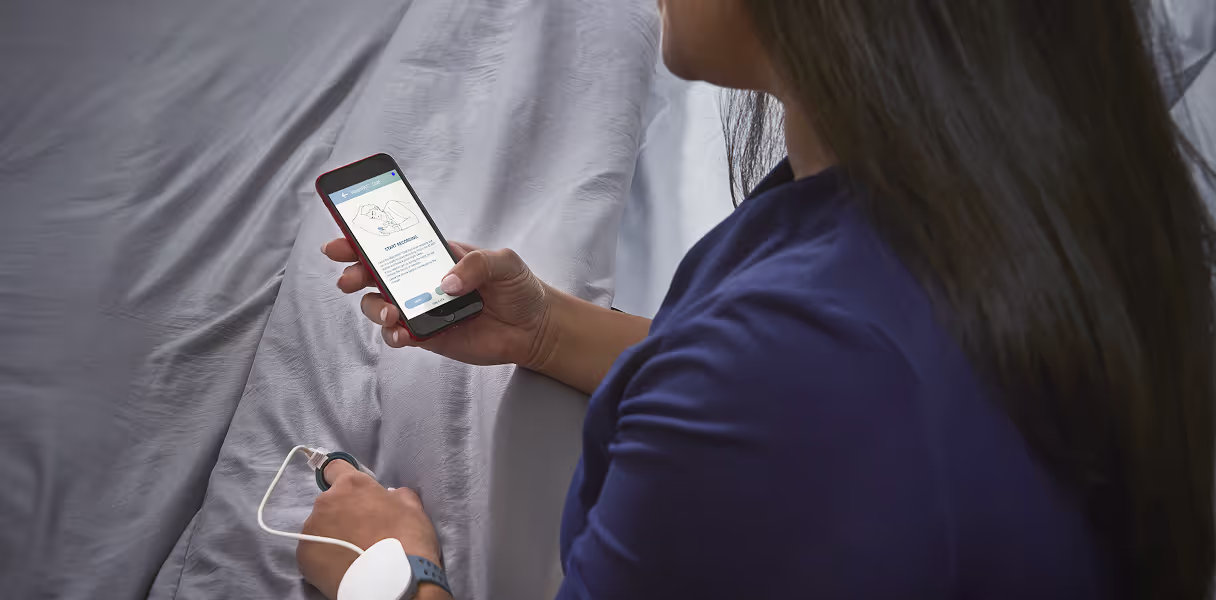
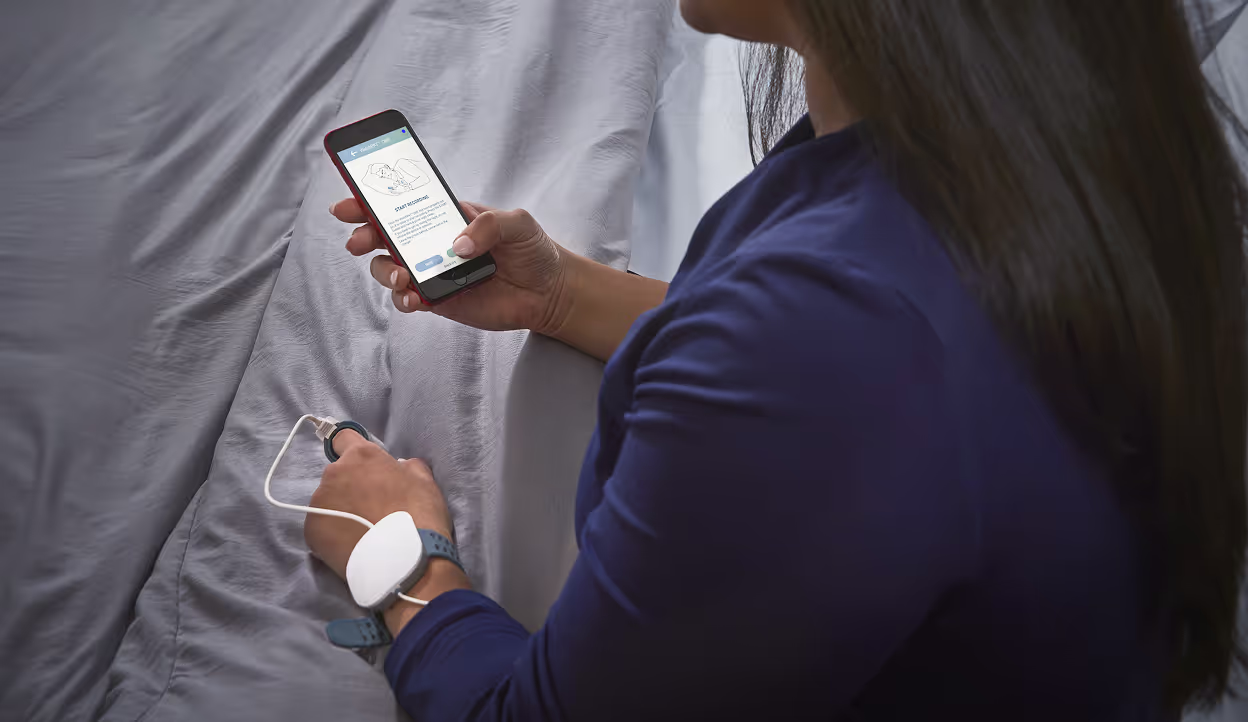
A home sleep apnea test is a portable sleep study that records key physiological data overnight while you sleep at home. The test uses a small, FDA-cleared device to measure airflow through a nasal cannula, oxygen saturation through a pulse oximeter, heart rate, and breathing effort using a belt or sensor placed around the chest or abdomen.
Unlike in-lab polysomnography, which monitors brain waves, leg movements, and sleep cycle staging in a sleep lab with a technologist present, a home sleep test focuses specifically on respiratory patterns and cardiopulmonary functions. This makes it a targeted diagnostic tool for obstructive sleep apnea in adults.
The portable device is typically shipped to your home or picked up from a provider near you. You wear the sensors for one night, and the recorded data is then sent to a board-certified sleep medicine physician for interpretation. The physician calculates your Apnea-Hypopnea Index, which counts the number of apnea and hypopnea events per hour of sleep. An AHI of 5 or more, combined with symptoms such as snoring, daytime fatigue, or witnessed breathing pauses, supports a diagnosis of obstructive sleep apnea.
Home sleep testing has become the standard first-line diagnostic approach for adults with a moderate to high probability of obstructive sleep apnea. The American Academy of Sleep Medicine recommends this pathway when there are no significant comorbid sleep disorders and no suspicion of central sleep apnea or other complex sleep-related breathing disorders.
DID YOU KNOW: According to the National Heart, Lung, and Blood Institute, obstructive sleep apnea affects an estimated 25 million adults in the United States, and many cases remain undiagnosed because patients do not undergo testing.
KEY TAKEAWAY: A home sleep apnea test is a portable, overnight study that measures airflow, oxygen saturation, heart rate, and breathing effort to diagnose obstructive sleep apnea in adults.
Understanding the equipment involved helps explain what you will physically experience during the test night.
Home Sleep Test Equipment: Sensors, Monitors, and What You Wear
Home sleep test equipment consists of a small portable device, a nasal cannula, a pulse oximeter, and one or two effort belts. Each sensor measures a specific data stream that contributes to the overall sleep study results.
Nasal Cannula
The nasal cannula is a lightweight tube placed at the nose to measure airflow. It detects the presence and absence of breathing, helping identify apnea events (complete breathing cessation) and hypopnea events (reduced airflow). This sensor is critical for calculating the Apnea-Hypopnea Index.
Pulse Oximeter
A pulse oximeter clips onto your finger and continuously monitors oxygen saturation and heart rate throughout the night. Drops in oxygen levels correspond to respiratory events and help quantify the severity of obstructive sleep apnea. According to the Sleep Foundation, normal overnight oxygen saturation typically stays above 90 percent, and repeated drops below this level are clinically significant.
Effort Belts and Chest Sensors
Most home sleep test devices include at least one belt or sensor placed around the chest or abdomen. This belt measures respiratory effort, distinguishing between obstructive events (where the body attempts to breathe against a closed airway) and central events (where the brain fails to signal breathing).
Portable Device
The portable device is the central unit that collects and stores all data from the connected sensors. Devices used in home sleep apnea testing are FDA-cleared for diagnostic use. Examples of validated platforms include SleepView sleep study equipment and Apnix Sleep Diagnostics, though the specific device depends on the provider. dumbo.health ships an FDA-cleared home sleep test device directly to patients in Edinburg and throughout Texas for $149, eliminating the need to visit a sleep lab or schedule an in-person appointment.
Comfort and Fit
Many patients report that home sleep test equipment is comfortable enough to allow a normal night of sleep. The nasal cannula and finger sensor are the components most commonly noticed, but neither typically prevents sleep. The comfort of testing at home, in your own bed, is one of the primary advantages over an in-lab study where unfamiliar surroundings and additional monitors can disrupt sleep quality.
IMPORTANT: If any sensor becomes displaced during the night, it may affect data quality. Follow the device instructions carefully and secure all sensors before falling asleep.
KEY TAKEAWAY: Home sleep test equipment includes a nasal cannula for airflow, a pulse oximeter for oxygen levels and heart rate, an effort belt for respiratory patterns, and a central portable device that records all data overnight.
Knowing the equipment is only part of the process. Next, you need to understand how to prepare for and complete the test.
How to Complete a Home Sleep Apnea Test in Edinburg, Texas
Completing a home sleep apnea test in Edinburg follows a straightforward process that begins with ordering the test and ends with a physician reviewing your results. The entire process can be completed without visiting a sleep clinic or lab in person.
Step-by-Step Process for Home Sleep Testing
1. Complete a sleep assessment to determine whether you are a candidate for a home sleep test. You can take the free sleep assessment at dumbo.health to get started.
2. Order your home sleep test. Through dumbo.health, the at-home sleep test costs $149 with no insurance or prior authorization required. The device ships directly to your address in Edinburg or anywhere in the Rio Grande Valley.
3. Receive the device and review the setup instructions. Each kit includes the portable device, nasal cannula, pulse oximeter, and effort sensor with step-by-step guidance.
4. On your test night, attach all sensors as directed, turn on the device, and go to sleep in your own bed at your usual time. Avoid alcohol and sedatives on the test night, as these can affect breathing patterns and test accuracy.
5. In the morning, remove the sensors and power off the device. Package the device for return shipping or follow your provider's instructions for data upload.
6. A board-certified sleep medicine physician reviews your overnight data, calculates your Apnea-Hypopnea Index, and prepares a diagnostic report.
7. Receive your results. With dumbo.health's Premium Plan, results turnaround is prioritized, and a dedicated sleep coach reviews findings with you.
After completing these steps, your physician will determine whether you have obstructive sleep apnea and recommend appropriate treatment, which may include CPAP therapy or other interventions.
Checklist: What to Prepare Before Your Test Night
- Confirm your test device has arrived and all sensors are included (nasal cannula, pulse oximeter, effort belt, portable device)
- Read the setup instructions completely before the test night
- Charge the device if required (some devices ship pre-charged)
- Avoid alcohol, sedatives, and caffeine in the evening before the test
- Sleep in your usual position and bed for the most accurate results
- Set a phone alarm or reminder to attach the sensors before sleep
- Keep nails trimmed short for a secure pulse oximeter fit
- Confirm your return shipping label or data upload instructions are ready
- Complete the free sleep assessment at dumbo.health if you have not already been evaluated
TIP: Test on a night when you expect to get at least 5 to 6 hours of sleep. Insufficient sleep duration may result in inadequate data for a reliable diagnosis.
KEY TAKEAWAY: Completing a home sleep apnea test in Edinburg involves ordering a device, following simple setup instructions, sleeping one night with the sensors attached, and having a physician review the recorded data.
Once you understand the process, the next question most patients ask is how results are interpreted and what the numbers mean.
Understanding Your Home Sleep Test Results: AHI, Oxygen Levels, and Diagnosis
Home sleep test results are summarized by the Apnea-Hypopnea Index, which is the single most important number in your sleep study report. A board-certified sleep medicine physician interprets the raw data from your test device and produces a clinical diagnosis based on the AHI score, oxygen saturation trends, heart rate patterns, and respiratory effort recordings.
What the Apnea-Hypopnea Index Means
The Apnea-Hypopnea Index measures the number of apnea and hypopnea events per hour of recorded sleep. According to the American Academy of Sleep Medicine, AHI severity classifications are:
- Normal: fewer than 5 events per hour
- Mild obstructive sleep apnea: 5 to 14 events per hour
- Moderate obstructive sleep apnea: 15 to 29 events per hour
- Severe obstructive sleep apnea: 30 or more events per hour
Each apnea event represents a complete pause in airflow lasting at least 10 seconds. Each hypopnea event represents a partial reduction in airflow accompanied by an oxygen desaturation of at least 3 to 4 percent or an arousal.
Oxygen Saturation and Heart Rate Data
Your results will also include oxygen saturation trends throughout the night. Repeated drops in oxygen levels below 90 percent indicate clinically significant desaturations linked to respiratory events. The Sleep Foundation explains that chronic intermittent hypoxia from untreated sleep apnea increases cardiovascular risk, including elevated heart rate, hypertension, and stroke.
Heart rate data from the pulse oximeter provides additional context. Patterns of heart rate variability that coincide with respiratory events help confirm obstructive sleep apnea and distinguish it from other sleep-related breathing disorders.
Who Reviews the Results
A board-certified sleep medicine physician must interpret home sleep test data for a diagnosis to be valid. The physician reviews the raw sensor data, applies AHI scoring criteria, and issues a clinical report. Through dumbo.health, physician interpretation is included in the monthly care plans. The Essentials Plan at $59 per month covers physician interpretation and report, CPAP therapy and equipment, standard follow-up care, and updates sent to referring providers.
Home sleep apnea tests do not measure brain waves or leg movements, which means they cannot stage sleep or detect non-respiratory sleep disorders such as narcolepsy, insomnia, or restless leg syndrome. If results are inconclusive or negative despite strong clinical suspicion, a physician may recommend in-lab polysomnography for a more comprehensive study.
KEY TAKEAWAY: The Apnea-Hypopnea Index is the primary diagnostic metric from a home sleep test, with 5 or more events per hour indicating obstructive sleep apnea and severity classified as mild, moderate, or severe.
Knowing your AHI helps determine treatment, but many patients want to understand how a home test compares to a full in-lab sleep study before choosing a path.
Home Sleep Test vs. In-Lab Polysomnography: Which Is Right for You?
A home sleep test is the recommended first-line study for adults with suspected obstructive sleep apnea and no significant comorbid conditions. In-lab polysomnography is a more comprehensive study performed in a sleep lab under the supervision of a sleep technologist, and it is the appropriate choice when additional sleep disorders need to be evaluated or when home test results are inconclusive.
Setting
- Home Sleep Apnea Test: Your own bed at home in Edinburg, McAllen, Mission, Weslaco, or anywhere in Texas
- In-Lab Polysomnography: A sleep center such as the South Texas Health System Sleep Center or a hospital sleep lab
What Is Measured
- Home Sleep Apnea Test: Airflow, oxygen saturation, heart rate, respiratory effort, body position
- In-Lab Polysomnography: All of the above plus brain waves, leg movements, sleep cycle staging, eye movement, muscle tone
Cost
- Home Sleep Apnea Test: $149 to $500 without insurance (dumbo.health charges $149 with no insurance required)
- In-Lab Polysomnography: Often $1,000 to $3,000 or more; insurance companies may require prior authorization
Convenience
- Home Sleep Apnea Test: High; no travel, no overnight stay at a facility, no appointment scheduling at a sleep lab
- In-Lab Polysomnography: Lower; requires an overnight stay at a sleep center with a technologist monitoring throughout the night
Turnaround Time
- Home Sleep Apnea Test: Results typically available within days; dumbo.health's Premium Plan includes priority results turnaround
- In-Lab Polysomnography: Results may take 1 to 3 weeks depending on the sleep center and physician availability
Who It Is Best For
- Home Sleep Apnea Test: Adults with symptoms of obstructive sleep apnea (snoring, daytime fatigue, witnessed apneas) and no suspected comorbid sleep disorders
- In-Lab Polysomnography: Patients with suspected narcolepsy, Periodic limb movement disorder, restless leg syndrome, insomnia with complex features, or inconclusive home test results
Accuracy
- Home Sleep Apnea Test: High diagnostic accuracy for moderate to severe obstructive sleep apnea in adults, as validated by the AASM
- In-Lab Polysomnography: Gold standard for comprehensive sleep disorder testing, including central sleep apnea and non-respiratory conditions
For most adults in the Edinburg area with clinical suspicion of obstructive sleep apnea, a home sleep test is the faster, more affordable, and more comfortable starting point. If results require further evaluation, a physician can then refer you for in-lab polysomnography at a facility in your area.
Home sleep apnea testing through dumbo.health is a practical option for patients in the Rio Grande Valley who want to avoid the cost and scheduling complexity of an in-lab study. The $149 test can be ordered online, completed at home, and followed by physician-reviewed results and CPAP treatment through a monthly care plan.
KEY TAKEAWAY: A home sleep test is the recommended first step for diagnosing obstructive sleep apnea in adults, while in-lab polysomnography is reserved for complex cases, suspected comorbid sleep disorders, or inconclusive home test results.
Understanding the comparison helps with the testing decision, but it is equally important to know when a home sleep test is not the right choice.
Limitations and Risks of Home Sleep Apnea Testing
A home sleep apnea test is not appropriate for every patient or every suspected sleep disorder. Recognizing these limitations ensures you pursue the right diagnostic pathway and avoid delays in treatment.
When a Home Sleep Test May Not Be the Right Choice
Home sleep testing has specific clinical boundaries. The following situations require alternative approaches:
1. Suspected non-respiratory sleep disorders. Home sleep tests do not measure brain waves, leg movements, or sleep cycle architecture. Conditions such as narcolepsy, insomnia, Periodic limb movement disorder, and restless leg syndrome require in-lab polysomnography for accurate diagnosis. A home test cannot detect these conditions.
2. Suspected central sleep apnea. Home sleep tests are designed to identify obstructive sleep apnea, where the airway physically collapses during sleep. Central sleep apnea, which involves the brain failing to send proper breathing signals, requires different monitoring capabilities, including electroencephalography and more detailed respiratory analysis available only in a sleep lab.
3. Significant cardiopulmonary comorbidities. Patients with severe heart failure, chronic obstructive pulmonary disease, or neuromuscular disorders affecting breathing may need the more comprehensive monitoring of in-lab polysomnography. The AASM advises that home testing may underestimate or miss apnea severity in these populations.
4. Children and pediatric patients. Home sleep tests are validated for use in adults. Children suspected of having sleep-related breathing disorders should be evaluated in a pediatric sleep center with technologist supervision and full polysomnography.
5. Inconclusive or negative results despite strong symptoms. If a home sleep test returns a normal AHI but you continue to experience severe snoring, chronic fatigue, or witnessed breathing pauses, a physician may recommend in-lab polysomnography to investigate further. False negatives can occur if sensor displacement happens during the night or if data recording time is insufficient.
Data Quality Risks
Sensor displacement is the most common risk during a home sleep test. If the nasal cannula shifts, the pulse oximeter detaches, or the effort belt loosens overnight, the recorded data may be incomplete or inaccurate. Unlike an in-lab study where a technologist monitors equipment in real time, a home test relies on the patient to secure all sensors properly before sleep.
Most providers, including dumbo.health, offer guidance on proper sensor placement and will arrange a retest if data quality is insufficient. Through dumbo.health's care plans, a dedicated sleep coach (available in the Premium and Elite plans) can help troubleshoot setup questions before your test night and review data quality after the study.
IMPORTANT: A home sleep test is a screening and diagnostic tool for obstructive sleep apnea in adults. It is not a comprehensive sleep disorder evaluation. Always consult a physician if your symptoms persist after a negative result.
KEY TAKEAWAY: Home sleep apnea testing is limited to diagnosing obstructive sleep apnea in adults and is not suitable for detecting narcolepsy, central sleep apnea, Periodic limb movement disorder, or sleep disorders in children.
Knowing the limitations gives you a realistic picture. The next step is understanding what happens after a positive diagnosis.
Treatment After a Positive Home Sleep Test: CPAP Therapy and Beyond
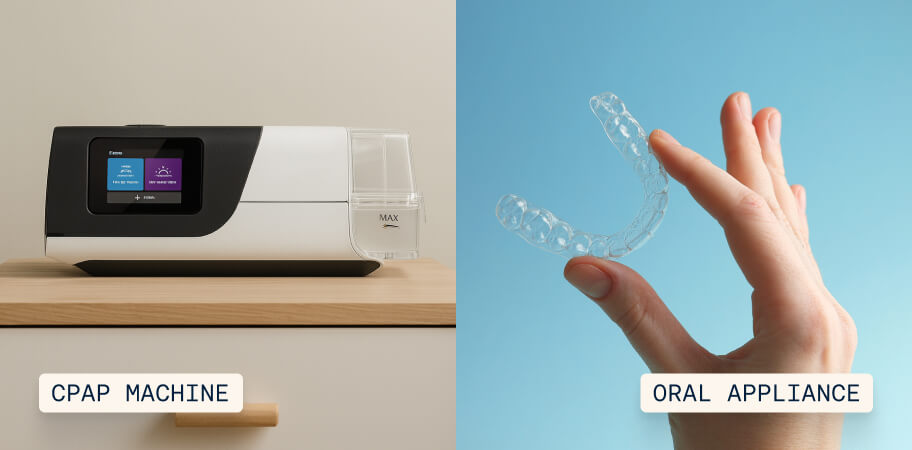
CPAP therapy is the most widely recommended treatment for obstructive sleep apnea following a positive home sleep test result. CPAP stands for continuous positive airway pressure, and it works by delivering a steady stream of air through a mask to keep the airway open during sleep, preventing the apnea and hypopnea events that cause oxygen drops and sleep disruption.
How CPAP Therapy Works
A CPAP machine generates pressurized air calibrated to your prescribed setting. The air travels through a tube to a mask worn over the nose, mouth, or both. This constant airflow acts as a pneumatic splint for the airway muscles, preventing the collapse that defines obstructive sleep apnea.
According to the National Heart, Lung, and Blood Institute, consistent CPAP use reduces daytime fatigue, lowers blood pressure, decreases stroke risk, and improves overall sleep quality. The AASM recommends that patients use CPAP for a minimum of 4 hours per night on at least 70 percent of nights to achieve clinical benefit, a standard known as adherence.
Getting Started with CPAP Through dumbo.health
For patients in Edinburg and the Rio Grande Valley, accessing CPAP therapy after a positive home sleep test is straightforward through dumbo.health. All monthly plans include CPAP equipment as part of the subscription:
The Essentials Plan at $59 per month covers physician interpretation, CPAP therapy and equipment, standard follow-up care, and updates to your referring provider. The Premium Plan at $89 per month adds a dedicated sleep coach, advanced adherence monitoring, and priority results turnaround. The Elite Plan at $129 per month includes concierge clinical support, direct physician messaging, and custom reporting.
All plans operate with no contracts and the ability to cancel anytime. There is no insurance required, no prior authorization, and no surprise bills. For patients who struggle with insurance companies or face long wait times at sleep clinics in the Houston area, Austin, or South Texas, dumbo.health provides a direct sleep apnea care solution that eliminates these barriers.
Alternative Treatment Options
While CPAP is the gold standard, some patients may qualify for alternative treatments depending on their AHI severity and anatomy:
- Oral appliance therapy: A dental device that repositions the jaw to keep the airway open. Typically recommended for mild to moderate obstructive sleep apnea.
- Positional therapy: For patients whose apnea occurs primarily when sleeping on their back, positional devices can encourage side sleeping.
- Inspire therapy: Inspire Sleep Apnea Innovation is an implantable device that stimulates the hypoglossal nerve to activate airway muscles during breathing. This treatment option is FDA-approved for patients with moderate to severe obstructive sleep apnea who cannot tolerate CPAP.
- Weight management: For patients whose BMI contributes to airway obstruction, weight loss can reduce AHI severity. This is typically a complementary approach alongside primary treatment.
- Surgery: In specific cases, surgical procedures to remove or reposition tissue blocking the airway may be considered.
A physician will recommend the most appropriate treatment based on your AHI, symptoms, medical condition, and treatment tolerance. CPAP remains the first-line recommendation for moderate to severe obstructive sleep apnea.
TIP: If you are diagnosed with obstructive sleep apnea and prescribed CPAP, consistent use in the first 30 days is critical. Patients who establish a habit early have significantly higher long-term adherence rates.
KEY TAKEAWAY: CPAP therapy is the primary treatment for obstructive sleep apnea, and dumbo.health includes CPAP equipment and physician-led care in monthly plans starting at $59 per month with no insurance or contracts required.
Treatment decisions depend on your diagnosis, but cost is often the factor that determines whether patients actually pursue testing and care.
Cost of Home Sleep Testing in Edinburg, Texas: Insurance vs. Cash Pay
The cost of a home sleep apnea test in Edinburg, Texas ranges from $149 to $500 or more depending on the provider and whether insurance is used. For in-lab polysomnography, costs often exceed $1,000. Understanding your payment options helps you choose the most practical path to diagnosis.
Insurance-Based Testing
Some insurance companies cover home sleep testing and in-lab polysomnography, but coverage varies widely. Many plans require a prior authorization, a referral from a primary care physician, and documentation of symptoms before approving a sleep study. Wait times for authorization can delay testing by weeks or months. Patients may also face copays, deductibles, and balance billing that make the final out-of-pocket cost unpredictable.
For patients in the Rio Grande Valley, navigating insurance for sleep testing can be especially frustrating when local sleep clinics have long wait times for appointments or when insurance requires testing at specific locations.
Cash-Pay Testing Through dumbo.health
dumbo.health operates on a cash-pay model designed to eliminate the barriers that insurance creates. The at-home sleep test costs $149 as a one-time fee. This price includes the FDA-cleared home sleep test device and one night of testing. There is no insurance required, no prior authorization needed, and no surprise bills.
After the test, ongoing care and treatment are covered through monthly plans:
Price
- dumbo.health Essentials Plan: $59 per month
- dumbo.health Premium Plan: $89 per month
- dumbo.health Elite Plan: $129 per month
What Is Included
- dumbo.health Essentials Plan: Physician interpretation, CPAP therapy and equipment, standard follow-up, updates to referring provider
- dumbo.health Premium Plan: Everything in Essentials plus dedicated sleep coach, advanced adherence monitoring, priority results
- dumbo.health Elite Plan: Everything in Premium plus concierge clinical support, direct physician messaging, custom reporting
Contracts
- dumbo.health Essentials Plan: No contracts, cancel anytime
- dumbo.health Premium Plan: No contracts, cancel anytime
- dumbo.health Elite Plan: No contracts, cancel anytime
For patients comparing costs in their area, the dumbo.health pricing model provides a transparent alternative to insurance-based care. The total first-year cost for testing plus Essentials Plan treatment is approximately $857 ($149 plus $59 multiplied by 12 months), compared to potential costs of $2,000 or more through insurance-based pathways that include copays, deductibles, and equipment rental fees.
DID YOU KNOW: According to the American Sleep Apnea Association, an estimated 80 percent of moderate to severe obstructive sleep apnea cases remain undiagnosed, partly because cost and insurance complexity prevent patients from completing testing.
KEY TAKEAWAY: Home sleep testing in Edinburg costs between $149 and $500 without insurance, and dumbo.health offers the test for $149 with physician-reviewed care plans starting at $59 per month, all without insurance or contracts.
Cost clarity makes the decision easier, but real-world examples show how different patients navigate the testing and treatment process.
Real-World Scenarios: How Patients in the Rio Grande Valley Access Home Sleep Testing
Different patients have different starting points, but the path to testing and treatment follows common patterns. These scenarios illustrate how home sleep apnea testing works for people in Edinburg and the surrounding area.
Scenario 1: A 48-Year-Old Owner-Operator in McAllen
A 48-year-old commercial truck driver based in McAllen has been experiencing loud snoring, daytime fatigue, and morning headaches for over a year. His wife has observed pauses in his breathing during sleep. His BMI is 34. He does not have health insurance and cannot afford to miss work for an overnight stay at a sleep center.
He orders a home sleep test through dumbo.health for $149. The device arrives at his McAllen address within days. He completes the test on a Sunday night, ships the device back, and receives his results showing an AHI of 22, indicating moderate obstructive sleep apnea. He enrolls in the Premium Plan at $89 per month, which includes CPAP equipment, physician interpretation, a dedicated sleep coach, and advanced adherence monitoring. His sleep coach helps him adjust to CPAP therapy during the first month. He maintains his CDL and continues working without interruption.
Scenario 2: A 55-Year-Old Retired Teacher in Edinburg
A 55-year-old retired teacher in Edinburg has been told by her primary care physician that her chronic fatigue, high blood pressure, and reported snoring may be related to a sleep disorder. Her physician recommends a sleep study. She contacts the South Texas Health System Sleep Center but learns the next available appointment for an in-lab study is 6 weeks away.
She decides to pursue a home sleep apnea test through dumbo.health instead. She completes the free sleep assessment online, orders the $149 test, and completes the study the following week. Her results show an AHI of 12, indicating mild obstructive sleep apnea. Her dumbo.health physician sends the report to her primary care provider, and she begins CPAP therapy through the Essentials Plan at $59 per month. Her blood pressure improves within three months of consistent CPAP use.
Scenario 3: A 38-Year-Old Healthcare Worker in Weslaco
A 38-year-old nurse working night shifts in Weslaco has been struggling with sleep deprivation, difficulty concentrating, and increasing irritability. She wonders whether she has a sleep disorder or whether her symptoms are simply related to shift work. Her BMI is 28, and she has no significant snoring history.
She completes a home sleep test, and her AHI comes back at 3, below the diagnostic threshold for obstructive sleep apnea. Her physician reviews the results and explains that her symptoms are more consistent with circadian rhythm disruption related to shift work rather than obstructive sleep apnea. Because her home test was negative but symptoms persist, her physician recommends an in-lab polysomnography at a sleep lab in her area to evaluate for other potential sleep disorders, including insomnia and restless leg syndrome.
This scenario demonstrates an important point: a home sleep test can rule out obstructive sleep apnea efficiently, which helps direct patients toward the correct diagnostic pathway faster.
KEY TAKEAWAY: Home sleep testing provides a practical, affordable entry point for patients across the Rio Grande Valley, whether the result confirms obstructive sleep apnea, leads to CPAP treatment, or directs the patient toward further evaluation.
These examples show how the process works in practice. Next, it helps to address the most common misconceptions that prevent people from getting tested.
Common Myths About Home Sleep Apnea Testing Debunked
MYTH: Home sleep tests are not accurate enough to diagnose sleep apnea.
FACT: The American Academy of Sleep Medicine validates home sleep apnea testing as a reliable diagnostic method for obstructive sleep apnea in adults with moderate to high pretest probability. Studies published in peer-reviewed journals and indexed on PubMed demonstrate that home sleep tests have strong sensitivity for moderate to severe obstructive sleep apnea, with diagnostic agreement rates comparable to in-lab polysomnography. The test may underestimate mild cases in some situations, but a physician reviews all results and can recommend in-lab testing if needed.
MYTH: You need a doctor's office visit and a referral to get a home sleep test.
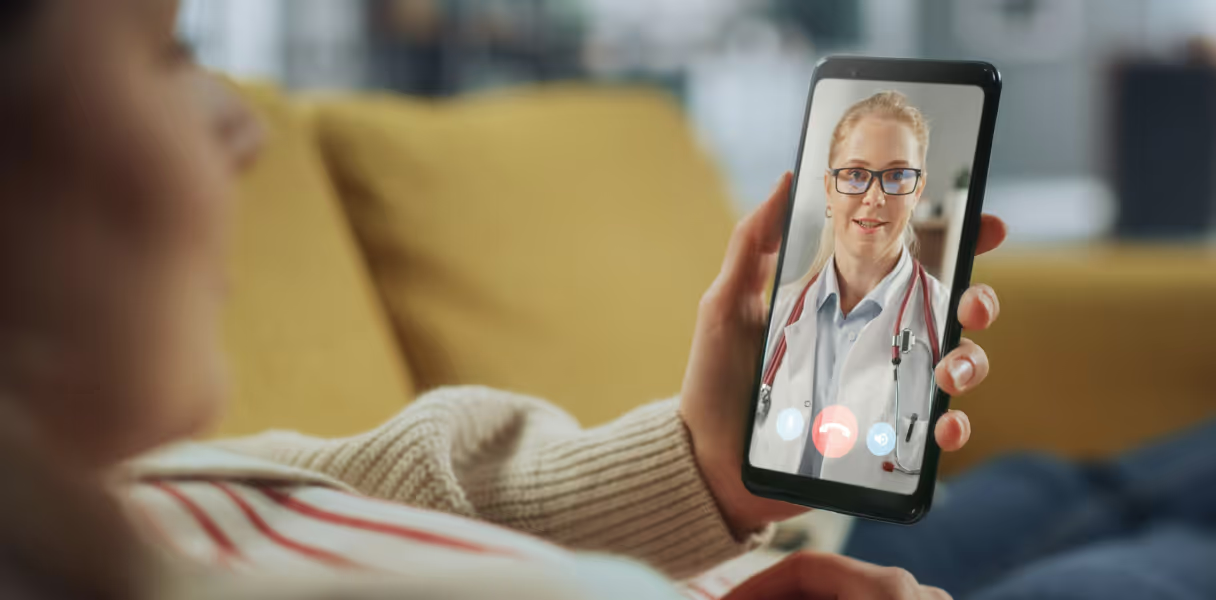
FACT: While some insurance-based pathways require a physician referral and prior authorization, cash-pay options eliminate these requirements. Through dumbo.health, you can complete a free sleep assessment online, order a home sleep test for $149, and have your results reviewed by a board-certified sleep medicine physician without ever visiting a doctor's office in person. Telehealth consultations replace the need for traditional in-person appointments in many cases.
MYTH: Home sleep tests require you to sleep in a lab or clinic.
FACT: A home sleep apnea test is completed entirely in your own bed. You wear a portable device with a nasal cannula, pulse oximeter, and effort belt while sleeping at home. No sleep lab visit, no technologist, and no overnight stay at a facility is required. The entire purpose of a home sleep test is to measure your breathing patterns in your natural sleep environment, which many clinicians argue produces more representative data than a sleep lab.
MYTH: CPAP therapy is the only option if you test positive for sleep apnea.
FACT: CPAP therapy is the most common and most effective treatment for moderate to severe obstructive sleep apnea, but it is not the only treatment option. Depending on your AHI severity, anatomy, and preferences, a physician may recommend oral appliance therapy, positional therapy, Inspire therapy (an FDA-approved implantable device that stimulates the hypoglossal nerve), weight management, or surgical intervention. A physician will discuss the best approach based on your individual results.
MYTH: Insurance always covers sleep testing, so there is no reason to pay out of pocket.
FACT: Insurance coverage for sleep testing varies significantly. Many insurance companies require prior authorization, referrals, and documentation that can delay testing by weeks. Copays and deductibles can make the final out-of-pocket cost unpredictable. For patients without insurance or those who want to avoid authorization delays, cash-pay testing through a provider like dumbo.health offers a transparent, fixed-cost alternative with no insurance hassle.
KEY TAKEAWAY: Home sleep apnea tests are clinically validated, convenient, and do not require a lab visit or insurance authorization, and CPAP is the leading treatment but not the only option for a positive diagnosis.
With myths addressed, the final step is understanding how sleep apnea connects to broader health and why timely testing matters.
Why Timely Sleep Apnea Testing Matters for Long-Term Health
Untreated obstructive sleep apnea increases the risk of serious health complications, including cardiovascular disease, stroke, hypertension, type 2 diabetes, and chronic fatigue that impairs daily function. According to the National Heart, Lung, and Blood Institute, obstructive sleep apnea causes repeated oxygen desaturations throughout the night, placing chronic stress on the heart and vascular system.
The CDC reports that adults need at least 7 hours of sleep per night for optimal health. Obstructive sleep apnea fragments sleep architecture even when total time in bed appears adequate, meaning patients may believe they are sleeping enough while actually experiencing severe sleep deprivation at a physiological level.
For adults in Edinburg and the Rio Grande Valley, the consequences extend beyond personal health. Sleep apnea-related fatigue is a documented contributor to motor vehicle accidents. The National Highway Traffic Safety Administration estimates that drowsy driving causes thousands of crashes annually. For commercial drivers, untreated sleep apnea can also affect CDL medical certification.
Early testing and treatment break this cycle. A home sleep apnea test identifies the problem in one night. CPAP therapy, when used consistently, can reduce AHI to normal levels, restore oxygen saturation, lower blood pressure, and significantly reduce cardiovascular risk within months.
Delaying testing because of cost, convenience, or uncertainty allows the condition to progress. Every night of untreated severe obstructive sleep apnea exposes the heart to dozens or hundreds of oxygen drops, each one triggering a stress response that compounds over time.
Home sleep apnea testing removes the most common barriers to diagnosis: cost, access, and time. For patients in Edinburg, McAllen, Mission, and Weslaco, dumbo.health provides a direct pathway from testing to treatment that does not require insurance, a sleep center appointment, or time away from work.
KEY TAKEAWAY: Untreated obstructive sleep apnea increases the risk of cardiovascular disease, stroke, and accidents, making timely testing and treatment essential for long-term health.
Understanding the urgency reinforces why accessible, affordable testing options matter for patients throughout South Texas.
Conclusion
A home sleep apnea test gives adults in Edinburg, Texas and the Rio Grande Valley a fast, affordable, and clinically validated path to diagnosing obstructive sleep apnea. The test measures airflow, oxygen levels, heart rate, and breathing effort in one night, and a physician reviews the results to determine whether treatment is needed. CPAP therapy remains the most effective treatment and can improve sleep quality, cardiovascular health, and daily energy when used consistently.
If you suspect you have sleep apnea, the most important step is getting tested. dumbo.health offers a home sleep test for $149with no insurance required, no prior authorization, and no surprise bills. Monthly care plans start at $59 per month with no contracts and the flexibility to cancel anytime. Take the first step by completing the free sleep assessment today.
Frequently Asked Questions About Home Sleep Apnea Test in Edinburg, Texas
What is a home sleep apnea test?
A home sleep apnea test (HSAT) is a simplified, portable sleep study you complete in your own bed instead of a sleep lab. The device typically records oxygen saturation, airflow, breathing effort, respiratory patterns, and heart rate overnight. A board-certified sleep medicine physician then reviews the data to assess whether obstructive sleep apnea is present and how severe it may be. Home sleep apnea testing is widely used as a first-line diagnostic tool for adults with moderate to high risk of obstructive sleep apnea and no significant complicating medical conditions.
Why would I need home sleep apnea testing?
You may need home sleep apnea testing if you experience symptoms such as loud snoring, waking up gasping, excessive daytime fatigue, unrefreshing sleep, or morning headaches. The American Academy of Sleep Medicine explains that obstructive sleep apnea is associated with increased risk of high blood pressure, heart disease, and stroke when left untreated. A healthcare professional can help determine whether testing is appropriate based on your symptoms, risk factors, body mass index, and medical history. If you are unsure whether testing applies to you, a sleep assessment can help clarify your next step. You can take a free sleep assessment to get started.
How does a home sleep apnea test work?
A home sleep apnea test uses a small portable device to record key measurements while you sleep in your own bed. Depending on the device, sensors may include a nasal cannula to measure airflow, a pulse oximeter to record oxygen saturation, a chest belt to detect respiratory effort, and a finger sensor to monitor heart rate. The device records data overnight, and you return or ship the equipment the following day. A physician then reviews the recorded data and generates a report that includes your apnea-hypopnea index, which reflects the number of breathing interruptions per hour of sleep.
Who is a good candidate for home sleep apnea testing?
Home sleep apnea testing is generally appropriate for adults who have symptoms consistent with obstructive sleep apnea, such as snoring, witnessed pauses in breathing, or significant daytime sleepiness, and who do not have complex medical conditions that require more detailed monitoring. It is typically not the first choice for evaluating other sleep disorders such as narcolepsy, restless leg syndrome, periodic limb movement disorder, or insomnia, because those conditions often require full in-lab polysomnography that records brain waves and leg movements in addition to breathing. A healthcare professional or sleep specialist can help determine whether home testing or an in-lab study is the more appropriate option for your situation.
Is a home sleep apnea test as accurate as an in-lab sleep study?
A home sleep apnea test is a reliable tool for diagnosing obstructive sleep apnea in adults who are likely candidates, but it does not capture everything an in-lab polysomnography study records. In-lab studies measure brain waves, leg movements, and autonomic nervous system responses in addition to breathing and oxygen data. Because home devices record fewer channels, they can sometimes underestimate the severity of sleep apnea. The American Academy of Sleep Medicine supports home sleep apnea testing as an acceptable diagnostic option for uncomplicated obstructive sleep apnea. If your home test result is negative but your symptoms are significant, a sleep specialist may recommend an in-lab study for a more complete evaluation.
What does a home sleep test measure?
A home sleep apnea test typically records oxygen saturation, airflow, breathing effort, respiratory patterns, respiration rate, and heart rate. Some devices also monitor body position. These measurements allow a physician to calculate your apnea-hypopnea index and assess the presence and severity of obstructive sleep apnea. Home sleep tests do not record brain waves, so they cannot evaluate sleep stages or diagnose conditions like narcolepsy or periodic limb movement disorder. The specific measurements captured depend on the device used and whether it has been cleared by the FDA for home diagnostic use.
What measurements does the dumbo.health home sleep test record?
The at-home sleep test provided through dumbo.health uses an FDA-cleared portable device that records oxygen saturation, airflow, breathing effort, heart rate, and respiratory patterns. These measurements give a physician the data needed to calculate your apnea-hypopnea index and assess whether obstructive sleep apnea is present. The test is completed in your own bed, with no sleep lab visit required. Results are reviewed by a physician, and a report is generated for your records or sent to your referring provider depending on the plan you select.
What does the $149 home sleep test include?
The dumbo.health home sleep test is a one-time $149 charge that covers the at-home sleep test device and one night of testing. This is purchased separately from any monthly care plan. It does not include physician interpretation or a formal diagnosis, which are covered under the monthly plans starting at $59 per month. There are no insurance requirements, no prior authorizations, and no surprise bills. The $149 cost covers the testing step only, so if you need ongoing care, CPAP therapy, or physician review, you would choose a monthly plan after completing your test. Learn more about ongoing sleep apnea care solutions.
How fast can I get a home sleep test in Edinburg, Texas?
If you order before 2pm CST, dumbo.health offers same-day shipping to Edinburg, Texas, so you can receive your test device and begin testing within one to two business days depending on your location in the Rio Grande Valley. Edinburg sits in the heart of South Texas, and same-day dispatch is designed to reduce wait times for patients across the McAllen, Edinburg, Weslaco, and Mission areas. If you have questions about shipping to your address, you can contact the dumbo.health care team directly. You can get started at the dumbo.health home sleep test page.
Who reviews my home sleep test results?
Your home sleep test results are reviewed by a board-certified sleep medicine physician. The physician interprets the recorded data, calculates your apnea-hypopnea index, and prepares a formal report. This is not an automated algorithm result. Under the Essentials plan and above, physician interpretation and a written report are included in the monthly plan. The Premium and Elite plans offer priority results turnaround and additional clinical support. dumbo.health does not provide in-person consultations at a physical sleep center, but physician review is included as part of the care plan structure.
What happens if my home sleep test shows abnormal results?
If your home sleep test shows abnormal results, such as a high apnea-hypopnea index or significantly reduced oxygen saturation levels, the physician reviewing your test will note these findings in your report. Depending on the plan you have selected, follow-up care, CPAP therapy, and adherence monitoring may be available as part of your ongoing treatment. A healthcare professional will guide next steps based on your results, symptoms, and overall medical history. You should not start, stop, or change treatment without clinician input. If you have severe symptoms such as chest pain, difficulty breathing, or significant cardiovascular concerns, seek medical care promptly.
Can I use my home sleep test results for a CPAP prescription?
In many cases, yes. A physician-reviewed home sleep apnea test that documents obstructive sleep apnea can support a CPAP prescription. The specific requirements vary depending on your provider and whether you are using insurance. Through dumbo.health monthly plans, physician interpretation is included, and CPAP therapy and equipment are also covered starting from the Essentials plan at $59 per month. This means you can move from testing to treatment without needing a separate clinic appointment in many cases. Learn more about CPAP therapy and equipment through dumbo.health.
How do I prepare for a home sleep apnea test?
Preparing for a home sleep apnea test is straightforward. On the night of the test, follow your normal sleep routine as closely as possible. Avoid alcohol and sedatives before the test, as these can affect breathing patterns and produce results that do not reflect your typical sleep. Set up the device according to the instructions provided, ensuring sensors are correctly positioned before you go to sleep. Sleep in your usual position. If the device becomes dislodged during the night, reapply it if possible. Your physician will account for data quality when interpreting results. No specialist technologist is present during the test, so reading the setup instructions carefully beforehand matters.
How many nights do I complete a home sleep apnea test?
Most home sleep apnea tests require just one night of recording. A single-night recording is typically sufficient to calculate the apnea-hypopnea index and assess for obstructive sleep apnea in adults who are appropriate candidates. In some cases, a physician may recommend a repeat night if the data quality from the first night was insufficient due to sensor displacement or poor recording. The dumbo.health home sleep test covers one night of testing as part of the $149 purchase. If additional testing is clinically indicated, a healthcare professional can advise on the appropriate next step.
Do I need to go to a sleep center or sleep lab for home sleep apnea testing?
No. Home sleep apnea testing is specifically designed so that you do not need to visit a sleep center or sleep lab. You complete the test in your own bedroom using a portable device. This makes it more convenient and accessible, particularly for patients in South Texas who may have limited access to specialist sleep clinics near Edinburg, McAllen, or the broader Rio Grande Valley. For patients with complex sleep disorders such as narcolepsy or periodic limb movement disorder, an in-lab polysomnography study at a sleep center may still be required. A sleep specialist can help determine which setting is appropriate for your situation.
What is the difference between a home sleep test and an in-lab polysomnography study?
A home sleep apnea test is a simplified portable recording focused primarily on breathing-related measurements such as airflow, oxygen saturation, and respiratory effort. An in-lab polysomnography study conducted at a sleep clinic or hospital records a broader range of signals including brain waves, eye movements, leg movements, heart activity, and full cardiopulmonary functions, in addition to breathing. Polysomnography is monitored by a sleep technologist throughout the night. The in-lab study can diagnose a wider range of sleep disorders including narcolepsy, restless leg syndrome, and periodic limb movement disorder. Home sleep testing is appropriate for obstructive sleep apnea evaluation in suitable adult candidates and is generally more convenient and lower in cost.
Is a home sleep apnea test covered by insurance in Edinburg, Texas?
Home sleep apnea tests are covered by many insurance plans, but coverage varies depending on your insurer, plan type, and whether prior authorization is required. Insurance companies often require a physician referral and documentation of symptoms before approving a home sleep test. If you prefer to avoid insurance requirements, prior authorizations, or unpredictable out-of-pocket costs, dumbo.health offers a cash-pay home sleep test for $149 with no insurance needed, no prior authorization, and no surprise bills. This can be a practical option for patients across Edinburg, McAllen, and South Texas who want to move forward quickly without navigating insurance processes.
How much does a home sleep apnea test cost?
The cost of a home sleep apnea test varies depending on the provider and whether insurance is used. Through insurance, the patient's share of the cost depends on their deductible and plan. For cash-pay options, dumbo.health offers a home sleep test for $149 as a one-time purchase. This includes the testing device and one night of recording. Physician interpretation, CPAP therapy, and ongoing care are covered under separate monthly plans starting at $59 per month with no contracts and no insurance required. This transparent pricing allows patients in Edinburg, Texas and across the Rio Grande Valley to plan their care without unexpected bills.
What happens after I complete my home sleep apnea test?
After you complete your home sleep apnea test, you return or ship the device. A board-certified sleep medicine physician reviews your recorded data and generates a report that includes your apnea-hypopnea index and findings. Depending on your plan, the report may be sent to your referring provider. If obstructive sleep apnea is identified, your care team will discuss treatment options, which may include CPAP therapy. Through dumbo.health monthly plans, physician review, CPAP equipment, and adherence monitoring can all be managed without requiring a separate in-person clinic appointment. A healthcare professional will guide treatment decisions based on your individual results and medical history.
What is CPAP therapy and how does it treat obstructive sleep apnea?
Continuous positive airway pressure (CPAP) therapy is the most common treatment for obstructive sleep apnea. A CPAP machine delivers a continuous stream of pressurised air through a mask worn during sleep, which keeps the upper airway open and prevents the breathing interruptions that cause apnea events. According to the NHS, CPAP therapy can significantly reduce symptoms including snoring, daytime fatigue, and disrupted sleep when used consistently. CPAP does not cure sleep apnea, but it controls symptoms while in use. Adherence to therapy is important, as inconsistent use reduces its effectiveness. A healthcare professional can help determine the appropriate pressure settings and equipment for your needs.
Why does CPAP adherence matter and how is it monitored?
CPAP adherence refers to how consistently and for how long you use your CPAP machine each night. Poor adherence significantly reduces the benefits of CPAP therapy and can leave obstructive sleep apnea symptoms uncontrolled. Most CPAP machines record usage data that can be reviewed by your care team. The Sleep Foundation explains that regular adherence monitoring helps identify issues such as mask discomfort, pressure tolerance problems, or persistent symptoms that may need adjustment. Through the dumbo.health Premium and Elite plans, advanced adherence monitoring and dedicated sleep coaching are included to support consistent CPAP use and help patients get the most from their treatment.
How dangerous is untreated sleep apnea?
Untreated obstructive sleep apnea is associated with serious health risks. The CDC notes that sleep apnea has been linked to increased risk of high blood pressure, heart disease, stroke, type 2 diabetes, and motor vehicle accidents caused by excessive daytime sleepiness. Repeated oxygen drops during sleep place stress on the cardiovascular system over time. Untreated sleep apnea also impairs cognitive function, mood, and daytime performance. The severity of risk depends on the degree of apnea, individual health factors, and how long the condition goes unaddressed. If you suspect you have sleep apnea, speaking with a healthcare professional about evaluation is an important step.
Can a home sleep test diagnose conditions other than obstructive sleep apnea?
A standard home sleep apnea test is designed specifically to evaluate obstructive sleep apnea. It is not equipped to diagnose insomnia, narcolepsy, restless leg syndrome, periodic limb movement disorder, or other sleep disorders that require brain wave recording and full in-lab polysomnography. If your symptoms suggest a broader sleep disorder, such as significant leg movements during sleep, excessive daytime sleepiness not explained by breathing problems, or complex sleep behaviours, a sleep specialist may recommend an in-lab study instead of or in addition to home testing. A healthcare professional can review your symptom profile and direct you toward the most appropriate evaluation.
Where can I find home sleep apnea testing near Edinburg, Texas?
Patients in Edinburg, Texas and across the Rio Grande Valley can access home sleep apnea testing through several pathways. Local sleep clinics, hospital sleep centers, and specialist providers in the McAllen and Edinburg area offer in-person consultations and may facilitate home sleep test kits. For patients who prefer a fully remote, cash-pay option, dumbo.health ships home sleep test devices directly to patients in Edinburg and surrounding South Texas communities including McAllen, Weslaco, and Mission, with same-day shipping available for orders placed before 2pm CST. You can explore at-home sleep testing without needing a clinic visit, referral, or insurance approval.
Is home sleep apnea testing available for commercial drivers in Texas?
Yes. Commercial drivers in Texas, including CDL holders operating across the Rio Grande Valley and South Texas, can access home sleep apnea testing to evaluate for obstructive sleep apnea. Sleep apnea is a significant concern for commercial drivers because it can impair alertness and reaction time on the road. The FMCSA states that certified medical examiners may consider sleep apnea risk factors during DOT physical examinations and may require drivers to undergo evaluation and demonstrate treatment adherence before issuing a medical certificate. dumbo.health supports commercial drivers with home sleep apnea testing and ongoing CPAP adherence documentation, though a certified medical examiner makes all DOT certification decisions. Learn more at the home sleep test for truck drivers guide.