



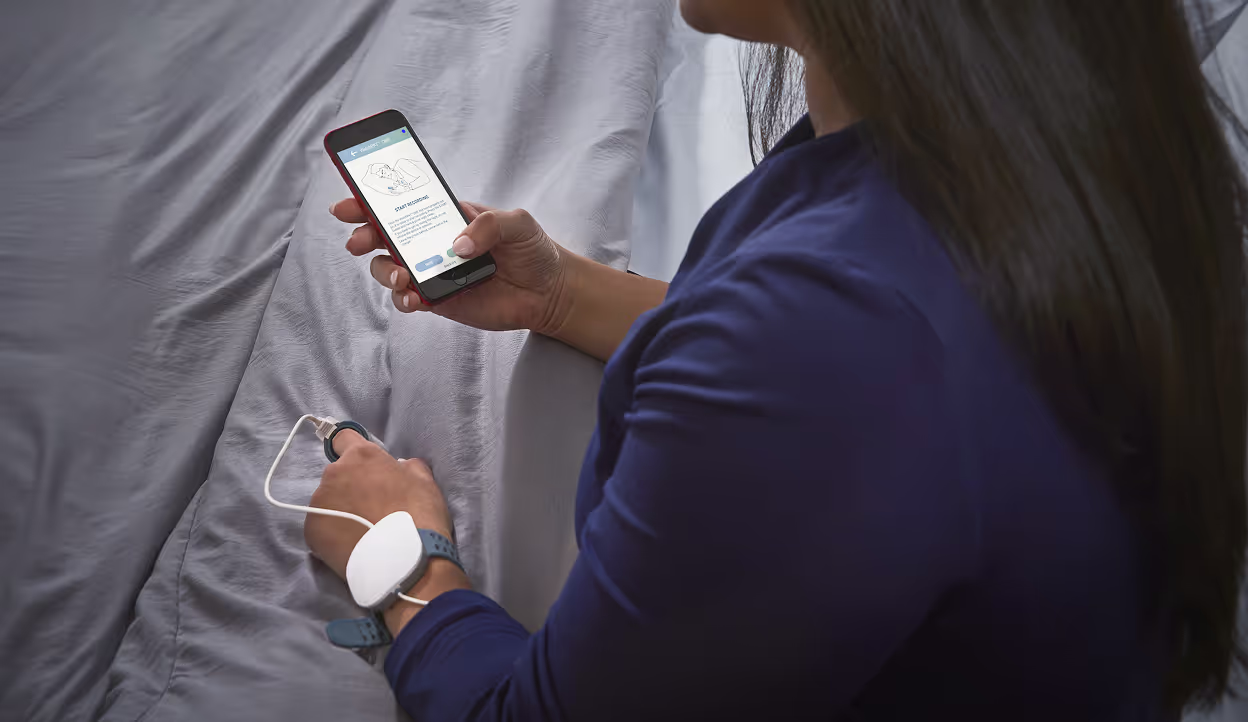



Home Sleep Apnea Test in Corpus Christi, Texas: The Complete Guide to At-Home Testing, Results, and Treatment
A home sleep apnea test in Corpus Christi, Texas lets you complete a clinically validated sleep study from your own bed, measuring oxygen saturation, respiratory effort, and airflow to diagnose obstructive sleep apnea without an overnight stay at a Sleep Center or Sleep Lab. According to the American Academy of Sleep Medicine, home sleep apnea tests are an accepted diagnostic tool for moderate to severe obstructive sleep apnea in adults without significant comorbidities. This guide is for Corpus Christi residents, South Texas patients, and anyone exploring at-home sleep testing as an alternative to in-center polysomnography. You will learn how the test works, what the device measures, how results lead to a treatment plan, what CPAP therapy involves, and how to compare local providers and national telehealth options. Every section includes the specific costs, timelines, and clinical details you need to make an informed decision.
Quick Answer
A home sleep apnea test in Corpus Christi, Texas is a portable diagnostic study you complete overnight at home using a small FDA-cleared device that tracks oxygen levels, pulse rate, respiratory effort, and airflow. Results are reviewed by a board-certified physician who determines whether you have obstructive sleep apnea and what treatment, such as CPAP therapy or an oral appliance, is appropriate. Most patients receive results within days rather than weeks. dumbo.health offers a home sleep test for $149 with no insurance required, shipping directly to patients in Corpus Christi and throughout Texas.
Key Takeaways
- A home sleep apnea test uses a portable, FDA-cleared device that measures oxygen saturation, heart rate, airflow, and respiratory effort while you sleep at home.
- Obstructive sleep apnea affects an estimated 30 million Americans according to the American Academy of Sleep Medicine, with many cases remaining undiagnosed.
- Home sleep testing is clinically appropriate for adults with a high pretest probability of moderate to severe obstructive sleep apnea and no major comorbidities such as central sleep apnea or narcolepsy.
- In Corpus Christi, local options include RISE Sleep Clinic and Driscoll Children's Hospital for pediatric concerns, while telehealth options like dumbo.health serve the entire state of Texas.
- dumbo.health offers a home sleep test for $149 (one-time, no insurance needed) and monthly CPAP care plans starting at $59 per month with no contracts.
- In-center polysomnography at a Sleep Lab typically costs $1,000 or more and requires an overnight stay, while home sleep apnea tests provide a lower-cost, more convenient alternative for qualifying patients.
What Is a Home Sleep Apnea Test and How Does It Work
A home sleep apnea test is a portable diagnostic sleep study that records key physiological signals while you sleep in your own bed. Unlike a full polysomnography performed at a Sleep Lab, a Home Sleep Test focuses specifically on breathing-related metrics to screen for obstructive sleep apnea.
What the Device Measures
The device typically uses a combination of sensors to track four to six channels of sleep data. These measurements give a physician enough information to calculate an apnea-hypopnea index (AHI), which is the primary metric used to diagnose obstructive sleep apnea and determine its severity.
Core measurements include:
- Oxygen saturation via a fingertip sensor using photoplethysmography
- Pulse rate tracked continuously through the same oxygen sensor
- Respiratory effort measured by a belt worn around the chest or abdomen
- Airflow detected by a nasal cannula or thermistor placed near the nose
Some devices, such as the NightOwl Home Sleep Test, use a simplified single-sensor design that combines photoplethysmography with actigraphy. Others include additional channels for body position and snoring intensity. All home sleep apnea tests used for clinical diagnosis must be FDA-cleared.
How It Differs from Polysomnography
Polysomnography is the gold standard sleep study performed in a Sleep Lab or Sleep Center. It involves EEG leads to monitor brain waves, ECG sticky pads to track heart rhythm, electrodes on the face and scalp to measure muscle activity and eye movements, leg movement sensors, and oxygen sensors. A trained sleep technologist supervises the entire night.
A home sleep test does not measure brain waves, leg movements, or sleep stages. It cannot detect narcolepsy, circadian rhythm disorders, restless leg syndrome, or central sleep apnea. Its primary purpose is detecting obstructive sleep apnea through respiratory and oxygen data.
According to the American Academy of Sleep Medicine, home sleep apnea tests are appropriate when a clinician has a high pretest suspicion for obstructive sleep apnea in an adult patient without significant cardiopulmonary disease, neuromuscular conditions, or other sleep disorders such as insomnia or sleeping disorders unrelated to breathing.
DID YOU KNOW: The American Academy of Sleep Medicine estimates that approximately 80 percent of moderate to severe obstructive sleep apnea cases remain undiagnosed in the United States.
KEY TAKEAWAY: A home sleep apnea test measures oxygen saturation, respiratory effort, pulse rate, and airflow to diagnose obstructive sleep apnea, but it cannot replace polysomnography for detecting conditions like central sleep apnea, narcolepsy, or circadian rhythm disorders.
Understanding what the test measures helps you evaluate whether home sleep testing or an in-center study is the right choice for your situation.
Who Should Get a Home Sleep Apnea Test in Corpus Christi
Adults in Corpus Christi who snore loudly, experience excessive daytime fatigue, or have observed pauses in breathing during sleep are strong candidates for a home sleep apnea test. A healthcare practitioner or physician can help determine whether your symptoms point toward obstructive sleep apnea specifically.
Symptoms That Warrant Testing
The most common signs that lead to a sleep apnea testing referral include:
- Loud, chronic snoring reported by a bed partner
- Witnessed episodes of stopped breathing during sleeping
- Waking with a choking or gasping sensation
- Excessive daytime fatigue despite sleeping 7 or more hours
- Morning headaches that resolve within a few hours
- Difficulty concentrating or memory problems during the day
The CDC notes that insufficient sleep is associated with increased risk for chronic conditions including heart disease, diabetes, and obesity. When these symptoms persist, untreated obstructive sleep apnea may be a contributing factor.
Risk Factors Common in South Texas
Certain population-level risk factors are particularly relevant in the Corpus Christi and broader South Texas region. Higher rates of obesity, diabetes, and heart disease in the area mean that sleep apnea screening is especially important. According to the CDC, adults with a body mass index of 30 or higher have a significantly elevated risk for obstructive sleep apnea.
Other risk factors include:
- Male sex, though women are also affected, especially after menopause
- Age over 40
- Neck circumference greater than 17 inches in men or 16 inches in women
- Family history of sleep apnea
- Anatomical features such as maxillary hypoplasia or mandibular retrognathia that narrow the upper airway
- Nasal obstruction from enlarged sinuses or deviated septum
Who Should Not Use a Home Sleep Test
A home sleep test is not appropriate for every patient. If your physician suspects central sleep apnea, narcolepsy, a circadian rhythm disorder, or significant respiratory difficulties from neuromuscular conditions such as muscle weakness affecting the respiratory system, an in-center polysomnography is the recommended study.
Patients with congestive heart failure, chronic obstructive pulmonary disease, or a history of strokes affecting the brain stem may need the additional monitoring that only a full Sleep Lab study provides, including brain waves, heart rhythm, and leg movements tracked through electrodes and EEG leads.
Children suspected of sleep disordered breathing should be evaluated at a pediatric sleep center. In Corpus Christi, Driscoll Children's Hospital offers pediatric sleep medicine consultations and in-center testing.
KEY TAKEAWAY: Home sleep apnea tests are best suited for adults with strong clinical suspicion of obstructive sleep apnea and no significant comorbidities; patients with complex sleep disorders or pediatric cases need in-center polysomnography.
Knowing whether you qualify for a home test is the first step, so next you will learn exactly how to get tested in Corpus Christi.
How to Get a Home Sleep Apnea Test in Corpus Christi, Texas
Getting a home sleep apnea test in Corpus Christi involves choosing between a local sleep medicine provider or a telehealth-based service that ships the device to your home. Both pathways lead to a physician-reviewed diagnosis and treatment plan.
Local Providers in the Corpus Christi Area
Several providers in your area offer sleep testing services. RISE Sleep Clinic provides both home sleep testing and in-center polysomnography, with sleep therapists and board-certified sleep physicians on staff. Some dental providers in Corpus Christi, including practices like Sabal Dental and Kenneth Gonzales DDS PLLC, offer airway analysis and customized sleep apnea oral appliances as part of a Whole-Body Approach to Dentistry, though these offices typically refer patients to a Sleep Specialist or sleep medicine provider for diagnostic testing.
Driscoll Children's Hospital operates a pediatric sleep center for younger patients in the area. For adults, Alameda Corpus Christi and surrounding neighborhoods have access to both primary care providers who can order home sleep tests and dedicated Sleep Center facilities.
If you are searching for a provider near you, ask whether they use an FDA-cleared home sleep test device, how quickly results are reviewed, and whether a board-certified sleep physician interprets the sleep data.
Telehealth Option: dumbo.health
For patients who want to skip the wait for a local consultation, dumbo.health offers a direct-to-patient home sleep test for $149 shipped anywhere in Texas, including Corpus Christi. The process is entirely cash-pay with no insurance required, no prior authorizations, and no surprise bills. You complete a free sleep assessment online, receive the device by mail, test at home for one night, and get your results interpreted by a physician.
dumbo.health is not a replacement for emergency care or complex neurological evaluation, but for straightforward obstructive sleep apnea screening, it eliminates the scheduling delays and insurance barriers that many Corpus Christi patients face.
Step-by-Step: How to Complete a Home Sleep Test Through dumbo.health
1. Visit dumbo.health's sleep assessment and complete the free online screening questionnaire to determine whether home testing is appropriate for your symptoms.
2. Order your home sleep test for $149 through the dumbo.health platform. No insurance paperwork is needed and no prior authorization is required.
3. Receive the FDA-cleared device at your Corpus Christi address. The package includes setup instructions and a sensor that tracks oxygen saturation, pulse rate, and respiratory effort.
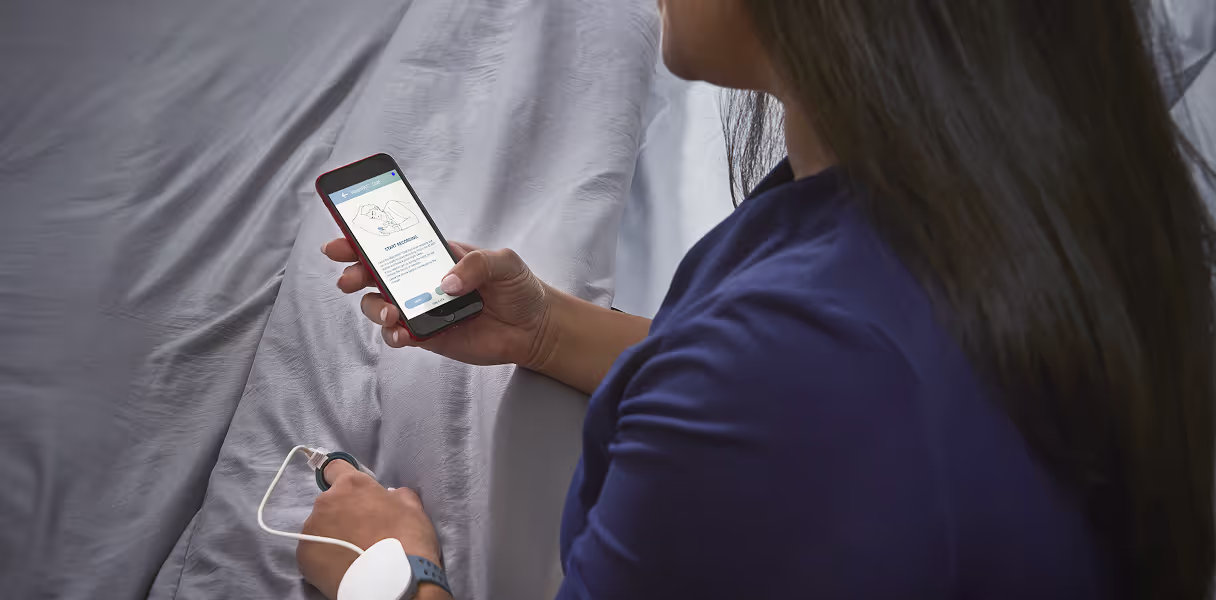
4. Wear the device for one night of sleep in your own bed. Follow the included instructions for sensor placement, which typically involves a fingertip sensor and a chest or abdominal belt.
5. Ship the device back using the prepaid return packaging included in your kit.
6. A board-certified physician reviews your sleep data and generates a clinical report with your AHI score and diagnosis.
7. If diagnosed with obstructive sleep apnea, choose a dumbo.health monthly care plan starting at $59 per month for CPAP therapy, equipment, and physician follow-up with no contracts and cancel-anytime flexibility.
After completing these steps, most patients receive their results within days, and treatment can begin immediately if obstructive sleep apnea is confirmed.
IMPORTANT: A home sleep apnea test does not require a physician referral in all cases, but having your results shared with your primary care provider in Corpus Christi ensures coordinated care, especially if you have other conditions like heart disease or diabetes.
KEY TAKEAWAY: Corpus Christi patients can access home sleep apnea testing through local providers like RISE Sleep Clinic or through telehealth services like dumbo.health, which ships an FDA-cleared device for $149 with no insurance needed.
Once you understand how to get tested, the next question is what happens after your test night and how quickly you receive results.
Understanding Your Home Sleep Apnea Test Results
Results from a home sleep apnea test are typically available within days of the device being returned and reviewed by a physician. The key number in your report is the apnea-hypopnea index, which tells you whether you have obstructive sleep apnea and how severe it is.
What the AHI Score Means
The apnea-hypopnea index (AHI) counts the average number of apnea events (complete breathing stops) and hypopnea events (partial airflow reductions with oxygen desaturation) per hour of recorded sleep. The American Academy of Sleep Medicine defines severity thresholds as:
- Normal: AHI below 5 events per hour
- Mild obstructive sleep apnea: AHI of 5 to 14 events per hour
- Moderate obstructive sleep apnea: AHI of 15 to 29 events per hour
- Severe obstructive sleep apnea: AHI of 30 or more events per hour
Your report also includes oxygen saturation data. Repeated drops in oxygen levels during sleep indicate that your airways are partially or fully collapsing, reducing oxygen delivery to your heart, brain, and other organs. Persistent oxygen desaturation below 90 percent is clinically significant.
What Happens After a Positive Diagnosis
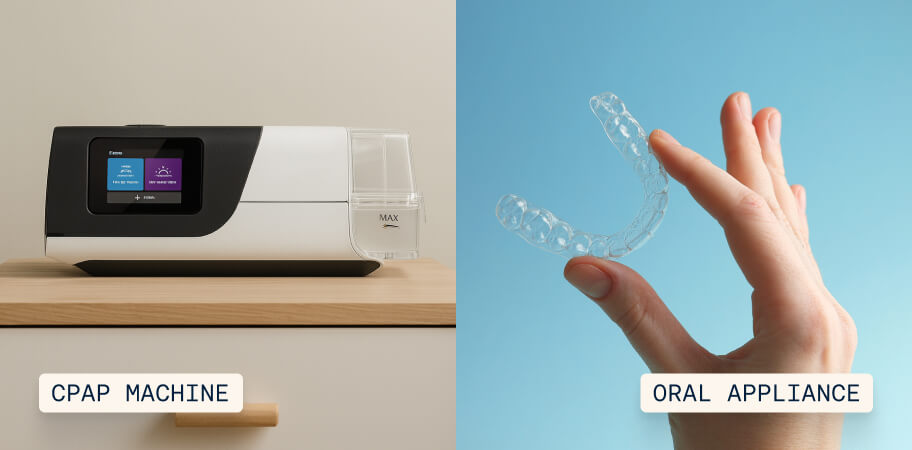
If your results confirm obstructive sleep apnea, your physician will recommend a treatment plan based on severity. For moderate to severe cases, continuous positive airway pressure (CPAP) therapy is the first-line treatment recommended by the American Academy of Sleep Medicine. CPAP machines deliver pressurized air through a mask to keep your upper airway open during sleep.
For mild cases, an oral appliance or dental appliance that repositions the lower jaw may be sufficient. Some Corpus Christi dental offices, including practices focused on customized sleep apnea oral appliances, fabricate these devices after an airway analysis.
dumbo.health patients who test positive for obstructive sleep apnea can start CPAP therapy through one of three monthly plans. The Essentials Plan at $59 per month includes physician interpretation, CPAP equipment, and standard follow-up care. The Premium Plan at $89 per month adds a dedicated sleep coach, advanced adherence monitoring, and priority results turnaround. Updates are sent to your referring provider so your care team in Corpus Christi stays informed.
What Happens If Results Are Negative or Inconclusive
A negative home sleep test does not always rule out sleep apnea. Home sleep apnea tests can underestimate the AHI because they measure recording time rather than actual sleep time, and the device cannot confirm whether you were truly asleep. If your symptoms persist despite a negative result, your physician may recommend a full in-center polysomnography at a Sleep Lab for a more detailed study.
Inconclusive results can occur due to sensor displacement during the night, insufficient recording time, or technical issues with the device. In these cases, repeating the test or moving to polysomnography is standard practice.
A home sleep apnea test produces results by measuring respiratory events and oxygen desaturation during a single night of sleep. A physician reviews the sleep data, calculates the apnea-hypopnea index, and determines whether obstructive sleep apnea is present. This process does not require brain wave monitoring or a sleep technologist, making home sleep testing faster and more accessible than in-center polysomnography for qualifying patients.
KEY TAKEAWAY: Your AHI score determines the severity of obstructive sleep apnea, and scores of 15 or higher typically indicate the need for CPAP therapy or another evidence-based treatment plan.
With your results in hand, the next decision involves choosing the right treatment path for your diagnosis.
Sleep Apnea Treatment Options Available in Corpus Christi
CPAP therapy is the most effective treatment for moderate to severe obstructive sleep apnea, but it is not the only option. The right treatment plan depends on your AHI score, anatomy, lifestyle, and ability to tolerate specific devices.
CPAP and BiPAP Therapy
Continuous positive airway pressure therapy uses a CPAP machine to deliver a steady stream of air through a mask, keeping the upper airway open and preventing the soft tissues from collapsing during sleep. BiPAP (bilevel positive airway pressure) provides two different pressure levels for inhalation and exhalation, which some patients find more comfortable.
According to Johns Hopkins Medicine, CPAP therapy reduces daytime fatigue, lowers blood pressure, and decreases the risk of heart attacks and strokes in patients with obstructive sleep apnea. CPAP adherence is critical for these benefits to materialize. The American Academy of Sleep Medicine defines adequate adherence as using the device for at least 4 hours per night on at least 70 percent of nights.
Mask fitting is one of the most common barriers to long-term CPAP adherence. Patients who struggle with mask discomfort may benefit from desensitization techniques, where they gradually increase wearing time during waking hours before using the device overnight. A dedicated sleep coach can guide this process.
dumbo.health includes CPAP machines, mask fitting support, and adherence monitoring in every monthly plan. The Premium Plan at $89 per month provides a licensed sleep coach and advanced adherence monitoring, which clinicians frequently observe improves long-term compliance compared to patients managing equipment on their own.
Oral Appliances and Dental Approaches
For mild to moderate obstructive sleep apnea, an oral appliance may be an alternative to CPAP. These dental devices reposition the lower jaw (mandible) and tongue forward to widen the upper airway. Customized sleep apnea oral appliances are typically fabricated by a dentist with training in sleep medicine after a thorough airway analysis.
In Corpus Christi, some dental offices offer these appliances. Sabal Dental and Kenneth Gonzales DDS PLLC are examples of practices that address dental sleep medicine, though availability and specific services vary. Patients with mandibular retrognathia or maxillary hypoplasia may particularly benefit from an oral appliance approach, as these anatomical features contribute to airway narrowing.
Oral appliances are generally not recommended as the sole treatment for severe obstructive sleep apnea. They do not address oxygen desaturation as effectively as CPAP in high-AHI cases.
Other Therapies and Emerging Approaches
Several additional treatment modalities exist for specific patient populations:
- Vivos is a non-surgical treatment system that uses custom oral appliances designed to gradually expand the upper airway by stimulating bone remodeling in the jawbone and palate. It is positioned as a longer-term intervention aimed at addressing the structural causes of airway obstruction.
- CBT-I (Cognitive Behavioral Therapy for Insomnia) does not treat obstructive sleep apnea directly but is the gold standard for treating co-occurring insomnia. Many patients with obstructive sleep apnea also experience insomnia, and addressing both conditions improves overall sleep quality.
- Nightmare therapy and other behavioral interventions may be recommended by sleep therapists for patients whose sleep disorders include parasomnias alongside apnea.
- Positional therapy, where patients are trained to avoid sleeping on their back, may reduce AHI in position-dependent obstructive sleep apnea.
TIP: If you have been diagnosed with obstructive sleep apnea and also struggle with insomnia or difficulty falling asleep, ask your provider about CBT-I as a complementary treatment alongside CPAP therapy.
KEY TAKEAWAY: CPAP therapy remains the first-line treatment for moderate to severe obstructive sleep apnea, while oral appliances serve as an alternative for milder cases, and emerging approaches like Vivos target structural airway causes.
Treatment decisions are often influenced by cost and insurance coverage, which brings us to how pricing works for sleep apnea care in Corpus Christi.
Cost of Home Sleep Apnea Testing and Treatment in Corpus Christi
A home sleep apnea test in Corpus Christi typically costs between $150 and $500 depending on the provider, while in-center polysomnography at a Sleep Lab often exceeds $1,000 before insurance adjustments. Understanding the full cost picture helps you plan for both testing and ongoing treatment.
Comparing Costs: Home Sleep Test vs. In-Center Polysomnography
The following comparison highlights the key differences between these two testing pathways for Corpus Christi patients:
Test Location
- Home Sleep Test: Your own bed at home
- In-Center Polysomnography: Sleep Lab or Sleep Center facility
Typical Cost Without Insurance
- Home Sleep Test: $149 to $500
- In-Center Polysomnography: $1,000 to $3,000 or more
Insurance Requirements
- Home Sleep Test: Often covered; cash-pay options available without insurance
- In-Center Polysomnography: Usually requires prior authorization and insurance verification
Overnight Stay Required
- Home Sleep Test: No
- In-Center Polysomnography: Yes, one full night minimum
Supervision
- Home Sleep Test: Self-administered at home; physician reviews data afterward
- In-Center Polysomnography: Sleep technologist monitors throughout the night
Turnaround Time for Results
- Home Sleep Test: Typically within days
- In-Center Polysomnography: Often 1 to 3 weeks depending on the facility
For most adults with suspected obstructive sleep apnea and no complex comorbidities, the home sleep test offers a faster, more affordable, and more convenient pathway to diagnosis. In-center polysomnography remains necessary for patients with suspected central sleep apnea, narcolepsy, or other complex sleep disorders.
Insurance Coverage in Corpus Christi
Many major insurance plans, including Aetna, Blue Cross Blue Shield, Medicare, and UnitedHealthcare, cover home sleep apnea tests and CPAP equipment when medically necessary. However, coverage typically requires a prior authorization, a physician referral, and documentation of symptoms. The process can take weeks before testing even begins.
Medicare specifically requires that the home sleep test device record at minimum airflow, respiratory effort, and oxygen saturation. Medicare also requires a face-to-face clinical evaluation before approving CPAP therapy. These requirements add time and administrative steps.
The Cash-Pay Alternative Through dumbo.health
For patients who want to avoid insurance delays, prior authorization requirements, or surprise bills, dumbo.health provides a transparent cash-pay pathway. The at-home sleep test costs $149 as a one-time payment. This covers the FDA-cleared device and one night of testing. No insurance is needed, no referral is required for the test itself, and there are no hidden fees.
If diagnosed with obstructive sleep apnea, ongoing CPAP therapy and care through dumbo.health starts at $59 per month for the Essentials Plan. The Premium Plan at $89 per month and Elite Plan at $129 per month add increasing levels of clinical support, including dedicated sleep coaching, direct physician messaging, and custom reporting. All plans operate with no contracts and cancel-anytime flexibility.
Many patients report that the total cost of dumbo.health's testing plus treatment is comparable to or lower than their insurance copays and deductibles, especially for those with high-deductible health plans.
KEY TAKEAWAY: Home sleep apnea testing costs significantly less than in-center polysomnography, and dumbo.health's $149 cash-pay test with monthly treatment plans starting at $59 removes the insurance barriers that delay diagnosis for many Corpus Christi patients.
Beyond cost, patients often want to know what daily life looks like on CPAP therapy, which is covered next.
What CPAP Therapy Looks Like in Practice
CPAP therapy involves wearing a mask connected to a CPAP machine that delivers continuous positive airway pressure throughout the night to prevent airway collapse. Most patients notice improvements in daytime fatigue, snoring, and sleep quality within the first week of consistent use.
Equipment and Setup
A standard CPAP setup includes:
- CPAP machine or BiPAP machine that generates pressurized air
- Mask in one of several styles: nasal, nasal pillow, or full face
- Tubing connecting the mask to the machine
- Humidifier chamber (included with most modern CPAP machines) to prevent dryness
- Filters to keep the air supply clean
Mask fitting is essential to therapy success. A mask that leaks air, causes skin irritation, or feels claustrophobic leads to poor CPAP adherence. dumbo.health's Essentials Plan includes CPAP equipment and standard follow-up care, while the Premium Plan adds a dedicated sleep coach who helps troubleshoot mask fit and comfort issues.
Building a CPAP Habit
Many patients report that the first few nights with CPAP feel unusual. The sensation of pressurized air flowing through the airways takes adjustment. Clinicians frequently observe that patients who commit to using CPAP for at least two full weeks have significantly higher long-term adherence rates.
Desensitization strategies that help build tolerance include:
- Wearing the mask while awake for short periods during the evening
- Using the ramp feature on the CPAP machine, which starts pressure low and gradually increases
- Trying different mask styles to find the most comfortable fit
- Keeping the humidifier setting adjusted to prevent nasal dryness
According to the Sleep Foundation, patients who use CPAP consistently for at least 4 hours per night experience meaningful reductions in blood pressure, daytime sleepiness, and cardiovascular risk. Meeting the 4-hour threshold on 70 percent of nights is the standard for adequate CPAP adherence as defined by the American Academy of Sleep Medicine.
Monitoring and Follow-Up
Modern CPAP machines record nightly sleep data including usage hours, mask leak rates, and residual AHI (apnea events that still occur despite therapy). This data allows your physician to adjust pressure settings and verify that treatment is working.
dumbo.health's Premium and Elite Plans include advanced adherence monitoring, which means your care team reviews your CPAP data regularly and contacts you proactively if usage patterns suggest a problem. This level of monitoring is difficult to access through most local providers in Corpus Christi without frequent in-person appointments.
KEY TAKEAWAY: Consistent CPAP use of at least 4 hours per night on 70 percent of nights produces measurable health improvements, and dedicated sleep coaching significantly increases the likelihood of reaching that threshold.
Not every patient is an ideal candidate for home sleep testing, so the next section addresses specific limitations and situations where a different approach is needed.
Limitations and Risks of Home Sleep Apnea Testing
Home sleep apnea tests are effective screening tools for obstructive sleep apnea, but they have specific limitations that patients and providers should understand before choosing this pathway over in-center polysomnography.
When a Home Sleep Test May Not Be Appropriate
At least three clinical situations make home sleep testing unreliable or insufficient:
First, patients with suspected central sleep apnea should not rely on a home sleep test. Central sleep apnea involves the brain stem failing to send proper signals to the muscles that control breathing. Home devices do not include EEG leads or brain wave monitoring, so they cannot differentiate central from obstructive events. If your physician suspects a brain disorder affecting respiratory control, polysomnography at a Sleep Lab with a sleep technologist is required.
Second, patients with significant cardiopulmonary disease, including congestive heart failure, chronic obstructive pulmonary disease, or a history of heart attacks or strokes, need the comprehensive monitoring of in-center testing. These conditions can produce oxygen desaturation patterns that mimic or coexist with obstructive sleep apnea, and accurate diagnosis requires heart rhythm, brain wave, and respiratory system data that home devices do not capture.
Third, home sleep tests can produce false-negative results. Because the device records total recording time rather than actual sleep time, the AHI may be diluted if you spent significant time awake during the test night. The American Academy of Sleep Medicine acknowledges this limitation and recommends that patients with persistent symptoms and a negative home test undergo polysomnography.
Technical Limitations
Home sleep test devices rely on sensors that must remain properly positioned throughout the night. If the fingertip oxygen sensor slips off, the nasal airflow sensor shifts, or the chest belt loosens, the sleep data may be incomplete or inaccurate. Unlike in-center testing where a sleep technologist can reattach sensors in real time, there is no supervision during a home test.
Device accuracy also varies by model. FDA-cleared devices must meet regulatory standards, but no home sleep test achieves the same diagnostic precision as full polysomnography with its multi-channel monitoring of brain waves, muscles, heart rhythm, oxygen levels, and leg movements.
How dumbo.health Addresses These Limitations
dumbo.health uses FDA-cleared testing equipment and provides clear setup instructions to minimize sensor displacement issues. If a test night produces inconclusive results, patients can discuss next steps with a physician through the platform. For patients whose results suggest a need for in-center polysomnography, dumbo.health can help coordinate referrals to a Sleep Specialist close to you.
The Elite Plan at $129 per month includes direct physician messaging for patients who have complex cases or need guidance navigating between home testing and in-center evaluation.
IMPORTANT: A normal result on a home sleep apnea test does not definitively rule out all sleep disorders. If symptoms like excessive fatigue, insomnia, or unrefreshing sleep persist, consult a sleep medicine physician for further evaluation including possible polysomnography.
KEY TAKEAWAY: Home sleep apnea tests cannot detect central sleep apnea, narcolepsy, or circadian rhythm disorders, and patients with complex medical histories or inconclusive results should pursue in-center polysomnography.
Real-world examples illustrate how these decisions play out for actual patients in the Corpus Christi area.
Real-World Scenarios: Home Sleep Testing in Corpus Christi
Seeing how home sleep apnea testing applies to specific situations helps clarify whether this pathway fits your circumstances.
Common Scenarios
Scenario 1: A 48-year-old commercial truck driver in Corpus Christi with a BMI of 34 is told during a DOT physical that he needs sleep apnea testing before his medical certificate can be renewed. His wife reports loud snoring and occasional gasping during the night. He does not have a primary care physician in the area and his insurance has a $5,000 deductible. Rather than waiting weeks for a Sleep Center appointment and paying out of pocket toward his deductible, he orders a home sleep test through dumbo.health for $149. His results show an AHI of 22, confirming moderate obstructive sleep apnea. He starts CPAP therapy through the Essentials Plan at $59 per month, and dumbo.health sends the compliance report to his DOT examiner.
Scenario 2: A 55-year-old woman living near Alameda Corpus Christi has been experiencing worsening fatigue, difficulty sleeping, and morning headaches for over a year. Her primary care provider suspects obstructive sleep apnea but also notes her history of heart disease and prior consultation with a cardiologist. Because of her cardiac history, her physician recommends in-center polysomnography at a local Sleep Lab rather than a home sleep test. She completes an overnight study at RISE Sleep Clinic where a sleep technologist monitors her brain waves, heart rhythm, oxygen levels, and leg movements. Her polysomnography confirms severe obstructive sleep apnea with an AHI of 41, and she begins BiPAP therapy through her insurance plan.
Scenario 3: A 35-year-old man in Corpus Christi works night shifts and has been struggling with excessive daytime sleeping, difficulty maintaining a regular schedule, and persistent insomnia. His symptoms do not fit a classic obstructive sleep apnea profile. His physician suspects a circadian rhythm disorder and possibly restless leg syndrome. A home sleep test would not capture the data needed for these diagnoses, so he is referred to a board-certified Sleep Specialist for a full polysomnography and consultation about circadian rhythm disorders and potential CBT-I treatment.
These scenarios demonstrate that home sleep testing serves a clear clinical purpose for patients with a high probability of obstructive sleep apnea, while more complex presentations require the diagnostic depth of in-center polysomnography.
KEY TAKEAWAY: Home sleep apnea testing is the right choice for adults with straightforward obstructive sleep apnea risk factors, while patients with cardiac conditions, suspected central sleep apnea, or non-respiratory sleep disorders need in-center polysomnography.
Many patients hesitate to get tested because of common misconceptions about sleep apnea and home testing, which the next section addresses directly.
Common Myths About Home Sleep Apnea Tests Debunked
MYTH: Home sleep apnea tests are not accurate enough to be medically useful.
FACT: FDA-cleared home sleep apnea tests have been validated in clinical studies and are recommended by the American Academy of Sleep Medicine for diagnosing obstructive sleep apnea in adults with a high pretest probability. While they measure fewer channels than polysomnography, they reliably detect moderate to severe obstructive sleep apnea. A 2017 systematic review published in the Journal of Clinical Sleep Medicine confirmed that home sleep testing has adequate sensitivity and specificity for this population.
MYTH: You need a doctor's referral and insurance approval before you can take a home sleep test.
FACT: While many insurance-based pathways require a physician referral and prior authorization, cash-pay options like dumbo.health allow you to order a home sleep test directly for $149 with no referral, no insurance, and no prior authorization. A physician still reviews your results and provides a clinical diagnosis. The testing itself does not require an insurance gatekeeper.
MYTH: If you do not snore, you cannot have sleep apnea.
FACT: Snoring is a common symptom of obstructive sleep apnea, but not all patients with sleep apnea snore. The NIH notes that obstructive sleep apnea can present with silent apnea events, daytime fatigue, morning headaches, and cognitive difficulty even without audible snoring. Women and younger patients are particularly likely to have atypical presentations that do not include loud snoring.
MYTH: CPAP machines are too loud and uncomfortable to use every night.
FACT: Modern CPAP machines operate at noise levels as low as 25 to 30 decibels, roughly the volume of a whisper. Advances in mask design, including nasal pillow and minimal-contact masks, have dramatically improved comfort. CPAP adherence rates improve significantly when patients receive proper mask fitting and dedicated support, which is why dumbo.health's Premium Plan includes a licensed sleep coach.
MYTH: A home sleep test can diagnose any sleep disorder.
FACT: Home sleep apnea tests are designed specifically to detect obstructive sleep apnea. They cannot diagnose central sleep apnea, narcolepsy, circadian rhythm disorders, restless leg syndrome, bruxism, or other sleeping disorders that require brain wave monitoring, electrodes, or direct observation by a sleep technologist. Patients with symptoms suggesting these conditions need polysomnography at a Sleep Lab.
KEY TAKEAWAY: Home sleep apnea tests are clinically validated, do not always require insurance or a referral, and work well for obstructive sleep apnea screening, but they are not designed to detect every sleep disorder.
With myths cleared up, the next step is preparing properly for your test night to ensure the best possible results.
How to Prepare for Your Home Sleep Apnea Test
Proper preparation improves the quality of your sleep data and reduces the chance of needing to repeat the test due to sensor issues or insufficient recording time.
Pre-Test Checklist
- Confirm your device is FDA-cleared and includes sensors for oxygen saturation, airflow, and respiratory effort
- Charge the device fully or verify the battery level before your test night
- Avoid alcohol for at least 4 hours before sleeping, as alcohol can alter your breathing patterns and skew results
- Avoid caffeine after mid-afternoon to help you fall asleep at a normal time
- Remove nail polish or artificial nails from the finger where the oxygen sensor will be placed, as these can interfere with photoplethysmography readings
- Sleep in your usual bed and try to maintain your normal bedtime routine
- Read the device instructions completely before attaching sensors
- Set up the nasal cannula or airflow sensor, chest or abdominal belt, and fingertip sensor as directed
- Keep the device and sensors within reach so you can reattach anything that comes loose during the night
- Complete the free sleep assessment at dumbo.health before ordering if you are unsure whether home testing is right for your symptoms
What to Do the Morning After
Remove all sensors carefully when you wake up. Most devices stop recording automatically or require you to press a button. Package the device for return shipping if using a mail-based service like dumbo.health. If testing through a local Corpus Christi provider, follow their instructions for returning the equipment to the Sleep Center or clinic.
Your sleep data will be downloaded from the device and reviewed by a physician. dumbo.health's Premium Plan provides priority results turnaround, meaning you receive your report faster than the standard processing timeline.
KEY TAKEAWAY: Avoiding alcohol and caffeine before the test, ensuring correct sensor placement, and removing nail polish from the sensor finger are the three most important preparation steps for accurate home sleep apnea test results.
The final section pulls together the key decisions and next steps for Corpus Christi residents considering home sleep apnea testing.
Conclusion
A home sleep apnea test gives Corpus Christi residents a clinically validated, convenient, and affordable way to find out whether obstructive sleep apnea is behind their snoring, fatigue, or disrupted sleep. The test measures the respiratory signals that matter most for diagnosis, and results lead directly to evidence-based treatment options including CPAP therapy and oral appliances.
If you are in Corpus Christi or anywhere in Texas and want to get tested without insurance delays or prior authorizations, dumbo.health offers a home sleep test for $149 with no insurance required and monthly CPAP care plans starting at $59 per month with no contracts and cancel-anytime flexibility. Taking the first step toward restful sleep starts with knowing your numbers.
Frequently Asked Questions About Home Sleep Apnea Test in Corpus Christi, Texas
What is a home sleep apnea test?
A home sleep apnea test (HSAT) is a simplified, portable version of a sleep study that you complete in your own bed rather than a clinic or sleep lab. The device typically monitors breathing patterns, oxygen saturation, heart rate, and respiratory effort while you sleep. A board-certified sleep physician then interprets the recorded data to assess whether obstructive sleep apnea or another breathing-related sleep disorder may be present. Home sleep testing is widely used as a first-line diagnostic tool for adults with a moderate to high clinical suspicion of obstructive sleep apnea. A healthcare professional can help determine whether an at-home sleep test is appropriate for your situation.
What is the difference between a home sleep test and an in-lab sleep study (polysomnography)?
A home sleep test is a simplified study that measures breathing, oxygen levels, respiratory effort, heart rate, and sometimes pulse rate using sensors you wear overnight at home. An in-lab sleep study, known as polysomnography, is a comprehensive test conducted in a sleep center or sleep lab by a sleep technologist. Polysomnography also records brain waves using EEG leads, eye movements, muscle activity, heart rhythm using ECG sticky pads, and leg movements. According to the American Academy of Sleep Medicine, home sleep apnea tests are appropriate for uncomplicated suspected obstructive sleep apnea but may not capture conditions such as central sleep apnea, restless leg syndrome, narcolepsy, or circadian rhythm disorders, which often require in-center testing for accurate diagnosis.
Who should consider home sleep testing?
Home sleep testing is generally considered for adults who have symptoms consistent with obstructive sleep apnea, such as loud snoring, witnessed breathing pauses during sleep, excessive daytime sleepiness, or frequent nighttime awakenings. It is often appropriate for people without significant cardiac, pulmonary, or neurological conditions that would require more comprehensive monitoring. If you snore, feel uncontrollably sleepy during the day, have been told you stop breathing while sleeping, or have a larger-than-average neck size, a healthcare professional may recommend a home sleep test as a practical starting point. People with more complex health histories may be better suited to in-lab polysomnography.
What are the common signs that I might have sleep apnea?
Common signs that may indicate sleep apnea include loud or frequent snoring, breathing pauses noticed by a partner, waking up gasping or choking, unrefreshing sleep, morning headaches, excessive daytime fatigue, difficulty concentrating, and irritability. Physical risk factors can include a larger neck circumference, high body mass index, high blood pressure, and anatomical features such as a narrow upper airway, mandibular retrognathia, or soft tissue changes around the airway. Not everyone with sleep apnea snores, and not everyone who snores has sleep apnea. If you recognise several of these signs, speaking with a healthcare professional about at-home sleep apnea testing is a reasonable next step.
Why is sleep apnea a serious health concern?
Sleep apnea causes repeated interruptions to breathing during sleep, which lower oxygen saturation and place strain on the cardiovascular and respiratory systems. Over time, untreated obstructive sleep apnea is associated with increased risk of high blood pressure, heart disease, heart attacks, strokes, type 2 diabetes, and daytime impairment that can affect driving safety and work performance. The CDC recognises sleep disorders as a significant public health concern. Untreated sleep apnea also contributes to chronic fatigue, poor concentration, and reduced quality of life. Early testing and treatment can help address these risks, but a qualified healthcare professional should guide your evaluation and treatment plan.
What should I expect during home sleep testing?
During a home sleep test, you will be given a small portable device with sensors to attach before going to bed at your usual time. Depending on the device, sensors may include a finger oxygen sensor that measures oxygen saturation using photoplethysmography, a nasal cannula or airflow monitor, a chest or abdominal respiratory effort belt, and a pulse rate monitor. You sleep normally while the device records your breathing, oxygen levels, and heart rate data overnight. In the morning, you return or ship the device, and a board-certified sleep physician reviews the recorded sleep data to produce an interpretation report. The process is designed to be straightforward and non-disruptive to your normal sleep environment.
How accurate is a home sleep apnea test?
Home sleep apnea tests are a clinically validated tool for detecting obstructive sleep apnea in adults with a moderate to high pretest probability. Because they measure fewer variables than polysomnography and lack EEG leads to record brain waves or sleep stages, they may underestimate the apnea-hypopnea index in some cases. A negative or inconclusive result on a home sleep test does not always rule out sleep apnea, and a physician may recommend follow-up in-center testing if clinical suspicion remains high. Home sleep testing is approved by the FDA and endorsed by the American Academy of Sleep Medicine as an appropriate diagnostic option for suitable candidates. Results should always be reviewed and interpreted by a qualified sleep physician.
What happens if my home sleep test shows abnormal results?
If your home sleep test results indicate obstructive sleep apnea or abnormal breathing patterns, a sleep physician will typically review the findings with you and discuss treatment options. Treatment for sleep apnea commonly includes CPAP therapy, which delivers continuous positive airway pressure to keep the airway open during sleep. Depending on your results, other options may include BiPAP therapy, an oral appliance, or positional therapy. If your results are inconclusive or suggest a more complex sleep disorder, your physician may recommend an in-lab sleep study for further evaluation. A healthcare professional should guide your treatment plan based on the full clinical picture, not test results alone.
How is sleep apnea treated?
The most common and evidence-based treatment for obstructive sleep apnea is CPAP therapy, which uses a CPAP machine to deliver a steady stream of pressurised air through a mask to prevent airway collapse during sleep. Other treatment options include BiPAP therapy for more complex cases, dental appliances such as mandibular advancement devices that reposition the lower jaw, weight management, positional therapy, and in some cases surgical intervention to address upper airway anatomy. According to Mayo Clinic,consistent use of CPAP is important for managing sleep apnea symptoms and reducing associated cardiovascular risks. A board-certified sleep physician should determine the most appropriate treatment plan for each patient based on test results, symptoms, and overall health. You can explore CPAP therapy options as part of an ongoing care plan.
What does ongoing sleep apnea care involve after diagnosis?
Ongoing sleep apnea care typically includes starting and adjusting CPAP therapy, regular adherence monitoring to confirm the device is being used effectively, follow-up consultations to assess treatment response, and updates to your referring provider or primary care physician. CPAP adherence is a key factor in treatment outcomes, and many patients benefit from structured follow-up support. Some patients also work with a sleep coach to address challenges such as mask comfort, pressure tolerance, and consistent nightly use. dumbo.health monthly plans can support physician interpretation, CPAP equipment, adherence follow-up, and provider reporting, starting from $59 per month with no contracts and no insurance required. Learn more about sleep apnea care solutions.
How much does a home sleep apnea test cost in Corpus Christi, Texas?
The cost of a home sleep apnea test can vary depending on whether you use insurance, a sleep center, or a cash-pay provider. Patients without insurance, those facing high deductibles, or those who prefer predictable pricing often look for transparent self-pay options. dumbo.health offers a home sleep test for $149 as a one-time purchase, with no insurance required, no prior authorization, and no surprise bills. This includes the at-home sleep test device and one night of testing. Ongoing care, including physician interpretation, CPAP therapy, equipment, and follow-up, is available through monthly plans starting at $59 per month. For drivers or patients in the Corpus Christi area looking for providers near you, transparent cash-pay options can simplify the process.
Is insurance required to get a home sleep apnea test?
Insurance is not required to access a home sleep apnea test. Many patients choose cash-pay options because they do not have insurance, have high deductibles, or want to avoid prior authorization delays. Traditional routes through a sleep center or hospital sleep lab may involve insurance verification, referrals, or waitlists. Cash-pay platforms like dumbo.health allow patients to access a home sleep test for a flat $149 fee with no insurance involvement, no prior authorizations, and no unexpected costs. A healthcare professional should still review results and guide any treatment decisions, regardless of how the test was obtained. Get started with a sleep assessment to see whether at-home testing may be appropriate for your situation.
Can I get a home sleep apnea test without a referral from a doctor?
Many home sleep apnea testing services allow patients to begin the process directly without an existing physician referral. However, a licensed physician or healthcare professional must still review and interpret your home sleep test results and sign off on any treatment plan that follows. Cash-pay platforms such as dumbo.health include physician interpretation as part of the testing and care pathway, so you do not need to arrive with a referral in hand. A free sleep assessment can help determine whether home sleep testing is clinically appropriate for you before you purchase a device.
Are there sleep disorders that a home sleep test cannot detect?
Yes. Home sleep apnea tests are designed primarily to screen for obstructive sleep apnea and are not equipped to detect the full range of sleep disorders. Conditions such as central sleep apnea, narcolepsy, restless leg syndrome, circadian rhythm disorders, and parasomnias typically require polysomnography in a sleep lab, which records brain waves through EEG leads, eye movements, leg movements, and detailed heart rhythm data. If your home sleep test results are negative but symptoms persist, or if a physician suspects a more complex sleep or brain disorder, an in-center sleep study is usually the recommended next step. A board-certified sleep physician can advise on which type of testing is most appropriate.
What makes Corpus Christi, Texas a place where sleep apnea awareness matters?
Corpus Christi and the broader South Texas region have populations with elevated rates of obesity, diabetes, and heart disease, all of which are established risk factors for obstructive sleep apnea. High humidity, heat, and environmental factors can also affect sleep quality and airway function for people with respiratory difficulties or sinus conditions. The area's large commercial driving workforce adds additional urgency, since untreated sleep apnea is a known safety risk for drivers. Access to convenient, affordable home sleep testing in Corpus Christi is important for residents who may face barriers to traditional sleep lab evaluation. At-home sleep apnea testing offers a practical alternative for those in the area seeking accessible sleep disorder evaluation.
Do commercial drivers in Corpus Christi need a sleep apnea test for their DOT physical?
Commercial drivers who hold or are applying for a CDL may be referred for sleep apnea testing by a certified medical examiner if they show signs or risk factors for obstructive sleep apnea during a DOT physical. The FMCSA does not have a single mandatory sleep apnea rule, but certified medical examiners are expected to evaluate drivers for conditions that could impair safe driving, and sleep apnea is one such condition. A driver who is referred for testing may need to provide documentation of a home sleep test result and, if diagnosed, evidence of CPAP adherence before or during the certification process. dumbo.health can support at-home sleep apnea testing for truck drivers and provide documentation, but a certified medical examiner makes all DOT certification decisions.
How does CPAP therapy work and why does adherence matter?
CPAP, which stands for continuous positive airway pressure, works by delivering a steady, pressurised stream of air through a mask worn over the nose or mouth during sleep. This air pressure acts as a pneumatic splint to keep the upper airway open and prevent the breathing interruptions characteristic of obstructive sleep apnea. CPAP adherence, meaning consistent nightly use of the device for a recommended minimum number of hours, is important because inconsistent use reduces the clinical benefit of therapy and can affect cardiovascular outcomes. For commercial drivers, CPAP adherence data is often reviewed by a certified medical examiner as part of DOT recertification. Ongoing monitoring and support from a sleep coach or care team can improve long-term adherence.
What is the apnea-hypopnea index and why does it matter?
The apnea-hypopnea index, commonly referred to as the AHI, is the primary measure used to assess the severity of sleep apnea. It represents the average number of apneas and hypopneas, which are partial airway obstructions, per hour of sleep recorded during a sleep study. According to the American Academy of Sleep Medicine, an AHI of fewer than 5 events per hour is considered normal in adults, 5 to 14 is mild, 15 to 29 is moderate, and 30 or more is severe. A higher AHI generally indicates more frequent breathing disruptions and greater associated health risks. A sleep physician uses the AHI alongside oxygen saturation data and clinical history to guide the treatment plan.
What happens if I already use CPAP and need a new prescription or updated documentation?
If you are already a CPAP user and need an updated prescription, a new physician interpretation, or documentation for insurance, a DOT physical, or equipment replacement, a physician review of your current status and sleep data is typically required. dumbo.health monthly plans include physician interpretation and can support ongoing care needs, including provider updates and documentation. You do not need to start the testing process from scratch if you already have a diagnosis, but a clinician should review your current adherence data and treatment response. Explore ongoing sleep apnea care options to find a plan that fits your current needs.
How do I get started with a home sleep apnea test in Corpus Christi?
To get started with a home sleep apnea test in Corpus Christi or anywhere in Texas, you can take a free online sleep assessment to help determine whether home sleep testing is appropriate for your symptoms and health history. If testing is appropriate, you order the device, complete one night of testing at home, and return the device for physician interpretation. Results are typically reviewed by a board-certified sleep physician, and a report is generated to guide next steps. dumbo.health offers a $149 one-time home sleep test with transparent cash-pay pricing, no insurance required, and no prior authorization. Start with a free sleep assessment to take the first step toward understanding your sleep health.