



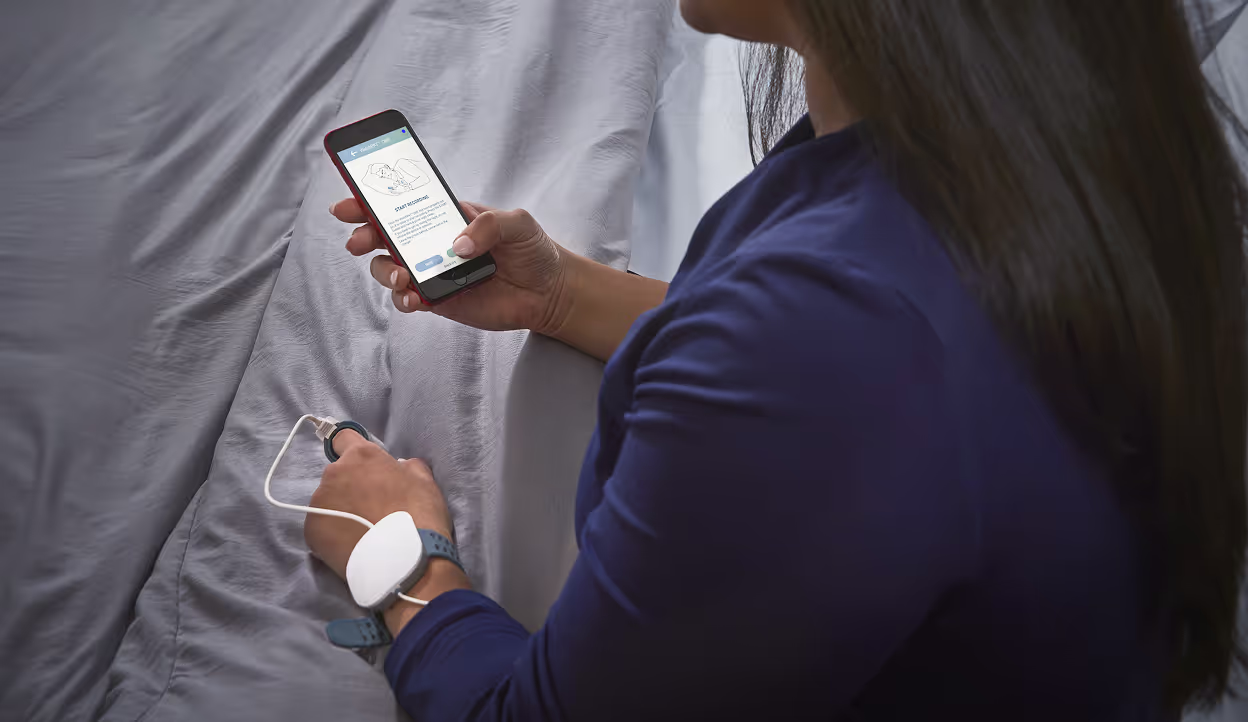



Home Sleep Apnea Test in McKinney, Texas: The Complete Guide to At-Home Testing, Diagnosis, and Treatment
A home sleep apnea test in McKinney, Texas allows you to complete a clinical sleep evaluation from your own bed, measuring breathing patterns, oxygen levels, and heart rate overnight without visiting a sleep lab. According to the American Academy of Sleep Medicine, home sleep apnea testing is a validated diagnostic method for obstructive sleep apnea in adults with a moderate to high pretest probability. This guide is written for McKinney residents, commercial drivers in the Dallas-Fort Worth Metroplex, and anyone in the Frisco, Lewisville, or greater Dallas area experiencing symptoms like loud snoring, excessive sleepiness, or fatigue. You will learn how at-home sleep apnea testing works, what your results mean, how it compares to in-lab polysomnography, what treatment options follow a diagnosis, and how to access affordable testing without insurance. Every section is built to help you make a clear, informed decision about your sleep health.
Quick Answer
A home sleep apnea test in McKinney, Texas is an FDA-cleared diagnostic device you wear overnight at home to record breathing patterns, oxygen saturation, heart rate, and airflow. The test detects obstructive sleep apnea without requiring an overnight stay at a sleep lab or hospital. Most adults with symptoms such as snoring, gasping, or daytime fatigue are candidates. Results are reviewed by a physician who determines severity using the Apnea-Hypopnea Index. dumbo.health offers a home sleep test for $149 with no insurance required and physician-reviewed results through affordable monthly plans.
Key Takeaways
- A home sleep apnea test records oxygen levels, airflow, breathing effort, and heart rate while you sleep in your own bed in McKinney or anywhere in Texas.
- Obstructive sleep apnea affects an estimated 30 million adults in the United States, according to the American Academy of Sleep Medicine, and most cases remain undiagnosed.
- Home sleep tests are clinically validated for diagnosing obstructive sleep apnea in adults and are recommended by the AASM when pretest probability is moderate to high.
- The Apnea-Hypopnea Index (AHI) is the primary metric used to diagnose and classify sleep apnea severity, with an AHI of 5 or more events per hour indicating the condition.
- dumbo.health provides a home sleep test for $149 (one-time cost, no insurance required) with physician interpretation available through plans starting at $59 per month.
- Untreated obstructive sleep apnea increases the risk of high blood pressure, heart disease, stroke, and motor vehicle accidents, making early testing a critical step.
What Is a Home Sleep Apnea Test and How Does It Work
A home sleep apnea test is a portable diagnostic device that records your breathing, oxygen saturation (SpO2), heart rate, and airflow while you sleep at home. The test replaces the need for an overnight stay at a sleep lab for many adults suspected of having obstructive sleep apnea.
Home sleep apnea testing is a diagnostic method that uses a compact, FDA-cleared device worn during one night of sleep to collect sleep data. The data is then reviewed by a board-certified sleep physician who determines whether obstructive sleep apnea is present and how severe it is.
Unlike in-lab polysomnography, which monitors brain waves, eye movements, and muscle activity across dozens of channels, a home sleep test focuses on respiratory parameters. The device typically measures nasal airflow, chest and abdominal breathing effort, blood oxygen levels through photoplethysmography, and heart rate. Some advanced devices, such as the WatchPAT, also measure peripheral arterial tonometry and sympathetic nervous system activity to improve diagnostic accuracy.
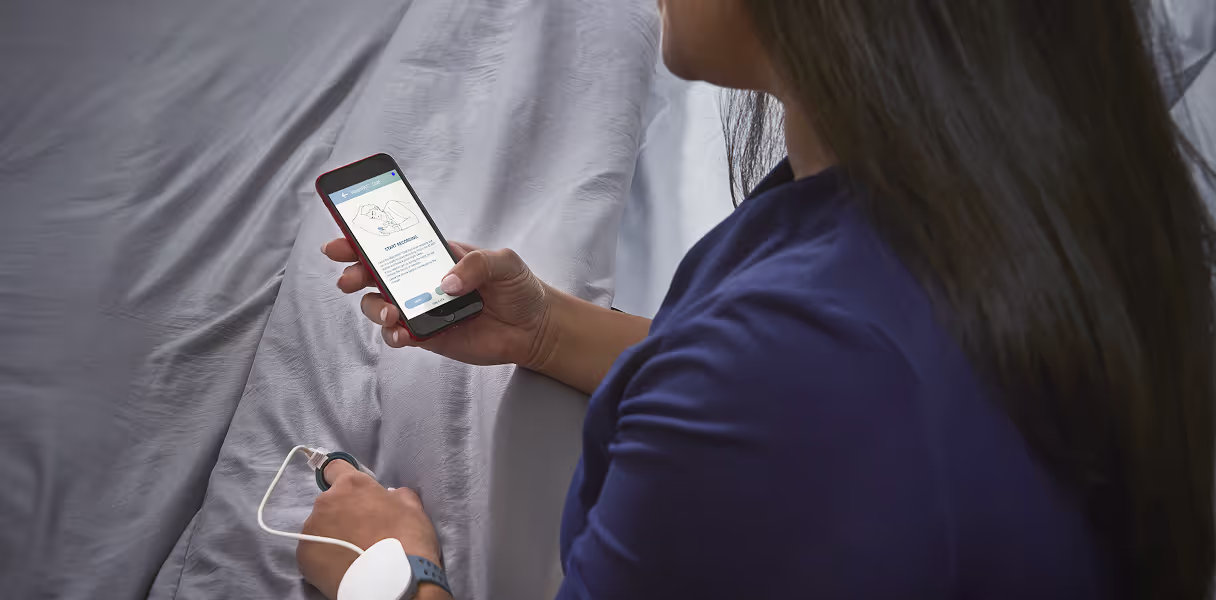
The sensors are small and designed for comfort. Most home sleep study devices attach to one or two fingers and use a chest strap or biocompatible adhesive tape. You set up the device before bed, sleep in your normal environment, and return or ship the device the next day. The sleep data is then uploaded and analyzed by a physician.
According to the AASM, home sleep apnea testing is appropriate for adults who have a high pretest probability of moderate to severe obstructive sleep apnea based on a clinical evaluation. It is not recommended as the sole diagnostic tool for patients with significant comorbidities such as heart failure, chronic lung disease, or suspected central sleep apnea.
DID YOU KNOW: The American Academy of Sleep Medicine estimates that obstructive sleep apnea affects approximately 30 million adults in the United States, but roughly 80 percent of moderate to severe cases remain undiagnosed.
KEY TAKEAWAY: A home sleep apnea test is a portable, FDA-cleared device that measures breathing patterns, oxygen levels, and heart rate during sleep to diagnose obstructive sleep apnea without requiring an overnight stay at a sleep center.
Understanding the specific symptoms that prompt testing helps you decide whether a home sleep test is the right next step.
Symptoms That Indicate You May Need Sleep Apnea Testing
Loud snoring combined with observed breathing pauses and daytime fatigue is the most common symptom pattern that leads to a sleep apnea evaluation. Recognizing these symptoms early can prevent serious health consequences.
Obstructive sleep apnea occurs when the airway partially or completely collapses during sleep, reducing or stopping airflow for 10 seconds or longer. The brain briefly wakes you to restore breathing, a cycle that can repeat dozens or hundreds of times per night without your awareness. This sleep fragmentation is what drives the daytime symptoms most patients notice first.
Primary Warning Signs
- Loud snoring that disrupts your bed partner or can be heard from another room
- Witnessed breathing pauses or gasping during sleep
- Excessive daytime sleepiness despite spending adequate time in bed
- Morning headaches that resolve within a few hours of waking
- Waking with a dry mouth or sore throat
- Difficulty concentrating or memory problems during the day
- Irritability or mood changes without an obvious cause
Risk Factors That Increase Likelihood
Not everyone who snores has sleep apnea, but certain risk factors raise the probability significantly. According to the National Heart, Lung, and Blood Institute, the following factors increase your risk of obstructive sleep apnea:
- Body mass index (BMI) of 30 or higher
- Neck circumference greater than 17 inches in men or 16 inches in women
- Age over 40
- Male sex (though risk in women increases after menopause)
- Family history of sleep apnea
- Nasal congestion or anatomical airway narrowing
- Use of alcohol or sedatives before sleep
Chronic snoring alone does not confirm obstructive sleep apnea, but when combined with two or more of the risk factors above, clinical guidelines support pursuing a sleep evaluation. Many patients in McKinney and the broader Dallas-Fort Worth Metroplex delay testing because they attribute their fatigue to long work hours or stress, not realizing that disrupted breathing patterns during sleep are the root cause.
If you recognize several of these symptoms in yourself, a free sleep assessment through dumbo.health can help you determine whether home sleep apnea testing is appropriate for your situation.
IMPORTANT: Untreated obstructive sleep apnea is associated with a two to three times higher risk of high blood pressure, heart disease, and stroke, according to the National Institutes of Health.
KEY TAKEAWAY: Loud snoring, witnessed breathing pauses, and persistent daytime fatigue are the hallmark symptoms of obstructive sleep apnea, and the presence of risk factors such as elevated BMI or age over 40 strengthens the case for testing.
Knowing why McKinney residents specifically benefit from home testing helps you understand the practical advantages of testing locally.
Why McKinney, Texas Residents Choose Home Sleep Testing
McKinney residents benefit from home sleep apnea testing because it eliminates travel to a sleep lab, reduces wait times, and provides a clinically accurate diagnosis at a lower cost than in-lab studies. The convenience factor matters in a rapidly growing city where sleep center availability does not always match demand.
McKinney is one of the fastest-growing cities in the Dallas-Fort Worth Metroplex, with a population that has expanded rapidly over the past decade. The city sits along the Dallas North Tollway corridor, with Eldorado Parkway serving as a major east-west route connecting residential areas to healthcare facilities. While McKinney has local medical providers, dedicated sleep labs are limited compared to larger cities like Dallas or Frisco. Residents often face multi-week wait times for an in-lab polysomnography appointment, plus the inconvenience of sleeping in an unfamiliar environment attached to 20 or more sensors.
Home sleep testing solves these access barriers. You receive the device, wear it in your own bed, and have your results reviewed by a physician remotely. There is no need to drive to a sleep center, take time off work, or arrange overnight childcare. For McKinney residents commuting along the Dallas North Tollway to work in Frisco, Lewisville, or Dallas, losing a night to a sleep lab visit is an added burden that home testing removes entirely.
The cost difference is also significant. An in-lab polysomnography study can cost $1,000 to $3,000 or more depending on insurance coverage and facility fees. A home sleep test through dumbo.health costs $149 as a one-time payment with no insurance required, no prior authorization, and no surprise bills. This cash-pay model is particularly valuable for self-employed individuals, small business owners, and commercial drivers in the McKinney area who may not carry traditional health insurance.
Common Scenarios for McKinney Residents
A 45-year-old McKinney homeowner has been waking up with headaches and feeling exhausted despite sleeping 8 hours a night. Her primary care physician recommends a sleep study, but the nearest available in-lab appointment is six weeks away in Dallas. She orders a home sleep test, completes it the same week, and has physician-reviewed results within days.
A 38-year-old commercial driver living near Eldorado Parkway in McKinney needs sleep apnea clearance for his DOT physical. He does not want to miss work for an overnight lab stay. He completes an at-home sleep apnea test through dumbo.health, receives his results and a treatment plan through the Essentials Plan at $59 per month, and maintains his CDL certification without disruption.
A 55-year-old retiree in McKinney has been told by his wife that he stops breathing during sleep. He has no current physician and no insurance. He takes a free sleep assessment online, orders a home sleep test for $149, and begins CPAP therapy through dumbo.health after his diagnosis, all without setting foot in a hospital or sleep lab.
KEY TAKEAWAY: McKinney residents choose home sleep apnea testing because it provides clinical-grade results without the cost, wait times, or inconvenience of traveling to a sleep lab in Dallas or Frisco.
Understanding how home sleep tests compare to in-lab studies helps you decide which approach fits your clinical needs.
Home Sleep Test vs. In-Lab Polysomnography: Which Is Right for You
A home sleep test is the right choice for most adults with suspected obstructive sleep apnea, while in-lab polysomnography is reserved for patients with complex medical conditions or when a home test produces inconclusive results. Both are valid diagnostic methods with different clinical applications.
Polysomnography is a comprehensive sleep study conducted in a sleep lab or hospital. It records brain activity (EEG), eye movements, muscle tone, leg movements, heart rhythm (ECG), breathing effort, airflow, and oxygen saturation simultaneously. A sleep technologist monitors the patient throughout the night. Polysomnography remains the gold standard for diagnosing the full spectrum of sleep disorders, including central sleep apnea, narcolepsy, restless leg syndrome, sleepwalking, and other conditions that require brain wave monitoring.
A home sleep test, by contrast, focuses on respiratory parameters. It records nasal airflow, breathing effort, oxygen saturation, and heart rate. Some devices, such as the WatchPAT, also measure peripheral arterial tone and body position. Home sleep tests are validated specifically for obstructive sleep apnea, which accounts for approximately 84 percent of all sleep apnea diagnoses according to the American Academy of Sleep Medicine.
Setting
- Home Sleep Apnea Test: Your own bed at home in McKinney or anywhere in Texas
- In-Lab Polysomnography: Sleep lab or hospital, often requiring travel to Dallas or Frisco
Cost
- Home Sleep Apnea Test: Typically $149 to $500 (dumbo.health offers it for $149)
- In-Lab Polysomnography: Often $1,000 to $3,000 or more, depending on insurance and facility
Channels Monitored
- Home Sleep Apnea Test: 4 to 7 channels (airflow, breathing effort, SpO2, heart rate, body position)
- In-Lab Polysomnography: 12 to 22 channels (adds EEG, EOG, EMG, ECG, leg movements)
Convenience
- Home Sleep Apnea Test: High, no travel, no overnight facility stay
- In-Lab Polysomnography: Lower, requires scheduling, travel, and sleeping in an unfamiliar bed
Conditions Diagnosed
- Home Sleep Apnea Test: Obstructive sleep apnea
- In-Lab Polysomnography: Obstructive and central sleep apnea, narcolepsy, restless leg syndrome, parasomnias, insomnia evaluation
Wait Time
- Home Sleep Apnea Test: Often completed within days of ordering
- In-Lab Polysomnography: Commonly 2 to 8 weeks for an available appointment
Accuracy for Obstructive Sleep Apnea
- Home Sleep Apnea Test: High sensitivity and specificity when used in appropriate patient populations
- In-Lab Polysomnography: Gold standard, highest overall diagnostic accuracy across all sleep disorders
For most McKinney residents with symptoms of obstructive sleep apnea and no significant comorbidities, a home sleep test provides the accuracy needed for a diagnosis at a fraction of the cost and with far greater convenience. If a home test is negative or inconclusive despite strong clinical suspicion, a follow-up in-lab polysomnography may be recommended. Clinicians frequently observe that patients sleep more naturally at home, which can produce results that better reflect their typical sleep patterns.
KEY TAKEAWAY: Home sleep tests are the appropriate first-line diagnostic tool for most adults with suspected obstructive sleep apnea, while in-lab polysomnography is indicated for complex cases involving central sleep apnea, narcolepsy, or other non-respiratory sleep disorders.
After understanding which test type suits your needs, learning exactly what the test measures and how results are interpreted helps you prepare for your diagnosis.
Understanding Your Home Sleep Test Results
Your home sleep test results center on the Apnea-Hypopnea Index (AHI), a number that tells your physician how many times per hour your breathing was reduced or stopped during sleep. The AHI is the primary metric used to diagnose and classify obstructive sleep apnea severity.
The Apnea-Hypopnea Index counts two types of events per hour of recorded sleep. An apnea is a complete cessation of airflow lasting at least 10 seconds. A hypopnea is a partial reduction in airflow (typically 30 percent or more) lasting at least 10 seconds, accompanied by a drop in oxygen saturation of 3 to 4 percent or an arousal from sleep.
AHI Severity Classification
- Normal: AHI below 5 events per hour
- Mild obstructive sleep apnea: AHI of 5 to 14 events per hour
- Moderate obstructive sleep apnea: AHI of 15 to 29 events per hour
- Severe obstructive sleep apnea: AHI of 30 or more events per hour
Additional Metrics in Your Report
Beyond the AHI, a comprehensive sleep test report includes several other important measurements:
Oxygen desaturation index (ODI) measures how many times per hour your blood oxygen drops by 3 percent or more. The National Institutes of Health notes that repeated oxygen desaturations during sleep are linked to cardiovascular stress and contribute to the long-term health risks of untreated sleep apnea.
Oxygen saturation (SpO2) minimum and average values show how low your blood oxygen dropped during the night. A minimum SpO2 below 88 percent is generally considered clinically significant and may indicate more severe respiratory compromise.
Heart rate data reveals how your cardiovascular system responds to apnea events. Repeated apneas often cause heart rate fluctuations as the sympathetic nervous system activates to reopen the airway.
Devices that use peripheral arterial tonometry, such as the WatchPAT, also measure arterial blood flow changes at the fingertip to detect respiratory events. This approach captures sympathetic nervous system responses to breathing disruptions, offering an additional data channel beyond traditional airflow and effort monitoring.
What Happens After You Get Your Results
A board-certified sleep physician reviews your sleep data and generates a diagnostic report. This report includes your AHI, oxygen desaturation index, SpO2 values, total recording time, and a clinical interpretation. Through dumbo.health, physician interpretation is included in all monthly care plans, starting with the Essentials Plan at $59 per month.
If your AHI is 5 or above, your physician will diagnose obstructive sleep apnea and recommend a treatment plan based on severity. Mild cases may be managed with positional therapy or an oral appliance. Moderate to severe cases typically require CPAP therapy as the first-line treatment. Your dumbo.health care team provides the diagnosis, equipment, and follow-up monitoring through a single integrated pathway.
Home sleep apnea testing through dumbo.health delivers physician-reviewed results with clear next steps, so you move from testing to treatment without navigating multiple providers or waiting weeks for a follow-up appointment.
TIP: When you receive your results, focus on two numbers first: your AHI (which tells you severity) and your minimum SpO2 (which tells you how low your oxygen dropped). These two values drive most treatment decisions.
KEY TAKEAWAY: The Apnea-Hypopnea Index is the primary diagnostic metric from a home sleep test, with an AHI of 5 or more events per hour confirming obstructive sleep apnea, and severity classification directly guiding treatment recommendations.
Once you understand your results, the next step is knowing how to prepare for and complete the test correctly.
How to Complete a Home Sleep Apnea Test in McKinney, Texas
Completing a home sleep apnea test takes one night and requires no specialized medical training. Proper preparation ensures accurate results and avoids the need for a repeat test.
Step-by-Step Process for Your Home Sleep Test
1. Take a free sleep assessment at dumbo.health to determine whether home sleep apnea testing is appropriate based on your symptoms and risk factors.
2. Order your home sleep test for $149 through dumbo.health. The device ships directly to your McKinney address with no insurance, no prior authorization, and no prescription delays required.
3. On your test night, follow your normal evening routine. Avoid alcohol and sedative medications for at least 24 hours before the test, as these substances can alter your natural breathing patterns and affect result accuracy.
4. Apply the device sensors according to the included instructions. This typically involves placing a finger sensor (for SpO2 and heart rate via photoplethysmography), attaching a nasal cannula or sensor for airflow measurement, and securing a chest sensor or strap for breathing effort.
5. Sleep in your normal position in your own bed. The device records automatically throughout the night. There is no need to press buttons or monitor the equipment.
6. Remove the sensors in the morning and package the device for return shipping using the prepaid label included with your kit.
7. Your sleep data is uploaded and reviewed by a board-certified sleep physician. Through dumbo.health care plans, you receive your results and clinical interpretation within days, not weeks.
After completing these steps, your physician generates a report with your AHI, oxygen desaturation index, and treatment recommendations. If obstructive sleep apnea is diagnosed, you can begin CPAP therapy or explore other treatment options immediately through your dumbo.health care plan.
Pre-Test Night Checklist
- Confirm your device is fully charged or has a fresh battery
- Read the setup instructions before your test night
- Avoid caffeine after 2 PM on your test day
- Avoid alcohol for at least 24 hours before the test
- Skip any sleep medications unless directed otherwise by your physician
- Remove nail polish from the finger where the SpO2 sensor will be placed (nail polish can interfere with photoplethysmography readings)
- Set your device and sensors on your nightstand before bed
- Sleep alone if possible, or inform your bed partner not to disturb the device
- Plan for at least 5 hours of sleep time while wearing the device (minimum recommended recording time for accurate results)
DID YOU KNOW: According to the Sleep Foundation, most home sleep test devices need a minimum of 4 to 5 hours of usable recording time to produce a reliable Apnea-Hypopnea Index score.
KEY TAKEAWAY: Completing a home sleep apnea test requires one night of sleep with a portable device, minimal preparation, and produces physician-reviewed results within days when done through a streamlined care pathway like dumbo.health.
Knowing the full range of treatment options after diagnosis helps you and your physician build the right plan for your specific severity level.
Sleep Apnea Treatment Options After Diagnosis
CPAP therapy is the most effective and widely recommended treatment for moderate to severe obstructive sleep apnea, reducing the AHI to normal levels in most patients when used consistently. Treatment selection depends on your AHI, symptoms, anatomy, and personal preferences.
CPAP Therapy
Continuous positive airway pressure (CPAP) is a device that delivers a steady stream of air through a mask worn during sleep, keeping the airway open and preventing apnea and hypopnea events. According to the American Academy of Sleep Medicine, CPAP is the first-line treatment for obstructive sleep apnea and is effective in reducing cardiovascular risk, improving daytime alertness, and eliminating snoring.
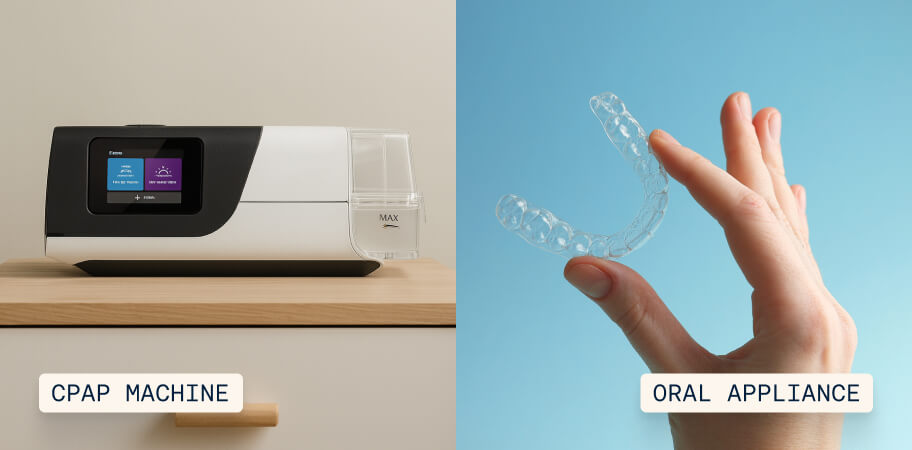
A CPAP machine consists of three main components: the motor unit that generates pressurized air, the tubing that carries the air, and the mask that fits over the nose, mouth, or both. Modern CPAP equipment is quieter and more compact than earlier generations, and many machines now include data tracking that records nightly usage, leak rates, and residual AHI.
Many patients report significant improvements within the first week of consistent CPAP use. Fatigue decreases, morning headaches resolve, and bed partners notice the absence of loud snoring and breathing pauses. The NIH notes that adherence to CPAP therapy for at least 4 hours per night on 70 percent of nights is the standard benchmark for therapeutic compliance, though greater nightly use typically produces better outcomes.
dumbo.health includes CPAP therapy and equipment in all monthly care plans. The Essentials Plan at $59 per month covers the CPAP machine, physician oversight, and standard follow-up care. The Premium Plan at $89 per month adds a dedicated sleep coach and advanced adherence monitoring, which clinicians frequently observe leads to higher long-term compliance rates.
Oral Appliance Therapy
Oral appliance therapy uses a custom dental device worn during sleep to advance the lower jaw forward, increasing airway space and reducing obstruction. This treatment is typically recommended for mild to moderate obstructive sleep apnea or for patients who cannot tolerate CPAP. Oral appliances are fitted by dentists trained in dental sleep medicine and require periodic adjustments to maintain effectiveness.
Inspire Therapy and Hypoglossal Nerve Stimulation
Inspire Therapy is an FDA-approved implantable device that stimulates the hypoglossal nerve during sleep, causing the tongue to move forward and open the airway. A related approach, Genio Hypoglossal Nerve Stimulation, works on a similar principle. These treatments are reserved for patients with moderate to severe obstructive sleep apnea who have failed or cannot use CPAP therapy. Candidacy typically requires an AHI between 15 and 65, a BMI below 35, and confirmation through a drug-induced sleep endoscopy that the pattern of airway collapse is compatible with the device.
Positional Therapy and Lifestyle Modifications
For patients with mild obstructive sleep apnea or positional sleep apnea (where events occur primarily while sleeping on the back), positional therapy devices can reduce the AHI by keeping the patient on their side. Weight loss of 10 percent or more can reduce AHI significantly in overweight patients, according to the Mayo Clinic. Avoiding alcohol before bed and treating nasal congestion also help reduce airway collapsibility.
CPAP Alternatives: When to Consider Other Options
CPAP alternatives become relevant when a patient has tried CPAP therapy for a reasonable trial period (typically 30 to 90 days) and cannot achieve adequate adherence despite proper mask fitting, pressure adjustments, and support. Many patients who initially struggle with CPAP find success after working with a sleep coach. The dumbo.health Premium Plan includes dedicated sleep coach access for exactly this reason, helping patients troubleshoot mask discomfort, dry mouth, claustrophobia, or pressure intolerance before considering alternative treatments.
Treatment Plan Comparison
Best For
- CPAP Therapy: Moderate to severe obstructive sleep apnea (AHI 15 or higher)
- Oral Appliance Therapy: Mild to moderate obstructive sleep apnea or CPAP intolerance
- Inspire Therapy: Moderate to severe obstructive sleep apnea with CPAP failure and BMI below 35
- Positional Therapy: Mild or positional-dominant obstructive sleep apnea
Typical Effectiveness
- CPAP Therapy: Reduces AHI to below 5 in most patients when used correctly
- Oral Appliance Therapy: Reduces AHI by approximately 50 percent on average
- Inspire Therapy: Reduces AHI by approximately 68 percent based on clinical trial data
- Positional Therapy: Variable, most effective when events are position-dependent
Cost Range
- CPAP Therapy: $59 to $129 per month through dumbo.health (includes equipment)
- Oral Appliance Therapy: $1,500 to $3,000 or more (insurance coverage varies)
- Inspire Therapy: $30,000 to $50,000 (surgical procedure, usually requires insurance)
- Positional Therapy: $50 to $300 for devices (low ongoing cost)
For most newly diagnosed patients in McKinney, CPAP therapy through a structured care plan provides the best combination of effectiveness, affordability, and clinical support. dumbo.health sleep apnea care solutions simplify the path from diagnosis to treatment by combining testing, physician review, equipment, and follow-up in one integrated program.
KEY TAKEAWAY: CPAP therapy is the first-line treatment for moderate to severe obstructive sleep apnea and is most effective when combined with consistent follow-up care, which dumbo.health provides through monthly plans starting at $59.
Understanding the health risks of leaving sleep apnea untreated reinforces why timely testing and treatment matter.
Health Risks of Untreated Sleep Apnea
Untreated obstructive sleep apnea significantly increases the risk of cardiovascular disease, stroke, type 2 diabetes, and motor vehicle accidents. The health consequences extend far beyond poor sleep quality.
Each time an apnea event occurs, blood oxygen drops and the sympathetic nervous system activates to restart breathing. This repeated cycle of oxygen desaturation and arousal creates chronic cardiovascular stress. According to the CDC, obstructive sleep apnea is independently associated with high blood pressure, coronary artery disease, heart failure, atrial fibrillation, and stroke.
The cardiovascular impact is dose-dependent. Patients with severe obstructive sleep apnea (AHI of 30 or higher) face substantially greater risk than those with mild disease. The National Heart, Lung, and Blood Institute notes that effective treatment with CPAP therapy can reduce blood pressure, lower cardiovascular event rates, and improve cardiac function in patients with concurrent heart disease.
Beyond Heart Health
Untreated sleep apnea affects nearly every organ system:
- Metabolic effects: Sleep fragmentation and intermittent hypoxia worsen insulin resistance, increasing the risk of type 2 diabetes. Weight gain becomes harder to control when sleep quality is chronically poor.
- Cognitive effects: Memory consolidation, attention, and executive function all decline with chronic sleep disruption. Patients frequently report brain fog, difficulty concentrating, and impaired decision-making.
- Mental health effects: Untreated sleep apnea is associated with higher rates of depression, anxiety, and irritability. These symptoms often improve with CPAP therapy, suggesting a direct causal link.
- Accident risk: The National Highway Traffic Safety Administration has identified drowsy driving as a significant contributor to motor vehicle crashes. Drivers with untreated obstructive sleep apnea are two to three times more likely to be involved in a traffic accident compared to the general population.
For commercial drivers in McKinney and the Dallas-Fort Worth Metroplex, untreated sleep apnea poses both a personal health risk and a professional liability. The FMCSA requires medical examiners to evaluate drivers for sleep apnea during DOT physicals, and a diagnosis may require documented treatment compliance before CDL certification is renewed. A DOT sleep apnea test at home through dumbo.health provides a streamlined path to testing and treatment that meets these regulatory requirements.
Obstructive sleep apnea left untreated creates a cumulative burden on the body. The longer the condition goes undiagnosed and untreated, the greater the accumulated cardiovascular, metabolic, and cognitive damage. Early testing and consistent treatment are the most effective strategies for reducing these long-term health risks.
KEY TAKEAWAY: Untreated obstructive sleep apnea increases the risk of high blood pressure, heart disease, stroke, diabetes, cognitive decline, and motor vehicle accidents, making timely diagnosis and treatment essential for long-term health.
Knowing the limitations of home sleep testing ensures you make the right testing choice for your specific situation.
Limitations and Risks of Home Sleep Apnea Testing
A home sleep apnea test is not appropriate for every patient, and understanding its limitations prevents misdiagnosis or delays in receiving the correct treatment. No diagnostic tool works perfectly in every scenario.
When a Home Sleep Test May Not Be Sufficient
The AASM specifies that home sleep apnea testing is validated for diagnosing obstructive sleep apnea in adults without significant comorbidities. The following situations may require in-lab polysomnography instead:
- Suspected central sleep apnea: Central sleep apnea involves a failure of the brain to send proper breathing signals, not a physical airway obstruction. Home sleep tests are not designed to differentiate central from obstructive events reliably. Patients with heart failure, opioid use, or a history of stroke may have central sleep apnea that requires polysomnography for accurate diagnosis.
- Coexisting sleep disorders: If your physician suspects narcolepsy, restless leg syndrome, shift work disorder, sleepwalking, or other parasomnias, a home test cannot evaluate these conditions. Brain wave monitoring through EEG, which only polysomnography provides, is required.
- Severe cardiopulmonary disease: Patients with significant chronic obstructive pulmonary disease (COPD), neuromuscular disease, or unstable heart conditions may produce home test data that is difficult to interpret accurately. In-lab monitoring provides real-time oversight by a sleep technologist who can intervene if needed.
- Inconclusive or negative home test results despite high clinical suspicion: A home sleep test can underestimate the AHI in some patients, particularly those with mild obstructive sleep apnea or those who sleep poorly during the test night. If symptoms strongly suggest sleep apnea but the home test AHI is below 5, the AASM recommends follow-up with in-lab polysomnography.
- Children and adolescents: Home sleep testing is validated for adults. Pediatric sleep apnea evaluation requires in-lab polysomnography with pediatric-specific scoring criteria.
Device-Related Limitations
Home sleep test devices can occasionally produce artifact-laden data due to sensor displacement during sleep. If you move significantly during the night or if a sensor detaches, the usable recording time may fall below the minimum threshold needed for a valid study. Most devices require at least 4 hours of interpretable data to generate reliable results.
Additionally, home sleep tests do not measure total sleep time directly (since they lack EEG). Instead, they use total recording time as a proxy. This means the AHI from a home test may slightly underestimate severity compared to polysomnography, because time spent awake during the recording is included in the denominator.
How dumbo.health Addresses These Limitations
dumbo.health mitigates several common limitations through its care model. Every home sleep test result is reviewed by a physician who evaluates the clinical context, not just the raw numbers. If a test produces insufficient data or inconclusive results, the care team can recommend a repeat test or refer to an in-lab study. The Premium and Elite plans include direct access to clinical support that helps patients navigate ambiguous results and determine the best next steps.
For patients in McKinney who are unsure whether a home test is right for their situation, the free sleep assessment at dumbo.health screens for factors that might indicate a need for in-lab testing before any purchase is made.
IMPORTANT: A negative home sleep test does not always rule out obstructive sleep apnea. If you have strong symptoms but a normal result, discuss follow-up polysomnography with your physician.
KEY TAKEAWAY: Home sleep apnea testing is not appropriate for patients with suspected central sleep apnea, coexisting sleep disorders, or severe cardiopulmonary disease, and a negative result in a symptomatic patient may require follow-up with in-lab polysomnography.
Seeing how real McKinney residents navigate the testing and treatment process provides practical context for your own decision.
Real-World Examples: How McKinney Residents Use Home Sleep Testing
Real-world scenarios illustrate how home sleep apnea testing fits into different life situations for people in McKinney and the surrounding Dallas-Fort Worth Metroplex.
Scenario 1: The Commuter with Unexplained Fatigue
A 42-year-old software engineer living in McKinney commutes daily along the Dallas North Tollway to an office in Frisco. Over the past year, he has noticed increasing daytime fatigue, difficulty focusing during afternoon meetings, and occasional morning headaches. His wife has mentioned his snoring has become louder. He has a BMI of 32 and a neck circumference of 17.5 inches.
His family physician suspects obstructive sleep apnea but the earliest in-lab polysomnography appointment available is seven weeks away at a sleep center in Dallas. Instead, he orders a home sleep test through dumbo.health for $149. He completes the test on a Tuesday night, ships the device back Wednesday, and receives his results the following week. His AHI is 22, indicating moderate obstructive sleep apnea. He enrolls in the dumbo.health Premium Plan at $89 per month, receives his CPAP machine, and begins working with a dedicated sleep coach to optimize his mask fit and pressure settings. Within three weeks, his fatigue resolves and his headaches disappear.
Scenario 2: The Owner-Operator Needing DOT Clearance
A 52-year-old owner-operator truck driver based near Myers Park and Event Center in McKinney is flagged for sleep apnea risk during his DOT physical. His BMI is 36, and the medical examiner notes chronic snoring and a Mallampati score of 3 (indicating a narrow airway). He is given a conditional 90-day medical certificate and told to complete a sleep apnea evaluation before his next appointment.
He has no health insurance and cannot afford to miss multiple days of work for a sleep lab study. He completes the free sleep assessment at dumbo.health, orders a home sleep test for $149, and wears the device on a Saturday night at home. His AHI comes back at 34, confirming severe obstructive sleep apnea. He starts CPAP therapy through the dumbo.health Essentials Plan at $59 per month, which includes his CPAP equipment and physician oversight. His CPAP adherence data is documented and provided to his DOT medical examiner, allowing him to obtain a full two-year medical certificate at his follow-up appointment.
Scenario 3: The Retiree Referred by a Cardiologist
A 67-year-old retired woman living in McKinney has been managing high blood pressure for 10 years. Despite taking three medications, her blood pressure remains above target. Her cardiologist suspects that untreated obstructive sleep apnea may be contributing to her resistant hypertension and refers her for a sleep evaluation.
She prefers not to spend a night in a hospital or sleep lab. She completes a home sleep apnea test through dumbo.health. Her AHI is 18, confirming moderate obstructive sleep apnea. She enrolls in the Premium Plan, and her physician provides a detailed report to her cardiologist. After three months of consistent CPAP use, her blood pressure improves enough for her cardiologist to reduce one of her medications. Her dumbo.health care plan continues to monitor her adherence and provide follow-up support.
These scenarios demonstrate that home sleep apnea testing serves a wide range of patients, from working professionals and commercial drivers to retirees managing chronic conditions. The common thread is that testing at home removes barriers to diagnosis and accelerates the path to effective treatment.
KEY TAKEAWAY: Home sleep apnea testing through dumbo.health serves McKinney residents across a range of situations, from commuters and commercial drivers to retirees with chronic health conditions, by providing fast, affordable, physician-reviewed diagnoses without the barriers of in-lab sleep studies.
Separating common myths from clinical facts helps you make decisions based on evidence rather than misinformation.
Common Myths About Home Sleep Apnea Testing Debunked
MYTH: Home sleep tests are not as accurate as in-lab sleep studies.
FACT: Home sleep apnea tests are clinically validated for diagnosing obstructive sleep apnea in adults with moderate to high pretest probability. The American Academy of Sleep Medicine endorses home sleep apnea testing as an appropriate diagnostic method for this population. While polysomnography monitors more channels, the respiratory-focused data from home tests is sufficient to diagnose obstructive sleep apnea accurately in the majority of cases. Home tests may slightly underestimate AHI in some patients, but this is accounted for in clinical interpretation.
MYTH: You need a prescription or insurance referral to get a home sleep test.
FACT: Cash-pay services like dumbo.health allow you to order a home sleep test for $149 without a prescription, insurance, or prior authorization. While some insurance plans do cover home sleep testing, the requirement for referrals and pre-approvals can add weeks of delay. Cash-pay options eliminate this barrier entirely, which is particularly valuable for patients in McKinney who are uninsured or who want results quickly.
MYTH: Sleep apnea only affects overweight older men.
FACT: While obesity and male sex are risk factors, obstructive sleep apnea occurs across all body types, ages, and sexes. According to the Sleep Foundation, postmenopausal women have nearly equivalent risk to men of similar age. Patients with normal BMI can have sleep apnea due to anatomical factors such as a narrow airway, large tonsils, or recessed jaw. Children can also have obstructive sleep apnea, though they require in-lab polysomnography for diagnosis.
MYTH: If you do not snore, you cannot have sleep apnea.
FACT: Snoring is the most common symptom of obstructive sleep apnea, but not all patients with sleep apnea snore. Some patients present primarily with excessive daytime sleepiness, insomnia, or morning headaches without significant snoring. The NIH notes that upper airway resistance syndrome, a condition on the spectrum with obstructive sleep apnea, can cause sleep fragmentation and daytime symptoms without meeting the AHI threshold for sleep apnea and without producing audible snoring.
MYTH: CPAP is the only treatment for sleep apnea.
FACT: CPAP therapy is the first-line treatment for moderate to severe obstructive sleep apnea, but it is not the only option. Oral appliance therapy, positional therapy, lifestyle modifications, and surgical options like Inspire Therapy are all validated treatments for specific patient populations. The best treatment depends on severity, anatomy, patient preference, and response to initial therapy. dumbo.health care plans focus on CPAP as the primary treatment while providing physician guidance on alternatives when CPAP is not tolerable.
KEY TAKEAWAY: Many common beliefs about sleep apnea testing and treatment are inaccurate, and decisions should be based on clinical evidence and physician guidance rather than myths or assumptions.
With myths cleared up, understanding the cost landscape for sleep apnea testing and treatment in McKinney helps you plan financially.
Cost of Sleep Apnea Testing and Treatment in McKinney
A home sleep apnea test through dumbo.health costs $149 as a one-time payment, making it the most affordable path to a clinical sleep apnea diagnosis for McKinney residents. Ongoing CPAP treatment through dumbo.health starts at $59 per month with no contracts.
Testing Costs
The cost of sleep apnea testing varies significantly depending on the method and provider:
- Home sleep test through dumbo
Frequently Asked Questions About Home Sleep Apnea Testing in McKinney, Texas
What is sleep apnea?
Sleep apnea is a common sleep disorder in which breathing repeatedly stops and starts during sleep. The most prevalent form, obstructive sleep apnea, occurs when the muscles supporting the airway relax too much during sleep, causing partial or complete airway blockage. According to the American Academy of Sleep Medicine, these breathing interruptions can last seconds to minutes and may occur dozens of times per hour, reducing oxygen levels in the blood and disrupting normal sleep patterns. Common signs include loud snoring, gasping, morning headaches, fatigue, and excessive daytime sleepiness.
How do I know if I have sleep apnea?
Common warning signs of sleep apnea include loud snoring, witnessed breathing pauses during sleep, waking with a dry mouth or headaches, difficulty concentrating, excessive sleepiness during the day, and unexplained fatigue. The Mayo Clinic notes that not everyone with sleep apnea snores, and some people have no obvious symptoms other than persistent tiredness or poor sleep quality. Because these symptoms overlap with other sleep disorders such as insomnia or restless leg syndrome, a formal sleep evaluation is needed for an accurate diagnosis. A healthcare professional can review your symptoms and determine whether testing is appropriate.
When should I talk with my doctor about sleep apnea?
You should speak with a healthcare professional if you experience loud snoring, frequent nighttime awakenings, morning headaches, persistent fatigue, or excessive sleepiness that affects your daily functioning. These symptoms may indicate obstructive sleep apnea or another sleep disorder requiring evaluation. You should also seek prompt medical attention if you experience chest pain, irregular heartbeat, or severe breathing difficulties, as untreated sleep apnea is associated with increased health risks including high blood pressure, heart disease, and stroke. A sleep physician can review your symptoms, risk factors, and medical history to determine whether a sleep study is warranted.
When should I seek a sleep apnea consultation?
Consider a sleep apnea consultation if symptoms such as chronic snoring, breathing pauses during sleep, unexplained fatigue, frequent headaches, or excessive sleepiness are affecting your quality of life or work performance. People with elevated risk factors, including high blood pressure, obesity, a larger neck circumference, or a family history of sleep apnea, may benefit from earlier evaluation. The Sleep Foundation explains that untreated obstructive sleep apnea can contribute to serious health-related issues over time. A consultation with a sleep medicine physician or qualified provider allows for a symptom review and a discussion of appropriate diagnostic methods, including at-home sleep apnea testing or a full sleep study.
How is sleep apnea diagnosed?
Sleep apnea is diagnosed through a formal sleep study. Diagnosis typically involves measuring breathing patterns, oxygen saturation, heart rate, and airway activity during sleep. The key diagnostic measure is the apnea-hypopnea index, which counts the average number of breathing interruptions per hour. A home sleep apnea test is the most common first-line diagnostic tool for uncomplicated obstructive sleep apnea. In-lab polysomnography, conducted in a sleep lab or hospital sleep centre, may be recommended when other sleep disorders are suspected or when a home test result is inconclusive. A sleep physician reviews the data and confirms any diagnosis.
What is a home sleep apnea test?
A home sleep apnea test, also called an HSAT or home sleep test, is a simplified at-home version of a sleep study that monitors breathing, oxygen saturation, heart rate, and airway activity while you sleep in your own bed. The American Academy of Sleep Medicine considers home sleep apnea testing an appropriate diagnostic method for adults with a high likelihood of moderate-to-severe obstructive sleep apnea. It does not measure all the variables captured in a full polysomnography study, but it provides clinically meaningful data that a sleep physician can interpret to confirm or rule out obstructive sleep apnea and guide treatment decisions. You can explore at-home sleep testing with transparent cash-pay pricing through dumbo.health.
How does a home sleep apnea test work?
A home sleep apnea test uses a wearable device worn during a normal night of sleep at home. Depending on the device used, it may record oxygen saturation levels, respiratory effort, airflow, heart rate, and sleep position throughout the night. The device collects sleep data, which is then transmitted or returned to a physician for analysis. A qualified sleep physician reviews the apnea-hypopnea index and oxygen desaturation index from the recording to assess the severity of any breathing disruptions during sleep. Results are typically provided within a few days of testing, along with a physician interpretation report.
What is WatchPAT, and how does it work?
WatchPAT is an FDA-cleared home sleep apnea test device that uses peripheral arterial tonometry to detect sleep apnea. Rather than measuring airflow through the nose and mouth directly, WatchPAT measures changes in peripheral arterial tone, oxygen saturation, heart rate, and actigraphy through sensors worn on the finger and wrist. These signals reflect the response of the sympathetic nervous system to breathing disruptions and changes in blood flow during sleep. WatchPAT is considered a clinically validated home sleep study device and is widely used in sleep medicine for diagnosing obstructive sleep apnea in appropriate adult patients.
How effective is WatchPAT for diagnosing sleep apnea?
WatchPAT has been validated in clinical research as an effective diagnostic method for obstructive sleep apnea in adults. Studies published on PubMed demonstrate that WatchPAT shows strong agreement with in-lab polysomnography for detecting moderate-to-severe obstructive sleep apnea in appropriate candidates. The device uses peripheral arterial tonometry and photoplethysmography to capture meaningful sleep data without requiring a formal sleep lab visit. A board-certified sleep physician interprets the results and provides a clinical report. As with any diagnostic tool, the appropriateness of WatchPAT for a specific patient should be determined by a qualified healthcare professional.
What is the difference between a home sleep test and an in-lab sleep study?
A home sleep apnea test records breathing patterns, oxygen saturation, heart rate, and airflow during sleep in your own bed, while an in-lab polysomnography study captures a broader range of data including brain activity, eye movements, muscle tone, and detailed respiratory measurements in a supervised sleep lab or hospital setting. Home sleep tests are generally appropriate for adults suspected of having uncomplicated obstructive sleep apnea. In-lab polysomnography is typically recommended when other sleep disorders such as narcolepsy, restless leg syndrome, sleepwalking, or shift work disorder are suspected, or when a home test result is inconclusive. A sleep physician can advise on which type of sleep study is most appropriate for your situation.
What should I do to prepare for my home sleep apnea test?
To prepare for a home sleep apnea test, follow the instructions provided with your sleep test device carefully. Most guidelines recommend avoiding caffeine and alcohol on the test day, as both can affect sleep patterns and breathing. Try to maintain your normal bedtime routine. Apply the sensors or device exactly as directed, and sleep in a position you would normally use. Avoid napping during the day before your test night. Do not skip or adjust any regular medications without first speaking with your healthcare professional. If you are unsure whether your current medications might affect the test results, ask your prescribing physician before your scheduled test night.
What should I do on the day of my home sleep study?
On the day of your home sleep study, avoid caffeine after midday and avoid alcohol in the evening, as these substances can alter breathing patterns and reduce the accuracy of the sleep data collected. Continue your normal daily routine as much as possible and do not nap during the day. Shower before applying any sensors if your device requires skin contact, as clean, dry skin improves adhesion. Read the device instructions fully before bedtime. Apply all sensors according to the instructions and go to bed at your normal time. If you have questions about medications or special circumstances on test day, contact your sleep provider for guidance.
Is a home sleep test uncomfortable or painful?
Home sleep apnea tests are generally well tolerated. Most wearable sleep test devices are designed to be unobtrusive, and many patients find them much more comfortable than spending a night in a formal sleep lab. Devices that use a biocompatible adhesive tape or finger sensor are typically lightweight and designed to minimise sleep disruption. Some people find it takes a short time to adjust to wearing a sensor, but discomfort is not typical. If you experience any skin irritation, pain, or significant difficulty sleeping with the device in place, stop use and contact your healthcare provider or the testing service for guidance.
What if I wake up during the night while taking the home sleep test?
Waking up briefly during a home sleep apnea test is common and does not typically invalidate the results. Most devices record continuously throughout the night and capture sufficient sleep data even if your sleep is interrupted. The physician interpreting your results will review the total recording time and assess whether enough valid sleep data was captured. If you accidentally remove the device or experience a technical issue during the night, contact your testing provider. In some cases, a repeat test night may be recommended to ensure adequate data quality for a reliable physician interpretation.
Can I use fitness tracker or smartwatch data instead of a home sleep test?
Fitness trackers and consumer smartwatches can provide general information about sleep duration and estimated sleep stages, but they are not medically validated diagnostic tools for sleep apnea. These devices do not measure oxygen saturation reliably enough for clinical diagnosis, and they do not capture apnea-hypopnea index or oxygen desaturation index data with the precision required for a formal sleep apnea evaluation. The American Academy of Sleep Medicine does not recommend consumer wearable data as a substitute for a clinically validated home sleep apnea test or polysomnography. If you suspect sleep apnea, a formal sleep study with physician interpretation is the appropriate next step.
How many nights do I need to use the home sleep test device?
Most home sleep apnea tests require only one test night to collect sufficient sleep data for physician interpretation. One night of recording is generally considered adequate for detecting obstructive sleep apnea in adult patients who are appropriate candidates for home testing. In some cases, the recording quality from a single night may be insufficient, and a second test night may be recommended by the interpreting sleep physician. Follow the instructions provided with your specific sleep study device, and contact your testing provider if you have concerns about the quality of your recording after the test night.
How long should I keep the home sleep test device on during the night?
You should wear the home sleep test device for your full normal sleep period. Most guidelines recommend keeping the device on for at least six to seven hours to capture enough sleep data for an accurate evaluation. Remove the device only after you wake up in the morning, not during the night unless you are experiencing discomfort or a technical problem. Removing the device too early may result in insufficient recording time, which could affect the quality of the physician interpretation. If your recording time is flagged as too short, your sleep provider may request a repeat test night.
How long does it take to get results from a home sleep apnea test?
Results from a home sleep apnea test are typically available within a few business days after the device data is received and reviewed by a sleep physician. The turnaround time varies depending on the testing provider and the volume of studies being processed. dumbo.health offers physician interpretation and a report as part of its monthly care plans, with a faster priority results turnaround available under the Premium and Elite plans. Once results are ready, your physician or sleep provider will review the apnea-hypopnea index and other findings with you and discuss appropriate next steps, including whether a treatment plan such as CPAP therapy is indicated.
Are home sleep apnea tests expensive?
Home sleep apnea tests are generally more affordable than in-lab polysomnography studies. Cost varies depending on the provider, the device used, and whether insurance is involved. Out-of-pocket costs can vary widely. dumbo.health offers a home sleep test for a one-time cost of $149, with no insurance required, no prior authorizations, and no surprise bills. This covers the at-home sleep test device and one test night. Ongoing care, including physician interpretation, CPAP therapy, equipment, and follow-up, is available through monthly plans starting at $59 per month with no contracts and the option to cancel at any time.
What does a monthly sleep apnea care plan typically include?
A monthly sleep apnea care plan typically covers ongoing physician review, CPAP therapy, equipment, and adherence follow-up after your home sleep test. dumbo.health offers three monthly plan options. The Essentials plan is $59 per month and includes physician interpretation and report, CPAP therapy and equipment, standard follow-up care, and updates sent to your referring provider. The Premium plan is $89 per month and adds a dedicated sleep coach from a licensed care team, advanced adherence monitoring, and priority results turnaround. The Elite plan is $129 per month and adds concierge clinical support, direct physician messaging, and custom reporting. All plans are month-to-month with no contracts. Learn more about sleep apnea care solutions at dumbo.health.
How is sleep apnea treated?
The most common treatment for obstructive sleep apnea is continuous positive airway pressure therapy, known as CPAP. A CPAP machine delivers a steady stream of pressurised air through a mask to keep the airway open during sleep. According to the NHLBI, CPAP therapy is the first-line treatment for moderate-to-severe obstructive sleep apnea and can significantly reduce breathing interruptions when used consistently. Other treatment options may include oral appliance therapy, which is provided through dental sleep medicine and positions the jaw to keep the airway open, weight management, positional therapy, or surgical interventions such as hypoglossal nerve stimulation for appropriate patients. A sleep physician will recommend a treatment plan based on your diagnosis and individual circumstances.
What is CPAP therapy, and how does it help?
CPAP therapy uses a CPAP machine to deliver continuous positive airway pressure through a mask worn during sleep, preventing the airway from collapsing and reducing breathing interruptions. The NHLBI explains that consistent CPAP use can reduce apnea episodes, improve oxygen saturation, reduce daytime fatigue and excessive sleepiness, and lower the cardiovascular health risks associated with untreated obstructive sleep apnea. The effectiveness of CPAP depends on consistent nightly use. CPAP adherence monitoring, available through dumbo.health monthly care plans, helps patients and their care team track usage and address any difficulties with comfort, fit, or equipment. You can learn more about CPAP therapy and equipment through dumbo.health.
What are CPAP alternatives for patients who find CPAP intolerable?
Some patients find CPAP therapy difficult to tolerate due to mask discomfort, air pressure, claustrophobia, or skin irritation. Clinically recognised CPAP alternatives include oral appliance therapy, which uses a custom-fitted dental device to advance the jaw and maintain airway patency during sleep. Other alternatives include positional therapy for position-dependent sleep apnea, hypoglossal nerve stimulation for eligible patients with moderate-to-severe obstructive sleep apnea, and in some cases cognitive behavioural therapy for insomnia when sleep fragmentation is a primary concern. A sleep medicine physician or dental sleep medicine specialist can evaluate which alternative treatment is appropriate based on the severity of your diagnosis and your clinical history.
Do I need a referral to see a sleep doctor or sleep specialist?
In many cases, a referral is not required to access sleep apnea testing or an initial sleep evaluation, though requirements vary by insurance plan and provider. Cash-pay sleep testing options such as dumbo.health do not require a referral or prior authorisation, making it straightforward to begin a sleep evaluation without waiting for a referral to be processed. For patients with insurance coverage, it is worth confirming whether your plan requires a referral before scheduling an appointment with a sleep centre or sleep physician. Your primary care provider, including family physicians, internists, or cardiologists, can also initiate a sleep apnea evaluation and refer you to a sleep disorder specialist if needed.
What are the health risks of untreated sleep apnea?
Untreated obstructive sleep apnea is associated with a range of serious health risks. The CDC and NHLBI both note that chronic sleep apnea can contribute to high blood pressure, heart disease, stroke, type 2 diabetes, and metabolic dysfunction. Repeated oxygen desaturation events during sleep place ongoing stress on the cardiovascular system, including effects on arterial blood flow and heart rate regulation. Beyond cardiovascular health risks, untreated sleep apnea can cause severe daytime fatigue, impaired concentration, and increased accident risk, which is particularly relevant for commercial drivers. Early diagnosis through a home sleep apnea test or formal sleep evaluation is an important step toward managing these health-related risks.
Can sleep apnea affect commercial drivers or CDL holders?
Yes. Sleep apnea is a recognised concern for commercial drivers because untreated obstructive sleep apnea can cause excessive daytime sleepiness and impaired alertness, which increases the risk of drowsy-driving accidents. The FMCSA does not have a formal mandatory sleep apnea rule, but certified medical examiners may evaluate drivers for sleep apnea risk factors during a DOT physical and may require a sleep evaluation before issuing or renewing a medical certificate. Drivers who are referred for sleep apnea testing should complete the evaluation and any required treatment promptly to support their DOT certification process. dumbo.health can support at-home sleep apnea testing and documentation for commercial drivers. Learn more about DOT sleep apnea testing at home.
How does a home sleep test support CDL drivers with sleep apnea requirements?
A home sleep apnea test allows CDL drivers to complete a sleep evaluation without taking time away from work for an overnight stay in a sleep lab. At-home testing is convenient, faster to schedule, and more affordable than in-lab polysomnography for most uncomplicated cases of suspected obstructive sleep apnea. Once a diagnosis is confirmed and treatment such as CPAP therapy is established, CPAP adherence data may be requested by a certified medical examiner to support DOT certification. dumbo.health can support the full testing and care pathway for commercial drivers, including physician interpretation, CPAP equipment, and adherence documentation. A certified medical examiner makes all final DOT certification decisions. Read more in the CDL driver home sleep apnea test guide.
What sleep disorders other than sleep apnea might affect sleep quality?
Several sleep disorders can disrupt sleep quality and cause symptoms similar to or alongside obstructive sleep apnea. These include insomnia, restless leg syndrome, narcolepsy, shift work disorder, sleepwalking, and periodic limb movement disorder. The presence of multiple sleep disorders can complicate diagnosis and is one reason an in-lab polysomnography may be recommended over a home sleep test in certain patients. If a home sleep apnea test is negative but symptoms of poor sleep, excessive sleepiness, or sleep fragmentation persist, a more comprehensive sleep evaluation at a sleep centre or sleep lab may be appropriate. A sleep medicine physician can advise on the most suitable diagnostic approach.
How do I get started with a home sleep apnea test?
Getting started is straightforward. You can take a free sleep assessment to help determine whether at-home sleep apnea testing may be appropriate for your symptoms and risk factors. If testing is appropriate, dumbo.health offers a $149 one-time home sleep test with no insurance required, no prior authorisation, and no surprise bills. After your test night, a physician interprets the results and provides a clinical report. Ongoing care, including CPAP therapy, equipment, and adherence follow-up, is available through monthly plans with no long-term contracts. Start with a free sleep assessment to take the first step toward understanding your sleep health.