



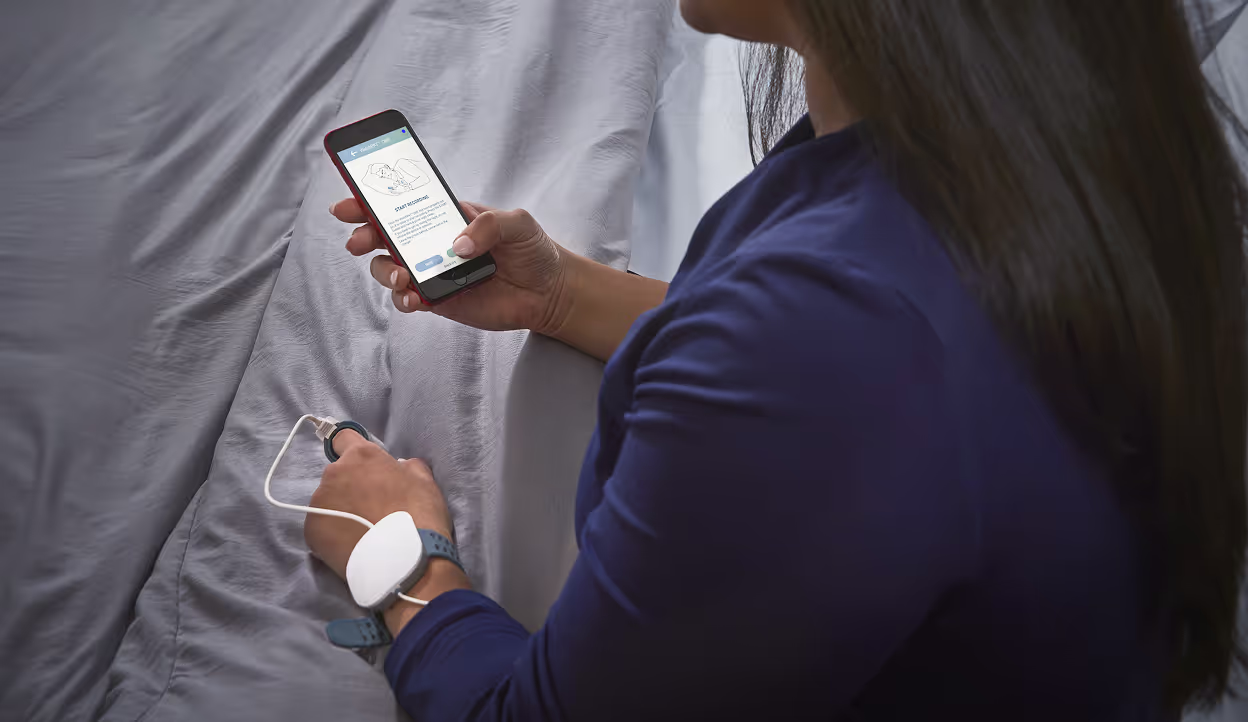



Home Sleep Apnea Test in Carrollton, Texas: The Complete Guide to At-Home Sleep Testing
Home sleep apnea test services in Carrollton, Texas give residents a convenient, clinically validated way to screen for obstructive sleep apnea without spending a night in a sleep clinic. According to the American Academy of Sleep Medicine, home sleep apnea testing is an accepted diagnostic pathway for adults with a moderate to high pretest probability of obstructive sleep apnea. This guide is for Carrollton residents, nearby North Texas communities, and anyone exploring at-home sleep testing options who wants clear answers about how the test works, what it costs, who qualifies, and what happens after results come back. You will find step-by-step instructions, cost comparisons, treatment pathways including CPAP therapy and oral appliances, and a look at local providers and telehealth alternatives. By the end, you will know exactly how to move from symptoms to diagnosis to treatment.
Quick Answer
A home sleep apnea test in Carrollton, Texas is a portable diagnostic test you wear for one night in your own bed to measure breathing patterns, oxygen saturation, airflow, and respiratory effort while you sleep. The test screens for obstructive sleep apnea and produces results a physician reviews to determine severity using the Apnea-Hypopnea Index. Most adults with symptoms like loud snoring, daytime sleepiness, or witnessed breathing pauses qualify. dumbo.health offers a home sleep test for $149 with no insurance required, shipped directly to Carrollton residents.
Key Takeaways
- A home sleep apnea test measures oxygen levels, airflow, and respiratory effort during one night of sleep to screen for obstructive sleep apnea.
- The Apnea-Hypopnea Index (AHI) score determines sleep apnea severity: mild (5 to 14 events per hour), moderate (15 to 29), or severe (30 or more).
- Home sleep tests cost between $149 and $500 out of pocket, compared to $1,000 or more for an in-lab polysomnography study.
- dumbo.health provides a $149 home sleep test with physician interpretation starting at $59 per month, no insurance or prior authorization needed.
- Not everyone qualifies for home testing; patients with suspected central sleep apnea, narcolepsy, or other complex sleep disorders typically need in-lab evaluation.
- Carrollton residents can access home sleep testing through local sleep clinics, primary care referrals, or telehealth platforms like dumbo.health that ship devices directly.
What a Home Sleep Apnea Test Actually Measures
A home sleep apnea test records several sleep parameters during a single night to detect signs of obstructive sleep apnea. Unlike a full in-lab sleep study, it focuses specifically on breathing and oxygen rather than brain wave activity.
The primary measurements include oxygen saturation, nasal and oral airflow, respiratory effort (chest and abdominal movement), body position, and heart rate. Some devices, such as the Watch PAT, also capture peripheral arterial tone to improve detection accuracy.
These data points allow a physician to calculate the Apnea-Hypopnea Index, which counts the average number of apnea and hypopnea events per hour of recorded sleep. The American Academy of Sleep Medicine defines an AHI of 5 or higher, combined with symptoms, as the threshold for diagnosing obstructive sleep apnea.
Home sleep apnea tests do not measure Electroencephalography (brain waves), electromyography (muscle activity), or detailed sleep-wake cycles. This means they cannot diagnose insomnia, narcolepsy, movement disorders, or central sleep apnea, which require polysomnography.
DID YOU KNOW: According to the Sleep Foundation, an estimated 80 percent of moderate to severe obstructive sleep apnea cases remain undiagnosed, making accessible home testing a critical step in closing this gap.
KEY TAKEAWAY: A home sleep apnea test measures airflow, oxygen saturation, and respiratory effort to calculate the Apnea-Hypopnea Index, which a physician uses to diagnose obstructive sleep apnea severity.
Understanding what the test measures helps explain who qualifies for it and who may need a different type of evaluation.
Who Qualifies for a Home Sleep Apnea Test in Carrollton
Adults with a moderate to high likelihood of obstructive sleep apnea are the best candidates for a home sleep test. The American Academy of Sleep Medicine recommends home testing for patients who present with classic symptoms and lack significant complicating medical conditions.
Common Symptoms That Warrant Testing
Symptoms that typically prompt a sleep apnea evaluation include:
- Loud, chronic snoring reported by a bed partner
- Witnessed episodes of breathing pauses, choking, or gasps during sleep
- Excessive daytime sleepiness or daytime fatigue despite sleeping 7 or more hours
- Morning headaches that occur regularly
- Difficulty concentrating or memory problems
- Waking frequently to urinate at night
The CDC notes that adults generally need at least 7 hours of sleep per night. When someone sleeps adequate hours but still experiences persistent fatigue, an underlying sleep disorder such as obstructive sleep apnea may be responsible.
Risk Factors That Increase Likelihood
Certain health and demographic factors raise the probability of obstructive sleep apnea:
- BMI of 30 or higher
- Neck circumference of 17 inches or more in men or 16 inches or more in women
- Age over 40
- Male sex (though risk increases for women after menopause)
- Family history of sleep apnea
- Existing conditions such as high blood pressure, heart disease, diabetes, stroke history, or Congestive heart failure
Who Should Not Use a Home Sleep Test
Home sleep testing is not appropriate for every patient. A physician may recommend an in-lab polysomnography instead if you have:
- Suspected central sleep apnea or Complex Sleep Apnea Syndrome
- Significant pulmonary disease or respiratory failure
- Suspected narcolepsy or other non-respiratory sleep disorders
- Congestive heart failure with Cheyne-Stokes breathing
- A need for Electroencephalography monitoring to evaluate sleep-wake cycles
- A history of prior inconclusive home sleep test results
A board-certified sleep medicine physician or your primary care provider in Carrollton can help determine whether home testing or an in-lab study is right for your situation. dumbo.health also offers a free sleep assessment that helps you understand whether home testing fits your symptoms and health needs before you order a device.
KEY TAKEAWAY: Adults with loud snoring, daytime sleepiness, and risk factors like obesity or high blood pressure are strong candidates for home sleep testing, but patients with suspected central sleep apnea, narcolepsy, or complex medical conditions typically need in-lab evaluation.
Once you know you qualify, the next step is understanding exactly how the testing process works from start to finish.
How a Home Sleep Apnea Test Works: Step by Step
A home sleep apnea test follows a straightforward process that most patients complete in less than a week from ordering to receiving results.
Step-by-Step Process
1. Complete an initial evaluation. Your physician, a sleep specialist near you, or a telehealth platform like dumbo.health reviews your symptoms, medical history, and risk factors to confirm you are a candidate for home testing.
2. Order your home sleep test device. Through dumbo.health, you can order a home sleep test for $149 with no insurance or prior authorization required. The device ships directly to your Carrollton address.
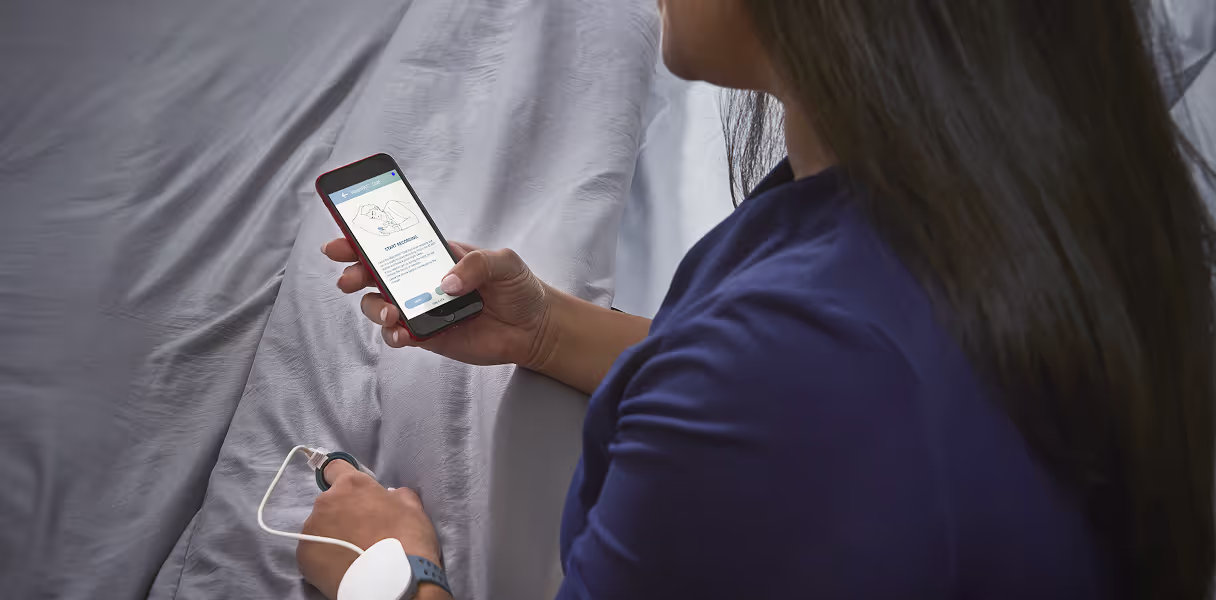
3. Receive the device and review instructions. The package includes the portable sleep testing device, sensor attachments (typically a nasal cannula, finger pulse oximeter, and chest or abdominal effort belt), and clear setup instructions.
4. Wear the device for one night of sleep. Apply the sensors before bed and sleep in your normal environment. Most devices record data automatically and require no interaction once activated.
5. Return or upload the data. Depending on the device, you either ship it back in a prepaid envelope or the data uploads automatically for physician review.
6. A physician interprets the results. A board-certified sleep medicine physician analyzes your sleep parameters, including your Apnea-Hypopnea Index, oxygen levels, and respiratory effort patterns, and generates a diagnostic report.
7. Review your results and discuss next steps. You receive your results along with a recommended care pathway, which may include CPAP therapy, oral appliances, lifestyle modifications, or further evaluation.
After completing these steps, most patients have a clear diagnosis and a treatment plan within days. With dumbo.health, physician interpretation and ongoing care start at $59 per month with no contracts, so the path from testing to treatment stays simple and predictable.
KEY TAKEAWAY: The home sleep test process involves an initial evaluation, one night of testing with a portable device, physician interpretation of results, and a care plan, all of which can be completed without visiting a sleep clinic.
Knowing the process makes it easier to compare home testing costs with other options available in Carrollton.
How Much a Home Sleep Apnea Test Costs in Carrollton, Texas
Home sleep apnea testing in Carrollton, Texas typically costs less than half the price of an in-lab polysomnography study. The exact amount depends on whether you use insurance, pay out of pocket, or go through a cash-pay telehealth platform.
Most Carrollton sleep clinics charge between $200 and $500 for a home sleep test when you pay out of pocket. If insurance covers the test, your share depends on your deductible, copay, and whether the provider is in-network. Many patients with high-deductible plans find that insurance does not meaningfully reduce the out-of-pocket cost.
dumbo.health offers a home sleep test for $149, which includes the device and one night of testing. There is no insurance required, no prior authorization, and no surprise bills. Physician interpretation and treatment are covered under a separate monthly plan.
Comparing Home Sleep Test Costs
Test Type
- Home Sleep Test (self-pay at local clinic): $200 to $500
- Home Sleep Test (dumbo.health): $149
- In-Lab Polysomnography (without insurance): $1,000 to $3,000+
Insurance Required
- Home Sleep Test (self-pay at local clinic): No
- Home Sleep Test (dumbo.health): No
- In-Lab Polysomnography (without insurance): Varies
Includes Physician Interpretation
- Home Sleep Test (self-pay at local clinic): Sometimes included, sometimes billed separately
- Home Sleep Test (dumbo.health): Included with monthly plan starting at $59/month
- In-Lab Polysomnography (without insurance): Usually included
Convenience
- Home Sleep Test (self-pay at local clinic): Moderate, requires appointment and pickup
- Home Sleep Test (dumbo.health): High, device shipped to your door
- In-Lab Polysomnography (without insurance): Low, requires overnight clinic stay
For most Carrollton residents without sleep-specific insurance coverage, cash-pay home testing through a platform like dumbo.health offers the lowest total cost and the most transparent pricing.
IMPORTANT: Some insurance plans, including Aetna and other major carriers, may cover home sleep testing, but coverage varies by plan. If your deductible is $1,000 or more, you may end up paying a similar amount whether you use insurance or pay cash.
KEY TAKEAWAY: A home sleep apnea test in Carrollton costs between $149 and $500 out of pocket, with dumbo.health offering the most transparent pricing at $149 for the test and $59 per month for physician interpretation and ongoing care.
After you understand costs, it helps to see how home testing compares to the in-lab alternative on clinical and practical grounds.
Home Sleep Test vs. In-Lab Sleep Study: Which Is Right for You
A home sleep apnea test is the right choice for most adults with suspected obstructive sleep apnea. An in-lab sleep study, formally called polysomnography, is necessary when a more comprehensive evaluation is required.
Polysomnography measures everything a home test measures plus Electroencephalography (brain waves), electromyography (muscle activity), eye movements, and full sleep-wake cycles. This makes it the gold standard for diagnosing complex conditions like central sleep apnea, narcolepsy, movement disorders, and Complex Sleep Apnea Syndrome.
However, the American Academy of Sleep Medicine confirms that home sleep apnea tests are clinically appropriate for diagnosing obstructive sleep apnea in adults without significant comorbidities. For straightforward cases, home testing provides comparable diagnostic accuracy at a fraction of the cost and inconvenience.
Key Comparison Attributes
What It Measures
- Home Sleep Test: Airflow, oxygen saturation, respiratory effort, heart rate, body position
- In-Lab Polysomnography: All of the above plus Electroencephalography, electromyography, eye movements, leg movements, detailed sleep staging
Best For
- Home Sleep Test: Adults with moderate to high probability of obstructive sleep apnea
- In-Lab Polysomnography: Patients with suspected central sleep apnea, narcolepsy, insomnia, movement disorders, or inconclusive home test results
Cost (Self-Pay)
- Home Sleep Test: $149 to $500
- In-Lab Polysomnography: $1,000 to $3,000+
Convenience
- Home Sleep Test: Sleep in your own bed; no appointment needed with telehealth options
- In-Lab Polysomnography: Requires an overnight stay at a sleep clinic with sleep technicians monitoring
Wait Time
- Home Sleep Test: Often same week through telehealth; 1 to 4 weeks through local clinics
- In-Lab Polysomnography: Often 2 to 8 weeks depending on availability in your area
Supervised by Sleep Technicians
- Home Sleep Test: No
- In-Lab Polysomnography: Yes, monitored in real time
Clinicians frequently observe that patients sleep more naturally at home than in a clinical environment with monitoring equipment and unfamiliar surroundings. This can lead to more representative test results for many people.
For Carrollton residents, several local sleep clinics offer in-lab studies, including RISE Sleep Clinic and the Neurology and Sleep Clinic. If your physician determines you need polysomnography, these facilities are options in the area. For most straightforward obstructive sleep apnea evaluations, however, a home sleep test through a provider like dumbo.health covers what you need at a lower cost with less scheduling friction.
KEY TAKEAWAY: Home sleep tests are appropriate for most adults with suspected obstructive sleep apnea and cost significantly less than in-lab polysomnography, which is reserved for patients with complex or non-respiratory sleep disorders.
Once you have your test results, the next critical step is understanding what your scores mean and how they shape your treatment path.
Understanding Your Home Sleep Apnea Test Results
Your results center on the Apnea-Hypopnea Index, a number that tells your physician how many times per hour your breathing was significantly reduced or stopped during the test. This single metric is the primary tool for diagnosing and classifying obstructive sleep apnea severity.
What the AHI Score Means
- AHI below 5: Normal range. No significant obstructive sleep apnea detected.
- AHI 5 to 14: Mild obstructive sleep apnea. Breathing is disrupted 5 to 14 times per hour.
- AHI 15 to 29: Moderate obstructive sleep apnea. Breathing is disrupted 15 to 29 times per hour.
- AHI 30 or higher: Severe obstructive sleep apnea. Breathing is disrupted 30 or more times per hour.
Beyond AHI, your physician reviews oxygen saturation data. Oxygen levels that drop below 90 percent repeatedly during sleep indicate significant desaturation events that can strain the heart and other organs. The combination of high AHI and low oxygen saturation often signals a more urgent need for treatment.
What Happens After Your Results
A board-certified sleep medicine physician reviews your data and generates a report that includes your AHI, oxygen saturation patterns, respiratory effort analysis, and a recommended treatment pathway. With dumbo.health plans, this physician interpretation is included starting at $59 per month with the Essentials Plan. Premium Plan members at $89 per month also receive priority results turnaround and dedicated sleep coach support.
If your results show mild sleep apnea, your physician may recommend positional therapy, weight management, or oral appliance therapy. Moderate to severe cases typically require CPAP therapy as the first-line treatment. In some situations, results may be inconclusive, and your physician may recommend an in-lab sleep study for further evaluation.
Results from dumbo.health also include updates sent to your referring provider if applicable, keeping your primary care physician or specialist in Carrollton informed about your diagnosis and treatment progress.
KEY TAKEAWAY: The Apnea-Hypopnea Index score from your home sleep test determines obstructive sleep apnea severity, with an AHI of 5 or higher indicating sleep apnea, and oxygen saturation data helping your physician assess overall cardiovascular risk.
With a clear diagnosis in hand, the next step is exploring the treatment options available to you.
Sleep Apnea Treatment Options Available in Carrollton, Texas
CPAP therapy remains the most effective and widely prescribed treatment for moderate to severe obstructive sleep apnea. However, several other treatment options exist, and the right choice depends on your severity, anatomy, preferences, and overall health needs.
CPAP Therapy
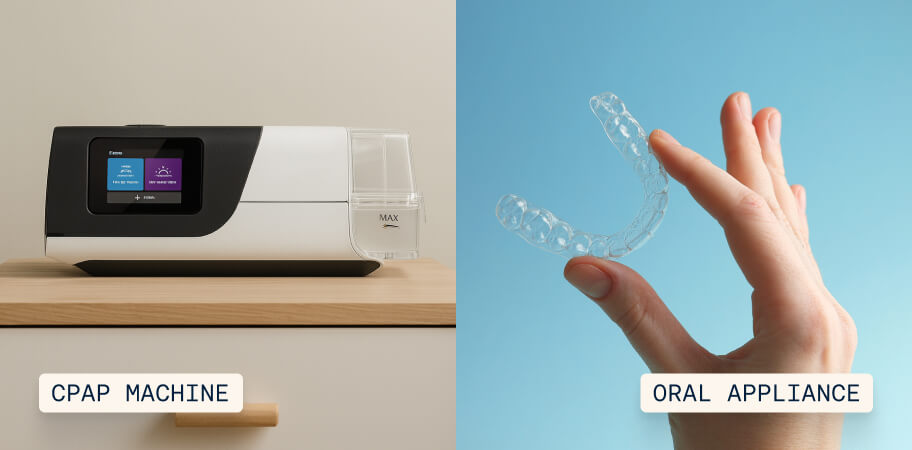
Continuous Positive Airway Pressure therapy uses a CPAP machine that delivers steady air pressure through a mask to keep your airway open during sleep. CPAP is the gold standard recommended by the American Academy of Sleep Medicine for moderate to severe cases.
A CPAP device consists of the machine itself, tubing, and a mask interface. Mask types include full-face masks, nasal masks, and nasal pillows. Finding the right mask fit is one of the most important factors in long-term CPAP adherence. Many patients report that trying different mask styles improves comfort significantly.
CPAP equipment requires regular maintenance. Filters should be replaced every 30 days for disposable filters and cleaned weekly for reusable ones. The mask, headgear, and tubing should be cleaned regularly using mild soap and water. Some manufacturers recommend a vinegar/water solution for deep cleaning. Avoid using body oil, Softsoap with moisturizers, or Woolite, as these can degrade silicone components.
dumbo.health includes CPAP therapy and equipment in all monthly plans starting at $59 per month. This covers the CPAP device, mask, ongoing CPAP care, resupply and maintenance support, and adherence monitoring without requiring insurance or Durable Medical Equipment authorization.
Oral Appliances
Oral appliance therapy uses a custom-fitted dental device that repositions the lower jaw forward to keep the airway open. The American Academy of Dental Sleep Medicine (AADSM) supports oral appliances as a treatment for mild to moderate obstructive sleep apnea or for patients who cannot tolerate CPAP.
FDA-cleared oral appliance brands include ProSomnus, Moses appliance, Panthera, and Herbst-style devices. A dentist trained in dental sleep medicine fits the device. In Carrollton, practices such as Carrollton Smiles and Carrollton Modern Dentistry may offer dental sleep medicine services.
Oral appliances work best for patients with mild to moderate obstructive sleep apnea, those who sleep on their back, and those with specific jaw and airway anatomy that responds to mandibular advancement.
Inspire Sleep Apnea Innovation
Inspire is an FDA-approved implantable device for patients with moderate to severe obstructive sleep apnea who cannot tolerate CPAP. The system includes a stimulation lead attached to the hypoglossal nerve, a sensing lead that monitors respiratory effort, and a small generator implanted in the chest.
The device delivers mild stimulation to keep the airway open during sleep. Patients control stimulation strength using a handheld remote. Inspire requires surgery and is typically considered after CPAP and oral appliances have been tried. Candidates generally have a BMI under 35 and must undergo drug-induced sleep endoscopy to confirm eligibility. ENT and Allergy Centers of Texas is one regional provider that evaluates patients for this procedure.
Potential surgical considerations include recovery time, battery life of the generator (typically 11 years), and risks such as infection or keloid scars at the incision sites.
Lifestyle Modifications
For mild obstructive sleep apnea, or as a complement to other treatments, physicians often recommend:
- Weight management: Losing 10 percent of body weight can reduce AHI by up to 50 percent in overweight patients, according to the NIH
- Sleep hygiene improvements: Maintaining a consistent sleep schedule, avoiding alcohol before bed, and sleeping on your side
- Stress management: Chronic stress can disrupt sleep quality and worsen sleep-related breathing disorders
- Positional therapy: Avoiding supine sleep using positional devices or pillows
Surgery
Surgical options for obstructive sleep apnea include uvulopalatopharyngoplasty (UPPP), maxillomandibular advancement, and other airway procedures. Surgery is generally reserved for patients with specific anatomical obstructions who have not responded to CPAP or oral appliances. A physician or ENT specialist evaluates anatomy and sleep study results before recommending surgery.
TIP: If you are unsure which treatment fits your situation, taking the free sleep assessment at dumbo.health can help you understand your options before committing to any specific pathway.
KEY TAKEAWAY: CPAP therapy is the first-line treatment for moderate to severe obstructive sleep apnea, with oral appliances, Inspire, lifestyle modifications, and surgery available as alternatives depending on severity and patient tolerance.
Choosing the right treatment often raises questions about where to access care in Carrollton and what local resources are available.
Sleep Apnea Testing and Care Providers in Carrollton, Texas
Carrollton residents have access to several local options for sleep apnea testing, diagnosis, and treatment. Understanding the differences between provider types helps you choose the right pathway for your situation.
Local Sleep Clinics and Specialists
Several facilities in and around Carrollton offer sleep medicine services:
- RISE Sleep Clinic: Provides sleep evaluations, in-lab sleep studies, and treatment management
- Neurology and Sleep Clinic: Offers neurology-focused sleep disorder evaluation, which can address conditions beyond sleep apnea including narcolepsy, insomnia, and movement disorders
- Sleep MD: Provides sleep study services and ongoing care
- Hope Pulmonary Associates: Evaluates respiratory and sleep-related breathing disorders
- ENT and Allergy Centers of Texas: Offers evaluation for surgical sleep apnea treatment options and drug-induced sleep endoscopy
Board Certified physicians and sleep specialists in these practices typically hold certification through the American Academy of Sleep Medicine or equivalent boards. When selecting a provider, confirm that a board-certified sleep medicine physician will interpret your results and manage your treatment.
Primary Care Pathway
Many Carrollton residents start by discussing symptoms with their primary care physician, who may refer them to a sleep specialist or order a home sleep test directly. Providers such as Dr. Bhandaru and others in the Healthy Start network may provide initial screening and referrals.
Telehealth Pathway
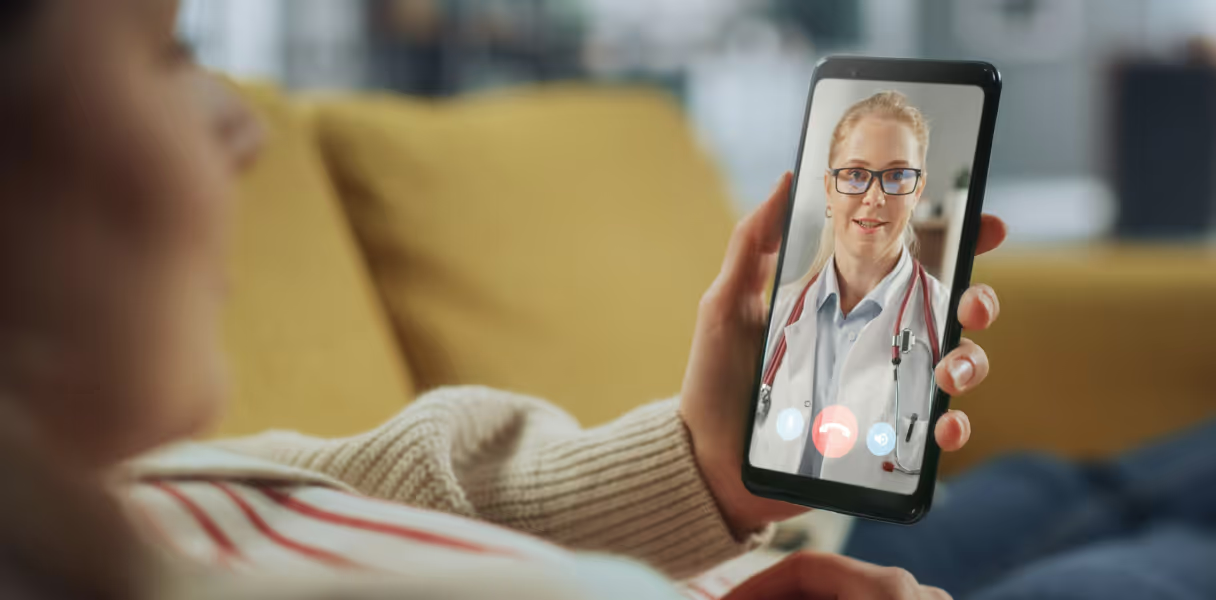
Telehealth has expanded access to sleep apnea testing and treatment for Carrollton residents who prefer not to visit a clinic or face long wait times for an appointment. dumbo.health offers a fully remote sleep apnea care pathway that includes the home sleep test, physician interpretation, CPAP equipment, and ongoing adherence support, all without requiring an in-person visit.
This approach eliminates common barriers like scheduling delays, travel time, and insurance hassles. For owner-operators, shift workers, or anyone in Carrollton with a demanding schedule, telehealth sleep apnea care can be the most practical option.
Real-World Scenarios
A 48-year-old Carrollton resident with a BMI of 33, high blood pressure, and a spouse reporting loud snoring and choking sounds during sleep visits a primary care provider. The physician orders a home sleep apnea test. Results show an AHI of 22, indicating moderate obstructive sleep apnea. CPAP therapy is recommended, and the patient begins treatment through a local Durable Medical Equipment provider after navigating insurance authorization.
A 55-year-old self-employed contractor in Carrollton experiences persistent daytime fatigue, morning headaches, and difficulty concentrating. Without employer-sponsored insurance, the cost of an in-lab study at a local sleep clinic feels prohibitive. The contractor orders a home sleep test through dumbo.health for $149 and starts CPAP therapy on the Essentials Plan at $59 per month within a week of receiving results. No insurance paperwork. No prior authorizations. No surprise bills.
A 38-year-old woman in Carrollton with a history of insomnia and restless legs mentions breathing pauses to her physician. Because her symptoms suggest a possible combination of obstructive sleep apnea and a movement disorder, her physician refers her for an in-lab polysomnography at the Neurology and Sleep Clinic rather than a home test. The study confirms mild obstructive sleep apnea and periodic limb movement disorder, both of which require different treatment approaches.
KEY TAKEAWAY: Carrollton offers local sleep clinics, primary care referrals, and telehealth platforms for sleep apnea testing and treatment, with telehealth options like dumbo.health providing the fastest and most cost-transparent pathway for straightforward obstructive sleep apnea.
Local access is important, but understanding potential barriers and limitations helps you avoid surprises.
Limitations and Risks of Home Sleep Apnea Testing
Home sleep apnea testing is highly effective for its intended purpose but has specific clinical limitations that every patient should understand before testing.
Limitation 1: Cannot Diagnose Non-Respiratory Sleep Disorders
Home sleep tests do not include Electroencephalography or electromyography, which means they cannot evaluate brain wave patterns or muscle activity. Conditions such as narcolepsy, insomnia, central sleep apnea, and movement disorders require an in-lab polysomnography with monitoring by sleep technicians. If your symptoms include unusual movements during sleep, sleep paralysis, or cataplexy, discuss these with your physician before choosing a home test.
Limitation 2: May Underestimate Severity
Because home sleep tests estimate total sleep time rather than measuring it directly through brain wave monitoring, they can underestimate the Apnea-Hypopnea Index. If you spend significant time awake during the test night, the calculated AHI may be lower than your true value. The American Academy of Sleep Medicine acknowledges this limitation and recommends that physicians use clinical judgment when home test results seem inconsistent with symptom severity.
If your home sleep test shows a borderline or normal result despite significant symptoms, your physician may recommend repeating the test or proceeding to an in-lab study.
Limitation 3: Single-Night Snapshot
A home sleep apnea test captures one night of data. Night-to-night variability in sleep apnea severity is well documented. Factors like alcohol consumption, sleep position, nasal congestion, and medication use can all affect results on a given night. A single test may not reflect your typical sleep pattern.
Limitation 4: Device Displacement
Patients occasionally displace sensors during sleep, particularly the nasal cannula or finger pulse oximeter. If the device does not capture adequate data, the test may need to be repeated. Clear instructions and proper sensor application reduce this risk, but it remains a possibility.
Limitation 5: Not Suitable for Complex Medical Conditions
Patients with Congestive heart failure, Coronary artery disease, Irregular heartbeat, chronic respiratory conditions, or morbid obesity may need more comprehensive monitoring than a home test provides. A physician evaluates these risk factors before ordering a home sleep test.
dumbo.health mitigates several of these limitations by providing physician oversight at every step. If your home sleep test results are inconclusive, your dumbo.health physician can recommend an in-lab study or adjust the diagnostic approach. The Premium Plan at $89 per month includes a dedicated sleep coach and advanced adherence monitoring, which helps identify issues early in the treatment process.
IMPORTANT: A home sleep apnea test is a screening and diagnostic tool for obstructive sleep apnea. It is not a substitute for comprehensive evaluation when complex sleep disorders, neurological conditions, or significant cardiac disease are suspected.
KEY TAKEAWAY: Home sleep tests are clinically appropriate for obstructive sleep apnea but cannot diagnose central sleep apnea, narcolepsy, or movement disorders, and a single-night test may underestimate severity in some patients.
Knowing these limitations makes it easier to separate facts from common misconceptions about sleep apnea testing.
Common Myths About Sleep Apnea Testing and Treatment Debunked
MYTH: Only overweight people get sleep apnea.
FACT: While obesity is a significant risk factor, the American Academy of Sleep Medicine notes that obstructive sleep apnea occurs in people of all body types. Anatomical factors such as a narrow airway, large tonsils, or a recessed jaw can cause sleep apnea regardless of weight. Approximately 20 to 40 percent of sleep apnea patients are not obese.
MYTH: Home sleep tests are not as accurate as in-lab studies.
FACT: For diagnosing obstructive sleep apnea in appropriate candidates, home sleep apnea tests have demonstrated sensitivity and specificity comparable to polysomnography. The American Academy of Sleep Medicine endorses home testing for adults with a moderate to high pretest probability of obstructive sleep apnea. The main difference is scope: home tests focus on breathing and oxygen, while in-lab studies measure additional sleep parameters.
MYTH: You need insurance to get tested for sleep apnea.
FACT: Insurance is not required. Cash-pay options exist at many sleep clinics, and telehealth platforms like dumbo.health offer a home sleep test for $149 with no insurance, no prior authorization, and no surprise bills. Monthly treatment plans start at $59 per month with no contracts.
MYTH: CPAP is the only treatment for sleep apnea.
FACT: While CPAP is the most effective treatment for moderate to severe obstructive sleep apnea, oral appliances, lifestyle modifications, positional therapy, the Inspire device, and surgery are all viable alternatives depending on severity and individual anatomy. A physician determines the best treatment based on your Apnea-Hypopnea Index score, symptoms, and preferences.
MYTH: Snoring always means you have sleep apnea.
FACT: Snoring is the most commonly reported symptom of obstructive sleep apnea, but not all snoring indicates sleep apnea. Primary snoring without associated oxygen desaturation, breathing pauses, or daytime symptoms does not require the same treatment. A sleep test is the only reliable way to distinguish between benign snoring and clinically significant sleep-related breathing disorders.
KEY TAKEAWAY: Sleep apnea affects people of all body types, home tests are clinically validated for appropriate candidates, insurance is not required for testing, and multiple treatment options exist beyond CPAP.
With myths cleared up, here is a practical checklist to make sure you are ready before you begin testing.
Preparing for Your Home Sleep Apnea Test
Proper preparation improves the quality of your test data and reduces the chance of needing a repeat test.
Pre-Test Preparation Checklist
- Confirm your eligibility by completing a screening evaluation with your physician or the free sleep assessment at dumbo.health
- Avoid alcohol and sedative medications on the test night, as these can alter breathing patterns and skew results
- Avoid caffeine after noon on the day of the test
- Shower before bed but do not apply lotions or body oil to your finger or chest, as these can interfere with sensor adhesion
- Trim or clean your fingernails if using a finger pulse oximeter
- Sleep in your normal bed and follow your usual bedtime routine
- Set up the device and sensors at least 15 minutes before you plan to fall asleep
- Read the instruction guide completely before your test night
- Charge or verify the battery life of the device if applicable
- Keep a phone nearby in case you need to contact support during setup
- Plan for at least 6 hours of attempted sleep to capture adequate data
Following this checklist ensures your one night of testing produces usable data for physician interpretation, saving you time and avoiding the need for a repeat test.
KEY TAKEAWAY: Avoiding alcohol, lotions, and caffeine on your test night while following device setup instructions carefully gives you the best chance of accurate, usable home sleep test results.
With testing complete and results reviewed, understanding the ongoing care process helps you stay on track with treatment.
Ongoing Sleep Apnea Care and Adherence
Starting treatment is only the first step. Long-term success with sleep apnea treatment depends on consistent adherence, regular follow-up, and access to support when issues arise.
Why Adherence Matters
The NIH reports that CPAP therapy is most effective when used for at least 4 hours per night on at least 70 percent of nights. Patients who meet this threshold generally experience significant improvements in daytime sleepiness, blood pressure, heart health, and cognitive function. Falling below this threshold reduces the clinical benefit substantially.
Many patients report that the first 30 days with CPAP are the most challenging period. Common issues include mask discomfort, air leaks, nasal dryness, and difficulty falling asleep with the device. Having access to a sleep coach or clinical support team during this adjustment period makes a measurable difference in long-term adherence.
How dumbo.health Supports Ongoing Care
dumbo.health monthly plans are structured to support patients beyond the initial diagnosis:
The Essentials Plan at $59 per month includes physician interpretation, CPAP therapy and equipment, standard follow-up care, and updates to your referring provider. The Premium Plan at $89 per month adds a dedicated sleep coach from a licensed care team, advanced adherence monitoring, and priority results turnaround. The Elite Plan at $129 per month includes concierge clinical support, direct physician messaging, custom reporting for your practice, and priority care team access.
All plans operate with no contracts and cancel anytime terms. This is particularly relevant for patients in Carrollton who want flexibility without being locked into a long-term commitment with a local Durable Medical Equipment provider.
CPAP Equipment Maintenance
Regular CPAP care extends the life of your equipment and keeps therapy effective:
- Replace disposable filters monthly
- Wash reusable filters weekly with mild soap and water
- Clean your mask cushion and nasal pillows daily with warm water
- Replace the mask every 3 months or when the seal degrades
- Replace tubing every 3 months
- Clean the humidifier chamber weekly using a vinegar/water solution
- Replace headgear when elasticity decreases
- Store your device in a clean, dry location away from pets and dust
dumbo.health plans include resupply and maintenance support, so you receive replacement supplies on schedule without needing to track reorder dates yourself.
A home sleep apnea test provides the data needed to diagnose obstructive sleep apnea. CPAP therapy treats the condition. Ongoing adherence monitoring and equipment maintenance sustain the health benefits over time. Together, these three elements form a complete sleep apnea care pathway that starts with a single night of testing and continues as long as treatment is needed.
KEY TAKEAWAY: CPAP adherence of at least 4 hours per night on 70 percent of nights produces the greatest health benefits, and ongoing support through plans like those offered by dumbo.health improves the likelihood of meeting that threshold.
Understanding long-term care puts the full picture together, from testing through treatment to sustained results.
Conclusion
A home sleep apnea test is the most accessible, affordable, and convenient way for Carrollton, Texas residents to screen for obstructive sleep apnea. Whether you go through a local sleep clinic, your primary care physician, or a telehealth platform, the critical step is getting tested rather than letting symptoms like snoring, daytime fatigue, and morning headaches go unanswered.
dumbo.health makes the entire process straightforward with a $149 home sleep test,physician-reviewed results, and CPAP treatment plans starting at $59 per month with no insurance required, no contracts, and no surprise bills. If you are ready to find out whether sleep apnea is affecting your health, take the free sleep assessment to get started today.
Frequently Asked Questions About Home Sleep Apnea Testing in Carrollton, Texas
What is a home sleep apnea test?
A home sleep apnea test (HSAT) is a simplified, portable sleep study that records breathing, oxygen saturation, airflow, and respiratory effort while you sleep in your own bed. Unlike an in-lab polysomnography study, an HSAT does not require an overnight clinic stay or sleep technician supervision. The device is worn on the body during a single test night, and the recorded data is later reviewed by a physician to assess for obstructive sleep apnea. Home sleep testing is widely used for adults who have a moderate to high likelihood of obstructive sleep apnea without significant complicating conditions.
How fast can I get my home sleep test in Carrollton, Texas?
Testing can move quickly depending on the provider you choose. With dumbo.health's at-home sleep test, orders placed before 2pm CST qualify for same-day shipping, which means Carrollton residents can often receive the test device the next business day. Once you complete your test night at home and return the device, physician review and results turnaround follows. Same-day shipping makes this a practical option for Carrollton, Texas residents who want to avoid long clinic waiting lists or scheduling delays associated with traditional sleep lab appointments.
Is a home sleep test as accurate as an in-lab sleep study?
A home sleep apnea test is clinically validated for diagnosing obstructive sleep apnea in adults with a moderate to high pre-test probability. The American Academy of Sleep Medicine supports the use of home sleep testing as an alternative to in-lab polysomnography for uncomplicated cases of suspected obstructive sleep apnea. However, home sleep tests measure fewer sleep parameters than full polysomnography and cannot diagnose conditions such as central sleep apnea, complex sleep apnea syndrome, narcolepsy, movement disorders, or other sleep-wake cycle disorders. If your symptoms or health history suggest a more complex sleep disorder, a qualified physician may recommend an in-lab study instead.
What does a home sleep apnea test measure?
A home sleep apnea test typically records airflow, oxygen saturation, respiratory effort, breathing patterns, and pulse rate during the test night. Some devices, such as the Watch PAT, also capture body position and movement data. These measurements allow a reviewing physician to calculate the apnea-hypopnea index (AHI), which reflects how many breathing interruptions occur per hour of sleep. The AHI is the primary metric used to assess whether obstructive sleep apnea is present and, if so, whether it is mild, moderate, or severe. A healthcare professional reviews these sleep parameters to produce a clinical interpretation.
What does the $149 dumbo.health sleep test include?
The dumbo.health home sleep test is priced at $149 as a one-time cost, billed separately from any monthly care plan. It includes the at-home sleep test device and one night of testing. After you return the device, a physician reviews the recorded data and produces a clinical interpretation. The $149 cost covers the test itself. Ongoing care, including physician reports, CPAP therapy, equipment, and adherence follow-up, is available through separate monthly plans starting at $59 per month. There are no insurance requirements, no prior authorizations, and no surprise bills. You can learn more at the dumbo.health at-home sleep test page.
Who reviews my home sleep test results?
At dumbo.health, a board-certified sleep medicine physician reviews your home sleep test data and produces a clinical interpretation report. This physician review is a core part of the testing process and distinguishes a properly supervised home sleep test from unreviewed consumer sleep tracking devices. Physician interpretation includes an assessment of the apnea-hypopnea index, oxygen saturation patterns, breathing disruptions, and other relevant sleep parameters recorded during your test night. A qualified clinician, not an algorithm alone, makes the clinical findings that inform your care decisions.
Can I use my home sleep test results for a CPAP prescription?
Yes, in most cases. If your physician-reviewed home sleep test results indicate obstructive sleep apnea, the clinical report can support a CPAP prescription as part of an appropriate treatment plan. dumbo.health monthly plans include physician interpretation, CPAP therapy, and equipment, which means the testing pathway and treatment pathway are connected. A healthcare professional determines whether CPAP therapy is appropriate based on your results, symptoms, and health history. dumbo.health can also send results and reports to your referring provider. Explore CPAP therapy and equipment options if you are considering treatment after testing.
What is obstructive sleep apnea?
Obstructive sleep apnea (OSA) is a common sleep disorder in which the upper airway repeatedly collapses or becomes partially blocked during sleep, causing breathing interruptions. These interruptions reduce oxygen levels and disrupt normal sleep-wake cycles. According to the American Academy of Sleep Medicine, obstructive sleep apnea affects a significant portion of adults and is associated with serious health risks including high blood pressure, heart disease, stroke, irregular heartbeat, and type 2 diabetes. OSA differs from central sleep apnea, where the brain fails to send the correct signals to breathing muscles, and from complex sleep apnea syndrome, which involves features of both types.
What causes obstructive sleep apnea?
Obstructive sleep apnea occurs when the muscles supporting the soft tissues of the upper airway relax excessively during sleep, causing the airway to narrow or close. Risk factors include excess body weight, a large neck circumference, nasal congestion, anatomical features such as a recessed jaw or enlarged tonsils, alcohol use, and older age. Men are more commonly affected than women, though risk in women increases after menopause. Family history and sleeping position can also contribute. Not all people with obstructive sleep apnea are overweight, and the condition can affect individuals of any body type. A healthcare professional can assess your specific risk factors.
How do I know if I have obstructive sleep apnea?
Common signs and symptoms of obstructive sleep apnea include loud snoring, observed episodes of stopped breathing during sleep, waking with a choking or gasping sensation, excessive daytime sleepiness, daytime fatigue, morning headaches, difficulty concentrating, and irritability. However, many people with sleep apnea are unaware of their symptoms, particularly nighttime breathing interruptions. If someone else has noticed that you stop breathing or gasp during sleep, this is a clinically significant observation. A formal evaluation, which typically begins with a sleep assessment and progresses to home sleep testing or polysomnography, is needed to reach a diagnosis. A healthcare professional can help determine whether testing is appropriate for you.
What are the symptoms of sleep apnea?
Sleep apnea symptoms commonly include loud or disruptive snoring, repeated choking or gasping during sleep, observable breathing pauses, excessive daytime sleepiness, daytime fatigue even after a full night of sleep, morning headaches, difficulty with concentration or memory, and mood changes. Some people also experience insomnia or frequent nighttime awakenings. Not everyone with sleep apnea snores, and not everyone who snores has sleep apnea. Because many symptoms occur during sleep, the condition is frequently underdiagnosed. If you recognise several of these symptoms, speaking with a healthcare professional about a sleep evaluation or home sleep apnea test is a reasonable first step.
Is sleep apnea dangerous if left untreated?
Yes. Untreated obstructive sleep apnea is associated with significant health risks. The CDC and sleep medicine organisations recognise links between untreated sleep apnea and increased risk of high blood pressure, heart disease, coronary artery disease, irregular heartbeat, stroke, congestive heart failure, and type 2 diabetes. Chronic sleep deprivation caused by repeated nighttime breathing interruptions also impairs daytime alertness, which raises accident risk, particularly for people who drive for a living. These risks make early evaluation and appropriate treatment important. If you have concerns about severe symptoms or acute health events, seek medical care promptly rather than waiting for a scheduled sleep test.
How is sleep apnea diagnosed?
Sleep apnea is diagnosed through a sleep study, which may be conducted either in a sleep lab (polysomnography) or at home using a home sleep apnea test (HSAT). Both methods record breathing patterns, oxygen saturation, respiratory effort, and related data. A physician reviews the recorded results and calculates the apnea-hypopnea index (AHI) to determine whether sleep apnea is present and how severe it is. Mild sleep apnea is generally defined as an AHI of 5 to 14 events per hour, moderate as 15 to 29, and severe as 30 or more. A qualified healthcare professional makes the diagnosis based on your full clinical picture, not test data alone.
How many tests do I need to be diagnosed with sleep apnea?
In most cases, a single home sleep apnea test night provides enough data for a physician to make a clinical assessment. However, results can occasionally be inconclusive, particularly if the device recorded fewer than four hours of usable data or if the results do not clearly match your reported symptoms. In those situations, a repeat home sleep test or an in-lab polysomnography study may be recommended. The physician reviewing your test results determines whether a single test night is sufficient or whether additional evaluation is needed. A healthcare professional can help you understand what your specific results mean and whether further testing is required.
Do I need to go to a sleep lab for a sleep apnea test?
No, not necessarily. For adults with a moderate to high likelihood of obstructive sleep apnea who do not have significant complicating conditions, a home sleep apnea test is a clinically appropriate alternative to an in-lab sleep study. Home sleep testing is conducted in your own bedroom using a portable monitoring device, which many patients find more comfortable and convenient than an overnight clinic stay. However, an in-lab study is recommended when home testing is inconclusive, when a more complex sleep disorder is suspected, or when the patient has conditions such as central sleep apnea, significant cardiac or respiratory disease, or complex sleep apnea syndrome.
What are the treatment options for obstructive sleep apnea?
The most widely used treatment for obstructive sleep apnea is continuous positive airway pressure (CPAP) therapy, which delivers pressurised air through a mask to keep the airway open during sleep. Alternative treatments include oral appliance therapy, which uses a custom-fitted device to reposition the jaw and tongue, and in eligible patients, the Inspire sleep apnea system, a surgically implanted upper airway stimulation device. Lifestyle modifications such as weight management, positional therapy, and reducing alcohol consumption can also reduce symptom severity. Surgery to address anatomical airway obstruction is considered in specific cases. A qualified healthcare professional recommends treatment based on sleep apnea severity, symptoms, anatomy, and personal preference.
What is CPAP therapy and how does it work?
Continuous positive airway pressure (CPAP) therapy is the standard first-line treatment for moderate to severe obstructive sleep apnea and is also used for mild cases in many patients. A CPAP machine delivers a continuous stream of pressurised air through a mask, which may cover the nose, mouth, or both, to prevent the airway from collapsing during sleep. Consistent nightly use of CPAP reduces breathing interruptions, improves oxygen saturation, reduces daytime sleepiness, and may lower long-term cardiovascular risk. CPAP masks are available in multiple styles, including full face masks, nasal masks, and nasal pillows, to suit different preferences. A healthcare professional determines the appropriate pressure settings and equipment.
What is oral appliance therapy for sleep apnea?
Oral appliance therapy uses a custom-fitted dental device worn during sleep to reposition the lower jaw and tongue, which helps keep the upper airway open and reduces obstruction. Oral appliances are typically recommended for patients with mild to moderate obstructive sleep apnea, for those who cannot tolerate CPAP, or as an alternative when CPAP use is not practical. Devices vary by design, including options such as the Herbst appliance, Moses appliance, Panthera, and ProSomnus. The American Academy of Dental Sleep Medicine (AADSM) sets clinical standards for oral appliance therapy. A dentist or physician with training in sleep medicine evaluates whether an oral appliance is appropriate based on your dental health, jaw anatomy, and sleep apnea severity.
Who is a good candidate for oral appliance therapy?
Oral appliances are generally appropriate for adults with mild to moderate obstructive sleep apnea, for patients who cannot tolerate or refuse CPAP therapy, and for those without significant dental conditions that would prevent appliance use. Patients need sufficient healthy teeth to retain the device and a jaw joint capable of tolerating gradual repositioning. People with severe obstructive sleep apnea are usually advised that CPAP remains the more effective treatment, though oral appliances may still be considered in specific circumstances. A physician or trained dental sleep medicine provider evaluates your sleep study results, dental health, and overall medical history to determine whether oral appliance therapy is suitable for your situation.
What is the Inspire sleep apnea system?
The Inspire sleep apnea system is an FDA-approved upper airway stimulation device implanted surgically for patients with moderate to severe obstructive sleep apnea who cannot tolerate CPAP therapy. The system consists of a small generator placed under the skin in the chest area, a sensing lead that monitors breathing effort, and a stimulation lead that delivers mild electrical stimulation to the hypoglossal nerve, which controls tongue movement. When stimulated, the tongue moves forward slightly during sleep to keep the airway open. The patient controls the device using a small handheld remote. Inspire is not appropriate for all sleep apnea patients and requires surgical implantation and follow-up care with an ENT physician.
Who is an ideal candidate for Inspire sleep apnea treatment?
Ideal candidates for the Inspire system are adults with moderate to severe obstructive sleep apnea who have tried CPAP therapy and been unable to achieve consistent, comfortable use. Candidates typically need a body mass index within a range considered suitable by the treating physician, and they undergo a drug-induced sleep endoscopy procedure to assess whether their pattern of airway collapse is compatible with upper airway stimulation. The Inspire system is not recommended for patients with certain anatomical patterns of airway collapse, for those with central or complex sleep apnea, or for those with conditions such as congestive heart failure that may affect suitability. A specialist evaluates all criteria before recommending implantation.
Is the Inspire sleep apnea system safe?
The Inspire system is FDA-approved and has been evaluated in clinical trials. As with any surgical implant, there are potential risks, which may include infection, discomfort at the implant site, changes in stimulation sensation, device-related complications, and the need for battery replacement over time. The stimulation provided by the Inspire system is described as mild and is adjustable by the treating physician to a level that is effective but not painful. Patients considering Inspire should discuss the full risk and benefit profile with a qualified ENT or sleep medicine specialist. Inspire is a surgical option and is not a replacement for non-surgical treatments in patients who can tolerate them.
How long does the Inspire battery last?
The Inspire system's generator battery is designed to last approximately 11 years, though actual battery life varies depending on usage settings, stimulation strength, and individual factors. When the battery reaches the end of its life, a surgical procedure is required to replace the generator. Sensing leads and stimulation leads typically remain in place during a battery replacement. Your ENT or implanting physician will monitor battery status during routine follow-up appointments and advise you when replacement becomes necessary. This ongoing monitoring is a standard part of Inspire post-implant care and should be discussed in full during your pre-implant consultation.
Can sleep apnea be treated without CPAP?
Yes. CPAP is the most widely studied and commonly prescribed treatment for obstructive sleep apnea, but it is not the only option. Alternatives include oral appliance therapy, the Inspire upper airway stimulation system for eligible patients, positional therapy for position-dependent sleep apnea, and lifestyle modifications such as weight management, reducing alcohol consumption, and improving sleep hygiene. Surgery to correct anatomical airway obstruction is also used in some cases. The most appropriate treatment depends on the severity of your sleep apnea, your health history, anatomy, and personal tolerance for different therapies. A healthcare professional should guide treatment decisions based on your individual profile and sleep study results.
What lifestyle changes can help with sleep apnea?
Lifestyle modifications can reduce the severity of obstructive sleep apnea symptoms in some patients, though they are rarely sufficient as standalone treatment for moderate to severe cases. Weight management is one of the most clinically supported changes, as excess body weight increases the likelihood of airway collapse during sleep. Avoiding alcohol and sedatives near bedtime, quitting smoking, sleeping on your side rather than your back, and maintaining consistent sleep hygiene practices can all contribute to symptom improvement. Stress management may also support better sleep quality. These changes work best alongside established treatments such as CPAP or oral appliance therapy, under the guidance of a healthcare professional.
What happens after my home sleep test results are ready?
After your home sleep test data is reviewed by a physician, you receive a clinical interpretation report that indicates whether obstructive sleep apnea is present and, if so, how severe it is. Your results inform the next step in your care pathway, which may include starting CPAP therapy, exploring oral appliance therapy, or discussing further evaluation if the results are inconclusive. At dumbo.health, results reporting, physician review, CPAP equipment, and ongoing adherence follow-up are all available through monthly plans. Provider updates can also be sent to your referring physician. Explore the full range of sleep apnea care solutions available after testing.
Do I need insurance to get a home sleep apnea test?
No. dumbo.health operates on a transparent cash-pay model with no insurance required, no prior authorizations, and no surprise bills. The home sleep test is $149 as a one-time cost, and ongoing care plans start at $59 per month with no contracts and the ability to cancel at any time. This makes sleep apnea testing accessible to patients who are uninsured, underinsured, or who prefer to avoid the delays and complexity that can accompany insurance-based healthcare. Transparent pricing means you know the cost before you begin. If you prefer to use insurance through a different provider, speaking with your insurer or a local sleep clinic is advisable.
What is the difference between a home sleep test and a polysomnography sleep study?
A home sleep apnea test (HSAT) is a simplified portable study conducted in your own home that records a targeted set of respiratory and oxygen variables to screen for obstructive sleep apnea. A polysomnography study, also called a full sleep study, is conducted overnight in a sleep lab with continuous monitoring by sleep technicians and records a much broader range of data including brain activity via electroencephalography (EEG), muscle activity via electromyography (EMG), eye movements, leg movements, heart rhythm, and detailed respiratory data. Polysomnography is needed when complex sleep disorders such as narcolepsy, movement disorders, or central sleep apnea are suspected. For straightforward obstructive sleep apnea evaluation, a home sleep test is often sufficient and more convenient.
How does sleep apnea relate to cardiovascular health?
Obstructive sleep apnea is associated with increased risk of high blood pressure, heart disease, coronary artery disease, irregular heartbeat, stroke, and congestive heart failure. According to the National Heart, Lung, and Blood Institute (NHLBI), repeated drops in oxygen saturation during apnea events place stress on the cardiovascular system over time. This is one reason that identifying and treating sleep apnea early matters beyond just improving sleep quality. Patients with cardiovascular conditions who also have symptoms of sleep apnea should discuss evaluation with their healthcare provider. Treating obstructive sleep apnea with CPAP or other appropriate therapies may help reduce cardiovascular strain, though outcomes vary by individual.
How does sleep apnea affect daytime functioning?
Obstructive sleep apnea disrupts normal sleep architecture through repeated nighttime breathing interruptions, which prevent restorative deep sleep and reduce overall sleep quality. The result is often significant daytime sleepiness, daytime fatigue, difficulty concentrating, impaired memory, and mood disturbances. These effects can reduce workplace productivity and increase accident risk, particularly for people who operate vehicles or heavy machinery. For commercial drivers, excessive daytime sleepiness associated with untreated sleep apnea is a recognised safety concern. The FMCSA considers sleep disorders relevant to driver safety when evaluating fitness for duty. Treating sleep apnea appropriately can meaningfully improve daytime alertness in many patients.
Is a home sleep test appropriate for commercial drivers in Carrollton, Texas?
A home sleep apnea test is a practical option for commercial drivers who need to be evaluated for sleep apnea as part of their health monitoring or DOT-related care pathway. At-home testing avoids the scheduling delays and cost of in-lab sleep studies, and physician-reviewed results provide the clinical documentation needed for ongoing care. However, DOT certification decisions are made by a certified medical examiner, not by dumbo.health. A certified medical examiner considers symptoms, risk factors, test results, and treatment adherence when making fitness-for-duty determinations. For more detail on home sleep testing for drivers, see the home sleep apnea test guide for commercial drivers.
How do I get started with a home sleep apnea test?
The first step is a brief sleep assessment to determine whether at-home sleep testing is likely appropriate for your symptoms and health history. dumbo.health offers a free sleep assessment to help you understand your options before purchasing a test. If home sleep testing is appropriate, the $149 at-home sleep test can be ordered with same-day shipping available for Carrollton, Texas orders placed before 2pm CST. After testing, monthly plans cover physician interpretation, CPAP therapy, equipment, and follow-up care. You can start with a free sleep assessment to take the first step toward understanding your sleep health.