



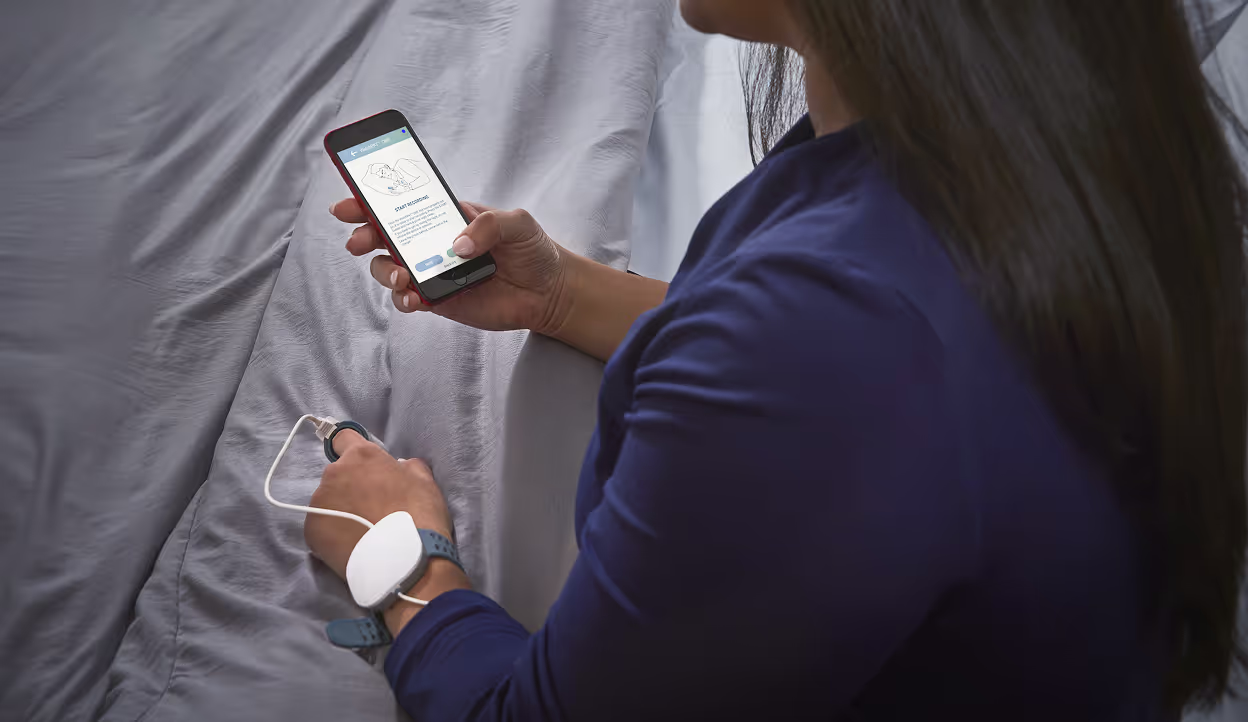



Home Sleep Apnea Test in Austin, Texas: The Complete Guide to At-Home Sleep Testing
A home sleep apnea test in Austin, Texas provides a convenient, clinically validated way to diagnose obstructive sleep apnea from your own bed. According to the American Academy of Sleep Medicine, home sleep testing is an accepted diagnostic tool for adults with a moderate to high probability of obstructive sleep apnea. This guide is for Austin residents, commercial drivers, and anyone in Central Texas experiencing symptoms like snoring, daytime fatigue, or witnessed breathing pauses during sleep. You will learn how at-home sleep tests work, what they measure, how they compare to in-lab studies, what results mean, and how to access affordable testing and treatment through services like dumbo.health. Whether you live in North or South Austin, understanding your options starts here.
Quick Answer
A home sleep apnea test in Austin, Texas is a portable diagnostic study you complete in your own bed. It uses sensors to measure oxygen levels, airflow, breathing effort, and pulse rate while you sleep. Results are reviewed by a physician, typically a board-certified sleep medicine specialist, who determines whether you have obstructive sleep apnea and what treatment you need. Most adults with suspected sleep apnea qualify for home testing. dumbo.health offers a home sleep test for $149 with physician interpretation available through monthly care plans starting at $59 per month.
Key Takeaways
- Home sleep apnea tests are clinically validated for diagnosing obstructive sleep apnea in adults and can be completed in one night from your home in Austin, TX.
- The test uses portable sensors to track oxygen saturation, airflow, breathing effort, pulse rate, and body position during sleep.
- Home sleep testing costs significantly less than in-lab polysomnography, which can exceed $1,000 without insurance.
- dumbo.health provides a home sleep test for $149 as a one-time cost with no insurance required and no prior authorization needed.
- Results are measured using the Apnea/Hypopnea Index, where five or more events per hour of sleep indicates sleep apnea.
- If diagnosed, CPAP therapy, oral appliances, and personalized treatment plans are the most common next steps.
What Is a Home Sleep Apnea Test
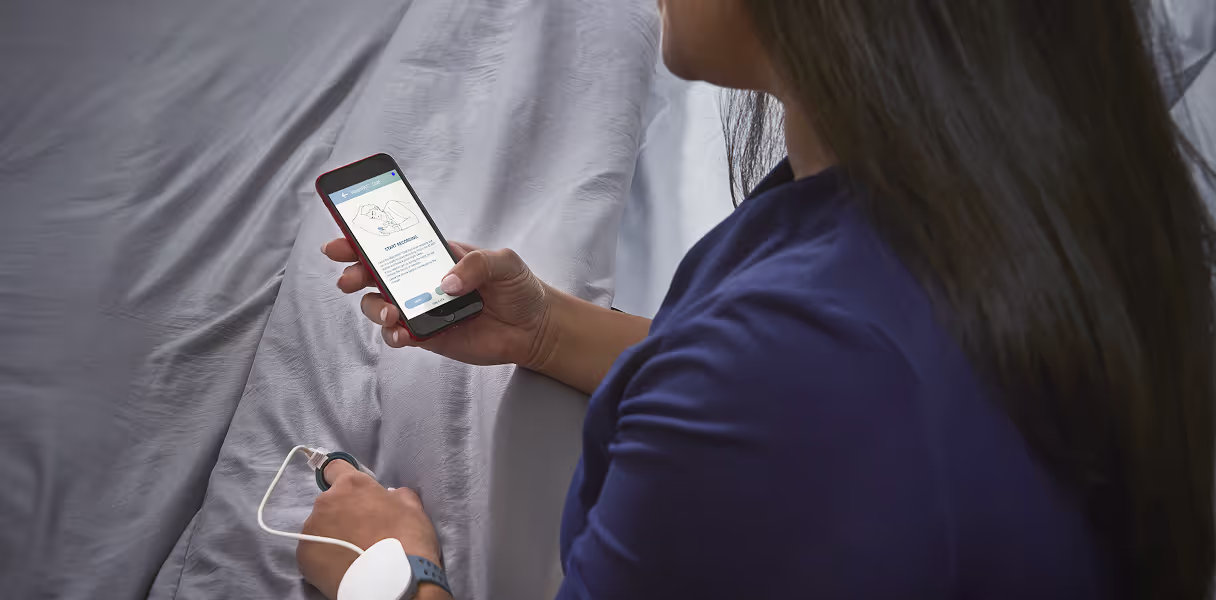
A home sleep apnea test is a portable diagnostic study that measures sleep disordered breathing while you sleep in your own bed. Unlike a full in-lab sleep study conducted at a sleep center or sleep laboratory, home sleep testing uses a small, lightweight device with sensors you apply yourself before going to sleep.
The American Academy of Sleep Medicine recognizes home sleep testing as an appropriate diagnostic tool for adults suspected of having moderate to severe obstructive sleep apnea. Home sleep tests do not require a technologist to monitor you overnight. You complete the test independently, return the device, and a physician reviews the recorded sleep data.
Home sleep apnea testing measures key markers of sleep disordered breathing, including oxygen levels, airflow through the nose and mouth, respiratory effort, and pulse rate. Some devices also track body position and snoring intensity. The data collected during one night of testing is usually sufficient for a board-certified sleep medicine specialist to determine whether obstructive sleep apnea is present.
What a Home Sleep Test Measures
A home sleep test records several physiological signals during sleep:
- Oxygen saturation using a pulse oximeter or photoplethysmography sensor placed on your finger
- Nasal airflow through a nasal cannula or pressure transducer
- Respiratory effort through chest or abdominal belts or accelerometer-based sensors
- Pulse rate tracked continuously throughout the night
- Body position detected by an accelerometer in the device
- Snoring levels captured by a built-in microphone or vibration sensor
These measurements allow the reviewing physician to calculate the Apnea/Hypopnea Index, which is the number of complete breathing pauses (apneas) and partial airflow reductions (hypopneas) per hour of recorded time. An AHI of 5 or more events per hour is considered diagnostic for sleep apnea according to the American Academy of Sleep Medicine.
DID YOU KNOW: According to the American Academy of Sleep Medicine, an estimated 80 percent of moderate to severe obstructive sleep apnea cases in the United States remain undiagnosed.
KEY TAKEAWAY: A home sleep apnea test is a portable, one-night study that measures oxygen levels, airflow, respiratory effort, and pulse rate to diagnose obstructive sleep apnea without visiting a sleep lab.
Understanding what the test measures helps clarify what happens after you complete your study and how physicians interpret the results.
Who Should Get a Home Sleep Test in Austin, TX
Adults in Austin, TX who experience persistent symptoms of obstructive sleep apnea are strong candidates for home sleep testing. The most common symptoms that prompt a physician to recommend testing include loud, chronic snoring, witnessed breathing pauses during sleep, excessive daytime drowsiness, morning headaches, and difficulty concentrating.
The American Academy of Sleep Medicine guidelines indicate that home sleep apnea testing is appropriate for adults who have a high pretest probability of moderate to severe obstructive sleep apnea. A sleep screener or sleep assessment form is typically used to evaluate this probability before ordering the test. People with a body mass index above 30, a neck circumference above 17 inches for men or 16 inches for women, and a history of loud snoring are considered at higher risk.
Common Scenarios for Home Sleep Testing
A 48-year-old Austin resident who snores loudly every night and wakes up feeling unrested despite sleeping 7 to 8 hours is a typical candidate. Their partner reports hearing gasping sounds during the night. A home sleep test can confirm whether obstructive sleep apnea is causing these symptoms.
A 55-year-old commercial truck driver based in Austin, TX who needs DOT medical certification and has a BMI of 36 may be referred for sleep apnea testing. Home sleep testing is often the fastest, most affordable path to diagnosis for drivers who need results quickly. dumbo.health serves CDL holders across Texas and offers a streamlined process from home sleep testing to diagnosis and CPAP therapy.
A 35-year-old who has chronic fatigue and poor sleep quality but no obvious snoring may also benefit. While snoring is the most recognized symptom, many people with obstructive sleep apnea do not realize they snore or experience other sleep related breathing problems such as frequent awakenings or nocturia.
Eligibility Criteria Checklist
Before ordering a home sleep test, confirm you meet these general criteria:
- You are 18 years or older
- You have symptoms consistent with obstructive sleep apnea such as snoring, witnessed apneas, or excessive daytime sleepiness
- You do not have significant cardiopulmonary disease such as Congestive Heart Failure, Chronic Obstructive Pulmonary Disease, or severe respiratory problems
- You do not have suspected narcolepsy, Restless Leg Syndrome, or other non-respiratory sleep disorders that require in-lab evaluation
- You are able to apply the sensors yourself and sleep independently at home
- You have a stable sleep environment where you can complete one full night of testing
- Complete the free sleep assessment at dumbo.health to determine your eligibility
IMPORTANT: Home sleep testing is not appropriate for patients with suspected central sleep apnea, significant neuromuscular disease, or complex sleep-related breathing disorders. These conditions require a full in-lab nocturnal polysomnography study supervised by a sleep technologist.
KEY TAKEAWAY: Most adults in Austin with symptoms of snoring, daytime fatigue, or witnessed breathing pauses are candidates for a home sleep test, but certain conditions require in-lab evaluation instead.
Knowing whether you qualify helps you choose between home testing and an in-lab sleep study, which is the next decision to make.
Home Sleep Test vs In-Lab Sleep Study
The key difference between a home sleep test and an in-lab sleep study is where the test takes place and how many data channels are recorded. A home sleep test records 4 to 7 channels of data in your own bed. An in-lab polysomnography, also called an NPSG, records 16 or more channels in a sleep laboratory with a technician present throughout the night.
Both tests measure respiratory disturbances, but in-lab polysomnography also monitors brain waves (EEG), eye movements, and muscle activity, which allows the sleep technologist and physician to identify sleep stages and non-respiratory sleep disorders such as narcolepsy, Restless Leg Syndrome, and periodic limb movement disorder.
For most adults with a moderate to high probability of obstructive sleep apnea, a home sleep test provides sufficient diagnostic accuracy. A meta-analysis published on PubMed found that home sleep apnea testing has a sensitivity of approximately 79 to 97 percent and a specificity of 60 to 93 percent for detecting moderate to severe obstructive sleep apnea compared to in-lab polysomnography.
Setting
- Home Sleep Apnea Test: Your own bed at home in Austin, TX
- In-Lab Polysomnography (NPSG): Sleep lab or sleep center, requiring an overnight stay
Cost
- Home Sleep Apnea Test: Typically $149 to $500 without insurance. dumbo.health offers home sleep testing for $149.
- In-Lab Polysomnography: Often $1,000 to $3,000 or more without insurance
Data Channels Recorded
- Home Sleep Apnea Test: 4 to 7 channels including airflow, oxygen saturation, pulse rate, respiratory effort, body position, and snoring
- In-Lab Polysomnography: 16 or more channels including EEG, EOG, EMG, ECG, airflow, oxygen, respiratory effort, body position, and limb movements
Convenience
- Home Sleep Apnea Test: High. No travel, no overnight facility stay, sleep in your own bed
- In-Lab Polysomnography: Lower. Requires scheduling, traveling to a sleep center, and sleeping in an unfamiliar environment
Best For
- Home Sleep Apnea Test: Adults with suspected moderate to severe obstructive sleep apnea and no significant comorbidities
- In-Lab Polysomnography: Patients with suspected central sleep apnea, narcolepsy, complex sleep-related breathing disorders, or those whose home test results are inconclusive
For most people in Austin, TX seeking a diagnosis for obstructive sleep apnea, a home sleep test is the recommended starting point due to lower cost, greater comfort, and comparable diagnostic accuracy for the target condition. If a home test is inconclusive or a physician suspects a non-respiratory sleep disorder, an in-lab study at a local sleep center may be the next step.
KEY TAKEAWAY: A home sleep test is more affordable, more convenient, and diagnostically accurate enough for most adults with suspected obstructive sleep apnea, while in-lab polysomnography is reserved for complex or inconclusive cases.
Once you understand the testing options, the next step is learning exactly how to complete a home sleep test from start to finish.
How to Complete a Home Sleep Apnea Test in Austin
Completing a home sleep apnea test follows a straightforward process that most people finish in under a week from order to results. You do not need to visit a sleep lab or take time off work.
Step-by-Step Process
1. Complete a sleep screener or sleep assessment form online. You can start with the free sleep assessment at dumbo.health to determine whether you are a candidate for home testing.
2. Order your home sleep test. Through dumbo.health, the home sleep test costs $149 as a one-time payment with no insurance required and no prior authorization needed. The device is shipped directly to your home in Austin, TX.
3. Receive your home sleep study kit and review the instructions. Each kit includes the sleep testing device, sensors (typically a finger pulse oximeter, nasal cannula, and chest sensor or wearable ring depending on the device model), and step-by-step setup instructions.
4. Apply the sensors before bed and start the recording. Attach each sensor as directed. Most devices use 2 to 3 sensors and take less than 10 minutes to set up. Sleep in your normal position in your own bed for maximum comfort.
5. Sleep for a minimum of 4 to 6 hours with the device on. The longer the recording, the more sleep data the physician has to work with. Aim for your typical sleep duration.
6. Remove the sensors in the morning and return the device according to the instructions provided. Some devices upload data automatically. Others require you to mail the device back or drop it off.
7. A board-certified sleep medicine specialist reviews your sleep data and generates a clinical report. Through dumbo.health, physician interpretation is included in the Essentials plan at $59 per month or the Premium plan at $89 per month.
After the physician reviews your results, you receive a report that includes your Apnea/Hypopnea Index, oxygen desaturation data, and a diagnosis. If obstructive sleep apnea is confirmed, the next step is a treatment plan, which may include CPAP therapy, an oral device, or other sleep disorder treatments.
TIP: Sleep in your normal bed with your usual pillow and sleep environment. Unusual sleeping conditions can affect the quality of your sleep data and may require a repeat of the study.
KEY TAKEAWAY: The entire home sleep test process, from ordering to receiving results, can be completed within a week, with no clinic visits required if you use a service like dumbo.health.
Understanding the process prepares you for what happens next: interpreting your results and deciding on treatment.
Understanding Your Home Sleep Test Results
Home sleep test results are reported using the Apnea/Hypopnea Index, which counts the average number of apneas and hypopneas per hour of recorded time. This number is the primary metric used to diagnose obstructive sleep apnea and determine its severity.
According to the American Academy of Sleep Medicine, the AHI thresholds for adults are:
- Normal: fewer than 5 events per hour
- Mild obstructive sleep apnea: 5 to 14 events per hour
- Moderate obstructive sleep apnea: 15 to 29 events per hour
- Severe obstructive sleep apnea: 30 or more events per hour
Your report will also include oxygen saturation data. The physician reviews the blood oxygen level throughout the night, noting the lowest oxygen saturation reached and the percentage of time spent below 90 percent saturation. The National Heart, Lung, and Blood Institute notes that drops in oxygen saturation during sleep are closely associated with the cardiovascular risks of untreated sleep apnea.
What the Report Includes
A complete home sleep test report typically contains:
- Total recording time and estimated sleep time
- Apnea/Hypopnea Index
- Oxygen desaturation index (number of oxygen drops of 3 to 4 percent or more per hour)
- Lowest oxygen saturation recorded during the study
- Snoring duration and intensity
- Body position data showing whether apnea events are worse in certain positions
- Pulse rate trends throughout the night
What Your Results Mean for Treatment
If your AHI is 5 or higher, a physician will typically recommend treatment. For mild cases, treatment may include positional therapy, weight management, or an oral device. For moderate to severe obstructive sleep apnea (AHI of 15 or above), CPAP therapy is the most common and effective treatment according to the American Academy of Sleep Medicine.
dumbo.health provides a complete care pathway from testing through treatment. After diagnosis, you can start CPAP therapy through one of three monthly plans. The Essentials plan at $59 per month includes CPAP equipment, physician review, and standard follow-up care. The Premium plan at $89 per month adds a dedicated sleep coach and advanced adherence monitoring.
Home sleep apnea testing results should always be interpreted by a qualified physician. A board-certified sleep medicine specialist or a healthcare practitioner experienced in sleep medicine will consider your symptoms, medical history, and test data together before recommending a personalized treatment plan.
KEY TAKEAWAY: The Apnea/Hypopnea Index is the primary measure used to diagnose and classify obstructive sleep apnea severity, and results directly determine which treatment pathway a physician recommends.
With results in hand, the next consideration is what treatment options are available and which one fits your situation.
Treatment Options After Diagnosis
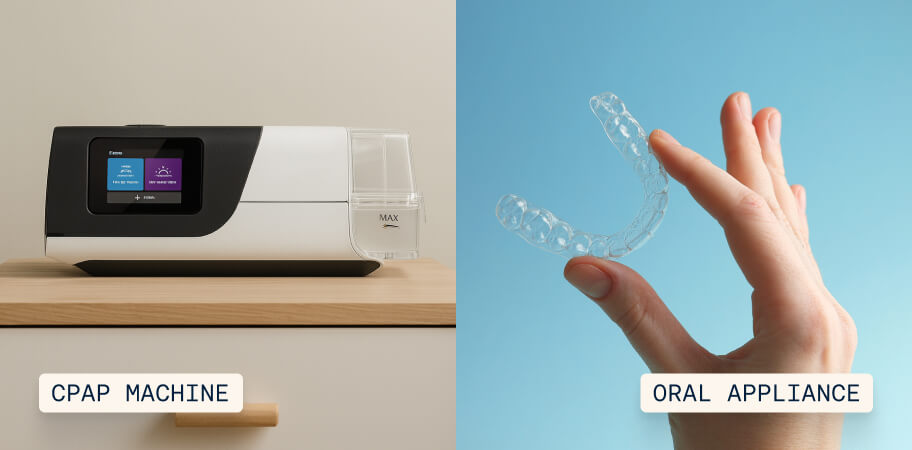
CPAP therapy is the first-line treatment for moderate to severe obstructive sleep apnea. CPAP stands for continuous positive airway pressure, and it works by delivering a steady stream of pressurized air through a mask to keep the airway open during sleep.
The American Academy of Sleep Medicine recommends CPAP as the standard treatment for adults with an AHI of 15 or more, or for those with an AHI of 5 to 14 who also have symptoms such as excessive daytime drowsiness, impaired cognitive function, or cardiovascular comorbidities. According to research indexed on PubMed, consistent CPAP use reduces daytime sleepiness, lowers blood pressure in patients with hypertension, and decreases the risk of motor vehicle accidents.
CPAP Therapy
A CPAP machine includes a base unit that generates airflow, tubing (hoses), and a mask that fits over the nose, the mouth, or both. Finding the right mask fit is one of the most important factors in long-term adherence. Many patients report that comfort improves significantly after the first few weeks of consistent use.
Through dumbo.health, CPAP therapy and equipment are included in all monthly care plans. The Essentials plan at $59 per month covers the CPAP machine, mask, hoses, and standard physician follow-up. The Premium plan at $89 per month adds a dedicated sleep coach who helps with mask fitting, troubleshooting, and adherence monitoring. The Elite plan at $129 per month includes concierge clinical support and direct physician messaging.
Oral Appliances
An oral device, also called a mandibular advancement device, is a custom-fitted mouthpiece that repositions the lower jaw to keep the airway open during sleep. Oral appliances are most appropriate for mild to moderate obstructive sleep apnea or for patients who cannot tolerate CPAP therapy.
Dental Sleep Medicine providers in Austin can fabricate custom oral appliances. These devices require fitting by a dentist trained in sleep medicine and periodic adjustments. They are generally less effective than CPAP for severe cases but offer a viable alternative for patients who prioritize comfort and portability.
Other Treatment Approaches
Personalized treatment plans may also include:
- Positional therapy for patients whose apnea is significantly worse when sleeping on their back
- Weight management, since the Sleep Foundation notes that excess weight is one of the strongest modifiable risk factors for obstructive sleep apnea
- Surgical options in select cases where structural abnormalities contribute to airway obstruction
- Combination therapy using CPAP with positional or lifestyle modifications
Clinicians frequently observe that the best outcomes occur when patients receive not just a device but ongoing support, adherence monitoring, and clinical follow-up. dumbo.health builds this into every plan, which is one reason the platform includes physician oversight and care team access rather than simply shipping equipment.
KEY TAKEAWAY: CPAP therapy is the gold-standard treatment for moderate to severe obstructive sleep apnea, but oral appliances and lifestyle modifications may be appropriate for milder cases or patients who cannot tolerate CPAP.
Treatment decisions also depend heavily on cost, insurance coverage, and access, which brings us to the practical side of getting tested and treated in Austin.
Cost of Home Sleep Apnea Testing in Austin, Texas
Home sleep apnea testing in Austin, Texas typically costs between $149 and $500 for cash-pay patients, depending on the provider. In-lab polysomnography at a sleep center in Austin can cost $1,000 to $3,000 or more without insurance, making home testing significantly more affordable for most patients.
Insurance coverage for sleep testing varies widely. Some insurance companies, including Medicare, cover home sleep tests when medical criteria are met and a physician orders the study. However, the process often involves prior authorizations, referrals, and potential claim denials that delay testing by weeks or months. For patients covered by TRICARE or TriWest, coverage for sleep studies may be available but typically requires referral through the military healthcare system.
Many people in Austin choose to pay out of pocket to avoid these delays. Cash-pay testing eliminates the need for prior authorizations, referrals, and surprise bills. dumbo.health is built around this model, offering a home sleep test for $149 as a one-time cost with no insurance required.
What dumbo.health Costs Compared to Other Options
Here is how dumbo.health pricing compares to typical alternatives in Austin:
Home Sleep Test Cost
- dumbo.health: $149 one-time, no insurance needed
- Insurance-based provider in Austin: $0 to $300 depending on copay, deductible, and plan, but requires prior authorization
- Other cash-pay providers near you: $200 to $500
Ongoing Treatment Cost (CPAP Therapy)
- dumbo.health Essentials Plan: $59 per month, includes CPAP machine, mask, hoses, physician review, and follow-up
- dumbo.health Premium Plan: $89 per month, adds sleep coach and advanced adherence monitoring
- dumbo.health Elite Plan: $129 per month, adds concierge support and direct physician messaging
- Insurance-based CPAP in Austin: $0 to $100+ per month depending on plan, but often requires compliance monitoring, prior auth renewals, and equipment through DME providers with limited support
Surprise Bill Risk
- dumbo.health: None. Transparent, upfront pricing with no contracts and cancel anytime
- Insurance-based pathway: Possible. Out-of-network labs, facility fees, and professional fees can create unexpected charges
For patients in your area who want predictable pricing and fast results, cash-pay home sleep testing through dumbo.health eliminates the most common financial barriers.
DID YOU KNOW: According to the CDC, more than 25 million adults in the United States have obstructive sleep apnea, and the majority of cases remain undiagnosed, often because of cost and access barriers.
KEY TAKEAWAY: A home sleep apnea test through dumbo.health costs $149 with no insurance required, compared to $1,000 or more for in-lab testing, making it the most accessible option for most Austin residents.
Beyond cost, several other factors determine whether home testing is the right fit for your situation.
Limitations and Risks of Home Sleep Apnea Testing
Home sleep apnea testing is highly effective for diagnosing obstructive sleep apnea, but it is not appropriate for every patient or every type of sleep disorder. Understanding these limitations ensures you get the right test for your needs.
When Home Testing May Not Work
Home sleep tests are not designed to diagnose central sleep apnea, narcolepsy, Restless Leg Syndrome, periodic limb movement disorder, or parasomnias. These conditions require a full in-lab polysomnography with EEG monitoring to identify sleep stages and non-respiratory events.
Patients with significant comorbidities such as Congestive Heart Failure, Chronic Obstructive Pulmonary Disease, or severe respiratory problems may produce unreliable results on a home sleep test. The American Academy of Sleep Medicine recommends in-lab testing for these populations because their sleep-related breathing disorders may involve mixed or central apnea patterns that a home device cannot differentiate.
Specific Limitations to Know
- Sensor displacement during sleep can cause data loss. If a finger sensor or nasal cannula falls off during the night, the recording may not capture enough usable data, requiring a repeat of the study.
- Home sleep tests do not measure actual sleep time. They measure recording time. This means the AHI calculated from a home study may underestimate severity because time spent awake is included in the denominator.
- A single night of testing may not capture your typical sleep patterns. Night-to-night variability in sleep position, alcohol use, or sleep environment can influence results.
- If your home sleep test is negative but your physician still suspects obstructive sleep apnea based on your symptoms, an in-lab polysomnography may be necessary to rule it out definitively.
How dumbo.health Addresses These Limitations
dumbo.health provides physician oversight throughout the testing and interpretation process. If a home test produces inconclusive or borderline results, the reviewing physician can recommend a repeat of the study or refer for in-lab evaluation. The Premium plan at $89 per month includes advanced adherence monitoring and a dedicated sleep coach who can identify issues early. All plans include updates sent to your referring provider, ensuring continuity of care.
Home sleep testing is a screening-level diagnostic tool. It excels at identifying obstructive sleep apnea in the population it is designed for, but it is not a replacement for comprehensive polysomnography when clinical complexity warrants it.
KEY TAKEAWAY: Home sleep tests are accurate for obstructive sleep apnea but cannot diagnose central sleep apnea, narcolepsy, or other non-respiratory sleep disorders, and patients with significant cardiopulmonary disease should pursue in-lab testing instead.
Knowing the limitations helps you avoid common misconceptions, which is exactly what the next section addresses.
Common Myths About Home Sleep Apnea Tests Debunked
MYTH: Home sleep tests are not accurate enough to diagnose sleep apnea.
FACT: Research published on PubMed demonstrates that home sleep apnea tests have a sensitivity of approximately 79 to 97 percent for detecting moderate to severe obstructive sleep apnea. The American Academy of Sleep Medicine endorses home sleep testing as a clinically valid alternative to in-lab polysomnography for adults with a high pretest probability of OSA. While home tests record fewer data channels, they provide sufficient diagnostic accuracy for the majority of suspected cases.
MYTH: You need a doctor's referral and insurance approval before you can get a home sleep test.
FACT: While many insurance-based pathways require referrals and prior authorizations, cash-pay options bypass these requirements entirely. Through dumbo.health, you can order a home sleep test for $149 without insurance, without a prior authorization, and without a referral. A physician reviews your results as part of the care plan. This model eliminates weeks of waiting that insurance processes often introduce.
MYTH: Only older, overweight men get sleep apnea.
FACT: Obstructive sleep apnea affects people of all ages, genders, and body types. According to the Sleep Foundation, while obesity is a significant risk factor, sleep apnea also occurs in people with normal BMI who have anatomical features such as a narrow airway, large tonsils, or a recessed jaw. Women are underdiagnosed because their symptoms often present as insomnia, fatigue, or mood disturbances rather than loud snoring. The prevalence increases with age but can occur in adults as young as their twenties.
MYTH: If you do not snore, you do not have sleep apnea.
FACT: Snoring is the most commonly recognized symptom, but not all people with obstructive sleep apnea snore loudly. Some experience silent apneas where the airway closes without producing audible vibration. Symptoms such as chronic fatigue, morning headaches, drowsiness during the day, and poor cognitive function can all indicate sleep apnea even without obvious snoring.
MYTH: CPAP machines are too uncomfortable to use every night.
FACT: Modern CPAP machines are quieter, lighter, and more comfortable than older models. Many patients report that comfort improves significantly after the first 1 to 2 weeks of use, especially when they receive proper mask fitting and follow-up support. The dumbo.health Premium plan includes a dedicated sleep coach who assists with mask selection and troubleshooting, which is one of the most effective ways to improve long-term CPAP adherence.
KEY TAKEAWAY: Most barriers to home sleep testing and CPAP therapy are based on outdated information or misconceptions rather than current clinical evidence.
With myths cleared up, the next step is understanding how sleep apnea testing connects to specific populations in Austin.
Home Sleep Testing for Commercial Drivers in Austin
Commercial drivers with a CDL face specific requirements for sleep apnea screening during DOT medical examinations. The FMCSA does not mandate universal sleep apnea testing for all CDL holders, but medical examiners can require a sleep study if a driver presents risk factors such as a BMI above 35, a neck circumference above 17 inches, or symptoms of excessive daytime drowsiness.
For commercial drivers in Austin, TX, a home sleep test is often the fastest and most affordable way to meet these requirements. Waiting for a referral, an in-lab sleep study appointment, and insurance processing can cost a driver weeks of lost income. Many owner-operators and fleet drivers choose cash-pay home sleep testing to keep their certification timeline on track.
dumbo.health serves CDL holders across Texas with a streamlined path from sleep apnea testingto CPAP therapy and ongoing compliance documentation. Results can be sent directly to your referring provider or DOT medical examiner, and the entire process from test to diagnosis typically takes less than a week.
Real-World Examples
A 52-year-old owner-operator based in Austin with a BMI of 37 is told during a DOT physical that he needs a sleep apnea evaluation before his medical certificate can be issued. He orders a home sleep test through dumbo.health for $149, completes the test that week, and receives his results and diagnosis within days. He starts CPAP therapy on the Essentials plan at $59 per month and presents compliance documentation at his follow-up exam.
A 44-year-old fleet driver in North Austin has been experiencing chronic fatigue and drowsiness during long hauls. Her fleet manager recommends a sleep health evaluation. She completes the dumbo.health free sleep assessment, orders a home sleep test, and is diagnosed with moderate obstructive sleep apnea with an AHI of 22. She enrolls in the Premium plan at $89 per month for dedicated sleep coach support while adjusting to CPAP therapy.
A 38-year-old Austin-area delivery driver with no obvious symptoms is screened for sleep apnea due to his BMI of 40 during a routine DOT physical. His home sleep test reveals mild obstructive sleep apnea with an AHI of 8. His physician recommends positional therapy and weight management with annual retesting to monitor progression.
KEY TAKEAWAY: Commercial drivers in Austin can complete home sleep testing and start CPAP therapy within days through cash-pay services like dumbo.health, avoiding the delays that insurance-based pathways often create.
Drivers are just one group that benefits from accessible testing. The broader question is how to choose the right testing pathway for your situation.
How to Choose the Right Sleep Testing Pathway
The right sleep testing pathway depends on your symptoms, medical history, risk factors, and practical priorities such as cost, convenience, and turnaround time. For most adults in Austin with suspected obstructive sleep apnea, home sleep testing is the recommended first step.
Start by evaluating your symptoms honestly. Persistent snoring, witnessed breathing pauses during sleep, excessive daytime fatigue, morning headaches, and waking up feeling unrested are the most common indicators. If these symptoms have been present for weeks or months, testing is appropriate.
Next, consider your medical history. If you have a history of Congestive Heart Failure, Chronic Obstructive Pulmonary Disease, neuromuscular disease, or suspected narcolepsy, an in-lab sleep study at a sleep center in Austin may be more appropriate. If you are a generally healthy adult with symptoms consistent with obstructive sleep apnea, a home sleep test is likely sufficient.
Decision Checklist
Use this checklist to determine your best path:
- You have symptoms of obstructive sleep apnea such as snoring, fatigue, or witnessed apneas
- You are an adult without significant cardiopulmonary or neurological disease
- You want results within days rather than weeks
- You prefer to sleep in your own bed during the test
- You want transparent pricing without insurance hassles
- You need testing for a DOT medical certification or employer requirement
- You want physician interpretation and treatment access through one provider
- Complete the free sleep assessment at dumbo.health to confirm your eligibility
If you check most of these items, a home sleep apnea test is the right choice. If you have complex comorbidities or a physician suspects a non-respiratory sleep disorder, ask your healthcare practitioner about an in-lab polysomnography referral to a sleep laboratory in your area.
KEY TAKEAWAY: For most adults in Austin with symptoms of obstructive sleep apnea, a home sleep test offers the fastest, most affordable, and most convenient path to diagnosis and treatment.
Choosing your pathway is the actionable step, but understanding the broader impact of untreated sleep apnea reinforces why testing matters.
Why Untreated Sleep Apnea Is a Serious Health Risk
Untreated obstructive sleep apnea increases the risk of cardiovascular disease, type 2 diabetes, stroke, and motor vehicle accidents. The condition is not simply about poor sleep quality. It is a medical condition with systemic health consequences.
The National Heart, Lung, and Blood Institute states that obstructive sleep apnea causes repeated drops in blood oxygen level during sleep, which triggers a stress response that elevates blood pressure and strains the cardiovascular system over time. People with untreated moderate to severe sleep apnea are 2 to 3 times more likely to develop hypertension than people without the condition, according to research available through the NIH.
Cognitive function is also affected. Chronic sleep apnea fragments sleep architecture, reducing time spent in restorative deep sleep. This leads to impaired memory, reduced concentration, and excessive daytime drowsiness. According to the National Highway Traffic Safety Administration, drowsy driving is a factor in approximately 100,000 police-reported crashes annually in the United States, and untreated sleep apnea is a significant contributor.
Beyond cardiovascular and cognitive effects, untreated sleep apnea is associated with metabolic disruption, mood disorders including depression and anxiety, reduced immune function, and impaired sleep behavior patterns. The cumulative effect of years of fragmented, oxygen-depleted sleep accelerates these risks.
Early diagnosis through a home sleep test and prompt initiation of treatment are the most effective ways to reverse the trajectory. CPAP therapy has been shown to reduce blood pressure, improve daytime alertness, and decrease cardiovascular event risk in compliant users. The Sleep Foundation reports that people who use CPAP for 4 or more hours per night experience significant improvements in sleep quality, fatigue, and daily function.
Home sleep apnea testing removes the most common barriers to getting diagnosed. Cost, inconvenience, and access delays are the primary reasons sleep apnea remains undiagnosed in millions of Americans. Services like dumbo.health address all three by offering a $149 at-home sleep test with no insurance required and physician-reviewed results delivered within days.
KEY TAKEAWAY: Untreated obstructive sleep apnea is linked to cardiovascular disease, cognitive impairment, and increased accident risk, making timely diagnosis through home sleep testing a critical health decision.
The health risks underscore why taking action is important. The final step is understanding what to do next.
Conclusion
A home sleep apnea test in Austin, Texas is the most accessible, affordable, and clinically validated way for most adults to find out whether obstructive sleep apnea is disrupting their sleep and health. Testing takes one night, results come back within days, and treatment can begin immediately after diagnosis.
If you experience snoring, chronic fatigue, daytime drowsiness, or have been told you stop breathing during sleep, testing is the logical next step. dumbo.health offers a complete pathway from a $149 home sleep test to CPAP therapy starting at $59 per month on the Essentials plan, with no insurance required, no contracts, and the ability to cancel anytime.
Take the free sleep assessment at dumbo.health to find out whether you are a candidate for home sleep testing and start your path toward restful sleep.
Frequently Asked Questions About Home Sleep Apnea Testing in Austin, Texas
What is a home sleep apnea test?
A home sleep apnea test (HSAT) is a diagnostic tool that allows patients to test for obstructive sleep apnea in their own bed rather than an overnight sleep lab. The device records key physiological data while you sleep, including oxygen saturation, heart rate, breathing patterns, snoring, chest motion, body position, and movement. A board-certified sleep physician then reviews the recorded sleep data and provides a clinical interpretation. Home sleep testing is widely used as a first-line diagnostic option for patients with a moderate to high clinical suspicion of obstructive sleep apnea.
What is obstructive sleep apnea, and why does it matter?
Obstructive sleep apnea is a sleep-related breathing disorder in which the upper airway repeatedly collapses during sleep, causing brief interruptions in breathing. According to the American Academy of Sleep Medicine, obstructive sleep apnea is among the most common undiagnosed sleep disorders, and untreated cases are associated with increased risk of high blood pressure, cardiovascular disease, cognitive impairment, chronic fatigue, and daytime drowsiness. Severity is measured using the apnea-hypopnea index, which counts the number of apnea and hypopnea events per hour of sleep. A healthcare professional can help determine whether testing is appropriate based on your symptoms and risk factors.
Why choose a home sleep test over an in-lab sleep study?
A home sleep test offers several practical advantages over an in-lab polysomnography study. It costs less, requires no overnight stay at a sleep center, fits around your own schedule, and allows you to sleep in your normal environment, which may produce sleep data that more accurately reflects your typical sleep patterns. Most patients find home testing more comfortable than a sleep laboratory. The American Academy of Sleep Medicine supports home sleep testing as an appropriate diagnostic option for adults with a high pre-test probability of moderate to severe obstructive sleep apnea who do not have significant comorbidities that require full in-lab monitoring.
What does a home sleep study actually measure?
A home sleep study measures multiple channels of physiological data while you sleep. Commonly measured parameters include oxygen saturation, pulse rate, breathing effort, respiratory disturbances, snoring, chest motion, body position, and actigraphy or movement. Some devices, such as the WatchPAT One, use photoplethysmography and peripheral arterial tone to capture detailed sleep data through a wearable ring and sensor worn on the wrist. Other devices such as the NightOwl Home Sleep Test and SleepView sleep study equipment use similar multi-channel monitoring. The combination of these data points allows a sleep physician to calculate the apnea-hypopnea index and assess the presence and severity of sleep-disordered breathing.
How does a home sleep apnea test work, step by step?
The process typically begins with a sleep assessment or consultation with a sleep physician or healthcare practitioner to confirm that home testing is clinically appropriate. A sleep testing device is then provided or shipped to you. On the test night, you attach the sensors according to the device instructions, sleep in your own bed, and return the device the following day. The recorded sleep data is uploaded and reviewed by a board-certified sleep physician, who interprets the results and prepares a clinical report. If obstructive sleep apnea is confirmed, your physician will discuss treatment options, which may include CPAP therapy or oral appliances. You can explore the at-home sleep test process at dumbo.health.
Who is a good candidate for home sleep testing?
Home sleep testing is generally appropriate for adults who have symptoms of obstructive sleep apnea, such as loud snoring, witnessed breathing pauses, daytime fatigue, drowsiness, or poor sleep quality, and who do not have significant comorbidities that complicate interpretation. Home testing is typically not recommended for patients with suspected central sleep apnea, narcolepsy, restless leg syndrome, severe chronic obstructive pulmonary disease, congestive heart failure, or other complex sleep-related breathing disorders that require full polysomnography. A healthcare professional can review your symptoms, sleep habits, and medical history to determine whether an at-home sleep study or an in-lab study is more appropriate for your situation.
When is an in-lab sleep study needed instead of a home test?
An in-lab sleep study, or nocturnal polysomnography, is typically recommended when a patient has comorbidities that may affect sleep test accuracy, such as congestive heart failure, chronic obstructive pulmonary disease, suspected central sleep apnea, restless leg syndrome, narcolepsy, or significant oxygen desaturation requiring closer monitoring. In-lab polysomnography allows sleep technologists to monitor a broader range of physiological signals, including brain wave activity, eye movements, and limb movements, that home sleep testing devices do not capture. If your home sleep study results are inconclusive, your physician may recommend a repeat of the study or an in-lab evaluation. A board-certified sleep physician can guide this decision based on your clinical picture.
What are the symptoms that may suggest I need a sleep apnea test?
Common symptoms associated with obstructive sleep apnea include loud or frequent snoring, gasping or choking during sleep, witnessed apnea events, waking with a dry mouth or headache, difficulty staying asleep, chronic fatigue, excessive daytime drowsiness, difficulty concentrating, and impaired cognitive function. Not everyone with sleep apnea snores, and not everyone who snores has sleep apnea. Risk factors include a high body mass index, large neck circumference, male sex, older age, and anatomical features that narrow the upper airway. If you are experiencing symptoms that affect your sleep quality or daily functioning, a healthcare professional can help determine whether a sleep health evaluation is appropriate. You can also take a free sleep assessment to get started.
How do I prepare for a home sleep test?
Preparation for a home sleep test is straightforward. On the night of the study, follow your normal sleep routine as closely as possible, since the goal is to capture your typical sleep patterns. Avoid alcohol and sedatives before the test unless your physician advises otherwise, as these can affect breathing and sleep data. Set up the device in your bedroom before your usual bedtime and follow the setup instructions carefully. Most home sleep testing devices come with clear instructional guidance, and some providers offer instructional videos or telehealth support if you have questions about how to use your device. Sleep in your normal sleeping environment for the most representative results.
Is a home sleep apnea test as accurate as an in-lab sleep study?
A home sleep apnea test is a clinically validated diagnostic tool for obstructive sleep apnea, but it has important limitations compared to full nocturnal polysomnography. Home tests measure fewer data channels, do not record brain activity or leg movements, and cannot diagnose conditions such as narcolepsy, restless leg syndrome, or central sleep apnea. Because home devices only record when the device is worn rather than total sleep time, the apnea-hypopnea index calculated from a home test may underestimate severity in some cases. According to the American Academy of Sleep Medicine, home sleep testing is appropriate and accurate for diagnosing moderate to severe obstructive sleep apnea in uncomplicated adults, but in-lab polysomnography remains the gold standard for complex cases.
What happens after my home sleep test is complete?
After your home sleep test, the recorded data is reviewed and interpreted by a board-certified sleep physician. You will receive a clinical report summarising the findings, including your apnea-hypopnea index, oxygen saturation levels, respiratory disturbance data, and an assessment of sleep-disordered breathing severity. If obstructive sleep apnea is confirmed, your physician will discuss personalised treatment options, which commonly include CPAP therapy, oral appliances, or other sleep disorder treatments based on your clinical profile. If results are inconclusive, a repeat of the study or an in-lab evaluation may be recommended. Your referring provider or primary care physician can also receive a copy of the report to support coordinated care.
How many appointments are needed to get a home sleep test?
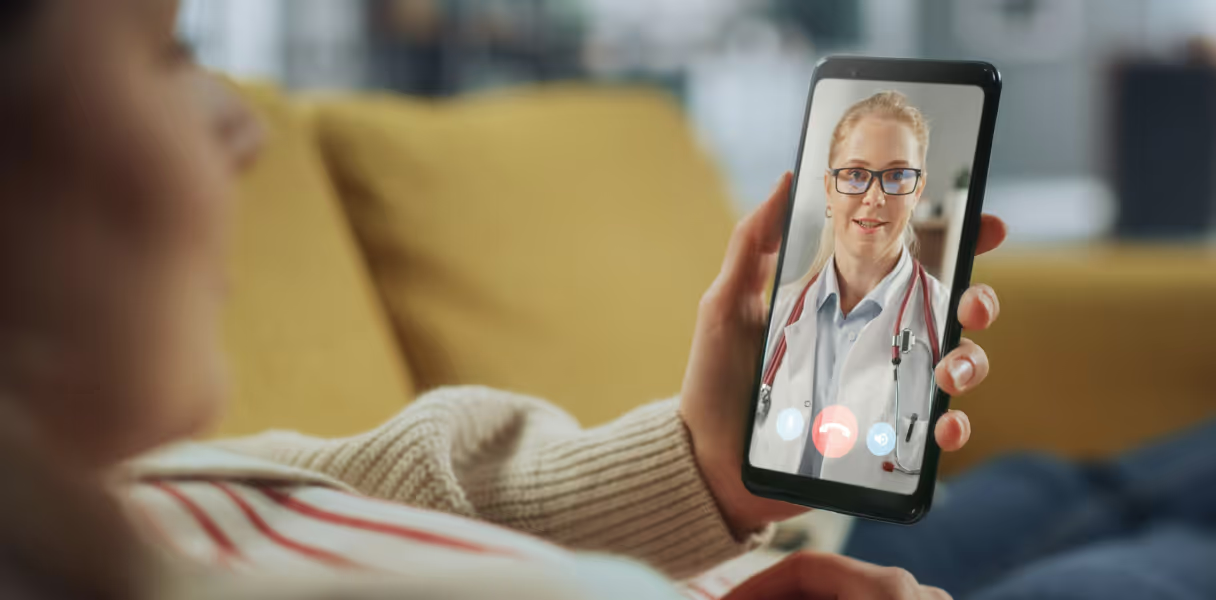
The number of appointments varies depending on your provider and clinical pathway. Typically, the process involves a consultation or telehealth appointment with a sleep physician to confirm clinical suitability, followed by the home test night itself, and then a follow-up appointment to review results and discuss treatment options. Some providers offer streamlined workflows that reduce the number of required visits, particularly for patients using telehealth-based sleep medicine services. A sleep assessment or sleep screener completed before your first appointment can help the physician prepare for your consultation and may reduce the time needed to determine next steps.
How much does a home sleep apnea test cost in Austin, Texas?
The cost of a home sleep apnea test in Austin, Texas varies depending on whether you use insurance or a cash-pay option, and which provider or sleep center you choose. Insurance coverage, including Medicare and plans such as TRICARE and TriWest, may reduce out-of-pocket costs but often involves prior authorizations and copays. For patients who prefer transparent cash-pay pricing, dumbo.health offers a $149 at-home sleep test with no insurance required, no prior authorizations, and no surprise bills. The test is a one-time purchase and is separate from monthly care plans. Ongoing care plans, which include physician interpretation, CPAP therapy, equipment, and adherence follow-up, start at $59 per month with no contracts and the ability to cancel anytime. Learn more about sleep apnea care options at dumbo.health.
Do I need insurance to get a home sleep apnea test?
You do not need insurance to get a home sleep apnea test. While many sleep centers in Austin, Texas accept insurance, Medicare, TRICARE, and TriWest, insurance often comes with prior authorization requirements, coverage criteria, and variable out-of-pocket costs. Cash-pay options offer a transparent alternative. dumbo.health provides at-home sleep testing and ongoing sleep apnea care on a cash-pay basis, with no insurance required, no prior authorizations, and no surprise bills. This can be a practical option for patients who are uninsured, underinsured, or prefer to avoid insurance company delays when seeking a sleep health evaluation.
What is CPAP therapy, and how is it used to treat sleep apnea?
CPAP, or continuous positive airway pressure, is the most widely prescribed treatment for moderate to severe obstructive sleep apnea. A CPAP machine delivers a continuous stream of pressurised air through a mask worn during sleep, which keeps the upper airway open and prevents apnea events. According to the Mayo Clinic, consistent CPAP use can reduce daytime fatigue, improve sleep quality, lower blood pressure, and reduce cardiovascular risk associated with untreated sleep apnea. CPAP adherence, meaning regular nightly use, is an important factor in treatment effectiveness and is often monitored during follow-up care. A physician will determine the appropriate CPAP pressure settings based on your sleep study results and clinical needs.
What are oral appliances, and are they an alternative to CPAP?
Oral appliances, sometimes called mandibular advancement devices, are custom-fitted dental devices used in dental sleep medicine to treat obstructive sleep apnea by repositioning the lower jaw and tongue to keep the airway open during sleep. The American Academy of Sleep Medicine supports oral appliance therapy as an effective treatment option for mild to moderate obstructive sleep apnea and for patients who cannot tolerate CPAP therapy. Oral appliances are generally smaller, quieter, and easier to travel with than a CPAP machine. A sleep physician or a dental sleep medicine specialist can advise on whether an oral device is clinically appropriate based on your apnea-hypopnea index, anatomy, and treatment preferences.
I already use CPAP. Can I get a new prescription through a home sleep test?
Yes, existing CPAP users who need a new or updated prescription can often obtain one through a home sleep test and physician consultation without repeating a full in-lab study, depending on their clinical situation. A sleep physician can review your current CPAP therapy, assess your adherence data, and determine whether a repeat sleep study or updated prescription is appropriate. dumbo.health monthly plans include physician review and can support CPAP prescription management as part of ongoing care. A healthcare professional should review your specific situation before any changes are made to your treatment or equipment. You can learn more about CPAP therapy and equipment through dumbo.health.
What is the apnea-hypopnea index, and what do the results mean?
The apnea-hypopnea index, or AHI, is the primary metric used to assess obstructive sleep apnea severity. It represents the average number of apnea and hypopnea events per hour of sleep recorded during a sleep study. An AHI of fewer than 5 events per hour is generally considered normal in adults. An AHI between 5 and 14 indicates mild sleep apnea, between 15 and 29 indicates moderate sleep apnea, and 30 or more indicates severe sleep apnea. Your sleep physician will interpret your AHI alongside oxygen saturation data, respiratory disturbance patterns, and your clinical symptoms to determine the most appropriate treatment plan. AHI alone does not determine treatment; your full sleep health evaluation matters.
How does sleep apnea affect blood oxygen levels?
During apnea events, breathing is temporarily interrupted, which prevents fresh oxygen from entering the lungs and causes blood oxygen saturation to drop. Repeated oxygen desaturation events throughout the night, known as nocturnal hypoxemia, are a key feature of obstructive sleep apnea and are measured during both home sleep tests and in-lab sleep studies using a pulse oximeter or photoplethysmography sensor. According to the NHLBI, chronic intermittent hypoxia associated with untreated sleep apnea contributes to increased risk of high blood pressure, heart disease, and metabolic dysfunction. Monitoring blood oxygen levels during a home sleep study provides clinically important information about the physiological impact of sleep-disordered breathing.
Can a home sleep test diagnose conditions other than sleep apnea?
A home sleep test is designed specifically to evaluate sleep-disordered breathing, primarily obstructive sleep apnea. It cannot diagnose narcolepsy, restless leg syndrome, periodic limb movement disorder, REM sleep behaviour disorder, or other sleep conditions that require brain wave monitoring, eye movement recording, or limb movement sensors available only in a full in-lab polysomnography study. If your symptoms suggest a sleep disorder beyond obstructive sleep apnea, or if your home sleep test results are inconclusive, your physician may recommend a full in-lab sleep study. A healthcare professional should review your complete symptom picture before determining the most appropriate diagnostic pathway.
Where can I find home sleep apnea testing options near me in Austin, Texas?
Austin, Texas has several options for home sleep apnea testing, including sleep centers, board-certified sleep medicine specialists, and telehealth-based providers. Patients in the Austin area can access in-person sleep consultations through local sleep labs and sleep medicine clinics, or they can use telehealth-based services that ship home sleep test devices directly to their home anywhere in Texas. dumbo.health offers a cash-pay at-home sleep test for $149 with physician interpretation and ongoing care plans available to patients in Austin, TX and across Texas, with no insurance required and no prior authorizations needed. For drivers or patients who want testing without an in-person clinic visit, an at-home sleep test through a telehealth-enabled provider may be a convenient option in your area.
Why is untreated sleep apnea considered a serious medical condition?
Untreated obstructive sleep apnea is associated with a range of serious health risks because repeated nighttime breathing interruptions prevent restorative sleep and cause chronic intermittent oxygen deprivation. The CDC notes that insufficient sleep and sleep disorders are linked to increased risk of cardiovascular disease, type 2 diabetes, obesity, depression, and impaired immune function. Specific risks associated with untreated sleep apnea include high blood pressure, heart arrhythmias, stroke, cognitive decline, chronic fatigue, and reduced quality of life. For commercial drivers and others in safety-sensitive roles, untreated sleep apnea also increases the risk of drowsy driving and occupational accidents. Early sleep health evaluation and treatment can support better long-term health outcomes.
What ongoing care is available after a home sleep apnea diagnosis?
After a home sleep apnea diagnosis, ongoing care typically includes CPAP therapy initiation, equipment fitting, pressure titration, adherence monitoring, and regular clinical follow-up to ensure treatment is effective. Some patients may also benefit from a sleep coach, behavioural support for sleep habits and sleep environment, and personalised treatment plan adjustments over time. dumbo.health monthly plans are designed to support this ongoing care pathway. The Essentials plan at $59 per month includes physician interpretation, CPAP therapy and equipment, and standard follow-up. The Premium plan at $89 per month adds a dedicated sleep coach, advanced adherence monitoring, and priority results turnaround. All plans are available with no contracts and can be cancelled anytime. Compare sleep apnea care options to find the right fit for your needs.