






Home Sleep Apnea Test in Grapevine, Texas: The Complete Guide to At-Home Testing, Results, and Treatment
A home sleep apnea test in Grapevine, Texas provides a clinically validated way to diagnose obstructive sleep apnea from your own bed, without an overnight stay at a sleep clinic. According to the American Academy of Sleep Medicine, home sleep apnea testing is an accepted diagnostic method for adults with a moderate to high probability of obstructive sleep apnea. This guide is for Grapevine and Dallas-Fort Worth Metroplex residents who suspect sleep apnea, experience symptoms like chronic snoring or daytime fatigue, or need a convenient path to diagnosis and treatment. You will learn how home sleep testing works, what the results mean, how it compares to in-lab polysomnography, which treatment options follow a positive diagnosis, and how to access affordable testing without insurance hassles. Every section is designed to help you take the next step with confidence.
Quick Answer
A home sleep apnea test in Grapevine, Texas is an FDA-cleared diagnostic device you wear for one night at home to measure breathing patterns, oxygen saturation, heart rate, and airflow while you sleep. Results are reviewed by a physician who determines whether you have obstructive sleep apnea and what treatment is appropriate. Most adults with suspected sleep apnea qualify for home testing instead of an in-lab sleep study. dumbo.health offers a home sleep test for $149 with no insurance required, available to Grapevine residents.
Key Takeaways
- A home sleep apnea test uses sensors to monitor breathing, oxygen levels, heart rate, and airflow during one night of sleep at home.
- The American Academy of Sleep Medicine supports home sleep apnea testing as an appropriate diagnostic tool for adults with a high pretest probability of moderate to severe obstructive sleep apnea.
- Home sleep tests are significantly more affordable than in-lab polysomnography, with dumbo.health offering testing for $149 with no insurance, no prior authorization, and no surprise bills.
- Results are measured using the Apnea-Hypopnea Index, which counts the number of breathing interruptions per hour of sleep.
- CPAP therapy remains the most widely recommended treatment for moderate to severe obstructive sleep apnea, with dumbo.health plans starting at $59 per month.
- Not all sleep disorders can be diagnosed at home; conditions like narcolepsy, periodic limb movements, and central sleep apnea typically require in-lab polysomnography.
What Is a Home Sleep Apnea Test and How Does It Work?
A home sleep apnea test is a portable diagnostic device that records your breathing patterns, oxygen saturation, heart rate, and respiratory effort while you sleep in your own bed. Unlike a full in-lab sleep study, a home sleep test focuses specifically on detecting obstructive sleep apnea.
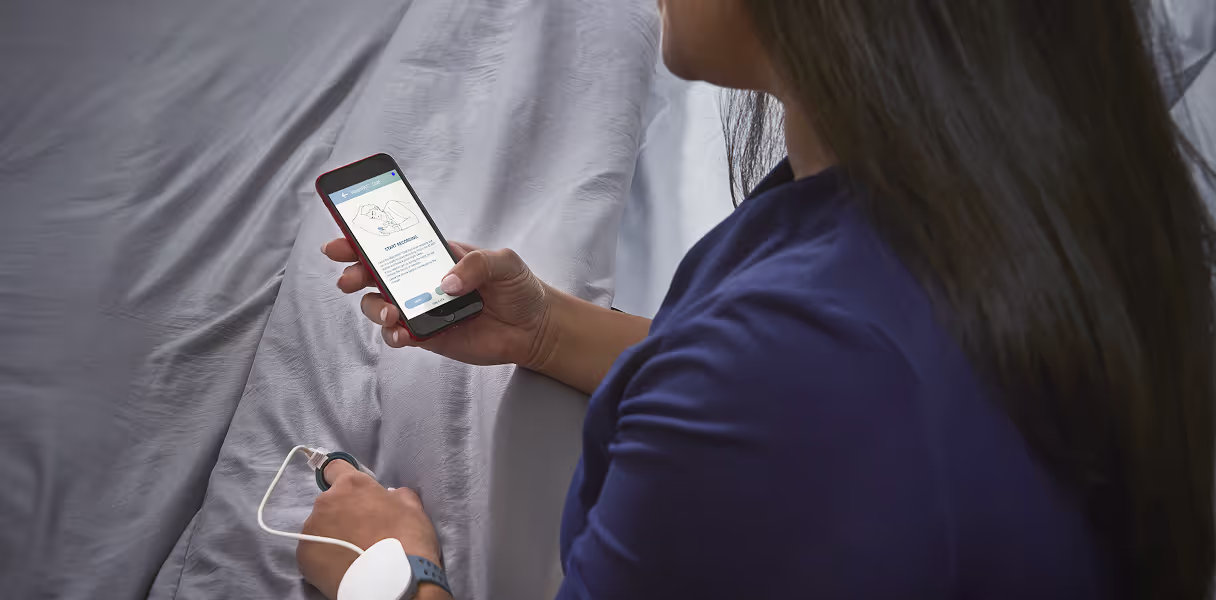
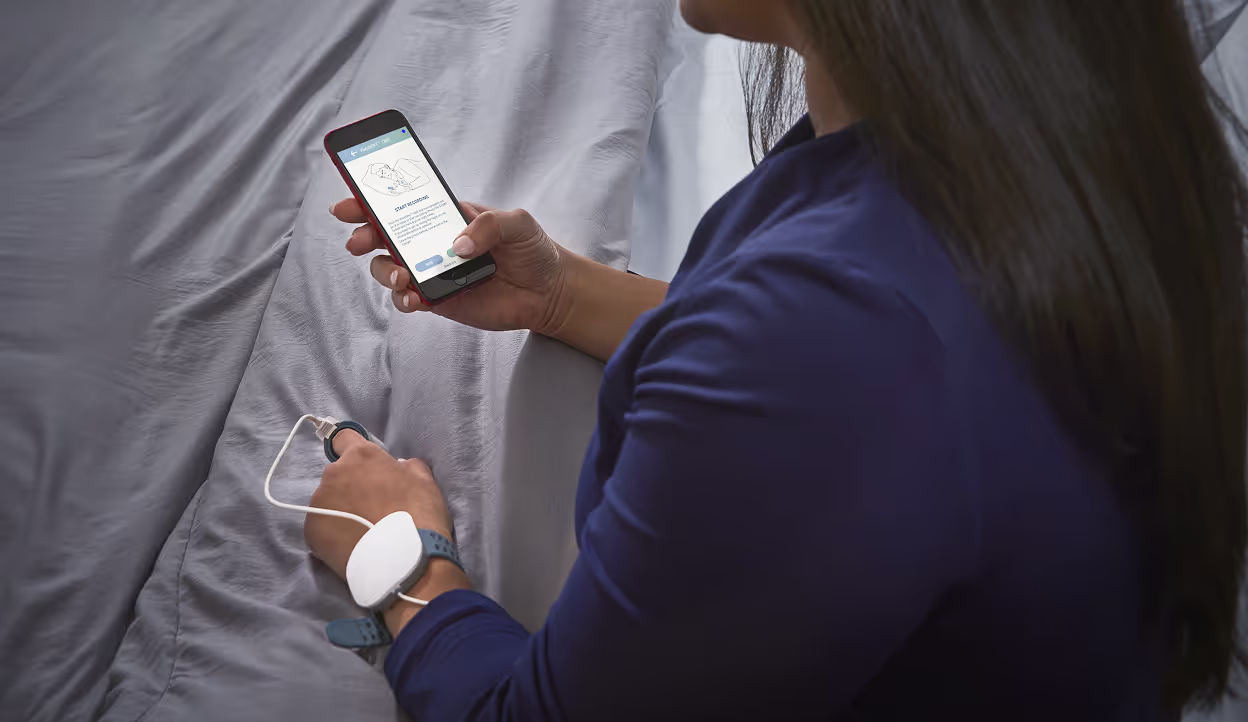
Home sleep apnea testing uses FDA-cleared devices such as the WatchPAT, which measures Peripheral Arterial Tone, arterial blood flow, oxygen levels, and body position. These sensors collect sleep data throughout the night without requiring a technician to monitor you. The device is small enough to wear on your wrist and finger, making the experience far less disruptive than sleeping in a clinical setting.
The test typically records several key measurements. Airflow sensors detect breathing interruptions. A pulse oximeter tracks oxygen saturation and heart rate. Some devices also capture sound recordings to assess snoring intensity and respiratory effort patterns. Together, these data points allow a physician to calculate your Apnea-Hypopnea Index, which is the standard metric used to diagnose sleep apnea severity.
According to the American Academy of Sleep Medicine, home sleep apnea testing is clinically appropriate for adults who have signs and symptoms that indicate an increased risk of moderate to severe obstructive sleep apnea and who do not have significant comorbid conditions that would require in-lab monitoring. AASM guidelines recommend that a board-certified sleep specialist or qualified physician review all home sleep test results.
Home sleep apnea testing through dumbo.health costs $149 as a one-time fee. The test includes the at-home device and one night of testing. No insurance is required, no prior authorizations are needed, and there are no surprise bills. For Grapevine residents, this offers a direct path to diagnosis without the scheduling delays and costs associated with traditional sleep clinics in the area.
KEY TAKEAWAY: A home sleep apnea test is a portable, FDA-cleared device that records breathing, oxygen, heart rate, and airflow during one night at home, providing the data a physician needs to diagnose obstructive sleep apnea.
Understanding how the test works is important, but knowing whether you actually need one depends on recognizing the symptoms of sleep apnea.
Symptoms That Indicate You May Need Sleep Apnea Testing
Loud, persistent snoring combined with witnessed breathing pauses and excessive daytime fatigue are the three hallmark symptoms that suggest you may need sleep apnea testing. Many people dismiss these symptoms for years before seeking diagnosis.
Obstructive sleep apnea occurs when the throat tissues and airway muscles relax during sleep, causing the airway to narrow or collapse. This leads to repeated breathing interruptions throughout the night. The National Heart, Lung, and Blood Institute estimates that obstructive sleep apnea affects more than 25 million adults in the United States, though a significant number remain undiagnosed.
Common Sleep Disorder Symptoms to Watch For
- Loud or disruptive snoring, especially if your partner reports gasping or choking sounds
- Waking up with morning headaches that resolve within a few hours
- Excessive daytime sleepiness or feeling tired despite a full night of sleep
- Difficulty concentrating or experiencing memory lapses
- Waking frequently during the night to urinate
- Dry mouth or sore throat upon waking
- Irritability, mood changes, or insomnia
- Observed pauses in breathing during sleep
DID YOU KNOW: According to the Sleep Foundation, approximately 80 percent of moderate to severe obstructive sleep apnea cases remain undiagnosed, meaning millions of people live with untreated sleep-disordered breathing without knowing it.
Sleep fragmentation caused by repeated breathing interruptions prevents the body from completing restorative sleep cycles. Over time, untreated obstructive sleep apnea is associated with serious health complications. The CDC links untreated sleep apnea to increased risk of high blood pressure, heart attack, stroke, heart problems, and type 2 diabetes. Chronic fatigue from sleep apnea also contributes to workplace accidents and impaired driving.
If you experience several of these symptoms, particularly if you snore heavily and feel persistently tired, a home sleep apnea test is a practical first step toward diagnosis. You do not need a referral from a specialist to get started. dumbo.health's free sleep assessment can help you determine whether testing is appropriate based on your symptoms.
KEY TAKEAWAY: Chronic snoring, witnessed breathing pauses, morning headaches, and persistent daytime fatigue are key indicators that sleep apnea testing is warranted, and early diagnosis can prevent serious cardiovascular and neurological health complications.
Once you recognize that testing may be needed, the next step is understanding how to prepare for and complete a home sleep test.
How to Complete a Home Sleep Apnea Test in Grapevine, Texas
Completing a home sleep apnea test requires no overnight clinic visit and can be done in one night from your home in Grapevine or anywhere in the Dallas-Fort Worth Metroplex. The process from ordering to receiving results typically takes less than two weeks.
Step-by-Step Process for Home Sleep Testing
1. Complete the free sleep assessment at dumbo.health to confirm your symptoms and determine whether a home sleep test is appropriate for your situation.
2. Order your home sleep test through dumbo.health for $149. No insurance, no prior authorization, and no prescription hassle are required to get started.
3. Receive the FDA-cleared testing device at your Grapevine address with clear instructions for use.
4. On your test night, attach the sensors as directed. Typical placement includes a finger sensor for oxygen saturation and heart rate, plus a wrist unit or chest sensor for respiratory effort and body position.
5. Sleep in your own bed as normally as possible. The device records breathing, oxygen levels, heart rate, airflow, and in some cases sound recordings throughout the night.
6. Return the device the following day using the prepaid shipping materials provided.
7. A physician reviews your sleep data, calculates your Apnea-Hypopnea Index, and prepares a detailed diagnostic report.
After the physician interprets your results, you receive a clear report explaining your diagnosis and recommended next steps. If obstructive sleep apnea is confirmed, you can begin treatment immediately through a dumbo.health care plan without additional referrals or scheduling delays.
IMPORTANT: For the most accurate results, avoid alcohol and sedating medications on the night of your test, as these substances can alter your natural breathing patterns and airway muscle tone.
Many patients report that the home sleep test experience is far less disruptive than they expected. Unlike in-lab polysomnography, there are no unfamiliar surroundings, no technicians attaching electrodes, and no requirement to sleep on a schedule dictated by a facility. Sleeping in your own bed tends to produce results that more closely reflect your typical night of sleep.
KEY TAKEAWAY: A home sleep test in Grapevine takes one night to complete, requires no clinic visit, and delivers physician-reviewed results within days, making it the most convenient path to an obstructive sleep apnea diagnosis.
After completing the test, understanding what your results mean is the next critical step.
Understanding Your Home Sleep Test Results
Home sleep test results are reported using the Apnea-Hypopnea Index, which measures the average number of breathing interruptions per hour of sleep. This single number determines whether you have obstructive sleep apnea and how severe it is.
The Apnea-Hypopnea Index counts two types of events. An apnea is a complete pause in airflow lasting at least 10 seconds. A hypopnea is a partial reduction in airflow, typically 30 percent or more, lasting at least 10 seconds and associated with a drop in oxygen saturation or an arousal from sleep. The American Academy of Sleep Medicine uses the following classification for adults:
Apnea-Hypopnea Index Severity Levels
- Normal: fewer than 5 events per hour
- Mild obstructive sleep apnea: 5 to 14 events per hour
- Moderate obstructive sleep apnea: 15 to 29 events per hour
- Severe obstructive sleep apnea: 30 or more events per hour
Your results will also include oxygen saturation data, showing your lowest oxygen levels during the night and the oxygen desaturation index, which counts how many times per hour your blood oxygen drops by 3 percent or more. Heart rate variability throughout the night may also be reported, providing additional insight into how your sympathetic nervous system responds to breathing disruptions.
According to Cleveland Clinic, an AHI of 15 or higher, or an AHI of 5 or higher combined with symptoms like excessive daytime sleepiness, is generally sufficient to diagnose obstructive sleep apnea and recommend treatment.
When you test through dumbo.health, a physician interprets your sleep data and provides a detailed report. The Essentials Plan at $59 per month includes physician interpretation, so you do not need to schedule a separate consultation to understand your diagnosis. Results are communicated clearly, with specific treatment recommendations based on your AHI and oxygen data.
KEY TAKEAWAY: The Apnea-Hypopnea Index is the primary metric used to diagnose and classify sleep apnea severity, with scores of 5 or higher per hour indicating the presence of obstructive sleep apnea when accompanied by clinical symptoms.
With a clear understanding of your results, the question becomes how home testing compares to the in-lab alternative.
Home Sleep Test vs. In-Lab Polysomnography: Which Is Right for You?
A home sleep test is the preferred option for most adults with suspected obstructive sleep apnea who do not have complex comorbidities, while in-lab polysomnography is reserved for cases requiring more comprehensive monitoring. The choice depends on your symptoms, medical history, and the sleep disorders being investigated.
Polysomnography is a comprehensive overnight sleep study conducted in a sleep clinic or sleep center such as Baylor Scott & White Medical Center in Grapevine. A polysomnogram records brain waves, eye movements, muscle activity, heart rate, respiratory effort, airflow, oxygen saturation, and leg movements. Polysomnographers monitor the study in real time throughout the night. This level of detail allows in-lab studies to diagnose a wider range of sleep disorders, including narcolepsy, periodic limb movements, restless leg syndrome, and central sleep apnea.
A home sleep apnea test focuses specifically on obstructive sleep apnea by measuring breathing, oxygen levels, heart rate, and airflow. It does not monitor brain waves, which means it cannot formally measure sleep stages or detect certain neurological sleep disorders.
Cost
- Home sleep apnea test: $149 through dumbo.health, no insurance required
- In-lab polysomnography: typically $1,000 to $3,000 or more, often requiring insurance pre-authorization
Setting
- Home sleep apnea test: your own bed at home in Grapevine or anywhere
- In-lab polysomnography: sleep clinic or hospital sleep center
What It Measures
- Home sleep apnea test: breathing, airflow, oxygen saturation, heart rate, body position, snoring
- In-lab polysomnography: all of the above plus brain activity, eye movements, muscle tone, leg movements
Convenience
- Home sleep apnea test: high, no travel or overnight stay required, completed in one night
- In-lab polysomnography: lower, requires scheduling an overnight appointment at a clinic, often with wait times of several weeks
Best For
- Home sleep apnea test: adults with suspected moderate to severe obstructive sleep apnea without significant comorbid conditions
- In-lab polysomnography: patients with suspected central sleep apnea, narcolepsy, periodic limb movements, or complex medical histories
For most Grapevine residents who suspect obstructive sleep apnea based on symptoms like snoring, witnessed breathing pauses, and daytime fatigue, a home sleep test provides the diagnostic accuracy needed at a fraction of the cost and inconvenience. If the home sleep test is inconclusive or a more complex sleep disorder is suspected, your physician may recommend a follow-up in-lab polysomnography.
KEY TAKEAWAY: Home sleep apnea testing is clinically appropriate and significantly more affordable and convenient for most adults with suspected obstructive sleep apnea, while in-lab polysomnography is necessary for diagnosing complex conditions like narcolepsy and periodic limb movements.
Once diagnosed, the next question most people ask is what treatment options are available.
Treatment Options After a Sleep Apnea Diagnosis
CPAP therapy is the most widely recommended treatment for moderate to severe obstructive sleep apnea, though several alternative treatments exist depending on severity, anatomy, and patient preference. Treatment should begin as soon as possible after diagnosis to reduce health risks.
CPAP Therapy
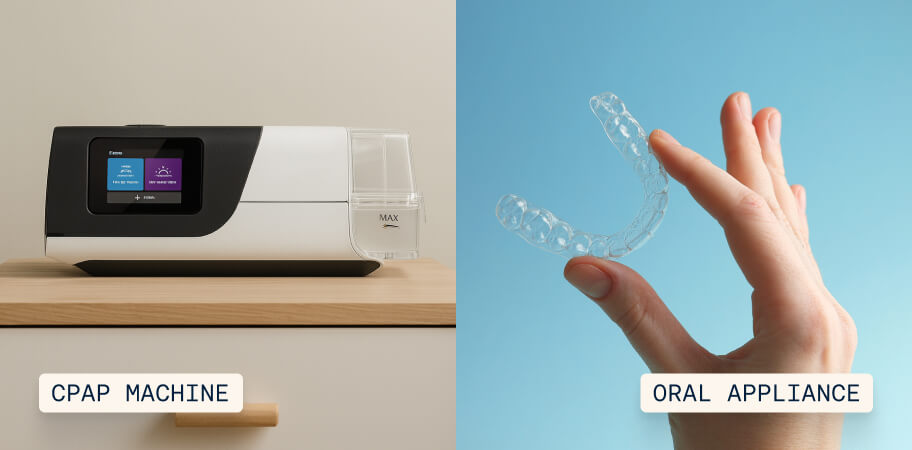
Continuous positive airway pressure therapy uses a CPAP machine to deliver a steady stream of pressurized air through a mask, keeping the airway open during sleep. According to the NIH, CPAP is considered the gold standard treatment for obstructive sleep apnea because it effectively eliminates breathing interruptions when used consistently.
CPAP therapy requires a prescription, ongoing equipment maintenance, and follow-up monitoring to ensure the pressure settings remain appropriate and that you are using the device enough each night. The American Academy of Sleep Medicine recommends a minimum of 4 hours of CPAP use per night for at least 70 percent of nights to achieve clinical benefit, though using it for the full duration of sleep produces the best outcomes.
dumbo.health's care plans include CPAP therapy and equipment as part of the monthly subscription. The Essentials Plan at $59 per month covers physician interpretation, CPAP therapy, equipment, standard follow-up care, and updates sent to your referring provider. No insurance is needed, no contracts are required, and you can cancel anytime. This removes one of the biggest barriers to CPAP therapy: the upfront cost of equipment, which can exceed $500 to $1,000 or more when purchased outright or through insurance with high deductibles.
Oral Appliance Therapy
Oral appliances, sometimes called dental appliances or mouthguards, work by repositioning the lower jaw forward to keep the airway open. Oral Appliance Therapy is typically recommended for mild to moderate obstructive sleep apnea or for patients who cannot tolerate CPAP. A dentist experienced in Sleep Medicine, such as providers at TMJ Plus Wellness Center in the Grapevine area, custom-fits the appliance to your mouth.
Lifestyle Changes
For mild obstructive sleep apnea, lifestyle changes can meaningfully reduce symptom severity. These include weight management, avoiding alcohol before bed, sleeping on your side rather than your back, and treating nasal congestion with approaches like nasal decongestants, Breathe Right strips, or nasal surgery if structural obstruction exists.
Surgical and Advanced Options
When CPAP and oral appliances are not effective or tolerated, surgical options may be considered. These include:
- Hypoglossal nerve stimulation, marketed as Inspire therapy, which stimulates the nerve controlling the tongue to keep the airway open during sleep
- Laser Assisted Uvelopalatalplasty, a procedure that reshapes throat tissues to reduce airway obstruction
- Jaw surgery to correct jaw misalignment contributing to airway collapse
- Nasal surgery to address structural causes of airway obstruction
- Frenuloplasty for tongue tie that may contribute to airway restriction
North Texas Facial & Oral Surgery and other regional providers offer some of these surgical interventions for Grapevine residents. However, surgery is generally considered only after conservative treatments have been tried.
For patients with adenoids contributing to airway obstruction, particularly in younger adults, removal may be recommended by a pulmonologist or sleep medicine specialist.
TIP: If you have been diagnosed with obstructive sleep apnea and want to start CPAP therapy without the complexity of insurance claims and equipment procurement, dumbo.health's CPAP care plans bundle everything into one monthly cost starting at $59 per month with no contracts.
KEY TAKEAWAY: CPAP therapy is the standard treatment for moderate to severe obstructive sleep apnea, with alternatives including oral appliances, lifestyle modifications, and surgical interventions available depending on severity and patient tolerance.
Understanding the full range of treatments helps, but it is equally important to know when a home sleep test may not be the right diagnostic choice.
Limitations and Risks: When a Home Sleep Test May Not Be the Right Choice
A home sleep test is not appropriate for every patient or every suspected sleep disorder. Knowing the limitations helps you and your physician choose the right diagnostic pathway.
Home sleep apnea tests are designed specifically to detect obstructive sleep apnea. They do not measure brain wave activity, which means they cannot diagnose conditions that require electroencephalography data. This is a clinically significant limitation in several scenarios.
The first limitation involves complex or multiple sleep disorders. If your physician suspects narcolepsy, periodic limb movements, restless leg syndrome, or central sleep apnea, an in-lab polysomnography with a multiple sleep latency test or maintenance of wakefulness test is required. These conditions require monitoring of brain activity, eye movements, and muscle tone that home devices do not capture.
The second limitation relates to significant comorbidities. Patients with severe heart problems, chronic respiratory conditions such as COPD, or neuromuscular diseases may produce unreliable results on a home sleep test because their baseline physiology can affect the measurements. AASM guidelines recommend in-lab testing for these populations.
The third limitation is the potential for false negatives. Because a home sleep test estimates total sleep time rather than measuring it directly through brain wave monitoring, the Apnea-Hypopnea Index can sometimes be underestimated. If you have a strong clinical suspicion of sleep apnea but your home test results are normal or inconclusive, your physician should order a follow-up in-lab polysomnogram.
A fourth consideration involves technical issues. If the device shifts during the night, if a sensor becomes detached, or if you sleep significantly less than usual due to anxiety about the test, the data quality may be insufficient. In these cases, a repeat test or in-lab study may be needed.
dumbo.health addresses several of these limitations through its care model. Every home sleep test result is reviewed by a physician who can identify inconclusive results and recommend appropriate next steps, including referral for in-lab testing if clinically indicated. The Premium Plan at $89 per month includes a dedicated sleep coach who provides personalized guidance, and the Elite Plan at $129 per month offers direct physician messaging for complex cases where additional clinical discussion is needed.
IMPORTANT: A home sleep test is a screening and diagnostic tool for obstructive sleep apnea. It is not a substitute for comprehensive evaluation when more complex sleep disorders or significant medical conditions are present.
KEY TAKEAWAY: Home sleep testing is highly effective for diagnosing obstructive sleep apnea in appropriate candidates, but it cannot diagnose narcolepsy, periodic limb movements, central sleep apnea, or other conditions requiring brain wave monitoring.
Knowing these limitations sets realistic expectations. Seeing how home sleep testing works in real scenarios can further clarify whether it fits your situation.
Real-World Scenarios: Who Benefits Most from Home Sleep Testing in Grapevine
Home sleep apnea testing serves a wide range of people, but certain scenarios illustrate how it fits into the diagnostic and treatment process most effectively.
Common Scenarios
A 48-year-old Grapevine resident with a BMI of 33 has snored loudly for years. His partner reports witnessing gasping episodes several times per night. He wakes with morning headaches and feels persistently tired despite sleeping 7 to 8 hours. His primary care physician suspects moderate to severe obstructive sleep apnea. Rather than waiting 4 to 6 weeks for an in-lab appointment at a local sleep center, he orders a home sleep test through dumbo.health for $149. His results show an AHI of 28, confirming moderate obstructive sleep apnea. He enrolls in the Essentials Plan at $59 per month and starts CPAP therapy within days of receiving his diagnosis.
A 55-year-old woman living in Southlake, near Grapevine, has been experiencing insomnia, frequent nighttime awakenings, and daytime fatigue. She does not have classic loud snoring, but her physician notes her neck circumference and facial asymmetry suggest a higher risk of airway obstruction. She completes a home sleep apnea test, which reveals mild obstructive sleep apnea with an AHI of 9 and notable oxygen desaturation events. Her physician discusses treatment options including Oral Appliance Therapy and positional therapy, and she begins working with a sleep coach through dumbo.health's Premium Plan to improve her sleep quality.
A 38-year-old Dallas-area commercial driver needs documentation of his sleep apnea status for his DOT medical certification. He has been previously diagnosed but lost his records during a move. He uses dumbo.health's at-home sleep test to re-establish a current diagnosis and begins treatment with a CPAP machine through the Essentials Plan. His physician provides the documentation he needs for his certification, and adherence monitoring through dumbo.health helps him demonstrate consistent nightly CPAP use.
These examples reflect typical pathways. In each case, the home sleep test provided a faster, more affordable, and more convenient route to diagnosis than scheduling an in-lab study. For Grapevine and Dallas-Fort Worth Metroplex residents, the ability to test from home eliminates travel time and the challenge of finding a sleep clinic in your area with short wait times.
KEY TAKEAWAY: Home sleep testing benefits adults with suspected obstructive sleep apnea who need a fast, affordable diagnosis, including those with classic symptoms, atypical presentations, and occupational testing requirements.
Real scenarios show the practical value of home testing, but persistent myths about sleep apnea can prevent people from seeking diagnosis in the first place.
Common Myths About Sleep Apnea and Home Sleep Testing Debunked
MYTH: Only overweight people get sleep apnea.
FACT: While a higher BMI is a significant risk factor, obstructive sleep apnea also affects people with normal body weight. Anatomical factors such as a narrow airway, jaw misalignment, enlarged tonsils or adenoids, and facial asymmetry can cause airway obstruction regardless of weight. The American Academy of Sleep Medicine recognizes that lean patients can have clinically significant sleep apnea.
MYTH: Home sleep tests are not accurate enough to diagnose sleep apnea.
FACT: FDA-cleared home sleep testing devices such as the WatchPAT have been validated in clinical studies against in-lab polysomnography and demonstrate strong diagnostic accuracy for obstructive sleep apnea. The American Academy of Sleep Medicine endorses home sleep testing for adults with a high pretest probability of moderate to severe OSA. When a qualified physician reviews the data, home sleep tests provide reliable diagnostic results.
MYTH: Snoring always means you have sleep apnea.
FACT: Snoring is extremely common and does not automatically indicate obstructive sleep apnea. According to the Sleep Foundation, nearly half of all adults snore at least occasionally, but only a portion of snorers have sleep apnea. The distinction depends on whether the snoring is accompanied by breathing pauses, drops in oxygen saturation, and disrupted sleep architecture. Testing is the only way to confirm or rule out a diagnosis.
MYTH: You need a doctor's referral and insurance approval to get a home sleep test.
FACT: With cash-pay services like dumbo.health, you can order a home sleep apnea test directly for $149 without insurance, without a referral, and without prior authorization. This eliminates common access barriers that delay diagnosis for weeks or months.
MYTH: CPAP is the only treatment for sleep apnea, and you have to use it forever.
FACT: CPAP is the most effective treatment for moderate to severe cases, but it is not the only option. Oral appliances, lifestyle changes, positional therapy, and surgical interventions like hypoglossal nerve stimulation are all recognized alternatives depending on severity and individual anatomy. Additionally, some patients experience significant improvement through weight loss or anatomical correction that can reduce or eliminate the need for ongoing CPAP use.
KEY TAKEAWAY: Myths about sleep apnea and home testing create unnecessary barriers to diagnosis; FDA-cleared home tests are clinically validated, sleep apnea affects people of all body types, and multiple treatment options exist beyond CPAP.
Clearing up these misconceptions removes a major barrier. The next step is understanding everything you need to have ready before you begin your test.
Preparing for Your Home Sleep Test: What to Know Before Test Night
Proper preparation helps ensure your home sleep test captures accurate, usable data on the first attempt. Most preparation steps are straightforward and take minimal effort.
Pre-Test Checklist
- Confirm your mailing address is correct when ordering your test through dumbo.health so the device arrives without delay
- Read all device instructions thoroughly before your test night
- Avoid alcohol for at least 4 to 6 hours before bedtime on the test night
- Avoid sedating medications unless prescribed and discussed with your physician
- Avoid caffeine after noon on the day of your test
- Remove nail polish or artificial nails from the finger where the pulse oximeter sensor will be placed, as these can interfere with oxygen saturation readings
- Shower and clean the areas where sensors will be placed to ensure good adhesion
- Sleep in your usual bed and follow your normal bedtime routine as closely as possible
- Charge or check the device battery according to the instructions before attaching it
- Set a backup alarm in case you need to wake at a specific time, though the device records continuously throughout the night
- Complete the free sleep assessment at dumbo.health if you have not already done so
Clinicians frequently observe that patients who closely follow the preparation instructions produce higher-quality sleep data on their first test night. This reduces the likelihood of needing a repeat study and speeds up the time from testing to treatment.
DID YOU KNOW: According to Mayo Clinic, alcohol relaxes throat muscles more than normal sleep does, which can artificially worsen or alter breathing patterns during a sleep study, potentially skewing results.
If you live in Grapevine, Southlake, or elsewhere in the Dallas-Fort Worth Metroplex, the device ships directly to your door. There is no need to visit a clinic to pick it up or to schedule an appointment for setup. dumbo.health handles the logistics, and if you have questions about using the device, the care team is available to help.
KEY TAKEAWAY: Avoiding alcohol and sedatives, removing nail polish from the sensor finger, and following your normal sleep routine are the most important preparation steps for producing accurate home sleep test results.
Preparation ensures reliable data, but understanding the cost landscape helps you make a fully informed decision.
Cost of Sleep Apnea Testing and Treatment in Grapevine, Texas
A home sleep apnea test through dumbo.health costs $149 as a one-time payment with no insurance required, no prior authorizations, and no surprise bills. This is significantly less than in-lab alternatives and most insurance-based pathways when deductibles are factored in.
Traditional in-lab polysomnography at a sleep center near Grapevine, such as Baylor Scott & White Medical Center, typically ranges from $1,000 to $3,000 or more before insurance adjustments. Even with insurance, patients often face copays, deductibles, and the requirement of prior authorization, which can delay testing by weeks. Many insurance providers also require a referral from a primary care physician or sleep medicine specialist before approving a study.
Cost Comparison: Home Sleep Test vs. In-Lab Study
Out-of-Pocket Test Cost
- Home sleep test through dumbo.health: $149 one-time
- In-lab polysomnography: $1,000 to $3,000 or more
Insurance Required
- Home sleep test through dumbo.health: No
- In-lab polysomnography: Typically yes, with prior authorization often needed
Wait Time for Appointment
- Home sleep test through dumbo.health: Ships directly, no appointment scheduling
- In-lab polysomnography: Often 2 to 6 weeks at local sleep clinics
Hidden Costs
- Home sleep test through dumbo.health: None
- In-lab polysomnography: Possible facility fees, professional fees, additional copays
Ongoing Treatment Cost
Treatment costs vary depending on the approach. CPAP machines purchased outright typically range from $500 to $2,000 or more, plus ongoing costs for masks, filters, and tubing. Insurance may cover CPAP equipment but often requires adherence documentation and periodic re-authorization.
dumbo.health's monthly care plans bundle everything together:
The Essentials Plan at $59 per month includes physician interpretation and report, CPAP therapy and equipment, standard follow-up care, and updates sent to your referring provider. No contracts, cancel anytime.
The Premium Plan at $89 per month adds a dedicated sleep coach from a licensed care team, advanced adherence monitoring, and priority results turnaround. This plan works well for patients who want accountability and faster communication.
The Elite Plan at $129 per month includes everything in the Premium Plan plus concierge clinical support, direct physician messaging, and custom reporting for practices. Board Certified providers oversee every plan, ensuring clinical quality matches the convenience.
For Grapevine residents weighing cost against quality of care, dumbo.health's sleep apnea care solutions provide a transparent pricing model that eliminates the unpredictability of insurance billing.
KEY TAKEAWAY: Home sleep testing through dumbo.health at $149 with care plans starting at $59 per month offers a dramatically more affordable and transparent path to diagnosis and treatment than traditional in-lab testing and insurance-based CPAP procurement.
With cost clarity established, it helps to understand the broader landscape of sleep medicine resources available near Grapevine.
Sleep Medicine Providers and Resources Near Grapevine, Texas
Grapevine residents have access to several sleep medicine providers and facilities across the Dallas-Fort Worth Metroplex, ranging from hospital-based sleep centers to specialized clinics. Understanding what each type of provider offers helps you choose the right care pathway.
Hospital-based sleep centers like Baylor Scott & White Medical Center in Grapevine offer in-lab polysomnography performed by trained polysomnographers and interpreted by board-certified sleep specialists. These facilities are appropriate for patients who need comprehensive sleep studies for complex conditions or who have been referred for in-lab testing after an inconclusive home study.
Texas Lung Care Associates and similar pulmonology practices in the Grapevine and Southlake area include pulmonologists who evaluate and treat sleep-disordered breathing alongside other respiratory conditions. Pulmonologists often serve as the referring physician for sleep apnea testing and can prescribe CPAP therapy.
Vine Medical Center and practices staffed by Internists provide general sleep medicine evaluations and can coordinate referrals for testing. Some general practitioners in the area offer online scheduling and telehealth consultations for initial sleep apnea assessments.
For patients with jaw misalignment, facial asymmetry, or suspected tongue tie contributing to airway obstruction, TMJ Plus Wellness Center and North Texas Facial & Oral Surgery offer specialized evaluations. These providers focus on the structural factors that can cause or worsen obstructive sleep apnea, and they may recommend orthodontic treatments, dental appliances, or surgical correction.
Dr. Mason and other board-certified sleep specialists in the Dallas-Fort Worth area provide comprehensive Sleep Medicine consultations, including evaluation for Oral Appliance Therapy, sleep counseling, and coordination of advanced treatments like Inspire therapy.
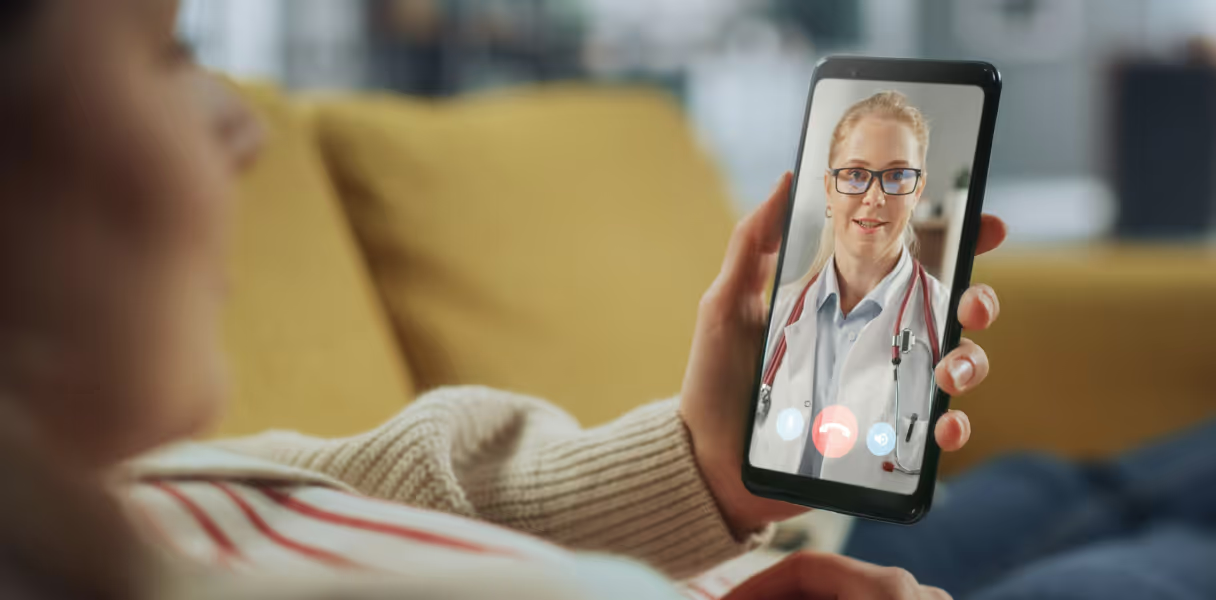
Telehealth has expanded access to sleep medicine in the Grapevine area. dumbo.health uses a telehealth model combined with at-home testing, allowing patients to receive a diagnosis, start treatment, and access follow-up care without traveling to a clinic. This is particularly valuable for residents of Grapevine and surrounding communities who face long wait times at local sleep centers or who prefer the convenience of managing their care from home.
Home sleep apnea testing through dumbo.health does not replace the need for in-person evaluation when complex conditions are suspected. However, for the majority of adults with symptoms consistent with obstructive sleep apnea, it provides a faster and more affordable diagnostic starting point than scheduling through traditional channels.
KEY TAKEAWAY: Grapevine and Dallas-Fort Worth residents have multiple sleep medicine resources available, from hospital sleep centers and pulmonology practices to specialized dental and surgical providers, with dumbo.health offering a telehealth and at-home testing alternative that eliminates common access barriers.
Knowing what resources exist locally provides context. The following section addresses additional aspects of sleep apnea care that are often overlooked.
Beyond Diagnosis: Long-Term Sleep Apnea Management and Follow-Up
Diagnosing obstructive sleep apnea is only the beginning. Long-term management, consistent treatment adherence, and ongoing monitoring determine whether treatment actually improves your health and sleep quality.
CPAP therapy effectiveness depends heavily on consistent use. According to the American Academy of Sleep Medicine, adherence remains one of the biggest challenges in sleep apnea treatment. Studies suggest that a significant percentage of patients prescribed CPAP do not meet the minimum recommended usage of 4 hours per night on at least 70 percent of nights. Poor adherence means the breathing interruptions, oxygen desaturation events, and sleep fragmentation continue, leaving cardiovascular and neurological risks unaddressed.
This is where ongoing follow-up matters. Clinicians frequently observe that patients who receive regular check-ins and adherence coaching are more likely to maintain consistent CPAP use. dumbo.health's Premium Plan at $89 per month includes advanced adherence monitoring and a dedicated sleep coach from a licensed care team, creating accountability and providing support when patients encounter common challenges like mask discomfort, nasal dryness, or difficulty adjusting to sleeping with the device.
A sleep diary can also be a valuable tool for tracking your sleep quality, noting symptoms like residual fatigue or headaches, and identifying patterns that your care team can address. Sleep counseling and cognitive behavioral therapy for insomnia may be recommended alongside CPAP therapy if insomnia persists despite treatment.
Long-term monitoring should include periodic review of your Apnea-Hypopnea Index, oxygen saturation trends, and overall symptom improvement. Weight changes, aging, and other health developments can alter sleep apnea severity over time, meaning the treatment settings that work today may need adjustment in the future.
For patients who find CPAP intolerable despite troubleshooting, alternative therapies should be discussed with a physician. Options include oral appliances for mild to moderate cases, lifestyle changes such as weight management and positional therapy, and in some cases targeted therapies like hypoglossal nerve stimulation. Snore Reduction Therapy and laser treatment options such as Laser Assisted Uvelopalatalplasty exist but have varying levels of evidence supporting long-term efficacy.
Home sleep apnea testing through dumbo.health can also be used for follow-up testing to reassess sleep apnea severity after significant weight loss, surgical intervention, or a change in treatment approach. Repeat testing provides objective data that helps your physician determine whether your current treatment plan remains appropriate.
KEY TAKEAWAY: Long-term sleep apnea management requires consistent CPAP adherence, regular follow-up monitoring, and willingness to adjust treatment over time, with care plans like those from dumbo.health providing the structure and coaching that improve outcomes.
Effective long-term management completes the picture. The conclusion brings together the key points to guide your next step.
Conclusion
Obstructive sleep apnea is a serious but treatable condition, and a home sleep apnea test is the most convenient, affordable way to get a diagnosis from your home in Grapevine, Texas. The test takes one night, requires no clinic visit, and delivers physician-reviewed results that determine the right treatment path for you. Whether you need CPAP therapy, oral appliance therapy, or further evaluation, getting tested is the essential first step.
dumbo.health makes that step straightforward. The home sleep testcosts $149 with no insurance required, no prior authorizations, and no surprise bills. Care plans starting at $59 per month include CPAP therapy, equipment, physician oversight, and follow-up care with no contracts and the ability to cancel anytime. If you are experiencing snoring, daytime fatigue, or breathing pauses during sleep, take the free sleep assessment today and find out whether testing is right for you.
Frequently Asked Questions About Home Sleep Apnea Testing in Grapevine, Texas
What is a home sleep apnea test, and how does it work in Grapevine, Texas?
A home sleep apnea test (HSAT) is a simplified sleep study you complete in your own bed rather than at a sleep clinic. The device records key measurements overnight, including oxygen saturation, breathing effort, heart rate, and airflow. A physician then reviews the collected sleep data and produces a report. For residents of Grapevine, Texas and the broader Dallas-Fort Worth Metroplex, at-home sleep apnea testing through dumbo.health means no clinic visit is required. Testing starts at $149 as a one-time cost, with no insurance required and no surprise bills.
What are the common symptoms of sleep apnea I should watch for?
Common symptoms of obstructive sleep apnea include loud snoring, waking up gasping or choking, morning headaches, waking repeatedly during the night, daytime fatigue despite seven or eight hours of sleep, difficulty concentrating, forgetfulness, and mood changes. According to the American Academy of Sleep Medicine, many people with obstructive sleep apnea are unaware they have it because the most significant events happen during sleep. If you or your partner notices any of these signs, speaking with a healthcare professional about sleep apnea testing is a reasonable next step.
Do I really need sleep apnea testing if I just snore?
Snoring alone does not confirm sleep apnea, but it is one of the most recognised warning signs of obstructive sleep apnea, particularly when combined with daytime tiredness, morning headaches, or breathing pauses reported by a bed partner. The only reliable way to know whether snoring reflects a breathing problem is through objective testing. A home sleep apnea test measures oxygen desaturation, respiratory effort, and airflow to help determine whether clinically significant breathing interruptions are occurring. A healthcare professional can help determine whether testing is appropriate for your situation.
How is sleep apnea diagnosed?
Sleep apnea is diagnosed by reviewing objective sleep study data, either from a home sleep apnea test or an in-lab polysomnogram. The key measurement is the Apnea-Hypopnea Index, which counts the average number of breathing interruptions per hour of sleep. According to the Mayo Clinic,an AHI of five or more events per hour with symptoms may indicate obstructive sleep apnea, while fifteen or more events per hour is generally considered moderate to severe. A qualified physician reviews the results and determines whether a diagnosis and treatment recommendation are warranted. dumbo.health provides physician interpretation as part of its ongoing care plans.
How fast can I get my home sleep test shipped to Grapevine, Texas?
dumbo.health offers same-day shipping for orders placed before 2pm CST to Grapevine, Texas. Once you complete the $149 purchase, the testing device is sent directly to your address. You complete the test at home on a night that works for your schedule, then return the device using the prepaid label. This removes the need to schedule an appointment at a sleep center or travel to a clinic, which is a practical advantage for patients in Grapevine and surrounding areas including Southlake and the wider Dallas-Fort Worth Metroplex.
What does the $149 home sleep test include?
The $149 home sleep test from dumbo.health includes the at-home sleep test device and one night of testing. This is a one-time cost purchased before your test night and billed separately from any monthly care plans. The device is shipped to your home, you wear it during sleep, and you return it after testing. Physician interpretation of your results and ongoing care such as CPAP therapy and equipment are covered under separate monthly plans starting at $59 per month. There are no contracts and you can cancel anytime.
What measurements does the home sleep test record?
A home sleep apnea test typically records oxygen saturation, respiratory effort, airflow, heart rate, body position, and snoring intensity. Some devices, including WatchPAT technology, also measure Peripheral Arterial Tone and sympathetic nervous system activity to detect breathing disruptions more comprehensively. These measurements allow a reviewing physician to calculate the Apnea-Hypopnea Index and oxygen desaturation index, which are the primary markers used to evaluate sleep-disordered breathing. The specific sensors and recorded channels may vary depending on the device used.
What is WatchPAT, and how effective is it for diagnosing sleep apnea?
WatchPAT is an FDA-cleared home sleep apnea testing device that uses Peripheral Arterial Tone technology to detect changes in arterial blood flow caused by breathing interruptions during sleep. Unlike traditional home sleep tests that rely only on nasal airflow and chest movement, WatchPAT also captures sympathetic nervous system signals and oxygen saturation, which can improve detection accuracy. Studies published in peer-reviewed sleep medicine literature support WatchPAT as a validated tool for diagnosing obstructive sleep apnea in appropriate patients. As with any home sleep test, a physician must review the results to determine clinical significance. Learn more about the home sleep apnea testing process.
Is a home sleep test as accurate as an in-lab sleep study?
A home sleep apnea test is a well-validated tool for diagnosing obstructive sleep apnea in adults with a moderate to high pre-test probability of the condition. The American Academy of Sleep Medicine supports HSAT use in appropriate clinical scenarios under AASM guidelines. However, home sleep tests generally record fewer data channels than full in-lab polysomnography and cannot diagnose all sleep disorders. They may underestimate sleep apnea severity in some cases because they measure recording time rather than confirmed sleep time. Patients with complex medical histories, suspected central sleep apnea, or other sleep disorders such as narcolepsy, periodic limb movements, or restless leg syndrome may be referred for a full polysomnogram.
Who reviews my home sleep test results?
A qualified sleep physician reviews your home sleep apnea test data and produces a written report. At dumbo.health, physician interpretation is included in all monthly care plans. The reviewing physician evaluates the Apnea-Hypopnea Index, oxygen desaturation index, respiratory effort recordings, and other sleep data to assess whether obstructive sleep apnea is present and how severe it may be. Results and reports can also be sent to your referring provider or primary care physician as part of the care workflow.
Can I use my home sleep test results for a CPAP prescription?
Yes, in many cases a physician-reviewed home sleep apnea test result can support a CPAP prescription when obstructive sleep apnea is confirmed. If your test results indicate clinically significant sleep apnea, the reviewing physician can determine whether CPAP therapy is appropriate. dumbo.health monthly plans include physician interpretation, a clinical report, and access to CPAP therapy and equipment as part of ongoing care. If you are already a CPAP user and need an updated prescription, dumbo.health can support that process as well through its care plans.
What is CPAP therapy, and how does it treat sleep apnea?
Continuous positive airway pressure therapy, commonly called CPAP, is the most widely used treatment for obstructive sleep apnea. A CPAP machine delivers a constant stream of pressurised air through a mask worn during sleep, keeping the upper airway open and preventing the breathing interruptions that characterise sleep apnea. According to the NIH, effective CPAP use is associated with reductions in daytime sleepiness, improved sleep quality, and lower cardiovascular risk in people with obstructive sleep apnea. CPAP adherence, meaning consistent nightly use, is important for achieving these benefits and is monitored as part of ongoing care.
What are the health risks of untreated sleep apnea?
Untreated obstructive sleep apnea is associated with a range of serious health complications. These include high blood pressure, increased risk of heart attack, stroke, heart problems, type 2 diabetes, and daytime fatigue that impairs concentration and driving safety. The repeated drops in oxygen saturation during apnea events place ongoing stress on the cardiovascular system. The CDC recognises sleep disorders as a public health concern linked to chronic disease risk. If you suspect sleep apnea, speaking with a healthcare professional about evaluation is important. Severe or sudden symptoms warrant prompt medical attention.
What are the different types of sleep disorders beyond sleep apnea?
Sleep disorders include a wide range of conditions that affect sleep quality, duration, or timing. Common examples include insomnia, obstructive sleep apnea, narcolepsy, restless leg syndrome, and periodic limb movements during sleep. Less common conditions include central sleep apnea and multiple forms of sleep-disordered breathing. A sleep medicine evaluation or sleep diary review may help identify the pattern of symptoms. Diagnosis often relies on a combination of clinical history, a sleep diary, and objective testing such as a home sleep apnea test, polysomnogram, multiple sleep latency test, or maintenance of wakefulness test. A healthcare professional can advise on which evaluation is appropriate.
How are sleep disorders treated?
Sleep disorder treatment depends on the specific diagnosis and severity. Obstructive sleep apnea is most commonly treated with CPAP therapy, though oral appliance therapy, positional therapy, lifestyle changes, weight management, and in some cases surgical interventions such as hypoglossal nerve stimulation or Inspire therapy may be considered. Insomnia is frequently addressed through cognitive behavioural therapy for insomnia. Restless leg syndrome and periodic limb movements may respond to lifestyle changes or targeted therapies. Narcolepsy typically requires specialist management. Treatment decisions should always be guided by a qualified healthcare professional based on your specific test results and medical history.
What is oral appliance therapy, and can it treat sleep apnea?
Oral appliance therapy involves wearing a custom-fitted mouthguard-style dental appliance during sleep. The device repositions the jaw and tongue to keep the upper airway open, reducing breathing interruptions. The American Academy of Sleep Medicine recognises oral appliances as an appropriate treatment option for mild to moderate obstructive sleep apnea, particularly for patients who cannot tolerate CPAP. Benefits include comfort, portability, and ease of use. An oral appliance is fitted and monitored by a qualified dental or medical provider. Cost and durability vary depending on the device and provider. A dentist or sleep specialist familiar with oral appliance therapy can advise on suitability.
When should I talk to a doctor about my sleep problems?
You should speak with a healthcare professional if you regularly feel tired after a full night of sleep, if your partner reports loud snoring or breathing pauses, if you wake frequently during the night, or if you experience persistent morning headaches, difficulty concentrating, or unexplained mood changes. These symptoms may indicate obstructive sleep apnea or another sleep disorder that benefits from evaluation. If you experience chest pain, severe shortness of breath, or other urgent symptoms, seek medical care promptly. For general sleep concerns, a free sleep assessment can help you decide whether at-home sleep testing is a reasonable starting point.
Do pulmonologists treat sleep apnea?
Yes, pulmonologists, who specialise in respiratory and lung conditions, frequently diagnose and treat sleep apnea as part of their practice because sleep-disordered breathing directly affects respiratory function. Sleep apnea may also be managed by sleep medicine physicians, neurologists, otolaryngologists, and in some cases internists or primary care physicians depending on the setting. In the Grapevine and Dallas-Fort Worth area, providers including those at Baylor Scott & White Medical Center and Texas Lung Care Associates may offer sleep apnea evaluation. Regardless of who oversees your care, physician-reviewed testing results are an essential first step.
Does a home sleep apnea test require insurance?
No. A home sleep apnea test through dumbo.health does not require insurance, prior authorisation, or a referral. The $149 one-time test cost is a straightforward cash-pay charge with transparent pricing. Monthly care plans for ongoing support, starting at $59 per month, also require no insurance and no long-term contracts. This makes testing accessible for patients in Grapevine, Texas who are uninsured, underinsured, or who prefer to avoid the delays and unpredictability associated with insurance-based healthcare pathways.
What happens after I complete my home sleep test?
After you return the device, a physician reviews your overnight sleep data and produces an interpretation report. If your results indicate obstructive sleep apnea, the report will reflect the severity based on your Apnea-Hypopnea Index and oxygen desaturation findings. Your care team will communicate the next steps, which may include CPAP therapy, further evaluation, or a referral for additional testing. dumbo.health monthly plans include follow-up care, equipment support, and adherence monitoring. The Premium and Elite plans include dedicated sleep coaching and advanced adherence tracking. Explore sleep apnea care solutions to see what is included at each level.
Is a home sleep test uncomfortable to wear overnight?
Most patients find home sleep test devices tolerable and manageable to wear for a single night. Modern devices are designed to be lightweight and minimally intrusive. WatchPAT-style devices, for example, use a wrist-worn unit and a finger probe rather than multiple chest belts and nasal cannulas used in traditional studies. Some people take a night or two to feel comfortable, which is normal. If the device causes significant discomfort or if you are concerned about sensor placement, your care team can provide guidance. Testing in your own bed in familiar surroundings often makes the experience more comfortable than an in-lab study.
What if my home sleep test results show I do not have sleep apnea?
If your results do not indicate obstructive sleep apnea, that information is still clinically useful. A negative or borderline result rules out one significant cause of poor sleep and helps direct further evaluation toward other sleep disorders or contributing factors such as insomnia, restless leg syndrome, or lifestyle-related sleep disruption. A reviewing physician can advise on next steps based on your results and symptom history. dumbo.health provides physician interpretation as part of its monthly plans regardless of test outcome, so you receive a clinical report either way.
How long does it take to get home sleep test results?
Result turnaround time depends on the care plan selected. Standard processing is included in the Essentials and Premium plans, while the Elite plan includes priority results turnaround as part of concierge clinical support. Once the device is returned and the sleep data is received, a physician reviews and interprets the recording. You are notified when your report is ready. For patients in Grapevine, Texas, same-day shipping for orders placed before 2pm CST helps minimise the time between ordering and beginning the testing process.
Can jaw misalignment or mouth breathing affect sleep apnea?
Jaw position and mouth breathing can contribute to upper airway narrowing, which is a key factor in obstructive sleep apnea. Mouth breathing during sleep reduces the structural support of the tongue and throat tissues, increasing the likelihood of airway collapse. Jaw misalignment may affect how the tongue sits at rest and how well the airway stays open during sleep. These anatomical factors are sometimes evaluated as part of a broader sleep apnea workup, particularly when oral appliance therapy, orthodontic treatments, or surgical options such as jaw surgery or frenuloplasty are being considered. A qualified provider can assess whether jaw or airway anatomy is contributing to your sleep problems.
Are sleep disorders more common in children with ADHD?
Research suggests that sleep-disordered breathing, including obstructive sleep apnea, occurs at higher rates in children with ADHD than in the general paediatric population. Mouth breathing, enlarged adenoids, and tongue tie can contribute to upper airway obstruction in children, which may disrupt sleep quality and worsen attention, behaviour, and cognitive function. According to research published in sleep medicine literature, treating underlying sleep disorders in children with ADHD may improve some neurobehavioural symptoms. A paediatrician or sleep medicine specialist can evaluate whether a sleep disorder may be contributing to a child's symptoms. This is distinct from adult home sleep apnea testing and typically involves different diagnostic approaches.
How do I get started with at-home sleep apnea testing near me in Grapevine, Texas?
Getting started is straightforward. You can take a free sleep assessment through dumbo.health to help determine whether at-home sleep apnea testing is appropriate for you. If testing is suitable, you order the $149 home sleep test, which is shipped to your Grapevine, Texas address with same-day dispatch for orders placed before 2pm CST. You complete one night of testing at home, return the device, and a physician reviews your results. Ongoing care including CPAP therapy, physician reports, and adherence support is available through monthly plans starting at $59 per month. Start with a free sleep assessment to take the first step.