

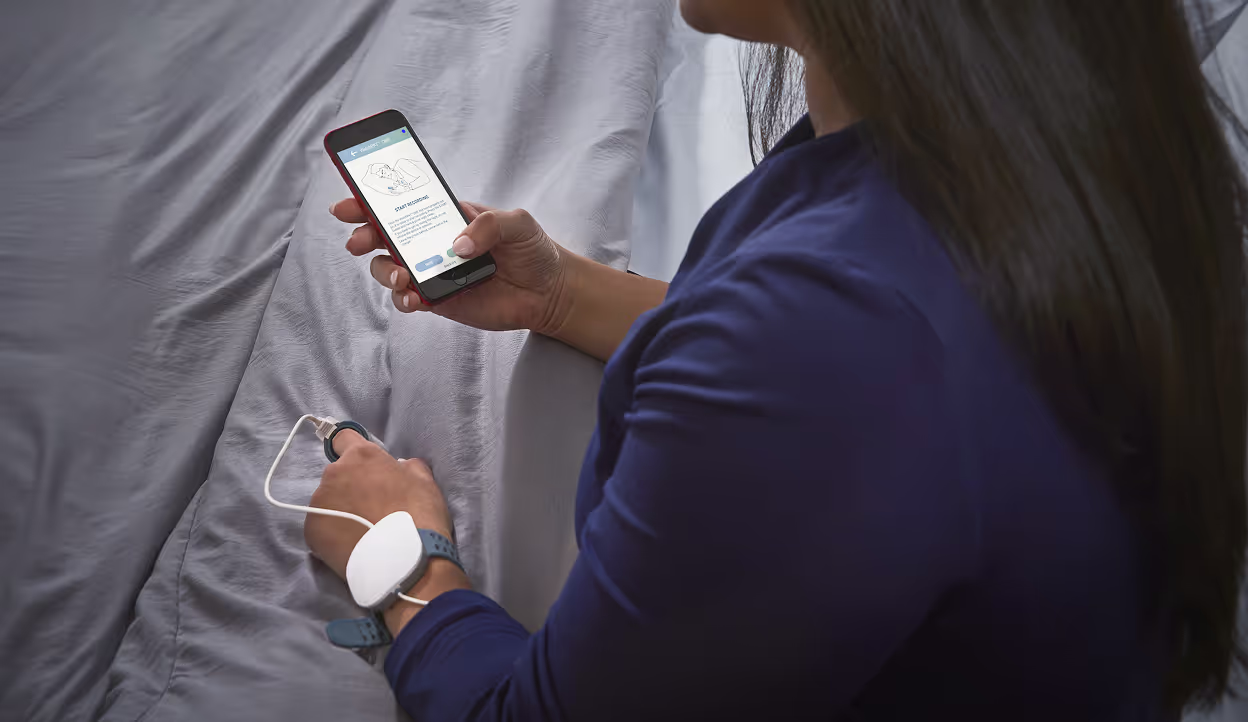



Home Sleep Apnea Test in Flower Mound, Texas: The Complete Guide to At-Home Sleep Testing
A home sleep apnea test in Flower Mound, Texas is a portable diagnostic study that measures your breathing patterns, blood oxygen level, and airflow while you sleep in your own bed. According to the American Academy of Sleep Medicine, home sleep apnea testing (HSAT) is a validated method for diagnosing obstructive sleep apnea in adults with a moderate to high pretest probability. This guide is written for Flower Mound and North Texas residents who suspect they may have sleep apnea, experience chronic snoring or daytime fatigue, or need a sleep study for medical documentation. You will learn how at-home sleep testing works, what it measures, how it compares to an in-lab sleep study, what your results mean, and which treatment options are available. Whether you are exploring testing for the first time or comparing providers in your area, this page covers every decision point you need.
Quick Answer
A home sleep apnea test in Flower Mound, Texas is a portable sleep study you complete in your own bed using a small device that tracks breathing, airflow, oxygen levels, and heart rate overnight. Results are reviewed by a physician who determines whether you have obstructive sleep apnea and what severity level applies. Most patients receive results within a few business days. dumbo.health offers a home sleep test for $149 with no insurance required and physician-reviewed results included in monthly care plans starting at $59 per month.
Key Takeaways
- A home sleep apnea test (HSAT) is a clinically validated method for diagnosing obstructive sleep apnea in adults, approved by the American Academy of Sleep Medicine for patients with a moderate to high likelihood of the condition.
- Home sleep testing measures airflow, blood oxygen level, breathing effort, heart rate, and body position using a portable device worn during one night of sleep.
- Flower Mound residents can complete at-home sleep testing without visiting a sleep lab, making the process more convenient and often significantly less expensive than in-lab polysomnography.
- dumbo.health provides a home sleep test for a one-time cost of $149 with no insurance required, no prior authorization, and no surprise bills.
- Untreated obstructive sleep apnea is linked to high blood pressure, heart disease, stroke, and increased accident risk, according to the National Heart, Lung, and Blood Institute.
- Monthly treatment plans through dumbo.health start at $59 per month and include physician interpretation, CPAP therapy and equipment, and follow-up care with no contracts.
What Is a Home Sleep Apnea Test
A home sleep apnea test is a portable diagnostic study designed to detect obstructive sleep apnea by recording key cardiopulmonary functions while you sleep at home. The test uses a small, FDA-cleared device equipped with sleep sensors that measure airflow through the nose and mouth, blood oxygen level via a fingertip oximeter, breathing effort through chest or abdominal bands, heart rate, and in many cases body position and snoring intensity.
Home sleep apnea testing is classified as Out of Center testing by the American Academy of Sleep Medicine. This means the study takes place outside a traditional sleep lab or Sleep Disorders Center. The data collected is then reviewed by a board-certified sleep medicine physician who scores the study and provides a diagnosis.
The key metric produced by a home sleep apnea test is the Apnea-Hypopnea Index (AHI), which counts the average number of apnea and hypopnea events per hour of recorded time. An AHI of 5 to 14 indicates mild sleep apnea, 15 to 29 indicates moderate, and 30 or above indicates severe obstructive sleep apnea. These thresholds are defined by the American Academy of Sleep Medicine and are used by physicians nationwide to guide treatment decisions.
Unlike a full in-lab polysomnography, a home sleep test does not measure brain wave activity (EEG), eye movements, or leg movements. This is why HSAT is most appropriate for patients whose clinical profile suggests obstructive sleep apnea rather than other sleep disorders such as Central Sleep Apnea, restless legs, periodic limb movements, parasomnias, or sleepwalking.
DID YOU KNOW: According to the American Sleep Apnea Association, an estimated 80 percent of moderate and severe obstructive sleep apnea cases remain undiagnosed, making accessible home testing a critical tool for early detection.
KEY TAKEAWAY: A home sleep apnea test is a portable, FDA-cleared diagnostic study that measures airflow, oxygen, breathing effort, and heart rate to detect obstructive sleep apnea, and it can be completed in one night at home without visiting a sleep lab.
Understanding what home sleep testing measures is the first step, but knowing why Flower Mound residents specifically benefit from this option requires looking at local testing access and convenience factors.
Why Flower Mound Residents Choose At-Home Sleep Testing
Flower Mound residents increasingly choose at-home sleep testing because it eliminates the need to schedule an overnight stay at a sleep lab, reduces cost, and delivers clinically valid results in the comfort of home. For people living in Flower Mound and the surrounding North Texas and Dallas communities, at-home sleep studies remove several common barriers to getting a sleep apnea diagnosis.
Convenience and Comfort
Sleeping in an unfamiliar sleep lab environment can distort your natural sleep cycle. Many patients report that they sleep poorly during in-lab studies due to unfamiliar surroundings, wired sensors, and the presence of sleep technologists monitoring them overnight. A home sleep test lets you follow your normal bedtime routine, sleep in your own bed, and collect data that reflects your typical sleep patterns.
This is especially relevant for Flower Mound residents who may otherwise need to travel to a Sleep Disorders Center or Sleep Lab in the Dallas area, adding commute time and logistical complexity to an already stressful process.
Cost and Insurance Considerations
In-lab polysomnography typically costs $1,000 or more, and insurance companies often require prior authorization, referrals, and copays that create delays and unexpected bills. Many insurance plans in Texas cover home sleep apnea testing with lower out-of-pocket costs, but the authorization process itself can take weeks.
For patients who prefer a transparent, cash-pay approach, dumbo.health offers a home sleep test for $149 with no insurance required, no prior authorization, and no surprise bills. This removes the administrative burden entirely and allows Flower Mound residents to begin testing on their own timeline.
Access to Sleep Specialists
While Flower Mound has local healthcare providers, dedicated sleep medicine specialists and Sleep Centers may require referrals and longer wait times. An at-home sleep study paired with physician review through a telehealth platform like dumbo.health gives you access to board-certified sleep medicine expertise without geographic restrictions.
KEY TAKEAWAY: At-home sleep testing gives Flower Mound residents a faster, more affordable, and more comfortable path to a sleep apnea diagnosis compared to in-lab sleep studies, especially when using a transparent cash-pay provider like dumbo.health.
Knowing why home testing makes sense locally leads to the practical question of what actually happens during the test itself.
How a Home Sleep Apnea Test Works
A home sleep apnea test works by using a portable device with built-in sleep sensors to record your breathing, airflow, oxygen levels, and heart rate during one night of sleep. The process is straightforward and requires no technical expertise.
Step-by-Step Process for Completing a Home Sleep Test
1. Order your home sleep test online or through your healthcare provider. Through dumbo.health, you can order a home sleep test for $149 with no prescription hassle and no insurance paperwork.
2. Receive the portable testing device at your home in Flower Mound or anywhere in Texas. The device arrives with clear setup instructions and typically includes a nasal cannula for airflow measurement, a fingertip oximeter for blood oxygen level monitoring, and a chest strap or sensor for breathing effort.
3. On your test night, attach the sensors following the provided instructions. Most devices require placing the nasal cannula, clipping the oximeter to your finger, and positioning the chest sensor. Setup usually takes less than 10 minutes.
4. Go to sleep in your own bed at your normal bedtime. The device records data automatically throughout the night. There is no need to press buttons or interact with the device during sleep.
5. Remove the sensors when you wake up in the morning. Some devices use Bluetooth to transmit sleep data wirelessly, while others store data internally for upload or return shipping.
6. Return the device or upload the data according to the provider's instructions. With dumbo.health, the data is transmitted to the clinical team for physician review.
7. Receive your results. A board-certified sleep medicine physician interprets the data, scores the study, and provides a diagnosis report. dumbo.health's Essentials Plan includes physician interpretation and report delivery, with Premium Plan members receiving priority results turnaround.
After completing these steps, you will have a clinically scored sleep study with a clear diagnosis of whether obstructive sleep apnea is present and at what severity level.
What the Device Measures
The portable home sleep test device collects several data streams simultaneously during your sleep:
- Airflow through the nose and mouth, detected by the nasal cannula
- Blood oxygen level (SpO2), measured continuously by the fingertip pulse oximeter
- Breathing effort, tracked by the chest strap or sensor to detect respiratory events
- Heart rate, recorded throughout the night
- Body position, detected by an accelerometer in many devices
- Snoring intensity, captured by a built-in microphone or vibration sensor
These measurements allow the reviewing physician to calculate the Apnea-Hypopnea Index, identify oxygen desaturation events (hypoxia), and determine the overall severity of any sleep-related breathing issues.
IMPORTANT: A home sleep apnea test does not measure brain wave activity, which means it cannot determine sleep stages or detect non-respiratory sleep disorders. If your physician suspects Central Sleep Apnea, restless legs, periodic limb movements, or parasomnias, an in-lab polysomnography may be recommended instead.
KEY TAKEAWAY: A home sleep apnea test uses a portable device with sensors for airflow, oxygen, breathing effort, and heart rate to collect one night of sleep data, which is then scored by a physician to diagnose obstructive sleep apnea.
Once you understand the testing process, the next question most Flower Mound residents ask is how home testing compares to a traditional in-lab sleep study.
Home Sleep Test vs. In-Lab Polysomnography
A home sleep test is best suited for diagnosing obstructive sleep apnea in adults without significant comorbid illnesses, while in-lab polysomnography is the more comprehensive option for complex or unclear cases. Both are clinically valid, but they differ in scope, cost, convenience, and what they can detect.
The American Academy of Sleep Medicine recommends HSAT for patients with a high pretest probability of moderate to severe obstructive sleep apnea and no significant comorbid conditions such as chronic heart failure, severe pulmonary disease, or suspected Central Sleep Apnea. Polysomnography remains the gold standard for comprehensive sleep evaluation because it records brain waves, eye movements, and leg movements in addition to respiratory data.
Setting
- Home Sleep Apnea Test (HSAT): Your own bed at home in Flower Mound or anywhere in Texas
- In-Lab Polysomnography (PSG): A sleep lab or Sleep Disorders Center, often requiring travel to Dallas or another nearby city
Cost
- Home Sleep Apnea Test (HSAT): Typically $149 to $500 depending on provider. dumbo.health charges a flat $149 with no insurance required.
- In-Lab Polysomnography (PSG): Often $1,000 to $3,000 or more, with additional costs for insurance copays, deductibles, and prior authorization
What It Measures
- Home Sleep Apnea Test (HSAT): Airflow, blood oxygen level, breathing effort, heart rate, body position, and snoring
- In-Lab Polysomnography (PSG): All of the above plus brain waves (EEG), eye movements, leg movements (for restless legs and periodic limb movements), and sleep staging
Convenience
- Home Sleep Apnea Test (HSAT): High. No travel, no overnight facility stay, no sleep technologists present
- In-Lab Polysomnography (PSG): Lower. Requires scheduling, travel, and spending one or two nights in an unfamiliar environment
Turnaround Time for Results
- Home Sleep Apnea Test (HSAT): Typically a few business days. dumbo.health Premium Plan members receive priority results turnaround.
- In-Lab Polysomnography (PSG): Can take one to several weeks depending on the Sleep Lab's schedule and backlog
Who It Is Best For
- Home Sleep Apnea Test (HSAT): Adults with symptoms of obstructive sleep apnea such as snoring, witnessed breathing pauses, and daytime fatigue, without complex comorbid conditions
- In-Lab Polysomnography (PSG): Patients with suspected Central Sleep Apnea, significant cardiopulmonary disease, suspected parasomnias or sleepwalking, or inconclusive HSAT results
For the majority of Flower Mound residents who experience snoring, daytime tiredness, or fatigue and want to find out whether obstructive sleep apnea is the cause, a home sleep test provides a clinically valid diagnosis at a fraction of the cost and inconvenience of an in-lab study. If your HSAT results are inconclusive or negative despite strong symptoms, your physician may recommend follow-up with polysomnography.
KEY TAKEAWAY: A home sleep apnea test is clinically valid for diagnosing obstructive sleep apnea in most adults and costs significantly less than in-lab polysomnography, but polysomnography is necessary when complex sleep disorders or comorbid illnesses are suspected.
With the comparison clear, the next important topic is recognizing which symptoms should prompt you to get tested in the first place.
Symptoms That Indicate You Should Get a Home Sleep Apnea Test
Loud, chronic snoring combined with daytime fatigue or witnessed breathing pauses during sleep are the strongest indicators that you should pursue a home sleep apnea test. Obstructive sleep apnea is a medical condition in which the airway partially or completely collapses during sleep, causing repeated interruptions in breathing.
The National Heart, Lung, and Blood Institute identifies the following as common symptoms of obstructive sleep apnea:
- Loud, persistent snoring, especially if it disrupts a bed partner's sleep
- Gasping, choking, or snorting during sleep
- Witnessed pauses in breathing during sleep
- Excessive daytime tiredness or fatigue despite a full night of sleep
- Morning headaches
- Dry mouth upon waking
- Difficulty concentrating or memory problems
- Irritability or mood changes
- Frequent nighttime urination
Risk Factors That Increase the Likelihood of Sleep Apnea
Certain physical and lifestyle factors raise your risk of obstructive sleep apnea. These include:
- A BMI of 30 or higher (obesity is the single strongest risk factor)
- A neck circumference of 17 inches or greater in men, or 16 inches or greater in women
- A large tongue, enlarged tonsils, or a narrow airway
- A recessed chin or a low-hanging soft palate
- Age over 40, with risk increasing further after age 50
- Male sex, although women's risk increases after menopause
- A family history of sleep apnea
- High blood pressure, particularly if resistant to medication
- Smoking or alcohol use, especially close to bedtime
According to the Sleep Foundation, men are approximately two to three times more likely than women to have obstructive sleep apnea, but the condition is significantly underdiagnosed in women because their symptoms may present differently, including insomnia, depression, and fatigue rather than classic loud snoring.
When to Act
If you experience two or more of the symptoms listed above, particularly if combined with one or more risk factors, scheduling a sleep assessment is a clinically appropriate next step. You do not need a referral from a sleep specialist to begin. dumbo.health's free sleep assessment can help you determine whether a home sleep test is right for you, and the entire process can be started online from Flower Mound or anywhere in Texas.
TIP: Do not wait for symptoms to become severe. According to the CDC, untreated sleep apnea increases the risk of heart disease, stroke, type 2 diabetes, and motor vehicle accidents. Early testing leads to earlier treatment and measurably better outcomes.
KEY TAKEAWAY: Chronic snoring, witnessed breathing pauses, and persistent daytime fatigue are the primary symptoms that warrant a home sleep apnea test, especially when combined with risk factors such as obesity, high blood pressure, or a large neck circumference.
Recognizing the symptoms is essential, but understanding what your test results actually mean determines what happens next.
Understanding Your Home Sleep Apnea Test Results
Your home sleep apnea test results are summarized by the Apnea-Hypopnea Index (AHI), which measures the average number of apnea and hypopnea events per hour of recorded time. This single number determines your diagnosis and guides your treatment plan.
How AHI Scores Are Interpreted
The American Academy of Sleep Medicine uses the following AHI thresholds:
- AHI below 5: Normal, no clinically significant sleep apnea
- AHI 5 to 14: Mild obstructive sleep apnea
- AHI 15 to 29: Moderate obstructive sleep apnea
- AHI 30 or above: Severe obstructive sleep apnea
An apnea event is a complete cessation of airflow for 10 seconds or longer. A hypopnea event is a partial reduction in airflow (typically 30 percent or more) lasting at least 10 seconds, accompanied by either a drop in blood oxygen level or a cortical arousal. Together, these events fragment sleep, reduce oxygen delivery to the brain and heart, and produce the daytime symptoms most patients experience.
Oxygen Desaturation Index
In addition to AHI, your results will include the Oxygen Desaturation Index (ODI), which counts the number of times per hour your blood oxygen level drops by 3 percent or more from baseline. A high ODI indicates significant intermittent hypoxia, which is associated with cardiovascular risk. According to the National Heart, Lung, and Blood Institute, repeated oxygen drops during sleep contribute to high blood pressure, irregular heart rhythms, and increased strain on the heart.
What Happens After You Receive Results
A board-certified sleep medicine physician reviews your sleep data and produces a scored report with your AHI, ODI, minimum oxygen saturation, total recording time, and body position data. This report serves as the basis for your diagnosis and treatment plan.
With dumbo.health, physician interpretation is included in all monthly care plans. Essentials Plan members ($59 per month) receive a physician-reviewed report and updates sent to their referring provider. Premium Plan members ($89 per month) receive priority results turnaround and access to a dedicated sleep coach for help understanding their results and starting treatment.
If your AHI is 5 or above, your physician will recommend a treatment option based on severity. Mild cases may respond to lifestyle modifications and positional therapy, while moderate to severe cases typically require CPAP therapy or, in some situations, oral appliance therapy.
Home sleep apnea test results are medical documentation that can be used by your primary care provider, a sleep specialist, or any other treating physician. The results also serve as the clinical basis for equipment orders such as CPAP machines.
KEY TAKEAWAY: Your home sleep apnea test results are scored using the Apnea-Hypopnea Index, where an AHI of 5 or above confirms a sleep apnea diagnosis, and the severity level directly determines the recommended treatment pathway.
With results in hand and a diagnosis confirmed, the next critical decision is choosing the right treatment approach.
Treatment Options After a Sleep Apnea Diagnosis
CPAP therapy is the first-line treatment for moderate to severe obstructive sleep apnea, and it remains the most effective method for keeping the airway open during sleep. However, several treatment options exist depending on severity, patient preference, and clinical profile.
CPAP Therapy
CPAP (Continuous Positive Airway Pressure) therapy delivers a steady stream of pressurized air through a mask worn during sleep. This air pressure acts as a pneumatic splint that prevents the airway from collapsing. According to the American Academy of Sleep Medicine, CPAP therapy reduces AHI to near-normal levels in most patients and is the standard treatment for moderate to severe obstructive sleep apnea.
CPAP machines require a prescription based on your sleep study results. The pressure setting is determined by your physician and may be adjusted over time based on adherence data and follow-up testing.
dumbo.health includes CPAP therapy and equipment in all monthly care plans. The Essentials Plan at $59 per month covers the CPAP machine, standard follow-up care, and physician oversight. The Premium Plan at $89 per month adds a dedicated sleep coach and advanced adherence monitoring to help you stay on track.
Many patients report that the first week of CPAP use requires adjustment, but comfort improves significantly once you find the right mask fit and pressure setting. Clinicians frequently observe that patients who use a CPAP machine consistently for at least 4 hours per night experience measurable improvements in daytime fatigue, sleep quality, blood pressure, and overall cardiovascular health.
Oral Appliance Therapy
An oral appliance is a custom-fitted dental device worn during sleep that repositions the lower jaw and tongue forward to keep the airway open. Oral appliance therapy is typically recommended for mild to moderate obstructive sleep apnea or for patients who cannot tolerate CPAP therapy.
Custom oral appliances are fabricated by a dentist trained in dental sleep medicine, sometimes a prostodontist. Unlike over-the-counter anti-snoring devices or mouth guards, prescription oral appliances are fitted to your dental anatomy and titrated to the optimal jaw position.
In the Flower Mound area, several dental practices offer dental sleep medicine services, and your sleep medicine physician can coordinate with a local provider for oral appliance fitting. Oral appliances are generally less effective than CPAP for severe obstructive sleep apnea but offer a more portable, quieter alternative for eligible patients.
Lifestyle and Behavioral Recommendations
Lifestyle modifications can reduce the severity of obstructive sleep apnea, particularly in mild cases. Evidence-based strategies include:
- Weight loss: According to the NIH, even a 10 percent reduction in body weight can significantly reduce AHI in overweight patients
- Sleep position changes: Sleeping on your side rather than your back can reduce airway collapse in positional sleep apnea
- Avoiding alcohol and sedatives before bedtime, which relax the airway muscles
- Regular physical activity, including moderate aerobic exercise
- Smoking cessation
These lifestyle and behavioral recommendations are most effective when used alongside primary treatment such as CPAP therapy or oral appliance therapy rather than as standalone interventions for moderate to severe cases.
IMPORTANT: Untreated obstructive sleep apnea is a progressive medical condition. The National Heart, Lung, and Blood Institute states that leaving sleep apnea untreated increases the risk of heart attack, stroke, heart failure, irregular heart rhythms, and type 2 diabetes. Treatment should begin as soon as a diagnosis is confirmed.
KEY TAKEAWAY: CPAP therapy is the gold standard treatment for moderate to severe obstructive sleep apnea, oral appliance therapy is a viable alternative for milder cases, and lifestyle changes support but do not replace primary treatment for most patients.
Choosing a treatment approach is one part of the equation, but understanding the full cost and what you actually pay out of pocket matters just as much.
Cost of Home Sleep Testing and Treatment in Flower Mound
A home sleep apnea test in the Flower Mound and North Texas area typically costs between $149 and $500 through direct-pay providers, while in-lab polysomnography at a Sleep Lab or Sleep Disorders Center often runs $1,000 to $3,000 before insurance adjustments. Treatment costs for CPAP therapy vary widely depending on whether you use insurance, a cash-pay program, or purchase equipment independently.
Testing Costs
Insurance plans in Texas may cover home sleep testing, but the process usually involves a referral, prior authorization from the insurance company, and potential copays or deductibles. This process can add weeks of delay before you receive your test device.
dumbo.health eliminates these barriers entirely with a flat $149 one-time cost for the home sleep test. No insurance is required. No prior authorization. No surprise bills. The device ships directly to your home in Flower Mound, and the cost is billed separately from any ongoing care plan.
Treatment Costs
CPAP machines purchased outright typically cost $500 to $1,500 or more, and replacement supplies such as masks, filters, and tubing add ongoing expenses. Insurance companies may cover part of the cost but often impose rental periods, compliance requirements, and documentation hurdles.
dumbo.health's monthly care plans bundle physician oversight, CPAP therapy, equipment, and follow-up care into a single transparent monthly cost:
- Essentials Plan: $59 per month (approximately $2 per day). Includes physician interpretation and report, CPAP therapy and equipment, standard follow-up care, and updates to your referring provider.
- Premium Plan: $89 per month (approximately $3 per day). Everything in Essentials plus a dedicated sleep coach, advanced adherence monitoring, and priority results turnaround.
- Elite Plan: $129 per month (approximately $4 per day). Everything in Premium plus concierge clinical support, direct physician messaging, and custom reporting.
All plans operate with no contracts. You can cancel anytime. This structure gives Flower Mound residents a predictable, budget-friendly path from diagnosis through ongoing treatment without navigating insurance bureaucracy.
Checklist: What to Verify Before Choosing a Sleep Apnea Testing Provider
- Confirm the provider uses FDA-cleared testing devices
- Ask whether physician interpretation is included or billed separately
- Verify total cost upfront, including any hidden fees for shipping, device deposit, or report delivery
- Check whether the provider requires insurance or prior authorization
- Ask about turnaround time for results
- Confirm whether follow-up care and treatment are available through the same provider
- Verify that results are accepted by your primary care physician or sleep specialist
- Check whether treatment plans include equipment or require separate equipment purchase
- Complete the free sleep assessment at dumbo.health to see if you qualify for at-home testing
KEY TAKEAWAY: Home sleep testing through a transparent cash-pay provider like dumbo.health costs $149 with no insurance required, while in-lab testing often exceeds $1,000 and involves delays from insurance authorization and referral processes.
Cost clarity matters, but so does understanding the situations where a home sleep test may not be the right choice for you.
Limitations and Risks of Home Sleep Apnea Testing
A home sleep apnea test is not appropriate for every patient, and certain clinical situations require in-lab polysomnography instead. Understanding these limitations helps you make an informed decision and avoid diagnostic gaps.
When a Home Sleep Test May Not Be the Right Choice
There are at least five specific scenarios where HSAT may not provide an accurate or complete diagnosis:
1. Suspected Central Sleep Apnea. Central Sleep Apnea occurs when the brain fails to send proper signals to the breathing muscles, rather than a physical airway obstruction. Home sleep tests are designed to detect obstructive sleep apnea and cannot reliably identify central events. If your physician suspects Central Sleep Apnea, polysomnography with EEG monitoring is required.
2. Significant comorbid illnesses. Patients with chronic heart failure, severe chronic obstructive pulmonary disease (COPD), or neuromuscular diseases may produce HSAT results that are difficult to interpret. The American Academy of Sleep Medicine recommends in-lab testing for these populations.
3. Suspected non-respiratory sleep disorders. Home sleep tests do not measure brain wave activity, eye movements, or leg movements. Conditions such as restless legs, periodic limb movements, parasomnias, sleepwalking, and narcolepsy require polysomnography for proper diagnosis.
4. False-negative results. Because HSAT does not measure actual sleep time (only recording time), the AHI may be underestimated if you spend significant time awake during the test night. A normal or borderline HSAT result in a patient with strong symptoms should prompt consideration of repeat testing or in-lab polysomnography.
5. Pediatric patients. Home sleep apnea testing is validated for adults. Children suspected of having sleep apnea should undergo in-lab polysomnography, as their clinical profile and treatment pathways differ significantly.
Technical Limitations
Sensor displacement during sleep is the most common technical issue with home sleep testing. If the nasal cannula shifts, the finger oximeter loosens, or the chest strap moves out of position, the recorded data may be incomplete or inaccurate. Most FDA-cleared devices include data quality indicators that flag studies with insufficient recording time.
Home sleep tests also do not capture sleep staging, which means they cannot differentiate between time spent in light sleep, deep sleep, and REM sleep. This limits the ability to assess overall sleep quality beyond respiratory events.
How dumbo.health Addresses These Limitations
dumbo.health mitigates several common HSAT limitations through physician oversight at every step. Every study is reviewed by a board-certified sleep medicine physician who evaluates data quality and flags inconclusive results. If your home sleep test produces borderline or negative results despite significant symptoms, your dumbo.health care team can recommend next steps, including referral for in-lab polysomnography if clinically indicated.
Premium and Elite Plan members also receive dedicated clinical support and direct physician messaging, which provides a clear pathway for addressing ambiguous results or comorbid conditions that may require additional evaluation.
KEY TAKEAWAY: Home sleep apnea testing is not suitable for diagnosing Central Sleep Apnea, parasomnias, restless legs, or sleep apnea in patients with severe comorbid conditions, and inconclusive results should always be followed up with physician guidance or in-lab polysomnography.
These clinical boundaries are important, but real-world scenarios help illustrate how home sleep testing actually plays out for people in situations similar to yours.
Real-World Scenarios: Who Benefits from Home Sleep Testing in Flower Mound
Concrete examples show how different types of patients use home sleep apnea testing to get a diagnosis and start treatment without the delays and costs of traditional pathways.
Scenario 1: A 48-Year-Old Flower Mound Professional with Chronic Snoring
A 48-year-old male office worker in Flower Mound has been told by his wife that he snores loudly every night and occasionally stops breathing for several seconds. He wakes up tired most mornings despite sleeping 7 to 8 hours. His BMI is 32, and he was recently diagnosed with high blood pressure. His primary care provider suggests a sleep study, but the nearest Sleep Lab with availability is three weeks out and requires a referral.
Instead, he orders a home sleep test through dumbo.health for $149. The device arrives at his home in two days. He completes the study on a Sunday night, and his results come back showing an AHI of 22, indicating moderate obstructive sleep apnea. He enrolls in the Premium Plan at $89 per month, receives his CPAP machine, and begins working with a dedicated sleep coach to optimize his mask fit and adherence.
Scenario 2: A 55-Year-Old North Texas Woman with Fatigue and Dry Mouth
A 55-year-old postmenopausal woman living near Flower Mound reports persistent daytime tiredness, morning headaches, and dry mouth upon waking. She does not think she snores heavily. Her physician suspects sleep apnea based on her symptoms and a neck circumference of 16.5 inches but notes that her insurance plan requires prior authorization for any sleep study, which could take two to four weeks.
She takes the free sleep assessment at dumbo.health and qualifies for home testing. Her HSAT results reveal mild obstructive sleep apnea with an AHI of 9. Her physician recommends positional therapy and a trial of CPAP at low pressure. She starts the Essentials Plan at $59 per month, and her results are forwarded to her primary care provider for integration into her medical records.
Scenario 3: A 62-Year-Old Retiree with Heart Disease Concerns
A 62-year-old retired man in the Dallas area has a history of atrial fibrillation and has been told by his cardiologist that untreated sleep apnea could worsen his heart condition. He is nervous about sleeping in a lab and asks about home testing options. His cardiologist agrees that HSAT is appropriate given his clinical profile and absence of Central Sleep Apnea indicators.
He orders a home sleep test and completes it at home. His AHI comes back at 34, indicating severe obstructive sleep apnea. He enrolls in the Elite Plan at $129 per month through dumbo.health, which includes concierge clinical support and direct physician messaging. His dumbo.health physician coordinates with his cardiologist through custom reporting, creating an integrated care pathway.
These scenarios reflect common profiles seen in Flower Mound and North Texas. In each case, at-home testing provided a faster, more affordable, and less disruptive path to diagnosis and treatment than traditional sleep lab referrals.
KEY TAKEAWAY: Home sleep apnea testing serves a wide range of patient profiles, from middle-aged professionals with snoring to older adults with cardiovascular concerns, and enables faster diagnosis and treatment initiation compared to in-lab pathways.
Real-world examples clarify the practical value, but persistent myths about sleep apnea testing still prevent many people from taking the first step.
Common Myths About Sleep Apnea Testing Debunked
MYTH: Only overweight people get sleep apnea.
FACT: While obesity is the strongest risk factor for obstructive sleep apnea, the condition also occurs in people with a normal BMI. Anatomical factors such as a narrow airway, large tongue, enlarged tonsils, or a low-hanging soft palate can cause airway obstruction during sleep regardless of body weight. According to the American Academy of Sleep Medicine, approximately 20 to 40 percent of adults diagnosed with sleep apnea are not obese.
MYTH: A home sleep test is not as accurate as a lab sleep study.
FACT: For diagnosing obstructive sleep apnea in adults without significant comorbid illnesses, the American Academy of Sleep Medicine considers HSAT a validated and clinically appropriate method. Studies published through the National Library of Medicine show that HSAT has high sensitivity and specificity for moderate to severe obstructive sleep apnea when used in appropriately selected patients. The main limitation is that HSAT may underestimate AHI in some cases, which is why physician review and clinical correlation are essential.
MYTH: Snoring is harmless and does not require testing.
FACT: While not all snoring indicates sleep apnea, loud habitual snoring is the most common symptom of obstructive sleep apnea. The CDC links untreated sleep apnea to increased risk of high blood pressure, heart disease, stroke, and motor vehicle accidents. Snoring that is accompanied by witnessed breathing pauses, gasping, or daytime fatigue should be evaluated with a sleep test.
MYTH: You need a referral from a sleep specialist to get a home sleep test.
FACT: In many cases, you do not need a referral to begin home sleep testing. dumbo.health allows Flower Mound residents and patients across Texas to start a home sleep test directly through a straightforward online process. A board-certified sleep medicine physician reviews every study, ensuring clinical accuracy without the referral delays.
MYTH: CPAP therapy is the only treatment for sleep apnea.
FACT: CPAP therapy is the first-line treatment for moderate to severe obstructive sleep apnea, but oral appliance therapy is an accepted alternative for mild to moderate cases or patients who cannot tolerate CPAP. Lifestyle and behavioral recommendations including weight loss strategies, sleep position changes, and avoiding alcohol before bed can also reduce severity. The best treatment plan depends on your AHI, clinical profile, and individual preferences.
KEY TAKEAWAY: Common misconceptions about weight, testing accuracy, snoring severity, referral requirements, and treatment options prevent many people from getting tested, but evidence from the American Academy of Sleep Medicine and other authorities shows that home sleep testing is validated, accessible, and the first step toward effective treatment.
Clearing up these myths brings the full picture into focus, so the final question is what to do next.
Getting Started with a Home Sleep Apnea Test in Flower Mound
Starting a home sleep apnea test from Flower Mound is a straightforward process that can be completed entirely online without waiting for insurance approval or specialist referrals. dumbo.health's sleep apnea care solutions are designed to remove every traditional barrier between you and a diagnosis.
If you experience symptoms such as chronic snoring, daytime fatigue, morning headaches, dry mouth, or witnessed breathing pauses, the clinical evidence supports getting tested rather than waiting. According to the National Heart, Lung, and Blood Institute, early diagnosis and treatment of obstructive sleep apnea reduces cardiovascular risk and improves daily function.
The path forward is simple:
- Take the free sleep assessment to see if home testing is right for you
- Order a home sleep test for $149 with no insurance required
- Complete the test in one night in your own bed
- Receive physician-reviewed results within days
- Start treatment through a monthly plan with no contracts, starting at $59 per month
Thousands of patients across Texas and the United States have used home sleep testing to diagnose and treat obstructive sleep apnea without the cost, delays, and inconvenience of traditional sleep lab pathways. Flower Mound residents can access the same clinically validated testing and physician-led care from home.
KEY TAKEAWAY: Getting started with home sleep apnea testing in Flower Mound requires no insurance, no referral, and no visit to a sleep lab, and dumbo.health makes the entire process accessible online for $149 with treatment plans starting at $59 per month.
Conclusion
A home sleep apnea test gives Flower Mound, Texas residents a clinically validated, affordable, and convenient way to find out whether obstructive sleep apnea is behind symptoms like snoring, fatigue, and disrupted breathing during sleep. The evidence from the American Academy of Sleep Medicine and the National Heart, Lung, and Blood Institute is clear: early diagnosis leads to better treatment outcomes and reduced long-term health risk. dumbo.health removes the most common barriers by offering a $149 home sleep test with no insurance required, no prior authorization, and no surprise bills. Monthly treatment plans start at $59 per month with no contracts and include CPAP therapy, equipment, and physician oversight. Take the free sleep assessment to find out if home sleep testing is your next step.
Frequently Asked Questions About Home Sleep Apnea Testing in Flower Mound, Texas
What is a home sleep apnea test?
A home sleep apnea test (HSAT) is a simplified diagnostic tool that allows you to test for obstructive sleep apnea in your own bed rather than spending a night in a sleep lab. The device typically monitors breathing patterns, airflow, oxygen saturation, and heart rate while you sleep. According to the American Academy of Sleep Medicine, HSATs are a clinically validated option for diagnosing moderate to severe obstructive sleep apnea in adults without significant comorbid conditions. A healthcare professional can help determine whether home sleep testing is appropriate for your situation.
What is obstructive sleep apnea?
Obstructive sleep apnea (OSA) is a sleep disorder in which the upper airway repeatedly collapses or becomes blocked during sleep, causing breathing interruptions. These pauses can last seconds to minutes and may occur dozens of times per hour. The Mayo Clinic explains that OSA is the most common form of sleep apnea and is associated with snoring, gasping, fragmented sleep, and reduced blood oxygen levels. If left unaddressed, obstructive sleep apnea has been linked to high blood pressure, cardiovascular disease, daytime fatigue, and difficulty concentrating. A clinician can evaluate your symptoms and recommend appropriate testing.
What are the symptoms of obstructive sleep apnea?
Common symptoms of obstructive sleep apnea include loud snoring, waking up gasping for air, frequent nighttime awakenings, morning headaches, dry mouth, excessive daytime tiredness, difficulty concentrating, forgetfulness, and mood changes. Not everyone with OSA snores noticeably, and some people are unaware of breathing interruptions during sleep. If you regularly wake up feeling unrefreshed after a full night of sleep, feel fatigued throughout the day, or have been told you stop breathing during sleep, speaking with a healthcare professional about sleep disorder testing is a reasonable next step. You can also take a free sleep assessment to help identify whether further evaluation may be useful.
Why do I feel tired all day even after a full night of sleep?
Persistent daytime tiredness after a full night of sleep is one of the most common signs of an undiagnosed sleep disorder such as obstructive sleep apnea. When breathing is interrupted repeatedly during the night, sleep quality deteriorates even if total sleep duration appears adequate. The brain is forced out of deep, restorative sleep cycles each time an apnea event occurs. Over time, this pattern produces chronic fatigue, reduced concentration, memory difficulties, and mood changes. A home sleep apnea test can help identify whether a sleep-related breathing problem may be contributing to your daytime symptoms.
Why am I so forgetful and unable to concentrate?
Poor concentration and memory difficulties are frequently linked to disrupted sleep caused by conditions such as obstructive sleep apnea. Each time an apnea event occurs during sleep, the brain briefly arouses to restore normal breathing, interrupting restorative sleep stages. The NHLBI notes that untreated sleep disorders can impair cognitive function, attention, and emotional regulation. If forgetfulness or difficulty concentrating is affecting your daily life alongside other symptoms such as fatigue or snoring, a sleep assessment or home sleep test may help clarify whether a sleep disorder is contributing.
How does a home sleep apnea test work?
A home sleep apnea test involves wearing a small monitoring device during a typical night of sleep at home. Depending on the device, it may track airflow, breathing effort, blood oxygen levels, heart rate, and sleep position. After the test night, the data is uploaded and reviewed by a sleep physician, who generates an interpretation report. The apnea-hypopnea index (AHI) is calculated from the collected sleep data to assess the frequency and severity of breathing interruptions. The at-home sleep test from dumbo.health costs $149 as a one-time purchase and includes device use and physician interpretation.
Who qualifies for an at-home sleep study?
Most adults with symptoms consistent with moderate to severe obstructive sleep apnea are candidates for a home sleep apnea test. These symptoms typically include snoring, witnessed breathing pauses, daytime fatigue, and morning headaches. However, home sleep testing may not be appropriate for everyone. The American Academy of Sleep Medicine notes that patients with significant heart or lung conditions, suspected central sleep apnea, periodic limb movements, parasomnias, or complex comorbid illnesses may require a full in-lab polysomnography rather than an HSAT. A healthcare professional can review your clinical profile and determine which sleep disorder testing approach is most appropriate for your situation.
How is sleep apnea diagnosed?
Sleep apnea is diagnosed through a sleep study, either conducted in a sleep lab (polysomnography) or at home using an HSAT device. Both approaches measure breathing patterns, airflow, blood oxygen levels, and other physiological signals during sleep. The results are reviewed by a sleep physician, who calculates the apnea-hypopnea index to determine whether obstructive sleep apnea is present and how severe it is. Diagnosis should always be confirmed by a qualified healthcare professional. Home sleep testing is a widely accepted diagnostic pathway for many patients, but your clinician will determine the most appropriate approach based on your symptoms and medical history.
Is a home sleep apnea test accurate?
Home sleep apnea tests are clinically validated for diagnosing obstructive sleep apnea in appropriate candidates. Because HSATs monitor fewer physiological signals than a full in-lab polysomnography, they may slightly underestimate the severity of sleep apnea. They are generally not designed to detect central sleep apnea, periodic limb movements, parasomnias, or sleepwalking. Despite these limitations, home sleep testing is widely accepted as a reliable and practical first diagnostic step for most adults with typical obstructive sleep apnea symptoms. A sleep physician will account for the limitations of home testing when interpreting your results and recommending a treatment plan.
When should home sleep testing not be used?
Home sleep apnea testing is not recommended for everyone. It may be insufficient for patients who have complex comorbid illnesses, severe cardiopulmonary conditions, suspected central sleep apnea, or conditions such as restless legs syndrome, periodic limb movements, or parasomnias including sleepwalking. In these cases, a full in-lab sleep study with a sleep technologist may provide a more complete picture of your sleep-related breathing issues and overall sleep quality. If your healthcare provider has recommended an in-lab sleep study, that guidance should take priority over at-home alternatives. Always review testing decisions with a qualified clinician.
What happens after a home sleep apnea test?
After your home sleep test night, the recorded sleep data is uploaded and reviewed by a sleep physician, who interprets the results and generates a report. If obstructive sleep apnea is confirmed, your physician will discuss treatment options, which typically include CPAP therapy, oral appliance therapy, or lifestyle and behavioural recommendations depending on the severity of your diagnosis. Some patients require a follow-up evaluation. With dumbo.health, monthly plans include physician interpretation, a treatment report, and CPAP therapy and equipment with ongoing adherence follow-up so care continues beyond the initial test. Learn more about CPAP therapy and ongoing care.
What are the treatment options for obstructive sleep apnea?
Treatment options for obstructive sleep apnea include CPAP therapy, oral appliance therapy, surgical interventions, weight loss strategies, positional therapy, and lifestyle and behavioural recommendations. CPAP therapy, which delivers continuous positive airway pressure through a mask, is the most widely studied and commonly prescribed treatment for moderate to severe OSA. Oral appliances reposition the tongue and jaw to keep the airway open during sleep. Surgical options such as the Inspire sleep apnea system are available for patients who cannot tolerate CPAP. The right treatment depends on the severity of your sleep apnea, your anatomy, your health history, and your preferences. A healthcare professional should guide your treatment plan.
Will I have to use a CPAP machine?
CPAP therapy is the most common first-line treatment for moderate to severe obstructive sleep apnea, but it is not the only option. Some patients with mild to moderate OSA may be eligible for oral appliance therapy, which uses a custom dental device to advance the jaw and keep the airway open during sleep. Others may benefit from weight loss, positional therapy, or surgical intervention. A sleep physician will review your test results and clinical profile to recommend the most appropriate treatment option. If CPAP therapy is recommended, CPAP equipment and ongoing support are available through dumbo.health as part of a monthly care plan.
How does oral appliance therapy work for sleep apnea?
Oral appliance therapy involves wearing a custom-fitted dental device during sleep to reposition the lower jaw and tongue, which reduces airway obstruction and minimises sleep-related breathing events. Oral appliances are typically prescribed by a dental sleep medicine practitioner or sleep specialist and require an initial dental examination to assess suitability. They are generally recommended for patients with mild to moderate obstructive sleep apnea or for those who cannot tolerate CPAP therapy. Side effects can include dry mouth, jaw discomfort, tooth soreness, and changes in bite. Regular follow-up with your dental sleep medicine provider is important to monitor comfort and effectiveness.
How does sleep apnea affect heart health?
Untreated obstructive sleep apnea has been associated with an increased risk of high blood pressure, heart disease, stroke, and irregular heart rhythms. During apnea events, blood oxygen levels fall and the body responds with physiological stress, which over time can place strain on the cardiovascular system. The NHLBI identifies obstructive sleep apnea as a risk factor for hypertension and cardiovascular complications. Effective treatment, including CPAP therapy, has been shown in research to support better blood pressure management in some patients, though individual outcomes vary. If you have cardiovascular concerns alongside sleep symptoms, speak with your doctor about sleep disorder evaluation promptly.
How does weight affect sleep apnea risk?
Excess body weight, particularly around the neck and upper airway, is one of the most significant risk factors for obstructive sleep apnea. Fatty tissue in the throat can narrow the airway during sleep, increasing the likelihood of breathing interruptions. According to the Sleep Foundation, even a modest reduction in body weight can reduce sleep apnea severity in some patients. Weight loss is often recommended as part of a broader treatment plan but is rarely sufficient on its own as a primary treatment for moderate to severe OSA. A healthcare professional can help you assess how weight and other lifestyle factors interact with your sleep apnea risk.
Does snoring always mean I have sleep apnea?
Snoring does not always indicate obstructive sleep apnea, but it is one of its most common symptoms. Primary snoring occurs without significant breathing disruptions, while snoring associated with OSA involves repeated partial or complete airway blockages. If your snoring is accompanied by gasping episodes, witnessed breathing pauses, excessive daytime fatigue, or morning headaches, the likelihood of underlying sleep apnea increases. The only reliable way to differentiate between primary snoring and obstructive sleep apnea is through a sleep study. If you or your partner are concerned about snoring patterns, a home sleep apnea test can help clarify whether further evaluation is needed.
What causes obstructive sleep apnea?
Obstructive sleep apnea is caused by the relaxation of throat muscles during sleep, which allows soft tissues including the soft palate, tongue, and tonsils to collapse and narrow or block the airway. Risk factors include excess body weight, a large neck circumference, anatomical factors such as a narrow airway, nasal congestion, age, alcohol consumption, smoking, and family history. Sleeping position also plays a role, as sleeping on your back increases the likelihood of airway obstruction. While lifestyle changes can reduce severity in some patients, the underlying anatomy often means that clinical treatment such as CPAP therapy or oral appliance therapy is needed for effective management.
Can sleep apnea affect children?
Yes, sleep apnea can affect children, though it is less commonly discussed than adult sleep apnea. Paediatric obstructive sleep apnea is often related to enlarged tonsils or adenoids and may present differently than in adults, with symptoms including snoring, restless sleep, bedwetting, behavioural problems, and poor school performance rather than classic daytime fatigue. The CDC and paediatric sleep specialists recommend evaluation if a child snores regularly or shows signs of disrupted sleep. Treatment approaches in children differ from those used in adults. If you are concerned about a child's sleep-related breathing, a paediatric clinician or sleep specialist should conduct the evaluation.
What lifestyle changes can help with sleep apnea?
Lifestyle changes that may help reduce the severity of obstructive sleep apnea include weight loss, regular physical activity such as yoga or aerobic exercise, avoiding alcohol and sedatives before bed, quitting smoking, sleeping on your side rather than your back, and managing nasal congestion. These measures are generally recommended alongside clinical treatment rather than as a replacement for CPAP therapy or other prescribed interventions. The effectiveness of lifestyle changes varies by individual and depends on the severity of sleep apnea and contributing anatomical factors. A healthcare professional can advise which lifestyle modifications are most relevant for your specific situation.
What is the cost of a home sleep apnea test in Flower Mound, Texas?
The cost of a home sleep apnea test varies depending on the provider and whether you use insurance. For patients who prefer a transparent cash-pay option, dumbo.health offers a $149 home sleep apnea test with no insurance required, no prior authorizations, and no surprise bills. The $149 one-time fee covers the at-home testing device and one night of testing. Ongoing care, including physician interpretation, CPAP therapy and equipment, and adherence follow-up, is available through monthly plans starting at $59 per month. There are no contracts and you can cancel at any time. Explore sleep apnea care solutions and pricing to compare plan options.
Does insurance cover home sleep apnea testing?
Many insurance plans do cover home sleep apnea testing, but coverage varies widely depending on your plan, insurer, and whether you have a qualifying referral or diagnosis code. Prior authorisation is commonly required, and out-of-pocket costs can vary significantly. For patients who prefer to avoid insurance complexities, cash-pay options are available. dumbo.health offers home sleep apnea testing at a transparent flat rate of $149 with no insurance required, no prior authorizations, and no unexpected billing. This can be a practical choice for patients who want predictable pricing and faster access to testing without navigating insurance paperwork.
Where can I find a home sleep apnea test near me in Flower Mound, Texas?
Patients in Flower Mound, Texas and the surrounding North Texas area including Dallas have several options for sleep apnea testing, including local sleep specialists, sleep disorders centres, and at-home testing services. For patients who prefer the convenience of testing at home without a clinic visit, dumbo.health provides an at-home sleep apnea test that can be completed in your own bed wherever you are in Texas. Testing at home removes the need to travel to a sleep lab and allows you to sleep in a familiar, comfortable environment. Learn more about the at-home sleep test and whether it may suit your needs.
When should I speak with a doctor about sleep apnea?
You should speak with a healthcare professional about sleep apnea if you regularly experience loud snoring, wake up gasping for air, have witnessed breathing pauses during sleep, feel excessively tired despite adequate sleep hours, have difficulty concentrating, or have been told you have high blood pressure. The Sleep Foundation recommends evaluation if these symptoms occur regularly and are affecting your daily functioning or health. Sleep apnea is a medical condition that should be assessed and managed by a qualified clinician. Do not attempt to self-diagnose or self-treat. If you have severe symptoms, chest pain, significant breathing difficulty, or urgent health concerns, seek medical care promptly.
What is WatchPAT and how is it used for sleep apnea testing?
WatchPAT is an FDA-cleared at-home sleep apnea testing device that uses peripheral arterial tone, blood oxygen saturation, pulse rate, body position, and actigraphy to assess sleep-related breathing. Unlike some traditional HSAT devices, WatchPAT measures physiological signals through a wrist-worn unit and an electronic ring worn on the finger, with some versions connecting via Bluetooth or home Wi-Fi for data transfer. It is considered a validated option for diagnosing obstructive sleep apnea in appropriate candidates. Whether WatchPAT or another home sleep testing device is used will depend on your clinician's recommendation and the testing provider's equipment. Always confirm the clinical validity of any device with your healthcare provider.
What is the difference between a home sleep apnea test and polysomnography?
A home sleep apnea test (HSAT) monitors a limited set of physiological signals, typically airflow, breathing effort, blood oxygen levels, and heart rate, during sleep at home. Polysomnography is a comprehensive in-lab sleep study conducted overnight at a sleep centre, where sleep technologists monitor a full range of signals including brain activity, eye movements, muscle activity, cardiopulmonary functions, and detailed breathing data. Polysomnography can detect a wider range of sleep disorders including central sleep apnea, periodic limb movements, and parasomnias. HSATs are appropriate for many patients with suspected obstructive sleep apnea, but a clinician will determine whether the additional detail of an in-lab study is required for your clinical profile.
How does sleep apnea testing support ongoing care and treatment planning?
A home sleep apnea test provides the foundational sleep data that a physician uses to confirm a diagnosis and build an appropriate treatment plan. The apnea-hypopnea index, blood oxygen levels, and breathing pattern data inform decisions about CPAP therapy, oral appliance therapy, or referral for further evaluation. After diagnosis, ongoing adherence monitoring is important, particularly for patients using CPAP, to confirm that therapy is effective and being used consistently. dumbo.health monthly plans are designed to support this full care pathway, from initial testing through physician interpretation, CPAP equipment, and adherence follow-up. Explore sleep apnea care options to understand what ongoing support is available.
What is CPAP adherence and why does it matter?
CPAP adherence refers to how consistently and correctly a patient uses their CPAP machine each night. Effective CPAP therapy requires regular use, typically for at least four hours per night on most nights, to produce meaningful reductions in apnea events and associated health risks. Poor adherence reduces the clinical benefit of therapy and can allow symptoms of obstructive sleep apnea to persist. Many insurance plans and medical guidelines track CPAP adherence data as part of ongoing care management. Advanced adherence monitoring, available through dumbo.health's Premium and Elite plans, helps ensure patients are getting the most from their treatment and allows care teams to intervene early if issues arise.
Can sleep apnea be cured?
Obstructive sleep apnea cannot be permanently cured in most cases, but it can be effectively managed with appropriate treatment. For some patients, significant weight loss or surgical correction of airway anatomy can substantially reduce or resolve OSA. However, the majority of patients require ongoing treatment such as CPAP therapy or oral appliance therapy to keep the airway open during sleep and prevent recurrence of breathing events. The goal of treatment is to minimise apnea events, restore sleep quality, and reduce associated health risks. A healthcare professional can review your specific situation and advise on the most realistic expectations for your treatment plan.
How do I get started with a home sleep apnea test?
Getting started with a home sleep apnea test typically involves completing a brief sleep assessment to identify symptoms, confirming eligibility with a healthcare professional, ordering or receiving a test device, completing one night of testing at home, and returning the device for physician review. With dumbo.health, you can start with a free sleep assessment to help determine whether at-home sleep testing may be appropriate for you. The home sleep test is $149 as a one-time purchase, with no insurance required. Monthly care plans for ongoing treatment and support start at $59 per month with no contracts and no surprise billing.