






Home Sleep Apnea Test in Laredo, Texas: The Complete Guide to Testing, Results, and Treatment
A home sleep apnea test in Laredo, Texas allows you to complete a diagnostic sleep study from your own bed using a portable device that measures breathing, oxygen levels, and airflow overnight. According to the American Academy of Sleep Medicine, home sleep apnea testing is a validated method for diagnosing obstructive sleep apnea in adults with a moderate to high pre-test probability. This guide is for Laredo residents, commercial truck drivers crossing the World Trade Bridge, and anyone in the surrounding areas of Eagle Pass or Rio Grande City who suspects a sleep disorder. You will learn how the test works, what it measures, how results are interpreted, where to find providers in your area, and what treatment options follow a diagnosis. By the end, you will understand every step from screening to CPAP therapy and beyond.
Quick Answer
A home sleep apnea test in Laredo, Texas is a portable overnight sleep study you complete at home. The device uses sensors to track breathing patterns, blood oxygen levels, heart rhythm, and nasal and oral breathing while you sleep. A sleep physician reviews the recorded data and provides a diagnosis, typically within days. Home sleep testing is FDA-cleared, clinically validated for obstructive sleep apnea, and available without visiting a sleep lab. dumbo.health offers a home sleep test for $149 with no insurance required, making it one of the most accessible options for Laredo residents and South Texas communities.
Key Takeaways
- A home sleep apnea test (HSAT) is an FDA-cleared diagnostic tool that measures oxygen levels, airflow, breathing effort, and heart rhythm overnight in your own bed.
- Obstructive sleep apnea affects an estimated 30 million adults in the United States, according to the American Sleep Apnea Association, and most cases remain undiagnosed.
- Laredo residents can access home sleep testing through local sleep centers, telehealth providers, or dumbo.health, which offers a $149 at-home sleep test with no insurance or prior authorization required.
- CPAP therapy remains the first-line treatment for moderate to severe obstructive sleep apnea, with adherence rates improving significantly when paired with coaching and follow-up care.
- dumbo.health monthly care plans start at $59 per month and include physician interpretation, CPAP equipment, and follow-up monitoring with no contracts.
- Home sleep tests are not appropriate for all patients, particularly those with suspected central sleep apnea, narcolepsy, or significant neuromuscular disorders, who may need in-lab polysomnography.
What a Home Sleep Apnea Test Is and How It Works
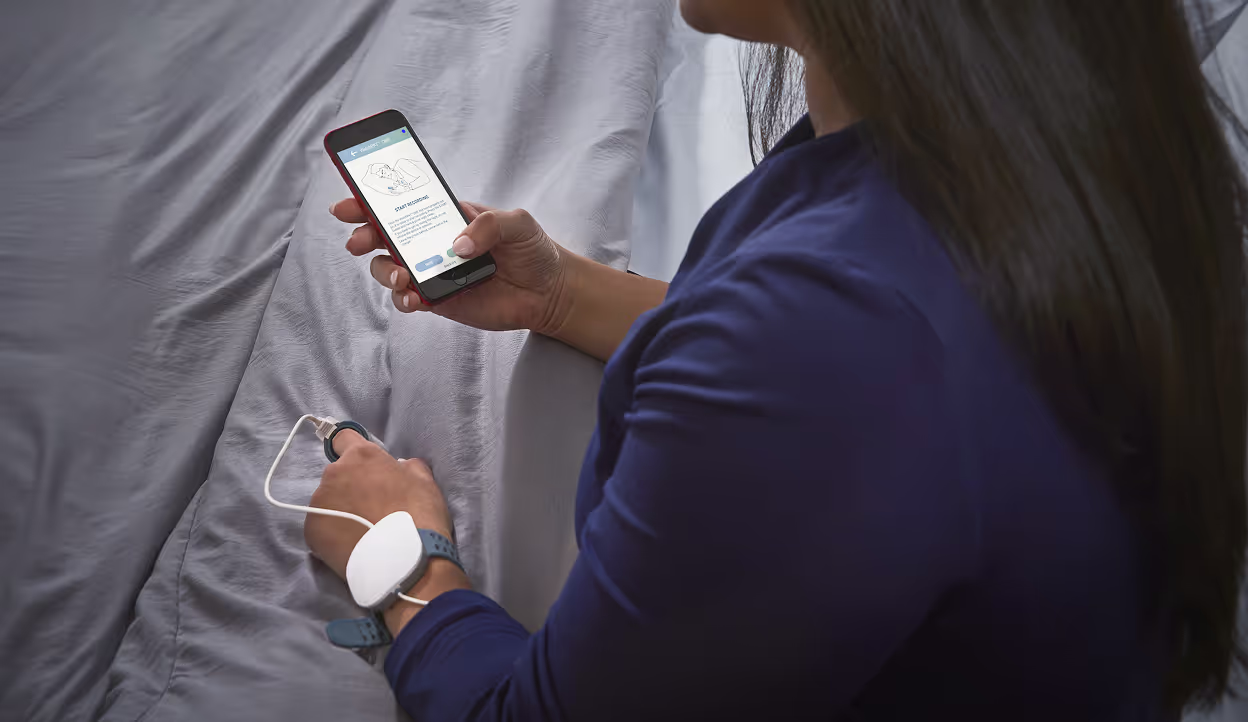
A home sleep apnea test is a portable diagnostic device you wear overnight to measure key breathing and physiological markers while you sleep. Unlike in-lab polysomnography, a home sleep test allows you to stay in your own bed, which often produces results that better reflect your typical sleep patterns.
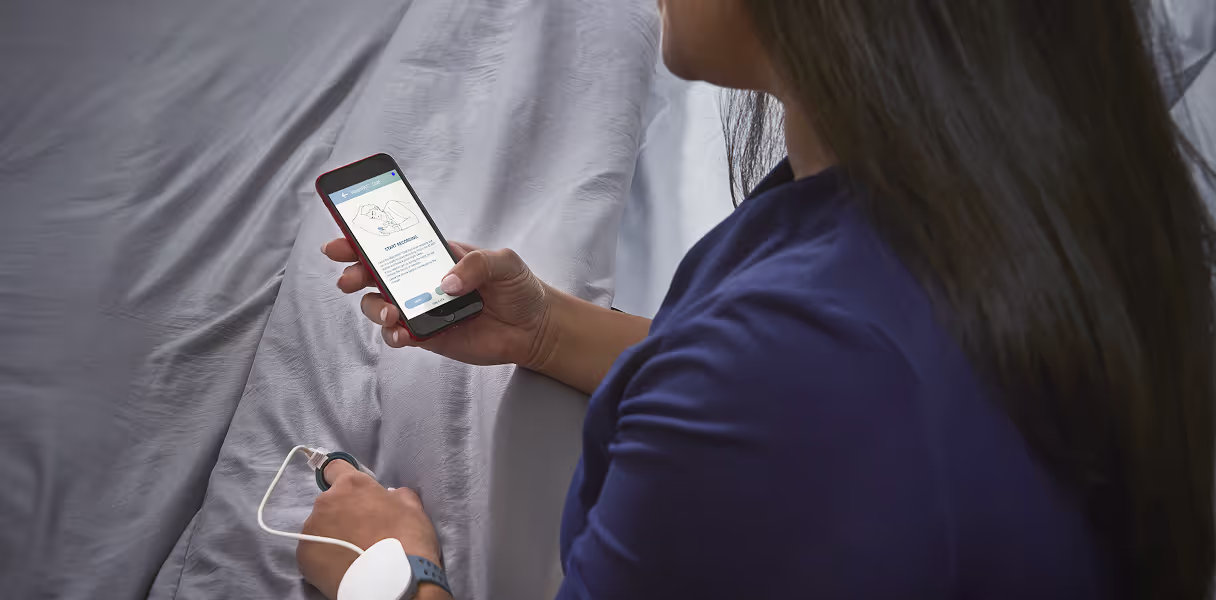
The device typically includes a sensor placed on your finger to track oxygen levels, a nasal cannula to monitor nasal and oral breathing, and a chest belt or sensor to detect breathing effort. Some devices also record body position and heart rhythm. Together, these measurements allow a sleep physician to determine whether you experience repeated pauses or reductions in breathing during sleep, the hallmark of obstructive sleep apnea.
Home sleep apnea testing is sometimes referred to as HSAT (Home Sleep Apnea Test). HSAT is a clinical abbreviation used by the American Academy of Sleep Medicine and sleep medicine providers across the country. The term covers a range of FDA-cleared portable monitoring devices that record data outside a traditional sleep lab setting.
How Home Sleep Test Devices Collect Data
Most HSAT devices used in Laredo and across Texas rely on a small set of sensors that are easy to apply before bed. The most common device types include the WatchPAT, Resmed Apnealink Air, Natus Embletta MPR, and Itamar WatchPAT. Each device records slightly different data channels, but all are designed to capture enough information for a sleep physician to score the study and calculate an Apnea-Hypopnea Index, or AHI.
The AHI is the primary metric used to diagnose obstructive sleep apnea. It represents the average number of apneas (complete breathing stops) and hypopneas (partial breathing reductions) per hour of sleep. According to the AASM, an AHI of 5 to 14 indicates mild sleep apnea, 15 to 29 indicates moderate sleep apnea, and 30 or higher indicates severe sleep apnea.
DID YOU KNOW: The American Academy of Sleep Medicine reports that home sleep apnea tests demonstrate high sensitivity and specificity for diagnosing moderate to severe obstructive sleep apnea, making them a reliable alternative to in-lab studies for most adults.
dumbo.health provides a complete home sleep test kit for $149, shipped directly to your home anywhere in Laredo or South Texas. The device is pre-configured, meaning you simply follow the instructions, wear it for one night, and return it for physician interpretation.
KEY TAKEAWAY: A home sleep apnea test is a portable, FDA-cleared device that records breathing, oxygen, and heart data overnight so a sleep physician can diagnose obstructive sleep apnea without requiring a visit to a sleep lab.
Understanding what the test measures is important, but knowing who actually qualifies for home testing versus in-lab testing matters just as much.
Who Should Get a Home Sleep Test in Laredo, Texas
Adults who experience persistent snoring, witnessed breathing pauses during sleep, excessive daytime sleepiness, or morning headaches are strong candidates for a home sleep apnea test. The decision to test at home rather than in a sleep lab depends on your symptoms, medical history, and the type of sleep disorder your doctor suspects.
Common Symptoms That Indicate Testing
The most common reasons a provider in Laredo may recommend sleep testing include:
- Loud, chronic snoring reported by a partner or family member
- Episodes where breathing stops during sleep, often noticed by someone else
- Waking up gasping or choking
- Persistent daytime fatigue despite getting enough hours of sleep
- Difficulty concentrating or memory problems
- Morning headaches that improve after waking
- Irritability or mood changes without a clear cause
According to the National Heart, Lung, and Blood Institute, untreated obstructive sleep apnea increases the risk of high blood pressure, heart disorders, stroke, and type 2 diabetes. Early diagnosis through home sleep testing can lead to treatment that reduces these risks.
Who Benefits Most from Home Testing
Home sleep testing works best for adults with a moderate to high clinical suspicion of obstructive sleep apnea and no significant comorbidities that would require full polysomnography. This includes many Laredo residents who may not have easy access to a sleep lab or who prefer the comfort and convenience of testing at home.
Commercial truck drivers near the World Trade Bridge or those traveling between Laredo and Eagle Pass are another group that benefits significantly from home sleep testing. The FMCSA requires drivers to maintain medical certification, and untreated sleep apnea can affect certification status. A home sleep test completed through a provider like dumbo.health allows drivers to get tested quickly without scheduling delays.
Real-World Examples
A 48-year-old Laredo school teacher reports waking up every morning with headaches and feeling exhausted by mid-afternoon. Her partner confirms she snores loudly and occasionally stops breathing. Her primary care doctor recommends a home sleep apnea test. She orders a test through dumbo.health's at-home sleep test program, completes it overnight, and receives her results within days showing an AHI of 22, indicating moderate obstructive sleep apnea.
A 55-year-old owner-operator who drives freight across the World Trade Bridge learns during a DOT physical that his BMI of 38 and neck circumference of 18 inches put him at high risk for sleep apnea. Rather than waiting weeks for a sleep lab appointment in Laredo, he completes a home sleep test through dumbo.health and enrolls in the Essentials Plan at $59 per month to begin CPAP therapy without delays.
A 34-year-old warehouse supervisor in the Houston area originally from Laredo has mild symptoms but a strong family history of sleep apnea. His doctor recommends screening. He completes a home sleep study and his results show an AHI of 8, confirming mild obstructive sleep apnea. His physician recommends positional therapy and follow-up monitoring.
IMPORTANT: Home sleep testing is not recommended for patients with suspected central sleep apnea, narcolepsy, restless legs syndrome as a primary diagnosis, or severe cardiopulmonary disorders. These conditions require in-lab polysomnography with full electrodes and technologist monitoring.
KEY TAKEAWAY: Home sleep testing is appropriate for most adults with symptoms of obstructive sleep apnea, but patients with complex sleep disorders or significant comorbidities may need a full in-lab sleep study instead.
Once you know whether you qualify for home testing, the next step is understanding where to find testing options close to you in Laredo.
Where to Get a Home Sleep Test in Laredo, Texas
Laredo residents have several options for accessing a home sleep test, including local sleep centers, hospital-affiliated programs, telehealth providers, and direct-to-patient testing services. The right choice depends on your insurance status, scheduling flexibility, and whether you already have a referral from a doctor.
Local Sleep Centers and Clinics
Laredo has a small number of dedicated sleep medicine providers. Facilities like RISE Sleep Clinic and Apnix Sleep Diagnostics offer sleep disorder testing in the Laredo area. Some of these clinics provide both in-lab polysomnography and home sleep test options. Doctors Hospital and Laredo Medical Center are hospital systems in the region that may offer referrals to sleep specialists or have affiliated sleep labs.
When choosing a local sleep center, consider factors like provider ratings, wait times for appointments, and whether the facility is accredited by the American Academy of Sleep Medicine. AASM accreditation means the sleep center meets national standards for testing equipment, technologist qualifications, and result interpretation.
Telehealth and Direct-to-Patient Options
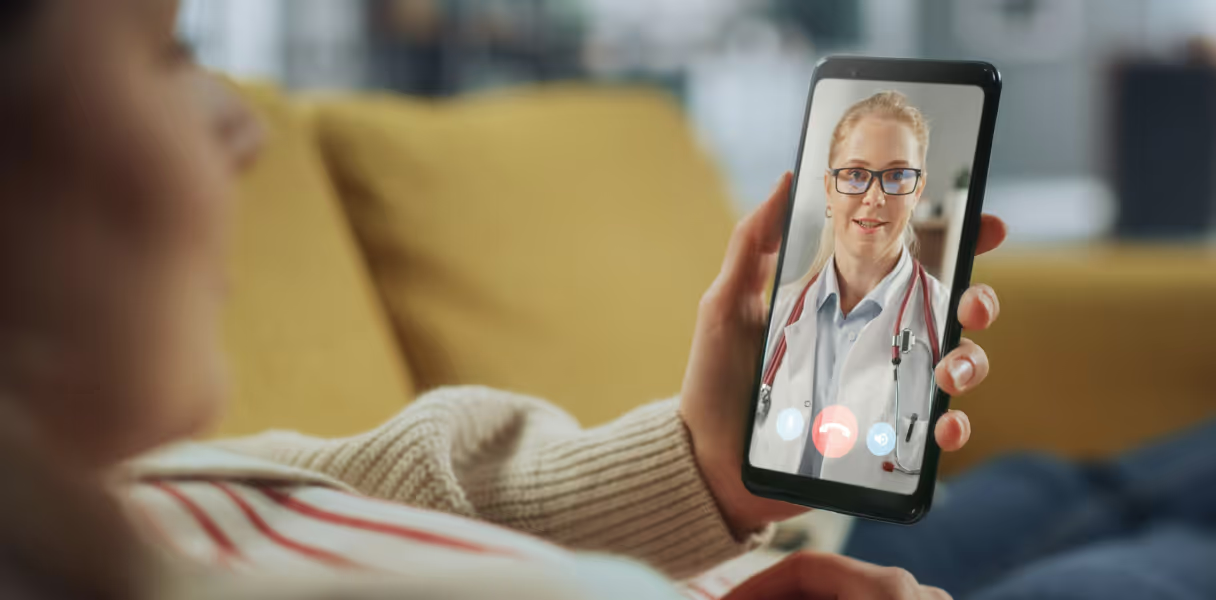
For patients who want to avoid scheduling delays or who do not have a local sleep medicine provider nearby, telehealth-based home sleep testing offers a practical alternative. A telehealth consultation with a sleep physician can determine whether a home sleep test is appropriate and initiate the testing process without an in-person office visit.
dumbo.health operates as a telehealth-enabled sleep apnea care platform that ships home sleep test kits directly to patients in Laredo, Eagle Pass, Rio Grande City, and throughout Texas. The service costs $149 for the test, requires no insurance, no prior authorization, and no referral. A physician reviews your results and, if treatment is needed, you can begin CPAP therapy through one of the monthly care plans starting at $59 per month.
Comparing Local Clinics and dumbo.health
Here is a structured comparison of key decision factors between local sleep labs and dumbo.health for Laredo residents:
Insurance Required
- Local Sleep Lab: Typically yes, may require prior authorization
- dumbo.health: No, cash-pay only with no insurance needed
Test Cost
- Local Sleep Lab: Varies, often $300 to $800 or more with insurance copays
- dumbo.health: $149 flat rate, no surprise bills
Referral Needed
- Local Sleep Lab: Usually requires a doctor referral
- dumbo.health: No referral required, start with a free sleep assessment
Wait Time for Appointment
- Local Sleep Lab: Days to weeks depending on availability
- dumbo.health: Test kit shipped after completing the assessment
Location
- Local Sleep Lab: Office visit on McPherson Rd, Saunders St, or hospital campus
- dumbo.health: Test completed at home, no travel required
Results Turnaround
- Local Sleep Lab: Varies, typically 1 to 3 weeks
- dumbo.health: Physician interpretation included in monthly plans with priority turnaround available on the Premium Plan
For most Laredo residents with straightforward symptoms and a moderate to high likelihood of obstructive sleep apnea, dumbo.health provides the fastest, most affordable path from testing to treatment.
KEY TAKEAWAY: Laredo residents can access home sleep testing through local clinics, hospitals, or telehealth providers like dumbo.health, which offers a $149 test with no insurance, no referral, and direct shipping to your home.
After securing your test, knowing how to prepare and what to expect on test night helps ensure accurate results.
How to Prepare for and Complete a Home Sleep Test
Proper preparation for a home sleep test takes less than 30 minutes and directly affects the accuracy of your results. Following a few simple guidelines on test night ensures the sensors capture clean data that your sleep physician can interpret confidently.
Step-by-Step Process for Completing Your Home Sleep Test
1. Confirm your test date and ensure you have received your home sleep test device. If you ordered through dumbo.health, your kit arrives with illustrated instructions and all necessary sensors included.
2. Avoid caffeine after noon on the day of your test. Caffeine can delay sleep onset and alter your sleep patterns, which may affect the data recorded by the device.
3. Avoid alcohol and sedatives on test night. Both substances relax airway muscles and can artificially increase or mask the severity of sleep-disordered breathing.
4. Follow your normal bedtime routine. Do not change your sleep schedule or try to go to bed significantly earlier or later than usual. The goal is to capture a typical night of sleep.
5. Apply the sensors as directed in your kit instructions. This usually involves placing a finger sensor (oxygen monitor), a nasal cannula, and a chest belt or sensor. Most patients report the setup takes 10 to 15 minutes.
6. Press the start button on the device and go to sleep. The device records automatically throughout the night.
7. Remove the sensors when you wake up in the morning. Turn off the device and prepare it for return shipping if required, or follow your provider's instructions for data upload.
8. Your recorded data is sent to a board-certified sleep physician for interpretation. If you are using dumbo.health, your physician review is included in your monthly care plan, with results delivered within days.
After completing these steps, your sleep study data is ready for scoring and diagnosis. Most patients receive their results within 3 to 7 business days depending on the provider.
Checklist: What to Verify Before Your Test Night
- Confirm the device is fully charged or has a fresh battery
- Check that all sensors are included in the kit (finger clip, nasal cannula, chest sensor)
- Set a reminder to stop caffeine intake after noon
- Avoid alcohol and sedatives on test night
- Review the instruction sheet or video provided with your device
- Ensure your bedroom is a comfortable temperature for sleep
- Remove any nail polish from the finger where the oxygen sensor will be placed, as polish can interfere with readings
- Complete any required consent forms, such as a Home Sleep Test Consent Form if your provider requires one
- Keep your phone nearby in case you need to contact your provider's support team during setup
TIP: Many patients report that sleeping with the nasal cannula feels slightly unusual at first. Give yourself a few extra minutes to get comfortable before turning off the lights.
KEY TAKEAWAY: Completing a home sleep test involves simple sensor application, one night of sleep, and a short list of preparation steps that any patient can manage at home without a technologist present.
Once your test is complete, the most important step is understanding what your results mean and how they guide your treatment path.
Understanding Your Home Sleep Test Results
Your home sleep test results are summarized in a sleep study report that quantifies how often your breathing was disrupted during the night. The most critical number in the report is the Apnea-Hypopnea Index, which determines whether you have sleep apnea and how severe it is.
What the AHI Score Means
The AHI score counts the average number of apneas and hypopneas per hour of recorded sleep. The AASM defines severity categories as follows:
- AHI below 5: Normal, no clinically significant sleep apnea
- AHI 5 to 14: Mild obstructive sleep apnea
- AHI 15 to 29: Moderate obstructive sleep apnea
- AHI 30 or higher: Severe obstructive sleep apnea
Your report may also include oxygen desaturation data, which shows how low your blood oxygen levels dropped during breathing events. An oxygen saturation that repeatedly falls below 90% during sleep is clinically significant and indicates your body is not receiving adequate oxygen during apnea episodes.
Heart rhythm data is another component of many home sleep study reports. Irregular heart rhythms detected during sleep can provide additional clinical context and may prompt your physician to recommend further evaluation for heart disorders.
How a Sleep Physician Interprets Your Results
A board-certified sleep physician reviews the raw data from your device, scores each breathing event, and generates a diagnostic report. This report is what determines your diagnosis and treatment plan. The physician considers your AHI, oxygen levels, symptom history, and any comorbidities when making recommendations.
When you use dumbo.health, physician interpretation is included in every monthly care plan. The Essentials Plan at $59 per month covers interpretation and a full report, while the Premium Plan at $89 per month includes priority results turnaround and a dedicated sleep coach who explains your results and treatment options in detail.
A home sleep apnea test interpreted by a qualified sleep physician in Laredo, Texas provides the same diagnostic weight as a study completed in a sleep lab for obstructive sleep apnea. The results can be used to prescribe CPAP therapy, refer for additional testing, or document treatment needs for DOT medical certification.
DID YOU KNOW: According to the National Sleep Foundation, up to 80% of moderate and severe obstructive sleep apnea cases in the United States remain undiagnosed, which means millions of adults are living with untreated breathing disruptions every night.
KEY TAKEAWAY: Your AHI score is the primary diagnostic metric from a home sleep test, with scores of 5 or higher indicating some degree of obstructive sleep apnea that may benefit from treatment.
With results in hand, the next step is exploring the treatment options that match your diagnosis and lifestyle.
Treatment Options After a Sleep Apnea Diagnosis
CPAP therapy is the first-line treatment for moderate to severe obstructive sleep apnea, but it is not the only option. Your treatment path depends on your AHI score, symptom severity, anatomy, and personal preferences.
CPAP Therapy
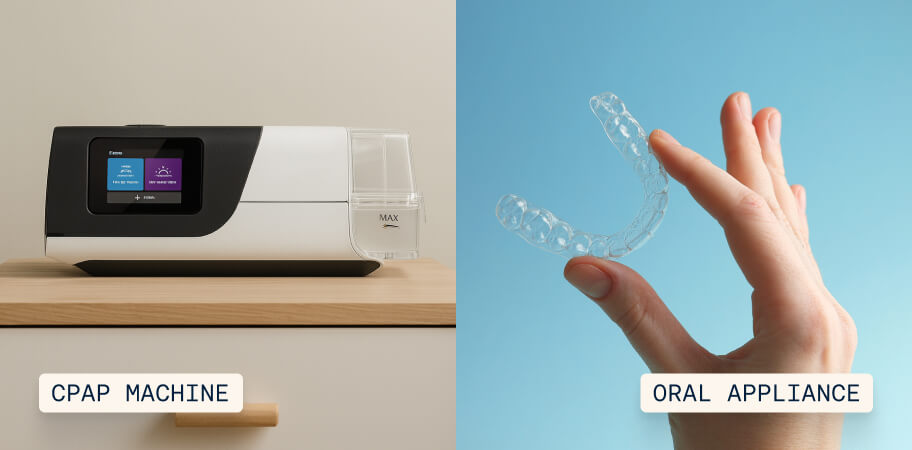
CPAP stands for Continuous Positive Airway Pressure. The device delivers a steady stream of pressurized air through a mask you wear during sleep, keeping your airway open and preventing apneas and hypopneas. According to the American Academy of Sleep Medicine, consistent CPAP use reduces daytime sleepiness, lowers blood pressure, and decreases the risk of cardiovascular events in patients with obstructive sleep apnea.
CPAP adherence is one of the biggest challenges in sleep apnea treatment. The Centers for Medicare and Medicaid Services define adherence as using the device for at least 4 hours per night on at least 70% of nights over a 30-day period. Many patients struggle to meet this threshold without ongoing support.
dumbo.health addresses the adherence challenge directly. The CPAP treatment plans include equipment, physician oversight, and follow-up care starting at $59 per month. The Premium Plan at $89 per month adds a dedicated sleep coach and advanced adherence monitoring, which clinicians frequently observe leads to better long-term compliance. The Elite Plan at $129 per month includes concierge clinical support and direct physician messaging for patients who want the highest level of care.
Oral Appliance Therapy
An oral device, sometimes called a mandibular advancement device, repositions the lower jaw forward during sleep to help keep the airway open. Oral appliances are most commonly recommended for mild to moderate obstructive sleep apnea or for patients who cannot tolerate CPAP. An oral device is custom-fitted by a dentist trained in sleep medicine.
Positional Therapy
Some patients experience sleep apnea primarily when sleeping on their back. Positional therapy involves using a device or technique to encourage sleeping on your side, which can reduce the number of breathing events per hour for patients with position-dependent apnea.
Surgical Options
Surgery is generally reserved for patients who have not responded to CPAP or oral appliance therapy, or who have identifiable anatomical causes such as enlarged tonsils, a deviated septum, or excess soft tissue in the airway. An ear, nose, and throat specialist or a surgeon trained in sleep medicine evaluates whether surgery is appropriate. Surgical approaches range from minimally invasive procedures to more complex reconstruction of the airway.
Lifestyle Modifications
Weight loss, regular exercise, reducing alcohol intake, and avoiding sedatives or tranquilizers before bed can reduce the severity of obstructive sleep apnea in some patients. The CDC notes that maintaining a healthy weight is one of the most effective lifestyle changes for reducing apnea severity, though it is usually recommended alongside other treatments rather than as a standalone approach.
Comparing CPAP, Oral Devices, and Surgery
Here is a structured comparison of the three primary treatment categories for obstructive sleep apnea:
Best For
- CPAP: Moderate to severe obstructive sleep apnea
- Oral Device: Mild to moderate obstructive sleep apnea, CPAP intolerance
- Surgery: Anatomical airway obstruction, treatment-resistant cases
Effectiveness
- CPAP: High when used consistently, reduces AHI to near-normal levels
- Oral Device: Moderate, most effective in mild to moderate cases
- Surgery: Variable, depends on anatomy and procedure type
Daily Commitment
- CPAP: Nightly use required for ongoing benefit
- Oral Device: Nightly use required, some adjustment period
- Surgery: One-time procedure with recovery period
Cost Considerations
- CPAP: Monthly through dumbo.health starting at $59 per month, includes equipment
- Oral Device: Typically $1,500 to $3,000, may require dental insurance
- Surgery: Often $5,000 or more, requires medical insurance approval
Follow-Up Needed
- CPAP: Ongoing monitoring and equipment maintenance
- Oral Device: Periodic dental check-ups and device adjustment
- Surgery: Post-surgical follow-up, possible repeat sleep study
For most patients with moderate to severe sleep apnea, CPAP therapy through a structured program like dumbo.health's sleep apnea care solutions provides the most effective and most affordable treatment path.
KEY TAKEAWAY: CPAP is the gold-standard treatment for moderate to severe obstructive sleep apnea, and structured care plans that include coaching and adherence monitoring improve long-term success.
Treatment is only effective if it addresses the right condition, which is why it helps to understand how obstructive sleep apnea differs from other sleep disorders.
Other Sleep Disorders That Affect Laredo Residents
Obstructive sleep apnea is the most common sleep disorder diagnosed through home sleep testing, but it is not the only condition that disrupts sleep quality and daytime function. Understanding the broader landscape of sleep disorders helps you recognize symptoms that may require different diagnostic approaches.
Insomnia
Insomnia is a sleep disorder characterized by difficulty falling asleep, staying asleep, or waking too early without being able to return to sleep. According to the Sleep Foundation, chronic insomnia affects approximately 10% to 15% of adults. Treatment for insomnia often includes Cognitive Behavioral Therapy for Insomnia, or CBT-I, which is considered the first-line treatment by the AASM. Medication may also be prescribed in certain cases, though long-term use of sedatives carries risks.
Narcolepsy
Narcolepsy is a neurological sleep disorder that causes excessive daytime sleepiness and, in some cases, sudden episodes of muscle weakness triggered by emotions. Diagnosing narcolepsy requires a multiple sleep latency test, which measures how quickly you fall asleep during daytime nap opportunities and whether you enter rapid eye movement sleep abnormally quickly. A home sleep test cannot diagnose narcolepsy. Patients suspected of having narcolepsy should be referred to a sleep lab for full polysomnography followed by a multiple sleep latency test. The Narcolepsy Network provides additional resources for patients diagnosed with this condition.
Restless Legs Syndrome
Restless legs syndrome causes an uncomfortable urge to move the legs, typically in the evening or at night when sitting or lying down. It can significantly disrupt sleep quality and contribute to insomnia. Diagnosis is primarily clinical, based on symptom description. Some patients with restless legs syndrome also have periodic limb movement disorder, which can be detected during an in-lab sleep study.
Central Sleep Apnea and Mixed Sleep Apnea
Central sleep apnea occurs when the brain temporarily fails to send signals to the muscles that control breathing during sleep. Unlike obstructive sleep apnea, where the airway physically collapses, central sleep apnea involves a neurological signaling problem. Mixed sleep apnea combines features of both obstructive and central types. Central sleep apnea is more common in patients with heart disorders, neuromuscular disorders, brain tumors, or those using certain medications. Home sleep tests are generally not recommended for diagnosing central sleep apnea because they do not include the electrodes or brain activity monitoring needed to differentiate central from obstructive events.
When to See a Sleep Specialist
If you experience symptoms that do not clearly point to obstructive sleep apnea, or if a home sleep test produces inconclusive results, a referral to a sleep medicine specialist is the appropriate next step. Sleep specialists and sleep physicians in Laredo may practice through Pulmonary Disease, Internal Medicine, Critical Care Medicine, or Family Medicine departments. Some providers operate out of dedicated offices on McPherson Rd or Saunders St, while others are affiliated with Doctors Hospital or Laredo Medical Center.
For patients with straightforward obstructive sleep apnea symptoms, a home sleep test remains the most efficient diagnostic pathway. If your results suggest a different or additional sleep disorder, your physician will recommend the appropriate next test, whether that is in-lab polysomnography, a maintenance of wakefulness test, or CPAP titration studies.
KEY TAKEAWAY: While home sleep testing is highly effective for diagnosing obstructive sleep apnea, other sleep disorders like narcolepsy, central sleep apnea, and restless legs syndrome require different diagnostic methods and specialist evaluation.
Knowing the limitations of home testing helps you make informed decisions about when a home test is the right choice and when it is not.
Limitations and Risks of Home Sleep Apnea Testing
A home sleep apnea test is highly effective for diagnosing obstructive sleep apnea, but it has limitations that every patient should understand before testing. Recognizing these limitations does not diminish the value of home testing; it helps ensure you get the right test for your specific situation.
Conditions Home Sleep Tests Cannot Diagnose
Home sleep tests are designed to detect obstructive sleep apnea. They do not measure brain wave activity, which means they cannot diagnose narcolepsy, evaluate sleep cycle stages, detect seizure activity, or differentiate between central and obstructive apnea events. Patients with suspected central sleep apnea, neuromuscular disorders affecting breathing, or complex cardiopulmonary functions require in-lab polysomnography with full electrode monitoring and a sleep technologist present throughout the night.
Data Quality Risks
Because there is no technologist monitoring your test in real time, sensor displacement during sleep can result in incomplete or unusable data. If the nasal cannula shifts, the finger sensor falls off, or the chest belt loosens, the device may record gaps that make scoring difficult. According to the AASM, approximately 10% to 15% of home sleep tests require a repeat study due to technical issues or insufficient recording time. Proper preparation and careful sensor application reduce this risk significantly.
False Negatives
Home sleep tests calculate AHI based on total recording time rather than total sleep time, which can underestimate severity in patients who spend a significant portion of the night awake. If you have significant insomnia alongside suspected sleep apnea, a home test may produce a lower AHI than your actual apnea severity during sleep. In these cases, an in-lab study provides more accurate results because a technologist can distinguish between sleep and wake periods using brain activity monitoring.
When Home Testing May Not Be the Right Choice
- You have been diagnosed with or are being evaluated for a neurological condition affecting breathing control
- You have severe chronic obstructive pulmonary disease or other significant cardiopulmonary conditions
- Your provider suspects a sleep disorder other than obstructive sleep apnea
- You have had a previous home sleep test that was inconclusive or technically inadequate
- You are unable to apply the sensors yourself due to a physical limitation
dumbo.health mitigates several of these limitations by providing clear setup instructions, access to a support team during the testing process, and physician oversight for every study. If your home sleep test results are inconclusive, your dumbo.health physician can recommend alternative diagnostic pathways, including referral for in-lab polysomnography.
IMPORTANT: A negative or normal home sleep test result does not completely rule out sleep apnea if your symptoms are significant. Your physician may recommend a follow-up in-lab study if clinical suspicion remains high despite normal home test results.
KEY TAKEAWAY: Home sleep apnea tests are reliable for diagnosing obstructive sleep apnea but cannot detect all sleep disorders, and approximately 10% to 15% of tests may need to be repeated due to technical issues.
Understanding these limitations provides the full picture, but common myths about sleep apnea testing can still create unnecessary hesitation.
Common Myths About Sleep Apnea and Home Sleep Testing Debunked
MYTH: You have to sleep in a lab to get an accurate sleep apnea diagnosis.
FACT: The American Academy of Sleep Medicine supports home sleep apnea testing as a valid diagnostic tool for obstructive sleep apnea in appropriate candidates. Multiple peer-reviewed studies published on PubMed confirm that HSAT devices produce reliable AHI measurements comparable to in-lab polysomnography for patients with a moderate to high pre-test probability of obstructive sleep apnea. Many patients actually produce more representative data at home because they sleep more naturally in their own bed.
MYTH: Only overweight people get sleep apnea.
FACT: While a higher BMI is a significant risk factor, obstructive sleep apnea occurs in people of all body types. The NIH notes that anatomical factors such as a narrow airway, large tonsils, or a recessed jaw can cause sleep apnea regardless of weight. Thin, physically active adults can and do receive sleep apnea diagnoses. Relying on weight alone as a screening criterion misses a substantial number of cases.
MYTH: Sleep apnea is just snoring, and snoring is not dangerous.
FACT: Snoring can be a symptom of obstructive sleep apnea, but not all snoring indicates apnea, and not all apnea involves audible snoring. The critical difference is that sleep apnea involves measurable drops in oxygen levels and disruptions to normal breathing patterns. According to the National Heart, Lung, and Blood Institute, untreated sleep apnea increases the risk of hypertension, heart attack, stroke, and type 2 diabetes. It is a medical condition, not a nuisance.
MYTH: CPAP machines are too uncomfortable to use every night.
FACT: Modern CPAP devices are quieter, lighter, and more comfortable than earlier models. The FDA approves new mask designs and device features regularly to improve patient comfort. CPAP adherence improves substantially when patients receive proper mask fitting, pressure adjustment, and ongoing coaching. dumbo.health's Premium Plan includes a dedicated sleep coach specifically to help patients overcome comfort barriers and maintain consistent nightly use.
MYTH: You need insurance to get a sleep apnea test.
FACT: Insurance is not required for home sleep testing. Many patients choose cash-pay options to avoid prior authorization delays and surprise billing. dumbo.health offers a complete home sleep test for $149 with no insurance required, no referral needed, and no hidden fees. Monthly treatment plans cover CPAP equipment and physician care starting at $59 per month, all without insurance involvement.
KEY TAKEAWAY: Misconceptions about sleep apnea testing and treatment prevent many people from seeking diagnosis, but the evidence shows home testing is accurate, accessible, and available without insurance.
Clearing up these myths removes barriers, but real-world cost and access factors are what ultimately determine whether you move forward with testing.
Cost of Sleep Apnea Testing and Treatment in Laredo
The cost of a sleep apnea test in Laredo varies widely depending on whether you use insurance, pay out of pocket, choose an in-lab study, or opt for home testing. Understanding the full cost picture helps you plan and avoid surprises.
In-Lab Polysomnography Costs
An in-lab sleep study at a sleep center or hospital in Laredo can cost between $1,000 and $3,000 or more for patients without insurance. Even with insurance, copays, deductibles, and prior authorization requirements can result in significant out-of-pocket expenses. Insurance companies may require documentation of medical necessity before approving an in-lab study, and the prior authorization process can add weeks to the timeline.
Home Sleep Test Costs
Home sleep tests through local providers typically range from $200 to $800 depending on the clinic, the device used, and whether physician interpretation is included. Some providers charge separately for the consultation, the device, and the report.
dumbo.health simplifies the cost structure with a transparent pricing model. The home sleep test costs $149 as a one-time payment, which includes the testing device and one night of recording. Physician interpretation and ongoing care are covered through monthly plans:
- Essentials Plan at $59 per month includes physician interpretation, CPAP therapy with equipment, standard follow-up care, and updates sent to your referring provider
- Premium Plan at $89 per month adds a dedicated sleep coach, advanced adherence monitoring, and priority results turnaround
- Elite Plan at $129 per month adds concierge clinical support, direct physician messaging, and custom reporting
All plans are month-to-month with no contracts and cancel-anytime flexibility. There are no surprise bills, no insurance forms, and no prior authorizations.
Cost Barriers and How to Overcome Them
For Laredo residents without insurance, or those with high-deductible plans, the out-of-pocket cost of sleep testing and treatment can be a significant barrier. Many patients delay testing because they assume they cannot afford it or because insurance companies require complex approval processes.
Cash-pay options like dumbo.health remove these barriers entirely. The payment process is straightforward, and the total cost is known before you begin. For truck drivers who need testing for DOT medical certification, the ability to pay out of pocket and receive results quickly can make the difference between staying on the road and losing work time.
KEY TAKEAWAY: Home sleep testing through dumbo.health costs $149 with no insurance required, and monthly treatment plans start at $59, making sleep apnea care affordable and predictable for Laredo residents.
With cost clarity established, commercial drivers in the Laredo area face unique testing requirements worth addressing specifically.
Sleep Apnea Testing for Commercial Drivers in Laredo
Commercial truck drivers in Laredo face specific requirements around sleep apnea screening and treatment that directly affect their ability to maintain DOT medical certification. The FMCSA does not mandate universal sleep apnea testing, but DOT medical examiners can and do require testing based on risk factors identified during the physical.
Drivers with a BMI of 35 or higher, a neck circumference above 17 inches, or symptoms such as excessive daytime sleepiness or witnessed apneas are frequently referred for sleep apnea testing. A diagnosis of untreated sleep apnea can result in a shorter certification period or a conditional certification that requires proof of treatment compliance before renewal.
For drivers operating near the World Trade Bridge or hauling freight between Laredo, Eagle Pass, and El Paso, scheduling a sleep lab appointment can mean lost work days and reduced income. Home sleep testing offers a practical alternative that allows drivers to complete their study on a night off without traveling to a clinic.
dumbo.health serves as a sleep apnea care solutionspecifically designed for the needs of commercial drivers. The $149 home sleep test can be completed anywhere in Texas, and the monthly care plans include CPAP equipment, physician oversight, and adherence documentation that drivers can present during their next DOT physical.Drivers who need a DOT sleep apnea test at homecan begin the process by completing a free sleep assessment online.
CPAP adherence reporting is critical for DOT recertification. Insurance-based programs often lack the streamlined reporting commercial drivers need. dumbo.health's Premium and Elite plans include adherence monitoring and custom reporting, ensuring drivers have documentation ready when their certification renewal date arrives.
KEY TAKEAWAY: Commercial drivers in Laredo can protect their DOT medical certification by completing a home sleep apnea test and maintaining documented CPAP adherence through a structured care plan like those offered by dumbo.health.
Beyond DOT requirements, several practical tips from sleep medicine specialists can help anyone in Laredo get the most out of their sleep apnea care.
Sleep Specialist Tips for Better Sleep Apnea Management
Consistent CPAP use combined with targeted lifestyle changes produces the best outcomes for patients with obstructive sleep apnea. Sleep physicians and sleep therapists who treat patients in the Laredo area and across Texas emphasize several practical strategies.
Optimize Your CPAP Setup
Finding the right mask is the single most important factor in CPAP adherence. Many patients report that their first mask was not the best fit, leading to air leaks, discomfort, or skin irritation. If your mask is uncomfortable, contact your care team for a refitting or try a different style. Nasal pillows, nasal masks, and full-face masks each suit different facial structures and breathing habits.
Use the humidifier feature on your CPAP device if available. Dry air can cause nasal congestion and discomfort, especially during Texas winters when indoor humidity drops. Keeping the device clean and replacing filters on schedule also improves comfort and device performance.
Maintain a Consistent Sleep Schedule
Your circadian rhythm, the internal clock that regulates your sleep cycle, functions best when you go to bed and wake up at roughly the same time every day. Irregular sleep patterns can worsen sleep apnea symptoms and make CPAP adaptation harder. Sleep specialists recommend maintaining your schedule even on weekends and days off.
Address Contributing Factors
Allergies and sinus issues are common in Laredo and can exacerbate nasal congestion, making CPAP use more difficult. If you experience chronic nasal congestion, consult with an allergy specialist or your primary care provider about nasal sprays, antihistamines, or other treatments that can improve your airway patency during sleep.
Limit caffeine to the morning hours. Caffeine has a half-life of approximately 5 to 6 hours, meaning a cup of coffee at 3 PM can still affect your ability to fall asleep at 10 PM. Reducing caffeine, along with avoiding alcohol and sedatives before bed, supports better sleep quality and more accurate CPAP adherence data.
Monitor Your Progress
Many patients report that they feel significantly better within the first few weeks of consistent CPAP use, with improvements in daytime energy, mood, and concentration. However, objective monitoring of your adherence and AHI while on therapy provides data that your physician uses to adjust your treatment if needed.
dumbo.health's care plans include adherence monitoring at every tier. The Premium Plan provides advanced monitoring with a dedicated sleep coach, while the Elite Plan includes direct physician messaging for patients who want real-time clinical guidance. Tracking your progress through a structured program ensures that your treatment stays effective over time.
TIP: If you travel frequently between Laredo and other Texas cities, keep a travel-sized CPAP device or power adapter in your vehicle so you never miss a night of therapy on the road.
KEY TAKEAWAY: Successful sleep apnea management combines proper CPAP setup, consistent sleep habits, management of contributing conditions like allergies, and ongoing monitoring through a structured care program.
These strategies work best when supported by reliable care infrastructure, which brings us to the overall value of getting tested and treated proactively.
Conclusion
A home sleep apnea test in Laredo, Texas gives you a clear, clinically valid path to diagnosing obstructive sleep apnea without the cost, inconvenience, or delays of traditional sleep lab testing. Whether you are a Laredo resident experiencing chronic fatigue, a commercial driver maintaining your DOT certification, or someone in the surrounding communities of Eagle Pass or Rio Grande City looking for answers, home sleep testing provides the data you and your physician need to start treatment.
dumbo.health makes the process straightforward with a $149 at-home sleep test,no insurance required, and monthly care plans starting at $59 per month that include CPAP equipment, physician interpretation, and follow-up support. There are no contracts, no hidden fees, and you can cancel anytime. Take the first step today by completing the free sleep assessment and find out whether a home sleep test is right for you.
Frequently Asked Questions About Home Sleep Apnea Testing in Laredo, Texas
What is a home sleep apnea test?
A home sleep apnea test (HSAT) is an FDA-cleared diagnostic tool that allows you to test for obstructive sleep apnea in the comfort of your own home, without spending a night in a sleep lab. The device typically monitors oxygen levels, breathing patterns, airflow, and heart rhythm while you sleep. A qualified sleep physician then interprets the recorded data and generates a clinical report. According to the American Academy of Sleep Medicine, HSATs are a validated option for diagnosing moderate to severe obstructive sleep apnea in appropriate candidates.
Why choose a home sleep study over an in-lab sleep study?
A home sleep study offers convenience, lower cost, and the ability to sleep in your own environment rather than a clinical setting. Many patients find that sleeping in a familiar setting produces more representative results than spending a night in a hospital or sleep lab attached to multiple electrodes. Home sleep testing is appropriate for most adults suspected of having obstructive sleep apnea. However, an in-lab polysomnography study may be recommended when central sleep apnea, narcolepsy, restless legs syndrome, or complex sleep disorders are suspected, or when a home test produces inconclusive results.
Is a home sleep test as accurate as an in-lab sleep study?
For diagnosing obstructive sleep apnea, home sleep apnea tests are considered clinically reliable when used for appropriate patients. The American Academy of Sleep Medicine endorses HSATs as a valid diagnostic option for uncomplicated obstructive sleep apnea. Home tests do record fewer data channels than full polysomnography, which measures brain activity via electrodes, detailed sleep staging, and additional cardiopulmonary functions. This means HSATs may underestimate the severity of sleep apnea in some cases, and a sleep physician may recommend an in-lab study if your home test results are unclear or if a more complex sleep disorder is suspected.
What does a home sleep test measure?
A home sleep apnea test typically monitors oxygen saturation, nasal and oral breathing, airflow, respiratory effort, and heart rhythm throughout the night. Some devices, such as the WatchPAT, ResMed ApneaLink Air, Natus Embletta MPR, and Itamar WatchPAT, use different sensor configurations but all produce data that a sleep physician can use to calculate the apnea-hypopnea index (AHI), which reflects how many breathing interruptions occur per hour of sleep. The combination of oxygen level monitoring and breathing pattern data is what allows the physician to assess sleep apnea severity.
What are the signs and symptoms of sleep apnea?
Common signs of sleep apnea include loud snoring, waking up breathless or gasping in the middle of the night, morning headaches, unexplained daytime drowsiness, difficulty concentrating, and unrefreshing sleep. Bed partners often notice repeated pauses in breathing during the night. According to the National Sleep Foundation, many people with sleep apnea are unaware they have it because the breathing interruptions occur during sleep. If you experience unexplained fatigue, frequent nighttime waking, or loud snoring, a healthcare professional can help determine whether sleep apnea testing is appropriate.
What are the different types of sleep apnea?
There are three recognised types of sleep apnea. Obstructive sleep apnea is the most common form and occurs when the muscles and soft tissue at the back of the throat relax and block the airway during sleep. Central sleep apnea occurs when the brain fails to send the correct signals to the breathing muscles, rather than being caused by a physical airway obstruction. Mixed sleep apnea, sometimes called complex sleep apnea, involves elements of both obstructive and central sleep apnea. Home sleep tests are most effective at diagnosing obstructive sleep apnea; central and mixed forms often require in-lab polysomnography for accurate evaluation.
What are the risk factors for sleep apnea?
Common risk factors for obstructive sleep apnea include excess body weight, a large neck circumference, male sex, older age, nasal congestion or sinus issues, and a family history of sleep apnea. Structural factors such as a narrow airway, enlarged tonsils, or soft tissue abnormalities can also contribute. Additional risk factors include high blood pressure, smoking, alcohol use, and the use of sedatives or tranquilizers. According to the Mayo Clinic, untreated sleep apnea is associated with serious cardiovascular and metabolic health risks. A healthcare professional can assess your individual risk factors and guide you toward appropriate testing.
Is sleep apnea dangerous if left untreated?
Yes, untreated sleep apnea can carry significant health risks. Repeated breathing interruptions during sleep reduce oxygen levels and place strain on the cardiovascular system. The CDC recognises sleep apnea as a condition associated with increased risk of high blood pressure, heart disorders, stroke, type 2 diabetes, and motor vehicle accidents caused by daytime drowsiness. For commercial drivers, untreated sleep apnea also poses road safety concerns and may affect DOT medical certification. A healthcare professional can assess whether your symptoms and risk factors warrant evaluation and treatment.
What is the apnea-hypopnea index and what does it mean?
The apnea-hypopnea index (AHI) is the measure used to assess sleep apnea severity. It reflects the average number of breathing interruptions per hour of sleep, combining both apneas (complete breathing pauses) and hypopneas (partial airflow reductions). An AHI below 5 is generally considered normal in adults. Mild sleep apnea is typically defined as 5 to 14 events per hour, moderate as 15 to 29, and severe as 30 or more. A sleep physician interprets your AHI alongside oxygen saturation data and your clinical history to determine whether treatment is needed and what type of treatment is most appropriate.
How is sleep apnea treated?
The most common and well-supported treatment for obstructive sleep apnea is continuous positive airway pressure (CPAP) therapy. CPAP delivers a constant flow of air through a mask to keep the airway open during sleep. Other treatment options may include oral devices that reposition the jaw, positional therapy, weight management, surgery to address airway or soft tissue obstruction, or a combination of approaches. In some cases, a healthcare provider may discuss adjunct approaches such as cognitive behavioural therapy or management of contributing conditions. Treatment decisions should always be guided by a qualified healthcare professional based on your specific diagnosis, AHI, and overall health. You can learn about CPAP treatment options at dumbo.health.
What happens after my home sleep test results come back?
After your home sleep test is completed, the recorded data is sent to a sleep physician for interpretation. The physician analyses your AHI, oxygen saturation patterns, breathing data, and heart rhythm to generate a clinical report. If sleep apnea is identified, the report can support a CPAP prescription and form the basis for an ongoing care plan. If the results are abnormal, your physician may recommend CPAP therapy, further evaluation, or an in-lab sleep study depending on the findings. For patients using dumbo.health, physician interpretation and a formal report are included in monthly care plans. You can explore sleep apnea care solutions to see how ongoing care is structured.
Can I use home sleep test results for a CPAP prescription?
Yes. When a home sleep apnea test is interpreted by a qualified sleep physician and produces a confirmed diagnosis of obstructive sleep apnea, the results can support a CPAP prescription. The physician-generated report documents your AHI and the clinical basis for treatment. This report is a standard step in accessing CPAP therapy and equipment. If you are already a CPAP user and need a new prescription to continue therapy or purchase updated equipment, a home sleep test can also support that process, depending on your clinical circumstances. A healthcare professional should review your results and history before any prescription is issued.
What does the $149 home sleep test from dumbo.health include?
The home sleep apnea test from dumbo.health is a one-time cost of $149. It includes the at-home sleep test device and one night of testing. The $149 fee is separate from monthly care plans. Physician interpretation, the clinical report, CPAP therapy, equipment, and ongoing follow-up care are covered under dumbo.health monthly plans, which start at $59 per month with no contracts and no insurance required. There are no prior authorizations and no surprise bills. You can get an at-home sleep test and review full pricing details at dumbo.health.
How fast can I get a home sleep test in Laredo, Texas?
dumbo.health offers same-day shipping for orders placed before 2pm CST to Laredo, Texas. This means that for most patients in Laredo, the test device can arrive the same day and testing can begin quickly without scheduling delays. Once the test night is complete, the device is returned and the data is reviewed by a sleep physician. This process is significantly faster than waiting for a sleep lab appointment, which can involve weeks of scheduling lead time. Patients in Laredo and surrounding South Texas areas, including Rio Grande City and Eagle Pass, can access this streamlined pathway through dumbo.health.
Do I need insurance to get a home sleep apnea test?
No insurance is required to access at-home sleep apnea testing through dumbo.health. dumbo.health operates on a cash-pay model with transparent pricing, no prior authorizations, and no surprise bills. This can be especially useful for patients in Laredo and across Texas who are uninsured, underinsured, or who simply want to avoid the delays and administrative burden that often come with insurance-based care pathways. The $149 home sleep test and monthly ongoing care plans are available without insurance involvement. A healthcare professional can still guide decisions about testing and treatment based on your symptoms and history.
Why is accessing sleep care particularly challenging in Laredo, Texas?
Laredo, Texas is a large border city with limited access to specialised sleep medicine providers. Patients seeking a diagnosis for obstructive sleep apnea or other sleep disorders may find it difficult to locate a local sleep specialist, book a timely appointment, or access an in-lab sleep study without significant waiting periods. Geographic and insurance barriers can make specialist-level sleep care difficult to reach. Home sleep apnea testing provides a practical alternative for Laredo residents, allowing clinical-quality testing without the need to travel to San Antonio, Houston, or El Paso for a sleep lab evaluation.
Are there sleep specialists or sleep clinics near me in Laredo, Texas?
Laredo has limited specialist-level sleep medicine infrastructure compared to larger Texas cities. Patients may encounter long wait times or difficulty finding a sleep provider who fits their specific needs or accepts their insurance. Facilities such as Laredo Medical Center and Doctors Hospital have served the local community, but access to dedicated sleep medicine specialists remains limited in the area. For patients who cannot access a local provider or prefer a more convenient pathway, at-home sleep apnea testing with physician review offered through platforms like dumbo.health can provide a practical option without requiring an in-person appointment at a sleep lab. You can start with a free sleep assessment to see if at-home testing is appropriate for your situation.
What is home sleep testing and why would I need it?
Home sleep testing is a clinical process in which you wear a portable monitoring device overnight in your own home to collect data on your breathing, oxygen levels, and sleep-related respiratory activity. You would need home sleep testing if a healthcare professional or your own symptoms suggest you may have obstructive sleep apnea. Common reasons to pursue testing include loud snoring, unexplained daytime sleepiness, waking up breathless, or being identified as high risk based on factors like body weight, neck size, or blood pressure. The American Sleep Apnea Association recommends that anyone with symptoms or risk factors for sleep apnea seek evaluation.
What should I expect during a home sleep test?
On the night of your home sleep test, you will set up the monitoring device at home following the instructions provided. Depending on the device type, you may apply sensors to your finger, chest, or nasal area to monitor oxygen saturation, airflow, and breathing effort. The device records data passively while you sleep in your normal environment. Most patients find the process straightforward and less disruptive than sleeping in a clinical sleep lab. In the morning, you return the device or upload the recorded data, and a sleep physician reviews the results. A follow-up report is then generated based on the findings.
What if my home sleep test shows abnormal results?
If your home sleep apnea test shows abnormal results, a sleep physician will review the data and may recommend CPAP therapy, further evaluation, or an in-lab polysomnography study depending on the severity and pattern of the findings. Abnormal results do not automatically mean you will be required to start treatment immediately, but they do provide important clinical information that should be reviewed with a qualified healthcare professional. If the home test is inconclusive or suggests central sleep apnea, mixed sleep apnea, narcolepsy, or a complex sleep disorder, your physician may recommend a more comprehensive in-lab study to guide diagnosis and treatment planning.
What is CPAP therapy and how does it help with sleep apnea?
CPAP (continuous positive airway pressure) therapy is the most commonly recommended treatment for obstructive sleep apnea. A CPAP machine delivers a continuous stream of pressurised air through a mask worn over the nose or mouth during sleep, keeping the airway open and preventing breathing interruptions. This reduces apnea events, improves oxygen saturation, and typically leads to better sleep quality, reduced daytime sleepiness, and lower cardiovascular risk over time. According to the NIH, consistent CPAP use is associated with meaningful improvements in symptoms and health outcomes. CPAP equipment and therapy are included in dumbo.health monthly care plans.
What is CPAP adherence and why does it matter?
CPAP adherence refers to how consistently and correctly a patient uses their CPAP device each night. Regular and adequate CPAP use, typically defined as at least four hours per night on most nights, is required for the therapy to be effective and for its health benefits to be sustained. Poor adherence reduces the clinical benefit of treatment and may affect DOT medical certification for commercial drivers, as examiners often review adherence data when evaluating fitness for duty. dumbo.health monthly plans include adherence monitoring and follow-up support, with the Premium and Elite plans offering dedicated sleep coaching and advanced adherence tracking to help patients stay on track with therapy.
Do commercial truck drivers in Laredo need sleep apnea testing?
Commercial drivers, including truck drivers, are at elevated risk for obstructive sleep apnea due to factors such as sedentary working conditions, irregular sleep schedules, and higher rates of obesity in the driver population. The FMCSA does not currently have a specific federal sleep apnea rule, but certified medical examiners are required to evaluate drivers for conditions that may impair safe driving, and sleep apnea is one such condition. A medical examiner may refer a driver for sleep apnea testing based on symptoms, body mass index, neck circumference, or blood pressure findings. Drivers in the Laredo area can explore at-home sleep testing for truck drivers as a convenient and cost-effective pathway to evaluation.
Can a home sleep test support DOT medical certification for CDL drivers?
A home sleep apnea test can support the documentation needed as part of the DOT medical certification process, but it does not guarantee certification or medical clearance. A certified medical examiner makes all final decisions about DOT medical fitness for duty based on the full clinical picture, including symptoms, medical history, test results, and treatment adherence. If a driver is diagnosed with sleep apnea, demonstrating effective treatment and CPAP adherence may be part of the certification review. dumbo.health can support testing and care documentation, but it does not replace the role of a certified medical examiner. You can read more in the home sleep apnea test guide for CDL drivers.
What other sleep disorders might a physician consider beyond sleep apnea?
A sleep physician may consider a range of sleep disorders depending on your symptoms and test results. These include narcolepsy, which involves excessive daytime sleepiness and sudden sleep attacks; restless legs syndrome, which causes uncomfortable sensations and an urge to move the legs at night; insomnia and circadian rhythm disorders, which affect sleep onset and sleep patterns; and conditions like periodic limb movement disorder. Some of these disorders, including narcolepsy, require specialised in-lab studies such as a multiple sleep latency test or maintenance of wakefulness test, rather than a home sleep test alone. A healthcare professional can assess your full sleep history and direct you toward the appropriate evaluation pathway.
When should I seek urgent medical care for sleep-related symptoms?
If you experience chest pain, severe difficulty breathing, irregular heart rhythm, confusion, sudden weakness, or any symptoms that feel urgent or life-threatening, seek emergency medical care immediately. Sleep apnea symptoms such as snoring, daytime drowsiness, and waking breathless are concerning but are not typically emergencies on their own. However, they should be evaluated by a healthcare professional promptly, particularly if you have underlying heart disorders, pulmonary disease, or a history of cardiovascular problems. Do not delay seeking medical attention for urgent symptoms while waiting for a home sleep test. Home sleep testing is a diagnostic tool, not a substitute for emergency care or ongoing physician management.
How do I get started with a home sleep apnea test in Laredo, Texas?
The easiest way to get started is to take a free sleep assessment to help determine whether at-home sleep apnea testing may be appropriate for your symptoms and health history. If testing is suitable, you can order a home sleep test device for $149, complete your test night at home, and have your results reviewed by a sleep physician. Ongoing care including CPAP therapy, equipment, physician reporting, and adherence follow-up is available through monthly plans starting at $59 per month, with no contracts and no insurance required. Start with a free sleep assessment at dumbo.health to take your first step toward clearer answers about your sleep health.