



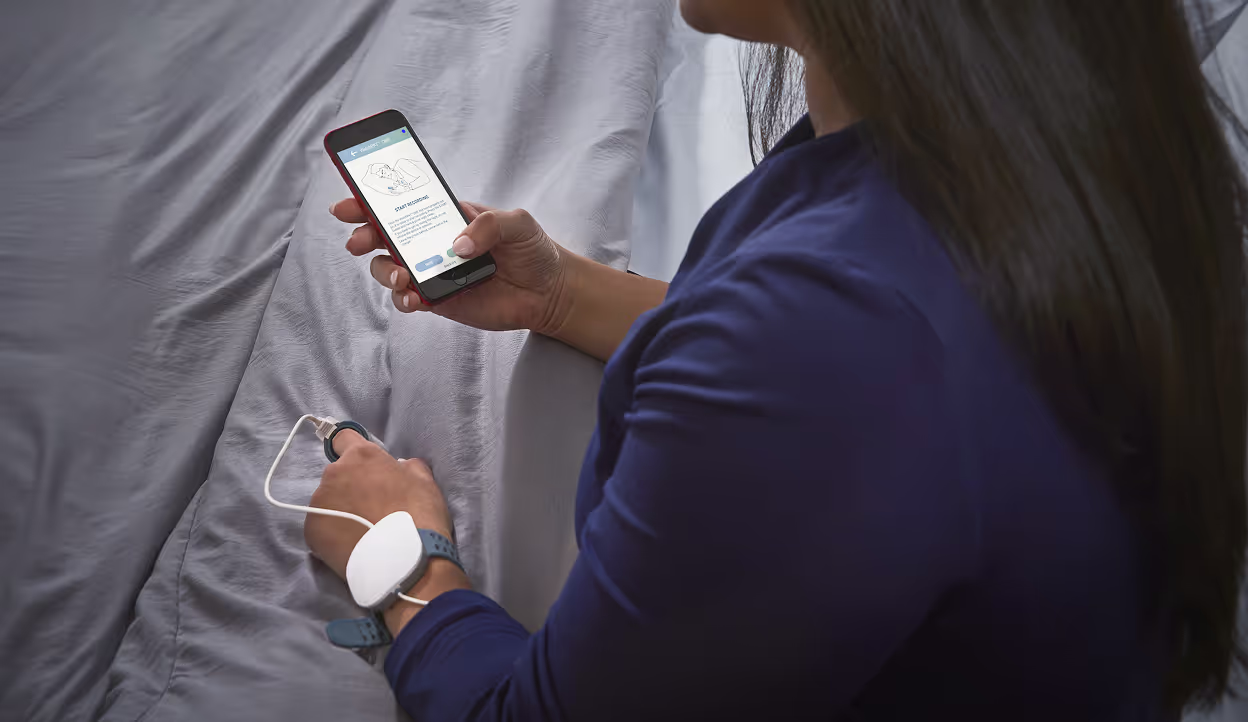



Home Sleep Apnea Test in Georgetown, Texas: The Complete Guide to At-Home Sleep Testing
Home sleep apnea test services in Georgetown, Texas give you a clinically validated way to screen for obstructive sleep apnea from your own bed. According to the American Academy of Sleep Medicine, home sleep apnea testing is an accepted diagnostic method for adults with a moderate to high probability of obstructive sleep apnea, making it a practical alternative to overnight stays in a sleep lab. This guide is written for Georgetown-area residents, Central Texas commercial drivers, and anyone experiencing symptoms like loud snoring, witnessed breathing pauses, or excessive daytime sleepiness. You will learn how home sleep testing works, what the results mean, how it compares to in-lab polysomnography, and what treatment options follow a positive diagnosis. Whether you have insurance concerns, scheduling limitations, or simply prefer the comfort of testing at home, this page covers every decision point you need.
Quick Answer
A home sleep apnea test is a portable diagnostic device you wear overnight in your own bed to measure airflow, respiratory effort, blood oxygen saturation, and heart rate. Physicians use the data to calculate your Apnea-Hypopnea Index and determine whether you have obstructive sleep apnea. Testing at home is more convenient, less expensive, and often faster than a sleep lab study. Georgetown, Texas residents can access at-home sleep testing through local sleep clinics, telehealth providers, or services like dumbo.health, which offers a home sleep test for $149 with no insurance required.
Key Takeaways
- A home sleep apnea test records airflow, oxygen levels, respiratory effort, and heart rate during one night of sleep to screen for obstructive sleep apnea.
- The Apnea-Hypopnea Index is the primary metric physicians use to grade sleep apnea severity, with 5 or more events per hour indicating a positive result.
- Home sleep testing is clinically appropriate for adults with a moderate to high pretest probability of obstructive sleep apnea, according to the American Academy of Sleep Medicine.
- In-lab polysomnography remains necessary for diagnosing complex sleep disorders such as narcolepsy, parasomnias, restless legs syndrome, or periodic limb movements.
- dumbo.health offers a home sleep test for $149 as a one-time cost with no insurance, no prior authorization, and no surprise bills, plus monthly CPAP care plans starting at $59 per month.
- Georgetown residents can complete home sleep testing without traveling to Austin, Houston, or other metro areas, since portable testing devices ship directly to your home.
What a Home Sleep Apnea Test Actually Measures
A home sleep apnea test measures the specific physiological signals needed to detect obstructive sleep apnea during a single night of sleep. Unlike a full in-lab polysomnography, which monitors brain waves via electroencephalogram and tracks dozens of data channels, a home sleep test focuses on the core respiratory parameters that identify apneas and hypopneas.
Sensors and Data Channels
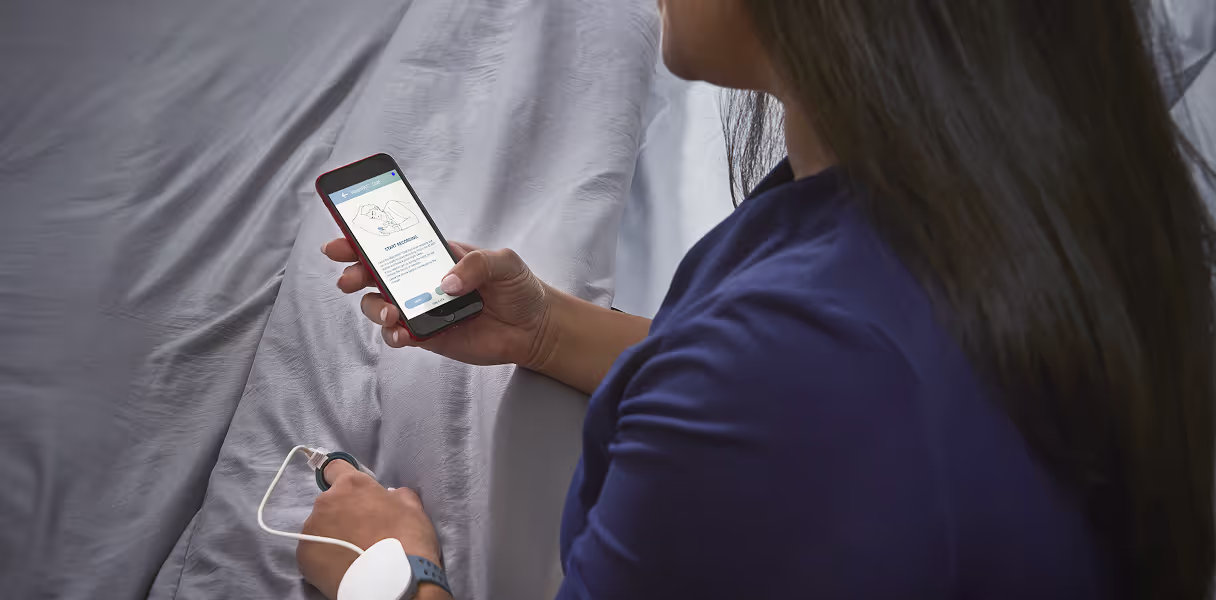
The typical home sleep test device uses between four and seven sensors. A nasal cannula detects airflow through your nose and mouth. A pulse oximeter clipped to your finger continuously records blood oxygen saturation and heart rate. A belt worn around the chest tracks respiratory effort using respiratory inductance plethysmography. Some devices also include a body position sensor and a microphone or vibration sensor for snoring detection.
These sensors collect data throughout the night while you sleep in your own bed. The device stores everything internally for later scoring and physician review.
Apnea-Hypopnea Index Scoring
The primary result from a home sleep test is your Apnea-Hypopnea Index, often abbreviated as AHI. This number represents how many apneas (complete breathing pauses lasting at least 10 seconds) and hypopneas (partial airway reductions with an associated oxygen desaturation) you experience per hour of recorded time.
According to the American Academy of Sleep Medicine, an AHI of 5 to 14 events per hour indicates mild obstructive sleep apnea, 15 to 29 indicates moderate, and 30 or above indicates severe. Your physician interprets this score alongside your symptoms, clinical profile, and any comorbid illnesses to determine the appropriate treatment pathway.
DID YOU KNOW: The National Heart, Lung, and Blood Institute estimates that obstructive sleep apnea affects more than 25 million adults in the United States, yet a significant portion remain undiagnosed because many people attribute their symptoms to stress or aging rather than a treatable sleep disorder.
KEY TAKEAWAY: A home sleep apnea test uses a nasal cannula, pulse oximeter, chest belt, and sometimes additional sensors to calculate your Apnea-Hypopnea Index, the single most important number in diagnosing obstructive sleep apnea.
Understanding exactly what these sensors measure helps explain who home testing works best for and who may need a full sleep lab study instead.
Who Should Get a Home Sleep Test in Georgetown, Texas
Adults in Georgetown, Texas who have symptoms consistent with obstructive sleep apnea and a moderate to high clinical suspicion are the best candidates for home sleep testing. The AASM clinical guidelines recommend home sleep apnea testing for patients without significant cardiopulmonary disease, neuromuscular conditions, or suspected central sleep apnea.
Symptoms That Warrant Testing
You should consider a home sleep test if you experience three or more of the following symptoms regularly:
- Loud, persistent snoring reported by a bed partner or household member
- Witnessed breathing pauses or gasping during sleep
- Excessive daytime sleepiness despite getting 7 or more hours of sleep
- Morning headaches that resolve within a few hours of waking
- Difficulty concentrating or memory lapses during the day
- Waking with a dry mouth or sore throat most mornings
- Frequent nighttime urination unrelated to other medical conditions
Risk factors that increase the likelihood of obstructive sleep apnea include a BMI of 30 or higher, a neck circumference over 17 inches for men or 16 inches for women, age over 50, and male sex. A deviated septum, enlarged tonsils, or nasal polyps can also narrow the airway and contribute to sleep disordered breathing.
Real-World Scenarios
A 48-year-old Georgetown school administrator with a BMI of 33 and chronic snoring visits her family medicine provider. Her partner reports hearing her stop breathing several times a night. Her physician orders a home sleep test because her symptoms and clinical profile strongly suggest obstructive sleep apnea with no complicating conditions that would require in-lab monitoring.
A 55-year-old owner-operator truck driver living in Georgetown needs DOT medical recertification and was flagged for sleep apnea screening due to his BMI and neck circumference. Rather than wait weeks for a sleep lab appointment in Austin or North Austin, he orders an at-home sleep test through dumbo.health for $149 and completes the test that same week from home.
A 37-year-old woman with insomnia, restless legs, and occasional sleepwalking visits a sleep specialist. Because her presentation includes multiple possible sleep disorders beyond obstructive sleep apnea, her physician recommends in-lab polysomnography rather than a home sleep test.
IMPORTANT: Home sleep testing is not appropriate for patients suspected of having narcolepsy, parasomnias, restless legs syndrome, periodic limb movements, or central sleep apnea. These conditions require the comprehensive data channels available only through in-lab polysomnography.
KEY TAKEAWAY: The ideal home sleep test candidate in Georgetown, Texas is an adult with classic obstructive sleep apnea symptoms such as snoring, witnessed apneas, and daytime sleepiness, without complex comorbidities that require in-lab monitoring.
Knowing whether you qualify for a home test is the first step. The next question most patients ask is how the process actually works from start to finish.
How to Complete a Home Sleep Apnea Test: Step by Step
Completing a home sleep apnea test involves a straightforward process that most patients finish within one to two weeks from the initial order to receiving results. The entire test night takes place in your own bed, which improves both comfort and sleep quality compared to a lab setting.
Step-by-Step Process
1. Get evaluated by a physician or complete a clinical screening. You can visit your family medicine provider in Georgetown, schedule an appointment with a sleep specialist, or start with a free sleep assessment through dumbo.health to determine whether home testing is clinically appropriate for you.
2. Order or receive your home sleep test device. If your provider orders the test, a device is shipped to your home or made available for pickup. Through dumbo.health, you order the test online for $149 and the FDA-cleared device arrives at your door with clear instructions.
3. Review the instructions and practice applying the sensors before your test night. Position the nasal cannula in your nostrils, place the pulse oximeter on your index finger, and secure the chest belt around your torso. Most devices include a simple diagram or video tutorial.
4. Wear the device for one full night of sleep. Go to bed at your normal time and follow your regular routine. The device begins recording automatically or with the press of a single button. Sleep for a minimum of 4 to 6 hours to ensure adequate data collection.
5. Remove the device in the morning and return it or upload the data according to the instructions. Some devices transmit data wirelessly. Others require you to mail the device back in a prepaid shipping box.
6. A board-certified sleep medicine physician reviews and scores the data, then generates a report that includes your Apnea-Hypopnea Index, oxygen desaturation patterns, and a clinical interpretation of your results.
7. Receive your results and discuss next steps with your care team. If you test through dumbo.health, results turnaround is included in the Essentials plan at $59 per month, which also covers CPAP therapy and equipment if treatment is needed.
Once scoring is complete, your physician will explain the results and recommend a treatment plan based on the severity of your obstructive sleep apnea and your overall clinical profile.
What to Prepare Before Test Night: Checklist
- Confirm your device is fully charged or has fresh batteries
- Read all printed or digital instructions included with the device
- Practice placing the nasal cannula, finger sensor, and chest belt before bedtime
- Avoid alcohol and sedating medications the evening of the test unless directed otherwise by your physician
- Sleep in your own bed in your normal sleeping position for the most accurate data
- Set a reminder to press the record button if your device requires manual activation
- Plan at least 6 hours of uninterrupted sleep time
- Keep the prepaid return shipping box accessible for the morning after the test
- Have your physician's contact information or your dumbo.health dashboard login ready for follow-up
TIP: Many patients report that wearing the device at home feels significantly less intrusive than sleeping in a sleep lab. The sensors are lightweight, and the absence of unfamiliar surroundings often leads to a more typical night of sleep.
KEY TAKEAWAY: A home sleep apnea test requires just one night of sleeping with a portable device, and most patients complete the entire process from ordering to results in under two weeks.
After the test night, the results determine your diagnosis and whether treatment is necessary, so understanding what those numbers mean is critical.
Understanding Your Home Sleep Test Results
Your results from a home sleep apnea test are summarized by the Apnea-Hypopnea Index, oxygen desaturation data, and total recording time. A board-certified sleep medicine physician interprets these values together to make a diagnosis.
AHI Severity Grading
The Apnea-Hypopnea Index is graded on a widely accepted scale published by the American Academy of Sleep Medicine:
AHI Range
- Normal: fewer than 5 events per hour
- Mild obstructive sleep apnea: 5 to 14 events per hour
- Moderate obstructive sleep apnea: 15 to 29 events per hour
- Severe obstructive sleep apnea: 30 or more events per hour
Oxygen Desaturation
- Normal baseline: 94% to 100% blood oxygen saturation during sleep
- Clinically significant desaturation: drops below 88% or frequent fluctuations of 4% or more from baseline
What an AHI Score Means for You
An AHI of 5 to 14 means your airway partially or fully closes 5 to 14 times every hour during sleep. At this level, you may experience snoring, mild daytime fatigue, and fragmented sleep. Treatment may include positional therapy, weight management, or oral appliance therapy depending on your symptoms and preferences.
An AHI of 15 or higher typically warrants CPAP therapy as the first-line treatment, according to the AASM. At 30 or more events per hour, the risk of cardiovascular complications, hypertension, and motor vehicle accidents increases substantially. The National Highway Traffic Safety Administration estimates that drowsy driving contributes to tens of thousands of crashes annually, and untreated sleep apnea is a recognized contributor to driver fatigue.
Oxygen Levels and Clinical Context
Your blood oxygen saturation data shows how severely your breathing interruptions affect oxygen delivery. Repeated desaturation events strain the cardiovascular system over time. Mayo Clinic explains that untreated obstructive sleep apnea is associated with elevated risk for high blood pressure, heart failure, stroke, and type 2 diabetes.
Scoring also captures respiratory effort patterns, which help differentiate between obstructive events (where the airway physically collapses) and central events (where the brain fails to signal breathing muscles). Home sleep tests are designed to detect obstructive events. If central apnea is suspected, in-lab polysomnography with an electroencephalogram and additional monitoring channels is necessary.
Home sleep apnea test results are reviewed by a physician who examines the data in context with the patient's symptoms, BMI, neck circumference, clinical profile, and comorbid illnesses. The physician then recommends the most appropriate treatment path. dumbo.health includes physician interpretation and a detailed report in every care plan, starting with the Essentials plan at $59 per month.
KEY TAKEAWAY: Your Apnea-Hypopnea Index score, combined with oxygen desaturation data and clinical context, determines whether you have obstructive sleep apnea and how severe it is, which directly shapes your treatment plan.
With your results in hand, the next decision involves choosing between home testing and in-lab studies, especially if your results are inconclusive or your symptoms are complex.
Home Sleep Test vs. In-Lab Polysomnography: Which Is Right for You
A home sleep test and in-lab polysomnography both diagnose sleep apnea, but they differ in scope, cost, convenience, and the types of sleep disorders they can detect. Choosing the right option depends on your clinical situation.
Setting
- Home Sleep Test: Your own bed, any night that works for your schedule
- In-Lab Polysomnography: A sleep lab or sleep center, by appointment only
Cost
- Home Sleep Test: Typically $149 to $500 without insurance. dumbo.health offers the test for $149 with no insurance required.
- In-Lab Polysomnography: Often $1,000 to $3,000 or more depending on the facility and insurance status
Number of Data Channels
- Home Sleep Test: 4 to 7 channels, focused on respiratory and oxygen data
- In-Lab Polysomnography: 12 or more channels including electroencephalogram, electromyogram, electrooculogram, and leg movement sensors
Conditions Diagnosed
- Home Sleep Test: Obstructive sleep apnea
- In-Lab Polysomnography: Obstructive sleep apnea, central sleep apnea, narcolepsy, restless legs syndrome, periodic limb movements, parasomnias, sleepwalking, and other complex sleep disorders
Turnaround Time for Results
- Home Sleep Test: Typically 3 to 10 business days depending on the provider
- In-Lab Polysomnography: 1 to 3 weeks depending on the sleep center and physician availability
Patient Comfort
- Home Sleep Test: High. You sleep in familiar surroundings with minimal equipment.
- In-Lab Polysomnography: Lower. You sleep in a clinical environment with multiple sensors, wires, and monitoring by a sleep technologist.
For most adults in Georgetown, Texas with a straightforward clinical profile suggesting obstructive sleep apnea, a home sleep test provides the accuracy needed to confirm or rule out the diagnosis at a fraction of the cost and time. In-lab polysomnography is the better choice when the clinical picture is complicated by suspected central apnea, insomnia, narcolepsy, or movement disorders, or when a home test returns inconclusive results.
If you are unsure which test is right for you, taking a free sleep assessment through dumbo.health can help clarify your next step based on your symptoms and medical history.
KEY TAKEAWAY: Home sleep testing is more affordable, more convenient, and clinically sufficient for most obstructive sleep apnea diagnoses, while in-lab polysomnography is reserved for complex or multi-condition cases.
Once you understand which test fits your situation, the question shifts to cost, access, and what treatment looks like after a positive diagnosis.
Cost of Home Sleep Testing in Georgetown, Texas
Home sleep apnea testing in Georgetown, Texas typically costs between $149 and $500 when paying out of pocket, depending on the provider and whether the fee includes physician interpretation. Costs vary significantly between local sleep clinics, hospital-affiliated sleep centers, and telehealth-based services.
What Drives the Cost
Several factors affect what you pay for a home sleep test in the Georgetown area. Facility-based sleep centers in Austin or North Austin may charge higher fees that reflect overhead, staffing, and equipment maintenance. Some providers bundle physician interpretation into the test fee, while others bill it separately. Insurance companies may cover part or all of the cost if you meet certain criteria, but prior authorization requirements, copays, and deductible gaps can make the final out-of-pocket amount unpredictable.
For patients who prefer transparent pricing with no insurance hassle, dumbo.health charges $149 for a home sleep test as a one-time fee. This covers the FDA-cleared device and one night of testing. No insurance is required, no prior authorization is needed, and there are no surprise bills. Physician interpretation and a detailed report are included when you enroll in a monthly care plan starting at $59 per month.
How dumbo.health Compares to Local Options
Many Georgetown residents face a trade-off between convenience and cost when choosing where to get tested. Local sleep clinics and the Georgetown Sleep Center may offer in-person consultations and device pickup, but appointment availability, wait times, and insurance-related delays can extend the process by weeks. Hospital-based sleep labs in Austin or Central Texas often have even longer wait times and higher facility fees.
dumbo.health eliminates these barriers by shipping the test device directly to your home. You complete the test on your own schedule, return the device, and receive physician-reviewed results without needing to visit a clinic, secure a referral, or navigate insurance approvals. For drivers, shift workers, and busy professionals in Georgetown, this self-directed approach saves both time and money.
Insurance vs. Cash Pay
- Insurance: May cover the test but often requires a referral, prior authorization, and meeting your deductible first. Final cost can be unpredictable.
- Cash pay through dumbo.health: $149 flat rate, no referral, no authorization, no surprise bills.
DID YOU KNOW: According to the Sleep Foundation, the cost of an undiagnosed and untreated sleep disorder extends far beyond the test itself. Untreated sleep apnea is associated with higher rates of hypertension, workplace accidents, and motor vehicle crashes, all of which carry substantial financial and personal costs over time.
KEY TAKEAWAY: Home sleep testing in Georgetown, Texas ranges from $149 to $500 out of pocket, and dumbo.health offers the test for $149 with fully transparent pricing and no insurance requirements.
Cost is a major factor, but knowing the limitations of home testing is equally important before making a decision.
Limitations and Risks of Home Sleep Apnea Testing
Home sleep testing is clinically effective for diagnosing obstructive sleep apnea in appropriate candidates, but it has real limitations that every patient should understand before ordering a test. Acknowledging these boundaries helps set accurate expectations and prevents misdiagnosis.
When Home Testing May Not Be the Right Choice
The first limitation is diagnostic scope. A home sleep test measures respiratory parameters and oxygen levels but does not record brain activity, eye movements, or limb movements. This means conditions like narcolepsy, restless legs syndrome, periodic limb movements, parasomnias, and sleepwalking cannot be detected. If your symptoms include leg jerking, vivid dream enactment, or excessive daytime sleepiness without clear respiratory symptoms, your physician should order in-lab polysomnography instead.
The second limitation is data quality risk. Because you self-apply the sensors at home without a sleep technologist present, there is a chance of sensor displacement during the night. If the nasal cannula shifts out of position or the pulse oximeter loses contact with your finger, the recording may be incomplete or unscoreable. The AASM notes that approximately 10% to 20% of home sleep tests require a repeat study due to inadequate data, compared to less than 5% for supervised in-lab studies.
The third limitation is that home sleep tests may underestimate apnea severity. Home devices typically calculate the AHI based on total recording time rather than actual sleep time, since they cannot distinguish between sleep and wakefulness the way an electroencephalogram can. This means your AHI could be lower than it would be on an in-lab study, potentially undergrading your severity.
Who Should Avoid Home Testing
Patients with significant heart failure, chronic obstructive pulmonary disease, neuromuscular disease, or suspected central sleep apnea should not rely on a home sleep test alone. The AASM recommends in-lab polysomnography for these populations because additional physiological data channels are needed for accurate diagnosis and treatment planning.
Patients already using supplemental oxygen, BI-PAP, or auto SV therapy should also be tested in a sleep lab, where a sleep technologist can monitor equipment interactions and titrate settings in real time.
How dumbo.health Addresses These Limitations
dumbo.health mitigates the most common home testing risks by providing clear, step-by-step instructions with each device, which helps reduce sensor misplacement. Every test result is reviewed by a physician who evaluates data quality and determines whether the study is scoreable or needs to be repeated. If a home test is inconclusive or suggests a condition beyond obstructive sleep apnea, the reviewing physician can recommend referral to a sleep center or in-lab polysomnography as the next step.
IMPORTANT: A home sleep test is a screening tool optimized for obstructive sleep apnea. It is not a substitute for comprehensive polysomnography when complex sleep disorders are suspected.
KEY TAKEAWAY: Home sleep testing cannot diagnose narcolepsy, restless legs, or central sleep apnea, and approximately 10% to 20% of tests may need to be repeated due to data quality issues, so understanding these limitations helps you plan appropriately.
With the limitations clearly defined, the next critical topic is what happens after a positive diagnosis and what treatment looks like.
Treatment Options After a Positive Sleep Apnea Diagnosis
CPAP therapy is the first-line treatment for moderate to severe obstructive sleep apnea, and it remains the most effective option for reducing apneas, improving oxygen levels, and restoring sleep quality. Treatment decisions depend on your AHI score, symptom severity, and personal preferences.
CPAP Therapy
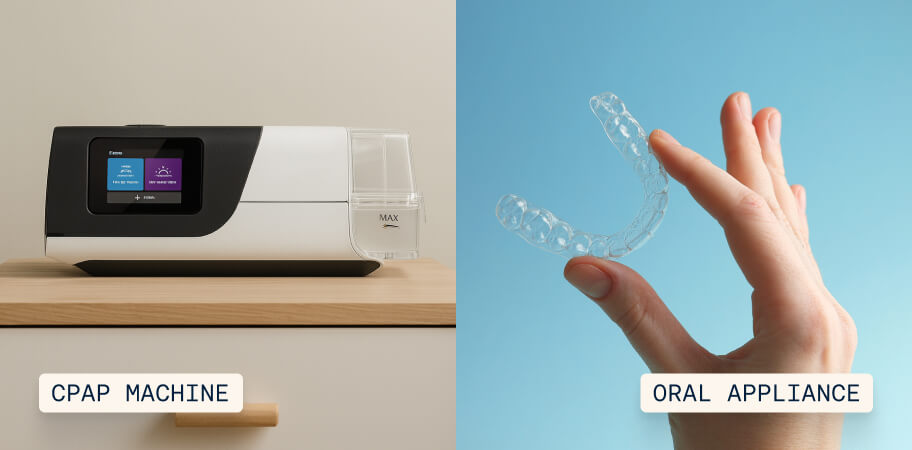
CPAP stands for Continuous Positive Airway Pressure. A CPAP machine delivers a steady stream of pressurized air through a mask that keeps your airway open during sleep. According to the AASM, CPAP therapy is recommended for all patients with an AHI of 15 or higher and for patients with an AHI of 5 to 14 who have significant symptoms or cardiovascular risk factors.
Consistent use of CPAP therapy reduces daytime sleepiness, lowers blood pressure, decreases the risk of cardiovascular events, and improves cognitive performance. The Sleep Foundation reports that patient compliance with CPAP is a common challenge, with adherence rates varying widely depending on comfort, mask fit, and ongoing support.
dumbo.health addresses the compliance challenge directly. The Essentials plan at $59 per month includes CPAP equipment, physician oversight, and standard follow-up care. The Premium plan at $89 per month adds a dedicated sleep coach and advanced adherence monitoring to help you stay on track. No contracts are required and you can cancel anytime.
Oral Appliance Therapy
For patients with mild to moderate obstructive sleep apnea who cannot tolerate CPAP, oral appliance therapy is an alternative. An oral appliance is a custom-fitted device worn in the mouth during sleep that repositions the lower jaw and tongue to keep the airway open. The AASM recognizes oral appliances as a treatment option, though they are generally less effective than CPAP for severe cases. Georgetown ENT and Hammons Family Dental are among the local providers in the Georgetown area who may offer oral appliance consultations.
Oral appliances work best for patients with favorable oral structures and jaw alignment. A dentist or ENT specialist trained in sleep medicine evaluates whether this approach is appropriate based on your anatomy and AHI.
Lifestyle Modifications
Weight management is one of the most impactful lifestyle modifications for obstructive sleep apnea. The NIH states that even a 10% reduction in body weight can meaningfully reduce AHI in overweight and obese patients. Other lifestyle modifications include sleeping on your side instead of your back, avoiding alcohol and sedatives before bed, and maintaining consistent sleep schedules to improve overall sleep quality.
Lifestyle changes alone are rarely sufficient for moderate or severe cases, but they complement CPAP or oral appliance therapy and may reduce the pressure settings needed on your CPAP machine over time.
Other Treatment Options
Additional treatment pathways exist for specific clinical situations. BI-PAP and BiPAP machines deliver variable pressure levels for patients who need higher inhalation support. Auto SV therapy is used for complex or treatment-emergent central sleep apnea. Surgical interventions such as radiofrequency ablation of airway tissue or procedures to address nasal polyps, a deviated septum, or enlarged tonsils may be recommended by ENT specialists when anatomical obstruction is a primary factor.
A comprehensive treatment program considers your full clinical profile, comorbid illnesses, and lifestyle factors. Whether you pursue CPAP, oral appliance therapy, surgery, or a combination, ongoing follow-up and adherence monitoring are critical for long-term success.
KEY TAKEAWAY: CPAP therapy is the gold standard treatment for moderate to severe obstructive sleep apnea, and dumbo.health provides CPAP equipment, physician review, and adherence support starting at $59 per month with no contracts.
Treatment is only effective if you stay on it, which brings up an important point about ongoing care, follow-up, and how to maintain your results.
Ongoing Care, Adherence, and Follow-Up After Treatment Begins
Long-term success with CPAP therapy depends on consistent nightly use, regular equipment maintenance, and clinical follow-up to adjust settings as your condition evolves. Treatment does not end the night you start using a CPAP machine.
Why Adherence Matters
The Centers for Medicare and Medicaid Services defines adequate CPAP compliance as using the device for at least 4 hours per night on at least 70% of nights during a consecutive 30-day period. Meeting this threshold matters for both clinical outcomes and, for patients on Medicare, continued equipment coverage. Research cited by the AASM shows that patients who use CPAP consistently experience the greatest improvements in daytime alertness, blood pressure, and cardiovascular risk reduction.
Many patients struggle with adherence during the first few weeks of treatment. Common barriers include mask discomfort, air pressure sensitivity, dry mouth, nasal congestion, and difficulty adjusting to sleeping with equipment. These issues are solvable with proper support, but without follow-up care, many patients abandon therapy too early.
How dumbo.health Supports Adherence
dumbo.health structures its monthly plans around the reality that patients need more than a device. The Essentials plan at $59 per month covers CPAP equipment, physician interpretation, and standard follow-up. The Premium plan at $89 per month adds a dedicated sleep coach from a licensed care team who monitors your usage data and proactively reaches out to troubleshoot problems before they lead to abandonment. The Elite plan at $129 per month includes concierge clinical support, direct physician messaging, and custom reporting for referring providers or employers.
All plans are contract-free and can be canceled anytime, removing the financial risk that keeps some patients from starting treatment at all.
Equipment Maintenance and Resupply
CPAP masks, tubing, filters, and water chambers need regular replacement to maintain hygiene and device performance. Most manufacturers recommend replacing masks every 3 months, tubing every 3 to 6 months, and filters monthly. Resupply and maintenance is an ongoing responsibility that patients should plan for when budgeting for long-term care.
dumbo.health includes CPAP supplies as part of the monthly care plans, which simplifies the resupply process. You receive the equipment and replacement parts you need without separate ordering, tracking, or billing.
Follow-Up and Reporting
After starting CPAP therapy, your physician should review adherence data and symptom progress periodically. This is where telehealth and telemedicine platforms add significant value for patients in Georgetown or surrounding areas like Killeen and Waco who may not have a sleep specialist close by. dumbo.health sends adherence updates to your referring provider as part of every plan, keeping your primary care physician or sleep specialist informed without requiring extra appointments.
TIP: If you are struggling with CPAP in the first two weeks, contact your care team before giving up. Most comfort-related issues can be resolved with a mask adjustment, a humidity setting change, or a switch to a different mask style.
KEY TAKEAWAY: Consistent CPAP use for at least 4 hours per night on 70% of nights is the clinical adherence threshold, and ongoing support through a service like dumbo.health significantly improves the chances of meeting that standard.
Adherence support is one of the most important factors separating successful treatment from abandoned treatment, but patients in Georgetown also want to know how home testing fits into the local healthcare landscape.
Sleep Apnea Testing and Treatment Resources in Georgetown and Central Texas
Georgetown, Texas has a growing healthcare infrastructure, but access to specialized sleep medicine services remains limited compared to larger metro areas like Austin and Houston. Understanding the local landscape helps you make informed decisions about where and how to get tested and treated.
Local Providers and Facilities
Georgetown Sleep Center and Georgetown ENT are among the local facilities that offer sleep-related consultations and referrals. Sleep Medicine Consultants and Better Sleep Centers serve parts of Central Texas with diagnostic and treatment services. For patients needing more specialized or multi-disciplinary care, UTHealth Houston Neurosciences offers neurological care that may include sleep disorder evaluation.
Local family medicine providers and nurse practitioners in Georgetown can often perform an initial screening, physical exam, and referral for a sleep study. However, many of these providers refer patients to sleep labs in Austin or North Austin, which can mean longer wait times and additional travel.
Telehealth Expands Access
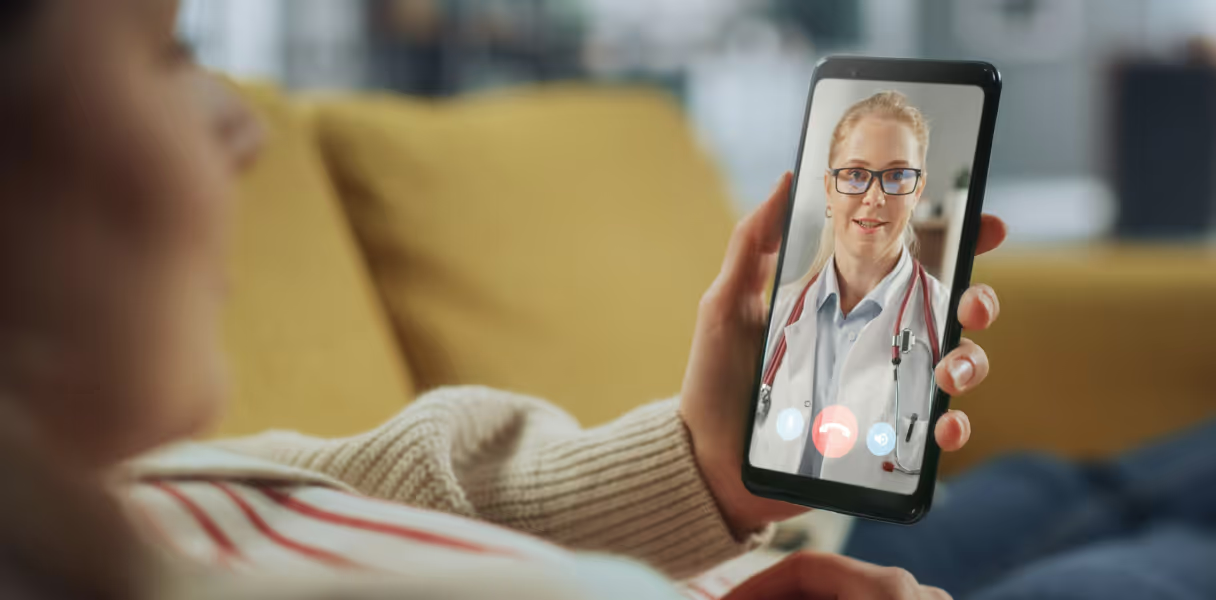
Telehealth and telemedicine options have expanded access to sleep medicine for Georgetown residents who do not want to drive to Austin or wait weeks for a specialist appointment. Services like dumbo.health allow you to complete a home sleep test ordered by a board-certified sleep medicine physician, receive your results through a digital sleep dashboard, and begin CPAP therapy, all without leaving Georgetown.
For commercial drivers in the area who need sleep apnea testing related to their DOT physical, home testing through a telehealth platform eliminates scheduling conflicts that could delay medical certification.
Navigating the System
If you are starting from scratch with no existing relationship with a sleep specialist, here is a practical path forward:
- Begin with a physical exam from your family medicine provider to document symptoms and risk factors
- Ask whether a home sleep test or in-lab referral is more appropriate for your situation
- If cost, convenience, or insurance barriers are a concern, consider ordering a home sleep test through dumbo.health for $149
- After diagnosis, work with your care team to start treatment promptly
DID YOU KNOW: The American Academy of Sleep Medicine has developed accreditation standards for Out of Center testing programs, ensuring that home sleep tests meet the same quality and scoring benchmarks as lab-based studies.
KEY TAKEAWAY: Georgetown residents have local options for sleep apnea screening, but telehealth services like dumbo.health eliminate geographic barriers, long wait times, and insurance complexity for both testing and treatment.
Local resources matter, but many patients have lingering misconceptions about home sleep testing that deserve direct correction.
Common Myths About Home Sleep Apnea Testing Debunked
MYTH: Home sleep tests are not accurate enough to diagnose sleep apnea.
FACT: The American Academy of Sleep Medicine endorses home sleep apnea testing as a clinically validated diagnostic method for adults with a moderate to high pretest probability of obstructive sleep apnea. Multiple peer-reviewed studies published in journals indexed on PubMed demonstrate that home sleep tests produce reliable AHI scores that correlate closely with in-lab polysomnography results when used in appropriately selected patients.
MYTH: You need a referral from a specialist before you can take a home sleep test.
FACT: While some insurance companies require a referral or prior authorization, cash-pay options like dumbo.health do not require a referral, a specialist visit, or any insurance paperwork. You can complete a clinical screening, order the test, and receive physician-reviewed results without a specialist gatekeeping the process.
MYTH: If your home sleep test is normal, you definitely do not have sleep apnea.
FACT: A normal home sleep test result does not always rule out obstructive sleep apnea. Because home devices may underestimate AHI by dividing events by total recording time rather than actual sleep time, a borderline or negative result in a patient with strong symptoms should prompt further evaluation with in-lab polysomnography. The AASM recommends clinical judgment, not just a single test result, when making diagnostic decisions.
MYTH: CPAP is the only treatment for sleep apnea.
FACT: CPAP is the most effective and widely recommended treatment for moderate to severe cases, but oral appliance therapy, positional therapy, weight management, and surgical interventions such as radiofrequency ablation or procedures to address enlarged tonsils or nasal polyps are all recognized treatment options for specific patient populations. Treatment should be individualized based on AHI severity, anatomy, symptoms, and patient preference.
MYTH: Home sleep tests require you to go to a sleep lab to pick up equipment.
FACT: Many home sleep test providers, including dumbo.health, ship FDA-cleared devices directly to your door. You complete the test at home and return the device by mail. No clinic visit, no lab pickup, and no appointment scheduling is required.
KEY TAKEAWAY: Home sleep apnea testing is clinically validated, does not always require a referral, and can be completed entirely from home with direct-to-patient shipping from services like dumbo.health.
With myths cleared up, here is a final summary of everything covered and the most direct next step you can take.
Conclusion
A home sleep apnea test gives Georgetown, Texas residents a clinically validated, convenient, and affordable path to diagnosing obstructive sleep apnea without overnight sleep lab stays, long wait times, or insurance complications. The test measures airflow, respiratory effort, and blood oxygen saturation during one night of sleep, and a physician uses the Apnea-Hypopnea Index to determine whether treatment is needed. For most adults with symptoms like snoring, witnessed breathing pauses, and daytime sleepiness, home testing provides the accuracy required to start treatment promptly.
dumbo.health offers the home sleep test for $149 with no insurance required and no surprise bills. Monthly care plans start at $59 per month for CPAP equipment, physician review, and follow-up, with no contracts and cancel-anytime flexibility. Take the free sleep assessment to find out whether home testing is right for you.
Frequently Asked Questions About Home Sleep Apnea Testing in Georgetown, Texas
What is a home sleep apnea test?
A home sleep apnea test (HSAT) is a simplified, portable sleep study that you complete in your own bed rather than a clinical sleep lab. The test device records key measurements such as breathing patterns, oxygen saturation, respiratory effort, and heart rate while you sleep. A physician then reviews the collected data to determine whether obstructive sleep apnea or other sleep-disordered breathing is present. The American Academy of Sleep Medicine recognises home sleep testing as an appropriate diagnostic option for adults with a high likelihood of moderate to severe obstructive sleep apnea.
What does the $149 home sleep test from dumbo.health include?
The $149 home sleep test includes the at-home sleep test device, one night of testing, and physician interpretation of your results. It is a one-time cost billed separately from any monthly care plan. There are no insurance requirements, no prior authorizations, and no surprise bills. If treatment such as CPAP therapy is needed after your results are reviewed, monthly care plans starting at $59 per month are available to cover ongoing physician review, equipment, and adherence follow-up. You can learn more at the dumbo.health at-home sleep test page.
How fast can I get a home sleep test in Georgetown, Texas?
Orders placed before 2pm CST qualify for same-day shipping to Georgetown, Texas. This means most patients in Georgetown and the surrounding Central Texas area can receive their home sleep test device the next business day and complete their test the same night it arrives. In-lab sleep studies at a sleep clinic or sleep center typically require a scheduled appointment weeks in advance, making at-home testing a significantly faster option for patients who need results promptly.
What measurements does a home sleep apnea test record?
A home sleep apnea test typically records oxygen saturation, pulse rate, breathing airflow, respiratory effort, and body position. Some devices also record respiratory inductance plethysmography, which measures chest and abdominal movement. These measurements allow a physician to calculate the apnea-hypopnea index, which counts the number of apneas and hypopneas per hour of sleep. Blood oxygen saturation data is captured using a pulse oximeter sensor worn on the finger. Together, these channels give a clinician enough information to evaluate obstructive sleep apnea in appropriate patients.
Is a home sleep test as accurate as an in-lab sleep study?
A home sleep apnea test is a validated and FDA-cleared tool for diagnosing obstructive sleep apnea in adults who are likely candidates for the condition. However, it records fewer data channels than a full in-lab polysomnography. An in-lab study includes electroencephalogram readings that monitor brain activity and sleep staging, which a home device does not capture. The American Academy of Sleep Medicine notes that home sleep testing may underestimate sleep apnea severity in some cases. Patients with suspected complex sleep disorders, periodic limb movements, parasomnias, narcolepsy, restless legs syndrome, or significant comorbid illnesses may be better evaluated with a full polysomnography at a sleep disorders center.
What are the symptoms of sleep apnea?
Common symptoms of obstructive sleep apnea include loud snoring, gasping or choking during sleep, waking with a dry mouth or headache, excessive daytime sleepiness, difficulty concentrating, and restless sleep. According to the National Sleep Foundation, many people with sleep apnea are unaware they stop breathing repeatedly during the night. Bed partners often notice breathing pauses before the person with sleep apnea does. If you regularly experience several of these symptoms, a healthcare professional can help determine whether a home sleep apnea test or clinical evaluation is an appropriate next step.
Who is a good candidate for home sleep apnea testing?
Home sleep apnea testing is generally appropriate for adults who have symptoms consistent with moderate to severe obstructive sleep apnea and no significant comorbid conditions that would complicate interpretation. This includes people who snore loudly, feel excessively sleepy during the day, or have been observed stopping breathing during sleep. Patients with heart failure, chronic lung disease, suspected central sleep apnea, severe insomnia, periodic limb movements, or other complex sleep disorders may need a full in-lab study instead. A healthcare professional can help determine whether home testing is clinically appropriate for your situation. You can take the free sleep assessment at dumbo.health as a starting point.
Who reviews my home sleep test results?
Your home sleep test data is reviewed and interpreted by a licensed physician with training in sleep medicine. At dumbo.health, physician interpretation and a clinical report are included in every monthly care plan starting at $59 per month. The physician evaluates measurements such as the apnea-hypopnea index, oxygen saturation levels, and respiratory effort to determine whether obstructive sleep apnea or other sleep-disordered breathing is present. Results and reports can also be shared with your referring provider or primary care physician as part of the care coordination process.
Can I use my home sleep test results to get a CPAP prescription?
Yes. If your physician-interpreted results indicate obstructive sleep apnea at a severity that warrants treatment, the results can support a CPAP prescription. At dumbo.health, physician interpretation is included in monthly care plans, and CPAP therapy and equipment are also available through the same plan. This means you can move from testing to treatment within a single transparent-pricing pathway without needing a separate referral or insurance approval. A qualified healthcare professional makes the final determination about whether CPAP therapy is appropriate based on your test data and clinical profile.
How does an at-home sleep apnea test work step by step?
After ordering your home sleep test, the device is shipped to your address. On the night of your test, you apply the sensors according to the instructions provided. These typically include a finger pulse oximeter to measure blood oxygen saturation, a nasal cannula or airflow sensor to measure breathing, and a belt around the chest or abdomen to measure respiratory effort. You sleep as normally as possible while the device records your data overnight. In the morning, you return or upload the data so a physician can review and score the recording. Learn more about the full process on the dumbo.health at-home sleep test page.
Is a home sleep test uncomfortable or painful?
A home sleep apnea test is not painful. The sensors are lightweight and non-invasive. Most patients find the experience straightforward and report that the sensors do not significantly disrupt their sleep, particularly compared to the unfamiliar environment of an in-lab sleep study. Some people find the nasal cannula or finger probe mildly inconvenient, but these sensors are designed for overnight wear and are generally well tolerated. If you wake during the night, you should leave the sensors in place and return to sleep as normally as possible.
What happens if I wake up during the night while taking my home sleep test?
If you wake up during the test, keep the sensors in place and try to return to sleep. The device continues recording whenever it detects breathing and movement signals, and most home sleep test devices are able to collect sufficient data even if your sleep is interrupted. If a sensor falls off during the night, reapply it if possible before going back to sleep. Your physician will assess whether the data collected is sufficient for a reliable interpretation. In rare cases where the recording is inadequate, a repeat test night may be necessary.
How long does it take to get results from a home sleep apnea test?
Results from a home sleep apnea test are typically available within a few days of the device data being reviewed by a physician. At dumbo.health, the Premium Plan includes priority results turnaround as part of the $89 per month package, which also includes a dedicated sleep coach from a licensed care team and advanced adherence monitoring. Standard turnaround is included in the Essentials Plan at $59 per month. In comparison, results from in-lab sleep studies at a sleep clinic or sleep center can take longer due to scheduling and reporting workflows.
What happens after my home sleep test shows abnormal results?
If your home sleep apnea test results indicate obstructive sleep apnea or other sleep-disordered breathing, your physician will discuss treatment options based on the severity of the findings. Common first-line treatment for obstructive sleep apnea is CPAP therapy, which uses continuous positive airway pressure to keep the airway open during sleep. Depending on the findings and clinical profile, other options such as BiPAP, oral appliance therapy, or lifestyle modifications may also be considered. Your physician may recommend further evaluation at a sleep disorders center if the home test findings suggest a more complex condition. A qualified healthcare professional determines appropriate next steps based on your full results.
What is CPAP therapy and how does it treat sleep apnea?
CPAP therapy, or continuous positive airway pressure therapy, is the most widely recommended treatment for obstructive sleep apnea. A CPAP machine delivers a steady stream of pressurised air through a mask worn over the nose or nose and mouth during sleep. This airflow prevents the airway from collapsing, which stops apneas and hypopneas from occurring. The Mayo Clinic explains that CPAP therapy can significantly reduce daytime sleepiness, improve sleep quality, lower blood pressure in some patients, and reduce the cardiovascular risks associated with untreated sleep apnea. Regular use and adherence monitoring are important for achieving consistent benefit. Explore CPAP therapy and equipment options through dumbo.health.
Why does CPAP adherence monitoring matter?
CPAP adherence refers to how consistently and effectively a patient uses their CPAP machine each night. Poor adherence reduces the clinical benefit of therapy and can leave obstructive sleep apnea undertreated. Many insurance companies and, for commercial drivers, regulatory programs track adherence data to confirm that treatment is being used appropriately. At dumbo.health, the Premium Plan includes advanced adherence monitoring alongside a dedicated sleep coach, and the Elite Plan adds concierge clinical support and direct physician messaging. Regular follow-up and coaching help patients address mask fit, pressure tolerance, and comfort issues that commonly lead to inconsistent CPAP use.
Is home sleep apnea testing covered by insurance?
dumbo.health operates on a transparent cash-pay model with no insurance required, no prior authorizations, and no surprise bills. The home sleep test is $149 one-time, and monthly care plans start at $59 per month. For patients whose insurance may cover home sleep testing, it is worth checking directly with your insurer. Medicare may cover home sleep apnea tests when ordered by a qualified clinician and meet specific criteria. However, many patients find the cash-pay model simpler and more predictable, particularly when insurance processes involve prior authorizations or delays.
What is the difference between a home sleep test and a sleep study?
A home sleep apnea test and a sleep study both evaluate sleep-related breathing, but they differ in setting, scope, and the data collected. A home sleep test is completed in your own bed using a portable device that records a limited set of channels, typically including airflow, oxygen saturation, respiratory effort, and heart rate. A full in-lab sleep study, or polysomnography, is conducted in a sleep lab with a sleep technologist present and records significantly more data channels including brain wave activity via electroencephalogram, eye movements, and muscle activity. Polysomnography is the gold standard for diagnosing complex sleep disorders. Home testing is appropriate for uncomplicated obstructive sleep apnea evaluation in suitable candidates.
Can sleep apnea be treated without CPAP?
Some patients with mild obstructive sleep apnea or specific anatomical factors may be candidates for alternatives to CPAP. Oral appliance therapy, which uses a custom-fitted mouthpiece to reposition the jaw and tongue to keep the airway open, is a recognised alternative for mild to moderate obstructive sleep apnea. Surgical options such as radiofrequency ablation, correction of a deviated septum, removal of enlarged tonsils, or nasal polyp treatment may be appropriate in selected cases, and ENT specialists are often involved in these assessments. Weight management can also reduce sleep apnea severity in some patients. A board-certified sleep medicine physician can help determine which treatment approach suits your clinical situation.
Do I need a referral from my doctor to get a home sleep test?
You do not need a referral from a doctor to order a home sleep test through dumbo.health. The process is designed to be accessible without insurance gatekeeping, prior authorizations, or a separate GP visit to get started. You can take a free sleep assessment on the dumbo.health website to help evaluate whether at-home testing may be appropriate for your symptoms. A physician reviews your test results and provides a clinical interpretation as part of the care plan. If your results suggest a condition beyond the scope of home testing, the physician can advise on appropriate next steps including referral to a sleep disorders center or specialist.
How does home sleep testing compare to visiting a local sleep clinic in Georgetown?
Home sleep apnea testing allows you to complete your study in familiar surroundings without scheduling an in-person appointment at a sleep clinic or sleep center. For many patients, this means faster access to testing, reduced travel, lower cost, and a more natural sleeping environment that may produce more representative results. Local sleep clinics and sleep centers in the Georgetown and Austin area offer in-lab polysomnography for patients who need a more comprehensive study, and ENT specialists and neurological care providers in North Austin and Central Texas can support complex cases. Home testing is not a replacement for in-lab evaluation when a complex disorder is suspected, but it is a clinically validated first step for many patients with obstructive sleep apnea symptoms. Find home sleep apnea testing options near you through dumbo.health.
Can commercial drivers in Georgetown, Texas use a home sleep apnea test for DOT requirements?
Commercial drivers who are referred for sleep apnea evaluation as part of their DOT physical process may be able to use an at-home sleep test as part of that evaluation, depending on their certified medical examiner's requirements. The FMCSA does not currently have a single mandatory sleep apnea testing protocol, and certified medical examiners apply their clinical judgment when assessing sleep apnea risk in CDL drivers. dumbo.health can support at-home sleep testing and provide physician-interpreted results and documentation, but it is the certified medical examiner, not dumbo.health, who makes DOT medical certificate decisions. Commercial drivers in Georgetown, Texas and the broader Central Texas area can learn more at the home sleep test for truck drivers resource.
Is sleep apnea dangerous if left untreated?
Yes. Untreated obstructive sleep apnea is associated with significant health risks. According to the American Sleep Apnea Association, untreated sleep apnea increases the risk of high blood pressure, heart disease, stroke, type 2 diabetes, and motor vehicle accidents caused by excessive daytime sleepiness. Repeated drops in blood oxygen saturation during the night place sustained stress on the cardiovascular system. For commercial drivers, untreated sleep apnea also poses a public safety risk by impairing alertness on the road. If you experience symptoms consistent with sleep apnea, speaking with a healthcare professional about evaluation and testing is an important step. If you are experiencing severe symptoms, difficulty breathing, or urgent health concerns, seek medical care promptly.
Where can I learn more about sleep apnea care options available through dumbo.health?
dumbo.health offers transparent cash-pay sleep apnea testing and ongoing care with no insurance required, no prior authorizations, and no long-term contracts. The home sleep test is $149 one-time and includes physician interpretation. Monthly care plans start at $59 per month and cover CPAP therapy, equipment, follow-up care, and provider reporting. The Premium Plan at $89 per month adds a dedicated sleep coach and advanced adherence monitoring, and the Elite Plan at $129 per month includes concierge clinical support and direct physician messaging. You can explore the full range of sleep apnea care solutions or start with a free sleep assessment to see whether at-home testing is right for you.