



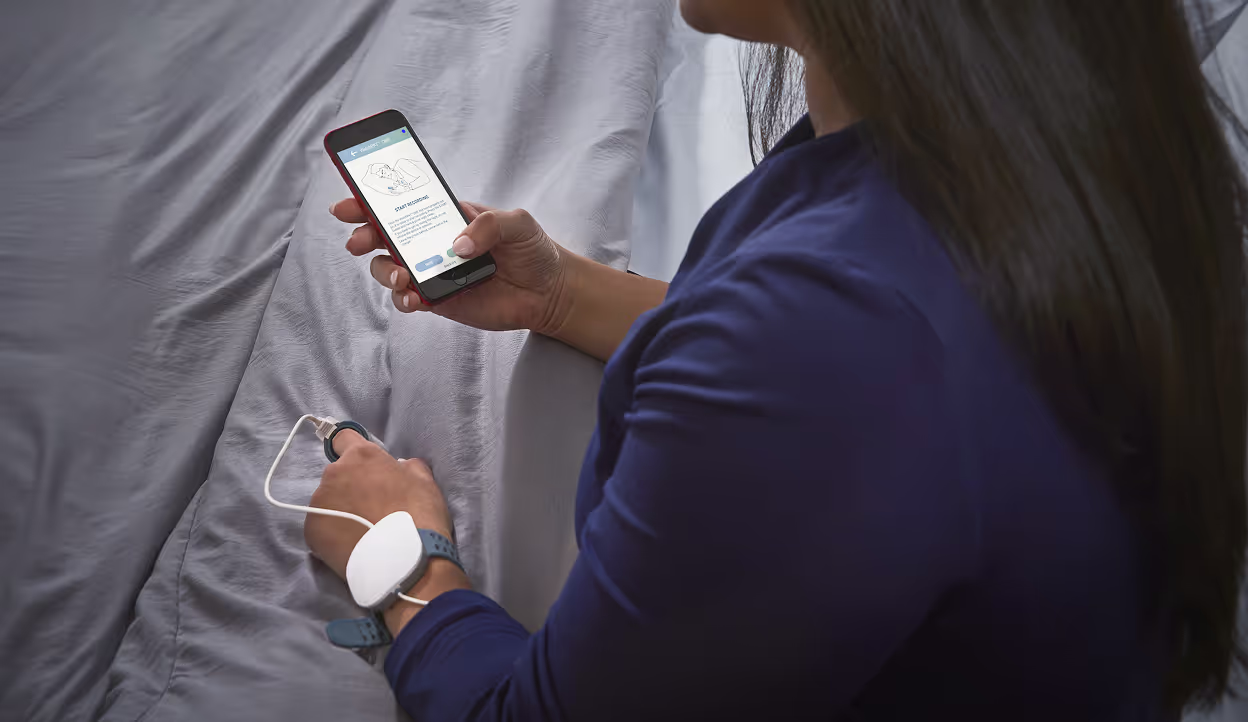



Home Sleep Apnea Test in San Angelo, Texas: The Complete Guide for Local Residents
Home sleep apnea test in San Angelo, Texas is a diagnostic study you complete in your own bed that measures breathing patterns, oxygen levels, and airflow to determine whether you have obstructive sleep apnea. According to the American Academy of Sleep Medicine, home sleep testing has become a validated alternative to in-lab studies for most adults with suspected moderate to severe obstructive sleep apnea. This guide is for San Angelo residents, military personnel stationed at Goodfellow Air Force Base, and anyone in the surrounding West Texas area who suspects a sleep disorder but wants a convenient, affordable path to answers. You will learn how home sleep studies work, what they measure, how results are interpreted by a physician, what treatment options follow a positive diagnosis, and how to access testing without insurance barriers. If you have been putting off a sleep evaluation because of cost, scheduling, or the idea of sleeping in a lab, this guide will change your approach.
Quick Answer
A home sleep apnea test in San Angelo, Texas lets you complete a diagnostic sleep study from your own bed using a portable device that tracks breathing, oxygen levels, and heart rate overnight. Results are reviewed by a physician who determines whether you have obstructive sleep apnea and recommends treatment such as CPAP therapy. San Angelo residents can access home sleep testing through local sleep centers or through dumbo.health, which offers a $149 at-home sleep test with no insurance required and physician-reviewed results.
Key Takeaways
- A home sleep apnea test measures airflow, blood oxygen saturation, respiratory effort, and heart rate during one night of sleep in your own bed
- The apnea-hypopnea index is the primary metric used to classify sleep apnea severity, with 5 or more events per hour indicating at least mild obstructive sleep apnea
- San Angelo residents can access home sleep testing locally or through telehealth providers without needing a referral from a sleep center
- dumbo.health offers a home sleep test for $149 as a one-time cost, with no insurance required and no prior authorization needed
- Untreated obstructive sleep apnea increases the risk of high blood pressure, vascular disease, and motor vehicle accidents, according to the National Heart, Lung, and Blood Institute
- CPAP therapy remains the most effective first-line treatment for moderate to severe obstructive sleep apnea, with adherence rates improving significantly when patients receive coaching and follow-up support
What Is a Home Sleep Apnea Test and How Does It Work
A home sleep apnea test is a portable diagnostic study that records your breathing, oxygen levels, airflow, and heart rate while you sleep in your own bed. Unlike a traditional in-lab sleep study, home sleep testing does not require an overnight stay at a sleep center or hospital.
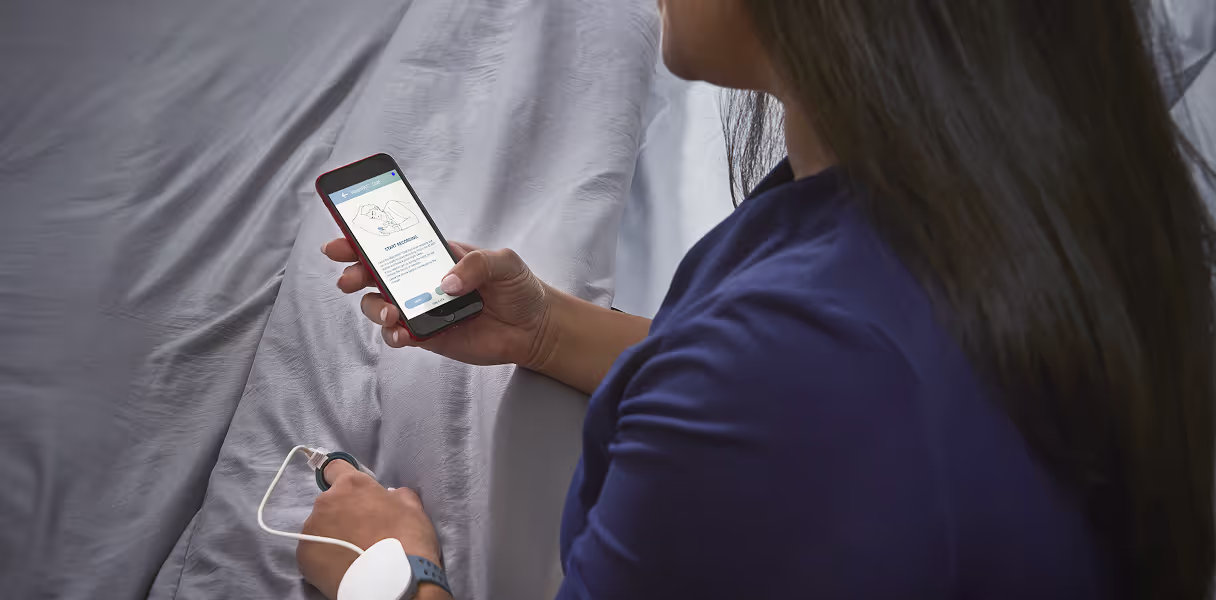
Home sleep apnea testing is classified as Out of Center testing by the American Academy of Sleep Medicine. The test uses a small, wearable device that typically includes a nasal cannula to detect airflow, a pulse oximeter to monitor oxygen levels, and a chest strap to measure respiratory effort. Some devices, such as SleepView sleep study equipment, combine multiple sensors into a compact unit that fits comfortably on your chest or finger.
You wear the device for one night. In the morning, the recorded data is uploaded and sent to a physician or Board Certified Sleep Medicine specialist for interpretation. The physician analyzes your results and determines whether you meet the criteria for obstructive sleep apnea based on the apnea-hypopnea index and other cardiopulmonary functions.
Home sleep testing is designed to detect obstructive sleep apnea specifically. It does not diagnose other sleep disorders such as narcolepsy, parasomnias, sleepwalking, restless legs syndrome, or periodic limb movements. If your clinical profile suggests a more complex sleep disorder, your provider may recommend an in-lab polysomnography study instead.
DID YOU KNOW: According to the American Academy of Sleep Medicine, home sleep apnea tests have a sensitivity of approximately 79% to 96% for detecting moderate to severe obstructive sleep apnea, making them a reliable option for most adults without significant comorbid illnesses.
KEY TAKEAWAY: A home sleep apnea test is a single-night portable study that measures breathing, oxygen, and heart rate to diagnose obstructive sleep apnea, and it can be completed without visiting a sleep center.
Understanding what a home sleep test measures is only useful if you also know what the results mean and how they shape your treatment path.
Why San Angelo Residents Should Consider Home Sleep Testing
San Angelo residents face unique barriers to sleep disorder testing that make home sleep studies especially practical. The city's geographic location in West Texas means fewer specialized sleep centers compared to metro areas like the Houston area, and travel to a larger facility can mean hours on the road.
Local options for sleep evaluation in San Angelo include Shannon Medical Center, which offers sleep medicine services, and providers such as Apnix Sleep Diagnostics and Better Sleep Centers that serve the region. However, appointment availability at these facilities can vary, and patients often face weeks-long wait times for an in-lab sleep study.
For military personnel stationed at Goodfellow Air Force Base, where cryptologic and intelligence training demands high cognitive function and alertness, undiagnosed sleep apnea poses a direct operational risk. The base medical facilities may refer service members for sleep evaluations, but an at-home sleep test offers a faster alternative that does not require time away from duty.
Common Scenarios for San Angelo Residents
A 48-year-old truck driver based in San Angelo who hauls freight on regional routes has been told by his wife that his snoring has become severe. He experiences excessive daytime sleepiness and struggles to stay alert during long drives. His primary care physician recommends a sleep evaluation, but the nearest RISE Sleep Clinic has a three-week wait for an in-lab study. A home sleep apnea test allows him to complete testing this week from his own bedroom and receive physician-reviewed results within days.
A 55-year-old civilian employee at Goodfellow Air Force Base notices she wakes up gasping multiple times per night and has developed persistent nasal congestion. She has a history of gastric reflux and high blood pressure, both of which are comorbid illnesses associated with untreated sleep apnea. She does not want to spend a night at a sleep center and prefers the comfort of her own bed. She orders a home sleep test through dumbo.health for $149, completes it overnight, and gets her results interpreted by a physician without leaving San Angelo.
A 34-year-old active-duty service member at Goodfellow who has trouble falling asleep and staying asleep suspects insomnia but also snores loudly. His provider suggests ruling out obstructive sleep apnea first with a home sleep test before considering Cognitive Behavioral Therapy for Insomnia or other interventions.
KEY TAKEAWAY: San Angelo residents benefit from home sleep testing because it eliminates travel, reduces wait times compared to local sleep centers, and provides the same diagnostic data that a physician needs to make treatment decisions.
Knowing why home testing fits San Angelo is the first step. Next, you need to understand what happens during the test itself.
What a Home Sleep Test Measures
A home sleep apnea test measures four to six key physiological signals during sleep. These signals allow a physician to calculate the apnea-hypopnea index and determine whether obstructive sleep apnea is present.
Airflow
A nasal cannula placed just inside the nostrils detects the flow of air during breathing. When airflow drops below a defined threshold or stops entirely for 10 seconds or more, the device records an apnea or hypopnea event.
Blood Oxygen Saturation
A pulse oximeter clipped to your fingertip continuously tracks oxygen levels throughout the night. According to the National Heart, Lung, and Blood Institute, oxygen desaturation events, where blood oxygen drops below 90%, are closely linked to the severity of obstructive sleep apnea and the risk of vascular disease.
Respiratory Effort
A chest strap or sensor band wrapped around the chest or abdomen detects the movement of your ribcage and diaphragm. This data distinguishes obstructive sleep apnea, where the airway physically collapses, from central sleep apnea, where the brain fails to signal breathing muscles.
Heart Rate
The pulse oximeter also records heart rate variability throughout the night. Changes in heart rate often correspond with apnea events and oxygen desaturation, providing additional data for the physician reviewing your results.
Body Position
Some home sleep study kits include a position sensor that records whether you sleep on your back, side, or stomach. Sleep apnea is frequently more severe in the supine position because gravity causes the tongue and soft tissue to collapse into the airway.
Snoring Intensity
Many devices include a microphone or vibration sensor that records snoring patterns and intensity. While snoring alone does not confirm sleep apnea, persistent loud snoring is one of the most common symptoms that prompts testing.
The apnea-hypopnea index is the number of apnea and hypopnea events per hour of recorded sleep. The American Academy of Sleep Medicine classifies severity as follows: an AHI of 5 to 14 is mild, 15 to 29 is moderate, and 30 or above is severe obstructive sleep apnea.
KEY TAKEAWAY: A home sleep test measures airflow, oxygen levels, respiratory effort, heart rate, body position, and snoring to calculate the apnea-hypopnea index, which determines the presence and severity of obstructive sleep apnea.
Once you understand what the test records, the next question is how to actually complete one from start to finish.
How to Complete a Home Sleep Apnea Test in San Angelo
Completing a home sleep apnea test takes one night and requires minimal preparation. The process involves ordering the test, receiving the equipment, wearing it overnight, and having your results reviewed by a physician.
Step-by-Step Process
1. Complete a sleep assessment to determine whether home sleep testing is appropriate for your symptoms. You can start with the free sleep assessment at dumbo.health to evaluate your risk profile.
2. Order your home sleep test kit. Through dumbo.health, the home sleep test costs $149 as a one-time payment with no insurance required and no prior authorization. Local providers near you in San Angelo may also offer home sleep study kits, but availability and pricing vary.
3. Receive your equipment by mail or from your provider. The kit typically includes a nasal cannula, pulse oximeter, chest strap, and an instruction guide. Some kits use a single integrated device like SleepView sleep study equipment.
4. On your test night, attach the sensors following the instructions. Place the nasal cannula in your nostrils, clip the pulse oximeter to your finger, and secure the chest strap around your torso. Most patients find the setup takes less than 10 minutes.
5. Sleep in your own bed as you normally would. The device records data automatically throughout the night. Try to sleep for at least 6 hours to ensure sufficient data for accurate interpretation.
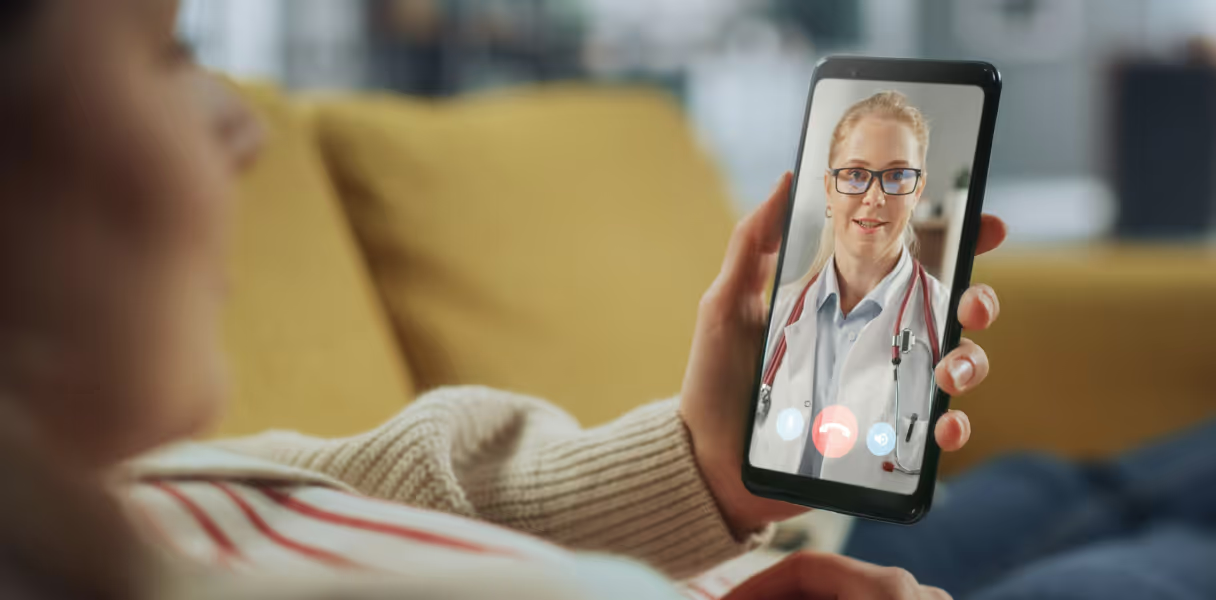
6. In the morning, remove the sensors and return the device or upload the data as instructed. With dumbo.health, data is sent directly for physician review without requiring an in-person appointment.
7. A physician or Board Certified Sleep Medicine specialist reviews your recorded data, calculates your apnea-hypopnea index, and generates a diagnostic report with clinical recommendations.
After completing these steps, you receive your results along with a treatment plan if obstructive sleep apnea is confirmed. dumbo.health provides physician interpretation as part of its monthly care plans starting at $59 per month for the Essentials Plan.
Checklist: What to Prepare Before Your Test Night
- Confirm you have all equipment components: nasal cannula, pulse oximeter, chest strap or sensor, and device unit
- Review the instruction guide or video provided with your kit
- Avoid alcohol and sedatives on the test night, as they can affect breathing patterns and skew results
- Avoid caffeine after noon on the test day
- Set up your bedroom for a typical night of sleep with your usual pillow and bedding for maximum comfort
- Charge or check the battery on the testing device if applicable
- Keep your phone nearby if the device syncs via Bluetooth
- Plan to sleep for at least 6 hours to ensure adequate data collection
- Complete the Home Sleep Test Consent Form if required by your provider
IMPORTANT: If you use nasal sprays, decongestants, or a sinus relief device for nasal congestion or allergies, continue using them as you normally would. Discontinuing them may alter your breathing patterns and produce results that do not reflect your typical sleep.
KEY TAKEAWAY: Completing a home sleep apnea test in San Angelo requires one night, minimal setup, and no visit to a sleep center, with results reviewed by a physician who provides a full diagnostic report.
After the test is done, understanding your results is what determines your next move.
Understanding Your Home Sleep Test Results
Your home sleep test results are summarized in a diagnostic report prepared by a physician who specializes in sleep medicine. The most important number in the report is the apnea-hypopnea index, which counts how many times per hour your breathing was partially or fully obstructed during sleep.
How the Apnea-Hypopnea Index Is Classified
The American Academy of Sleep Medicine uses the following classification for the apnea-hypopnea index:
AHI Score Range
- Normal: Fewer than 5 events per hour
- Mild obstructive sleep apnea: 5 to 14 events per hour
- Moderate obstructive sleep apnea: 15 to 29 events per hour
- Severe obstructive sleep apnea: 30 or more events per hour
Oxygen Desaturation Index
Your report also includes the oxygen desaturation index, which tracks how often your blood oxygen levels drop by 3% or more from baseline during the night. Frequent desaturation events correlate with more severe cardiovascular risk. The National Heart, Lung, and Blood Institute notes that chronic oxygen desaturation during sleep is associated with increased risk of hypertension, heart failure, and stroke.
What the Physician Looks For
The physician reviewing your results evaluates the apnea-hypopnea index alongside your oxygen levels, heart rate patterns, body position data, and clinical profile. A patient with an AHI of 22 and oxygen levels that regularly drop below 88% presents a different clinical picture than a patient with the same AHI but stable oxygen throughout the night. This is why physician interpretation matters and why automated scoring alone is not sufficient for a clinical diagnosis.
dumbo.health includes physician interpretation and a full diagnostic report as part of its monthly care plans. The Essentials Plan at $59 per month covers physician review, results interpretation, and updates sent directly to your referring provider.
Turnaround Time for Results
Most home sleep test providers deliver results within 3 to 10 business days. With dumbo.health's Premium Plan at $89 per month, you receive priority results turnaround along with a dedicated sleep coach who helps you understand your report and next steps.
KEY TAKEAWAY: The apnea-hypopnea index is the primary measure in your results, and a physician must interpret it alongside oxygen data and your clinical history to determine the severity and appropriate treatment for your obstructive sleep apnea.
Once you have your results and a diagnosis, the question becomes what treatment options are available and how to start.
Treatment Options After a Positive Sleep Apnea Diagnosis
CPAP therapy is the most effective and most widely prescribed treatment for moderate to severe obstructive sleep apnea. According to the American Academy of Sleep Medicine, consistent CPAP use reduces the apnea-hypopnea index to near-normal levels and significantly lowers the risk of cardiovascular complications, daytime sleepiness, and motor vehicle accidents.
CPAP Therapy
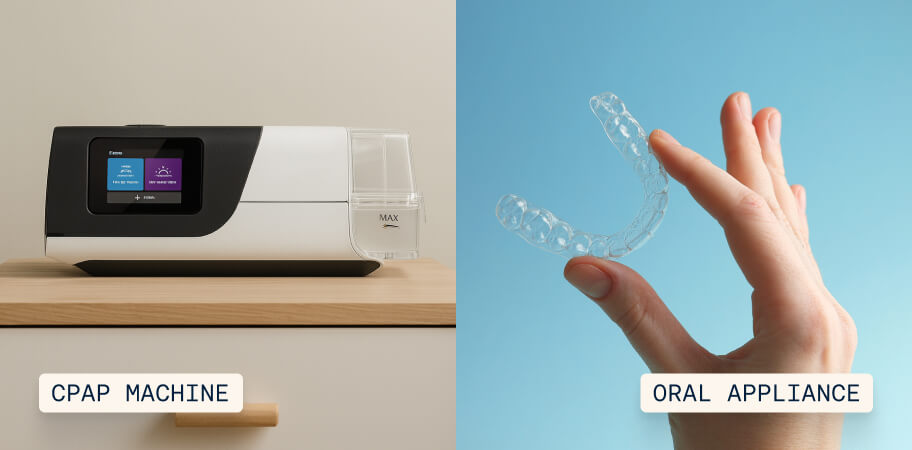
A CPAP machine delivers continuous positive airway pressure through a mask worn during sleep. The pressurized air keeps the airway open, preventing the collapse that causes apnea events. CPAP adherence is defined as using the device for at least 4 hours per night on at least 70% of nights over a 30-day period. According to research published through PubMed, CPAP adherence rates improve substantially when patients receive ongoing education, coaching, and follow-up.
dumbo.health offers CPAP therapy and equipment as part of all monthly care plans. The Essentials Plan at $59 per month includes the CPAP machine, standard follow-up care, and physician oversight. The Premium Plan at $89 per month adds a dedicated sleep coach and advanced adherence monitoring, which directly addresses the most common reason patients stop using CPAP: lack of support during the adjustment period.
Many patients report initial CPAP discomfort including mask pressure, dry mouth, or claustrophobia. These issues are almost always solvable with proper mask fitting, humidity adjustments, and coaching. Clinicians frequently observe that patients who receive regular follow-up during the first 90 days of CPAP therapy are far more likely to achieve long-term adherence.
Oral Appliances
Custom oral appliances are an alternative for patients with mild to moderate obstructive sleep apnea who cannot tolerate CPAP. These devices are fitted by a dentist trained in Dental Sleep Medicine and work by repositioning the lower jaw forward to keep the airway open. Oral appliances are less effective than CPAP for severe sleep apnea but offer a comfortable alternative for specific patient profiles. Night guards and snoring appliances are not the same as therapeutic oral appliances and should not be used as substitutes.
Inspire Hypoglossal Nerve Stimulation
Inspire is an implantable device that delivers mild stimulation to the hypoglossal nerve during sleep, causing the tongue to move forward and keep the airway open. The procedure requires surgical incisions and implant placement, and it is typically reserved for patients who have failed CPAP therapy and meet specific anatomical and AHI criteria. Patients use a small sleep remote to activate the device before bed. Inspire is not widely available in all areas, and not every patient is a candidate.
Positional Therapy and Lifestyle Modifications
For patients with position-dependent sleep apnea, devices like the SONU Band or a simple headband that prevents supine sleeping can reduce the frequency of apnea events. Weight loss, avoiding alcohol before bed, and treating underlying conditions such as allergies, nasal congestion, or gastric reflux can also improve symptoms. These approaches are typically used alongside primary treatment rather than as standalone solutions.
Cognitive Behavioral Therapy for Insomnia
CBT-I is a structured therapeutic approach for patients whose sleep disorder includes a significant insomnia component. Sleep therapists and sleep psychologists deliver CBT-I through in-person sessions or video sessions to address the behavioral and cognitive patterns that perpetuate poor sleep. CBT-I does not treat obstructive sleep apnea directly but can be a valuable addition for patients with both conditions.
Acoustic Resonance Therapy and Emerging Options
Acoustic Resonance Therapy and other emerging treatment options are being explored for mild sleep-disordered breathing. These are not yet standard of care and should only be considered under physician supervision.
DID YOU KNOW: According to the Sleep Foundation, untreated moderate to severe obstructive sleep apnea can increase the risk of high blood pressure by up to 2 to 3 times compared to individuals without the condition.
KEY TAKEAWAY: CPAP therapy is the gold standard for treating moderate to severe obstructive sleep apnea, and ongoing support through a sleep coach or adherence monitoring significantly improves long-term outcomes.
Choosing the right treatment is only part of the equation. Understanding the costs and how to pay for testing and treatment is equally important.
Cost of Home Sleep Testing and Treatment in San Angelo
The cost of a home sleep apnea test in San Angelo varies depending on whether you go through a local sleep center, a hospital-based program, or a direct-to-patient provider. Understanding the full cost picture helps you make an informed decision without financial surprises.
Home Sleep Test Pricing
Local Sleep Center or Hospital
- Home sleep test: Typically $200 to $600 depending on the facility and whether insurance is billed
- In-lab polysomnography: Often $1,000 to $3,000 or more before insurance
- Insurance coverage varies by plan and requires prior authorization from most insurance providers
dumbo.health
- Home sleep test: $149 one-time cost
- No insurance required
- No prior authorization
- No surprise bills
Ongoing Treatment Costs
Insurance-Based CPAP Programs
- CPAP machine: $500 to $3,000 depending on the model and insurance companies involved
- Monthly supplies: $50 to $150 for masks, filters, and tubing
- Requires ongoing prescriptions and insurance approval
- Rental programs often run 13 months before the patient owns the equipment
dumbo.health Monthly Plans
- Essentials Plan: $59 per month, includes CPAP therapy, equipment, physician oversight, and follow-up care
- Premium Plan: $89 per month, adds dedicated sleep coach, advanced adherence monitoring, and priority results
- Elite Plan: $129 per month, adds concierge clinical support, direct physician messaging, and custom reporting
- No contracts, cancel anytime across all plans
- Payment is handled through a secure payment link with no hidden fees
For San Angelo residents without insurance or those whose insurance companies do not cover home sleep testing, dumbo.health provides a clear, transparent alternative. The $149 home sleep test is purchased separately before the test night, and monthly plans cover everything from physician interpretation to CPAP equipment and ongoing care.
KEY TAKEAWAY: Home sleep testing through dumbo.health costs $149 with no insurance required, and monthly treatment plans starting at $59 per month include CPAP equipment and physician oversight, making it a predictable and affordable option for San Angelo residents.
Cost clarity matters, but so does understanding when home sleep testing might not be the right fit for your situation.
Limitations and Risks of Home Sleep Apnea Testing
Home sleep apnea testing is effective for most adults with suspected obstructive sleep apnea, but it is not appropriate for every patient or every sleep disorder. Recognizing these limitations ensures you pursue the right diagnostic path.
It Does Not Detect All Sleep Disorders
A home sleep test is designed specifically to detect obstructive sleep apnea. It cannot diagnose narcolepsy, parasomnias such as sleepwalking, restless legs syndrome, periodic limb movements, or circadian rhythm disorders. If your symptoms include excessive daytime sleepiness without snoring, unusual behaviors during sleep, or restless legs, your provider may recommend an in-lab polysomnography that includes additional monitoring channels such as EEG for brain activity and EMG for limb movement.
It May Underestimate Severity
Because home sleep tests do not measure total sleep time with the same precision as an in-lab study monitored by a sleep technologist, the apnea-hypopnea index can sometimes be underestimated. The device records total recording time rather than actual sleep time, which means time spent awake in bed is included in the denominator. A patient who takes an hour to fall asleep may receive a lower AHI than their true severity. The American Academy of Sleep Medicine acknowledges this limitation and recommends that a negative or inconclusive home sleep test be followed up with an in-lab study when clinical suspicion remains high.
It Requires Patient Compliance
The accuracy of a home sleep test depends on proper setup by the patient. If the nasal cannula shifts during the night, the pulse oximeter falls off, or the chest strap loosens, the data quality may be insufficient for interpretation. Sleep technologists in a lab setting can monitor and adjust equipment in real time, which is not possible during home testing. Clear instructions and simple equipment design reduce this risk. dumbo.health mitigates this limitation by providing detailed setup guidance and offering physician review that flags data quality issues and recommends a retest when necessary.
Not Recommended for Certain Medical Conditions
Patients with significant comorbid illnesses such as severe congestive heart failure, chronic obstructive pulmonary disease, or neuromuscular disorders may produce complex breathing patterns that a home sleep test cannot adequately classify. These patients often require the comprehensive monitoring available in a sleep center with a board certified sleep medicine specialist and a full sleep technologist team.
Single-Night Snapshot
A home sleep test captures one night of data. Sleep apnea severity can vary from night to night based on factors such as alcohol consumption, body position, nasal congestion, and overall sleep quality. If you have an unusually good or bad night, the results may not fully represent your typical sleep patterns. Clinicians factor this variability into their interpretation.
IMPORTANT: A home sleep test is a diagnostic tool, not a comprehensive sleep evaluation. If your physician suspects multiple sleep disorders or your clinical profile is complex, an in-lab study remains the recommended approach.
KEY TAKEAWAY: Home sleep testing is highly effective for diagnosing obstructive sleep apnea but does not detect other sleep disorders, may underestimate severity in some cases, and requires proper equipment setup by the patient.
Understanding these limitations helps you set realistic expectations. The next step is separating common myths from clinical facts.
Common Myths About Home Sleep Apnea Tests Debunked
MYTH: Home sleep tests are not as accurate as in-lab sleep studies.
FACT: For diagnosing obstructive sleep apnea in adults without complex comorbidities, home sleep tests have demonstrated high sensitivity and specificity. The American Academy of Sleep Medicine endorses home sleep apnea testing as a validated diagnostic method for uncomplicated obstructive sleep apnea. While in-lab studies measure more parameters, home tests provide sufficient data for most patients to receive an accurate diagnosis and begin treatment.
MYTH: You need a referral from a sleep specialist to get a home sleep test.
FACT: Many providers, including dumbo.health, allow you to order a home sleep test directly after completing a screening assessment. A prescription is still required for the test to be medically valid, but telehealth consultations can provide this without an in-person visit to a sleep center. You do not need to see sleep specialists in your area before starting the testing process.
MYTH: If the home sleep test is negative, you definitely do not have sleep apnea.
FACT: A negative home sleep test does not conclusively rule out obstructive sleep apnea. The test may underestimate severity due to equipment displacement, an atypical night of sleep, or because the patient has position-dependent apnea that did not manifest during the study. The American Academy of Sleep Medicine recommends that patients with persistent symptoms and a negative home test undergo an in-lab polysomnography for definitive evaluation.
MYTH: CPAP is the only treatment option for sleep apnea.
FACT: While CPAP therapy is the first-line treatment for moderate to severe cases, alternatives include custom oral appliances, Inspire hypoglossal nerve stimulation, positional therapy, and lifestyle modifications. The appropriate treatment depends on the severity of your condition, your anatomy, and your tolerance for different devices. A physician review of your results helps determine which treatment options align with your clinical profile.
MYTH: Home sleep tests are uncomfortable and disrupt your sleep.
FACT: Modern testing equipment used in home sleep studies is designed for minimal disruption. Most devices use a small nasal cannula, a finger sensor, and a lightweight chest strap. People who undergo this test often find it far more comfortable than sleeping in an unfamiliar sleep center with wires and monitoring by a technologist. The comfort of your own bed, pillow, and sleep environment typically produces a more representative sample of your actual sleep patterns.
KEY TAKEAWAY: Home sleep apnea tests are clinically validated, do not require a specialist referral to initiate, and use modern portable equipment that most patients find comfortable and easy to use.
With the myths cleared up, it helps to understand how dumbo.health compares to other testing and treatment pathways available to San Angelo residents.
Comparing Sleep Testing Options Available in San Angelo
San Angelo residents have several pathways for sleep apnea diagnosis and treatment. Each option differs in cost, convenience, turnaround time, and scope of ongoing care. The right choice depends on your insurance status, clinical complexity, and personal preferences.
Cost
- Local sleep center (in-lab study): $1,000 to $3,000 or more; insurance may cover part
- Local provider home sleep test: $200 to $600; insurance coverage varies
- dumbo.health home sleep test: $149 one-time; no insurance required
Convenience
- Local sleep center (in-lab study): Requires scheduling an overnight appointment, traveling to the facility, and sleeping under observation by a technologist
- Local provider home sleep test: Equipment picked up or mailed; test at home; may require an in-person follow-up appointment
- dumbo.health home sleep test: Order online, test at home, results reviewed via telehealth; no in-person visits required
Turnaround Time for Results
- Local sleep center: 1 to 3 weeks depending on facility and physician availability
- Local provider home sleep test: 1 to 2 weeks
- dumbo.health: Standard turnaround included in Essentials Plan; priority turnaround with Premium Plan at $89 per month
Ongoing Treatment Access
- Local sleep center: May refer to a separate DME provider for CPAP; ongoing follow-up varies
- Local provider: Treatment coordination depends on practice; may require separate appointments for CPAP setup
- dumbo.health: Complete sleep apnea care solutions including CPAP therapy, equipment, physician oversight, sleep coaching, and adherence monitoring bundled in monthly plans
Insurance Requirements
- Local sleep center: Most require insurance verification and prior authorization
- Local provider: Insurance billing typical; out-of-pocket costs vary
- dumbo.health: Cash-pay only; no insurance required; no prior authorization; no surprise bills
For San Angelo residents who want a straightforward, affordable path from testing to treatment without insurance complications, dumbo.health provides a streamlined experience. For patients with complex clinical profiles, significant comorbid illnesses, or suspected sleep disorders beyond obstructive sleep apnea, a local sleep center with comprehensive polysomnography remains the appropriate choice.
KEY TAKEAWAY: dumbo.health offers the lowest-cost, most convenient path from home sleep testing to ongoing CPAP treatment for San Angelo residents, while local sleep centers remain the best choice for complex or multi-disorder evaluations.
Choosing the right provider is one decision. Knowing when to seek help and what symptoms to watch for is another.
Symptoms That Should Prompt a Home Sleep Test
Persistent, unrefreshing sleep combined with one or more of the following symptoms is a strong signal that you should pursue sleep disorder testing. Many patients live with these symptoms for years without realizing they indicate a treatable condition.
Primary Symptoms of Obstructive Sleep Apnea
- Loud, chronic snoring that disrupts your sleep partner
- Witnessed episodes of breathing cessation during sleep
- Gasping, choking, or snorting sounds during the night
- Excessive daytime sleepiness despite a full night of sleep
- Morning headaches that resolve within a few hours of waking
- Difficulty concentrating or impaired memory during the day
- Irritability, mood changes, or depression symptoms
Risk Factors That Increase Your Likelihood
According to the National Heart, Lung, and Blood Institute, the following factors increase your risk of obstructive sleep apnea and should lower your threshold for getting tested:
- BMI of 30 or higher
- Neck circumference greater than 17 inches for men or 16 inches for women
- Age over 40
- Male sex, although post-menopausal women have similar risk to men
- Family history of sleep apnea
- Use of alcohol, sedatives, or muscle relaxants before bed
- Nasal congestion, allergies, or anatomical obstruction
- Medical conditions including high blood pressure, type 2 diabetes, or heart failure
How Symptoms Connect to Risk
In real-world use, many patients do not recognize that their symptoms are related. A person who snores loudly, feels exhausted during the day, and has been diagnosed with high blood pressure may attribute each symptom to a separate cause. A home sleep test connects these dots by identifying whether obstructive sleep apnea is the underlying factor.
The American Sleep Apnea Association estimates that approximately 80% of moderate to severe obstructive sleep apnea cases in the United States remain undiagnosed. In San Angelo, where access to sleep specialists may be more limited than in larger cities, at-home testing through providers like dumbo.health helps close this diagnostic gap.
TIP: If you snore loudly and experience daytime sleepiness, take the free sleep assessment quiz at dumbo.health to evaluate your risk and determine whether a home sleep test is the right next step.
KEY TAKEAWAY: Loud snoring, witnessed apneas, excessive daytime sleepiness, and risk factors such as obesity, age over 40, and high blood pressure are clear signals to pursue a home sleep apnea test.
Recognizing these symptoms is the starting point. The final consideration is what happens after you begin treatment and how to maintain long-term sleep health.
Long-Term Sleep Health and CPAP Adherence
Starting CPAP therapy is only the beginning of managing obstructive sleep apnea. Long-term success depends on consistent use, proper equipment maintenance, and ongoing clinical oversight.
CPAP adherence is defined by Medicare and most insurance companies as using the device for at least 4 hours per night on 70% of nights within a 30-day period. However, research published through PubMed suggests that clinical benefits, including reduced cardiovascular risk and improved daytime function, increase with greater nightly use, ideally 6 or more hours.
The most common barriers to CPAP adherence include mask discomfort, air pressure intolerance, dry mouth, nasal congestion, and claustrophobia. Many patients experience these issues in the first 2 to 4 weeks and abandon therapy before their body adjusts. This is where structured support makes the difference.
dumbo.health's Premium Plan at $89 per month includes a dedicated sleep coach from a licensed care team and advanced adherence monitoring. The sleep coach contacts you during the critical first weeks of therapy to troubleshoot issues, adjust settings, and provide encouragement. Patients who receive this level of support are far more likely to continue using their CPAP consistently.
For providers and practices managing multiple patients, the Elite Plan at $129 per month includes direct physician messaging and custom reporting that tracks adherence across patient panels. This is particularly relevant for DOT-regulated drivers in San Angelo who need documented CPAP compliance for their medical certification. If you are a commercial driver, the DOT physical guide provides detailed information on how sleep apnea treatment intersects with CDL medical requirements.
Sleep Quality Beyond CPAP
Long-term sleep health also involves attention to sleep patterns, circadian rhythm, and sleep hygiene. The National Sleep Foundation recommends maintaining a consistent bedtime, limiting screen exposure before sleep, and keeping the bedroom dark and cool. Addressing underlying factors such as allergies, nasal congestion with nasal sprays or decongestants, and gastric reflux can further improve sleep quality and reduce the frequency of breathing disruptions.
For patients with insomnia alongside sleep apnea, combining CPAP therapy with CBT-I delivered by trained sleep psychologists or sleep therapists through video sessions or telehealth can address both conditions simultaneously. This dual approach is increasingly supported by sleep medicine research and reflects the understanding that sleep disorders rarely exist in isolation.
KEY TAKEAWAY: CPAP adherence improves significantly with structured coaching, ongoing monitoring, and proper management of comfort issues, and dumbo.health's monthly plans provide this support without contracts or insurance requirements.
Conclusion
A home sleep apnea test in San Angelo, Texas gives you a clear, clinically validated path from symptoms to diagnosis to treatment, all from the comfort of your own bed. Whether you are dealing with chronic snoring, daytime sleepiness, or have been told by a provider that you need sleep disorder testing, home testing removes the barriers of cost, distance, and scheduling that keep too many people undiagnosed.
dumbo.health makes the process straightforward for San Angelo residents. The at-home sleep test costs $149 with no insurance required, and monthly care plans starting at $59 per month include CPAP therapy, physician oversight, and the ongoing support that turns a diagnosis into better sleep and better health. No contracts, no surprise bills, cancel anytime.
Frequently Asked Questions About Home Sleep Apnea Testing in San Angelo, Texas
What is sleep apnea?
Sleep apnea is a common sleep disorder in which breathing repeatedly stops and starts during sleep. The most prevalent form, obstructive sleep apnea, occurs when the muscles at the back of the throat relax and partially or fully block the airway during sleep. These breathing interruptions, called apneas, can last seconds to minutes and may happen dozens of times per night. According to the American Academy of Sleep Medicine, obstructive sleep apnea affects an estimated 26% of adults between the ages of 30 and 70. A healthcare professional can help determine whether testing is appropriate based on your symptoms and risk factors.
What are the signs and symptoms of sleep apnea?
Common signs of sleep apnea include loud snoring, gasping or choking during sleep, waking unrefreshed despite a full night of rest, excessive daytime sleepiness, difficulty concentrating, short-term memory problems, and morning headaches. A bed partner may notice that you stop breathing during the night. Less obvious symptoms can include night sweats, chest discomfort on waking, feelings of depression, decreased energy and motivation, and reduced ability to focus during the day. Because symptoms vary, many people with sleep apnea are unaware they have it. A healthcare professional can help evaluate whether your symptoms warrant a sleep apnea test.
How do I know if I have sleep apnea?
You cannot confirm sleep apnea based on symptoms alone. A formal sleep study, either a home sleep apnea test or an in-lab polysomnography, is required to measure breathing interruptions, oxygen saturation levels, and other markers used to calculate the apnea-hypopnea index. The apnea-hypopnea index reflects how many apnea and hypopnea events occur per hour of sleep and is used by a physician to determine whether sleep apnea is present and how severe it is. If you regularly snore loudly, wake feeling unrefreshed, or feel excessively sleepy during the day, speaking with a healthcare professional is a reasonable next step. You can also take a free sleep assessment to help decide whether testing may be appropriate for you.
What is a home sleep apnea test and how does it work?
A home sleep apnea test, also called an HSAT or home sleep test, is a simplified sleep study performed in your own home rather than in a clinical setting. The device typically includes a nasal cannula to measure airflow, a chest strap to monitor breathing effort, and a pulse oximeter to track oxygen levels and heart rate. Some devices also record sleep patterns and body position. You wear the equipment while sleeping and return the device the next day. A sleep physician then reviews the recorded data and generates an interpretation report. Home sleep testing is approved by the American Academy of Sleep Medicine for patients suspected of having moderate to severe obstructive sleep apnea without significant comorbid conditions.
Who should consider home sleep testing?
Home sleep testing is generally suitable for adults who have symptoms that suggest obstructive sleep apnea, such as loud snoring, witnessed breathing pauses, and daytime sleepiness, and who do not have other complex sleep disorders or significant medical conditions that would require more detailed monitoring in a lab setting. People with suspected narcolepsy, parasomnias, restless legs syndrome, periodic limb movements, or significant cardiopulmonary conditions may need a full in-lab sleep study instead. A healthcare professional can help determine whether a home sleep test or an in-lab polysomnography is more appropriate for your situation.
Is a home sleep test as accurate as an in-lab sleep study?
A home sleep apnea test is accurate for diagnosing obstructive sleep apnea in patients with a moderate to high pre-test probability of the condition, and the American Academy of Sleep Medicine considers it a clinically validated diagnostic option for appropriate candidates. However, a home sleep test records fewer data channels than a full in-lab polysomnography. It does not measure brain wave activity, leg movements, or detailed sleep staging. Because of this, home sleep tests may underestimate the severity of sleep apnea and are not recommended for patients with suspected complex sleep disorders, significant heart or lung conditions, or other comorbid sleep conditions. Your physician will review your results in the context of your full clinical profile.
What measurements does a home sleep apnea test record?
A home sleep test typically records oxygen saturation levels, heart rate, airflow through the nasal cannula, breathing effort via a chest strap, and in some devices, body position and snoring sounds. These measurements allow a reviewing physician to calculate the apnea-hypopnea index and assess whether obstructive sleep apnea is present and how severe it may be. The data collected during your test night is uploaded or physically returned and then interpreted by a sleep physician. The dumbo.health at-home sleep test uses FDA-cleared equipment designed to capture these core cardiopulmonary measurements in a comfortable home setting.
How fast can I get a home sleep test in San Angelo, Texas?
Getting a home sleep test in or near San Angelo, Texas does not require a long wait for a clinic appointment. dumbo.health ships home sleep test devices directly to patients, including those in San Angelo and the surrounding West Texas area. Orders placed before 2pm CST are processed for same-day shipping, which means your device can arrive quickly so testing does not have to wait weeks. The $149 home sleep test is a one-time cost with no insurance required and no prior authorizations. Once you complete the test night and return the device, a physician reviews your results and delivers an interpretation report.
What does the $149 dumbo.health sleep test include?
The dumbo.health home sleep test is priced at $149 as a one-time, cash-pay cost. It includes the at-home sleep test device delivered to your home and one night of sleep testing. The $149 cost covers the device and the test night itself. Physician interpretation and the resulting report, along with CPAP therapy, equipment, and ongoing care, are covered under separate monthly plans starting at $59 per month. There are no contracts and you can cancel anytime. This transparent pricing structure means patients in San Angelo and across Texas can plan around their costs without worrying about insurance denials or surprise bills.
Who reviews my home sleep test results?
Your home sleep test results are reviewed and interpreted by a qualified sleep physician. The physician analyzes the recorded data, calculates the apnea-hypopnea index, assesses oxygen saturation levels and breathing patterns, and produces a written interpretation report. This physician review is essential because raw data from a home sleep device requires clinical interpretation to determine whether obstructive sleep apnea is present and how severe it is. dumbo.health monthly plans include physician interpretation and a formal report as part of ongoing care. Updates can also be sent to your referring provider so your broader care team stays informed.
Can home sleep test results be used for a CPAP prescription?
Yes, a physician-interpreted home sleep apnea test can support a CPAP prescription if the results indicate obstructive sleep apnea. A CPAP machine requires a valid prescription in the United States, and that prescription is typically based on a sleep study report generated by a licensed physician. dumbo.health monthly plans include physician interpretation and CPAP therapy with equipment, which means patients who test positive can move from test results to CPAP treatment within the same care pathway. A healthcare professional will determine the appropriate CPAP settings and therapy plan based on your specific results. Learn about CPAP treatment options at dumbo.health.
What is the treatment for sleep apnea?
The most common and evidence-supported treatment for obstructive sleep apnea is continuous positive airway pressure therapy, known as CPAP. A CPAP machine delivers a steady stream of pressurized air through a mask to keep the airway open during sleep. Other treatment options may include oral appliances that reposition the jaw, positional therapy for position-dependent sleep apnea, weight management, and in some cases surgical interventions. The Sleep Foundation notes that CPAP remains the first-line treatment for moderate to severe obstructive sleep apnea. The right treatment depends on the severity of your sleep apnea, your anatomy, your health history, and your personal preferences. A healthcare professional should guide treatment decisions.
What is CPAP adherence and why does it matter?
CPAP adherence refers to how consistently and correctly a patient uses their CPAP device each night. Research consistently shows that the benefits of CPAP therapy, including reduced daytime sleepiness, improved sleep quality, and lower cardiovascular risk, depend heavily on regular use. Insurance companies and, for commercial drivers, DOT medical certification processes may also require documented CPAP adherence data. Poor adherence is one of the most common reasons CPAP therapy fails to produce meaningful improvement. dumbo.health Premium and Elite plans include advanced adherence monitoring and dedicated sleep coaching support from a licensed care team to help patients stay on track with therapy. Explore sleep apnea care solutions that include adherence follow-up.
What sleep disorders other than sleep apnea might affect sleep quality?
Several sleep disorders beyond obstructive sleep apnea can disrupt sleep quality and daytime functioning. These include insomnia, which involves difficulty falling or staying asleep; restless legs syndrome and periodic limb movements, which cause uncomfortable leg sensations or involuntary limb movements during sleep; narcolepsy, a neurological condition causing sudden excessive sleepiness; parasomnias such as sleepwalking or night terrors; and circadian rhythm disorders that shift the timing of the sleep-wake cycle. A home sleep test is designed to assess obstructive sleep apnea and is not the appropriate diagnostic tool for most of these other conditions. If you suspect a condition other than sleep apnea, a specialist evaluation or in-lab study may be more appropriate.
What is Cognitive Behavioral Therapy for Insomnia and how is it used?
Cognitive Behavioral Therapy for Insomnia, commonly known as CBT-I, is a structured, evidence-based psychological treatment for chronic insomnia. It addresses the thoughts, behaviors, and habits that interfere with sleep rather than relying on medication. According to the American Academy of Sleep Medicine, CBT-I is recommended as the first-line treatment for chronic insomnia in adults. Techniques typically include sleep restriction, stimulus control, relaxation training, and cognitive restructuring. CBT-I can be delivered in person with a sleep psychologist, through a sleep therapist, or via digital platforms and video sessions. If insomnia is your primary concern rather than sleep apnea, discussing CBT-I with a healthcare professional is a reasonable starting point.
How do sleep apnea symptoms overlap with other common health conditions?
Sleep apnea symptoms can closely resemble or contribute to other medical conditions, which makes it easy to overlook or misattribute. Excessive daytime sleepiness may be mistaken for depression, thyroid disorders, or anemia. Morning headaches can be linked to dehydration, hypertension, or sinus issues. Poor concentration and memory difficulties are also associated with anxiety, depression, and attention disorders. Untreated obstructive sleep apnea is associated with increased risk of high blood pressure, cardiovascular and vascular disease, type 2 diabetes, and motor vehicle accidents related to drowsy driving. A healthcare professional can help determine whether your symptoms are related to a sleep disorder or another underlying condition, and whether a home sleep test is an appropriate first step.
Do I need insurance to get a home sleep apnea test?
No, you do not need insurance to get a home sleep apnea test through dumbo.health. dumbo.health operates as a cash-pay healthcare platform, which means there are no insurance requirements, no prior authorizations, and no surprise bills. The home sleep test is a one-time $149 cost, and ongoing care plans start at $59 per month with no contracts and the ability to cancel anytime. This makes testing accessible for patients in San Angelo and across Texas who are uninsured, underinsured, or who prefer to manage their healthcare costs directly without involving insurance providers.
How do sleep apnea and commercial driving intersect for CDL drivers in Texas?
Commercial drivers holding a CDL in Texas, including those based near San Angelo and Goodfellow Air Force Base, may be required to undergo sleep apnea evaluation as part of their DOT physical if a certified medical examiner identifies relevant risk factors. The FMCSA does not currently have a formal mandatory sleep apnea rule, but certified medical examiners have the authority to require evaluation and treatment documentation when clinical indicators such as high body mass index, witnessed apneas, or uncontrolled hypertension are present. Untreated sleep apnea can impair alertness and increase the risk of motor vehicle accidents. A certified medical examiner makes DOT certification decisions. dumbo.health can support at-home sleep apnea testing and documentation, but cannot guarantee DOT certification or medical clearance. Learn more about DOT sleep apnea testing for commercial drivers.
What happens after I complete my home sleep test?
After you complete your test night, you return the home sleep test device. The recorded data is then reviewed and interpreted by a sleep physician, who generates a written report that includes your apnea-hypopnea index, oxygen saturation findings, and a clinical interpretation. If the results indicate obstructive sleep apnea, your care pathway may include a CPAP prescription and the start of CPAP therapy. dumbo.health monthly plans cover physician review, CPAP equipment and therapy, and ongoing adherence follow-up from that point forward. If your results require further evaluation or suggest a condition beyond obstructive sleep apnea, your physician may recommend additional testing or a specialist referral.
When should I see a healthcare professional rather than relying on a home sleep test?
A home sleep apnea test is appropriate for many adults suspected of having obstructive sleep apnea, but there are situations where an in-person clinical evaluation or in-lab sleep study is more appropriate. You should seek direct medical care if you have chest pain, difficulty breathing, or urgent cardiovascular symptoms. An in-lab study is typically recommended if you have significant heart or lung disease, suspected narcolepsy, complex parasomnias, or other conditions requiring detailed physiological monitoring. If you are unsure whether a home sleep test is right for you, a healthcare professional can assess your symptoms, risk factors, and medical history to recommend the most appropriate next step.
How do I get started with a home sleep apnea test near San Angelo, Texas?
Patients in San Angelo and the surrounding West Texas area can access at-home sleep apnea testing without visiting a clinic. dumbo.health ships the home sleep test device directly to your address, including same-day shipping for orders placed before 2pm CST. The process starts with a free sleep assessment to help determine whether home sleep testing is an appropriate option for you. The test itself is $149 as a one-time cash-pay cost, with no insurance required. If your results indicate sleep apnea, ongoing care including physician review, CPAP equipment, and adherence support is available through monthly plans starting at $59. Start with a free sleep assessment to take the first step.