



Home Sleep Apnea Test in Kyle, Texas: Local Testing Options, Costs, and What to Expect
A home sleep apnea test in Kyle, Texas allows you to complete a diagnostic sleep study from your own bed without visiting a sleep lab. According to the American Academy of Sleep Medicine, home sleep apnea testing (HSAT) is a validated method for diagnosing obstructive sleep apnea in adults with moderate to high clinical suspicion. This guide is written for Kyle and greater Austin area residents who suspect they have sleep apnea, commercial drivers needing sleep apnea testing, and anyone exploring convenient diagnostic options close to home. You will learn how home sleep testing works, what sensors measure, how results are interpreted by a physician, what treatment options follow a diagnosis, and how to compare local and telehealth providers. Whether you have insurance, use Medicare, or prefer a cash-pay approach, this page covers every angle you need to make a confident decision.
Quick Answer
A home sleep apnea test in Kyle, Texas records your breathing, oxygen levels, and heart rate overnight using portable sensors while you sleep in your own bed. Results are reviewed by a board-certified sleep medicine physician who determines whether you have obstructive sleep apnea and what treatment is appropriate. Most tests take one night, and results are typically available within days. dumbo.health offers a home sleep test for $149 with no insurance required, shipped directly to residents near Kyle.
Key Takeaways
- A home sleep apnea test (HSAT) is an FDA-cleared diagnostic study that measures airflow, blood oxygen levels, breathing effort, and heart rate during one night of sleep.
- Kyle, Texas residents can access home sleep testing through local sleep centers near Austin, telehealth providers, or cash-pay services like dumbo.health.
- dumbo.health provides a home sleep test for $149 (one-time) with monthly care plans starting at $59 per month for physician review, CPAP therapy, and follow-up care.
- The American Academy of Sleep Medicine recommends HSAT for adults with a high pretest probability of moderate to severe obstructive sleep apnea without significant comorbidities.
- Untreated obstructive sleep apnea increases the risk of hypertension, heart disease, stroke, and diabetes, according to the National Heart, Lung, and Blood Institute.
- Home sleep tests are not appropriate for diagnosing central sleep apnea, narcolepsy, parasomnias, or periodic limb movement disorder, which require in-lab polysomnography.
What Is a Home Sleep Apnea Test and How Does It Work
A home sleep apnea test is a portable diagnostic study that records your breathing patterns, oxygen saturation, heart rate, and airflow while you sleep at home. Unlike an in-lab sleep study, HSAT does not require an overnight stay at a sleep lab or the presence of a sleep technologist.
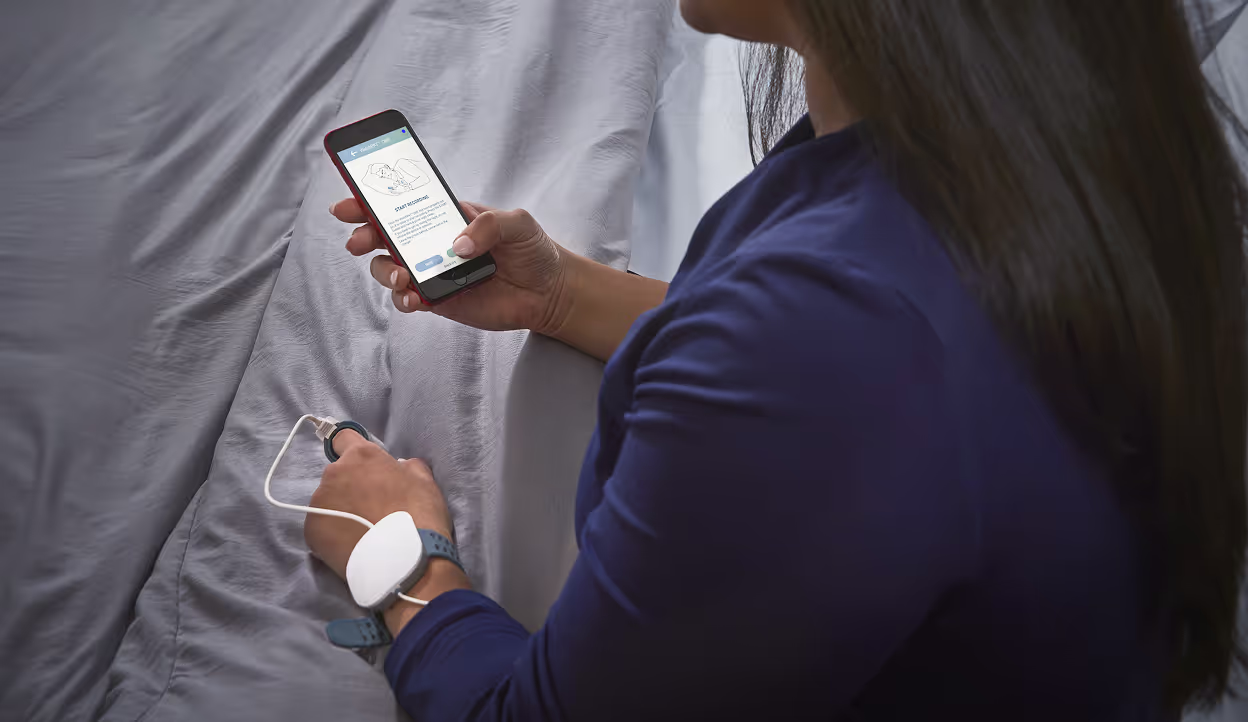
Home sleep testing devices use a small number of sensors compared to polysomnography. A typical HSAT device includes a nasal cannula or airflow sensor to measure respiration, a pulse oximeter to track blood oxygen levels and heart rate, and a chest belt or effort sensor to monitor breathing effort. Some newer devices like the NightOwl Home Sleep Test use photoplethysmography through a fingertip sensor to capture sleep data without multiple attachments.
The American Academy of Sleep Medicine classifies HSAT as a Type III or Type IV sleep study. Type III devices measure at least four channels including airflow, respiratory effort, oxygen saturation, and heart rate. Type IV devices typically measure one or two channels, most commonly oxygen saturation.
After you complete one night of testing, you return or upload the sleep data. A physician reviews the recording and generates a diagnostic report. The report includes an apnea-hypopnea index (AHI), which counts the number of times your breathing stops or becomes shallow per hour of recorded time. An AHI of 5 or higher, combined with symptoms, typically supports a diagnosis of obstructive sleep apnea.
DID YOU KNOW: According to the Sleep Foundation, approximately 80 percent of moderate to severe obstructive sleep apnea cases remain undiagnosed, partly because many people do not realize that home-based testing is available.
KEY TAKEAWAY: A home sleep apnea test records breathing, oxygen levels, and heart rate using portable sensors during one night at home, and results are interpreted by a physician to determine whether obstructive sleep apnea is present.
Understanding what HSAT measures helps clarify who should consider this type of testing and how it compares to in-lab options.
Why Kyle, Texas Residents Should Consider Home Sleep Testing
Kyle residents with symptoms of obstructive sleep apnea can access testing without traveling far from home or waiting weeks for a sleep lab appointment. Home sleep testing eliminates common barriers like scheduling delays, overnight clinic stays, and geographic distance from specialized sleep centers.
Kyle sits in Hays County, part of the greater Austin metropolitan area. While Austin has several sleep centers and sleep medicine practices, Kyle itself has limited in-lab sleep study options. Many residents face a 20 to 40 minute drive to reach a sleep lab in Austin or San Marcos. For people with work schedules that make overnight appointments difficult, a home sleep test provides a practical alternative.
Who Benefits Most in Kyle
Residents who work long or irregular hours, including commercial drivers operating along the I-35 corridor, often find it difficult to schedule an in-lab sleep study. Owner-operators and CDL holders in the Kyle area may need sleep apnea testing for DOT compliance, and a home sleep test for truck drivers can simplify that process significantly.
Parents, shift workers, and older adults on Medicare who prefer testing in a familiar sleep environment also benefit from HSAT. Sleeping in your own bed tends to produce more representative sleep data compared to sleeping in an unfamiliar lab setting, which some patients describe as uncomfortable.
Telehealth-based services also remove geographic limitations entirely. dumbo.health ships home sleep test devices directly to Kyle addresses, and a board-certified physician reviews the results remotely. This means you do not need a local sleep specialist referral to begin the process, though consulting your primary care provider is always advisable.
KEY TAKEAWAY: Kyle residents benefit from home sleep testing because local in-lab options are limited, travel to Austin sleep centers takes time, and telehealth services like dumbo.health deliver testing directly to your door.
Knowing why home testing makes sense locally leads to the next question: what symptoms should prompt you to get tested.
Signs and Symptoms That Indicate You Need a Sleep Apnea Test
Loud, chronic snoring combined with witnessed breathing pauses during sleep is the most recognizable sign of obstructive sleep apnea. However, many people with sleep apnea do not snore at all or are unaware of their nighttime symptoms.
The Mayo Clinic identifies these common symptoms of obstructive sleep apnea:
- Loud snoring, often reported by a bed partner
- Episodes of stopped breathing during sleep, sometimes ending with gasps or choking sounds
- Excessive daytime fatigue or sleepiness despite a full night in bed
- Morning headaches that resolve within a few hours of waking
- Difficulty concentrating or memory problems during the day
- Irritability or mood changes
- Dry mouth or sore throat upon waking
- Frequent nighttime urination
Not all of these symptoms need to be present for sleep apnea to be a concern. A person experiencing persistent fatigue and morning headaches alone may have clinically significant apnea. Blood pressure that remains elevated despite medication can also signal undiagnosed sleep apnea, as the National Heart, Lung, and Blood Institute notes a strong link between obstructive sleep apnea and hypertension.
Risk factors that increase your likelihood of obstructive sleep apnea include a BMI over 30, age over 40, male sex (though women are affected at increasing rates after menopause), a neck circumference greater than 17 inches in men or 16 inches in women, and a family history of sleep apnea. Anatomical factors like a narrow airway, enlarged tonsils, or a recessed jaw also contribute.
If you recognize two or more of these symptoms or risk factors, completing the free sleep assessment at dumbo.health can help you determine whether home testing is an appropriate next step.
IMPORTANT: Untreated obstructive sleep apnea is associated with a two to three times higher risk of cardiovascular disease, stroke, and type 2 diabetes, according to research cited by the National Institutes of Health.
KEY TAKEAWAY: Chronic snoring, witnessed breathing pauses, excessive daytime fatigue, and morning headaches are key indicators that a home sleep apnea test is warranted, especially when combined with risk factors like elevated BMI or high blood pressure.
Once you recognize the symptoms, the next step is understanding how to prepare for and complete a home sleep test.
How to Complete a Home Sleep Apnea Test in Kyle, Texas
Completing a home sleep apnea test involves ordering the device, wearing it for one night, and returning it for physician review. The entire process typically takes less than two weeks from order to results.
Step-by-Step Process for Home Sleep Testing
1. Complete a screening questionnaire or free sleep assessment. dumbo.health offers an online sleep assessment that takes less than five minutes and helps determine whether you are a candidate for home testing.
2. Order your home sleep test device. Through dumbo.health, the test costs $149 (one-time, no insurance required). The device ships directly to your Kyle, Texas address.
3. Receive the device and review the instructions. Each kit includes a sensor, written instructions, and contact information for support if you have questions.
4. Wear the device to bed for one night of testing. Apply the sensors as directed, which usually involves a finger pulse oximeter, a nasal airflow cannula, and a chest or abdominal effort belt depending on the device model.
5. Return or upload the sleep data. Some devices are mailed back in a prepaid envelope, while others transmit data digitally.
6. A board-certified sleep medicine physician reviews the recorded sleep data and generates a diagnostic report including your AHI score.
7. Receive your results and discuss next steps. dumbo.health provides physician interpretation as part of its monthly care plans, with the Essentials Plan starting at $59 per month.
After completing these steps, you will know whether you have obstructive sleep apnea and what severity level the physician identified. Your provider will recommend a treatment path based on the results.
KEY TAKEAWAY: Home sleep testing in Kyle follows a straightforward process: screen, order, wear the device for one night, return the data, and receive a physician-interpreted report within days.
With the testing process clear, it helps to understand what the results actually mean.
Understanding Your Home Sleep Test Results
Your home sleep test results center on the apnea-hypopnea index, which is the number of apnea and hypopnea events recorded per hour of monitoring time. This single metric determines your diagnosis and severity classification.
The American Academy of Sleep Medicine defines obstructive sleep apnea severity as follows:
- Normal: AHI below 5 events per hour
- Mild obstructive sleep apnea: AHI of 5 to 14 events per hour
- Moderate obstructive sleep apnea: AHI of 15 to 29 events per hour
- Severe obstructive sleep apnea: AHI of 30 or more events per hour
An apnea is a complete cessation of airflow lasting at least 10 seconds. A hypopnea is a partial reduction in airflow (typically 30 percent or more) lasting at least 10 seconds with an associated oxygen desaturation of 3 percent or more, or an arousal from sleep.
Beyond the AHI, your report may include oxygen saturation data showing how low your blood oxygen levels dropped during the night. Oxygen desaturation below 90 percent is clinically significant. Your heart rate patterns may also be documented, as obstructive sleep apnea can cause heart rate variability and bradycardia-tachycardia cycles during apneic events.
What Your Results Mean for Treatment
An AHI of 5 to 14 with significant symptoms may lead your physician to recommend positional therapy, weight management, or an oral appliance. An AHI of 15 or higher typically qualifies for CPAP therapy, which is considered the first-line treatment for moderate to severe obstructive sleep apnea. Severe cases with an AHI above 30, especially with oxygen desaturation below 85 percent, require prompt initiation of treatment.
If your HSAT results are inconclusive or negative despite strong clinical suspicion, your physician may recommend a follow-up in-lab polysomnography. HSAT tends to underestimate AHI because it measures recording time rather than actual sleep time, meaning some events may be missed if you were awake during portions of the test.
dumbo.health includes physician interpretation and report generation as part of its monthly care plans. The Premium Plan at $89 per month adds priority results turnaround and a dedicated sleep coach to help you understand your report and next steps.
KEY TAKEAWAY: The AHI score from your home sleep test determines whether you have obstructive sleep apnea and how severe it is, directly guiding treatment decisions from positional therapy to CPAP.
Results naturally lead to the question of what treatment looks like after diagnosis.
Sleep Apnea Treatment Options After Diagnosis
CPAP therapy is the most effective and widely recommended treatment for moderate to severe obstructive sleep apnea. A CPAP device delivers continuous positive airway pressure through a mask worn during sleep, keeping the airway open and preventing apnea events.
According to the National Heart, Lung, and Blood Institute, consistent CPAP use reduces daytime sleepiness, lowers blood pressure, and decreases the risk of cardiovascular complications associated with untreated sleep apnea. The AASM recommends CPAP as first-line therapy for adults diagnosed with moderate to severe obstructive sleep apnea.
CPAP Therapy
CPAP therapy requires proper equipment fitting, ongoing adherence monitoring, and follow-up care to ensure the device pressure settings remain appropriate. Many patients report initial discomfort with the mask, but most adapt within the first two to four weeks.
dumbo.health offers CPAP therapy as part of all three monthly care plans. The Essentials Plan at $59 per month includes CPAP equipment, physician oversight, and standard follow-up care. The Premium Plan at $89 per month adds a dedicated sleep coach and advanced adherence monitoring. All plans operate on a no-contract, cancel-anytime basis.
Oral Appliances
For mild to moderate obstructive sleep apnea, or for patients who cannot tolerate CPAP, an oral device (also called a mandibular advancement device) may be prescribed. Oral appliances work by repositioning the lower jaw forward to keep the airway open during sleep. These devices are typically fitted by a dentist trained in sleep medicine or by ENT physicians.
The AASM considers oral appliances an appropriate alternative for patients with mild to moderate obstructive sleep apnea who prefer them over CPAP or who have failed CPAP therapy.
Lifestyle and Positional Therapy
Weight loss, avoiding alcohol before bed, reducing caffeine intake in the afternoon and evening, and sleeping on your side rather than your back can reduce apnea severity in some patients. Positional therapy alone is not sufficient for moderate to severe cases but may complement CPAP or oral appliance therapy.
Surgical Options
Surgery is generally reserved for patients who have failed conservative treatment. Procedures may include uvulopalatopharyngoplasty (UPPP), maxillomandibular advancement, or hypoglossal nerve stimulation. A sleep specialist or ENT physician evaluates surgical candidacy based on the anatomical cause of airway obstruction.
TIP: Starting CPAP therapy within two weeks of diagnosis improves long-term adherence rates. If you receive a positive home sleep test result, acting quickly matters for both compliance and health outcomes.
KEY TAKEAWAY: CPAP therapy is the gold standard for moderate to severe obstructive sleep apnea, while oral appliances and lifestyle changes may suit milder cases, and dumbo.health provides CPAP equipment and ongoing care starting at $59 per month.
Before committing to a testing pathway, comparing home testing with in-lab studies helps you choose the right option.
Home Sleep Test vs. In-Lab Sleep Study: Which Is Right for You
A home sleep apnea test is more convenient and less expensive than an in-lab polysomnography, but it measures fewer physiological parameters. Choosing between them depends on your symptoms, risk factors, and what your physician needs to diagnose.
In-lab polysomnography is considered the gold standard for diagnosing sleep disorders. It records brain waves (EEG), eye movements, muscle activity, heart rhythm (ECG), respiratory effort, airflow, oxygen saturation, and body position simultaneously. A sleep technologist monitors the study in real time throughout the night.
Home sleep testing records a subset of those parameters, typically airflow, respiratory effort, oxygen saturation, and heart rate. HSAT does not measure brain waves, which means it cannot identify sleep stages or detect conditions like narcolepsy, parasomnias, sleep terrors, sleep talking, or periodic limb movement disorder.
Setting
- Home Sleep Apnea Test: Your own bed in Kyle, Texas or anywhere you sleep
- In-Lab Polysomnography: A sleep lab, typically located in Austin or San Marcos for Kyle residents
Cost
- Home Sleep Apnea Test: Typically $149 to $500 out of pocket; dumbo.health charges $149 with no insurance required
- In-Lab Polysomnography: Often $1,000 to $3,000 or more; insurance coverage varies and prior authorization is usually required
Channels Measured
- Home Sleep Apnea Test: 3 to 7 channels (airflow, oxygen saturation, heart rate, respiratory effort)
- In-Lab Polysomnography: 12 or more channels including EEG for brainwaves, EMG for muscle activity, and ECG for heart rhythm
Convenience
- Home Sleep Apnea Test: High; no travel, no overnight facility stay, no appointment scheduling with a sleep lab
- In-Lab Polysomnography: Lower; requires an overnight stay, advance scheduling, and travel to a sleep center
Conditions Diagnosed
- Home Sleep Apnea Test: Obstructive sleep apnea (primary indication)
- In-Lab Polysomnography: Obstructive sleep apnea, central sleep apnea, narcolepsy, parasomnias, restless legs syndrome, periodic limb movement disorder, and other complex sleep disorders
Turnaround Time for Results
- Home Sleep Apnea Test: Typically 3 to 7 business days; dumbo.health Premium Plan offers priority turnaround
- In-Lab Polysomnography: Often 1 to 3 weeks depending on the sleep center's volume
For most adults suspected of having obstructive sleep apnea without significant comorbidities like congestive heart failure, chronic respiratory disease, or neuromuscular conditions, HSAT is clinically appropriate and significantly more accessible. If your physician suspects central sleep apnea, narcolepsy, or another complex sleep disorder, in-lab polysomnography is the recommended path.
KEY TAKEAWAY: Home sleep testing is appropriate for straightforward obstructive sleep apnea evaluation and is more affordable and convenient, while in-lab polysomnography is necessary for complex sleep disorders or when HSAT results are inconclusive.
Cost is often the deciding factor for many patients, so understanding the full financial picture matters.
Cost of Home Sleep Apnea Testing in Kyle, Texas
The cost of a home sleep apnea test in Kyle ranges from $149 to over $500 depending on the provider, whether insurance is used, and what services are included. Cash-pay options typically offer more transparent pricing than insurance-based pathways.
Insurance coverage for home sleep testing varies widely. Some insurance companies cover HSAT with a physician referral and prior authorization, while others require an in-lab study first or impose specific criteria. Medicare covers home sleep testing for beneficiaries who meet clinical criteria, but the process involves documentation requirements and potential copays.
For patients without insurance or those who prefer to avoid authorization delays, cash-pay services provide a straightforward alternative. dumbo.health charges $149 for the home sleep test device (one-time), which includes the at-home device and one night of testing. Physician interpretation and ongoing care are covered under monthly plans:
Pricing at a Glance
- Home Sleep Test (dumbo.health): $149, one-time, no insurance required
- Essentials Plan: $59 per month for physician interpretation, CPAP therapy and equipment, standard follow-up care
- Premium Plan: $89 per month adding a dedicated sleep coach and advanced adherence monitoring
- Elite Plan: $129 per month adding concierge clinical support and direct physician messaging
- All plans: no contracts, cancel anytime, no surprise bills
For comparison, an in-lab sleep study in the Austin area typically costs between $1,500 and $3,000 before insurance adjustments. Even with insurance, copays and deductibles for in-lab studies often exceed $300 to $500.
The cash-pay model eliminates prior authorizations, surprise bills, and the back-and-forth communication with insurance companies that delays diagnosis and treatment. For Kyle residents who want straightforward pricing they can plan around, this approach removes a significant barrier to testing.
IMPORTANT: Delaying sleep apnea testing because of cost concerns can lead to worsening health outcomes. The CDC notes that untreated sleep apnea is associated with increased risk of hypertension, cardiovascular disease, and motor vehicle accidents caused by drowsy driving.
KEY TAKEAWAY: Home sleep apnea testing in Kyle costs as little as $149 through cash-pay services like dumbo.health, compared to $1,500 or more for in-lab studies, with no insurance paperwork or prior authorization required.
Transparent pricing is one consideration, but knowing the limitations of home testing is equally important for making a well-informed decision.
Limitations and Risks of Home Sleep Apnea Testing
A home sleep apnea test is not appropriate for every patient or every suspected sleep disorder. Understanding these limitations ensures you pursue the right diagnostic pathway for your situation.
HSAT Cannot Diagnose All Sleep Disorders
Home sleep testing is validated only for obstructive sleep apnea in patients without significant comorbidities. It does not detect central sleep apnea, narcolepsy, parasomnias, restless legs syndrome, periodic limb movement disorder, or sleep-related seizure disorders. These conditions require in-lab polysomnography with EEG monitoring to measure brainwaves and NREM and REM sleep architecture.
If your symptoms include unusual movements during sleep, sleep terrors, sleep talking, or excessive daytime sleepiness without snoring, your physician may recommend an in-lab study rather than HSAT.
AHI May Be Underestimated
Because HSAT measures total recording time rather than actual sleep time, the AHI can be artificially lowered. If you spend 8 hours wearing the device but only sleep for 5 hours, the apnea events are divided across 8 hours rather than 5, potentially underestimating severity. The AASM acknowledges this limitation and recommends that a negative or borderline HSAT result in a patient with strong clinical suspicion should be followed by in-lab polysomnography.
Sensor Displacement or Data Loss
Portable sensors can shift during sleep. A nasal cannula may become dislodged, or a finger pulse oximeter may lose contact. This can result in incomplete data that requires a repeat night of testing. Clinicians frequently observe that approximately 10 to 15 percent of home sleep tests need to be repeated due to technical issues or insufficient recording quality.
Not Recommended for Certain Medical Conditions
Patients with congestive heart failure, chronic obstructive pulmonary disease, neuromuscular conditions, or a history of stroke affecting respiratory control may not be appropriate candidates for HSAT. These conditions can cause complex breathing patterns that require the comprehensive cardiopulmonary monitoring available only in a sleep lab.
How dumbo.health Addresses These Limitations
dumbo.health provides physician oversight of every test result. If a home sleep test produces inconclusive data or suggests a need for further evaluation, the reviewing physician can recommend follow-up testing, including referral for in-lab polysomnography. The Premium and Elite plans include direct access to a sleep coach or physician messaging, ensuring patients are not left to interpret ambiguous results alone.
KEY TAKEAWAY: Home sleep tests are not suitable for diagnosing complex sleep disorders, can underestimate AHI severity, and may require retesting if sensors are displaced, so physician interpretation and follow-up pathways are essential.
Knowing the limitations helps set realistic expectations, and real-world examples illustrate how the testing process unfolds for different types of patients.
Real-World Scenarios: Home Sleep Testing in the Kyle Area
Understanding how home sleep apnea testing applies to real people helps clarify when it is the right choice and what to expect.
Scenario 1: A 48-Year-Old Kyle Resident with Chronic Snoring
A 48-year-old man living in Kyle, Texas has snored loudly for several years. His wife reports that he stops breathing for several seconds at a time during the night, followed by gasps. He wakes up with headaches most mornings and feels fatigued by mid-afternoon despite spending 8 hours in bed. His BMI is 33 and his blood pressure is 142/92.
His primary care provider in the Kyle area recommends a home sleep apnea test. He orders through dumbo.health for $149, receives the device at his home, and completes one night of testing. His results show an AHI of 24, indicating moderate obstructive sleep apnea, with oxygen desaturation events dropping to 84 percent. His physician recommends CPAP therapy, which he starts through the dumbo.health Essentials Plan at $59 per month.
Scenario 2: A 35-Year-Old Commercial Driver Based Near Austin
A 35-year-old CDL holder who lives in Kyle and drives regionally out of Austin is flagged during a DOT physical for a BMI over 35 and a neck circumference of 18 inches. The examining provider recommends a sleep apnea test for CDL drivers before issuing a full medical certificate.
Rather than scheduling an in-lab study that could take weeks and require time off the road, he orders a DOT sleep apnea test at home through dumbo.health. His AHI result is 18, confirming moderate obstructive sleep apnea. He begins CPAP therapy and enrolls in the Premium Plan at $89 per month, which includes adherence monitoring. His CPAP compliance data is shared with his DOT examining provider, supporting his medical certification.
Scenario 3: A 62-Year-Old Medicare Beneficiary with Insomnia and Fatigue
A 62-year-old woman in Kyle has been experiencing insomnia, daytime fatigue, and difficulty concentrating. She does not snore loudly but occasionally wakes gasping. She has a history of hypertension and type 2 diabetes. Her physician suspects obstructive sleep apnea but also wants to rule out other sleep disorders like restless legs syndrome.
She completes a home sleep test, which reveals an AHI of 9, suggesting mild obstructive sleep apnea. Because her symptoms are disproportionate to the mild AHI finding and she has comorbid conditions, her physician refers her for an in-lab polysomnography at a sleep center near Austin to evaluate for additional sleep disorders. This illustrates how HSAT can serve as an effective first-line screening tool while still leading to more comprehensive testing when needed.
KEY TAKEAWAY: Home sleep testing serves a wide range of patients in the Kyle area, from chronic snorers to commercial drivers needing DOT compliance, while physician oversight ensures patients with complex symptoms are directed to appropriate follow-up.
These scenarios demonstrate common pathways, and it is equally useful to separate fact from fiction about home sleep testing.
Common Myths About Home Sleep Apnea Tests Debunked
MYTH: Home sleep tests are not accurate enough to diagnose sleep apnea.
FACT: The American Academy of Sleep Medicine recognizes home sleep apnea testing as a clinically validated tool for diagnosing obstructive sleep apnea in appropriate candidates. Studies published through PubMed show that HSAT has high sensitivity for detecting moderate to severe obstructive sleep apnea, with agreement rates exceeding 85 percent compared to in-lab polysomnography when used in patients with high pretest probability.
MYTH: You need a referral from a sleep specialist to get a home sleep test.
FACT: A home sleep test can be ordered by a primary care provider, a sleep medicine physician, or through telehealth platforms. dumbo.health allows patients to complete a free online sleep assessment and order a home sleep test for $149 without requiring a specialist referral. However, results are always reviewed by a physician.
MYTH: Home sleep tests are uncomfortable and difficult to use.
FACT: Most home sleep test devices use only two to three sensors: a finger pulse oximeter, a nasal airflow sensor, and sometimes a chest belt. Many patients report that home testing is significantly more comfortable than sleeping in a sleep lab, and the setup process typically takes less than 10 minutes. Newer devices using photoplethysmography technology, like the NightOwl, require only a fingertip sensor.
MYTH: If your home sleep test is normal, you definitely do not have sleep apnea.
FACT: HSAT can underestimate the apnea-hypopnea index because it measures recording time rather than actual sleep time. The AASM recommends that patients with a negative HSAT result but persistent symptoms undergo in-lab polysomnography, as the home test may miss events during periods of wakefulness or light sleep.
MYTH: CPAP is the only treatment if you are diagnosed with sleep apnea.
FACT: CPAP therapy is the first-line treatment for moderate to severe obstructive sleep apnea, but mild cases may be managed with oral appliances, positional therapy, or weight management. Treatment decisions depend on your AHI, symptom severity, and individual health profile. Your physician will recommend the most appropriate treatment option based on your specific results.
KEY TAKEAWAY: Home sleep apnea tests are clinically validated, easy to use, and accessible without a specialist referral, though a negative result with ongoing symptoms should always prompt further evaluation.
With myths addressed, here is a practical checklist to prepare you for testing.
Preparing for Your Home Sleep Apnea Test
Proper preparation ensures your home sleep test produces accurate, usable data on the first night. Taking a few simple steps beforehand reduces the chance of needing a retest.
Pre-Test Preparation Checklist
- Confirm your device has been fully charged or has a fresh battery before your test night
- Review the setup instructions included with your test kit at least one hour before bedtime
- Avoid alcohol for at least 4 hours before going to sleep, as it can alter breathing patterns
- Avoid caffeine after noon on your test day, as it may interfere with falling asleep
- Do not take sleep medications unless they are part of your regular prescription and your physician has confirmed they should be continued
- Shower or wash your hands before applying the finger pulse oximeter to ensure clean, dry skin for accurate oxygen saturation readings
- Remove nail polish or artificial nails from the finger where the pulse oximeter will be placed
- Sleep in your normal position and on your usual schedule to produce representative sleep data
- Keep the bedroom dark, quiet, and at a comfortable temperature
- Place the return envelope or upload instructions where you will see them first thing in the morning
- Complete the free sleep assessment at dumbo.health if you have not already determined your testing eligibility
Following this checklist helps ensure one clean night of recording. If sensors become displaced during the night, most providers will send a replacement device or extend the testing period.
KEY TAKEAWAY: Preparing properly for your home sleep test by following a simple checklist reduces the risk of data loss and eliminates the need for repeat testing.
Preparation covers the test itself, but many patients want to know what happens after results come back.
What Happens After Your Home Sleep Test Results
After your physician reviews your home sleep test results, the next steps depend on your AHI score, symptom severity, and overall health profile. Treatment begins promptly for most patients with a confirmed diagnosis.
If your results confirm moderate to severe obstructive sleep apnea (AHI of 15 or higher), your physician will typically prescribe CPAP therapy. Through dumbo.health, CPAP treatment and equipment are included in all monthly care plans. Your care team will help you select the right mask interface, set the initial pressure, and begin adherence monitoring.
For mild obstructive sleep apnea (AHI of 5 to 14), your physician may recommend an oral device, lifestyle modifications, or a trial of CPAP depending on your symptoms and preferences. Some patients with mild apnea and significant daytime sleepiness benefit from CPAP just as much as those with severe disease.
If your results are negative (AHI below 5) but you continue experiencing symptoms like excessive fatigue, insomnia, or restless legs, your physician may recommend in-lab polysomnography to evaluate for conditions that HSAT cannot detect, including narcolepsy, periodic limb movement disorder, or central sleep apnea.
Follow-up care is a critical component of successful treatment. The AASM recommends reassessment within the first 30 to 90 days of CPAP therapy to evaluate adherence, mask comfort, and symptom improvement. dumbo.health's Premium Plan includes a dedicated sleep coach and advanced adherence monitoring to support this transition period.
Updates from your sleep testing and treatment progress can be sent to your referring provider, keeping your primary care physician or DOT examiner informed about your care.
KEY TAKEAWAY: Post-test follow-up care determines long-term treatment success, and prompt initiation of CPAP therapy with adherence monitoring significantly improves outcomes for patients diagnosed with obstructive sleep apnea.
Understanding the full care pathway brings us to how to find the right provider for your needs.
Finding a Sleep Apnea Testing Provider Near Kyle, Texas
Kyle residents have several options for sleep apnea testing, including local medical centers, Austin-based sleep labs, and telehealth services that deliver testing devices directly to your home.
Local and Regional Options
Ascension Seton Hays in Kyle provides general medical services and referrals, though in-lab sleep studies are typically conducted at larger Austin-area facilities. Sleep centers in Austin, such as those affiliated with Apnix Sleep Diagnostics or ARC Ear, Nose, and Throat, offer both in-lab polysomnography and HSAT options. Board-certified sleep medicine specialists like Vikas Jain, MD and Haramandeep Singh, MD practice in the greater Austin area and accept patients from Kyle and surrounding communities.
For pediatric sleep concerns, Texas Children's Hospital and physicians affiliated with Baylor College of Medicine in the Houston area offer specialized pediatric pulmonology and sleep medicine evaluation, though this requires travel from Kyle.
Telehealth and At-Home Options
Telehealth-based sleep testing removes the need to find a provider in your area entirely. dumbo.health offers a complete sleep apnea care solution that includes home testing for $149, physician interpretation, CPAP therapy, and ongoing follow-up care. The entire process from ordering to results can be completed without leaving your home in Kyle.
This telehealth model is particularly valuable for patients who prefer cash-pay pricing with no prior authorizations, commercial drivers who need DOT-compliant testing on a tight timeline, and anyone who wants to avoid the scheduling delays that in-lab facilities in the Austin area sometimes present.
When choosing a provider, verify that a board-certified sleep medicine physician or a healthcare practitioner with sleep medicine training will review your results. Board certification in sleep medicine requires fellowship training and examination through the American Board of Medical Specialties or the American Board of Internal Medicine, often with subspecialty training in pulmonary disease, critical care medicine, or neurology.
KEY TAKEAWAY: Kyle residents can access sleep apnea testing through local Austin-area sleep centers, regional specialists, or telehealth services like dumbo.health, which provides complete care from testing through CPAP treatment without requiring local appointments.
With provider options outlined, here is a consolidated view of who should and should not pursue home testing.
Who Should and Should Not Get a Home Sleep Apnea Test
Home sleep apnea testing is appropriate for adults with a moderate to high clinical suspicion of obstructive sleep apnea who do not have significant complicating medical conditions. Not everyone is an ideal candidate.
HSAT Is Appropriate When
- You have symptoms consistent with obstructive sleep apnea such as snoring, witnessed apneas, excessive daytime fatigue, or morning headaches
- You are an adult without major cardiopulmonary disease
- Your physician or a clinical assessment tool indicates a high pretest probability of obstructive sleep apnea
- You need testing for DOT or occupational compliance
- You prefer the convenience of testing at home rather than at a sleep lab
- You want a cash-pay option with transparent pricing
HSAT May Not Be Appropriate When
- Your physician suspects central sleep apnea, narcolepsy, or a parasomnia
- You have congestive heart failure, chronic obstructive pulmonary disease, or neuromuscular disease affecting respiration
- You have symptoms suggesting restless legs syndrome or periodic limb movement disorder as the primary cause of poor sleep
- A previous home sleep test was negative but symptoms persist
- You are under 18 years of age, as pediatric sleep studies require specialized protocols and monitoring
The AASM guidelines published in the Journal of Clinical Sleep Medicine state that HSAT is intended for use in patients with a high pretest probability of moderate to severe obstructive sleep apnea and should not be used as a general screening tool for asymptomatic individuals.
If you are unsure whether you are a candidate, the free sleep assessment at dumbo.health helps determine your eligibility based on your symptoms, medical history, and risk factors.
KEY TAKEAWAY: Home sleep testing is clinically appropriate for adults with suspected obstructive sleep apnea without significant comorbidities, but patients with complex symptoms or suspected non-apnea sleep disorders should pursue in-lab evaluation.
Clarity on candidacy brings the full picture together.
Conclusion
Home sleep apnea testing gives Kyle, Texas residents a validated, convenient, and affordable way to diagnose obstructive sleep apnea without traveling to a sleep lab or navigating complex insurance requirements. The key is acting on symptoms early, choosing a testing pathway that fits your medical situation, and following through with physician-guided treatment.
If you are experiencing snoring, daytime fatigue, morning headaches, or have been flagged for sleep apnea risk during a medical evaluation, getting tested is a practical first step. dumbo.health offers an at-home sleep test for $149 with no insurance required, physician-reviewed results, and CPAP therapy plans starting at $59 per month with no contracts. The process starts with a free online assessment and ends with a clear diagnosis and treatment plan.
Frequently Asked Questions About Home Sleep Apnea Test in Kyle, Texas
What is a home sleep apnea test?
A home sleep apnea test (HSAT) is a simplified, portable sleep study you complete in your own bed rather than an overnight clinic. The device typically measures breathing patterns, oxygen saturation, heart rate, and airflow while you sleep. A board-certified sleep physician then reviews the recorded sleep data to determine whether obstructive sleep apnea or another sleep-related breathing disorder is present. Home sleep testing is widely accepted for diagnosing moderate-to-severe obstructive sleep apnea in adults who have no significant complicating medical conditions. A healthcare professional can help determine whether home sleep testing is appropriate for your situation.
Who needs a home sleep study?
A home sleep study is often considered for adults who snore regularly, experience daytime fatigue, wake with headaches, or have been told they stop breathing during sleep. Clinicians may also recommend home sleep apnea testing for patients with high blood pressure, cardiovascular disease, or a body mass index that places them at elevated risk. The American Academy of Sleep Medicine recognises home sleep apnea testing as an appropriate diagnostic pathway for uncomplicated suspected obstructive sleep apnea. If you have symptoms that concern you, a healthcare professional can assess whether a home sleep study is the right first step.
What does an at-home sleep apnea test measure?
An at-home sleep apnea test typically measures oxygen saturation, airflow, breathing effort, heart rate, and body position throughout the night. Some devices use photoplethysmography, a light-based sensor technology, to monitor blood oxygen levels and pulse. The collected sleep data allows a sleep physician to calculate the apnea-hypopnea index, which reflects how often breathing is interrupted or reduced per hour of sleep. Most home sleep test devices are FDA-cleared and designed for ease of use without the need for a sleep technologist to be present. The test does not capture brainwaves or full sleep cycle data the way an in-lab polysomnography study does.
What is obstructive sleep apnea?
Obstructive sleep apnea is a common sleep disorder in which the upper airway repeatedly collapses or becomes blocked during sleep, causing breathing interruptions called apneas and partial reductions called hypopneas. According to the National Heart, Lung, and Blood Institute, obstructive sleep apnea is associated with serious health risks including high blood pressure, heart disease, stroke, and diabetes. Typical symptoms include loud snoring, gasps during sleep, daytime fatigue, morning headaches, and difficulty concentrating. A sleep physician can review test results and discuss whether treatment such as CPAP therapy is appropriate for your situation.
What is the difference between obstructive sleep apnea and central sleep apnea?
Obstructive sleep apnea occurs when the airway is physically blocked during sleep, causing the body to struggle to breathe. Central sleep apnea is a different condition in which the brain does not send the correct signals to the muscles that control breathing, so breathing effort stops entirely rather than becoming obstructed. Home sleep testing is generally designed to evaluate obstructive sleep apnea. Central sleep apnea typically requires an in-lab sleep study for accurate diagnosis. If a clinician suspects central sleep apnea based on your symptoms or medical history, they will likely recommend a more comprehensive evaluation than a home sleep test can provide.
What is the easiest way to find out if someone has sleep apnea?
The most accessible first step is a home sleep apnea test, which allows you to record breathing, oxygen levels, and heart rate overnight in your own bed. Many sleep medicine providers and telehealth platforms can order a home sleep test after a brief clinical consultation or sleep assessment. If the results indicate significant apnea events, a sleep physician will review the data and discuss diagnosis and treatment options. A healthcare professional should always interpret home sleep test results before any sleep apnea diagnosis is made or treatment is started. You can start with a free sleep assessment to help determine whether at-home sleep apnea testing is a reasonable next step.
Why should I seek sleep apnea treatment even if I have always snored?
Snoring is one of the most recognised symptoms of obstructive sleep apnea, but many people assume it is harmless because it has been present for years. Untreated sleep apnea is associated with increased risk of high blood pressure, heart disease, stroke, and metabolic conditions including diabetes, according to the National Institutes of Health. Repeated overnight breathing interruptions reduce oxygen saturation and disrupt sleep quality in ways that accumulate over time. A sleep specialist can evaluate whether chronic snoring reflects a treatable sleep disorder. Seeking evaluation does not commit you to any particular treatment, but it does give you accurate information about your health.
When should I seek medical care for sleep apnea symptoms?
You should speak with a healthcare professional if you regularly snore loudly, experience excessive daytime fatigue, wake gasping or with headaches, or have been told you stop breathing during sleep. People with risk factors such as high blood pressure, cardiovascular disease, obesity, or a history of stroke should discuss sleep apnea screening with their doctor. If you experience chest pain, severe breathing difficulty, or sudden neurological symptoms, seek emergency medical care promptly. For patients with moderate symptoms who want a convenient starting point, a home sleep apnea test reviewed by a qualified sleep physician can provide useful diagnostic information.
Is a home sleep apnea test reliable?
Home sleep apnea tests are clinically validated for diagnosing obstructive sleep apnea in adults without complex medical conditions. The American Academy of Sleep Medicine supports the use of home sleep testing for appropriately selected patients. However, home sleep tests measure fewer parameters than in-lab polysomnography and may underestimate the severity of sleep apnea in some cases. A qualified sleep physician interprets the results in the context of the patient's full clinical picture. Home sleep testing may not be appropriate for patients suspected of having central sleep apnea, complex sleep disorders, periodic limb movement disorder, or significant cardiopulmonary conditions.
When is an in-lab sleep study needed instead of a home sleep test?
An in-lab sleep study, also called polysomnography, is typically recommended when a home sleep test is inconclusive, when central sleep apnea is suspected, or when the patient has complex medical conditions such as congestive heart failure, significant cardiopulmonary disease, or neurological disorders affecting breathing. In-lab studies capture brainwaves, NREM sleep stages, respiration, limb movements, and additional data streams that a home sleep test device does not record. Sleep technologists are present throughout the night to manage the equipment and respond to events. A sleep physician or sleep specialist can advise whether an in-lab evaluation is needed based on your symptoms and medical history.
How do I prepare for a home sleep test?
On the night of your home sleep test, avoid caffeine in the afternoon and evening, follow your normal sleep routine, and apply the monitoring device according to the instructions provided. Do not use sedating medications unless your physician has specifically approved them. Avoid sleeping in a position that might dislodge the sensors. Most home sleep test kits include step-by-step setup instructions, and some providers offer support if you have questions before the test. A single night of data is usually sufficient for diagnosis, though some providers may request a second night if the initial recording is incomplete or inconclusive.
How many nights do I need to complete a home sleep test?
Most home sleep apnea tests require one night of data collection. A single night is generally sufficient for a sleep physician to calculate the apnea-hypopnea index and assess oxygen saturation patterns. In some cases, a second test night may be requested if the device recorded fewer than four hours of usable data or if the results are unclear. Some monitoring devices designed for home sleep testing are worn for multiple nights to capture night-to-night variability in breathing patterns. Your sleep medicine provider will clarify how many nights are required when they order your test.
What happens after my home sleep test results come back?
After your home sleep test, a board-certified sleep physician reviews the recorded sleep data, including breathing patterns, oxygen saturation levels, and apnea-hypopnea index. If the results indicate obstructive sleep apnea, your physician will discuss treatment options such as CPAP therapy, oral appliances, or referral to an ENT physician or sleep specialist depending on severity. If results are normal but symptoms persist, further evaluation including an in-lab study may be recommended. dumbo.health monthly plans include physician interpretation, a clinical report, and follow-up care so that results are reviewed and acted on rather than simply delivered. You can explore sleep apnea care solutions to understand what ongoing care includes.
Can I view my home sleep test results?
In most cases, patients can access a summary of their home sleep test results through a patient portal or directly from their provider. The report typically includes the apnea-hypopnea index, oxygen saturation data, total recording time, and physician interpretation. Understanding raw sleep data without clinical context can be difficult, which is why physician review is an important part of the home sleep testing process. A qualified sleep physician or sleep medicine provider should explain what the results mean and whether treatment is recommended before any decisions are made.
How much does a home sleep apnea test cost in Kyle, Texas?
The cost of a home sleep apnea test in Kyle, Texas varies depending on the provider, whether insurance is accepted, and what is included in the fee. Many traditional sleep centers bill through insurance, which can result in variable out-of-pocket costs depending on your plan, deductible, and network status. dumbo.health offers a home sleep apnea test for $149 as a one-time cash-pay fee with no insurance required, no prior authorizations, and no surprise bills. The $149 covers the at-home test device and one night of testing. Ongoing care including physician interpretation, CPAP therapy, and adherence follow-up is available through separate monthly plans starting at $59 per month.
Does insurance cover a home sleep apnea test?
Many private insurance plans and Medicare cover home sleep apnea testing when it is ordered by a qualified physician and meets medical necessity criteria. However, coverage, copays, deductibles, and prior authorization requirements vary significantly by health plan. Some patients find that insurance billing adds administrative delays or unexpected out-of-pocket costs. For patients who prefer predictable pricing, dumbo.health provides cash-pay home sleep testing at $149 with no insurance, no prior authorizations, and no surprise bills. Patients who want to use insurance should contact their health plan directly to confirm benefits before scheduling a sleep study.
Is CPAP therapy covered by insurance?
CPAP therapy is covered by many insurance plans, including Medicare, when a diagnosed sleep disorder such as obstructive sleep apnea has been confirmed and specific clinical criteria are met. Coverage often requires documented CPAP adherence over the first 90 days, which insurers use to confirm ongoing medical necessity before continuing to cover equipment. Requirements vary by plan, and some patients find the prior authorization and compliance reporting process burdensome. dumbo.health offers CPAP therapy and equipment through transparent cash-pay monthly plans with no contracts and no insurance required, which may suit patients who want simpler access to treatment.
What other sleep disorders might a home sleep test not detect?
A home sleep test is designed primarily to evaluate obstructive sleep apnea and is not designed to diagnose other sleep disorders. Conditions such as narcolepsy, restless legs syndrome, periodic limb movement disorder, parasomnias including sleep terrors and sleep talking, insomnia disorders, and NREM sleep abnormalities require a more comprehensive in-lab polysomnography study to assess accurately. If you have symptoms that suggest a sleep disorder beyond obstructive sleep apnea, a sleep specialist can recommend the appropriate evaluation. Home sleep testing is a focused tool, not a comprehensive screen for all sleep-related medical concerns.
What is CPAP therapy and how does it treat sleep apnea?
CPAP, or continuous positive airway pressure therapy, is the most commonly prescribed treatment for obstructive sleep apnea. A CPAP machine delivers a steady stream of pressurised air through a mask worn during sleep, which keeps the upper airway open and prevents the breathing interruptions that characterise obstructive sleep apnea. According to the Sleep Foundation, consistent CPAP use is associated with improvements in daytime sleepiness, blood pressure, and cardiovascular risk in people with obstructive sleep apnea. CPAP therapy requires proper setup, mask fitting, and adherence monitoring to be effective. A sleep physician should oversee CPAP initiation and follow-up care.
What are oral devices for sleep apnea and how do they work?
Oral devices, also called mandibular advancement devices or oral appliances, are custom-fitted mouthpieces worn during sleep to reposition the jaw and tongue forward, which helps keep the airway open and reduce obstructive apnea events. They are considered an alternative to CPAP therapy for patients with mild-to-moderate obstructive sleep apnea or for those who cannot tolerate CPAP. Oral appliances are typically fitted by a dentist or ENT physician with experience in sleep medicine. They are not suitable for all patients, and a sleep specialist should evaluate whether an oral device is appropriate based on the severity of your sleep apnea and your anatomy.
How does Inspire sleep apnea treatment work?
Inspire is an implantable upper airway stimulation device designed for patients with moderate-to-severe obstructive sleep apnea who cannot tolerate CPAP therapy. It works by sensing breathing patterns and delivering mild electrical stimulation to the hypoglossal nerve, which controls tongue movement, helping keep the airway open during sleep. Inspire requires surgical implantation and is approved by the FDA for specific patient criteria. Whether Inspire is an appropriate treatment option depends on factors including the severity of obstructive sleep apnea, anatomy, and prior treatment history. A sleep specialist or ENT physician can assess whether this treatment option is suitable.
I already use CPAP. Can I get a new prescription without visiting a clinic in person?
If you are already a CPAP user and need a new prescription or updated documentation, some telehealth and at-home sleep care providers can support this through a remote consultation or physician review. Depending on your situation, a new home sleep apnea test may be needed to confirm current diagnosis and appropriate therapy pressure settings. A sleep physician should review your case before issuing a new prescription to ensure your treatment remains appropriate. dumbo.health can support physician interpretation, updated reports, and ongoing CPAP care through monthly plans that include clinical follow-up. A healthcare professional should always review your current therapy before any prescription changes are made.
How do I find a home sleep apnea test provider near me in Kyle, Texas?
Patients in Kyle, Texas can access home sleep apnea testing through local sleep centers, ENT physicians, pulmonary and sleep medicine practices, or telehealth and at-home sleep testing platforms that serve the Austin and Central Texas area. When evaluating providers in your area, consider whether physician interpretation is included, how results are delivered, and what the total cost will be. dumbo.health provides at-home sleep testing with transparent cash-pay pricing that is accessible from Kyle, Texas without requiring a clinic visit for the test itself. You can get an at-home sleep test and complete the study in your own home, with physician review included in the care plan.
What is the apnea-hypopnea index and why does it matter?
The apnea-hypopnea index, commonly referred to as the AHI, is a clinical measure used to assess the severity of obstructive sleep apnea. It counts the average number of complete breathing pauses (apneas) and partial reductions in airflow (hypopneas) per hour of sleep. An AHI below 5 in adults is generally considered normal, while AHI scores of 5 to 14 indicate mild sleep apnea, 15 to 29 indicate moderate sleep apnea, and 30 or above indicate severe obstructive sleep apnea. The AHI is a key metric that a sleep physician uses alongside oxygen saturation data and clinical symptoms to determine whether treatment is needed and which treatment option is most appropriate.
How is home sleep apnea testing different from a traditional sleep clinic study?
A home sleep apnea test is completed in the patient's own bed using a portable monitoring device, measures a limited set of parameters such as airflow, oxygen saturation, and heart rate, and does not require an overnight clinic stay or a sleep technologist to be present. A traditional sleep clinic study, or in-lab polysomnography, captures a much broader range of data including brainwaves, NREM and REM sleep stages, limb movements, respiration, and cardiopulmonary functions, with a sleep technologist monitoring the study throughout the night. In-lab studies are more comprehensive but also more expensive and less convenient. Home sleep testing is a clinically appropriate and cost-effective option for many adults with suspected uncomplicated obstructive sleep apnea.
Do commercial drivers in Kyle, Texas need a sleep apnea evaluation for their DOT physical?
Commercial drivers holding a CDL are subject to DOT physical requirements administered by a certified medical examiner. While there is no universal federal mandate that all commercial drivers must undergo sleep apnea testing, a certified medical examiner may refer a driver for sleep apnea evaluation based on symptoms, body mass index, neck circumference, blood pressure, and other risk factors identified during the DOT physical. Untreated obstructive sleep apnea can affect driving safety and may influence DOT medical certification decisions. dumbo.health can support at-home sleep apnea testing and care documentation for commercial drivers, but certification decisions are made solely by a certified medical examiner. You can learn more in the guide to at-home sleep tests for truck drivers.
How does sleep apnea affect cardiovascular health?
Untreated obstructive sleep apnea is associated with a range of serious cardiovascular conditions. Repeated overnight drops in blood oxygen levels and fragmented sleep place sustained physiological stress on the heart and vascular system. According to the American Academy of Sleep Medicine, obstructive sleep apnea is independently associated with hypertension, heart disease, stroke, and irregular heart rhythms. Some research also points to links with diabetes and metabolic dysfunction. These associations are why sleep physicians consider cardiovascular history when evaluating sleep apnea risk and when recommending treatment. Effective treatment of obstructive sleep apnea, typically with CPAP therapy, may help reduce some of these risks, though outcomes vary and should be discussed with a qualified clinician.
What should I do if my home sleep test results are abnormal?
If your home sleep test results show a significant number of apnea or hypopnea events, or if oxygen saturation drops to concerning levels during the night, a sleep physician will discuss the findings with you and recommend next steps. Depending on severity, options may include CPAP therapy, an oral appliance, referral to an ENT physician, further evaluation with an in-lab study, or a combination of approaches. It is important not to start, change, or stop any treatment without guidance from a qualified healthcare professional. dumbo.health monthly plans include physician review and ongoing follow-up care so that abnormal results lead to a structured clinical response rather than uncertainty.