




Home Sleep Apnea Test in Missouri City, Texas: The Complete Local Guide to At-Home Sleep Testing
A home sleep apnea test in Missouri City, Texas is a portable diagnostic study that measures your breathing, oxygen saturation, and airflow overnight from your own bed rather than in a sleep lab. According to the American Academy of Sleep Medicine, home sleep apnea testing is a validated method for diagnosing obstructive sleep apnea in adults with a moderate to high pretest probability. This guide is for Missouri City residents, nearby Houston-area drivers, and anyone in Fort Bend County considering at-home sleep testing for symptoms like snoring, fatigue, or witnessed breathing pauses. You will learn how the test works, what it costs, how it compares to an in-lab sleep study, which providers serve the area, and how to get started without insurance. By the end, you will know exactly how to move from symptoms to diagnosis to treatment in Missouri City.
Quick Answer
A home sleep apnea test in Missouri City, Texas is a portable overnight study that records oxygen saturation, heart rate, airflow, and breathing effort while you sleep at home. The test is used to diagnose obstructive sleep apnea without requiring an overnight stay at a sleep lab. Most results are available within days. dumbo.health offers a home sleep test for $149 with no insurance required, shipped directly to Missouri City residents.
Key Takeaways
- A home sleep apnea test records oxygen levels, airflow, heart rate, and respiratory effort during one night of sleep at home.
- Missouri City residents can access at-home sleep testing without visiting a sleep lab or hospital in Houston.
- Obstructive sleep apnea affects an estimated 30 million adults in the United States, and roughly 80 percent of moderate to severe cases remain undiagnosed according to the American Academy of Sleep Medicine.
- dumbo.health ships a home sleep test to Missouri City, Texas for $149 with no insurance, no prior authorization, and no surprise bills.
- CPAP therapy, the most common treatment for obstructive sleep apnea, requires a confirmed diagnosis that a home sleep test can provide.
- Monthly treatment plans through dumbo.health start at $59 per month with no contracts and the ability to cancel anytime.
What Is a Home Sleep Apnea Test and How Does It Work
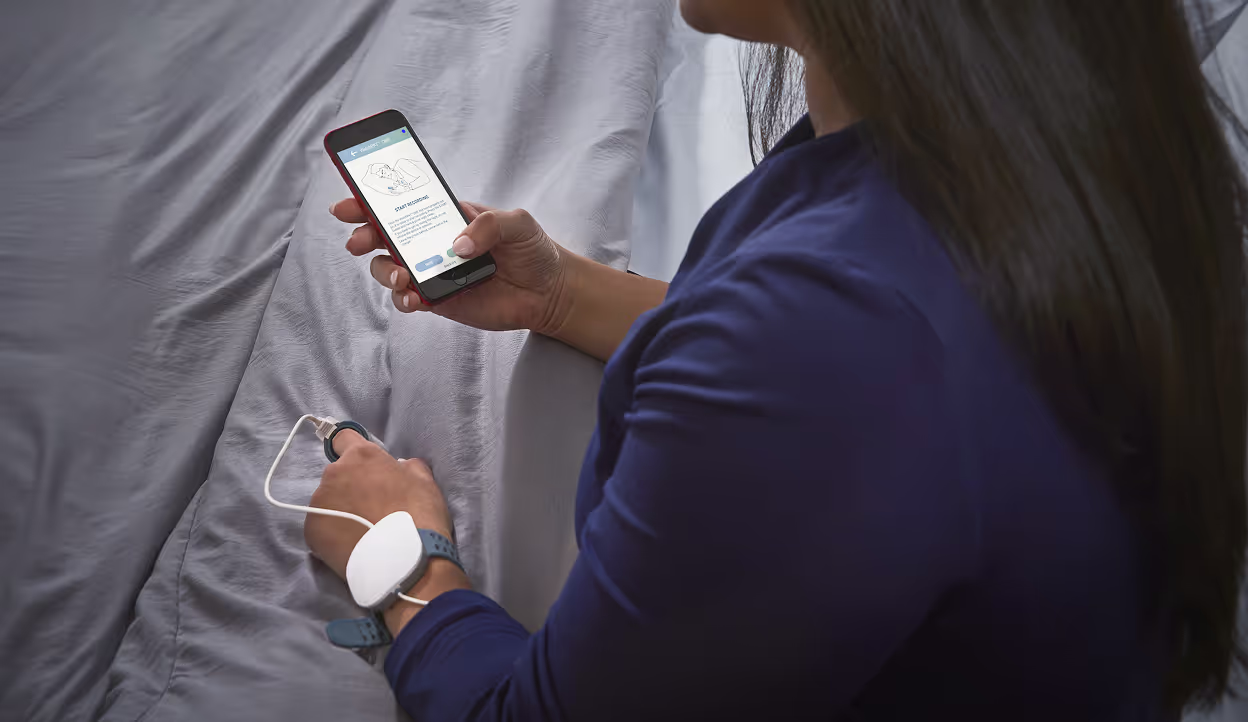
A home sleep apnea test is a portable diagnostic device that records key sleep data overnight in your own bed. Unlike an in-lab polysomnogram, a home sleep test focuses on breathing-related markers rather than full neurological monitoring, making it a practical screening tool for obstructive sleep apnea.
Home sleep apnea testing uses a compact device equipped with a nasal airflow sensor, a finger-mounted pulse oximeter, and a chest or abdominal belt that measures respiratory effort. Some devices also use photoplethysmography or peripheral arterial tonometry to track blood flow changes. The device captures oxygen saturation, heart rate, airflow patterns, and breathing effort throughout the night.
The data collected during the test is analyzed by a physician or board certified sleep physician who reviews the recording for apnea events, hypopnea events, and oxygen desaturation patterns. The key metric is the apnea-hypopnea index, which counts the number of breathing disruptions per hour of sleep. An AHI of 5 or higher, combined with symptoms, typically supports a diagnosis of obstructive sleep apnea according to the American Academy of Sleep Medicine.
Home sleep testing does not measure brain waves, brain activity, or leg movements. This means it cannot diagnose central sleep apnea, insomnia, complex sleep apnea, or other sleep disorders that require full polysomnography. However, for patients with a clinical suspicion of obstructive sleep apnea based on symptoms like snoring, daytime fatigue, witnessed choking or gasps, and a compatible medical history, a home sleep test is a validated and efficient first step toward diagnosis.
A home sleep apnea test in Missouri City, Texas gives residents access to the same diagnostic data that a sleep center would collect for obstructive sleep apnea screening, without requiring travel to a Houston sleep lab or an overnight facility stay.
DID YOU KNOW: The American Academy of Sleep Medicine estimates that undiagnosed obstructive sleep apnea costs the U.S. healthcare system billions annually in preventable cardiovascular events, motor vehicle accidents, and lost productivity.
KEY TAKEAWAY: A home sleep apnea test records airflow, oxygen saturation, heart rate, and breathing effort overnight and is a validated screening tool for obstructive sleep apnea in adults with suggestive symptoms.
Understanding what a home sleep test measures is the first step. Next, consider which symptoms should prompt you to take one.
Signs You May Need a Home Sleep Test in Missouri City
Persistent snoring, excessive daytime fatigue, and witnessed breathing pauses during sleep are the three most common signs that you may benefit from a home sleep apnea test. These symptoms often go unrecognized for years, which contributes to the high rate of undiagnosed sleep apnea across Texas and the rest of the country.
Symptoms That Should Prompt Testing
Obstructive sleep apnea occurs when the upper airway collapses repeatedly during sleep, blocking normal airflow. The Sleep Foundation lists the following as key symptoms:
- Loud, chronic snoring, especially if your partner notices pauses followed by gasps or choking sounds
- Waking up with a dry mouth or sore throat most mornings
- Morning headaches that improve as the day progresses
- Excessive daytime sleepiness or fatigue that does not improve with more time in bed
- Difficulty concentrating, memory problems, or irritability
- Waking up suddenly with a sensation of choking or gasping for air
- Restless sleep or frequent nighttime awakenings
Not every person with obstructive sleep apnea snores, and not everyone who snores has sleep apnea. However, when snoring is combined with one or more of the symptoms above, screening with a home sleep test becomes clinically appropriate.
Risk Factors Common in Missouri City Residents
Certain risk factors increase the likelihood of obstructive sleep apnea. According to the NIH, the most significant include:
- A BMI of 30 or higher
- A neck circumference greater than 17 inches in men or 16 inches in women
- Age over 40
- Male sex, though the risk in women increases significantly after menopause
- A family history of sleep apnea
- Nasal congestion or anatomical narrowing of the airway
Missouri City and the broader Fort Bend County area have a diverse population with elevated rates of the metabolic conditions most strongly linked to obstructive sleep apnea. The CDC reports that more than 42 percent of U.S. adults meet the criteria for obesity, and Texas has one of the higher state-level prevalence rates for both obesity and type 2 diabetes, both independent risk factors for sleep-disordered breathing.
If you recognize two or more of these risk factors alongside daytime fatigue or snoring, a home sleep test is a reasonable and accessible next step. Residents in Missouri City do not need to travel to a Houston sleep clinic to get tested. dumbo.health ships an at-home sleep test directly to your door for $149 with no insurance required.
KEY TAKEAWAY: Loud snoring combined with daytime fatigue, witnessed choking, or risk factors like obesity and age over 40 are strong indicators that a home sleep apnea test is warranted.
Once you recognize the symptoms, knowing the step-by-step process for completing a home sleep test removes any remaining barriers to getting tested.
How to Complete a Home Sleep Apnea Test in Missouri City, Texas
Completing a home sleep apnea test in Missouri City takes one night and requires no visit to a sleep lab or clinic. The process is designed to be a comfortable way to collect diagnostic sleep data without disrupting your normal routine.
Step-by-Step Process for At-Home Sleep Testing
1. Complete a brief online sleep assessment or consultation to confirm you are a candidate for home sleep testing. dumbo.health offers a free sleep assessment that takes less than five minutes.
2. Order your home sleep test device. Through dumbo.health, the test costs $149 and is shipped directly to your Missouri City address with no insurance or prior authorization needed.
3. Receive your testing device and review the included instructions. Most devices require you to attach a nasal cannula sensor, place a finger pulse oximeter, and secure a chest belt around your torso.
4. Go to sleep at your normal bedtime wearing the device. The sensors record airflow, oxygen saturation, heart rate, and respiratory effort automatically throughout the night.
5. Remove the device in the morning and return it using the prepaid shipping label included in your kit.
6. A physician reviews your sleep data and generates a diagnostic report. On the dumbo.health Essentials plan, physician interpretation is included at $59 per month. The Premium plan at $89 per month adds priority results turnaround and a dedicated sleep coach.
7. Receive your results and discuss next steps. If obstructive sleep apnea is confirmed, your care team will outline treatment options including CPAP therapy, which is included in all dumbo.health monthly plans.
After completing these steps, most patients receive a diagnosis and treatment recommendation within days rather than the weeks or months often associated with traditional sleep center referrals near you.
IMPORTANT: The home sleep test device must be worn for the full duration of your sleep period. Removing the device early or sleeping fewer than four hours may produce insufficient data, requiring a repeat test night.
KEY TAKEAWAY: A home sleep test in Missouri City requires ordering a device, wearing it for one night, returning it, and receiving a physician-reviewed report, all without visiting a sleep lab.
With the testing process clear, the next question most Missouri City residents ask is how a home sleep test compares to an in-lab study.
Home Sleep Test vs. In-Lab Sleep Study: Which Is Right for You
A home sleep test is the appropriate first-line diagnostic tool for most adults suspected of having obstructive sleep apnea, while an in-lab polysomnogram is reserved for cases where a more comprehensive evaluation is needed. Choosing the right test depends on your symptoms, risk profile, and whether other sleep disorders are suspected.
Key Differences Between Home and Lab Testing
The following comparison covers the most decision-relevant differences between a home sleep apnea test and an in-lab polysomnogram.
Setting
- Home Sleep Apnea Test: Your own bed in Missouri City
- In-Lab Polysomnogram: Sleep lab or sleep center, often in Houston
Channels Monitored
- Home Sleep Apnea Test: Airflow, oxygen saturation, heart rate, respiratory effort
- In-Lab Polysomnogram: All of the above plus brain waves, brain activity, leg movements, eye movements, and muscle activity
Conditions Diagnosed
- Home Sleep Apnea Test: Obstructive sleep apnea
- In-Lab Polysomnogram: Obstructive sleep apnea, central sleep apnea, complex sleep apnea, insomnia, periodic limb movement disorder, narcolepsy, and other sleep disorders
Typical Cost Without Insurance
- Home Sleep Apnea Test: $149 to $500
- In-Lab Polysomnogram: $1,000 to $3,000 or more
Convenience
- Home Sleep Apnea Test: High, no travel or overnight facility stay
- In-Lab Polysomnogram: Lower, requires scheduling and an overnight stay at a sleep clinic
Turnaround Time for Results
- Home Sleep Apnea Test: Typically within days
- In-Lab Polysomnogram: Often 1 to 3 weeks depending on the sleep center
Who It Is Best For
- Home Sleep Apnea Test: Adults with symptoms suggesting obstructive sleep apnea (snoring, fatigue, witnessed apneas) and no significant cardiopulmonary or neurological comorbidities
- In-Lab Polysomnogram: Patients with suspected central sleep apnea, complex sleep apnea, neurological conditions, or when a home test is inconclusive
For the majority of Missouri City residents experiencing snoring, daytime fatigue, and other classic obstructive sleep apnea symptoms, a home sleep test is the most practical and cost-effective starting point. The American Academy of Sleep Medicine supports home sleep testing as equivalent to polysomnography for diagnosing uncomplicated obstructive sleep apnea in appropriately selected patients. If your physician suspects a neurological condition, complex sleep apnea, or a disorder that requires monitoring brain waves and leg movements, an in-lab study at a sleep center in your area is the better choice.
dumbo.health provides the home sleep test option at $149 with physician interpretation included in the monthly care plan. This eliminates the cost uncertainty that often delays testing for patients who are paying out of pocket or who lack sleep-specific insurance coverage.
KEY TAKEAWAY: A home sleep test is the right choice for most adults with suspected obstructive sleep apnea, while an in-lab polysomnogram is necessary when central sleep apnea, complex sleep apnea, or other sleep disorders are suspected.
After choosing the right test type, understanding the specific devices used in home testing helps set expectations.
Home Sleep Testing Devices: What Missouri City Patients Should Know
Home sleep testing devices are compact, FDA-cleared monitors that collect the minimum data needed to diagnose obstructive sleep apnea. Different testing providers use different devices, but all validated home sleep tests record the same core metrics.
Core Sensors and What They Measure
A standard home sleep testing device includes the following components:
- A nasal cannula or thermistor sensor that measures airflow through the nose and mouth
- A pulse oximeter worn on the finger that tracks oxygen saturation and pulse rate using photoplethysmography
- A chest or abdominal belt that detects respiratory effort and movement
- Some advanced devices use peripheral arterial tonometry to measure arterial blood flow changes as an indirect indicator of arousal events
The NightOwl Home Sleep Test and similar compact devices used by telehealth providers often combine multiple sensors into a single unit, reducing the number of components a patient needs to manage. Regardless of the specific device brand, the sleep data collected is sent to a board certified sleep physician for data interpretation.
What the Device Does Not Measure
Unlike an in-lab polysomnogram, a home sleep testing device does not record:
- Brain waves or brain activity (electroencephalography)
- Eye movements (electrooculography)
- Leg movements (electromyography)
- Body position in some models
This means a home sleep test cannot identify central sleep apnea, which involves breathing pauses caused by the brain failing to send proper signals to the breathing muscles, rather than a physical blockage of the upper airway. It also cannot detect periodic limb movement disorder or provide data used in a Multiple Sleep Latency Test for narcolepsy evaluation.
For most patients in Missouri City with a clinical picture consistent with obstructive sleep apnea, a home sleep testing device provides sufficient data for diagnosis. The equipment is designed to be worn comfortably and does not require a sleep technologist to set up or monitor. dumbo.health includes clear setup instructions with every test kit shipped to Texas residents.
KEY TAKEAWAY: Home sleep testing devices measure airflow, oxygen saturation, heart rate, and respiratory effort using FDA-cleared sensors, but they cannot diagnose central sleep apnea or disorders requiring brain wave monitoring.
Knowing what the device measures matters, but understanding the cost of testing and treatment in Missouri City is what ultimately determines whether patients move forward.
Cost of Home Sleep Apnea Testing and Treatment in Missouri City
A home sleep apnea test in Missouri City typically costs between $149 and $500 when paid out of pocket, compared to $1,000 to $3,000 or more for an in-lab polysomnogram. Cost is one of the most common barriers that prevents patients from getting tested, especially for those without insurance coverage for sleep testing.
Testing Costs
Many Missouri City residents are surprised to learn that sleep testing does not always require insurance. Traditional pathways through a sleep center or sleep clinic often involve a physician referral, prior authorization from the insurer, scheduling delays, and potentially high copays. These steps can add weeks or months before a diagnosis is confirmed.
dumbo.health eliminates these barriers with a direct-to-patient model. The home sleep test costs $149 as a one-time payment. There is no insurance required, no prior authorization, and no surprise bills. The test device is shipped directly to your Missouri City address.
Treatment Costs After Diagnosis
If obstructive sleep apnea is confirmed, the next cost consideration is ongoing treatment. CPAP therapy is the most widely prescribed treatment for moderate to severe obstructive sleep apnea. Purchasing a CPAP machine outright can cost $500 to $3,000 depending on the model and supplier.
dumbo.health offers a different approach with monthly treatment plans that bundle physician oversight, CPAP equipment, and ongoing care:
Essentials Plan
- $59 per month
- No contracts, cancel anytime
- Includes physician interpretation and report, CPAP therapy and equipment, standard follow-up care, and updates sent to your referring provider
Premium Plan (Most Popular)
- $89 per month
- No contracts, cancel anytime
- Everything in Essentials plus a dedicated sleep coach from a licensed care team, advanced adherence monitoring, and priority results turnaround
Elite Plan
- $129 per month
- No contracts, cancel anytime
- Everything in Premium plus concierge clinical support with priority care team access, direct physician messaging, and custom reporting for your practice
Why Cost Transparency Matters
Many patients in Missouri City and the greater Houston area delay sleep apnea testing because they cannot predict the total cost. Between the consultation, the test, the interpretation, and the treatment equipment, the traditional pathway can easily exceed $2,000 before any ongoing care begins. dumbo.health's cash-pay model gives patients a clear, predictable cost from the first test through ongoing CPAP therapy, with no hidden fees.
TIP: If you are a commercial driver in Missouri City who needs sleep apnea clearance for a DOT physical, paying out of pocket for a home sleep test and treatment plan can be faster and less expensive than navigating insurance. Learn more about DOT sleep apnea testing at home.
KEY TAKEAWAY: A home sleep test through dumbo.health costs $149 with no insurance required, and monthly CPAP treatment plans start at $59 per month with no contracts, making testing and treatment affordable and predictable for Missouri City residents.
With costs clarified, the next step is understanding what happens after you receive your results and how treatment begins.
What Happens After Your Home Sleep Test: Diagnosis and Treatment Pathways
After returning your home sleep testing device, a physician reviews your sleep data and delivers a diagnostic report that determines your next steps. This review process is what transforms raw sensor data into a clinical diagnosis of obstructive sleep apnea or a recommendation for further evaluation.
Physician Review and Diagnosis
Your recorded sleep data, including oxygen saturation levels, heart rate patterns, airflow measurements, and respiratory effort, is analyzed by a physician or board certified sleep physician. The primary output is your apnea-hypopnea index score. According to the American Academy of Sleep Medicine, the severity classifications are:
- Normal: AHI below 5 events per hour
- Mild obstructive sleep apnea: AHI of 5 to 14 events per hour
- Moderate obstructive sleep apnea: AHI of 15 to 29 events per hour
- Severe obstructive sleep apnea: AHI of 30 or more events per hour
On the dumbo.health Premium plan, results turnaround is prioritized. Physician interpretation is included in all monthly plans, so there is no separate charge for the diagnostic report.
Treatment Options for Obstructive Sleep Apnea
Once diagnosed, the most common treatment pathways include:
CPAP therapy remains the gold-standard treatment for moderate to severe obstructive sleep apnea. A CPAP machine delivers continuous positive airway pressure through a mask worn during sleep, keeping the upper airway open and preventing apnea events. The NIH states that consistent CPAP use reduces daytime sleepiness, lowers blood pressure, and decreases the risk of cardiovascular events including heart disease and stroke.
An oral appliance or mandibular advancement device is a mouthguard-like device that repositions the lower jaw forward to keep the airway open. Oral appliance therapy is typically recommended for mild to moderate obstructive sleep apnea or for patients who cannot tolerate CPAP. Providers like Sienna Modern Dentistry and Orthodontics and Alonso Family Dental in the Missouri City area offer dental sleep medicine services, though treatment through a dentist like Dr. Alonso is typically separate from the diagnostic testing pathway.
Inspire Therapy is an implantable device approved by the FDA for patients with moderate to severe obstructive sleep apnea who cannot use CPAP. It stimulates the hypoglossal nerve to keep the upper airway open during sleep. This is a surgical treatment option and requires evaluation at a sleep center or by a sleep specialist.
Lifestyle modifications can improve mild obstructive sleep apnea or complement other treatments. These include weight loss, positional therapy (avoiding sleeping on the back), reducing alcohol consumption, and managing nasal congestion.
Starting Treatment Through dumbo.health
For patients in Missouri City who want to move from diagnosis to treatment without delays, dumbo.health's monthly plans include CPAP therapy and equipment alongside ongoing physician oversight. This means you do not need to separately source a CPAP machine, find a durable medical equipment supplier, or coordinate insurance approvals. The Essentials plan at $59 per month covers CPAP therapy, equipment, physician reports, and follow-up care.
KEY TAKEAWAY: After a home sleep test, a physician reviews your data and assigns an AHI-based severity score that determines whether CPAP therapy, an oral appliance, or another treatment is appropriate.
Treatment decisions are clearer when you understand how specific people in different situations navigate the testing and care process.
Real-World Scenarios: How Missouri City Residents Use Home Sleep Testing
Home sleep apnea testing serves a wide range of patients in Missouri City and the surrounding Houston area. The following scenarios illustrate how different people move from symptoms to diagnosis to treatment using at-home testing.
Scenario 1: A 48-Year-Old Office Worker With Chronic Fatigue
A 48-year-old woman in Missouri City has been experiencing persistent daytime fatigue for over a year. Her sleep quality has declined, and her partner has noticed occasional snoring and brief pauses in breathing. She has a BMI of 32 and a family history of high blood pressure. Her primary care physician suggested a sleep study, but the nearest sleep lab had a six-week wait and her insurance required prior authorization.
She completed the free sleep assessment at dumbo.health, ordered a home sleep test for $149, and wore the device for one night. Her results showed an AHI of 22, indicating moderate obstructive sleep apnea. She enrolled in the dumbo.health Premium plan at $89 per month, received a CPAP machine, and was paired with a dedicated sleep coach who helped her adjust to therapy. Within three weeks, her daytime fatigue had improved significantly.
Scenario 2: A 55-Year-Old Commercial Driver Needing DOT Clearance
A 55-year-old male CDL holder living in Missouri City was flagged during a DOT physical for a neck circumference over 17 inches and a BMI above 35. His examiner required documentation showing he had been evaluated for obstructive sleep apnea before issuing a full medical certificate. He did not have health insurance and needed results quickly to avoid losing driving time.
He ordered an at-home sleep test through dumbo.health for $149. His AHI came back at 31, confirming severe obstructive sleep apnea. He started CPAP therapy through the Essentials plan at $59 per month, which included equipment and adherence monitoring. His treatment compliance data was shared with his DOT examiner, allowing him to maintain his commercial driving certification.
Scenario 3: A 38-Year-Old New Parent With Snoring Complaints
A 38-year-old man in Missouri City started snoring heavily after gaining weight during his partner's pregnancy. His partner reported loud gasps and choking sounds at night. He had no previous medical history of sleep disorders and no established relationship with a sleep specialist. He found dumbo.health online, completed the free assessment, and received his home sleep test kit within days.
His results showed an AHI of 9, indicating mild obstructive sleep apnea. His physician recommended starting with lifestyle modifications including a weight management plan and positional therapy. His care team through dumbo.health monitored his progress and planned a retest after three months to determine whether his AHI had improved enough to avoid CPAP therapy.
These scenarios reflect how Missouri City residents with different risk profiles, insurance situations, and urgency levels can all access diagnostic testing and care through a single at-home pathway.
KEY TAKEAWAY: Home sleep testing through dumbo.health serves Missouri City residents ranging from commercial drivers needing fast DOT clearance to office workers managing chronic fatigue and new parents addressing recent snoring.
Realistic expectations also require understanding situations where a home sleep test may not be the right choice.
Limitations and Risks of Home Sleep Apnea Testing
A home sleep apnea test is not appropriate for every patient or every suspected sleep disorder. Understanding the limitations of home testing ensures you choose the right diagnostic pathway and avoid delays in getting the correct diagnosis.
When a Home Sleep Test May Not Be Sufficient
Central sleep apnea cannot be diagnosed with a home sleep test. Central sleep apnea involves the brain failing to send proper signals to the muscles that control breathing, and detecting it requires monitoring brain waves and brain activity through a full polysomnogram. Patients with heart failure, opioid use, or a known neurological condition such as a prior stroke are more likely to have central sleep apnea and should be evaluated in a sleep lab.
Complex sleep apnea, also called treatment-emergent central sleep apnea, occurs when central apnea events appear after a patient starts CPAP therapy for obstructive sleep apnea. This condition requires ongoing monitoring that goes beyond what a home sleep test provides.
Other sleep disorders such as insomnia, narcolepsy, periodic limb movement disorder, and parasomnias cannot be diagnosed with a home sleep test because they require measurement of brain waves, leg movements, and behavioral patterns during sleep. A Multiple Sleep Latency Test, which evaluates how quickly a person falls asleep during the day, can only be conducted in a sleep lab.
Risk of False Negatives
Home sleep tests can underestimate the severity of obstructive sleep apnea. Because the device records total recording time rather than actual sleep time (it does not measure brain activity to determine when you are awake versus asleep), the calculated AHI may be lower than the true value. The American Academy of Sleep Medicine acknowledges this limitation and recommends that if a home sleep test is negative but clinical suspicion remains high, a follow-up in-lab polysomnogram should be performed.
Device-Related Limitations
If the nasal sensor, finger oximeter, or chest belt becomes dislodged during sleep, the test may produce incomplete or unusable data. Patients who move frequently during sleep, sleep with a pet that could disturb the equipment, or have skin conditions that affect sensor adhesion may need to repeat the test or consider an in-lab alternative.
How dumbo.health Addresses These Limitations
dumbo.health includes physician review with every test result, which means a board certified sleep physician evaluates whether the data quality is sufficient for diagnosis or whether further testing is recommended. If a home sleep test through dumbo.health is inconclusive, the care team can guide you toward an appropriate next step, including referral to a sleep specialist or sleep center in your area for an in-lab study.
IMPORTANT: A negative home sleep test does not always rule out obstructive sleep apnea. If your symptoms persist, follow up with a physician who can determine whether an in-lab polysomnogram is needed.
KEY TAKEAWAY: Home sleep tests cannot diagnose central sleep apnea, complex sleep apnea, or non-respiratory sleep disorders, and they may underestimate apnea severity in some patients, making physician oversight of results essential.
Knowing the limitations of testing is important, but equally valuable is separating common myths from clinical facts.
Common Myths About Home Sleep Apnea Testing Debunked
MYTH: A home sleep test is less accurate than an in-lab sleep study for diagnosing sleep apnea.
FACT: For uncomplicated obstructive sleep apnea, the American Academy of Sleep Medicine considers home sleep testing a validated diagnostic method equivalent to in-lab polysomnography when used in appropriately selected patients. The key difference is not accuracy for obstructive sleep apnea but scope. A home test does not measure brain waves or leg movements, so it cannot diagnose other sleep disorders. For the specific question of whether you have obstructive sleep apnea, a home test provides reliable data.
MYTH: You need a doctor's referral and insurance approval before you can take a home sleep test.
FACT: While many traditional sleep centers require a physician referral and insurance prior authorization, direct-to-patient services like dumbo.health allow you to order a home sleep test for $149 without a referral, without insurance, and without prior authorization. A physician still reviews and interprets your results, but the administrative barriers are removed.
MYTH: If you do not snore, you cannot have sleep apnea.
FACT: Not all patients with obstructive sleep apnea snore. The Sleep Foundation notes that some people with sleep apnea present primarily with daytime fatigue, morning headaches, or witnessed choking without loud snoring. Relying on snoring alone as a screening criterion can leave obstructive sleep apnea undiagnosed, particularly in women and younger adults.
MYTH: Home sleep tests are uncomfortable and difficult to set up.
FACT: Modern home sleep testing devices are designed for simplicity. Most kits include a nasal sensor, finger oximeter, and a single chest belt. Setup typically takes fewer than 10 minutes. Clinicians frequently observe that patients report sleeping more naturally at home than they do during an in-lab study, where unfamiliar surroundings and monitoring equipment can disrupt normal sleep patterns.
MYTH: Mild sleep apnea does not need treatment.
FACT: The NIH states that even mild obstructive sleep apnea, defined as an AHI of 5 to 14, can contribute to daytime fatigue, impaired concentration, and long-term cardiovascular risk including high blood pressure and heart disease. Treatment decisions depend on symptom severity, but ignoring a mild diagnosis allows the condition to progress, particularly if risk factors like weight gain or aging are present.
KEY TAKEAWAY: Home sleep tests are validated for diagnosing obstructive sleep apnea, do not require insurance or a referral through services like dumbo.health, and should not be dismissed based on common misconceptions about accuracy or symptom requirements.
Myths addressed, the next practical consideration is preparing properly for your test night.
Preparing for Your Home Sleep Test: Checklist for Missouri City Patients
Proper preparation for your home sleep test night increases the likelihood of collecting usable diagnostic data on the first attempt. Following a simple pre-test checklist helps avoid the need for a repeat test.
Pre-Test Night Checklist
- Confirm your test kit has arrived and contains all components: nasal sensor, finger pulse oximeter, chest belt, and instruction sheet
- Read the setup instructions completely before your test night
- Avoid alcohol for at least 4 hours before bedtime, as it can alter breathing patterns and affect test accuracy
- Avoid caffeine after noon on your test day to promote normal sleep
- Skip napping on the day of your test so you are tired enough to sleep through the night
- Remove nail polish or acrylic nails from the finger where the oximeter will be placed, as these can interfere with oxygen saturation readings
- Sleep in your normal bed and use your usual pillow and blankets to replicate your typical sleep environment
- Charge any device components that require power, if applicable
- Set your alarm to allow at least 6 hours of sleep with the device on
- Complete the free sleep assessment at dumbo.health before your test night to confirm eligibility and ensure your order is processed
- Keep your phone nearby if your device connects via Bluetooth for data syncing
- Place the prepaid return shipping label in a visible spot so you remember to return the device the next morning
These steps take fewer than 15 minutes and significantly improve the chance of getting a clean, interpretable recording on your first test night.
KEY TAKEAWAY: Removing nail polish, avoiding alcohol and caffeine, and following the device setup instructions carefully are the most important steps Missouri City patients can take to ensure accurate home sleep test results.
Preparation is straightforward, but Missouri City residents also want to know which local and remote providers offer sleep apnea testing and treatment.
Sleep Apnea Testing and Treatment Providers Serving Missouri City
Missouri City residents have access to both local in-person providers and telehealth services for sleep apnea diagnosis and treatment. The right provider depends on your testing needs, insurance status, and preference for in-person versus remote care.
Local Providers in Missouri City and Fort Bend County
Texas Multi-Specialty Group and similar medical groups in the Missouri City and Houston area offer in-person sleep consultations and can refer patients to affiliated sleep labs for polysomnography. A consultation with a sleep specialist at a local practice typically involves a review of your medical history, a physical examination of your airway, and a decision about whether a home sleep test or in-lab study is appropriate.
Sleep centers and sleep labs in the greater Houston area, such as those affiliated with major hospital systems, provide in-lab polysomnography for patients who need comprehensive monitoring. These facilities employ sleep technologists who monitor the study overnight and a sleep physician who interprets the results.
For patients interested in oral appliance therapy, dental practices like Sienna Modern Dentistry and Orthodontics and Alonso Family Dental offer mandibular advancement devices as an alternative to CPAP for mild to moderate obstructive sleep apnea. Dr. Alonso and similar dental sleep medicine practitioners can fabricate custom oral appliances after a confirmed sleep apnea diagnosis.
Telehealth and Direct-to-Patient Options
dumbo.health provides a fully remote sleep apnea care pathway that serves Missouri City residents without requiring any in-person visits. The process includes a home sleep test for $149, physician interpretation, and monthly treatment plans starting at $59 per month that include CPAP therapy and equipment. This telehealth model is especially valuable for patients who do not have a sleep specialist near them, lack insurance coverage for sleep testing, or prefer the convenience of managing their care from home.
The advantage of telehealth-based sleep apnea care is speed. Many patients report waiting 4 to 8 weeks for an appointment at a local sleep center in the Houston area, followed by additional weeks for insurance authorization and results. Through dumbo.health, the entire process from ordering the test to receiving a diagnosis can happen within days.
KEY TAKEAWAY: Missouri City residents can choose between local sleep centers and specialists for in-person care or dumbo.health's telehealth model for faster, insurance-free home sleep testing and CPAP treatment.
Whether you choose a local provider or a telehealth pathway, understanding the connection between untreated sleep apnea and serious health consequences reinforces why timely testing matters.
Health Risks of Untreated Sleep Apnea for Missouri City Residents
Untreated obstructive sleep apnea significantly increases the risk of cardiovascular disease, metabolic disorders, and impaired daily function. Getting tested and treated is not just about improving sleep quality. It is about reducing the long-term risk of serious medical events.
Cardiovascular and Metabolic Consequences
According to the NIH, untreated obstructive sleep apnea is independently associated with:
- High blood pressure: repeated oxygen desaturation events during sleep trigger surges in sympathetic nervous system activity, raising blood pressure. The American Heart Association identifies obstructive sleep apnea as a treatable cause of resistant hypertension.
- Heart disease: chronic intermittent hypoxia and sleep fragmentation increase the risk of coronary artery disease, atrial fibrillation, and heart failure.
- Stroke: the CDC reports that obstructive sleep apnea roughly doubles the risk of stroke in men.
- Type 2 diabetes: sleep apnea disrupts glucose metabolism and increases insulin resistance. Studies published in peer-reviewed journals indexed on PubMed show a bidirectional relationship between obstructive sleep apnea and diabetes.
Cognitive and Neurological Effects
The oxygen desaturation that occurs during apnea events affects brain function over time. Mayo Clinic notes that untreated sleep apnea can contribute to memory problems, difficulty concentrating, and mood changes. Emerging research has explored potential associations between chronic sleep-disordered breathing and neurodegenerative conditions, though more evidence is needed in areas such as Alzheimer's disease.
Sleep deprivation from untreated apnea also increases the risk of motor vehicle accidents. The National Highway Traffic Safety Administration estimates that drowsy driving causes thousands of crashes annually, and people with untreated sleep apnea are at significantly higher risk.
Why Early Testing Matters
Every month of untreated moderate to severe obstructive sleep apnea adds to the cumulative cardiovascular and metabolic burden. A home sleep apnea test in Missouri City provides the diagnostic data needed to start treatment, and CPAP therapy has been shown to reduce blood pressure, improve daytime alertness, and lower cardiovascular event risk when used consistently.
For Missouri City residents who have been putting off testing due to cost, scheduling, or insurance concerns, dumbo.health's $149 home sleep test and monthly treatment plans remove the most common barriers to getting diagnosed and treated.
DID YOU KNOW: According to the CDC, insufficient sleep is associated with a higher risk of developing chronic conditions including heart disease, diabetes, and obesity, all of which are more prevalent in adults with untreated obstructive sleep apnea.
KEY TAKEAWAY: Untreated obstructive sleep apnea increases the risk of high blood pressure, heart disease, stroke, and diabetes, making timely testing and treatment essential for long-term health.
Understanding the health stakes clarifies why the next and final step is taking action.
Conclusion
A home sleep apnea test gives Missouri City, Texas residents a fast, affordable, and clinically validated path from symptoms to diagnosis without the delays of traditional sleep lab referrals. Whether you are dealing with chronic snoring, unexplained fatigue, or need sleep apnea clearance for a DOT physical, at-home testing removes the barriers of insurance approvals, scheduling backlogs, and unpredictable costs. dumbo.health offers a home sleep testfor $149 with no insurance required and monthly CPAP treatment plans starting at $59 per month with no contracts and the freedom to cancel anytime. If you recognize the symptoms, do not wait for them to worsen. Take the free sleep assessment and find out whether a home sleep test is right for you.
Frequently Asked Questions About Home Sleep Apnea Test in Missouri City, Texas
What is a home sleep apnea test?
A home sleep apnea test (HSAT) is a portable, FDA-cleared sleep testing device you use in your own bed to screen for obstructive sleep apnea. The device typically records oxygen saturation, heart rate, airflow, breathing effort, and body position while you sleep. A physician then reviews the collected sleep data to assess for signs of sleep-disordered breathing. Home sleep testing is generally recommended for adults who have a moderate to high likelihood of obstructive sleep apnea and no significant complicating conditions. A healthcare professional can help determine whether an at-home sleep test is appropriate for your situation.
What is sleep apnea?
Sleep apnea is a sleep disorder in which breathing repeatedly stops and starts during sleep. The most common form is obstructive sleep apnea (OSA), which occurs when the muscles supporting the upper airway relax and partially or fully block airflow. Central sleep apnea involves the brain failing to send proper signals to the breathing muscles. Complex sleep apnea combines features of both. According to the American Academy of Sleep Medicine, obstructive sleep apnea is one of the most prevalent sleep disorders, and a large proportion of cases remain undiagnosed. If you suspect sleep apnea, a clinician can guide you toward appropriate testing.
What are the symptoms of sleep apnea?
Common symptoms of sleep apnea include loud snoring, gasps or choking sounds during sleep, frequent nighttime awakenings, morning headaches, dry mouth upon waking, excessive daytime fatigue, and difficulty concentrating. A bed partner may notice breathing pauses during the night before the person experiencing them does. Not everyone with sleep apnea snores loudly, and not everyone who snores has sleep apnea. If you regularly experience several of these symptoms, a healthcare professional can help evaluate whether sleep-disordered breathing may be contributing. You can also take a free sleep assessment to help identify whether at-home sleep testing may be a reasonable next step.
Is loud snoring always a sign of sleep apnea?
Loud snoring is not always a sign of sleep apnea, but it is one of the most frequently reported symptoms. Snoring alone can have other causes, including nasal congestion, alcohol consumption, sleeping position, or airway anatomy. However, when snoring is accompanied by gasps, choking sounds, observed breathing pauses, morning headaches, or significant daytime fatigue, the likelihood of obstructive sleep apnea increases. The American Academy of Sleep Medicine notes that habitual snoring with witnessed apneas is a strong indicator warranting evaluation. A sleep physician or certified sleep doctor can help determine whether diagnostic testing is appropriate based on your full symptom profile and medical history.
Why would I need home sleep testing?
Home sleep testing may be recommended when a physician suspects obstructive sleep apnea based on symptoms such as snoring, fatigue, gasping during sleep, or risk factors including high blood pressure, elevated body mass index, or a family history of sleep disorders. It offers a convenient and typically lower-cost alternative to an in-lab sleep study for appropriate candidates. Home sleep testing is not suitable for everyone. People with suspected central sleep apnea, complex sleep apnea, significant heart disease, neurological conditions, or other complicating factors may need a full polysomnogram in a sleep lab instead. A healthcare professional can assess whether home sleep testing fits your clinical picture.
What should I expect during home sleep testing?
During home sleep testing, you wear a small, portable testing device in your own bed for one night. Depending on the device, sensors may be placed on your finger to measure oxygen saturation and pulse rate, around your chest or abdomen to track breathing effort with a belt, and near your nose or mouth to measure airflow. Some devices use photoplethysmography or peripheral arterial tonometry to gather sleep data. You sleep as normally as possible. The device records breathing patterns, oxygen levels, heart rate, and related markers throughout the night. The next day, you return or upload the device, and a physician reviews the sleep data to interpret your results.
What measurements does a home sleep test record?
A home sleep apnea test typically records oxygen saturation, pulse rate or heart rate, airflow, breathing effort, and body position. Some devices also capture snoring intensity and movement data. These measurements allow a reviewing sleep physician to calculate the apnea-hypopnea index (AHI), which reflects the average number of breathing interruptions per hour of sleep. The AHI is a primary marker used to assess the presence and severity of obstructive sleep apnea. Home sleep tests do not record brain waves, leg movements, or brain activity, which means they capture less data than a full in-lab polysomnogram. A physician interprets the results in the context of your symptoms and medical history.
Is a home sleep apnea test as accurate as an in-lab sleep study?
A home sleep apnea test is considered clinically valid for diagnosing obstructive sleep apnea in adults who are appropriate candidates, but it is not equivalent to a full in-lab polysomnogram. A polysomnogram records brain activity, brain waves, leg movements, eye movements, and additional vital signs that home devices do not capture. Because home tests measure only respiratory and oxygen data, they may underestimate apnea severity in some cases. The American Academy of Sleep Medicine supports the use of home sleep apnea testing for uncomplicated suspected OSA. For patients with suspected central sleep apnea, complex sleep apnea, insomnia, a neurological condition, or other complicating factors, an in-lab sleep study at a sleep center is generally recommended instead.
When might an in-lab sleep study be necessary instead of a home test?
An in-lab sleep study, or polysomnogram, is generally recommended when a home sleep apnea test is not sufficient to reach a clear diagnosis or when the clinical picture is more complex. Situations where a full polysomnogram may be preferred include suspected central sleep apnea, complex sleep apnea, significant heart disease, neurological conditions, suspected leg movement disorders, or when a previous home sleep test returned inconclusive results. A sleep lab study provides a more complete picture by recording brain waves, brain activity, leg movements, and additional physiological data. A board-certified sleep physician or sleep specialist can review your symptoms and medical history to determine which type of testing is appropriate for you.
What happens if my home sleep test shows abnormal results?
If your home sleep test results suggest obstructive sleep apnea or another sleep-disordered breathing condition, the reviewing physician will typically outline findings in a formal report. Depending on the severity indicated by the apnea-hypopnea index and other sleep data, the physician may recommend CPAP therapy, further evaluation at a sleep lab, or lifestyle modifications. Abnormal results do not automatically mean a diagnosis without physician interpretation. A healthcare professional will review results in the context of your symptoms, medical history, and risk factors before recommending a treatment plan. If you use dumbo.health, results are reviewed by a physician and sent to your referring provider as part of the ongoing sleep apnea care process.
What happens after a sleep study?
After a sleep study, whether at home or in a sleep lab, the recorded sleep data is reviewed by a physician or sleep specialist. The physician interprets the apnea-hypopnea index, oxygen saturation patterns, breathing interruptions, and other markers to assess for sleep disorders. If obstructive sleep apnea is diagnosed, the physician typically discusses treatment options such as CPAP therapy, oral appliance therapy, or further evaluation. If results are normal but symptoms persist, additional testing such as a Multiple Sleep Latency Test or full polysomnogram may be considered. A follow-up consultation or telehealth appointment allows your provider to explain findings and discuss next steps tailored to your situation.
Who reviews my home sleep test results?
A qualified physician, typically a board-certified sleep physician or sleep doctor, reviews the data collected by a home sleep apnea test. The physician interprets the apnea-hypopnea index, oxygen saturation levels, heart rate patterns, and breathing effort data to produce a clinical report. At dumbo.health, physician interpretation and a formal report are included with every home sleep apnea test, and results are sent to your referring provider if applicable. It is important that sleep data is reviewed by a qualified healthcare practitioner and not interpreted by the patient alone, as accurate data interpretation requires clinical judgment alongside your medical history and symptom profile.
Can I use home sleep test results to get a CPAP prescription?
Yes, in many cases a physician-reviewed home sleep test that confirms obstructive sleep apnea can support a CPAP prescription. CPAP, or continuous positive airway pressure, is the most commonly recommended treatment for moderate to severe obstructive sleep apnea. The prescribing decision depends on the severity of findings, your symptoms, and the treating physician's clinical assessment. If you are already a CPAP user and need a new prescription, a repeat home sleep test with physician review may also support that process depending on your situation. A healthcare professional should guide treatment decisions. At dumbo.health, monthly plans include CPAP therapy and equipment alongside physician review and adherence follow-up.
What does the $149 home sleep test from dumbo.health include?
The dumbo.health home sleep test is a one-time $149 purchase that includes the at-home sleep testing device and one night of testing. It is purchased before the test night and billed separately from any monthly care plan. The test covers the device itself and the testing process. Physician interpretation, a formal report, CPAP therapy, equipment, and ongoing follow-up care are covered under the monthly plans, which start at $59 per month with no contracts and no long-term commitments. There is no insurance required, no prior authorization, and no surprise bills. This transparent cash-pay structure is designed for patients who want to understand exactly what they are paying before they begin.
What are the monthly care plan options at dumbo.health?
dumbo.health offers three monthly plans for ongoing sleep apnea care after testing. The Essentials plan is $59 per month and includes physician interpretation, a formal report, CPAP therapy and equipment, standard follow-up care, and provider updates. The Premium plan is $89 per month and adds a dedicated sleep coach from a licensed care team, advanced adherence monitoring, and priority results turnaround. The Elite plan is $129 per month and adds concierge clinical support, direct physician messaging, and custom reporting for your practice. All plans are no-contract and can be cancelled at any time. The $149 home sleep test is separate and purchased before starting any plan. Compare sleep apnea care options to find the right fit.
Does dumbo.health accept insurance for sleep testing?
dumbo.health operates on a transparent cash-pay model and does not require insurance, prior authorization, or referrals. This means patients in Missouri City, Texas, and surrounding areas including Sugar Land and Houston can access at-home sleep apnea testing and ongoing care without navigating insurance barriers. The pricing is fixed and disclosed upfront, with no surprise bills. The $149 home sleep test and monthly care plans are available to anyone who qualifies based on the clinical screening process. If you have insurance, you may wish to check with your insurer separately about possible reimbursement, but dumbo.health billing does not go through insurance directly.
Is sleep apnea dangerous if left untreated?
Untreated obstructive sleep apnea is associated with several serious health risks. The NIH and NHLBI note that sleep apnea has been linked to high blood pressure, heart disease, stroke, type 2 diabetes, and increased daytime fatigue that can impair driving and daily functioning. Repeated drops in oxygen saturation during apnea events place sustained stress on the cardiovascular system over time. The longer sleep apnea remains undiagnosed and untreated, the greater the potential for these associated health complications to develop or worsen. If you experience symptoms such as heavy snoring, gasping, choking during sleep, or significant daytime fatigue, a healthcare professional can help determine whether sleep apnea testing is appropriate for your situation.
How is sleep apnea diagnosed?
Sleep apnea is diagnosed through a sleep study, either a home sleep apnea test or an in-lab polysomnogram, interpreted by a qualified physician. The key diagnostic measure is the apnea-hypopnea index, which counts the average number of breathing interruptions per hour. An AHI of 5 to 14 per hour is generally considered mild, 15 to 29 moderate, and 30 or more severe obstructive sleep apnea, though clinical interpretation also considers symptoms, oxygen saturation levels, and overall sleep quality. Diagnosis requires physician review of the sleep data, your symptoms, and your medical history. A healthcare professional, sleep specialist, or board-certified sleep physician should confirm any diagnosis before treatment begins.
Can sleep apnea be cured?
Sleep apnea does not have a universal cure, but it can often be effectively managed with appropriate treatment. For many patients, CPAP therapy significantly reduces breathing interruptions and improves sleep quality when used consistently. Oral appliance therapy, including a mandibular advancement device or mouthguard-style device, may be effective for mild to moderate obstructive sleep apnea. Lifestyle modifications such as weight management, positional changes, and reducing alcohol consumption can also reduce symptom severity. In some cases, surgical options or Inspire Therapy, a type of upper airway stimulation, may be considered. Treatment decisions should be made with a qualified healthcare professional based on the severity of your diagnosis and individual medical history.
What is oral appliance therapy for sleep apnea?
Oral appliance therapy uses a custom-fitted device worn in the mouth during sleep to help keep the upper airway open. The most common type is a mandibular advancement device, which gently repositions the lower jaw and tongue to reduce airway obstruction. Oral appliance therapy is typically considered for patients with mild to moderate obstructive sleep apnea or for those who cannot tolerate CPAP therapy. It may also affect oral health over time, which is worth discussing with your treating clinician. The American Academy of Sleep Medicine recommends oral appliance therapy as a recognised treatment option for appropriate candidates. A sleep physician or qualified dental provider should evaluate whether oral appliance therapy is suitable based on your diagnosis and dental anatomy.
Does sleep apnea affect oral health?
Sleep apnea and its treatments can have oral health implications. Mouth breathing during sleep, which is common in people with obstructive sleep apnea, can lead to dry mouth, which may increase the risk of dental issues over time. CPAP therapy, while effective, can also contribute to dry mouth if a humidifier is not used or if the mask fit allows air leakage. Oral appliance therapy, such as a mandibular advancement device, may cause jaw soreness, changes in bite alignment, or dental discomfort in some users with extended use. If you use any sleep apnea treatment that affects your mouth or jaw, discussing ongoing oral health monitoring with your dental provider alongside your sleep care team is a sensible approach.
How fast can I get a home sleep test shipped in the Missouri City and Sugar Land area?
Shipping speed for a home sleep apnea test depends on the provider. dumbo.health offers same-day shipping for orders placed before 2pm CST to addresses in the Sugar Land and Missouri City, Texas area. This means patients in the greater Houston area can receive their testing device quickly without needing to travel to a sleep clinic or sleep lab. The test is completed at home on a single night, and the device is returned or data is uploaded following the instructions provided. If you are looking for at-home sleep apnea testing near you in Missouri City or the surrounding area, you can get an at-home sleep test and have the device delivered directly to your home.
What is CPAP therapy and how does it work?
CPAP, which stands for continuous positive airway pressure, is the most widely used treatment for moderate to severe obstructive sleep apnea. A CPAP machine delivers a steady, pressurised stream of air through a mask worn over the nose, mouth, or both, keeping the upper airway open during sleep and preventing the breathing interruptions that characterise obstructive sleep apnea. Consistent CPAP use is associated with improvements in sleep quality, daytime alertness, blood pressure, and cardiovascular risk markers over time, though individual outcomes vary. A physician prescribes the appropriate pressure settings based on sleep study results. At dumbo.health, CPAP therapy and equipment are included in the monthly care plans alongside physician review and adherence monitoring.
Why does CPAP adherence matter?
CPAP adherence refers to how consistently and for how long a patient uses their CPAP machine each night. Adherence matters because CPAP only provides benefit during the hours it is being used. Many patients struggle with consistent use, particularly in the early weeks of treatment. Poor adherence reduces the therapeutic benefit and may leave symptoms of obstructive sleep apnea unaddressed. For commercial drivers, CPAP adherence data is also relevant because certified medical examiners and DOT physical requirements may consider documented adherence as part of ongoing fitness-to-drive evaluations. dumbo.health Premium and Elite plans include advanced adherence monitoring and support from a dedicated sleep coach to help patients stay on track with therapy.
Do commercial drivers in Texas need to be tested for sleep apnea?
Commercial drivers are not subject to a universal federal mandate requiring sleep apnea testing for CDL holders under current FMCSA rules, but certified medical examiners are required to evaluate drivers for conditions that may affect safe driving, including sleep disorders. The FMCSA states that a driver with a medical condition that interferes with safe driving may be found medically unqualified. If a medical examiner identifies risk factors for obstructive sleep apnea, such as a large neck circumference, high blood pressure, elevated BMI, or reported daytime sleepiness, they may refer the driver for sleep apnea evaluation before issuing or renewing a medical certificate. A certified medical examiner makes DOT certification decisions, not dumbo.health. Learn more in the complete guide for commercial drivers.
How can dumbo.health support CDL drivers who need sleep apnea testing?
dumbo.health can support commercial drivers in Missouri City and across Texas who need sleep apnea evaluation, documentation, and ongoing care. The $149 at-home home sleep apnea test allows CDL drivers to complete testing at home without taking time away from work for an in-lab sleep study. Physician-reviewed results and formal reports are included, and provider or examiner updates can be sent as part of the care plan. This documentation may support the medical examiner review process. However, it is important to note that dumbo.health supports testing and care workflows, but a certified medical examiner makes all DOT certification decisions. Drivers with questions about their specific situation should consult a qualified healthcare professional familiar with DOT sleep apnea testing.
What risk factors increase the likelihood of obstructive sleep apnea?
Several risk factors are associated with a higher likelihood of obstructive sleep apnea. These include being overweight or obese, having a large neck circumference, being male, being over the age of 40, having high blood pressure, having a family history of sleep apnea, smoking, alcohol use, and having a narrowed airway due to anatomy or enlarged tonsils. According to the NIH, obstructive sleep apnea is more common in men, though it is underdiagnosed in women. Having multiple risk factors does not confirm a diagnosis, but it does suggest that evaluation by a sleep physician or healthcare professional is worthwhile. Untreated sleep apnea has associations with heart disease, stroke, and diabetes, which is why early identification matters.
Can fatigue and poor sleep quality be signs of an undiagnosed sleep disorder?
Yes, persistent fatigue, unrefreshing sleep, difficulty concentrating, and poor sleep quality can all be signs of an undiagnosed sleep disorder, including obstructive sleep apnea, insomnia, or other sleep-disordered breathing conditions. Many people with sleep apnea are unaware of nighttime breathing interruptions and attribute their symptoms to stress, age, or lifestyle. The CDC highlights drowsy driving as a serious public safety concern, with sleep disorders being a significant contributing factor. If you regularly wake feeling unrested despite adequate time in bed, or if you experience daytime sleepiness that affects your daily function, a healthcare professional can help evaluate whether a sleep study or home sleep apnea test is appropriate.
Is there a difference between a home sleep study and an in-lab polysomnogram?
Yes, there are meaningful differences between a home sleep study and a full in-lab polysomnogram. A home sleep study, also called an HSAT or home sleep apnea test, is a portable device used at home that records respiratory data such as oxygen saturation, airflow, breathing effort, and heart rate. An in-lab polysomnogram is conducted in a sleep center or sleep lab under the supervision of a sleep technologist and records a much broader range of physiological signals, including brain waves, brain activity, eye movements, leg movements, and muscle activity alongside breathing data. The polysomnogram provides a more complete picture of sleep architecture and is necessary for diagnosing conditions beyond obstructive sleep apnea. A sleep specialist can advise which type of testing is appropriate.
How do I get started with a home sleep apnea test in Missouri City, Texas?
Getting started with a home sleep apnea test in Missouri City or the broader Houston area is straightforward through dumbo.health. You begin with a free sleep assessment to help determine whether at-home testing is clinically appropriate for your situation. If testing is recommended, the $149 home sleep test device is shipped directly to your home, with same-day shipping available for orders placed before 2pm CST in the Sugar Land and Missouri City area. You complete one night of testing at home, return or upload the device, and a physician reviews your sleep data and produces a formal report. Ongoing care, including CPAP therapy and adherence follow-up, is available through monthly plans. Start with a free sleep assessment to take the first step.