






Home Sleep Apnea Test in Burleson, Texas: The Complete Guide to At-Home Sleep Testing
A home sleep apnea test in Burleson, Texas allows you to screen for obstructive sleep apnea from your own bed without visiting a sleep clinic overnight. According to the American Academy of Sleep Medicine, approximately 80 percent of moderate to severe obstructive sleep apnea cases remain undiagnosed in the United States. This guide is for Burleson residents, Johnson County drivers, and anyone in the Dallas-Fort Worth Metroplex experiencing symptoms like chronic snoring, daytime fatigue, or gasping during sleep. You will learn how home sleep testing works, what the devices measure, how results are interpreted by a physician, what treatment options follow a diagnosis, and how to access affordable testing without insurance barriers. Understanding your options now can protect both your health and your quality of life.
Quick Answer
A home sleep apnea test is a portable diagnostic device you wear overnight in your own bed to measure breathing patterns, oxygen saturation, heart rate, and airflow. The test screens for obstructive sleep apnea without requiring an overnight stay at a sleep center. Most people in Burleson, Texas can complete the test in one night and receive physician-reviewed results within days. dumbo.health offers a home sleep test for $149 with no insurance required and physician interpretation available through monthly care plans starting at $59 per month.
Key Takeaways
- A home sleep apnea test measures oxygen levels, airflow, respiratory effort, and pulse rate while you sleep at home
- Obstructive sleep apnea affects an estimated 30 million adults in the United States, and roughly 80 percent of cases go undiagnosed according to the American Academy of Sleep Medicine
- The Apnea-Hypopnea Index is the primary metric physicians use to classify sleep apnea severity, with 5 or more events per hour indicating at least mild sleep apnea
- dumbo.health provides a home sleep test for $149 as a one-time cost, with no insurance, no prior authorization, and no surprise bills
- Home sleep testing is classified as Out of Center testing by the AASM and is validated for diagnosing obstructive sleep apnea in adults with a moderate to high clinical suspicion
- Untreated obstructive sleep apnea increases the risk of high blood pressure, heart disease, stroke, and type 2 diabetes according to the National Heart, Lung, and Blood Institute
What Is a Home Sleep Apnea Test and How Does It Work
A home sleep apnea test is a portable diagnostic device that records your breathing, oxygen saturation, heart rate, and airflow while you sleep in your own bed. Unlike an in-lab sleep study, no overnight appointment at a sleep clinic is required.
Home sleep apnea testing is classified as Out of Center testing by the American Academy of Sleep Medicine. The device is designed to detect obstructive sleep apnea, the most common form of sleep-disordered breathing. Obstructive sleep apnea occurs when the airway partially or fully collapses during sleep, causing repeated pauses in breathing, drops in oxygen levels, and disruptions to sleep quality.
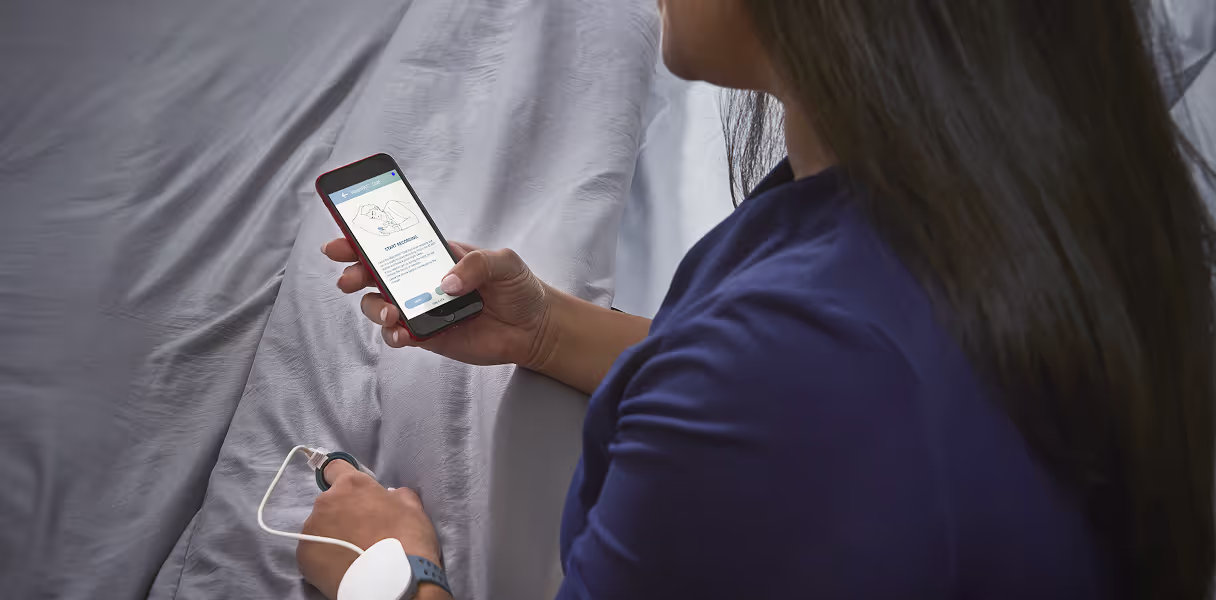
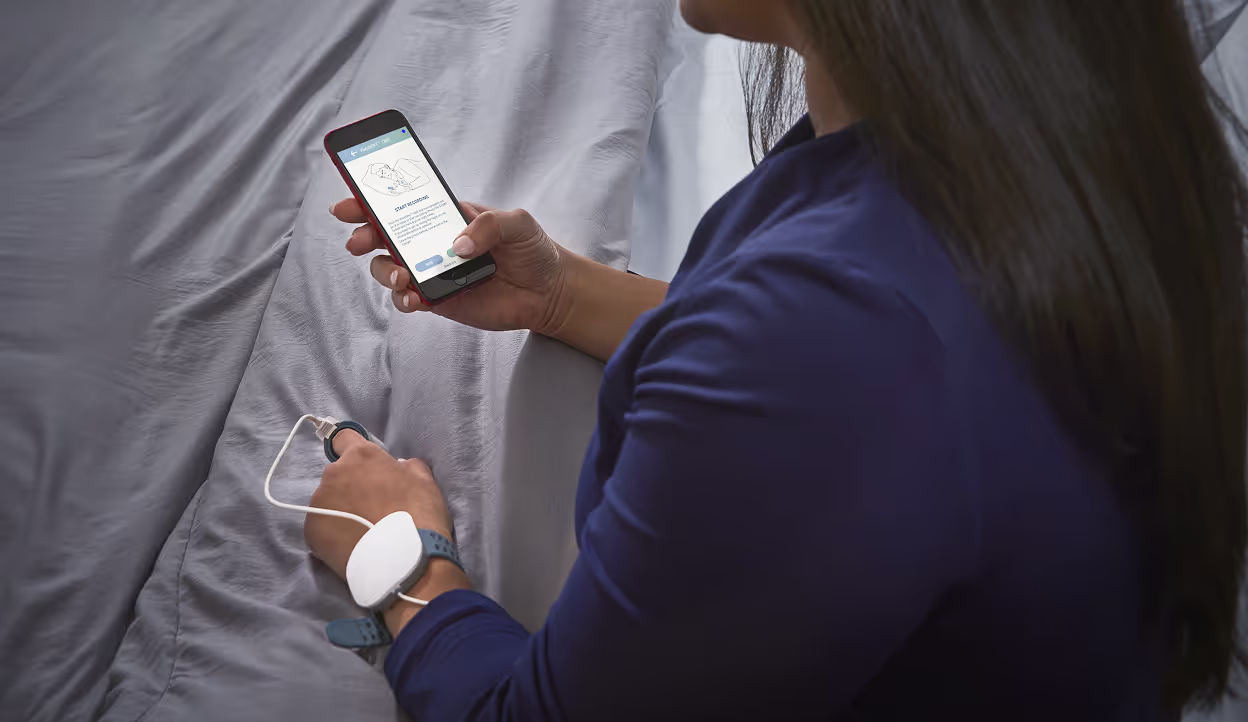
The test typically involves wearing a small device with sensors that attach to your finger, chest, and nose or mouth area. Some devices use a single wrist-worn sensor with peripheral arterial tonometry technology. You activate the device before going to sleep and return or ship it back after one night of recording.
Home sleep apnea tests do not measure brain waves, leg movements, or sleep stages. That distinction matters because it means the test is specifically calibrated for obstructive sleep apnea screening, not for diagnosing other sleep disorders such as insomnia, narcolepsy, restless legs syndrome, parasomnias, or periodic limb movements.
What Sensors Does the Device Use
Most home sleep test devices include three to five sensor types that work together to build a clinical profile of your breathing overnight.
Common sensors include:
- A pulse oximeter that clips onto your finger to measure oxygen saturation levels and pulse rate using photoplethysmography
- A nasal cannula or airflow sensor positioned near the nose and mouth to detect airflow changes and breathing pauses
- A chest belt or respiratory effort sensor that tracks the rise and fall of your chest during breathing
- Some devices like the WatchPAT use peripheral arterial tonometry to measure arterial blood flow and sympathetic nervous system activity at the wrist
These sensors collectively record oxygen desaturation events, apnea episodes where breathing stops for 10 seconds or more, and hypopnea episodes where airflow is reduced by at least 30 percent. The resulting sleep data is used to calculate the Apnea-Hypopnea Index, which is the standard measurement for diagnosing and classifying sleep apnea severity.
DID YOU KNOW: The NightOwl Home Sleep Test and WatchPAT are two FDA-cleared home sleep testing devices that use different sensor technologies but both measure enough data channels to support an obstructive sleep apnea diagnosis when interpreted by a qualified physician.
KEY TAKEAWAY: A home sleep apnea test records breathing, oxygen saturation, heart rate, and airflow using portable sensors worn overnight, providing enough data for a physician to diagnose obstructive sleep apnea without an in-lab sleep study.
Understanding what the device measures sets the stage for why Burleson residents specifically benefit from at-home testing access.
Why Burleson, Texas Residents Choose Home Sleep Testing
Burleson residents choose home sleep testing because it removes the most common barriers to getting a sleep apnea diagnosis: travel to a sleep center, scheduling delays, and high out-of-pocket costs. A home sleep apnea test in Burleson, Texas provides the same clinical data needed for an obstructive sleep apnea diagnosis without requiring a trip to a Fort Worth or Dallas sleep clinic.
Burleson sits in Johnson County, roughly 15 miles south of Fort Worth in the Dallas-Fort Worth Metroplex. While the area has grown rapidly, access to specialized sleep medicine providers remains limited compared to larger urban centers like Fort Worth, Arlington, or Dallas. Many residents face 30 to 60 minute drives to reach a dedicated sleep center, plus the challenge of spending a full night away from home in an unfamiliar clinical environment.
Home sleep testing eliminates those obstacles. You complete the test in your own bed on your own schedule. There is no overnight appointment at a facility, no time off work, and no childcare arrangements to coordinate.
Cost is another factor. An in-lab polysomnography study can cost $1,000 to $3,000 or more depending on insurance coverage and the facility. Many Burleson area residents, including self-employed individuals, commercial drivers, and those without comprehensive insurance, find cash-pay home sleep testing far more accessible. dumbo.health offers a home sleep test for $149 with no insurance required and no prior authorization, making it one of the most affordable options available to people in the Burleson area.
According to the Sleep Foundation, home sleep apnea tests have been validated as an effective screening tool for obstructive sleep apnea in adults with a moderate to high pretest probability of the condition. For most Burleson residents experiencing symptoms like snoring, witnessed breathing pauses, and daytime fatigue, home testing is clinically appropriate.
KEY TAKEAWAY: Home sleep testing gives Burleson, Texas residents a faster, more affordable, and more convenient path to an obstructive sleep apnea diagnosis without traveling to a distant sleep center.
Knowing why home testing makes sense locally leads to the next question: who should actually get tested.
Symptoms That Indicate You Need Sleep Apnea Testing
Chronic snoring combined with daytime fatigue is the most recognizable symptom pattern that signals a need for sleep apnea testing. However, many people with obstructive sleep apnea do not realize their symptoms are connected to a treatable sleep disorder.
The National Heart, Lung, and Blood Institute identifies these primary symptoms of obstructive sleep apnea:
- Loud, persistent snoring, especially when sleeping on your back
- Witnessed episodes of choking, gasping, or breathing pauses during sleep
- Excessive daytime fatigue or sleepiness that does not improve with more hours in bed
- Morning headaches that resolve within a few hours of waking
- Difficulty concentrating or memory problems during the day
- Waking frequently during the night, often with a sensation of choking or gasping for air
- Dry mouth or sore throat upon waking
Sleep fragmentation caused by repeated breathing interruptions prevents your body from completing normal sleep cycles. This explains why people with untreated sleep apnea often report poor sleep quality even after spending 7 to 8 hours in bed.
Risk Factors That Increase Your Likelihood
Certain physical characteristics and health conditions increase your risk of obstructive sleep apnea. The Mayo Clinic identifies these established risk factors:
- A body mass index of 30 or higher
- A neck circumference greater than 17 inches in men or 16 inches in women
- Being male, though sleep apnea occurs in women as well, particularly after menopause
- Age over 40, with risk increasing further after age 50
- Family history of sleep apnea or sleep disorders
- Nasal congestion or structural airway narrowing
- Comorbid illnesses including high blood pressure, type 2 diabetes, heart failure, heart disease, and stroke history
IMPORTANT: If a bed partner has observed you stopping breathing during sleep, this is a strong clinical indicator that warrants sleep apnea testing regardless of other symptoms.
Many people in Burleson and the surrounding Dallas-Fort Worth Metroplex remain undiagnosed because they attribute their symptoms to stress, aging, or poor sleep habits rather than a medical condition. Sleep apnea is not a lifestyle problem. It is a respiratory condition that requires diagnosis and treatment.
If you recognize three or more symptoms or risk factors listed above, completing a free sleep assessment through dumbo.health is a practical first step toward determining whether a home sleep test is appropriate for your situation.
KEY TAKEAWAY: Chronic snoring, witnessed breathing pauses, and unexplained daytime fatigue are the strongest indicators that you should pursue sleep apnea testing, especially if you also have risk factors like elevated BMI, high blood pressure, or a family history of sleep disorders.
Recognizing symptoms is the first step, but understanding how to actually complete a home sleep test removes the uncertainty from the process.
How to Complete a Home Sleep Apnea Test: Step by Step
Completing a home sleep apnea test involves a straightforward process that most people finish in one night with minimal preparation. The steps below outline the typical sequence from ordering to receiving results.
Step-by-Step Process for Home Sleep Testing
1. Complete an initial screening to determine whether home sleep testing is appropriate for your symptoms and clinical profile. dumbo.health offers a free online sleep assessment that helps identify whether you are a candidate for at-home testing.
2. Order your home sleep test device. Through dumbo.health, the test costs $149 as a one-time payment with no insurance or prior authorization required. The device is shipped directly to your home.
3. Review the instructions included with the device. Each home sleep test comes with clear guidance on where to place each sensor, including the finger pulse oximeter, nasal airflow sensor, and any chest belt or wrist-worn monitor.
4. Apply the sensors before going to bed at your normal sleep time. Make sure the finger sensor is secure, the nasal cannula or airflow sensor is positioned correctly, and any chest belt sits snugly without restricting breathing.
5. Activate the device and go to sleep. Most devices begin recording automatically once activated. Sleep in your normal position and follow your usual bedtime routine. You need a minimum of 4 hours of recorded sleep data for a valid study, though a full night is preferred.
6. Remove the sensors when you wake up in the morning and follow the return or upload instructions. Some devices transmit sleep data wirelessly, while others require you to return the device by mail.
7. A board-certified physician reviews your sleep data and calculates your Apnea-Hypopnea Index along with other diagnostic metrics including oxygen desaturation index, average and minimum oxygen saturation levels, and total recording time. With dumbo.health's Essentials Plan at $59 per month, physician interpretation and a detailed report are included.
After completing these steps, you receive a clinical report that either confirms or rules out obstructive sleep apnea. If the results indicate sleep apnea, your physician will recommend a treatment pathway, which most commonly involves CPAP therapy.
TIP: Avoid alcohol and sedative medications on the night of your test, as these substances can relax the airway muscles and potentially alter your results.
KEY TAKEAWAY: A home sleep apnea test can be completed in seven steps from initial screening to physician-reviewed results, with most people finishing the process within one to two weeks.
Once you understand the testing process, the next critical piece is understanding what your results actually mean.
Understanding Your Home Sleep Test Results
The Apnea-Hypopnea Index is the single most important number on your home sleep test results. This metric tells your physician how many times per hour your breathing was partially or completely interrupted during sleep.
The American Academy of Sleep Medicine defines AHI severity thresholds as follows:
- Normal: fewer than 5 events per hour
- Mild obstructive sleep apnea: 5 to 14 events per hour
- Moderate obstructive sleep apnea: 15 to 29 events per hour
- Severe obstructive sleep apnea: 30 or more events per hour
Beyond the AHI, your physician reviews several additional data points from your sleep data. These include the oxygen desaturation index, which counts how many times per hour your oxygen saturation drops by 3 percent or more. Average and minimum oxygen saturation levels during the recording period are also evaluated. Healthy oxygen saturation during sleep typically remains above 90 percent according to the NIH, and sustained drops below this threshold indicate clinically significant oxygen desaturation.
Heart rate patterns recorded overnight can also provide insight. Repeated spikes in pulse rate often correlate with apnea events as the sympathetic nervous system activates to restart breathing. This pattern of sleep fragmentation, oxygen drops, and cardiovascular stress is what makes untreated sleep apnea a risk factor for high blood pressure, heart disease, heart failure, and stroke.
What Happens After You Get Your Results
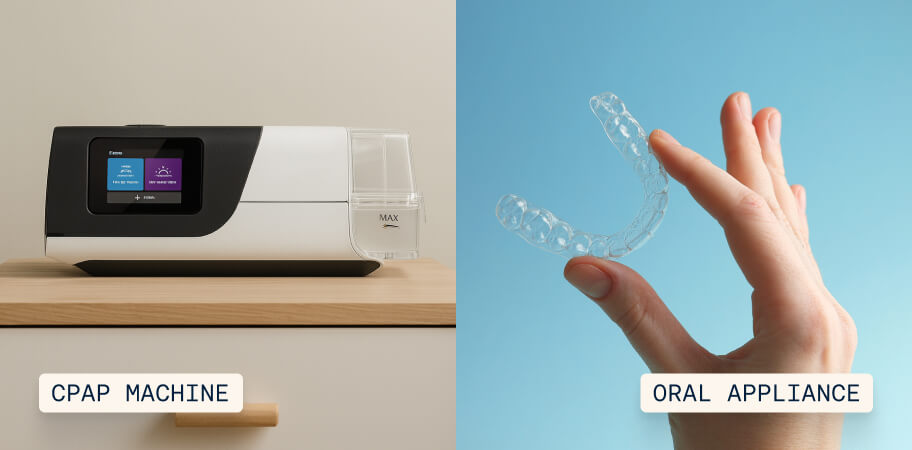
If your results confirm obstructive sleep apnea, your physician will recommend a treatment plan based on the severity of your condition. For most patients with moderate to severe sleep apnea, CPAP therapy is the first-line treatment. Continuous positive airway pressure works by delivering a steady stream of pressurized air through a mask to keep the airway open during sleep.
dumbo.health provides CPAP therapy and equipment as part of its monthly care plans. The Essentials Plan at $59 per month includes CPAP equipment, physician oversight, and follow-up care. The Premium Plan at $89 per month adds a dedicated sleep coach and advanced adherence monitoring. No contracts are required, and you can cancel anytime.
If your results are normal or inconclusive, your healthcare practitioner may recommend further evaluation. In some cases, an in-lab polysomnography study is warranted to assess for other sleep disorders such as narcolepsy, periodic limb movements, restless legs syndrome, parasomnias, or sleepwalking that a home sleep test cannot detect.
Home sleep apnea tests diagnose obstructive sleep apnea specifically. They do not diagnose central sleep apnea, insomnia, or other sleeping disorders that require brain wave monitoring and full polysomnography. This is an important distinction that your physician will explain when reviewing your results.
KEY TAKEAWAY: The Apnea-Hypopnea Index is the primary metric for diagnosing sleep apnea severity, and your physician also evaluates oxygen desaturation, heart rate patterns, and total recording quality to determine the right treatment approach.
Results only matter if they lead to effective treatment, which makes understanding your therapy options the logical next step.
Treatment Options After a Sleep Apnea Diagnosis
CPAP therapy is the gold standard treatment for obstructive sleep apnea according to the American Academy of Sleep Medicine. Continuous positive airway pressure delivers pressurized air through a mask worn during sleep, preventing the airway from collapsing and eliminating apnea events.
Most patients diagnosed with moderate to severe obstructive sleep apnea are prescribed CPAP as the initial treatment. The device is set to a specific pressure level determined by the severity of your AHI and your physician's clinical judgment. Many patients report significant improvement in sleep quality, daytime alertness, and morning headaches within the first few weeks of consistent CPAP use.
According to the National Heart, Lung, and Blood Institute, consistent CPAP use can reduce blood pressure, lower cardiovascular risk, and improve daytime fatigue in patients with obstructive sleep apnea. The AASM recommends using CPAP for at least 4 hours per night on at least 70 percent of nights to achieve clinical benefit.
CPAP Therapy Through dumbo.health
Accessing CPAP equipment and ongoing clinical support can be expensive and logistically complicated through traditional healthcare channels. Insurance prior authorizations, equipment delays, and inconsistent follow-up care create barriers that cause many patients to abandon treatment.
dumbo.health removes these barriers with transparent, cash-pay sleep apnea care plans that include CPAP therapy, equipment, physician oversight, and adherence monitoring in one monthly cost. There are no contracts, no insurance requirements, and no surprise bills.
Comparing dumbo.health Care Plans
The following comparison helps you identify which plan fits your needs.
CPAP Equipment Included
- Essentials Plan ($59/month): Yes, CPAP therapy and equipment included
- Premium Plan ($89/month): Yes, same CPAP therapy and equipment
- Elite Plan ($129/month): Yes, same CPAP therapy and equipment
Physician Oversight
- Essentials Plan ($59/month): Physician interpretation and report included
- Premium Plan ($89/month): Physician interpretation with priority turnaround
- Elite Plan ($129/month): Direct physician messaging plus interpretation
Adherence Support
- Essentials Plan ($59/month): Standard follow-up care
- Premium Plan ($89/month): Dedicated sleep coach with advanced adherence monitoring
- Elite Plan ($129/month): Concierge clinical support with priority care team access
Best For
- Essentials Plan ($59/month): Patients who need CPAP and physician review at the lowest monthly cost
- Premium Plan ($89/month): Patients who want coaching support and closer monitoring
- Elite Plan ($129/month): Patients or practices that need direct physician access and custom reporting
All plans operate on a cancel-anytime basis with no contracts. The home sleep test is purchased separately for $149 as a one-time cost.
Other Treatment Approaches
While CPAP is the most effective and widely recommended treatment for moderate to severe obstructive sleep apnea, other options exist for specific situations:
- Oral appliances (mandibular advancement devices) may be appropriate for mild sleep apnea or for patients who cannot tolerate CPAP
- Positional therapy can help patients whose apnea is significantly worse when sleeping on their back
- Weight management, when applicable, can reduce AHI severity since excess weight contributes to airway narrowing
- Surgical options exist for specific anatomical causes of airway obstruction but are generally reserved for cases where other treatments fail
A sleep medicine physician determines the most appropriate treatment based on your AHI, oxygen desaturation severity, symptoms, and comorbid illnesses such as high blood pressure, diabetes, heart failure, or cardiovascular disease.
KEY TAKEAWAY: CPAP therapy is the first-line treatment for moderate to severe obstructive sleep apnea, and dumbo.health makes it accessible through monthly plans starting at $59 per month with no contracts, no insurance, and no prior authorizations required.
Before committing to home testing, it helps to understand how it compares to the alternative: an in-lab sleep study.
Home Sleep Test vs In-Lab Sleep Study: Which Is Right for You
A home sleep apnea test is right for most adults with suspected obstructive sleep apnea, while an in-lab polysomnography study is necessary when other sleep disorders need to be evaluated simultaneously. Understanding the differences helps you make the right decision.
An in-lab sleep study, or polysomnography, is conducted overnight in a sleep center or hospital. It monitors brain waves via electroencephalography, eye movements, leg movements, muscle tone, respiratory effort, airflow, oxygen saturation, heart rate, and sleep position. This comprehensive monitoring can diagnose a wide range of sleep disorders including narcolepsy, restless legs syndrome, periodic limb movements, parasomnias, sleepwalking, sleep behavior disorders, and central sleep apnea.
A home sleep test focuses specifically on obstructive sleep apnea by measuring airflow, respiratory effort, oxygen saturation, and heart rate. It does not monitor brain waves or leg movements. This narrower scope is clinically sufficient for diagnosing obstructive sleep apnea in patients who have a high clinical suspicion based on symptoms and risk factors.
Setting
- Home Sleep Apnea Test: Your own bed at home in Burleson or anywhere in Texas
- In-Lab Polysomnography: Sleep center or hospital, often in Fort Worth, Dallas, or Arlington
Cost
- Home Sleep Apnea Test: $149 through dumbo.health, typically $150 to $500 through other providers
- In-Lab Polysomnography: $1,000 to $3,000 or more depending on facility and insurance
Convenience
- Home Sleep Apnea Test: High, no travel or overnight stay required
- In-Lab Polysomnography: Lower, requires scheduling an overnight stay at a clinic
What It Measures
- Home Sleep Apnea Test: Airflow, oxygen saturation, respiratory effort, heart rate
- In-Lab Polysomnography: Brain waves, eye movements, leg movements, muscle tone, airflow, oxygen saturation, heart rate, sleep position
Conditions Diagnosed
- Home Sleep Apnea Test: Obstructive sleep apnea
- In-Lab Polysomnography: Obstructive sleep apnea, central sleep apnea, narcolepsy, restless legs syndrome, parasomnias, periodic limb movements, hypersomnia, sleep behavior disorders
Insurance Requirements
- Home Sleep Apnea Test: Often not required for cash-pay options like dumbo.health
- In-Lab Polysomnography: Typically requires insurance authorization and referral
For the majority of adults in the Burleson area who present with classic obstructive sleep apnea symptoms such as snoring, witnessed apneas, and daytime fatigue, a home sleep apnea test provides a clinically valid, more affordable, and more convenient path to diagnosis. An in-lab study becomes necessary when your physician suspects a condition beyond obstructive sleep apnea or when your home test results are inconclusive.
KEY TAKEAWAY: A home sleep apnea test is the appropriate choice for most adults with suspected obstructive sleep apnea, while in-lab polysomnography is reserved for complex cases involving multiple potential sleep disorders.
Choosing the right test type matters, but so does understanding situations where home testing has limitations.
Limitations and Risks of Home Sleep Apnea Testing
Home sleep apnea testing is an effective screening tool for obstructive sleep apnea, but it has defined limitations that every patient should understand before testing. Acknowledging these limitations leads to better clinical outcomes and prevents misdiagnosis.
It Cannot Diagnose All Sleep Disorders
A home sleep test does not monitor brain waves, leg movements, or sleep stages. This means it cannot diagnose narcolepsy, restless legs syndrome, periodic limb movements, parasomnias, sleepwalking, sleep behavior disorders, insomnia, hypersomnia, or central sleep apnea. If your healthcare practitioner suspects one of these conditions, an in-lab polysomnography study at a sleep center is required.
False Negatives Can Occur
Because home sleep tests estimate total sleep time rather than measuring it directly through brain wave monitoring, the Apnea-Hypopnea Index can be underestimated. If you slept poorly on the test night, woke frequently, or had significant time awake while the device was recording, your AHI may appear lower than it actually is. The AASM notes that a negative or borderline home sleep test in a patient with high clinical suspicion should be followed up with in-lab polysomnography rather than used to rule out sleep apnea.
Sensor Displacement During Sleep
Sensors can shift or detach during the night, especially the nasal cannula, finger pulse oximeter, or chest belt. If a sensor becomes displaced, the recording may be incomplete or invalid, requiring a repeat test night. Following the device instructions carefully and securing sensors before sleep reduces this risk.
Not Appropriate for All Patient Populations
The American Academy of Sleep Medicine recommends against using home sleep testing as the sole diagnostic method for patients with:
- Significant pulmonary disease such as COPD, asthma, pulmonary fibrosis, sarcoidosis, interstitial lung disease, or respiratory failure
- Congestive heart failure
- Neuromuscular conditions that affect respiratory function
- Suspected central sleep apnea
- Complex comorbid illnesses that may produce sleep-disordered breathing patterns not related to obstructive sleep apnea
For these patients, a full in-lab polysomnography study provides the comprehensive monitoring needed for accurate diagnosis.
How dumbo.health Addresses These Limitations
dumbo.health includes physician interpretation in all monthly care plans. A board-certified physician reviews every set of sleep data and determines whether the results are clinically valid or whether additional testing is warranted. This physician oversight prevents patients from acting on incomplete or inconclusive results without clinical guidance. If the home test is inconclusive, your dumbo.health physician can recommend next steps including referral for in-lab testing or a telehealth consultation to discuss your clinical profile in more detail.
KEY TAKEAWAY: Home sleep apnea testing is validated for obstructive sleep apnea screening but cannot diagnose other sleep disorders, and results should always be reviewed by a qualified physician who can identify when further evaluation is needed.
Understanding limitations is important, but real-world examples show how home testing actually works in practice for people in situations similar to yours.
Real-World Scenarios: How Burleson Residents Use Home Sleep Testing
Seeing how home sleep apnea testing fits into specific situations helps clarify whether it is the right option for you. The following scenarios represent common profiles seen among people seeking sleep apnea testing in the Burleson, Texas area and the broader Dallas-Fort Worth Metroplex.
A 48-Year-Old Commercial Driver in Johnson County
A 48-year-old CDL holder living in Johnson County is referred for sleep apnea testing during a DOT physical exam. His BMI is 34, his neck circumference is 18 inches, and his blood pressure reading is 148/92. His wife reports loud snoring and occasional choking sounds at night. He needs a diagnosis quickly to maintain his commercial driving certification.
Rather than scheduling an in-lab study at a Fort Worth sleep center, which could take weeks due to appointment availability, he orders a home sleep test through dumbo.health for $149. He completes the test on a Tuesday night in his own bed. His results show an AHI of 22, indicating moderate obstructive sleep apnea. He enrolls in the Premium Plan at $89 per month, which includes CPAP therapy, equipment, a dedicated sleep coach, and advanced adherence monitoring. His results and compliance data are sent to his referring provider to support his DOT medical exam requirements.
A 55-Year-Old Self-Employed Contractor Without Insurance
A 55-year-old self-employed contractor in Burleson has been experiencing severe daytime fatigue, morning headaches, and difficulty concentrating for over a year. He does not have health insurance and has avoided pursuing a diagnosis because he assumed the cost would be prohibitive. His wife tells him he stops breathing multiple times every night.
He discovers that dumbo.health offers cash-pay home sleep testing with no insurance required. He orders the test for $149 and completes it at home. His AHI comes back at 38, indicating severe obstructive sleep apnea with an oxygen desaturation index showing frequent drops below 85 percent. He starts on the Essentials Plan at $59 per month for CPAP therapy and physician oversight. Within three weeks of consistent CPAP use, he reports a significant reduction in daytime fatigue and headaches.
A 42-Year-Old Mother of Three in the Dallas-Fort Worth Area
A 42-year-old woman living near Arlington has gained weight over the past five years and now has a BMI of 32. She snores heavily, wakes with dry mouth every morning, and feels exhausted despite getting 8 hours in bed. She assumed sleep apnea only affected older men and initially dismissed her symptoms.
After taking the free sleep assessment on dumbo.health, she learns that women are underdiagnosed for obstructive sleep apnea and that her symptom profile warrants testing. She completes a home sleep test and receives an AHI of 12, indicating mild obstructive sleep apnea. Her physician recommends a trial of CPAP therapy, and she enrolls in the Essentials Plan. The convenience of managing everything from home, without needing to travel to a Dallas or Fort Worth clinic, fits her schedule as a working parent.
These scenarios illustrate how home sleep testing serves different populations across the Burleson and Dallas-Fort Worth area with varying insurance situations, symptom profiles, and occupational needs.
KEY TAKEAWAY: Home sleep apnea testing through dumbo.health serves a wide range of real-world situations, from commercial drivers needing fast results to uninsured individuals seeking affordable diagnosis to women who may not realize their symptoms indicate sleep apnea.
Real examples show the practical value of testing, but persistent myths still prevent many people from getting tested.
Common Myths About Home Sleep Apnea Tests Debunked
MYTH: Home sleep apnea tests are not accurate enough for a real diagnosis.
FACT: Home sleep apnea tests are validated by the American Academy of Sleep Medicine for diagnosing obstructive sleep apnea in adults with moderate to high clinical suspicion. Studies referenced by the AASM show that home sleep testing devices produce clinically reliable Apnea-Hypopnea Index scores when the test is properly conducted and interpreted by a qualified physician. The key requirement is physician review of the sleep data, not the physical location of the test.
MYTH: Only overweight older men get sleep apnea.
FACT: While obesity and male sex are established risk factors, obstructive sleep apnea affects women, younger adults, and people at a healthy weight. The Sleep Foundation notes that women are significantly underdiagnosed because their symptoms often present differently, including insomnia, mood changes, and fatigue rather than loud snoring. Anatomical features, family history, and hormonal changes also contribute to sleep apnea risk regardless of weight or gender.
MYTH: You need insurance to get a home sleep apnea test.
FACT: Insurance is not required for home sleep apnea testing. Cash-pay options like dumbo.health provide the complete testing and interpretation process for a one-time cost of $149 for the test plus monthly care plans starting at $59 per month. No prior authorization, no referral, and no surprise bills are involved. This makes sleep apnea testing accessible to self-employed individuals, uninsured patients, and anyone who wants to avoid insurance-related delays.
MYTH: If you snore, you definitely have sleep apnea.
FACT: Snoring is a common symptom of obstructive sleep apnea, but not all people who snore have sleep apnea. Primary snoring without associated breathing pauses, oxygen desaturation, or sleep fragmentation is a separate condition. The distinguishing factor is whether the snoring is accompanied by apnea and hypopnea events that disrupt breathing and reduce oxygen levels. Only a sleep test can differentiate between primary snoring and obstructive sleep apnea.
MYTH: CPAP is too uncomfortable to use long-term.
FACT: Modern CPAP equipment is significantly quieter, lighter, and more comfortable than earlier generations. According to the AASM, CPAP adherence improves substantially when patients receive proper mask fitting, pressure adjustment, and ongoing support. dumbo.health's Premium Plan includes a dedicated sleep coach and advanced adherence monitoring specifically designed to help patients adapt to CPAP therapy and maintain consistent use over time.
KEY TAKEAWAY: Myths about accuracy, eligibility, insurance requirements, and CPAP comfort prevent many people from getting tested and treated for obstructive sleep apnea, but current evidence and accessible care options like dumbo.health eliminate most of these barriers.
With myths cleared up, having a preparation checklist ensures your test night goes smoothly.
How to Prepare for Your Home Sleep Apnea Test
Proper preparation improves the accuracy and reliability of your home sleep test results. Following a simple checklist the day of your test ensures you get a valid recording on the first night.
Home Sleep Test Preparation Checklist
- Confirm your test device has arrived and all sensors, accessories, and instructions are included in the package
- Read the full instruction guide before your test night so you understand where each sensor attaches
- Avoid drinking alcohol for at least 4 hours before bedtime, as alcohol relaxes airway muscles and can alter results
- Avoid caffeine after noon on your test day to help you fall asleep at your normal time
- Do not take sedative medications unless prescribed by your physician, and inform your reviewing physician if you are taking any
- Remove nail polish or artificial nails from the finger where the pulse oximeter will be placed, as these can interfere with oxygen saturation readings
- Sleep in your usual bed using your normal pillow and bedding to replicate your typical sleep environment
- Set a consistent bedtime and aim for at least 6 to 7 hours of sleep time with the device active
- Charge the device if applicable, or ensure batteries are installed according to the instructions
- Complete the free sleep assessment at dumbo.health if you have not already done so to confirm you are a candidate for home testing
- Place the device and sensors on a nightstand next to your bed so everything is within reach when you are ready to apply them
Following this checklist reduces the chance of needing a repeat test night due to sensor displacement, insufficient recording time, or data quality issues.
KEY TAKEAWAY: Preparing for your home sleep test by following a simple checklist improves recording accuracy and helps ensure you get a valid result on the first attempt.
Preparation is one piece of the puzzle, but understanding the cost landscape helps you plan financially for testing and treatment.
Cost of Home Sleep Apnea Testing in Burleson, Texas
A home sleep apnea test in Burleson, Texas costs $149 through dumbo.health with no insurance, no prior authorization, and no hidden fees. This positions home testing as one of the most cost-effective diagnostic options available in the Johnson County and Dallas-Fort Worth Metroplex area.
Cost is the most frequently cited barrier to sleep apnea diagnosis according to patient surveys. Many Burleson residents delay testing because they assume it requires expensive in-lab visits or complex insurance processes. Understanding the full cost picture eliminates this barrier.
Cost Range for Sleep Apnea Testing
- Home sleep test through dumbo.health: $149 one-time
- Home sleep test through other providers: $150 to $500 depending on the device and provider
- In-lab polysomnography with insurance: $200 to $1,000 after copay and deductible depending on plan
- In-lab polysomnography without insurance: $1,000 to $3,000 or more depending on the facility
Ongoing Treatment Costs
Treatment costs vary depending on the provider and insurance situation. Traditional CPAP setup through insurance often involves equipment deposits, copays for supplies, and separate charges for physician visits and follow-up sleep studies.
dumbo.health consolidates testing, physician review, CPAP therapy, equipment, and follow-up care into transparent monthly pricing:
- Essentials Plan: $59 per month, approximately $2 per day
- Premium Plan: $89 per month, approximately $3 per day
- Elite Plan: $129 per month, approximately $4 per day
All plans are contract-free and can be canceled anytime. There are no surprise bills. Medicare patients should note that Medicare coverage for home sleep testing and CPAP varies by situation, and dumbo.health's cash-pay model provides an alternative path without the authorization delays that Medicare often requires.
DID YOU KNOW: According to the American Academy of Sleep Medicine, untreated obstructive sleep apnea costs the U.S. healthcare system an estimated $149.6 billion annually in associated health consequences including cardiovascular disease, motor vehicle accidents, and lost workplace productivity.
KEY TAKEAWAY: A home sleep apnea test through dumbo.health costs $149 with no insurance required, and ongoing CPAP treatment starts at $59 per month, making diagnosis and treatment accessible for Burleson residents regardless of insurance status.
With cost clarity established, you may wonder about accessing testing and care remotely through telehealth options.
Telehealth and Remote Sleep Apnea Care in Texas
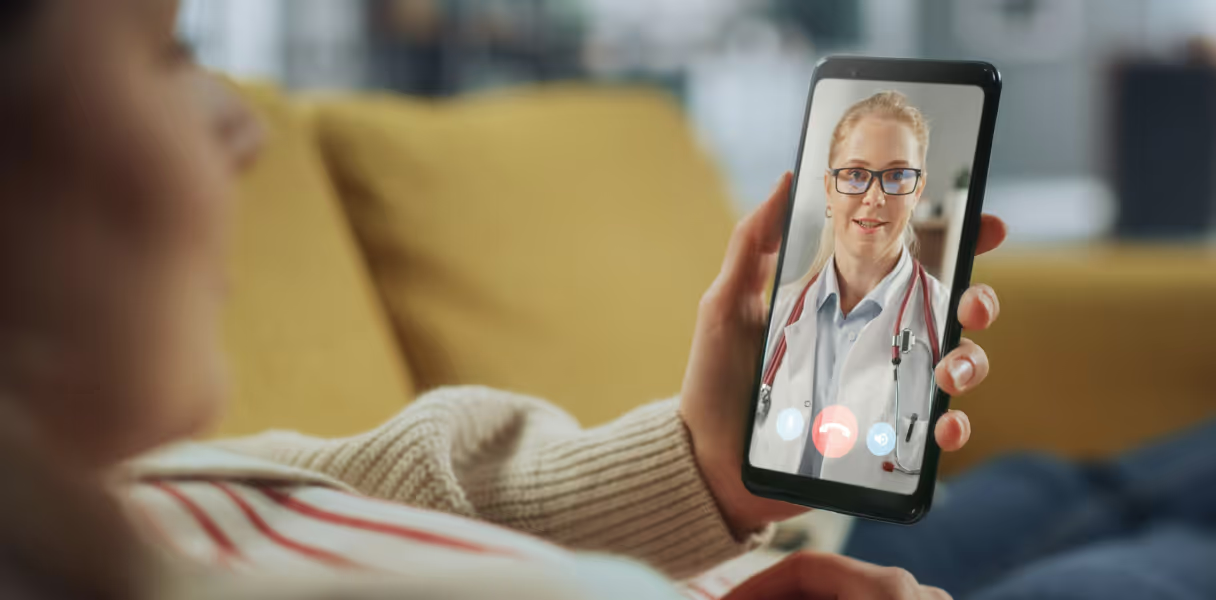
Telehealth makes sleep apnea diagnosis and treatment accessible to patients across Texas without requiring in-person clinic visits. A telehealth consultation with a sleep medicine physician can replace the traditional office appointment for initial evaluation, results review, and ongoing CPAP management.
The expansion of telehealth in Texas has been particularly beneficial for residents in areas like Burleson where specialty sleep medicine providers are limited. Rather than driving to Fort Worth, Dallas, or Arlington for a consultation with a pulmonologist or sleep specialist, patients can connect with qualified physicians remotely.
dumbo.health operates on a telehealth-integrated model where physician consultations, sleep test interpretation, treatment initiation, and follow-up care are all managed remotely. This means a Burleson resident can order a home sleep test, complete it at home, have results interpreted by a board-certified physician, receive CPAP equipment by delivery, and participate in ongoing adherence coaching without a single in-person visit to a clinic.
For patients who need treatment adjustments, have questions about their CPAP pressure settings, or need updated documentation for an employer or DOT certification, telehealth consultations provide a faster and more convenient pathway than scheduling repeated office visits at a sleep center.
The Elite Plan at $129 per month includes direct physician messaging and concierge clinical support, giving patients the most responsive level of remote access to their care team. This level of support is particularly valuable for commercial drivers who need DOT sleep apnea documentation and timely adherence reports.
KEY TAKEAWAY: Telehealth-integrated care allows Burleson, Texas residents to complete every step of sleep apnea diagnosis and treatment remotely through dumbo.health, eliminating the need for in-person sleep clinic visits.
Telehealth expands access, but your next step depends on where you are in the process right now.
When to See a Sleep Specialist vs When Home Testing Is Enough
A home sleep apnea test is sufficient for most adults with a straightforward clinical profile suggesting obstructive sleep apnea. Referral to a sleep specialist or pulmonologist is necessary when your symptoms, medical history, or initial test results suggest a more complex situation.
When Home Testing Is Appropriate
Home sleep testing is the right choice when you have:
- Classic obstructive sleep apnea symptoms including snoring, witnessed breathing pauses, and daytime fatigue
- No significant pulmonary disease such as COPD, pulmonary fibrosis, or respiratory failure
- No history of congestive heart failure or neuromuscular conditions
- No prior diagnosis suggesting central sleep apnea
- A moderate to high pretest probability of obstructive sleep apnea based on symptoms and risk factors
When You Should See a Specialist
You should seek a consultation with a sleep medicine physician, pulmonologist, or pulmonary critical care specialist if you have:
- Symptoms suggesting a sleep disorder other than obstructive sleep apnea, such as excessive daytime sleepiness with narcolepsy features, restless legs, or unexplained insomnia
- A home sleep test that returned normal or inconclusive results despite persistent symptoms
- Significant cardiovascular conditions including heart failure, recent stroke, or uncontrolled high blood pressure
- Complex respiratory conditions including COPD, asthma that disrupts sleep, interstitial lung disease, sarcoidosis, or respiratory failure
- A need for pulmonary function testing or other specialized diagnostic evaluations
- A clinical history suggesting parasomnias, sleepwalking, or periodic limb movements that require brain wave and leg movement monitoring
Finding a qualified sleep medicine provider near you in the Fort Worth, Arlington, or greater Dallas-Fort Worth area is important if your situation falls outside the scope of home testing. Your dumbo.health physician can help identify whether your case warrants specialist referral during your results review.
KEY TAKEAWAY: Home sleep testing is clinically appropriate for the majority of adults with suspected obstructive sleep apnea, but patients with complex medical histories, inconclusive results, or symptoms of non-obstructive sleep disorders should be referred to a sleep medicine specialist.
Knowing when home testing is enough versus when a specialist is needed ensures you follow the right diagnostic path from the start.
Conclusion
A home sleep apnea test in Burleson, Texas gives you a practical, affordable path to diagnosing obstructive sleep apnea without the cost, inconvenience, and scheduling barriers of an in-lab sleep study. Whether you are experiencing chronic snoring, daytime fatigue, or morning headaches, testing at home puts answers within reach on your own schedule.
Untreated obstructive sleep apnea carries real consequences for your cardiovascular health, daily energy, and long-term wellbeing. Getting tested is the single most important step you can take toward restful sleep and better health outcomes.
dumbo.health makes the process straightforward with a home sleep test for $149and monthly care plans starting at $59 per month that include physician interpretation, CPAP therapy, and equipment with no insurance required, no contracts, and no surprise bills. Take the first step today by completing your free sleep assessment.
Frequently Asked Questions About Home Sleep Apnea Test in Burleson, Texas
What is a home sleep apnea test?
A home sleep apnea test (HSAT) is a simplified diagnostic tool that allows you to test for obstructive sleep apnea in your own bed rather than an overnight clinic. The device typically records breathing patterns, oxygen saturation, pulse rate, and airflow while you sleep. A physician then reviews the collected sleep data to assess whether obstructive sleep apnea is present and how severe it may be. Home sleep apnea testing is widely used as a first-line evaluation for adults with a moderate to high risk of obstructive sleep apnea.
Why would I need home sleep apnea testing?
You may need home sleep apnea testing if you experience common symptoms such as loud snoring, gasping or choking during sleep, morning headaches, excessive daytime fatigue, or difficulty staying asleep. According to the American Academy of Sleep Medicine, obstructive sleep apnea is associated with increased risk of high blood pressure, heart disease, stroke, and diabetes. Many people with sleep apnea remain undiagnosed for years because symptoms often occur during sleep. A healthcare professional can help determine whether home sleep apnea testing is appropriate based on your symptoms and clinical profile.
What symptoms suggest I might have sleep apnea?
Common symptoms of obstructive sleep apnea include loud snoring, episodes of gasping or choking at night, restless sleep, waking with a dry mouth or morning headaches, excessive daytime sleepiness, difficulty concentrating, and irritability. Some people also experience insomnia, frequent nighttime urination, or a pattern of sleep fragmentation. Not everyone with sleep apnea snores, and not everyone who snores has sleep apnea. If you recognise several of these symptoms, speaking with a healthcare professional about sleep apnea testing is a reasonable next step. You can also take a free sleep assessment to help evaluate your risk.
How is sleep apnea diagnosed?
Sleep apnea is typically diagnosed through a sleep study, either a home sleep apnea test or an in-lab polysomnography study. Both tests measure breathing interruptions, oxygen saturation levels, and related respiratory data while you sleep. A physician reviews the results and calculates the Apnea-Hypopnea Index, which reflects the number of apnea and hypopnea events per hour. The American Academy of Sleep Medicine explains that an AHI of five or more per hour may indicate sleep apnea, with higher values reflecting greater severity. A clinical review of your symptoms, health history, and test results informs the final diagnosis.
What should I expect during a home sleep apnea test?
During a home sleep apnea test, you wear a small device in your own bed for one night. Depending on the device used, sensors may monitor breathing effort, airflow, oxygen saturation, pulse rate, and arterial blood flow signals. Some tests use a chest belt, a fingertip pulse oximeter, or peripheral arterial tone technology. The process is designed to be straightforward, and most people sleep in their normal environment without significant disruption. After the test night, the device is returned or synced, and a physician reviews the sleep data to generate a report.
Are home sleep apnea tests accurate?
Home sleep apnea tests are considered a clinically validated option for diagnosing moderate to severe obstructive sleep apnea in adults without significant comorbid conditions. The American Academy of Sleep Medicine supports their use as a first-line diagnostic tool for appropriate candidates. However, home sleep tests have limitations. They generally do not record brain waves, leg movements, or the full range of data captured in a polysomnography study. They may underestimate sleep apnea severity in some cases. A physician can advise whether a home test is sufficient for your situation or whether an in-lab study would be more appropriate.
When is a home sleep test not sufficient, and when is an in-lab study needed?
An in-lab sleep study, or polysomnography, may be recommended when sleep apnea symptoms are complex or when comorbid conditions are present. Conditions such as COPD, asthma, pulmonary fibrosis, heart failure, restless legs syndrome, periodic limb movements, parasomnias such as sleepwalking, narcolepsy, hypersomnia, or other sleep behavior disorders may require the additional data that only a supervised in-lab study can provide. A pulmonologist or sleep medicine physician can evaluate whether a home test is suitable or whether a full polysomnography study is necessary. Always consult a healthcare professional if your symptoms are complex or your health history is complicated.
What does the WatchPAT home sleep test measure?
WatchPAT is a wrist-worn home sleep testing device that uses peripheral arterial tone technology to assess sleep apnea. It measures the peripheral arterial tone signal, which reflects changes in sympathetic nervous system activity associated with breathing disruptions. It also records oxygen saturation, pulse rate, actigraphy, and in some versions, body position and snoring sounds. WatchPAT is validated for diagnosing obstructive sleep apnea and is considered a clinically reliable option for at-home testing. A sleep physician reviews the raw sleep data and generates an interpretation that includes the Apnea-Hypopnea Index and oxygen desaturation index.
How effective is WatchPAT for diagnosing sleep apnea?
WatchPAT has been shown in clinical studies to be an effective tool for diagnosing obstructive sleep apnea in appropriate candidates. It captures peripheral arterial tone and oxygen saturation data that allow a physician to estimate AHI and assess oxygen desaturation index values. Like all home sleep tests, WatchPAT is most accurate when used in patients with a moderate to high clinical suspicion of obstructive sleep apnea and without significant comorbid sleep disorders. A physician reviewing your results can advise whether the findings are sufficient for diagnosis or whether additional evaluation is appropriate.
What does a $149 home sleep test include?
The dumbo.health at-home sleep apnea test is a one-time cost of $149, billed before the test night and separate from any monthly care plans. It includes the home sleep test device delivered to your address and one night of testing. The device records the relevant sleep data during the test night. Physician interpretation and your results report are covered through a monthly plan, starting at $59 per month. There are no surprise bills, no insurance requirements, and no prior authorizations. Ordering before 2pm CST qualifies for same-day shipping to Burleson, Texas and surrounding areas.
How fast can I get a home sleep test in Burleson, Texas?
If you order your home sleep test before 2pm CST, dumbo.health offers same-day shipping to Burleson, Texas. This means residents of Burleson and the broader Dallas-Fort Worth Metroplex, including Fort Worth, Arlington, and Johnson County, can receive their device quickly without scheduling an in-person appointment at a sleep clinic. The test is completed at home in one night. This makes at-home sleep apnea testing a practical option for patients who want to avoid the wait times and logistical challenges often associated with traditional sleep center appointments.
Who reviews my home sleep test results?
Your home sleep test results are reviewed by a qualified physician with expertise in sleep medicine. The physician interprets the raw sleep data, calculates relevant metrics including the Apnea-Hypopnea Index and oxygen desaturation index, and generates a clinical report. dumbo.health monthly plans include physician interpretation and a results report. The Premium and Elite plans offer priority results turnaround. A report can also be sent to your referring provider or healthcare practitioner if needed. You should discuss the physician's findings with a clinician to understand what the results mean for your care.
Can I use home sleep test results to get a CPAP prescription?
Yes. If your home sleep apnea test results indicate obstructive sleep apnea that meets clinical thresholds, the physician reviewing your results may determine that CPAP therapy is appropriate. A physician interpretation included in dumbo.health monthly plans can support a CPAP prescription as part of an ongoing care plan. dumbo.health monthly plans also include CPAP therapy and equipment starting at $59 per month, so patients can move from testing to treatment without separate referrals or insurance barriers. A clinician reviews your results and guides treatment recommendations. Learn more about CPAP therapy and equipment available through dumbo.health.
I already use CPAP. Can I get a new prescription or updated results through at-home testing?
Yes. If you are already a CPAP user and need updated test results or a new prescription, a home sleep apnea test can support that process. A repeat home sleep test may be appropriate if your symptoms have changed, your current therapy is not controlling your symptoms effectively, or your prescription needs renewal. A physician can review your new test results and determine whether your current CPAP settings remain appropriate. dumbo.health can support this pathway for existing CPAP users who want a convenient, cash-pay option without insurance or prior authorization requirements.
Is sleep apnea dangerous?
Sleep apnea can carry serious health risks when left untreated. The NHS notes that untreated obstructive sleep apnea is associated with increased risk of high blood pressure, heart disease, stroke, type 2 diabetes, and accidents related to daytime sleepiness and fatigue. Repeated breathing interruptions during sleep cause drops in oxygen saturation and place sustained stress on the cardiovascular system. If you suspect you have sleep apnea based on symptoms such as chronic snoring, gasping, or excessive daytime fatigue, speaking with a healthcare professional and considering sleep apnea testing is important. If you have severe symptoms, chest pain, or trouble breathing, seek medical care promptly.
Can sleep apnea be cured?
Sleep apnea management depends on its underlying causes and severity. For some people, lifestyle changes such as weight loss, positional therapy, or treating nasal obstruction may meaningfully reduce symptoms. For others, ongoing treatment with CPAP therapy, oral appliances, or other interventions is needed to manage the condition effectively. The Mayo Clinic notes that CPAP therapy is considered the most effective treatment for moderate to severe obstructive sleep apnea. Whether sleep apnea can be fully resolved depends on individual factors including anatomy, body weight, and comorbid conditions. A healthcare professional can assess your situation and discuss the most appropriate treatment pathway.
Is there a genetic component to sleep apnea?
Research suggests that obstructive sleep apnea has a genetic component. According to the National Institutes of Health, studies indicate that sleep apnea tends to run in families, and certain anatomical and physiological traits that contribute to airway obstruction during sleep are heritable. Factors such as craniofacial structure, body weight distribution, and upper airway muscle tone all have genetic influences. Having a first-degree relative with sleep apnea may increase your risk. This does not mean sleep apnea is inevitable, but it is a factor worth discussing with a healthcare professional, particularly if you also have relevant symptoms or risk factors.
What is the Apnea-Hypopnea Index, and why does it matter?
The Apnea-Hypopnea Index, or AHI, is a measurement used to quantify the severity of sleep apnea. It represents the average number of apnea events, which are complete breathing pauses, and hypopnea events, which are partial breathing reductions, per hour of sleep. The American Academy of Sleep Medicine classifies sleep apnea severity using AHI thresholds. An AHI of fewer than 5 per hour is generally considered normal in adults, 5 to 14 is mild, 15 to 29 is moderate, and 30 or more per hour is severe. The AHI from your home sleep test report is a key input for treatment planning and CPAP prescription.
What is the oxygen desaturation index, and how is it used?
The oxygen desaturation index, or ODI, measures how often your blood oxygen saturation drops by a specified percentage, typically 3 or 4 percent, per hour of sleep. Like the AHI, it is used to assess the severity of sleep-disordered breathing. Frequent drops in oxygen saturation are a marker of disrupted breathing and are associated with cardiovascular stress. Home sleep apnea tests that use pulse oximetry or peripheral arterial tone technology, such as WatchPAT, record oxygen saturation data that allows calculation of the ODI. A physician reviews these values alongside other metrics when interpreting your test results.
When should I talk with a doctor about sleep apnea?
You should consider speaking with a healthcare professional about sleep apnea if you regularly snore loudly, have been told you stop breathing or gasp during sleep, wake frequently, experience unrefreshing sleep, or feel excessively tired during the day despite adequate time in bed. Other indicators include morning headaches, difficulty concentrating, irritability, or waking with a dry mouth or sore throat. The CDC notes that undiagnosed and untreated sleep disorders, including sleep apnea, are associated with serious health consequences. A healthcare professional can evaluate your symptoms and advise whether a home sleep apnea test or other evaluation is appropriate. You can also start with a free sleep assessment to help identify your risk.
Who is a good candidate for a home sleep apnea test?
Home sleep apnea testing is generally appropriate for adults who have a moderate to high clinical suspicion of obstructive sleep apnea and no significant comorbid conditions that would require more comprehensive monitoring. Good candidates typically present with symptoms such as snoring, observed apneas, or daytime sleepiness, and do not have complex medical histories involving conditions such as severe heart failure, COPD, neuromuscular disease, or other sleep disorders requiring full polysomnography. A healthcare professional can assess whether a home test is suitable for your individual situation or whether a supervised in-lab sleep study would provide more accurate results.
Why choose an at-home sleep test over an in-lab sleep study?
A home sleep apnea test offers several practical advantages over an in-lab sleep study. Testing in your own bed can produce more representative sleep patterns than a clinical environment, and many patients find it more comfortable. Home sleep tests are typically faster to access, require no overnight stay at a sleep clinic, and cost significantly less than polysomnography. For patients without complex medical histories who have a moderate to high suspicion of obstructive sleep apnea, the American Academy of Sleep Medicine recognises home sleep testing as a clinically valid first-line option. Learn more about the home sleep apnea testing process at dumbo.health.
What ongoing care is available after a home sleep apnea test?
After completing a home sleep apnea test and receiving your physician interpretation, ongoing sleep apnea care may include CPAP therapy, equipment, adherence monitoring, and follow-up with your care team. dumbo.health sleep apnea care plans start at $59 per month for the Essentials plan, which includes physician interpretation, CPAP therapy and equipment, standard follow-up, and provider updates. The Premium plan at $89 per month adds a dedicated sleep coach, advanced adherence monitoring, and priority results turnaround. The Elite plan at $129 per month includes concierge clinical support, direct physician messaging, and custom reporting. All plans are month-to-month with no contracts.
How long does it take to complete a home sleep apnea test?
A home sleep apnea test requires one night of testing. You wear the device at home in your normal sleep environment, and the device records data throughout the night. After the test night, the device is returned or synced so the sleep data can be sent to a physician for review. The turnaround time for results depends on the care plan selected. dumbo.health Premium and Elite plan members receive priority results turnaround. In total, from receiving the device to having a physician review your results, the process can often be completed within a few days, significantly faster than waiting for a traditional sleep clinic appointment.
Does insurance cover a home sleep apnea test through dumbo.health?
dumbo.health operates on a transparent cash-pay model and does not require insurance. The home sleep test is $149 as a one-time purchase, and monthly care plans start at $59. There are no prior authorizations, no insurance claims, and no surprise bills. This makes the process straightforward for patients who are uninsured, underinsured, or who prefer to manage healthcare costs directly. Medicare and private insurance may cover sleep apnea testing through other providers, but eligibility, prior authorization requirements, and coverage terms vary. A healthcare professional or insurance representative can advise on your specific coverage options.
Can commercial drivers in Burleson use a home sleep apnea test for DOT purposes?
Commercial drivers, including CDL holders in Burleson, Texas and the Dallas-Fort Worth area, may need sleep apnea evaluation as part of the DOT physical process. A home sleep apnea test can support that evaluation by providing physician-interpreted results that a certified medical examiner may consider when making DOT certification decisions. dumbo.health can support sleep apnea testing and care documentation for commercial drivers, but it does not guarantee DOT medical certification. Certification decisions are made solely by a certified medical examiner based on the driver's full medical picture, including symptoms, risk factors, test results, and treatment adherence. For more detail, see the at-home sleep test guide for truck drivers.
What is sleep latency, and is it measured during a home sleep test?
Sleep latency refers to the amount of time it takes to fall asleep after getting into bed. It is a common marker of sleep quality and can be relevant in evaluating certain sleep disorders, including insomnia and narcolepsy. Standard home sleep apnea tests typically focus on breathing events, oxygen saturation, and related respiratory data rather than comprehensive sleep staging. As a result, sleep latency is not always captured in a basic home sleep apnea test the same way it would be in a full polysomnography study. If sleep latency and sleep architecture are clinically relevant to your evaluation, a healthcare professional may recommend an in-lab study.
What are the risks of leaving sleep apnea untreated?
Untreated obstructive sleep apnea is associated with a range of serious health consequences. The NHLBI notes that sleep apnea increases the risk of high blood pressure, coronary artery disease, heart failure, stroke, type 2 diabetes, and metabolic syndrome. Repeated overnight drops in oxygen saturation place sustained stress on the cardiovascular system. Daytime fatigue and reduced concentration associated with sleep apnea also increase the risk of motor vehicle accidents, which is a particular concern for commercial drivers. If you have symptoms suggesting sleep apnea, consulting a healthcare professional and pursuing appropriate testing is an important step toward protecting your long-term health.
How do I get started with a home sleep apnea test in Burleson, Texas?
Residents of Burleson, Texas and surrounding areas in the Dallas-Fort Worth Metroplex can access at-home sleep apnea testing through dumbo.health without visiting a sleep clinic or obtaining a referral. The process starts with a free sleep assessment to evaluate your symptoms and risk factors. If a home sleep test is appropriate, you can order the $149 device online with same-day shipping available for orders placed before 2pm CST. Ongoing care plans start at $59 per month and include physician interpretation, CPAP therapy and equipment, and follow-up support. Start your sleep assessment to take the first step toward understanding your sleep health.