



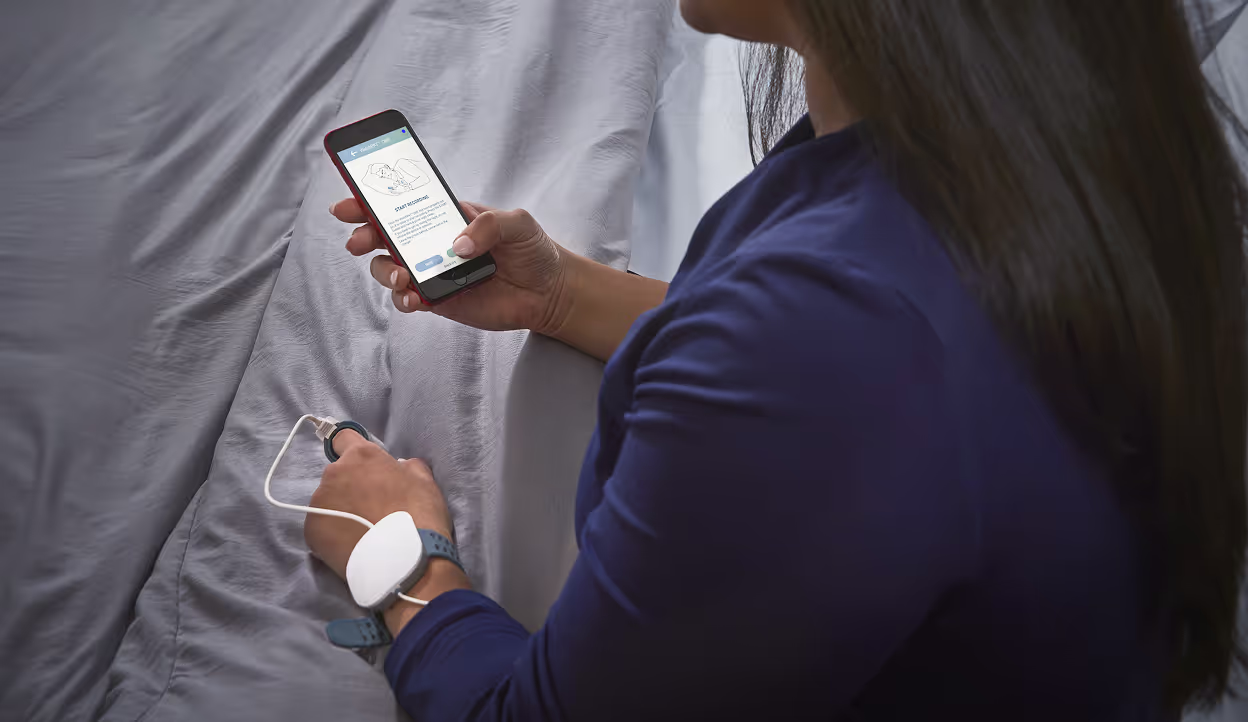



Home Sleep Apnea Test in Dallas, Texas: The Complete Guide to At-Home Sleep Testing
A home sleep apnea test in Dallas, Texas lets you screen for obstructive sleep apnea from your own bed, eliminating the need for an overnight stay at a sleep laboratory. According to the American Academy of Sleep Medicine, home sleep apnea testing is an accepted diagnostic method for adults with a moderate to high probability of obstructive sleep apnea. This guide is for Dallas and North Texas residents who snore, experience chronic fatigue, or have been told by a physician they may have sleep-disordered breathing. It covers how home sleep testing works, what devices are used, how results are interpreted, what treatment options follow a diagnosis, and where dumbo.health fits into the process. By the end, you will know exactly how to move from suspicion to diagnosis to treatment without leaving your home.
Quick Answer
A home sleep apnea test in Dallas, Texas is a portable diagnostic study you complete in your own bed. The test uses sensors to track breathing patterns, oxygen saturation, airflow, and heart rate overnight. Results are reviewed by a physician who determines whether you have obstructive sleep apnea and what treatment is appropriate. Most patients receive results within days. dumbo.health offers a home sleep test for $149 with no insurance required, plus monthly care plans starting at $59 per month.
Key Takeaways
- A home sleep apnea test records oxygen levels, airflow, pulse rate, and sleep patterns using a portable sensor worn overnight at home.
- The Apnea Hypopnea Index is the primary metric physicians use to classify sleep apnea severity, with 5 or more events per hour indicating a diagnosis.
- dumbo.health provides an at-home sleep test for $149 as a one-time cost with no insurance, prior authorization, or surprise bills.
- Home sleep testing is appropriate for most adults suspected of having obstructive sleep apnea, but it is not recommended for central sleep apnea, narcolepsy, or complex sleep apnea without further evaluation.
- CPAP therapy remains the most common treatment after diagnosis, and dumbo.health monthly plans include CPAP equipment, physician oversight, and adherence monitoring starting at $59 per month.
- An estimated 80 percent of moderate to severe obstructive sleep apnea cases remain undiagnosed, according to the American Academy of Sleep Medicine.
What Is a Home Sleep Apnea Test?
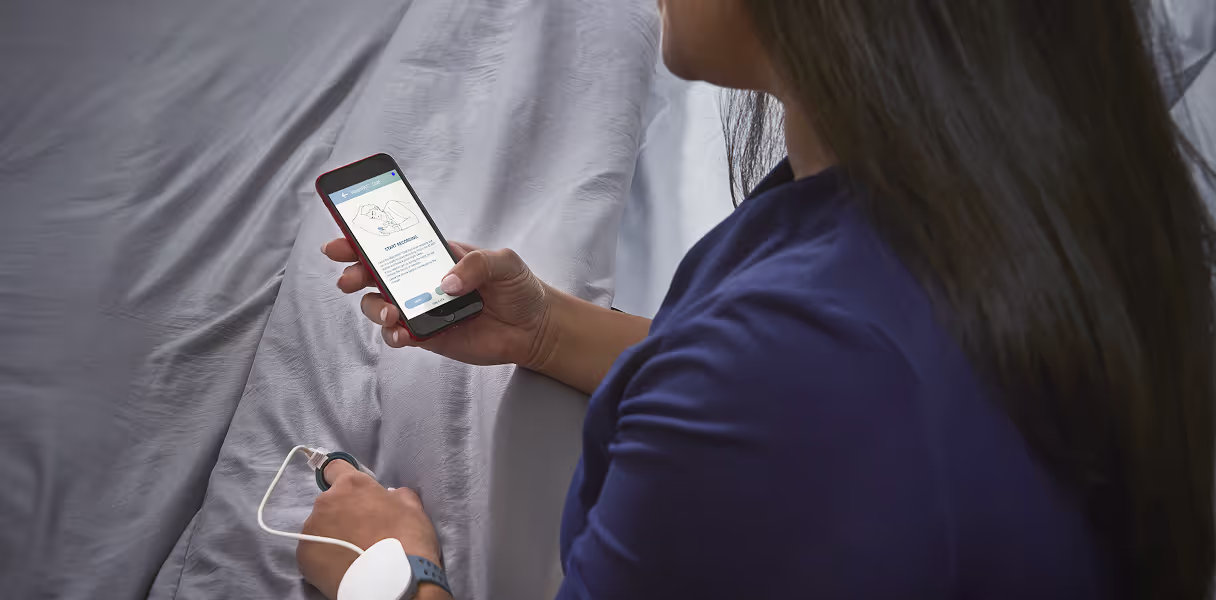
A home sleep apnea test is a simplified overnight sleep study you perform in your own bed instead of a sleep laboratory. The test uses a portable device equipped with sensors that measure airflow, oxygen saturation, pulse rate, and respiratory effort while you sleep.
Unlike polysomnography, which is the gold-standard in-lab sleep study, a home sleep test does not monitor brain waves or sleep stages. It focuses specifically on breathing and oxygen metrics to identify obstructive sleep apnea. The American Academy of Sleep Medicine recognizes home sleep apnea testing as a valid diagnostic tool for uncomplicated obstructive sleep apnea in adults.
Home sleep testing is a diagnostic technique, not a treatment. Its purpose is to determine whether you stop breathing repeatedly during sleep and, if so, how frequently and how severely. The number of breathing interruptions per hour is reported as the Apnea Hypopnea Index, which your interpreting physician uses to confirm or rule out a diagnosis.
In Dallas and across North Texas, home sleep testing has become a practical alternative for patients who want accurate results without the discomfort, scheduling delays, or cost of an overnight facility visit.
KEY TAKEAWAY: A home sleep apnea test is a portable overnight study that measures breathing, oxygen levels, and heart rate to diagnose obstructive sleep apnea from the comfort of your own bed.
Understanding what a home sleep test measures helps explain how it compares to in-lab polysomnography.
Home Sleep Test vs. In-Lab Polysomnography: Which Study Do You Need?
Home sleep testing is sufficient for most adults with suspected obstructive sleep apnea, but polysomnography is required when a broader range of sleep disorders needs evaluation. Knowing the difference helps you and your physician choose the right study.
Polysomnography is conducted overnight in a sleep laboratory. A technologist attaches electrodes and sensors to measure brain activity, eye movement, muscle tone, heart rate, airflow, oxygen levels, and sleep stages. This comprehensive data set allows a sleep physician to diagnose not only sleep apnea but also narcolepsy, insomnia, restless leg syndrome, circadian rhythm disorders, REM sleep behavior disorder, and other neurological disorders that affect sleep.
A home sleep test measures fewer variables. It records airflow, oxygen saturation, pulse rate, and respiratory effort. It does not measure brain waves, meaning it cannot determine exact sleep stages or detect conditions like narcolepsy or circadian rhythm disorders. However, for identifying obstructive sleep apnea, home sleep testing has demonstrated strong diagnostic accuracy when used in the right patient population.
Setting
- Home Sleep Apnea Test: Your own bed in Dallas or anywhere in Texas
- Polysomnography: A sleep laboratory at a Dallas hospital or sleep clinic
Channels Measured
- Home Sleep Apnea Test: Airflow, oxygen saturation, pulse rate, respiratory effort
- Polysomnography: All of the above plus brain waves, eye movement, muscle activity, sleep stages
Best For
- Home Sleep Apnea Test: Adults with suspected obstructive sleep apnea and no significant comorbidities
- Polysomnography: Complex cases involving central sleep apnea, narcolepsy, insomnia, or other sleep disorders
Cost
- Home Sleep Apnea Test: Typically $149 to $500 depending on the provider
- Polysomnography: Often $1,000 to $3,000 or more before insurance
Comfort
- Home Sleep Apnea Test: High, tested in your own sleep environment
- Polysomnography: Lower, requires sleeping in a clinical setting with multiple sensors attached
Turnaround Time for Results
- Home Sleep Apnea Test: Usually within 3 to 7 business days
- Polysomnography: Often 1 to 3 weeks depending on the sleep clinic
For most Dallas residents who snore heavily, feel fatigued during the day, or have been flagged by a provider for possible sleep apnea, a home sleep test is the appropriate first step. dumbo.health offers an at-home sleep test for $149 with physician interpretation included in the monthly care plan. If the home study suggests central sleep apnea, complex sleep apnea, or another condition that requires deeper investigation, your physician may recommend a follow-up polysomnography at a Dallas sleep laboratory.
KEY TAKEAWAY: Home sleep testing is the right choice for most adults suspected of having obstructive sleep apnea, while polysomnography is reserved for complex or multi-condition evaluations.
The type of device used during home sleep testing affects what data gets captured and how comfortable the experience is.
Home Sleep Test Devices Used in Dallas
Several FDA-cleared home sleep test devices are available to patients in Dallas and North Texas, each using different sensor technologies to capture sleep data. The device your provider selects depends on clinical preference, the specific metrics needed, and patient comfort.
WatchPAT One
The WatchPAT One is a single-use, disposable home sleep test device that uses peripheral arterial tonometry to measure changes in blood flow, oxygen saturation, heart rate, and body movement. It is worn on the wrist with a finger sensor and a chest sensor. The WatchPAT One captures data including peripheral arterial tone, oxygen levels, pulse rate, and snoring intensity. Because it uses peripheral arterial tonometry rather than nasal airflow sensors, many patients find it less intrusive. It is FDA-cleared and widely used by sleep medicine providers.
NightOwl Home Sleep Test
The NightOwl Home Sleep Test is a compact sensor that attaches to the fingertip. It uses photoplethysmography and accelerometry to track oxygen saturation, pulse rate, and movement patterns during sleep. The NightOwl device is notable for its small size and simplicity. It does not require nasal cannulas or chest straps, which can improve comfort. It is FDA-cleared and generates an automated report that a physician reviews for diagnosis.
SleepImage Ring
The SleepImage Ring is worn on the finger during sleep. It uses cardiopulmonary coupling technology derived from photoplethysmography to assess sleep quality, breathing patterns, and autonomic nervous system activity. The SleepImage Ring provides a Sleep Quality Index along with respiratory data. It is used by some sleep medicine practices in Dallas as a screening and diagnostic tool.
Standard Portable Home Sleep Test Devices
Many sleep clinics in the Dallas area, including facilities like Southwest Pulmonary Associates and Sleep Medicine Consultants, use traditional portable home sleep test devices that include a nasal airflow sensor, a finger pulse oximeter for oxygen saturation, and a chest or abdominal belt to measure respiratory effort. These devices have been the standard for home sleep testing for over a decade and generate data that maps directly to the Apnea Hypopnea Index.
All devices used for a home sleep apnea test in Dallas should be FDA-cleared. Regardless of the device, the critical output is the same: airflow data, oxygen levels, pulse rate, and respiratory event counts that allow a physician to calculate your Apnea Hypopnea Index and determine whether obstructive sleep apnea is present.
DID YOU KNOW: The American Academy of Sleep Medicine estimates that approximately 30 million adults in the United States have obstructive sleep apnea, but about 80 percent of moderate to severe cases remain undiagnosed.
KEY TAKEAWAY: Multiple FDA-cleared home sleep test devices are available in Dallas, each measuring oxygen, airflow, and pulse rate with varying levels of comfort and sensor technology.
Knowing what the devices measure is helpful, but understanding how to actually complete the test at home is the next practical step.
How to Complete a Home Sleep Apnea Test in Dallas
Completing a home sleep apnea test is straightforward. Most patients in Dallas receive their device by mail or pick it up from a provider, follow a simple setup process, and return the device after one night of testing.
Step-by-Step Process
1. Complete a consultation or screening. Your physician, a sleep medicine provider, or a platform like dumbo.health evaluates your symptoms and determines whether a home sleep test is appropriate. You can start with the free sleep assessment at dumbo.health.
2. Order or receive your device. dumbo.health ships the home sleep test device directly to your home in Dallas or anywhere in Texas. Some local sleep clinics may require an in-office pickup.
3. Follow the setup instructions. Each device includes specific instructions. This typically involves placing a finger sensor, applying a nasal cannula or chest sensor (depending on the device), and pressing a button to start recording before you fall asleep.
4. Sleep in your own bed. Wear the device for one full night. Try to follow your normal sleep routine. Avoid alcohol and caffeine in the hours before testing, as both can affect breathing patterns and sleep data quality.
5. Remove the device in the morning. Turn off the recording and remove all sensors. Package the device for return shipping or drop-off as instructed.
6. Your data is uploaded and analyzed. The device captures your sleep data, including oxygen levels, airflow, heart rate, and respiratory events. A board-certified physician reviews the data and generates a diagnostic report.
7. Receive your results. dumbo.health delivers physician-interpreted results, typically within days. Your report includes your Apnea Hypopnea Index, oxygen saturation data, and a diagnosis if applicable.
After completing these steps, you will know whether you have obstructive sleep apnea and what severity level applies. From there, your physician or dumbo.health care team discusses treatment options including CPAP therapy, oral appliance therapy, or lifestyle changes.
KEY TAKEAWAY: A home sleep apnea test in Dallas involves a simple seven-step process from screening through results, and most patients complete it in a single night from their own bed.
Once the test is done, the most important part is understanding what the results mean and how they translate into a diagnosis.
Understanding Your Home Sleep Test Results
The Apnea Hypopnea Index is the primary metric your physician uses to diagnose and classify obstructive sleep apnea severity. This number tells you how many times per hour your breathing was partially or fully blocked during sleep.
An apnea is a complete pause in airflow lasting at least 10 seconds. A hypopnea is a partial reduction in airflow, usually at least 30 percent, lasting at least 10 seconds and associated with a drop in oxygen saturation or an arousal. The Apnea Hypopnea Index combines both events into a single score per hour of recorded sleep.
AHI Severity Classification
- Normal: fewer than 5 events per hour
- Mild obstructive sleep apnea: 5 to 14 events per hour
- Moderate obstructive sleep apnea: 15 to 29 events per hour
- Severe obstructive sleep apnea: 30 or more events per hour
According to the National Heart, Lung, and Blood Institute, the severity of sleep apnea directly correlates with the risk of cardiovascular problems, including high blood pressure, heart disease, and stroke. Patients with severe obstructive sleep apnea may experience oxygen desaturation dozens of times per hour, placing significant strain on the heart.
Your results will also include data on oxygen saturation levels, minimum oxygen recorded during sleep, average pulse rate, and total recording time. Some devices also provide data on snoring intensity and body position.
The interpreting physician reviews all of this sleep data in context. A single number does not tell the whole story. For example, a patient with a moderate AHI but significant oxygen desaturation below 85 percent may require more aggressive treatment than someone with a slightly higher AHI but minimal oxygen drops.
dumbo.health includes physician interpretation in its care plans. With the Essentials Plan at $59 per month, your results are reviewed by a physician, and a full diagnostic report is generated and shared with you and your referring provider.
KEY TAKEAWAY: The Apnea Hypopnea Index is the core diagnostic metric from a home sleep test, with 5 or more events per hour indicating obstructive sleep apnea and higher numbers indicating greater severity and health risk.
After receiving a diagnosis, the next question most Dallas patients ask is what treatment looks like.
Treatment Options After a Sleep Apnea Diagnosis in Dallas
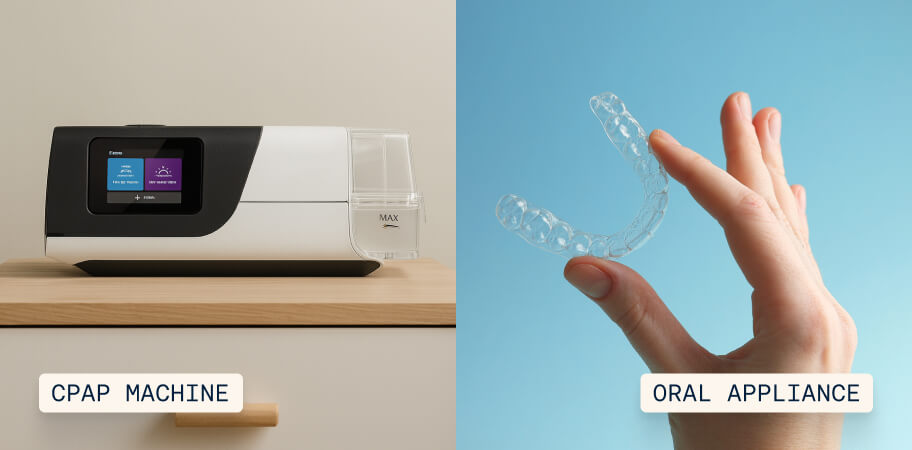
CPAP therapy is the most widely recommended treatment for moderate to severe obstructive sleep apnea. Other options include oral appliance therapy, lifestyle changes, and in specific cases, surgical interventions. The right treatment depends on your AHI severity, symptoms, anatomy, and preferences.
CPAP Therapy
Continuous Positive Airway Pressure, commonly known as CPAP, delivers a steady stream of pressurized air through a mask to keep your airway open during sleep. CPAP therapy is considered the gold standard treatment for obstructive sleep apnea by the American Academy of Sleep Medicine. Modern CPAP machines are quieter and more compact than older models, and many patients adjust within the first few weeks of use.
APAP, or Auto-Adjusting Positive Airway Pressure, is a variation that automatically adjusts air pressure throughout the night based on your breathing patterns. BiPAP, or Bilevel Positive Airway Pressure, provides two different pressure levels for inhalation and exhalation, which may be prescribed for patients who need higher pressures or have complex sleep apnea.
dumbo.health includes CPAP therapy and equipment as part of its monthly care plans. The Essentials Plan at $59 per month covers a CPAP machine, physician oversight, and standard follow-up care with no contracts and the ability to cancel anytime. The Premium Plan at $89 per month adds a dedicated sleep coach, advanced adherence monitoring, and priority results turnaround.
Oral Appliance Therapy
Oral appliance therapy uses a custom-fitted mouthpiece to reposition the lower jaw and tongue forward, which helps keep the airway open during sleep. The American Academy of Sleep Medicine recommends oral appliance therapy as an alternative for patients with mild to moderate obstructive sleep apnea who cannot tolerate CPAP. Some Dallas-area practices, including Richardson Sleep & Facial Pain Center, specialize in this type of treatment.
Lifestyle Changes
Weight loss, exercise, avoiding alcohol before bed, and adjusting sleep position can all reduce the severity of obstructive sleep apnea. The National Heart, Lung, and Blood Institute notes that obesity is a major risk factor for obstructive sleep apnea, and even a 10 percent reduction in body weight can significantly improve AHI scores. However, lifestyle changes alone are rarely sufficient to resolve moderate to severe cases.
Surgical and Advanced Options
For patients who do not respond to CPAP or oral appliances, surgical options exist. Inspire is an FDA-approved implantable device that stimulates the hypoglossal nerve to keep the airway open during sleep. It is typically considered only after other treatments have been tried. Some Dallas hospitals and sleep clinics offer evaluation for Inspire therapy.
IMPORTANT: Any treatment for sleep apnea should be initiated and monitored by a physician or a qualified healthcare practitioner to ensure safety and effectiveness.
KEY TAKEAWAY: CPAP therapy is the first-line treatment for moderate to severe obstructive sleep apnea, and dumbo.health provides CPAP equipment and physician-supervised care starting at $59 per month with no contracts.
Understanding treatment is essential, but many patients are initially held back by concerns about cost, insurance, and access to testing.
Cost of Home Sleep Testing in Dallas: Insurance vs. Self-Pay
The cost of a home sleep apnea test in Dallas ranges widely depending on whether you use insurance, go through a hospital-based sleep clinic, or choose a direct-pay provider. Understanding the cost structure helps you avoid delays and surprise bills.
Insurance-Based Home Sleep Testing
If you have insurance, a home sleep test may be covered under your plan, but coverage varies significantly by insurance provider. Many plans require a prior authorization, a referral from a Family Medicine physician or sleep physician, and documentation of symptoms. The authorization process can add days or weeks to the timeline. Co-pays and deductibles also apply, meaning you may still pay $100 to $400 out of pocket even with insurance coverage.
Hospital and Sleep Clinic Pricing
Dallas hospitals and independent sleep clinics such as Southwest Pulmonary Associates, Sleep Medicine Consultants, and the University Hospital Sleep and Breathing Disorders Clinic may charge $300 to $600 or more for a home sleep test before insurance adjustments. In-lab polysomnography at a Dallas sleep laboratory can range from $1,000 to $3,000 or higher.
Self-Pay Through dumbo.health
dumbo.health eliminates the insurance complexity entirely. The at-home sleep test is $149, paid once before the test night. There is no insurance required, no prior authorization, and no surprise bills. After testing, patients select a monthly care plan for physician interpretation, treatment, and ongoing support. The Essentials Plan is $59 per month, the Premium Plan is $89 per month, and the Elite Plan is $129 per month. All plans are contract-free and can be cancelled anytime.
For Dallas residents who want transparent pricing they can plan around, dumbo.health offers a cash-pay model that removes the most common barriers to getting tested.
Cost Comparison: Home Sleep Test Options in Dallas
Test Cost (One-Time)
- Insurance-Based Provider: $100 to $400 after co-pay and deductible
- Dallas Hospital or Sleep Clinic: $300 to $600 before insurance
- dumbo.health: $149, no insurance needed
Prior Authorization Required
- Insurance-Based Provider: Yes, often required
- Dallas Hospital or Sleep Clinic: Depends on the facility
- dumbo.health: No
Surprise Bills
- Insurance-Based Provider: Possible, depending on network and plan
- Dallas Hospital or Sleep Clinic: Possible
- dumbo.health: None
Monthly Care Plan (If Diagnosed)
- Insurance-Based Provider: Varies by plan
- Dallas Hospital or Sleep Clinic: Varies by provider
- dumbo.health: Starts at $59 per month including CPAP and physician oversight
KEY TAKEAWAY: dumbo.health offers a home sleep test in Dallas for $149 with no insurance, no authorization, and no surprise bills, making it one of the most transparent and accessible options in North Texas.
Cost is one barrier. Another common barrier is uncertainty about who actually qualifies for home sleep testing.
Who Should Get a Home Sleep Apnea Test in Dallas?
Adults who snore loudly, feel unrested after a full night of sleep, or have been told they stop breathing during sleep are strong candidates for a home sleep apnea test. Additional risk factors include obesity, high blood pressure, a large neck circumference, and a family history of sleep apnea.
The American Academy of Sleep Medicine recommends home sleep apnea testing for adults who have a high pretest probability of moderate to severe obstructive sleep apnea and no significant comorbidities that would require full polysomnography.
Common Symptoms That Warrant Testing
- Loud, chronic snoring
- Witnessed pauses in breathing during sleep
- Excessive daytime fatigue or sleepiness
- Morning headaches
- Waking frequently at night gasping or choking
- Difficulty concentrating during the day
- High blood pressure that does not respond well to medication
Risk Factors for Obstructive Sleep Apnea
- BMI of 30 or higher (obesity is the single largest modifiable risk factor)
- Neck circumference greater than 17 inches in men or 16 inches in women
- Age over 40
- Male sex, though sleep apnea is underdiagnosed in women
- Family history of sleep apnea or sleep-disordered breathing
Who May Not Be a Good Candidate for Home Testing
Patients with suspected central sleep apnea, complex sleep apnea, narcolepsy, severe insomnia, or other neurological disorders may need in-lab polysomnography. Home testing is also not ideal for patients with severe cardiopulmonary disease, significant musculoskeletal disorders that affect sensor placement, or those using supplemental oxygen flow at night. In these cases, a sleep physician in your area should evaluate whether a full sleep laboratory study is more appropriate.
DID YOU KNOW: According to the Sleep Foundation, untreated obstructive sleep apnea increases the risk of stroke by two to three times compared to individuals without the condition.
KEY TAKEAWAY: Most adults with snoring, daytime fatigue, or obesity-related risk factors are appropriate candidates for a home sleep test, but complex conditions like central sleep apnea require in-lab polysomnography.
Knowing who qualifies is important, but many Dallas residents still hesitate because of myths and misinformation about home sleep testing.
Common Myths About Home Sleep Apnea Testing Debunked
MYTH: Home sleep tests are not accurate enough to diagnose sleep apnea.
FACT: FDA-cleared home sleep test devices have demonstrated high sensitivity and specificity for detecting moderate to severe obstructive sleep apnea. The American Academy of Sleep Medicine supports home sleep apnea testing as a valid diagnostic method for adults with a high pretest probability of obstructive sleep apnea. While home tests measure fewer channels than polysomnography, they are specifically designed to identify obstructive events with clinical accuracy.
MYTH: You need insurance to get a home sleep test in Dallas.
FACT: Insurance is not required. dumbo.health offers a home sleep test for $149 as a one-time self-pay cost. There is no need for a referral, prior authorization, or insurance plan. Many Dallas residents choose self-pay because it eliminates delays and unexpected charges.
MYTH: You can diagnose sleep apnea with a phone app or consumer wearable.
FACT: Consumer devices such as smartwatches and phone apps can track general sleep patterns but are not FDA-cleared for diagnosing sleep apnea. A clinical home sleep test uses medical-grade sensors and requires physician interpretation. The data from consumer wearables does not meet the diagnostic criteria established by the American Academy of Sleep Medicine.
MYTH: If your sleep apnea is mild, you do not need treatment.
FACT: Even mild obstructive sleep apnea with an AHI of 5 to 14 events per hour can cause daytime fatigue, impaired concentration, and elevated cardiovascular risk over time. The National Heart, Lung, and Blood Institute advises that treatment decisions should consider symptoms and overall health, not just the AHI number. Many patients with mild sleep apnea benefit from positional therapy, lifestyle changes, or oral appliance therapy.
MYTH: CPAP is the only treatment for sleep apnea.
FACT: While CPAP therapy is the most commonly prescribed treatment for moderate to severe obstructive sleep apnea, alternatives include APAP, BiPAP, oral appliance therapy, lifestyle modifications including weight loss and avoiding alcohol before sleep, and in select cases, surgical options like the Inspire device. Your physician determines the best approach based on your diagnosis, anatomy, and personal preferences.
KEY TAKEAWAY: Home sleep apnea testing is clinically valid, does not require insurance, and a diagnosis does not automatically mean CPAP is the only option available.
With myths addressed, it helps to see how home sleep testing plays out for real people in Dallas.
Real-World Scenarios: Home Sleep Testing for Dallas Residents
Seeing how other people navigate the home sleep testing process makes the experience more concrete. These scenarios reflect common situations among patients in the Dallas and North Texas area.
A 48-Year-Old Office Worker with Chronic Snoring
A 48-year-old Dallas resident has been told by a partner that their snoring is loud and sometimes includes pauses in breathing. They feel tired most mornings despite sleeping 7 to 8 hours. Their Family Medicine physician recommends a sleep study. Rather than waiting several weeks for a sleep laboratory appointment and navigating insurance authorization, they order a home sleep test through dumbo.health for $149. The device arrives within days. They complete the test on a weeknight, and their results show an AHI of 22, indicating moderate obstructive sleep apnea. They enroll in the dumbo.health Premium Plan at $89 per month, which includes CPAP therapy, a dedicated sleep coach, and adherence monitoring.
A 55-Year-Old Commercial Truck Driver Needing DOT Clearance
A 55-year-old owner-operator based in North Texas has a BMI of 37 and has been referred for sleep apnea testing during a DOT physical. Their blood pressure is borderline elevated. The driver needs a quick, affordable test that does not require them to spend a night in a sleep clinic. They use dumbo.health's sleep apnea care solutions to complete a home sleep test at home during a scheduled off-duty period. Results confirm severe obstructive sleep apnea with an AHI of 41. They start CPAP therapy through dumbo.health's Essentials Plan at $59 per month, and their adherence data is shared with their referring provider for DOT clearance purposes.
A 38-Year-Old Woman with Fatigue and High Blood Pressure
A 38-year-old woman in Plano has been struggling with persistent fatigue, difficulty concentrating, and blood pressure that remains elevated despite medication. Her physician suspects sleep-disordered breathing but she does not consider herself a "typical" sleep apnea patient because she does not snore loudly. She completes a home sleep test and discovers she has mild obstructive sleep apnea with an AHI of 9, along with notable oxygen desaturation events during the night. Her physician discusses treatment options including positional therapy and a follow-up consultation. This case illustrates why sleep apnea often goes undiagnosed in women, who may present with less obvious symptoms like fatigue and insomnia rather than loud snoring.
KEY TAKEAWAY: Home sleep testing serves a wide range of patients in Dallas, from commercial drivers needing DOT clearance to women with atypical symptoms, and the process is simple enough to complete in a single night.
These scenarios show the value of home testing, but it is equally important to understand when home testing has limitations.
Limitations and Risks of Home Sleep Apnea Testing
Home sleep apnea testing is a reliable diagnostic tool for obstructive sleep apnea, but it has limitations that every patient should understand before relying on it as the sole evaluation method.
Limitation 1: Cannot Diagnose All Sleep Disorders
A home sleep test measures breathing, oxygen, and heart rate. It does not measure brain activity, sleep stages, or limb movements. This means it cannot diagnose narcolepsy, restless leg syndrome, circadian rhythm disorders, REM sleep behavior disorder, insomnia, or other neurological disorders. If you experience symptoms beyond snoring and daytime fatigue, such as sudden episodes of sleep during the day, acting out dreams, or severe difficulty falling asleep, a full polysomnography in a sleep laboratory is necessary.
Limitation 2: May Underestimate Severity
Because home sleep tests calculate AHI based on total recording time rather than actual sleep time, the AHI may be underestimated. If you spend a significant portion of the night awake, the denominator increases and lowers the event-per-hour calculation. In-lab polysomnography uses EEG data to calculate AHI based only on confirmed sleep time, which can produce a more precise severity score. According to the American Academy of Sleep Medicine, this limitation is generally minor for patients with moderate to severe disease but can affect borderline mild cases.
Limitation 3: Sensor Displacement
If a sensor detaches during the night, such as a finger oximeter or nasal cannula, portions of the sleep data may be unusable. This can result in an incomplete study that requires a repeat test night. Proper home setup and following the device instructions carefully reduces this risk. dumbo.health provides instructions and technical assistance to minimize the chance of data loss.
Limitation 4: Not Suitable for All Patient Populations
Patients with severe cardiopulmonary conditions, those using supplemental oxygen, and individuals with significant airway blockage from causes other than typical obstructive sleep apnea may need in-lab evaluation. The FMCSA also has specific requirements for commercial drivers that may influence which type of study is accepted for DOT Medical certification.
Limitation 5: Does Not Replace a Physician Evaluation
A home sleep test provides data, but the data requires clinical interpretation. Self-diagnosing based on raw numbers from a consumer device or even a medical-grade test without physician review can lead to incorrect conclusions. dumbo.health addresses this by including physician interpretation in all monthly care plans, ensuring that every result is reviewed by a qualified clinician.
IMPORTANT: If a home sleep test result is negative but symptoms persist, your physician may recommend an in-lab polysomnography. A negative home test does not guarantee the absence of a sleep disorder.
KEY TAKEAWAY: Home sleep testing is highly effective for obstructive sleep apnea but cannot diagnose all sleep disorders, may underestimate AHI in some cases, and always requires physician interpretation for clinical accuracy.
Before you test, a quick preparation checklist ensures you get the most reliable results possible.
Preparing for Your Home Sleep Test in Dallas
Proper preparation increases the accuracy of your home sleep test and reduces the chance of needing a repeat study. Most preparation steps are simple and take minimal time.
Home Sleep Test Preparation Checklist
- Confirm your home sleep test device has arrived and all components are included
- Read the device setup instructions completely before your test night
- Avoid alcohol for at least 4 hours before going to bed
- Avoid caffeine after midday on your test day
- Remove nail polish from the finger that will wear the oxygen sensor, as polish can interfere with oxygen saturation readings
- Sleep in your usual bed to replicate your normal sleep patterns
- Maintain your regular bedtime routine and schedule
- Charge your phone in case you need to contact technical assistance during setup
- Complete the free sleep assessment at dumbo.health before testing if you have not already done so
- Set an alarm for the morning so you can remove sensors and stop the recording promptly
- Place the return shipping materials nearby so you can send the device back immediately
Following this checklist helps ensure your one night of testing produces clean, usable sleep data. Patients who prepare properly are less likely to need a repeat test, which saves time and avoids additional costs.
TIP: If you have questions about device setup on the night of your test, dumbo.health offers technical assistance so you can troubleshoot before the recording begins.
KEY TAKEAWAY: Simple preparation steps like avoiding alcohol, removing nail polish, and reading the instructions before your test night can significantly improve the quality of your home sleep test data.
With preparation covered, it is worth addressing where in Dallas you can access home sleep testing and ongoing care.
Where to Get a Home Sleep Apnea Test in Dallas and North Texas
Dallas and North Texas residents have multiple options for home sleep testing, ranging from hospital-based sleep clinics to independent sleep medicine practices to fully remote providers like dumbo.health.
Local Sleep Clinics and Practices
Several established practices in the Dallas area provide home sleep testing and sleep medicine services. Southwest Pulmonary Associates offers sleep apnea testing and consultation at locations in the Dallas area. Sleep Medicine Consultants provides diagnostic and treatment services for a range of sleep disorders. The University Hospital Sleep and Breathing Disorders Clinic, located near Harry Hines Blvd., operates a sleep laboratory and offers both in-lab and portable take home sleep study options. Richardson Sleep & Facial Pain Center specializes in oral appliance therapy and dental sleep medicine. These practices typically require an initial consultation and may involve insurance authorization.
Some Dallas sleep clinics have specific hours for intake appointments and testing pickup, with many operating Monday through Friday from 7:30 a.m. to 4:00 p.m. In-lab studies at some locations run from 7:00 p.m. to 7:00 a.m. Patients should call ahead to confirm availability, especially around holidays or on weekends near Sunday schedules.
Telehealth and Remote Options
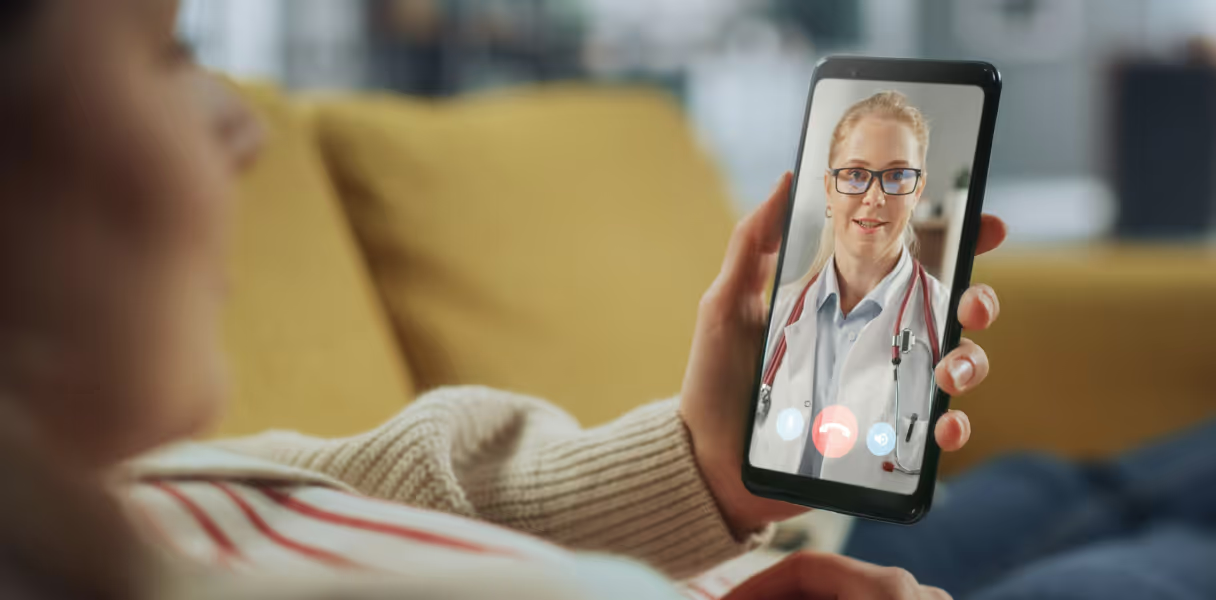
Telehealth has expanded access to sleep medicine across Dallas and North Texas. Some providers offer telemedicine consultations before and after home sleep testing, allowing patients to complete the entire process from home. This is especially useful for patients in outlying areas or those with scheduling constraints.
dumbo.health operates as a fully remote, cash-pay sleep apnea care platform. The device ships directly to your home in Dallas, Plano, or anywhere in Texas. The consultation, testing, results, and treatment are all managed remotely. There is no need to visit an office, wait for an in-person appointment, or navigate insurance providers. As of 2026, this model eliminates the most common logistical barriers patients face when seeking a diagnosis.
Home sleep apnea testing is a diagnostic study performed in a patient's home using a portable monitoring device. Home sleep apnea testing uses FDA-cleared sensors to record airflow, oxygen saturation, pulse rate, and respiratory effort during one night of sleep. A physician reviews the recorded data and calculates the Apnea Hypopnea Index to determine whether obstructive sleep apnea is present and how severe it is.
KEY TAKEAWAY: Dallas residents can access home sleep testing through local clinics, hospital-based programs, or remote platforms like dumbo.health, with the remote option eliminating the need for office visits and insurance delays.
Accessing the test is just one part of the process. Ongoing treatment adherence after diagnosis is what actually improves health outcomes.
Why Ongoing Care Matters After Your Home Sleep Test
Diagnosis without treatment does not reduce the health risks of obstructive sleep apnea. Consistent use of CPAP therapy or an alternative treatment is what lowers cardiovascular risk, reduces daytime fatigue, and improves overall quality of life.
According to the American Academy of Sleep Medicine, CPAP therapy is most effective when used for at least 4 hours per night on at least 70 percent of nights. Adherence monitoring helps patients and physicians track whether this threshold is being met. Many patients who start CPAP therapy experience improved restful sleep within the first few weeks, but long-term adherence is the challenge.
Common reasons patients stop using CPAP include mask discomfort, dry air, noise, and lack of follow-up support. These issues are preventable with proper coaching and equipment adjustments.
dumbo.health addresses the adherence problem directly. The Premium Plan at $89 per month includes a dedicated sleep coach from a licensed care team, advanced adherence monitoring, and priority results turnaround. The Elite Plan at $129 per month adds concierge clinical support, direct physician messaging, and custom reporting for healthcare practitioners who refer patients. These plans are designed to keep patients on track beyond the initial diagnosis.
Obstructive sleep apnea is a chronic condition. Ongoing care that includes regular adherence reviews, equipment maintenance, and access to a physician or sleep coach makes a measurable difference in outcomes. For Dallas patients who want a support structure that extends beyond a single test result, dumbo.health's care plans provide continuity without contracts.
KEY TAKEAWAY: Treatment adherence is the most important factor in reducing the long-term health risks of obstructive sleep apnea, and ongoing care plans with coaching and monitoring significantly improve outcomes.
With the full picture of testing, diagnosis, treatment, and ongoing care in view, the conclusion ties it all together.
Conclusion
A home sleep apnea test in Dallas, Texas gives you a clear, clinically valid path from symptoms to diagnosis without the delays, discomfort, or complexity of an overnight sleep laboratory visit. Whether you are dealing with chronic snoring, unexplained fatigue, or a physician referral for sleep-disordered breathing, home testing puts accurate answers within reach in a single night. dumbo.health makes the process simple and transparent with a $149 at-home sleep test, no insurance required, and monthly care plans starting at $59 per month that include CPAP therapy, physician oversight, and the ability to cancel anytime. If you are ready to find out whether sleep apnea is affecting your health, take the free sleep assessment at dumbo.health and start getting the restful sleep you need.
Frequently Asked Questions About Home Sleep Apnea Testing in Dallas, Texas
What is sleep apnea?
Sleep apnea is a sleep disorder in which breathing repeatedly stops and starts during sleep. The most common form is obstructive sleep apnea, where the airway becomes partially or fully blocked, reducing airflow and dropping oxygen saturation. Central sleep apnea, a less common form, occurs when the brain does not send the correct signals to the muscles that control breathing. Complex sleep apnea involves features of both types. According to the American Academy of Sleep Medicine, sleep apnea is a serious sleep and breathing disorder that increases the risk of cardiovascular problems, high blood pressure, and daytime fatigue when left untreated.
What are the common symptoms of sleep apnea?
The most recognised symptoms of sleep apnea include loud snoring, gasping or choking during sleep, waking with a dry mouth or headache, difficulty concentrating, and excessive daytime fatigue. Many people also report feeling unrested despite a full night in bed, experiencing mood changes, and struggling with memory. Nighttime symptoms are often noticed by a bed partner rather than the person affected. If you regularly feel tired all day, find it hard to concentrate, feel irritable without a clear reason, or have been told you snore loudly, a healthcare professional can help determine whether sleep apnea testing is appropriate.
What are the risk factors for sleep apnea?
Common risk factors for sleep apnea include obesity, a large neck circumference, high blood pressure, a family history of sleep disorders, smoking, and regular alcohol use. Age and being male are also associated with higher risk, though sleep apnea affects people of all genders and body types. Structural features such as a narrow airway, enlarged tonsils, or a recessed jaw can also contribute. Certain conditions including diabetes, neurological disorders, and cardiovascular problems may increase risk further. The Sleep Foundation notes that undiagnosed sleep apnea is widespread, and many people with risk factors have never been evaluated.
How is sleep apnea diagnosed and treated?
Sleep apnea is diagnosed through a sleep study, which records breathing patterns, oxygen saturation, heart rate, airflow, and sleep stages. This can be done through an in-lab polysomnography or a home sleep apnea test for appropriate patients. A sleep physician or interpreting physician reviews the recorded data and calculates the Apnea Hypopnea Index, which measures the severity of breathing interruptions per hour. Treatment options may include Continuous Positive Airway Pressure therapy, APAP, BiPAP, oral appliance therapy, lifestyle changes, or in some cases surgical options such as Inspire therapy. A qualified healthcare professional determines the appropriate treatment based on your diagnosis and overall health.
What happens when poor sleep continues night after night?
Consistently poor sleep does more than leave you feeling tired the next morning. Chronic disrupted sleep is associated with increased risk of high blood pressure, cardiovascular problems, stroke, impaired immune function, and mood disorders. Over time, disruptive sleep can affect memory, concentration, reaction time, and metabolic health. The NIH recognises that untreated sleep-disordered breathing is linked to serious long-term health consequences. If you are regularly waking unrefreshed, struggling to concentrate, or feeling excessively tired during the day, speaking with a healthcare professional about a formal sleep evaluation is a reasonable and important step.
Do I need a sleep study?
Not everyone needs a sleep study, but one may be appropriate if you experience regular snoring, witnessed breathing pauses, excessive daytime sleepiness, morning headaches, or other symptoms consistent with a sleep disorder. A healthcare practitioner can assess your symptoms, risk factors, and sleep history to determine whether a home sleep apnea test or an in-lab sleep study is the right option for your situation. Home sleep testing is a clinically accepted option for many adults with suspected obstructive sleep apnea. Conditions such as insomnia, narcolepsy, restless leg syndrome, REM sleep behavior disorder, or circadian rhythm disorders may require a more comprehensive in-lab evaluation.
What happens during a home sleep study?
During a home sleep study, you wear a small portable device overnight in your own bed. Depending on the device used, sensors may monitor airflow, oxygen saturation, pulse rate, heart rate, and body movement. Some devices, such as those using peripheral arterial tonometry or photoplethysmography technology, can also estimate sleep stages. You typically set up the device yourself following clear instructions and return or dispose of it after one night of testing. The recorded sleep data is then reviewed by an interpreting physician, who generates a diagnostic report. For many patients with suspected obstructive sleep apnea, a home sleep test provides clinically sufficient information for diagnosis. Home sleep apnea testing through dumbo.health is available at a transparent cash-pay price of $149 for the one-night test.
What is the difference between a home sleep test and an in-lab sleep study?
A home sleep apnea test is a portable, simplified version of sleep monitoring designed for use in your own bedroom. It typically records airflow, oxygen saturation, pulse rate, and breathing effort. An in-lab sleep study, known as polysomnography, is conducted in a sleep laboratory under the supervision of sleep technologists and respiratory therapists. It records a broader range of signals including brain activity, eye movements, muscle activity, and detailed sleep stages. The American Academy of Sleep Medicine supports home sleep testing as appropriate for adults with a high likelihood of moderate to severe obstructive sleep apnea who do not have significant comorbidities that would complicate interpretation.
Is a home sleep test uncomfortable or invasive?
A home sleep test is generally well tolerated. Most devices involve lightweight sensors placed on the finger, wrist, or chest, and a small nasal cannula to measure airflow. There are no needles, sedation, or complex wiring involved. Most people are able to sleep reasonably normally while wearing the device. Some patients find sensors slightly unfamiliar on the first night, but the setup is typically straightforward. If you have complex medical conditions, severe suspected sleep apnea, or other sleep disorders that may require detailed monitoring, a healthcare professional may recommend an in-lab study instead. Overall, many patients find at-home testing significantly more convenient than attending a sleep laboratory.
How long does it take to get sleep test results?
Most home sleep apnea test results are available within a few days of returning the device. After the device captures your overnight sleep data, the recording is reviewed by an interpreting physician who prepares a diagnostic report. The turnaround time can vary depending on the testing service. With dumbo.health, the Premium plan includes priority results turnaround and a dedicated sleep coach from a licensed care team, while the Essentials plan covers physician interpretation and a standard report. If your results are ready and indicate sleep apnea, your care team can discuss appropriate next steps, which may include starting CPAP therapy or exploring other treatment options.
What happens if my home sleep test results are unclear?
If the data recorded during a home sleep test is technically insufficient or inconclusive, your interpreting physician may recommend repeating the home test or referring you for an in-lab polysomnography. This can happen if sensors shifted during the night, recording quality was poor, or if your results suggest a more complex sleep disorder that requires detailed monitoring. Conditions such as central sleep apnea, complex sleep apnea, narcolepsy, REM sleep behavior disorder, or restless leg syndrome typically require in-lab evaluation. A qualified sleep physician will review your results and advise on the most appropriate next step. Home sleep testing has limitations, and a clinician is best placed to interpret borderline results in the context of your full health history.
Will insurance cover a home sleep apnea test?
Coverage depends on your specific insurance plan, deductible, and whether your provider has ordered the test. Many insurance plans do cover home sleep apnea testing when it is medically indicated and ordered by a qualified healthcare practitioner, but prior authorization may be required and cost-sharing can vary significantly. If your insurance does not cover the test, or if you prefer a simpler, predictable option without prior authorizations or surprise bills, dumbo.health offers a home sleep apnea test at a straightforward cash-pay price of $149 with no insurance required. You can review the at-home sleep test details and pricing at dumbo.health.
What happens after the sleep test results are reviewed?
After your interpreting physician reviews your sleep data and generates a report, the next step depends on your results. If sleep apnea is confirmed, treatment options such as CPAP therapy, APAP, BiPAP, oral appliance therapy, or lifestyle changes may be recommended based on severity and your clinical history. If no sleep apnea is found, your healthcare provider can consider other causes of your symptoms. If results are inconclusive, further testing may be recommended. dumbo.health monthly plans cover physician interpretation, CPAP therapy and equipment, adherence follow-up, and updates sent to your referring provider, so the care pathway continues after testing. You can explore sleep apnea care solutions to understand what ongoing support looks like.
What is the Apnea Hypopnea Index and why does it matter?
The Apnea Hypopnea Index, commonly called the AHI, measures the average number of apnea and hypopnea events per hour of sleep recorded during a sleep study. An apnea is a complete pause in breathing, while a hypopnea is a partial reduction in airflow. The AHI is used to classify sleep apnea severity: mild is typically defined as 5 to 14 events per hour, moderate as 15 to 29, and severe as 30 or more. A sleep physician uses the AHI alongside oxygen saturation data, clinical symptoms, and risk factors to guide diagnosis and recommend appropriate treatment. A higher AHI generally indicates greater disruption to breathing and is associated with more significant health risks.
What is WatchPAT and how effective is it for diagnosing sleep apnea?
WatchPAT is an FDA-cleared portable home sleep testing device that uses peripheral arterial tonometry and photoplethysmography to measure sleep and breathing signals from the wrist and finger. It records oxygen saturation, pulse rate, sleep stages, and indicators of airway obstruction without the need for nasal cannulas in some configurations. WatchPAT is considered clinically validated for the detection of obstructive sleep apnea and has been studied as an alternative to in-lab polysomnography for appropriate patient populations. The American Academy of Sleep Medicine recognises peripheral arterial tonometry-based devices as an accepted home sleep testing method. A sleep physician reviews the data from WatchPAT to generate a diagnostic report and clinical recommendation.
What is the NightOwl home sleep test?
The NightOwl is a compact FDA-cleared home sleep apnea test that uses a small sensor worn on the fingertip to measure oxygen saturation, pulse rate, and peripheral arterial tone. It is designed for single-night use and sends recorded data for review by an interpreting physician. The NightOwl is one of several portable home sleep testing devices that have been validated for detecting obstructive sleep apnea in appropriate patients. As with all home sleep testing devices, it is most suitable for patients with a clinically suspected diagnosis of obstructive sleep apnea rather than those with complex or multiple sleep disorders. Your healthcare practitioner can advise whether this type of device is appropriate for your evaluation.
I already use CPAP. Can I get a new prescription or updated evaluation?
Yes. If you are an existing CPAP user who needs a new prescription, updated therapy settings, or a replacement device, a sleep physician can review your current therapy and provide updated documentation. dumbo.health monthly plans include physician interpretation, CPAP therapy, equipment access, and ongoing adherence monitoring, making it a practical option for existing CPAP users who need continued support. If your current CPAP therapy is not controlling your symptoms effectively, or if you have experienced changes in your health or weight, a healthcare professional should review your treatment to determine whether adjustments are needed. CPAP therapy and equipment options are available through dumbo.health without requiring insurance or prior authorization.
What is CPAP therapy and how does it work?
Continuous Positive Airway Pressure therapy, known as CPAP, is the most widely used treatment for obstructive sleep apnea. A CPAP machine delivers a continuous stream of pressurised air through a mask worn over the nose or mouth during sleep, keeping the airway open and preventing the breathing interruptions that define sleep apnea. APAP, or auto-adjusting positive airway pressure, automatically varies the pressure throughout the night in response to breathing patterns. BiPAP delivers two pressure levels and may be used for complex sleep apnea or patients who find standard CPAP uncomfortable. The NIH identifies CPAP as the most effective non-surgical treatment for moderate to severe obstructive sleep apnea, and consistent nightly use is associated with meaningful improvements in symptoms and health outcomes.
Why does CPAP adherence matter?
CPAP adherence refers to how consistently and correctly a patient uses their CPAP device each night. Adherence matters because the health and symptom benefits of CPAP, including improved daytime energy, better concentration, reduced blood pressure, and lower cardiovascular risk, depend on regular and sustained use. Many CPAP users struggle with comfort, mask fit, pressure tolerance, or motivation in the early weeks of therapy. Monitoring adherence data allows a sleep physician or sleep coach to identify problems early and make adjustments before the patient gives up on treatment. dumbo.health Premium and Elite plans include advanced adherence monitoring and dedicated sleep coach support to help patients stay on track with their therapy.
When should I speak with a doctor about sleep apnea symptoms?
You should speak with a healthcare professional if you experience loud or frequent snoring, breathing pauses during sleep, waking up gasping or choking, persistent daytime fatigue, morning headaches, difficulty concentrating, or mood changes that may be linked to poor sleep quality. High blood pressure that is difficult to control can also be associated with untreated sleep apnea. If you have significant risk factors such as obesity, cardiovascular problems, or a family history of sleep disorders, raising the question with your doctor is worthwhile even without obvious symptoms. If you experience chest pain, sudden severe shortness of breath, or other urgent symptoms, seek medical care promptly rather than waiting for a sleep evaluation.
How does sleep apnea affect the heart and cardiovascular health?
Untreated sleep apnea places repeated stress on the cardiovascular system. Each apnea event causes a brief drop in oxygen saturation, a surge in heart rate, and increased blood pressure as the body responds to the interrupted airflow. Over time, these repeated episodes are associated with a higher risk of hypertension, atrial fibrillation, coronary artery disease, heart failure, and stroke. According to the American Academy of Sleep Medicine, obstructive sleep apnea is an independent risk factor for cardiovascular disease. Treating sleep apnea with CPAP therapy or other appropriate options may help reduce cardiovascular strain, though individual outcomes vary and a physician should guide treatment decisions based on your specific health profile.
Can sleep apnea be linked to other sleep disorders?
Sleep apnea can occur alongside other sleep disorders including insomnia, restless leg syndrome, narcolepsy, REM sleep behavior disorder, and circadian rhythm disorders. The presence of multiple sleep conditions can complicate diagnosis and treatment, and a home sleep apnea test may not capture all relevant data when several disorders are present. In these cases, a comprehensive in-lab polysomnography at a sleep laboratory with board-certified clinicians, sleep technologists, and respiratory therapists may be more appropriate. A sleep physician can evaluate your full sleep history and symptom profile to determine the most appropriate diagnostic pathway. If your symptoms suggest more than one sleep disorder, discuss this with your healthcare practitioner before deciding between home and in-lab testing.
What are the limitations of a home sleep apnea test?
A home sleep apnea test is designed primarily to detect obstructive sleep apnea in adults with a reasonably high pre-test likelihood of the condition. It does not record brain activity, detailed sleep stages in the way a full polysomnography does, or muscle activity, which means it cannot diagnose narcolepsy, REM sleep behavior disorder, or complex neurological sleep disorders. It may also underestimate the severity of sleep apnea in some patients because it records total recording time rather than confirmed sleep time. Technical failures, sensor displacement, or insufficient data can occasionally require a repeat test. The American Academy of Sleep Medicine recommends that home sleep testing results always be interpreted by a qualified physician who considers the result alongside the full clinical picture.
How do I find home sleep apnea testing in or near Dallas, Texas?
Home sleep apnea testing is available through several options in and around Dallas, Texas, including in-person sleep clinics and telehealth-based providers who ship a testing device to your home. If you are in the Dallas or North Texas area and prefer a convenient at-home option with transparent cash-pay pricing, dumbo.health can ship a home sleep test directly to you. There is no insurance requirement, no prior authorization, and no surprise bills. The test costs $149 as a one-time purchase and can be paired with a monthly care plan covering physician interpretation, CPAP therapy, and adherence follow-up. You can start with a free sleep assessment to see whether at-home testing is a reasonable next step for your situation.
How much does a home sleep apnea test cost in Dallas?
The cost of a home sleep apnea test in Dallas varies depending on the provider and whether you are using insurance. In-clinic sleep studies can range from several hundred to several thousand dollars depending on coverage and facility fees. With dumbo.health, the home sleep apnea test is available for $149 as a straightforward cash-pay purchase with no hidden fees. Monthly care plans for ongoing support start at $59 per month and include physician interpretation, CPAP therapy and equipment, and standard follow-up care. The Premium plan at $89 per month is the most popular option and adds a dedicated sleep coach and priority results turnaround. There are no contracts and you can cancel anytime. For a full cost overview, visit the at-home sleep test page.
Do commercial drivers in Dallas or North Texas need a sleep apnea test for their DOT physical?
Commercial drivers holding a CDL are not automatically required by FMCSA regulation to undergo sleep apnea testing, but a certified medical examiner may refer a driver for evaluation based on observed symptoms, risk factors such as obesity or high blood pressure, or a history of sleep-disordered breathing. If a medical examiner determines that sleep apnea testing is warranted before issuing or renewing a medical certificate, the driver will need to complete a sleep study and in many cases demonstrate treatment adherence before receiving clearance. dumbo.health can support home sleep apnea testing and ongoing care documentation for commercial drivers, but it is the certified medical examiner who makes all DOT certification decisions, not dumbo.health. You can learn more in the home sleep apnea test guide for commercial drivers.
What happens if my sleep test shows I do not have sleep apnea?
If your home sleep apnea test results indicate that sleep apnea is not present, your interpreting physician will review the findings and discuss what this means for your symptoms. A negative result does not mean your sleep is healthy or that nothing else is contributing to your tiredness, poor concentration, or mood. Other sleep disorders such as insomnia, restless leg syndrome, narcolepsy, or circadian rhythm disorders may require different evaluations. Lifestyle factors including caffeine intake, alcohol use, irregular sleep schedules, and stress can also significantly disrupt sleep patterns. Your healthcare professional can help determine whether further investigation is needed based on your ongoing symptoms and overall health.
What is the first step to getting a home sleep apnea test?
The first step is typically completing a brief sleep assessment or consultation to confirm that home sleep apnea testing is an appropriate option for your situation. This helps identify whether your symptoms and risk profile are consistent with obstructive sleep apnea and whether any clinical factors might require an in-lab study instead. You can take the free sleep assessment at dumbo.health to get started. If at-home testing is appropriate, the process involves ordering the device, completing one night of testing at home, and having the recorded data reviewed by a sleep physician who prepares your report and guides next steps.