






Home Sleep Apnea Test in Conroe, Texas: Where to Get Tested and What to Expect
A home sleep apnea test in Conroe, Texas measures your breathing patterns, oxygen levels, and heart rate overnight while you sleep in your own bed. The American Academy of Sleep Medicine estimates that obstructive sleep apnea affects roughly 30 million adults in the United States, and many cases remain undiagnosed. This guide is for Conroe-area residents, East Texas commercial drivers, and anyone experiencing symptoms like chronic snoring or daytime fatigue who needs accessible, affordable sleep apnea testing. You will learn how home sleep testing works, what equipment is involved, how results are scored and interpreted, what treatment options follow a diagnosis, and how to compare local and telehealth testing providers. Understanding every step of the process helps you move from symptoms to treatment with confidence.
Quick Answer
A home sleep apnea test in Conroe, Texas is an FDA-cleared diagnostic study you complete in your own bed using portable monitoring devices that track airflow, blood oxygen saturation, heart rate, and respiratory effort. Results are scored and interpreted by a sleep medicine physician to determine whether you have obstructive sleep apnea and what treatment is appropriate. Most patients receive results within days rather than weeks. dumbo.health offers a home sleep test for $149 with no insurance required, shipping directly to patients in Conroe and throughout Texas.
Key Takeaways
- A home sleep apnea test uses portable sensors to measure breathing patterns, oxygen levels, and heart rate while you sleep at home in Conroe, Texas.
- The test is FDA-cleared and recommended by the American Academy of Sleep Medicine for diagnosing obstructive sleep apnea in adults without complex comorbidities.
- Results include an Apnea-Hypopnea Index score that tells your physician how many breathing disruptions occur per hour of sleep.
- dumbo.health offers a $149 home sleep test with physician interpretation, no insurance required, and CPAP treatment plans starting at $59 per month.
- Home sleep testing is not appropriate for diagnosing central sleep apnea, narcolepsy, parasomnias, or restless leg syndrome.
- Untreated obstructive sleep apnea increases the risk of high blood pressure, heart disease, stroke, and motor vehicle accidents, according to the NIH.
What Is a Home Sleep Apnea Test and How Does It Work
A home sleep apnea test is a portable sleep study that records respiratory data while you sleep in your own bed. Unlike a lab-based sleep study conducted in a sleep center, home sleep testing uses fewer sensors and does not require an overnight stay at a clinic.
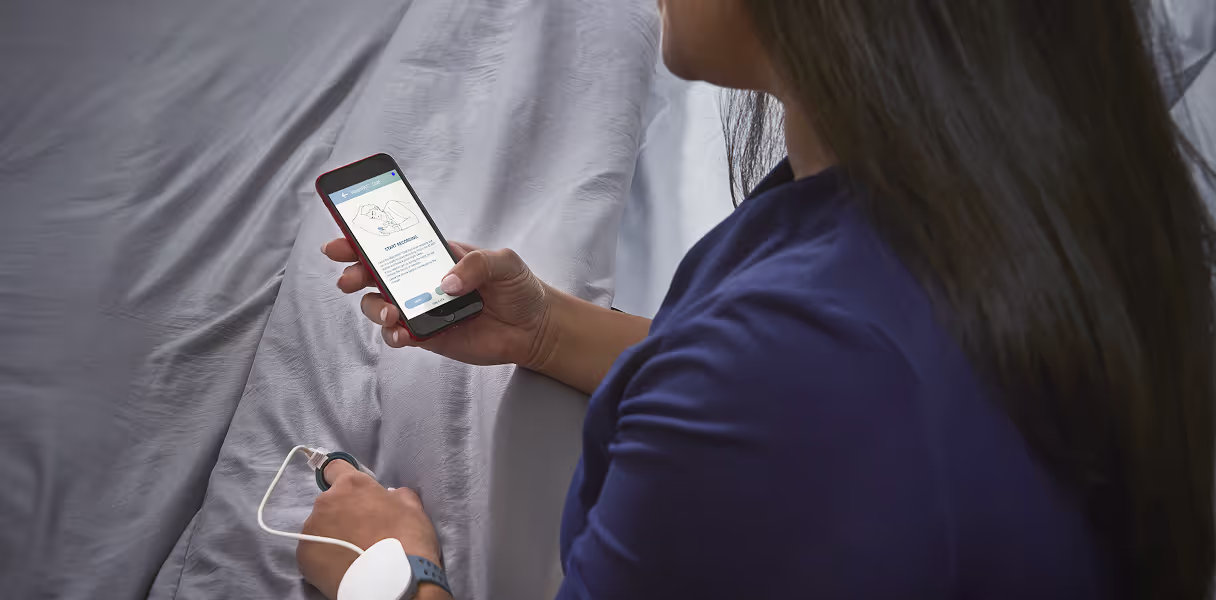
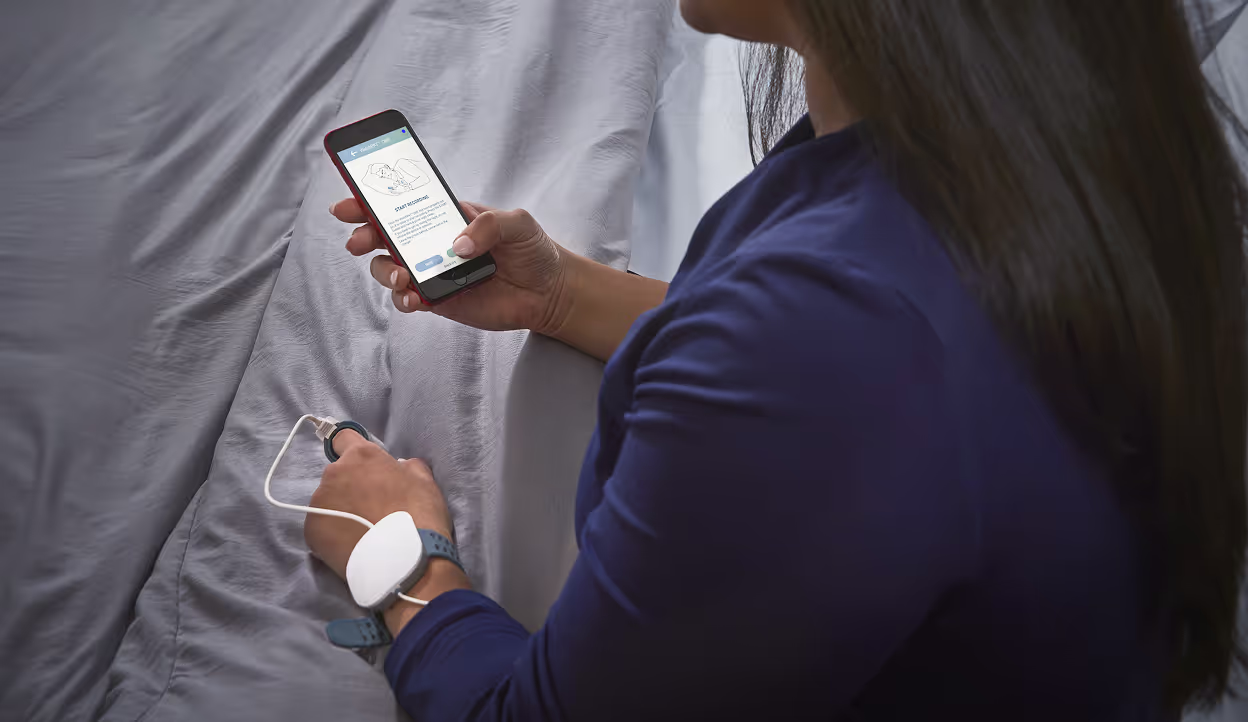
The test collects data through several channels. A nasal cannula measures airflow through your nose and mouth. A pulse oximeter worn on your finger tracks blood oxygen saturation and heart rate continuously. A chest strap or belt using respiratory inductance plethysmography detects chest and abdominal movement to monitor respiratory effort. Some devices, like the WatchPAT, use a wrist-worn device with a finger sensor to collect similar data through peripheral arterial tone.
Home sleep apnea testing is designed specifically to detect obstructive sleep apnea, the most common form of sleep disordered breathing. According to the National Heart, Lung, and Blood Institute, obstructive sleep apnea occurs when the airway repeatedly collapses or becomes blocked during sleep, causing breathing to stop and restart throughout the night. These pauses are called apneas, while partial blockages that reduce airflow are called hypopneas.
The data collected during your test night is downloaded and analyzed using specialized scoring software. A sleep medicine physician then interprets the raw data and generates a clinical report that includes your Apnea-Hypopnea Index, oxygen desaturation patterns, and other relevant findings.
Home sleep apnea testing works best for patients with a moderate to high pretest probability of obstructive sleep apnea. The American Academy of Sleep Medicine recommends home sleep testing as an appropriate diagnostic pathway for adults who do not have significant comorbid conditions such as pulmonary disease, congestive heart failure, or neurological disorders that could affect breathing patterns during sleep.
DID YOU KNOW: According to the American Academy of Sleep Medicine, home sleep apnea tests have a sensitivity of approximately 87 percent for detecting moderate to severe obstructive sleep apnea when compared to in-lab polysomnography.
KEY TAKEAWAY: A home sleep apnea test is a portable, FDA-cleared diagnostic study that measures airflow, oxygen levels, heart rate, and respiratory effort overnight to determine whether you have obstructive sleep apnea.
Understanding how the test works is important, but knowing what equipment you will actually use matters just as much.
Home Sleep Test Equipment and Sensors Explained
Home sleep test equipment typically includes three to five sensors that you attach before going to bed. Each sensor monitors a different channel of data that contributes to your overall sleep study results.
Nasal Cannula
The nasal cannula is a lightweight tube that sits just below your nostrils. It detects airflow by measuring pressure changes during each breath. This sensor captures both complete breathing stoppages and partial reductions in airflow, which the scoring physician uses to count apneas and hypopneas.
Pulse Oximeter
A pulse oximeter clips onto your fingertip and uses infrared light to measure blood oxygen saturation throughout the night. It also records your heart rate. Oxygen desaturation events, where your blood oxygen level drops below baseline, are a key indicator of sleep apnea severity. According to the Sleep Foundation, a normal resting oxygen saturation level is typically between 95 and 100 percent.
Chest Strap or Belt
A chest strap or belt worn around your torso measures respiratory effort using respiratory inductance plethysmography. This sensor detects the rise and fall of your chest and abdomen as you breathe. The data helps differentiate obstructive sleep apnea, where effort continues despite a blocked airway, from central sleep apnea, where the brain fails to signal the muscles to breathe.
Wrist-Worn Devices
Some home sleep study kits use a wrist-worn device that integrates multiple sensors into a single unit. The WatchPAT, for example, measures peripheral arterial tone, oxygen saturation, heart rate, and body position from the wrist and finger. SleepView sleep study equipment uses a different configuration that includes a chest-worn monitor with integrated sensors.
All equipment used in clinical home sleep testing is FDA-cleared and designed for single-night data collection. The sensors are non-invasive, and most patients find that the equipment does not significantly disrupt their ability to fall asleep.
dumbo.health ships FDA-cleared home sleep test equipment directly to patients in Conroe and across Texas. The device arrives with clear instructions, and the $149 test fee covers the equipment and one night of testing.
KEY TAKEAWAY: Home sleep test equipment includes a nasal cannula, pulse oximeter, and chest strap or belt, all FDA-cleared and designed to collect accurate respiratory data without disrupting your comfort.
Knowing the equipment is the first step, but the real question most patients have is how to prepare and complete the test correctly.
How to Complete a Home Sleep Apnea Test in Conroe, Texas
Completing a home sleep apnea test requires following a straightforward process. Proper preparation helps ensure your test captures clean, usable data that your physician can interpret accurately.
Step-by-Step Process for Completing Your Home Sleep Test
1. Order your home sleep test through a provider. dumbo.health offers a $149 home sleep test that ships directly to your address in Conroe, Texas with no insurance or prior authorization required.
2. Receive your home sleep study kit and review the included instructions. Each kit contains labeled sensors, a recording device, and a step-by-step setup guide.
3. On your test night, attach the nasal cannula, pulse oximeter, and chest strap or belt according to the instructions. Position the sensors before getting into bed.
4. Press the start button on the recording device and go to sleep in your normal sleep environment. Sleep in your familiar setting as you usually would.
5. When you wake up in the morning, press the stop button on the device and remove all sensors.
6. Return the device using the prepaid shipping label included in your kit, or follow the digital upload instructions if your device supports electronic data transfer.
7. A sleep medicine physician reviews, scores, and interprets your raw data. dumbo.health provides physician interpretation as part of its monthly care plans starting at $59 per month.
After completing these steps, you will typically receive your results within a few business days. The physician interpretation report includes your Apnea-Hypopnea Index, oxygen desaturation data, and a clinical recommendation for next steps.
Preparation Checklist for Your Home Sleep Test Night
- Avoid caffeine after noon on the day of your test
- Do not consume alcohol on the evening of your test, as it can alter breathing patterns
- Follow your usual sleep habits and bedtime routine
- Sleep in your normal bed in your regular sleep environment
- Charge the recording device if required by the manufacturer instructions
- Ensure the nasal cannula is positioned correctly under both nostrils
- Confirm the pulse oximeter is snugly attached to your index finger
- Adjust the chest strap so it sits comfortably but firmly around your torso
- Remove nail polish from your test finger if you are using a clip-on oximeter, as polish can interfere with readings
- Complete the free sleep assessment at dumbo.health before your test night to provide your care team with relevant symptom history
IMPORTANT: Do not take any sleep medications on your test night unless specifically directed by your physician, as sedatives can affect your natural breathing patterns and compromise the accuracy of your results.
KEY TAKEAWAY: Completing a home sleep apnea test involves attaching three to five sensors before bed, sleeping normally, and returning the device the next morning for physician scoring and interpretation.
Once your test is complete, the next critical step is understanding what your results actually mean.
Understanding Your Home Sleep Test Results
Home sleep test results are summarized in a clinical report generated after a sleep medicine physician scores and interprets your raw data. The most important metric in your report is the Apnea-Hypopnea Index.
What Is the Apnea-Hypopnea Index
The Apnea-Hypopnea Index, commonly abbreviated as AHI, is the number of apneas and hypopneas recorded per hour of sleep. An apnea is a complete cessation of airflow lasting at least 10 seconds. A hypopnea is a partial reduction in airflow, typically 30 percent or more, accompanied by a drop in oxygen saturation or a brief arousal from sleep.
According to the American Academy of Sleep Medicine, AHI scores are classified as follows. An AHI below 5 is considered normal. An AHI between 5 and 14 indicates mild obstructive sleep apnea. An AHI between 15 and 29 indicates moderate obstructive sleep apnea. An AHI of 30 or above indicates severe obstructive sleep apnea.
What Your Oxygen Levels Reveal
Your results also include oxygen desaturation data. The report shows how many times your blood oxygen saturation dropped below 90 percent, how far it dropped, and how long each desaturation lasted. Frequent or deep oxygen desaturations during sleep suggest that your airway is being blocked repeatedly, reducing the amount of oxygen reaching your blood and organs.
The NIH notes that chronic intermittent hypoxia caused by untreated sleep apnea is associated with increased cardiovascular risk, including hypertension, atrial fibrillation, and stroke.
Physician Interpretation
The scoring process involves a trained sleep technologist reviewing the raw data channel by channel, marking events, and applying standardized scoring criteria. A board-certified sleep medicine physician then interprets the scored data in the context of your symptoms, medical history, and physical characteristics.
This interpretation step is what separates a medical diagnosis from a consumer-grade sleep tracker readout. Home sleep test results without physician interpretation do not constitute a clinical diagnosis and cannot be used to prescribe treatment.
dumbo.health includes physician interpretation and a clinical report as part of its care plans. The Essentials Plan at $59 per month covers physician review, CPAP therapy, equipment, and follow-up care. Results are also sent to your referring provider so your broader care team stays informed.
KEY TAKEAWAY: Your home sleep test results center on the Apnea-Hypopnea Index and oxygen desaturation data, both of which must be interpreted by a sleep medicine physician to produce a clinical diagnosis and treatment recommendation.
A diagnosis of obstructive sleep apnea leads directly to the question of treatment, and several effective options are available.
Sleep Apnea Treatment Options After Diagnosis
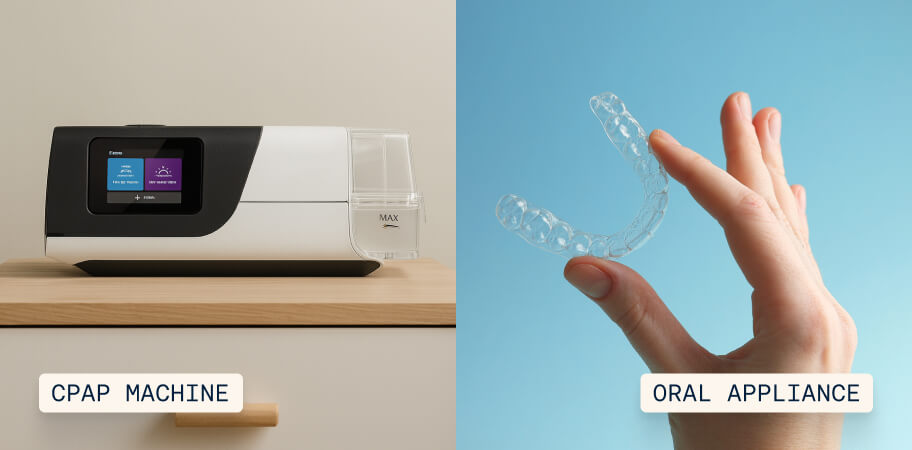
CPAP therapy is the first-line treatment for moderate to severe obstructive sleep apnea. Additional treatment options include oral appliance therapy, positional therapy, and in some cases, surgical intervention.
CPAP Therapy
CPAP stands for continuous positive airway pressure. A CPAP machine delivers a steady stream of pressurized air through a mask worn during sleep, keeping your airway open and preventing apneas and hypopneas. According to the American Academy of Sleep Medicine, CPAP is the most effective non-surgical treatment for obstructive sleep apnea and is considered the standard of care.
CPAP adherence is critical for treatment success. The Centers for Medicare and Medicaid Services defines adherence as using the CPAP machine for at least 4 hours per night on at least 70 percent of nights during a 30-day period. Many patients report significant improvement in daytime fatigue, snoring, and overall sleep quality within the first few weeks of consistent use.
dumbo.health provides CPAP therapy and equipment as part of all monthly care plans. The Essentials Plan at $59 per month includes a CPAP machine, supplies, and standard follow-up care with no contracts and the ability to cancel anytime. The Premium Plan at $89 per month adds a dedicated sleep coach and advanced adherence monitoring, which helps patients build consistent habits and troubleshoot issues early.
Oral Appliance Therapy
Oral appliance therapy uses a custom-fitted dental device worn during sleep to reposition the lower jaw forward, opening the airway. This treatment is typically recommended for patients with mild to moderate obstructive sleep apnea who cannot tolerate CPAP or prefer an alternative. Dental sleep medicine providers fit and adjust these devices based on the patient's anatomy and apnea severity.
Lifestyle Modifications
Weight loss, positional therapy (avoiding sleeping on your back), reducing alcohol and caffeine intake, and improving overall sleep habits can reduce apnea severity in some patients. These modifications are often recommended alongside CPAP or oral appliance therapy rather than as standalone treatments for moderate to severe cases.
Surgical Options
Surgical interventions such as tonsillectomy, adenoidectomy, septoplasty, and other airway procedures may be considered when anatomical factors contribute to obstruction and other treatments are ineffective. Sinus surgery and microlaryngeal surgery are less common but may be relevant in specific cases. Surgery is generally not the first-line approach and is typically reserved for patients who have failed or cannot use CPAP or oral appliances.
TIP: If you have been diagnosed with obstructive sleep apnea and are unsure which treatment path is right for you, the dumbo.health free sleep assessment can help you understand your options and connect with a physician for guidance.
KEY TAKEAWAY: CPAP therapy is the standard first-line treatment for moderate to severe obstructive sleep apnea, while oral appliance therapy and surgical options serve as alternatives depending on severity, anatomy, and patient preference.
Not all sleep testing pathways are equal, and understanding the differences between home testing and lab-based studies helps you choose the right option.
Home Sleep Test vs Lab-Based Sleep Study: Which Is Right for You
A home sleep test is less expensive, more convenient, and effective for diagnosing obstructive sleep apnea in adults without complex medical conditions. A lab-based sleep study, also called polysomnography, provides more comprehensive data but costs significantly more and requires an overnight stay at a sleep center.
Setting
- Home Sleep Apnea Test: Your own bed at home in a familiar setting
- Lab-Based Sleep Study (Polysomnography): Sleep center, sleep lab, or hospital facility
Number of Data Channels
- Home Sleep Apnea Test: Typically 4 to 7 channels including airflow, oxygen saturation, heart rate, and respiratory effort
- Lab-Based Sleep Study (Polysomnography): Typically 16 or more channels including EEG, EMG, EOG, airflow, oxygen, respiratory effort, body position, and limb movement
Cost
- Home Sleep Apnea Test: $149 to $500 depending on provider; dumbo.health charges $149 with no insurance required
- Lab-Based Sleep Study (Polysomnography): $1,000 to $6,000 or more depending on facility, location, and insurance coverage
Convenience
- Home Sleep Apnea Test: High; no travel, no overnight clinic stay, test completed in your normal sleep environment
- Lab-Based Sleep Study (Polysomnography): Lower; requires scheduling an appointment, traveling to a sleep center, and sleeping overnight in an unfamiliar setting
Conditions Diagnosed
- Home Sleep Apnea Test: Obstructive sleep apnea
- Lab-Based Sleep Study (Polysomnography): Obstructive and central sleep apnea, narcolepsy, parasomnias, restless leg syndrome, circadian rhythm disorders, and other sleep disorders
Turnaround Time for Results
- Home Sleep Apnea Test: Typically within days; dumbo.health Premium Plan offers priority results turnaround
- Lab-Based Sleep Study (Polysomnography): Can take 1 to 3 weeks depending on the sleep center
For most adults in the Conroe, Texas area who have symptoms consistent with obstructive sleep apnea, such as loud snoring, witnessed breathing pauses, and excessive daytime fatigue, a home sleep apnea test is the recommended starting point. A lab-based sleep study is more appropriate when a physician suspects a condition other than obstructive sleep apnea, or when the patient has significant comorbid conditions such as congestive heart failure, chronic obstructive pulmonary disease, or neurological disorders.
KEY TAKEAWAY: Home sleep testing is the recommended first-line diagnostic approach for obstructive sleep apnea in adults without complex comorbidities, offering lower cost and greater convenience than lab-based polysomnography.
Cost and insurance can be significant barriers to testing, and understanding what you will actually pay matters.
Cost of a Home Sleep Apnea Test in Conroe, Texas
The cost of a home sleep apnea test in the Conroe and Houston area varies widely depending on the provider, facility type, and whether insurance is involved. Many patients in Conroe face out-of-pocket costs even with insurance due to deductibles, copays, and prior authorization requirements.
What Local Testing Typically Costs
Clinic-based home sleep tests ordered through sleep centers or hospitals in the Houston area, including HCA Houston Healthcare Conroe, typically bill between $300 and $800 for the test alone before physician interpretation fees. Insurance may cover part of this cost, but patients with high-deductible plans through carriers like Aetna, Blue Cross Blue Shield, UnitedHealthcare, or Medicare often pay a substantial portion out of pocket.
Lab-based sleep studies at local sleep centers and sleep labs can cost $1,000 to $6,000 or more. Even with insurance, prior authorization is frequently required, and the process can add weeks of delay before testing occurs.
The Cash-Pay Alternative
dumbo.health offers a straightforward cash-pay model. The home sleep test costs $149 as a one-time fee. No insurance is required. No prior authorizations. No surprise bills. The test ships directly to your home in Conroe, and your monthly care plan covers everything after the test, including physician interpretation, CPAP therapy and equipment, follow-up care, and communication with your referring provider.
Monthly plans start at $59 per month for the Essentials Plan, $89 per month for the Premium Plan with a dedicated sleep coach and advanced adherence monitoring, and $129 per month for the Elite Plan with concierge clinical support and direct physician messaging. All plans operate with no contracts and the ability to cancel anytime.
For patients in Conroe who want transparent pricing they can plan around, the cash-pay model eliminates the uncertainty that insurance-based billing creates.
DID YOU KNOW: According to a 2023 analysis by the Kaiser Family Foundation, the average annual deductible for employer-sponsored health plans in the United States exceeded $1,700 for individual coverage, meaning many patients pay the full cost of diagnostic tests out of pocket before insurance coverage begins.
KEY TAKEAWAY: A home sleep apnea test in Conroe, Texas can cost $300 to $800 or more through traditional providers, while dumbo.health offers the same test for $149 with no insurance, no authorizations, and no surprise bills.
Beyond cost, knowing where to find providers near you in Conroe and East Texas gives you more options.
Sleep Apnea Testing Providers in and Near Conroe, Texas
Conroe residents have several options for sleep apnea testing, including local sleep centers, hospital-affiliated programs, and telehealth providers that ship directly to your home.
Local Sleep Centers and Hospital-Based Programs
HCA Houston Healthcare Conroe, located on Medical Center Blvd, offers sleep medicine services including lab-based sleep studies. UTHealth Houston Neurosciences provides neurological care and sleep medicine evaluations for patients in the greater Houston area. Houston Sleep Solutions and other private sleep centers in the Houston area also accept referrals for both in-lab and home sleep testing.
Some patients in the Conroe area are referred to sleep specialists associated with ENT practices, including providers in the Ear, Nose, and Throat specialty who also address airway-related conditions. Board Certified Sleep Medicine Specialists in the region can order and interpret both home and lab-based sleep studies.
Clinicians in these settings frequently observe that many patients delay testing because of scheduling barriers, insurance complexity, or the inconvenience of traveling to a sleep lab.
Telehealth and Direct-to-Patient Testing
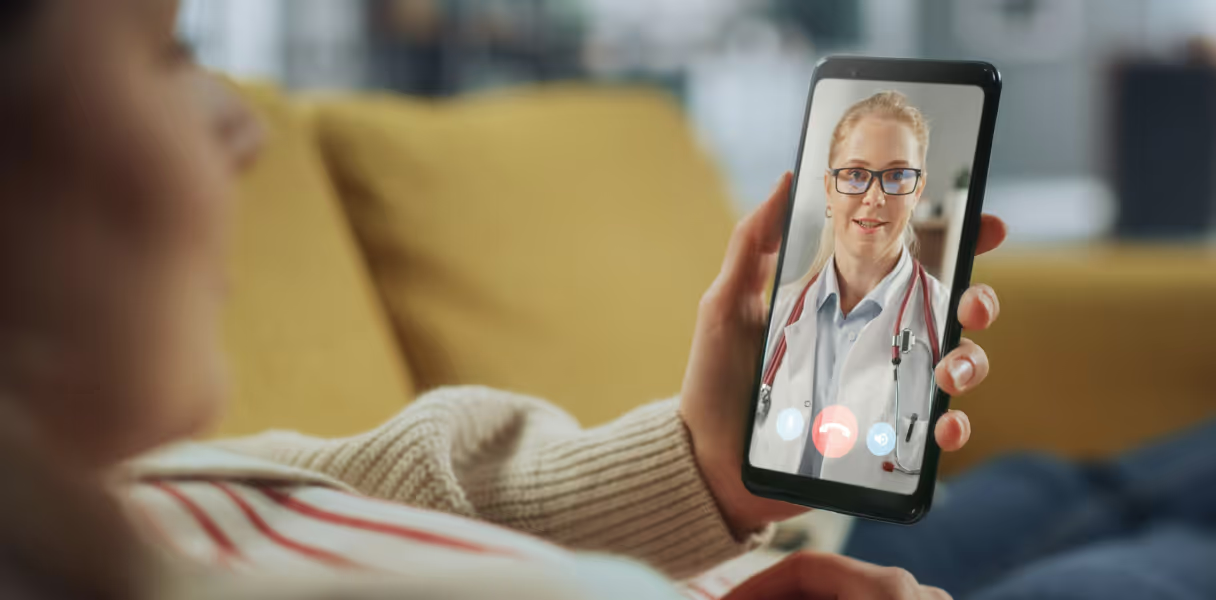
For patients who prefer to avoid scheduling delays, insurance hassles, and clinic visits, telehealth-based testing offers a practical alternative. dumbo.health provides comprehensive sleep apnea care solutions that begin with ordering a home sleep test online and receiving the device at your door. The entire process, from ordering through diagnosis and treatment, is managed through telehealth and virtual sessions, eliminating the need for in-person appointments at a sleep center.
This model is especially valuable for patients in East Texas and rural areas near Conroe who may not have a sleep specialist or sleep lab close to them. Rather than driving to a distant sleep center, patients complete the test at home and receive physician interpretation remotely.
People who undergo this process often find that the combination of at-home testing and telehealth follow-up is less disruptive to their daily routine and work schedule than the traditional in-lab pathway.
KEY TAKEAWAY: Conroe residents can access sleep apnea testing through local hospitals and sleep centers, private sleep specialists, or telehealth providers like dumbo.health that ship FDA-cleared home sleep tests directly to your address.
Choosing the right path depends on your specific situation, which is why seeing how testing plays out in real scenarios is helpful.
Real-World Scenarios: Who Benefits from Home Sleep Apnea Testing in Conroe
Home sleep apnea testing serves a wide range of patients, from commercial drivers to office workers to retirees. These scenarios illustrate how different people in the Conroe area use home testing to get diagnosed and treated.
Scenario 1: A 48-Year-Old CDL Holder Flagged During a DOT Physical
A 48-year-old commercial truck driver living in Conroe is flagged during a DOT physical for a BMI of 36, a neck circumference above 17 inches, and self-reported loud snoring. The examining physician requires a sleep apnea evaluation before issuing a full medical certificate. The driver needs affordable, fast testing that does not require taking time off the road.
He orders a home sleep test through dumbo.health for $149. The device arrives within days. He completes the test in his home, returns the device, and receives his results showing moderate obstructive sleep apnea with an AHI of 22. He enrolls in the Premium Plan at $89 per month, which includes CPAP therapy, a dedicated sleep coach, and advanced adherence monitoring. His CPAP compliance data is shared with his referring provider, allowing him to complete his DOT certification process without delay. This driver found a provider near him without the scheduling burden of a traditional sleep center appointment.
Scenario 2: A 55-Year-Old Office Manager with Chronic Fatigue and Snoring
A 55-year-old woman in the Houston area has experienced worsening daytime fatigue, morning headaches, and complaints from her partner about loud snoring for over two years. She has avoided testing because her insurance plan through UnitedHealthcare requires prior authorization for sleep studies, and her previous attempt was denied.
She completes the free sleep assessment at dumbo.health and orders a home sleep test for $149 without involving her insurance. Her results reveal mild obstructive sleep apnea with an AHI of 9 and intermittent oxygen desaturations. She begins treatment with oral appliance therapy recommended by her physician and improves her sleep habits based on guidance from her care team.
Scenario 3: A 62-Year-Old Retiree with a History of Hypertension
A 62-year-old retiree on Medicare in Conroe is advised by his cardiologist to undergo sleep apnea testing after years of poorly controlled hypertension despite medication. His cardiologist suspects untreated sleep apnea may be contributing to his resistant blood pressure. Rather than waiting weeks for a sleep lab appointment and navigating Medicare preauthorization, he orders a home sleep test directly.
His results show severe obstructive sleep apnea with an AHI of 41 and significant oxygen desaturation episodes. He starts CPAP therapy through dumbo.health's Essentials Plan at $59 per month. After three months of consistent CPAP use, his cardiologist notes improved blood pressure control, which is consistent with research published through the NIH linking CPAP therapy to reductions in nocturnal hypertension.
KEY TAKEAWAY: Home sleep apnea testing in Conroe serves patients across a wide range of ages, occupations, and health profiles, from CDL drivers needing fast DOT compliance to retirees managing complex cardiovascular conditions.
While home testing works well for many patients, it is not the right choice in every situation.
Limitations and Risks of Home Sleep Apnea Testing
Home sleep apnea testing is effective for diagnosing obstructive sleep apnea, but it has specific limitations that patients and providers should understand before choosing this pathway.
Not Designed for All Sleep Disorders
Home sleep tests measure airflow, oxygen saturation, heart rate, and respiratory effort. They do not measure brain wave activity (EEG), eye movements (EOG), or muscle activity (EMG). This means home sleep testing cannot diagnose narcolepsy, parasomnias, restless leg syndrome, insomnia, or circadian rhythm disorders. Patients who suspect a sleep disorder other than obstructive sleep apnea need a comprehensive lab-based sleep study at a sleep center or sleep lab.
Risk of False Negatives
Because home sleep tests record total recording time rather than actual sleep time, the Apnea-Hypopnea Index may be underestimated in patients who spend significant time awake during the test night. The American Academy of Sleep Medicine acknowledges that home sleep testing can produce false-negative results in patients with mild obstructive sleep apnea. If symptoms persist despite a negative home test, a follow-up lab-based study may be necessary.
Not Appropriate for Certain Medical Conditions
Patients with significant pulmonary disease, congestive heart failure, neuromuscular disorders, or suspected central sleep apnea should undergo lab-based polysomnography rather than home testing. These conditions can affect breathing patterns in ways that home sleep test equipment may not adequately capture.
Equipment Errors and Data Loss
In real-world use, sensor displacement during sleep can occasionally result in data loss. If the nasal cannula shifts, the pulse oximeter detaches, or the chest strap loosens overnight, the recording may be incomplete. In these cases, the test may need to be repeated. Following the preparation checklist and setup instructions carefully reduces this risk.
Telehealth Limitations
Telehealth-based testing removes the hands-on support of a sleep technologist who can adjust sensors in real time. dumbo.health mitigates this limitation through detailed setup instructions, accessible care team support, and the option to upgrade to the Premium or Elite Plan for dedicated sleep coaching and direct physician messaging.
IMPORTANT: A home sleep apnea test is a screening and diagnostic tool specifically for obstructive sleep apnea. It does not replace a comprehensive sleep evaluation for patients with complex sleep disorders or significant comorbidities.
KEY TAKEAWAY: Home sleep testing is not suitable for diagnosing central sleep apnea, narcolepsy, parasomnias, or restless leg syndrome, and patients with complex medical conditions should discuss lab-based polysomnography with their physician.
Beyond understanding limitations, clearing up common misconceptions helps patients make better decisions about testing.
Common Myths About Home Sleep Apnea Testing Debunked
MYTH: Home sleep tests are not as accurate as lab-based sleep studies.
FACT: For diagnosing obstructive sleep apnea in adults without complex comorbidities, home sleep tests have demonstrated high sensitivity and specificity. The American Academy of Sleep Medicine recognizes home sleep apnea testing as a valid diagnostic tool and includes it in clinical practice guidelines. Accuracy depends on proper sensor placement and physician interpretation, not the testing location.
MYTH: You need a referral from a sleep specialist to get a home sleep test.
FACT: While many traditional sleep centers require a referral and sometimes a prior in-office appointment, cash-pay providers like dumbo.health allow patients to order a home sleep test directly without a specialist referral, prior authorization, or insurance involvement. Any licensed physician, including primary care providers, can order a home sleep test.
MYTH: Home sleep apnea tests are uncomfortable and prevent you from sleeping.
FACT: Most patients find that home sleep test equipment is significantly less intrusive than the wired setup used in lab-based polysomnography. The nasal cannula, finger oximeter, and chest strap are lightweight and designed for comfort. Many patients report sleeping better during a home test than they would in an unfamiliar sleep lab environment.
MYTH: If your home sleep test is negative, you do not have a sleep disorder.
FACT: A negative home sleep test means the test did not detect obstructive sleep apnea at a clinically significant threshold during the test night. It does not rule out all sleep disorders. Conditions like narcolepsy, parasomnias, insomnia, and restless leg syndrome require lab-based evaluation. If symptoms persist, follow up with a sleep medicine physician.
MYTH: CPAP is the only treatment option after a sleep apnea diagnosis.
FACT: While CPAP therapy is the first-line treatment for moderate to severe obstructive sleep apnea, other options exist. Oral appliance therapy, positional therapy, weight management, and surgical interventions like septoplasty or tonsillectomy may be appropriate depending on the severity and underlying cause. Your physician will recommend a treatment program based on your specific diagnosis.
KEY TAKEAWAY: Home sleep apnea tests are clinically validated, comfortable, and accessible without a specialist referral, but a negative result does not rule out all sleep disorders and should be followed up if symptoms persist.
Conclusion
Getting tested for sleep apnea in Conroe, Texas does not require complex scheduling, insurance battles, or overnight stays at a clinic. A home sleep apnea test gives you a clear, physician-interpreted diagnosis from the comfort of your own bed. Whether you are a commercial driver needing fast results for DOT certification, a patient managing cardiovascular risk factors, or someone who has been putting off testing because of cost and convenience barriers, home sleep testing provides a direct path from symptoms to treatment. dumbo.health offers a home sleep test for $149 with no insurance required, physician interpretation included in care plans starting at $59 per month, and the ability to cancel anytime. Take the first step and complete your free sleep assessment today.
Frequently Asked Questions About Home Sleep Apnea Testing in Conroe, Texas
What is a home sleep apnea test?
A home sleep apnea test (HSAT) is a simplified, portable sleep study you complete in your own bedroom instead of a clinic or sleep lab. The device records key measurements such as oxygen saturation, breathing patterns, heart rate, and airflow while you sleep. A sleep medicine physician or qualified clinician then reviews the raw data to assess for signs of obstructive sleep apnea. According to the American Academy of Sleep Medicine, home sleep apnea testing is an accepted diagnostic pathway for adults with a high clinical likelihood of moderate to severe obstructive sleep apnea.
How does home sleep apnea testing work?
A home sleep apnea test typically involves wearing a small monitoring device to bed for one night. Depending on the device used, you may wear a nasal cannula to measure airflow, a chest strap or belt to track respiratory effort through respiratory inductance plethysmography, and a pulse oximeter to record blood oxygen saturation levels. Some devices, such as WatchPAT, use a wrist-worn device with a finger sensor. The equipment records data throughout the night, and you return or upload it for physician interpretation. The process is generally straightforward, and most patients complete it without difficulty in their familiar home sleep environment.
What does the home sleep test from dumbo.health include?
The dumbo.health home sleep apnea test is a $149 one-time purchase that includes the at-home sleep test device and one night of testing. Physician interpretation and your results report are covered through a monthly care plan, starting at $59 per month with no contracts and no surprise bills. The test is cash-pay only, so there are no insurance requirements or prior authorizations. This transparent pricing structure is designed for patients in Conroe, Texas and surrounding areas who want to know exactly what they are paying before they begin.
What measurements does a home sleep test record?
A home sleep apnea test typically records oxygen saturation, blood oxygen saturation levels, heart rate, nasal airflow through a nasal cannula, chest and abdominal respiratory effort, and breathing patterns. Some devices also monitor body position and detect snoring. These channels of data allow a sleep medicine physician to calculate the apnea-hypopnea index, which measures the number of apneas and hypopneas per hour of sleep. This index is the primary metric used when evaluating for obstructive sleep apnea. The number of channels recorded varies by device, so confirm what your specific equipment monitors.
Is a home sleep test as accurate as an in-lab sleep study?
A home sleep apnea test is considered clinically appropriate for diagnosing obstructive sleep apnea in adults who are likely to have moderate to severe disease and have no significant complicating conditions. However, it records fewer channels than a full in-lab polysomnogram, which also monitors brain activity, leg movements, and additional parameters. The American Academy of Sleep Medicine notes that home sleep testing may underestimate sleep apnea severity in some cases because the device cannot distinguish sleep time from wake time the way a lab study can. If your home sleep test returns a negative result but symptoms persist, a sleep medicine physician may recommend a lab-based sleep study.
Who should consider home sleep testing?
Adults who experience common symptoms of obstructive sleep apnea are typically considered reasonable candidates for home sleep testing. These symptoms include loud snoring, witnessed breathing pauses during sleep, waking with a dry mouth or headache, excessive daytime sleepiness, and difficulty concentrating. People with a higher body mass index, high blood pressure, or a thick neck circumference may also carry elevated risk. The Mayo Clinic notes that obstructive sleep apnea occurs when throat muscles relax and block the airway during sleep, and it is more common in adults who are overweight or male. A healthcare professional can help determine whether home sleep testing is an appropriate first step for your situation.
Who reviews my home sleep test results?
A sleep medicine physician reviews the raw data collected by your home sleep test device and produces a clinical interpretation report. This process is called scoring and interpretation. At dumbo.health, physician review and your results report are included in the monthly care plan. The Essentials plan at $59 per month covers physician interpretation, CPAP therapy and equipment, and standard follow-up care. The Premium plan at $89 per month adds a dedicated sleep coach from a licensed care team and advanced adherence monitoring. Review of your results is not included in the $149 one-time test purchase and requires a monthly plan.
Can I use my home sleep test results to get a CPAP prescription?
Yes. If your home sleep test results indicate obstructive sleep apnea, the reviewing sleep medicine physician can use those findings to support a CPAP prescription. A CPAP machine is the most common first-line treatment for obstructive sleep apnea, and a diagnosis supported by physician-interpreted test results is typically required before a CPAP prescription can be issued. At dumbo.health, CPAP therapy and equipment are included in monthly care plans, so you can move from testing to treatment without navigating separate providers or insurance barriers.
What happens if my home sleep test shows abnormal results?
If your home sleep test results suggest obstructive sleep apnea or another form of sleep disordered breathing, a sleep medicine physician will typically recommend next steps, which may include CPAP therapy, oral appliance therapy, or further evaluation. In some cases, a lab-based sleep study or polysomnogram may be recommended for a more complete assessment. Abnormal oxygen saturation levels, a high apnea-hypopnea index, or irregular breathing patterns are examples of findings that warrant clinical follow-up. A healthcare professional should review your results and guide any treatment decisions. Explore sleep apnea care solutions at dumbo.health to understand the ongoing care options available after testing.
What is obstructive sleep apnea?
Obstructive sleep apnea is a common sleep disorder in which the upper airway repeatedly collapses or becomes partially blocked during sleep, causing breathing pauses called apneas and partial reductions in breathing called hypopneas. These events reduce oxygen saturation and fragment sleep, often without the person being aware. The condition is associated with snoring, fatigue, high blood pressure, and increased cardiovascular risk. According to the National Heart, Lung, and Blood Institute, obstructive sleep apnea affects millions of adults in the United States and remains significantly underdiagnosed. It is distinct from central sleep apnea, which involves the brain's signalling to the breathing muscles rather than a physical airway obstruction.
Do I need a referral to get a home sleep apnea test in Conroe, Texas?
Many patients can access a home sleep apnea test without a referral from their primary care physician, depending on the testing pathway they choose. dumbo.health offers a home sleep apnea test with no insurance required and no prior authorizations, so patients in Conroe, Texas and the broader Houston area can start the process directly. However, if you have complex medical conditions, suspected central sleep apnea, Restless Leg Syndrome, Parasomnias, narcolepsy, or significant pulmonary disease, your healthcare provider may recommend an in-lab sleep study instead of a home test. A healthcare professional can help determine the right testing pathway for your specific situation.
What should I expect on the night of my home sleep test?
On your test night, you will set up the monitoring device at home following the instructions provided. You may attach a nasal cannula, a chest strap or belt, and a pulse oximeter to your finger before going to bed at your normal time. Most devices are lightweight and designed to minimise disruption so you can sleep as close to your usual routine as possible. You should avoid caffeine and alcohol before the test as these substances can affect your breathing patterns and sleep quality. Sleep in your usual position and environment. The device records data throughout the night, and you return or upload it the following day for physician scoring and interpretation.
What sleep disorders can a home sleep test detect?
A home sleep apnea test is specifically designed to detect obstructive sleep apnea by measuring breathing patterns, oxygen saturation, airflow, and respiratory effort during sleep. It is not designed to diagnose insomnia, narcolepsy, Restless Leg Syndrome, Parasomnias, or circadian rhythm disorders, which typically require a full in-lab polysomnogram with brain wave monitoring and additional sensors. If your symptoms suggest a sleep disorder beyond obstructive sleep apnea, a sleep medicine physician may refer you to a sleep lab for comprehensive evaluation. Home sleep testing is a focused diagnostic tool, and its scope is limited to sleep disordered breathing.
What is the difference between a home sleep test and a polysomnogram?
A polysomnogram is a comprehensive in-lab sleep study that monitors brain activity through electroencephalography, eye movements, muscle activity, heart rhythm, respiratory effort, oxygen saturation, and limb movements simultaneously. It is performed at a sleep lab or sleep centre under the supervision of a sleep technologist. A home sleep apnea test records a smaller set of channels, typically focused on airflow, oxygen saturation, heart rate, and respiratory effort, and is completed without clinical supervision. Polysomnography can detect a wider range of sleep disorders, while home sleep testing is optimised for obstructive sleep apnea screening in appropriate adult patients. A CPAP titration is a separate type of in-lab study used to calibrate CPAP pressure settings.
How fast can I get my home sleep test in Conroe, Texas?
Patients who order their home sleep test before 2pm CST may qualify for same-day shipping to Conroe, Texas, meaning you could receive your device and begin testing within one to two business days depending on your location and shipping carrier. dumbo.health offers transparent cash-pay pricing with no insurance delays or prior authorizations, which removes many of the waiting periods associated with traditional sleep medicine pathways. Once you complete your test night and return or upload your data, physician interpretation is handled through your monthly care plan. If you are ready to begin, you can start your sleep apnea care and complete a free sleep assessment online.
Why does living in Conroe, Texas create sleep challenges?
Conroe and the broader Houston metropolitan area present several practical factors that can affect sleep quality and access to sleep care. High humidity, heat, and seasonal allergen levels in the region can contribute to nasal congestion and upper airway irritation, which may worsen snoring and obstructive sleep apnea symptoms. Shift work patterns, long commutes, and occupational demands common in the area can disrupt sleep schedules and circadian rhythm. Access to in-lab sleep centres may require travel for residents in parts of Montgomery County. At-home sleep apnea testing provides a convenient alternative for patients in Conroe who prefer to complete their evaluation without leaving their home or taking time off work for a sleep lab appointment.
Can CPAP therapy treat obstructive sleep apnea diagnosed by a home sleep test?
CPAP therapy is the most widely recommended treatment for moderate to severe obstructive sleep apnea and is commonly initiated following a home sleep apnea test diagnosis. A CPAP machine delivers continuous positive airway pressure through a mask worn during sleep, keeping the airway open and preventing the breathing interruptions characteristic of obstructive sleep apnea. The Sleep Foundation explains that CPAP adherence is critical to achieving the health benefits of treatment, including improved oxygen saturation, reduced daytime sleepiness, and better cardiovascular outcomes. At dumbo.health, CPAP therapy, equipment, and adherence follow-up are included in monthly care plans. Oral appliance therapy is an alternative for patients who cannot tolerate CPAP, and a sleep medicine physician can advise on appropriate treatment options.
What is CPAP adherence and why does it matter?
CPAP adherence refers to how consistently and for how long a patient uses their CPAP machine each night. Most clinical guidelines consider adequate adherence to be using CPAP for at least four hours on at least 70 percent of nights over a 30-day period, though more nightly use is generally associated with better outcomes. Poor adherence reduces the effectiveness of CPAP therapy and may leave sleep apnea symptoms uncontrolled. dumbo.health monthly plans include adherence monitoring as part of ongoing care. The Premium plan at $89 per month includes advanced adherence monitoring and a dedicated sleep coach from a licensed care team, which can support patients who struggle to maintain consistent CPAP use.
Does insurance cover a home sleep apnea test in Conroe, Texas?
Coverage for home sleep apnea testing varies significantly depending on your insurance plan, deductible, and whether prior authorization is required. Some plans, including Aetna, Blue Cross Blue Shield, Medicare, and UnitedHealthcare, may cover home sleep testing under certain conditions, but the administrative process can involve referral requirements, prior authorizations, and out-of-pocket costs that are difficult to predict in advance. dumbo.health operates as a cash-pay platform with no insurance required, no prior authorizations, and no surprise bills. The home sleep test is $149 as a one-time cost, and monthly care plans start at $59 per month. Patients who prefer transparent, predictable pricing may find the cash-pay approach easier to plan around than insurance-based pathways.
How do I find a sleep apnea provider near me in Conroe, Texas?
Patients in Conroe, Texas have several options for accessing sleep apnea evaluation. Local healthcare systems such as HCA Houston Healthcare Conroe and specialist practices in the Houston area offer in-lab sleep studies and sleep medicine consultations. UTHealth Houston Neurosciences and various sleep centres in the Houston metropolitan area also serve patients from the Conroe and Montgomery County region. For patients who prefer to avoid travel, at-home sleep apnea testing allows you to complete your evaluation from home and receive physician interpretation remotely. You can explore home sleep testing options or start a free sleep assessment at dumbo.health to find out whether at-home testing may be appropriate for your needs.
Do commercial drivers in Conroe, Texas need a sleep apnea test for their DOT physical?
Commercial drivers holding a CDL are not automatically required to complete a sleep apnea test as part of every DOT physical. However, the FMCSA states that a certified medical examiner may require additional evaluation, including sleep apnea testing, if a driver presents with risk factors or symptoms such as obesity, snoring, witnessed apneas, excessive daytime sleepiness, or poorly controlled high blood pressure. If a certified medical examiner determines that sleep apnea evaluation is warranted, the driver may need to complete a home sleep test or in-lab study before their medical certificate is issued or renewed. dumbo.health can support CDL drivers in Conroe with at-home sleep apnea testing for commercial drivers, but a certified medical examiner makes all DOT certification decisions.
What is the free sleep assessment at dumbo.health?
The free dumbo.health sleep assessment is an online questionnaire that helps you evaluate whether your symptoms, sleep habits, and risk factors suggest a possible sleep disorder such as obstructive sleep apnea. It covers common indicators including snoring frequency, daytime sleepiness, fatigue, observed breathing pauses during sleep, and relevant health history. The assessment is not a medical diagnosis, but it can help you decide whether at-home sleep apnea testing may be a reasonable next step. A healthcare professional should review any concerns about your sleep health. You can take the free sleep assessment at dumbo.health to get started.
When should I seek urgent medical care for sleep apnea symptoms?
If you experience chest pain, severe shortness of breath, difficulty breathing while awake, heart palpitations, or sudden worsening of respiratory symptoms, seek emergency medical care promptly. These symptoms may indicate a serious cardiovascular or respiratory condition that requires immediate evaluation and are not appropriate for home sleep testing or telehealth follow-up. Home sleep apnea testing is intended for stable adult patients being evaluated for suspected obstructive sleep apnea in a non-urgent context. If you are uncertain whether your symptoms require urgent attention, contact your healthcare provider or visit an Emergency Room for assessment.