






Home Sleep Apnea Test in Pasadena, Texas: The Complete Guide for Local Residents
Home sleep apnea test options in Pasadena, Texas give residents a convenient, affordable way to screen for obstructive sleep apnea without spending a night in a sleep lab. According to the American Academy of Sleep Medicine, home sleep testing has become a validated frontline diagnostic tool for adults with a moderate to high probability of obstructive sleep apnea. This guide is for Pasadena residents, Houston area workers, shift employees at local refineries and petrochemical facilities, and anyone experiencing symptoms like loud snoring, fatigue, or waking up gasping for breath. Below you will find how home sleep testing works, what it measures, how it compares to in-lab polysomnography, what results mean, how treatment begins, and how to access testing without insurance hassles. Every section is written to help you make a confident, informed decision about your sleep health.
Quick Answer
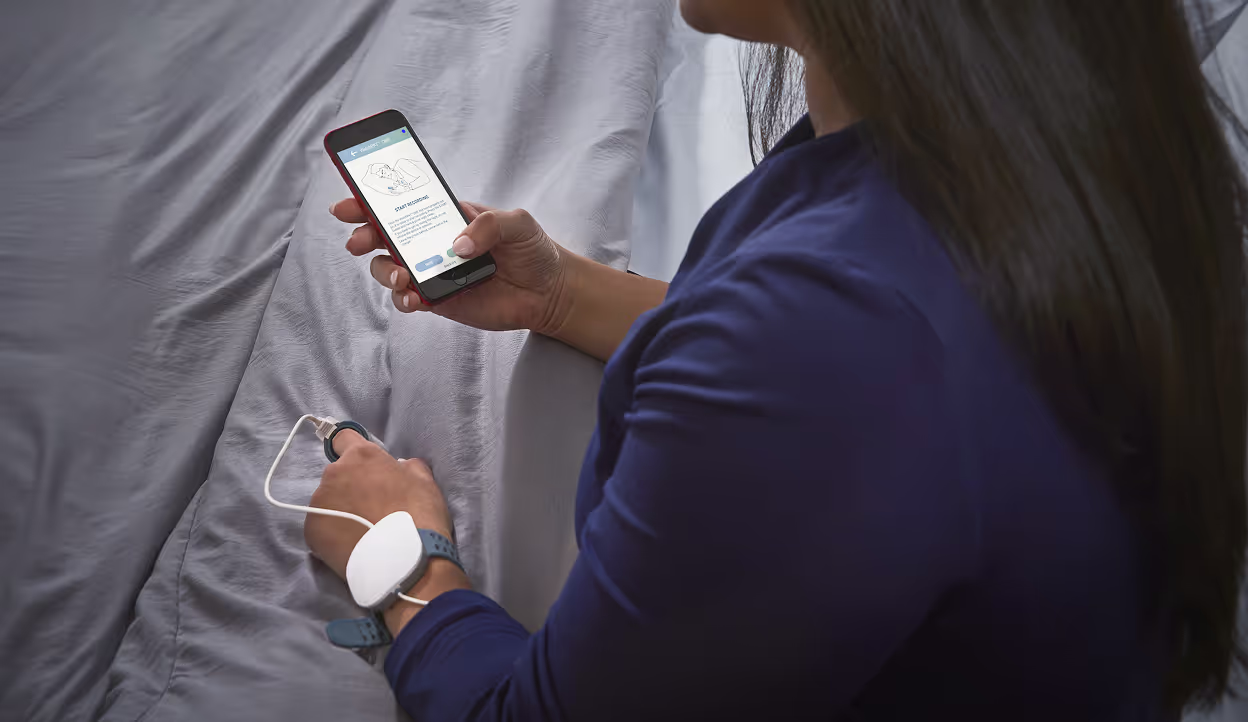
A home sleep apnea test is a portable diagnostic device you wear for one night in your own bed that records breathing patterns, oxygen levels, airflow, and respiratory effort to detect obstructive sleep apnea. Testing is widely available in the Pasadena, Texas and greater Houston area through local sleep centers and telehealth providers. Most adults with symptoms such as snoring, daytime fatigue, or witnessed breathing pauses are candidates. dumbo.health offers a home sleep test for $149 with no insurance required and ships the device directly to your door.
Key Takeaways
- A home sleep apnea test measures airflow, oxygen saturation, respiratory effort, and heart rate during one night of sleep at home.
- The Apnea-Hypopnea Index score from your test determines whether you have mild, moderate, or severe obstructive sleep apnea.
- Pasadena, Texas residents working rotating shifts at refineries and petrochemical plants face elevated sleep apnea risk due to disrupted sleep patterns.
- Home sleep testing is not appropriate for diagnosing central sleep apnea, narcolepsy, restless legs syndrome, or other complex sleep disorders.
- dumbo.health provides a home sleep test for $149 with physician interpretation and CPAP therapy plans starting at $59 per month with no contracts.
- The American Academy of Sleep Medicine recognizes home sleep apnea testing as a valid diagnostic method for uncomplicated obstructive sleep apnea in adults.
What a Home Sleep Apnea Test Actually Measures
A home sleep apnea test records specific physiological signals while you sleep to determine whether your breathing stops or becomes dangerously shallow during the night. Unlike a full in-lab polysomnography, which tracks brain waves and sleep stages, a home sleep test focuses on respiratory data.
Core Measurements
Home sleep apnea test devices typically record four to seven channels of data. The exact channels depend on the device model, but the core measurements include:
- Airflow through your nose and mouth, detected by a nasal cannula or thermistor sensor
- Oxygen saturation (SpO2), measured by a fingertip pulse oximeter using photoplethysmography
- Respiratory effort, tracked by chest and abdominal belts or peripheral arterial tonometry
- Heart rate, captured through the same pulse oximeter sensor
- Body position, logged by an accelerometer in the monitoring device
- Snoring intensity, recorded by a built-in microphone or vibration sensor
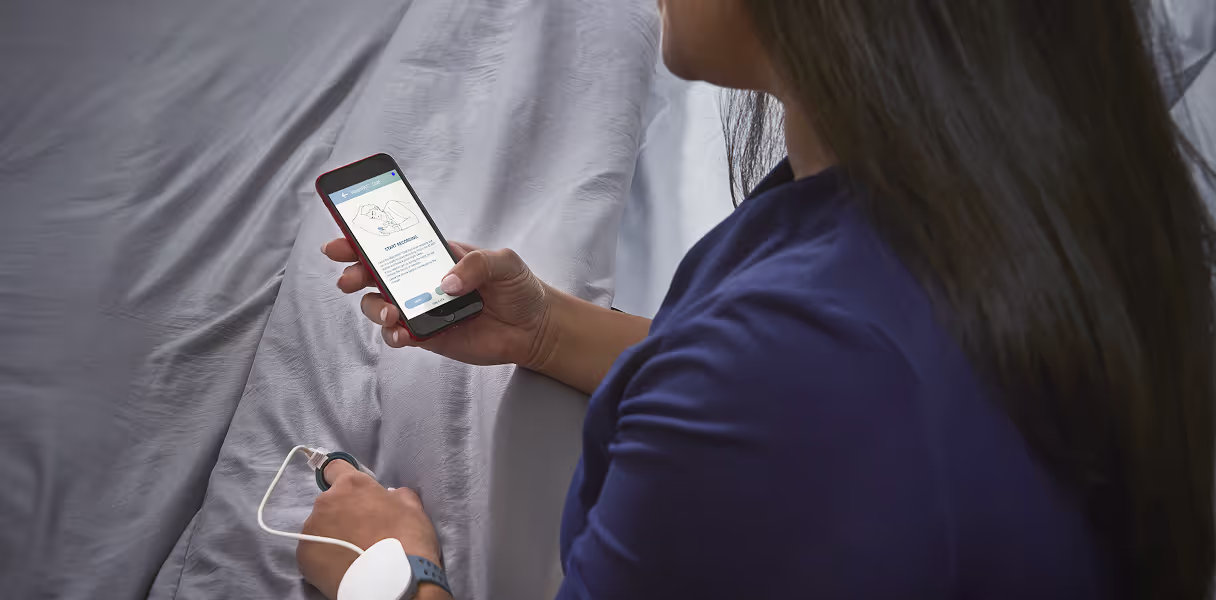
Some newer devices like the NightOwl Home Sleep Test use a single fingertip sensor that captures photoplethysmography and peripheral arterial tonometry data in a compact, FDA-cleared form factor. These streamlined devices reduce the number of wires and straps, which improves comfort and compliance for first-time users.
How the Apnea-Hypopnea Index Works
The Apnea-Hypopnea Index is the primary metric used to diagnose and classify the severity of sleep apnea. This index counts the average number of times per hour that your breathing fully stops (apnea) or partially decreases (hypopnea) during sleep.
According to the American Academy of Sleep Medicine, the severity thresholds are:
- Normal: fewer than 5 events per hour
- Mild sleep apnea: 5 to 14 events per hour
- Moderate sleep apnea: 15 to 29 events per hour
- Severe sleep apnea: 30 or more events per hour
A board-certified sleep physician reviews the raw data collected by your home sleep test device and calculates the Apnea-Hypopnea Index. This score, combined with your oxygen levels and respiration rate patterns, forms the basis for your diagnosis.
DID YOU KNOW: According to the National Heart, Lung, and Blood Institute, an estimated 50 to 70 million Americans have ongoing sleep disorders, and obstructive sleep apnea is one of the most common yet underdiagnosed conditions among them.
KEY TAKEAWAY: A home sleep apnea test records airflow, oxygen saturation, respiratory effort, heart rate, and body position to calculate your Apnea-Hypopnea Index, which determines whether you have sleep apnea and how severe it is.
Understanding what these measurements mean is only useful if you know whether home testing is the right choice for your situation, which depends on your symptoms and risk profile.
Who Should Get a Home Sleep Test in Pasadena, Texas
Adults in Pasadena, Texas who experience persistent snoring, daytime fatigue, or witnessed breathing pauses during sleep are strong candidates for home sleep apnea testing. The local population faces specific occupational and environmental risk factors that make screening especially relevant.
Occupational Risk Factors in Pasadena
Pasadena sits at the center of the Houston area petrochemical corridor. Thousands of local residents work at refineries and petrochemical facilities where rotating shifts are common. The National Sleep Foundation notes that shift workers are significantly more likely to develop sleep disordered breathing because irregular schedules disrupt natural sleep patterns and circadian rhythms.
Workers on rotating shifts often accumulate chronic sleep debt, which can mask or worsen obstructive sleep apnea symptoms. Fatigue from untreated sleep apnea combined with shift work fatigue creates compounding safety risks, particularly in industries where alertness is critical.
Common Symptoms That Warrant Testing
You should consider a home sleep test if you regularly experience:
- Loud, persistent snoring reported by a bed partner
- Waking up gasping for breath or choking during the night
- Excessive daytime fatigue or sleepiness despite getting enough hours in bed
- Morning headaches that improve as the day goes on
- Difficulty concentrating or memory problems
- Breathing troubles during sleep observed by someone else
Who May Not Be a Good Candidate
Home sleep apnea testing is designed primarily for uncomplicated obstructive sleep apnea in adults. It may not be appropriate if your physician suspects central sleep apnea, narcolepsy, restless legs syndrome, or other complex sleep disorders that require full polysomnography with brain wave monitoring. Patients with significant heart failure, chronic lung disease, or pulmonary hypertension may also need an in-lab sleep study for more comprehensive data collection.
KEY TAKEAWAY: Pasadena residents working rotating shifts at refineries and petrochemical plants face elevated sleep apnea risk, and anyone with persistent snoring, fatigue, or witnessed breathing pauses should consider home sleep apnea testing as a first diagnostic step.
Knowing you are a candidate is the first step, but understanding how testing actually works from start to finish removes the uncertainty that keeps many people from getting screened.
How Home Sleep Testing Works: Step-by-Step Process
Home sleep testing follows a straightforward process that most people complete in under a week from order to results. You do not need to visit a sleep lab, and you do not need to spend a night away from home.
Steps to Complete a Home Sleep Test
1. Start with a consultation or screening assessment. You can complete a free sleep assessment through dumbo.health or visit a sleep medicine physician in your area to determine whether home testing is appropriate for your symptoms.
2. Order your home sleep test device. Through dumbo.health, the cost is $149 with no insurance required and no prior authorization needed. The device ships directly to your home in Pasadena or anywhere in Texas.
3. Follow the setup instructions on your test night. Attach the nasal cannula, fingertip sensor, and any chest straps included with your specific device. Most setups take less than 10 minutes.
4. Sleep in your own bed as normally as possible. The device collects data automatically throughout the night, recording airflow, oxygen saturation, heart rate, respiratory effort, and body position.
5. Return or deactivate the device according to the provider's instructions. Some devices are single-use and disposable. Others require mailing back in a prepaid shipping box.
6. A board-certified sleep physician reviews your data and calculates your Apnea-Hypopnea Index, oxygen levels, and respiration rate patterns.
7. Receive your results, typically within a few business days. dumbo.health Premium Plan members receive priority results turnaround.
After completing these steps, you will have a clear diagnosis indicating whether you have obstructive sleep apnea and, if so, the severity level that guides your treatment plan.
IMPORTANT: You must sign a Home Sleep Test Consent Form before testing. This consent confirms you understand how the device works, what data collection occurs, and how your results will be used for diagnosis.
KEY TAKEAWAY: The entire home sleep test process from screening to results takes less than a week for most people and requires only one night of testing in your own bed.
Once you have your results in hand, the next question most people ask is what the numbers actually mean and what happens next.
Understanding Your Home Sleep Test Results
Your home sleep test results show whether you have obstructive sleep apnea and how severe it is based on objective respiratory data collected during your test night. A physician reviews and interprets these results before any diagnosis is made.
What Your Results Report Includes
A standard home sleep test results report contains:
- Your Apnea-Hypopnea Index score, which classifies severity
- Average and lowest oxygen saturation (SpO2) levels recorded during sleep
- Total recording time and estimated sleep time
- Respiration rate patterns and breathing event distribution
- Heart rate data throughout the night
- Body position data showing whether events occurred more frequently in certain sleeping positions
Interpreting Your Apnea-Hypopnea Index Score
An Apnea-Hypopnea Index of 5 or higher combined with symptoms like daytime fatigue or snoring generally supports a diagnosis of obstructive sleep apnea. Scores between 5 and 14 indicate mild sleep apnea, where lifestyle changes and positional therapy may be sufficient. Scores of 15 to 29 indicate moderate sleep apnea, where CPAP therapy is typically recommended. Scores of 30 or higher indicate severe sleep apnea, where treatment with continuous positive airway pressure is considered medically necessary by most insurance guidelines and clinical standards.
Oxygen levels that repeatedly drop below 90% during the test night signal significant desaturation events. According to the NIH, repeated oxygen desaturations during sleep are associated with increased cardiovascular risk, including higher rates of heart attack, stroke, and pulmonary hypertension over time.
What Happens After Diagnosis
If your results confirm obstructive sleep apnea, your physician will recommend a treatment plan. For most patients with moderate to severe sleep apnea, CPAP therapy is the first-line treatment. dumbo.health offers CPAP therapy and equipment through monthly care plans starting at $59 per month, which includes the CPAP machine, physician oversight, and standard follow-up care with no contracts and the ability to cancel anytime.
If your results are normal or inconclusive, your provider may recommend a follow-up in-lab polysomnography to rule out other sleep disorders such as narcolepsy, insomnia with an atypical presentation, or restless legs syndrome. A negative home test does not always rule out sleep apnea completely, because home tests can underestimate event counts if the patient sleeps poorly during the test night.
KEY TAKEAWAY: Your Apnea-Hypopnea Index score determines your sleep apnea severity and directly guides whether you need CPAP therapy, lifestyle changes, or further testing.
Understanding results is essential, but many Pasadena residents also want to know how home testing compares to spending a night in a sleep lab before they decide which path to take.
Home Sleep Test vs. In-Lab Polysomnography
Home sleep testing and in-lab polysomnography both diagnose sleep apnea, but they differ in cost, convenience, data depth, and clinical scope. Choosing between them depends on your symptoms, risk factors, and what your physician suspects.
Polysomnography is a comprehensive overnight sleep study conducted in a sleep lab or sleep center, where a sleep technologist monitors you throughout the night. It records brain waves (EEG), eye movements, muscle activity, heart rhythm, and respiratory data simultaneously. This makes it the gold standard for diagnosing complex sleep disorders including central sleep apnea, narcolepsy, and parasomnias.
A home sleep apnea test, by contrast, is a portable device that focuses on respiratory channels. It captures enough data to diagnose uncomplicated obstructive sleep apnea in adults but does not measure brain activity or sleep stages.
Setting
- Home Sleep Apnea Test: Your own bed at home in Pasadena or anywhere you sleep
- In-Lab Polysomnography: A sleep center or hospital sleep lab, such as those in the Houston area
Cost
- Home Sleep Apnea Test: Typically $149 to $500 out of pocket. dumbo.health charges $149 with no insurance needed.
- In-Lab Polysomnography: Often $1,000 to $3,000 or more depending on the facility and insurance coverage
Convenience
- Home Sleep Apnea Test: High. No travel, no overnight facility stay, test in your own bed
- In-Lab Polysomnography: Lower. Requires scheduling an appointment, traveling to the sleep lab, and spending the full night there
Data Channels
- Home Sleep Apnea Test: 4 to 7 channels focused on respiratory and cardiac data
- In-Lab Polysomnography: 12 or more channels including brain waves, eye movements, and muscle activity
Best For
- Home Sleep Apnea Test: Adults with suspected uncomplicated obstructive sleep apnea
- In-Lab Polysomnography: Patients with suspected central sleep apnea, narcolepsy, restless legs syndrome, or other complex sleep disorders
Turnaround Time
- Home Sleep Apnea Test: Results typically available within a few business days
- In-Lab Polysomnography: Results may take one to two weeks depending on the sleep center
For most adults in Pasadena, Texas with classic obstructive sleep apnea symptoms like snoring, witnessed apneas, and daytime fatigue, a home sleep apnea test provides sufficient diagnostic accuracy. The American Academy of Sleep Medicine supports home sleep apnea testing for this population when administered under physician oversight.
KEY TAKEAWAY: Home sleep testing is more affordable, more convenient, and clinically sufficient for diagnosing uncomplicated obstructive sleep apnea, while in-lab polysomnography is necessary for complex or multi-condition sleep disorders.
Cost is often the deciding factor for Pasadena residents choosing between home and in-lab testing, especially for those paying out of pocket or navigating insurance barriers.
Cost of Sleep Apnea Testing and Treatment in Pasadena, Texas
The cost of sleep apnea testing and treatment varies significantly depending on whether you use insurance, pay cash, or go through a telehealth provider. Many Pasadena residents working in the petrochemical industry or at local refineries have employer-sponsored insurance through carriers like Blue Cross Blue Shield, UnitedHealthcare, or Aetna, but coverage for sleep testing can still involve high deductibles, copays, and prior authorization delays.
What Insurance Typically Covers
Most major insurance plans, including Medicare, Aetna, Blue Cross Blue Shield, and UnitedHealthcare, cover diagnostic sleep testing when ordered by a physician with documented medical necessity. However, the out-of-pocket cost to the patient depends on deductible status, copay structure, and whether prior authorization is required. Many patients report that insurance approval for home sleep testing or CPAP equipment takes weeks, creating frustrating delays in diagnosis and treatment.
Cash-Pay and Self-Pay Options
For patients who want to avoid insurance hassles, cash-pay options eliminate prior authorizations, surprise bills, and approval delays. dumbo.health operates on a transparent cash-pay model designed specifically for people who want straightforward pricing:
- Home sleep test: $149 one-time payment, billed before the test night
- Essentials Plan: $59 per month, includes physician interpretation, CPAP therapy and equipment, standard follow-up care, and updates sent to your referring provider
- Premium Plan: $89 per month, adds a dedicated sleep coach, advanced adherence monitoring, and priority results turnaround
- Elite Plan: $129 per month, adds concierge clinical support, direct physician messaging, and custom reporting
All monthly plans have no contracts, and you can cancel anytime. No insurance is required. No prior authorizations. No surprise bills.
How Local Costs Compare
In-lab sleep studies at Houston area sleep centers typically cost $1,000 to $3,000 before insurance. Even with coverage, patients often face $200 to $800 in out-of-pocket costs. CPAP equipment purchased through durable medical equipment suppliers with insurance can cost $400 to $800 after copays, and replacement supplies add ongoing expense.
By comparison, dumbo.health bundles the entire care pathway, from home sleep test through CPAP therapy and ongoing physician oversight, into a predictable monthly cost that most patients find significantly lower than traditional routes.
TIP: If you are paying out of pocket for sleep apnea testing near you, compare total cost of care over 12 months rather than just the test price alone. Treatment, equipment, follow-up visits, and supply replacements add up quickly through traditional channels.
KEY TAKEAWAY: dumbo.health provides a complete cash-pay sleep apnea care pathway starting at $149 for the home test and $59 per month for treatment, with no insurance, no contracts, and no surprise bills.
Cost clarity helps with planning, but understanding what treatment looks like after diagnosis is equally important for making an informed decision.
CPAP Therapy: What Happens After a Sleep Apnea Diagnosis
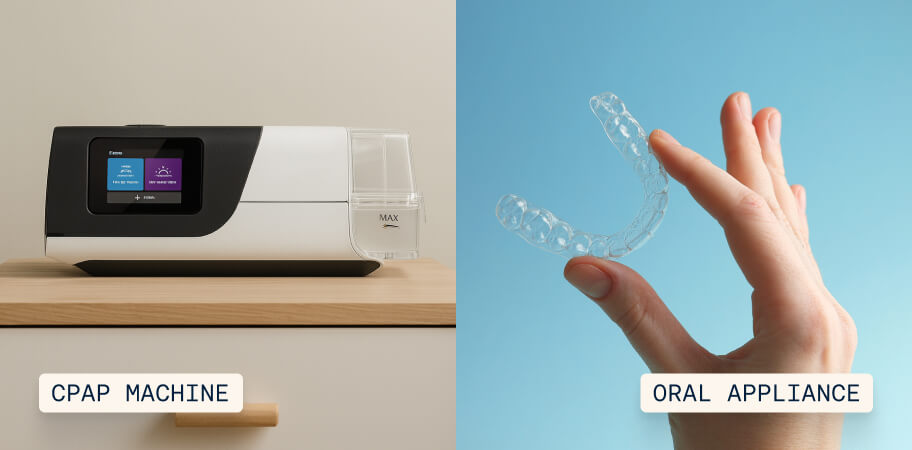
CPAP therapy is the most effective and widely prescribed treatment for moderate to severe obstructive sleep apnea, delivering continuous positive airway pressure through a mask to keep your airway open during sleep. For most newly diagnosed patients, CPAP is where treatment begins.
How CPAP Works
A CPAP machine draws in room air, pressurizes it to a prescribed level, and delivers it through a hose and mask that covers your nose, mouth, or both. The continuous airflow acts as a pneumatic splint that prevents the soft tissue in your throat from collapsing and blocking your airway. This eliminates apnea events, restores normal oxygen levels, and reduces snoring.
According to Mayo Clinic, consistent CPAP use reduces daytime sleepiness, lowers blood pressure in many patients, and decreases the risk of cardiovascular events associated with untreated sleep apnea.
CPAP Adherence Challenges
CPAP adherence is a well-documented challenge. The American Academy of Sleep Medicine defines adequate adherence as using the CPAP machine for at least 4 hours per night on at least 70% of nights over a 30-day period. Studies published through PubMed indicate that roughly 30% to 50% of patients prescribed CPAP therapy do not meet this adherence threshold within the first year.
Common barriers include mask discomfort, air leaks, nasal congestion, claustrophobia, and difficulty adjusting to sleeping with the device. This is where ongoing clinical support becomes critical. dumbo.health's Premium Plan at $89 per month includes a dedicated sleep coach and advanced adherence monitoring specifically designed to help patients overcome these barriers and build sustainable CPAP habits.
Alternative Treatments
Not all sleep apnea treatment involves CPAP. For mild sleep apnea, a physician may recommend positional therapy, weight management, or oral appliance therapy. For patients with insomnia occurring alongside sleep apnea, Cognitive Behavioral Therapy for Insomnia (CBT-I) may be integrated into the treatment program alongside CPAP to address both conditions simultaneously.
BiPAP (bilevel positive airway pressure) is an alternative to standard CPAP for patients who need different pressure levels for inhalation and exhalation. BiPAP is more commonly prescribed for patients with coexisting respiratory conditions or those who cannot tolerate standard continuous positive airway pressure.
Regardless of the treatment path, a sleep medicine physician should guide the treatment plan based on your specific Apnea-Hypopnea Index, symptom profile, and coexisting conditions.
KEY TAKEAWAY: CPAP therapy is the first-line treatment for moderate to severe obstructive sleep apnea, and ongoing adherence support from a dedicated care team significantly improves long-term outcomes.
Knowing how treatment works is valuable, but real-world examples show how different people in Pasadena navigate the testing and treatment process from start to finish.
Real-World Scenarios: How Pasadena Residents Use Home Sleep Testing
Understanding how home sleep apnea testing works in practice is easier when you see how it applies to specific situations. Below are realistic scenarios based on common profiles seen among Pasadena, Texas residents.
Scenario 1: A 48-Year-Old Refinery Shift Worker
A 48-year-old man works rotating shifts at a petrochemical refinery in Pasadena. His wife has told him for years that he snores loudly and sometimes stops breathing during sleep. He experiences persistent fatigue but attributes it to his rotating schedule. His BMI is 32.
He cannot easily schedule an appointment at a sleep center because his shifts change every two weeks. Spending a night in a sleep lab would require taking time off and driving to a Houston area facility. Instead, he completes a free sleep assessment through dumbo.health, orders a home sleep test for $149, and receives the device at his Pasadena home. He wears the device on a night off, returns it, and receives results showing an Apnea-Hypopnea Index of 22, indicating moderate obstructive sleep apnea.
He enrolls in the dumbo.health Essentials Plan at $59 per month and begins CPAP therapy with standard follow-up care. His CPAP machine arrives within days. After three weeks of consistent use, he reports significantly less daytime fatigue and improved concentration during his shifts.
Scenario 2: A 55-Year-Old Uninsured Petrochemical Contractor
A 55-year-old independent contractor working at refineries in Pasadena does not have employer-sponsored insurance. She has experienced waking up gasping for breath several times a week for the past year. She also has a family history of heart attack and stroke, which her primary care provider has flagged as concerning.
Traditional diagnostic pathways would require her to pay $1,500 to $2,500 out of pocket for an in-lab polysomnography. She chooses dumbo.health because the entire testing and treatment pathway is cash-pay with no insurance required. Her home sleep test shows severe obstructive sleep apnea with an Apnea-Hypopnea Index of 38 and oxygen levels dropping below 85% repeatedly during the night.
She starts on the Premium Plan at $89 per month, which gives her a dedicated sleep coach and advanced adherence monitoring. Her physician flags the severe oxygen desaturations for closer follow-up given her cardiovascular risk profile.
Scenario 3: A 34-Year-Old Houston Area Professional Referred by a Physician
A 34-year-old woman living near Webster sees her primary care physician for chronic fatigue and difficulty concentrating. She does not snore loudly and has a BMI of 26. Her physician suspects sleep disordered breathing based on her reported symptoms of breathing troubles during sleep and non-restorative sleep patterns.
Her physician orders a home sleep apnea test through dumbo.health. Her results show an Apnea-Hypopnea Index of 8, indicating mild obstructive sleep apnea. Because her score is in the mild range, her treatment plan includes positional therapy, weight management counseling, and a follow-up reassessment in six months rather than immediate CPAP therapy. Her physician receives updates directly from dumbo.health as part of the care plan.
KEY TAKEAWAY: Home sleep apnea testing fits a range of real-world situations in Pasadena, from shift workers who cannot get to a sleep lab to uninsured workers who need affordable, transparent care.
These scenarios show how testing works for different people, but it is equally important to understand the situations where home testing has limitations.
Limitations and Risks of Home Sleep Apnea Testing
Home sleep apnea testing is a validated, convenient diagnostic tool, but it is not appropriate for every patient or every suspected sleep disorder. Understanding these limitations helps you make a better-informed decision about which testing pathway is right for you.
Limitation 1: Cannot Diagnose Complex Sleep Disorders
Home sleep tests do not measure brain wave activity, eye movements, or muscle tone. This means they cannot diagnose narcolepsy, restless legs syndrome, parasomnias, or central sleep apnea. If your physician suspects one of these conditions, an in-lab polysomnography with full neurological monitoring is required. Patients who need comprehensive neurological care related to sleep should be referred to a sleep center with polysomnography capability, such as UTHealth Houston Neurosciences or a local sleep lab.
Limitation 2: Risk of False-Negative Results
Home sleep apnea tests can underestimate the severity of sleep apnea or produce a false-negative result if you sleep poorly on the test night. Because the device records only one night of data, a night of unusually light sleep, frequent awakenings, or device displacement can reduce the accuracy of the Apnea-Hypopnea Index calculation.
According to the American Academy of Sleep Medicine, a negative or inconclusive home sleep test in a patient with high clinical suspicion for obstructive sleep apnea should be followed up with in-lab polysomnography. A single normal home test night does not definitively rule out sleep apnea.
Limitation 3: Not Suitable for All Medical Profiles
Patients with significant comorbidities such as advanced heart failure, chronic obstructive pulmonary disease, pulmonary hypertension, or neuromuscular disorders may not be good candidates for home sleep testing. These conditions can affect respiratory patterns in ways that a home device may not accurately capture, and the clinical complexity often requires the supervised environment of a sleep lab.
Limitation 4: No Real-Time Monitoring
Unlike in-lab polysomnography, where a sleep technologist monitors data in real time and can adjust sensor placement if something shifts during the night, a home sleep test operates unattended. If a sensor detaches or the nasal cannula moves out of position, there is no one present to correct it, potentially resulting in incomplete data collection.
How dumbo.health Mitigates These Limitations
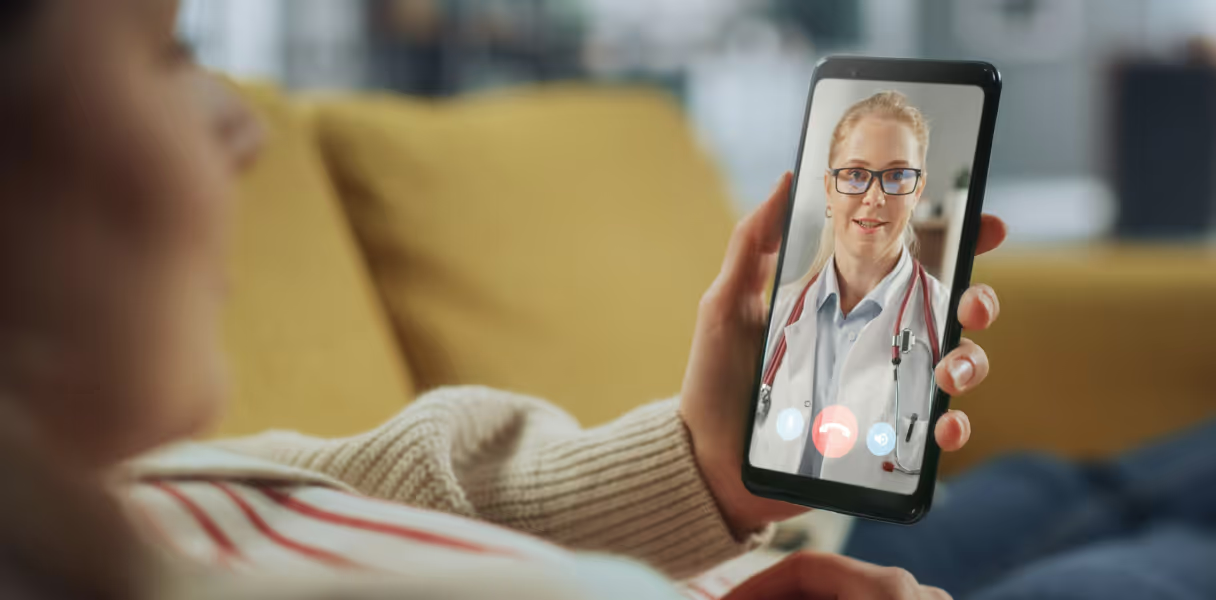
dumbo.health addresses several of these limitations through physician oversight at every stage. Every home sleep test result is reviewed by a board-certified sleep physician who evaluates data quality and determines whether the results are clinically reliable. If the data is inconclusive or the clinical picture suggests a more complex disorder, the physician can recommend follow-up testing or referral to an in-lab facility. dumbo.health's Premium and Elite plans also include direct clinical support through telehealth consultation, so patients are not left interpreting ambiguous results alone.
IMPORTANT: A home sleep apnea test is a screening and diagnostic tool for uncomplicated obstructive sleep apnea. It does not replace comprehensive sleep medicine evaluation for complex or multi-condition presentations.
KEY TAKEAWAY: Home sleep apnea testing has real limitations including inability to diagnose complex sleep disorders, potential for false negatives, and unsuitability for patients with serious comorbidities, and these limitations should be discussed with a physician before testing.
Alongside clinical limitations, there are also common misconceptions about home sleep testing that can lead people to delay or avoid getting screened.
Common Myths About Home Sleep Apnea Testing Debunked
MYTH: Home sleep tests are not accurate enough to diagnose sleep apnea.
FACT: The American Academy of Sleep Medicine validates home sleep apnea testing as a reliable diagnostic method for uncomplicated obstructive sleep apnea in adults. When used according to clinical guidelines and interpreted by a board-certified sleep physician, home sleep tests provide clinically actionable Apnea-Hypopnea Index scores. Accuracy is highest in patients with a moderate to high pretest probability of obstructive sleep apnea.
MYTH: You need a doctor's referral and insurance approval before you can get a home sleep test.
FACT: While many traditional pathways require a physician referral and insurance prior authorization, cash-pay providers like dumbo.health allow you to order a home sleep test for $149 without insurance, without prior authorization, and without a referral in most cases. A physician still reviews and interprets every test result.
MYTH: If you snore, you definitely have sleep apnea.
FACT: Snoring is a common symptom of obstructive sleep apnea, but not everyone who snores has the condition. According to the Sleep Foundation, roughly 45% of adults snore occasionally, while obstructive sleep apnea affects an estimated 10% to 30% of adults depending on the population studied. A home sleep apnea test measures actual breathing events and oxygen levels to determine whether snoring is associated with clinically significant apnea.
MYTH: CPAP is the only treatment for sleep apnea.
FACT: CPAP therapy is the most effective treatment for moderate to severe obstructive sleep apnea, but it is not the only option. Mild sleep apnea may respond to positional therapy, weight management, or oral appliance therapy. BiPAP is an alternative for patients who cannot tolerate standard continuous positive airway pressure. A sleep medicine physician determines the appropriate sleep apnea treatment based on your specific diagnosis and symptoms.
MYTH: Home sleep tests require you to be tech-savvy to set up.
FACT: Modern home sleep test devices are designed for patient self-setup with minimal instruction. Most devices require attaching a fingertip sensor, a nasal cannula, and in some cases a chest strap. Setup typically takes less than 10 minutes. Providers like dumbo.health include clear instructions with the device, and patients enrolled in the Premium or Elite plans have access to clinical support if they encounter setup questions.
KEY TAKEAWAY: Common myths about home sleep testing often cause unnecessary delays in diagnosis. Evidence from the American Academy of Sleep Medicine and clinical practice confirms that home testing is accurate, accessible, and appropriate for most adults with suspected obstructive sleep apnea.
With myths addressed, a practical checklist can help Pasadena residents prepare for their test night and get the most reliable results possible.
Preparing for Your Home Sleep Test: What to Do Before Test Night
Proper preparation ensures your home sleep test captures accurate data and reduces the chance of needing a retest. Follow this checklist to set yourself up for a successful test night.
Pre-Test Checklist for Pasadena Residents
- Confirm your test date and choose a night when you expect to follow your normal sleep patterns. Avoid testing on a night when your schedule is disrupted by a shift change at a refinery or other workplace.
- Avoid alcohol for at least 24 hours before your test night. Alcohol relaxes throat muscles and can artificially worsen or alter your Apnea-Hypopnea Index score.
- Avoid caffeine after noon on your test day to ensure you fall asleep at a normal time.
- Do not take sleep medications unless specifically instructed by your physician, as sedatives can affect respiratory data.
- Shower before your test and avoid applying lotions or creams to your face or fingers, which can interfere with sensor adhesion and the pulse oximeter reading.
- Review the device setup instructions before bedtime so you are familiar with each component.
- Charge or check the battery on your monitoring device if applicable.
- Set up your sleeping area for comfort. Sleep in your usual position and in your usual bed.
- Sign the Home Sleep Test Consent Form if you have not already done so.
- Complete the free sleep assessment at dumbo.health if you have not yet been screened.
- Have your physician's contact information accessible in case your provider needs to coordinate follow-up after results.
Following this checklist maximizes the chance that your one-night test produces clinically reliable data. If your test produces inconclusive results due to device issues or poor sleep, your provider may recommend repeating the test or transitioning to in-lab polysomnography.
KEY TAKEAWAY: Avoiding alcohol, caffeine, lotions, and sleep medications before your test night and following the device setup instructions carefully gives you the best chance of accurate, one-night results.
Preparation is about the test night itself, but choosing the right provider and care pathway determines your overall experience from testing through treatment.
How to Choose a Sleep Apnea Testing Provider in Your Area
Selecting the right provider for home sleep apnea testing involves evaluating cost transparency, physician oversight, equipment quality, turnaround time, and whether ongoing treatment is included or billed separately.
What to Look For
When comparing sleep apnea testing options near you, prioritize providers that offer:
- FDA-cleared home sleep test devices with validated accuracy
- Board-certified sleep physician interpretation of every test
- Clear pricing with no hidden fees, prior authorizations, or surprise bills
- A defined care pathway that connects testing to treatment without gaps
- CPAP therapy and equipment as part of the same care relationship if you are diagnosed
- Telehealth consultation options for convenience, especially if your work schedule or location makes in-person visits difficult
Local Options in the Pasadena and Houston Area
Pasadena residents have access to several local and regional sleep medicine resources. Local sleep centers and hospital-affiliated programs in the Houston area offer in-lab polysomnography and some home testing options. Facilities associated with organizations like Texas Multi-Specialty Group, RISE Sleep Clinic, and UTHealth Houston Neurosciences provide sleep medicine services staffed by sleep specialists including board-certified sleep physicians.
However, traditional local sleep centers often require insurance verification, prior authorization, and in-person visits for consultation and equipment fitting. Wait times for appointments at high-volume Houston area sleep centers can extend weeks.
Why Pasadena Residents Choose dumbo.health
dumbo.health provides comprehensive sleep apnea care that eliminates the friction of traditional pathways. The model is built for people who need clear answers and fast access:
- $149 home sleep test shipped directly to your home
- No insurance, no prior authorization, no referral required in most cases
- Board-certified sleep physician reviews every test
- CPAP therapy and equipment included in monthly plans starting at $59 per month
- Premium Plan at $89 per month adds a dedicated sleep coach and priority results
- Elite Plan at $129 per month adds concierge clinical support and direct physician messaging
- No contracts across all plans, cancel anytime
For Pasadena residents who work long or irregular hours at refineries and petrochemical facilities, the ability to complete testing at home and manage treatment through telehealth without scheduling conflicts is a practical advantage that traditional sleep centers rarely match.
KEY TAKEAWAY: The best sleep apnea testing provider offers FDA-cleared devices, physician interpretation, transparent pricing, and a seamless connection between testing and treatment. dumbo.health combines all of these into a single cash-pay care pathway with no contracts.
Choosing a provider is the final practical decision before getting tested. The conclusion below summarizes everything covered in this guide and outlines your next step.
Conclusion
Home sleep apnea testing gives Pasadena, Texas residents a clinically validated, convenient, and affordable way to find out whether obstructive sleep apnea is behind their snoring, fatigue, or breathing troubles during sleep. Whether you work rotating shifts at a local refinery or simply want a faster path to answers than traditional sleep lab appointments offer, home testing puts diagnosis within reach without leaving your bed.
The key is choosing a provider that combines accurate testing with real physician oversight and a clear treatment pathway. dumbo.health delivers exactly that: a $149 home sleep test with no insurance required, board-certified physician interpretation, and CPAP therapy plans starting at $59 per month with no contracts and the ability to cancel anytime. Take the free sleep assessment to find out if home sleep testing is the right next step for your sleep health.
Frequently Asked Questions About Home Sleep Apnea Testing in Pasadena, Texas
What is a home sleep apnea test?
A home sleep apnea test (HSAT) is a simplified diagnostic tool that records breathing patterns, oxygen levels, and related data while you sleep in your own bed. Unlike an in-lab sleep study, an HSAT does not require an overnight clinic stay. The device is worn overnight and monitors key signals such as oxygen saturation, respiration rate, and airflow to help a physician evaluate whether obstructive sleep apnea is present. A qualified sleep medicine physician then interprets the recorded data and provides a clinical report. A healthcare professional can help determine whether home sleep testing is appropriate for your situation.
What is a sleep study, and how does it differ from a home sleep test?
A sleep study is a diagnostic evaluation that records physiological signals during sleep to identify sleep disorders such as obstructive sleep apnea, narcolepsy, and restless legs syndrome. There are two main types. An in-lab sleep study, called polysomnography, monitors brain activity, eye movements, muscle activity, heart rate, oxygen saturation, and breathing simultaneously at a sleep center. A home sleep apnea test is a simpler, portable version that focuses on breathing-related signals. According to the American Academy of Sleep Medicine, home sleep testing is appropriate for many patients suspected of having moderate to severe obstructive sleep apnea when evaluated by a qualified clinician.
What can I expect during an at-home sleep apnea test?
During an at-home sleep apnea test, you wear a small monitoring device overnight in your own home. The device typically includes sensors that measure oxygen saturation, airflow, respiratory effort, and pulse rate. Setup is generally straightforward and guided by printed or digital instructions. Most patients find the process comfortable compared to spending a night in a sleep lab. After the test night, the device is returned or data is uploaded for physician review. Results are not immediate and require interpretation by a board-certified sleep physician before any diagnosis or treatment plan can be discussed.
What happens after a home sleep study?
After your home sleep study is complete, the recorded data is reviewed by a sleep medicine physician who generates a clinical interpretation report. The report typically includes your Apnea-Hypopnea Index score, oxygen saturation levels, and breathing patterns observed during the night. Based on those findings, the physician may recommend a treatment plan, which could include CPAP therapy, further testing, or another clinical pathway. If your results suggest obstructive sleep apnea, a physician can discuss treatment options with you. Home sleep apnea test results from dumbo.health are reviewed by a physician and delivered with a clear report.
What measurements does a home sleep apnea test record?
A home sleep apnea test typically records oxygen saturation (SpO2), respiration rate, airflow, pulse rate, and body position. Some devices also use photoplethysmography or peripheral arterial tonometry to detect changes in blood oxygen and circulation during breathing events. These signals help a physician calculate the Apnea-Hypopnea Index, which reflects how many apnea or hypopnea events occur per hour of sleep. The HSAT does not record brain wave activity or eye movements, which is why it may not be sufficient for diagnosing certain sleep disorders such as narcolepsy, where a multiple sleep latency test would be more appropriate.
Is a home sleep test as accurate as an in-lab sleep study?
A home sleep apnea test is considered clinically reliable for diagnosing obstructive sleep apnea in patients who are likely candidates based on their symptoms and risk factors. The American Academy of Sleep Medicine recognises HSAT as an appropriate diagnostic tool for uncomplicated suspected obstructive sleep apnea. However, a home sleep test records fewer data channels than a full polysomnography, and it may underestimate the severity of sleep apnea in some cases because it measures time wearing the device rather than confirmed sleep time. For patients with complex sleep disorders, significant cardiovascular conditions, or atypical symptoms, a physician may recommend an in-lab study instead.
What are the warning signs of sleep apnea?
Common warning signs of sleep apnea include loud or frequent snoring, waking up gasping for breath, choking during sleep, morning headaches, excessive daytime fatigue, difficulty concentrating, and frequent nighttime awakenings. Partners often notice breathing pauses during sleep before the person themselves does. According to the National Sleep Foundation, sleep apnea affects a significant portion of adults and often goes undiagnosed for years. Not everyone with sleep apnea snores loudly, and not everyone who snores has sleep apnea. If you experience several of these symptoms regularly, speaking with a healthcare professional about sleep apnea testing is a reasonable next step. Take the sleep assessment to help identify whether testing may be appropriate for you.
What are sleep disorders, and which ones can home testing help identify?
Sleep disorders are conditions that regularly disrupt the quality, timing, or duration of sleep in ways that affect health and daily functioning. Common sleep disorders include obstructive sleep apnea, insomnia, restless legs syndrome, and narcolepsy. Home sleep apnea testing is specifically designed to evaluate obstructive sleep apnea and sleep disordered breathing. It is not suitable for diagnosing insomnia, narcolepsy, restless legs syndrome, or other disorders that require brain wave monitoring or a multiple sleep latency test. A sleep medicine physician can review your symptoms and recommend the most appropriate diagnostic pathway for your situation.
What problems can untreated sleep disorders cause?
Untreated sleep disorders, particularly obstructive sleep apnea, are associated with a range of serious health risks. The NIH notes that untreated sleep apnea increases the risk of high blood pressure, heart attack, stroke, pulmonary hypertension, and metabolic conditions. Daytime fatigue caused by poor sleep quality can also impair driving ability, reduce work performance, and increase accident risk. For commercial drivers and workers in physically demanding environments, undiagnosed sleep apnea can create significant safety concerns. Treating obstructive sleep apnea with CPAP therapy may help reduce some of these risks, though individual outcomes vary and should be discussed with a qualified healthcare professional.
How are sleep disorders diagnosed?
Sleep disorders are diagnosed through a combination of symptom review, medical history, physical examination, and sleep testing. A physician or sleep medicine specialist typically begins by assessing reported symptoms such as snoring, fatigue, or breathing troubles during sleep. Depending on the suspected condition, the clinician may order a home sleep apnea test or an in-lab polysomnography. Conditions such as narcolepsy may require a multiple sleep latency test conducted in a sleep lab. Home sleep testing is generally appropriate for evaluating obstructive sleep apnea when ordered by a qualified physician. A healthcare professional should guide all diagnostic decisions based on individual symptoms and risk factors.
How are sleep disorders treated?
Treatment for sleep disorders depends on the underlying condition and its severity. Obstructive sleep apnea is most commonly treated with continuous positive airway pressure, commonly known as CPAP therapy, which delivers a steady stream of pressurised air to keep the airway open during sleep. Other options may include BiPAP therapy, oral appliances, positional therapy, or in some cases surgical intervention. Insomnia is often treated with Cognitive Behavioral Therapy for Insomnia (CBT-I) as a first-line approach. Restless legs syndrome and narcolepsy require separate clinical management. Treatment plans should be developed with a qualified healthcare professional based on diagnosis, test results, and individual health circumstances. Explore CPAP therapy options available through dumbo.health.
What does a $149 home sleep test include?
The dumbo.health home sleep test is priced at $149 as a one-time cost, purchased before the test night. It includes an at-home sleep test device and one night of testing. This cost is billed separately from any monthly care plans. The test is designed to be straightforward to use at home without requiring a clinic visit. After the test night, the device data is submitted for physician review, which is covered under the monthly care plan selected. dumbo.health does not require insurance, prior authorization, or a long-term commitment. Transparent cash-pay pricing means patients in Pasadena, Texas and surrounding areas know the cost before they begin.
Who reviews my home sleep test results?
Your home sleep test results are reviewed by a board-certified sleep medicine physician who interprets the recorded data and prepares a clinical report. The report typically includes your Apnea-Hypopnea Index, oxygen saturation findings, and an assessment of breathing patterns observed during the test night. dumbo.health monthly plans include physician interpretation and a report as part of the ongoing care package. Results and reports can also be sent to your referring provider or primary care physician to support continuity of care. A physician review is a required clinical step before any diagnosis or treatment recommendation can be made based on sleep test data.
Can I use my home sleep test results for a CPAP prescription?
Yes, in many cases a physician-interpreted home sleep apnea test that confirms obstructive sleep apnea can support a CPAP prescription as part of a treatment plan. A qualified physician must review and interpret your test results before a CPAP prescription can be issued. dumbo.health monthly plans include physician interpretation, and CPAP therapy and equipment are available as part of ongoing care. If you are already a CPAP user and need an updated prescription, a physician consultation reviewing current test data or clinical history may be required. A healthcare professional should determine the appropriate therapy settings based on your individual results and health profile. Learn about CPAP therapy available through dumbo.health.
What ongoing care is available after a home sleep apnea test?
After completing a home sleep apnea test and receiving physician-interpreted results, ongoing care may include CPAP therapy, equipment, adherence monitoring, and follow-up consultations. dumbo.health offers monthly care plans that cover these services with transparent cash-pay pricing and no contracts. The Essentials plan starts at $59 per month and includes physician interpretation, CPAP therapy and equipment, standard follow-up, and provider updates. The Premium plan at $89 per month adds a dedicated sleep coach from a licensed care team and advanced adherence monitoring. The Elite plan at $129 per month includes concierge clinical support, direct physician messaging, and custom reporting. All plans can be cancelled anytime. Compare sleep apnea care options to find the right fit.
Does home sleep apnea testing require insurance?
No. Home sleep apnea testing through dumbo.health does not require insurance, prior authorization, or a referral. The $149 home sleep test is a cash-pay purchase, and monthly care plans are also cash-pay with no insurance required. This can be particularly useful for patients in Pasadena and the greater Houston area who are uninsured, underinsured, or who prefer straightforward pricing without insurance complexity. Some patients with Medicare, Aetna, Blue Cross Blue Shield, or UnitedHealthcare coverage may have insurance options through other providers, but dumbo.health is specifically designed as a transparent, cash-pay alternative where patients know what they will pay before they start.
What makes Pasadena, Texas a relevant area for sleep apnea testing?
Pasadena, Texas sits within the greater Houston area and is home to a significant workforce in petrochemical and refinery industries, where rotating shifts, night work, and physically demanding schedules are common. Shift work and irregular sleep schedules are recognised risk factors for sleep disorders, including obstructive sleep apnea. Workers who experience fatigue, snoring, or breathing troubles during sleep may benefit from evaluation. Convenient at-home sleep apnea testing removes the need to travel to a sleep center or take time off for an overnight lab appointment. Patients in Pasadena and the surrounding Houston area can access at-home sleep apnea testing and ongoing care through dumbo.health without leaving home.
Is home sleep testing appropriate for commercial drivers in Texas?
Home sleep apnea testing can be an appropriate first step for commercial drivers in Texas who are suspected of having obstructive sleep apnea. The FMCSA does not currently mandate universal sleep apnea screening, but certified medical examiners may refer commercial drivers for sleep apnea evaluation if risk factors or symptoms are present during a DOT physical. A physician-interpreted home sleep test can provide relevant clinical data. However, it is important to understand that a certified medical examiner makes all DOT certification decisions based on their clinical assessment, and dumbo.health supports testing and care documentation but does not guarantee DOT medical clearance or CDL certification. Learn more about sleep apnea testing for commercial drivers.
How quickly can I get started with a home sleep apnea test?
Getting started with a home sleep apnea test through dumbo.health is straightforward. You begin with a free sleep assessment to confirm eligibility, then purchase the $149 home sleep test. The device is shipped to your address, and testing typically takes one night. After returning the device or uploading the data, a physician reviews the results as part of your monthly care plan. The overall timeline from ordering to receiving results depends on shipping and physician review, but the process is designed to be faster and more convenient than scheduling an in-lab sleep study at a traditional sleep center. Start with a free sleep assessment to take the first step.
When should I consider an in-lab sleep study instead of a home sleep test?
An in-lab polysomnography may be more appropriate than a home sleep apnea test in certain situations. These include suspected narcolepsy requiring a multiple sleep latency test, complex sleep disorders involving neurological concerns, significant cardiovascular or respiratory conditions, a previous inconclusive home sleep test, or clinical suspicion of conditions beyond obstructive sleep apnea. A sleep medicine physician is best placed to recommend the right type of study based on your symptoms, medical history, and risk factors. Home sleep testing is a clinically validated option for many patients with suspected obstructive sleep apnea, but it is not a universal substitute for in-lab evaluation in all circumstances.
What should I do if I have severe symptoms or urgent health concerns related to sleep?
If you experience severe symptoms such as chest pain, significant difficulty breathing, extreme daytime sleepiness that creates a safety risk, or any other urgent health concern, you should seek medical care promptly rather than waiting for a home sleep test result. A home sleep apnea test is a useful diagnostic tool for suspected obstructive sleep apnea in stable patients, but it is not appropriate for emergency situations. An emergency room or urgent care provider can assess acute symptoms more rapidly than any at-home testing pathway. dumbo.health supports planned sleep apnea testing and ongoing care, but it is not a substitute for emergency medical evaluation when symptoms are severe or rapidly worsening.