






Home Sleep Apnea Test in New Braunfels, Texas: The Complete Guide to At-Home Testing, Diagnosis, and Treatment
A home sleep apnea test in New Braunfels, Texas, allows you to screen for obstructive sleep apnea from your own bed without visiting a sleep lab or clinic overnight. According to the American Academy of Sleep Medicine, home sleep apnea testing is a validated diagnostic method for adults with a moderate to high likelihood of obstructive sleep apnea. This guide is for residents of New Braunfels, the Texas Hill Country, and surrounding areas like San Antonio who suspect they may have sleep apnea but want a convenient, affordable testing option. You will learn how home sleep tests work, what they measure, how results lead to a diagnosis, which treatment options follow, and how to access testing without insurance. Whether you are a commercial driver, a shift worker, or someone whose partner has noticed loud snoring, this page covers every step from testing to treatment.
Quick Answer
A home sleep apnea test in New Braunfels, Texas, is a portable diagnostic device you wear for one night in your own bed. It records airflow, blood oxygen level, breathing effort, and heart rate to detect obstructive sleep apnea. A physician reviews the results and determines whether treatment such as CPAP therapy or an oral appliance is needed. Dumbo.health offers a home sleep test for $149 with no insurance required, plus physician-reviewed results and treatment plans starting at $59 per month.
Key Takeaways
- A home sleep apnea test measures airflow, oxygen saturation, heart rate, and breathing patterns during one night of sleep at home.
- Obstructive sleep apnea affects an estimated 30 million adults in the United States, and roughly 80 percent of moderate to severe cases remain undiagnosed, according to the American Academy of Sleep Medicine.
- Home sleep testing is a validated alternative to in-lab polysomnography for most adults suspected of having obstructive sleep apnea.
- Dumbo.health provides a home sleep test for $149 with no insurance, no prior authorization, and no surprise bills.
- Treatment plans through dumbo.health start at $59 per month and include CPAP therapy, equipment, and physician oversight with no contracts.
- A board-certified physician interprets every home sleep test result, and treatment recommendations follow established clinical guidelines.
What Is a Home Sleep Apnea Test and How Does It Work
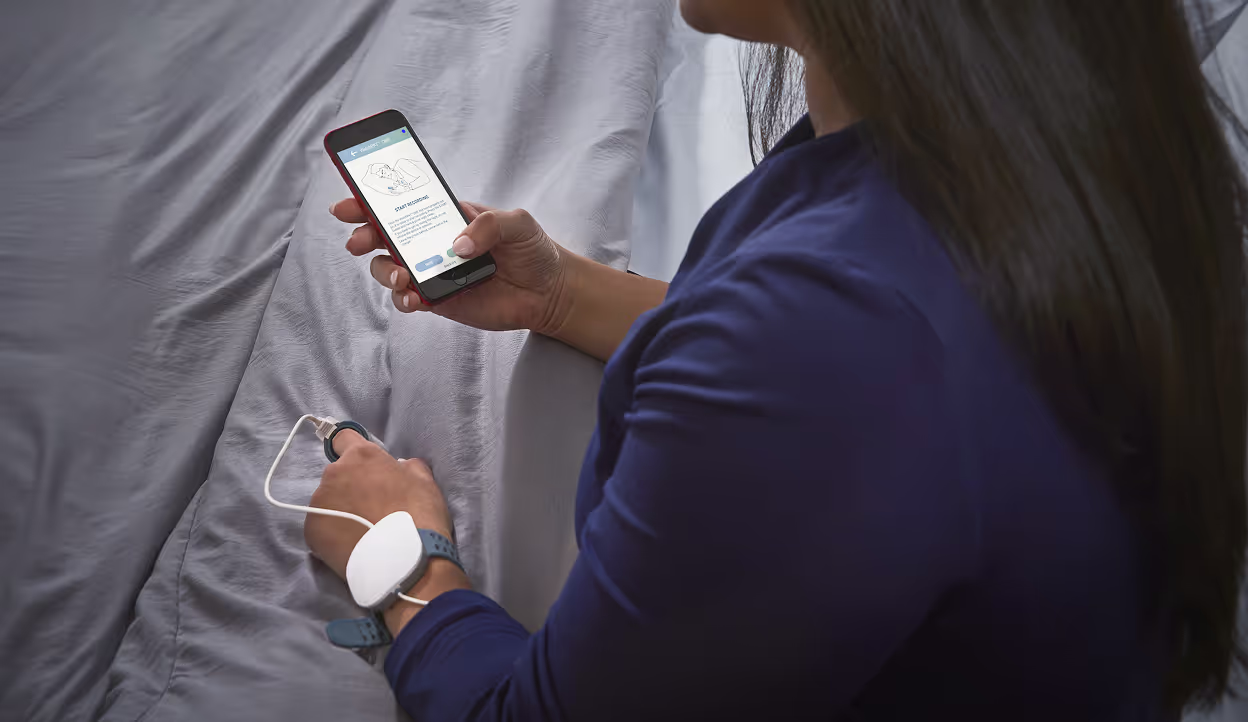
A home sleep apnea test is a portable diagnostic device that records key physiological signals while you sleep in your own bed. Unlike an in-lab sleep study, a home sleep test does not require an overnight stay at a sleep lab or clinic.
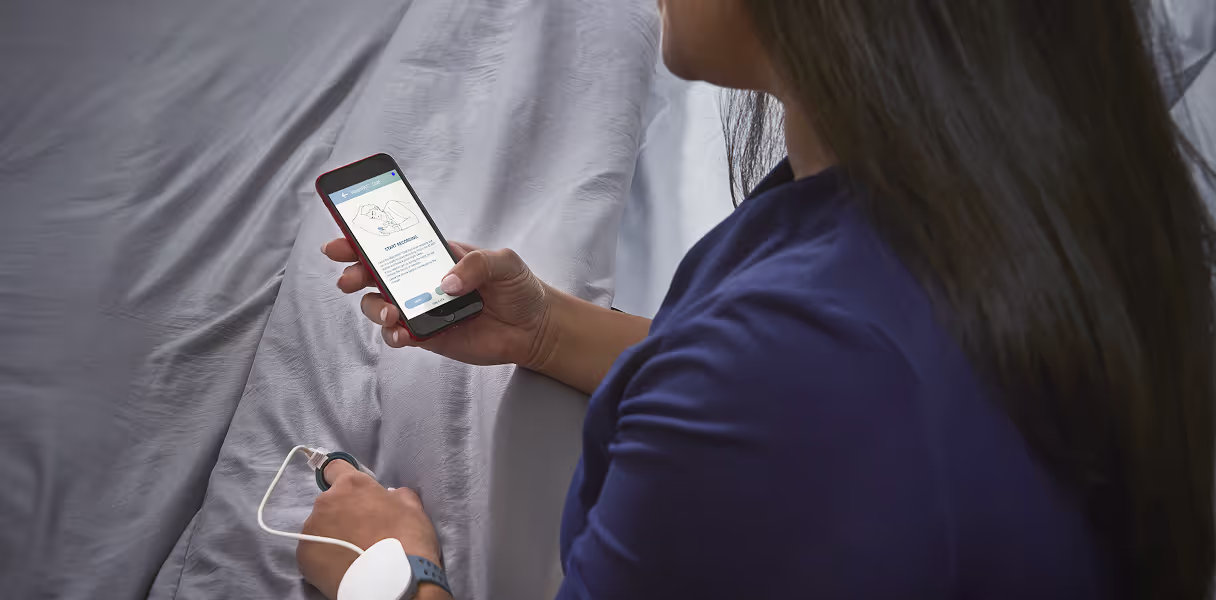
The device typically includes a nasal airflow sensor, a finger pulse oximeter to measure oxygen saturation and heart rate, and a chest belt that tracks breathing effort. Some devices also detect body position, which helps physicians determine whether sleep apnea worsens when sleeping on your back.
You wear the device for one night. In the morning, the recorded data is sent to a sleep medicine physician for interpretation. The physician analyzes the data to calculate your apnea-hypopnea index, which is the number of breathing interruptions per hour of sleep. This index is the primary metric used to diagnose obstructive sleep apnea and determine its severity.
Home sleep apnea testing has become an accepted diagnostic pathway because it provides reliable data for adults with a high pretest probability of obstructive sleep apnea. The American Academy of Sleep Medicine endorses home sleep testing when used with appropriate clinical oversight.
What a Home Sleep Test Measures
- Airflow through the nose and mouth using a nasal cannula sensor
- Blood oxygen level and oxygen saturation via a finger pulse oximeter
- Heart rate patterns throughout the night
- Respiratory effort using a chest or abdominal belt
- Body position in some devices, identifying whether apnea events increase when sleeping on your back
These measurements allow the reviewing physician to identify apnea events, where airflow stops completely, and hypopnea events, where airflow is significantly reduced. Together, these events form the apnea-hypopnea index that drives the diagnosis.
DID YOU KNOW: According to the Sleep Foundation, untreated obstructive sleep apnea increases the risk of high blood pressure, heart disease, stroke, and type 2 diabetes.
KEY TAKEAWAY: A home sleep apnea test records airflow, oxygen saturation, heart rate, and breathing effort during one night of sleep at home, giving a physician the data needed to diagnose obstructive sleep apnea.
Understanding what a home sleep test measures helps clarify how it compares to an overnight study at a sleep lab.
Home Sleep Test vs. In-Lab Polysomnography: Which Test Do You Need
A home sleep test is the right choice for most adults suspected of having obstructive sleep apnea, while polysomnography is reserved for more complex sleep disorders. Knowing the difference helps you avoid unnecessary costs and delays.
Polysomnography is a comprehensive overnight sleep study conducted in a sleep lab. It uses electrodes to monitor brain waves, brain activity, eye movements, muscle tone, leg movements, heart rhythm, and respiratory function. This level of detail makes polysomnography essential when a physician suspects central sleep apnea, narcolepsy, circadian rhythm disorders, restless legs syndrome, insomnia with comorbid conditions, or other complex sleeping disorders.
A home sleep test focuses on the respiratory and cardiovascular signals most relevant to obstructive sleep apnea. It does not measure brain waves, so it cannot determine sleep stages or detect conditions like narcolepsy or restless leg syndrome. However, for straightforward obstructive sleep apnea screening, a home sleep test provides clinically reliable results at a fraction of the cost.
Comparison: Home Sleep Test vs. Polysomnography
Setting
- Home Sleep Apnea Test: Your own bed at home in New Braunfels or anywhere you sleep
- Polysomnography: Sleep lab, sleep center, or hospital facility
What It Measures
- Home Sleep Apnea Test: Airflow, oxygen saturation, heart rate, breathing effort, body position
- Polysomnography: All of the above plus brain waves, brain activity, eye movements, muscle tone, leg movements, heart rhythm
Cost
- Home Sleep Apnea Test: Typically $149 to $500 without insurance
- Polysomnography: Often $1,000 to $3,000 or more
Comfort
- Home Sleep Apnea Test: High, performed in your own bed
- Polysomnography: Lower, requires sleeping in an unfamiliar lab with multiple electrodes attached
Best For
- Home Sleep Apnea Test: Adults with suspected obstructive sleep apnea and no significant comorbid sleep disorders
- Polysomnography: Patients with suspected central sleep apnea, narcolepsy, circadian rhythm disorders, restless legs syndrome, or complex presentations
Turnaround for Results
- Home Sleep Apnea Test: Typically a few business days for physician interpretation
- Polysomnography: Can take one to two weeks depending on the sleep center
For most adults in New Braunfels and the surrounding Texas Hill Country area who experience symptoms like loud snoring, witnessed breathing pauses, or excessive daytime fatigue, a home sleep test is the recommended starting point. Dumbo.health provides a home sleep test for $149 with physician interpretation included in monthly care plans starting at $59 per month.
If a home sleep test produces inconclusive results or if your physician suspects a condition beyond obstructive sleep apnea, a referral for in-lab polysomnography may follow. This stepped approach is both clinically appropriate and cost-effective.
KEY TAKEAWAY: A home sleep apnea test is the appropriate first-line diagnostic tool for most adults with suspected obstructive sleep apnea, while polysomnography is necessary only when more complex sleep disorders are suspected.
Knowing which test fits your situation leads naturally to understanding the symptoms that signal you should get tested.
Symptoms That Indicate You Should Get a Home Sleep Apnea Test
Loud, persistent snoring combined with daytime fatigue is the most common reason adults seek a home sleep apnea test, but several other symptoms also warrant screening.
Obstructive sleep apnea occurs when the airway collapses repeatedly during sleep, reducing or stopping airflow. This airway obstruction causes drops in blood oxygen level and triggers brief arousals that fragment sleep quality. Most people with obstructive sleep apnea are unaware these events happen because they occur during sleep.
Common Symptoms of Obstructive Sleep Apnea
- Loud snoring that disrupts a bed partner's sleep
- Witnessed episodes of choking or gasps during sleep
- Waking up with a dry mouth or sore throat
- Morning headaches that improve after waking
- Excessive daytime sleepiness or fatigue despite a full night of sleep
- Difficulty concentrating or memory problems during the day
- Irritability or mood changes
- Waking frequently to urinate during the night
Risk Factors That Increase the Likelihood of Obstructive Sleep Apnea
Certain anatomical and lifestyle factors raise the probability that these symptoms are caused by obstructive sleep apnea rather than another condition.
- Elevated body mass index, particularly a BMI above 30
- Neck circumference greater than 17 inches in men or 16 inches in women
- Age over 40, though sleep apnea can occur at any age
- Male sex, although prevalence in women increases after menopause
- Family history of sleep apnea
- Anatomy that includes a narrow airway, enlarged tonsils, or excess fatty tissue around the throat
- Use of alcohol or sedatives, which reduce muscle tone in the airway
According to the National Heart, Lung, and Blood Institute, obstructive sleep apnea is linked to serious cardiovascular conditions including high blood pressure, heart disease, stroke, and irregular heart rhythm. The NIH also notes a connection between untreated sleep apnea and an increased risk of type 2 diabetes.
If you recognize several of these symptoms, a home sleep apnea test is a practical next step. You do not need a referral in many cases, and you can complete a free sleep assessment through dumbo.health to determine whether testing is appropriate.
IMPORTANT: Symptoms like choking, gasps during sleep, or excessive daytime sleepiness should not be ignored. Untreated obstructive sleep apnea can worsen cardiovascular risk over time.
KEY TAKEAWAY: Loud snoring, witnessed breathing pauses, morning headaches, and excessive daytime fatigue are the most common symptoms that indicate a home sleep apnea test is warranted.
Once you recognize the symptoms, the next step is understanding how to prepare for and complete your home sleep test.
How to Complete a Home Sleep Apnea Test: Step-by-Step Process
Completing a home sleep apnea test is straightforward and requires no medical training. The entire process can be done from your home in New Braunfels or anywhere in Texas.
Steps to Complete Your Home Sleep Test
1. Start by completing a brief clinical screening to confirm that a home sleep test is appropriate for your symptoms. You can do this through a free sleep assessment at dumbo.health or through your physician.
2. Order your home sleep test. Through dumbo.health, the home sleep test costs $149 with no insurance required and no prior authorization needed.
3. Receive the portable sleep testing device by mail. The kit includes a nasal airflow sensor, a finger pulse oximeter, a chest belt, and clear setup instructions.
4. On your test night, attach the sensor equipment before going to bed. Place the nasal cannula, clip the pulse oximeter to your finger, and secure the chest belt. Most patients report the setup takes fewer than 10 minutes.
5. Sleep in your normal bed for a full night. The device automatically records airflow, oxygen saturation, heart rate, and breathing effort throughout the night.
6. In the morning, remove the equipment and return the device according to the instructions provided. Data is uploaded for physician review.
7. A board-certified sleep medicine physician interprets the recorded data, calculates your apnea-hypopnea index, and prepares a diagnostic report with treatment recommendations if obstructive sleep apnea is confirmed.
After completing these steps, you receive your results within a few business days. If you enroll in a dumbo.health care plan, the physician interpretation, treatment recommendations, and follow-up care are all included in your monthly plan. The Essentials Plan starts at $59 per month with no contracts and the ability to cancel anytime.
KEY TAKEAWAY: A home sleep apnea test requires only one night of sleep with a portable device, and the full process from ordering to receiving physician-reviewed results can be completed without visiting a clinic.
After completing the test, understanding your results determines what happens next.
Understanding Your Home Sleep Test Results
Your home sleep test results are summarized by the apnea-hypopnea index, which is the number of apnea and hypopnea events per hour of recorded sleep. This single metric determines both the diagnosis and the severity of obstructive sleep apnea.
An apnea event is a complete pause in airflow lasting at least 10 seconds. A hypopnea event is a partial reduction in airflow, typically 30 percent or more, accompanied by a drop in oxygen saturation or an arousal. Together, these events reflect how frequently your breathing is disrupted during sleep.
Apnea-Hypopnea Index Severity Scale
The American Academy of Sleep Medicine classifies obstructive sleep apnea severity using these thresholds:
- Normal: fewer than 5 events per hour
- Mild obstructive sleep apnea: 5 to 14 events per hour
- Moderate obstructive sleep apnea: 15 to 29 events per hour
- Severe obstructive sleep apnea: 30 or more events per hour
Your results report also includes data on average and lowest oxygen saturation levels during the night, heart rate patterns, total recording time, and the proportion of time spent with reduced airflow. Oxygen desaturation below 90 percent is clinically significant and may influence treatment urgency.
A physician reviews these metrics in the context of your symptoms, medical history, and risk factors before making a final diagnosis. At dumbo.health, a board-certified physician interprets every home sleep test and provides a detailed report. If you are on the Premium Plan at $89 per month, you also receive priority results turnaround and access to a dedicated sleep coach who can walk you through the findings.
Many patients report feeling relieved once they have a clear diagnosis because it explains symptoms they may have experienced for years, including chronic fatigue, headaches, and poor sleep quality.
KEY TAKEAWAY: The apnea-hypopnea index from your home sleep test determines whether you have obstructive sleep apnea and how severe it is, which directly guides treatment decisions.
With a diagnosis in hand, the next consideration is which treatment option fits your situation.
Treatment Options After a Sleep Apnea Diagnosis
CPAP therapy is the most widely recommended treatment for moderate to severe obstructive sleep apnea, but it is not the only option. Treatment plans should be individualized based on severity, anatomy, lifestyle, and patient preference.
CPAP Therapy
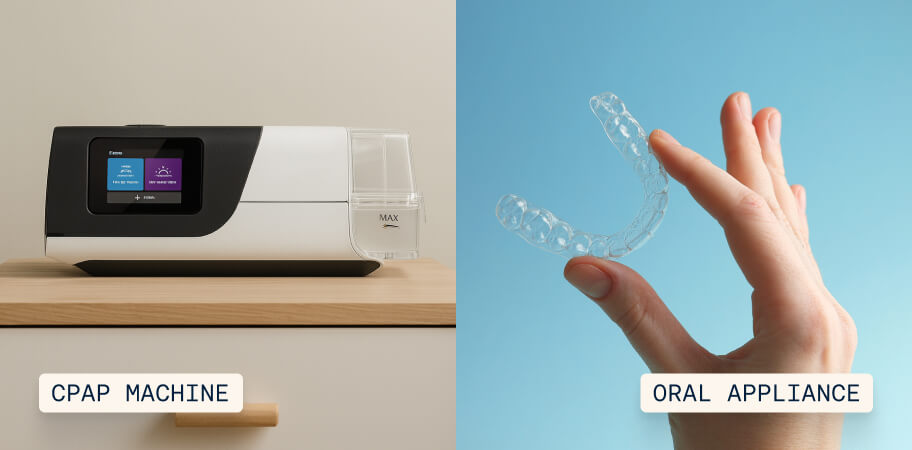
Continuous positive airway pressure, known as CPAP, works by delivering a steady stream of pressurized air through a mask worn during sleep. This air pressure keeps the airway open, preventing the airway collapse that causes apnea events. According to the American Academy of Sleep Medicine, CPAP therapy is the first-line treatment for moderate to severe obstructive sleep apnea.
Modern CPAP machines are quieter, smaller, and more comfortable than earlier models. Mask options include nasal masks, nasal pillow masks, and full-face masks. Finding the right fit takes some adjustment, but most patients report improved sleep quality within the first few weeks of consistent use.
Dumbo.health includes CPAP therapy and equipment in all monthly care plans. The Essentials Plan at $59 per month covers the CPAP machine, supplies, physician oversight, and standard follow-up care. There are no contracts, and you can cancel anytime.
Oral Appliance Therapy
Oral appliance therapy uses a custom-fitted dental device worn during sleep to reposition the lower jaw slightly forward. This repositioning opens the airway and reduces obstruction. Oral appliances are FDA-cleared for mild to moderate obstructive sleep apnea and for patients who cannot tolerate CPAP.
Oral appliance therapy requires fitting by a dentist trained in sleep medicine. Some dental practices in the New Braunfels area, such as those specializing in sleep dentistry, offer FDA-cleared oral appliances like the Dream TAP appliance. The effectiveness of oral appliances depends on anatomy, jaw structure, and the degree of airway obstruction.
Positional Therapy
For some patients, obstructive sleep apnea events occur primarily when sleeping on the back. Positional therapy involves devices or techniques that encourage side sleeping. This approach can reduce apnea events in position-dependent cases but is rarely sufficient as a standalone treatment for moderate to severe sleep apnea.
Lifestyle Modifications
Weight loss, reduced alcohol consumption, and avoidance of sedatives before bed can improve sleep apnea severity. According to the NIH, losing 10 percent of body weight may reduce the apnea-hypopnea index significantly in overweight patients. These modifications complement but do not replace medical treatment in most cases.
Surgical Options
Surgery may be considered when anatomical factors such as enlarged tonsils, a deviated septum, or excess fatty tissue contribute to airway obstruction and other treatments are ineffective. Surgical options range from minimally invasive procedures to more complex airway reconstruction. Surgery is typically a last-resort treatment option.
TIP: If you are diagnosed with obstructive sleep apnea and unsure which treatment option is right for you, dumbo.health care plans include physician-guided treatment recommendations tailored to your diagnosis and severity.
KEY TAKEAWAY: CPAP therapy remains the gold-standard treatment for moderate to severe obstructive sleep apnea, while oral appliances, positional therapy, and lifestyle changes may be appropriate for milder cases or as complementary strategies.
Choosing a treatment is one step. Accessing affordable testing and care is another challenge that deserves close attention.
Cost of a Home Sleep Apnea Test in New Braunfels Without Insurance
A home sleep apnea test in New Braunfels costs between $149 and $500 or more when paying out of pocket, depending on the provider and what is included. Many patients in the area face uncertainty about pricing because sleep clinics and sleep centers often do not publish their rates upfront.
Insurance can reduce out-of-pocket costs, but the process frequently involves prior authorizations, referral requirements, copays, and potential claim denials. For patients without medical insurance or those who prefer a simpler path, cash-pay options eliminate these barriers entirely.
Dumbo.health offers a home sleep apnea test for $149 as a one-time, upfront cost. This price covers the at-home sleep test device and one night of testing. There are no insurance requirements, no prior authorizations, and no surprise bills. Physician interpretation and ongoing treatment are handled through separate monthly plans.
What dumbo.health Monthly Plans Include
After testing, care continues through one of three plans:
- Essentials Plan at $59 per month: physician interpretation and report, CPAP therapy and equipment, standard follow-up care, and updates sent to your referring provider
- Premium Plan at $89 per month: everything in Essentials plus a dedicated sleep coach, advanced adherence monitoring, and priority results turnaround
- Elite Plan at $129 per month: everything in Premium plus concierge clinical support, direct physician messaging, and custom reporting for your practice
All plans operate with no contracts and the ability to cancel anytime. This pricing model allows patients in New Braunfels and across Texas to plan their healthcare costs without guessing.
Cost Comparison: dumbo.health vs. Typical In-Lab Testing
Test Cost
- dumbo.health Home Sleep Test: $149 one-time
- In-Lab Polysomnography (no insurance): $1,000 to $3,000 or more
Insurance Required
- dumbo.health Home Sleep Test: No
- In-Lab Polysomnography: Often yes, with prior authorization
Monthly Treatment Cost
- dumbo.health Care Plans: $59 to $129 per month, all-inclusive
- Traditional CPAP Through Insurance: Varies widely, often involves copays, deductibles, and rental fees
Surprise Bills
- dumbo.health: None
- Traditional Pathway: Possible, depending on coverage
For patients who want transparent pricing without navigating insurance, dumbo.health provides a straightforward alternative that covers testing, diagnosis, treatment, and ongoing care under one predictable cost structure.
KEY TAKEAWAY: A home sleep apnea test through dumbo.health costs $149 with no insurance required, no prior authorization, and no surprise bills, making it one of the most transparent options available in New Braunfels.
Understanding the cost helps, but it is equally important to know whether a home sleep test is the right fit for every situation.
Limitations and Risks of Home Sleep Apnea Testing
A home sleep apnea test is not appropriate for every patient or every suspected sleep disorder. Recognizing the limitations ensures you pursue the right diagnostic pathway.
When a Home Sleep Test May Not Be Sufficient
1. Complex or comorbid sleep disorders. A home sleep test does not measure brain waves, brain activity, or leg movements. If your physician suspects central sleep apnea, narcolepsy, restless legs syndrome, circadian rhythm disorders, or other sleeping disorders beyond obstructive sleep apnea, in-lab polysomnography is the appropriate test. These conditions require electrodes and more comprehensive monitoring that home devices do not provide.
2. Inconclusive or false-negative results. Home sleep tests can underestimate apnea severity in some cases. If you sleep poorly on the test night, if the sensor becomes dislodged, or if your apnea is primarily positional and you do not sleep in your usual position, the results may not capture the full picture. According to the American Academy of Sleep Medicine, when a home sleep test is negative or inconclusive but clinical suspicion remains high, a follow-up in-lab polysomnography should be performed.
3. Significant cardiopulmonary comorbidities. Patients with severe heart disease, respiratory difficulties, advanced lung disease, or neuromuscular conditions that affect muscle tone and breathing mechanics may need the more detailed monitoring available only through polysomnography. A home sleep test focuses on airflow and oxygen saturation, which may not capture the full complexity of respiratory failure patterns in these patients.
4. Pediatric patients. Home sleep testing is generally validated for adults. Pediatric sleep apnea evaluation, which may involve Texas Pediatric Specialties or pediatric neurologists, typically requires in-lab polysomnography with additional monitoring for developmental and neurological considerations.
5. User error. Improper sensor placement or device malfunction can lead to unusable data. While instructions are designed to be simple, some patients find the equipment uncomfortable or have difficulty achieving a normal night of sleep with the device attached.
How dumbo.health Addresses These Limitations
Dumbo.health pairs every home sleep test with physician oversight. If results are inconclusive, the physician can recommend a retest or refer for in-lab polysomnography. The Premium and Elite care plans include advanced adherence monitoring and direct physician messaging, which means clinical guidance is available when results require additional interpretation.
If a home sleep test reveals findings that suggest a condition beyond obstructive sleep apnea, the reviewing physician can provide a referral to sleep specialists or a sleep medicine physician in your area for further evaluation.
IMPORTANT: A home sleep apnea test is a screening tool for obstructive sleep apnea in adults. It is not a substitute for comprehensive in-lab polysomnography when complex sleep disorders, central sleep apnea, or significant comorbidities are suspected.
KEY TAKEAWAY: Home sleep apnea testing is clinically validated for adults with suspected obstructive sleep apnea, but it has limitations for complex sleep disorders, pediatric patients, and cases with significant cardiopulmonary conditions.
Understanding these limitations becomes more practical when you see how real people navigate the testing and treatment process.
Real-World Scenarios: Who Gets a Home Sleep Apnea Test and What Happens Next
Seeing how different people use home sleep apnea testing helps illustrate when the test is the right choice and what the experience looks like.
Common Scenarios
A 48-Year-Old Office Worker in New Braunfels With Chronic Snoring
A 48-year-old woman living in New Braunfels has been told by her partner that she snores loudly every night. She wakes up most mornings with headaches and feels persistent fatigue throughout the day. Her BMI is 32 and she has a family history of high blood pressure.
She does not have a sleep medicine physician and does not want to spend a night at a sleep lab. She completes the free sleep assessment at dumbo.health, orders a home sleep test for $149, and receives the device by mail. After one night of testing, a physician reviews her data and finds an apnea-hypopnea index of 22 events per hour, indicating moderate obstructive sleep apnea. She enrolls in the Essentials Plan at $59 per month and begins CPAP therapy with equipment included. Her morning headaches resolve within the first two weeks.
A 55-Year-Old Long-Haul Truck Driver From the Texas Hill Country
A 55-year-old commercial driver with a BMI of 36 and a neck circumference of 18 inches is flagged during a DOT physical for possible sleep apnea. His examiner recommends a sleep study before issuing his medical certificate.
He lives in a rural area of the Texas Hill Country and the nearest accredited sleep center is over an hour away. Rather than losing a night of work to visit a sleep lab, he orders a home sleep apnea test through dumbo.health for $149. His results show severe obstructive sleep apnea with an apnea-hypopnea index of 41. He starts CPAP therapy through the Premium Plan at $89 per month, which includes a dedicated sleep coach and advanced adherence monitoring. His treatment adherence data is reported to his examining physician, supporting his DOT medical certification process.
A 38-Year-Old Parent in San Antonio With Insomnia-Like Symptoms
A 38-year-old man near San Antonio complains of waking up multiple times during the night and feeling unrefreshed in the morning. He initially attributes his symptoms to insomnia and stress. His primary care provider suspects obstructive sleep apnea because he also reports occasional choking sensations and has gained weight over the past few years.
He completes a home sleep apnea test and his results show mild obstructive sleep apnea with 9 events per hour and oxygen desaturation dipping to 88 percent at several points during the night. His physician discusses treatment options including CPAP and oral appliance therapy. He decides to start with CPAP through dumbo.health and tracks his progress with the help of a sleep coach available through the Premium Plan.
These scenarios reflect common pathways that adults in the New Braunfels and greater Texas area follow when pursuing home sleep apnea testing. Each case involves different symptoms, risk profiles, and treatment decisions, but all share the convenience of testing at home and receiving physician-guided care.
KEY TAKEAWAY: Home sleep apnea testing serves a wide range of patients, from those with classic snoring and fatigue to commercial drivers needing medical certification, and the results directly guide individualized treatment.
Real-world examples reveal common patterns. They also expose common misunderstandings about sleep apnea that can delay testing and treatment.
Common Myths About Sleep Apnea and Home Sleep Testing Debunked
MYTH: Only overweight people get sleep apnea.
FACT: While a higher BMI is a significant risk factor, obstructive sleep apnea can affect people of any body weight. Anatomical factors such as a narrow airway, enlarged tonsils, or excess fatty tissue around the throat can cause airway obstruction regardless of overall body weight. The American Academy of Sleep Medicine reports that sleep apnea occurs across all BMI categories, though prevalence increases with higher body mass.
MYTH: A home sleep test is less accurate than a lab sleep study.
FACT: For the purpose of diagnosing obstructive sleep apnea in adults with a moderate to high pretest probability, home sleep tests provide clinically reliable results. The American Academy of Sleep Medicine endorses home sleep apnea testing as an appropriate diagnostic method when used under physician oversight. Home tests may underestimate severity in some cases, but they are sufficient for the majority of straightforward obstructive sleep apnea evaluations.
MYTH: Snoring always means you have sleep apnea.
FACT: Snoring is a common symptom of obstructive sleep apnea, but not everyone who snores has sleep apnea. According to the Sleep Foundation, approximately 57 percent of men and 40 percent of women snore, while obstructive sleep apnea affects a smaller subset. Testing is the only way to distinguish simple snoring from clinically significant obstructive sleep apnea.
MYTH: CPAP therapy is uncomfortable and most people stop using it.
FACT: Modern CPAP machines are significantly quieter and more comfortable than earlier devices. Multiple mask styles allow for a personalized fit. According to research cited by the American Academy of Sleep Medicine, adherence improves substantially when patients receive proper mask fitting, education, and follow-up support. Dumbo.health care plans include ongoing follow-up, and the Premium and Elite plans provide a dedicated sleep coach specifically to support CPAP adherence.
MYTH: You need insurance to get a sleep apnea test.
FACT: Insurance is not required for a home sleep apnea test. Dumbo.health offers a home sleep test for $149 as a cash-pay option with no insurance, no prior authorization, and no surprise bills. Monthly care plans that include CPAP therapy, physician oversight, and follow-up start at $59 per month with no contracts.
KEY TAKEAWAY: Misconceptions about who gets sleep apnea, the accuracy of home testing, and the comfort of CPAP therapy prevent many people from getting diagnosed and treated, but the clinical evidence does not support these myths.
With myths cleared up, one more practical topic deserves attention: how to prepare for your home sleep test to get the most accurate results.
How to Prepare for Your Home Sleep Apnea Test
Proper preparation ensures your home sleep test captures accurate data that your physician can use for a reliable diagnosis. Most preparation steps are simple and take minimal effort.
Checklist: Preparing for Your Home Sleep Test Night
- Avoid caffeine and alcohol for at least 4 to 6 hours before your test night, as both can alter sleep quality and breathing patterns
- Do not take naps on the day of the test so you are naturally sleepy at bedtime
- Take a shower before bed but avoid applying lotions or creams to areas where sensors will be placed, particularly your finger and chest
- Remove nail polish from the finger where the pulse oximeter will be clipped, as polish can interfere with oxygen saturation readings
- Follow your normal bedtime routine as closely as possible to capture a representative night of sleep
- Set up the device in a well-lit area before getting into bed, following the instructions step by step
- Confirm that all sensors are securely attached and the device indicates it is recording before turning off the light
- Sleep in your usual position and bed, avoiding unfamiliar sleeping environments
- Keep a sleep journal entry noting your bedtime, wake time, and any disruptions, as this information can help the interpreting physician
- If you use a CPAP or other device already, follow the specific instructions provided about whether to use it during the test
- Complete the free sleep assessment at dumbo.health before ordering if you have not yet confirmed that a home sleep test is appropriate for your symptoms
DID YOU KNOW: According to the Sleep Foundation, alcohol within a few hours of sleep can relax the muscles of the airway more than usual, potentially worsening obstructive sleep apnea events and skewing test results.
Clinicians frequently observe that patients who follow these preparation steps produce cleaner data and more definitive results. A single night with poor sensor contact or atypical sleep patterns can lead to the need for a retest, adding unnecessary time and cost.
KEY TAKEAWAY: Simple preparation steps like avoiding alcohol, removing nail polish, and following sensor placement instructions help ensure your home sleep test produces accurate, usable data on the first attempt.
Preparation matters, but so does knowing where to access testing and treatment when you are ready to take action.
Accessing Sleep Apnea Testing and Treatment in New Braunfels and the Texas Hill Country
Residents of New Braunfels, the Texas Hill Country, and nearby areas like San Antonio and Shavano Park have multiple pathways to sleep apnea diagnosis and treatment. Options range from local sleep centers and sleep clinics to telehealth-based services that deliver testing directly to your home.
Local Options
New Braunfels and the surrounding region include sleep centers, pulmonary and sleep medicine practices, and dental providers offering oral appliance therapy. Some local practices may offer in-lab polysomnography, which requires an overnight visit. Availability, cost, and wait times vary, and many local clinics require a physician referral and insurance pre-authorization before scheduling.
Accreditation matters when choosing a local sleep center. The Accreditation Commission for Health Care provides the ACHC Gold Seal of Accreditation to facilities that meet specific quality and operational standards. Checking accreditation status can help you identify providers in your area that follow established healthcare standards.
Telehealth and At-Home Options
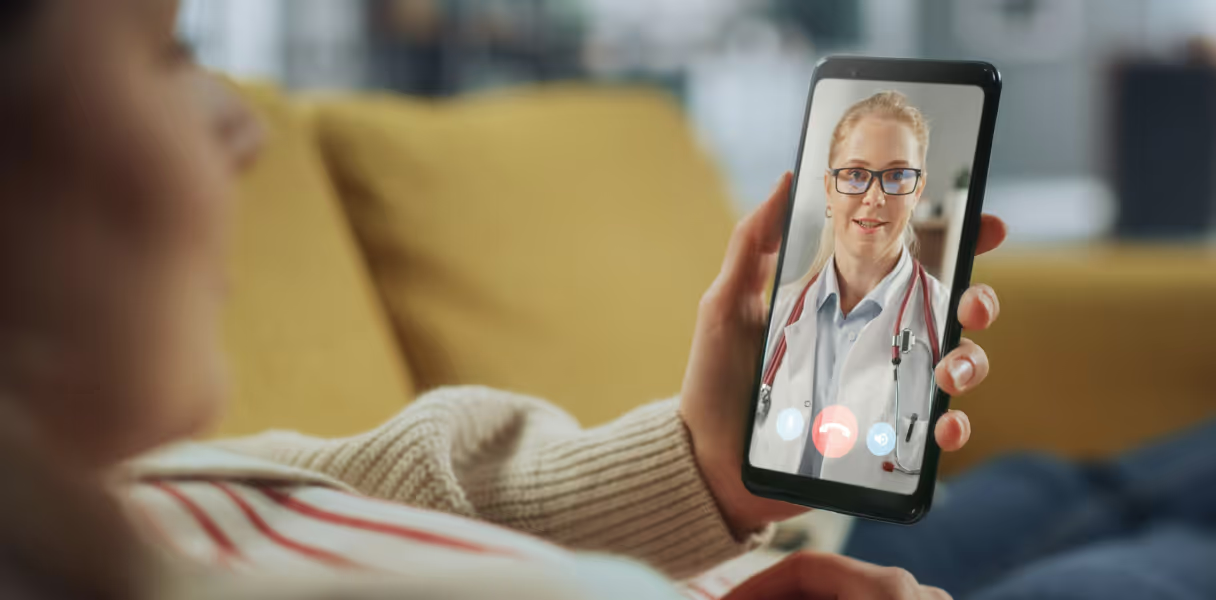
For patients who prefer to avoid the scheduling constraints and cost uncertainty of local sleep clinics, dumbo.health sleep apnea care solutions provide a fully remote pathway. You can order a home sleep test for $149, complete the test in your own bed, and receive physician-reviewed results without leaving home. Treatment including CPAP therapy and ongoing monitoring is managed remotely through monthly care plans.
This approach is particularly valuable for patients in rural parts of the Texas Hill Country where access to accredited sleep centers or sleep specialists may be limited. It is also useful for commercial drivers who cannot afford extended time off the road for in-lab testing.
Home sleep apnea testing through dumbo.health serves patients across Texas regardless of location. The $149 test ships directly to your home, and all care is managed virtually by licensed physicians.
KEY TAKEAWAY: Patients in New Braunfels can access sleep apnea testing through local sleep centers or through at-home options like dumbo.health, which eliminates the need for referrals, insurance authorization, and in-person clinic visits.
Whether you test locally or remotely, long-term success with sleep apnea treatment depends on adherence and ongoing care.
Why CPAP Adherence Matters and How Ongoing Support Helps
CPAP therapy only works when used consistently. Research published in the journal CHEST and cited by the American Academy of Sleep Medicine shows that the health benefits of CPAP therapy, including reductions in blood pressure, daytime sleepiness, and cardiovascular risk, depend on using the device for a minimum of 4 hours per night on at least 70 percent of nights.
Many patients struggle with CPAP adherence during the first few weeks. Common challenges include mask discomfort, air pressure adjustment issues, nasal dryness, and difficulty falling asleep with the device. These challenges are often solvable with proper mask fitting, pressure adjustment, and clinical support, but many patients give up before receiving that support.
Dumbo.health addresses adherence directly through its care plan structure. The Premium Plan at $89 per month includes a dedicated sleep coach from a licensed care team and advanced adherence monitoring. The sleep coach works with you to troubleshoot mask fit, adjust to therapy, and maintain consistent use. The Elite Plan at $129 per month adds concierge clinical support and direct physician messaging for patients who need the highest level of ongoing guidance.
In real-world use, patients who receive structured follow-up and coaching achieve higher adherence rates than those who simply receive a CPAP machine without ongoing support. This pattern is consistent with findings from the American Academy of Sleep Medicine, which recommends ongoing follow-up as part of any CPAP treatment plan.
Adherence also matters for specific groups. Commercial drivers in the New Braunfels area who are diagnosed with obstructive sleep apnea and use CPAP therapy may need to demonstrate treatment adherence to maintain their DOT medical certification. Dumbo.health care plans can generate treatment reports that are sent to referring providers, supporting the certification process.
A home sleep apnea test identifies the problem. CPAP therapy addresses it. But sustained improvement in sleep quality, oxygen levels, and cardiovascular health requires consistent use and ongoing clinical support.
KEY TAKEAWAY: CPAP therapy delivers its full health benefits only when used consistently, and structured support from a sleep coach or clinical team significantly improves long-term adherence.
Adherence and ongoing care represent the long game. But for many people, the first and most important step is simply getting tested.
Conclusion
A home sleep apnea test is the most practical way for adults in New Braunfels, the Texas Hill Country, and surrounding areas of Texas to find out whether obstructive sleep apnea is behind their snoring, fatigue, or morning headaches. Testing at home eliminates the barriers of sleep lab scheduling, insurance pre-authorization, and overnight clinic stays. With a clear diagnosis, treatment options like CPAP therapy can improve sleep quality, reduce cardiovascular risk, and restore daytime energy. Dumbo.health offers a home sleep apnea test for $149 with no insurance required, physician-reviewed results, and treatment plans starting at $59 per month with no contracts. If you are ready to take the first step, complete the free sleep assessment at dumbo.health to find out whether home sleep testing is right for you.
Frequently Asked Questions About Home Sleep Apnea Testing in New Braunfels, Texas
What is sleep apnea?
Sleep apnea is a common sleep disorder in which breathing repeatedly stops and starts during sleep. The most prevalent form is obstructive sleep apnea, where the airway collapses or becomes blocked during sleep, reducing or cutting off airflow. According to the American Academy of Sleep Medicine, obstructive sleep apnea affects a significant portion of the adult population and is associated with serious health risks including high blood pressure, heart disease, stroke, and daytime fatigue. A qualified healthcare professional can help determine whether a formal evaluation is appropriate based on your symptoms and risk factors.
How common is sleep apnea?
Sleep apnea is more common than many people realise. The American Academy of Sleep Medicine estimates that a substantial number of adults live with undiagnosed obstructive sleep apnea. Risk factors include excess body weight, larger neck circumference, family history, anatomical airway narrowing, reduced muscle tone in the airway, and fatty tissue around the throat. Because symptoms often occur during sleep, many people in New Braunfels and across Texas remain undiagnosed for years without a formal sleep test or evaluation by a sleep medicine physician.
What are the signs and symptoms of sleep apnea?
Common signs of sleep apnea include loud snoring, choking or gasping during sleep, waking with a dry mouth or headaches, difficulty concentrating, irritability, and excessive daytime sleepiness. Bed partners often notice breathing interruptions before the person with sleep apnea does. Not everyone who snores has sleep apnea, but snoring combined with fatigue, gasps during sleep, or witnessed breathing pauses warrants evaluation. If you experience several of these symptoms regularly, a healthcare professional can help you assess whether sleep testing is a reasonable next step.
Does everyone who snores have sleep apnea?
No. Snoring alone does not confirm sleep apnea. Snoring occurs when airflow causes vibration in the soft tissues of the airway, but it can happen without significant breathing interruptions. However, loud, frequent snoring combined with choking, gasping, witnessed breathing pauses, or significant daytime sleepiness increases the likelihood that obstructive sleep apnea may be present. The only reliable way to evaluate whether snoring reflects a sleep disorder is through a formal sleep study or home sleep apnea test reviewed by a qualified physician.
Is sleep apnea dangerous?
Yes, untreated sleep apnea carries meaningful health risks. The Mayo Clinic explains that obstructive sleep apnea is associated with high blood pressure, heart disease, stroke, type 2 diabetes, and impaired daytime functioning. Repeated drops in blood oxygen levels during sleep place stress on the cardiovascular system. Severe daytime sleepiness related to untreated sleep apnea also increases accident risk, which is a particular concern for commercial drivers and anyone operating heavy equipment. If you are experiencing symptoms, speaking with a healthcare professional promptly is advisable.
Can sleep apnea be cured?
Sleep apnea is typically managed rather than cured in the traditional sense, though outcomes vary depending on the individual and contributing factors. Treatment options such as CPAP therapy, oral appliance therapy, weight management, and positional adjustments can significantly reduce apnea episodes and improve sleep quality for many patients. In some cases, anatomical factors or significant weight loss may reduce severity over time. A sleep medicine physician is best placed to recommend an appropriate treatment plan based on your diagnosis, sleep test results, and overall health.
Will my sleep apnea go away if I lose weight?
Weight loss may reduce the severity of obstructive sleep apnea in some patients, particularly where excess fatty tissue around the airway and reduced muscle tone are contributing factors. However, weight loss does not eliminate sleep apnea in all cases, and the relationship varies depending on anatomy, airway structure, and other individual factors. Treatment should not be deferred while pursuing weight loss unless a clinician has advised this approach. A healthcare professional can help you evaluate whether weight management, CPAP therapy, or other treatment options are appropriate for your specific situation.
Can I diagnose sleep apnea on my own?
No. Sleep apnea cannot be self-diagnosed. While symptoms such as loud snoring, morning headaches, fatigue, and daytime sleepiness may raise suspicion, a formal diagnosis requires a sleep study reviewed and interpreted by a qualified physician. Home sleep apnea tests and in-lab polysomnography can measure breathing patterns, oxygen saturation, airflow, and other indicators, but a licensed clinician must interpret those results and confirm a diagnosis. If you are concerned about your symptoms, starting with a sleep assessment can help you identify whether formal testing is a reasonable next step.
Can my dentist diagnose sleep apnea?
A dentist cannot diagnose sleep apnea. Diagnosis requires a sleep study interpreted by a qualified physician or sleep medicine specialist. However, some dentists are trained to screen for sleep apnea risk, identify relevant anatomical factors, and refer patients for formal evaluation. Dentists who specialise in sleep medicine may also fit and manage oral appliances for patients who have already received a formal diagnosis. The diagnosis itself must come from a licensed medical provider reviewing the results of a sleep study.
What is a home sleep apnea test?
A home sleep apnea test, also called an HSAT or at-home sleep test, is a simplified sleep study you complete in your own bedroom rather than a clinical sleep lab. The test device typically monitors airflow, breathing effort, oxygen saturation, heart rate, and body position overnight. Results are then reviewed by a physician who generates an interpretation report. The American Academy of Sleep Medicine supports home sleep testing as an appropriate diagnostic pathway for many adults with a moderate to high clinical suspicion of obstructive sleep apnea. It is a convenient and practical alternative to an overnight in-lab sleep study for eligible patients.
Why would I need a home sleep test?
A home sleep test is typically recommended when a clinician suspects obstructive sleep apnea based on symptoms such as snoring, daytime sleepiness, witnessed breathing pauses, or risk factors including high blood pressure, obesity, or a narrow airway. It allows testing in a familiar sleep environment without requiring an overnight stay at a sleep clinic. A healthcare professional can help determine whether home sleep testing or in-lab polysomnography is more appropriate based on your individual clinical picture. If you are uncertain whether you may need testing, a free sleep assessment can help you decide on a reasonable first step.
What should I expect during a home sleep apnea test?
A home sleep apnea test involves wearing a small device and attached sensors while you sleep in your own bed. Depending on the device, sensors may monitor nasal airflow, chest and abdominal breathing effort via a belt or similar monitor, blood oxygen levels, heart rate, and body position. The device records data throughout the night. There are no electrodes measuring brain waves as in a full in-lab polysomnography study. Most patients find the process straightforward, and the equipment is designed to be worn comfortably through a normal sleep night. Instructions are provided with the device.
What does a home sleep apnea test measure?
A home sleep apnea test typically measures airflow at the nose and mouth, breathing effort, blood oxygen saturation, heart rate, and body position during sleep. These measurements allow a reviewing physician to calculate the apnea-hypopnea index, which reflects the average number of breathing interruptions per hour of sleep. This index is used to assess the presence and severity of obstructive sleep apnea. Home sleep tests do not measure brain activity or leg movements, which are recorded during a full in-lab polysomnography study. For suspected complex or central sleep apnea, an in-lab study may be more appropriate.
Is a home sleep apnea test as accurate as an in-lab sleep study?
A home sleep apnea test is considered clinically appropriate and reliable for evaluating suspected obstructive sleep apnea in otherwise healthy adults. The American Academy of Sleep Medicine supports its use as a diagnostic tool in suitable patients. However, home sleep tests do not capture the full range of data recorded during in-lab polysomnography, such as brain wave activity, leg movements, and detailed heart rhythm monitoring. An in-lab study may be recommended when central sleep apnea, narcolepsy, restless legs syndrome, circadian rhythm disorders, or other complex sleep disorders are suspected, or when a home test result is inconclusive.
What are the limitations of a home sleep apnea test?
Home sleep apnea tests are well suited to evaluating obstructive sleep apnea but have limitations. They do not monitor brain waves, so conditions such as narcolepsy, circadian rhythm disorders, or restless legs syndrome cannot be assessed. They may underestimate apnea severity in some patients because sleep time is estimated rather than measured directly through brain activity recording. Device displacement or technical issues during the test night can occasionally affect data quality. A physician reviewing your results can determine whether findings are sufficient for a diagnosis or whether a full in-lab polysomnography study is needed.
How should I prepare for a home sleep apnea test?
Preparation for a home sleep apnea test is straightforward. Avoid caffeine, alcohol, and sedatives in the hours before the test night, as these can affect breathing patterns and sleep quality. Follow your normal bedtime routine as closely as possible. Shower before applying any sensors so that skin is clean and free of lotions or oils that may affect sensor contact. Read the device instructions carefully before your test night. Keeping a brief sleep journal in the days before testing can sometimes help your reviewing physician interpret results in context. A healthcare professional can provide specific preparation guidance based on the device used.
What happens if my home sleep apnea test shows abnormal results?
If your home sleep apnea test shows abnormal results, the reviewing physician will document findings in an interpretation report. Depending on the severity of results, the physician may recommend beginning CPAP therapy, further in-lab evaluation, or referral to a sleep specialist. Abnormal oxygen saturation levels, a high apnea-hypopnea index, or patterns suggesting central rather than obstructive sleep apnea may prompt additional evaluation. Results are used to guide treatment decisions, not to provide a standalone diagnosis in isolation from your clinical history. A healthcare professional will review results and discuss appropriate next steps with you.
Who reviews my home sleep apnea test results?
A licensed physician reviews and interprets your home sleep apnea test results. The physician analyses the recorded data, calculates relevant indices including the apnea-hypopnea index, and generates a written interpretation report. This report forms the basis for any treatment recommendations. At dumbo.health, physician interpretation is included as part of ongoing care plans, and reports can be sent to your referring provider. It is important that a qualified clinician reviews results rather than relying solely on device-generated data summaries.
Can I use home sleep apnea test results for a CPAP prescription?
Yes, in many cases. When a physician reviews your home sleep apnea test results and diagnoses obstructive sleep apnea, those results can support a CPAP prescription. The physician-generated interpretation report documents the diagnosis and its severity, which is the clinical basis for prescribing CPAP therapy. dumbo.health monthly plans include physician interpretation, a formal report, and CPAP therapy and equipment where clinically appropriate. Your specific clinical situation will determine whether CPAP, oral appliance therapy, or another treatment option is recommended.
How fast can I get a home sleep apnea test in New Braunfels, Texas?
Turnaround time depends on the provider and shipping method chosen. For patients in New Braunfels, Texas, same-day shipping is available for orders placed before 2pm CST, meaning your test device can arrive quickly without requiring a clinic visit or lengthy waiting period. dumbo.health offers a $149 at-home sleep test with transparent cash-pay pricing and no insurance required. Once testing is complete and the device is returned, physician review and reporting follows as part of your care plan. The Premium plan includes priority results turnaround for patients who need faster reporting.
What does the $149 home sleep apnea test include?
The dumbo.health $149 home sleep apnea test includes the at-home sleep test device and one night of testing. This is a one-time cost purchased separately from ongoing monthly care plans. The test device monitors the key measurements needed to evaluate obstructive sleep apnea in your own home. Physician interpretation of your results and an interpretation report are included in the monthly care plans, which start at $59 per month. There are no hidden fees, no prior authorizations, and no insurance requirements. Monthly plans can be cancelled at any time with no contracts.
Does insurance cover home sleep apnea testing?
Coverage for home sleep apnea testing varies significantly depending on your insurance plan, provider, and clinical circumstances. Many insurance plans require prior authorization, documentation of clinical necessity, and use of specific in-network providers. For patients who prefer transparent, predictable costs without insurance complexity, dumbo.health operates on a cash-pay model with no insurance required and no prior authorizations. The home sleep test is $149 one-time, and ongoing care plans start at $59 per month. A healthcare professional or your insurance provider can clarify what your specific plan may or may not cover.
What is CPAP therapy and how does it work?
CPAP, or continuous positive airway pressure, is the most widely used treatment for moderate to severe obstructive sleep apnea. A CPAP machine delivers a constant stream of pressurised air through a mask worn over the nose or mouth during sleep. This positive airway pressure prevents the airway from collapsing, eliminating or significantly reducing breathing interruptions. The NIH recognises CPAP as an effective treatment for obstructive sleep apnea. Regular use is important for meaningful benefit, and adherence monitoring is often part of ongoing care. A sleep medicine physician determines whether CPAP is appropriate based on your diagnosis and test results.
Why does CPAP adherence matter?
CPAP therapy is only effective when used consistently. Research indicates that a significant proportion of patients who begin CPAP do not maintain regular use beyond the first year. Poor adherence reduces the clinical benefit of treatment and may leave underlying sleep apnea unaddressed. For commercial drivers, adherence data may also be reviewed as part of DOT medical certification follow-up. Ongoing adherence monitoring and support from a care team can improve long-term compliance. dumbo.health monthly plans include adherence follow-up, and the Premium plan adds a dedicated sleep coach from a licensed care team to support consistent CPAP use.
What are oral appliances for sleep apnea?
Oral appliances are custom-fitted dental devices worn during sleep to reposition the lower jaw or tongue and help maintain an open airway. They are considered an alternative treatment option for patients with mild to moderate obstructive sleep apnea, or for those who cannot tolerate CPAP therapy. FDA-cleared oral appliances are prescribed and fitted by dentists trained in dental sleep medicine following a formal sleep apnea diagnosis. A sleep medicine physician or qualified dentist can advise whether oral appliance therapy is appropriate based on your diagnosis, anatomy, and treatment preferences.
Are oral appliances comfortable to wear?
Most patients find that modern oral appliances become comfortable after a short adjustment period. They are less bulky than early designs and are fitted using precise dental measurements, including digital impressions in many practices, to ensure a close fit. Some initial soreness or jaw awareness is common when starting treatment. Comfort improves as patients adapt to wearing the device nightly. If persistent discomfort occurs, the appliance can typically be adjusted by the fitting dentist. A qualified dental sleep medicine provider can guide you through the fitting process and adjustment period.
How do I care for my oral appliance?
Oral appliances should be cleaned daily to prevent bacterial buildup and extend device life. Rinsing with cool water and gently brushing the appliance after each use is typically recommended. Denture cleaner tablets may be used periodically for deeper cleaning, though specific care instructions vary by device type. Avoid exposure to hot water, which can distort the shape of the appliance. Store the device in its protective case when not in use. Your dental sleep medicine provider will give you detailed care instructions specific to your appliance and materials.
How is sleep apnea diagnosed?
Sleep apnea is diagnosed through a formal sleep study, either a home sleep apnea test or an in-lab polysomnography study, reviewed and interpreted by a qualified physician. The physician evaluates the recorded data to calculate the apnea-hypopnea index and assess oxygen saturation levels, breathing patterns, and other relevant measurements. A diagnosis of obstructive sleep apnea is made based on these findings alongside your clinical history and symptoms. Self-reported symptoms, a physical examination, or a screening questionnaire alone are not sufficient for a formal diagnosis. A healthcare professional should guide the diagnostic process from start to finish.
How long does sleep apnea treatment take?
Sleep apnea treatment is generally ongoing rather than time-limited, as the condition tends to persist without active management. CPAP therapy, oral appliance therapy, and other treatment approaches are typically used long-term to maintain airway patency during sleep and reduce associated health risks. Some patients experience improvement in symptoms within days of beginning effective treatment, while others require adjustments to optimise outcomes. Regular follow-up with a healthcare professional is important for monitoring treatment effectiveness, adjusting settings, and reviewing adherence. A sleep medicine physician can set realistic expectations based on your diagnosis and treatment plan.
How do sleep apnea and high blood pressure relate?
Obstructive sleep apnea and high blood pressure are closely connected. Repeated breathing interruptions during sleep cause drops in blood oxygen levels and physiological stress responses that raise blood pressure. The NHLBI recognises obstructive sleep apnea as a secondary cause of hypertension. Treating sleep apnea effectively may help support blood pressure management in some patients, though results vary and should be monitored by a healthcare professional. If you have both high blood pressure and symptoms of sleep apnea, discussing evaluation with a clinician is advisable. Testing should not replace medical management of existing cardiovascular conditions.
Are there sleep disorders other than sleep apnea I should know about?
Yes. Several sleep disorders can cause poor sleep quality or daytime impairment beyond obstructive sleep apnea. These include central sleep apnea, where the brain fails to send correct breathing signals rather than an airway obstruction causing the problem; restless legs syndrome, which involves uncomfortable sensations and an urge to move the legs during rest; narcolepsy, a brain disorder causing uncontrollable daytime sleepiness; and circadian rhythm disorders affecting the timing of the sleep-wake cycle. A full in-lab polysomnography study is often required to evaluate these conditions, as a standard home sleep apnea test does not record brain activity or leg movements.
Is at-home sleep apnea testing suitable for commercial drivers in New Braunfels, Texas?
Home sleep apnea testing can be a practical and convenient option for commercial drivers who need sleep apnea evaluation as part of their DOT physical process. FMCSA-regulated drivers are not automatically required to undergo sleep testing unless a certified medical examiner identifies clinical indications based on symptoms, risk factors, or examination findings. If a certified medical examiner refers you for sleep apnea evaluation, a home sleep apnea test reviewed by a physician may support that process. dumbo.health can support sleep apnea testing for CDL drivers with transparent cash-pay pricing and no insurance barriers, though a certified medical examiner makes all DOT certification decisions independently.
How does sleep apnea affect DOT medical certification for commercial drivers?
The FMCSA requires commercial drivers to meet medical fitness standards to hold a valid CDL medical certificate. Untreated obstructive sleep apnea can affect a driver's ability to meet those standards, particularly where excessive daytime sleepiness or impaired alertness is identified. A certified medical examiner may refer a driver for sleep apnea evaluation based on symptoms, body mass index, neck circumference, or other risk factors. Drivers who receive a sleep apnea diagnosis and begin appropriate treatment, including demonstrated CPAP adherence, may be certified with conditions. A certified medical examiner determines certification decisions, not dumbo.health. For more detail, see the ultimate DOT physical guide for commercial drivers.
Can I travel with sleep apnea treatment equipment?
Yes. CPAP machines and oral appliances are portable and designed for regular travel. CPAP machines are classified as medical devices by the TSA and do not count toward carry-on bag limits on most major airlines, though policies vary by carrier. Distilled water for humidifier components may need to be purchased at your destination or replaced with local alternatives. If you use an oral appliance, keeping it in its protective case and carrying a copy of your prescription is advisable. A healthcare professional or sleep medicine provider can offer travel-specific guidance to help you maintain consistent treatment while away from home.
When should I seek medical care for sleep apnea symptoms?
You should speak with a healthcare professional if you regularly experience loud snoring combined with daytime fatigue, if a bed partner notices you stopping breathing during sleep, or if you wake frequently with gasping, choking, headaches, or dry mouth. If you have high blood pressure, heart disease, diabetes, or obesity, sleep apnea evaluation may be particularly relevant. Seek prompt medical attention if you experience chest pain, severe shortness of breath, or any symptoms suggesting a cardiac or respiratory emergency. For non-urgent symptom evaluation, a free sleep assessment can be a practical first step toward understanding whether home sleep testing is appropriate.