



Home Sleep Apnea Test in North Richland Hills, Texas: The Complete Guide to At-Home Sleep Testing
A home sleep apnea test in North Richland Hills, Texas, is a portable diagnostic study that measures your breathing patterns, oxygen levels, and airflow overnight while you sleep in your own bed. According to the American Academy of Sleep Medicine, home sleep apnea testing is a validated method for diagnosing obstructive sleep apnea in adults with a moderate to high pretest probability. This guide is for residents of North Richland Hills, Fort Worth, Colleyville, Hurst, Grapevine, and surrounding areas who suspect they may have sleep apnea or who have been referred for sleep testing by a physician. You will learn how home sleep testing works, what it measures, how results are interpreted, what treatment options follow a diagnosis, and how the process compares to in-lab polysomnography. Understanding your options before scheduling an appointment can save you time, money, and unnecessary stress.
Quick Answer
A home sleep apnea test in North Richland Hills, Texas, is a portable overnight study that records oxygen saturation, heart rate, nasal airflow, and respiratory effort to diagnose obstructive sleep apnea. The test is completed in your own bed using a small FDA-cleared device, and results are reviewed by a physician. Most patients receive a diagnosis within days. dumbo.health offers a home sleep test for $149 with no insurance required and ships directly to patients in Texas.
Key Takeaways
- A home sleep apnea test records oxygen levels, airflow, heart rate, and breathing patterns to diagnose obstructive sleep apnea without requiring an overnight stay at a sleep center.
- The test uses a small, FDA-cleared sensor device that you wear at home for one night, making it more convenient and less disruptive than in-lab polysomnography.
- Obstructive sleep apnea affects an estimated 30 million adults in the United States, and the American Sleep Apnea Association reports that roughly 80 percent of moderate to severe cases remain undiagnosed.
- Residents of North Richland Hills, Fort Worth, Colleyville, Hurst, and Grapevine can access at-home sleep testing without visiting a local sleep center or scheduling an in-lab overnight study.
- dumbo.health provides a home sleep test for $149 as a one-time cost with no insurance or prior authorization required, plus monthly treatment plans starting at $59 per month.
- After diagnosis, treatment options include CPAP therapy, oral appliances, and lifestyle changes, with physician-guided follow-up to monitor adherence and outcomes.
What a Home Sleep Apnea Test Measures and Why It Matters
A home sleep apnea test measures the key physiological signals needed to identify obstructive sleep apnea while you sleep in your own bed. Unlike a full in-lab polysomnography, which monitors brain waves, leg movements, and sleep architecture in a clinical facility, a home sleep test focuses specifically on respiratory metrics that indicate sleep-related breathing disorders.
Core Metrics Recorded During Home Sleep Testing
The portable device used in a home sleep apnea test typically records four to six channels of data. Each channel captures a different physiological signal relevant to diagnosing apnea.
Oxygen saturation is measured continuously throughout the night using a finger sensor. Drops in oxygen levels, known as desaturations, indicate moments when your airway becomes partially or fully blocked. According to the National Heart, Lung, and Blood Institute, repeated oxygen desaturations during sleep are a hallmark of obstructive sleep apnea and can contribute to cardiovascular strain over time.
Heart rate is tracked alongside oxygen saturation. Fluctuations in heart rate often correlate with apnea events, as the body responds to airway obstruction with surges in sympathetic nervous system activity. This data helps a board-certified sleep medicine physician distinguish between different severities of sleep-disordered breathing.
Nasal airflow is measured through a nasal cannula or sensor placed near the nostrils. This channel detects reductions (hypopneas) and complete pauses (apneas) in airflow, which form the basis of the apnea-hypopnea index, the primary metric used to diagnose and classify sleep apnea severity.
Respiratory effort sensors, typically worn as a belt around the chest or abdomen, detect whether the body is attempting to breathe during airway obstruction events. This measurement helps differentiate obstructive sleep apnea, where the airway physically collapses, from central sleep apnea, where the brain fails to send appropriate breathing signals.
Body movement and position may also be recorded by some devices. Sleeping position can significantly influence apnea severity, as many patients experience more events while sleeping on their back.
Why Home Sleep Testing Matters for North Richland Hills Residents
For patients in North Richland Hills, Hurst, Colleyville, and the greater Fort Worth area, home sleep apnea testing removes one of the biggest barriers to diagnosis: access. Traditional in-lab sleep studies require scheduling an overnight appointment at a sleep center, sleeping in a private room attached to extensive monitoring equipment, and waiting for results. Many local sleep clinics have wait times of several weeks, which delays diagnosis and treatment.
Home sleep testing eliminates that delay. The device is shipped directly to your home, you complete the test on your own schedule, and results are interpreted by a physician, often within days rather than weeks. dumbo.health ships FDA-cleared home sleep test devices to patients across Texas, including North Richland Hills, for a flat $149 with no insurance required and no prior authorization.
DID YOU KNOW: The American Sleep Apnea Association estimates that approximately 80 percent of moderate to severe obstructive sleep apnea cases in the United States remain undiagnosed, largely because patients never complete a sleep study.
KEY TAKEAWAY: A home sleep apnea test records oxygen saturation, heart rate, nasal airflow, and respiratory effort to diagnose obstructive sleep apnea, and it can be completed in your own bed without visiting a sleep center.
Understanding what the test measures is important, but knowing whether you are a good candidate for home testing is equally critical.
Who Should Get a Home Sleep Apnea Test in North Richland Hills
Patients with symptoms of obstructive sleep apnea and no significant comorbidities are the strongest candidates for home sleep apnea testing. A physician or primary care provider typically recommends this test when clinical signs and risk factors suggest a moderate to high likelihood of sleep apnea.
Common Symptoms That Indicate Testing Is Needed
Loud snoring is the most frequently reported symptom associated with obstructive sleep apnea, but it is not the only warning sign. Waking up gasping for breath, experiencing excessive daytime sleepiness despite adequate sleep hours, and morning headaches are all clinical indicators that warrant a sleep study.
According to the Mayo Clinic, obstructive sleep apnea occurs when the muscles in the back of the throat relax excessively during sleep, causing the soft tissues to collapse and block the airway. This airway obstruction can happen dozens or even hundreds of times per night, fragmenting sleep and reducing oxygen levels.
Other symptoms that may prompt a sleep apnea evaluation include difficulty concentrating during the day, irritability, insomnia characterized by frequent nighttime awakenings, and a partner reporting observed pauses in breathing. Patients with a body mass index above 30, a neck circumference greater than 17 inches in men or 16 inches in women, or a family history of sleep apnea are at elevated risk.
Who May Need an In-Lab Study Instead
Home sleep testing is not appropriate for every patient. The American Academy of Sleep Medicine recommends in-lab polysomnography for patients with suspected central sleep apnea, significant Chronic Obstructive Pulmonary Disease, congestive heart failure, or neuromuscular disorders that affect breathing. Patients with suspected Narcolepsy, Restless Legs Syndrome, or other sleep disorders beyond sleep-related breathing disorders also typically require an in-lab study that monitors brain waves, sleep stages, and leg movements.
If you have already been diagnosed with pulmonary hypertension or have significant respiratory issues that require detailed monitoring of lung function and sleep architecture, an in-lab study at a sleep center provides more comprehensive data. A sleep medicine physician or pulmonologist can help determine which testing pathway is most appropriate during an initial consultation.
IMPORTANT: Home sleep apnea testing is designed to diagnose obstructive sleep apnea in adults. It is not validated for diagnosing central sleep apnea, Narcolepsy, Restless Legs Syndrome, or other complex sleep disorders that require full polysomnography.
KEY TAKEAWAY: Patients with symptoms such as loud snoring, gasping during sleep, and daytime sleepiness are strong candidates for home sleep apnea testing, but those with complex medical conditions or suspected non-respiratory sleep disorders should pursue in-lab polysomnography.
Once you know whether home testing is right for you, the next step is understanding exactly how the process works from start to finish.
How a Home Sleep Apnea Test Works: Step by Step
A home sleep apnea test follows a straightforward process that most patients complete in under a week from order to results. The entire test takes one night of sleep, and the device setup typically requires less than 15 minutes.
Step-by-Step Process for Completing a Home Sleep Test
1. Start with a clinical evaluation. A physician, sleep specialist, or your primary care provider reviews your symptoms and medical history to determine whether a home sleep test is appropriate. You can complete this step through a telehealth consultation or an in-person appointment. dumbo.health offers a free sleep assessment to help determine if testing is right for you.
2. Order your home sleep test. Once a physician determines you are a candidate, the test device is ordered and shipped to your home. Through dumbo.health, the home sleep test costs $149 as a one-time purchase with no insurance or prior authorization needed.
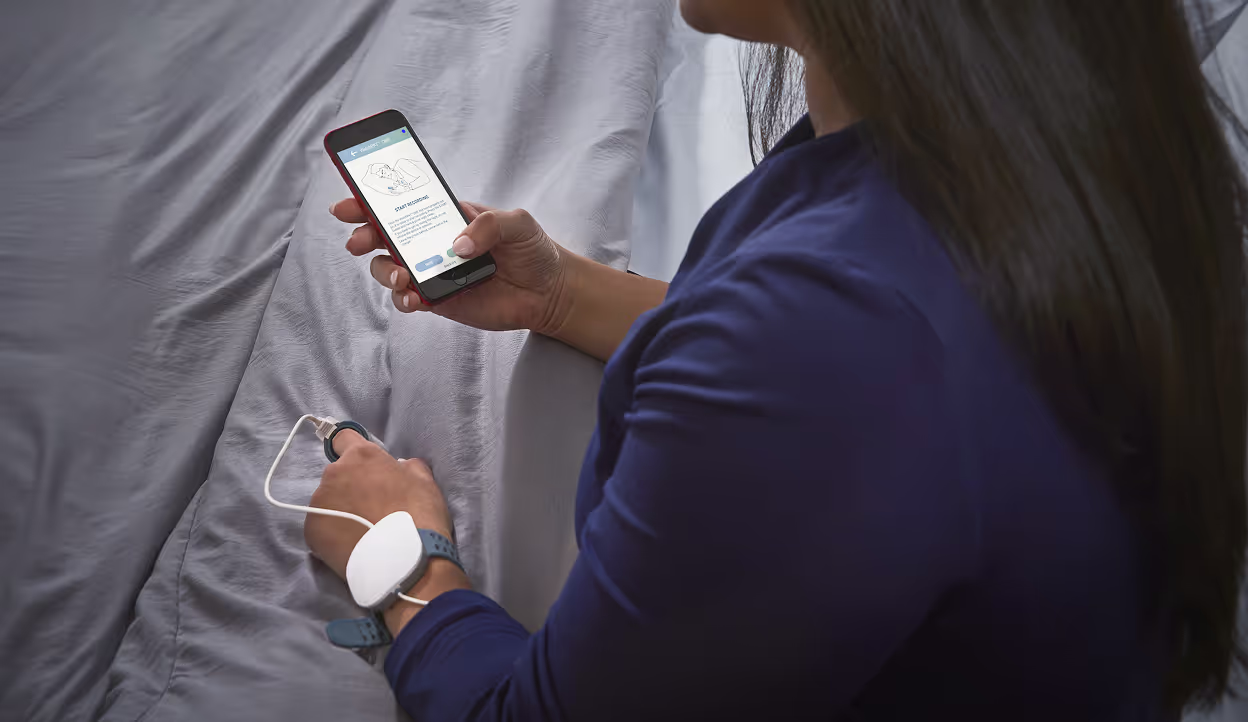
3. Receive and review the device. The FDA-cleared portable monitor arrives with clear instructions. Most devices include a finger sensor for oxygen saturation and heart rate, a nasal cannula for airflow measurement, and a chest belt for respiratory effort. Review all components before your test night.
4. Apply the sensors before bed. On your chosen test night, attach the device sensors as instructed. Most patients find the setup intuitive, though you should allow 10 to 15 minutes before sleep to get comfortable with the equipment.
5. Sleep as normally as possible. Go to bed at your usual time and sleep through the night. The device records data automatically. Avoid caffeine after noon and alcohol in the evening to reduce interference with your natural sleep patterns.
6. Return or ship back the device. After the test night, remove the sensors, package the device, and return it using the provided shipping materials. Some providers arrange local drop-off in your area, while others use prepaid shipping.
7. Receive your results and physician interpretation. The recorded data is downloaded and analyzed by a board-certified sleep medicine physician. Results typically include your apnea-hypopnea index, oxygen desaturation data, and a severity classification. With dumbo.health, physician interpretation is included in the Essentials plan at $59 per month, and Premium plan members receive priority results turnaround.
After completing these steps, you will have a clear diagnosis and can discuss treatment options with your physician. Most patients who test through dumbo.health receive their results within days, not weeks.
KEY TAKEAWAY: The home sleep apnea test process involves a clinical evaluation, device delivery, one night of testing, and physician-reviewed results, and most patients complete it within a week.
Knowing how the test works prepares you for the next important consideration: what your results actually mean.
Understanding Your Home Sleep Test Results
Your home sleep test results center on the apnea-hypopnea index, a number that quantifies how many times per hour your breathing was reduced or stopped during sleep. This single metric, combined with oxygen desaturation data, forms the basis of your diagnosis.
What the Apnea-Hypopnea Index Means
The apnea-hypopnea index, commonly abbreviated as AHI, counts the average number of apneas and hypopneas per hour of recorded sleep. An apnea is a complete pause in airflow lasting at least 10 seconds. A hypopnea is a partial reduction in airflow, typically 30 percent or more, accompanied by a drop in oxygen saturation or an arousal from sleep.
The American Academy of Sleep Medicine classifies sleep apnea severity using these AHI thresholds:
- Normal: fewer than 5 events per hour
- Mild obstructive sleep apnea: 5 to 14 events per hour
- Moderate obstructive sleep apnea: 15 to 29 events per hour
- Severe obstructive sleep apnea: 30 or more events per hour
How Oxygen Levels Factor Into Your Diagnosis
Beyond AHI, your physician reviews your oxygen saturation patterns throughout the night. Normal oxygen saturation during sleep stays above 90 percent. Repeated drops below 90 percent, especially below 85 percent, indicate significant desaturation events that increase the risk of cardiovascular complications.
According to the National Heart, Lung, and Blood Institute, chronic intermittent hypoxia from untreated sleep apnea is associated with increased risk of hypertension, heart disease, stroke, and irregular heart rhythms. The oxygen data from your home sleep test helps your physician assess not just whether you have sleep apnea, but how urgently treatment should begin.
What Happens After You Get Your Results
Once a physician has reviewed your results, you will receive a report that includes your AHI, oxygen saturation summary, heart rate data, and a clinical recommendation. If your results indicate obstructive sleep apnea, your physician will discuss treatment options, which most commonly include CPAP therapy.
Patients who test through dumbo.health receive their physician interpretation as part of their monthly plan. The Essentials plan at $59 per month includes physician interpretation, a full report, CPAP therapy and equipment, and standard follow-up care. Updates are sent directly to your referring provider, so your primary care physician or sleep specialist stays informed.
A home sleep apnea test provides a reliable snapshot of your overnight breathing for diagnosing obstructive sleep apnea. Home sleep apnea testing uses portable FDA-cleared devices to record oxygen saturation, nasal airflow, respiratory effort, and heart rate during one night of sleep. Physician review of this data generates an apnea-hypopnea index score that determines whether obstructive sleep apnea is present and its severity.
KEY TAKEAWAY: The apnea-hypopnea index from your home sleep test determines your sleep apnea severity, and oxygen desaturation data helps your physician assess cardiovascular risk and treatment urgency.
With results in hand, the next step is understanding what treatment options are available and how they are matched to your diagnosis.
Treatment Options After a Sleep Apnea Diagnosis
CPAP therapy is the most effective and widely recommended treatment for moderate to severe obstructive sleep apnea. However, treatment is not one-size-fits-all, and your physician will recommend an approach based on your AHI, symptom severity, and personal preferences.
CPAP Therapy
Continuous positive airway pressure, known as CPAP, works by delivering a steady stream of pressurized air through a mask worn during sleep. This air pressure keeps the airway open, preventing the soft tissues in the mouth, nose, or throat from collapsing and causing obstruction.
According to the Sleep Foundation, CPAP therapy reduces apnea events to near-normal levels in most patients when used consistently. The standard clinical benchmark for adherence is using the CPAP machine for at least 4 hours per night on at least 70 percent of nights, a threshold established by the Centers for Medicare and Medicaid Services.
A common barrier to CPAP therapy is cost. A CPAP machine purchased out of pocket can range from $500 to $3,000 depending on the model. dumbo.health addresses this by including CPAP therapy and equipment in all monthly plans. The Essentials plan covers CPAP therapy at $59 per month with no contracts, making treatment accessible for patients in North Richland Hills and across Texas who may not have insurance coverage for durable medical equipment.
Oral Appliance Therapy
Oral appliance therapy is an alternative for patients with mild to moderate obstructive sleep apnea who cannot tolerate CPAP. These custom-fitted devices, such as mandibular advancement devices or products like Silent Nite, reposition the lower jaw forward during sleep to keep the airway open.
Oral appliances are typically fitted by a dentist trained in sleep medicine, such as a provider specializing in dental sleep medicine. While less effective than CPAP for severe cases, oral appliance therapy can significantly reduce AHI in appropriate candidates. Patients in the North Richland Hills, Fort Worth, and Colleyville area can ask their physician or sleep specialist for a referral to a local provider experienced with oral appliances.
Lifestyle Changes
For mild sleep apnea, lifestyle changes may be recommended alongside or in place of device-based therapy. Weight loss is one of the most impactful modifications, as excess weight contributes to airway narrowing. The CDC notes that losing even 10 percent of body weight can improve sleep apnea severity in overweight patients.
Other evidence-supported lifestyle modifications include avoiding alcohol and sedatives before bed, sleeping on your side instead of your back, quitting smoking, and maintaining consistent sleep schedules. Limiting caffeine intake in the afternoon and evening can also improve overall sleep quality, though caffeine does not directly cause or worsen apnea events.
When Surgery May Be Considered
Surgical options exist for patients who cannot tolerate CPAP or oral appliances and who have identifiable anatomical causes of airway obstruction. Procedures may include uvulopalatopharyngoplasty, which removes excess tissue from the soft palate, or maxillomandibular advancement, which repositions the jaw to enlarge the airway. Ear, Nose, and Throat specialists or oral surgeons with experience in sleep-related breathing disorders typically evaluate surgical candidates.
Surgery is generally considered a last resort and is not appropriate for most patients. Outcomes vary, and post-surgical follow-up sleep testing is typically required to confirm improvement.
TIP: If you have been diagnosed with moderate to severe obstructive sleep apnea, starting CPAP therapy promptly reduces cardiovascular risk and improves daytime alertness. dumbo.health includes CPAP equipment in every monthly plan, starting at $59 per month with no contracts.
KEY TAKEAWAY: CPAP is the gold-standard treatment for moderate to severe obstructive sleep apnea, while oral appliances and lifestyle changes may be appropriate for milder cases, and dumbo.health includes CPAP therapy in monthly plans starting at $59 per month.
Choosing the right treatment depends partly on understanding how home testing compares to in-lab alternatives in terms of accuracy, cost, and convenience.
Home Sleep Test vs. In-Lab Polysomnography: How They Compare
A home sleep apnea test and in-lab polysomnography both diagnose obstructive sleep apnea, but they differ significantly in what they measure, where they are conducted, and what they cost. Choosing between them depends on your clinical profile, suspected conditions, and practical needs.
Polysomnography is a comprehensive overnight sleep study conducted at a sleep center or hospital-based sleep lab. A sleep technician attaches sensors that monitor brain waves, eye movements, muscle activity, leg movements, heart rate, respiratory effort, airflow, and oxygen saturation. This level of monitoring provides full sleep architecture data, including sleep stages, arousals, and body movement. In-lab studies are the gold standard for diagnosing complex sleep disorders including central sleep apnea, Narcolepsy, and Restless Legs Syndrome.
A home sleep apnea test focuses on respiratory channels, recording oxygen saturation, nasal airflow, respiratory effort, heart rate, and body position. It does not monitor brain waves, sleep stages, or leg movements. This makes it a reliable tool for diagnosing obstructive sleep apnea but not for identifying non-respiratory sleep disorders.
The following comparison highlights the key differences between these two testing methods.
Setting
- Home Sleep Apnea Test: Your own bed at home
- Polysomnography: Sleep center, hospital, or dedicated sleep lab with a private room, restroom facility, showers, and toiletries
Channels Monitored
- Home Sleep Apnea Test: 4 to 6 channels including oxygen saturation, airflow, heart rate, and respiratory effort
- Polysomnography: 12 or more channels including brain waves, sleep stages, leg movements, eye movements, and full respiratory monitoring
Comfort
- Home Sleep Apnea Test: High, tested in your familiar sleeping environment
- Polysomnography: Variable, sleeping in an unfamiliar facility with extensive sensor attachment
Cost
- Home Sleep Apnea Test: Lower, typically $149 to $500 without insurance
- Polysomnography: Higher, often $1,000 to $3,000 or more without insurance
Turnaround for Results
- Home Sleep Apnea Test: Often within days
- Polysomnography: Typically 1 to 3 weeks depending on the sleep center
Best For
- Home Sleep Apnea Test: Adults with suspected obstructive sleep apnea and no significant comorbidities
- Polysomnography: Patients with suspected central sleep apnea, Narcolepsy, Restless Legs Syndrome, or complex respiratory issues
For most adults in North Richland Hills and the surrounding Fort Worth area with symptoms pointing to obstructive sleep apnea, a home sleep test provides accurate diagnostic data at a fraction of the cost and wait time of in-lab testing. dumbo.health offers the home sleep test for $149 with physician interpretation included in monthly plans, making it the most accessible entry point for patients who want answers without navigating insurance or lengthy sleep center wait lists.
KEY TAKEAWAY: Home sleep testing is more convenient and affordable for diagnosing obstructive sleep apnea, while in-lab polysomnography remains necessary for complex sleep disorders that require brain wave monitoring, sleep stage analysis, or leg movement tracking.
Cost and convenience matter, but it is equally important to understand the limitations of home sleep testing before relying on it for your diagnosis.
Limitations and Risks of Home Sleep Apnea Testing
Home sleep apnea testing is a reliable diagnostic tool for obstructive sleep apnea, but it has specific limitations that every patient should understand before testing. Recognizing these boundaries ensures you get the right test for your situation and avoid diagnostic gaps.
It Cannot Diagnose All Sleep Disorders
Home sleep tests do not monitor brain waves, sleep stages, or leg movements. This means conditions such as central sleep apnea, Narcolepsy, Restless Legs Syndrome, and periodic limb movement disorder cannot be detected. If your physician suspects a non-respiratory sleep disorder or if insomnia is your primary complaint, polysomnography is the appropriate test. The American Academy of Sleep Medicine specifies that home sleep apnea testing should be used only when the pretest probability of moderate to severe obstructive sleep apnea is sufficiently high.
Data Quality Depends on Proper Sensor Placement
A home sleep test relies on the patient to correctly apply all sensors before bed. If the nasal cannula shifts, the finger sensor comes loose, or the chest belt moves during sleep, the recorded data may be incomplete or unreliable. In-lab studies avoid this issue because a sleep technician monitors sensor placement throughout the night and can reattach or adjust equipment as needed.
Most patients successfully complete their home test on the first attempt, but a small percentage need to repeat the test due to data quality issues. Clear instructions and properly designed equipment minimize this risk. dumbo.health includes detailed setup guidance with every device to help patients in North Richland Hills and across Texas get usable data on the first night.
It May Underestimate Severity
Because home sleep tests estimate sleep time rather than measuring it directly through brain wave monitoring, the AHI calculated from a home test can sometimes be lower than what a full polysomnography would show. This means mild cases may occasionally test as normal, and moderate cases may appear mild. If your home test results are normal but your symptoms persist, your physician may recommend an in-lab study for a more definitive evaluation.
It Is Not Appropriate for Certain Medical Conditions
Patients with significant Chronic Obstructive Pulmonary Disease, congestive heart failure, pulmonary hypertension, or neuromuscular diseases that affect respiratory function are generally not good candidates for home sleep testing. These conditions complicate the interpretation of respiratory data and may require the additional channels available only through polysomnography.
Similarly, patients on supplemental oxygen or certain nighttime medications that affect breathing may produce data that is difficult to interpret without the context provided by full sleep lab monitoring.
How dumbo.health Addresses These Limitations
Every home sleep test completed through dumbo.health is reviewed by a physician who evaluates whether the data is adequate for diagnosis. If data quality is insufficient or if results are inconclusive, the clinical team guides the patient toward an appropriate next step, whether that means repeating the home test or transitioning to an in-lab study with a sleep center near you. The Premium plan at $89 per month includes a dedicated sleep coach who provides ongoing support throughout the diagnostic and treatment process.
KEY TAKEAWAY: Home sleep testing is highly effective for diagnosing obstructive sleep apnea but cannot detect central sleep apnea, Narcolepsy, or other complex sleep disorders, and patients with inconclusive results may need follow-up with in-lab polysomnography.
These limitations apply to the testing phase, but understanding the real-world cost landscape helps you make a fully informed decision about where and how to get tested.
Cost of Sleep Apnea Testing in North Richland Hills and the Fort Worth Area
The cost of a sleep apnea test varies widely depending on where you test, whether you have insurance, and whether you choose a home or in-lab study. For patients paying out of pocket in North Richland Hills, understanding the actual price range prevents surprise bills.
What Sleep Testing Typically Costs
In-lab polysomnography at a sleep center in the Fort Worth, Hurst, Colleyville, or Grapevine area typically costs between $1,000 and $3,000 without insurance. This fee usually covers the facility charge, the technician who monitors the study, and the physician interpretation. Some sleep clinics charge additional fees for split-night studies or multiple-night testing.
Home sleep apnea tests through local providers range from $200 to $600 depending on the clinic and device used. Insurance may cover part of this cost if you meet specific criteria, but prior authorizations, copays, and deductibles often reduce the actual savings.
dumbo.health simplifies the cost structure entirely. The home sleep test is $149 as a one-time charge with no insurance required, no prior authorization, and no surprise bills. Monthly care plans covering physician interpretation, CPAP therapy, equipment, and follow-up start at $59 per month with no contracts and the freedom to cancel anytime.
Cost Comparison for Patients in North Richland Hills
The cost differences between testing options are substantial enough to influence which pathway patients choose.
Home Sleep Test Cost
- Local sleep clinics in North Richland Hills or Fort Worth: $200 to $600
- dumbo.health: $149 (one-time, shipped to your home)
In-Lab Polysomnography Cost
- Sleep centers near North Richland Hills: $1,000 to $3,000
- Insurance coverage varies by plan, deductible, and prior authorization status
CPAP Equipment Cost
- Purchased out of pocket at a medical supply provider: $500 to $3,000
- Included in all dumbo.health monthly plans starting at $59 per month
Insurance vs. Cash Pay Considerations
Many patients assume insurance always reduces their costs, but the reality is more complicated. Insurance-covered sleep testing often requires a referral from a primary care provider, a prior authorization, and a specific diagnosis code. Wait times for authorization can extend the process by weeks. Out-of-network facilities may not be covered at all, and high-deductible plans may leave the patient responsible for the full cost.
Cash-pay options like dumbo.health eliminate these delays. You pay a transparent price, receive your device without waiting for authorization, and start the testing process within days of ordering. For patients who need answers quickly or who lack adequate insurance coverage, this pathway is often faster and less expensive than the insurance route.
KEY TAKEAWAY: Home sleep testing costs significantly less than in-lab polysomnography, and dumbo.health offers the test for a flat $149 with no insurance, no prior authorization, and no hidden fees, making it one of the most affordable options available to patients in North Richland Hills.
Beyond cost, choosing the right provider and understanding the local landscape helps you avoid unnecessary delays and get the care you need.
Finding Sleep Apnea Care in North Richland Hills and Surrounding Areas
North Richland Hills is located in the heart of the Dallas-Fort Worth metroplex, and residents have access to multiple sleep testing pathways including local sleep clinics, hospital-based sleep centers, and telehealth-based home testing services.
Local Options for Sleep Testing
Sleep clinics in and around North Richland Hills typically offer in-lab polysomnography and, in some cases, home sleep testing. Providers in Fort Worth, Colleyville, Hurst, and Grapevine also serve patients from North Richland Hills. Many of these clinics are staffed by board-certified sleep medicine physicians, pulmonologists, and respiratory therapists who specialize in diagnosing and treating sleep-related breathing disorders.
Some local Ear, Nose, and Throat practices also evaluate patients for obstructive sleep apnea, particularly when anatomical factors such as airway obstruction from enlarged tonsils or a deviated septum are suspected.
When choosing a provider in your area, consider the type of sleep study offered, the credentials of the interpreting physician, the turnaround time for results, and the total cost including any follow-up consultations.
Telehealth Sleep Testing for North Richland Hills Residents
A telehealth sleep study allows you to complete both the clinical evaluation and the home sleep test without leaving your home. This option is particularly useful for patients with demanding work schedules, limited transportation, or those who prefer the convenience of remote care.
dumbo.health provides a fully remote sleep apnea care pathway that serves patients in North Richland Hills and throughout Texas. The process starts with a free online sleep assessment, followed by device shipment, at-home testing, physician interpretation, and treatment setup, all without an in-person appointment.
Checklist: What to Verify Before Choosing a Sleep Testing Provider
- Confirm the provider uses FDA-cleared home sleep test devices
- Verify that a board-certified sleep medicine physician will interpret your results
- Ask whether CPAP therapy and equipment are included or billed separately
- Check the total out-of-pocket cost including the test, interpretation, and any follow-up visits
- Ask about turnaround time for results
- Confirm whether the provider offers telehealth consultations for the initial evaluation
- Check if the provider ships devices directly to your home or requires a pickup appointment
- Verify that results can be shared with your primary care provider or referring physician
- Complete the free sleep assessment at dumbo.health to determine your eligibility for home testing
KEY TAKEAWAY: North Richland Hills residents can access sleep apnea testing through local sleep clinics, hospital-based labs, or telehealth services like dumbo.health, and verifying provider credentials, costs, and turnaround times before scheduling ensures the best experience.
With a clear understanding of the provider landscape, seeing how real people navigate the testing and treatment process brings these decisions into sharper focus.
Real-World Scenarios: How Patients Navigate Home Sleep Testing
Every patient who suspects sleep apnea arrives at testing with a different set of circumstances. These realistic scenarios illustrate how home sleep apnea testing fits into different situations commonly seen among residents of North Richland Hills and the greater Fort Worth area.
Scenario 1: A 48-Year-Old Office Manager With Chronic Snoring
A 48-year-old woman living in North Richland Hills has been told by her partner for years that she snores loudly. She wakes up most mornings with headaches and struggles to stay alert during afternoon meetings. Her primary care provider suspects obstructive sleep apnea and recommends a sleep study. She has a high-deductible insurance plan and does not want to spend $2,000 on an in-lab study.
She orders a home sleep test through dumbo.health for $149, receives the device within days, and completes the test on a Tuesday night. Her results show an AHI of 22, indicating moderate obstructive sleep apnea with oxygen desaturations into the low 80s. She enrolls in the Essentials plan at $59 per month, receives her CPAP machine, and begins treatment within two weeks of her initial order.
Scenario 2: A 55-Year-Old Long-Haul Truck Driver Based Near Fort Worth
A 55-year-old commercial driver with a BMI of 36 is flagged during his DOT physical for sleep apnea risk factors. His examiner requires a sleep study before extending his medical certification. He cannot afford to take a night off for an in-lab study and needs results quickly to keep working.
He completes the dumbo.health free sleep assessment online, orders the home sleep test for $149, and tests at home over the weekend. His AHI comes back at 38, which classifies as severe obstructive sleep apnea. He starts on the Premium plan at $89 per month, which includes CPAP therapy, a dedicated sleep coach, and advanced adherence monitoring. His adherence data is shared with his DOT examiner, helping him maintain his certification without gaps in employment.
Scenario 3: A 62-Year-Old Retiree in Colleyville With Multiple Health Concerns
A 62-year-old man in Colleyville has hypertension, type 2 diabetes, and has recently been diagnosed with atrial fibrillation. His cardiologist suspects sleep apnea may be contributing to his cardiovascular issues and orders a sleep study. However, his cardiologist also notes concerns about possible central sleep apnea given his cardiac history.
In this case, a home sleep test may not provide enough diagnostic information. Central sleep apnea requires monitoring of brain waves and sleep architecture, which only in-lab polysomnography can provide. His physician refers him to a local sleep center in the Fort Worth area for a comprehensive overnight study. After his in-lab study confirms mixed obstructive and central sleep apnea, he is started on an adaptive servo-ventilation device rather than standard CPAP.
This scenario illustrates an important limitation: home sleep testing is effective for obstructive sleep apnea but is not the right choice when central sleep apnea or complex sleep-related breathing disorders are suspected.
KEY TAKEAWAY: Home sleep apnea testing works well for most patients with straightforward obstructive sleep apnea symptoms, but patients with complex cardiac or neurological conditions may require in-lab polysomnography for accurate diagnosis.
These scenarios highlight how different paths lead to the right diagnosis, but misconceptions about sleep apnea testing still prevent many people from taking the first step.
Common Myths About Home Sleep Apnea Testing Debunked
MYTH: Home sleep tests are not accurate enough to diagnose sleep apnea.
FACT: The American Academy of Sleep Medicine endorses home sleep apnea testing as a valid diagnostic method for obstructive sleep apnea in patients with a moderate to high pretest probability. Studies published in peer-reviewed journals have shown that home sleep tests produce AHI values that correlate closely with in-lab polysomnography results in appropriate candidates. While home tests may slightly underestimate severity in some cases, they are accurate enough to guide treatment decisions for the majority of patients.
MYTH: You need to go to a sleep center to get a proper sleep study done.
FACT: In-lab polysomnography remains the gold standard for complex sleep disorders, but it is not required for every patient. Most adults with suspected obstructive sleep apnea can be accurately diagnosed using a portable home sleep test. The convenience of testing at home, in your own bed, often produces more natural sleep data than sleeping in an unfamiliar sleep center attached to dozens of wires. For patients in North Richland Hills and surrounding areas, home testing through providers like dumbo.health eliminates the need for an overnight stay at a facility.
MYTH: If you snore, you definitely have sleep apnea.
FACT: Snoring is common and affects an estimated 45 percent of adults occasionally, according to the Sleep Foundation. While loud snoring is one of the most recognizable symptoms of obstructive sleep apnea, not everyone who snores has sleep apnea. Snoring without apnea events, significant oxygen desaturation, or sleep disruption may be classified as primary snoring, which does not carry the same cardiovascular risks. A home sleep test can differentiate between primary snoring and obstructive sleep apnea by measuring whether breathing pauses and oxygen drops accompany the snoring.
MYTH: Sleep apnea only affects overweight, older men.
FACT: While obesity, male sex, and older age are well-established risk factors, obstructive sleep apnea affects people of all ages, genders, and body types. Women are frequently underdiagnosed because their symptoms, such as insomnia, fatigue, and mental health issues, may not match the classic presentation of loud snoring and witnessed apneas. The NIH notes that sleep apnea prevalence increases significantly after menopause in women. Children can also develop sleep apnea, most commonly due to enlarged tonsils or adenoids.
MYTH: CPAP machines are too loud and uncomfortable to use.
FACT: Modern CPAP machines are significantly quieter and more comfortable than earlier models. Most current devices operate at noise levels below 30 decibels, which is quieter than a whisper. Advances in mask design offer options ranging from nasal pillows to full-face masks, allowing patients to find a fit that works for their sleeping position and comfort preferences. Many patients report that after a brief adjustment period of one to two weeks, they sleep better with CPAP than they did before treatment. dumbo.health includes CPAP equipment in all monthly plans and the Premium plan provides a dedicated sleep coach to help patients optimize comfort and adherence during the adjustment period.
KEY TAKEAWAY: Misconceptions about home sleep testing accuracy, the necessity of sleep centers, and CPAP discomfort prevent many patients from getting diagnosed and treated, but current evidence shows that home testing is reliable, modern CPAP equipment is comfortable, and sleep apnea affects a wide range of people regardless of age or gender.
With myths cleared away, the next step is understanding the long-term health stakes of leaving sleep apnea untreated.
Health Risks of Untreated Sleep Apnea
Untreated obstructive sleep apnea significantly increases the risk of serious cardiovascular, metabolic, and neurological health conditions. The repeated drops in oxygen levels and sleep fragmentation caused by apnea events create chronic physiological stress that compounds over time.
According to the National Heart, Lung, and Blood Institute, untreated sleep apnea is associated with an increased risk of hypertension, coronary artery disease, heart failure, stroke, and atrial fibrillation. The intermittent oxygen deprivation triggers inflammatory pathways and sympathetic nervous system activation that damage blood vessels and raise blood pressure, even during waking hours.
Beyond cardiovascular risk, untreated sleep apnea is linked to insulin resistance and type 2 diabetes. The CDC reports that people with untreated moderate to severe sleep apnea are at significantly higher risk of developing metabolic syndrome. Chronic sleep disruption also impairs glucose metabolism, creating a cycle where poor sleep worsens metabolic health and metabolic dysfunction further disrupts sleep.
The effects on brain function and mental health are equally concerning. Fragmented sleep reduces the time spent in restorative sleep stages, impairing memory consolidation, cognitive function, and emotional regulation. Patients with undiagnosed sleep apnea frequently report difficulty concentrating, irritability, depression, and anxiety. According to the NIH, untreated sleep apnea is independently associated with an increased risk of motor vehicle accidents due to excessive daytime sleepiness.
For commercial drivers and workers in safety-sensitive positions, the daytime impairment caused by untreated sleep apnea creates occupational risks that extend beyond personal health. The FMCSA recognizes sleep apnea as a condition that can affect a driver's ability to safely operate a commercial vehicle, which is why sleep testing is often required during DOT physicals.
Pulmonary hypertension is another serious complication that can develop when sleep apnea goes untreated for years. The repeated drops in oxygen levels cause the blood vessels in the lungs to constrict, increasing pressure in the pulmonary arteries and placing strain on the right side of the heart.
The good news is that effective treatment, most commonly CPAP therapy, reverses many of these risks. Studies show that consistent CPAP use reduces blood pressure, improves insulin sensitivity, restores cognitive function, and significantly lowers the risk of cardiovascular events. Early diagnosis through a home sleep apnea test is the first step toward preventing these long-term complications.
IMPORTANT: Untreated obstructive sleep apnea is associated with increased risk of hypertension, stroke, heart failure, type 2 diabetes, and motor vehicle accidents. Early testing and treatment can significantly reduce these risks.
KEY TAKEAWAY: The health consequences of untreated sleep apnea extend far beyond poor sleep, affecting cardiovascular health, metabolic function, cognitive performance, and mental health, making early diagnosis and treatment essential.
Understanding these risks reinforces why taking action matters, and the final section brings everything together with clear next steps.
Conclusion
A home sleep apnea test is the most accessible and practical starting point for patients in North Richland Hills, Texas, who suspect obstructive sleep apnea. The test is straightforward, affordable, and completed in your own bed without the inconvenience of an overnight stay at a sleep center. Your results provide the clinical data a physician needs to make a diagnosis and begin treatment that can improve your sleep, your health, and your daily quality of life.
If you are ready to find out whether sleep apnea is behind your symptoms, dumbo.health makes it simple. The at-home sleep test costs $149 with no insurance required, no prior authorization, and no surprise bills. Monthly care plans including CPAP therapy, physician interpretation, and follow-up start at $59 per month with no contracts and the ability to cancel anytime. Take the first step toward better sleep and better health today.
Frequently Asked Questions About Home Sleep Apnea Testing in North Richland Hills, Texas
What is a home sleep apnea test?
A home sleep apnea test (HSAT) is a simplified, portable sleep test that you complete in your own bedroom rather than a clinic or hospital. The device typically records measurements such as airflow, oxygen saturation, breathing effort, heart rate, and body position while you sleep. A physician reviews the data and generates a report to assess whether obstructive sleep apnea or another sleep-related breathing disorder is present. Home sleep apnea testing is widely used because it is convenient, less expensive than an in-lab sleep study, and appropriate for many adults with a moderate to high likelihood of obstructive sleep apnea. A healthcare professional can help determine whether home testing is appropriate for your situation.
What is a sleep study and what does it diagnose?
A sleep study is a medical test that monitors your body during sleep to identify sleep disorders. In-lab sleep studies, known as polysomnography, measure brain waves, oxygen levels, heart rate, respiratory effort, airflow, leg movements, and sleep stages using sensors attached to your body overnight in a sleep center. Home sleep apnea tests are a simplified version designed primarily to diagnose obstructive sleep apnea by monitoring breathing patterns, oxygen saturation, and airflow. Sleep studies can help diagnose conditions including obstructive sleep apnea, central sleep apnea, restless legs syndrome, narcolepsy, and certain parasomnias. A board-certified sleep medicine physician interprets the results and recommends next steps.
When is a sleep study recommended?
A sleep study is typically recommended when a patient reports symptoms that suggest a sleep disorder. Common reasons include loud snoring, waking up gasping for breath, excessive daytime sleepiness, frequent morning headaches, poor concentration, or witnessed pauses in breathing during sleep. A physician may also recommend sleep testing if you have risk factors such as high blood pressure, obesity, a large neck circumference, or a history of cardiovascular or pulmonary disease. According to the American Academy of Sleep Medicine, home sleep apnea testing is appropriate for adults who have a high clinical likelihood of moderate to severe obstructive sleep apnea and no significant comorbidities that require full in-lab monitoring. A healthcare professional can assess whether testing is the right next step for you.
What are the symptoms that might suggest sleep apnea?
Common symptoms that may indicate obstructive sleep apnea include loud snoring, waking up gasping for air, choking sounds during sleep, frequent morning headaches, unrefreshing sleep, excessive daytime fatigue, difficulty concentrating, and irritability. Some people experience dry mouth or a sore throat on waking. Not everyone with sleep apnea snores loudly, and some people are unaware of nighttime symptoms because they occur during sleep. If you regularly wake up exhausted despite adequate time in bed, experience morning headaches, or have been told you stop breathing during sleep, speaking with a healthcare professional about sleep testing is a reasonable step. You can also take the free sleep assessment at dumbo.health to help identify whether at-home sleep testing may be appropriate.
What causes sleep apnea?
Obstructive sleep apnea is caused by a physical blockage of the upper airway during sleep. When the muscles in the back of the throat relax, soft tissues in the mouth, nose, or throat can collapse inward and partially or fully obstruct the airway, interrupting breathing. Risk factors include excess weight, a large neck circumference, nasal congestion, a naturally narrow airway, and aging. Central sleep apnea has a different cause: the brain fails to send the correct signals to the respiratory muscles, so breathing pauses without a physical blockage. Lifestyle factors such as alcohol consumption, sedative use, and sleeping on your back can worsen both types. A sleep medicine physician can assess which type is most likely based on your symptoms and test results.
How is obstructive sleep apnea different from central sleep apnea?
Obstructive sleep apnea occurs when a physical airway obstruction blocks breathing during sleep. The effort to breathe continues, but airflow is reduced or stopped because the upper airway collapses. Central sleep apnea occurs when the brain does not send appropriate signals to the breathing muscles, so respiratory effort stops temporarily rather than being blocked. Obstructive sleep apnea is significantly more common. Standard home sleep apnea tests are designed to detect obstructive sleep apnea by measuring airflow and respiratory effort. Central sleep apnea often requires a full in-lab sleep study, known as polysomnography, for accurate diagnosis. A sleep medicine physician can help determine which type may be affecting you based on your symptom profile and initial test results.
What is the difference between a home sleep apnea test and an in-lab sleep study?
A home sleep apnea test is a portable, simplified test completed in your own bed that measures key indicators of obstructive sleep apnea, including airflow, oxygen saturation, respiratory effort, and heart rate. An in-lab sleep study, or polysomnography, is conducted in a sleep center with a technician present and records a broader range of signals including brain waves, sleep stages, leg movements, and detailed sleep architecture. In-lab studies are more comprehensive and better suited for diagnosing complex or overlapping sleep disorders. Home sleep apnea tests are appropriate for many adults who have clear symptoms of obstructive sleep apnea and no significant comorbidities. A healthcare professional can advise which type of study is most appropriate for your situation. Learn more about home sleep apnea testing at dumbo.health.
Is a home sleep apnea test accurate?
Home sleep apnea tests are clinically validated for detecting moderate to severe obstructive sleep apnea in adults without significant comorbidities. The American Academy of Sleep Medicine recognises home sleep apnea testing as an appropriate diagnostic tool for this population. However, home sleep tests may underestimate the severity of sleep apnea because they measure time in bed rather than actual sleep time, which can lower the recorded apnea-hypopnea index. They also cannot detect all sleep disorders. If a home sleep test returns a negative result but symptoms persist, or if a more complex condition is suspected, a full in-lab sleep study may be recommended. A qualified healthcare professional should interpret results and guide next steps.
What measurements does a home sleep apnea test record?
A standard home sleep apnea test typically records airflow through the nose and mouth, oxygen saturation levels in the blood, respiratory effort through chest and abdominal movement, heart rate, and body position. Some devices also record snoring sounds and limb movement. These measurements allow a physician to calculate the apnea-hypopnea index, which reflects how many times per hour breathing is partially or completely interrupted during sleep. The apnea-hypopnea index is the primary metric used to assess the presence and severity of obstructive sleep apnea. Home sleep tests do not record brain waves or detailed sleep stages, which is why they are considered a targeted test for sleep-related breathing disorders rather than a comprehensive sleep evaluation.
Will the home sleep test be uncomfortable or painful?
Home sleep apnea tests are generally non-invasive and painless. Most devices use a small finger sensor to measure oxygen saturation, a nasal cannula or airflow sensor to detect breathing, and chest or abdominal belts to measure respiratory effort. Some devices, such as WatchPAT, use a wristband and finger probe with minimal attachments. The sensors are lightweight and designed for use during sleep. Most people adapt to the device within a short time and are able to sleep in their normal position. If you find the sensors uncomfortable, adjusting positioning slightly often helps. The goal is for you to sleep as naturally as possible so the test produces accurate results.
What should I do on the day of my home sleep study?
On the day of your home sleep study, follow your normal daily routine as much as possible. Avoid alcohol, caffeine, and sedating medications unless your physician has specifically approved their use, as these can affect your breathing patterns and alter test results. Do not nap during the day, as sleeping during the day may reduce your ability to fall asleep at your normal bedtime. Shower before applying the device and remove nail polish from the finger you will use for the sensor, as polish can interfere with oxygen saturation readings. Set up the device according to the instructions provided, follow the setup guide carefully, and aim to go to bed at your usual time. A healthcare professional or the testing service can answer any setup questions before your test night.
What if I wake up during the night while taking the home sleep test?
Waking during the night is normal and should not affect the validity of most home sleep apnea tests. The device will continue recording while you are awake, but physician review accounts for periods of wakefulness when interpreting results. If a sensor becomes dislodged during the night, reattach it as directed by the setup instructions. If you are unable to keep a sensor in place or if the device stops recording, contact the testing provider for guidance on whether the test night needs to be repeated. In most cases, a partial night of recording is still sufficient to produce a clinically useful result if the minimum required recording time is met.
What if I don't sleep well during the home sleep test?
It is common to sleep less soundly than usual during a sleep test. Most home sleep apnea test devices require a minimum recording duration, typically around four hours, to produce a valid result. If the total recording time falls below this threshold, the test night may need to be repeated. Poor sleep during the test does not automatically invalidate the results, and many people with sleep apnea exhibit enough breathing events during lighter or fragmented sleep for a meaningful assessment. If you are significantly unable to sleep on the test night, contact your testing provider. A healthcare professional can advise whether the data collected is sufficient to interpret or whether a repeat test is needed.
How long does it take to get results from a home sleep apnea test?
Results from a home sleep apnea test typically take one to several business days after the device data is returned and uploaded for physician review. Timelines vary by provider. At dumbo.health, the Premium plan includes priority results turnaround, which can reduce waiting time. Once the results are available, a board-certified sleep medicine physician interprets the data and prepares a report. If sleep apnea is identified, the report will typically indicate severity based on the apnea-hypopnea index and outline recommended next steps, which may include CPAP therapy. A healthcare professional reviews findings with you and guides treatment decisions. Prompt follow-up after results is important for starting appropriate care if sleep apnea is confirmed.
How much does a home sleep apnea test cost?
The cost of a home sleep apnea test varies depending on the provider and whether insurance is involved. dumbo.health offers a home sleep test for a one-time fee of $149, which covers the test device and one night of testing. This is a transparent cash-pay price with no insurance required, no prior authorizations, and no surprise bills. Physician interpretation and ongoing care are covered separately through monthly plans starting at $59 per month, which include CPAP therapy, equipment, physician reports, and standard follow-up care. In-lab sleep studies at hospital-based sleep centers can cost significantly more and may require insurance pre-authorization. For patients who want clear pricing without insurance complexity, cash-pay home testing is often a practical option. Explore at-home sleep apnea testing with transparent pricing at dumbo.health.
Does a home sleep apnea test require insurance?
No. Home sleep apnea testing does not require insurance. Some patients choose to submit claims to their insurer independently, but many home sleep test providers offer cash-pay options that bypass insurance entirely. dumbo.health is a cash-pay only platform that does not require insurance, prior authorization, or a referral to access testing or ongoing care. This can be particularly useful for patients who are uninsured, underinsured, or who want to avoid the delays and administrative complexity of insurance pre-authorization. Transparent cash-pay pricing allows patients to plan and budget for testing and treatment without uncertainty about what they will owe. Monthly care plans at dumbo.health start at $59 per month with no contracts and the ability to cancel anytime.
What is included in the dumbo.health $149 home sleep test?
The $149 home sleep test at dumbo.health includes an FDA-cleared at-home sleep test device and one night of testing. It is purchased as a one-time cost before the test night and is billed separately from monthly care plans. Once testing is complete, physician interpretation and a results report are covered through an ongoing monthly plan. The Essentials plan at $59 per month includes physician interpretation, CPAP therapy and equipment, standard follow-up care, and updates sent to your referring provider. The Premium plan at $89 per month adds a dedicated sleep coach from a licensed care team, advanced adherence monitoring, and priority results turnaround. All plans are month-to-month with no contracts and the option to cancel at any time.
Who reviews my home sleep test results?
Your home sleep test results are reviewed and interpreted by a board-certified sleep medicine physician. The physician analyzes the recorded data, including airflow, oxygen saturation, respiratory effort, and heart rate, to calculate your apnea-hypopnea index and assess whether obstructive sleep apnea or another sleep-related breathing disorder is present. A written report is then generated, which may be shared with your referring provider or primary care physician as part of your care coordination. At dumbo.health, physician interpretation and provider reporting are included in all monthly care plans. A certified sleep medicine physician makes clinical decisions about your results. dumbo.health supports the testing and reporting workflow but does not replace your treating clinician.
Can I use home sleep test results to get a CPAP prescription?
Yes, in many cases. If a board-certified sleep medicine physician interprets your home sleep test results and determines that obstructive sleep apnea is present at a clinically significant level, that interpretation can support a CPAP prescription. dumbo.health monthly care plans include physician interpretation and CPAP therapy, meaning the clinical review and equipment access are integrated into the care workflow. If you are an existing CPAP user who needs a new prescription to continue your therapy or purchase new equipment, testing through a service like dumbo.health may also support that process. A qualified healthcare professional should review your results and determine whether CPAP therapy is appropriate based on your specific findings and clinical history.
How does CPAP therapy work for sleep apnea?
Continuous positive airway pressure, or CPAP, is the most widely used treatment for obstructive sleep apnea. A CPAP machine delivers a steady stream of pressurised air through a mask worn over the nose or mouth during sleep. This pressurised airflow acts as a pneumatic splint, keeping the upper airway open and preventing the collapse of soft tissues in the throat that causes apnea events. According to the Mayo Clinic, consistent CPAP use significantly reduces apnea-hypopnea index scores and is associated with improvements in daytime sleepiness, blood pressure, and quality of life. CPAP therapy requires consistent nightly use to be effective. Adherence monitoring and follow-up support, such as what is offered through dumbo.health monthly plans, can help patients maintain therapeutic benefit over time. Learn more about CPAP therapy and equipment at dumbo.health.
How does oral appliance therapy help with sleep apnea?
Oral appliance therapy uses a custom-fitted dental device worn during sleep to reposition the lower jaw and tongue forward, which helps keep the upper airway open. This reduces the likelihood of airway collapse that causes obstructive sleep apnea. Oral appliances are typically recommended for patients with mild to moderate obstructive sleep apnea who cannot tolerate CPAP therapy, or as a complementary treatment. Devices such as mandibular advancement devices or snore guards, sometimes called Silent Nite devices, are fitted by a dentist with training in dental sleep medicine. A sleep medicine physician typically confirms the diagnosis and severity before recommending oral appliance therapy. A healthcare professional should guide the decision between CPAP, oral appliance therapy, and other treatment options based on your test results and clinical profile.
What happens if sleep apnea is left untreated?
Untreated obstructive sleep apnea is associated with a range of serious health consequences. The repeated drops in oxygen saturation during apnea events place significant strain on the cardiovascular system. The NIH and the American Academy of Sleep Medicine link untreated sleep apnea to an increased risk of high blood pressure, heart disease, stroke, type 2 diabetes, and pulmonary hypertension. Chronic sleep fragmentation caused by repeated arousals can contribute to daytime fatigue, poor concentration, mood disturbances, and mental health issues. For commercial drivers, untreated sleep apnea raises road safety concerns due to impaired alertness. There is also a recognised association between sleep apnea and chronic obstructive pulmonary disease in patients with existing lung function issues. Seeking evaluation and treatment when symptoms are present is an important step for long-term health.
Is there a link between lung conditions and sleep apnea?
Yes. Sleep apnea and chronic lung conditions can overlap and worsen each other. Patients with chronic obstructive pulmonary disease, or COPD, who also have obstructive sleep apnea have what is sometimes called overlap syndrome, which is associated with greater oxygen desaturation during sleep and higher rates of pulmonary hypertension compared with either condition alone. Respiratory issues from lung disease can impair the ability to maintain adequate oxygen saturation during apnea events, increasing cardiovascular and respiratory risk. If you have a known lung condition such as COPD and also have symptoms of sleep apnea, a pulmonologist or sleep medicine physician can assess whether a sleep study is appropriate. Sleep testing and treatment in this group often requires closer clinical monitoring than standard home sleep testing alone.
How is narcolepsy diagnosed?
Narcolepsy is a chronic neurological sleep disorder characterised by excessive daytime sleepiness, sudden muscle weakness triggered by emotion (known as cataplexy), sleep paralysis, and hallucinations at sleep onset or waking. Narcolepsy is diagnosed through a combination of clinical history, an overnight in-lab sleep study (polysomnography), and a Multiple Sleep Latency Test conducted the following day. The Multiple Sleep Latency Test measures how quickly a person falls asleep during scheduled nap opportunities and whether they enter REM sleep rapidly. Because narcolepsy shares symptoms with other sleep disorders and cannot be reliably identified through a standard home sleep apnea test, in-lab evaluation by a board-certified sleep medicine physician is necessary for an accurate diagnosis.
How is narcolepsy treated?
Narcolepsy is a chronic condition managed rather than cured. Treatment typically involves a combination of behavioural strategies and medications. Scheduled daytime naps can help reduce sleepiness. Stimulant medications or wake-promoting agents may be prescribed to manage excessive daytime sleepiness, while other medications target cataplexy and disrupted nighttime sleep. Sodium oxybate is a medication approved for both daytime sleepiness and cataplexy in narcolepsy. Treatment plans are highly individual and require ongoing management by a sleep medicine physician or neurologist with expertise in clinical neurophysiology or sleep medicine. If you suspect you may have narcolepsy based on symptoms such as sudden muscle weakness or uncontrollable daytime sleep episodes, seek evaluation from a qualified healthcare professional rather than attempting self-diagnosis or self-treatment.
What are signs of sleep problems in children?
Sleep problems in children can present differently from adults. Signs that a child may have a sleep disorder include loud or frequent snoring, laboured or noisy breathing during sleep, bedwetting beyond a typical age, restless or unusual sleep positions, sleepwalking or sleep talking, night terrors, excessive daytime sleepiness or difficulty waking, hyperactivity, and behavioural or learning difficulties. Obstructive sleep apnea in children is often related to enlarged tonsils or adenoids rather than obesity. Parasomnias, which include sleepwalking, sleep talking, and night terrors, are also common in childhood. If your child regularly snores loudly, appears to stop breathing during sleep, or seems excessively tired during the day, a paediatrician or paediatric sleep specialist should be consulted for evaluation.
What can I do to promote healthy sleep in my child?
Consistent sleep habits are the foundation of healthy sleep in children. Setting a regular bedtime and wake time, even on weekends, helps regulate the body clock. A calm bedtime routine that avoids screens, stimulating activity, and caffeine-containing drinks in the hours before bed can support easier sleep onset. Ensuring the sleep environment is dark, cool, and quiet helps children fall and stay asleep. Adequate total sleep duration varies by age, and the American Academy of Sleep Medicine publishes age-specific recommendations. If healthy sleep habits are in place but your child continues to show signs of a sleep disorder, such as loud snoring, restless sleep, or excessive daytime sleepiness, a healthcare professional should assess whether further evaluation is needed.
How are sleep disorders treated?
Treatment for sleep disorders depends on the type and severity of the condition. Obstructive sleep apnea is most commonly treated with CPAP therapy, oral appliance therapy, or in some cases surgical intervention. Insomnia is typically addressed through cognitive behavioural therapy for insomnia (CBT-I), sleep hygiene strategies, and in some cases short-term medication. Restless legs syndrome may be managed with lifestyle changes, iron supplementation if deficiency is identified, or medication. Narcolepsy is managed with wake-promoting medications and behavioural strategies. Parasomnias in children often improve with age and sleep hygiene support. A sleep medicine physician, pulmonologist, neurologist, or primary care provider with sleep medicine expertise can determine which treatment approach is most appropriate based on diagnosis and individual health history.
How is insomnia treated?
Insomnia is broadly categorised as difficulty falling asleep, difficulty staying asleep, or waking too early and not being able to return to sleep. It can be short-term, often triggered by stress or a major life event, or chronic when it persists for three or more months and occurs at least three nights per week. Cognitive behavioural therapy for insomnia, known as CBT-I, is considered the first-line treatment for chronic insomnia by sleep medicine guidelines. CBT-I addresses unhelpful thoughts and behaviours that perpetuate poor sleep. Sleep restriction therapy, stimulus control, and relaxation techniques are core components. Medications including sedative-hypnotics may be used short-term in some cases. Avoiding caffeine, alcohol, and irregular sleep schedules supports treatment. A healthcare professional should guide the choice of treatment based on the type and duration of insomnia.
Can I take sleeping pills before or during a home sleep apnea test?
It is generally recommended that you avoid sleeping pills, sedatives, and nighttime medications before a home sleep apnea test unless specifically instructed otherwise by your physician. Sedating medications can suppress respiratory drive and alter breathing patterns, which may affect the accuracy of test results and either mask or amplify signs of sleep apnea. Alcohol should also be avoided for the same reason. If you are prescribed medications that you take regularly and are concerned about stopping them for one night, discuss this with the prescribing physician before your test night. Do not stop or change any medication without medical guidance. The goal is to record your typical sleep and breathing patterns so that results reflect your usual condition.
How can I find home sleep apnea testing near me in North Richland Hills, Texas?
Patients in North Richland Hills, Texas and the surrounding Fort Worth area, including Colleyville, Hurst, and Grapevine, have several options for accessing sleep apnea testing. Local sleep centers, ENT practices such as Ear, Nose, and Throat specialists, pulmonologists, and primary care providers in the region may offer referrals to in-lab sleep studies or home sleep testing services. For patients who prefer a convenient cash-pay option without needing to travel to a sleep clinic, dumbo.health offers an at-home sleep test that ships directly to your address. Testing is completed in your own home, and physician interpretation is handled remotely through a telehealth sleep medicine workflow. This removes the need for an in-person appointment at a sleep center in North Richland Hills or the Fort Worth area to begin the diagnostic process.
How quickly can I receive a home sleep test after ordering?
Shipping timelines depend on the provider and your location. Many home sleep test providers offer standard shipping with delivery within two to five business days, while some offer expedited options. Once you receive the device, testing takes place on a single night in your own home. After the test night, the device is returned or data is uploaded for physician review. Results are typically available within one to several business days of the data being received. If you are in the North Richland Hills, Texas area and want to start the process quickly, exploring at-home sleep testing options with transparent pricing and no appointment required may be a practical first step. A healthcare professional can help determine whether home testing is clinically appropriate for your symptoms.
Do commercial drivers in North Richland Hills need sleep apnea testing for their DOT physical?
Commercial drivers in North Richland Hills and across Texas are not automatically required to complete a sleep apnea test as part of a DOT physical. However, a certified medical examiner conducting the DOT physical may refer a driver for sleep apnea evaluation if they identify risk factors or symptoms during the exam. Risk factors that commonly prompt a referral include a large neck circumference, obesity, high blood pressure, a history of snoring or witnessed apnea, or reported excessive daytime sleepiness. A certified medical examiner may defer DOT medical certification until sleep apnea testing is completed and, if treatment is required, until adherence to therapy is demonstrated. dumbo.health can support commercial drivers with at-home sleep apnea testing and care documentation, but the certification decision rests with the certified medical examiner, not with dumbo.health. Learn more about DOT sleep apnea testing at home.
What ongoing care is available after a sleep apnea diagnosis?
After a sleep apnea diagnosis, ongoing care typically includes initiating CPAP therapy, confirming that the device settings are appropriate, monitoring adherence to therapy, and following up to assess symptom improvement. CPAP adherence is clinically important: insurers, DOT medical examiners, and treating physicians often review usage data to confirm that therapy is effective and being used consistently. dumbo.health monthly care plans support this ongoing care workflow. The Essentials plan at $59 per month includes physician interpretation, CPAP therapy and equipment, standard follow-up care, and updates to your referring provider. The Premium plan at $89 per month adds a dedicated sleep coach, advanced adherence monitoring, and priority results turnaround. Ongoing care is an important part of managing sleep apnea effectively, not a one-time event. Explore sleep apnea care solutions at dumbo.health.