






Home Sleep Apnea Test in Lewisville, Texas: The Complete Guide for Local Patients
A home sleep apnea test in Lewisville, Texas is a portable diagnostic study that measures your breathing, oxygen levels, and heart rate overnight from your own bed rather than requiring a visit to a sleep lab. According to the American Academy of Sleep Medicine, home sleep apnea testing is a validated method for diagnosing obstructive sleep apnea in adults with a moderate to high pre-test probability. This guide is for Lewisville residents, North Texas patients, and anyone in the Dallas-Fort Worth Metroplex who suspects they may have sleep apnea and wants a convenient, affordable path to diagnosis and treatment. You will learn how home sleep tests work, what they measure, how results are interpreted, what treatment options follow, and how to access testing without insurance hurdles. Understanding your options before scheduling an appointment can save you time, money, and unnecessary stress.
Quick Answer
A home sleep apnea test in Lewisville, Texas lets you complete a sleep study from your own bed using a portable device that tracks breathing, oxygen saturation, heart rate, and airflow overnight. Results are reviewed by a physician who determines whether you have obstructive sleep apnea and what treatment is appropriate. Most patients receive results within days rather than weeks. dumbo.health offers a home sleep test for $149 with no insurance required and physician-reviewed results through monthly care plans starting at $59 per month.
Key Takeaways
- A home sleep apnea test is an FDA-cleared portable study that diagnoses obstructive sleep apnea by measuring breathing patterns, oxygen levels, and respiratory effort overnight.
- Lewisville and North Texas patients can complete a home sleep test without visiting a sleep lab, hospital, or clinic overnight.
- The Apnea-Hypopnea Index is the primary metric used to classify sleep apnea severity, with 5 or more events per hour indicating a positive result.
- dumbo.health provides a home sleep test for $149 as a one-time cost, with ongoing care plans starting at $59 per month that include physician interpretation, CPAP therapy, and equipment.
- Home sleep apnea testing is not appropriate for all patients, particularly those with suspected central sleep apnea, narcolepsy, or other complex sleep disorders.
- According to the Sleep Foundation, an estimated 25 million adults in the United States have obstructive sleep apnea, yet many remain undiagnosed due to cost and access barriers.
What Is a Home Sleep Apnea Test and How Does It Work
A home sleep apnea test is a portable diagnostic study that records key physiological signals while you sleep in your own bed. The test is designed to detect obstructive sleep apnea, a condition where the airway becomes partially or fully blocked during sleep, causing repeated pauses in breathing.
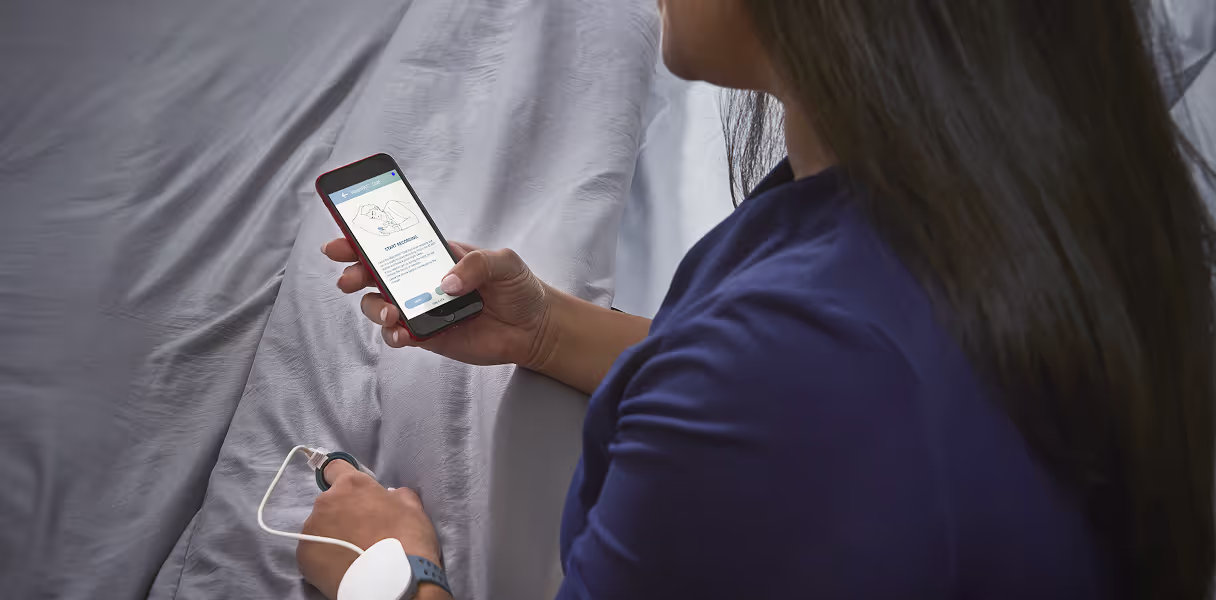
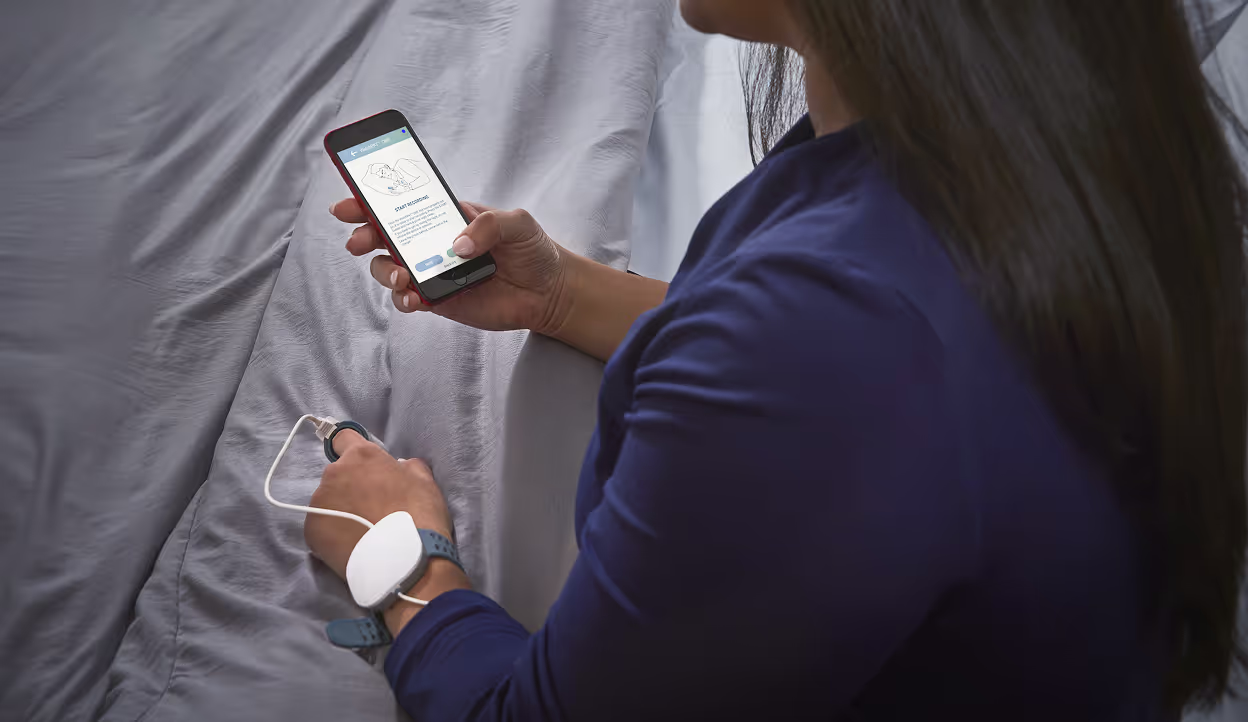
Home sleep apnea testing uses a compact device, often called a home sleep test device, that you wear for one night. The device typically includes sensors that attach to your finger, chest, and nose or mouth area. These sensors measure oxygen saturation, heart rate, respiratory effort, airflow, and body position throughout the night.
Unlike a full polysomnography study performed in a sleep lab, a home sleep test does not monitor brain waves or leg movements. This makes it a focused, streamlined tool specifically built for identifying obstructive sleep apnea. The American Academy of Sleep Medicine recognizes home sleep apnea testing as an appropriate diagnostic method when a sleep medicine physician or qualified provider suspects moderate to severe obstructive sleep apnea based on symptoms and clinical evaluation.
After the test night, the recorded data is uploaded and reviewed by a physician. The physician analyzes the results, calculates the Apnea-Hypopnea Index, and determines whether a diagnosis of obstructive sleep apnea applies. Most patients receive their results within a few business days.
Home sleep apnea testing offers Lewisville patients a way to get diagnosed without the inconvenience, cost, or wait times associated with an overnight sleep lab visit. dumbo.health ships an FDA-cleared home sleep test device directly to patients for $149 with no insurance required, removing one of the most common barriers to getting tested.
KEY TAKEAWAY: A home sleep apnea test is a portable, FDA-cleared study that records breathing, oxygen levels, and heart rate overnight to diagnose obstructive sleep apnea without requiring an overnight stay in a sleep lab.
Understanding what a home sleep test measures is important, but knowing what symptoms warrant testing matters just as much.
Symptoms That Indicate You May Need a Sleep Apnea Test
Loud snoring combined with daytime fatigue is the most recognizable sign of obstructive sleep apnea, but many patients have symptoms they do not immediately connect to a sleep disorder. Recognizing these symptoms early can lead to faster diagnosis and treatment.
Common Symptoms of Obstructive Sleep Apnea
The following symptoms frequently prompt a physician or sleep specialist to recommend sleep apnea testing:
- Loud snoring that disrupts your sleep partner
- Waking up gasping for breath or choking during the night
- Excessive sleepiness during the day despite a full night in bed
- Morning headaches that resolve within a few hours of waking
- Difficulty concentrating or memory problems
- Irritability or mood changes without a clear cause
- Dry mouth or sore throat upon waking
- Frequent nighttime urination
According to the National Heart, Lung, and Blood Institute, obstructive sleep apnea causes repeated episodes of partial or complete airway obstruction during sleep. Each episode reduces oxygen levels in the blood, forces the heart to work harder, and fragments sleep quality. Over time, untreated sleep apnea increases the risk of heart attack, stroke, high blood pressure, and pulmonary hypertension.
When Symptoms Are Less Obvious
Not every patient with sleep apnea snores loudly. Some patients present with insomnia, sleep fragmentation, or fatigue that they attribute to stress or aging. Breathing troubles during sleep may go unnoticed if the patient sleeps alone. In these cases, a physician may recommend testing based on risk factors such as a body mass index above 30, a neck circumference greater than 17 inches in men or 16 inches in women, or a family history of sleep disorders.
DID YOU KNOW: According to the Sleep Foundation, up to 80 percent of moderate to severe obstructive sleep apnea cases remain undiagnosed, often because patients do not recognize their symptoms or assume snoring is harmless.
Drowsy driving is another serious consequence of untreated sleep apnea. The National Highway Traffic Safety Administration estimates that drowsy driving causes thousands of crashes each year in the United States. Lewisville residents who commute through the Dallas-Fort Worth Metroplex face particular risk if untreated sleep apnea impairs their alertness behind the wheel.
KEY TAKEAWAY: Loud snoring, waking up gasping for breath, excessive sleepiness, and morning headaches are the most common symptoms that indicate a need for sleep apnea testing, but even less obvious signs like insomnia and fatigue may point to obstructive sleep apnea.
Once you recognize the symptoms, the next step is understanding exactly what the test measures and how physicians use that data to reach a diagnosis.
What a Home Sleep Test Measures and How Results Are Interpreted
A home sleep test measures four to six physiological signals overnight to determine whether obstructive sleep apnea is present and how severe it is. The physician uses these measurements to calculate the Apnea-Hypopnea Index, which is the standard metric for diagnosing sleep apnea severity.
Key Measurements Recorded During a Home Sleep Test
- Oxygen saturation: Tracks the percentage of oxygen in your blood using a finger sensor. Drops in oxygen saturation during sleep indicate apnea or hypopnea events.
- Heart rate: Monitors how your heart responds to breathing pauses. Repeated oxygen drops cause heart rate fluctuations that reflect the stress placed on your cardiovascular system.
- Airflow: Measures the amount of air moving through your nose and mouth. Reduced or absent airflow lasting 10 seconds or more qualifies as an apnea or hypopnea event.
- Respiratory effort: Detects chest and abdominal movement to determine whether you are attempting to breathe during an obstruction.
- Body position: Records whether you are sleeping on your back, side, or stomach, since sleep apnea is often more severe in the supine position.
- Peripheral Arterial Tone: Some devices, such as the WatchPAT, use Peripheral Arterial Tone technology to measure arterial blood flow changes at the fingertip. These changes correlate with respiratory events and provide additional data for accurate diagnosis.
Understanding the Apnea-Hypopnea Index
The Apnea-Hypopnea Index is the number of apnea and hypopnea events per hour of recorded sleep. According to the American Academy of Sleep Medicine, the Apnea-Hypopnea Index classifies sleep apnea severity as follows:
- Normal: fewer than 5 events per hour
- Mild obstructive sleep apnea: 5 to 14 events per hour
- Moderate obstructive sleep apnea: 15 to 29 events per hour
- Severe obstructive sleep apnea: 30 or more events per hour
The oxygen desaturation index, which measures how often oxygen saturation drops by 3 percent or more per hour, provides additional context. A high oxygen desaturation index alongside a high Apnea-Hypopnea Index signals more significant oxygen deprivation and greater cardiovascular risk.
How Physicians Review Home Sleep Test Results
After you complete the test, the data is uploaded to a secure platform. A sleep medicine physician or board-certified sleep specialist reviews the raw data, confirms the Apnea-Hypopnea Index calculation, and produces a clinical report. This report includes a diagnosis, severity classification, and treatment recommendations.
With dumbo.health, physician interpretation is included in the monthly care plans. The Essentials Plan at $59 per month covers physician review, a clinical report, and CPAP therapy with equipment. Patients who want faster results turnaround and dedicated sleep coach support can choose the Premium Plan at $89 per month, which includes priority results turnaround and advanced adherence monitoring.
KEY TAKEAWAY: The Apnea-Hypopnea Index is the primary diagnostic metric from a home sleep test, with 5 or more events per hour indicating obstructive sleep apnea, and the severity classification directly determines the recommended treatment approach.
Knowing what the test measures leads naturally to the question of how it compares to the alternative: an in-lab sleep study.
Home Sleep Test vs In-Lab Sleep Study: Which Is Right for You
A home sleep test is best suited for diagnosing obstructive sleep apnea in adults with a moderate to high clinical suspicion, while an in-lab polysomnography study is necessary for diagnosing complex or multiple sleep disorders. Choosing the right test depends on your symptoms, medical history, and what your physician suspects.
How the Two Tests Compare
Here is a direct comparison of the key differences between a home sleep test and an in-lab polysomnography study for Lewisville patients:
Setting
- Home Sleep Test: Your own bed at home in Lewisville or anywhere in Texas
- In-Lab Polysomnography: A sleep lab or hospital, such as Medical City Healthcare facilities in the Dallas-Fort Worth Metroplex
Cost Without Insurance
- Home Sleep Test: Typically $149 to $500 depending on provider. dumbo.health charges $149 with no insurance required.
- In-Lab Polysomnography: Often $1,000 to $3,000 or more depending on the facility and location
Channels Monitored
- Home Sleep Test: 4 to 6 channels including oxygen saturation, heart rate, airflow, respiratory effort, and body position
- In-Lab Polysomnography: 12 or more channels including brain waves (EEG), eye movements, leg movements, and all home test channels
Convenience
- Home Sleep Test: High. No travel, no overnight stay away from home, completed on your own schedule
- In-Lab Polysomnography: Lower. Requires scheduling, travel to a sleep lab, and sleeping in an unfamiliar environment
Best For
- Home Sleep Test: Adults with suspected obstructive sleep apnea based on symptoms like loud snoring, breathing pauses, and excessive sleepiness
- In-Lab Polysomnography: Patients with suspected central sleep apnea, narcolepsy, Restless leg syndrome, Sleepwalking, or other complex sleep disorders
Turnaround Time for Results
- Home Sleep Test: Typically 3 to 7 business days. dumbo.health Premium Plan members receive priority results turnaround.
- In-Lab Polysomnography: Often 1 to 3 weeks depending on the facility and referring provider
For most Lewisville patients who present with classic obstructive sleep apnea symptoms, a home sleep test provides sufficient diagnostic accuracy at a fraction of the cost and with far greater comfort. The American Academy of Sleep Medicine supports home sleep apnea testing as a validated alternative to polysomnography for uncomplicated obstructive sleep apnea in adults.
However, if your provider suspects a condition other than obstructive sleep apnea, or if you have significant comorbidities such as heart failure, chronic obstructive pulmonary disease, or neuromuscular disease, a comprehensive sleep study in a lab setting may be clinically necessary. Your sleep physician or primary care physician can help determine which test is appropriate based on your individual evaluation.
KEY TAKEAWAY: A home sleep test is the right choice for most adults with suspected obstructive sleep apnea because it is more affordable, more convenient, and clinically validated, but an in-lab study is necessary when complex or multiple sleep disorders are suspected.
With a clear understanding of testing options, the next step is knowing exactly how to prepare for and complete a home sleep test in Lewisville.
How to Complete a Home Sleep Apnea Test in Lewisville, Texas
Completing a home sleep apnea test requires a physician order, a test device, one night of recording, and a physician review of results. The entire process from order to diagnosis can take as little as one to two weeks for Lewisville patients.
Step-by-Step Process for Home Sleep Testing
1. Start with a clinical evaluation. Visit your primary care physician, a sleep specialist, or complete a free sleep assessment at dumbo.health to determine whether you are a candidate for a home sleep test. Your provider will evaluate your symptoms, medical history, and risk factors.
2. Obtain a physician order. A home sleep apnea test requires a prescription or physician order. If you use dumbo.health, the clinical team coordinates the order as part of the process, so you do not need to arrange it separately.
3. Receive your home sleep test device. The device is shipped directly to your home in Lewisville or anywhere in Texas. dumbo.health ships an FDA-cleared home sleep test device for $149 with clear setup instructions included.
4. Prepare for the test night. Follow the preparation checklist below. Avoid caffeine and alcohol on the day of the test. Try to follow your normal sleep routine as closely as possible.
5. Wear the device and sleep. Attach the sensors according to the instructions. Go to bed at your usual time and sleep through the night. The device records automatically.
6. Return or upload the data. Depending on the device type, you either return it in a prepaid shipping envelope or the data uploads digitally. dumbo.health handles the data transfer process.
7. Receive physician-reviewed results. A sleep medicine physician reviews your data, calculates your Apnea-Hypopnea Index, and produces a clinical report with a diagnosis and treatment plan.
After completing these steps, you will know whether you have obstructive sleep apnea, what severity level applies, and what treatment your physician recommends. Most dumbo.health patients move from testing to treatment within two weeks.
Preparation Checklist for Your Home Sleep Test Night
- Confirm your test device arrived with all sensors and components intact
- Read the setup instructions completely before your test night
- Avoid caffeine after noon on the day of your test
- Avoid alcohol for at least 4 hours before bedtime
- Do not take sleep medications unless your physician specifically instructs you to continue them
- Remove nail polish from the finger where the oxygen sensor will be placed
- Sleep in your normal bed and follow your usual bedtime routine
- Charge your device if the instructions indicate it needs charging
- Keep your phone nearby if the device requires a Bluetooth connection or app
- Set an alarm slightly earlier than usual so you can remove sensors and return the device promptly
TIP: Sleep on your back for at least part of the night if you can. Obstructive sleep apnea is often more severe in the supine position, and capturing data in this position gives your physician a more complete picture of your breathing patterns.
KEY TAKEAWAY: Completing a home sleep apnea test in Lewisville involves seven straightforward steps from clinical evaluation to physician-reviewed results, and the entire process can be completed in one to two weeks without visiting a sleep lab.
Getting tested is only the first step. What happens after your results come back determines the course of your treatment and long-term health outcomes.
Treatment Options After a Positive Sleep Apnea Diagnosis
CPAP therapy is the most effective and widely prescribed treatment for moderate to severe obstructive sleep apnea. However, your treatment plan depends on the severity of your diagnosis, your personal preferences, and any additional health conditions your physician identifies.
CPAP Therapy
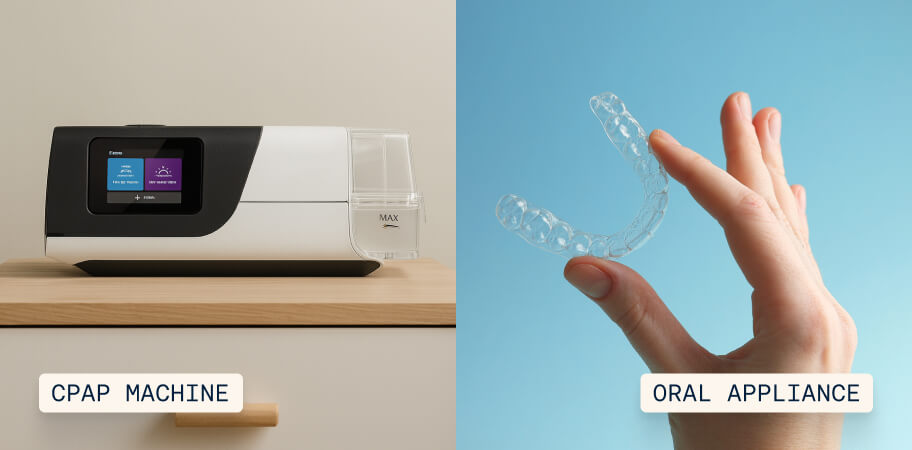
CPAP stands for Continuous Positive Airway Pressure. A CPAP machine delivers a steady stream of pressurized air through a mask you wear during sleep. This air pressure keeps your airway open, preventing the soft palate, tongue, and surrounding tissues from collapsing and causing airway obstruction.
According to Mayo Clinic, CPAP therapy is considered the gold standard treatment for obstructive sleep apnea. Consistent CPAP use reduces apnea events, improves oxygen levels during sleep, lowers blood pressure, and significantly decreases the risk of heart attack, stroke, and other cardiovascular complications.
Many patients report noticeable improvements in sleep quality, daytime energy, and mood within the first few weeks of consistent CPAP use. Clinicians frequently observe that patients who use CPAP for at least 4 hours per night on 70 percent or more of nights achieve the best clinical outcomes.
dumbo.health includes CPAP therapy and equipment in all monthly care plans. The Essentials Plan at $59 per month covers a CPAP machine, physician oversight, and standard follow-up care with no contracts and the ability to cancel anytime.
BiPAP Therapy
BiPAP, or Bilevel Positive Airway Pressure, delivers two levels of air pressure: a higher pressure when you inhale and a lower pressure when you exhale. BiPAP is typically prescribed for patients who have difficulty tolerating standard CPAP, patients with higher pressure requirements, or patients with certain coexisting respiratory conditions. Your sleep physician determines whether BiPAP is appropriate based on your specific results and comfort needs.
Oral Appliance Therapy
Oral appliance therapy uses a custom-fitted dental device that repositions the lower jaw and tongue forward to keep the airway open during sleep. Oral appliances are typically recommended for patients with mild to moderate obstructive sleep apnea who cannot tolerate CPAP, or as an alternative for patients who prefer a device without a mask and machine.
A dentist with training in sleep medicine, sometimes working from a Lewisville dental office or a practice in the Dallas-Fort Worth Metroplex, custom-fits the oral appliance. Devices such as DREAM TAP appliances are examples of mandibular advancement devices used in oral appliance therapy. Oral appliances are generally less effective than CPAP for severe obstructive sleep apnea but provide a viable alternative when compliance with CPAP is a barrier.
Surgical and Other Interventions
Surgical solutions for sleep apnea are typically reserved for patients who do not respond to CPAP or oral appliance therapy, or who have a specific anatomical cause of airway obstruction. Procedures may involve removing excess tissue from the soft palate or throat, repositioning the jaw, or addressing structural issues in the nose. Ear, Nose, and Throat specialists and oral surgeons who practice in North Texas can evaluate surgical candidates.
MARPE (Miniscrew-Assisted Rapid Palatal Expansion) and SARPE (Surgically Assisted Rapid Palatal Expansion) are orthodontic and surgical approaches that widen the upper jaw to increase nasal airway volume. These procedures are less common and typically considered in younger patients or patients with specific skeletal anatomy contributing to airway obstruction.
Weight management, positional therapy (sleeping on your side instead of your back), and avoiding alcohol and sedatives before bed are additional lifestyle measures that can reduce apnea severity, though they are rarely sufficient as standalone treatments for moderate to severe cases.
Choosing the Right Treatment Plan
Your treatment plan should be guided by your Apnea-Hypopnea Index, your symptom burden, your cardiovascular risk profile, and your personal preferences. A sleep medicine physician or board-certified sleep specialist reviews your results and recommends the most appropriate approach.
IMPORTANT: Untreated obstructive sleep apnea increases the risk of heart attack, stroke, high blood pressure, type 2 diabetes, and motor vehicle accidents. According to the CDC, adults generally need at least 7 hours of sleep per night, and sleep apnea directly undermines sleep quality even when total time in bed seems adequate.
KEY TAKEAWAY: CPAP therapy is the gold standard treatment for moderate to severe obstructive sleep apnea, but oral appliances, BiPAP, and surgical options exist for patients who need alternatives, and treatment should always be guided by a physician based on individual test results.
Access to treatment depends heavily on cost and insurance, which is the next critical consideration for Lewisville patients.
Cost of Home Sleep Apnea Testing and Treatment in Lewisville
A home sleep apnea test in the Lewisville area typically costs between $150 and $500 when paid out of pocket, compared to $1,000 to $3,000 or more for an in-lab polysomnography study. Cost is one of the most significant barriers preventing patients from getting tested and treated.
Why Insurance Can Be a Barrier
Many Lewisville patients delay sleep apnea testing because they are unsure whether their insurance covers it, cannot navigate prior authorization requirements, or face high deductibles that make insurance coverage functionally useless for a single diagnostic test. Insurance policies vary widely in what they cover for sleep testing and CPAP equipment, and the process of obtaining approval can add weeks to the timeline.
For patients without insurance or those who prefer to avoid insurance hassles entirely, cash-pay testing provides a direct, predictable path to diagnosis. There are no surprise bills, no prior authorizations, and no waiting for insurance approval.
dumbo.health Pricing for Lewisville Patients
dumbo.health serves patients in Lewisville, Texas and across the state with transparent, cash-pay pricing designed to remove cost and access barriers:
The home sleep test costs $149 as a one-time payment. This includes the FDA-cleared home sleep test device and one night of testing. The device is shipped directly to your home.
Monthly care plans cover physician interpretation of results, CPAP therapy and equipment, and ongoing treatment support:
- Essentials Plan: $59 per month (approximately $2 per day). Includes physician interpretation and report, CPAP therapy and equipment, standard follow-up care, and updates sent to your referring provider. No contracts. Cancel anytime.
- Premium Plan: $89 per month (approximately $3 per day). Everything in Essentials plus a dedicated sleep coach from a licensed care team, advanced adherence monitoring, and priority results turnaround.
- Elite Plan: $129 per month (approximately $4 per day). Everything in Premium plus concierge clinical support, direct physician messaging, and custom reporting for your practice.
All plans operate on a monthly subscription model with no contracts. You can cancel anytime without penalty.
How dumbo.health Compares to Traditional Local Options
Patients in Lewisville who seek sleep apnea testing through traditional channels, such as a referral from a primary care physician to a sleep specialist and then to a sleep lab, often face a multi-week process involving multiple appointments, insurance pre-authorization, and separate bills for the test, physician interpretation, and equipment. The total out-of-pocket cost can exceed $2,000 before treatment begins.
dumbo.health consolidates testing, physician review, and treatment into a single streamlined process. There is no need to visit a sleep lab, no need for insurance, and no hidden fees. For Lewisville patients, this means a faster path from suspicion to diagnosis to treatment, all coordinated through telehealth and home-based care.
KEY TAKEAWAY: dumbo.health offers Lewisville patients a home sleep test for $149 and monthly care plans starting at $59 per month with no insurance required, no contracts, and no surprise bills, making sleep apnea diagnosis and treatment financially accessible.
Cost is not the only barrier patients face. It is also important to understand when a home sleep test may not be the right choice.
Limitations and Risks of Home Sleep Apnea Testing
A home sleep apnea test is a highly effective diagnostic tool for obstructive sleep apnea, but it has clinical limitations that patients and providers should understand before choosing this path. Acknowledging these limitations ensures you receive the most appropriate diagnostic evaluation for your specific situation.
When a Home Sleep Test May Not Be Appropriate
1. Suspected central sleep apnea. Central sleep apnea occurs when the brain fails to send proper signals to the muscles that control breathing, rather than a physical airway obstruction. A home sleep test cannot reliably distinguish between central and obstructive sleep apnea because it does not monitor brain activity. Patients with heart failure, opioid use, or neurological conditions may be at higher risk for central sleep apnea and typically require in-lab polysomnography.
2. Multiple suspected sleep disorders. If your physician suspects narcolepsy, Restless leg syndrome, Sleepwalking, Shift work disorder, hypersomnia, or other complex sleep disorders in addition to or instead of obstructive sleep apnea, a comprehensive sleep study in a lab setting is necessary. These conditions require EEG monitoring, leg movement sensors, and other channels that a home test does not provide.
3. Significant cardiopulmonary comorbidities. Patients with severe heart failure, chronic obstructive pulmonary disease, pulmonary hypertension, or neuromuscular diseases affecting respiratory function may need the more detailed monitoring available only in a sleep lab. The additional data from polysomnography helps physicians develop a more precise treatment plan for these complex cases.
4. Inconclusive or negative results despite strong clinical suspicion. A home sleep test can underestimate the severity of sleep apnea in some patients because it measures recording time rather than actual sleep time. If you have significant difficulty falling asleep, or if the sensors become displaced during the night, the test may produce a falsely low Apnea-Hypopnea Index. In these cases, your physician may recommend repeating the home test or proceeding to an in-lab study.
5. Pediatric patients. Home sleep apnea testing is validated for adults. Children suspected of having sleep-disordered breathing generally require in-lab polysomnography, as the diagnostic criteria and monitoring needs differ from those in adults.
How dumbo.health Addresses These Limitations
dumbo.health includes physician oversight in every care plan, which means a sleep medicine physician reviews your results and clinical history before making treatment recommendations. If your results are inconclusive or suggest a condition that requires further evaluation, the physician can guide you toward the appropriate next step, whether that is a repeat home test, a referral for in-lab polysomnography, or an alternative diagnostic pathway. The Elite Plan includes direct physician messaging, giving patients with complex situations faster access to clinical guidance.
IMPORTANT: A home sleep test is a screening and diagnostic tool for obstructive sleep apnea specifically. It is not a substitute for a comprehensive sleep evaluation when symptoms suggest other sleep disorders or when significant medical comorbidities are present.
KEY TAKEAWAY: Home sleep apnea testing is not appropriate for diagnosing central sleep apnea, narcolepsy, or complex sleep disorders, and patients with inconclusive results or significant comorbidities may need in-lab polysomnography for a complete diagnosis.
Understanding limitations helps set realistic expectations. Seeing how real patients navigate the testing process makes the experience even more concrete.
Real-World Scenarios: How Lewisville Patients Use Home Sleep Testing
Home sleep apnea testing fits into a wide range of patient situations. These scenarios illustrate how different Lewisville and North Texas residents have used home testing to move from symptoms to diagnosis to treatment.
Common Scenarios
A 48-year-old office manager in Lewisville noticed that she woke up with headaches most mornings and felt exhausted by mid-afternoon despite sleeping 8 hours each night. Her husband reported that she snored loudly and occasionally stopped breathing during sleep. She did not have insurance that covered sleep testing and did not want to spend over $1,000 at a sleep lab. She ordered a home sleep test through dumbo.health for $149, completed the test in her own bed, and received physician-reviewed results within 5 business days showing moderate obstructive sleep apnea with an Apnea-Hypopnea Index of 22. She started CPAP therapy through the Essentials Plan at $59 per month and reported significantly improved energy levels within three weeks.
A 55-year-old long-haul truck driver living near Long Prairie Rd in Lewisville was flagged for sleep apnea testing during a DOT physical because of a BMI of 38 and a neck circumference of 18 inches. He needed a diagnosis quickly to maintain his commercial driver's license. Scheduling a sleep lab appointment would have taken three weeks, and he could not afford time off the road. He used dumbo.health to complete a home sleep test on a night between hauls, received a diagnosis of severe obstructive sleep apnea with an Apnea-Hypopnea Index of 41, and began CPAP therapy within 10 days. His physician sent documentation to his DOT examiner to support his medical certification.
A 34-year-old software developer in the Dallas-Fort Worth Metroplex area had been dealing with insomnia and fatigue for over a year. His primary care physician initially attributed his symptoms to stress and screen time. After lifestyle changes failed to improve his sleep quality, his doctor ordered a sleep evaluation. Rather than waiting 4 weeks for a sleep lab appointment near Medical Arts Dr or Highland Village Rd, he opted for a home sleep apnea test. His results showed mild obstructive sleep apnea with an Apnea-Hypopnea Index of 9. His physician discussed treatment options including positional therapy and CPAP, and he chose to start with CPAP through dumbo.health's Premium Plan to access a dedicated sleep coach who helped him adjust to using the device.
These scenarios reflect the range of patients who benefit from home sleep testing: people without insurance, people who need fast results, and people whose symptoms were initially attributed to other causes. In each case, home testing provided a faster, more affordable, and more convenient path to diagnosis than a traditional sleep lab evaluation.
KEY TAKEAWAY: Home sleep apnea testing serves a wide range of patients in Lewisville and North Texas, from office workers with undiagnosed fatigue to commercial drivers needing rapid DOT-related testing, and dumbo.health provides a streamlined path from testing to treatment for all of them.
Real-world experience also reveals how many patients hold misconceptions about sleep apnea testing that can delay diagnosis or treatment.
Common Myths About Sleep Apnea Testing Debunked
MYTH: You have to sleep in a lab to get an accurate sleep apnea diagnosis.
FACT: The American Academy of Sleep Medicine has validated home sleep apnea testing as an appropriate and accurate method for diagnosing obstructive sleep apnea in adults with moderate to high pre-test probability. Home sleep tests measure the same core respiratory parameters, including airflow, oxygen saturation, and respiratory effort, that form the basis of an obstructive sleep apnea diagnosis. In-lab polysomnography is necessary only when complex sleep disorders or comorbidities are suspected.
MYTH: Home sleep tests are not as accurate as in-lab studies.
FACT: For diagnosing obstructive sleep apnea specifically, home sleep tests demonstrate high sensitivity and specificity when used in appropriate patient populations. A home sleep test may underestimate severity in some cases because it measures total recording time rather than confirmed sleep time, but physician review accounts for this. According to the American Academy of Sleep Medicine, the clinical outcomes for patients diagnosed via home testing are comparable to those diagnosed through in-lab polysomnography when appropriate patient selection criteria are followed.
MYTH: Sleep apnea only affects overweight older men.
FACT: Obstructive sleep apnea affects people of all ages, genders, and body types. While a higher BMI, male sex, and older age are established risk factors, women, younger adults, and people at a healthy weight can also develop sleep apnea. Anatomical factors such as a narrow airway, enlarged tongue, or recessed jaw contribute to airway obstruction regardless of body weight. The NIH notes that sleep apnea is underdiagnosed in women partly because symptoms may present differently, with insomnia and fatigue more common than loud snoring.
MYTH: If you snore, you definitely have sleep apnea.
FACT: Snoring is the most common symptom associated with obstructive sleep apnea, but not everyone who snores has sleep apnea. Snoring can result from nasal congestion, alcohol use, sleep position, or mouth breathing without any apnea events. A sleep apnea test measures the Apnea-Hypopnea Index to determine whether breathing pauses actually occur, how frequently, and how severely. Only a physician-reviewed test can confirm or rule out a diagnosis.
MYTH: CPAP therapy is so uncomfortable that most people give up.
FACT: While CPAP adjustment takes time, modern CPAP machines are quieter, lighter, and more comfortable than earlier models. According to the Sleep Foundation, patients who receive proper mask fitting, humidification adjustments, and coaching support are significantly more likely to achieve long-term adherence. dumbo.health's Premium and Elite Plans include dedicated sleep coach support and advanced adherence monitoring specifically to help patients overcome the initial adjustment period and maintain consistent use.
KEY TAKEAWAY: Many common beliefs about sleep apnea testing are outdated or inaccurate, and understanding the facts helps Lewisville patients make informed decisions about testing and treatment without unnecessary delay.
With myths cleared away, the next question is where to find sleep apnea testing and care providers in the Lewisville area.
Finding Sleep Apnea Testing and Providers Near Lewisville
Lewisville residents have multiple options for sleep apnea evaluation, testing, and treatment, ranging from local sleep specialists to telehealth-based services that eliminate the need for in-person visits. The right provider depends on your symptoms, budget, and how quickly you need results.
Local Provider Options in the Lewisville Area
The Dallas-Fort Worth Metroplex offers a concentration of sleep medicine physicians, sleep labs, and medical facilities that provide sleep apnea testing. Lewisville is centrally located within North Texas, giving patients access to providers along Highland Village Rd, near W Main St, and in surrounding communities.
Local options include:
- Sleep disorder specialists and sleep medicine physicians who practice independently or within hospital-affiliated sleep centers
- Primary care physicians and Family Practitioners who can evaluate symptoms and provide referrals for testing
- Medical City Healthcare facilities in the Dallas-Fort Worth area that house sleep labs for in-lab polysomnography
- Board-certified sleep specialists who hold credentials from the American Academy of Sleep Medicine
- Internists and other physicians who may order home sleep tests based on clinical evaluation
- Ear, Nose, and Throat specialists who evaluate structural contributors to airway obstruction
- Lewisville dental offices and orthodontic practices, such as Karls Orthodontics, that offer oral appliance therapy or dental appliances for mild to moderate sleep apnea
Some local practices, including those specializing in Restorative Medicine and Anti-Aging, may incorporate sleep evaluation into broader wellness and health optimization programs. Physicians like Dr. Shirley Mathew and providers affiliated with MDVIP or Gastroenterology and Critical Care Medicine practices may encounter sleep apnea as a comorbid condition and initiate testing referrals.
Telehealth and At-Home Options
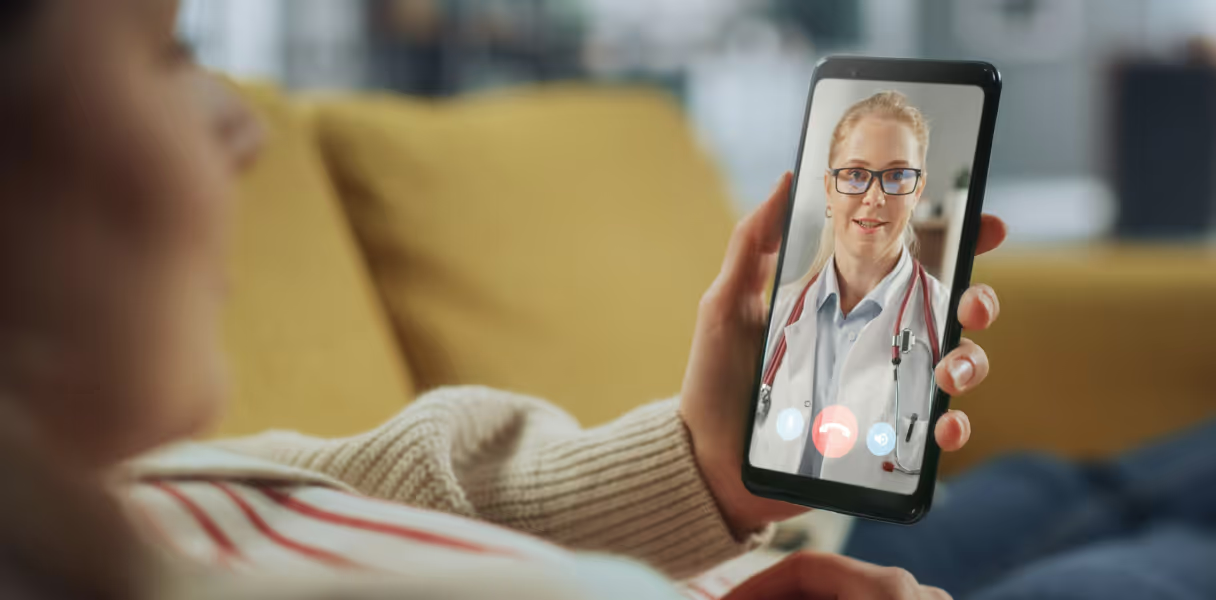
For patients who prefer not to visit a clinic or who face scheduling constraints, telehealth-based sleep apnea care provides a complete alternative. dumbo.health serves Lewisville and all of Texas with a fully remote model: clinical evaluation, physician orders, home sleep test delivery, physician-reviewed results, and CPAP therapy are all coordinated without requiring an in-person appointment.
This approach is particularly valuable for patients who live far from a sleep specialist, work schedules that conflict with clinic hours, or simply want a faster, more convenient path to diagnosis. You do not need to find a provider near you or navigate referral chains when using a telehealth sleep care platform.
KEY TAKEAWAY: Lewisville patients can access sleep apnea testing through local sleep specialists, hospital-affiliated sleep labs, dental offices offering oral appliances, or telehealth platforms like dumbo.health that deliver testing and treatment entirely from home.
Choosing the right provider and understanding your options positions you to take action. Here is what to do next.
Conclusion
A home sleep apnea test gives Lewisville patients a practical, clinically validated way to diagnose obstructive sleep apnea without the cost, inconvenience, or wait times associated with in-lab sleep studies. Recognizing symptoms like loud snoring, waking up gasping for breath, and excessive daytime fatigue is the first step. Getting tested is the second. Acting on your results by starting the right treatment plan is what ultimately protects your heart, your energy, and your quality of life.
dumbo.health makes every step accessible with a $149 home sleep test, no insurance required, and monthly care plans starting at $59 per month that include physician-reviewed results, CPAP therapy, and equipment with no contracts. Take the free sleep assessment to find out whether a home sleep test is right for you and start your path to better sleep today.
Frequently Asked Questions About Home Sleep Apnea Testing in Lewisville, Texas
What is a home sleep apnea test?
A home sleep apnea test (HSAT) is a simplified, portable sleep study you complete in your own bed. The test device records breathing patterns, oxygen saturation, heart rate, respiratory effort, and airway activity while you sleep. A physician then reviews the recorded data to assess whether obstructive sleep apnea or other breathing disruptions are present. Home sleep apnea tests are widely used as a first-line diagnostic tool and are recognised by the American Academy of Sleep Medicine as appropriate for evaluating suspected obstructive sleep apnea in many adults.
What is sleep apnea?
Sleep apnea is a sleep disorder in which breathing repeatedly stops and starts during sleep. The most common form is obstructive sleep apnea (OSA), which occurs when the muscles supporting the soft palate and tongue relax and partially or fully block the upper airway. These breathing interruptions reduce oxygen levels, fragment sleep, and place stress on the cardiovascular system. The Mayo Clinic explains that untreated sleep apnea can contribute to high blood pressure, heart disease, stroke, and excessive daytime sleepiness. A physician evaluation is needed to confirm a diagnosis.
What are the warning signs of sleep apnea?
Common warning signs of sleep apnea include loud snoring, waking up gasping for breath, morning fatigue, excessive daytime sleepiness, difficulty concentrating, and restless or fragmented sleep. Some people also experience morning headaches, irritability, and trouble staying asleep. Not everyone with sleep apnea snores, and many people are unaware they stop breathing during the night. If you regularly experience these symptoms, a healthcare professional can help determine whether a sleep evaluation or home sleep apnea test in Lewisville, Texas is an appropriate next step.
How does sleep apnea affect your health?
Untreated obstructive sleep apnea puts repeated stress on the cardiovascular and respiratory systems. Each breathing interruption reduces oxygen saturation and triggers the sympathetic nervous system, raising heart rate and arterial blood flow pressure. Over time, this contributes to elevated risk for high blood pressure, heart attack, stroke, pulmonary hypertension, and metabolic conditions. The CDC recognises sleep disorders as a public health concern linked to impaired driving, reduced productivity, and chronic disease. Treating sleep apnea through CPAP therapy or other approaches can support better sleep quality and reduce cardiovascular strain, though outcomes vary by individual.
How is sleep apnea diagnosed?
Sleep apnea is diagnosed using a sleep study, either a home sleep apnea test or an in-lab polysomnography study. Both tests measure breathing patterns, oxygen levels, respiratory effort, and the apnea-hypopnea index (AHI), which counts the average number of breathing interruptions per hour of sleep. A sleep medicine physician or board-certified sleep specialist reviews the data and determines whether obstructive sleep apnea is present and how severe it is. The AHI result guides treatment planning, including whether CPAP therapy, oral appliance therapy, or further evaluation is recommended.
Is a home sleep test as accurate as an in-lab sleep study?
A home sleep apnea test is considered clinically appropriate and accurate for diagnosing moderate to severe obstructive sleep apnea in adults without significant comorbidities. The American Academy of Sleep Medicine supports the use of HSATs for this purpose. However, home sleep tests record fewer data channels than a full polysomnography study conducted in a sleep lab. They may underestimate sleep apnea severity because the device records time worn rather than confirmed sleep time. In-lab polysomnography may be recommended if the home test is inconclusive, if complex sleep disorders such as narcolepsy, restless leg syndrome, or sleepwalking are suspected, or if initial results are unclear.
What does a home sleep test measure?
A home sleep apnea test typically records oxygen saturation, heart rate, respiratory effort, breathing rate, airflow, and body position. Some devices, including WatchPAT, also measure peripheral arterial tone (PAT), which reflects changes in arterial blood flow associated with breathing disruptions and sleep fragmentation. The resulting data is used to calculate the apnea-hypopnea index and the oxygen desaturation index (ODI), both of which help a physician assess the presence and severity of obstructive sleep apnea. Results are reviewed by a qualified physician who produces a clinical interpretation report.
What is WatchPAT and how effective is it for diagnosing sleep apnea?
WatchPAT is an FDA-cleared home sleep apnea test device that uses peripheral arterial tone technology to detect breathing disruptions, oxygen desaturation, and sleep fragmentation. Unlike some HSATs that only measure airflow and chest movement, WatchPAT captures physiological signals including heart rate and respiratory data at the wrist and finger. Clinical research published through PubMed supports WatchPAT's validity for diagnosing obstructive sleep apnea. It is widely used by sleep physicians as a convenient and clinically validated alternative to in-lab polysomnography for appropriate candidates.
When should I talk with a doctor about possible sleep apnea?
You should speak with a healthcare professional if you regularly experience loud snoring, waking up gasping for breath, excessive daytime sleepiness, morning fatigue, difficulty concentrating, or if a bed partner notices you stop breathing during sleep. These symptoms may indicate obstructive sleep apnea or another sleep disorder that benefits from clinical evaluation. People with risk factors such as high body mass index, high blood pressure, or a family history of sleep apnea may benefit from earlier evaluation. If you have severe symptoms, chest pain, or difficulty breathing, seek medical care promptly rather than waiting for a scheduled sleep test.
How fast can I get a home sleep test in Lewisville, Texas?
Access to a home sleep apnea test in the Lewisville, Texas area can be quick depending on the testing pathway you choose. dumbo.health offers a $149 home sleep test with transparent cash-pay pricing and no insurance required. The test device is shipped directly to your home, and same-day shipping may be available for orders placed before 2pm CST. This makes it practical for patients in Lewisville and the broader Dallas-Fort Worth Metroplex who want to start the sleep apnea evaluation process without waiting for a specialist appointment or lab scheduling. You can get an at-home sleep test and begin the process quickly.
What does the $149 home sleep test from dumbo.health include?
The $149 home sleep test from dumbo.health is a one-time cost that includes the at-home sleep test device and one night of testing. The test is purchased before the test night and billed separately from any ongoing monthly care plan. It does not include physician interpretation as a standalone item, but physician review is covered as part of dumbo.health's monthly care plans starting at $59 per month. There are no contracts, no prior authorizations, and no surprise bills. This pricing structure is designed to give patients in Lewisville and across Texas clear costs they can plan around.
Who reviews my home sleep test results?
Home sleep test results are reviewed by a qualified sleep physician or sleep medicine physician who interprets the recorded data and produces a clinical report. At dumbo.health, physician interpretation is included in all monthly care plans. The physician review covers the apnea-hypopnea index, oxygen saturation findings, and respiratory data from the test night. The report can be shared with your primary care physician or referring provider. A physician determination of sleep apnea severity is required before a CPAP prescription or formal treatment plan can be established.
Can I use home sleep test results for a CPAP prescription?
Yes. A positive home sleep apnea test result interpreted by a qualified physician can support a CPAP prescription. In the United States, CPAP therapy requires a physician diagnosis based on a clinically reviewed sleep study. Once a sleep physician has reviewed your results and confirmed obstructive sleep apnea, a CPAP machine can be prescribed and set up as part of an ongoing care plan. dumbo.health's monthly plans include CPAP therapy and equipment along with physician review, so patients do not need to manage multiple providers to move from test to treatment.
What are the treatment options for obstructive sleep apnea?
The most common treatment for obstructive sleep apnea is CPAP therapy, which uses a continuous stream of pressurised air to keep the airway open during sleep. BiPAP therapy delivers two pressure levels and may be used for patients who need higher pressure or have difficulty tolerating standard CPAP. Oral appliance therapy uses a custom dental device to reposition the lower jaw and tongue to prevent airway obstruction. Surgical options exist for specific anatomical causes of obstruction. The right treatment depends on OSA severity, anatomy, patient preference, and clinician assessment. A sleep medicine physician can help determine the most appropriate treatment plan.
What is CPAP therapy and why does adherence matter?
CPAP therapy delivers continuous positive airway pressure through a mask worn during sleep to prevent airway collapse in obstructive sleep apnea. It is considered the most effective first-line treatment for moderate to severe OSA. Consistent nightly use is essential because the benefits of CPAP depend on regular adherence. Poor adherence reduces the cardiovascular and cognitive benefits of treatment and can affect insurance coverage or, for commercial drivers, DOT documentation requirements. Ongoing adherence monitoring and support from a sleep coach or care team can help patients build consistent CPAP use. dumbo.health's sleep apnea care solutions include adherence follow-up and equipment support.
What is the difference between home sleep testing and in-lab polysomnography?
Home sleep testing (HSAT) is a portable, self-administered test completed at home that measures key respiratory and physiological variables used to detect obstructive sleep apnea. In-lab polysomnography is a comprehensive sleep study conducted at a hospital-based or dedicated sleep lab, where technicians attach multiple sensors to monitor brain waves, eye movement, muscle activity, heart rate, respiratory effort, oxygen saturation, and body position simultaneously. Polysomnography captures more data and is considered the diagnostic gold standard. However, for many adults with suspected obstructive sleep apnea, a home sleep test provides sufficient clinical information and is more convenient and cost-effective. A sleep physician can advise which study type is appropriate.
What happens after my home sleep apnea test results come in?
After your home sleep test is completed and the device is processed, a sleep physician reviews the recorded data and produces an interpretation report. If obstructive sleep apnea is confirmed, the physician report will indicate severity based on the apnea-hypopnea index. This report forms the basis for a treatment plan, which may include CPAP therapy, oral appliance therapy, or further evaluation. Results can also be shared with your primary care physician or referring provider. dumbo.health's monthly plans include physician reporting, CPAP equipment if needed, and ongoing follow-up so the process moves from test to treatment without unnecessary delays.
What if my home sleep test shows abnormal results?
If your home sleep apnea test records abnormal results, such as elevated AHI or significant oxygen desaturation, a reviewing sleep physician will document the findings in a clinical report. This does not automatically mean a diagnosis is confirmed without full physician review, but it does typically prompt a recommended course of action such as CPAP therapy initiation, a follow-up consultation, or in some cases referral for an in-lab polysomnography study if the results are inconclusive or complex. A qualified healthcare professional should guide any treatment decisions. You should not start, stop, or change treatment based on raw device readings alone.
Do I need insurance to get a home sleep apnea test in Lewisville, Texas?
No. Insurance is not required to access a home sleep apnea test in Lewisville, Texas through dumbo.health. dumbo.health operates on a cash-pay model with transparent pricing and no prior authorizations. The home sleep test is $149 as a one-time cost, and ongoing care plans start at $59 per month with no contracts and no surprise bills. This makes sleep apnea evaluation accessible for patients who are uninsured, underinsured, or who want to avoid the delays and complexity that often come with insurance-based healthcare pathways. You can start your sleep apnea care without needing coverage approval.
What ongoing care is available after a sleep apnea diagnosis?
After a sleep apnea diagnosis, ongoing care typically includes CPAP therapy and equipment, adherence monitoring, follow-up consultations, and regular reporting to your physician. dumbo.health offers monthly care plans that cover physician interpretation, CPAP therapy and equipment, standard follow-up care, and provider updates. The Premium plan at $89 per month adds a dedicated sleep coach from a licensed care team and advanced adherence monitoring. The Elite plan at $129 per month includes concierge clinical support, direct physician messaging, and custom reporting. All plans have no contracts and can be cancelled at any time.
What causes obstructive sleep apnea?
Obstructive sleep apnea is caused by the partial or complete collapse of the upper airway during sleep. When the muscles of the soft palate, tongue, and throat relax, the airway narrows or closes, reducing airflow and lowering oxygen saturation. Risk factors include excess weight or high body mass index, a naturally narrow airway, enlarged tonsils, nasal obstruction, mouth breathing, alcohol use before bed, and sleeping on your back. The NHLBI identifies age, sex, obesity, and family history as significant contributing factors. Understanding the anatomical and lifestyle contributors to OSA can inform treatment selection and long-term management.
What is the apnea-hypopnea index (AHI)?
The apnea-hypopnea index (AHI) is the average number of apneas and hypopneas recorded per hour of sleep or recording time. An apnea is a complete cessation of breathing lasting at least 10 seconds. A hypopnea is a partial reduction in airflow accompanied by oxygen desaturation or arousal. AHI is used to classify obstructive sleep apnea severity: mild OSA is typically an AHI of 5 to 14, moderate OSA is 15 to 29, and severe OSA is 30 or above. The AHI result guides treatment decisions and is a key metric reviewed by sleep physicians when interpreting home sleep test data.
Should I get a home sleep test near Lewisville, Texas instead of visiting a sleep lab?
For many adults with suspected obstructive sleep apnea, a home sleep apnea test is a clinically appropriate and convenient alternative to visiting a hospital-based sleep lab. A home sleep test can be completed in your own environment, avoiding the disruption of sleeping in an unfamiliar clinical setting. This is particularly practical for patients in Lewisville and the wider Dallas-Fort Worth Metroplex who want faster access to testing without lab scheduling delays. However, a healthcare professional should advise whether a home test is appropriate based on your symptoms and medical history, especially if complex sleep disorders or significant comorbidities are suspected. Learn more about at-home sleep apnea testing options available near you.
Can commercial drivers in the Lewisville area use a home sleep apnea test for DOT requirements?
Commercial drivers who are referred for sleep apnea evaluation as part of the DOT physical process may be able to use a home sleep apnea test as part of their evaluation pathway. A home sleep test can provide a physician-reviewed report documenting OSA severity, which may be considered by a certified medical examiner alongside CPAP adherence data. However, DOT certification decisions are made by a certified medical examiner, not by dumbo.health. The FMCSA does not mandate a specific sleep apnea testing protocol, but certified medical examiners may require documentation of testing and treatment adherence before issuing or renewing a medical certificate. Drivers in the Dallas-Fort Worth area should consult a certified medical examiner for specific guidance. You can review the complete DOT physical guide for commercial drivers for more context.
How do sleep disorders other than sleep apnea affect sleep quality?
Several sleep disorders can disrupt sleep quality and daytime functioning beyond obstructive sleep apnea. These include insomnia, hypersomnia, narcolepsy, restless leg syndrome, shift work disorder, sleepwalking, and sleep fragmentation from other causes. Each condition has distinct causes, symptoms, and treatments. A home sleep apnea test is designed to screen for obstructive sleep apnea specifically and does not comprehensively evaluate all sleep disorders. If your symptoms suggest insomnia, narcolepsy, restless leg syndrome, or other sleep conditions, a sleep specialist or sleep medicine physician can conduct a broader evaluation and recommend appropriate testing, which may include in-lab polysomnography.
How do I get started with a home sleep apnea test?
Getting started is straightforward. You can take the free sleep assessment at dumbo.health to help identify whether at-home sleep apnea testing may be a reasonable next step based on your symptoms and risk factors. If testing is appropriate, the $149 home sleep test device is shipped directly to your home. You complete one night of testing, return the device, and a sleep physician reviews the results. Ongoing care, including CPAP therapy, physician reporting, and adherence support, is available through monthly plans with no contracts. Start your sleep assessment to begin the process.