



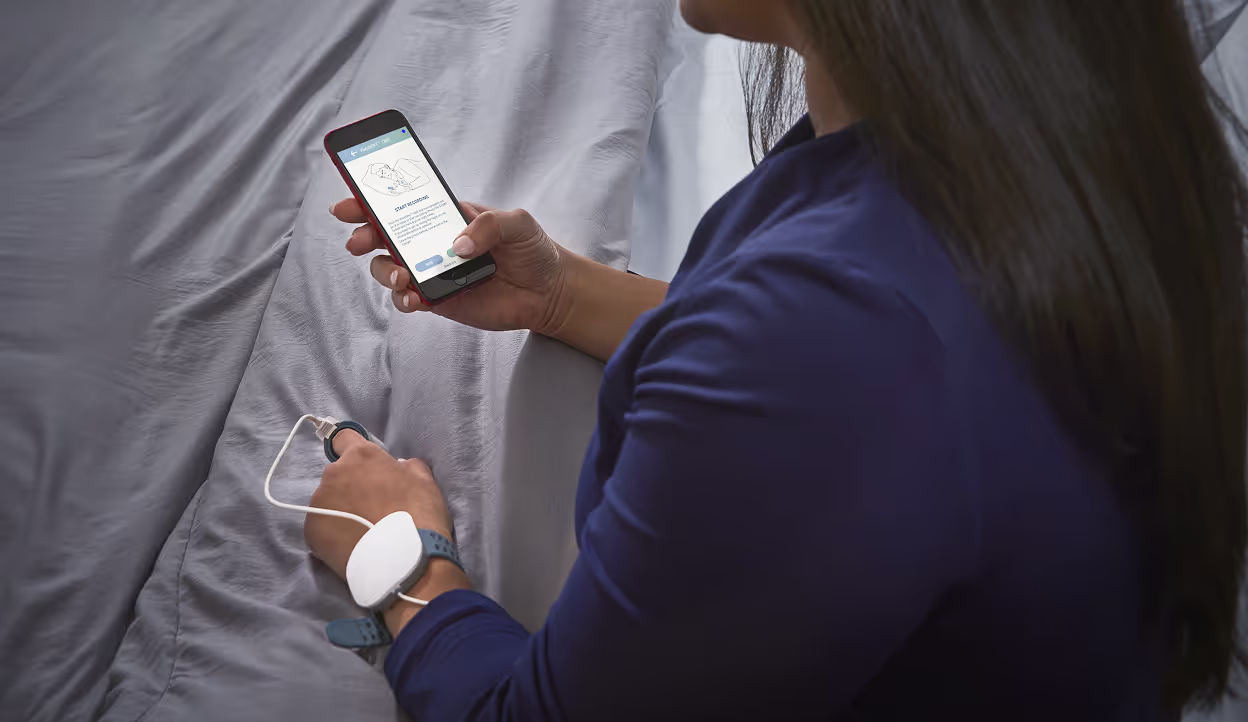



Home Sleep Apnea Test in Texas City, Texas: The Complete Guide to At-Home Diagnosis and Treatment
A home sleep apnea test in Texas City, Texas allows you to complete a clinical sleep study from your own bed using a portable, FDA-cleared device that records breathing patterns, oxygen saturation, heart rate, and airflow overnight. According to the American Academy of Sleep Medicine, home sleep apnea testing is a validated diagnostic method for obstructive sleep apnea in adults with a high pretest probability. This guide is written for Texas City residents, commercial drivers, and patients across the League City and Webster areas who suspect they may have a sleep disorder but want a convenient, affordable alternative to an overnight sleep lab visit. You will learn how home sleep tests work, what they measure, how results lead to treatment, and how to access testing without insurance barriers. Understanding your options starts with knowing exactly what a home sleep apnea test involves and how it compares to in-lab polysomnography.
Quick Answer
A home sleep apnea test in Texas City, Texas is a portable diagnostic study you complete at home using a small device that measures oxygen levels, airflow, heart rate, and breathing effort while you sleep. Results are reviewed by a physician who determines whether obstructive sleep apnea is present and recommends a treatment plan. Most patients receive their diagnosis within days. dumbo.health offers a home sleep test for $149 with no insurance required, making it one of the most accessible options for Texas City residents.
Key Takeaways
- A home sleep apnea test uses a portable device to measure oxygen saturation, airflow, heart rate, and respiratory effort during one night of sleep at home.
- Home sleep testing is clinically validated by the American Academy of Sleep Medicine for diagnosing obstructive sleep apnea in adults.
- Texas City patients can complete the entire process without visiting a sleep lab, hospital, or sleep clinic.
- dumbo.health provides a home sleep test for $149 as a one-time cost with no insurance, prior authorization, or surprise bills required.
- Untreated obstructive sleep apnea increases the risk of heart attack, stroke, hypertension, diabetes, and motor vehicle crashes.
- CPAP therapy, the most common treatment for obstructive sleep apnea, can begin shortly after diagnosis through ongoing care plans starting at $59 per month.
What Is a Home Sleep Apnea Test
A home sleep apnea test is a portable diagnostic study that records key physiological data while you sleep in your own bed. The device measures breathing effort, airflow through the nose and mouth, oxygen saturation, and heart rate to determine whether you experience repeated breathing interruptions during sleep.
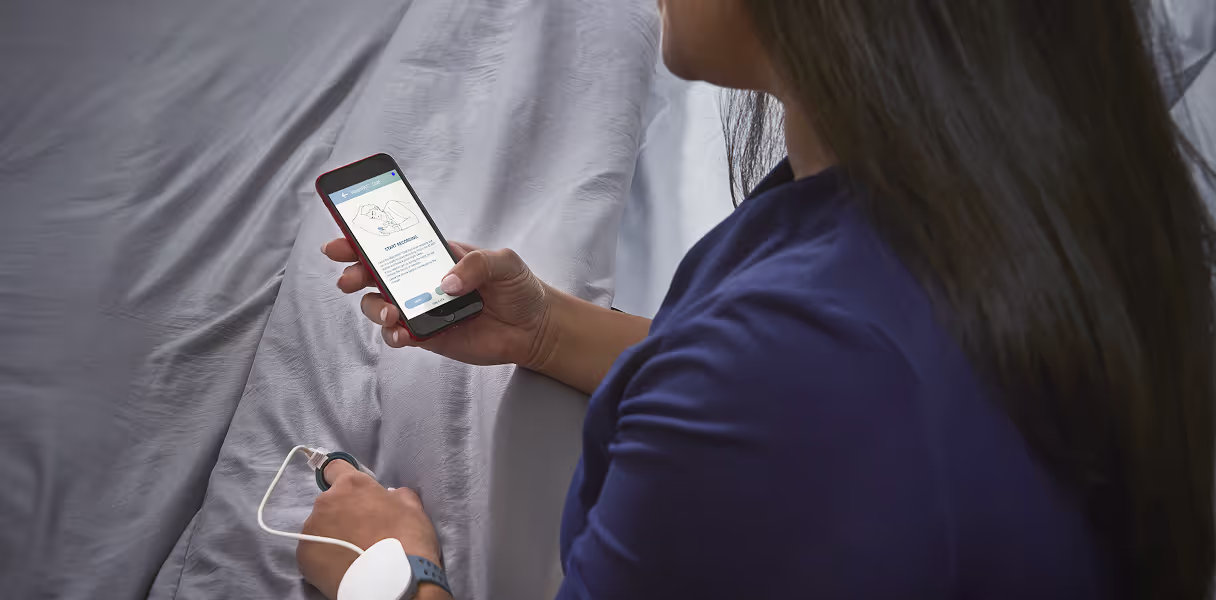
Unlike an in-lab polysomnography, which requires an overnight stay at a sleep center or hospital, a home sleep test uses a small wearable device with a nasal cannula, a finger sensor for oxygen levels, and a belt that detects chest and abdominal movement. The equipment is designed to be simple enough for any patient to set up independently following basic instructions.
Home sleep apnea testing is recognized by the American Academy of Sleep Medicine as a validated method for diagnosing obstructive sleep apnea in patients who have a moderate to high likelihood of the condition. The test focuses specifically on breathing-related sleep disorders rather than the broader range of conditions assessed during polysomnography.
The data collected during one night of testing is sent to a board certified sleep medicine physician for interpretation. The physician reviews the results, generates a diagnostic report, and determines whether obstructive sleep apnea is present and how severe it is. dumbo.health includes physician interpretation as part of its monthly care plans, with the home sleep test available for a one-time cost of $149.
What a Home Sleep Test Measures
The device tracks several channels of data simultaneously during your sleep:
- Airflow through the nose and mouth, detected by a nasal cannula sensor
- Oxygen saturation levels in the blood, measured by a finger pulse oximeter
- Heart rate, recorded continuously throughout the night
- Respiratory effort, tracked by a belt worn around the chest or abdomen
- Body position in some devices, which helps identify positional sleep apnea
These measurements allow the reviewing physician to calculate the apnea-hypopnea index, which is the primary metric used to diagnose obstructive sleep apnea and classify its severity.
DID YOU KNOW: The apnea-hypopnea index measures the average number of breathing interruptions per hour of sleep. An AHI of 5 to 14 indicates mild obstructive sleep apnea, 15 to 29 indicates moderate, and 30 or higher indicates severe, according to the American Academy of Sleep Medicine.
KEY TAKEAWAY: A home sleep apnea test is a portable, physician-reviewed diagnostic study that measures airflow, oxygen saturation, heart rate, and respiratory effort to determine whether obstructive sleep apnea is present.
Understanding what the test measures is important, but knowing who qualifies for home testing matters just as much.
Who Should Get a Home Sleep Apnea Test in Texas City
Patients in Texas City who have symptoms of obstructive sleep apnea and no significant comorbid sleep disorders are the strongest candidates for home sleep testing. Common symptoms include loud chronic snoring, witnessed breathing pauses during sleep, excessive daytime fatigue, and waking with a dry mouth or headache.
The Centers for Disease Control and Prevention estimates that approximately 30 million adults in the United States have obstructive sleep apnea, but the majority remain undiagnosed. Many patients in Texas City and the surrounding Webster areas and League City communities experience years of symptoms before pursuing testing, often because they assume an in-lab sleep study is the only option.
Symptoms That Indicate Testing Is Needed
You should consider a home sleep apnea test if you regularly experience:
- Loud, persistent snoring that others have noticed
- Gasping, choking, or pauses in breathing during sleep reported by a bed partner
- Excessive daytime fatigue despite sleeping adequate hours
- Morning headaches that resolve after waking
- Difficulty concentrating or memory problems during the day
- Waking frequently during the night to urinate
- Irritability, mood changes, or mental health concerns linked to poor sleep
Patients with a BMI of 30 or higher, a neck circumference greater than 17 inches for men or 16 inches for women, and a family history of sleep apnea are at elevated risk, according to the National Heart, Lung, and Blood Institute.
Who May Not Be a Good Candidate
Home sleep testing works best for patients with a high pretest probability of obstructive sleep apnea who do not have significant comorbid conditions. It may not be appropriate for patients suspected of having central sleep apnea, parasomnias, narcolepsy, or other complex sleep disorders that require the additional monitoring channels available only during polysomnography.
Patients with severe cardiopulmonary disease, those already on supplemental oxygen, and individuals with neuromuscular conditions may need an in-lab sleep study instead. A physician or sleep doctor can help determine which testing pathway is right for you.
IMPORTANT: A home sleep apnea test is designed to diagnose obstructive sleep apnea. If your physician suspects central sleep apnea, narcolepsy, parasomnias, or other complex sleep disorders, an in-lab polysomnography may be required.
KEY TAKEAWAY: Texas City residents with symptoms such as snoring, witnessed apneas, and daytime fatigue who are otherwise healthy adults are strong candidates for home sleep apnea testing, while patients with suspected complex sleep disorders may need in-lab evaluation.
Once you know you qualify, understanding how to get started makes the process straightforward.
How to Get a Home Sleep Apnea Test in Texas City, Texas
Getting a home sleep apnea test in Texas City is a straightforward process that does not require visiting a sleep center, sleep lab, or hospital. Patients can order a test, complete it at home in one night, and receive physician-reviewed results within days.
Step-by-Step Process for Home Sleep Testing
1. Complete a free sleep assessment through dumbo.health to determine whether home sleep testing is appropriate for your symptoms and medical history.
2. Order your home sleep test device for $149 through dumbo.health, with no insurance, prior authorization, or referral needed.
3. Receive the portable sleep testing device at your Texas City address with clear setup instructions included.
4. Attach the nasal cannula, finger sensor, and chest belt before going to sleep at your normal bedtime.
5. Sleep in your own bed for one full night while the device records airflow, oxygen saturation, heart rate, and respiratory effort.
6. Return the device using the prepaid shipping materials provided.
7. A board certified physician reviews your data and generates a diagnostic report with your apnea-hypopnea index and severity classification.
8. Review your results and, if diagnosed with obstructive sleep apnea, begin a treatment plan through one of dumbo.health's monthly care plans starting at $59 per month.
After completing these steps, most patients have a confirmed diagnosis and a clear treatment pathway within approximately one week. The entire process eliminates the scheduling delays, insurance complications, and overnight clinic stays associated with traditional sleep lab testing.
What to Prepare Before Your Test Night
- Confirm you have received the testing device and all components including the nasal cannula, finger sensor, belt, and instruction card
- Avoid caffeine and alcohol for at least four hours before your test night
- Avoid sleeping pills unless prescribed and discussed with your physician
- Sleep in your normal bed and follow your usual bedtime routine
- Charge or check the device battery according to the included instructions
- Remove nail polish from the finger where the oxygen sensor will be placed
- Set the device to begin recording before you lie down
- Complete the free sleep assessment at dumbo.health if you have not already done so
TIP: Sleep in your normal position and environment during the test. The goal is to capture your typical sleep patterns, not ideal conditions.
KEY TAKEAWAY: Texas City patients can complete a home sleep apnea test in one night with no clinic visit, no insurance requirement, and results reviewed by a board certified physician within days.
After the test, understanding your results is the next critical step toward treatment.
Understanding Your Home Sleep Test Results
Home sleep test results are summarized in a diagnostic report that centers on the apnea-hypopnea index, the primary metric used by sleep medicine physicians to diagnose and classify obstructive sleep apnea. Your physician reviews the raw data collected by the device and generates a clinical interpretation.
What the Apnea-Hypopnea Index Means
The apnea-hypopnea index measures the average number of times per hour that your breathing partially or completely stops during sleep. The American Academy of Sleep Medicine classifies severity as follows:
- Normal: fewer than 5 events per hour
- Mild obstructive sleep apnea: 5 to 14 events per hour
- Moderate obstructive sleep apnea: 15 to 29 events per hour
- Severe obstructive sleep apnea: 30 or more events per hour
Each breathing event must last at least 10 seconds and be associated with a measurable drop in oxygen saturation or an arousal from sleep to be counted. Patients with moderate to severe obstructive sleep apnea are typically recommended for CPAP therapy as a first-line treatment.
Additional Data in Your Report
Beyond the apnea-hypopnea index, your results may include:
- Oxygen desaturation index, showing how frequently your oxygen levels drop below a specific threshold during sleep
- Minimum and average oxygen saturation recorded overnight
- Heart rate patterns during sleep, including any significant fluctuations
- Total recording time and estimated sleep time
- Body position data, if the device includes a positional sensor
These data points give the reviewing physician a complete picture of your breathing and oxygenation during sleep. dumbo.health's Essentials Plan at $59 per month includes physician interpretation and a full diagnostic report, with results updates sent to your referring provider if applicable.
The Sleep Foundation notes that oxygen saturation levels below 90 percent during sleep are considered clinically significant and may indicate that breathing interruptions are causing meaningful drops in blood oxygen.
KEY TAKEAWAY: Your home sleep test results are built around the apnea-hypopnea index, which classifies obstructive sleep apnea severity and directly determines the recommended treatment pathway.
Once you have your results, comparing testing options helps confirm that home testing was the right choice for your situation.
Home Sleep Test vs. In-Lab Polysomnography
Home sleep testing and in-lab polysomnography both diagnose sleep-disordered breathing, but they differ significantly in what they measure, where the study takes place, and what they cost. Choosing the right option depends on clinical suspicion, the complexity of your symptoms, and practical considerations like convenience and budget.
Setting
- Home Sleep Apnea Test: Your own bed in Texas City or anywhere you sleep
- Polysomnography: A sleep lab, sleep center, or hospital, often requiring travel to a facility near you
Channels Monitored
- Home Sleep Apnea Test: Airflow, oxygen saturation, heart rate, respiratory effort, and sometimes body position
- Polysomnography: All of the above plus brain waves (EEG), eye movements, leg movements, chin muscle tone, and a sleep technologist monitoring in real time
Cost
- Home Sleep Apnea Test: Typically $149 to $500 depending on the provider; dumbo.health charges $149 with no insurance needed
- Polysomnography: Often $1,000 to $3,000 or more, frequently requiring insurance pre-authorization
Convenience
- Home Sleep Apnea Test: High; no travel, no overnight clinic stay, completed in one night at home
- Polysomnography: Lower; requires scheduling an appointment, traveling to a sleep lab, and spending an overnight with electrodes attached by a technologist
Best For
- Home Sleep Apnea Test: Adults with a moderate to high probability of obstructive sleep apnea and no suspected complex sleep disorders
- Polysomnography: Patients suspected of having central sleep apnea, narcolepsy, parasomnias, periodic leg movements, or other conditions requiring brain wave and muscle activity monitoring
For most Texas City patients who present with classic symptoms of obstructive sleep apnea such as snoring, witnessed apneas, and daytime fatigue, a home sleep test provides a clinically validated diagnosis at a fraction of the cost and with far greater convenience. An in-lab study is reserved for cases where the clinical picture is more complex or initial home testing results are inconclusive.
Home sleep apnea testing through dumbo.health is particularly well suited for patients in Texas City who want to avoid the wait times, insurance complications, and scheduling challenges associated with hospital-based sleep labs. The at-home sleep test can be ordered directly online and completed without a referral.
KEY TAKEAWAY: Home sleep testing is a validated, lower-cost, and more convenient alternative to polysomnography for diagnosing obstructive sleep apnea, while in-lab studies remain necessary for complex or multi-condition diagnoses.
After understanding how testing options compare, it helps to look at what treatment actually involves once a diagnosis is confirmed.
CPAP Therapy and Treatment Options After Diagnosis
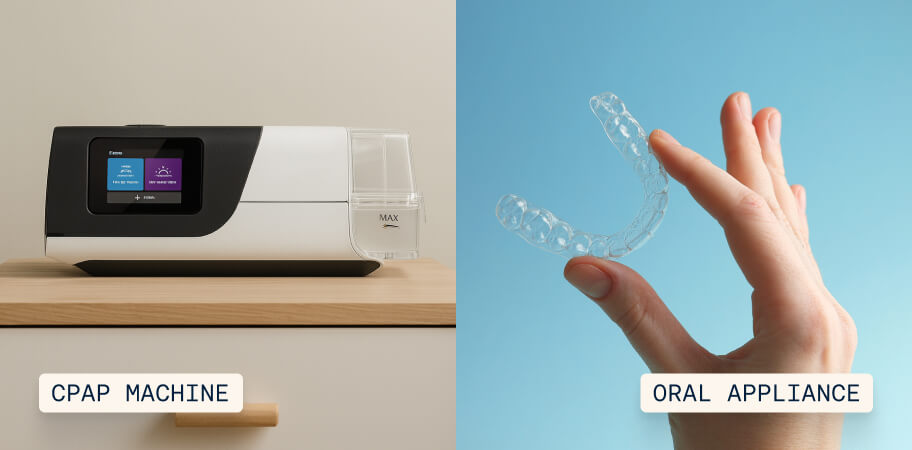
CPAP therapy is the first-line treatment for moderate to severe obstructive sleep apnea, delivering continuous positive airway pressure through a mask to keep the airway open during sleep. Starting treatment promptly after diagnosis reduces health risks and improves sleep quality, daytime function, and overall well-being.
How CPAP Works
A CPAP device generates a steady stream of pressurized air that flows through a hose and mask into your airway. This air pressure acts as a pneumatic splint, preventing the soft tissue at the back of the throat from collapsing and blocking airflow during sleep. The Mayo Clinic describes CPAP as the most reliable and commonly used treatment for obstructive sleep apnea.
CPAP therapy requires consistent nightly use to be effective. The American Academy of Sleep Medicine recommends a minimum of four hours per night for at least 70 percent of nights to meet adherence standards. Many insurance companies and the FMCSA for commercial drivers use this same threshold to determine treatment compliance.
Treatment Plans Through dumbo.health
After a home sleep apnea test confirms a diagnosis, patients in Texas City can begin CPAP therapy through one of dumbo.health's monthly care plans:
- Essentials Plan at $59 per month includes physician interpretation, CPAP equipment, standard follow-up care, and updates to your referring provider
- Premium Plan at $89 per month adds a dedicated sleep coach from a licensed care team, advanced adherence monitoring, and priority results turnaround
- Elite Plan at $129 per month adds concierge clinical support, direct physician messaging, and custom reporting
All plans operate on a cash-pay basis with no contracts and no insurance required. Patients can cancel anytime. This structure eliminates the prior authorization delays and surprise bills that often slow down CPAP access through traditional insurance pathways.
Other Treatment Options
While CPAP is the standard of care, other treatment options exist for specific patient populations:
- Oral appliance therapy, provided through a dental office, repositions the jaw to keep the airway open and may be suitable for mild to moderate cases
- Positional therapy may help patients whose apnea occurs primarily when sleeping on their back
- Weight management programs can reduce apnea severity in patients with obesity, as excess weight is a major contributing factor
- Surgical interventions such as tonsillectomies or uvulopalatopharyngoplasty may be considered when other treatments fail
- The INSPIRE Sleep Implant, an FDA-approved device, stimulates the hypoglossal nerve to keep the airway open and is an option for patients who cannot tolerate CPAP
A sleep medicine physician or sleep doctor can help you determine which treatment pathway aligns with your diagnosis, severity, and preferences.
IMPORTANT: CPAP therapy requires a prescription. A physician must review your sleep study results and confirm the diagnosis before treatment equipment can be prescribed and dispensed.
KEY TAKEAWAY: CPAP therapy is the gold standard treatment for obstructive sleep apnea, and dumbo.health's care plans provide CPAP equipment, physician oversight, and ongoing support starting at $59 per month with no insurance required.
Knowing your treatment options matters, but understanding the health risks of leaving sleep apnea untreated adds urgency to acting on your results.
Health Risks of Untreated Sleep Apnea
Untreated obstructive sleep apnea significantly increases the risk of serious cardiovascular, metabolic, and neurological conditions. Ignoring symptoms or delaying diagnosis does not just affect sleep quality; it compounds long-term health damage.
According to the National Heart, Lung, and Blood Institute, untreated sleep apnea is associated with an increased risk of hypertension, heart attack, stroke, heart failure, and atrial fibrillation. The repeated drops in oxygen saturation during sleep trigger stress responses that damage blood vessels over time and strain the cardiovascular system.
Cardiovascular Risks
Obstructive sleep apnea causes intermittent hypoxia, meaning oxygen levels repeatedly fall and recover throughout the night. This cycle activates the sympathetic nervous system, raises blood pressure, and increases systemic inflammation. Over months and years, these effects contribute to:
- Hypertension that is resistant to standard medication
- Increased risk of heart attack and sudden cardiac events
- Greater likelihood of stroke, particularly ischemic stroke
- Worsening of pre-existing heart disease
Metabolic and Cognitive Risks
Beyond the heart, untreated sleep apnea is linked to insulin resistance and an increased risk of type 2 diabetes. The CDC notes that sleep insufficiency is associated with a higher prevalence of chronic conditions, including diabetes and obesity.
Cognitive effects include impaired memory, reduced concentration, and increased irritability. The mental health impact can extend to anxiety and depression, particularly in patients with chronic sleep disruption.
Safety Risks
Excessive daytime fatigue from untreated sleep apnea increases the risk of motor vehicle crashes, medical errors, and workplace accidents. The National Highway Traffic Safety Administration has identified drowsy driving as a significant factor in traffic fatalities. For commercial drivers in Texas City and across Texas, untreated sleep apnea is both a personal safety concern and a regulatory issue, as the FMCSA requires medical certification that accounts for sleep disorders.
KEY TAKEAWAY: Untreated obstructive sleep apnea increases the risk of heart attack, stroke, hypertension, diabetes, cognitive decline, and fatigue-related accidents, making timely diagnosis and treatment essential.
Understanding the health risks clarifies why testing matters, but it also helps to look at what can go wrong with the testing process itself.
Limitations and Risks of Home Sleep Testing
Home sleep testing is effective for most patients with suspected obstructive sleep apnea, but it has genuine limitations that every patient should understand before ordering a test. Knowing these limitations helps you make an informed decision about whether home testing or an in-lab study is the better choice for your situation.
Conditions Home Testing Cannot Diagnose
A home sleep apnea test does not monitor brain waves, eye movements, or leg movements. This means it cannot diagnose:
- Central sleep apnea, which involves a failure of the brain's respiratory drive rather than a physical airway obstruction
- Narcolepsy, which requires a Multiple Sleep Latency Test to measure the speed of sleep onset during daytime naps
- Parasomnias such as sleepwalking, REM sleep behavior disorder, or sleep terrors
- Periodic limb movement disorder, which requires leg movement monitoring channels
If your physician suspects any of these conditions, polysomnography at a sleep lab or sleep center is necessary. Home sleep testing is validated specifically for obstructive sleep apnea in adult patients without significant comorbidities.
Risk of False Negatives
Home sleep tests can underestimate the severity of obstructive sleep apnea. Because the device estimates total sleep time rather than measuring it directly through brain wave monitoring, the apnea-hypopnea index may appear lower than it would during an in-lab study. If your home sleep test results come back negative or borderline but your symptoms persist, your physician may recommend a follow-up in-lab polysomnography.
Equipment and User Error
Patients who set up the device incorrectly, such as placing the nasal cannula improperly or failing to secure the finger sensor, may generate unusable data. Some devices have a minimum recording duration requirement, and tests that are too short may need to be repeated. Following the setup instructions carefully and sleeping for at least six hours during the test night reduces this risk.
dumbo.health mitigates these limitations by including clear setup instructions with every device and offering physician oversight through its care plans. If results are inconclusive, a board certified physician can advise on whether a repeat test or an in-lab study is the appropriate next step.
KEY TAKEAWAY: Home sleep testing has known limitations, including the inability to diagnose central sleep apnea, narcolepsy, and parasomnias, and a small risk of underestimating apnea severity, but physician oversight helps address inconclusive results.
Acknowledging these limitations is part of making an informed choice, and real-world examples show how the process works in practice for different types of patients.
Real-World Scenarios: Home Sleep Testing in Texas City
Seeing how other patients navigate home sleep testing helps illustrate who benefits most and how the process unfolds in everyday life.
Common Scenarios
A 48-year-old office worker in Texas City has been told by her spouse that she snores loudly and occasionally stops breathing during sleep. She experiences morning headaches and drinks several cups of caffeine daily to manage fatigue. Her primary care physician suspects obstructive sleep apnea but she works Monday through Friday and cannot take a night off for an in-lab study. She orders a home sleep test through dumbo.health for $149, completes it on a Sunday night, and receives results showing moderate obstructive sleep apnea with an AHI of 22. She begins CPAP therapy through the Premium Plan at $89 per month and is paired with a dedicated sleep coach.
A 55-year-old commercial truck driver based near the League City and Webster areas needs medical certification for his CDL. During his DOT physical, the examining physician notes a BMI of 38 and a neck circumference of 18 inches, both of which place him in a high-risk category for obstructive sleep apnea. He is referred for a sleep apnea test. Rather than waiting weeks for an appointment at a sleep disorders center, he orders a home sleep apnea test through dumbo.health, completes it at home, and receives a diagnosis of severe obstructive sleep apnea with an AHI of 41. He starts CPAP therapy immediately and his adherence data is monitored and reported, supporting his medical certification process.
A 34-year-old mother of two in Texas City has struggled with insomnia-like symptoms and chronic fatigue for over a year. Her doctor initially attributed her symptoms to stress and mental health factors. After further evaluation, the physician suspects an underlying breathing disorder and recommends a home sleep test. Her results reveal mild obstructive sleep apnea with an AHI of 9, and she begins positional therapy combined with lifestyle changes. The testing cost of $149 through dumbo.health was manageable without insurance, and her physician received the results directly through the care plan.
These scenarios represent common pathways that Texas City patients follow. Each case illustrates how accessible home testing removes barriers to diagnosis that traditionally delayed treatment for months or years.
KEY TAKEAWAY: Texas City patients from office workers to commercial drivers to parents with unexplained fatigue use home sleep testing to get fast, affordable diagnoses without the delays and costs of traditional sleep lab visits.
Real-world examples show how the process works, but common misconceptions can still prevent people from getting tested in the first place.
Common Myths About Home Sleep Apnea Tests Debunked
MYTH: Home sleep tests are less accurate than in-lab sleep studies.
FACT: The American Academy of Sleep Medicine recognizes home sleep apnea testing as a validated diagnostic tool for obstructive sleep apnea in adults with a moderate to high pretest probability. While home tests measure fewer channels than polysomnography, they are specifically designed and clinically validated for detecting obstructive sleep apnea. Accuracy for this condition is well established.
MYTH: You need insurance to get a sleep apnea test.
FACT: Insurance is not required for home sleep testing. dumbo.health offers a home sleep test for $149 on a cash-pay basis with no prior authorization, no referral, and no surprise bills. Many patients in Texas City and across Texas find that paying out of pocket is faster and more affordable than navigating insurance companies for approval.
MYTH: Only older or overweight people get sleep apnea.
FACT: While obesity and age are risk factors, obstructive sleep apnea affects adults across all age groups and body types. The National Heart, Lung, and Blood Institute notes that anatomical factors such as a narrow airway, enlarged tonsils, or a recessed jaw can contribute to sleep apnea regardless of weight. Women, younger adults, and patients with a normal BMI can have clinically significant obstructive sleep apnea.
MYTH: Snoring always means you have sleep apnea.
FACT: Snoring is a common symptom of obstructive sleep apnea, but not all snoring indicates a sleep disorder. Primary snoring without associated breathing pauses or oxygen desaturation is not the same as sleep apnea. A home sleep test measures whether snoring is accompanied by actual apnea or hypopnea events that affect oxygenation and sleep quality.
MYTH: You have to visit a sleep clinic or hospital to get diagnosed.
FACT: Home sleep apnea testing eliminates the need for an in-person visit to a sleep clinic or sleep lab. Patients in Texas City can order a test online, complete it at home in one night, and have results reviewed by a board certified physician without entering a hospital or outpatient clinic. This is the model used by providers like dumbo.health to make testing accessible.
KEY TAKEAWAY: Most common fears about home sleep testing stem from outdated assumptions; modern home sleep apnea tests are clinically validated, do not require insurance, and can be completed without visiting a sleep clinic or hospital.
With myths cleared up, a direct cost comparison helps you understand the financial side of testing and treatment.
Cost of Sleep Apnea Testing and Treatment in Texas City
The cost of diagnosing and treating sleep apnea in Texas City varies widely depending on whether you use insurance, pay out of pocket, or choose a streamlined provider like dumbo.health. Understanding the full financial picture helps you plan without surprises.
Testing Costs
An in-lab polysomnography in the Texas City area or at hospitals in nearby East Texas facilities can cost between $1,000 and $3,000 before insurance adjustments. Even with insurance, copays, deductibles, and prior authorization requirements can delay testing and add unexpected expenses. Some insurance companies require a physician referral and pre-approval, which can add weeks to the process.
A home sleep apnea test through dumbo.health costs $149 as a one-time payment. There is no insurance requirement, no prior authorization, and no surprise bill. The test device is shipped to your home, and the price covers the device and one night of testing.
Treatment Costs
CPAP equipment purchased through traditional medical supply companies can cost $500 to $2,000 or more for the machine alone, with ongoing costs for masks, tubing, and filters. Insurance may cover part of this, but rental agreements, compliance monitoring requirements, and supply reorder processes add complexity.
dumbo.health's monthly care plans bundle CPAP equipment, physician oversight, and ongoing support into a single predictable cost:
- Essentials Plan: $59 per month, covering physician interpretation, CPAP therapy and equipment, standard follow-up care, and referring provider updates
- Premium Plan: $89 per month, adding a dedicated sleep coach, advanced adherence monitoring, and priority turnaround
- Elite Plan: $129 per month, adding concierge clinical support, direct physician messaging, and custom reporting
All plans are cancel anytime with no contracts. This cash-pay structure means patients in Texas City avoid the billing unpredictability that often accompanies insurance-based sleep apnea care.
DID YOU KNOW: According to the American Academy of Sleep Medicine, the economic burden of undiagnosed sleep apnea in the United States is estimated at approximately $149.6 billion annually in healthcare costs, lost productivity, and accident-related expenses.
KEY TAKEAWAY: A home sleep apnea test through dumbo.health costs $149 with no insurance needed, and CPAP treatment plans start at $59 per month, offering Texas City patients a transparent, contract-free alternative to traditional insurance-based care.
Understanding costs helps with planning, but knowing where to find providers and services near you in Texas City rounds out the picture.
Finding Sleep Apnea Care Near You in Texas City
Texas City residents have multiple pathways to access sleep apnea testing and treatment, ranging from local healthcare facilities to direct-to-patient telehealth platforms. The right choice depends on your symptoms, urgency, and preference for convenience or in-person care.
Local Options
Texas City and the surrounding areas, including League City and Webster, are served by hospitals, outpatient clinics, and specialty providers that offer sleep medicine services. Some primary care providers in the area can refer patients to a sleep disorders center or sleep lab for in-lab polysomnography. Ear, Nose, and Throat specialists and respiratory therapists may also be involved in evaluating and managing sleep-disordered breathing.
Patients looking for providers in your area should ask their primary care doctor about referral options or check whether a local sleep clinic accepts walk-in or self-pay appointments. Some outpatient clinics in East Texas and the greater Galveston County area offer sleep services, but availability and wait times vary.
Direct-to-Patient Home Testing
For patients who want to skip the referral process, avoid scheduling delays, and pay a transparent price, dumbo.health provides sleep apnea care solutions that can be accessed entirely online from Texas City. The service includes home sleep testing, physician-reviewed results, CPAP therapy, and ongoing care management, all without visiting a sleep lab or hospital.
This approach is particularly valuable for patients who work Monday through Friday and cannot easily schedule appointments, for commercial drivers who need fast turnaround on diagnosis and treatment documentation, and for anyone who prefers the convenience and privacy of testing at home.
KEY TAKEAWAY: Texas City residents can access sleep apnea testing through local sleep labs, hospitals, and specialty clinics, or through direct-to-patient services like dumbo.health that eliminate referral requirements, scheduling delays, and insurance barriers.
Knowing where to access care brings the full picture together, from testing to treatment to ongoing management.
Conclusion
A home sleep apnea test in Texas City, Texas gives you a clinically validated path to diagnosing obstructive sleep apnea without the cost, inconvenience, or scheduling barriers of an in-lab sleep study. The test takes one night, results are reviewed by a board certified physician, and treatment can begin within days of diagnosis. Untreated sleep apnea carries serious health consequences including increased risk of heart attack, stroke, hypertension, and dangerous daytime fatigue. Acting on symptoms early protects both your health and your quality of life. dumbo.health offers a home sleep test for $149 with no insurance required, and CPAP treatment plans start at $59 per month with no contracts and the ability to cancel anytime.
Frequently Asked Questions About Home Sleep Apnea Test in Texas City, Texas
What is a home sleep apnea test?
A home sleep apnea test (HSAT) is an FDA-cleared, portable diagnostic tool used to evaluate whether a person has obstructive sleep apnea. The device is worn overnight in the comfort of your own home and records key measurements such as oxygen saturation, airflow, heart rate, and respiratory effort. A sleep medicine physician then reviews the data and prepares a clinical report. Home sleep apnea testing is widely accepted by the American Academy of Sleep Medicine as an appropriate first-line evaluation for patients with a high likelihood of moderate to severe obstructive sleep apnea.
Why would I need a home sleep apnea test?
A home sleep apnea test may be appropriate if you experience symptoms commonly associated with obstructive sleep apnea, such as loud snoring, waking frequently during the night, gasping for breath during sleep, or persistent daytime fatigue. The CDC recognises that undiagnosed sleep disorders contribute to serious health consequences including increased risk of hypertension, heart disease, stroke, and diabetes. A healthcare professional can help determine whether home sleep testing is the right first step based on your symptoms, health history, and risk factors.
What are the warning signs of sleep apnea?
Common warning signs of sleep apnea include loud or frequent snoring, pauses in breathing during sleep reported by a partner, waking up gasping or choking, morning headaches, excessive daytime sleepiness, difficulty concentrating, and unrefreshing sleep. The American Academy of Sleep Medicine also notes that obesity, high blood pressure, and a large neck circumference are recognised risk factors. If you experience several of these signs, a healthcare professional can help evaluate whether a home sleep apnea test or further sleep disorder testing is appropriate. You can also take the free sleep assessment to help clarify your next step.
What should I expect during home sleep testing?
During home sleep testing, you will wear a small, portable device at home for one night. Depending on the device, sensors may monitor your oxygen saturation, airflow through your nose and mouth, respiratory effort using a belt around your chest, and heart rate. The process does not require sleeping in a clinic or hospital. You follow the setup instructions provided, sleep as normally as possible, and return or ship the device the next day. A sleep medicine physician then reviews the recorded data and provides a clinical interpretation and report.
What does the $149 home sleep test include?
The dumbo.health at-home sleep test is a one-time $149 purchase that includes the home sleep test device and one night of testing. The $149 test is purchased separately from monthly care plans. After the test night, a physician reviews your results and prepares a clinical report. If ongoing care is needed, monthly plans starting at $59 per month cover physician interpretation, CPAP therapy and equipment, adherence follow-up, and provider updates. There are no contracts, no insurance requirements, no prior authorizations, and no surprise bills.
What measurements does a home sleep apnea test record?
A home sleep apnea test typically records oxygen saturation levels, nasal and oral airflow, respiratory effort via a chest or abdominal belt, and heart rate. Some devices also monitor body position and detect leg movements. These measurements allow a sleep medicine physician to calculate your apnea-hypopnea index, which reflects how many breathing interruptions occur per hour of sleep. The data collected during home sleep testing is sufficient to diagnose moderate to severe obstructive sleep apnea in many patients, though it does not record brain waves as a full polysomnography study does.
Is a home sleep apnea test as accurate as an in-lab sleep study?
A home sleep apnea test is clinically validated for diagnosing obstructive sleep apnea in patients without significant complicating conditions. The American Academy of Sleep Medicine supports HSAT as an appropriate diagnostic tool for uncomplicated cases. However, a home sleep test does not record brain waves, which means it cannot diagnose conditions such as narcolepsy, parasomnias, or central sleep apnea with the same precision as a full in-lab polysomnography. If your home sleep test results are inconclusive, or if your clinician suspects a more complex sleep disorder, an in-lab sleep study may be recommended.
When might an in-lab sleep study be needed instead of a home test?
An in-lab sleep study, also called polysomnography, may be recommended when a patient has suspected central sleep apnea, complex respiratory disorders, parasomnias, narcolepsy, or significant lung disorders. In-lab testing records additional data including brain waves via EEG, eye movements, and detailed leg movement data monitored by sleep technologists in a controlled sleep lab environment. A sleep medicine physician will consider your symptoms, health history, and home sleep test results when determining whether a full in-lab study is the appropriate next step. A home sleep test is often the right starting point for patients with straightforward obstructive sleep apnea symptoms.
Who reviews my home sleep test results?
Your home sleep test results are reviewed by a board-certified sleep medicine physician. The physician analyses the overnight data, calculates your apnea-hypopnea index, evaluates oxygen saturation patterns, and prepares a clinical report. At dumbo.health, physician interpretation is included in monthly care plans. The physician report can also be sent to your referring provider or primary care clinician. A healthcare professional makes any final diagnosis and treatment decisions based on the full clinical picture, not the home sleep test data alone.
Can I use home sleep test results for a CPAP prescription?
Yes, in many cases a physician-reviewed home sleep test report can support a CPAP prescription when obstructive sleep apnea is diagnosed. A sleep medicine physician evaluates the test results and, if the findings meet clinical criteria, can recommend continuous positive airway pressure therapy. At dumbo.health, monthly plans include physician interpretation, CPAP therapy and equipment, and adherence monitoring. A healthcare professional makes the final prescribing decision. You can learn about CPAP treatment options and what equipment and follow-up support may be included in your care plan.
What happens if my home sleep test shows abnormal results?
If your home sleep apnea test shows abnormal results, such as a high apnea-hypopnea index or significant oxygen desaturation events, a sleep medicine physician will review the findings and discuss appropriate treatment options. For many patients, this means starting CPAP therapy. In some cases, further evaluation through an in-lab sleep study may be recommended. If you have severe symptoms, chest pain, trouble breathing, or urgent health concerns, seek medical care promptly. A home sleep test result is a starting point for clinical review, not a standalone diagnosis. A healthcare professional will guide next steps.
How fast can I get a home sleep test in Texas City, Texas?
Access to home sleep testing in Texas City and the surrounding Southeast Texas area, including League City and Webster, can vary depending on the provider. With dumbo.health, the process is designed to move quickly without the delays of insurance pre-authorization or specialist waitlists. You purchase the $149 home sleep test, receive the device, complete one night of testing at home, and submit your results for physician review. If you are looking for home sleep apnea testing near you, an at-home test removes the need to travel to a sleep lab or clinic.
What sleep disorders can home sleep testing help identify?
Home sleep testing is primarily designed to detect obstructive sleep apnea, the most common form of sleep-disordered breathing. It is not designed to diagnose conditions such as insomnia, narcolepsy, parasomnias, periodic limb movement disorder, or central sleep apnea, which typically require in-lab polysomnography with brain wave monitoring and full sleep technologist oversight. If you have symptoms beyond snoring and breathing interruptions, such as sleep insufficiency, difficulty falling asleep, unusual behaviours during sleep, or excessive daytime sleepiness without obvious cause, a sleep medicine physician can help determine what type of sleep disorder testing is most appropriate.
What are the health risks of untreated sleep apnea?
Untreated obstructive sleep apnea is associated with a range of serious health conditions. According to the NHLBI, sleep apnea increases the risk of high blood pressure, heart attack, stroke, type 2 diabetes, and daytime impairment that can contribute to motor vehicle crashes and medical errors. Persistent fatigue, impaired concentration, and mental health effects are also commonly reported. These risks make evaluation and, where needed, treatment an important health priority. A healthcare professional can help determine whether your symptoms and risk profile warrant sleep apnea testing and what treatment plan may be appropriate.
What does CPAP therapy involve, and what equipment is typically provided?
Continuous positive airway pressure therapy, commonly called CPAP, is the most widely recommended treatment for moderate to severe obstructive sleep apnea. A CPAP machine delivers a steady stream of pressurised air through a mask worn over the nose or mouth during sleep, keeping the airway open and preventing breathing interruptions. Equipment typically includes the CPAP device, a mask, tubing, and filters. Ongoing care involves monitoring adherence data to confirm the therapy is effective. dumbo.health monthly plans include CPAP therapy and equipment alongside physician interpretation, adherence monitoring, and provider updates, with transparent pricing and no insurance required.
Do I need insurance to get a home sleep apnea test in Texas?
No. Insurance is not required to access home sleep apnea testing through dumbo.health. Many patients in Texas City and across Texas find that insurance pre-authorization requirements, specialist referral delays, and surprise billing create significant barriers to sleep apnea evaluation and treatment. dumbo.health operates on a transparent cash-pay model with no insurance required, no prior authorizations, and no unexpected charges. The home sleep test is $149 as a one-time purchase, and monthly plans for ongoing care start at $59 per month with no contracts and the option to cancel at any time.
What ongoing care options are available after a home sleep test?
After completing a home sleep apnea test and receiving a physician interpretation, patients who are diagnosed with obstructive sleep apnea typically need ongoing care that may include CPAP therapy, equipment support, adherence monitoring, and follow-up with a sleep medicine physician. dumbo.health offers three monthly care plans. The Essentials plan at $59 per month covers physician interpretation, CPAP therapy and equipment, standard follow-up, and provider updates. The Premium plan at $89 per month adds a dedicated sleep coach, advanced adherence monitoring, and priority results turnaround. The Elite plan at $129 per month includes concierge clinical support, direct physician messaging, and custom reporting. Explore sleep apnea care solutions to compare plans.
Can commercial drivers in Texas use a home sleep apnea test for DOT purposes?
Commercial drivers in Texas who are referred for sleep apnea evaluation may be able to use a home sleep apnea test as part of their clinical workup. A certified medical examiner evaluates DOT medical certificate eligibility based on symptoms, risk factors, test results, and treatment adherence. A home sleep apnea test and documented CPAP adherence may support the certification review process, but the certified medical examiner makes all DOT certification decisions. dumbo.health can support testing and care documentation for commercial drivers, but it does not guarantee DOT certification or medical clearance. You can read more in the home sleep apnea test guide for commercial drivers.
How does sleep apnea affect daytime function and safety?
Sleep apnea disrupts normal sleep cycles by causing repeated breathing interruptions throughout the night, which prevents restorative sleep. The result is often significant daytime fatigue, difficulty concentrating, slowed reaction time, and impaired judgment. The CDC has linked untreated sleep disorders to an increased risk of motor vehicle crashes, industrial disasters, and medical errors. For commercial drivers in Texas and across the country, daytime impairment from untreated sleep apnea presents a serious safety concern on the road. Identifying and treating sleep apnea appropriately is important both for individual health and for public safety.