






Home Sleep Apnea Test in Houston, Texas: The Complete Guide to At-Home Sleep Testing
A home sleep apnea test in Houston, Texas is a portable diagnostic study that measures your breathing patterns, oxygen levels, and airflow while you sleep in your own bed. According to the American Academy of Sleep Medicine, home sleep testing is a validated method for diagnosing obstructive sleep apnea in adults with a moderate to high pre-test probability. This guide is for Houston area residents, commercial drivers in Texas, and anyone experiencing symptoms like snoring, daytime fatigue, or witnessed breathing pauses during sleep. You will learn how at-home sleep studies work, what equipment is involved, how results are interpreted, what treatment options follow a diagnosis, and how to compare home sleep testing to lab-based sleep studies. Understanding your options helps you take the first step toward better sleep and long-term health.
Quick Answer
A home sleep apnea test in Houston, Texas is a portable sleep study you complete in your own bed using a small device that tracks breathing patterns, oxygen saturation, heart rate, and airflow. The test is designed to diagnose obstructive sleep apnea without requiring an overnight stay at a sleep clinic or sleep lab. Most results are available within days. dumbo.health offers a home sleep test for $149 with no insurance required, making it one of the most accessible testing options for Houston area residents.
Key Takeaways
- A home sleep apnea test uses a portable device with sensors to measure oxygen levels, airflow, respiratory effort, and body position while you sleep at home
- The American Academy of Sleep Medicine endorses home sleep testing for adults with suspected moderate to severe obstructive sleep apnea
- Home sleep testing in the Houston area typically costs between $149 and $500 out of pocket, compared to $1,000 or more for in-lab polysomnography
- dumbo.health provides a complete home sleep test for $149 with no insurance, no prior authorization, and no surprise bills
- Results from a home sleep study are reviewed by a physician who determines whether CPAP therapy or another treatment option is appropriate
- Not all sleep disorders can be diagnosed with a home test, so conditions like narcolepsy, parasomnia, or periodic limb movement disorder may require a lab-based sleep study
What Is a Home Sleep Apnea Test and How Does It Work
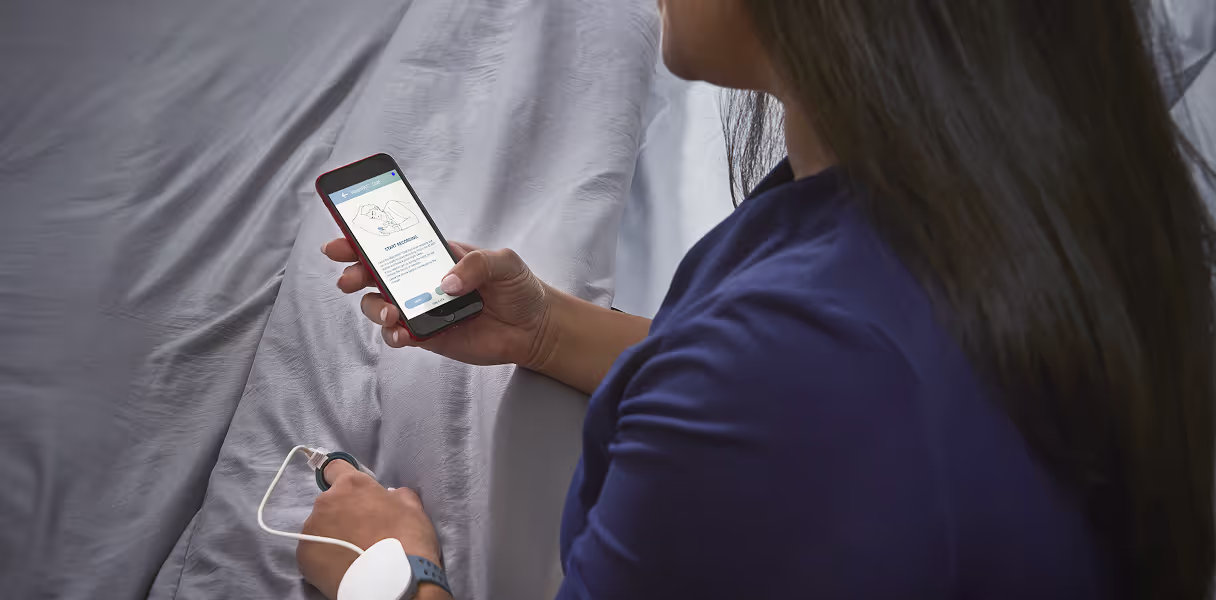
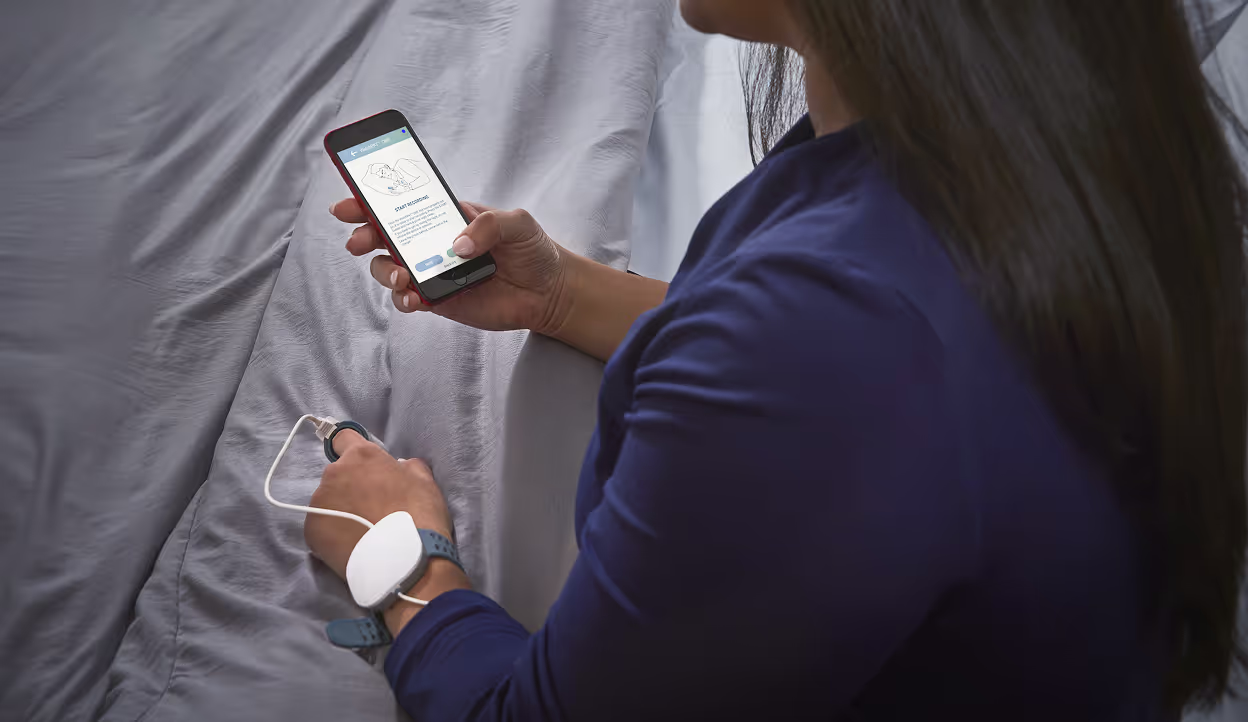
A home sleep apnea test is a simplified sleep study performed outside a sleep clinic or hospital setting. The test uses a portable device equipped with sensors that record sleep data including oxygen saturation, airflow through the nose and mouth, respiratory effort, heart rate, and body position.
Home sleep testing was developed as a more accessible alternative to polysomnography, which is the traditional in-lab sleep study. The National Heart, Lung, and Blood Institute notes that obstructive sleep apnea affects an estimated 25 percent of men and nearly 10 percent of women in the United States, yet a large percentage remain undiagnosed. Home testing reduces the barriers of cost, scheduling, and comfort that prevent many people from pursuing a diagnosis.
The device is typically small enough to wear on your wrist, chest, or finger. Sensor placement usually involves a nasal cannula to detect airflow, a pulse oximeter to track blood oxygen levels, and a chest belt or sensor to measure respiratory activity. Some devices also record cardiac activity and muscle activity to provide additional sleep data.
Unlike a full polysomnography performed in a sleep lab, a home sleep test does not monitor brain waves, sleep stages, or periodic limb movements. This makes home testing well suited for diagnosing obstructive sleep apnea but not appropriate for detecting narcolepsy, restless legs syndrome, parasomnia, or other complex sleep disorders.
A home sleep apnea test records raw data across one full night of sleep. The data is then uploaded and reviewed by a sleep medicine physician who interprets the results and generates a diagnostic report. Many patients receive their results within a few business days.
KEY TAKEAWAY: A home sleep apnea test is a portable, sensor-based sleep study that measures breathing, oxygen levels, and heart rate in your own bed, offering a validated and convenient path to diagnosing obstructive sleep apnea.
Understanding how the test works is the first step. Next, consider whether your symptoms and health profile make you a good candidate for home sleep testing.
Who Should Get a Home Sleep Test in Houston
Adults in the Houston area who experience symptoms of obstructive sleep apnea are the primary candidates for home sleep testing. A physician or sleep specialist typically recommends home testing when there is a moderate to high likelihood of sleep apnea based on reported symptoms and clinical evaluation.
Common Symptoms That Indicate Testing
- Loud, chronic snoring that disrupts your sleep or your partner's sleep
- Witnessed episodes of stopped breathing during sleep
- Gasping or choking sensations that wake you during the night
- Excessive daytime fatigue or sleepiness despite a full night in bed
- Morning headaches that occur regularly
- Difficulty concentrating or memory problems
- Irritability or mood changes linked to poor sleep quality
Risk Factors That Increase the Likelihood of Sleep Apnea
Certain medical and physical factors raise the probability that your sleep problems are caused by obstructive sleep apnea. According to the Mayo Clinic, risk factors include a body mass index above 30, a neck circumference greater than 17 inches in men or 16 inches in women, a family history of sleep apnea, being male, being over age 40, nasal congestion, and smoking.
High blood pressure, heart disease, type 2 diabetes, and history of stroke also correlate with higher rates of obstructive sleep apnea. The CDC reports that sleep apnea is associated with increased risk of cardiovascular events, making early diagnosis and treatment a priority for long-term health.
Who May Not Be a Good Candidate
Home sleep testing is not appropriate for every patient. If your doctor suspects a sleep disorder other than obstructive sleep apnea, such as narcolepsy, periodic limb movement disorder, parasomnia, sleep paralysis, or shiftwork sleep disorder, a lab-based sleep study is more appropriate. Patients with significant heart failure, chronic obstructive pulmonary disease, or neuromuscular conditions may also need the more comprehensive monitoring available in a sleep center.
DID YOU KNOW: The American Academy of Sleep Medicine estimates that 80 percent of moderate to severe obstructive sleep apnea cases remain undiagnosed in the general population.
KEY TAKEAWAY: If you experience chronic snoring, daytime fatigue, or witnessed breathing pauses during sleep, a home sleep apnea test is likely the right first step toward diagnosis, especially when paired with physician oversight.
Knowing whether you qualify is important, but understanding how to prepare and complete the test ensures accurate results.
How to Complete a Home Sleep Apnea Test in Houston
Completing a home sleep apnea test is a straightforward process that most patients finish in a single night. The key to accurate results is proper preparation, correct sensor placement, and following the device instructions closely.
Step-by-Step Process for Home Sleep Testing
1. Schedule a consultation with a physician or complete a free sleep assessment through dumbo.health to determine whether home sleep testing is appropriate for your symptoms.
2. Order your home sleep test device. Through dumbo.health, the home sleep test costs $149 with no insurance required and no prior authorization needed.
3. Receive the device and review the included instructions for sensor placement. Most devices use a nasal cannula, finger pulse oximeter, and chest sensor.
4. On the night of your test, follow your normal sleep habits. Sleep in your familiar setting, avoid alcohol and sedative medications, and go to bed at your usual time.
5. Attach all sensors according to the instructions before falling asleep. Ensure the nasal cannula is positioned correctly and the pulse oximeter is secure on your finger.
6. Sleep through the night. The device will automatically record oxygen levels, breathing patterns, airflow, heart rate, respiratory effort, and body position.
7. Remove the sensors in the morning and follow the device return or data upload instructions. Some devices upload sleep data via home Wi-Fi, while others are mailed back for processing.
8. A sleep medicine physician reviews your raw data and generates a diagnostic report. With dumbo.health's Premium Plan, results turnaround is prioritized and a dedicated sleep coach helps you understand your next steps.
After completing these steps, your physician will review the results and determine whether you have obstructive sleep apnea and what severity level applies. This sets the foundation for selecting the right treatment option.
TIP: Complete the sleep test on a night when you can follow your normal routine. Unusual sleep patterns, sleep disturbances, or extremely short sleep duration can affect the accuracy of your results.
KEY TAKEAWAY: A home sleep apnea test takes one night to complete, requires proper sensor placement, and produces results that a physician reviews to determine your diagnosis and treatment path.
Once you have your results, understanding what they mean is the next critical step.
Understanding Your Home Sleep Test Results
Home sleep apnea test results are measured primarily using the Apnea-Hypopnea Index, known as AHI. The AHI score represents the average number of apnea and hypopnea events per hour of sleep recorded during your study.
An apnea is a complete pause in breathing lasting at least 10 seconds. A hypopnea is a partial reduction in airflow that causes a drop in oxygen saturation or a brief arousal from sleep. Together, these events define the severity of obstructive sleep apnea.
AHI Severity Classification
- AHI below 5: Normal range, no significant sleep apnea
- AHI 5 to 14: Mild obstructive sleep apnea
- AHI 15 to 29: Moderate obstructive sleep apnea
- AHI 30 or above: Severe obstructive sleep apnea
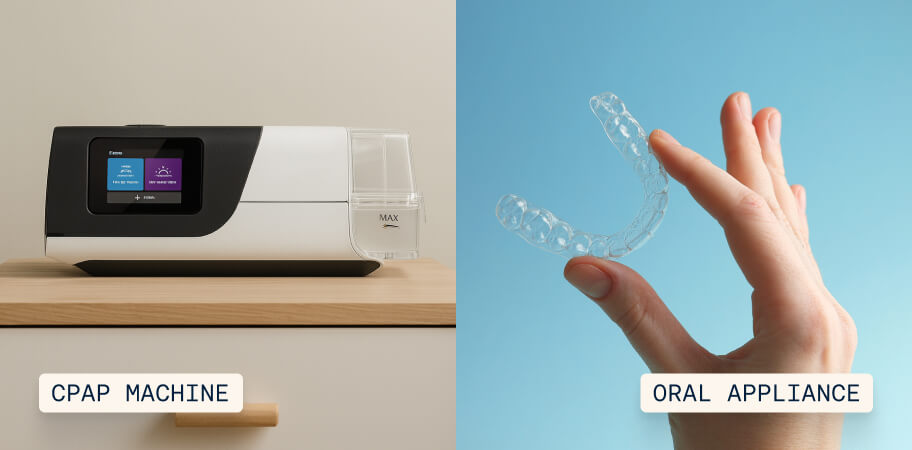
The American Academy of Sleep Medicine uses this classification to guide treatment decisions. Mild cases may be managed with positional therapy, weight loss, or oral appliances. Moderate to severe cases typically require continuous positive airway pressure therapy, commonly known as CPAP.
Your results will also include oxygen saturation data showing your lowest oxygen levels during sleep. Oxygen desaturation below 88 percent is clinically significant and indicates periods where your body was not receiving adequate oxygen. Blood oxygen levels that drop repeatedly during sleep can strain the heart and increase the risk of high blood pressure, heart disease, and stroke over time.
Body position data from the test may reveal whether your apnea events worsen when sleeping on your back, which is common in positional obstructive sleep apnea. This information helps your physician tailor treatment recommendations.
dumbo.health's care plans include physician interpretation of your sleep study results. On the Essentials Plan at $59 per month, you receive a full physician report, CPAP therapy and equipment if indicated, and standard follow-up care. The Premium Plan at $89 per month adds a dedicated sleep coach who walks you through your results and helps you understand exactly what your AHI score and oxygen data mean for your health.
IMPORTANT: A home sleep test result should always be interpreted by a qualified physician. Self-interpreting raw data without clinical context can lead to incorrect conclusions about the presence or severity of sleep apnea.
KEY TAKEAWAY: Your AHI score determines the severity of obstructive sleep apnea, and oxygen saturation data reveals how significantly your breathing disruptions affect your blood oxygen levels during sleep.
With results in hand, comparing your testing options helps confirm whether home testing was the right choice or whether further evaluation is needed.
Home Sleep Test vs. In-Lab Sleep Study: Which Is Right for You
The primary difference between a home sleep test and an in-lab sleep study is the range of data collected and the setting where testing occurs. Both methods can diagnose obstructive sleep apnea, but they serve different clinical purposes.
A home sleep test focuses on respiratory parameters: airflow, respiratory effort, oxygen saturation, heart rate, and body position. An in-lab polysomnography, performed at a sleep center or sleep disorders center, monitors all of those parameters plus brain wave activity, eye movements, muscle activity, sleep stages, and periodic limb movements.
Setting
- Home Sleep Apnea Test: Your own bed in your familiar setting
- In-Lab Polysomnography: Sleep clinic, sleep lab, or sleep disorders center such as Memorial Hermann Sleep Disorders Centers in the Houston area
Cost
- Home Sleep Apnea Test: Typically $149 to $500 out of pocket. dumbo.health offers home sleep testing for $149 with no insurance required.
- In-Lab Polysomnography: Often $1,000 to $3,000 or more, depending on the facility and insurance coverage
What It Measures
- Home Sleep Apnea Test: Airflow, oxygen levels, respiratory effort, heart rate, body position
- In-Lab Polysomnography: All home test parameters plus brain waves, eye movements, muscle activity, sleep stages, periodic limb movements, cardiac activity
Convenience
- Home Sleep Apnea Test: High. No travel, no overnight stay, no sleep study technician present
- In-Lab Polysomnography: Lower. Requires scheduling, travel to a sleep center, and sleeping overnight in an unfamiliar environment with electrodes attached
Best For
- Home Sleep Apnea Test: Adults with suspected moderate to severe obstructive sleep apnea and no significant comorbidities
- In-Lab Polysomnography: Patients with suspected narcolepsy, restless legs syndrome, parasomnia, periodic limb movement disorder, insomnia with concurrent conditions, or complex sleep-related breathing disorders
For most adults in the Greater Houston area who show signs of obstructive sleep apnea, a home sleep test provides sufficient diagnostic accuracy at a fraction of the cost. The American Academy of Sleep Medicine confirms that home sleep testing is appropriate when obstructive sleep apnea is the primary suspected condition.
If your home sleep test results are inconclusive or if your physician suspects a condition beyond obstructive sleep apnea, a follow-up in-lab study at a facility like Memorial Hermann or another Houston area sleep center may be recommended.
KEY TAKEAWAY: Home sleep testing is the most convenient and cost-effective choice for diagnosing obstructive sleep apnea, while in-lab polysomnography is necessary for complex sleep disorders that require brain wave and limb movement monitoring.
Once you understand the type of test that fits your situation, exploring the treatment that follows a positive diagnosis is the logical next step.
CPAP Therapy and Treatment After Your Sleep Apnea Diagnosis
CPAP therapy is the most widely prescribed treatment for moderate to severe obstructive sleep apnea. CPAP stands for continuous positive airway pressure. A CPAP machine delivers a steady stream of pressurized air through a mask, keeping your airway open during sleep and preventing the breathing pauses that define sleep apnea.
The National Heart, Lung, and Blood Institute states that CPAP therapy reduces daytime sleepiness, lowers blood pressure, and decreases the risk of cardiovascular complications in patients with obstructive sleep apnea. Research published on PubMed indicates that consistent CPAP use of at least 4 hours per night is associated with clinically meaningful improvements in symptoms, sleep quality, and long-term health outcomes.
What CPAP Equipment Includes
A standard CPAP setup includes the CPAP machine, a mask (nasal, full-face, or nasal pillow), tubing, a humidifier chamber, and filters. Your physician or sleep coach helps determine which mask type provides the best fit and comfort.
Adherence Matters
One of the most common challenges with CPAP therapy is consistent use. Many patients struggle with mask comfort, air pressure adjustment, or simply remembering to use the device every night. The Sleep Foundation reports that CPAP adherence rates can be as low as 50 percent without proper support and follow-up.
This is where ongoing care makes a measurable difference. dumbo.health's monthly plans are designed to support adherence from day one. The Essentials Plan at $59 per month includes CPAP therapy and equipment, physician oversight, and standard follow-up care. The Premium Plan at $89 per month adds a dedicated sleep coach and advanced adherence monitoring. The Elite Plan at $129 per month provides concierge clinical support with direct physician messaging and custom reporting.
All plans operate on a no-contract, cancel-anytime basis. There are no insurance requirements, no prior authorizations, and no surprise bills.
Other Treatment Options
Not all patients require CPAP. For mild obstructive sleep apnea, treatment options may include positional therapy, weight management, oral appliances prescribed by a dentist or otolaryngologist, and lifestyle changes such as reducing alcohol intake and improving sleep habits. Some patients with anatomical airway issues may be candidates for surgical intervention, which a sleep specialist or otolaryngologist like Dr. Raza Pasha at Pasha Snoring and Sinus Center in Houston can evaluate.
For patients who need CPAP but want to explore alternative or supplementary approaches, working with a sleep medicine physician ensures the treatment option chosen addresses both the sleep disorder and overall health goals.
KEY TAKEAWAY: CPAP therapy is the gold standard treatment for moderate to severe obstructive sleep apnea, and consistent use supported by physician follow-up and sleep coaching significantly improves treatment outcomes.
Effective treatment depends on consistent care, but cost and insurance are often the biggest barriers. The next section breaks down what you can expect to pay.
Cost of Home Sleep Testing and Sleep Apnea Care in Houston
The cost of a home sleep apnea test in Houston, Texas varies based on the provider, facility, and whether you use insurance. Many patients find the process of navigating insurance providers, prior authorizations, and in-network requirements more stressful than the test itself.
Typical Cost Ranges in the Houston Area
Lab-based polysomnography at a Houston sleep center can cost $1,000 to $3,000 or more. Even with health insurance plans from providers like Blue Cross Blue Shield, Aetna, UnitedHealthcare, or Cigna, copays and deductibles can leave you with a significant out-of-pocket balance. Medicare Advantage Plans and plans like KelseyCare Advantage may cover portions of in-lab testing but often require prior authorization, referrals, and specific criteria to be met.
Home sleep testing through local providers or sleep clinics in the Houston area generally ranges from $200 to $600. However, dumbo.health offers a home sleep test for $149 with transparent, cash-pay pricing. No insurance is required. No prior authorization is needed. There are no surprise bills.
Ongoing Treatment Costs
After diagnosis, the real cost consideration is ongoing care. CPAP machines purchased outright can cost $500 to $3,000 depending on the model and features. Replacement masks, filters, and tubing add recurring expenses. Insurance coverage for equipment varies widely and often involves rental programs with compliance requirements.
dumbo.health's approach bundles everything into a predictable monthly cost:
- Essentials Plan: $59 per month for physician interpretation, CPAP therapy and equipment, and standard follow-up care
- Premium Plan: $89 per month for everything in Essentials plus a dedicated sleep coach, advanced adherence monitoring, and priority results turnaround
- Elite Plan: $129 per month for everything in Premium plus concierge clinical support, direct physician messaging, and custom reporting
Every plan is contract-free and can be canceled anytime. At roughly $2 to $4 per day, the monthly plans cover what most insurance-based programs piece together across multiple bills and providers.
Checklist: What to Verify Before Choosing a Sleep Testing Provider
- Confirm the total out-of-pocket cost including any hidden fees for device rental, interpretation, or follow-up
- Ask whether prior authorization is required and how long it takes
- Verify whether the provider includes physician interpretation in the testing fee
- Check whether CPAP equipment is included or billed separately
- Ask about follow-up care and whether adherence support is part of the program
- Determine whether you need a referral from your primary care doctor
- Check if the provider offers telehealth consultations or only in-person appointments
- Confirm data privacy practices and how your medical documentation is handled
- If you are a commercial driver, verify that the provider understands DOT regulations and reporting requirements
- Complete the free sleep assessment at dumbo.health to find out if home testing is right for you
KEY TAKEAWAY: Home sleep testing in Houston ranges from $149 to $600 depending on the provider, and choosing a transparent cash-pay option like dumbo.health eliminates the insurance complexity that delays many patients from getting tested.
Cost clarity matters, but so does understanding the limitations of home sleep testing before you commit.
Limitations and Risks of Home Sleep Apnea Testing
A home sleep apnea test is a highly effective tool for diagnosing obstructive sleep apnea, but it is not a universal diagnostic solution. Understanding its limitations ensures you make the right testing decision for your specific health situation.
Limitation 1: Cannot Diagnose All Sleep Disorders
Home sleep testing is designed to detect obstructive sleep apnea. It does not measure brain wave activity, sleep stages, or limb movements. This means conditions like narcolepsy, restless legs syndrome, periodic limb movement disorder, parasomnia, sleep paralysis, bruxism, hypersomnia, and shiftwork sleep disorder cannot be identified through a home test.
If your physician suspects one of these conditions, an in-lab polysomnography with full EEG monitoring and limb sensors is required. Facilities like Memorial Hermann Sleep Disorders Centers and Kelsey-Seybold Clinic in the Houston area offer comprehensive lab-based sleep studies for these cases.
Limitation 2: Risk of False Negatives
Home sleep tests may underestimate the severity of obstructive sleep apnea in some patients. Because the device records total recording time rather than actual sleep time, the AHI calculation can be diluted if you spend significant time awake during the test night. The American Academy of Sleep Medicine notes that a negative or normal home sleep test result does not definitively rule out obstructive sleep apnea if clinical suspicion remains high.
In these cases, your physician may recommend a follow-up in-lab study or a repeat home test on a different night.
Limitation 3: Sensor Displacement During Sleep
If a sensor moves or detaches during the night, portions of the recording may be unusable. Patients who move frequently, have restless sleep disturbances, or sleep in unusual positions may experience data gaps. Proper sensor placement before sleep and following device instructions carefully reduce this risk.
Limitation 4: Not Recommended for Certain Medical Conditions
Patients with severe cardiopulmonary disease, neuromuscular disorders, or chronic hypoventilation syndromes may need the comprehensive monitoring of an in-lab study. These medical conditions require real-time observation by a sleep study technician and equipment that tracks a wider range of physiological signals.
How dumbo.health Addresses These Limitations
dumbo.health pairs every home sleep test with physician review to ensure results are accurately interpreted. If your results are inconclusive, your physician can recommend alternative diagnostic testing or a referral to a sleep specialist in your area. The Premium and Elite plans include dedicated clinical support that helps navigate situations where a home test alone may not provide a definitive diagnosis.
IMPORTANT: A home sleep test is a screening and diagnostic tool for obstructive sleep apnea specifically. It is not a substitute for comprehensive polysomnography when complex or multiple sleep disorders are suspected.
KEY TAKEAWAY: Home sleep testing is highly effective for obstructive sleep apnea but cannot diagnose narcolepsy, restless legs syndrome, or other complex sleep disorders, and false negatives are possible when clinical suspicion is high.
Knowing the boundaries of home testing helps set realistic expectations. Real-world scenarios further illustrate how different patients navigate this process.
Real-World Scenarios: How Houston Residents Use Home Sleep Testing
Understanding how different people approach home sleep testing provides practical context for deciding whether it is the right step for you. The following scenarios represent common situations seen among patients pursuing sleep apnea diagnosis.
Scenario 1: A 48-Year-Old Office Worker with Chronic Snoring
A 48-year-old woman working in downtown Houston has experienced worsening snoring over the past two years. Her partner reports witnessing occasional breathing pauses during sleep. She wakes most mornings feeling unrested despite sleeping 7 to 8 hours. Her BMI is 32, and her primary care doctor suspects obstructive sleep apnea.
She does not want to spend a night in a sleep lab. She orders a home sleep test through dumbo.health for $149. The device arrives within days. She completes the test on a Tuesday night, following her normal sleep habits. Her results return showing an AHI of 22, indicating moderate obstructive sleep apnea. She enrolls in the Premium Plan at $89 per month and receives her CPAP machine, mask fitting guidance from her sleep coach, and ongoing adherence support.
Scenario 2: A 55-Year-Old Long-Haul Truck Driver Facing a DOT Physical
A 55-year-old male commercial driver based in the Greater Houston area is preparing for his DOT physical. His BMI is 38, and his examiner flags him for a sleep apnea evaluation based on FMCSA screening guidelines. He needs a diagnosis and, if required, documented treatment compliance to maintain his CDL certification.
He finds a provider near him that understands DOT regulations and sleep apnea testing requirements. Through dumbo.health, he orders a home sleep test and completes it the same week. His AHI comes back at 34, indicating severe obstructive sleep apnea. He starts CPAP therapy through the Essentials Plan at $59 per month, which includes equipment, physician oversight, and updates sent directly to his referring provider. His DOT medical exam documentation is handled without insurance delays.
Scenario 3: A 38-Year-Old with Insomnia and Fatigue
A 38-year-old man in the Houston area reports chronic insomnia, daytime fatigue, and mental health issues including anxiety. His physician orders a home sleep test to rule out obstructive sleep apnea as a contributing factor. His results show an AHI of 3, which falls within the normal range.
Because his sleep problems persist, his physician refers him to a sleep specialist for further evaluation. An in-lab polysomnography at a local sleep disorders center reveals periodic limb movement disorder contributing to his sleep disturbances. This scenario illustrates why a normal home sleep test result does not mean the absence of all sleep disorders and why physician follow-up is essential.
KEY TAKEAWAY: Home sleep testing serves different needs depending on the patient, from confirming suspected sleep apnea in symptomatic adults to meeting DOT requirements for commercial drivers to ruling out obstructive sleep apnea before pursuing further diagnostic testing.
These real-world cases highlight the importance of accurate information. Unfortunately, several persistent myths still prevent people from getting tested.
Common Myths About Home Sleep Apnea Testing Debunked
MYTH: Home sleep tests are not accurate enough to diagnose sleep apnea.
FACT: The American Academy of Sleep Medicine validates home sleep apnea testing as an appropriate diagnostic method for obstructive sleep apnea in adults with a moderate to high clinical suspicion. Studies published in peer-reviewed journals and indexed on PubMed consistently show that home testing devices have sensitivity rates above 85 percent for detecting moderate to severe obstructive sleep apnea when used correctly.
MYTH: You need insurance to get a home sleep test in Houston.
FACT: Insurance is not required for home sleep testing. dumbo.health offers a complete home sleep test for $149 on a cash-pay basis with no insurance, no prior authorization, and no surprise bills. Many Houston area residents choose self-pay options because they avoid the delays and denials that often accompany insurance-based pathways through providers like Aetna, Blue Cross Blue Shield, or UnitedHealthcare.
MYTH: You have to sleep in a lab to get a reliable sleep apnea diagnosis.
FACT: In-lab polysomnography is necessary for diagnosing complex sleep disorders like narcolepsy, parasomnia, or periodic limb movement disorder. However, for obstructive sleep apnea, which is the most common sleep-related breathing disorder, a home sleep test provides clinically reliable results. The Sleep Foundation confirms that sleeping in a comfortable, familiar setting often produces more representative sleep data than sleeping in a lab with electrodes and unfamiliar surroundings.
MYTH: Only overweight men get sleep apnea.
FACT: While obesity and male sex are risk factors, obstructive sleep apnea affects women, people of normal weight, and younger adults as well. The NIH notes that anatomical factors like a narrow airway, large tonsils, or a recessed jaw can cause obstructive sleep apnea regardless of body weight. Postmenopausal women experience sleep apnea at rates approaching those of men, making it a condition that crosses demographics.
MYTH: If you snore, you definitely have sleep apnea.
FACT: Snoring is a common symptom of obstructive sleep apnea, but not everyone who snores has sleep apnea. Snoring can result from nasal congestion, alcohol use, sleep position, or anatomical factors without any associated breathing pauses or oxygen desaturation. A home sleep test or in-lab study is the only way to determine whether snoring is linked to a diagnosable sleep disorder.
KEY TAKEAWAY: Misconceptions about accuracy, insurance requirements, and who gets sleep apnea prevent many people from pursuing testing, but the clinical evidence supports home sleep testing as a reliable, accessible, and validated diagnostic tool.
With myths cleared away, the focus turns to Houston-specific resources and how to find the right provider close to you.
Sleep Apnea Testing Resources and Providers in the Houston Area
Houston and the surrounding Greater Houston area have multiple options for sleep apnea testing, ranging from hospital-affiliated sleep centers to independent clinics and telehealth-based solutions.
Sleep Centers and Clinics in Houston
Houston is home to several established sleep medicine facilities. Memorial Hermann Sleep Disorders Centers offer comprehensive in-lab polysomnography and diagnostic testing for the full range of sleep disorders. Kelsey-Seybold Clinic provides sleep medicine consultations and testing across multiple Houston area locations. Texas Sinus and Snoring, led by Dr. Raza Pasha, an otolaryngologist at Pasha Snoring and Sinus Center, specializes in snoring and sleep-related breathing disorders with both surgical and non-surgical treatment options.
Houston Sleep Solutions and other independent sleep clinics in the area provide home sleep testing and CPAP therapy with varying levels of follow-up support.
Telehealth and At-Home Options
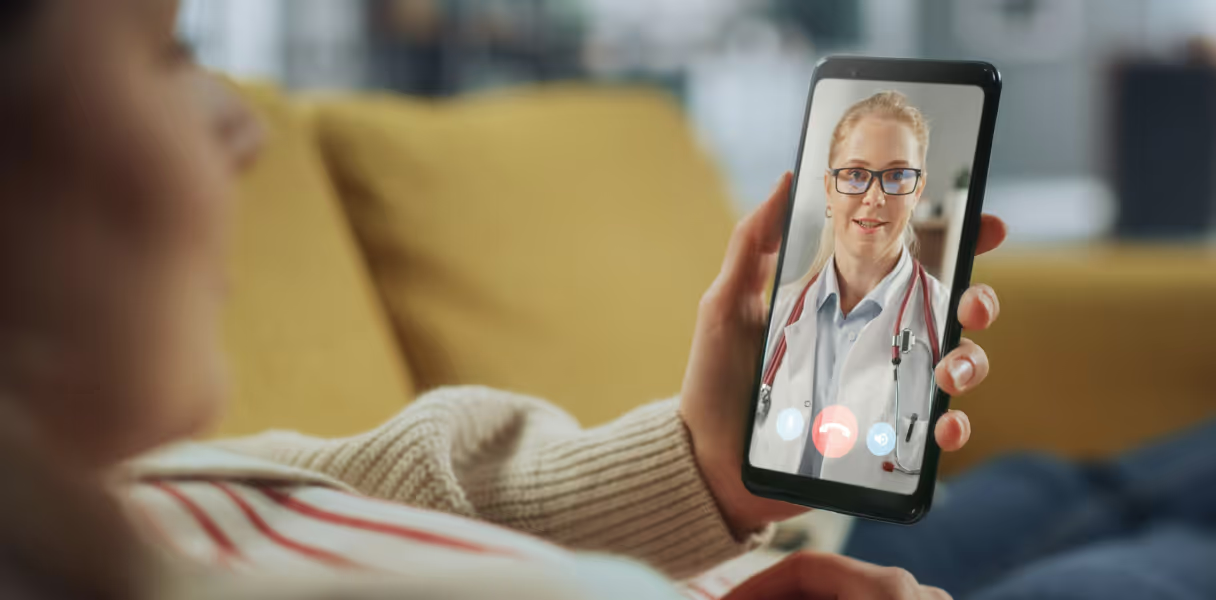
For patients who prefer to avoid scheduling an in-person appointment, telehealth-based sleep testingthrough providers like dumbo.health offers a streamlined alternative. You can complete a free sleep assessment online, order your home sleep test device, and have your results reviewed by a physician without visiting a sleep lab or clinic.
This approach is particularly valuable for patients in areas of Greater Houston with limited access to sleep specialists, for those with work schedules that make daytime appointments difficult, and for commercial drivers who need results quickly to meet DOT regulations.
Choosing the Right Provider
When evaluating providers in your area, consider whether the provider includes physician interpretation, what the total out-of-pocket cost is, whether follow-up care and CPAP management are part of the program, and whether the provider can handle DOT-related sleep apnea documentation if needed.
dumbo.health combines the convenience of at-home testing with the clinical rigor of physician-led care, transparent pricing, and ongoing treatment support through its sleep apnea care solutions.
DID YOU KNOW: According to the Sleep Foundation, nearly 30 million Americans have obstructive sleep apnea, but only about 6 million have been formally diagnosed, highlighting the scale of undiagnosed cases even in major metro areas like Houston.
KEY TAKEAWAY: Houston offers multiple sleep testing options from hospital sleep centers to independent clinics to telehealth providers, and the right choice depends on your symptoms, budget, testing needs, and whether you need DOT-compliant documentation.
Selecting a provider is one of the final decisions before getting tested. The following section addresses what happens if you ignore sleep apnea symptoms entirely.
Health Consequences of Untreated Sleep Apnea
Untreated obstructive sleep apnea carries serious long-term health risks that extend well beyond poor sleep quality. The repeated drops in oxygen saturation during sleep place chronic stress on the cardiovascular system, metabolic processes, and neurological function.
According to the National Heart, Lung, and Blood Institute, untreated sleep apnea increases the risk of high blood pressure, heart disease, heart failure, irregular heartbeat, and stroke. The mechanism involves repeated episodes of oxygen desaturation that trigger surges in blood pressure and stress hormones during sleep, which over time damage blood vessels and strain the heart.
The CDC notes that adults with untreated sleep apnea are more likely to develop type 2 diabetes, experience weight gain, and suffer from metabolic syndrome. The relationship between sleep apnea and metabolic health is bidirectional: obesity increases sleep apnea severity, and untreated sleep apnea makes weight management more difficult.
Cognitive and mental health consequences are equally significant. Chronic sleep fragmentation caused by repeated breathing pauses impairs memory consolidation, reduces concentration, and increases the risk of depression and anxiety. Many patients attribute their mental health issues to other causes without realizing that a treatable sleep disorder is a contributing factor.
For commercial drivers in the Houston area, untreated sleep apnea poses a direct safety risk. The FMCSA recognizes that excessive daytime sleepiness from untreated sleep apnea impairs reaction time and judgment, which increases the risk of fatigue-related accidents. Drivers who fail to address diagnosed sleep apnea risk losing their medical certification.
Obstructive sleep apnea left untreated is not simply a quality-of-life issue. It is a medical condition with measurable cardiovascular, metabolic, and neurological consequences. Early testing and treatment through options like home sleep testing and CPAP therapy can reverse many of these risks.
IMPORTANT: If you experience sudden chest pain, severe shortness of breath, or loss of consciousness, seek care at an emergency room immediately. These symptoms may indicate a cardiovascular event related to or worsened by untreated sleep apnea.
KEY TAKEAWAY: Untreated obstructive sleep apnea increases the risk of heart disease, stroke, high blood pressure, type 2 diabetes, and cognitive impairment, making timely diagnosis and treatment essential for long-term health.
Understanding these consequences reinforces why acting on symptoms matters. The conclusion below summarizes everything covered and provides your next step.
Conclusion
A home sleep apnea test in Houston, Texas gives you a clear, clinically validated path to diagnosing obstructive sleep apnea without the cost, inconvenience, or scheduling challenges of an in-lab sleep study. Whether you are dealing with chronic snoring, daytime fatigue, or need documentation for a DOT physical, home sleep testing puts the diagnostic process in your control.
dumbo.health offers a complete at-home sleep test for $149with no insurance required, no prior authorization, and no surprise bills. Monthly care plans starting at $59 per month include physician interpretation, CPAP therapy and equipment, and ongoing follow-up, all with no contracts and the ability to cancel anytime. Take the free sleep assessment to find out if home sleep testing is right for you.
Frequently Asked Questions About Home Sleep Apnea Testing in Houston, Texas
What is a home sleep apnea test?
A home sleep apnea test (HSAT) is a simplified diagnostic tool used to evaluate whether a person has obstructive sleep apnea while sleeping in their own home. The test uses a small wearable device that records key data including breathing patterns, oxygen saturation, respiratory effort, body position, and heart rate during sleep. According to the American Academy of Sleep Medicine, home sleep apnea testing is a clinically validated option for diagnosing moderate to severe obstructive sleep apnea in appropriate candidates. A physician or sleep specialist reviews the recorded data and generates a diagnostic report. A healthcare professional can help determine whether home testing is appropriate for your situation.
How does a home sleep apnea test work?
A home sleep apnea test works by using a wearable monitoring device worn overnight in your own bed. The device typically includes sensors that measure oxygen saturation, airflow, respiratory effort, heart rate, and body position throughout the night. Once you complete the test night, the recorded sleep data is returned or transmitted for physician review. A sleep physician or qualified clinician analyzes the raw data, calculates the apnea-hypopnea index, and prepares a diagnostic report. The process avoids the need for an overnight stay in a sleep lab and can be completed in a familiar sleep environment. You can learn more about the at-home sleep testing process at dumbo.health.
What is the difference between an at-home sleep study and an in-lab sleep study?
An at-home sleep study uses a simplified device to measure breathing, oxygen levels, and respiratory activity during sleep in your own home, while an in-lab sleep study, known as polysomnography, is conducted at a sleep center under direct supervision and records a broader range of signals including brain waves, muscle activity, eye movements, cardiac activity, and full sleep stages via electrodes and additional sensors. In-lab studies capture more complete data and are generally recommended for patients with complex conditions, suspected narcolepsy, parasomnias, periodic limb movement disorder, or cases where a home sleep test does not provide a clear result. A sleep physician can determine which type of testing is appropriate for your specific situation.
Why would I need a sleep study?
A sleep study may be recommended when symptoms suggest an underlying sleep disorder is affecting your health or daily functioning. Common reasons include loud snoring, observed breathing interruptions during sleep, excessive daytime fatigue, waking frequently during the night, poor sleep quality, or high blood pressure that is difficult to control. According to the CDC, untreated obstructive sleep apnea is associated with increased risk of cardiovascular disease, stroke, and other serious medical conditions. A healthcare professional may also order a sleep study to evaluate insomnia, restless legs syndrome, hypersomnia, narcolepsy, shift work sleep disorder, or other sleep-related breathing disorders. Testing decisions should be reviewed by a qualified physician.
What symptoms suggest I should consider a home sleep apnea test?
Several symptoms may indicate a need for sleep apnea evaluation. These include snoring loudly at night, being told you stop breathing during sleep, waking unrefreshed despite a full night of rest, feeling tired or fatigued throughout the day, excessive daytime sleepiness, irritability, difficulty concentrating, restless sleep or frequent tossing and turning, and elevated blood pressure. The American Academy of Sleep Medicine notes that obstructive sleep apnea is frequently underdiagnosed because many people are unaware of their nighttime symptoms. If you recognise several of these signs, a healthcare professional can help determine whether a home sleep apnea test or further evaluation is a reasonable next step. You can also take a free sleep assessment to help clarify whether testing may be appropriate.
Does a home sleep apnea test hurt?
No, a home sleep apnea test is not painful. The device is non-invasive and typically involves wearing a small monitor along with sensors placed at the fingertip or wrist to measure oxygen saturation, a nasal cannula or airflow sensor to detect breathing patterns, and a respiratory effort belt worn around the chest. There are no electrodes, needles, or procedures that cause discomfort. Most people find the device comfortable enough to sleep in their normal position. If the testing equipment feels unfamiliar, sleeping in your usual bed and following your normal sleep habits can help improve the quality of the recorded sleep data.
Is a home sleep apnea test accurate?
A home sleep apnea test is clinically validated for diagnosing moderate to severe obstructive sleep apnea in adults without significant comorbid conditions. The American Academy of Sleep Medicine supports the use of home sleep apnea testing as an appropriate diagnostic pathway for patients with a high probability of obstructive sleep apnea. However, home tests measure fewer signals than in-lab polysomnography and may underestimate the severity of sleep apnea in some cases because the device cannot detect sleep stages. A home sleep test cannot diagnose central sleep apnea, narcolepsy, parasomnia, or periodic limb movement disorder. A sleep physician interprets the data and determines whether results are conclusive or whether further in-lab testing is needed.
What can a home sleep apnea test reveal?
A home sleep apnea test can reveal evidence of obstructive sleep apnea by measuring breathing interruptions, oxygen desaturation events, respiratory effort, airflow patterns, heart rate, and body position during sleep. The physician interpreting the results calculates the apnea-hypopnea index, which reflects the average number of apnea and hypopnea events per hour of sleep. This result is used to classify obstructive sleep apnea as none, mild, moderate, or severe. Home sleep testing cannot measure brain activity, sleep stages, eye movements, or muscle activity, so it cannot fully evaluate all sleep disorders. A physician review of the results determines the clinical significance and appropriate next steps for treatment or further diagnostic testing.
Who qualifies for a home sleep apnea test?
Home sleep apnea testing is generally appropriate for adults who have a high clinical likelihood of moderate to severe obstructive sleep apnea and do not have significant comorbid conditions that would complicate interpretation. Patients who may not be suitable candidates for home testing alone include those with suspected central sleep apnea, heart failure, chronic obstructive pulmonary disease, neuromuscular disorders, suspected narcolepsy or parasomnia, or prior inconclusive home test results. A healthcare professional reviews your symptoms, sleep history, and medical background before recommending home sleep testing or referring you for in-lab polysomnography. If you are unsure whether you qualify, a home sleep apnea test evaluation can help clarify appropriate next steps.
Do I need a sleep study if I already have a previous sleep study on file?
Whether a new sleep study is needed depends on how recent your previous study was, what it showed, and how your symptoms or health status have changed since then. A sleep physician may request a repeat sleep study if your symptoms have worsened, if your previous test result was inconclusive, if your body weight has changed significantly, if you have begun or modified CPAP therapy, or if new symptoms have developed. If you already have recent documentation of a confirmed sleep apnea diagnosis and are actively receiving treatment, a repeat study may not be immediately necessary. A qualified healthcare professional should review your prior sleep data and current symptoms before determining whether additional testing is appropriate.
Do I have to complete an at-home sleep study, or are there other options?
An at-home sleep study is not always mandatory. The type of sleep testing recommended depends on your specific symptoms, medical history, and what your physician is evaluating. For straightforward obstructive sleep apnea screening, a home sleep apnea test is often sufficient and is frequently the first step recommended. For more complex sleep disorders, including narcolepsy, parasomnias, periodic limb movement disorder, or cases where a home test is inconclusive, an in-lab sleep study may be required. In some clinical pathways, treatment may begin based on strong clinical suspicion even before formal testing is completed, though this decision rests with your treating physician. A sleep specialist can explain which testing pathway is most appropriate for your situation.
What sleep disorders can be identified through sleep testing?
Sleep testing can help identify a range of sleep disorders depending on the type of study used. Home sleep apnea testing is primarily used to evaluate obstructive sleep apnea and sleep-related breathing disorders. In-lab polysomnography can assess a broader range of conditions including central sleep apnea, narcolepsy, hypersomnia, restless legs syndrome, periodic limb movement disorder, parasomnias such as sleepwalking or REM sleep behaviour disorder, sleep paralysis, shift work sleep disorder, bruxism, and insomnia when behavioural or neurological monitoring is needed. Prolonged EEG monitoring may be used in specific diagnostic situations. A sleep physician determines which type of testing is appropriate based on your presenting symptoms and medical history.
Can excessive daytime sleepiness be a sign of sleep apnea?
Yes, excessive daytime sleepiness is one of the most commonly reported symptoms of obstructive sleep apnea. When breathing is interrupted repeatedly during the night, sleep quality is fragmented even if the person is not consciously aware of waking. This results in non-restorative sleep, leaving many people feeling exhausted, mentally foggy, or irritable during the day despite spending adequate time in bed. According to the Sleep Foundation, untreated sleep apnea significantly impairs daytime functioning and is associated with reduced workplace performance and increased accident risk. Excessive daytime sleepiness can also result from other conditions including narcolepsy, hypersomnia, insomnia, or poor sleep habits. A healthcare professional should evaluate persistent daytime sleepiness to determine the underlying cause.
Is CPAP therapy the only treatment option for obstructive sleep apnea?
CPAP therapy, or continuous positive airway pressure, is the most widely recommended first-line treatment for moderate to severe obstructive sleep apnea, but it is not the only option. Continuous positive airway pressure works by delivering a constant stream of air through a mask to keep the upper airway open during sleep, preventing apnea events. For patients who cannot tolerate CPAP, alternative treatment options may include oral appliance therapy, positional therapy for position-dependent apnea, surgical interventions for airway obstruction, or upper airway stimulation devices. Weight reduction can also reduce sleep apnea severity in some patients. The most appropriate treatment depends on the severity of the condition, individual anatomy, and patient preference, and should be determined in consultation with a sleep physician.
What is CPAP therapy and how does it help with sleep apnea?
CPAP therapy, short for continuous positive airway pressure, is the most common and clinically supported treatment for obstructive sleep apnea. A CPAP machine delivers a steady stream of pressurised air through a mask worn over the nose or mouth during sleep. This continuous airflow acts as a pneumatic splint, preventing the upper airway from collapsing and stopping apnea and hypopnea events. With consistent CPAP use, many patients experience improved sleep quality, reduced daytime fatigue, lower blood pressure, and better overall health outcomes. CPAP adherence, meaning regular nightly use, is important for achieving clinical benefit. Physician-monitored adherence programmes help patients stay on track with their therapy. Learn more about CPAP therapy and equipment available through dumbo.health.
Why does CPAP adherence matter?
CPAP adherence refers to how consistently and for how long a patient uses their CPAP machine each night. Adherence matters because the health benefits of CPAP therapy, including improved sleep quality, reduced blood pressure, and reduced daytime sleepiness, are closely linked to regular and sufficient nightly use. Insurance providers, including Medicare Advantage plans and commercial insurers, often require documented CPAP adherence to continue covering equipment costs. For commercial drivers, a certified medical examiner may review CPAP adherence data when evaluating fitness for duty. Clinicians typically define adequate adherence as using the device for at least four hours per night on at least 70 percent of nights over a 30-day period. Regular follow-up with a sleep physician or care team helps patients address mask fit, pressure adjustments, and adherence barriers.
How much does a home sleep apnea test cost?
The cost of a home sleep apnea test varies depending on whether you use insurance or pay out of pocket. Many health insurance plans, including Aetna, UnitedHealthcare, Blue Cross Blue Shield, Cigna, and Medicare Advantage plans, cover home sleep testing when ordered by a qualifying physician, though out-of-pocket costs vary by plan. For patients paying directly, dumbo.health offers a home sleep test for a one-time cost of $149 with transparent cash-pay pricing, no insurance required, and no prior authorisations. The $149 home sleep test covers the at-home testing device and one night of testing. Physician interpretation and ongoing care are covered separately through monthly plans starting at $59 per month. Pricing is transparent, with no contracts and the option to cancel at any time.
Does health insurance cover the cost of a home sleep apnea test?
Many health insurance plans do cover home sleep apnea testing when the test is ordered by a physician and meets clinical criteria. Coverage terms vary by insurer and plan. Major insurance providers such as Aetna, UnitedHealthcare, Blue Cross Blue Shield, Cigna, and KelseyCare Advantage, as well as Medicare Advantage Plans, may cover home sleep testing, though prior authorisation requirements and out-of-pocket costs differ. Patients who prefer to avoid insurance complexity, prior authorisations, or unexpected bills can use a cash-pay option. dumbo.health offers at-home sleep apnea testing at a flat rate of $149 with no insurance required, no prior authorisations, and no surprise bills. Confirming your specific coverage with your insurer before scheduling is always advisable.
Is it safe to test for sleep apnea at home rather than in a sleep lab?
Home sleep apnea testing is a safe and clinically validated diagnostic approach for appropriate candidates. The device is non-invasive, does not involve any procedures, and is worn comfortably during normal sleep in your own home. According to the American Academy of Sleep Medicine, home sleep apnea testing is an acceptable alternative to in-lab polysomnography for adults with a high probability of moderate to severe obstructive sleep apnea and no significant comorbidities. Testing at home does not carry the risks associated with clinical procedures. However, home testing is not appropriate for all patients, and a physician should determine whether home sleep apnea testing is clinically suitable before the test is ordered. If you have urgent or severe symptoms, seek medical care promptly.
What happens after I receive my home sleep apnea test results?
After your home sleep apnea test is completed, the recorded sleep data is reviewed by a physician or sleep specialist who analyses breathing events, oxygen saturation levels, respiratory effort, and other recorded parameters. The physician calculates your apnea-hypopnea index and prepares a diagnostic report. Depending on the result, next steps may include a diagnosis of obstructive sleep apnea and initiation of CPAP therapy, a recommendation for further in-lab testing if results are inconclusive, or confirmation that obstructive sleep apnea is not present. For patients on a care plan, results and recommendations are also sent to their referring provider. dumbo.health monthly plans include physician interpretation, a formal report, and ongoing sleep apnea care solutions covering CPAP equipment, adherence follow-up, and provider updates.
Can a home sleep apnea test be used for DOT medical certification purposes?
Home sleep apnea testing can be part of the documentation pathway for commercial drivers who need to address sleep apnea concerns in the context of a DOT physical. The Federal Motor Carrier Safety Administration does not mandate a specific testing format, but a certified medical examiner may require evidence of sleep apnea evaluation and, if diagnosed, documented treatment adherence before issuing or renewing a DOT medical certificate. A home sleep apnea test ordered through a qualified physician and accompanied by a formal physician interpretation report can support this process. However, dumbo.health does not guarantee DOT certification or medical clearance. A certified medical examiner makes all DOT certification decisions independently based on clinical findings, test results, and treatment adherence. For more detail, see the DOT sleep apnea test at-home guide for commercial drivers.
Do commercial drivers in the Houston area need a sleep apnea test for their CDL?
Commercial drivers are not automatically required to complete a sleep apnea test to obtain or renew a CDL, but a certified medical examiner may refer a driver for sleep apnea evaluation based on symptoms, physical examination findings, or risk factors such as obesity, high blood pressure, large neck circumference, or reported snoring and daytime fatigue. The FMCSA requires commercial drivers to hold a valid DOT medical certificate, and untreated sleep apnea that impairs alertness can be a disqualifying factor. Drivers in the Houston area who need sleep apnea evaluation as part of the DOT medical process can access at-home testing without insurance through providers near them or through services like dumbo.health. A certified medical examiner, not a sleep testing service, makes all DOT certification decisions. See the CDL driver sleep apnea test guide for more information.
What is restless legs syndrome and can it be treated?
Restless legs syndrome is a neurological sleep disorder characterised by an uncomfortable urge to move the legs, typically occurring in the evening or at night and temporarily relieved by movement. It can cause significant difficulty falling asleep and staying asleep, resulting in poor sleep quality and daytime fatigue. According to the NIH, restless legs syndrome affects an estimated 7 to 10 percent of the general population. It is distinct from obstructive sleep apnea and periodic limb movement disorder, though these conditions can coexist. Restless legs syndrome is typically diagnosed clinically based on patient history and may be managed with lifestyle modifications, iron supplementation when deficiency is present, or prescription medications. A sleep physician or neurologist can assess your symptoms and recommend appropriate treatment options.
What is the difference between obstructive sleep apnea and other sleep disorders?
Obstructive sleep apnea is a sleep-related breathing disorder caused by repeated collapse or partial obstruction of the upper airway during sleep, leading to breathing interruptions, oxygen desaturation, and fragmented sleep. It is the most common sleep-related breathing disorder and is diagnosed based on the apnea-hypopnea index. Other sleep disorders have different causes and presentations. Insomnia involves persistent difficulty falling or staying asleep. Narcolepsy is a neurological disorder causing excessive daytime sleepiness and sudden sleep attacks. Restless legs syndrome and periodic limb movement disorder involve abnormal limb sensations or movements disrupting sleep. Parasomnias include abnormal behaviours during sleep such as sleepwalking. Bruxism refers to teeth grinding during sleep. Each condition requires specific diagnostic testing and treatment approaches guided by a qualified sleep specialist.
How do sleep physicians ensure an accurate diagnosis from a home sleep test?
Accuracy in home sleep apnea testing depends on correct sensor placement, adequate sleep duration during the test night, and thorough physician review of the recorded data. A sleep physician or qualified clinician analyses the raw data captured by the device, including oxygen saturation trends, respiratory effort, airflow signals, body position, and event frequency, to calculate the apnea-hypopnea index. If the recorded data is of poor quality due to sensor displacement or insufficient sleep time, the physician may determine that results are inconclusive and recommend a repeat test or an in-lab sleep study. Using the device correctly according to instructions and sleeping in your normal environment with your usual sleep habits improves the reliability of the recorded sleep data.
Can a home sleep apnea test be done if I have trouble falling asleep in unfamiliar conditions?
Yes. One practical advantage of home sleep apnea testing is that you sleep in your own bed, in your familiar sleep environment, using your own pillows and bedding. This can make it easier to fall asleep and produce more representative sleep data compared to sleeping in an unfamiliar sleep lab. If you have significant insomnia or find it difficult to fall asleep on the test night, the device will record whatever sleep does occur. If the total sleep time recorded is insufficient to produce a valid result, your physician will review whether a repeat test or in-lab study is needed. A healthcare professional can advise you on how to prepare for the test night to maximise the quality of your results.
When should I see a doctor about sleep problems rather than testing at home first?
You should seek prompt medical attention rather than starting with a home sleep apnea test if you have severe or urgent symptoms such as chest pain, severe shortness of breath, a suspected medical emergency, or symptoms that suggest a cardiac or neurological event. Home sleep apnea testing is intended for non-emergency diagnostic evaluation of suspected obstructive sleep apnea in stable patients. If your sleep symptoms are accompanied by mental health issues, unexplained neurological symptoms, or conditions such as severe heart failure or chronic respiratory disease, a physician should evaluate you in person before ordering any form of sleep testing. If you are unsure where to start, a free sleep assessment can help guide whether home testing may be appropriate for your situation.