



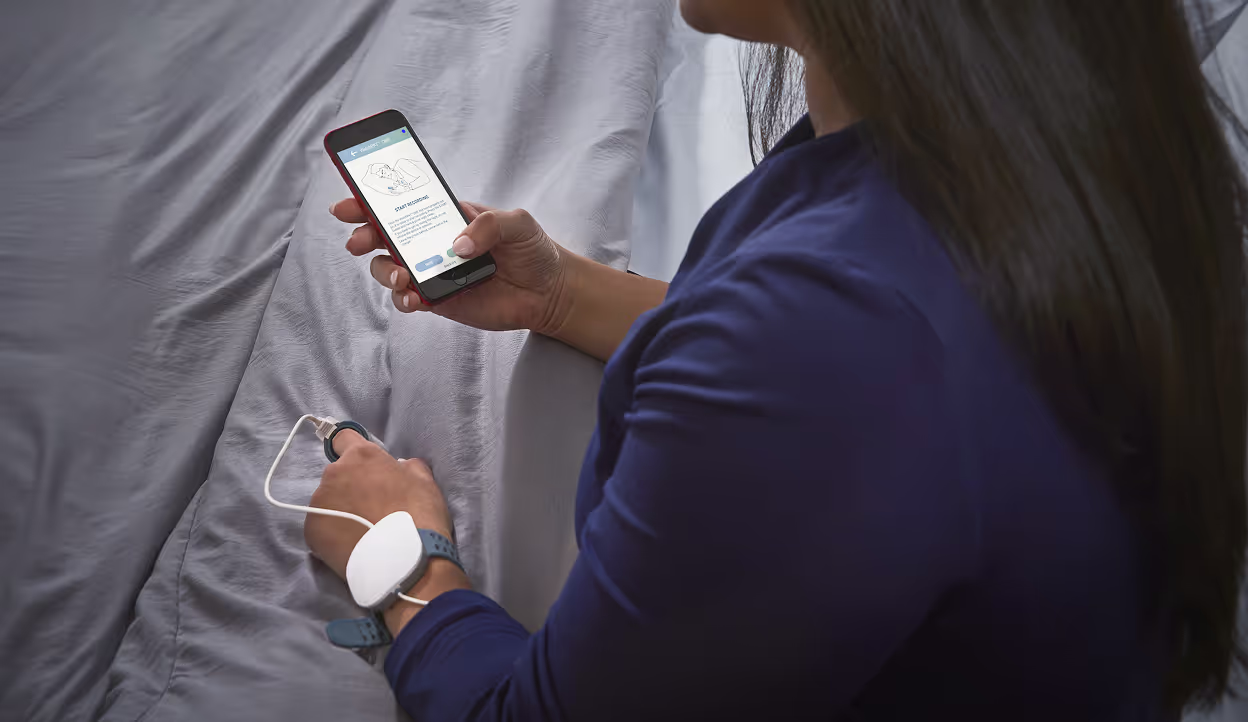



Home Sleep Apnea Test in Amarillo, Texas: The Complete Guide for Patients
Home sleep apnea test in Amarillo, Texas is a diagnostic screening you complete in your own bed using a portable, FDA-cleared device that records breathing patterns, oxygen levels, heart rate, and airflow overnight. According to the American Academy of Sleep Medicine, home sleep apnea testing is an accepted method for diagnosing obstructive sleep apnea in adults with a moderate to high pretest probability. This guide is for Amarillo residents, Potter County patients, and anyone in the Texas Panhandle who suspects they may have a sleep disorder and wants a convenient, affordable path to answers. You will learn how home sleep testing works, what it measures, how it compares to an in-lab sleep study, what results mean, and how to move from diagnosis to treatment, including CPAP therapy. Understanding your options before scheduling an appointment can save time, money, and unnecessary worry.
Quick Answer
A home sleep apnea test in Amarillo, Texas lets you screen for obstructive sleep apnea from your own bed using a small, portable device that tracks oxygen saturation, airflow, heart rate, and breathing effort. The test typically takes one night, and results are interpreted by a physician. Most adults with symptoms like loud snoring, witnessed breathing pauses, or excessive daytime sleepiness are candidates. dumbo.health offers a home sleep test for $149 with no insurance required and physician interpretation starting at $59 per month.
Key Takeaways
- Home sleep apnea testing is a validated, FDA-cleared method for diagnosing obstructive sleep apnea in adults and can be completed in one night in Amarillo, Texas.
- The test measures oxygen saturation, airflow, respiratory effort, and heart rate using portable sensors you wear while sleeping.
- Home testing is generally not appropriate for diagnosing central sleep apnea, narcolepsy, parasomnias, insomnia, or pediatric sleep disorders.
- According to the American Academy of Sleep Medicine, home sleep apnea tests have a sensitivity of approximately 79 to 97 percent for moderate to severe obstructive sleep apnea.
- dumbo.health provides an at-home sleep test for $149 as a one-time cost, with monthly care plans starting at $59 per month for physician interpretation, CPAP therapy, and follow-up, all with no insurance required and no contracts.
- Untreated obstructive sleep apnea increases the risk of hypertension, diabetes, heart disease, motor vehicle crashes, and industrial disasters, according to the CDC.
What Is a Home Sleep Apnea Test and How Does It Work
A home sleep apnea test is a simplified, portable version of an overnight sleep study that you complete in the comfort of your own bed rather than in a sleep lab or sleep disorders center. The device records key diagnostic information while you sleep, and a physician reviews the data to determine whether you have obstructive sleep apnea.
Unlike a full in-lab polysomnography, which monitors brain waves, leg movements, and detailed sleep stages using dozens of sensors, a home sleep test focuses on the respiratory and cardiovascular signals most relevant to diagnosing obstructive sleep apnea. This makes it less complex, more affordable, and far more convenient for patients in Amarillo and across Texas.
What the Device Measures
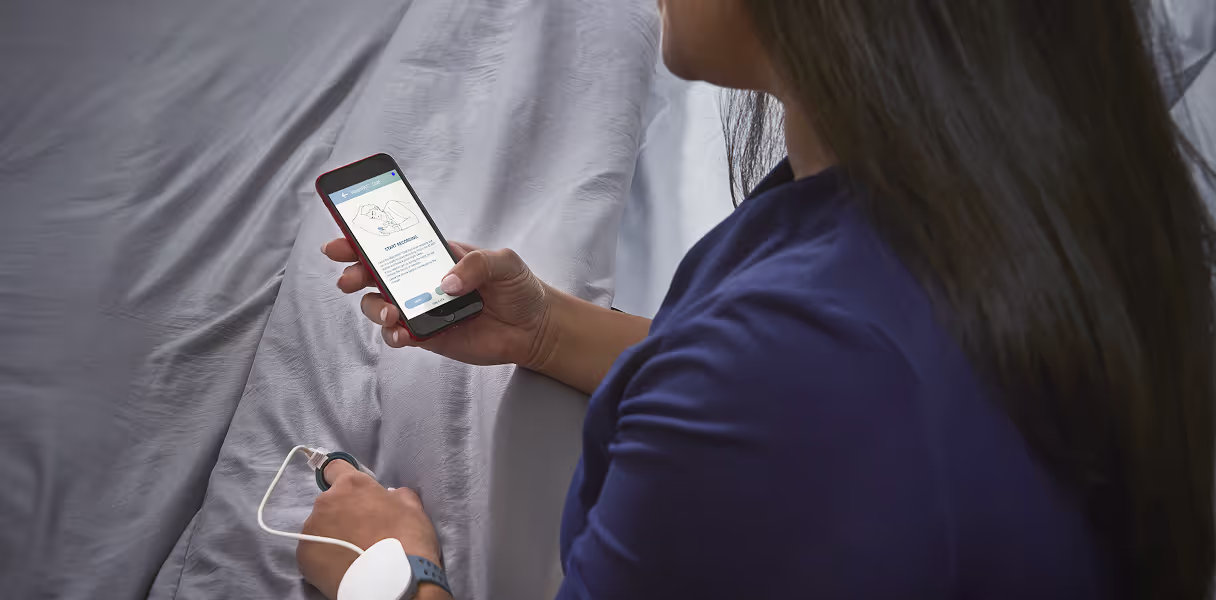
Home sleep test devices use a small set of sensors to capture four primary data channels:
- Oxygen saturation: a pulse oximeter clipped to your finger tracks blood oxygen levels throughout the night, detecting drops that occur during apnea events.
- Airflow: a nasal cannula placed just below your nose measures the flow of air during breathing, identifying partial or complete airflow reductions.
- Respiratory effort: a chest strap or belt around your torso detects chest and abdominal movement, distinguishing between obstructive events (where you try to breathe but the airway is blocked) and central events (where the brain does not send the signal to breathe).
- Heart rate: the pulse oximeter simultaneously records heart rate changes, which often spike during apnea episodes as the body responds to oxygen desaturation.
Some devices also record body position and snoring intensity. All sensors are small, wireless or low-profile, and designed for patient comfort during a normal night of sleep.
How the Test Night Works
You receive the device with instructions, apply the sensors before bed, press a button to start recording, and sleep as you normally would. In the morning, you remove the sensors and return or ship the device. The recorded data is then downloaded and reviewed by a qualified physician, who generates a diagnostic report with your results.
dumbo.health ships the at-home sleep test device directly to patients in Amarillo, Texas and nationwide for $149. The device is FDA-cleared, and the entire process requires no office visit, no insurance authorization, and no referral.
KEY TAKEAWAY: A home sleep apnea test measures oxygen saturation, airflow, respiratory effort, and heart rate during one night of sleep using portable sensors, providing the diagnostic information a physician needs to identify obstructive sleep apnea.
Understanding what the test measures helps clarify who should take it and who may need a different type of evaluation.
Who Should Get a Home Sleep Apnea Test in Amarillo, Texas
Adults with signs and symptoms of obstructive sleep apnea are the primary candidates for home sleep testing. The American Academy of Sleep Medicine recommends home sleep apnea testing for patients who have a high pretest probability of moderate to severe obstructive sleep apnea and no significant comorbid sleep disorders or medical conditions that would require in-lab monitoring.
Common Symptoms That Warrant Testing
If you experience two or more of the following, a home sleep apnea test may be appropriate:
- Loud, chronic snoring that disrupts your sleep partner
- Witnessed pauses in breathing during sleep
- Gasping or choking episodes that wake you
- Excessive daytime sleepiness despite adequate time in bed
- Morning headaches that resolve within a few hours of waking
- Difficulty concentrating or memory problems during the day
- Frequent nighttime urination
Risk Factors Prevalent in the Amarillo Area
Obesity is one of the strongest risk factors for obstructive sleep apnea. According to the CDC, adult obesity prevalence in Texas exceeds 36 percent, placing a significant portion of the population at elevated risk. Additional risk factors include age over 40, male sex, a neck circumference greater than 17 inches in men or 16 inches in women, family history, and nasal obstruction.
Patients in Amarillo and Potter County who work in transportation, oil and gas, agriculture, or other physically demanding industries may face compounded risks. The National Highway Traffic Safety Administration reports that drowsy driving causes an estimated 100,000 police-reported crashes annually, and untreated sleep apnea is a major contributor. For commercial drivers in the Amarillo area, testing is especially critical to maintaining both health and employment.
DID YOU KNOW: According to the American Sleep Apnea Association, an estimated 80 percent of moderate and severe obstructive sleep apnea cases remain undiagnosed.
KEY TAKEAWAY: If you snore loudly, feel excessively tired during the day, or have risk factors like obesity or a large neck circumference, a home sleep apnea test in Amarillo is a practical first step toward diagnosis.
Knowing whether you are a candidate is one thing, but understanding how to actually prepare and complete the test makes all the difference.
How to Complete a Home Sleep Apnea Test in Amarillo, Texas
Completing a home sleep apnea test takes one night and requires no visit to a sleep clinic, sleep disorders center, or sleep lab in Amarillo. The process is designed for convenience and patient comfort.
Step-by-Step Process for Your Test Night
1. Order your home sleep test online through dumbo.health for $149 with no insurance or prior authorization required.
2. Receive the FDA-cleared device at your home in Amarillo, Texas, with clear printed and video instructions for sensor placement.
3. Before bed, attach the nasal cannula, chest strap, and finger pulse oximeter as directed, ensuring each sensor is secure but comfortable.
4. Press the start button on the recording device, turn off the lights, and sleep as you normally would in your own bed.
5. In the morning, remove all sensors and power off the device.
6. Ship the device back using the prepaid return packaging included with your kit.
7. A board-certified physician reviews your data and generates a detailed diagnostic report, typically within a few business days.
Once results are available, you can enroll in a dumbo.health monthly plan starting at $59 per month for physician interpretation, treatment recommendations, CPAP therapy, and ongoing follow-up. No contracts apply, and you can cancel anytime.
Checklist: What to Do Before Your Test Night
- Confirm your device is fully charged or has fresh batteries
- Avoid alcohol for at least 4 hours before bedtime, as it can alter breathing patterns
- Skip caffeine after 2:00 PM on your test day
- Remove nail polish from the finger where the oximeter will be placed, as it can interfere with oxygen saturation readings
- Sleep in your usual bed to reflect your normal sleep patterns and comfort level
- Keep the instruction sheet nearby for quick reference during sensor setup
- Set your alarm so you remember to remove sensors and power off the device in the morning
- Complete the free sleep assessment at dumbo.health before ordering if you are unsure whether testing is right for you
IMPORTANT: Sleeping pills, sedatives, and alcohol can suppress breathing and may alter test results. Discuss any medications with your physician or provider before your test night.
KEY TAKEAWAY: A home sleep apnea test in Amarillo requires one night, no clinic visit, and no appointment, and dumbo.health handles ordering, shipping, and physician review for a flat $149 fee.
After you complete the test, the next question is what your results actually mean and what happens with them.
Understanding Your Home Sleep Test Results
Home sleep apnea test results are reported as an Apnea-Hypopnea Index, commonly abbreviated as AHI. The AHI is the number of apnea and hypopnea events per hour of recorded sleep. Apnea is a complete cessation of airflow lasting at least 10 seconds. Hypopnea is a partial reduction in airflow, usually 30 percent or more, accompanied by an oxygen desaturation of at least 3 to 4 percent.
AHI Severity Classification
The American Academy of Sleep Medicine classifies obstructive sleep apnea severity based on AHI:
- Normal: fewer than 5 events per hour
- Mild obstructive sleep apnea: 5 to 14 events per hour
- Moderate obstructive sleep apnea: 15 to 29 events per hour
- Severe obstructive sleep apnea: 30 or more events per hour
A patient with an AHI of 22, for example, experiences roughly 22 breathing disruptions per hour of sleep. Each event can cause a brief arousal, a drop in blood oxygen, and a spike in heart rate. Over a full night, that amounts to more than 150 disruptions in a 7-hour sleep period.
What Else the Report Includes
Beyond AHI, a comprehensive interpretation report typically includes:
- Oxygen desaturation index, which measures how often oxygen levels drop below a defined threshold per hour
- Minimum and average oxygen saturation levels during the recording
- Total recording time and estimated sleep time
- Heart rate trends and variability
- Snoring frequency and intensity
- Body position data, if the device captures it
Your physician uses these data points together to determine not only whether you have obstructive sleep apnea, but how severe it is and what treatment is most appropriate.
With dumbo.health, a board-certified physician provides a full interpretation of your results. On the Essentials Plan at $59 per month, you receive your physician report, CPAP therapy and equipment, standard follow-up care, and updates sent to your referring provider. The Premium Plan at $89 per month adds a dedicated sleep coach, advanced adherence monitoring, and priority results turnaround.
KEY TAKEAWAY: Your home sleep test results are expressed as an AHI score, with 5 or more events per hour indicating at least mild obstructive sleep apnea, and your physician uses additional oxygen and heart rate data to guide treatment recommendations.
Once you understand your results, the next decision is what treatment pathway makes the most sense for your situation.
Treatment Options After a Positive Home Sleep Test
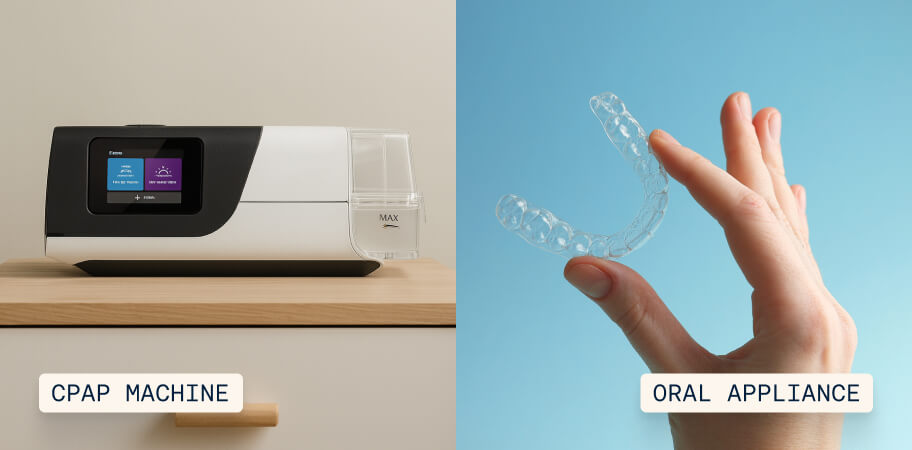
CPAP therapy is the most widely recommended first-line treatment for moderate to severe obstructive sleep apnea. CPAP stands for continuous positive airway pressure, and the device delivers a steady stream of air through a mask to keep your airway open during sleep. According to the National Heart, Lung, and Blood Institute, CPAP effectively reduces AHI, improves oxygen saturation, decreases daytime sleepiness, and lowers cardiovascular risk when used consistently.
CPAP Therapy and Equipment
A CPAP prescription requires a physician to review your sleep test results, confirm the diagnosis, and write an Rx prescription specifying the pressure settings. The equipment includes a CPAP machine, tubing, and CPAP masks. Masks come in several styles, including nasal masks, nasal pillow masks, and full-face masks, and finding the right fit is essential for patient comfort and long-term adherence.
Many patients report that the first few weeks of CPAP therapy involve an adjustment period. Mask fit, air pressure tolerance, and getting used to sleeping with the device are common concerns. This is where ongoing coaching and support become critical. Studies published in the journal CHEST show that adherence rates improve significantly when patients receive regular follow-up and troubleshooting support during the first 90 days of therapy.
dumbo.health includes CPAP machines, masks, equipment, and ongoing care in every monthly plan. The Essentials Plan at $59 per month covers CPAP therapy, equipment, physician review, and standard follow-up. The Premium Plan at $89 per month adds a dedicated sleep coach for personalized adherence support. No insurance is required, there are no contracts, and CPAP supply replacements are handled through the plan.
Other Treatment Options
Not all patients require CPAP. Depending on severity and individual factors, a physician may recommend:
- Positional therapy for patients whose apnea is significantly worse when sleeping on their back
- Oral appliance therapy prescribed by a dentist trained in sleep medicine for mild to moderate cases
- Weight loss, which the American Academy of Sleep Medicine recognizes as a key intervention for patients with obesity-related obstructive sleep apnea
- Surgical options such as tonsillectomies or upper airway procedures for patients with anatomical obstructions who do not tolerate CPAP
- PAP therapy variations such as BiPAP or auto-adjusting CPAP for patients who need more flexible pressure delivery
Your sleep specialist or physician will tailor treatment recommendations based on your AHI, symptom severity, comorbid conditions like hypertension or diabetes, and personal preferences.
TIP: If you are starting CPAP therapy for the first time, a sleep coach can help you troubleshoot mask fit, manage side effects like dry mouth, and stay on track with nightly use. dumbo.health's Premium Plan includes dedicated coaching for this purpose.
KEY TAKEAWAY: CPAP therapy is the standard treatment for moderate to severe obstructive sleep apnea, and consistent use depends heavily on proper equipment, mask fit, and ongoing clinical support.
Before committing to any testing pathway, it helps to understand how home testing compares to the alternatives available in Amarillo.
Home Sleep Test vs. In-Lab Polysomnography: Which Is Right for You
Home sleep testing and in-lab polysomnography both diagnose obstructive sleep apnea, but they differ in scope, cost, convenience, and clinical application. Understanding these differences helps you and your physician choose the right path.
In-lab polysomnography is conducted at a sleep lab, sleep clinic, or sleep disorders center. A sleep technologist attaches numerous sensors to monitor brain waves, eye movements, muscle activity, heart rate, respiratory effort, airflow, oxygen saturation, and leg movements. The study provides a comprehensive assessment of all sleep stages and can diagnose a wide range of sleep disorders, including central sleep apnea, narcolepsy, parasomnias, restless legs syndrome, and circadian rhythm sleep disorders.
A home sleep apnea test, by contrast, focuses specifically on obstructive sleep apnea. It records fewer channels, does not monitor brain waves or sleep stages, and is not attended by a sleep technologist. However, it is significantly more affordable, can be done in your own bed, and does not require an overnight stay in a facility.
Structured Comparison
Setting
- Home Sleep Apnea Test: your own bed at home in Amarillo, Texas
- In-Lab Polysomnography: sleep lab, sleep clinic, or sleep disorders center
Sensors Used
- Home Sleep Apnea Test: nasal cannula, chest strap, finger pulse oximeter (3 to 7 channels)
- In-Lab Polysomnography: full EEG, EOG, EMG, ECG, respiratory belts, nasal cannula, oximeter, leg sensors (16 or more channels)
What It Diagnoses
- Home Sleep Apnea Test: obstructive sleep apnea
- In-Lab Polysomnography: obstructive sleep apnea, central sleep apnea, narcolepsy, parasomnias, restless legs syndrome, circadian rhythm sleep disorders, insomnia with objective data
Typical Cost Without Insurance
- Home Sleep Apnea Test: $149 to $500 depending on the provider
- In-Lab Polysomnography: $1,000 to $6,000 or more
Convenience
- Home Sleep Apnea Test: high, no travel, no appointment, no overnight facility stay
- In-Lab Polysomnography: lower, requires scheduling, travel, and an overnight stay at a facility
Turnaround Time for Results
- Home Sleep Apnea Test: typically a few business days after the device is returned
- In-Lab Polysomnography: often 1 to 3 weeks depending on the facility and physician schedule
Attended by Technologist
- Home Sleep Apnea Test: no
- In-Lab Polysomnography: yes, a sleep technologist monitors the study in real time
For most adults in Amarillo with a clinical suspicion of obstructive sleep apnea and no complex comorbid sleep disorders, a home sleep apnea test provides sufficient diagnostic information at a fraction of the cost and with far greater convenience. dumbo.health's home sleep test is available for $149 with no insurance, no referral, and no appointment required, making it the most accessible option for patients in the area.
If a home sleep test is inconclusive or if your physician suspects central sleep apnea, narcolepsy, or another complex sleep disorder, an in-lab polysomnography at a sleep disorders center near you may be the appropriate next step.
KEY TAKEAWAY: A home sleep apnea test is the most practical choice for most adults suspected of having obstructive sleep apnea, while in-lab polysomnography is reserved for complex cases requiring full sleep stage monitoring and multi-disorder evaluation.
Knowing the differences between test types naturally leads to the question of cost and how to pay for testing and treatment in Amarillo.
Cost of Sleep Apnea Testing and Treatment in Amarillo, Texas
The cost of sleep apnea testing in Amarillo varies widely depending on the type of test, the facility, and whether you use insurance. In-lab polysomnography at a sleep disorders center or sleep clinic can cost $1,000 to $6,000 or more without insurance. Even with coverage, copays, deductibles, and prior authorization delays can make the process expensive and time-consuming.
Home sleep testing is dramatically more affordable. Local providers in Amarillo may charge $200 to $500 for a home sleep test. dumbo.health offers its FDA-cleared home sleep test for a flat $149, billed once before the test night, with no insurance required, no prior authorizations, no surprise bills, and no hidden fees.
Ongoing Treatment Costs
After diagnosis, treatment costs continue. CPAP machines alone can retail for $500 to $3,000 depending on the model. Masks, tubing, and replacement supplies add hundreds of dollars per year. Insurance may cover some of these costs, but coverage often requires prior authorization, specific adherence documentation, and in-network provider restrictions.
dumbo.health bundles physician review, CPAP therapy, equipment, and ongoing care into transparent monthly plans that require no insurance and no contracts:
Essentials Plan
- $59 per month (approximately $2 per day)
- Physician interpretation and report
- CPAP therapy and equipment included
- Standard follow-up care
- Updates sent to your referring provider
- Cancel anytime
Premium Plan (Most Popular)
- $89 per month (approximately $3 per day)
- Everything in Essentials
- Dedicated sleep coach from a licensed care team
- Advanced adherence monitoring
- Priority results turnaround
- Cancel anytime
Elite Plan
- $129 per month (approximately $4 per day)
- Everything in Premium
- Concierge clinical support with priority care team access
- Direct physician messaging
- Custom reporting for your practice
- Cancel anytime
For patients in Amarillo who want transparent pricing without the uncertainty of insurance claims, dumbo.health's care plans provide a straightforward alternative. The home sleep test is $149 one-time, and monthly plans cover everything from interpretation to CPAP supply, coaching, and clinical follow-up.
KEY TAKEAWAY: A home sleep apnea test through dumbo.health costs $149 with no insurance required, and ongoing CPAP treatment plans start at $59 per month, making sleep apnea care in Amarillo affordable and predictable.
Affordability matters, but it is equally important to understand when a home sleep test may not be the right tool for your situation.
Limitations and Risks of Home Sleep Apnea Testing
Home sleep apnea testing is effective for diagnosing obstructive sleep apnea in most adults, but it is not appropriate for every patient or every sleep disorder. Recognizing these limitations ensures you receive the correct diagnosis and the right treatment.
When a Home Sleep Test May Not Be the Right Choice
1. Suspected central sleep apnea. A home sleep test does not monitor brain waves or differentiate reliably between obstructive and central sleep apnea. If your physician suspects central sleep apnea, which involves a failure of the brain to signal breathing muscles, an in-lab polysomnography with full EEG monitoring is required. Central sleep apnea is more common in patients with heart failure, opioid use, or neurological conditions.
2. Comorbid sleep disorders. If narcolepsy, parasomnias, restless legs syndrome, circadian rhythm sleep disorders, or severe insomnia are suspected alongside possible sleep apnea, a home sleep test cannot provide the diagnostic information needed. These conditions require sleep stage analysis and sometimes multiple nights of monitoring in a sleep lab.
3. Pediatric patients. The American Academy of Sleep Medicine does not recommend home sleep testing for children. Pediatric sleep studies require attended polysomnography in a specialized setting with a sleep technologist present.
4. Inconclusive or negative results in symptomatic patients. A home sleep test can underestimate severity. Because the device does not monitor brain waves, it cannot distinguish true sleep time from time spent lying awake. If you have significant symptoms but your home test shows a normal or mildly elevated AHI, your physician may recommend an in-lab polysomnography to get a more accurate assessment.
5. Severe cardiopulmonary disease. Patients with significant heart failure, chronic obstructive pulmonary disease, or neuromuscular disorders may require the closer monitoring and safety oversight of an attended in-lab study.
How dumbo.health Addresses These Limitations
dumbo.health provides physician oversight for every test result. If your home sleep test results are inconclusive or suggest a condition beyond obstructive sleep apnea, the reviewing physician can recommend next steps, including referral to a sleep specialist or sleep disorders center near you for in-lab polysomnography. The care pathway does not end with the test. On any dumbo.health plan, you have access to clinical guidance to ensure you receive the right diagnosis and the right treatment.
IMPORTANT: A home sleep apnea test is a screening tool for obstructive sleep apnea in adults. It does not replace comprehensive evaluation for complex or multiple sleep disorders.
KEY TAKEAWAY: Home sleep testing is not suitable for diagnosing central sleep apnea, narcolepsy, parasomnias, or pediatric sleep disorders, and inconclusive results in symptomatic patients should always be followed up with in-lab polysomnography.
Understanding limitations is essential, but seeing how home sleep testing works in real-world situations makes the process more tangible.
Real-World Scenarios: How Home Sleep Testing Works for Amarillo Patients
Home sleep apnea testing serves a wide range of patients in Amarillo, Texas and the surrounding Potter County area. The following scenarios illustrate common situations where testing leads to diagnosis and treatment.
Common Scenarios
A 48-year-old long-haul truck driver based in Amarillo with a BMI of 36 was told by his wife that he stops breathing during sleep. He snores loudly every night and struggles to stay alert during afternoon drives. His employer suggested a sleep evaluation, but he had no insurance and no regular physician. He ordered a home sleep test through dumbo.health for $149, completed the test in his own bed on a night off, and received results showing an AHI of 34, indicating severe obstructive sleep apnea. He enrolled in the Essentials Plan at $59 per month, received a CPAP machine and nasal pillow mask, and was able to share his physician report with his employer and his DOT examiner.
A 55-year-old office manager in Amarillo had been experiencing insomnia-like symptoms for months. She would wake multiple times during the night feeling short of breath, had morning headaches, and felt exhausted by midday. Her primary care doctor suspected obstructive sleep apnea based on her symptoms and a neck circumference of 16.5 inches. Rather than waiting several weeks for an appointment at a local sleep disorders center, she completed a home sleep test and received results showing moderate obstructive sleep apnea with an AHI of 19. Her physician prescribed CPAP therapy, and she started the dumbo.health Premium Plan at $89 per month, which included a dedicated sleep coach who helped her adjust to her full-face CPAP mask during the first month.
A 62-year-old retired rancher living outside Amarillo in a rural part of Potter County had been diagnosed with hypertension and type 2 diabetes. His physician recommended sleep apnea testing because untreated obstructive sleep apnea worsens both conditions. The nearest sleep clinic was over an hour away, and scheduling an in-lab polysomnography appointment would require a multi-week wait. He opted for a home sleep test shipped to his door, completed it in one night, and received a diagnosis of mild obstructive sleep apnea with an AHI of 12. His physician recommended positional therapy and weight management as first-line treatment, with CPAP as a backup if symptoms persisted.
These scenarios reflect the reality that sleep apnea affects patients of all backgrounds in the Amarillo area, and home testing removes many of the barriers, including cost, travel, wait times, and insurance requirements, that prevent timely diagnosis.
KEY TAKEAWAY: Home sleep apnea testing provides a practical, accessible diagnostic pathway for patients in Amarillo regardless of insurance status, occupation, or distance from a sleep clinic.
Real-world examples reveal how testing works in practice, but persistent myths about sleep apnea testing still prevent many people from seeking evaluation.
Common Myths About Home Sleep Apnea Testing Debunked
MYTH: You need a referral from a sleep specialist to get a home sleep apnea test.
FACT: Most home sleep tests, including the one offered by dumbo.health, do not require a specialist referral. A primary care physician can order one, and many direct-to-patient services allow you to begin testing after completing a screening assessment. The American Academy of Sleep Medicine supports home sleep testing when ordered by a qualified physician, which includes primary care providers.
MYTH: Home sleep tests are not accurate enough to diagnose sleep apnea.
FACT: According to research reviewed by the American Academy of Sleep Medicine, home sleep apnea tests have a sensitivity of approximately 79 to 97 percent for detecting moderate to severe obstructive sleep apnea. While they can occasionally underestimate AHI because they do not measure brain wave-based sleep time, they are clinically validated and FDA-cleared for adult obstructive sleep apnea diagnosis. Inconclusive results are flagged for further evaluation.
MYTH: Insurance always covers sleep apnea testing, so there is no reason to pay out of pocket.
FACT: Insurance coverage for sleep testing varies significantly. Many plans require prior authorization, in-network providers, and specific clinical criteria before approving a home sleep test or polysomnography. Denials and delays are common. Cash-pay options like dumbo.health's $149 home sleep test eliminate these barriers entirely, with no surprise bills and no waiting for authorization.
MYTH: If you do not snore, you cannot have sleep apnea.
FACT: Snoring is a common symptom of obstructive sleep apnea, but it is not required for diagnosis. The National Heart, Lung, and Blood Institute notes that some patients with obstructive sleep apnea experience silent airway collapses, gasping, or primarily manifest symptoms through excessive daytime sleepiness, morning headaches, or cognitive difficulty. Women and patients with lower BMIs are especially likely to present without classic loud snoring.
MYTH: CPAP is the only treatment for sleep apnea.
FACT: CPAP therapy is the first-line treatment for moderate to severe obstructive sleep apnea, but it is not the only option. Oral appliance therapy, positional therapy, weight loss, and surgical interventions such as tonsillectomies are all evidence-based alternatives depending on the severity and underlying cause. A physician will provide personalized treatment recommendations based on your test results and health profile.
KEY TAKEAWAY: Misinformation about referral requirements, test accuracy, insurance coverage, symptom presentation, and treatment options prevents many people from pursuing timely diagnosis, but the evidence supports home sleep apnea testing as a validated, accessible path to answers.
Clearing up these myths sets the stage for understanding how to take the next step toward better sleep health.
Why Untreated Sleep Apnea Is a Serious Health Risk
Untreated obstructive sleep apnea is associated with a significantly elevated risk of cardiovascular disease, metabolic disorders, cognitive decline, and accidents. This is not a condition to ignore or manage with willpower alone.
According to the National Heart, Lung, and Blood Institute, obstructive sleep apnea causes repeated drops in blood oxygen throughout the night, which triggers a cascade of physiological stress responses. Over time, these responses contribute to sustained hypertension, increased risk of heart attack, stroke, atrial fibrillation, and heart failure.
The CDC has identified links between untreated sleep apnea and type 2 diabetes, with insulin resistance worsening as sleep quality deteriorates. Obesity and sleep apnea also form a bidirectional cycle. Excess weight narrows the airway, increasing apnea severity, while disrupted sleep alters hormones that regulate appetite and metabolism, promoting further weight gain.
Beyond metabolic and cardiovascular consequences, untreated sleep apnea contributes to excessive daytime sleepiness, impaired concentration, and slowed reaction times. The National Highway Traffic Safety Administration estimates that drowsy driving is a factor in roughly 100,000 crashes per year in the United States, and sleep apnea is one of the leading medical causes. In occupational settings, sleep insufficiency has been linked to medical errors and industrial disasters.
For patients in Amarillo, particularly those working in transportation, energy, agriculture, or healthcare, the stakes of untreated sleep apnea extend beyond personal health into workplace safety and public safety. Early diagnosis through home sleep testing and timely treatment with CPAP or other therapy options can reduce these risks substantially.
DID YOU KNOW: According to the Sleep Foundation, people with untreated severe obstructive sleep apnea are up to 5 times more likely to be involved in a traffic accident compared to people without the condition.
KEY TAKEAWAY: Untreated obstructive sleep apnea increases the risk of hypertension, diabetes, heart disease, motor vehicle crashes, and occupational accidents, making early testing and treatment a medical and safety priority.
Understanding the consequences of inaction underscores the importance of choosing the right testing and treatment partner.
How to Choose a Sleep Apnea Testing Provider in Amarillo
Selecting the right provider for your home sleep apnea test in Amarillo involves evaluating convenience, cost, clinical quality, and ongoing support. Not all providers in your area offer the same experience or care pathway.
What to Look for in a Provider
- FDA-cleared devices. Confirm that the home sleep test uses an FDA-cleared portable monitoring device that records at minimum oxygen saturation, airflow, respiratory effort, and heart rate.
- Physician interpretation. Results should be reviewed and interpreted by a board-certified physician, not generated by software alone. The interpretation report should include AHI, oxygen desaturation index, and treatment recommendations.
- Transparent pricing. Know exactly what you will pay before ordering. Look for providers that list pricing publicly, charge no hidden fees, and do not require insurance.
- Clear care pathway. Testing is only the first step. A strong provider connects diagnosis to treatment, including CPAP prescription, equipment delivery, and follow-up care.
- Ongoing support. CPAP adherence is the biggest challenge after diagnosis. Providers that include coaching, adherence monitoring, and easy access to CPAP supply replacements help patients succeed long-term.
Sleep Testing Options Available in Amarillo
Amarillo has several sleep disorders centers, sleep clinics, and providers offering both in-lab polysomnography and home sleep testing. Local options may include facility-based sleep labs where you can schedule an in-lab study and regional home health care service providers that offer portable monitoring. Availability, wait times, and pricing vary. Some facilities require a referral, insurance pre-authorization, and may have limited appointment availability, particularly for evening and weekend testing.
dumbo.health serves patients in Amarillo, Potter County, and across Texas with a fully remote home sleep testing and CPAP treatment model. There is no need for an in-person appointment, no insurance requirement, and no wait for authorization. The home sleep test is $149, and care plans provide everything needed from interpretation through ongoing CPAP therapy, starting at $59 per month.
For patients who prefer a local in-person evaluation or who need in-lab polysomnography for complex sleep disorders, contacting a sleep specialist or sleep disorders center in Amarillo is the appropriate path. Your primary care physician can provide referrals to providers in your area.
KEY TAKEAWAY: The best sleep apnea testing provider in Amarillo offers FDA-cleared devices, physician interpretation, transparent pricing, a clear care pathway from diagnosis through treatment, and ongoing adherence support.
With the right provider selected, the final piece is understanding what makes the home testing experience successful.
Tips for Getting Accurate Results from Your Home Sleep Test
The accuracy of your home sleep apnea test depends partly on how well you follow the instructions and replicate your normal sleep environment. Small preparation steps can make a meaningful difference in the quality of your diagnostic information.
Sleeping in your own bed is one of the primary advantages of home testing. Many patients report that they sleep more naturally at home than in a sleep lab, which means the test captures a more representative picture of your actual sleep patterns. However, a few factors can compromise results.
Alcohol consumption before bed relaxes the upper airway muscles and can increase the frequency and severity of apnea events, potentially inflating your AHI. Conversely, sleeping in an unusual position because the sensors feel unfamiliar may cause you to sleep lighter or in a position that reduces events, potentially underestimating severity.
Follow these guidelines for the most reliable results:
- Apply sensors exactly as instructed. A loose nasal cannula or poorly positioned chest strap can cause data loss.
- Sleep for at least 5 to 6 hours. Shorter recording times reduce diagnostic confidence.
- Avoid sleeping pills unless prescribed and discussed with your physician.
- Sleep in your normal position. Do not force yourself to sleep on your back or side if that is not your habit.
- Keep pets and young children out of the bed on your test night if possible to minimize disruptions.
- Note any factors that made the night atypical, such as illness, unusual stress, or a noisy environment, and share this with your reviewing physician.
If your test night feels significantly unrepresentative, most providers, including dumbo.health, can arrange a repeat test. The goal is to capture your typical breathing patterns during a normal night of sleep.
A home sleep apnea test in Amarillo through dumbo.health captures oxygen levels, airflow, respiratory effort, and heart rate during one night of sleep. The test uses an FDA-cleared device, requires no appointment or sleep clinic visit, and results are interpreted by a board-certified physician. Patients in Amarillo and across Texas can order the test for $149 and begin treatment through a monthly care plan if diagnosed with obstructive sleep apnea.
KEY TAKEAWAY: Following sensor placement instructions carefully, sleeping for at least 5 to 6 hours, and avoiding alcohol or unnecessary sleep medications before your test night are the most important steps for accurate home sleep apnea test results.
With accurate results in hand, the path from testing to treatment becomes clear and actionable.
Conclusion
A home sleep apnea test gives Amarillo residents a direct, affordable path to diagnosing obstructive sleep apnea without the delays, costs, and inconvenience of traditional sleep lab testing. Whether you are experiencing loud snoring, excessive daytime sleepiness, or have risk factors like obesity or hypertension, testing in your own bed provides clinically validated results that guide treatment. Early diagnosis and consistent CPAP therapy reduce serious health risks and improve daily function. dumbo.health offers the at-home sleep test for $149 with no insurance required, and monthly care plans starting at $59 per month include physician interpretation, CPAP equipment, and ongoing support with no contracts and cancel-anytime flexibility.
Frequently Asked Questions About Home Sleep Apnea Testing in Amarillo, Texas
What is a home sleep apnea test?
A home sleep apnea test (HSAT) is an FDA-cleared, portable diagnostic tool used to evaluate obstructive sleep apnea in the comfort of your own home. Instead of spending a night in a sleep lab, you wear a small device that records breathing patterns, oxygen saturation, airflow, heart rate, and chest movement while you sleep. A board-certified sleep specialist then interprets the recorded data and generates a clinical report. The American Academy of Sleep Medicine recognises home sleep testing as a clinically appropriate method for diagnosing moderate to severe obstructive sleep apnea in adults without significant complicating conditions.
How does a home sleep apnea test work?
A home sleep apnea test works by recording key physiological data while you sleep in your own bed. The device typically uses a nasal cannula to measure airflow, a chest strap to detect breathing effort, and a pulse oximeter to track oxygen levels and heart rate. You wear the equipment for one night, return or ship the device, and the recorded data is sent to a board-certified sleep specialist for interpretation. Results are typically available within a few days. A healthcare professional reviews the findings and, if sleep apnea is confirmed, can discuss appropriate treatment options.
Who should consider a home sleep apnea test?
Adults who snore regularly, wake feeling unrefreshed, experience excessive daytime sleepiness, or have been told they stop breathing during sleep may benefit from home sleep apnea testing. Other risk factors that prompt clinicians to recommend evaluation include obesity, hypertension, diabetes, and a large neck circumference. According to the National Sleep Foundation,obstructive sleep apnea is closely linked to cardiovascular conditions, metabolic disorders, and impaired daytime functioning. A healthcare professional can help determine whether home sleep testing is appropriate based on your symptoms, health history, and risk profile. You can also take a free sleep assessment to help identify whether testing may be a reasonable next step.
Is a home sleep apnea test as accurate as an in-lab sleep study?
A home sleep apnea test is clinically accurate for diagnosing moderate to severe obstructive sleep apnea in otherwise healthy adults, but it does not capture the full range of data collected during an in-lab polysomnography study. Polysomnography records brain waves, eye movements, muscle activity, and more detailed sleep staging, which a portable home device does not measure. The American Academy of Sleep Medicine notes that home sleep testing may underestimate the severity of sleep apnea in some cases. If your home test results are negative but symptoms persist, or if a more complex sleep disorder such as central sleep apnea, narcolepsy, restless legs syndrome, parasomnias, or a circadian rhythm sleep disorder is suspected, your clinician may recommend an in-lab study.
What does the $149 home sleep test include?
The $149 home sleep apnea test from dumbo.health is a one-time, cash-pay purchase that includes the at-home sleep test device and one night of testing. No insurance is required, and there are no prior authorizations or surprise bills. After your test night, the data is reviewed by a board-certified sleep specialist who provides a clinical interpretation and report. The $149 home sleep test is purchased separately from monthly care plans, which cover ongoing treatment such as CPAP therapy, equipment, physician follow-up, and adherence support. Learn more about what is included at the at-home sleep test page.
What measurements does a home sleep apnea test record?
A home sleep apnea test typically records oxygen saturation levels, airflow through a nasal cannula, respiratory effort using a chest strap, and heart rate. These measurements allow a sleep specialist to calculate the apnea-hypopnea index, which reflects how many times per hour breathing is interrupted or reduced. This diagnostic information is the foundation for identifying obstructive sleep apnea and determining its severity. While a home device does not record brain waves or detailed sleep staging the way a full polysomnography study does, it provides clinically meaningful data for evaluating obstructive sleep apnea in appropriate candidates.
Who reviews my home sleep test results?
Your home sleep test data is reviewed and interpreted by a board-certified sleep specialist. The specialist analyses the recorded oxygen saturation, airflow, breathing patterns, and heart rate data, then prepares a clinical report with findings and treatment recommendations. At dumbo.health, physician interpretation is included as part of the monthly care plans following your $149 home sleep test. If you are working with a referring provider or primary care physician, dumbo.health can also send updates to your provider as part of the care workflow. Explore sleep apnea care solutions that include physician review and reporting.
Can I use my home sleep test results for a CPAP prescription?
Yes, if your home sleep apnea test results show obstructive sleep apnea of sufficient severity, the interpreting physician can provide a CPAP prescription as part of the care pathway. A CPAP prescription requires a qualifying diagnosis confirmed by a licensed clinician, not simply a positive screening result. At dumbo.health, monthly plans include physician interpretation, and if CPAP therapy is clinically indicated, equipment and therapy support are provided as part of the plan. This is particularly useful for patients who are already CPAP users and need an updated prescription, as well as for new patients beginning treatment. Learn more about CPAP therapy and equipment.
What ongoing care options are available after my sleep test?
After your home sleep apnea test, dumbo.health offers three monthly care plans with no contracts and the ability to cancel at any time. The Essentials Plan at $59 per month covers physician interpretation, CPAP therapy and equipment, standard follow-up care, and provider updates. The Premium Plan at $89 per month adds a dedicated sleep coach from a licensed care team, advanced adherence monitoring, and priority results turnaround. The Elite Plan at $129 per month includes concierge clinical support, direct physician messaging, and custom reporting. All plans are cash-pay with transparent pricing, no insurance required, and no prior authorizations.
How fast can I get a home sleep apnea test in Amarillo, Texas?
dumbo.health offers same-day shipping to Amarillo, Texas for orders placed before 2:00 PM CST. This means residents in Amarillo and the surrounding Potter County area can receive their home sleep test device quickly without waiting for a clinic appointment or a referral. Once you receive the device, you complete one test night at home, return the device, and the data is interpreted by a board-certified sleep specialist. For Amarillo residents looking for a convenient alternative to a traditional sleep clinic or sleep disorders center, at-home sleep testing offers a practical, transparent option.
Do I need a doctor's referral to get a home sleep apnea test?
No, a doctor's referral is not required to order a home sleep apnea test through dumbo.health. Many patients who do not currently have a primary care physician, or who face barriers to traditional clinic-based care, can access testing directly through dumbo.health without prior authorizations or referrals. A board-certified sleep specialist reviews your results and provides a clinical interpretation. If you already have a referring provider, dumbo.health can coordinate updates and reports as part of the care process. A healthcare professional should still be consulted if you have complex medical conditions or if symptoms suggest a sleep disorder beyond obstructive sleep apnea.
Does insurance cover a home sleep apnea test through dumbo.health?
dumbo.health is a cash-pay service and does not bill insurance. The home sleep test is $149 as a one-time purchase, and monthly care plans begin at $59 per month. Because there is no insurance involvement, there are no prior authorizations, no claim denials, and no surprise bills. Patients who prefer transparent, predictable pricing often find cash-pay sleep apnea testing easier to plan around than insurance-based pathways. If you wish to seek reimbursement from your insurance provider independently, you should contact your insurer directly, as dumbo.health cannot guarantee coverage or reimbursement.
What is the difference between obstructive sleep apnea and central sleep apnea?
Obstructive sleep apnea occurs when the upper airway repeatedly collapses or becomes blocked during sleep, causing breathing interruptions. It is the most common form of sleep apnea and is the primary condition evaluated by a home sleep apnea test. Central sleep apnea is less common and occurs when the brain fails to send the correct signals to the muscles that control breathing. According to the Mayo Clinic, central sleep apnea often requires more complex evaluation and treatment than obstructive sleep apnea. Home sleep testing is generally appropriate for suspected obstructive sleep apnea but may not adequately evaluate central sleep apnea, which typically requires an in-lab polysomnography study.
Can a home sleep apnea test diagnose other sleep disorders such as insomnia, narcolepsy, or restless legs syndrome?
No, a home sleep apnea test is designed specifically to evaluate obstructive sleep apnea and is not a comprehensive assessment for all sleep disorders. Conditions such as insomnia, narcolepsy, restless legs syndrome, parasomnias, and circadian rhythm sleep disorders require different evaluations and often need in-lab polysomnography or specialised clinical assessment. If you experience symptoms that suggest a sleep disorder beyond obstructive sleep apnea, a healthcare professional can help determine the appropriate diagnostic pathway. Home sleep testing is a targeted, convenient tool for obstructive sleep apnea screening and should not be treated as a replacement for a full sleep disorders assessment.
Why does untreated sleep apnea matter beyond poor sleep quality?
Untreated obstructive sleep apnea is associated with serious health consequences beyond daytime fatigue and poor sleep quality. The CDC has linked insufficient sleep and sleep disorders to increased risk of hypertension, cardiovascular disease, diabetes, obesity, and mental health conditions. Sleep insufficiency is also associated with motor vehicle crashes, medical errors, and industrial disasters, making it a significant public health concern. For commercial drivers, untreated sleep apnea poses particular safety risks due to impaired alertness on the road. Early evaluation and treatment can reduce these risks, though outcomes depend on individual health factors and should be discussed with a qualified healthcare professional.
How does home sleep testing compare to visiting a sleep clinic or sleep disorders center in Amarillo?
Home sleep testing offers a convenient, lower-cost alternative to visiting a sleep clinic or sleep disorders center for patients with suspected obstructive sleep apnea. A traditional in-lab study, sometimes called polysomnography, takes place in a clinical environment and captures more detailed data including brain waves, eye movements, and muscle activity, but it is typically more expensive and requires an in-person appointment. Home sleep testing allows you to sleep in your own bed, which many patients find more comfortable and representative of their normal sleep patterns. For residents in Amarillo and Potter County, dumbo.health provides same-day shipping and physician-reviewed results without requiring a clinic visit. A clinician can help determine whether home testing or an in-lab study is appropriate for your situation.
What should I do if my home sleep test results show obstructive sleep apnea?
If your home sleep apnea test results indicate obstructive sleep apnea, your next step is to discuss the findings with a healthcare professional or the interpreting sleep specialist who reviewed your results. Treatment for obstructive sleep apnea most commonly involves CPAP therapy, which uses continuous positive airway pressure to keep the airway open during sleep. Other options may include positional therapy, oral appliances, or in some cases surgical evaluation. At dumbo.health, monthly care plans include ongoing physician support, CPAP therapy and equipment, and adherence follow-up to help patients manage their treatment. A healthcare professional should guide all treatment decisions based on your specific results, symptoms, and medical history.
What is CPAP therapy, and how does it treat obstructive sleep apnea?
CPAP, or continuous positive airway pressure therapy, is the most commonly prescribed treatment for obstructive sleep apnea. A CPAP machine delivers a steady stream of pressurised air through a mask worn during sleep, which keeps the upper airway open and prevents breathing interruptions. According to the American Academy of Sleep Medicine, consistent CPAP use is associated with improved sleep quality, reduced daytime sleepiness, and lower risk of cardiovascular complications related to obstructive sleep apnea. Adherence to CPAP therapy is important, and many patients benefit from ongoing follow-up and monitoring. dumbo.health monthly plans include CPAP therapy, equipment, CPAP masks, and adherence support as part of a structured care pathway.
How does sleep apnea affect commercial drivers in Texas?
Commercial drivers in Texas and across the United States face heightened scrutiny around sleep apnea because untreated obstructive sleep apnea significantly increases crash risk due to excessive daytime sleepiness and impaired alertness. The FMCSA does not currently have a specific mandatory sleep apnea regulation, but certified medical examiners are authorised to refer drivers for sleep apnea evaluation if they identify relevant risk factors during a DOT physical examination. A certified medical examiner makes all DOT certification decisions based on clinical findings, test results, and treatment adherence. dumbo.health can support commercial drivers in Amarillo and across Texas with at-home sleep apnea testing and documentation, but it does not guarantee DOT certification or medical clearance. Learn more at home sleep testing for commercial drivers.
Can I get a home sleep apnea test near me in Amarillo, Texas without visiting a sleep clinic?
Yes, Amarillo, Texas residents can access home sleep apnea testing without visiting a sleep clinic or sleep disorders center. dumbo.health ships the home sleep test device directly to your address in Amarillo and surrounding areas in Potter County, with same-day shipping available for orders placed before 2:00 PM CST. Testing takes place in your own home, and results are reviewed by a board-certified sleep specialist without requiring an in-person appointment. This approach is well suited for patients who prefer convenience, want transparent cash-pay pricing, or do not currently have a referring provider in the area. If you have urgent or complex symptoms, consulting a healthcare professional or sleep specialist in your area remains important.
How do I get started with a home sleep apnea test through dumbo.health?
Getting started is straightforward. You can begin with a free sleep assessment at dumbo.health to help determine whether at-home sleep testing may be appropriate for your symptoms and health history. If home sleep testing is a reasonable next step, you can order the $149 home sleep test device, which is shipped directly to your address with same-day shipping available for Amarillo, Texas orders placed before 2:00 PM CST. After your test night, the data is interpreted by a board-certified sleep specialist. You can then choose a monthly care plan that includes CPAP therapy, physician follow-up, and adherence support if treatment is indicated. Start your sleep assessment to take the first step.