






Home Sleep Apnea Test in Texas: A Complete Guide for Patients Seeking Diagnosis
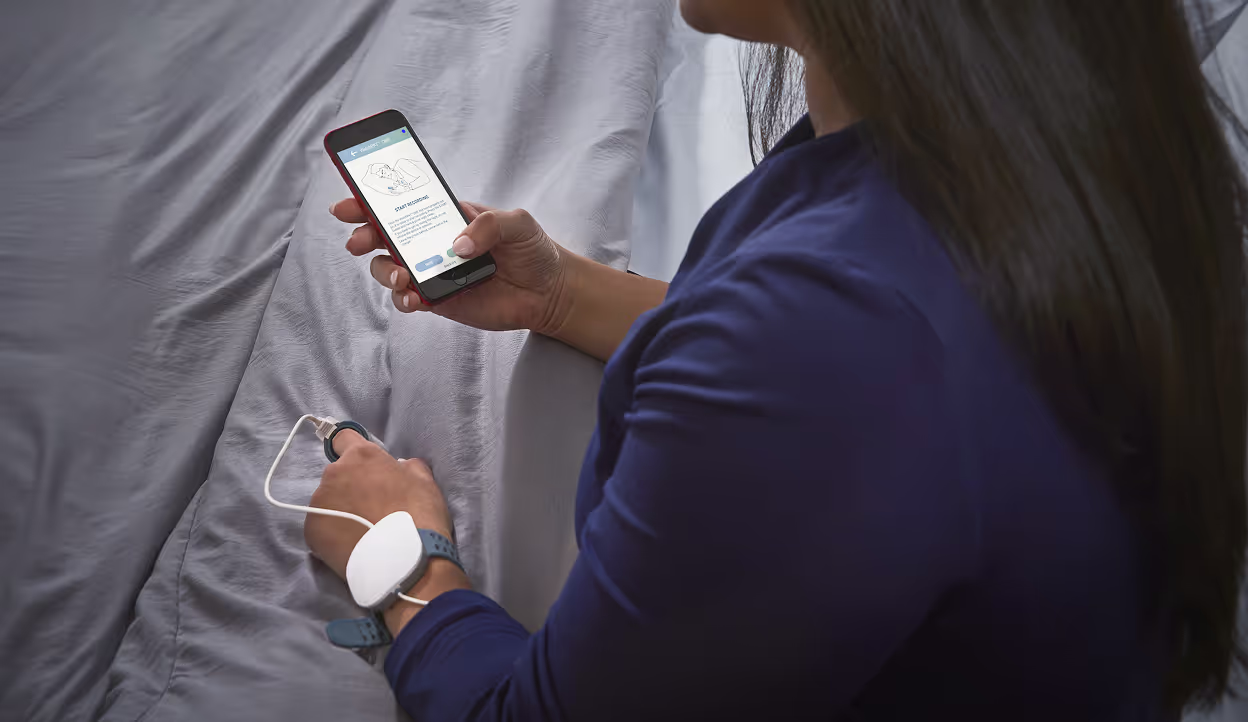
A home sleep apnea test in Texas is a portable diagnostic study that measures breathing patterns, oxygen levels, and heart rate while you sleep in your own bed. According to the American Academy of Sleep Medicine, home sleep apnea testing is a validated method for diagnosing obstructive sleep apnea in adults with a moderate to high pretest probability. This guide is written for Texas residents who suspect they have sleep apnea, have been referred for testing by a physician, or are exploring self-pay and telehealth options for sleep disorder testing. You will learn how home sleep testing works, what equipment is involved, how results are interpreted, how the process compares to in-lab studies, and what treatment options follow a positive diagnosis. Whether you live in the Houston area, Austin, East Texas, or anywhere else in the state, this page covers every step from consultation to CPAP therapy.
Quick Answer
A home sleep apnea test in Texas is a portable overnight monitoring study you complete at home using a small device that tracks airflow, oxygen saturation, heart rate, and respiratory patterns. A physician or sleep medicine specialist reviews the sleep data to diagnose obstructive sleep apnea. Most patients receive results within days. Home sleep testing is widely available across Texas through sleep centers, telehealth providers, and direct-to-patient services. dumbo.health offers a home sleep test for $149 with no insurance required, making it one of the most accessible options for Texas residents.
Key Takeaways
- A home sleep apnea test measures airflow, oxygen levels, heart rate, and breathing effort using a portable device worn for one night.
- Home sleep testing is specifically validated for diagnosing obstructive sleep apnea in adults, not for all sleep disorders.
- Texas patients can access home sleep apnea testing through local sleep centers, hospital systems, telehealth providers, and cash-pay services.
- dumbo.health provides a home sleep test for $149 with no insurance, no prior authorization, and no surprise bills.
- The American Academy of Sleep Medicine recommends home sleep apnea testing for patients with a high pretest probability of moderate to severe obstructive sleep apnea without significant comorbidities.
- After diagnosis, treatment options include CPAP therapy, lifestyle changes, positional therapy, and in some cases surgical interventions such as Inspire therapy.
What Is a Home Sleep Apnea Test and How Does It Work?
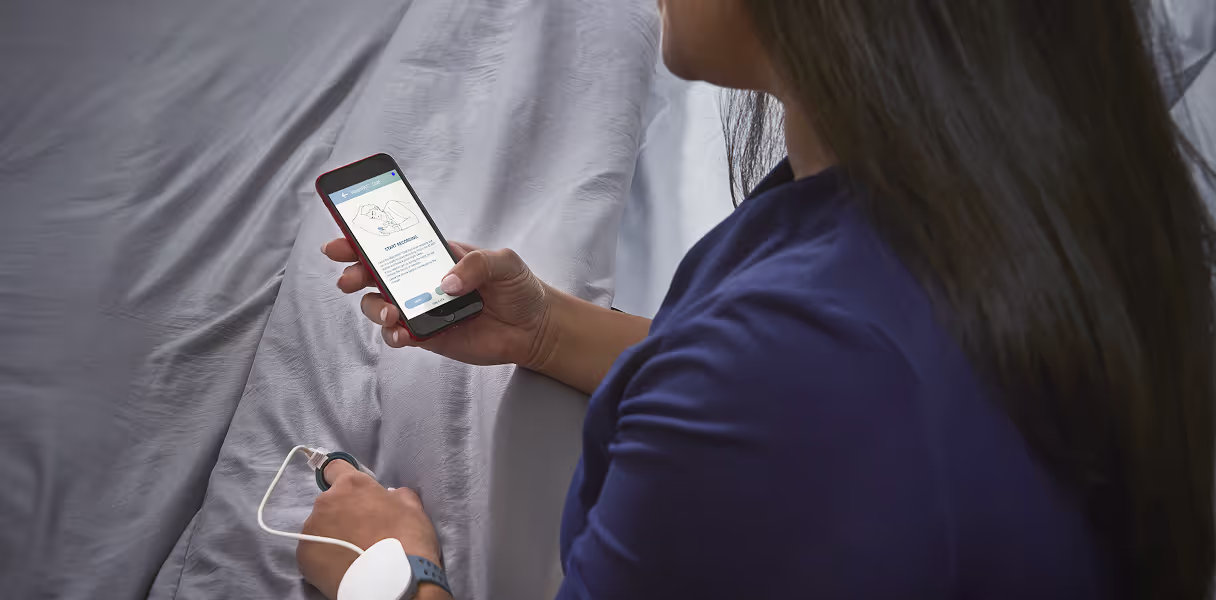
A home sleep apnea test is a portable overnight monitoring study that records key cardiopulmonary functions while you sleep in your own bed. The test is designed to detect obstructive sleep apnea by measuring breathing disruptions, drops in oxygen saturation, and changes in heart rate during sleep.
Home sleep apnea testing is the most common method for diagnosing obstructive sleep apnea, which is the most prevalent type of sleep disordered breathing. The National Heart, Lung, and Blood Institute estimates that obstructive sleep apnea affects roughly 25 to 30 percent of adult men and 9 to 17 percent of adult women in the United States, though many cases remain undiagnosed.
Unlike a full polysomnography performed in a sleep disorders center, a home sleep study uses fewer sensors and does not require a technologist to monitor you overnight. The portable device typically records four to seven channels of data, including nasal airflow, respiratory effort, oxygen saturation, and heart rate. Some devices also capture body position and snoring intensity.
What the Device Measures
The testing device worn during a home sleep study collects several streams of sleep data simultaneously:
- Airflow through a nasal cannula sensor that detects breathing patterns and pauses
- Oxygen levels via a pulse oximeter clipped to your finger, which tracks oxygen saturation throughout the night
- Respiratory effort through a belt or sensor worn around the chest or abdomen that monitors chest movement
- Heart rate recorded continuously by the pulse oximeter or a separate sensor
- Snoring intensity detected by a microphone or vibration sensor built into the device
Some advanced home sleep study kits, such as SleepView sleep study equipment, also record body position to identify whether apnea events occur more frequently when sleeping on your back. This data collection happens passively while you sleep, requiring no interaction after the initial home setup.
How Results Are Generated
After you complete one night of testing, the sleep data is either uploaded automatically through home Wi-Fi or physically returned to the provider. A board certified sleep medicine specialist or physician then performs a sleep data analysis, scoring the recording for apnea and hypopnea events. The primary metric is the Apnea-Hypopnea Index (AHI), which counts the average number of breathing disruptions per hour of sleep.
An AHI of 5 to 14 indicates mild obstructive sleep apnea. An AHI of 15 to 29 indicates moderate obstructive sleep apnea. An AHI of 30 or higher indicates severe obstructive sleep apnea. These thresholds are used by sleep specialists across Texas and nationally to determine diagnosis and guide treatment decisions.
KEY TAKEAWAY: A home sleep apnea test records airflow, oxygen saturation, heart rate, and breathing effort overnight using a portable device, and a physician uses the resulting sleep data to diagnose obstructive sleep apnea based on standardized severity thresholds.
Understanding what this test measures helps clarify who should take it and who may need a different type of sleep study.
Who Should Get a Home Sleep Test in Texas?
Home sleep testing is appropriate for adults who have signs and symptoms consistent with moderate to high risk for obstructive sleep apnea. Not every patient with sleep complaints is a candidate for a home test, and knowing the eligibility criteria matters before ordering one.
The American Academy of Sleep Medicine recommends home sleep apnea testing for adults who have a high pretest probability of obstructive sleep apnea and who do not have significant comorbid medical conditions or suspected coexisting sleep disorders. This means the test works best for patients whose primary concern is obstructive sleep apnea rather than conditions like narcolepsy, Restless Legs Syndrome, insomnia, or other neurological functions affecting sleep.
Common Symptoms That Prompt Testing
If you experience several of the following symptoms, a physician or sleep medicine physician may recommend a home sleep apnea test:
- Loud, chronic snoring that disrupts your sleep partner
- Witnessed pauses in breathing during sleep
- Waking up gasping for breath or choking during the night
- Excessive daytime fatigue or chronic fatigue that does not improve with more sleep
- Morning headaches that resolve within a few hours of waking
- Difficulty concentrating or memory problems
- Unrefreshing sleep despite spending enough hours in bed
These symptoms, combined with risk factors such as a BMI of 30 or higher, a neck circumference greater than 17 inches for men or 16 inches for women, and age over 40, increase the likelihood that obstructive sleep apnea is the underlying cause.
Who May Not Be a Candidate
Home sleep testing is not appropriate for every patient. The American Academy of Sleep Medicine advises that patients with the following conditions may need in-lab polysomnography instead:
- Suspected central sleep apnea or other sleep-related breathing disorders beyond obstructive sleep apnea
- Significant cardiopulmonary disease such as congestive heart failure or pulmonary hypertension
- Suspected coexisting sleep disorders such as narcolepsy, Restless Legs Syndrome, or parasomnias
- Neuromuscular conditions that affect respiratory function
- Chronic opioid use that may alter breathing patterns during sleep
A physician consultation is essential before deciding which type of sleep study is right for you. dumbo.health offers a free sleep assessment that helps determine whether a home sleep test is appropriate based on your symptoms and risk profile.
KEY TAKEAWAY: Home sleep apnea testing is best suited for adults at moderate to high risk for obstructive sleep apnea who do not have complex comorbidities or suspected coexisting sleep disorders.
Once you confirm eligibility, the next question is how to actually obtain and complete the test.
How to Complete a Home Sleep Apnea Test in Texas: Step by Step
Completing a home sleep apnea test involves a straightforward process from consultation through results, and most Texas patients can finish the entire sequence within one to two weeks.
Step-by-Step Process
1. Start with a consultation by speaking with your primary care physician, a sleep specialist, or completing an online assessment through a telehealth provider. dumbo.health offers a free sleep assessment to evaluate your risk and determine next steps.
2. Order your home sleep test after a physician reviews your symptoms and determines home testing is appropriate. Through dumbo.health, you can order your home sleep test for $149 with no insurance or prior authorization required.
3. Receive the portable testing device either by mail or from a local sleep center or clinic in your area. The device arrives with clear instructions for home setup, including how to attach the nasal cannula, pulse oximeter, and chest belt or sensor.
4. Wear the device for one full night of sleep. Follow your normal sleep routine, but avoid caffeine and alcohol for at least four hours before bedtime. Attach all sensors as instructed before turning off the lights.
5. Return the device or upload the data. Depending on the provider, you may ship the device back, return it to a clinic, or the device may automatically transmit sleep data through home Wi-Fi.
6. A board certified sleep medicine specialist or physician performs the sleep analysis, scoring the data for apnea and hypopnea events and generating an AHI score.
7. Receive your results, typically within 3 to 7 business days. dumbo.health Premium Plan members receive priority results turnaround as part of their $89 per month plan.
After completing these steps, your physician will discuss the diagnosis and recommend a treatment plan based on the severity of your results.
DID YOU KNOW: According to the Sleep Foundation, home sleep tests correctly identify obstructive sleep apnea in approximately 80 to 90 percent of cases when used in appropriately selected patients, though they may underestimate severity compared to in-lab polysomnography.
KEY TAKEAWAY: The home sleep test process in Texas typically takes one to two weeks from initial consultation to results, and cash-pay options like dumbo.health eliminate insurance delays entirely.
Before choosing a home test, it helps to understand how it compares to the alternative: an in-lab sleep study.
Home Sleep Test vs. In-Lab Polysomnography: Which Is Right for You?
The key difference between a home sleep test and in-lab polysomnography is the scope of data collected and the setting where the study takes place. Home tests focus on respiratory and cardiac channels. In-lab studies add brain waves, leg movements, and full sleep cycle analysis under direct technologist supervision.
Both are valid diagnostic tools, but they serve different clinical purposes. A home sleep apnea test is designed specifically for sleep disorder testing focused on obstructive sleep apnea. Polysomnography is a comprehensive study that evaluates neurological functions, sleep architecture, and a broader range of sleep-related breathing disorders.
Here is how the two compare across key decision factors:
Setting
- Home Sleep Apnea Test: Your own bed at home, in familiar comfort
- In-Lab Polysomnography: A sleep disorders center or hospital sleep lab
Channels Monitored
- Home Sleep Apnea Test: 4 to 7 channels including airflow, oxygen saturation, heart rate, and respiratory effort
- In-Lab Polysomnography: 12 or more channels including brain waves, eye movements, leg movements, muscle activity, and full cardiopulmonary functions
Cost
- Home Sleep Apnea Test: Typically $149 to $500 for self-pay; dumbo.health offers it for $149
- In-Lab Polysomnography: Often $1,000 to $3,000 or more, depending on location and insurance coverage
Convenience
- Home Sleep Apnea Test: High; no travel, no overnight facility stay, and testing fits your normal sleep routine
- In-Lab Polysomnography: Lower; requires scheduling an appointment at a sleep center, traveling to the facility, and sleeping in an unfamiliar environment
Turnaround Time for Results
- Home Sleep Apnea Test: Typically 3 to 7 business days
- In-Lab Polysomnography: Typically 1 to 3 weeks depending on the sleep center
Best For
- Home Sleep Apnea Test: Adults with suspected moderate to severe obstructive sleep apnea and no significant comorbidities
- In-Lab Polysomnography: Patients with suspected central sleep apnea, coexisting sleep disorders, complex medical conditions, or inconclusive home test results
For most Texas patients whose primary concern is obstructive sleep apnea, a home sleep test provides sufficient diagnostic accuracy at a fraction of the cost. If your home test results are inconclusive or your physician suspects a condition beyond obstructive sleep apnea, an in-lab study may be the recommended next step.
KEY TAKEAWAY: Home sleep apnea testing is the most practical and cost-effective option for most Texas adults with suspected obstructive sleep apnea, while in-lab polysomnography is reserved for complex cases or inconclusive home test results.
Cost is one of the biggest factors driving the choice between these two options, so understanding the full cost picture in Texas matters.
How Much Does a Home Sleep Apnea Test Cost in Texas?
A home sleep apnea test in Texas typically costs between $149 and $500 for self-pay patients, depending on the provider. In-lab polysomnography costs range from $1,000 to $3,000 or more, making home testing the significantly more affordable option for most patients.
Insurance plans may cover home sleep testing when a physician orders the study, but coverage varies widely. Many patients face prior authorization requirements, copays, or limitations on which providers they can use. Insurance companies often require documentation of symptoms and a referral from a physician before approving a sleep study of any type.
Cash-Pay Options in Texas
For patients who want to avoid insurance hassles entirely, cash-pay home sleep testing offers transparent pricing with no prior authorizations, no surprise bills, and no waiting for insurance approval. dumbo.health provides one of the most straightforward cash-pay options available to Texas residents:
- Home sleep test device and one night of testing: $149 (one-time cost, purchased before the test night)
- No insurance required
- No prior authorization needed
- No surprise bills
After testing, dumbo.health monthly care plans cover physician interpretation, CPAP therapy, equipment, and ongoing follow-up care. The Essentials Plan starts at $59 per month with no contracts and cancel-anytime flexibility. The Premium Plan at $89 per month adds a dedicated sleep coach and priority results turnaround. The Elite Plan at $129 per month includes concierge clinical support and direct physician messaging.
These prices compare favorably to what many Texas patients pay through insurance when factoring in copays, deductibles, and the out-of-pocket cost of CPAP equipment purchased separately.
IMPORTANT: If you receive a home sleep test through an insurance-based provider and the test is inconclusive, your insurance company may require additional documentation or a second test before approving treatment. Cash-pay pathways through services like dumbo.health eliminate this administrative friction.
KEY TAKEAWAY: Home sleep testing in Texas ranges from $149 to $500 for self-pay, and dumbo.health offers the test for $149 with transparent pricing that covers the device and one night of testing with no hidden costs.
Knowing the cost helps with planning, but the real value of testing lies in what happens after you receive your results.
Understanding Your Home Sleep Test Results
Home sleep test results tell you whether you have obstructive sleep apnea and how severe it is, based primarily on the Apnea-Hypopnea Index scored by a physician or sleep medicine specialist.
After a board certified sleep medicine specialist completes the sleep data analysis, you receive a report that includes your AHI score, average and lowest oxygen saturation readings, total recording time, and a summary of respiratory patterns observed during the night. The AHI is the single most important number in your results.
How AHI Scores Map to Severity
- AHI below 5: No clinically significant obstructive sleep apnea
- AHI 5 to 14: Mild obstructive sleep apnea
- AHI 15 to 29: Moderate obstructive sleep apnea
- AHI 30 or above: Severe obstructive sleep apnea
Oxygen desaturation events are also critically important. According to the National Heart, Lung, and Blood Institute, repeated drops in oxygen saturation below 90 percent during sleep are associated with increased cardiovascular risk, including elevated blood pressure, stroke, and heart attack over time.
What Happens After a Positive Diagnosis
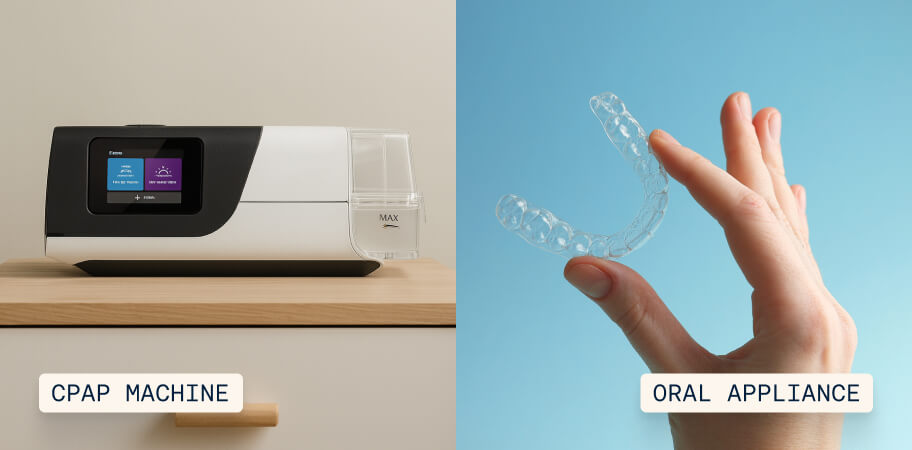
If your results indicate obstructive sleep apnea, your physician will recommend a treatment option based on severity. For moderate to severe cases, CPAP therapy is the first-line treatment recommended by the American Academy of Sleep Medicine. CPAP, which stands for continuous positive airway pressure, works by delivering a steady stream of air through a mask to keep your airway open during sleep.
dumbo.health care plans include CPAP therapy and equipment as part of monthly pricing. The Essentials Plan at $59 per month covers physician interpretation, CPAP therapy, equipment, standard follow-up care, and updates sent to your referring provider.
What Happens If Results Are Normal or Inconclusive
A normal result (AHI below 5) does not necessarily mean you are free of all sleep disorders. Home sleep tests are specifically designed to detect obstructive sleep apnea and may miss other conditions such as narcolepsy, Restless Legs Syndrome, insomnia, or central sleep apnea. If your symptoms persist despite a normal home test, your physician may recommend an in-lab polysomnography for more comprehensive evaluation.
Home sleep tests can also produce inconclusive results if the device was not worn correctly, if sensors became dislodged during the night, or if total recording time was insufficient. In these cases, a retest or an in-lab study may be necessary.
KEY TAKEAWAY: Your AHI score is the primary metric from a home sleep test, and scores of 5 or higher indicate some degree of obstructive sleep apnea, with treatment recommendations escalating based on severity and oxygen desaturation patterns.
Once you have a diagnosis, understanding your treatment options helps you make informed decisions about next steps.
Treatment Options After a Sleep Apnea Diagnosis in Texas
CPAP therapy is the most effective and widely recommended treatment for moderate to severe obstructive sleep apnea, and it remains the standard of care endorsed by the American Academy of Sleep Medicine.
After receiving a diagnosis, your physician will work with you to select the most appropriate treatment option based on your AHI score, symptoms, anatomy, and personal preferences. Texas patients have access to a full range of treatment pathways through local sleep centers, hospital systems, and telehealth providers.
CPAP Therapy
A CPAP machine delivers continuous positive airway pressure through a fitted mask worn during sleep. This steady airflow prevents the airway from collapsing, eliminating apnea events and restoring normal oxygen levels. According to the Mayo Clinic, consistent CPAP use reduces daytime fatigue, lowers blood pressure, and decreases the risk of cardiovascular events including stroke and heart attack.
Adherence is the biggest challenge with CPAP therapy. The Centers for Medicare and Medicaid Services define CPAP compliance as using the device for at least 4 hours per night on at least 70 percent of nights over a 30-day period. Many patients struggle to meet this threshold without structured support.
dumbo.health addresses this challenge directly. The Premium Plan at $89 per month includes a dedicated sleep coach from a licensed care team plus advanced adherence monitoring to help you build consistent CPAP habits. The CPAP therapy program through dumbo.health includes equipment, physician oversight, and follow-up care with no contracts.
Other Treatment Options
- Oral appliance therapy: a custom-fitted dental device that repositions the jaw to keep the airway open, typically used for mild to moderate obstructive sleep apnea
- Positional therapy: techniques and devices that encourage sleeping on your side rather than your back, useful for patients whose apnea is position-dependent
- Lifestyle modifications: weight loss, regular exercise, avoiding caffeine and alcohol before bed, and maintaining a consistent sleep routine can reduce apnea severity in some patients
- Inspire therapy: a surgically implanted device that stimulates the hypoglossal nerve to keep the airway open during sleep, FDA-approved for patients who cannot tolerate CPAP
- Surgical options: procedures such as uvulopalatopharyngoplasty or maxillomandibular advancement for patients with specific anatomical causes of airway obstruction
Your treatment program should be tailored to your specific diagnosis, anatomy, and daily life. Board certified sleep medicine specialists in Texas can help you evaluate which combination of treatments will be most effective.
KEY TAKEAWAY: CPAP therapy is the gold-standard treatment for moderate to severe obstructive sleep apnea, and structured care programs like those offered through dumbo.health improve adherence by including coaching, monitoring, and equipment in a single monthly plan.
Understanding treatment is important, but so is understanding when a home test might not be the right starting point.
Limitations and Risks of Home Sleep Apnea Testing
Home sleep apnea testing is a reliable tool for many patients, but it has specific limitations that can affect diagnostic accuracy and clinical decision-making. Knowing these limitations helps you and your physician determine whether a home test or an in-lab study is the better choice.
Limitation 1: Home Tests Do Not Detect All Sleep Disorders
Home sleep tests are designed to detect obstructive sleep apnea only. They do not measure brain waves, leg movements, or full sleep cycle architecture. This means conditions such as narcolepsy, Restless Legs Syndrome, periodic limb movement disorder, and central sleep apnea cannot be diagnosed with a home test. If your symptoms include more than snoring and breathing pauses, such as sudden muscle weakness, vivid hallucinations at sleep onset, or restless leg sensations, a physician may recommend in-lab polysomnography instead.
Limitation 2: Potential for Underestimation of Severity
Home sleep tests calculate AHI using total recording time rather than total sleep time. Because the device cannot determine when you are actually asleep versus lying awake, the AHI may be diluted if you spent significant time awake during the test night. According to the American Academy of Sleep Medicine, this can result in an underestimation of true apnea severity, particularly in patients with mild obstructive sleep apnea.
Limitation 3: User Error During Home Setup
The accuracy of a home sleep test depends on correct sensor placement and uninterrupted data collection throughout the night. If the nasal cannula shifts, the pulse oximeter falls off your finger, or the chest belt loosens, the data may be incomplete or unusable. In-lab studies avoid this problem because a sleep technologist monitors equipment and sensor placement throughout the night.
Limitation 4: Not Appropriate for Complex Medical Conditions
Patients with significant heart failure, pulmonary hypertension, chronic respiratory conditions, or neuromuscular diseases may not be suitable candidates for home testing. These conditions can produce complex respiratory patterns that a portable device with limited channels may not adequately capture.
How dumbo.health Mitigates These Limitations
dumbo.health provides physician oversight for every home sleep test. A board certified sleep medicine specialist reviews all sleep data, and if results are inconclusive or suggest a condition beyond obstructive sleep apnea, the care team can recommend appropriate next steps, including referral for in-lab polysomnography. The Premium and Elite plans include dedicated clinical support to help patients navigate these situations. You can explore dumbo.health sleep apnea care solutions for more information on how the care pathway works.
KEY TAKEAWAY: Home sleep tests are highly effective for diagnosing obstructive sleep apnea but cannot detect all sleep disorders, may underestimate severity in some cases, and depend on correct sensor placement by the patient.
Real-world scenarios help illustrate when home testing works well and when a different approach may be needed.
Real-World Scenarios: Home Sleep Testing in Texas
Concrete examples show how home sleep apnea testing fits into the lives of different Texas patients and how the process works in practice.
Scenario 1: A 48-Year-Old Commercial Truck Driver in the Houston Area
A 48-year-old CDL holder living in the Houston area is referred for sleep apnea testing during a DOT physical after reporting chronic fatigue and loud snoring. His BMI is 34, and his physician notes a neck circumference of 18 inches. He does not carry insurance that covers sleep studies and cannot afford to take time off for an in-lab appointment. He orders a home sleep test through dumbo.health for $149, completes the test at home on a weekend night, and receives results within five business days showing an AHI of 22, indicating moderate obstructive sleep apnea. He starts on the dumbo.health Essentials Plan at $59 per month, which includes a CPAP machine and physician follow-up, allowing him to maintain his CDL certification without insurance delays.
Scenario 2: A 55-Year-Old Retired Teacher in Austin
A 55-year-old woman in South Austin has been waking up gasping for breath two to three times per week and experiencing morning headaches. Her primary care physician suspects obstructive sleep apnea but also notes symptoms of Restless Legs Syndrome. Because of the suspected coexisting sleep disorder, her physician recommends starting with a home sleep test to evaluate for obstructive sleep apnea and planning for a follow-up in-lab polysomnography if the home test does not fully explain her symptoms. Her home test reveals an AHI of 11 (mild obstructive sleep apnea), and her physician decides to pursue an in-lab study to further evaluate the leg movement complaints and rule out periodic limb movement disorder.
Scenario 3: A 38-Year-Old Remote Worker in East Texas
A 38-year-old man working from home in East Texas has been dealing with persistent fatigue, difficulty concentrating, and heavy snoring reported by his spouse. He has no significant medical history and a BMI of 28. His nearest sleep disorders center is over an hour away. He completes the free sleep assessment at dumbo.health, which identifies him as a candidate for home sleep testing. He receives the portable device by mail, completes the test, and his results show an AHI of 7, indicating mild obstructive sleep apnea. His physician recommends positional therapy and lifestyle modifications as a first-line treatment option, with a plan to reassess in six months.
These scenarios illustrate that home sleep testing serves a wide range of Texas patients across different geographies, insurance situations, and clinical profiles.
KEY TAKEAWAY: Home sleep apnea testing is practical for Texas patients in urban and rural areas alike, and cash-pay options make it accessible even for patients without insurance or with limited access to sleep centers near them.
With a clear picture of how the process works in practice, it helps to separate fact from common misconceptions about home sleep testing.
Common Myths About Home Sleep Apnea Tests Debunked
MYTH: Home sleep tests are less accurate than in-lab sleep studies and should not be trusted for a real diagnosis.
FACT: Home sleep apnea tests have been validated by the American Academy of Sleep Medicine for diagnosing obstructive sleep apnea in appropriately selected patients. Studies published in the Journal of Clinical Sleep Medicine have shown that home testing identifies moderate to severe obstructive sleep apnea with sensitivity rates of approximately 80 to 90 percent. While home tests use fewer channels than polysomnography, they provide sufficient data for accurate obstructive sleep apnea diagnosis in patients without complex comorbidities.
MYTH: You need a referral from a sleep specialist to get a home sleep test in Texas.
FACT: While sleep specialists can order home sleep tests, many Texas patients obtain them through primary care physicians, telehealth consultations, or direct-to-patient services. dumbo.health allows patients to start with a free online assessment and order a home sleep test for $149 without needing a specialist referral first. A physician reviews all results regardless of how the test is ordered.
MYTH: If your home sleep test is normal, you definitely do not have a sleep disorder.
FACT: A normal home sleep test result means the test did not detect obstructive sleep apnea at clinically significant levels during the night it was performed. It does not rule out other sleep disorders such as narcolepsy, insomnia, Restless Legs Syndrome, or central sleep apnea. The National Sleep Foundation notes that persistent sleep symptoms warrant further evaluation even after a normal home test, as some conditions require in-lab polysomnography or other specialized testing to diagnose.
MYTH: CPAP is the only treatment option if you are diagnosed with sleep apnea.
FACT: CPAP therapy is the first-line treatment for moderate to severe obstructive sleep apnea, but it is not the only option. Mild cases may respond to positional therapy, oral appliance therapy, weight management, or lifestyle changes. For patients who cannot tolerate CPAP, Inspire therapy is an FDA-approved surgical alternative. Your treatment program should be individualized based on your severity, anatomy, and preferences.
MYTH: Home sleep tests are too complicated to set up correctly without a technologist.
FACT: Modern home sleep test devices are designed for patient self-application with clear illustrated instructions. Most devices involve attaching a nasal cannula, a finger pulse oximeter, and a chest or abdominal belt. The home setup typically takes under 10 minutes. Providers like dumbo.health include detailed guidance with every test kit, and care team members are available to answer questions before your test night.
KEY TAKEAWAY: Home sleep apnea tests are clinically validated, accessible without a specialist referral in many cases, and straightforward to use at home, though they are specifically designed for obstructive sleep apnea and do not replace comprehensive in-lab evaluation for complex sleep disorders.
Before scheduling a test, running through a preparation checklist ensures you get the most accurate results possible.
How to Prepare for Your Home Sleep Test
Proper preparation increases the accuracy of your home sleep apnea test and reduces the chance of needing a retest due to insufficient data collection.
Pre-Test Checklist
- Confirm your physician has ordered or approved the home sleep test
- Complete any required consent forms, such as a Home Sleep Test Consent Form, and review privacy policies for data handling
- Verify your payment or order confirmation (dumbo.health charges $149 as a one-time cost before the test night with no additional fees)
- Avoid caffeine for at least 4 to 6 hours before bedtime on the test night
- Avoid alcohol on the test night, as it can alter breathing patterns and affect results
- Remove nail polish from the finger where the pulse oximeter will be placed, as polish can interfere with oxygen saturation readings
- Read all device instructions thoroughly before bedtime and practice attaching each sensor
- Charge the device if it is a reusable device, or confirm battery status if it is a disposable device
- Ensure your sleeping environment is comfortable and similar to your normal sleep routine
- Set aside at least 6 hours for sleep to ensure adequate recording time
- Complete the free sleep assessment at dumbo.health if you have not already done so to confirm your eligibility
Following this checklist helps ensure your overnight monitoring session produces usable, high-quality sleep data that your physician can score accurately.
IMPORTANT: If you take prescription medications that affect sleep or breathing, inform your ordering physician before completing the test. Do not stop any medications without medical guidance.
KEY TAKEAWAY: Preparing for a home sleep test involves avoiding caffeine and alcohol, ensuring proper sensor fit, and allowing at least 6 hours of recording time to generate accurate results.
Finding the right provider in Texas is the final step before getting tested.
Where to Get a Home Sleep Apnea Test in Texas
Texas patients can access home sleep apnea testing through multiple channels, including local sleep centers, hospital-affiliated sleep disorders centers, primary care clinics, and telehealth or direct-to-patient services.
Texas Sleep Centers and Hospital Systems
Major hospital systems across Texas offer sleep disorder testing through dedicated sleep centers. In the Houston area, facilities affiliated with Memorial Hermann and UTHealth Houston Neurosciences provide both in-lab polysomnography and home sleep testing programs. In Austin, options include sleep specialists affiliated with ARC Ear, Nose, and Throat and other multi-specialty practices across South Austin and North Austin. East Texas patients may have access to regional sleep disorders centers, though availability varies by location.
Some clinics, such as Apnix Sleep Diagnostics, specialize in home sleep apnea testing and work with referring physicians across the state. Providers like Dr. Mohan Philip and other board certified sleep medicine specialists practice across various Texas cities, offering both consultation and testing services.
Telehealth and Direct-to-Patient Services
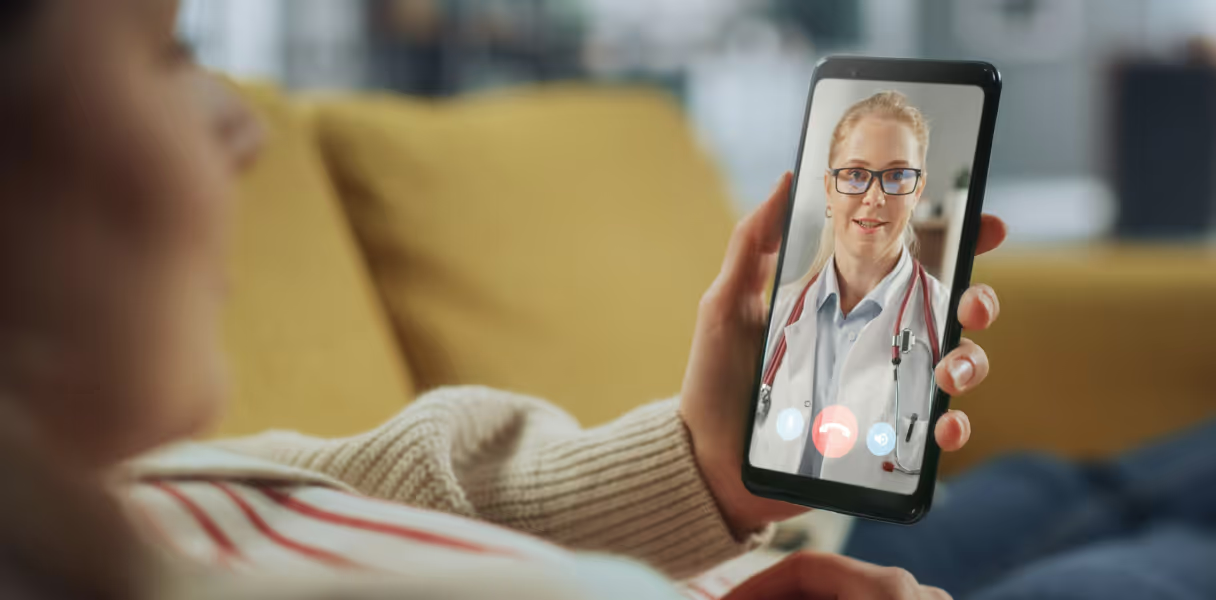
For Texas residents who live far from a sleep center or prefer the convenience of managing everything from home, telehealth-based sleep testing providers eliminate the need for in-person appointments. dumbo.health is a direct-to-patient option that ships a portable testing device to your home anywhere in Texas. The entire process from order through results and treatment can be completed remotely, making it particularly valuable for patients in rural areas or those who cannot take time off work.
Texas Direct Primary Care practices may also coordinate home sleep testing as part of their patient services, depending on the practice.
Insurance-Based vs. Cash-Pay Pathways
If you have insurance, contact your plan to verify whether home sleep apnea testing is a covered benefit and which providers are in network. Be prepared for potential prior authorization requirements and processing delays.
If you prefer transparent pricing without insurance involvement, dumbo.health offers the home sleep test for $149 with no insurance required and no prior authorization. Monthly treatment plans start at $59 per month with no contracts and cancel-anytime terms. This approach eliminates the administrative burden that many Texas patients face when navigating insurance companies for sleep disorder testing.
Home sleep apnea testing is a portable, validated diagnostic tool for obstructive sleep apnea. Texas patients can access home sleep apnea testing through sleep centers, hospital systems, telehealth providers, and cash-pay services like dumbo.health. The test records airflow, oxygen saturation, heart rate, and respiratory effort during one night of sleep, and a physician reviews the data to determine diagnosis and treatment.
KEY TAKEAWAY: Texas patients have multiple pathways to home sleep testing, from major hospital sleep centers to telehealth services, and cash-pay options through dumbo.health provide the fastest, most transparent route for patients who want to avoid insurance complexity.
Conclusion
A home sleep apnea test gives Texas residents a practical, validated path to diagnosing obstructive sleep apnea without the cost, inconvenience, or scheduling challenges of an in-lab sleep study. Whether you live in Austin, the Houston area, East Texas, or a rural community far from the nearest sleep center, home testing brings the diagnostic process to your bedside. The test is straightforward, the results are physician-reviewed, and treatment can begin quickly once a diagnosis is confirmed.
If you are experiencing symptoms like chronic snoring, waking up gasping for breath, or persistent daytime fatigue, taking action now protects both your health and your quality of life. dumbo.health offers a home sleep test for $149 with no insurance required, no prior authorization, and no surprise bills. Monthly care plans start at $59 per month with no contracts and cancel-anytime flexibility, covering physician interpretation, CPAP therapy, and ongoing support.
Frequently Asked Questions About Home Sleep Apnea Test Texas
What is a home sleep apnea test?
A home sleep apnea test (HSAT) is a portable, at-home diagnostic tool used to detect signs of obstructive sleep apnea while you sleep in your own bed. The device typically monitors oxygen saturation, heart rate, breathing effort, airflow, snoring, chest motion, body position, and movement. A sleep medicine physician reviews the collected data and produces an interpretation report. Home sleep testing is widely used across Texas as a convenient alternative to overnight in-lab polysomnography for patients with suspected obstructive sleep apnea.
Who qualifies for a home sleep apnea test?
Home sleep apnea testing is generally appropriate for adults who have symptoms suggesting moderate to severe obstructive sleep apnea, such as loud snoring, witnessed breathing pauses, or excessive daytime fatigue. The American Academy of Sleep Medicine explains that home sleep testing is best suited for patients without significant comorbidities such as severe heart failure, pulmonary hypertension, or neurological conditions affecting breathing. Patients with complex sleep disorders, suspected narcolepsy, restless legs syndrome, or insomnia as a primary concern may need an in-lab sleep study instead. A healthcare professional can help determine whether home testing is appropriate for your situation.
What are the warning signs of sleep apnea?
Common warning signs of obstructive sleep apnea include loud snoring, waking up gasping for breath, witnessed pauses in breathing during sleep, morning headaches, excessive daytime sleepiness, difficulty concentrating, and frequently waking through the night. High blood pressure that is difficult to control can also be associated with untreated sleep apnea. According to the National Institutes of Health, untreated sleep apnea is linked to increased risk of stroke, heart attack, and cardiovascular disease. If you recognise several of these symptoms, speaking with a healthcare professional about sleep disorder testing is a reasonable next step.
How does a home sleep apnea test work?
A home sleep apnea test uses a portable monitoring device you set up yourself before bed. Depending on the device, it may include a nasal cannula to measure airflow, a pulse oximeter to track oxygen saturation and heart rate, respiratory belts to monitor chest motion and breathing effort, a body position sensor, and an actigraphy sensor to detect movement. You sleep as normally as possible while the device records your sleep data overnight. The following day, you return or ship the device, and a sleep medicine physician analyses the results to identify signs of sleep-disordered breathing.
How do I prepare for a home sleep apnea test?
Preparation for a home sleep apnea test is straightforward. Avoid caffeine and alcohol on the test day, as both can affect your normal sleep patterns and breathing. Follow your usual sleep routine as closely as possible. Read the setup instructions carefully before bed, and make sure the device sensors are positioned correctly. If you take regular medications, speak with your ordering physician about whether any adjustments are needed for the test night. The goal is to capture data that reflects your typical sleep as accurately as possible.
Is a home sleep apnea test accurate compared to an in-lab sleep study?
Home sleep apnea tests are validated for detecting obstructive sleep apnea and are widely accepted by sleep medicine physicians. However, they measure fewer data channels than a full in-lab polysomnography, which also records brain waves, leg movements, and detailed neurological functions monitored by a sleep technologist. Because home tests do not capture total sleep time directly, they may slightly underestimate the severity of sleep apnea in some cases. The American Academy of Sleep Medicine considers home sleep testing a clinically appropriate option for diagnosing obstructive sleep apnea in suitable patients. For complex or unclear cases, an in-lab sleep study may be recommended.
When is an in-lab sleep study needed instead of a home sleep test?
An in-lab sleep study, or polysomnography, is recommended when a home sleep test produces unclear results, when a complex sleep disorder is suspected, or when the patient has conditions that affect breathing beyond simple obstructive sleep apnea. Conditions such as pulmonary hypertension, severe heart failure, narcolepsy, significant insomnia, restless legs syndrome, or neurological disorders may require full overnight monitoring in a supervised sleep centre. A sleep medicine physician will determine which test is most appropriate based on your symptoms, medical history, and risk factors.
What does a home sleep apnea test measure?
A home sleep apnea test typically measures several channels of physiological data during sleep. These commonly include oxygen saturation, heart rate, airflow through a nasal cannula, respiratory patterns and breathing effort through chest motion belts, snoring, body position, and movement through actigraphy. This data allows a physician to calculate the apnea-hypopnea index, assess oxygen desaturation events, and identify patterns consistent with sleep-disordered breathing. While home tests do not record brain waves or leg movements as an in-lab study does, they provide clinically meaningful data for diagnosing obstructive sleep apnea.
Is a home sleep apnea test uncomfortable or painful?
A home sleep apnea test is generally not painful. The sensors used, which typically include a nasal cannula, a pulse oximeter on the finger, and soft respiratory belts around the chest, are non-invasive and designed for overnight comfort. Some people find the equipment mildly unfamiliar at first. Most patients are able to fall asleep while wearing the device. If you wake up during the night and a sensor has shifted, you can reposition it and continue the test. The experience is considerably less disruptive than sleeping in an unfamiliar lab environment.
What if I wake up during the night while taking the home sleep test?
Waking up during the night does not invalidate your home sleep apnea test. The device continues to collect data whenever you are wearing it. If a sensor has become dislodged, simply reposition it and attempt to return to sleep. Most devices are designed to record data continuously throughout the night. If you feel the recording was significantly disrupted, contact your sleep medicine provider to discuss whether a repeat test night may be needed. A physician reviewing your results will account for any obvious data gaps during their analysis.
How long does it take to get results from a home sleep apnea test?
Result timelines vary depending on the provider and care pathway chosen. In many cases, a physician interpretation and report are available within a few business days of the device data being received and analysed. Some services offer priority turnaround. Dumbo.health offers at-home sleep testing with physician interpretation included, and the Premium plan includes priority results turnaround for patients who need faster access to their results.
What happens after a home sleep apnea test shows abnormal results?
If your home sleep apnea test shows abnormal results consistent with obstructive sleep apnea, your sleep medicine physician will review the findings with you and discuss appropriate next steps. Treatment options may include CPAP therapy, which is the most common first-line treatment for obstructive sleep apnea, or other interventions depending on the severity and circumstances. A healthcare professional will guide you through what the results mean and what treatment options may be appropriate for your situation. Abnormal results do not automatically mean a specific treatment is required without clinical review. You can explore sleep apnea care solutions to understand what ongoing care may involve.
What is CPAP therapy and when is it used?
CPAP, or continuous positive airway pressure, is the most widely used treatment for moderate to severe obstructive sleep apnea. A CPAP machine delivers a steady stream of pressurised air through a mask worn during sleep, keeping the airway open and preventing breathing interruptions. According to the Mayo Clinic, consistent CPAP use can reduce daytime sleepiness, lower blood pressure in some patients, and reduce cardiovascular risk associated with untreated sleep apnea. CPAP therapy typically requires ongoing adherence monitoring to ensure the treatment is effective. A sleep medicine physician determines whether CPAP is the right treatment option based on test results and clinical assessment.
What happens if my home sleep test results are unclear?
If the data collected during a home sleep apnea test is insufficient or inconclusive, your physician may recommend repeating the test or referring you for an in-lab sleep study. Data can be unclear if sensors were displaced overnight, if the recording was too short, or if findings suggest a more complex sleep disorder that requires the additional monitoring channels only available in a supervised sleep centre. Your care team will explain the next steps based on your specific situation.
Is a home sleep apnea test covered by insurance?
Coverage for home sleep apnea testing varies depending on your insurance plan. Many insurance plans cover home sleep testing when it is ordered by a physician and meets their clinical criteria. However, coverage often involves prior authorisation, deductibles, and copays that can make the total cost unpredictable. For patients who prefer certainty, dumbo.health offers a $149 at-home sleep test with transparent cash-pay pricing and no insurance required, no prior authorisations, and no surprise bills. Learn more at dumbo.health's at-home sleep test page.
How much does a home sleep apnea test cost in Texas?
The cost of a home sleep apnea test in Texas depends on the provider and whether you are using insurance. With insurance, costs vary based on your plan's deductibles and copay structure. Without insurance, at-home testing can range considerably. dumbo.health offers a $149 one-time home sleep test with no insurance required, no prior authorisations, and no surprise bills. Monthly ongoing care plans start at $59 per month and include physician interpretation and reporting, CPAP therapy and equipment, and follow-up care. Transparent cash-pay pricing means you know exactly what you will pay before you start.
How many appointments are needed to complete a home sleep apnea test?
Home sleep testing typically requires fewer touchpoints than an in-lab study. The general process involves an initial consultation or sleep assessment to confirm eligibility, receiving or picking up the testing device, completing one test night at home, and then a follow-up appointment or report to review results. Some providers complete the process in as few as two to three steps. With dumbo.health, you can start with a free sleep assessment online and receive your device by mail, reducing the number of in-person visits required.
Do commercial drivers in Texas need a home sleep apnea test?
Commercial drivers in Texas, including CDL holders, may be referred for sleep apnea testing by a certified medical examiner during their DOT physical if they show risk factors such as high BMI, reported fatigue, snoring, or high blood pressure. Untreated sleep apnea can affect a driver's ability to obtain or maintain a DOT medical certificate. An at-home sleep apnea test can be a convenient option for drivers who need evaluation. It is important to understand that a certified medical examiner makes DOT certification decisions, not the testing provider. Learn more about DOT sleep apnea testing for drivers and what the process involves.
How does sleep apnea affect cardiovascular health?
Obstructive sleep apnea causes repeated interruptions to breathing during sleep, which lowers oxygen saturation and stresses the cardiovascular system. According to the National Heart, Lung, and Blood Institute, untreated sleep apnea is associated with increased risk of high blood pressure, heart attack, stroke, and heart failure. These risks arise because repeated drops in oxygen levels and disrupted sleep trigger the autonomic nervous system and place strain on the heart over time. Treating sleep apnea with CPAP therapy may help reduce some of these cardiovascular risks, though outcomes vary by individual and should be reviewed with a healthcare professional.
Can I get a home sleep apnea test without seeing a doctor in person?
In many cases, yes. Telehealth and digital health platforms allow patients to complete a sleep assessment online, receive physician review, and have a home sleep test device sent directly to them without an in-person clinic visit. dumbo.health supports this workflow with online sleep assessments, at-home device delivery, and physician interpretation included in monthly care plans. However, a licensed physician must review your clinical information to determine whether at-home testing is appropriate and to interpret your results. A healthcare professional remains an essential part of the process even when testing happens at home.
What should I do if I suspect I have sleep apnea but have not been tested?
If you suspect you have sleep apnea, the first step is to speak with a healthcare professional or complete a validated sleep screening to assess your risk. Common risk factors include loud snoring, waking up gasping for breath, excessive daytime fatigue, high blood pressure, and high BMI. A physician can determine whether an at-home sleep apnea test or an in-lab study is appropriate for your situation. If symptoms are severe, including significant breathing difficulties, chest pain, or other urgent health concerns, seek medical care promptly. For those ready to explore testing, taking the free dumbo.health sleep assessment is a practical starting point.
Is a home sleep apnea test suitable for patients who have already tried CPAP?
If you have previously used CPAP therapy and are returning to sleep evaluation, whether because treatment did not seem effective, because symptoms have changed, or because you need updated documentation, a home sleep apnea test may still be a relevant option depending on your clinical circumstances. A sleep medicine physician can review your prior history, current symptoms, and any available CPAP adherence data to determine the most appropriate next step. Ongoing CPAP care, including adherence monitoring and physician follow-up, is an important part of long-term sleep apnea management. You can learn about CPAP treatment and ongoing care to understand what continued support may involve.
Where can I get a home sleep apnea test in Texas?
Home sleep apnea testing is available across Texas through sleep medicine clinics, hospital-affiliated sleep centres, and digital health platforms that mail devices directly to patients. Major metro areas including Austin, Houston, and East Texas have sleep medicine providers offering home testing. For patients who want a convenient, cash-pay option without insurance requirements or prior authorisations, dumbo.health provides at-home sleep testing with physician interpretation and transparent pricing available to patients throughout Texas. A certified medical examiner or sleep specialist in your area can also guide you toward appropriate testing options if you prefer in-person evaluation.